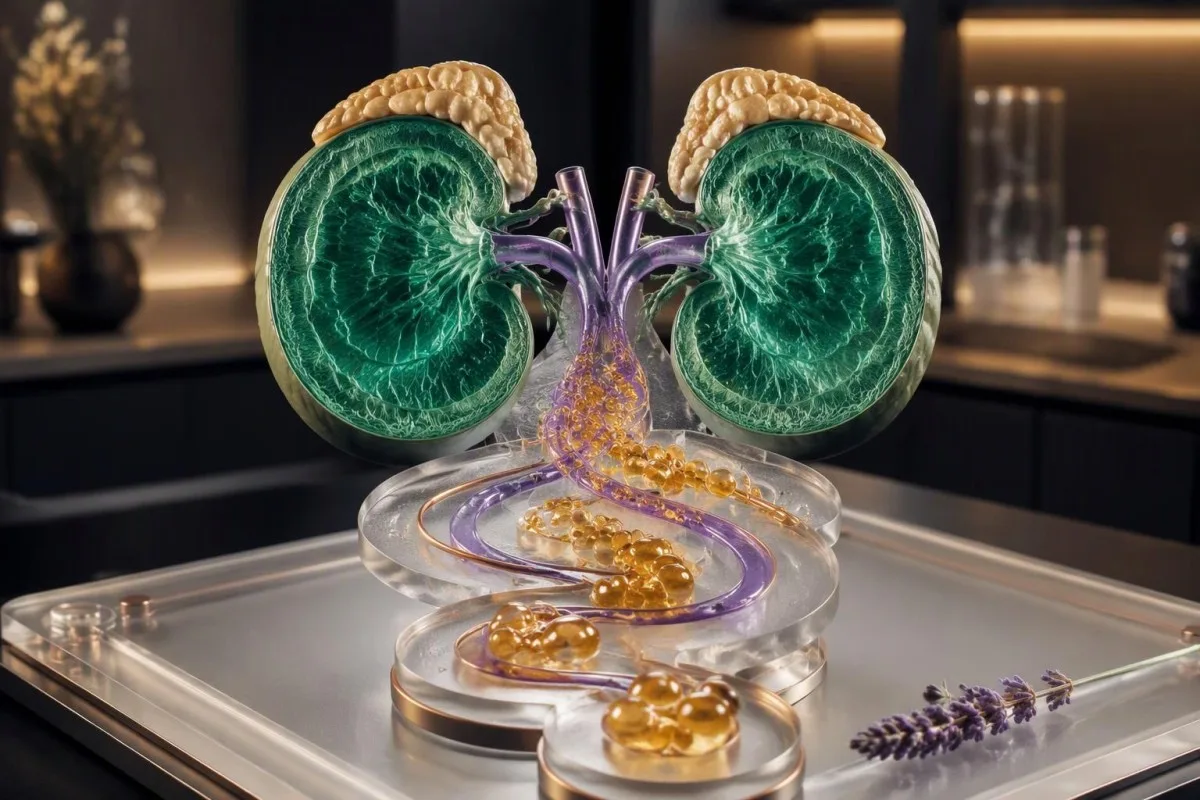
DHEA-S vs DHEA: Which Blood Test Gives the Best Clue?
Categories
Articles

Hormone Health Lab Interpretation 2026 Update Patient-Friendly DHEA and DHEA-S are related adrenal hormones, but they answer different clinical questions. The more stable result is usually the one that gives clinicians the useful clue. 📖 ~11 minutes 📅 August 10, 2026 📝 Published: August 10, 2026 🩺 Medically Reviewed: August 10, 2026 ✅ Evidence-Based This […]

Reticulocyte Count: High Immature Fraction Explained
Categories
Articles

Hematology Lab Interpretation 2026 Update Patient-Friendly An immature reticulocyte fraction can show that the marrow has started responding before the standard reticulocyte count noticeably rises. The result is most useful when read beside hemoglobin, absolute reticulocytes, and the reason the CBC was ordered. 📖 ~11 minutes 📅 August 9, 2026 📝 Published: August 9, 2026 […]

Platelet Count Before Tooth Extraction: Safe Levels
Categories
Articles

Dental Procedure Safety Lab Interpretation 2026 Update Patient-Friendly For a straightforward tooth extraction, many clinicians are comfortable when the platelet count is at least 50 × 10^9/L; selected stable patients can sometimes proceed at 30–50 × 10^9/L with local haemostatic measures and a clear plan. Counts below 30 × 10^9/L, a rapidly falling result, platelet […]

Does a Metabolic Panel Check Cholesterol? Tests Explained
Categories
Articles

Metabolic Panel Lab Interpretation 2026 Update Patient-Friendly No—standard basic and comprehensive metabolic panels do not measure cholesterol. They assess glucose, electrolytes, kidney function and, with a CMP, liver-related values; cholesterol requires a separate lipid panel. 📖 ~11 minutes 📅 August 9, 2026 📝 Published: August 9, 2026 🩺 Medically Reviewed: August 9, 2026 ✅ Evidence-Based […]

Do Cholesterol Levels Rise in Winter? Seasonal Test Guide
Categories
Articles

Heart Health Lab Interpretation 2026 Update Patient-Friendly Yes—average LDL cholesterol and total cholesterol often run modestly higher in winter, usually by only a few mg/dL. The useful question is whether a seasonal shift explains your result or merely reveals an underlying cardiovascular risk that needs action. 📖 ~11 minutes 📅 August 8, 2026 📝 Published: […]

TSH Levels After a Levothyroxine Brand Switch: Retest Timing
Categories
Articles

Thyroid Medication Lab Interpretation 2026 Update Patient-Friendly After a levothyroxine brand or formulation change, a TSH retest is usually most useful at 6 to 8 weeks, when the pituitary response has largely settled. Contact your prescriber sooner for chest pain, fainting, marked breathlessness, a sustained fast pulse, severe agitation, or pregnancy. 📖 ~10-12 minutes 📅 […]

Lab Test Interpretation After Poor Sleep: What Changes?
Categories
Articles

Sleep and Labs Lab Interpretation 2026 Update Patient-Friendly One short night can nudge several results, especially glucose, cortisol and white-cell patterns. It rarely explains a major abnormality on its own, so the context and the trend matter more than one uneasy morning. 📖 ~11 minutes 📅 August 8, 2026 📝 Published: August 8, 2026 🩺 […]

Low G6PD Activity: Lab Results, Retesting and Safety
Categories
Articles

G6PD Deficiency Lab Interpretation 2026 Update Patient-Friendly Low G6PD enzyme activity means red cells may be less able to handle oxidative stress, but a normal result during or soon after hemolysis can be falsely reassuring. The safest next step is usually a quantitative repeat test after recovery, with medication decisions guided by the prescribing clinician. […]

AI Medical Report Explanation: Source Checks and Safety
Categories
Articles

AI Safety Lab Interpretation 2026 Update Patient-Friendly An AI summary can make laboratory results easier to read, but it cannot supply missing clinical facts or replace an urgent medical assessment. Use this patient-first framework to test what the summary knows, what it guessed, and what needs a clinician. 📖 ~11 minutes 📅 August 7, 2026 […]

Schistocytes in Blood Test Results: When Smears Are Urgent
Categories
Articles

Hematology Lab Interpretation 2026 Update Patient-Friendly Schistocytes are fragmented red cells that can signal dangerous small-vessel clotting, but a single smear comment is not a diagnosis. Urgency depends on the fragment percentage, platelet count, haemoglobin trend, kidney function, haemolysis markers, and symptoms. 📖 ~11 minutes 📅 August 7, 2026 📝 Published: August 7, 2026 🩺 […]