LFT азначае печаначныя пробы, але значная частка панэлі вымярае пашкоджанне клетак печані або парушэнне адтоку жоўці, а не саму функцыю печані. Розніца змяняе тое, як лекары інтэрпрэтуюць анамальны вынік.



- значэнне LFT гэта печаначныя пробы, хоць ALT, AST, ALP і GGT у асноўным сігналізуюць пра пашкоджанне або парушэнне адтоку жоўці, а не пра працаздольнасць печані.
- ALT звычайна складае каля 7-55 МЕ/л у дарослых; значэнне вышэй за верхнюю мяжу лабараторыі варта інтэрпрэтаваць з улікам лекаў, фізічных практыкаванняў, ужывання алкаголю і метабалічных рызык.
- Альбумін звычайна складае 35-50 г/л і адлюстроўвае выпрацоўку бялку печані на працягу тыдняў, але страта ў нырках, запаленне і недастатковае харчаванне таксама могуць знізіць яго.
- Білірубін часта складае 3-21 мкмоль/л; павышэнне разам з цёмнай мочой або бледным калам патрабуе тэрміновай клінічнай ацэнкі.
- INR або PT вымярае выпрацоўку фактораў згортвання і з'яўляецца адным з найбольш карысных паказчыкаў зніжэння сінтэтычнай функцыі печані ў крыві, калі выключаны дэфіцыт вітаміна K і антыкаагулянты.
- ALP плюс GGT павышэнне разам падтрымлівае гепатабіліярную крыніцу, у той час як ізаляванае павышэнне ALP можа паходзіць з косткі.
- AST пасля інтэнсіўных фізічных нагрузак можа паходзіць са шкілетных мышц; праверка креатинкиназы можа прадухіліць непатрэбнае даследаванне печані.
- Неадкладныя сімптомы ўключаюць новую жаўтуху, спутанность свядомасці, ваніты крывёю, чорны калавы крэсла, моцны боль у верхняй частцы жывата або хуткае пагаршэнне сонлівасці.
Што азначае LFT — і чаму назва ўводзіць у зман
LFT азначае печаначныя пробы, група аналізаў крыві, якія выкарыстоўваюцца для выяўлення пашкоджанняў клетак печані, парушэння адтоку жоўці і зніжэння здольнасці выпрацоўваць бялок. Назва недасканалая: ALT, AST, ALP і GGT у асноўным з'яўляюцца маркерамі пашкоджанняў або холестазу, у той час як альбумін, білірубін і PT/INR даюць больш прамыя — хоць усё яшчэ няпоўныя — падказкі пра функцыю печані.
Нармальная панэль LFT не даказвае, што кожны аспект здароўя печані нармальны, а анамальная панэль не абавязкова азначае пячоначную недастатковасць. Аланінамінатрансфераза (ALT) павышаецца, калі гепатацыты вызваляюць фермент у кровазварот; гэта сведчыць больш пра клетачную працякання, чым пра здольнасць печані вырабляць альбумін або фактары згортвання. Наш падрабязны кіраўніцтва па выніках ALT тлумачыць, чаму гэтае адрозненне мае значэнне.
На практыцы я кажу пацыентам думаць пра панэль як пра тры пытанні: ці раздражнёныя клеткі печані, ці свабодна рухаецца жоўць, і ці сінтэзуе печань бялкі нармальна? Доктар Томас Кляйн бачыў шмат накіраванняў на ALT 62 МЕ/л, дзе сапраўды супакойваючымі высновамі былі нармальны білірубін, альбумін і INR — а не слова “функцыя”, надрукаванае над панэллю.
Кантэсці — гэта Аналізатар крыві са штучным інтэлектам які чытае вынікі LFT як узор па ўсім справаздачы, а не разглядае адзін адзначаны фермент як дыягназ. Па стане на 12 верасня 2026 года наш рабочы працэс клінічнага агляду таксама захоўвае ўласны рэферэнтны інтэрвал лабараторыі, таму што верхняя мяжа ALT 35 МЕ/л у адной лабараторыі не з'яўляецца ўзаемазаменнай з 55 МЕ/л у іншай.
Мова, якую ўсё часцей выкарыстоўваюць клініцысты
Шматлікія гепаталагічныя службы цяпер называюць “аналізы крыві печані” або “аналізы хімічнага складу печані”, таму што гэтыя назвы не абяцаюць занадта шмат. Кіраўніцтва Амерыканскага каледжа гастраэнтэралогіі таксама аддзяляе пашкоджанне гепатацытаў, халестатычнае пашкоджанне і парушэнне метабалізму білірубіну пры ацэнцы анамальных хімічных рэчываў печані (Kwo et al., 2017).
Якія тэсты звычайна ўключаюцца ў панэль LFT?
Тыповая панэль LFT уключае ALT, AST, шчолачная фасфатаза (ALP), білірубін, альбумін і сумарны бялок; многія лабараторыі таксама ўключаюць GGT. PT/INR часта прызначаецца асобна, хоць ён клінічна цэнтральны, калі сапраўдная функцыя печані знаходзіцца пад сумневам.
ALT і AST з'яўляюцца амінатрасферазамі, ALP і GGT дапамагаюць вызначыць халестатычны ўзор, а білірубін адлюстроўвае апрацоўку і вывядзенне прадуктаў раскладання гема. Альбумін і PT/INR ацэньваюць сінтэз, але альбумін змяняецца павольна, таму што яго паўжыццё складае прыкладна 20 дзён. Глядзіце що входить у печінкову панель для агульных лабараторных варыяцый.
Сумарны бялок і глобулін часам з'яўляюцца ў той жа справаздачы, але не з'яўляюцца спецыфічнымі аналізамі печані. Высокі вынік глобуліну пры нізкім альбуміне можа ўзнікаць пры хранічных захворваннях печані, аутоіммунных захворваннях або працяглым запаленні; суадносіны з'яўляюцца падказкай, але ніколі дыягназам. даведачны гід па рэферэнтных значэннях сыроватачных бялкоў дапамагае размясціць гэтыя значэнні ў кантэксце.
Практычная асаблівасць: справаздачы Вялікабрытаніі могуць называцца “LFT”, у той час як справаздачы ЗША могуць называцца “hepatic function panel” або “liver panel”. Ні адзін з іх не з'яўляецца цалкам стандартызаваным. Перад параўнаннем вынікаў паміж краінамі супастаўце аналіт, адзінку і рэферэнтны дыяпазон, надрукаваны побач з ім.
Якія вынікі LFT паказваюць на пашкоджанне печані, а не на функцыю?
ALT і AST галоўным чынам паказваюць на пашкоджанне клетак, а не на функцыю печані. ALP і GGT галоўным чынам паказваюць на магчымы халестатычны або патамарфізм жоўцевых пратокаў, тады як альбумін і PT/INR больш непасрэдна адлюстроўваюць сінтэтычную здольнасць.

ALT больш звязаны з печанню, чым AST, але ні адзін з іх не з'яўляецца выключна для печані. AST прысутнічае ў шкілетных мышцах, сэрцы і эрытрацытах, таму інтэнсіўная трэніроўка, пашкоджанне цягліц або гемалізаваны ўзор могуць павысіць яго. An Суадносіны AST:ALT вышэй за 2 можа пацвердзіць пашкоджанне печані, звязанае з алкаголем, у правільным кантэксце, але само па сабе не з'яўляецца дыягнастычным.
52-гадовы марафонскі бегун з AST 89 МЕ/л і ALT 36 МЕ/л пасля забегу — класічная пастка. Я б спытаўся пра нагрузку і боль у цягліцах, потым разгледзеў бы CK і паўторны ўзор праз 7 дзён без інтэнсіўных трэніровак; наш артыкул аб wzorców podwyższonego AST падрабязна апісвае гэтую логіку.
Kantesti AI інтэрпрэтуе ферменты печані, правяраючы, ці з'яўляецца павышэнне гепатацэлюлярным, халестатычным, змешаным ці магчыма экстрагепатычным. The суадносіны R—(ALT, падзелены на яго верхнюю мяжу) падзелены на (ALP, падзелены на яго верхнюю мяжу)—вышэй за 5 пры гепатацэлюлярным узоры і ніжэй за 2 пры халестатычным узоры; гэта інструмент для сартавання лекара, а не хатні дыягназ.
Чаму ўзор больш важны за самую высокую лічбу
ALT 120 МЕ/л з нармальным ALP паказвае ў іншым напрамку, чым ALP 280 МЕ/л з нармальным ALT. Першае часта прыводзіць да метабалічнага, віруснага, медыкаментознага ці мышачнага агляду; другое выклікае пытанні пра жоўцевыя пратокі, абарот касцей і медыкаментозныя эфекты.
Значэнні LFT, якія больш дакладна адлюстроўваюць сапраўдную функцыю печані
Альбумін, білірубін і PT/INR з'яўляюцца найбольш карыснымі руціннымі крывянымі падказкамі для сапраўднай функцыі печані, хаця кожны з іх можа быць парушаны па не-печанёвых прычынах. Спалучэнне павышэння білірубіну і INR выклікае значна больш турботы, чым ўмеранае ізаляванае павышэнне ALT.
Альбумін звычайна 35–50 г/л у дарослых, якія не цяжарныя, але нізкі альбумін можа быць вынікам страты бялку ныркамі, сістэмнага запалення, недаядання, апёкаў або развядзення. Ён звычайна зніжаецца пазней пры хранічных захворваннях печані, чым павышаецца ALT, таму нармальны альбумін не выключае ранняга фіброзу. Прачытайце аб альбуміне пры цяжарнасці , калі вы параўноўваеце вынік цяжарнасці са стандартным дыяпазонам для дарослых.
PT/INR адлюстроўвае выпрацоўку кароткажывучых фактараў згусальнасці, асабліва фактара VII, і можа змяняцца за дні, а не за тыдні. INR вышэй за 1.5 у вострым пашкоджанні печані з'яўляецца адным з крытэрыяў, якія выкарыстоўваюцца для тэрміновай ацэнкі вострай пячоначнай недастатковасці, але варфарын, дэфіцыт вітаміна K і некаторыя антыбіётыкі могуць выклікаць такі ж лабараторны сігнал. тлумачэнне INR ахоплівае гэтыя важныя выключэнні.
Білірубін таксама не з'яўляецца выключна функцыянальным тэстам. Некан'югаваны білірубін можа павышацца пры сіндроме Жыльбера, галаданні або гемалізе, нягледзячы на нармальную сінтэтычную здольнасць печані; кан'югаваны білірубін з цёмнай мочой больш паказвае на парушэнне адтоку жоўці або клеткавую апрацоўку. Вось чаму я ніколі не тлумачу “высокі білірубін” без яго фракцыянавання.
Карысная клінічная іерархія
У сталага дарослага чалавека нармальны INR і альбумін з нязначна павышаным ALT звычайна сведчаць аб захаванай сінтэтычнай функцыі. Новая жаўтуха, падаўжэнне INR, нізкі ўзровень глюкозы або спутанность свядомасці цалкам змяняюць тэрміновасць і патрабуюць медыцынскага агляду ў той жа дзень.
Як чытаць вынікі ALT і AST разам
ALT вышэй за AST часцей сустракаецца пры метабалічных захворваннях тлушчай печані і пры многіх вірусных пашкоджаннях або пашкоджаннях, выкліканых лекамі, у той час як AST вышэй за ALT мае больш шырокія прычыны, уключаючы ўжыванне алкаголю і пашкоджанне цягліц. Абсалютнае павышэнне і тэндэнцыя больш надзейныя, чым простае суадносіны.
ALT часта паведамляецца ў МЕ/л або Е/л, што эквівалентна для практычных мэт. Значэнне ніжэй за 2 разы ад верхняй мяжы нормы часта пераправяраецца пасля агляду алкаголю, харчовых дабавак, рэцэптурных лекаў, суправаджальных захворванняў і нядаўніх фізічных нагрузак. Кіраўніцтва ACG рэкамендуе пацвярджаць анамальныя вынікі аналізаў печані перад пачаткам шырокага абследавання (Kwo et al., 2017).
Значэнні вышэй за 1 000 IU/L для ALT або AST не з'яўляюцца “проста тлушчай печані”, пакуль не даказана адваротнае. Востры вірусны гепатыт, пашкоджанне лекамі або таксінамі, ішэмічны гепатыт і вострая абструкцыя жоўцевых шляхоў могуць выклікаць значнае павышэнне; ход часу, сімптомы і INR вызначаюць тэрміновасць больш, чым інтэрнэт-парогі.
Практычная парада доктара Томаса Кляйна - фатаграфаваць кожны этыкетку харчовай дабаўкі перад прыёмам у наступны раз. “Натуральныя” прадукты, канцэнтраваны экстракт зялёнага гарбаты, анабалічныя сродкі і шматкампанентныя прадукты для зніжэння вагі часта прапускаюцца пры першапачатковым зборы анамнезу. Наша кіраўніцтва па харчовых дабавак, якія ўплываюць на печань тлумачыць, чаму адмена падазраванага прадукту павінна быць пад наглядам лекара, калі ён прызначаны.
Што ALP і GGT могуць расказаць вам пра адток жоўці
Павышэнне ALP і GGT разам звычайна пацвярджае гепатабілярную або халестатычную прычыну; ізаляванае павышэнне ALP можа паступаць з косткі, цяжарнасці або нармальнага росту. GGT дапамагае лакалізаваць ALP, але самастойна не дазваляе надзейна ацаніць спажыванне алкаголю.
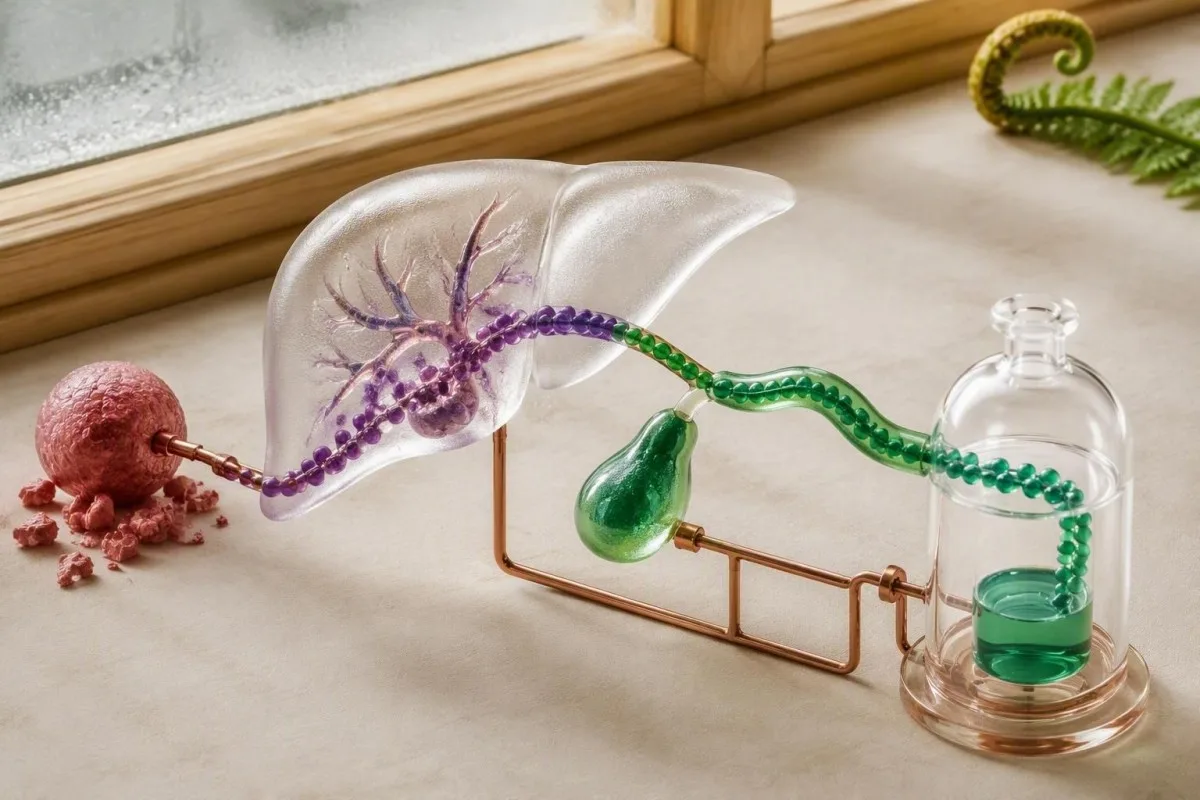
ALP часта складае прыкладна 40-129 МЕ/л у дарослых, але кожная лабараторыя ўсталёўвае свой уласны інтэрвал. Калі ALP павышаны, а GGT нармальны, клініцысты часта разглядаюць костныя прычыны, статус вітаміна D, гаенне пералому або абмен косткі, перш чым меркаваць захворванне печані. Агляд изоферментов ALP тлумачыць, як лабараторыі пры неабходнасці адрозніваюць крыніцы.
GGT павышаецца пры халестазе, ужыванні алкаголю, метабалічных захворваннях печані і прыёме ферментаў-індукаваных лекаў, такіх як некаторыя супрацьсутаргавыя прэпараты. GGT вышэй за 60 МЕ/л у многіх сістэмах эталонных значэнняў для дарослых мужчын заслугоўвае кантэкстуальнага разгляду, асабліва разам з павышаным ALP, але няма бяспечнага або дыягнастычнага “алкагольнага нумара”. Глядзіце наш Даведнік па нармальных узроўнях GGT у залежнасці ад полу і лабараторных варыяцый.
Спалучэнне свербу, бледных кала, цёмнай мочы, павышанага ALP і павышанага білірубіну патрабуе тэрміновай ацэнкі на прадмет абструкцыі жоўцевых шляхоў. Ультрагукавое даследаванне часта з'яўляецца першым візуалізацыйным даследаваннем, але нармальны вынік ультрагуку не выключае кожнай прычыны, звязанай з малым пратокам або лекамі; наша даведнік па ўзору халестазу ідзе глыбей.
Чаму білірубін патрабуе фракцый і сімптомаў
Агульны білірубін неабходна падзяліць на прамыя і непрамыя фракцыі, каб ён быў клінічна карысным. Пераважанне непрамога звычайна сведчыць аб празмернай выпрацоўцы або зніжэнні кан'югацыі, у той час як пераважанне прамога паказвае на парушэнне вывядзення або апрацоўкі гепатацытаў.
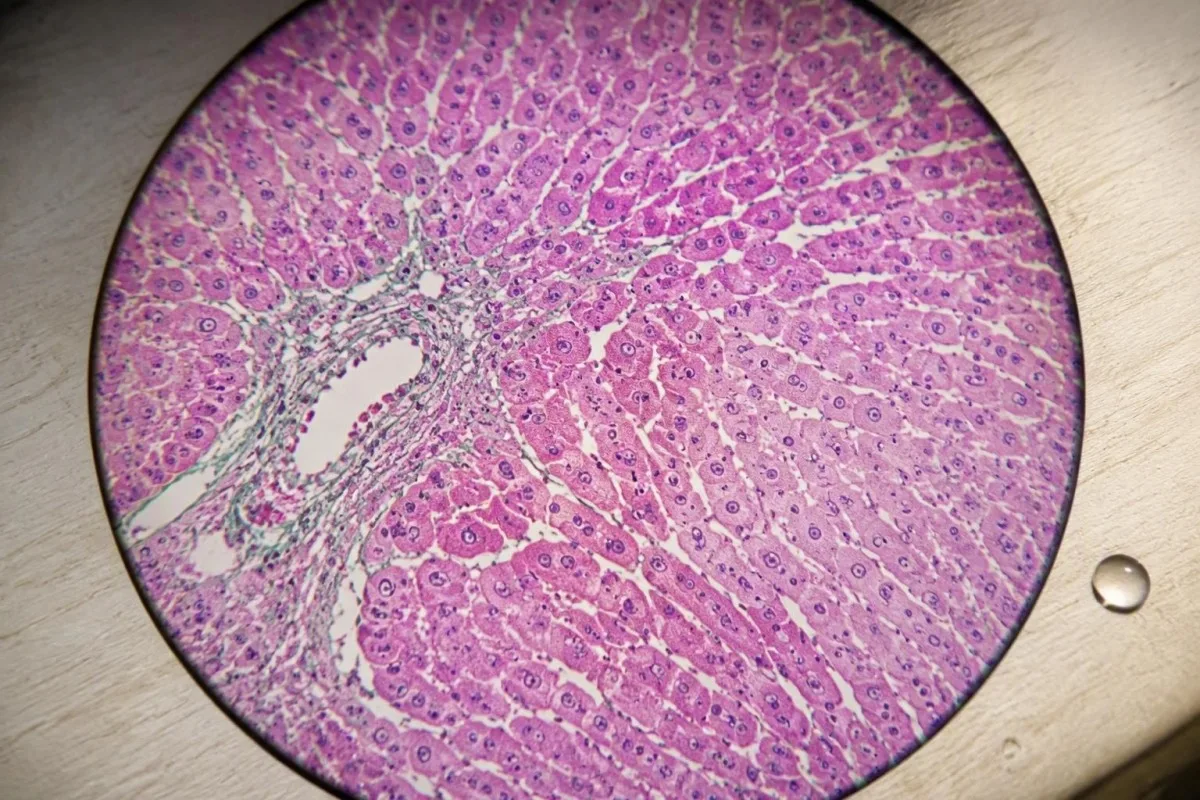
Тыповы агульны білірубін складае прыкладна 3-21 мкмоль/л або 0,2-1,2 мг/дл. Слабы, перыядычны ізаляваны пад'ём ніжэй прыкладна 50 мкмоль/л з нармальнымі ALT, ALP, альбумінам і аналізам крыві часта сумяшчальны з сіндромам Жільбера, асабліва пасля галадання або хваробы, але лекары ўсё яшчэ правяраюць шаблон перад тым, як прымяняць гэты ярлык.
Злучаны білірубін раствараецца ў вадзе, таму ён можа цямніць мочу; незлучаны білірубін не можа трапіць у мочу. Гэты невялікі кавалак фізіялогіі карысны: жоўтыя вочы плюс моча колеру гарбаты выклікае больш клінічную занепакоенасць, чым нязначнае павышэнне непрамога білірубіну, выяўленае выпадкова. Агляд шаблонах прамога білірубіна для наступных тэстаў, якія часта выбіраюць лекары.
Не спрабуйце “вывесці білірубін” дэтоксікацыйнымі сродкамі. Гідратацыя можа выправіць канцэнтрацыю з-за абязводжвання, але яна не можа ліквідаваць гепатыт, абструкцыю або гемоліз. Устойлівая жаўтуха патрабуе рэальнай ацэнкі, асабліва пры ліхаманцы, болі або ненаўмысным зніжэнні вагі.
Альбумін і агульны бялок: павольна рухаюцца падказкі LFT
Альбумін - гэта павольна рухаецца маркер сінтэзу бялкоў печані і агульнага стану арганізма, а не адчувальны ранні паказчык пашкоджання печані. Нізкі ўзровень альбуміну становіцца больш значным пры спалучэнні з павышэннем INR, асцытам, ацёкамі або працяглым парушэннем функцыі печані.
прыкладна перыяд паўраспаду 20 дзён азначае, што вострая хвароба працягласцю 48 гадзін рэдка значна зніжае яго толькі з-за механізмаў печані. Наадварот, зніжэнне альбуміну на працягу некалькіх месяцаў можа сведчыць аб хранічным захворванні печані, страце нырак, хранічным запаленні, недастатковым спажыванні або страце бялку ў кішачніку. Суадносіны CRP і альбуміну паказвае, чаму запаленне можа змяніць гэты вынік.
Агульны бялок часта складае каля 60-80 г/л, але нармальны агульны паказчык можа хаваць нізкі альбумін, калі павялічаны глобуліны. Пры хранічным захворванні печані імунаглабуліны могуць павялічвацца, а альбумін зніжацца, што робіць агульны бялок падманліва звычайным. Гэта шаблон, які варта растлумачыць лекару, а не самастойна лячыцца пратэінавымі парашкамі.
Кантэсці — гэта платформа інтэрпрэтацыі біямаркераў AI які параўноўвае альбумін, агульны бялок, глобулін і маркеры нырак разам, таму што ізаляваны нізкі ўзровень альбуміну мае нізкую спецыфічнасць. Трэндавы аналіз асабліва карысны, калі адзін і той жа лабараторны метад выкарыстоўваўся на працягу па меншай меры двух-трох аналізаў.
Калі PT або INR робіць анамальны LFT больш неадкладным
Павышэнне PT/INR можа сігналізаваць аб зніжэнні сінтэзу фактараў згортвання крыві печані і робіць вострае пашкоджанне печані больш тэрміновым, асабліва пры жаўтусе або спутанности свядомасці. INR не з'яўляецца стандартным LFT усюды, але ён важны, калі лекары занепакоеныя значнай дысфункцыяй печані.

INR каля 0.8-1.2 з'яўляецца звычайным з'явай без антыкаагулянтнай тэрапіі, але актуальным пытаннем з'яўляецца змяненне адносна зыходнага ўзроўню і клінічны кантэкст. INR вышэй за 1,5 пры вострым пашкоджанні печані, энцэфалапатыі або гіпаглікеміі патрабуе тэрміновай ацэнкі; не чакайце паўторнага хатняга тэсту. Кіраўніцтва па каагуляцыйнай панэлі тлумачыць, што нармальныя тэсты на згортванне крыві выключаюць, а што не.
Дэфіцыт вітаміна K з-за дрэннага ўсмоктвання, працяглы прыём антыбіётыкаў шырокага спектру дзеяння або абструкцыя жоўцевых шляхоў могуць падоўжыць PT/INR без незваротнага пячоначнага збою. Наадварот, у чалавека, які прымае варфарын, наўмысна зменены INR, таму яго значэнне не можа выкарыстоўвацца як прамы маркер функцыі печані. Гэтая нюанс прадухіляе шмат непатрэбных трывог.
Ваніты крывёю, чорны дёгцевы крэсла, новая блытаніна, лёгкія сінякі з жаўтухай або хуткае павелічэнне жывата - гэта сімптомы неадкладнай дапамогі. Вынікі аналізаў крыві карысныя, але яны ніколі не замяняюць тэрміновы клінічны агляд у такой сітуацыі.
Частыя прычыны мякка анамальных вынікаў аналізу крыві LFT
Нязначныя адхіленні LFT часта ўзнікаюць з-за стеатотической хваробы печані, звязанай з метабалічнай дысфункцыяй, алкаголю, лекаў, дадаткаў, нядаўніх інтэнсіўных фізічных нагрузак або часовай віруснай інфекцыі. Вынік менш чым у 2 разы вышэй за верхнюю мяжу з'яўляецца звычайным і часта зваротным, але ён усё роўна патрабуе структураванага агляду.
Стеатотическая хвароба печані, звязаная з метабалічнай дысфункцыяй, асабліва верагодная, калі ALT ўмерана павышаны разам з павелічэннем акружнасці таліі, трыгліцерыдаў, парушэннямі ўзроўню глюкозы або высокім крывяным ціскам. Кіраўніцтва EASL-EASD-EASO 2024 рэкамендуе выяўленне выпадкаў у людзей з кардыяметабалічнымі фактарамі рызыкі, а не невыбарковы скрынінг насельніцтва (EASL-EASD-EASO, 2024).
Інтэнсіўная сілавая трэніроўка можа часова павысіць AST, ALT і CK на некалькі дзён. Я звычайна раю пазбягаць незнаёмых інтэнсіўных фізічных нагрузак на працягу праз 5–7 дзён перад пацвярджаючым аналізам, калі ёсць верагоднасць удзелу цягліц; галаданне звычайна не патрабуецца для стандартных аналізаў печані, калі іншыя прызначаныя аналізы не патрабуюць гэтага. Наш кіраўніцтва па часавым узроўні крывяных даследаванняў можа дапамагчы дакументаваць гэтыя канфаундэры.
Гісторыя ўжывання алкаголю павінна быць фактычнай, а не маралізатарскай. Перыяд устрымання можа палепшыць GGT і ALT, але хуткасць вар'іруецца ў залежнасці ад зыходнага захворвання, вагі цела, лекаў і бягучага метабалічнага рызыкі. лабораторна хронологія після припинення вживання алкоголю дае рэалістычныя чаканні.
Што адбываецца пасля анамальнага выніку LFT?
Першы адказ на нязначны нечаканы вынік LFT - гэта звычайна пацвярджэнне, кантэкст і мэтанакіраванае тэсціраванне, а не паніка або агульны дэтоксікацыя. Паўторны час вар'іруецца ад дзён да некалькіх месяцаў у залежнасці ад узроўню ферментаў, сімптомаў і падазраванай прычыны.
Клініцысты спачатку правяраюць вынік, аглядаюць папярэднія значэнні, пытаюцца пра алкаголь, лекі, дадаткі, хваробы і фізічныя нагрузкі, а затым класіфікуюць шаблон. Наступныя дзеянні могуць уключаць тэсціраванне на гепатыт B і C, феритин і насычэнне трансферыну, УГД, аутоіммунныя маркеры, тэсціраванне на целиакию або CK — але толькі калі шаблон і гісторыя іх падтрымліваюць. Сімптомы гепатыту B і тэсціраванне вартыя агляду, таму што хранічная інфекцыя можа не мець жаўтухі.
Для ўстойлівага павышэння ALT або AST клініцысты могуць выкарыстоўваць FIB-4, які аб'ядноўвае ўзрост, AST, ALT і колькасць трамбацытаў для ацэнкі рызыкі фіброзу. Ён менш надзейны ва ўзросце да 35 гадоў і можа быць фальшыва супакойваючым у некаторых сітуацыях, але ён з'яўляецца карысным інструментам трыажу ў першаснай медыцынскай дапамозе; разлічыце яго старанна з нашым Кіраўніцтва па FIB-4 для ацэнкі фіброзу печані.
Kantesti AI — гэта сервісі інтерпретації тестів ШІ які можа арганізаваць тэндэнцыі LFT і адзначыць камбінацыі для абмеркавання з клініцыстам, але ён не можа дыягнаставаць гепатыт, фіброз або абструкцыю толькі з PDF. Бяспечная інтэрпрэтацыя заўсёды ўключае сімптомы, гісторыю лекаў, візуалізацыю і агляд, калі гэта паказана.
Як галаданне, фізічныя практыкаванні і якасць узору ўплываюць на LFT
Звычайна вам не трэба галадаць для LFT, але інтэнсіўныя фізічныя практыкаванні, вострае захворванне, абязводжванне і гемоліз узору могуць сказіць асобныя вынікі. Поле каментароў у лабараторыі і час узяцця аналізу часта гэтак жа карысныя, як і адзінае паведамленне аб выхадзе за межы нормы.

Галаданне можа павысіць некан'югаваны білірубін у адчувальных людзей, асабліва ў тых, хто мае сіндром Жыльбера. Абязводжванне можа канцэнтраваць альбумін і агульны бялок, у той час як гемоліз можа ілжыва павысіць AST, паколькі ў эрытрацытах прысутнічае AST. guia de nova coleta após hemólise тлумачыць, калі чыстае паўторнае даследаванне больш інфарматыўнае, чым пошук артэфакту.
Біятын не з'яўляецца асноўным фактарам, які ўплывае на большасць руцінных аналізаў печанечных ферментаў, але ён можа ўплываць на некаторыя імунааналізы, прызначаныя паралельна. Прынясіце спіс парашкоў, травяных сумесяў і безрэцэптурных прадуктаў, уключаючы дазоўку і дату пачатку; “адзін савок у дзень” часта больш карысны, чым назва брэнда.
Для карыснага паўторнага аналізу, па магчымасці, выкарыстоўвайце тую ж лабараторыю і запісвайце ўжыванне алкаголю, хваробы, інтэнсіўнасць трэніровак і змены ў леках за папярэдні тыдзень. Біясветная варыяцыя азначае, што змена на 10% не з'яўляецца аўтаматычна значным пагаршэннем, асабліва каля верхняй мяжы нормы.
Чырвоныя сцяжкі LFT, якія патрабуюць медыцынскай дапамогі ў той жа дзень
Жаўтуха з цёмнай мочой, моцны боль у правым верхнім квадраце жывата, ліхаманка, спутаннасць свядомасці, пастаянная ваніты або значна павышаны INR патрабуюць ацэнкі лекара ў той жа дзень. Неадкладнасць залежыць ад сімптомаў і сінтэтычнай функцыі, а не толькі ад таго, ці пазначаны ALT як высокі.
Звярніцеся за экстранай дапамогай пры новай спутаннасці свядомасці, экстрэмальнай сонлівасці, ванітах крывёй, чорным таркістападобным крэсле, непрытомнасці, моцным болю ў жываце або хутка пагаршаючайся жаўцізне вачэй. Гэта можа адлюстроўваць крывацёк, сэпсіс, вострую печанечную недастатковасць, захворванні падстраўнікавай залозы або жоўцевыводзячых шляхоў, і іх нельга бяспечна трыаваць толькі па выніках аналізу ферментаў. Наша кіраўніцтва па калі білірубін патрабуе тэрміновага агляду дэталізуе камбінацыі папярэджанняў.
ALT або AST вышэй за 1 000 IU/L, білірубін вышэй за 100 мкмоль/л з сімптомамі, або INR вышэй за 1.5 у чалавека, які не прымае варфарын, павінна быць падставай для тэрміновага кантакту з лекарам. Гэта практычныя крокі эскалацыі, а не парогі для самастойнай дыягностыкі; чалавек можа быць вельмі хворы пры ніжэйшых значэннях, асабліва калі яны хутка пагаршаюцца.
Цяжарнасць змяняе разлік рызыкі. Сверб далоняў або падэшваў, галаўны боль, візуальныя сімптомы, высокае крывяны ціск, боль у верхняй частцы жывата або жаўтуха падчас цяжарнасці патрабуюць тэрміновай акушэрскай ацэнкі, нават калі папярэдняя панэль была нармальнай.
Бяспечнае выкарыстанне аналізу тэндэнцый LFT паміж прыёмамі
Трэнды LFT больш карысныя, чым адзінкавы вынік, калі аднолькавы аналіт і лабараторны метад параўноўваюцца з цягам часу. Трэнд зніжэння ALT з'яўляецца абнадзейлівым, але ён не даказвае, што фіброз палепшыўся або што першапрычына была ўстранена.

Кантэсці — гэта Інструмент аналізу вынікаў аналізу крыві з падтрымкай AI выкарыстоўваецца для арганізацыі лабараторных справаздач у розны час, мовах і лабараторных фарматах. Наш ШІ можа вызначыць павышэнне ALT з 32 да 78 МЕ/л разам з новым павелічэннем ALP, але бяспечны наступны крок застаецца агляд лекарам уздзеяння лекаў, сімптомаў і вынікаў агляду.
Не параўноўвайце вынік у µkat/L непасрэдна з IU/L без пераўтварэння, і не параўноўвайце агульны білірубін у мг/дл з µmol/L на вока. Для білірубіна, 1 мг/дл роўна прыкладна 17,1 мкмоль/л; памылкі адзінак на здзіўленне распаўсюджаныя, калі людзі загружаюць запісы з больш чым адной краіны. кіраўніцтва па змене лабараторных вынікаў тлумачыць значэнне змены рэферэнсных значэнняў і звычайнай біясветнай флуктуацыі.
Кароткая запіска аб прызначэнні дапамагае: пералічыце даты, дакладныя значэнні і рэферэнтыя дыяпазоны, сімптомы, рэжым ужывання алкаголю, новыя лекі, дадаткі, змены вагі і фізічныя практыкаванні. Гэта ператварае трывожную размову аб “дрэнных выніках аналізу печані” ў вырашальную клінічную праблему.
Карысныя пытанні аб вашых выніках аналізу крыві LFT
Самае карыснае пытанне: “Які тып паказваюць мае вынікі: гепатацэлюлярны, халестатычны, змешаны, парушэнне метабалізму білірубіна ці парушэнне сінтэзу?” Гэтае пытанне спрыяе выпрацоўцы плана, заснаванага на прычынах, а не на няпэўнай інструкцыі паўтарыць усё.
Спытайце, ці пацверджана ваша адхіленне ад нормы, які быў ваш папярэдні базавы ўзровень, і ці могуць яго растлумачыць фізічныя практыкаванні, лекі, алкаголь ці дадаткі. Спытайце, ці быў білірубін прамым або непрамым, ці суправаджалася павышэнне ШФ (GGT), і ці паказвае альбумін або INR на парушэнне сінтэзу. Гэтыя дэталі сапраўды змяняюць дыферэнцыйны дыягназ.
Спытайце, ці варта ацэньваць рызыку фіброзу і ці падыходзяць для вашага тыпу УГД, вірусны скрынінг або аналізы на жалеза. Адзін высокі феритин можа адлюстроўваць запаленне або метабалічнае захворванне, у той час як высокі феритин у спалучэнні з насычэннем трансферыну вышэй за 45% выклікае іншае пытанне аб перагрузцы жалезам; гл. ключавыя лабараторныя прыкметы гемахроматозу.
Нашы лекары і клінічныя рэцэнзенты выкарыстоўваюць апублікаваныя метады і выразныя межы бяспекі; чытачы, якія хочуць зразумець гэта кіраванне, могуць азнаёміцца з падыход да медыцынскай валідацыі. Найлепшы вынік - гэта не абумоўлены дадаткам ярлык, а своечасовая, добра дакументаваная размова з клініцыстам, адказным за ваша лячэнне.
Што бягучыя даследаванні і рэкамендацыі кажуць аб інтэрпрэтацыі LFT
Цяперашнія рэкамендацыі падтрымліваюць інтэрпрэтацыю на аснове тыпаў і пацвярджэнне анамальных паказчыкаў печані перад дбайнай праверкай. Адзін LFT не вызначае стадыю фіброзу, пячоначную недастатковасць або канкрэтную прычыну без клінічнага кантэксту.
Кіраўніцтва ACG ад Kwo і калег рэкамендуе пацвярджаць анамальны вынік аналізу печані, а затым ацэньваць яго на аснове гепатацэлюлярнага або халестатычнага тыпу (Kwo et al., 2017). Гэта гучыць звычайна, але гэта прадухіляе распаўсюджаную памылку: прызначэнне шырокіх панэляў пасля аднаго мяжавога выніку, які знікае пры правільна запозненым паўторным узоры.
Кіраўніцтва EASL-EASD-EASO 2024 года арыентуецца на метабалічную стеатотическую хваробу печані вакол кардыяметабалічнага рызыкі і неінвазіўнай ацэнкі фіброзу, а не толькі ALT (EASL-EASD-EASO, 2024). Таму нармальны ALT не надзейна выключае стеатоз або фіброз, асабліва ў людзей з дыябетам або атлусценнем.
Клінічны кантэнт Kantesti правяраецца на адпаведнасць лабараторнай практыцы і нагляду лекараў; наша Медыцынская кансультатыўная рада дапамагае трымаць аўтаматычныя тлумачэнні ў гэтых межах. Звязаныя апублікаваныя матэрыялы па сімптомах прыведзены ніжэй для празрыстасці, але яны не замяняюць спецыяльныя рэкамендацыі па печані або індывідуальны медыцынскі догляд.
Часта задаваныя пытанні
Што азначае LFT у аналізе крыві?
LFT азначае печаначныя пробы, якія таксама называюцца аналізамі крыві на печань або печеночной панэлі. Большасць панэляў уключаюць ALT, AST, ALP, білірубін і альбумін, у той час як GGT і PT/INR могуць быць прызначаныя асобна. ALT і AST звычайна паказваюць на пашкоджанне клетак печані, а не на функцыю печані, у той час як альбумін і INR з'яўляюцца больш дакладнымі паказчыкамі сінтэзу бялку. Рэферэнтныя інтэрвалы адрозніваюцца ў залежнасці ад лабараторыі; ALT часта складае каля 7-55 МЕ/л у дарослых.
Ці аднолькавыя павышаныя ферменты печані і парушэнне функцыі печані?
Не, павышаныя пячоначныя ферменты не азначаюць аўтаматычна дрэнную працу печані. ALT і AST могуць павышацца, калі клеткі печані або мышц вылучаюць ферменты, нават калі альбумін, білірубін і INR застаюцца нармальнымі. Сапраўднае парушэнне сінтэзу больш трывожна, калі павышаецца білірубін, альбумін падае ніжэй прыкладна 35 г/л, або INR выходзіць за межы лабараторнага дыяпазону. Клініцыст інтэрпрэтуе гэтыя вынікі разам з сімптомамі і гісторыяй хваробы.
Які нармальны дыяпазон ЛФТ?
Не існуе адзінага ўніверсальнага нармальнага дыяпазону ЛФТ, паколькі метады і базавыя групы адрозніваюцца паміж лабараторыямі. Звычайныя дарослыя дыяпазоны ўключаюць ALT 7-55 МЕ/л, AST 8-48 МЕ/л, ALP 40-129 МЕ/л, альбумін 35-50 г/л і агульны білірубін 3-21 мкмоль/л. Даведачны інтэрвал, надрукаваны побач з вашым уласным вынікам, з'яўляецца правільным для выкарыстання ў першую чаргу. Вынік, які крыху перавышае дыяпазон, часта патрабуе пацверджання і кантэксту, а не неадкладнага лячэння.
Ці можа фізічная актыўнасць павысіць вынікі АЛТ?
Так, інтэнсіўныя фізічныя нагрузкі могуць часова павысіць AST і часам ALT, таму што шкілетныя мышцы змяшчаюць гэтыя ферменты. Высокі ўзровень AST з нармальным або нязначна павышаным узроўнем ALT пасля марафону, цяжкай атлетыкі або пашкоджання цягліц можа адлюстроўваць вызваленне цягліц, асабліва калі таксама высокі ўзровень креацінкіназы. Часта разумна пазбягаць непрывычных інтэнсіўных нагрузак за 5-7 дзён да паўторнага тэсту, калі лекар падазрае такое тлумачэнне. Фізічныя нагрузкі звычайна не тлумачаць жаўтуху, высокі ўзровень білірубіну або працяглы INR.
Ці выяўляе ЛФТ-тэст тлушчавую дыстрафію печані?
Пералічэнне печаначных функцый можа паказваць на захворванне печані, але не можа яго дыягнаставаць ці выключыць. У многіх людзей з захворваннем печані, звязаным з метабалічнай дысфункцыяй, узровень ALT ніжэй за 55 МЕ/л, а ў некаторых зусім нармальныя руцінныя тэсты печані. Фактары рызыкі, такія як цукровы дыябет 2 тыпу, цэнтральнае павелічэнне вагі, высокі ўзровень трыгліцерыдаў і высокае крывяны ціск, накіроўваюць далейшую ацэнку. Ультрагукавое даследаванне і неінвазіўныя паказчыкі фіброзу, такія як FIB-4, часта выкарыстоўваюцца разам з вынікамі аналізаў крыві.
Калі варта турбавацца аб анамальных выніках аналізу крыві ЛФТ?
Звярніцеся за медыцынскай дапамогай у той жа дзень пры анамальных выніках функцыянальных прабLFT пры жаўтусе, цёмнай мачы, бледным кале, моцных болях у жываце, ліхаманцы, спутанні прытомнасці, ванітах крывю або чорным кашападобным кале. ALT або AST вышэй за 1000 МЕ/л, білірубін вышэй за 100 мкмоль/л з сімптомамі, або INR вышэй за 1,5 без варфарына таксама патрабуе тэрміновай ацэнкі. Легкія ізаляваныя павышэнні ніжэй за 2 разы вышэйшы прамяні ліміту звычайна пераправяраюцца пасля перагляду лекаў, алкаголю, дадаткаў, хвароб і фізічных практыкаванняў. Правільная тэрміновасць залежыць ад усёй клінічнай карціны, а не ад аднаго ліку.
Атрымаць аналіз крыві з AI сёння
Далучайцеся больш чым да 2 мільёнаў карыстальнікаў па ўсім свеце, якія давяраюць Kantesti для імгненнага, дакладнага аналізу лабараторных тэстаў. Загрузіце вынікі аналізу крыві і атрымайце поўную інтэрпрэтацыю біямаркераў 15,000+ за лічаныя секунды.
📚 Публікацыі даследаванняў са спасылкамі
Кляйн, Т., Мітчэл, С., і Вебер, Г. (2026). Дыярэя пасля галадання, чорныя плямкі ў кале і кіраўніцтва па ЖКТ 2026. Kantesti AI Medical Research.
Кляйн, Т., Мітчэл, С., і Вебер, Г. (2026). Кіраўніцтва па жаночым здароўі: авуляцыя, менапаўза і гарманальныя сімптомы. Kantesti AI Medical Research.
📖 Знешнія медыцынскія спасылкі

⚕️ Медыцынская адмова ад адказнасці
Гэты артыкул прызначаны толькі для адукацыйных мэт і не з’яўляецца медычнай парадай. Заўсёды кансультуйцеся з кваліфікаваным спецыялістам аховы здароўя для прыняцця рашэнняў па дыягностыцы і лячэнні.
Сігналы даверу E-E-A-T
Вопыт
Клінічны агляд, які вядзе лекар, працэсаў інтэрпрэтацыі лабараторных паказчыкаў.
Экспертыза
Фокус лабараторнай медыцыны на тым, як біямаркеры паводзяць сябе ў клінічным кантэксце.
Аўтарытэтнасць
Напісана доктарам Томасам Кляйнам, з аглядам доктара Сара Мітчэл і праф. доктара Ганса Вебера.
Надзейнасць
Інтэрпрэтацыя на аснове доказаў з выразнымі шляхамі далейшых дзеянняў, каб паменшыць трывогу.