
বেছিভাগ মানুহৰ কেৱল বয়স-উপযোগী, সিমান্য পৰিমাণৰ এটা মাল্টিভিটামিনৰেই প্ৰয়োজন হয়—যেতিয়া খাদ্যাভ্যাস, জীৱন-চৰণ, ঔষধ, বা পৰীক্ষাগাৰৰ প্ৰমাণে সম্ভাৱ্য ঘাটতি দেখুৱায়। সৰ্বোত্তম বাছনি বিৰলভাৱে সৰ্বাধিক-ড’জৰ বটলটো নহয়; ই সেইটো যিয়ে এটা নিৰ্দিষ্ট প্ৰয়োজন পূৰণ কৰে আৰু দ্বিতীয়টো সমস্যা সৃষ্টি নকৰে।.

- সুস্থ প্ৰাপ্তবয়স্ক সাধাৰণতে মেগাড’জ প্ৰডাক্টৰ প্ৰয়োজন নহয়; 500%ৰ পৰা 5,000%ৰ পৰিৱৰ্তে দৈনিক প্ৰয়োজনীয়তাৰ ওচৰত 100% বাছনি কৰক।.
- ভিটামিন ডি বয়স ৭০লৈ দৈনিক ৬০০ IU আৰু ৭০ৰ পাছত দৈনিক ৮০০ IU প্ৰয়োজন; প্ৰাপ্তবয়স্কৰ সৰ্বোচ্চ সীমা দৈনিক ৪,০০০ IU।.
- লো কোনো চিকিৎসকে কম ফেরিটিন বা চলি থকা ক্ষয় (ongoing loss) যেনে কাৰণ চিনাক্ত নকৰিলে, প্ৰাপ্তবয়স্ক পুৰুষ বা ৰজোনিবৃত্তিৰ পাছৰ মহিলাৰ বাবে নিয়মিতভাৱে লোৱা উচিত নহয়।.
- ফলিক এচিড পুষ্টি-ঘন খাদ্যাভ্যাস থকাৰ পিছতো গৰ্ভধাৰণৰ আগতে আৰু গৰ্ভধাৰণৰ প্ৰথম ১২ সপ্তাহলৈ দৈনিক ৪০০ mcg পৰামৰ্শ দিয়া হয়।.
- ভিটামিন বি ১২ ভেগানসকল, ৫০ৰ ওপৰৰ প্ৰাপ্তবয়স্ক, আৰু মেটফ’ৰ্মিন বা দীৰ্ঘম্যাদী এচিড দমন (acid suppression) ব্যৱহাৰ কৰা লোকসকলৰ ক্ষেত্ৰত বিশেষ মনোযোগৰ যোগ্য; প্ৰাপ্তবয়স্কৰ দৈনিক প্ৰয়োজন ২.৪ mcg।.
- ভিটামিন B6 দীৰ্ঘ সময়ৰ বাবে দৈনিক ১০ৰ পৰা ১২ mgৰ ওপৰত থাকিলে তত্ত্বাৱধান নোহোৱাকৈ ন্যায্যতা দিয়া কঠিন, কিয়নো দীঘলীয়া অতিৰিক্ততাত নিউৰ’পেথি দেখা দিছে।.
- পৰীক্ষাগাৰৰ সহায়ত বাছনি আৰম্ভ হয় চিকিৎসাজনিত প্ৰশ্নৰ পৰা: লৌৰ বাবে ferritin, ভিটামিন Dৰ বাবে 25-OH vitamin D, প্ৰয়োজন হ’লে MMAৰ সৈতে B12, আৰু খনিজ পদাৰ্থৰ আগতে কিডনিৰ কাৰ্যক্ষমতা।.
- উৎপাদনৰ গুণগত মান মানে এটা পঢ়িব পৰা Supplement Facts পেনেল থকা, ড’জ লুকুৱাই ৰখা কোনো proprietary blend নথকা, আৰু য’ত উপলব্ধ তাত স্বাধীন গুণগত পৰীক্ষা কৰা।.
অতি-ড’জ (মেগাড’জ) নক্ৰয়াকৈ কেনেকৈ মাল্টিভিটামিন বাছনি কৰিব
আটাইতকৈ ভাল multivitamin পৰামৰ্শসমূহ এটা সৰল নিয়মৰ পৰা আৰম্ভ হয়: দৈনিক প্ৰয়োজনীয়তাৰ প্ৰায় সমান পৰিসৰত সম্ভাৱ্য ঘাটতি পূৰণ কৰিব পৰা এটা পণ্য বাছি লোৱা—ক্লান্তি, বয়স বৃদ্ধি, অনাক্ৰমণ ক্ষমতা, আৰু মানসিক চাপক অতি উচ্চ ড’জেৰে চিকিৎসা কৰিবলৈ চেষ্টা কৰা এটা নহয়।. বেছিভাগ সুস্থ প্ৰাপ্তবয়স্কৰ হৃদৰোগ বা কেন্সাৰ প্ৰতিৰোধৰ বাবে multivitaminৰ প্ৰয়োজন নহয়, আৰু ২০২২ চনৰ USPSTF-এ গৰ্ভৱতী নহোৱা প্ৰাপ্তবয়স্কসকলৰ ক্ষেত্ৰত সেই উদ্দেশ্যে multivitaminৰ পক্ষে পৰ্যাপ্ত প্ৰমাণ পোৱা নাছিল।.
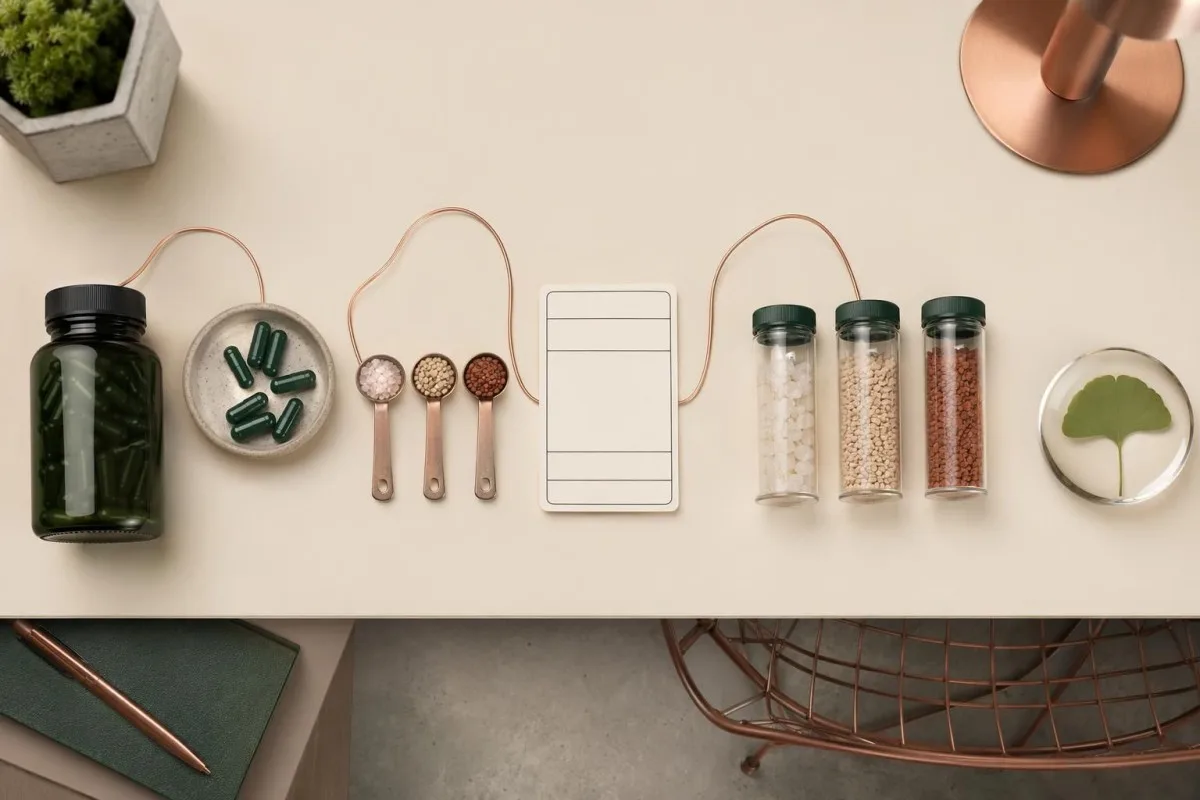
প্ৰাপ্তবয়স্কৰ বাবে এটা উপযোগী বেছলাইন হৈছে ভিটামিন D 600 IU, B12 2.4 mcg, আয়’ডিন 150 mcg, মহিলাৰ বাবে জিংক 8 mg বা পুৰুষৰ বাবে 11 mg, আৰু ছেলেনিয়াম 55 mcg। এই মানসমূহৰ প্ৰায় 50% ৰ পৰা 100% থকা এটা পণ্য সাধাৰণতে 10-গুণ ড’জ থকা ফ’র্মুলাৰ তুলনাত খাদ্য আৰু fortified পণ্যৰ সৈতে মিলাই ল’বলৈ সহজ। ব্যতিক্ৰমটো কোনো বিপণন দাবী নহয়; ই এটা নথিভুক্ত চিকিৎসাজনিত সূচক।.
কান্টেষ্টি হৈছে এক... এ আই ব্লাড টেষ্ট এনালাইজাৰ যিয়ে nutrient-সম্পৰ্কীয় ফলাফলক বয়স, লিংগ, reference interval, আৰু পূৰ্বৰ পৰিমাপৰ কাষত ৰাখে—এটা একক কম-স্বাভাবিক সংখ্যাকেই ডায়াগন’ছ হিচাপে ধৰি চিকিৎসা কৰাৰ পৰিৱৰ্তে। মোৰ ক্লিনিকেল কামত মই দেখিছোঁ যে কিছুমান ৰোগীয়ে তিনিটা ওভাৰলেপিং পণ্য খায় আৰু অজানিতে দৈনিক 90 mg জিংকত উপনীত হয়; চিন্তাটো মাহৰ পিছত ক’পাৰ কমি যোৱা—দিন-১ তৎক্ষণাৎ দেখা দিয়া লক্ষণ নহয়। আমাৰ তেজ বায়’মাৰ্কাৰ গাইড কোনবোৰ ফলাফলে আচলতে সেই আলোচনাত সহায় কৰিব পাৰে তাক চিনাক্ত কৰাত সহায় কৰে।.
২৫ জুলাই, ২০২৬ তাৰিখলৈ, মই এটা multivitaminক পুষ্টিগত বীমা হিচাপে গণ্য কৰিম—প্ৰ’টিন, fibre, produce, শুই থকা, বা নিৰ্ধাৰিত চিকিৎসাৰ বিকল্প হিচাপে নহয়। ব্যৱহাৰিক প্ৰথম স্ক্ৰীন হৈছে বয়স, গৰ্ভধাৰণৰ সম্ভাৱনা, খাদ্য-সম্পৰ্কীয় বাদ দিয়া বস্তু, নিয়মিত ঔষধ, কিডনি বা লিভাৰ ৰোগ, আৰু যোৱা বছৰৰ লেব’ৰেটৰী ফলাফল। ড° থমাছ ক্লেইনৰ ক্লিনিকৰ নিয়মটো ইচ্ছাকৃতভাৱে আকৰ্ষণহীন: যদি আপুনি ক’ব নোৱাৰে যে পণ্যটোৱে কোনটো ঘাটতি পূৰণ কৰে, তেন্তে এটা ডাঙৰ বটলৰ পৰিৱৰ্তে খাদ্য আৰু মূল্যায়নৰ পৰা আৰম্ভ কৰক।.
এটা লেবেল নম্বৰ ব্যক্তিগত লক্ষ্য নহয়
লেবেলত থকা শতাংশ Daily Value হৈছে জনসংখ্যাভিত্তিক ৰেফাৰেন্স, সকলো মানুহে সেই পৰিমাণৰ প্ৰয়োজন আছে বুলি প্ৰমাণ নহয়। স্বাভাবিক ferritin থকা আৰু ক্ষতি হোৱাৰ কোনো উৎস নথকা এজন ব্যক্তিয়ে নিয়মিত 18 mg ironৰ পৰা লাভ নাপায়; আনহাতে ferritin 30 ng/mL-ৰ তলত থকা এজন menstruating endurance athlete-এ বেলেগ ধৰণৰ আলোচনা আৰু বহু সময়ত অধিক সম্পূৰ্ণ iron work-upৰ প্ৰয়োজন হয়।.
লেবেল পঢ়ক: আটাইতকৈ গুৰুত্বপূৰ্ণ চাৰিটা দিশ
এটা বুদ্ধিমান multivitamin লেবেলে প্ৰতিটো nutrient, তাৰ ৰাসায়নিক ৰূপ, তাৰ ড’জ, আৰু শতাংশ Daily Value তালিকাভুক্ত কৰে; ব্যক্তিগত ড’জ লুকুৱাই ৰখা এটা proprietary blend এৰি যোৱাৰ কাৰণ।. আপুনি ব্যৱহাৰ কৰা প্ৰতিটো পণ্যতে একে nutrient যোগ কৰক, gummies, energy powders, চুলিৰ পণ্য, আৰু fortified পানীয়সমূহো অন্তৰ্ভুক্ত কৰি।.
প্ৰথমে preformed vitamin A বিচাৰক, যাক retinol বা retinyl acetate বুলি তালিকাভুক্ত কৰা হয়—কাৰণ ইয়াৰ প্ৰাপ্তবয়স্কৰ upper limit দৈনিক 3,000 mcg RAE। Beta-carotene-এ একে preformed-vitamin-A সীমা বহন নকৰে, তথাপিও উচ্চ ড’জৰ beta-carotene সম্পূৰক বৰ্তমান বা পূৰ্বৰ ধূমপায়ীৰ বাবে বেয়া পছন্দ, কাৰণ পৰীক্ষাসমূহে lung-cancer ঝুঁকি বৃদ্ধি পোৱা দেখা গৈছিল। এইদৰেই এটা আপাতদৃষ্টিত নিৰাপদ all-in-one ফ’র্মুলাকো সঠিকভাৱে পঢ়া উচিত।.
তাৰ পিছত পৰীক্ষা কৰক ভিটামিন B6, niacin, zinc, selenium, আৰু iodine—এই পাঁচটা উপাদানেই আটাইতকৈ সম্ভাৱনাময় যে মানুহে পণ্যসমূহ “stack” কৰিলে অতিমাত্ৰা হৈ যাব। ইউৰোপীয়ান ফুড ছেফটি অথ’ৰিটিয়ে ২০২৩ চনত vitamin B6-ৰ বাবে 12 mg/day প্ৰাপ্তবয়স্ক upper limit নিৰ্ধাৰণ কৰিছে, আনহাতে বহু high-potency multis-এ B-complex যোগ কৰাৰ আগতেই সেই পৰিমাণ অতিক্ৰম কৰে। গা-ত টিংলিং, জ্বলা জ্বলা ভৰি, বা নতুন ধৰণৰ balance সমস্যাই আন এটা nerve supplementৰ পৰিৱৰ্তে তৎক্ষণাৎ ঔষধ আৰু সম্পূৰকসমূহৰ পৰ্যালোচনা কৰিবলৈ বাধ্য কৰাব লাগে।.
Biotin-ৰ বাবে এটা পৃথক সতৰ্কবাণী আছে: cosmetic পণ্যত 5,000 ৰ পৰা 10,000 mcg থাকিব পাৰে, কিন্তু প্ৰাপ্তবয়স্কৰ adequate intake হৈছে 30 mcg। উচ্চ ড’জ biotin কিছুমান thyroid, troponin, আৰু hormone immunoassay-ত বাধা দিব পাৰে, সেয়ে আপুনি কি কি খাইছে সেই কথা লেব’ৰেটৰী আৰু prescriber-লৈ ঠিকমতে ক’ব লাগিব; আমাৰ গাইড fasting পৰীক্ষাৰ আগতে supplements কিয় সময়ৰ পৰিৱৰ্তনে ব্যাখ্যা সলনি কৰে—সেই কথা বুজাই।.
শিশুসকল আৰু কিশোৰ-কিশোৰী: কেতিয়া মাল্টিভিটামিন উপযুক্ত
শিশুসকলক সাধাৰণতে multivitaminৰ প্ৰয়োজন হয় কেৱল তেতিয়াহে যেতিয়া খাদ্য সীমিত কৰা হয়, বৃদ্ধি দ্ৰুত হয়, এজন clinician-এ deficiency-ৰ ঝুঁকি চিনাক্ত কৰিছে, বা স্থানীয় জনস্বাস্থ্য কাৰ্যসূচীয়ে এটা নিৰ্দিষ্ট nutrient পৰামৰ্শ দিয়ে।. শিশুদের বাবে প্ৰাপ্তবয়স্ক multivitamin উপযুক্ত নহয়, বিশেষকৈ কাৰণ iron আৰু vitamin A-ৰ ড’জ শৰীৰৰ আকাৰৰ তুলনাত বেমানান হ’ব পাৰে।.
ভিটামিন ডি হৈছে আটাইতকৈ সাধাৰণ ৰুটিন বিবেচনা: বহুতো ৰাষ্ট্ৰীয় কৰ্তৃপক্ষই কেঁচুৱা শিশুৰ বাবে দৈনিক 400 IU পৰামৰ্শ দিয়ে, আনহাতে ১ বছৰৰ ওপৰৰ শিশুসকলৰ বাবে খাদ্য, সূৰ্যালোক, আৰু সম্পূৰক—এই সকলো মিলাই দৈনিক প্ৰায় 600 IU প্ৰয়োজন হয়। সঠিক পৰিমাণ দেশভেদে, ছালৰ সংস্পৰ্শ, খাদ্যাভ্যাস, আৰু ঋতুভেদে ভিন্ন হয়, সেয়ে কেঁচুৱা শিশুৰ বাবে স্থানীয় শিশু বিশেষজ্ঞৰ পৰামৰ্শেই সঠিক উৎস। ১২ বছৰীয়া শিশুৰ বাবে লেবেল কৰা চিবাব পৰা টেবলেট কেঁচুৱা শিশুৰ প্ৰস্তুতিৰ বিকল্প নহয়।.
অধিক ঋতুস্ৰাৱ (heavy menstrual periods) হোৱা কিশোৰীসকলৰ ক্ষেত্ৰত, ভাগৰুৱা ভাবৰ সৈতে ফ্যাকাশে ভাব (pallor) থাকিলে অন্ধভাৱে লৌহযুক্ত বহু-ভিটামিন খোৱাৰ পৰিৱৰ্তে CBC আৰু ফেৰিটিন পৰীক্ষা কৰাটো যুক্তিযুক্ত। ফেৰিটিন 15 ng/mL ৰ তলত থাকিলে লৌহৰ সঞ্চয় কমি যোৱাৰ সৈতে শক্তিশালীভাৱে মিল পোৱা যায়, যদিও বহুতো চিকিৎসকে সঠিক পৰিস্থিতিত 30 ng/mL ৰ তলৰ লক্ষণযুক্ত কিশোৰীসকলকো অনুসন্ধান কৰে। আমাৰ শিশু আয়ৰণ-ঘাটতি সংকেতসমূহ লেখাটোৱে ব্যাখ্যা কৰে কিয় কেৱল haemoglobin এ অতি আৰম্ভণিৰ লৌহ কমি যোৱা ধৰা পেলাব নোৱাৰিব পাৰে।.
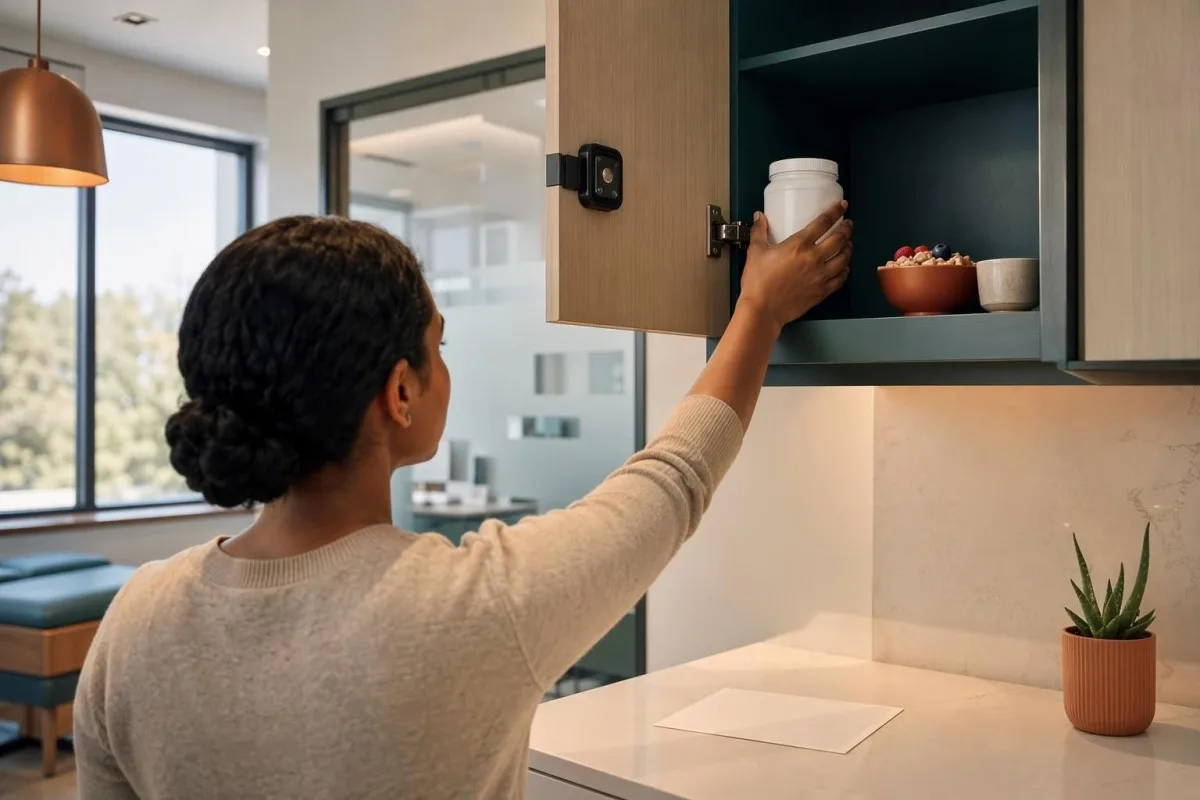
লৌহযুক্ত সামগ্ৰীসমূহক ঔষধৰ দৰে সাৱধানে সংৰক্ষণ কৰিব লাগে: অনিচ্ছাকৃতভাৱে সৰু ল’ৰা-ছোৱালীয়ে খাই পেলালে বিপদজনক হ’ব পাৰে। গাখীৰজাতীয় খাদ্য এৰোৱা, কঠোৰ খাদ্যাভ্যাস মানি চলা, বা coeliac disease থকা কিশোৰী/কিশোৰে সকলো উদ্দেশ্যৰ মিশ্ৰণৰ পৰিৱৰ্তে কেলচিয়াম, ভিটামিন ডি, B12, বা লৌহৰ বাবে লক্ষ্যভিত্তিক (targeted) পৰিকল্পনা প্ৰয়োজন হ’ব পাৰে। বয়স-নিৰ্দিষ্ট (age-specific) ৰেফাৰেন্স অন্তৰ (reference intervals) গুৰুত্বপূৰ্ণ, যিদৰে আমাৰ শিশু-সীমা গাইড.
১৯ৰ পৰা ৫০ বছৰ বয়সৰ প্ৰাপ্তবয়স্কৰ বাবে বয়স অনুসৰি সৰ্বোত্তম মাল্টিভিটামিন
১৯ৰ পৰা ৫০ বছৰ বয়সৰ অধিকাংশ প্ৰাপ্তবয়স্কৰ বাবে, লৌহ নথকা কম-ড’জৰ বহু-ভিটামিন কেৱল তেতিয়াহে যুক্তিযুক্ত—যদি আহাৰ অনিয়মিত হয় বা খাদ্য-সীমাবদ্ধতাই বিশ্বাসযোগ্যভাৱে এটা ফাঁক সৃষ্টি কৰে।. ঋতুস্ৰাৱ হোৱা premenopausal লোকসকলৰ লৌহৰ প্ৰয়োজন হ’ব পাৰে, কিন্তু সম্ভৱ হলে লৌহ ইতিহাস (history) আৰু ফেৰিটিন অনুসৰণ কৰিহে ল’ব লাগে, কেৱল লিংগ (sex) একাই নহয়।.
প্ৰাপ্তবয়স্কসকলে প্ৰতিদিনে 400 mcg dietary folate equivalents, 2.4 mcg B12, 55 mcg selenium, আৰু 150 mcg iodine প্ৰয়োজন; কেৱল কাম-কাজ বেছি হ’লেই এই প্ৰয়োজনসমূহ স্বয়ংক্ৰিয়ভাৱে বাঢ়ি নাযায়। 8 ৰ পৰা 18 mg লৌহ থকা এটা ফ’ৰ্মুলা কিছুমান ঋতুস্ৰাৱ হোৱা প্ৰাপ্তবয়স্কৰ বাবে উপযোগী হ’ব পাৰে, কিন্তু যদি প্ৰথমতে লৌহৰ প্ৰয়োজন নাছিল, তেন্তে কোষ্ঠকাঠিন্য (constipation), বমিভাৱ (nausea), আৰু লৌহৰ বোজা (iron burden) বাঢ়ি যোৱা—এইবোৰ এৰাই চলিব পাৰি। পুৰুষসকল, সঘনাই মাংস খোৱা লোকসকল, আৰু পৰিয়ালত haemochromatosis ৰ ইতিহাস থকা লোকসকলে বিশেষ সাৱধানতা মানিব লাগে।.
মই বহু সময়ত দেখা পাওঁ—এজন 28 বছৰীয়া জিমলৈ যোৱা ব্যক্তিয়ে এটা বহু-ভিটামিন, pre-workout, আৰু hydration powder ব্যৱহাৰ কৰিছে, যাৰ প্ৰতিটোৱে B ভিটামিন যোগ কৰে। সঞ্চিত B6—কেৱল বহু-ভিটামিনেই নহয়—হে সমস্যাৰ মূল হৈ পৰে, বিশেষকৈ কেইমাহমান ধৰি মুঠ 12 mg দৈনিক অতিক্ৰম কৰিলে। বেছিভাগ প্ৰাপ্তবয়স্কে এটা বেছলাইন গঢ়ি তুলিলে এই সিদ্ধান্তক আমাৰ ২০ৰ দশকৰ পুৰুষসকলৰ বাবে কৰা ৰক্ত পৰীক্ষাৰ সৈতে মিলাই ল’ব পাৰে বা সমতুল্য বয়স-উপযোগী primary-care পৰ্যালোচনাৰ সৈতে।.
Vegetarian খাদ্যাভ্যাস, night-shift সময়সূচী, উচ্চ training volume, আৰু অধিক ঋতুস্ৰাৱ—এই সকলোবোৰে গণনাক (calculation) সলনি কৰে, কিন্তু কোনোৱেই স্বয়ংক্ৰিয়ভাৱে ঘাটতি (deficiency) প্ৰমাণ নকৰে। ফেৰিটিন 18 ng/mL ৰ ফলাফল মানে একাকীভাৱে CRP, menstrual history, endurance training, আৰু CBC ৰ বাহিৰে আন কিবা কথা বুজায়। লেবেলত ছপা হোৱা “energy” শব্দটোৰ তুলনাত এই পাৰ্থক্য অধিক উপযোগী।.
গৰ্ভধাৰণ, গৰ্ভধাৰণ-পূৰ্ব আৰু স্তনপানৰ বাবে এটা প্ৰেনেটেল পৰিকল্পনা লাগে
গৰ্ভাৱস্থাত (pregnancy) হৈছে সেই জীৱন-স্তৰ (life stage) য’ত standard adult multivitamin ৰ তুলনাত purpose-built prenatal supplement অধিক উপযুক্ত।. গৰ্ভধাৰণৰ আগতে আৰু গৰ্ভাৱস্থাৰ প্ৰথম 12 সপ্তাহলৈ প্ৰতিদিনে 400 mcg folic acid লওক, যদি কোনো চিকিৎসকে উচ্চ-ঝুঁকিৰ (higher-risk) সূচক (indication) বাবে 5 mg পৰামৰ্শ নিদিয়ে।.
গৰ্ভাৱস্থাই folate ৰ প্ৰয়োজন 600 mcg DFE লৈ আৰু iodine ৰ প্ৰয়োজন দৈনিক 220 mcg লৈ বৃদ্ধি কৰে; breastfeeding অৱস্থাত iodine ৰ প্ৰয়োজন দৈনিক 290 mcg। Prenatals সাধাৰণতে 150 mcg iodine আৰু 27 mg iron অন্তৰ্ভুক্ত কৰে, কিন্তু thyroid disease, hyperemesis, একাধিক গৰ্ভ (multiple pregnancy), বা আগতে bariatric surgery কৰা থাকিলে পৰিকল্পনা সলনি হ’ব পাৰে। Preformed vitamin A দৈনিক 3,000 mcg RAE ৰ তলত ৰাখিব লাগে, সেয়ে পৰামৰ্শ নোহোৱাকৈ retinol থকা beauty products বা liver-based supplements যোগ নকৰিব।.
Manson et al. VITAL trial এ দেখা নাপালে যে দৈনিক 2,000 IU ভিটামিন ডিয়ে সাধাৰণভাৱে সুস্থ প্ৰাপ্তবয়স্কসকলৰ মাজত ডাঙৰ cardiovascular event বা invasive cancer ৰোধ কৰিব পাৰে (Manson et al., 2019)। ইয়াৰ অৰ্থ এইটো নহয় যে গৰ্ভাৱস্থাত ভিটামিন ডি অপ্ৰাসংগিক; ইয়াৰ অৰ্থ হৈছে—ৰুটিনভাৱে দিয়া উচ্চ ড’জটো সকলোৰে বাবে একেধৰণৰ (universal) preventive চিকিৎসা নহয়। বেছিভাগ prenatal ভিটামিন ডি ড’জ 400 ৰ পৰা 1,000 IU, কিন্তু নথিভুক্ত ঘাটতি (documented deficiency) থাকিলে চিকিৎসক-নিৰ্দেশিত (clinician-led) কোর্স আৰু পুনৰ 25-OH vitamin D পৰীক্ষা প্ৰয়োজন হ’ব পাৰে।.
প্রসৱৰ পিছৰ (postpartum) ভাগৰুৱা ভাবক শক্তিশালী prenatal ৰ তুলনাত বহল দৃষ্টিভংগীৰে চাব লাগে: ৰক্তক্ষয় (blood loss), শুই থকাৰ ব্যাঘাত (sleep disruption), thyroid disease, depression, লৌহৰ সঞ্চয় কমি যোৱা (iron depletion), আৰু B12 ঘাটতি—এইবোৰ একেলগে দেখা দিব পাৰে। আমাৰ গৰ্ভকালীন সম্পূরকৰ নিৰ্দেশিকা আৰু আমাৰ preconception laboratory checklist এ এটা লক্ষ্যভিত্তিক (focused) এপয়ণ্টমেন্ট প্ৰস্তুত কৰাত সহায় কৰিব পাৰে। এটি এটি এখন এটি একটি focussed appointment তৈয়াৰ কৰাত সহায় কৰিব পাৰে।.
৫১ৰ পৰা ৬৪ বছৰ বয়সৰ প্ৰাপ্তবয়স্ক: B12, হাড়ৰ স্বাস্থ্য আৰু সলনি হোৱা খাদ্যাভ্যাসৰ ওপৰত গুৰুত্ব দিয়ক
৫১ৰ পৰা ৬৪ বছৰ বয়সৰ প্ৰাপ্তবয়স্কসকলৰ বাবে, আটাইতকৈ ভাল বহু-ভিটামিন সাধাৰণতে B12, vitamin D, আৰু সামান্য (modest) খনিজ (minerals) থাকে, আনহাতে menopause ৰ পিছত লৌহ সাধাৰণতে কম প্ৰয়োজনীয় হৈ পৰে।. খাদ্যৰ পৰা ভিটামিন B12 শোষণ বয়সৰ লগে লগে কমি যাব পাৰে, যদিও প্ৰাপ্তবয়স্কৰ প্ৰয়োজন দৈনিক 2.4 mcg একেই থাকে।.
৭০ বছৰ বয়সলৈকে ভিটামিন D দৈনিক 600 IU হৈ থাকে, আৰু 51 বছৰ বয়সৰ পৰা মহিলাসকলৰ বাবে কেলচিয়ামৰ লক্ষ্য 1,200 mg দৈনিক; 51ৰ পৰা 70 বছৰ বয়সৰ পুৰুষসকলে দৈনিক 1,000 mg লাগে। এটা মাল্টিভিটামিন সাধাৰণতে ডাঙৰ খাদ্য-ফাঁক বন্ধ কৰিবলৈ যথেষ্ট কেলচিয়াম কমেই যোগান দিয়ে, আৰু কেলচিয়াম-সমৃদ্ধ আহাৰৰ ওপৰত অধিক কেলচিয়ামযুক্ত প্ৰডাক্ট খালে সংবেদনশীল লোকৰ ক্ষেত্ৰত কোষ্ঠকাঠিন্য বেছি কৰিব পাৰে বা শিলৰ (stone) ঝুঁকি বৃদ্ধি কৰিব পাৰে। খাদ্য-প্ৰথম কেলচিয়াম সাধাৰণতে দিনজুৰি বিতৰণ কৰাত সহজ হয়।.
মেন’পজে লিপিড, শৰীৰৰ গঠন, আৰু আয়ৰণৰ অৱস্থা বিভিন্ন দিশলৈ সলনি কৰিব পাৰে; “50ৰ ওপৰৰ মহিলাৰ বাবে” বুলি বজাৰত বিক্ৰী হোৱা এটা ফর্মুলাই সেইবোৰৰ কোনো এটা মাপেই নলয়। মেন’পজৰ পিছত 180 ng/mL ফেৰিটিন থাকিলে তাক ভিটামিন বুলি ধৰি লোৱা উচিত নহয়; সম্ভাৱনাসমূহৰ ভিতৰত আছে প্রদাহ (inflammation), বিপাকীয় লিভাৰ ৰোগ (metabolic liver disease), এলক’হল সেৱন, আৰু আয়ৰণৰ আধিক্য (iron overload)। আমাৰ মহিলাসকলৰ মধ্য-জীৱনৰ ৰক্ত পৰীক্ষা কিছুমান চিকিৎসা কৰাৰ আগতে চাওক।.
ড° থমাছ ক্লেইনে এই দশকত এটা পুনৰাবৃত্ত ভুল দেখিছে: মানুহে পিৰিয়ড বন্ধ হোৱাৰ বহু বছৰ পিছতো পুৰণি আয়ৰণ-ধাৰণকাৰী প্ৰেনাটেল বা মেন’চুৱেল ফর্মুলা চলাই থাকে। সম্পূৰ্ণ লেবেল পৰীক্ষা কৰি আৰু ফেৰিটিন, transferrin saturation, আৰু লক্ষণসমূহৰ বিষয়ে এজন চিকিৎসকৰ সৈতে আলোচনা কৰাৰ পিছতহে সলনি কৰক। সৰু ফর্মুলা বহু সময়ত অধিক সুৰক্ষিত ফর্মুলা হয়।.
৬৫ বছৰ আৰু তাতকৈ অধিক বয়সৰ প্ৰাপ্তবয়স্ক: শোষণ, ৰুচি (appetite) আৰু ঔষধৰ বোজা গুৰুত্বপূৰ্ণ
65 বছৰ আৰু তাতকৈ অধিক বয়সৰ প্ৰাপ্তবয়স্কসকলে ব্ৰেণ্ড অনুসৰি “চেনিয়ৰ” মাল্টিভিটামিন বাছনি কৰাতকৈ ঔষধসমূহ পৰ্যালোচনা, ৰুচি (appetite), গিলি লোৱা (swallowing), আৰু কিডনিৰ কাৰ্যক্ষমতা (kidney function) চোৱা-চিতা কৰাত বেছি লাভ পায়।. 70 বছৰ বয়সৰ পিছত ভিটামিন D দৈনিক 800 IU লৈ বৃদ্ধি কৰিব লাগে, আনহাতে B12, মেগনেছিয়াম, আৰু আয়ৰণৰ পছন্দসমূহে ব্যক্তিগত পৰিস্থিতি মানি চলিব লাগে।.
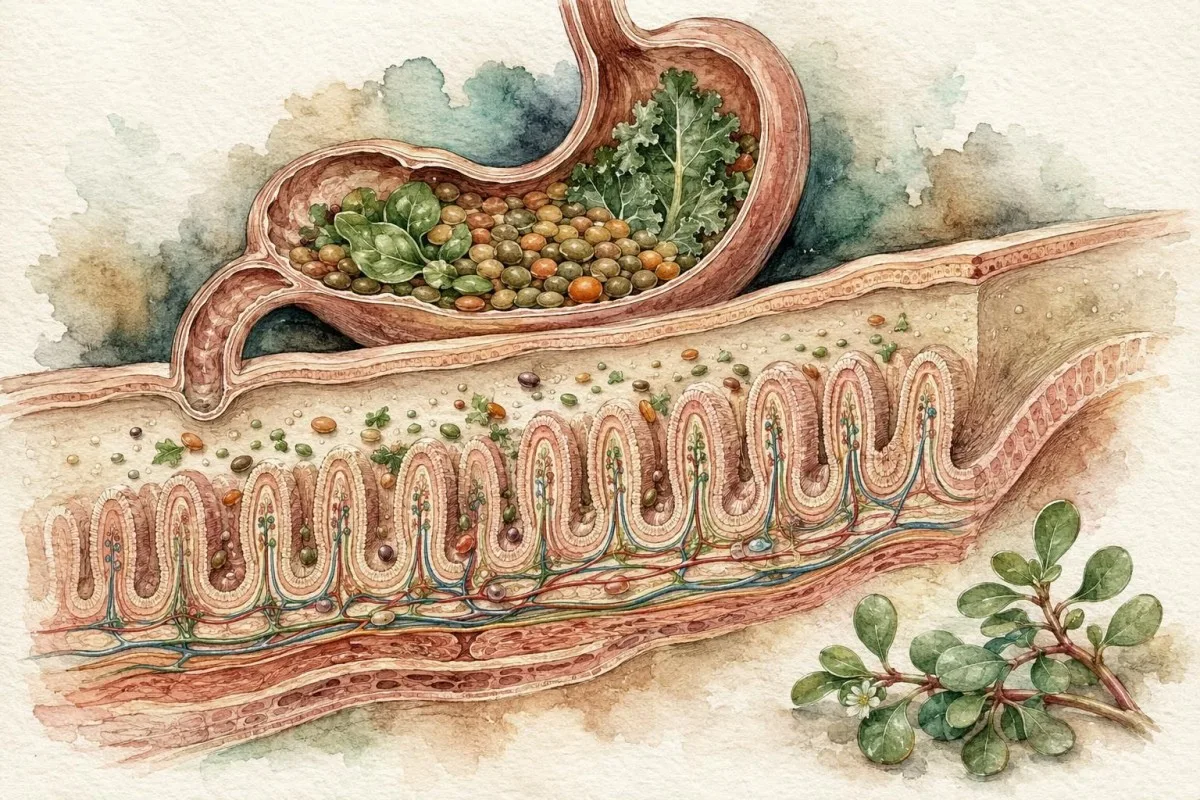
কমি যোৱা পাকস্থলীৰ এচিড (reduced stomach acid), atrophic gastritis, metformin, আৰু proton-pump inhibitors—এই সকলোবোৰে সময়ৰ লগে লগে B12 শোষণ (absorption) ক্ষতিগ্ৰস্ত কৰিব পাৰে। B12 200 pg/mL তকৈ তলত সাধাৰণতে ঘাটতি বুলি ধৰা হয়, কিন্তু 200ৰ পৰা 300 pg/mL এটা অনিৰ্দিষ্ট অঞ্চল (indeterminate zone) য’ত methylmalonic acid এ কাৰ্যক্ষম ঘাটতি (functional deficiency) স্পষ্ট কৰিব পাৰে, বিশেষকৈ অসাড়তা (numbness) বা macrocytosis থাকিলে। B12 ৰেঞ্জ গাইড কিয় পৰীক্ষাৰ (assay) এককসমূহ গুৰুত্বপূৰ্ণ হয়—সেয়া ব্যাখ্যা কৰে।.
কিডনিৰ কাৰ্যক্ষমতাই খনিজ-সমৃদ্ধ (mineral-heavy) ফর্মুলাৰ সুৰক্ষা প্ৰ’ফাইল সলনি কৰে। কমেও 3 মাহৰ বাবে eGFR 60 mL/min/1.73 m² তকৈ তলত থাকিলে chronic kidney disease ৰ সংজ্ঞা পূৰণ কৰে, আৰু সম্পূৰক মেগনেছিয়াম, পটাছিয়াম, ফছফৰাছ, আৰু ভিটামিন A ৰ ক্ষেত্ৰত চিকিৎসকৰ মতামত লাগিব পাৰে। আমাৰ কিডনি ষ্টেজ গাইড হৈছে এটা “চেনিয়ৰ” প্ৰডাক্টত দীঘলীয়া খনিজ তালিকা থাকিলে উপযোগী সহায়ক।.
Kantesti AI এ longitudinal ফলাফল ব্যৱহাৰ কৰি haemoglobin, eGFR, B12, বা কেলচিয়ামত অৰ্থপূৰ্ণ সোঁত/ড্ৰিফ্ট (drift) দেখুৱায়—এটা একক reference-range ফ্লেগে স্বাস্থ্য নিৰ্ধাৰণ কৰে বুলি সূচোৱা নহয়। অনিচ্ছাকৃতভাৱে ওজন কমি যোৱা সৈতে কমি যোৱা ৰুচি (low appetite), পুনঃপুনঃ পৰি যোৱা (recurrent falls), নতুন বিভ্ৰান্তি (new confusion), বা টিংগলিং (tingling)—এইবোৰ এটা মাল্টিভিটামিনৰ সমস্যা নহয়, যতক্ষণলৈকে এজন চিকিৎসকে অসুখ, ঔষধৰ প্ৰভাৱ, আৰু malabsorption বাদ দিয়া নাই।.
খাদ্যাভ্যাসৰ ধৰণ: ভেগান, কম কেল’ৰি, গ্লুটেন-ফ্ৰী আৰু সীমিত খাদ্যাভ্যাস
বয়সৰ ওপৰত কেৱল নিৰ্ভৰ কৰাৰ তুলনাত খাদ্যৰ ধৰণ (diet pattern) অনুসৰি লক্ষ্যভিত্তিক সম্পূৰক (targeted supplementation) লোৱাৰ বাবে বহু সময়ত ভাল যুক্তি হয়।. ভেগানসকলৰ বাবে এটা নিৰ্ভৰযোগ্য ভিটামিন B12 উৎস লাগে, কিন্তু অতি কম কেল’ৰি, gluten-free, বা অত্যন্ত বাছনি কৰা খাদ্য খোৱা লোকসকলে আয়ৰণ, আয়’ডিন, কেলচিয়াম, ভিটামিন D, জিংক, বা ফ’লেেট—এইবোৰৰ বাবে dietitian-ৰ নেতৃত্বত মূল্যায়ন লাগিব পাৰে।.
উদ্ভিদজাত খাদ্যই নিৰ্ভৰযোগ্য সক্ৰিয় B12 যোগান নধৰে, যদিহে সেয়া fortified নহয়, আৰু শোষণৰ (absorption) ভিন্নতা ধৰা আগতে প্ৰাপ্তবয়স্কসকলে দৈনিক 2.4 mcg লাগে। দৈনিক এবাৰ মাল্টিভিটামিনত B12 থাকিব পাৰে, কিন্তু উপযুক্ত সম্পূৰক সময়সূচী ড’জ আৰু ফ’ৰ্মুলেচনৰ ওপৰত নিৰ্ভৰ কৰে; শেহতীয়া সম্পূৰক খোৱাৰ পিছতো নিয়মিত serum B12 স্বাভাৱিক দেখা যাব পাৰে, যদিও লক্ষণসমূহে অধিক বিস্তৃত পৰীক্ষা (work-up) দাবী কৰে। আমাৰ উদ্ভিদ-ভিত্তিক লেব গাইড ব্যৱহাৰিক পুনৰ-টেষ্টিং (retesting) ক’ত ক’মে ক’মে ক’মে ক’মে ক’মে ক’মে ক’মে ক’মে ক’মে ক’মে ক’মে ক’মে ক’মে ক’মে ক’মে ক’মে ক’মে ক’মে ক’মে ক’মে ক’মে ক’মে ক’মে ক’মে ক’মে ক’মে ক’মে ক’মে ক’মে ক’মে ক’মে ক’মে ক’মে ক’মে ক’মে ক’মে ক’মে ক’মে ক’মে ক’মে ক’মে ক’মে ক’মে ক’মে ক’মে ক’মে ক’মে ক’মে ক’মে ক’মে ক’মে ক’মে ক’মে ক’মে ক’মে ক’মে ক’মে ক’মে ক’মে ক’মে ক’মে ক’মে ক’মে ক’মে ক’মে ক’মে ক’মে ক’মে ক’মে ক’মে ক’মে ক’মে ক’মে ক’মে ক’মে ক’মে ক’মে ক’মে ক’মে ক’মে ক’মে ক’মে ক’মে ক’মে ক’মে ক’মে ক’মে ক’মে ক’মে ক’মে ক’মে ক’মে ক’মে ক’মে ক’মে ক’মে ক’মে ক’মে ক’মে ক’মে ক’মে ক’মে ক’মে ক’মে ক’মে ক’মে ক’মে ক’মে ক’মে ক’মে ক’মে ক’মে ক’মে ক’মে ক’মে ক’মে ক’মে ক’মে ক’মে ক’মে ক’মে ক’মে ক’মে ক’মে ক’মে ক’মে ক’মে ক’মে ক’মে ক’মে ক’মে ক’মে ক’মে ক’মে ক’মে ক’মে ক’মে ক’মে ক’মে ক’মে ক’মে ক’মে ক’মে ক’মে ক’মে ক’মে ক’মে ক’মে ক’মে ক’মে ক’মে ক’মে ক’মে ক’মে ক’মে ক’মে ক’মে ক’মে ক’মে ক’মে ক’মে ক’মে ক’মে ক’মে ক’মে ক’মে ক’মে ক’মে ক’মে ক’মে ক’মে ক’মে ক’মে ক’মে ক’মে ক’মে ক’মে ক’মে ক’মে ক’মে ক’মে ক’মে ক’মে ক’মে ক’মে ক’মে ক’মে ক’মে ক’মে ক’মে ক’মে ক’মে ক’মে ক’মে ক’মে ক’মে ক’মে ক’মে ক’মে ক’মে ক’মে ক’মে ক’মে ক’মে ক’মে ক’মে ক’মে ক’মে ক’মে ক’মে ক’মে ক’মে ক’মে ক’মে ক’মে ক’মে ক’মে ক’মে ক’মে ক’মে ক’মে ক’মে ক’মে ক’মে ক’মে ক’মে ক’মে ক’মে ক’মে ক’মে ক’মে ক’মে ক’মে ক’মে ক’মে ক’মে ক’মে ক’মে ক’মে ক’মে ক’মে ক’মে ক’মে ক’মে ক’মে ক’মে ক’মে ক’মে ক’মে ক’মে ক’মে ক’মে ক’মে ক’মে ক’মে ক’মে ক’মে ক’মে ক’মে ক’মে ক’মে ক’মে ক’মে ক’মে ক’মে ক’মে ক’মে ক’মে ক’মে ক’মে ক’মে ক’মে ক’মে ক’মে ক’মে ক’মে ক’মে ক’মে ক’মে ক’মে ক’মে ক’মে ক’মে ক’মে ক’মে ক’মে ক’মে ক’মে ক’মে ক’মে ক’মে ক’মে ক’মে ক’মে ক’মে ক’মে ক’মে ক’মে ক’মে ক’মে ক’মে ক’মে ক’মে ক’মে ক’মে ক’মে ক’মে ক’মে ক’মে ক’মে ক’মে ক’মে ক’মে ক’মে ক’মে ক’মে ক’মে ক’মে ক’মে ক’মে ক’মে ক’মে ক’মে ক’মে ক’মে ক’মে ক’মে ক’মে ক’মে ক’মে ক’মে ক’মে ক’মে ক’মে ক’মে ক’মে ক’মে ক’মে ক’মে ক’মে ক’মে ক’মে ক’মে ক’মে ক’মে ক’মে ক’মে ক’মে ক’মে ক’মে ক’মে ক’মে ক’মে ক’মে ক’মে ক’মে ক’মে ক’মে ক’মে ক’মে ক’মে ক’মে ক’মে ক’মে ক’মে ক’মে ক’মে ক’মে ক’মে ক’মে ক’মে ক’মে ক’মে ক’মে ক’মে ক’মে ক’মে ক’মে ক’মে ক’মে ক’মে ক’মে ক’মে ক’মে ক’মে ক’মে ক’মে ক’মে ক’মে ক’মে ক’মে ক’মে ক’মে ক’মে ক’মে ক’মে ক’মে ক’মে ক’মে ক’মে ক’মে ক’মে ক’মে ক’মে ক’মে ক’মে ক’মে ক’মে ক’মে ক’মে ক’মে ক’মে ক’মে ক’মে ক’মে ক’মে ক’মে ক’মে ক’মে ক’মে ক’মে ক’মে ক’মে ক’মে ক’মে ক’মে ক’মে ক’মে ক’মে ক’মে ক’মে ক’মে ক’মে ক’মে ক’মে ক’মে ক’মে ক’মে ক’মে ক’মে ক’মে ক’মে ক’মে ক’মে ক’মে ক’মে ক’মে ক’মে ক’মে ক’মে ক’মে ক’মে ক’মে ক’মে ক’মে ক’মে ক’মে ক’মে ক’মে ক’মে ক’মে ক’মে ক’মে ক’মে ক’মে ক’মে ক’মে ক’মে ক’মে ক’মে ক’মে ক’মে ক’মে ক’মে ক’মে ক’মে ক’মে ক’মে ক’মে ক’মে ক’মে ক’মে ক’মে ক’মে ক’মে ক’মে ক’মে ক’মে ক’মে ক’মে ক’মে ক’মে ক’মে ক’মে ক’মে ক’মে ক’মে ক’মে ক’মে ক’মে ক’মে ক’মে ক’মে ক’মে ক’মে ক’মে ক’মে ক’মে ক’মে ক’মে ক’মে ক’মে ক’মে ক’মে ক’মে ক’মে ক’মে ক’মে ক’মে ক’মে ক’মে ক’মে ক’মে ক’মে ক’মে ক’মে ক’মে ক’মে ক’মে ক’মে ক’মে ক’মে ক’মে ক’মে ক’মে ক’মে ক’মে ক’মে ক’মে ক’মে ক’মে ক’মে ক’মে ক’মে ক’মে ক’মে ক’মে ক’মে ক’মে ক’মে ক’মে ক’মে ক’মে ক’মে ক’মে ক’মে ক’মে ক’মে ক’মে ক’মে ক’মে ক’মে ক’মে ক’মে ক’মে ক’মে ক’মে ক’মে ক’মে ক’মে ক’মে ক’মে ক’মে ক’মে ক’মে ক’মে ক’মে ক’মে ক’মে ক’মে ক’মে ক’মে ক’মে ক’মে ক’মে ক’মে ক’মে ক’মে ক’মে ক’মে ক’মে ক’মে ক’মে ক’মে ক’মে ক’মে ক’মে ক’মে ক’মে ক’মে ক’মে ক’মে ক’মে ক’মে ক’মে ক’মে ক’মে ক’মে ক’মে ক’মে ক’মে ক’মে ক’মে ক’মে ক’মে ক’মে ক’মে ক’মে ক’মে ক’মে ক’মে ক’মে ক’মে ক’মে ক’মে ক’মে ক’মে ক’মে ক’মে ক’মে ক’মে ক’মে ক’মে ক’মে ক’মে ক’মে ক’মে ক’মে ক’মে ক’মে ক’মে ক’মে ক’মে ক’মে ক’মে ক’মে ক’মে ক’মে ক’মে ক’মে ক’মে ক’মে ক’মে ক’মে ক’মে ক’মে ক’মে ক’মে ক’মে ক’মে ক’মে ক’মে ক’মে ক’মে ক’মে ক’মে ক’মে ক’মে ক’মে ক’মে ক’মে ক’মে ক’মে ক’মে ক’মে ক’মে ক’মে ক’মে ক’মে ক’মে ক’মে ক’মে ক’মে ক’মে ক’মে ক’মে ক’মে ক’মে ক’মে ক’মে ক’মে ক’মে ক’মে ক’মে ক’মে ক’মে ক’মে ক’মে ক’মে ক’মে ক’মে ক’মে ক’মে ক’মে ক’মে ক’মে ক’মে ক’মে ক’মে ক’মে ক’মে ক’মে ক’মে ক’মে ক’মে ক’মে ক’মে ক’মে ক’মে ক’মে ক’মে ক’মে ক’মে ক’মে ক’মে ক’মে ক’মে ক’মে ক’মে ক’মে ক’মে ক’মে ক’মে ক’মে ক’মে ক’মে ক’মে ক’মে ক’মে ক’মে ক’মে ক’মে ক’মে ক’মে ক’মে ক’মে ক’মে ক’মে ক’মে ক’মে ক’মে ক’মে ক’মে ক’মে ক’মে ক’মে ক’মে ক’মে ক’মে ক’মে ক’মে ক’মে ক’মে ক’মে ক’মে ক’মে ক’মে ক’মে ক’মে ক’মে ক’মে ক’মে ক’মে ক’মে ক’মে ক’মে ক’মে ক’মে ক’মে ক’মে ক’মে ক’মে ক’মে ক’মে ক’মে ক’মে ক’মে ক’মে ক’মে ক’মে ক’মে ক’মে ক’মে ক’মে ক’মে ক’মে ক’মে ক’মে ক’মে ক’মে ক’মে ক’মে ক’মে ক’মে ক’মে ক’মে ক’মে ক’মে ক’মে ক’মে ক’মে ক’মে ক’মে ক’মে ক’মে ক’মে ক’মে ক’মে ক’মে ক’মে ক’মে ক’মে ক’মে ক’মে ক’মে ক’মে ক’মে ক’মে ক’মে ক’মে ক’মে ক’মে ক’মে ক’মে ক’মে ক’মে ক’মে ক’মে ক’মে ক’মে ক’মে ক’মে ক’মে ক’মে ক’মে ক’মে ক’মে ক’মে ক’মে ক’মে ক’মে ক’মে ক’মে ক’মে ক’মে ক’মে ক’মে ক’মে ক’মে ক’মে ক’মে ক’মে ক’মে ক’মে ক’মে ক’মে ক’মে ক’মে ক’মে ক’মে ক’মে ক’মে ক’মে ক’মে ক’মে ক’মে ক’মে ক’মে ক’মে ক’মে ক’মে ক’মে ক’মে ক’মে ক’মে ক’মে ক’মে ক’মে ক’মে ক’মে ক’মে ক’মে ক’মে ক’মে ক’মে ক’মে ক’মে ক’মে ক’মে ক’মে ক’মে ক’মে ক’মে ক’মে ক’মে ক’মে ক’মে ক’মে ক’মে ক’মে ক’মে ক’মে ক’মে ক’মে ক’মে ক’মে ক’মে ক’মে ক’মে ক’মে ক’মে ক’মে ক’মে ক’মে ক’মে ক’মে ক’মে ক’মে ক’মে ক’মে ক’মে ক’মে ক’মে ক’মে ক’মে ক’মে ক’মে ক’মে ক’মে ক’মে ক’মে ক’মে ক’মে ক’মে ক’মে ক’মে ক’মে ক’মে ক’মে ক’মে ক’মে ক’মে ক’মে ক’মে ক’মে ক’মে ক’মে ক’মে ক’মে ক’মে ক’মে ক’মে ক’মে ক’মে ক’মে ক’মে ক’মে ক’মে ক’মে ক’মে ক’মে ক’মে ক’মে ক’মে ক’মে ক’মে ক’মে ক’মে ক’মে ক’মে ক’মে ক’মে ক’মে ক’মে ক’মে ক’মে ক’মে ক’মে ক’মে ক’মে ক’মে ক’মে ক’মে ক’মে ক’মে ক’মে ক’মে ক’মে ক’মে ক’মে ক’মে ক’মে ক’মে ক’মে ক’মে ক’মে ক’মে ক’মে ক’মে ক’মে ক’মে ক’মে ক’মে ক’মে ক’মে ক’মে ক’মে ক’মে ক’মে ক’মে ক’মে ক’মে ক’মে ক’মে ক’মে ক’মে ক’মে ক’মে ক’মে ক’মে ক’মে ক’মে ক’মে ক’মে ক’মে ক’মে ক’মে ক’মে ক’মে ক’মে ক’মে ক’মে ক’মে ক’মে ক’মে ক’মে ক’মে ক’মে ক’মে ক’মে ক’মে ক’মে ক’মে ক’মে ক’মে ক’মে ক’মে ক’মে ক’মে ক’মে ক’মে ক’মে ক’মে ক’মে ক’মে ক’মে ক’মে ক’মে ক’মে ক’মে ক’মে ক’মে ক’মে ক’মে ক’মে ক’মে ক’মে ক’মে ক’মে ক’মে ক’মে ক’মে ক’মে ক’মে ক’মে ক’মে ক’মে ক’মে ক’মে ক’মে ক’মে ক’মে ক’মে ক’মে ক’মে ক’মে ক’মে ক’মে ক’মে ক’মে ক’মে ক’মে ক’মে ক’মে ক’মে ক’মে ক’মে ক’মে ক’মে ক’মে ক’মে ক’মে ক’মে ক’মে ক’মে ক’মে ক’মে ক’মে ক’মে ক’মে ক’মে ক’মে ক’মে ক’মে ক’মে ক’মে ক’মে ক’মে ক’মে ক’মে ক’মে ক’মে ক’মে ক’মে ক’মে ক’মে ক’মে ক’মে ক’মে ক’মে ক’মে ক’মে ক’মে ক’মে ক’মে ক’মে ক’মে ক’মে ক’মে ক’মে ক’মে ক’মে ক’মে ক’মে ক’মে ক’মে ক’মে ক’মে ক’মে ক’মে ক’মে ক’মে ক’মে ক’মে ক’মে ক’মে ক’মে ক’মে ক’মে ক’মে ক’মে ক’মে ক’মে ক’মে ক’মে ক’মে ক’মে ক’মে ক’মে ক’মে ক’মে ক’মে ক’মে ক’মে ক’মে ক’মে ক’মে ক’মে ক’মে ক’মে ক’মে ক’মে ক’মে ক’মে ক’মে ক’মে ক’মে ক’মে ক’মে ক’মে ক’মে ক’মে ক’মে ক’মে ক’মে ক’মে ক’মে ক’মে ক’মে ক’মে ক’মে ক’মে ক’মে ক’মে ক’মে ক’মে ক’মে ক’মে ক’মে ক’মে ক’মে ক’মে ক’মে ক’মে ক’মে ক’মে ক’মে ক’মে ক’মে ক’মে ক’মে ক’মে ক’মে ক’মে ক’মে ক’মে ক’মে ক’মে ক’মে ক’মে ক’মে ক’মে ক’মে ক’মে ক’মে ক’মে ক’মে ক’মে ক’মে ক’মে ক’মে ক’মে ক’মে ক’মে ক’মে ক’মে ক’মে ক’মে ক’মে ক’মে ক’মে ক’মে ক’মে ক’মে ক’মে ক’মে ক’মে ক’মে ক’মে ক’মে ক’মে ক’মে ক’মে ক’মে ক’মে ক’মে ক’মে ক’মে ক’মে ক’মে ক’মে ক’মে ক’মে ক’মে ক’মে ক’মে ক’মে ক’মে ক’মে ক’মে ক’মে ক’মে ক’মে ক’মে ক’মে ক’মে ক’মে ক’মে ক’মে ক’মে ক’মে ক’মে ক’মে ক’মে ক’মে ক’মে ক’মে ক’মে ক’মে ক’মে ক’মে ক’মে ক’মে ক’মে ক’মে ক’মে ক’মে ক’মে ক’মে ক’মে ক’মে ক’মে ক’মে ক’মে ক’মে ক’মে ক’মে ক’মে ক’মে ক’মে ক’মে ক’মে ক’মে ক’মে ক’মে ক’মে ক’মে ক’মে ক’মে ক’মে ক’মে ক’মে ক’মে ক’মে ক’মে ক’মে ক’মে ক’মে ক’মে ক’মে ক’মে ক’মে ক’মে ক’মে ক’মে ক’মে ক’মে ক’মে ক’মে ক’মে ক’মে ক’মে ক’মে ক’মে ক’মে ক’মে ক’মে ক’মে ক’মে ক’মে ক’মে ক’মে ক’মে ক’মে ক’মে ক’মে ক’মে ক’মে ক’মে ক’মে ক’মে ক’মে ক’মে ক’মে ক’মে ক’মে ক’মে ক’মে ক’মে ক’মে ক’মে ক’মে ক’মে ক’মে ক’মে ক’মে ক’মে ক’মে ক’মে ক’মে ক’মে ক’মে ক’মে ক’মে ক’মে ক’মে ক’মে ক’মে ক’মে ক’মে ক’মে ক’মে ক’মে ক’মে ক’মে ক’মে ক’মে ক’মে ক’মে ক’মে ক’মে ক’মে ক’মে ক’মে ক’মে ক’মে ক’মে ক’মে ক’মে ক’মে ক’মে ক’মে ক’মে ক’মে ক’মে ক’মে ক’মে ক’মে ক’মে ক’মে ক’মে ক’মে ক’মে ক’মে ক’মে ক’মে ক’মে ক’মে ক’মে ক’মে ক’মে ক’মে ক’মে ক’মে ক’মে ক’মে ক’মে ক’মে ক’মে ক’মে ক’মে ক’মে ক’মে ক’মে ক’মে ক’মে ক’মে ক’মে ক’মে ক’মে ক’মে ক’মে ক’মে ক’মে ক’মে ক’মে ক’মে ক’মে ক’মে ক’মে ক’মে ক’মে ক’মে ক’মে ক’মে ক’মে ক’মে ক’মে ক’মে ক’মে ক’মে ক’মে ক’মে ক’মে ক’মে ক’মে ক’মে ক’মে ক’মে ক’মে ক’মে ক’মে ক’মে ক’মে ক’মে ক’মে ক’মে ক’মে ক’মে ক’মে ক’মে ক’মে ক’মে ক’মে ক’মে ক’মে ক’মে ক’মে ক’মে ক’মে ক’মে ক’মে ক’মে ক’মে ক’মে ক’মে ক’মে ক’মে ক’মে ক’মে ক’মে ক’মে ক’মে ক’মে ক’মে ক’মে ক’মে ক’মে ক’মে ক’মে ক’মে ক’মে ক’মে ক’মে ক’মে ক’মে ক’মে ক’মে ক’মে ক’মে ক’মে ক’মে ক’মে ক’মে ক’মে ক’মে ক’মে ক’মে ক’মে ক’মে ক’মে ক’মে ক’মে ক’মে ক’মে ক’মে ক’মে ক’মে ক’মে ক’মে ক’মে ক’মে ক’মে ক’মে ক’মে ক’মে ক’মে ক’মে ক’মে ক’মে ক’মে ক’মে ক’মে ক’মে ক’মে ক’মে ক’মে ক’মে ক’মে ক’মে ক’মে ক’মে ক’মে ক’মে ক’মে ক’মে ক’মে ক’মে ক’মে ক’মে ক’মে ক’মে ক’মে ক’মে ক’মে ক’মে ক’মে ক’মে ক’মে ক’মে ক’মে ক’মে ক’মে ক’মে ক’মে ক’মে ক’মে ক’মে ক’মে ক’মে ক’মে ক’মে ক’মে ক’মে ক’মে ক’মে ক’মে ক’মে ক’মে ক’মে ক’মে ক’মে ক’মে ক’মে ক’মে ক’মে ক’মে ক’মে ক’মে ক’মে ক’মে ক’মে ক’মে ক’মে ক’মে ক’মে ক’মে ক’মে ক’মে ক’মে ক’মে ক’মে ক’মে ক’মে ক’মে ক’মে ক’মে ক’মে ক’মে ক’মে ক’মে ক’মে ক’মে ক’মে ক’মে ক’মে ক’মে ক’মে ক’মে ক’মে ক’মে ক’মে ক’মে ক’মে ক’মে ক’মে ক’মে ক’মে ক’মে ক’মে ক’মে ক’মে ক’মে ক’মে ক’মে ক’মে ক’মে ক’মে ক’মে ক’মে ক’মে ক’মে ক’মে ক’মে ক’মে ক’মে ক’মে ক’মে ক’মে ক’মে ক’মে ক’মে ক’মে ক’মে ক’মে ক’মে ক’মে ক’মে ক’মে ক’মে ক’মে ক’মে ক’মে ক’মে ক’মে ক’মে ক’মে ক’মে ক’মে ক’মে ক’মে ক’মে ক’মে ক’মে ক’মে ক’মে ক’মে ক’মে ক’মে ক’মে ক’মে ক’মে ক’মে ক’মে ক’মে ক’মে ক’মে ক’মে ক’মে ক’মে ক’মে ক’মে ক’মে ক’মে ক’মে ক’মে ক’মে ক’মে ক’মে ক’মে ক’মে ক’মে ক’মে ক’মে ক’মে ক’মে ক’মে ক’মে ক’মে ক’মে ক’মে ক’মে ক’মে ক’মে ক’মে ক’মে ক’মে ক’মে ক’মে ক’মে ক’মে ক’মে ক’মে ক’মে ক’মে ক’মে ক’মে ক’মে ক’মে ক’মে ক’মে ক’মে ক’মে ক’মে ক’মে ক’মে ক’মে ক’মে ক’মে ক’মে ক’মে ক’মে ক’মে ক’মে ক’মে ক’মে ক’মে ক’মে ক’মে ক’মে ক’মে ক’মে ক’মে ক’মে ক’মে ক’মে ক’মে ক’মে ক’মে ক’মে ক’মে ক’মে ক’মে ক’মে ক’মে ক’মে ক’মে ক’মে ক’মে ক’মে ক’মে ক’মে ক’মে ক’মে ক’মে ক’মে ক’মে ক’মে ক’মে ক’মে ক’মে ক’মে ক’মে ক’মে ক’মে ক’মে ক’মে ক’মে ক’মে ক’মে ক’মে ক’মে ক’মে ক’মে ক’মে ক’মে ক’মে ক’মে ক’মে ক’মে ক’মে ক’মে ক’মে ক’মে ক’মে ক’মে ক’মে ক’মে ক’মে ক’মে ক’মে ক’মে ক’মে ক’মে ক’মে ক’মে ক’মে ক’মে ক’মে ক’মে ক’মে ক’মে ক’মে ক’মে ক’মে ক’মে ক’মে ক’মে ক’মে ক’মে ক’মে ক’মে ক’মে ক’মে ক’মে ক’মে ক’মে ক’মে ক’মে ক’মে ক’মে ক’মে ক’মে ক’মে ক’মে ক’মে ক’মে ক’মে ক’মে ক’মে ক’মে ক’মে ক’মে ক’মে ক’মে ক’মে ক’মে ক’মে ক’মে ক’মে ক’মে ক’মে ক’মে ক’মে ক’মে ক’মে ক’মে ক’মে ক’মে ক’মে ক’মে ক’মে ক’মে ক’মে ক’মে ক’মে ক’মে ক’মে ক’মে ক’মে ক’মে ক’মে ক’মে ক’মে ক’মে ক’মে ক’মে ক’মে ক’মে ক’মে ক’মে ক’মে ক’মে ক’মে ক’মে ক’মে ক’মে ক’মে ক’মে ক’মে ক’মে ক’মে ক’মে ক’মে ক’মে ক’মে ক’মে ক’মে ক’মে ক’মে ক’মে ক’মে ক’মে ক’মে ক’মে ক’মে ক’মে ক’মে ক’মে ক’মে ক’মে ক’মে ক’মে ক’মে ক’মে ক’মে ক’মে ক’মে ক’মে ক’মে ক’মে ক’মে ক’মে ক’মে ক’মে ক’মে ক’মে ক’মে ক’মে ক’মে ক’মে ক’মে ক’মে ক’মে ক’মে ক’মে ক’মে ক’মে ক’মে ক’মে ক’মে ক’মে ক’মে ক’মে ক’মে ক’মে ক’মে ক’মে ক’মে ক’মে ক’মে ক’মে ক’মে ক’মে ক’মে ক’মে ক’মে ক’মে ক’মে ক’মে ক’মে ক’মে ক’মে ক’মে ক’মে ক’মে ক’মে ক’মে ক’মে ক’মে ক’মে ক’মে ক’মে ক’মে ক’মে ক’মে ক’মে ক’মে ক’মে ক’মে ক’মে ক’মে ক’মে ক’মে ক’মে ক’মে ক’মে ক’মে ক’মে ক’মে ক’মে ক’মে ক’মে ক’মে ক’মে ক’মে ক’মে ক’মে ক’মে ক’মে ক’মে ক’মে ক’মে ক’মে ক’মে ক’মে ক’মে ক’মে ক’মে ক’মে ক’মে ক’মে ক’মে ক’মে ক’মে ক’মে ক’মে ক’মে ক’মে ক’মে ক’মে ক’মে ক’মে ক’মে ক’মে ক’মে ক’মে ক’মে ক’মে ক’মে ক’মে ক’মে ক’মে ক’মে ক’মে ক’মে ক’মে ক’মে ক’মে ক’মে ক’মে ক’মে ক’মে ক’মে ক’মে ক’মে ক’মে ক’মে ক’মে ক’মে ক’মে ক’মে ক’মে ক’মে ক’মে ক’মে ক’মে ক’মে ক’মে ক’মে ক’মে ক’মে ক’মে ক’মে ক’মে ক’মে ক’মে ক’মে ক’মে ক’মে ক’মে ক’মে ক’মে ক’মে ক’মে ক’মে ক’মে ক’মে ক’মে ক’মে ক’মে ক’মে ক’মে ক’মে ক’মে ক’মে ক’মে ক’মে ক’মে ক’মে ক’মে ক’মে ক’মে ক’মে ক’মে ক’মে ক’মে ক’মে ক’মে ক’মে ক’মে ক’মে ক’মে ক’মে ক’মে ক’মে ক’মে ক’মে ক’মে ক’মে ক’মে ক’মে ক’মে ক’মে ক’মে ক’মে ক’মে ক’মে ক’মে ক’মে ক’মে ক’মে ক’মে ক’মে ক’মে ক’মে ক’মে ক’মে ক’মে ক’মে ক’মে ক’মে ক’মে ক’মে ক’মে ক’মে ক’মে ক’মে ক’মে ক’মে ক’মে ক’মে ক’মে ক’মে ক’মে ক’মে ক’মে ক’মে ক’মে ক’মে ক’মে ক’মে ক’মে ক’মে ক’মে ক’মে ক’মে ক’মে ক’মে ক’মে ক’মে ক’মে ক’মে ক’মে ক’মে ক’মে ক’মে ক’মে ক’মে ক’মে ক’মে ক’মে ক’মে ক’মে ক’মে ক’মে ক’মে ক’মে ক’মে ক’মে ক’মে ক’মে ক’মে ক’মে ক’মে ক’মে ক’মে ক’মে ক’মে ক’মে ক’মে ক’মে ক’মে ক’মে ক’মে ক’মে ক’মে ক’মে ক’মে ক’মে ক’মে ক’মে ক’মে ক’মে ক’মে ক’মে ক’মে ক’মে ক’মে ক’মে ক’মে ক’মে ক’মে ক’মে ক’মে ক’মে ক’মে ক’মে ক’মে ক’মে ক’মে ক’মে ক’মে ক’মে ক’মে ক’মে ক’মে ক’মে ক’মে ক’মে ক’মে ক’মে ক’মে ক’মে ক’মে ক’মে ক’মে ক’মে ক’মে ক’মে ক’মে ক’মে ক’মে ক’মে ক’মে ক’মে ক’মে ক’মে ক’মে ক’মে ক’মে ক’মে ক’মে ক’মে ক’মে ক’মে ক’মে ক’মে ক’মে ক’মে ক’মে ক’মে ক’মে ক’মে ক’মে ক’মে ক’মে ক’মে ক’মে ক’মে ক’মে ক’মে ক’মে ক’মে ক’মে ক’মে ক’মে ক’মে ক’মে ক’মে ক’মে ক’মে ক’মে ক’মে ক’মে ক’মে ক’মে ক’মে ক’মে ক’মে ক’মে ক’মে ক’মে ক’মে ক’মে ক’মে ক’মে ক’মে ক’মে ক’মে ক’মে ক’মে ক’মে ক’মে ক’মে ক’মে ক’মে ক’মে ক’মে ক’মে ক’মে ক’মে ক’মে ক’মে ক’মে ক’মে ক’মে ক’মে ক’মে ক’মে ক’মে ক’মে ক’মে ক’মে ক’মে ক’মে ক’মে ক’মে ক’মে ক’মে ক’মে ক’মে ক’মে ক’মে ক’মে ক’মে ক’মে ক’মে ক’মে ক’মে ক’মে ক’মে ক’মে ক’মে ক’মে ক’মে ক’মে ক’মে ক’মে ক’মে ক’মে ক’মে ক’মে ক’মে ক’মে ক’মে ক’মে ক’মে ক’মে ক’মে ক’মে ক’মে ক’মে ক’মে ক’মে ক’মে ক’মে ক’মে ক’মে ক’মে ক’মে ক’মে ক’মে ক’মে ক’মে ক’মে ক’মে ক’মে ক’মে ক’মে ক’মে ক’মে ক’মে ক’মে ক’মে ক’মে ক’মে ক’মে ক’মে ক’মে ক’মে ক’মে ক’মে ক’মে ক’মে ক’মে ক’মে ক’মে ক’মে ক’মে ক’মে ক’মে ক’মে ক’মে ক’মে ক’মে ক’মে ক’মে ক’মে ক’মে ক’মে ক’মে ক’মে ক’মে ক’মে ক’মে ক’মে ক’মে ক’মে ক’মে ক’মে ক’মে ক’মে ক’মে ক’মে ক’মে ক’মে ক’মে ক’মে ক’মে ক’মে ক’মে ক’মে ক’মে ক’মে ক’মে ক’মে ক’মে ক’মে ক’মে ক’মে ক’মে ক’মে ক’মে ক’মে ক’মে ক’মে ক’মে ক’মে ক’মে ক’মে ক’মে ক’মে ক’মে ক’মে ক’মে ক’মে ক’মে ক’মে ক’মে ক’মে ক’মে ক’মে ক’মে ক’মে ক’মে ক’মে ক’মে ক’মে ক’মে ক’মে ক’মে ক’মে ক’মে ক’মে ক’মে ক’মে ক’মে ক’মে ক’মে ক’মে ক’মে ক’মে ক’মে ক’মে ক’মে ক’মে ক’মে ক’মে ক’মে ক’মে ক’মে ক’মে ক’মে ক’মে ক’মে ক’মে ক’মে ক’মে ক’মে ক’মে ক’মে ক’মে ক’মে ক’মে ক’মে ক’মে ক’মে ক’মে ক’মে ক’মে ক’মে ক’মে ক’মে ক’মে ক’মে ক’মে ক’মে ক’মে ক’মে ক’মে ক’মে ক’মে ক’মে ক’মে ক’মে ক’মে ক’মে ক’মে ক’মে ক’মে ক’মে ক’মে ক’মে ক’মে ক’মে ক’মে ক’মে ক’মে ক’মে ক’মে ক’মে ক’মে ক’মে ক’মে ক’মে ক’মে ক’মে ক’মে ক’মে ক’মে ক’মে ক’মে ক’মে ক’মে ক’মে ক’মে ক’মে ক’মে ক’মে ক’মে ক’মে ক’মে ক’মে ক’মে ক’মে ক’মে ক’মে ক’মে ক’মে ক’মে ক’মে ক’মে ক’মে ক’মে ক’মে ক’মে ক’মে ক’মে ক’মে ক’মে ক’মে ক’মে ক’মে ক’মে ক’মে ক’মে ক’মে ক’মে ক’মে ক’মে ক’মে ক’মে ক’মে ক’মে ক’মে ক’মে ক’মে ক’মে ক’মে ক’মে ক’মে ক’মে ক’মে ক’মে ক’মে ক’মে ক’মে ক’মে ক’মে ক’মে ক’মে ক’মে ক’মে ক’মে ক’মে ক’মে ক’মে ক’মে ক’মে ক’মে ক’মে ক’মে ক’মে ক’মে ক’মে ক’মে ক’মে ক’মে ক’মে ক’মে ক’মে ক’মে ক’মে ক’মে ক’মে ক’মে ক’মে ক’মে ক’মে ক’মে ক’মে ক’মে ক’মে ক’মে ক’মে ক’মে ক’মে ক’মে ক’মে ক’মে ক’মে ক’মে ক’মে ক’মে ক’মে ক’মে ক’মে ক’মে ক’মে ক’মে ক’মে ক’মে ক’মে ক’মে ক’মে ক’মে ক’মে ক’মে ক’মে ক’মে ক’মে ক’মে ক’মে ক’মে ক’মে ক’মে ক’মে ক’মে ক’মে ক’মে ক’মে ক’মে ক’মে ক’মে ক’মে ক’মে ক’মে ক’মে ক’মে ক’মে ক’মে ক’মে ক’মে ক’মে ক’মে ক’মে ক’মে ক’মে ক’মে ক’মে ক’মে ক’মে ক’মে ক’মে ক’মে ক’মে ক’মে ক’মে ক’মে ক’মে ক’মে ক’মে ক’মে ক’মে ক’মে ক’মে ক’মে ক’মে ক’মে ক’মে ক’মে ক’মে ক’মে ক’মে ক’মে ক’মে ক’মে ক’মে ক’মে ক’মে ক’মে ক’মে ক’মে ক’মে ক’মে ক’মে ক’মে ক’মে ক’মে ক’মে ক’মে ক’মে ক’মে ক’মে ক’মে ক’মে ক’মে ক’মে ক’মে ক’মে ক’মে ক’মে ক’মে ক’মে ক’মে ক’মে ক’মে ক’মে ক’মে ক’মে ক’মে ক’মে ক’মে ক’মে ক’মে ক’মে ক’মে ক’মে ক’মে ক’মে ক’মে ক’মে ক’মে ক’মে ক’মে ক’মে ক’মে ক’মে ক’মে ক’মে ক’মে ক’মে ক’মে ক’মে ক’মে ক’মে ক’মে ক’মে ক’মে ক’মে ক’মে ক’মে ক’মে ক’মে ক’মে ক’মে ক’মে ক’মে ক’মে ক’মে ক’মে ক’মে ক’মে ক’মে ক’মে ক’মে ক’মে ক’মে ক’মে ক’মে ক’মে ক’মে ক’মে ক’মে ক’মে ক’মে ক’মে ক’মে ক’মে ক’মে ক’মে ক’মে ক’মে ক’মে ক’মে ক’মে ক’মে ক’মে ক’মে ক’মে ক’মে ক’মে ক’মে ক’মে ক’মে ক’মে ক’মে ক’মে ক’মে ক’মে ক’মে ক’মে ক’মে ক’মে ক’মে ক’মে ক’মে ক’মে ক’মে ক’মে ক’মে ক’মে ক’মে ক’মে ক’মে ক’মে ক’মে ক’মে ক’মে ক’মে ক’মে ক’মে ক’মে ক’মে ক’মে ক’মে ক’মে ক’মে ক’মে ক’মে ক’মে ক’মে ক’মে ক’মে ক’মে ক’মে ক’মে ক’মে ক’মে ক’মে ক’মে ক’মে ক’মে ক’মে ক’মে ক’মে ক’মে ক’মে ক’মে ক’মে ক’মে ক’মে ক’মে ক’মে ক’মে ক’মে ক’মে ক’মে ক’মে ক’মে ক’মে ক’মে ক’মে ক’মে ক’মে ক’মে ক’মে ক’মে ক’মে ক’মে ক’মে ক’মে ক’মে ক’মে ক’মে ক’মে ক’মে ক’মে ক’মে ক’মে ক’মে ক’মে ক’মে ক’মে ক’মে ক’মে ক’মে ক’মে ক’মে ক’মে ক’মে ক’মে ক’মে ক’মে ক’মে ক’মে ক’মে ক’মে ক’মে ক’মে ক’মে ক’মে ক’মে ক’মে ক’মে ক’মে ক’মে ক’মে ক’মে ক’মে ক’মে ক’মে ক’মে ক’মে ক’মে ক’মে ক’মে ক’মে ক’মে ক’মে ক’মে ক’মে ক’মে ক’মে ক’মে ক’মে ক’মে ক’মে ক’মে ক’মে ক’মে ক’মে ক’মে ক’মে ক’মে ক’মে ক’মে ক’মে ক’মে ক’মে ক’মে ক’মে ক’মে ক’মে ক’মে ক’মে ক’মে ক’মে ক’মে ক’মে ক’মে ক’মে ক’মে ক’মে ক’মে ক’মে ক’মে ক’মে ক’মে ক’মে ক’মে ক’মে ক’মে ক’মে ক’মে ক’মে ক’মে ক’মে ক’মে ক’মে ক’মে ক’মে ক’মে ক’মে ক’মে ক’মে ক’মে ক’মে ক’মে ক’মে ক’মে ক’মে ক’মে ক’মে ক’মে ক’মে ক’মে ক’মে ক’মে ক’মে ক’মে ক’মে ক’মে ক’মে ক’মে ক’মে ক’মে ক’মে ক’মে ক’মে ক’মে ক’মে ক’মে ক’মে ক’মে ক’মে ক’মে ক’মে ক’মে ক’মে ক’মে ক’মে ক’মে ক’মে ক’মে ক’মে ক’মে ক’মে ক’মে ক’মে ক’মে ক’মে ক’মে ক’মে ক’মে ক’মে ক’মে ক’মে ক’মে ক’মে ক’মে ক’মে ক’মে ক’মে ক’মে ক’মে ক’মে ক’মে ক’মে ক’মে ক’মে ক’মে ক’মে ক’মে ক’মে ক’মে ক’মে ক’মে ক’মে ক’মে ক’মে ক’মে ক’মে ক’মে ক’মে ক’মে ক’মে ক’মে ক’মে ক’মে ক’মে ক’মে ক’মে ক’মে ক’মে ক’মে ক’মে ক’মে ক’মে ক’মে ক’মে ক’মে ক’মে ক’মে ক’মে ক’মে ক’মে ক’মে ক’মে ক’মে ক’মে ক’মে ক’মে ক’মে ক’মে ক’মে ক’মে ক’মে ক’মে ক’মে ক’মে ক’মে ক’মে ক’মে ক’মে ক’মে ক’মে ক’মে ক’মে ক’মে ক’মে ক’মে ক’মে ক’মে ক’মে ক’মে ক’মে ক’মে ক’মে ক’মে ক’মে ক’মে ক’মে ক’মে ক’মে ক’মে ক’মে ক’মে ক’মে ক’মে ক’মে ক’মে ক’মে ক’মে ক’মে ক’মে ক’মে ক’মে ক’মে ক’মে ক’মে ক’মে ক’মে ক’মে ক’মে ক’মে ক’মে ক’মে ক’মে ক’মে ক’মে ক’মে ক’মে ক’মে ক’মে ক’মে ক’মে ক’মে ক’মে ক’মে ক’মে ক’মে ক’মে ক’মে ক’মে ক’মে ক’মে ক’মে ক’মে ক’মে ক’মে ক’মে ক’মে ক’মে ক’মে ক’মে ক’মে ক’মে ক’মে ক’মে ক’মে ক’মে ক’মে ক’মে ক’মে ক’মে ক’মে ক’মে ক’মে ক’মে ক’মে ক’মে ক’মে ক’মে ক’মে ক’মে ক’মে ক’মে ক’মে ক’মে ক’মে ক’মে ক’মে ক’মে ক’মে ক’মে ক’মে ক’মে ক’মে ক’মে ক’মে ক’মে ক’মে ক’মে ক’মে ক’মে ক’মে ক’মে ক’মে ক’মে ক’মে ক’মে ক’মে ক’মে ক’মে ক’মে ক’মে ক’মে ক’মে ক’মে ক’মে ক’মে ক’মে ক’মে ক’মে ক’মে ক’মে ক’মে ক’মে ক’মে ক’মে ক’মে ক’মে ক’মে ক’মে ক’মে ক’মে ক’মে ক’মে ক’মে ক’মে ক’মে ক’মে ক’মে ক’মে ক’মে ক’মে ক’মে ক’মে ক’মে ক’মে ক’মে ক’মে ক’মে ক’মে ক’মে ক’মে ক’মে ক’মে ক’মে ক’মে ক’মে ক’মে ক’মে ক’মে ক’মে ক’মে ক’মে ক’মে ক’মে ক’মে ক’মে ক’মে ক’মে ক’মে ক’মে ক’মে ক’মে ক’মে ক’মে ক’মে ক’মে ক’মে ক’মে ক’মে ক’মে ক’মে ক’মে ক’মে ক’মে ক’মে ক’মে ক’মে ক’মে ক’মে ক’মে ক’মে ক’মে ক’মে ক’মে ক’মে ক’মে ক’মে ক’মে ক’মে ক’মে ক’মে ক’মে ক’মে ক’মে ক’মে ক’মে ক’মে ক’মে ক’মে ক’মে ক’মে ক’মে ক’মে ক’মে ক’মে ক’মে ক’মে ক’মে ক’মে ক’মে ক’মে ক’মে ক’মে ক’মে ক’মে ক’মে ক’মে ক’মে ক’মে ক’মে ক’মে ক’মে ক’মে ক’মে ক’মে ক’মে ক’মে ক’মে ক’মে ক’মে ক’মে ক’মে ক’মে ক’মে ক’মে ক’মে ক’মে ক’মে ক’মে ক’মে ক’মে ক’মে ক’মে ক’মে ক’মে ক’মে ক’মে ক’মে ক’মে ক’মে ক’মে ক’মে ক’মে ক’মে ক’মে ক’মে ক’মে ক’মে ক’মে ক’মে ক’মে ক’মে ক’মে ক’মে ক’মে ক’মে ক’মে ক’মে ক’মে ক’মে ক’মে ক’মে ক’মে ক’মে ক’মে ক’মে ক’মে ক’মে ক’মে ক’মে ক’মে ক’মে ক’মে ক’মে ক’মে ক’মে ক’মে ক’মে ক’মে ক’মে ক’মে ক’মে ক’মে ক’মে ক’মে ক’মে ক’মে ক’মে ক’মে ক’মে ক’মে ক’মে ক’মে ক’মে ক’মে ক’মে ক’মে ক’মে ক’মে ক’মে ক’মে ক’মে ক’মে ক’মে ক’মে ক’মে ক’মে ক’মে ক’মে ক’মে ক’মে ক’মে ক’মে ক’মে ক’মে ক’মে ক’মে ক’মে ক’মে ক’মে ক’মে ক’মে ক’মে ক’মে ক’মে ক’মে ক’মে ক’মে ক’মে ক’মে ক’মে ক’মে ক’মে ক’মে ক’মে ক’মে ক’মে ক’মে ক’মে ক’মে ক’মে ক’মে ক’মে ক’মে ক’মে ক’মে ক’মে ক’মে ক’মে ক’মে ক’মে ক’মে ক’মে ক’মে ক’মে ক’মে ক’মে ক’মে ক’মে ক’মে ক’মে ক’মে ক’মে ক’মে ক’মে ক’মে ক’মে ক’মে ক’মে ক’মে ক’মে ক’মে ক’মে ক’মে ক’মে ক’মে ক’মে ক’মে ক’মে ক’মে ক’মে ক’মে ক’মে ক’মে ক’মে ক’মে ক’মে ক’মে ক’মে ক’মে ক’মে ক’মে ক’মে ক’মে ক’মে ক’মে ক’মে ক’মে ক’মে ক’মে ক’মে ক’মে ক’মে ক’মে ক’মে ক’মে ক’মে ক’মে ক’মে ক’মে ক’মে ক’মে ক’মে ক’মে ক’মে ক’মে ক’মে ক’মে ক’মে ক’মে ক’মে ক’মে ক’মে ক’মে ক’মে ক’মে ক’মে ক’মে ক’মে ক’মে ক’মে ক’মে ক’মে ক’মে ক’মে ক’মে ক’মে ক’মে ক’মে ক’মে ক’মে ক’মে ক’মে ক’মে ক’মে ক’মে ক’মে ক’মে ক’মে ক’মে ক’মে ক’মে ক’মে ক’মে ক’মে ক’মে ক’মে ক’মে ক’.
আয়োডিন ভেগান ডায়েটৰ ক্ষেত্ৰত কম নিৰ্ভৰযোগ্য হয় যেতিয়া আয়োডাইজড নিমখ, গাখীৰ, কণী আৰু সাগৰীয় খাদ্য নাথাকে। প্ৰাপ্তবয়স্কৰ লক্ষ্য হৈছে প্ৰতিদিনে ১৫০ mcg, কিন্তু অধিক আয়োডিন থকা সাগৰীয় শেওৱাই একক পৰিবেশনত ঔষধৰ সীমাৰ ১১০০ mcgতকৈ বহুত বেছি দিব পাৰে, যিটো অত্যাশ্চৰ্যজনকভাৱে সাধাৰণতে থাইৰয়েডৰ উঠা-নমাৰ কাৰণ। ১৫০ mcg আয়োডিন থকা এটা সাধাৰণ মাল্টি ঔষধ স্বয়ংক্ৰিয়ভাৱে অটোইমিউন থাইৰয়েড ৰোগীৰ বাবে সঠিক নহয়।.
চুলিয়াক ৰোগ, ইনফ্লামেটৰী বাৱেল ৰোগ, বেৰিয়াট্রিক ছাৰ্জাৰী আৰু দীৰ্ঘমেয়াদী ডাইৰিয়াই ম্যালএবছৰ্পচন সৃষ্টি কৰিব পাৰে যাক এটা সাধাৰণ মাল্টিভিটামিন নিৰ্ভৰযোগ্যভাৱে শুদ্ধ কৰিব নোৱাৰে। সেই ক্ষেত্ৰত, দৰকাৰ অনুযায়ী নিৰ্দিষ্ট পৰিকল্পনা আৰু CBC, ফেৰিটিন, ফলেট, B12, ভিটামিন D আৰু জিংকৰ দৰে পৰিমাপবোৰ পৰীক্ষা কৰক, মৌখিক শোষণক স্বাভাৱিক বুলি ধাৰণা কৰাৰ বিপৰীতে।.
ঔষধ আৰু ৰোগৰ পাৰস্পৰিক ক্ৰিয়া যিয়ে মাল্টিভিটামিনৰ সুৰক্ষা সলনি কৰে
ঔষধ আৰু দীৰ্ঘমেয়াদী ৰোগে এটা সাধাৰণ মাল্টিভিটামিনক হয় উপযোগী অথবা নিৰাপদ কৰিব পাৰে।. মেটফৰ্মিন আৰু দীৰ্ঘমেয়াদী প্ৰ’টন-পাম্প ইনহিবিটৰে B12 নিৰীক্ষণৰ কাৰণ বৃদ্ধি কৰে, আনহাতে ৱাৰফেৰিনে ভিটামিন K গ্ৰহণৰ সুস্থিৰ—অনুপস্থিত নহয়—অৱস্থাৰ প্ৰয়োজন কৰে।.
দীৰ্ঘম্যাদী মেটফৰ্মিনে B12 অৱস্থাৰ হ্ৰাসৰ সৈতে সম্পৰ্কিত, আৰু আমেৰিকান ডায়েবেটিছ এছ’চিয়েশ্যনে মেটফৰ্মিন ব্যৱহাৰ কৰা লোকসকলৰ ক্ষেত্ৰত নিয়মিতভাৱে B12 পৰিমাপ কৰাৰ পৰামৰ্শ দিয়ে, বিশেষকৈ ৰক্তহীনতা বা নিউৰ’পেথি থাকিলে। কিছুমান লোকৰ ক্ষেত্ৰত B12 থকা এটা multi প্ৰতিৰোধৰ বাবে যথেষ্ট হ’ব পাৰে, কিন্তু স্নায়ুগত লক্ষণ বা কম ফল সাধাৰণতে নিৰ্দিষ্ট চিকিৎসা ড’জ আৰু এটা follow-up পৰিকল্পনা দাবী কৰে। আমাৰ মেটফ’ৰ্মিন মনিটৰিং গাইড উপযোগী সময়-সম্পৰ্কীয় প্ৰশ্নসমূহ দিয়ে।.
ৱাৰফেৰিন ব্যৱহাৰকাৰীসকলে ভিটামিন K গ্ৰহণ একে ধৰণে স্থিৰ ৰাখিব লাগে, কিয়নো দিনৰ দিনৰ ডাঙৰ পৰিৱৰ্তনে INR অস্থিৰ কৰি তুলিব পাৰে। ইয়াৰ ভিতৰত nutrition shake আৰু multivitaminsো আছে: 25 ৰ পৰা 120 mcg ভিটামিন K থকা এটা উৎপাদন স্বয়ংক্ৰিয়ভাৱে নিষিদ্ধ নহয়, কিন্তু কোনো পৰিৱৰ্তনৰ আগতে সেইটো প্ৰকাশ কৰিব লাগে। একে সাৱধানতা anticoagulants বা antiplatelet ঔষধ গ্ৰহণ কৰা লোকসকলৰ ক্ষেত্ৰত ভিটামিন E আৰু fish-oil উৎপাদনতো প্ৰযোজ্য।.
Retinoid ঔষধ, dialysis, liver disease, haemochromatosis, পুনঃপুনীয়া কিডনি ষ্টোন, আৰু thyroid disease—এই সকলোবোৰে ভিটামিন A, iron, calcium, বা iodine যোগ কৰাৰ আগতে পৃথকভাৱে পৰ্যালোচনা দাবী কৰে। এটা medication list ত কেৱল prescription নহয়; over-the-counter উৎপাদন আৰু ড’জো অন্তৰ্ভুক্ত হ’ব লাগে; দীৰ্ঘম্যাদী PPI নিৰীক্ষণ কিয় সেই বিৱৰণে লেব’ৰেটৰী পৰিকল্পনা সলনি কৰে—তাৰ এটা ভাল উদাহৰণ।.
পৰীক্ষাগাৰৰ ফলাফল ব্যৱহাৰ কৰি মাল্টিভিটামিনৰ পৰিকল্পনা ব্যক্তিগতকৰণ কৰক
লেব’ৰেটৰী পৰীক্ষাই এটা সত্যিকাৰৰ পুষ্টিগত সমস্যা চিনাক্ত কৰিব পাৰে, কিন্তু সেইবোৰে “ফিছিং এক্সপেডিশ্যন” হৈ উঠাৰ পৰিৱৰ্তে এটা নিৰ্দিষ্ট প্ৰশ্নৰ উত্তৰ দিব লাগে।. Ferritin, 25-OH vitamin D, B12, CBC, creatinine/eGFR, আৰু কেতিয়াবা MMA বা transferrin saturation—এটা সাধাৰণ “vitamin panel”তকৈ অধিক কাৰ্যকৰী।”
Ferritin 15 ng/mL তকৈ তলত থাকিলে, আনহাতে অন্যথা সুস্থ এজন বয়স্কৰ ক্ষেত্ৰত iron deficiency ৰ বাবে অতি নিৰ্দিষ্ট, কিন্তু ferritin প্রদাহ আৰু liver disease ৰ সময়ত বৃদ্ধি পায়। যেতিয়া CRP বৃদ্ধি পায়, তেতিয়া 45 ng/mL ferritin এ সীমিত iron উপলব্ধতা নাকচ নকৰিবও পাৰে; transferrin saturation আৰু CBC এ অনুপস্থিত প্ৰসংগ যোগান ধৰিব পাৰে। The আয়রন অধ্যয়নৰ তথ্য চিকিৎসকসকলে ব্যৱহাৰ কৰা ধৰণটো ব্যাখ্যা কৰে।.
U.S. National Academies ৰ মতে 25-OH vitamin D ৰ ফল 20 ng/mL তকৈ তলত, বা 50 nmol/L ত, সাধাৰণতে হাড়ৰ স্বাস্থ্যৰ বাবে ঘাটতি বুলি ধৰা হয়; 20 ng/mL বা তাত ওপৰত থাকিলে বেছিভাগ লোকৰ প্ৰয়োজন পূৰণ হয়। কিছুমান বিশেষজ্ঞই নিৰ্বাচিত হাড়, malabsorption, বা endocrine পৰিস্থিতিত 30 ng/mL ব্যৱহাৰ কৰে, সেয়ে “optimal” বুলি লেবেল দিয়াৰ ক্ষেত্ৰত প্ৰমাণসমূহ সঁচাকৈয়ে মিশ্ৰিত। 22 ng/mL ৰ ফলক কোনো ধৰণৰ emergency হিচাপে চিকিৎসা নকৰিব, আৰু 60 ng/mL ৰ ফলক লক্ষ্য হিচাপে নধৰিব।.
কান্টেষ্টি হৈছে এক... এআই বায়োমাৰ্কাৰ ইণ্টাৰপ্ৰিটেশন প্লেটফৰ্ম যিয়ে vitamin-সম্পৰ্কীয় মানসমূহ kidney markers, liver enzymes, প্রদাহৰ সূত্ৰ, medication বিৱৰণ, আৰু আগৰ ফলৰ সৈতে একেলগে পঢ়ে। যদি B12 ৰ ফল borderline হয়, তেন্তে আমাৰ AI এ MMA, homocysteine, MCV, বা লক্ষণসমূহে কিয় এটা multivitamin অন্ধভাৱে বৃদ্ধি কৰাতকৈ অধিক গুৰুত্বপূৰ্ণ হ’ব পাৰে—সেইটো চিহ্নিত কৰিব পাৰে।.
এৰাই চলিবলগীয়া মেগাড’জ: আটাইতকৈ বেছি দিয়া হয়—সেই পুষ্টি উপাদানসমূহ
আটাইতকৈ স্পষ্ট সুৰক্ষা পৰামৰ্শটো হ’ল—কোনো clinician এ নিৰ্ধাৰণ আৰু নিৰীক্ষণ নকৰালৈকে chronic উচ্চ-ড’জ vitamin A, B6, niacin, zinc, selenium, iodine, আৰু iron এৰাই চলা।. দৈনিক 40 mg ৰ অধিক zinc এ copper absorption কমাব পাৰে, আৰু দৈনিক 400 mcg selenium হৈছে U.S. বয়স্কৰ upper limit।.
Vitamin A ৰ আধিক্য বিশেষকৈ গৰ্ভাৱস্থাত আৰু liver disease ত প্ৰাসংগিক, আনহাতে chronic B6 ৰ আধিক্যই sensory neuropathy সৃষ্টি কৰিব পাৰে যিটো B12 সমস্যাৰ দৰে ভুল ধৰা হ’ব পাৰে। সেইবাবে, মই default হিচাপে 25 ৰ পৰা 100 mg যোগান দিয়া উৎপাদনৰ তুলনাত 1.4 ৰ পৰা 2 mg B6 থকা এটা multivitamin পছন্দ কৰোঁ। এটা dedicated ভিটামিন B6 পৰীক্ষাৰ নিয়মাবলী অজ্ঞাত tingling দেখা দিলে যুক্তিসংগত।.
Iron আৰু এটা সাধাৰণ আধিক্য: সকলো উৎসৰ পৰা বয়স্কৰ বাবে tolerable upper intake level দৈনিক 45 mg, যদিও প্ৰমাণিত iron deficiency ৰ বাবে চিকিৎসা ড’জসমূহে ক্লিনিকেল তত্ত্বাৱধানত বহু সময়ত অধিক হয়। বমিভাৱ আৰু কোষ্ঠকাঠিন্য সাধাৰণ; অধিক চিন্তাজনকভাৱে, অতি প্ৰয়োজন নোহোৱা chronic iron এ উচ্চ ferritin বা বৃদ্ধি পোৱা transferrin saturation ৰ তদন্ত দেৰি কৰাব পাৰে। এটা multivitamin কেতিয়াও black stools, ওজন কমা, বা স্থায়ী abdominal লক্ষণসমূহক “ব্যাখ্যা কৰি” এৰাই দিবলৈ ব্যৱহাৰ কৰা উচিত নহয়।.
Vitamin D toxicity নিয়মিত ড’জত সাধাৰণতে বিৰল, কিন্তু স্থায়ীভাৱে উচ্চ গ্ৰহণৰ সৈতে সম্ভাৱ্য হৈ উঠে, বিশেষকৈ কেইবাটাও উৎপাদনে একেলগে অৰিহণা দিলে। 25-OH vitamin D যথেষ্ট বেছি হ’লে—সাধাৰণতে 150 ng/mL বা 375 nmol/L ৰ ওপৰত—hypercalcaemia ৰ ঝুঁকি বৃদ্ধি পায়, আৰু লক্ষণসমূহে তৃষ্ণা, কোষ্ঠকাঠিন্য, বিভ্ৰান্তি, বা kidney stones অন্তৰ্ভুক্ত কৰিব পাৰে। Review উচ্চ vitamin D ৰ ফলসমূহ কেৱল এটা উৎপাদন বন্ধ কৰি দি অনুমান কৰাৰ পৰিৱৰ্তে সময়মতে কৰক।.
গুণগত মান, ফ’ৰ্মুলেচন আৰু সময়: শোষণ সলনি কৰা বিৱৰণ
এটা মানসম্পন্ন multivitamin ত স্বচ্ছ ড’জ, যুক্তিসংগত পৰিমাণ, batch accountability, আৰু এটা ফ’ৰ্ম থাকিব লাগে যিটো আপুনি নিয়মিতভাৱে গ্ৰহণ কৰিব পাৰে।. চৰ্বি-দ্ৰৱণীয় ভিটামিন A, D, E, আৰু K চৰ্বি থকা আহাৰৰ সৈতে গ্ৰহণ কৰক, কিয়নো লোহা প্ৰায়ে কেলচিয়াম, চাহ, আৰু কফিৰ পৰা আঁতৰত ভালদৰে শোষিত হয়।.
আপোনাৰ দেশৰ বাবে উপযুক্ত স্বাধীন পৰীক্ষা বা প্ৰমাণীকৰণ, টেম্পাৰ-এভিডেণ্ট ছীল, মেয়াদ উত্তীৰ্ণ তাৰিখ, আৰু নিৰ্মাতাৰ সৈতে যোগাযোগৰ পথ বিচাৰক। “Natural,” “methylated,” আৰু “whole-food” নিৰ্ভৰযোগ্য সুৰক্ষা গেৰাণ্টি নহয়; ড’জ আৰু আপোনাৰ ক্লিনিকেল পৰিস্থিতিয়ে এতিয়াও ঝুঁকি নিৰ্ধাৰণ কৰে। গামি খোৱাত সহায়ক হ’ব পাৰে, কিন্তু প্ৰায়ে লোহা বাদ দিয়ে আৰু সৰু খনিজৰ পৰিমাণ থাকে, কিয়নো খনিজে শাৰীৰিক স্থান দখল কৰে।.
একেলগে খালে কেলচিয়ামে লোহাৰ শোষণ কমাব পাৰে, আৰু লোহাৰ ড’জৰ ওচৰত খালে চাহ বা কফিয়ে নন-হিম লোহাৰ শোষণ আৰু অধিক কমাব পাৰে। 9 ng/mL ফেৰিটিন থকা ৰোগীৰ ক্ষেত্ৰত পুৱা লাট্টেৰ পৰা লোহা সলনি কৰাটো এটা প্ৰিমিয়াম মাল্টিভিটামিনৰ পৰা আন এটালৈ সলনি কৰাতকৈ অধিক গুৰুত্বপূৰ্ণ হ’ব পাৰে। ভিটামিন C নন-হিম লোহাৰ শোষণ উন্নত কৰিব পাৰে, কিন্তু ই চলি থকা ৰক্তক্ষৰণ বা ম্যালঅবজৰ্পচন ঠিক নকৰে।.
অপ্রত্যাশিতভাৱে উচ্চ serum B12 প্ৰায়ে শেহতীয়া সম্পূৰক গ্ৰহণক প্ৰতিফলিত কৰে, কিন্তু সম্পূৰক বন্ধ কৰাৰ পিছতো স্থায়ীভাৱে উচ্চ হৈ থাকিলে যকৃত, কিডনি, বা ৰক্তবিজ্ঞানীয় কাৰণৰ বাবে ক্লিনিকেল মূল্যায়ন লাগিব পাৰে। আমাৰ ব্যাখ্যাতা উচ্চ B12 ধৰণসমূহ দেখুৱায় কিয় “ভাল ভিটামিন স্তৰ”তো পৰিস্থিতি লাগিব পাৰে।.
কেতিয়া মাল্টিভিটামিন যথেষ্ট নহয়—আৰু কেতিয়া চিকিৎসা বিচাৰিব
এটা মাল্টিভিটামিনে নিশ্চিত হোৱা এনিমিয়া, গুৰুতৰ ভিটামিন ডিৰ অভাৱ, নিউৰ’পেথি, ম্যালঅবজৰ্পচন, বা অজ্ঞাত ওজন হ্ৰাস নিৰ্ভৰযোগ্যভাৱে চিকিৎসা কৰিব নোৱাৰে।. স্থায়ী ক্লান্তি, শ্বাসকষ্ট, অসাড়তা, হাড়ৰ বিষ, পুনঃপুনীয়া বমি, বা ক’লা পায়খানা—আন এটা সম্পূৰক যোগ কৰাৰ আগতে চিকিৎসা মূল্যায়ন লাগিব।.

লোহা-অভাবজনিত এনিমিয়া সাধাৰণতে থেৰাপিউটিক লোহাৰ নিয়মেৰে চিকিৎসা কৰা হয়, অধিকাংশ মাল্টিত পোৱা 8 ৰ পৰা 18 mg নহয়। গৰ্ভধাৰণ নকৰা মহিলাত 120 g/L ৰ তলত বা পুৰুষত 130 g/L ৰ তলত হিম’গ্ল’বিন সাধাৰণতে এনিমিয়া বুলি ধৰা হয়, কিন্তু কাৰণটো গুৰুত্বপূৰ্ণ: মাহেকীয়া ৰক্তক্ষৰণ, গেষ্ট্ৰ’ইনটেষ্টিনেল ৰক্তক্ষৰণ, খাদ্যাভ্যাস, কোয়েলিয়াক ৰোগ, কিডনি ৰোগ, আৰু প্রদাহ—এইবোৰে বেলেগ বেলেগ সমাধান দাবী কৰে। এনিমিয়া ধৰণৰ পথদৰ্শক প্ৰথম পৰীক্ষাসমূহ গঢ়ি তুলিবলৈ সহায় কৰে।.
ভিটামিন ডিৰ অভাৱ, B12 ৰ অভাৱ, আৰু ফলেটৰ অভাৱতো আৰম্ভণিৰ গুৰুত্ব আৰু চিকিৎসা পদ্ধতি অনুসৰি নিৰ্ধাৰিত অন্তৰে অন্তৰে পুনৰ পৰীক্ষা লাগিব। B12-সম্পৰ্কীয় স্নায়ুৰ লক্ষণ থকা ব্যক্তিয়ে গামিয়ে সহায় কৰে নে নাই চাবলৈ তিনি মাহ অপেক্ষা নকৰিব লাগে; পলম হোৱা চিকিৎসাই স্থায়ী ঘাটতি এৰি যাব পাৰে। পুনৰ পৰীক্ষাৰ সময়সীমা প্ৰায়ে পৰিকল্পিত পুষ্টিগত হস্তক্ষেপৰ বাবে 8 ৰ পৰা 12 সপ্তাহৰ ভিতৰত থাকে, যদিও ক্লিনিকেল পৰিস্থিতি ভিন্ন হ’ব পাৰে।.
Kantesti AI এ ৰোগ নিৰ্ণয় নকৰে বা এজন চিকিৎসকক সলনি নকৰে, কিন্তু ই লেব’ৰেটৰী ধাৰাৰ সৈতে এটা সম্পূৰকৰ ইতিহাস সংগঠিত কৰিব পাৰে যাতে চিকিৎসা ভিজিট ভাল প্ৰশ্নৰে আৰম্ভ হয়। উৎপাদনৰ লেবেল, আৰম্ভণিৰ তাৰিখ, সঠিক ড’জ, আৰু যিকোনো লক্ষণৰ পৰিৱৰ্তন সংৰক্ষণ কৰক—এই চাৰিটা তথ্য অনুসৰণক অধিক ক্লিনিকেলভাৱে উপযোগী কৰি তোলে।.
এটা ব্যৱহাৰিক চাৰিটা ধাপৰ মাল্টিভিটামিন বাছনি চেকলিষ্ট
ফৰ্মুলাক নথিভুক্ত বা সম্ভৱ প্ৰয়োজনৰ সৈতে মিলাই এটা মাল্টিভিটামিন বাছক, তাৰ পিছত নিৰ্ধাৰিত এটা অন্তৰৰ পিছত ফলাফল পৰ্যালোচনা কৰক।. সৰ্বাধিক সুৰক্ষিত ডিফল্ট হৈছে দৈনিক 100% Daily Value ৰ ওচৰৰ এটা দৈনিক উৎপাদন, কোনো ডুপ্লিকেট উৎপাদন নহয়, আৰু জীৱন-চৰণ বা পৰীক্ষাই সমৰ্থন নকৰিলে লোহা নল’ব।.
পদক্ষেপ এক: আপোনাৰ শ্ৰেণী নিৰ্ধাৰণ কৰক—শিশু, মাহেকীয়া হোৱা প্ৰাপ্তবয়স্ক, গৰ্ভধাৰণৰ পৰিকল্পনা, গৰ্ভধাৰণ, ভেগান খাদ্যাভ্যাস, 65 ৰ ওপৰৰ বয়স, সীমিত গ্ৰহণ, বা ঔষধ-সম্পৰ্কীয় ঝুঁকি। পদক্ষেপ দুই: সাত দিনৰ বাবে প্ৰতিটো ফৰ্টিফাইড খাদ্য আৰু সম্পূৰক তালিকাভুক্ত কৰক, তাৰ পিছত ভিটামিন A, B6, zinc, selenium, iodine, iron, আৰু vitamin D মুঠ কৰক। পৰীক্ষা আদেশ দিয়াৰ আগতেই এইটোৱে বেছিভাগ এৰাব পৰা অতিমাত্ৰা গ্ৰহণ ধৰা পেলায়।.
পদক্ষেপ তিন: কাৰণ থাকিলেহে কেৱল লক্ষ্যভিত্তিক পৰীক্ষা বাছক, তাৰ পিছত অনিৰ্দিষ্টকাললৈ এটা উৎপাদন খোৱাৰ পৰিৱৰ্তে পুনৰ পৰীক্ষাৰ তাৰিখ ঠিক কৰক। 12 সপ্তাহৰ পুনৰ পৰীক্ষা লোহা, B12, বা ভিটামিন ডিৰ পৰিকল্পনাৰ বাবে উপযোগী হ’ব পাৰে, কিন্তু কিডনি ৰোগ, গৰ্ভধাৰণ, আৰু থেৰাপিউটিক ড’জসমূহে প্ৰায়ে অধিক ঘনিষ্ঠ ক্লিনিকেল তত্ত্বাৱধানৰ প্ৰয়োজন হয়। Kantesti হৈছে এআই-চালিত রক্ত পরীক্ষার বিশ্লেষণ সরঞ্জাম যিয়ে এই ফলাফলসমূহ সময়ৰ সৈতে তুলনা কৰি আলোচনা কৰিবলগীয়া পৰিৱৰ্তন উলিয়াব পাৰে, এটা একক “পাৰফেক্ট” সংখ্যাই পুৰস্কৃত কৰাৰ দৰে নহয়।.
পদক্ষেপ চাৰিঃ আপুনি প্ৰেছক্ৰিপচন খালে, গৰ্ভৱতী হলে, কিডনি বা যকৃতৰ ৰোগ থাকিলে, বা নতুন লক্ষণ গঢ়ি উঠিলে—পণ্যটো পৰ্যালোচনা কৰিবলৈ ফাৰ্মাচিষ্ট বা চিকিৎসকক ক’ব। আমাৰ পদ্ধতি আৰু ক্লিনিকেল সীমাবদ্ধতাসমূহ বৰ্ণনা কৰা হৈছে চিকিৎসা বৈধকৰণ, আৰু চিকিৎসকসকলৰ তত্ত্বাৱধান আছে মেডিকেল এডভাইজাৰী ব’ৰ্ড. ৰ পৰা। ড° থমাছ ক্লেইনৰ মূল কথা সহজ: এটা সৰু পৰিমাণৰ মাল্টিভিটামিন যুক্তিসংগত হ’ব পাৰে; মাপ নোলোৱা “স্টেক” নহয়।.
গৱেষণা-প্ৰসংগ আৰু এটা সুৰক্ষিত অনুসৰণ পৰিকল্পনা
মাল্টিভিটামিনসমূহক আটাইতকৈ ভালদৰে gap-filler হিচাপে দেখা হয়, ৰোগ-প্ৰতিৰোধী ঔষধ হিচাপে নহয়।. 2022 চনৰ USPSTF এ সিদ্ধান্ত লৈছিল যে গৰ্ভধাৰণ নকৰা প্ৰাপ্তবয়স্কসকলৰ ক্ষেত্ৰত হৃদযন্ত্ৰজনিত ৰোগ বা কেন্সাৰ প্ৰতিৰোধৰ বাবে মাল্টিভিটামিন সম্পূৰক পৰামৰ্শ দিবলৈ প্ৰমাণ পৰ্যাপ্ত নহয়।, সেয়ে সিদ্ধান্তসমূহ পুষ্টি-ঝুঁকি আৰু চিকিৎসাজনিত পৰিস্থিতিৰ ওপৰত ভিত্তি কৰি লোৱা উচিত।.
ঠিক সেই ব্ৰেণ্ড, ড’জ, আৰম্ভণিৰ তাৰিখ, আৰু কিয় আৰম্ভ কৰিছিলা লিখি থওক; তাৰ পিছত এজন চিকিৎসকে পৰীক্ষা উপযোগী বুলি সন্মত হলে ৮ৰ পৰা ১২ সপ্তাহৰ পিছত লক্ষণসমূহ আৰু প্ৰাসংগিক ফলাফলসমূহ তুলনা কৰক। স্বাভাৱিক ফলাফল আশ্বস্ত কৰিব পাৰে, কিন্তু এটা ৰেফাৰেন্স ইণ্টাৰভেল অপ্টিমাইজেচন স্ক’ৰ নহয়। উদাহৰণস্বৰূপে, প্রদাহৰ সময়ত ফেৰিটিন স্বাভাৱিক থাকিব পাৰে, আৰু ছিৰাম B12 পৰিপূৰণ আৰম্ভ কৰাৰ পিছত সোনকালে বৃদ্ধি পাব পাৰে, কিন্তু টিছ্যুত ডেলিভাৰী নিশ্চিত নকৰেই।.
Kantesti এ সময়ৰ সৈতে আপলোড কৰা লেব’ৰেটৰী ৰিপ’ৰ্টসমূহৰ গোপনীয়তা-কেন্দ্ৰিক পৰ্যালোচনাত সহায় কৰে, কিন্তু চিকিৎসাজনিত সিদ্ধান্ত এতিয়াও ৰোগী আৰু চিকিৎসা দিয়া চিকিৎসকৰেই থাকে। আপুনি যদি এটা পৰ্যালোচনাৰ বাবে প্ৰস্তুতি লৈ আছে, আমাৰ লেব’ ট্ৰেণ্ড তুলনা গাইড এ দিন-দিনীয়া শব্দৰ (noise) তুলনাত বাস্তৱ পৰিৱৰ্তনসমূহ ৰেকৰ্ড কৰাত সহায় কৰিব পাৰে। তলৰ দুটা গৱেষণা গাইডে অধিক বিস্তৃত লেব’ৰেটৰী প্ৰসংগ দিয়ে, য’ত ছিৰাম প্ৰ’টিন আৰু অটোইমিউন কমপ্লিমেণ্ট পৰীক্ষা অন্তৰ্ভুক্ত থাকে, যেতিয়া সেই ফলাফলসমূহে পুষ্টিগত ব্যাখ্যাকে জটিল কৰে।.
আনুষ্ঠানিক সম্পদ: Kantesti Medical Research Team। (2026)। Serum Proteins Guide: Globulins, Albumin & A/G Ratio Blood Test। Zenodo।. https://doi.org/10.5281/zenodo.18316300. Kantesti Medical Research Team। (2026)। C3 C4 Complement Blood Test & ANA Titer Guide। Zenodo।. https://doi.org/10.5281/zenodo.18353989.
সঘনাই সোধা প্ৰশ্ন
বয়স অনুসৰি এটা মাল্টিভিটামিনত মই কি কি লক্ষ্য কৰিব লাগে?
বয়স অনুযায়ী সৰ্বোত্তম মাল্টিভিটামিনে সৰ্বাধিক পৰিৱর্তন দেখা যায় শৈশৱ, গৰ্ভাৱস্থা, মেন’পজ, আৰু ৬৫ বছৰ বা তাতকৈ অধিক বয়সত। ৫০ বছৰৰ তলৰ প্ৰাপ্তবয়স্কসকলে কেৱল তেতিয়াহে আয়ৰণৰ প্ৰয়োজন হ’ব পাৰে যেতিয়া ঋতুস্ৰাৱ, খাদ্যাভ্যাস, বা পৰীক্ষাগাৰৰ ফলাফলে তাক সমৰ্থন কৰে; ৫০ বছৰৰ ওপৰৰ প্ৰাপ্তবয়স্কসকলে সাধাৰণতে স্বয়ংক্ৰিয়ভাৱে আয়ৰণৰ প্ৰয়োজন নাথাকে—বৰং B12 আৰু ভিটামিন Dৰ প্ৰতি অধিক মনোযোগ দিয়া উচিত। ভিটামিন Dৰ প্ৰয়োজনীয়তা ৭০ বছৰ বয়সলৈকে দৈনিক ৬০০ IU আৰু ৭০ বছৰৰ পাছত দৈনিক ৮০০ IU। 100% দৈনিক মূল্যৰ ওচৰৰ এটা প্ৰডাক্ট সাধাৰণতে উচ্চ-ক্ষমতাসম্পন্ন ফৰ্মুলাৰ তুলনাত বেছি সুৰক্ষিত, যদিহে কোনো চিকিৎসকে থেৰাপিউটিক ড’জ নিৰ্ধাৰণ কৰি দিয়া নাই।.
প্রাপ্তবয়স্কসকলে প্ৰতিদিনে এটা মাল্টিভিটামিন গ্ৰহণ কৰা উচিত নে?
অধিকাংশ প্রাপ্তবয়স্কই দৈনিক একবাৰকৈ লঘু মাত্রাৰ মাল্টিভিটামিন গ্ৰহণ কৰিব পাৰে, কিন্তু বহু সুস্থ লোকৰ বাবে যদি খাদ্যাভ্যাস বৈচিত্ৰময় হয় আৰু জীৱন-চৰণ, খাদ্য-সম্পৰ্কীয়, ঔষধ-সম্পৰ্কীয়, বা লেবৰেটৰীজনিত কোনো ঝুঁকি নাথাকে তেন্তে মাল্টিভিটামিনৰ প্ৰয়োজন নাথাকে। ২০২২ চনৰ USPSTF-এ গৰ্ভৱতী নহোৱা প্রাপ্তবয়স্কসকলৰ ক্ষেত্ৰত হৃদ্ৰোগ বা কৰ্কট ৰোগ প্ৰতিৰোধৰ বাবে মাল্টিভিটামিনৰ পক্ষে পৰ্যাপ্ত প্ৰমাণ পোৱা নাছিল। দৈনিক ব্যৱহাৰ আটাইতকৈ যুক্তিসংগত হয় এটা নিৰ্দিষ্ট পুষ্টিগত ঘাটতি পূৰণৰ বাবে, যেনে B12ৰ প্ৰয়োজন হোৱা ভেগান খাদ্যাভ্যাস, ফলিক এচিডৰ প্ৰয়োজন হোৱা গৰ্ভাৱস্থা, বা সীমিত খাদ্য গ্ৰহণ। একাধিক সামগ্ৰী একেলগে নাখাপাব, কিয়নো দৈনিক ৪০ মিগ্ৰা-ৰ ওপৰৰ জিংক আৰু দৈনিক ৪০০ mcg-ৰ ওপৰৰ ছেলেনিয়ামে ক্ষতি কৰিব পাৰে।.
মোৰ কি আয়ৰণযুক্ত মাল্টিভিটামিনৰ প্ৰয়োজন আছে?
লৌহ-যুক্ত বহুবিটামিনসমূহ ঋতুস্ৰাৱজনিত ক্ষতি, গৰ্ভাৱস্থা, সীমিত খাদ্যাভ্যাসৰ গ্ৰহণ, বা লৌহৰ ঘাটতি থকা পৰীক্ষাগাৰৰ প্ৰমাণ থকা লোকসকলৰ বাবে আটাইতকৈ উপযোগী। প্ৰাপ্তবয়স্ক পুৰুষ আৰু ৰজোনিবৃত্তিৰ পাছৰ মহিলাসকলে সাধাৰণতে ৰুটিনভাৱে লৌহ এৰাই চলা উচিত, যদি না কোনো চিকিৎসকে কিবা কাৰণ চিনাক্ত কৰে, কিয়নো অপ্রয়োজনীয় লৌহে কোষ্ঠকাঠিন্য সৃষ্টি কৰিব পাৰে আৰু উচ্চ ফেৰিটিন বা লৌহৰ আধিক্যৰ মূল্যায়ন আড়াল কৰিব পাৰে। 15 ng/mL ৰ তলৰ ফেৰিটিনে সুস্থ প্ৰাপ্তবয়স্কত লৌহৰ সঞ্চয় কমি যোৱাৰ কথা শক্তিশালীভাৱে সমৰ্থন কৰে, যদিও লক্ষণসমূহ, CRP, transferrin saturation, আৰু CBC ব্যাখ্যাটো অধিক নিখুঁত কৰে। লৌহ-ঘাটতি জনিত ৰক্তহীনতাৰ বাবে চিকিৎসামূলক চিকিৎসাই সাধাৰণতে বহুবিটামিনে যিমানখিনি দিয়ে তাৰ তুলনাত অধিক লৌহৰ প্ৰয়োজন হয়।.
কোনবোৰ বহুমাত্ৰিক ভিটামিনৰ উপাদানসমূহ অত্যধিক?
উচ্চ-ক্ষমতাসম্পন্ন বহু-ভিটামিনত সৰ্বাধিক বেছি পৰিমাণে থকা উপাদানসমূহ হ’ল প্ৰাক-গঠিত ভিটামিন A, ভিটামিন B6, নিয়াচিন, জিংক, ছেলেনিয়াম, আয়’ডিন, আৰু আয়ৰণ। প্ৰাক-গঠিত ভিটামিন Aৰ বাবে প্ৰাপ্তবয়স্কৰ দৈনিক সৰ্বোচ্চ সীমা 3,000 mcg RAE, জিংকৰ বাবে 40 mg, ছেলেনিয়ামৰ বাবে 400 mcg, আৰু সকলো উৎসৰ পৰা দৈনিক আয়ৰণৰ বাবে 45 mg। ইউৰোপীয়ান ফুড সেফটি অথ’ৰিটিয়ে 2023 চনত ভিটামিন B6ৰ বাবে 12 mg/day সৰ্বোচ্চ সীমা নিৰ্ধাৰণ কৰিছে কাৰণ স্থায়ী অতিমাত্ৰাই পৰিমাণে থাকিলে পৰিফেৰাল নিউৰ’পেথি হ’ব পাৰে। বহু-ভিটামিন, B-complexes, গামি, পাউডাৰ, আৰু শক্তিবৰ্ধিত খাদ্যসমূহৰ পৰা একেলগে মুঠ পৰিমাণ পৰীক্ষা কৰক।.
এটা মাল্টিভিটামিনে তেজ পৰীক্ষাৰ ফলাফলত প্ৰভাৱ পেলাব পাৰেনে?
হয়, বহু-ভিটামিনে তেজ পৰীক্ষাৰ ফলাফল সলনি কৰিব পাৰে, বিশেষকৈ যদি তাত উচ্চ-ড’জ বায়’টিন, B12, ফলেট, আইৰণ, বা ভিটামিন D থাকে। 5,000 ৰ পৰা 10,000 mcg পৰ্যন্ত বায়’টিনৰ ড’জে কিছুমান থাইৰয়ড, ট্র’প’নিন, আৰু হৰম’ন ইমিউন’এছ’এছত বাধা দিব পাৰে, সেয়ে লেব’ৰেটৰী আৰু চিকিৎসকে ড’জ আৰু সময়সূচী জনাটো প্ৰয়োজন। শেহতীয়া B12 বা আইৰণ গ্ৰহণে দীৰ্ঘম্যাদী সঞ্চয় বা শোষণ প্ৰমাণ নকৰাকৈ ছিৰামৰ মান বৃদ্ধি কৰিব পাৰে। পৰামৰ্শ নোহোৱাকৈ নিৰ্ধাৰিত সম্পূৰক বন্ধ নকৰিব, কিন্তু পৰীক্ষাৰ আগতে সুধিব যে সাময়িকভাৱে বন্ধ ৰখাটো উপযুক্ত নে নহয়।.
কোনবোৰ ৰক্ত পৰীক্ষাই মাল্টিভিটামিন বাছনি কৰাত সহায় কৰে?
সবচেয়ে উপযোগী ৰক্ত পৰীক্ষাসমূহ সন্দেহ কৰা ঘাটতিৰ ওপৰত নিৰ্ভৰ কৰে: লৌহৰ অৱস্থা জানিবলৈ CBC আৰু ফেৰিটিন, ভিটামিন ডি জানিবলৈ 25-OH ভিটামিন ডি, B12 সীমান্তীয় হ’লে B12 ৰ সৈতে মিথাইলমেলনিক এচিড, আৰু যথেষ্ট পৰিমাণৰ খনিজ যোগ কৰাৰ আগতে ক্ৰিয়েটিনিনৰ সৈতে eGFR। সুস্থ প্ৰাপ্তবয়স্কত ফেৰিটিন 15 ng/mL ৰ তলত থাকিলে লৌহৰ ঘাটতি শক্তভাৱে সমৰ্থন কৰে, আনহাতে হাড়ৰ স্বাস্থ্যৰ বাবে 25-OH ভিটামিন ডি 20 ng/mL বা 50 nmol/L ৰ তলত সাধাৰণতে ঘাটতি বুলি ধৰা হয়। কাৰণ নোহোৱাকৈ প্ৰতিটো ভিটামিন পৰীক্ষা কৰিলে বহু সময়ত বিভ্ৰান্তিকৰ সীমান্তীয় ফলাফল ওলায়। এজন চিকিৎসকে কেৱল এটা সাপ্লিমেণ্ট লেবেলৰ পৰা নহয়, বৰং লক্ষণ, খাদ্যাভ্যাস, ঔষধ, বয়স, আৰু ৰোগাবস্থাৰ পৰা পৰীক্ষা বাছনি কৰা উচিত।.
অস্ত্ৰোপচাৰ বা কোনো চিকিৎসা পদ্ধতিৰ পূৰ্বে মই মোৰ মাল্টিভিটামিন খোৱা বন্ধ কৰা উচিতনে?
কোনো পৰিকল্পিত পদ্ধতিৰ অন্ততঃ ১-২ সপ্তাহ আগতে আপোনাৰ ছাৰ্জন আৰু এনাৰ্জিষ্টক প্ৰতিটো ভিটামিন আৰু সম্পূৰ্ণ খাদ্যৰ বিষয়ে জনাওঁক। এটা সাধাৰণ মাল্টিভিটামিন গ্ৰহণ কৰিব পাৰি, কিন্তু তেওঁলোকে ভিটামিন ই, ভেষজ উপাদান বা ৰক্তপাত বা নিচাত প্ৰভাৱিত কৰিব পৰা অন্যান্য উপাদানযুক্ত উচ্চ-ডোজযুক্ত উৎপাদন বন্ধ কৰাৰ পৰামৰ্শ দিব পাৰে।.
আজিয়েই AI-চালিত তেজ পৰীক্ষাৰ বিশ্লেষণ লাভ কৰক
বিশ্বজুৰি ২ মিলিয়নতকৈ অধিক ব্যৱহাৰকাৰীয়ে বিশ্বাস কৰা Kantesti-ত যোগদান কৰক—তাৎক্ষণিক আৰু সঠিক লেব পৰীক্ষাৰ বিশ্লেষণৰ বাবে। আপোনাৰ তেজ পৰীক্ষাৰ ফলাফল আপলোড কৰক আৰু কেইছেকেণ্ডমানৰ ভিতৰতে 15,000+ বায়’মাৰ্কাৰৰ সম্পূৰ্ণ ব্যাখ্যা লাভ কৰক।.
📚 উদ্ধৃত গৱেষণা প্ৰকাশনা
Klein, T., Mitchell, S., & Weber, H. (2026)।. ছিৰাম প্ৰটিন গাইড: গ্ল’বিউলিন, এলবুমিন আৰু এ/জি অনুপাত তেজৰ পৰীক্ষা.। Kantesti AI Medical Research.
Klein, T., Mitchell, S., & Weber, H. (2026)।. C3 C4 কমপ্লিমেন্ট ব্লাড টেষ্ট আৰু ANA টাইটাৰ গাইড.। Kantesti AI Medical Research.
📖 বাহ্যিক চিকিৎসা সম্পৰ্কীয় উৎসসমূহ

⚕️ চিকিৎসা অস্বীকাৰ
এই লেখাটো কেৱল শিক্ষামূলক উদ্দেশ্যৰ বাবে, আৰু ই চিকিৎসাজনিত পৰামৰ্শ নহয়। ৰোগ নিৰ্ণয় আৰু চিকিৎসাৰ সিদ্ধান্তৰ বাবে সদায় যোগ্য স্বাস্থ্যসেৱা বিশেষজ্ঞৰ সৈতে পৰামৰ্শ কৰক।.
E-E-A-T বিশ্বাস সংকেত
অভিজ্ঞতা
চিকিৎসক-নিৰ্দেশিত লেব ব্যাখ্যা কাৰ্যপ্ৰবাহৰ ক্লিনিকেল পৰ্যালোচনা।.
বিশেষজ্ঞতা
ক্লিনিকেল পৰিপ্ৰেক্ষিতত বায়’মাৰ্কাৰসমূহ কেনেকৈ আচৰণ কৰে—সেই বিষয়ে লেবৰেটৰী মেডিচিনৰ গুৰুত্ব।.
কৰ্তৃত্বশীলতা
ড° থমাছ ক্লেইনৰ দ্বাৰা লিখিত; ড° ছাৰাহ মিচেল আৰু প্ৰফ. ড° হান্স ৱেবাৰৰ দ্বাৰা পৰ্যালোচনা।.
বিশ্বাসযোগ্যতা
স্পষ্ট অনুসৰণ পথৰ সৈতে প্ৰমাণ-ভিত্তিক ব্যাখ্যা—আতংক কমাবলৈ।.