এটা এটা উপযোগী পাৰিবাৰিক লেবৰেটৰী ৰেকৰ্ড যিয়ে এজন চিকিৎসকক সঠিক ধাৰা, সঠিক পৰিপ্ৰেক্ষিত, আৰু আপুনি উদ্দেশ্য কৰা কেৱল সেইখিনি অভিগম্যতা দিয়ে। এজন ব্যক্তিক সকলোৰে ৰেকৰ্ড ৰক্ষক কৰি নোলোৱাকৈ এটা পৰিয়ালৰ ভিতৰত ফলাফল ভাগ-বতৰা কৰাৰ এটা ব্যৱহাৰিক উপায় ইয়াত দিয়া হ’ল।.


- নিৰ্বাচিত ভাগ-বতৰা মানে কেৱল প্ৰাসংগিক পেনেল, তাৰিখৰ পৰিসৰ, ঔষধ, লক্ষণ, আৰু প্ৰশ্ন—এটা সম্পূৰ্ণ পৰিয়ালৰ ৰেকৰ্ড নহয়।.
- সম্মতিৰ পৰিসৰ ত ব্যক্তিৰ নাম, চিকিৎসক, ফলাফলৰ ধৰণ, আৰু মেয়াদ উত্তীৰ্ণ তাৰিখ উল্লেখ থাকিব লাগে; নিয়মীয়া এপয়ণ্টমেণ্টৰ বাবে ৩০ দিনৰ পৰ্যালোচনা উইণ্ড’ সাধাৰণতে যথেষ্ট।.
- পটাছিয়াম ≥6.0 mmol/L বা ছ’ডিয়াম তলত ১২৫ mmol/L ৰ তলত একে দিনাই ক্লিনিকেল মূল্যায়নৰ প্ৰয়োজন হ’ব পাৰে, বিশেষকৈ দুৰ্বলতা, হৃদস্পন্দন অনিয়ম, বিভ্ৰান্তি, বা বমি থাকিলে।.
- HbA1c ≥6.5% (48 mmol/mol) উপযুক্ত ডায়াগন’ষ্টিক পথ অনুসৰণ কৰি লক্ষণহীন ব্যক্তিত নিশ্চিত হ’লে ডায়েবেটিছৰ বাবে লেবৰেটৰী সীমা পূৰণ কৰে।.
- ৩ মাহ বা তাতকৈ অধিক সময়ৰ বাবে eGFR 60 mL/min/1.73 m² তলত ক্ৰনিক কিডনি ডিজিজৰ মানদণ্ড পূৰণ কৰিব পাৰে আৰু ধাৰাভিত্তিক পৰ্যালোচনাৰ যোগ্য।.
- শিশুসকল সৰু-সৰু প্ৰাপ্তবয়স্ক নহয়: শিশু-ৰেফাৰেন্স অন্তৰাল বয়স, পিউবাৰ্টাল পৰ্যায়, আৰু পৰীক্ষাগাৰ পদ্ধতি অনুসৰি তীব্ৰভাৱে ভিন্ন হয়।.
- প্ৰসংগ টেগসমূহ যেনে উপবাস অৱস্থা, তীব্ৰ অসুস্থতা, ব্যায়াম, ঋতুস্ৰাৱ, গৰ্ভধাৰণ, আৰু নতুন ঔষধে প্ৰায়েই এটা আচৰিত ফল ব্যাখ্যা কৰে।.
- পৰিয়ালৰ ঝুঁকি পৰিয়ালৰ অভিগম্যতা নহয়: আত্মীয়সকলে এটা ধৰণ বা ইতিহাস ভাগ-বতৰা কৰিব পাৰে, কিন্তু ইজনে সিজনৰ ব্যক্তিগত পৰীক্ষাগাৰ মানসমূহ গ্ৰহণ নকৰাকৈ।.
- চিকিৎসক-প্ৰস্তুত সাৰাংশসমূহ আটাইবোৰ চিহ্নিত ফলৰ পৰিৱৰ্তে ৩–৫টা প্ৰাসংগিক ধাৰা আৰু এটা স্পষ্ট প্ৰশ্ন থাকিলে বেছি ভাল কাম কৰে।.
- AI ব্যাখ্যাই পৰ্যালোচনাক সহায় কৰে কিন্তু চিকিৎসকৰ পৰীক্ষা, নিৰ্ণয় নিশ্চিতকৰণ, বা তৎক্ষণাৎ চিকিৎসা-সিদ্ধান্তক প্ৰতিস্থাপন কৰিব নোৱাৰে।.
পৰিয়ালৰ এজন চিকিৎসকৰ সৈতে নিৰ্বাচিত লেবৰেটৰী ধাৰা কেনেকৈ ভাগ-বতৰা কৰিব
A পৰিয়ালৰ চিকিৎসক ৰক্ত পৰীক্ষা এপ আটাইতকৈ উপযোগী হয় যেতিয়া ই আপোনাক এটা সৰু, সময়-সীমাবদ্ধ ক্লিনিকেল পেকেট শ্বেয়াৰ কৰিবলৈ দিয়ে: প্ৰাসংগিক ফলসমূহ, আগৰ মানসমূহ, সংগ্ৰহৰ তাৰিখসমূহ, লক্ষণসমূহ, ঔষধসমূহ, আৰু চিকিৎসকৰ বাবে এটা প্ৰশ্ন। Thomas Klein, MD হিচাপে মই পৰিয়ালসমূহক পৰামৰ্শ দিওঁ যে ৰেকৰ্ড হোৱা প্ৰতিটো ফলৰ স্ক্ৰিনশ্বটৰ বদলে ৬ৰ পৰা ১২ মাহৰ ধাৰা (trend) পঠিয়াব; ই পৰ্যালোচনা কৰিবলৈ দ্ৰুত আৰু আত্মীয়ৰ ব্যক্তিগত তথ্য উন্মোচন হোৱাৰ সম্ভাৱনা বহু কম।.
Kantesti AI হৈছে এটা এ আই ব্লাড টেষ্ট এনালাইজাৰ যিয়ে আপলোড কৰা পৰীক্ষাগাৰ প্ৰতিবেদনসমূহক প্ৰায় ৬০ ছেকেণ্ডত ব্যক্তিভিত্তিক ধাৰালৈ সজাব পাৰে, কিন্তু চিকিৎসা দিয়া চিকিৎসকেই সিদ্ধান্ত লয় যে কোনো ফলত যত্নৰ পৰিৱৰ্তন লাগিব নে নাই। এটা উপযোগী শ্বেয়াৰ পেকেট সাধাৰণতে ৩–৫টা সম্পৰ্কীয় সূচকতকৈ বেছি নাথাকে, যেনে HbA1c, fasting glucose, creatinine, eGFR, আৰু ডায়েবেটিছ পৰ্যালোচনাৰ বাবে urine ACR।.
“মোৰ ফলসমূহ অস্বাভাবিক” বুলি এটা অস্পষ্ট বাৰ্তা পঠিয়াব নালাগে। তাৰ পৰিৱৰ্তে ব্যৱহাৰিক ক্লিনিকেল প্ৰশ্ন লিখক: “মেন’পজৰ পিছত ১১ মাহত মোৰ LDL-C 2.6ৰ পৰা 3.5 mmol/L লৈ বৃদ্ধি পাইছে; মোৰ সামগ্ৰিক হৃদ্ৰোগ-সম্পৰ্কীয় ঝুঁকি বা চিকিৎসা পৰিকল্পনাৰ পৰ্যালোচনা লাগিবনে?” এই ধৰণে আমাৰ গাইডৰ সৈতে স্বাভাৱিকভাৱে মিলি যায় পৰিয়ালৰ সৈতে ফলাফল শ্বেয়াৰ কৰা য’ত ডাক্তৰৰ মনোযোগ ডাটা-ডাম্পৰ ওপৰত নহয়, সিদ্ধান্তৰ ওপৰত থাকে।.
উচ্চ বুলি চিহ্নিত এটা ফল স্বয়ংক্ৰিয়ভাৱে বিপদজনক নহয়। উদাহৰণস্বৰূপে, ALT 48 IU/L এটা পৰীক্ষাগাৰৰ ওপৰৰ সীমাৰ ওপৰত সামান্য হ’ব পাৰে, কিন্তু কঠোৰ প্ৰশিক্ষণৰ অধিবেশন, অ্যালক’হলৰ সংস্পৰ্শ, fatty liver, ঔষধ, বা সাধাৰণ ভিন্নতাৰ প্ৰতিফলনো হ’ব পাৰে; AST, GGT, bilirubin, সময়-সূচী, আৰু লক্ষণৰ সৈতে পুনৰ পৰীক্ষা কৰা বহু সময়ত এটা একক মানতকৈ অধিক তথ্যদায়ক হয়।.
এজন ব্যক্তি, উদ্দেশ্য, আৰু মেয়াদ উত্তীৰ্ণ তাৰিখক কেন্দ্ৰ কৰি সম্মতি গঢ়ি তোলা
পৰিয়ালৰ বাবে পৰীক্ষাগাৰ তথ্য শ্বেয়াৰ কৰাৰ সম্মতি নিৰ্দিষ্ট, অৱগত, আৰু ঘূৰাই ল’ব পৰা (reversible) হ’ব লাগে: কোনৰ ফল দেখা যাব, কোনে দেখা পাব, কিহৰ বাবে ক্লিনিকেল উদ্দেশ্যে, আৰু কিমান দিনলৈ। ৰুটিন ক’লেষ্টেৰল বা থাইৰয়েড পৰ্যালোচনাৰ বাবে “পৰিয়ালৰ অভিগম্যতা” বুলি এটা বহল (broad) ছেটিং সাধাৰণতে প্ৰয়োজনীয় নহয়।.
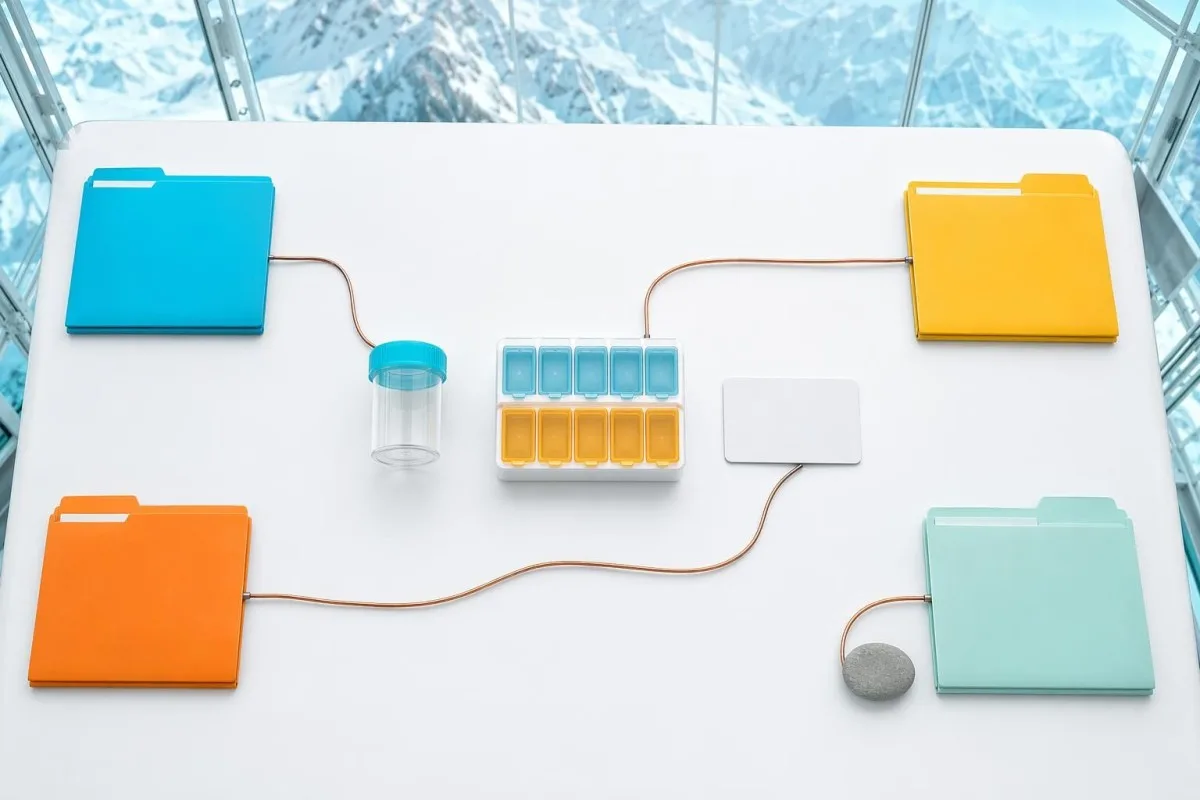
এটা ব্যৱহাৰিক অনুমতি বিবৃতিত চাৰিটা উপাদান থাকে: “ড. Lee-ৰ সৈতে ১৪ আগষ্টৰ পৰ্যালোচনাৰ বাবে Maya-ৰ lipid panel আৰু আগৰ দুটা ফল শ্বেয়াৰ কৰক; ৩০ দিনৰ পিছত অভিগম্যতা শেষ হ’ব।” ই এটা সাধাৰণ ঘৰুৱা ভুলৰ পৰা সুৰক্ষা দিয়ে—এজন প্ৰাপ্তবয়স্কই ধৰি লোৱা যে এপইণ্টমেণ্ট পৰিচালনা কৰাটোৱে আন এজন প্ৰাপ্তবয়স্ক ভায়েক/ভগ্নীৰ উৰ্বৰতাৰ (fertility), সংক্ৰমণ (infection), বা মানসিক স্বাস্থ্য-সম্পৰ্কীয় পৰীক্ষা চোৱাৰ অনুমতি দিয়াও বুজায়।.
সক্ষম (capacity) থকা প্ৰাপ্তবয়স্কসকলে সাধাৰণতে নিজৰেই অভিগম্যতা অনুমোদন দিব লাগে, যদিও অংশীদাৰে কেলেণ্ডাৰ আৰু পৰিবহণ পৰিচালনা কৰে। NICE-ৰ shared decision-making নিৰ্দেশিকাই গুৰুত্ব দিয়ে যে মানুহে এনে ৰূপত তথ্য পাব লাগে যিটো তেওঁলোকে ব্যৱহাৰ কৰিব পাৰে আৰু তেওঁলোকক প্ৰভাৱিত কৰা সিদ্ধান্তত অংশগ্ৰহণ কৰিব পাৰে (NICE, 2021); বাস্তৱ ক্লিনিকত, ইয়াৰ ভিতৰত কোন পৰীক্ষাগাৰ তথ্য শ্বেয়াৰ কৰা হ’ব আৰু কোনখিনি ব্যক্তিগত হৈ থাকিব—সেই সিদ্ধান্তও অন্তৰ্ভুক্ত।.
এজন নিৰ্ভৰশীলৰ (dependent) প্ৰ’ফাইল যত্নদাতাৰ (caregiver) প্ৰ’ফাইলৰ পৰা যুক্তিসংগতভাৱে পৃথক হ’ব লাগে। যিসকলে নিৰ্ভৰশীলৰ পৰীক্ষাগাৰ ৰেকৰ্ড ব্যৱহাৰ কৰে তেওঁলোকে শিশুৱে স্থানীয় ডিজিটেল সম্মতি (digital consent) বয়সত উপনীত হোৱাৰ পিছত, বিচ্ছেদৰ পিছত, বা যত্নদাতা ব্যৱস্থাৰ পৰিৱৰ্তন হ’লে অনুমতিসমূহ পৰীক্ষা কৰা উচিত; এই তাৰিখসমূহ এখতিয়াৰভেদে ভিন্ন হয়, সেয়ে এপটোৱে আপোনাৰ হৈ আইনী সিদ্ধান্ত ল’ব নোৱাৰে।.
শিশুসকল, কিশোৰ-কিশোৰী, আৰু প্ৰাপ্তবয়স্ক নিৰ্ভৰশীলসকলক বেলেগ ধৰণে ব্যৱহাৰ কৰা
অভিভাৱকে সাধাৰণতে সৰু শিশুৰ ফলাফলসমূহ সমন্বয় কৰিব পাৰে, কিন্তু কিশোৰ আৰু প্ৰাপ্তবয়স্ক নিৰ্ভৰশীলসকলৰ ক্ষেত্ৰত ক্ৰমে অধিক গোপনীয়তা আৰু প্ৰত্যক্ষ অংশগ্ৰহণৰ প্ৰয়োজন হয়। আটাইতকৈ সুৰক্ষিত ব্যৱস্থা হ’ল প্ৰতিজন ব্যক্তিৰ বাবে এটা এটা পৃথক প্ৰফাইল, স্পষ্ট সম্পৰ্কৰ লেবেলসহ—এটা ভাগ-বতৰা কৰা ঘৰুৱা লগ-ইন নহয়।.

সৰু শিশুৰ বাবে সংগ্ৰহৰ তাৰিখ, পৰীক্ষাৰ কাৰণ, বৰ্তমান ওজন, জ্বৰ বা শেহতীয়া ভাইৰেল ৰোগ, সম্পূৰক, আৰু নমুনাটো উপবাসে সংগ্ৰহ কৰা হৈছিল নে নহয়—এইবোৰ শ্বেয়াৰ কৰক। ভাইৰেল ৰোগৰ পিছত 520 ×10⁹/L প্লেটলেট গণনা reactive হ’ব পাৰে, কিন্তু একে সংখ্যাৰ সৈতে যদি স্থায়ী জ্বৰ, ক’লা দাগ/ব্ৰুইজিং, ওজন কমা, বা অস্বাভাৱিক স্মেয়াৰ থাকে তেন্তে ভিন্ন ধৰণৰ চিকিৎসাজনিত আলোচনা লাগে।.
সম্ভৱ হ’লে কিশোৰসকলক এপয়েন্টমেণ্টৰ আগতেই কিহে শ্বেয়াৰ কৰা হ’ব তাৰ এটা পূৰ্বদৰ্শন দিয়া উচিত। মই দেখিছোঁ—যেতিয়া এজন অভিভাৱকে কিশোৰৰ হৰম’ন বা যৌন-স্বাস্থ্যৰ ফলাফল আগজাননী নোহোৱাকৈ ফ’ৰৱাৰ্ড কৰে, তেতিয়া বিশ্বাস ভাঙি যায়; অভিভাৱকে ভিজিটৰ খৰচ দিলেও চিকিৎসকক কিশোৰজনৰ সৈতে গোপনীয় সময়ৰ প্ৰয়োজন হ’ব পাৰে।.
জ্ঞানগত অক্ষমতা থকা এজন প্ৰাপ্তবয়স্ক নিৰ্ভৰশীলৰ ক্ষেত্ৰত পৰিয়ালৰ ৰীতি-নীতিৰ ওপৰত নিৰ্ভৰ নকৰি আইনগত কৰ্তৃত্ব বা একমত সহায়ৰ ভূমিকা নথিভুক্ত কৰক। A বহু-ৰোগী থকা ঘৰুৱা ৰেকৰ্ড ফলো-আপ মিছ হোৱাৰ সম্ভাৱনা কমাব পাৰে, কিন্তু ই কেতিয়াও ব্যৱহাৰিক সহায় আৰু সংবেদনশীল তথ্যত প্ৰৱেশৰ অনুমতি দিয়া—এই দুয়োৰ মাজৰ সীমা অস্পষ্ট কৰিব নালাগে।.
লেবৰেটৰী ব্যাখ্যাৰ সলনি কৰা ক্লিনিকেল পৰিপ্ৰেক্ষিত যোগ কৰা
প্ৰতিটো ফলাফলত তাৰ সংগ্ৰহৰ অৱস্থা: উপবাসৰ অৱস্থা, তীব্ৰ ৰোগ, ব্যায়াম, মাহেকীয়া বা গৰ্ভাৱস্থাৰ অৱস্থা, এলক’হল সেৱন, নতুন ঔষধ, আৰু সম্পূৰক। এই বিৱৰণসমূহে এটা ফলাফলক পৰিয়ালৰ এজন সদস্যৰ সৎ উদ্দেশ্যযুক্ত ব্যাখ্যাতকৈও অধিক পৰিমাণে সলনি কৰিব পাৰে।.
Kantesti AI হৈছে এটা AI তেজ পৰীক্ষাৰ ফলাফল প্লেটফৰ্ম যিয়ে লেবৰেটৰী ফ্লেগক ডায়াগন’ছিছ হিচাপে গণ্য কৰাৰ পৰিৱৰ্তে বায়’মাৰ্কাৰ ফলাফলসমূহক চিকিৎসাজনিত প্ৰসংগত পঢ়ে। লিপিড ৰিভিউৰ বাবে অন্তৰ্ভুক্ত কৰক—ব্যক্তিজনে উপবাসে আছিল নে নহয়, তেওঁলোকৰ ষ্টেটিনৰ ড’জ, মিছ হোৱা ড’জ, থাইৰয়েড চিকিৎসা, ডাঙৰ খাদ্যাভ্যাসৰ পৰিৱৰ্তন, আৰু আগৰ ২ সপ্তাহত কোনো ৰোগ আছিল নে নাই; ট্ৰাইগ্লিচাৰাইড শেহতীয়া আহাৰ আৰু এলক’হলৰ প্ৰতি বিশেষভাৱে সংবেদনশীল।.
হিম’গ্ল’বিন মাহেকীয়া আৰম্ভ হোৱাৰ সময়ত বা যথেষ্ট পৰিমাণৰ ফ্লুইড সেৱনৰ পিছত 5–10 g/L কমিব পাৰে, কিন্তু ইয়াৰ দ্বাৰা আয়ৰণৰ ঘাটতি প্ৰমাণ নহয়। ফেৰিটিন তলত 15 µg/L এটা আপাতদৃষ্টিত সুস্থ প্ৰাপ্তবয়স্কত আয়ৰণৰ ভাণ্ডাৰ কমি যোৱাৰ শক্তিশালী সমৰ্থন দিয়ে, কিন্তু immune activationৰ সময়ত ফেৰিটিন বৃদ্ধি পাব পাৰে; সেয়ে CRP 35 mg/L থকা 70 µg/L “স্বাভাৱিক” ফেৰিটিনে আয়ৰণ-সীমাবদ্ধ ইৰিথ্ৰ’প’ইয়েছিছক নথকা বুলি নিশ্চিত নকৰে।.
লেবৰেটৰীৰ নাম আৰু ৰেফাৰেন্স ইণ্টাৰভেলও সংৰক্ষণ কৰক। ক্ৰিয়েটিনিন পৰীক্ষা, eGFR সমীকৰণ, আৰু এককসমূহ সকলো দেশ বা বয়স গোটৰ মাজত একে নহয়—সেয়ে এটা সংক্ষিপ্ত লেব কণ্টেক্সট ৰেকৰ্ড সংগ্ৰহৰ বিৱৰণ নথকা এটা সুন্দৰ গ্ৰাফতকৈ অধিক মূল্যৱান হ’ব পাৰে।.
সাধাৰণ লেবৰেটৰী ভিন্নতাৰ পৰা বাস্তৱ বায়’মাৰ্কাৰ পৰিৱৰ্তন পৃথক কৰা
এটা অৰ্থপূৰ্ণ লেবৰেটৰী ধাৰা (trend)ৰ বাবে তুলনাযোগ্য অৱস্থা, পুনৰাবৃত্তিমূলক মাপ, আৰু জৈৱিক ভিন্নতাৰ প্ৰতি মনোযোগ লাগে; সৰু এটা পৰিৱৰ্তনে বেছিভাগ সময়তে স্বাস্থ্য বেয়া হৈছে বুলি প্ৰমাণ নকৰে। চিকিৎসকসকলে দিশ, পৰিমাণ, সময়, আৰু বাকী পেনেল—কেৱল এপে এটা ওপৰলৈ যোৱা ৰেখা আঁকে নে নাকে—সেইটো নহয়—চায়।.
5.4 mmol/L উপবাসৰ গ্লুক’জৰ পিছত 5.8 mmol/L হ’লে, কেৱল সেইটোৱে নিজে নিজে ডায়েবেটিছ ডায়াগন’ছিছ নহয়। ডায়াগন’ষ্টিক ডায়েবেটিছৰ সীমা (thresholds)ত অন্তৰ্ভুক্ত থাকে উপবাসৰ প্লাজমা গ্লুক’জ ≥7.0 mmol/L, HbA1c ≥6.5% (48 mmol/mol), বা ২ ঘণ্টাৰ গ্লুক’জ ≥11.1 mmol/L উপযুক্ত পৰীক্ষাত; ক্লাছিক লক্ষণ নাথাকিলে চিকিৎসকসকলে সাধাৰণতে আন এটা দিনত এটা অস্বাভাৱিক ডায়াগন’ষ্টিক ফলাফল নিশ্চিত কৰে।.
মই প্ৰায়ে এজন ৰোগীক ৭–১৪ দিনৰ পিছত সীমান্তীয় (borderline) ফলাফল পুনৰাবৃত্তি কৰিবলৈ কওঁ, যেতিয়া মূল নমুনাটো গেষ্ট্ৰ’এণ্টেৰাইটিছ (gastroenteritis), বেয়া শোৱা (poor sleep), মাৰাথন, ডিহাইড্ৰেচন, বা নতুন কোনো সাপ্লিমেণ্টৰ পিছত সংগ্ৰহ কৰা হৈছিল। তীব্ৰ ব্যায়াম বা ক্ৰিয়েটিন ব্যৱহাৰৰ পিছত ক্ৰিয়েটিনিন সাময়িকভাৱে বৃদ্ধি পাব পাৰে, আনহাতে CK এ 1,000 IU/L চিনাকি নোহোৱা (unfamiliar) গধুৰ ব্যায়ামৰ পিছতো বৃদ্ধি পাব পাৰে—প্ৰাথমিক কিডনি ৰোগ (primary kidney disease) সূচাব নালাগে; পৰিস্থিতি (context) আৰু লক্ষণ (symptoms) অনুসৰি আগলৈ কি হয় সিদ্ধান্ত লোৱা হয়।.
সম্ভৱ হ’লে একে লেবৰেটৰীতেই ব্যৱহাৰ কৰক, বিশেষকৈ HbA1c, থাইৰয়ড পৰীক্ষা, ফেৰিটিন, আৰু PSA ৰ ক্ষেত্ৰত। আমাৰ ব্যাখ্যা বাস্তৱ (real) বনাম এলোমেলি (random) লেবৰেটৰী পৰিৱৰ্তন আৰু লেহেমীয়া (slow) লেবৰেটৰী ধাৰা (trends) সম্পৰ্কীয় ব্যৱহাৰিক গাইডে চিকিৎসকজনৰ বাবে অধিক পৰিষ্কাৰ তুলনা প্ৰস্তুত কৰাত সহায় কৰিব পাৰে।.
নিয়মীয়া ভাগ-বতৰা কৰাৰ সলনি কোনবোৰ ফলাফলে তৎক্ষণাৎ চিকিৎসা যত্নৰ প্ৰয়োজন—সেইটো জনা
কিছুমান লেবৰেটৰী ফলাফলে ৰুটিনভাৱে পৰিয়ালৰ চিকিৎসকক (family doctor) বাৰ্তা পঠোৱাৰ পৰিৱৰ্তে একে দিনাই চিকিৎসা যোগাযোগ বা ইমাৰ্জেন্সি মূল্যায়ন (emergency assessment) আৰম্ভ কৰিব লাগে। সঠিক সংকট সীমা (critical limit) লেবৰেটৰী আৰু ব্যক্তিজনৰ অৱস্থাৰ ওপৰত নিৰ্ভৰ কৰে, কিন্তু লক্ষণে সামান্য অস্বাভাৱিকতাকো তৎক্ষণাৎ গুৰুত্বপূৰ্ণ কৰি তুলিব পাৰে।.
6.0 mmol/L বা তাতকৈ অধিক পটাছিয়াম সাধাৰণতে তৎক্ষণাৎ চিকিৎসক পৰ্যালোচনা (clinician review), এখন ECG, আৰু নমুনাটো হিম’লাইজ (hemolyzed) হোৱা নাছিল বুলি নিশ্চিতকৰণ (confirmation) লাগে; বুকুৰ ধপধপনি (palpitations), বুকৰ অস্বস্তি (chest discomfort), তীব্ৰ দুৰ্বলতা (severe weakness), বা অজ্ঞান (fainting) হ’লে পৰিস্থিতি অধিক তৎক্ষণাৎ হয়। পটাছিয়াম 2.5 mmol/L তলত থাকিলে (below) হৃদযন্ত্ৰৰ ছন্দ (cardiac rhythm) বিঘ্নিত কৰিব পাৰে, বিশেষকৈ ডাইইউৰেটিক (diuretics) খোৱা লোকৰ ক্ষেত্ৰত বা বমি (vomiting) বা ডায়েৰিয়া (diarrhea) থাকিলে।.
ছ’ডিয়াম 125 mmol/L তকৈ তলত বমি বমি ভাব (nausea), মূৰ ধৰা (headache), বিভ্ৰান্তি (confusion), খিঁচনি (seizures), বা পৰি যোৱা (falls) ঘটাব পাৰে আৰু দেৰি হোৱা প’ৰ্টেল বাৰ্তা (delayed portal message)ৰ জৰিয়তে ব্যৱস্থাপনা কৰা উচিত নহয়। সুস্থ ব্যক্তিত 130 mmol/L সোডিয়াম (sodium) থাকিলেও তৎক্ষণাৎ পৰ্যালোচনা লাগিব পাৰে, কিন্তু পতনৰ গতি (rate of fall), পানীৰ গ্ৰহণ (fluid intake), থায়াজাইড (thiazides) বা SSRIs দৰে ঔষধ, গ্লুক’জৰ স্তৰ (glucose level), আৰু স্নায়বিক লক্ষণ (neurological symptoms) কেৱল এটা সংখ্যাৰ তুলনাত অধিক গুৰুত্বপূৰ্ণ।.
হিম’গ্ল’বিন (haemoglobin)ৰ পতন 20 g/L বা তাতকৈ অধিক কম সময়ৰ ভিতৰত, গ্লুক’জ 16.7 mmol/L (300 mg/dL)ৰ ওপৰত ডিহাইড্ৰেচন বা বমিৰ সৈতে, বা দ্ৰুতভাৱে বেয়া হৈ অহা জণ্ডিছ (jaundice)তো সময়মতে মূল্যায়ন (timely assessment) লাগে। লক্ষণ-ভিত্তিক ট্ৰায়াজৰ বাবে আমাৰ গাইডখন কম ছ’ডিয়ামৰ সতৰ্ক সংকেত ৰিপ’ৰ্টৰ সৈতে ৰাখক, কিন্তু গুৰুতৰ লক্ষণ থাকিলে এপ (app)ৰ উত্তৰলৈ অপেক্ষা নকৰি স্থানীয় ইমাৰ্জেন্সি সেৱাসমূহক (local emergency services) ফোন কৰক।.
শিশুক পিতৃ-মাতৃৰ সৈতে তুলনা কৰাৰ আগতে বয়স-নিৰ্দিষ্ট সীমা ব্যৱহাৰ কৰা
শিশুদের ল্যাবরেটরি মানসমূহ বয়স-উপযোগী সনদ-সীমার (reference intervals) বিপরীতে পঢ়া উচিত, প্রাপ্তবয়স্কদের সীমার বিপরীতে নয়। বৃদ্ধি, বয়ঃসন্ধি, পানিশূন্যতা, আৰু সাম্প্রতিক ভাইৰাল অসুস্থতা এমন মানসমূহ স্থানান্তৰিত কৰিব পাৰে যিবোৰ প্রাপ্তবয়স্কৰ রিপোর্টত উদ্বেগজনক যেন লাগিব।.
শিশুৰ alkaline phosphatase (আলকালাইন ফসফেটেজ) দ্রুত কংকালীয় বৃদ্ধি কালত প্রাপ্তবয়স্কৰ উচ্চ সীমাৰ তুলনায় যথেষ্ট বেছি হ’ব পাৰে, আৰু নবজাতকৰ hemoglobin সাধাৰণতে জীৱনৰ প্ৰথম কেইসপ্তাহত নাটকীয়ভাৱে সলনি হয়। পিতৃ-মাতৃৰ প্রাপ্তবয়স্ক ডেছবৰ্ডত কপি কৰা কোনো মান সেয়ে অযথা আতংক সৃষ্টি কৰিব পাৰে আৰু বিভ্রান্তিকৰ পাৰিবাৰিক তুলনা কৰিব পাৰে।.
American Academy of Pediatrics (পেডিয়াট্রিক্স) ৰ cardiovascular guideline শিশু আৰু কিশোৰ বয়সত বাছনি কৰা বা সর্বজনীন lipid screening উইণ্ড’ক সমৰ্থন কৰে, কিন্তু বয়স, পাৰিবাৰিক ইতিহাস, আৰু secondary causes নোহোৱাকৈ শিশুৰ LDL-C-এ প্রাপ্তবয়স্কৰ চিকিৎসা-সীমা (treatment threshold) ব্যৱহাৰ কৰি ব্যাখ্যা কৰা উচিত বুলি ই বুজাই নাযায় (Expert Panel, 2011)। Non-HDL cholesterol of ≥145 mg/dL (3.75 mmol/L) শিশুৰ ক্ষেত্ৰত ক্লিনিকেল প্রেক্ষাপটৰ প্রয়োজন হয় আৰু সাধাৰণতে self-treatment কৰাৰ পৰিৱর্তে পুনৰ মূল্যায়ন (repeat assessment) কৰা উচিত।.
যদি শিশুৰ calcium, sodium, glucose, বা liver enzymes অস্বাভাবিক হয়, তেন্তে মূল শিশু-সনদ-সীমা (original pediatric reference range) আৰু শিশুটি অসুস্থ আছিল নে নাই সেইটো শ্বেয়াৰ কৰক। অভিভাৱকে বয়স অনুসৰি শিশুদের ল্যাবৰেটরি সীমা আৰু শিশুৰ calcium ফলাফলসমূহ ভিজিটৰ আগতে পৰ্যালোচনা কৰিব পাৰে, কিন্তু পেডিয়াট্রিশ্বানে follow-up পৰিকল্পনা স্থিৰ কৰিব লাগে।.
দখল নোলোৱাকৈ বয়সীয়াল পিতৃ-মাতৃৰ বাবে লেবৰেটৰী যত্ন সমন্বয় কৰা
অভিভাৱকসকলে বয়স বৃদ্ধি পোৱা পিতৃ-মাতৃৰ ধাৰাবাহিকতা (trends), medication list, আৰু appointment-সমূহ সংগঠিত কৰি সুৰক্ষা উন্নত কৰিব পাৰে—আৰু পিতৃ-মাতৃক কি শ্বেয়াৰ কৰা হ’ব সেইটো বাছনি কৰাৰ সুযোগ দি। সৰ্বোত্তম ৰেকর্ডে autonomy সংৰক্ষণ কৰে আৰু ক্লিনিকেলভাৱে গুৰুত্বপূর্ণ পৰিৱর্তন চিনাক্ত কৰে, যেনে progressive kidney decline বা medication-সম্পর্কীয় electrolyte shift।.

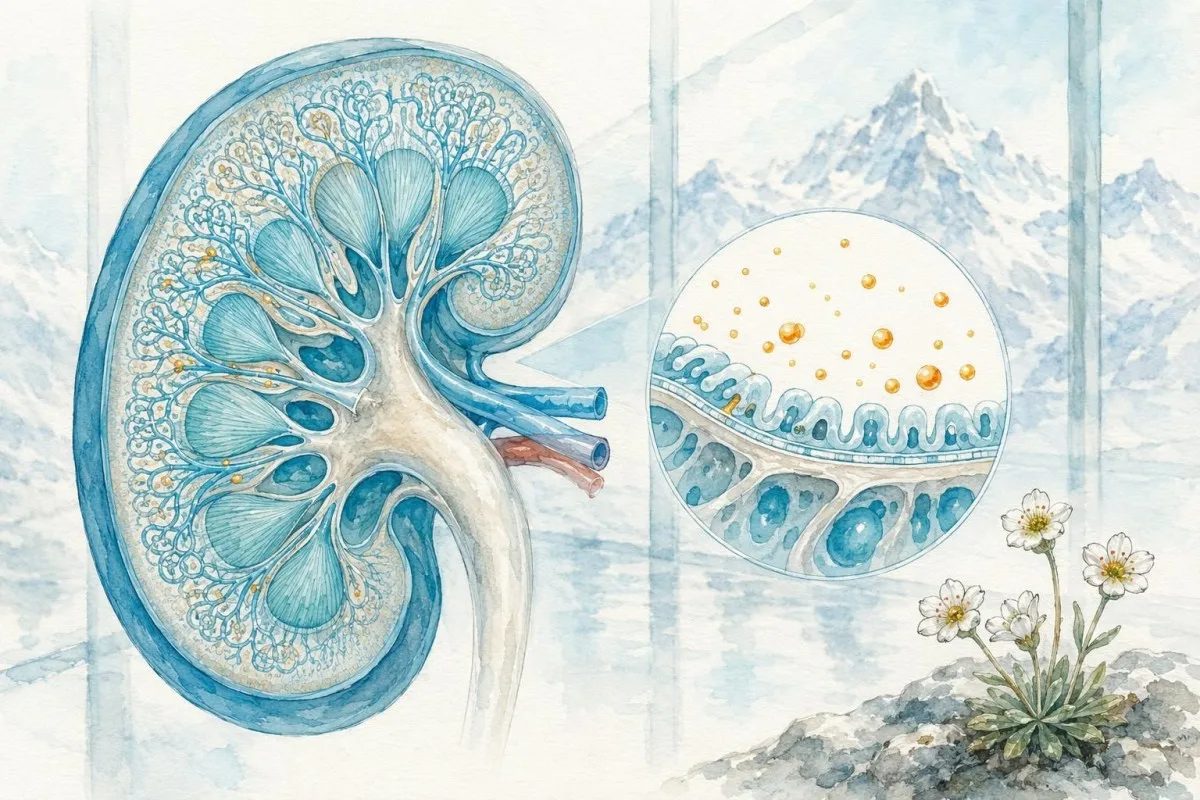
eGFR তলত কমেও 3 মাহৰ বাবে 60 mL/min/1.73 m² chronic kidney disease (দীর্ঘস্থায়ী কিডনি ৰোগ) ৰ সংজ্ঞা পূৰণ কৰিব পাৰে, যদিও dehydration-ৰ পিছত এককভাৱে কম ফলাফল পোৱাটোৱে তাক প্ৰতিষ্ঠা নকৰে। KDIGO 2024 eGFR-এ urine albumin-creatinine ratio, কাৰণ (cause), আৰু trajectory-ৰ সৈতে একেলগে ব্যাখ্যা কৰিবলৈ পৰামৰ্শ দিয়ে; ACR of ≥30 mg/g (≥3 mg/mmol) albuminuria বৃদ্ধি হোৱা বুলি সূচায়।.
Medication-ৰ পৰিৱর্তনসমূহে নিজৰ এটা সময়ৰেখা (timeline) দাবী কৰে। ACE inhibitors, ARBs, diuretics, NSAIDs, trimethoprim, metformin, আৰু potassium supplements—এই সকলোবোৰে renal বা electrolyte ফলাফল সলনি কৰিব পাৰে, আৰু “test-ৰ 9 দিন আগতে নতুন ramipril আৰম্ভ কৰা হৈছিল” বুলি লিখা caregiver-ৰ নোট বহু সময়ত আন এটা attachment-তকৈ অধিক উপযোগী হয়।.
পতন (fall), বিভ্ৰান্তি (confusion), ৰুচি কমি যোৱা (appetite loss), বা নতুনকৈ শ্বাসকষ্ট (breathlessness) হ’লে অন্যথা তুলনামূলকভাৱে সামান্য অস্বাভাবিকতাৰ urgency সলনি কৰিব পাৰে। গোপনীয়তা-সংৰক্ষণকাৰী workflow ৰ বাবে চাওক বয়স বৃদ্ধি পোৱা পিতৃ-মাতৃৰ বাবে ফলাফল অনুসৰণ (tracking results) আৰু প্ৰতিটো আত্মীয়ক স্থায়ীভাৱে access নিদিয়াকৈ medication list-টো family doctor-লৈ লৈ যাওক।.
আপোনাৰ চিকিৎসকে কামত লগাব পৰা এটা পৃষ্ঠাৰ লেবৰেটৰী সংক্ষিপ্ত বিবৰণ তৈয়াৰ কৰা
clinician-ready share packet এ এক পৃষ্ঠাত চাৰিটা প্ৰশ্নৰ উত্তৰ দিয়ে: কি সলনি হ’ল, কিমান সময়ৰ ভিতৰত, তাক কি ব্যাখ্যা কৰিব পাৰে, আৰু আপুনি কোনটো সিদ্ধান্ত বিচাৰিছে। এই ফৰ্মেটটো PDF-ৰ দীঘল গ্যালাৰীৰ তুলনাত অধিক ব্যৱহাৰযোগ্য, বিশেষকৈ 10-মিনিটৰ primary-care appointment-ত।.

ব্যক্তিজনৰ বয়স, প্ৰাসংগিক diagnoses, বৰ্তমানৰ চিকিৎসা (current medicines) আৰু ড’জ (doses), এলাৰ্জি, প্ৰাসংগিক হ’লে গৰ্ভাৱস্থাৰ অৱস্থা (pregnancy status), আৰু সংগ্ৰহৰ (collection) পৰিস্থিতিৰে আৰম্ভ কৰক। তাৰ পিছত কেৱল ধাৰাবাহিকতা (trend) তালিকাভুক্ত কৰক: “HbA1c 5.8%, 6.0%, 6.2% 14 মাহৰ ভিতৰত; ওজন অপরিবর্তিত; steroid ব্যৱহাৰ নাই; 52 বছৰ বয়সত পিতাক type 2 diabetes ধৰা পৰিছিল।”
Kantesti AI-এ একাধিক প্রতিবেদনক এক বোধগম্য আৰ্হিত ৰূপান্তৰ কৰাত সহায় কৰিব পাৰে, কিন্তু চিকিৎসকে কাৰ্য্য কৰাৰ আগতে মূল প্রতিবেদন, এককসমূহ, প্ৰসংগ-ব্যৱধান (reference intervals), আৰু OCR-এ উলিয়াই অনা যিকোনো ফলাফল পুনৰ পৰীক্ষা কৰা উচিত। দশমিক বিন্দু, একক ৰূপান্তৰ, বা পৰীক্ষা-নিৰ্দিষ্ট প্ৰসংগ-ব্যৱধান ব্যাখ্যাৰ ধৰণ সলনি কৰিব পৰা ক্ষেত্ৰত এই সুৰক্ষা পৰীক্ষা গুৰুত্বপূৰ্ণ; আমাৰ চিকিৎসক-ভিজিট সাৰাংশ চেকলিষ্ট শ্বেয়াৰ কৰাৰ আগতে।.
যেতিয়া উপলব্ধ থাকে, অনুশীলনৰ অনুমোদিত পথৰ জৰিয়তে সংক্ষিপ্তখিনি পঠিয়াওক; ইমেইল আৰু গ্ৰাহক-বার্তাৰ এপসমূহে আনুষ্ঠানিক ৰেকৰ্ডৰ অংশ ন’হ’বও পাৰে। যিসকলে বুজিব বিচাৰে যে আমাৰ ব্যৱস্থাসমূহে আপলোড কৰা ফলাফলসমূহ কেনেকৈ সংগঠিত কৰে, তেওঁলোকে AI প্রযুক্তি গাইড, চাব পাৰে, কিন্তু মনত ৰাখিব যে এপৰ সাৰাংশ সহায়ক সামগ্ৰী, ৰেফাৰেল পত্ৰ নহয়।.
ব্যক্তিগত ৰেকৰ্ড উন্মোচন নকৰাকৈ পৰিয়ালৰ ধৰণসমূহ আলোচনা কৰা
পৰিয়ালসমূহে শ্বেয়াৰ কৰিব পাৰে ঝুঁকিৰ তথ্য প্ৰতিজন ব্যক্তিৰ প্ৰতিটো পৃথক লেবৰেটৰী মান শ্বেয়াৰ নকৰাকৈ। কোনো আত্মীয়ৰ সৰু বয়সতে হোৱা হৃদযন্ত্ৰৰ আক্ৰমণ, নিশ্চিত বংশগত উচ্চ কলেষ্টেৰল (familial hypercholesterolaemia), হিম’ক্ৰ’মেট’ছিছ (haemochromatosis), কিডনি ৰোগ, বা ডায়েবেটিছৰ ৰোগ-নিৰ্ণয় চিকিৎসাগতভাৱে প্ৰাসংগিক হ’ব পাৰে, যদিও তেওঁলোকৰ সম্পূৰ্ণ প্রতিবেদন ব্যক্তিগত হৈ থাকে।.

এটা উপযোগী বংশগত-ইতিহাসৰ টোকাত অৱস্থা, সম্পৰ্ক, ৰোগ-নিৰ্ণয়ৰ বয়স, আৰু জেনেটিকভাৱে নিশ্চিত হৈছিল নে নাই—এইবোৰ উল্লেখ থাকে। “মাতৃৰ ৪৮ বছৰ বয়সত myocardial infarction হৈছিল; চিকিৎসা নকৰা LDL-C ৰ পৰিমাণ ৫.০ mmol/L-ৰ ওপৰত বুলি কোৱা হয়” — “পৰিয়ালত উচ্চ কলেষ্টেৰল থাকে” বুলি কোৱাৰ তুলনাত চিকিৎসকৰ বাবে অধিক কাৰ্যকৰী প্ৰাসংগিকতা দিয়ে।”
এটা LDL-C ≥4.9 mmol/L (190 mg/dL) এজন প্ৰাপ্তবয়স্কত দেখা গ’লে তীব্ৰ প্ৰাথমিক উচ্চ কলেষ্টেৰল (severe primary hypercholesterolaemia) সন্দেহ হয় আৰু দ্বিতীয়িক কাৰণসমূহৰ মূল্যায়ন আৰু সম্ভাব্য বংশগত ৰোগৰ বাবে প্ৰেৰণা দিব লাগে, বিশেষকৈ ঘনিষ্ঠ আত্মীয়সকলৰ আগতীয়া হৃদ্-ৰোগজনিত ঘটনা থাকিলে। ই নিজে নিজে জেনেটিক ৰোগ-নিৰ্ণয় প্ৰমাণ নকৰে, আৰু পৰিয়ালৰ সদস্যসকলক এজন ব্যক্তিৰ এপ ৰেকৰ্ডৰ ভিত্তিত লেবেল দিয়া উচিত নহয়।.
শ্বেয়াৰ কৰা বংশগত ইতিহাসৰ বাবে এটা পৃথক টোকা ব্যৱহাৰ কৰক আৰু ব্যক্তিগত মানসমূহ তেওঁলোকৰ নিজ নিজ প্ৰ’ফাইলৰ ভিতৰত ৰাখক। আমাৰ বংশগত-ইতিহাসৰ সূচকসমূহ (markers) আৰু child cholesterol screening ৰ গাইডে কিয় আৰম্ভণিৰ বয়সে প্ৰায়েই এজন আত্মীয়ৰ এককালীন ফলাফলতকৈ অধিক গুৰুত্ব পায়—সেয়া ব্যাখ্যা কৰে।.
লেবৰেটৰী প্ৰতিবেদন ভাগ-বতৰা কৰাৰ আগতে গোপনীয়তা সুৰক্ষিত কৰা
সুৰক্ষিত শ্বেয়াৰিং আৰম্ভ হয় একাউণ্ট পৃথকীকৰণ, শক্তিশালী প্ৰমাণীকৰণ (authentication), ন্যূনতম প্ৰয়োজনীয় অভিগম (minimum necessary access), আৰু স্পষ্ট মচি পেলোৱা বা বাতিল কৰাৰ পথ (deletion or revocation path)ৰ পৰা। এটা লেবৰেটৰী PDF বায়’মাৰ্কাৰৰ বাহিৰেও অধিক উন্মোচন কৰিব পাৰে: নাম, জন্ম তাৰিখ, ঠিকনা, চিকিৎসক, সংগ্ৰহৰ স্থান, আৰু কেতিয়াবা গৰ্ভধাৰণ, সংক্ৰমণ, বা ঔষধ সম্পৰ্কীয় তথ্য।.
প্রতিবেদন পঠোৱাৰ আগতে সম্পৰ্কহীন পৃষ্ঠাসমূহ আঁতৰাওক আৰু চিকিৎসকৰ প্ৰয়োজন নাই এনে চিনাক্তকৰণ (identifiers) আছে নে নাই পৰীক্ষা কৰক। নিয়মীয়া ফ’ল’আপৰ বাবে মিলাবলৈ জন্ম তাৰিখৰ প্ৰয়োজন হ’ব পাৰে, কিন্তু ঘৰ ঠিকনা, একাউণ্ট নম্বৰ, নিৰ্ভৰশীলৰ নাম, আৰু সম্পৰ্কহীন পৰীক্ষা শ্ৰেণীসমূহ সাধাৰণতে নহয়; সৰ্বনিম্ন উপযোগী ডেটাসেট সাধাৰণতে আটাইতকৈ সুৰক্ষিত।.
Kantesti AI হৈছে এটা এআই-চালিত রক্ত পরীক্ষার বিশ্লেষণ সরঞ্জাম গোপনীয়তা-কেন্দ্ৰিক আৰু GDPR-সমন্বিত (GDPR-aligned) ডেটা ব্যৱস্থাপনা ধৰণৰ ওপৰত নিৰ্মিত, তথাপিও ৰোগীয়ে এতিয়াও এটা অনন্য পাছৱৰ্ড বাছি লোৱা উচিত, উপলব্ধ multi-factor authentication সক্ৰিয় কৰা উচিত, আৰু শ্বেয়াৰ কৰা পৰিয়ালৰ ইমেইল একাউণ্ট এৰাই চলা উচিত। গোপনীয়তা সুৰক্ষা এটা অভ্যাস, একক এটা চেকবক্স নহয়।.
পটভূমিত আন এজন ব্যক্তিৰ ফলাফল থকা কোনো ফটো আপলোড নকৰিব—এইটো পৰিয়ালসমূহে আশা কৰাতকৈ অধিক বাৰে ঘটে। আমাৰ আপলোড গোপনীয়তা পদক্ষেপসমূহ আপলোডৰ আগতে পৰীক্ষা (pre-upload check) কেনেকৈ কৰিব লাগে—সেয়া ব্যাখ্যা কৰে, আৰু ব্যৱহাৰৰ চৰ্তসমূহ ডিজিটেল ব্যাখ্যা (digital interpretation)ৰ সীমা আৰু ব্যৱহাৰকাৰীৰ দায়িত্বসমূহ স্পষ্ট কৰে।.
ক্লিনিকেল যত্নক সলনি নকৰাকৈ প্ৰস্তুতিৰ বাবে AI ব্যাখ্যা ব্যৱহাৰ কৰা
AI-এ পৰিয়ালক ধাৰা (trends) চিনাক্ত কৰাত আৰু প্ৰশ্ন গঠন কৰাত সহায় কৰিব পাৰে, কিন্তু কেৱল লেবৰেটৰী তথ্যৰ পৰা এটা কাৰণ নিৰ্ণয় (diagnose) কৰিব নোৱাৰে বা পৰীক্ষা, ইতিহাস লোৱা (history-taking), ইমেজিং, আৰু নিশ্চিতকৰণমূলক পৰীক্ষা (confirmatory testing)ৰ বিকল্প হ’ব নোৱাৰে। AI-ৰ বাবে আটাইতকৈ সুৰক্ষিত ভূমিকা হৈছে প্ৰস্তুতি: ৰেকৰ্ডসমূহ সংগঠিত কৰা, সম্ভাব্য পৰিৱৰ্তন ধৰা, আৰু ৰোগীক এটা ভাল প্ৰশ্ন সুধিবলৈ সহায় কৰা।.
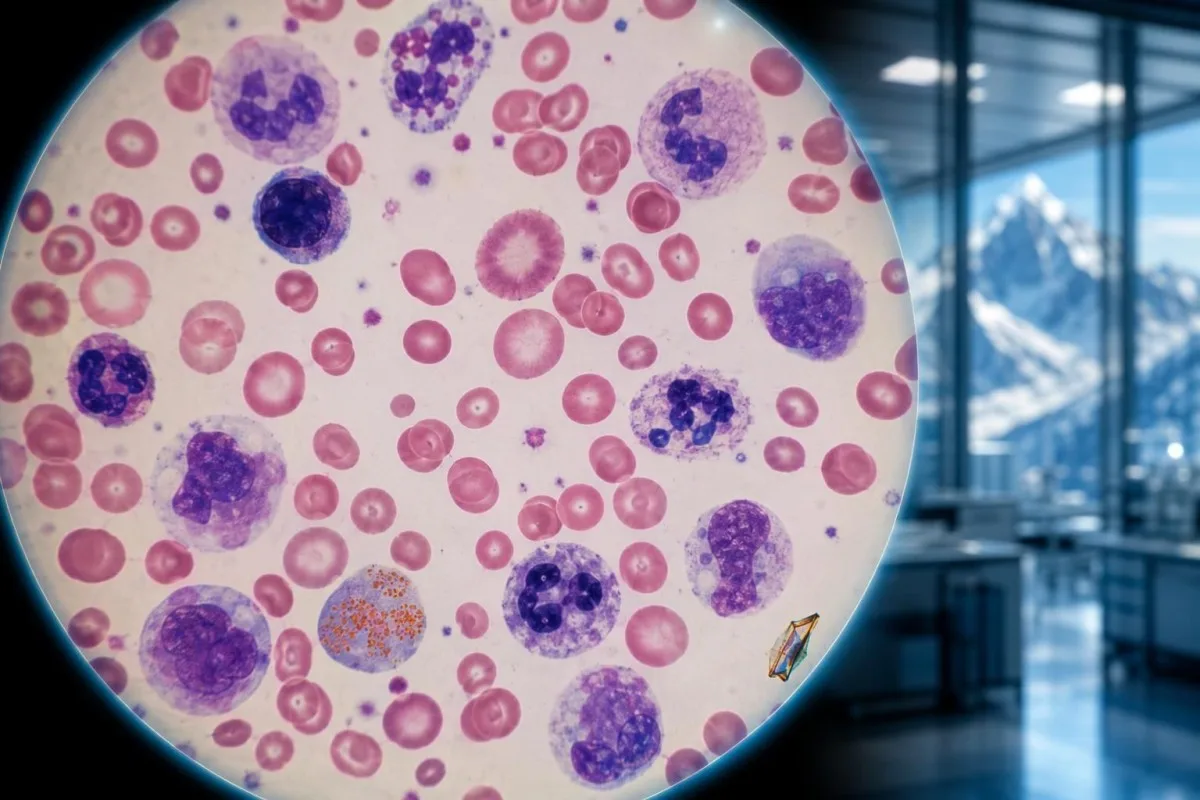
Kantesti AI-এ এটা চিহ্নিত কৰিব পাৰে যে তিনিটা পৰীক্ষাৰ ভিতৰত ferritin 42 ৰ পৰা 18 µg/L লৈ কমিছে, কিন্তু কেৱল এই সংখ্যাটোৰ পৰা ক’ব নোৱাৰে যে কাৰণটো হৈছে মাহেকীয়া ৰক্তক্ষৰণ, গেছট্ৰ’ইনটেষ্টাইনেল ৰক্তক্ষৰণ, কম খাদ্য গ্ৰহণ, malabsorption, শেহতীয়া donation, নে কোনো inflammatory প্ৰক্ৰিয়া। আমি কেৱল কম ferritin ৰ তুলনাত কম ferritin আৰু কমি থকা hemoglobin একেলগে বেলেগ ধৰণে অনুসন্ধান কৰাৰ কাৰণ হৈছে—এই সংমিশ্ৰণে সক্ৰিয়ভাৱে iron-restricted erythropoiesis সূচায়।.
শ্বেয়াৰ কৰাৰ আগতে প্ৰতিটো আহৰণ কৰা ফলাফলক মূল PDF বা ফটোখনৰ সৈতে তুলনা কৰি এটা বুদ্ধিমান verification পদক্ষেপ লোৱাটো ভাল। Decimal placement অতি গুৰুত্বপূৰ্ণ: 4.1 mmol/L আৰু 7.1 mmol/L ৰ potassium-এ একেবাৰে বেলেগ ধৰণৰ তৎক্ষণাৎতা (urgency) বুজায়, আৰু ফলাফলৰ একক—mg/dL, mmol/L, pmol/L, বা ng/mL—দিয়ে সম্পূৰ্ণভাৱে দেখাত থকা তীব্ৰতা (severity) সলনি কৰিব পাৰে।.
ৰোগীসকলে আমাৰ AI report accuracy checklist ব্যৱহাৰ কৰক। চিকিৎসক-ভ্ৰমণৰ আগতে ব্যৱহাৰ কৰিব পাৰে। আমাৰ মেডিকেল এডভাইজাৰী ব’ৰ্ড এ ক্লিনিকেল তদাৰকীক (clinical oversight) অৱগত কৰে, কিন্তু কোনো digital ব্যাখ্যাই emergency মূল্যায়ন বিলম্বিত কৰিব নালাগে বা ৰোগীক চিনি পোৱা চিকিৎসকক অতিক্ৰম কৰিব নালাগে।.
ভাগ কৰা ফলাফলক এটা কেন্দ্ৰিত পৰিয়ালৰ চিকিৎসক-আলোচনালৈ ৰূপান্তৰ কৰা
আটাইতকৈ ফলপ্ৰসূ (productive) লেবৰেটৰী এপইণ্টমেণ্ট এটা সিদ্ধান্তে শেষ হয়: পুনৰ পৰীক্ষা, অনুসন্ধান, চিকিৎসা, মনিটৰিং, বা নিৰাপদভাৱে একেবাৰে নকৰা। এটা মূল চিন্তা (main concern) আৰু তাৰ সৈতে দুটা সহায়ক প্ৰশ্ন আনক, কিয়নো চিকিৎসকে এটা কেন্দ্ৰিত ধৰণ (focused pattern) বেলেগ বেলেগ অচিনাকি সংকেতৰ দীঘল তালিকাতকৈ অধিক নিৰাপদভাৱে সমাধান কৰিব পাৰে।.

“মোৰ ক্ষেত্ৰত এই ধাৰাটোৰ বাবে আটাইতকৈ সম্ভাৱ্য ব্যাখ্যা কি?”—এইটো সুধাৰ আগতে আৰু অধিক পৰীক্ষা সুধাৰ আগতে সুধক। 5.8 mIU/L ৰ TSH আৰু স্বাভাবিক free T4 এ বয়স, লক্ষণ, ঔষধ, আৰু প্ৰজনন (reproductive) পৰিকল্পনা অনুসৰি পুনৰ পৰীক্ষা, antibody মূল্যায়ন, গৰ্ভাৱস্থা-নিৰ্দিষ্ট ব্যৱস্থাপনা, বা watchful waiting ৰ প্ৰয়োজন হ’ব পাৰে; একে ধৰণৰ (one-size-fits-all) কাম-কাজ নাই।.
“প্লেনটো কি কি পৰিৱৰ্তনে সলনি কৰিব?”—এইটো সুধক। উদাহৰণ: “যদি মোৰ repeat ACR 30 mg/g ৰ ওপৰতেই থাকে, তেন্তে আপুনি 3 মাহৰ ভিতৰত দুবাৰকৈ পুনৰ পৰীক্ষা কৰিব, ৰক্তচাপৰ চিকিৎসা সামঞ্জস্য কৰিব, নে মোক refer কৰিব?” এইদৰে এটা নিৰ্দিষ্ট সীমা (threshold) আৰু সময়সীমা (timeline) ওলাই আহে, যিটো পৰিয়ালসমূহে chronic disease নিজে নিজে পৰিচালনা কৰাৰ ভাও নধৰি ৰেকৰ্ড কৰিব পাৰে।.
কিছুমান ব্যৱস্থাত clinician review ৰ আগতে portal release সাধাৰণ, কিন্তু চিহ্নিত (flagged) বস্তুটো হয়তো তৎক্ষণাৎ (urgent) বা চূড়ান্ত (final) নহ’বও পাৰে। যদি আপুনি trend এটাৰ বাবে উপেক্ষিত (dismissed), বিভ্ৰান্ত (confused), বা চিন্তিত (worried) অনুভৱ কৰে, তেন্তে আমাৰ পৰামৰ্শ চাওক চিকিৎসকৰ পৰ্যালোচনাৰ আগতে ফলাফল আহি পোৱা আৰু laboratory second opinion বিচাৰক যেতিয়া ক্লিনিকেল গুৰুত্ব (clinical stakes) ইয়াৰ ন্যায্যতা প্ৰমাণ কৰে।.
অতিমাত্ৰা পৰীক্ষা নকৰাকৈ এটা গৃহস্থালী লেবৰেটৰী ৰেকৰ্ড বজাই ৰখা
এটা household health record সৰু, বৰ্তমান (current), আৰু বাস্তৱিক ক্লিনিকেল সিদ্ধান্তৰ সৈতে সংযুক্ত হোৱা উচিত—সকলোকে বাৰম্বাৰ পৰীক্ষা কৰিবলৈ আমন্ত্ৰণ নহয়। baseline ফলাফল, ডাঙৰ পৰিৱৰ্তন, ঔষধ আৰম্ভ, নিশ্চিত diagnoses, আৰু পৰৱৰ্তী সন্মত পৰ্যালোচনাৰ তাৰিখ সংৰক্ষণ কৰক; বাকীখিনি পুনৰ পুনৰ উভতি নাহিলাকৈ archive কৰি ৰাখক।.

বহু সুস্থ প্ৰাপ্তবয়স্কৰ বাবে, নিৰ্দিষ্ট screening ৰ বাহিৰে বাৰ্ষিক পৰীক্ষাই স্বয়ংক্ৰিয়ভাৱে ফলাফল (outcomes) উন্নত নকৰে, আৰু ঘন ঘন সীমান্তীয় (frequent borderline) পৰীক্ষাই false positives সৃষ্টি কৰিব পাৰে। পুনৰ পৰীক্ষাৰ ব্যৱধান বয়স, লক্ষণ, ঔষধ, diagnosed অৱস্থা, গৰ্ভাৱস্থা, আৰু চিকিৎসকৰ পৰামৰ্শ অনুসৰি হ’ব লাগে; HbA1c আগৰ প্ৰায় 8–12 সপ্তাহক প্ৰতিফলিত কৰে, সেয়ে ইয়াক প্ৰতি 2 সপ্তাহত এবাৰকৈ চেক কৰাটো বেছিভাগ সময়েই কোনো উপযোগী প্ৰশ্নৰ উত্তৰ নেদিয়ে।.
Kantesti AI-এ সিদ্ধান্ত নলয় যে এটা পৰিয়ালে কোনবোৰ পৰীক্ষা লাগিব; ই ইতিমধ্যে পোৱা ফলাফলসমূহ সংগঠিত কৰাত সহায় কৰে যাতে ধৰণসমূহ (patterns) আলোচনা কৰাটো সহজ হয়। Household health management আটাইতকৈ ভাল কাম কৰে যেতিয়া প্ৰতিজন ব্যক্তিৰ এটা সৰু “আমি কিয় এইটো ট্রেক কৰিছোঁ” (why we are tracking this) টোকা থাকে—যেনে statin monitoring, আগৰ gestational diabetes, kidney risk, iron replacement, বা পৰিয়ালৰ ইতিহাস (family history)।.
ব্যৱহাৰ কৰক ঘৰুৱা গৱেষণাগাৰ সমন্বয় ব্যৱহাৰিক ৰেকৰ্ড গঠন (record structure) আৰু আমাৰ বয়স-ভিত্তিক পৰিয়ালৰ সুস্থতা (family wellness) পৰামৰ্শ যাতে indiscriminate panels এৰাই চলিব পাৰি। এই সেৱাৰ পিছে থকা সংগঠন সম্পৰ্কে তথ্যৰ বাবে চাওক আমাৰ বিষয়ে; ব্যক্তিগত যত্নৰ সিদ্ধান্তৰ ক্ষেত্ৰত, আপোনাৰ পৰিয়ালৰ চিকিৎসকেই উপযুক্ত ক্লিনিকেল lead হৈ থাকে।.
সঘনাই সোধা প্ৰশ্ন
মই মোৰ তেজ পৰীক্ষাৰ ফলাফলৰ কেৱল এটা অংশহে মোৰ পৰিয়ালৰ চিকিৎসকক শ্বেয়াৰ কৰিব পাৰোঁনে?
হয়। আপুনি সাধাৰণতে কেৱল লেবোৰেটৰী পেনেল, তাৰিখৰ পৰিসীমা, আৰু এপইণ্টমেণ্টৰ বাবে প্ৰাসংগিক ক্লিনিকেল পৰিপ্ৰেক্ষিত শ্বেয়াৰ কৰিব পাৰে—যেনে দুটা HbA1c ফলাফল আৰু বৰ্তমানৰ ডায়েবেটিছৰ ঔষধসমূহ। ৩–৫টা সম্পৰ্কিত মাৰ্কাৰৰ এটা কেন্দ্ৰিত পেকেট সম্পূৰ্ণ ৰিপ’ৰ্ট ইতিহাসতকৈ বহু সময়ত অধিক উপযোগী হয়। মূল সংগ্ৰহৰ তাৰিখ, লেবোৰেটৰী ৰেফাৰেন্স ইণ্টাৰভেল, ফাষ্টিং অৱস্থা, আৰু চিকিৎসকক এটা প্ৰশ্ন অন্তৰ্ভুক্ত কৰক। সেই ব্যক্তিজনে পৃথকে সন্মতি দিয়া নাছিলেহে আন এজন পৰিয়ালৰ সদস্যৰ ফলাফল অন্তৰ্ভুক্ত নকৰিব।.
মই এটা নিৰ্ভৰশীল ব্যক্তিৰ তেজ পৰীক্ষাৰ ফলাফল শ্বেয়াৰ কৰিলে সম্মতি কিমান দিনলৈ থাকিব লাগে?
প্ৰায় ৩০ দিনৰ এটা সময়সীমাবদ্ধ সন্মতিৰ কালসীমা সাধাৰণ এপয়ণ্টমেণ্টৰ বাবে সাধাৰণতে ব্যৱহাৰিক, কিয়নো ই অনুশীলন-পূৰ্ব পৰ্যালোচনা আৰু অনুসৰণ সামৰি লয় আৰু অনিৰ্দিষ্টভাৱে প্ৰৱেশ সৃষ্টি নকৰে। সন্মতিয়ে নিৰ্ভৰশীলজনক, গ্ৰহণকাৰীক, নিৰ্দিষ্ট ফলাফলৰ শ্ৰেণীক, আৰু ভাগ-বতৰা কৰাৰ কাৰণটো চিনাক্ত কৰিব লাগে। অভিভাৱক আৰু আইনগত প্ৰতিনিধিসকলে সৰু শিশুৰ ক্ষেত্ৰত কৰ্তৃত্ব থাকিব পাৰে, কিন্তু কিশোৰ আৰু প্ৰাপ্তবয়স্কসকলক সক্ষমতা আৰু স্থানীয় আইন অনুমতি দিলে সদায় সরাসৰি জড়িত কৰোৱা উচিত। যত্ন-চৰ্চাৰ পৰিৱৰ্তন, বিচ্ছেদ, বা নিৰ্ভৰশীলজনে স্থানীয় ডিজিটেল-সন্মতি বয়সত উপনীত হোৱাৰ পিছত সন্মতিৰ অনুমতিসমূহ পৰ্যালোচনা কৰক।.
তেজ পৰীক্ষাৰ ফলাফলৰ কোনবোৰ ফলাফল অ্যাপয়ণ্টমেণ্টৰ বাবে অপেক্ষা নকৰাকৈ তৎক্ষণাৎ ভাগ-বতৰা কৰা উচিত?
6.0 mmol/L বা তাতকৈ অধিক পটাছিয়াম, 125 mmol/L ৰ তলত ছ’ডিয়াম, বা বমি, পানিশূন্যতা, বা বিভ্ৰান্তিৰ সৈতে 16.7 mmol/L (300 mg/dL) ৰ ওপৰত গ্লুক’জ থাকিলে তৎক্ষণাৎ ক্লিনিকেল মূল্যায়নৰ প্ৰয়োজন হ’ব পাৰে। হিম’গ্ল’বিন দ্ৰুতভাৱে কমি যোৱা, তীব্ৰ জণ্ডিছ, বুকৰ বিষ, অজ্ঞান হোৱা, খিঁচুনি, বা স্পষ্টভাৱে বেছি দুৰ্বলতাইও সঠিক সংখ্যাটোৰ ওপৰত নিৰ্ভৰ নকৰাকৈ তৎকালীনতাৰ পৰিৱর্তন ঘটায়। লেব’ৰেটৰী সমালোচনামূলক সীমা সেৱা অনুসৰি ভিন্ন হয়, আৰু হিম’লাইজড নমুনাই পটাছিয়াম ভুলকৈ বঢ়াই দেখুৱাব পাৰে, সেয়ে নিশ্চিতকৰণৰ প্ৰয়োজন হ’ব পাৰে। তৎকালীন লক্ষণ থাকিলে নিয়মীয়া এপ/শ্বেয়াৰিঙৰ পৰিৱর্তে স্থানীয় এমাৰ্জেন্সি সেৱা আহ্বান কৰিব লাগে।.
পৰিয়ালৰ সদস্যসকলে তেজ পৰীক্ষাৰ ফলাফলসমূহ ইটোৱে সিটোৰ সৈতে তুলনা কৰিব পাৰেনে?
পৰিয়ালৰ সদস্যসকলে ভাগ-বতৰা কৰা ঝুঁকিৰ ধৰণসমূহ তুলনা কৰিব পাৰে, কিন্তু কেঁচা ফলাফলসমূহক যেন একে ধৰণৰ প্ৰসংগ মান (reference range) আৰু লক্ষ্য (target) সকলোৰে বাবে প্ৰযোজ্য—এনে ধৰণে তুলনা কৰা উচিত নহয়। বয়স, লিংগ, বয়ঃসন্ধি, গৰ্ভাৱস্থা, ঔষধ, উপবাসৰ অৱস্থা, জাতিগতভিত্তিক প্ৰসংগ বিবেচনা, আৰু লেবৰেটৰী পদ্ধতিয়ে ব্যাখ্যা সলনি কৰিব পাৰে। উদাহৰণস্বৰূপে, ৩ মাহ বা তাতকৈ অধিক সময়ৰ বাবে eGFR 60 mL/min/1.73 m² তকৈ তলত থাকিলে এজন প্ৰাপ্তবয়স্কত ক্ৰনিক কিডনি ৰোগ (chronic kidney disease) সূচাব পাৰে, আনহাতে শিশুৰ কিডনি মূল্যায়নে বয়স-উপযোগী প্ৰসংগ ব্যৱহাৰ কৰে। ব্যক্তিগত PDF নথি ঘূৰাই-ফিৰাই নচলাকৈ, পৰিয়ালৰ ইতিহাসৰ এটা টোকা শ্বেয়াৰ কৰক—ৰোগ/অৱস্থা, সম্পৰ্ক, আৰু নিৰ্ণয় (diagnosis) কৰাৰ সময়ৰ বয়স—যাতে তথ্য সঠিকভাৱে বুজিব পাৰি।.
এটা AI ৰক্ত পৰীক্ষা এপে পৰিয়ালৰ ধাৰা (family trend) ৰ পৰা মোৰ ৰোগ নিৰ্ণয় (diagnose) কৰিব পাৰেনে?
কোনো এআই ৰক্ত পৰীক্ষা এপে ধাৰা (trend) সংগঠিত কৰি আলোচনা যোগ্য ফল চিনাক্ত কৰিব পাৰে, কিন্তু ৰোগ নিৰ্ণয় কৰিবলৈ ক্লিনিকেল ইতিহাস, পৰীক্ষা, উপযুক্ত নিশ্চিতকৰণমূলক পৰীক্ষা, আৰু কেতিয়াবা চিকিৎসা-চিত্ৰায়ন (imaging) বা বিশেষজ্ঞৰ পৰ্যালোচনা লাগে। HbA1c of 6.5% (48 mmol/mol) এ ডায়েবেটিছৰ সীমা পূৰণ কৰে, কিন্তু লক্ষণহীন ব্যক্তিৰ ক্ষেত্ৰত সাধাৰণতে উপযুক্ত ডায়াগনষ্টিক পথৰ জৰিয়তে নিশ্চিতকৰণৰ প্ৰয়োজন হয়। এআইৰ আউটপুট মূল লেবৰেটৰী ৰিপ’ৰ্টৰ সৈতে পৰীক্ষা কৰিব লাগে, কিয়নো একক (units), দশমিক বিন্দু (decimal points), আৰু পৰীক্ষা-নিৰ্দিষ্ট (assay-specific) সীমা গুৰুত্বপূৰ্ণ। তৎক্ষণাৎ গুৰুতৰ লক্ষণ (urgent symptoms) সদায় ডিজিটেল ব্যাখ্যাৰ ওপৰত অগ্ৰাধিকাৰ পায়।.
আজিয়েই AI-চালিত তেজ পৰীক্ষাৰ বিশ্লেষণ লাভ কৰক
বিশ্বজুৰি ২ মিলিয়নতকৈ অধিক ব্যৱহাৰকাৰীয়ে বিশ্বাস কৰা Kantesti-ত যোগদান কৰক—তাৎক্ষণিক আৰু সঠিক লেব পৰীক্ষাৰ বিশ্লেষণৰ বাবে। আপোনাৰ তেজ পৰীক্ষাৰ ফলাফল আপলোড কৰক আৰু কেইছেকেণ্ডমানৰ ভিতৰতে 15,000+ বায়’মাৰ্কাৰৰ সম্পূৰ্ণ ব্যাখ্যা লাভ কৰক।.
📚 উদ্ধৃত গৱেষণা প্ৰকাশনা
Klein, T., Mitchell, S., & Weber, H. (2026)।. Kantesti LTD. (2026)। B নেগেটিভ তেজৰ ৰক্তৰ ধৰণ, LDH তেজ পৰীক্ষা আৰু ৰেটিকুল’চাইট কাউণ্ট গাইড। Figshare।..। Kantesti AI Medical Research.
Klein, T., Mitchell, S., & Weber, H. (2026)।. Kantesti LTD. (2026)। উপবাসৰ পিছত ডায়েৰিয়া, পায়খানাত ক’লা দাগ & GI গাইড 2026। Figshare।..। Kantesti AI Medical Research.
📖 বাহ্যিক চিকিৎসা সম্পৰ্কীয় উৎসসমূহ
National Institute for Health and Care Excellence (2021)।. ভাগ-বতৰা সিদ্ধান্ত গ্ৰহণ (NICE guideline NG197). National Institute for Health and Care Excellence.
KDIGO CKD Work Group (2024)।. KDIGO 2024 Chronic Kidney Disease ৰ মূল্যায়ন আৰু ব্যৱস্থাপনা সম্পৰ্কীয় Clinical Practice Guideline.। Kidney International।.
⚕️ চিকিৎসা অস্বীকাৰ
এই লেখাটো কেৱল শিক্ষামূলক উদ্দেশ্যৰ বাবে, আৰু ই চিকিৎসাজনিত পৰামৰ্শ নহয়। ৰোগ নিৰ্ণয় আৰু চিকিৎসাৰ সিদ্ধান্তৰ বাবে সদায় যোগ্য স্বাস্থ্যসেৱা বিশেষজ্ঞৰ সৈতে পৰামৰ্শ কৰক।.
E-E-A-T বিশ্বাস সংকেত
অভিজ্ঞতা
চিকিৎসক-নিৰ্দেশিত লেব ব্যাখ্যা কাৰ্যপ্ৰবাহৰ ক্লিনিকেল পৰ্যালোচনা।.
বিশেষজ্ঞতা
ক্লিনিকেল পৰিপ্ৰেক্ষিতত বায়’মাৰ্কাৰসমূহ কেনেকৈ আচৰণ কৰে—সেই বিষয়ে লেবৰেটৰী মেডিচিনৰ গুৰুত্ব।.
কৰ্তৃত্বশীলতা
ড° থমাছ ক্লেইনৰ দ্বাৰা লিখিত; ড° ছাৰাহ মিচেল আৰু প্ৰফ. ড° হান্স ৱেবাৰৰ দ্বাৰা পৰ্যালোচনা।.
বিশ্বাসযোগ্যতা
স্পষ্ট অনুসৰণ পথৰ সৈতে প্ৰমাণ-ভিত্তিক ব্যাখ্যা—আতংক কমাবলৈ।.