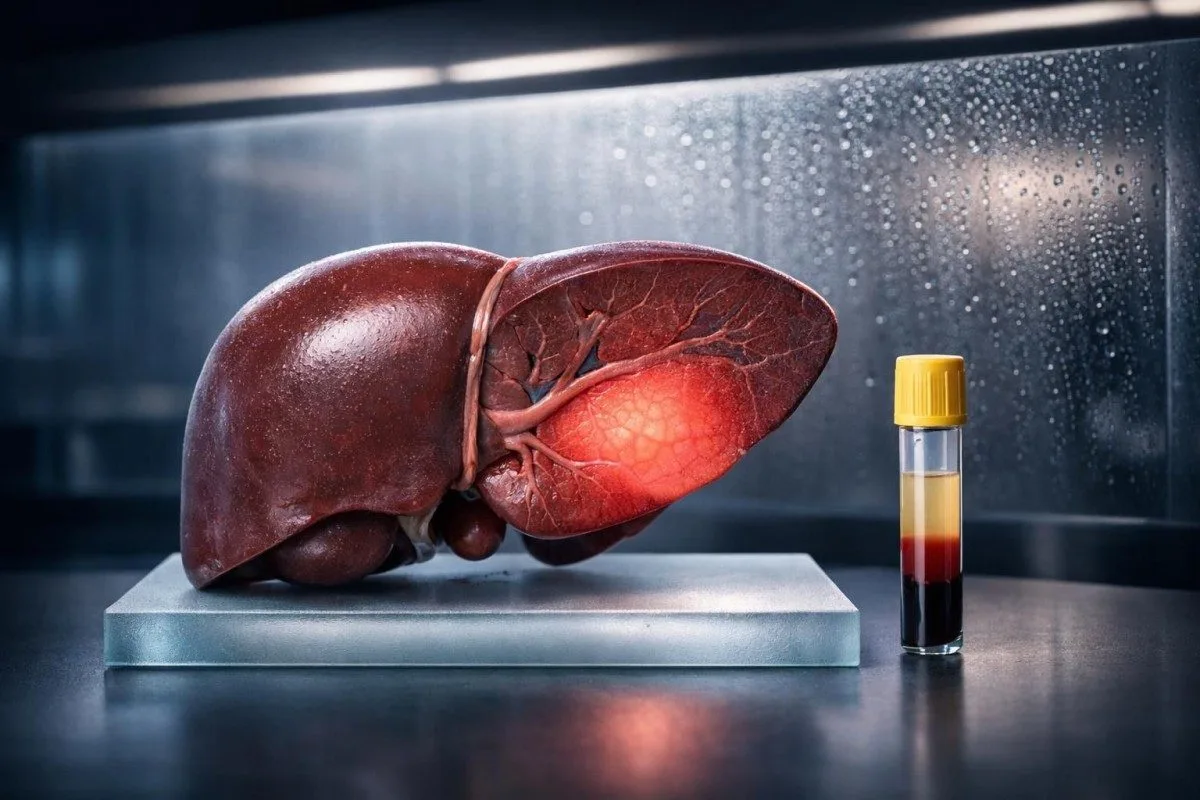
গৰ্ভৱতী ৰোগী, চিৰ’ছিছ থকা ব্যক্তি, আৰু এজন সুস্থ প্ৰাপ্তবয়স্কৰ ক্ষেত্ৰত উচ্চ AFP ফলাফলে একেবাৰে বেলেগ বেলেগ অৰ্থ বুজাব পাৰে। বেছিভাগ ভুল সতৰ্কবাণী ঘটে যেতিয়া এই পৰিস্থিতিসমূহ মিহলি হৈ যায়।.


- প্ৰাপ্তবয়স্কৰ AFP সাধাৰণতে তলত থাকে 10 এনজি/এমএল; বহুতো লেবৰেটৰীয়ে প্ৰায়ে ওপৰৰ সীমা ব্যৱহাৰ কৰে 7-10 ng/mL গৰ্ভৱতী নহোৱা প্ৰাপ্তবয়স্কৰ বাবে।.
- গৰ্ভাৱস্থাৰ AFP ক’ৰবাত ব্যাখ্যা কৰা হয় MoM, প্ৰাপ্তবয়স্কৰ মান নহয়; 0.5-2.5 MoM হৈছে এটা সাধাৰণ আশা কৰা সময়সীমা 15-20 সপ্তাহ.
- কৰ্কটৰ চিন্তা বৃদ্ধি পায় যেতিয়া AFP স্থায়িকৈ থাকে >20 ng/mL উচ্চ-আশংকাৰ প্ৰাপ্তবয়স্কত, বিশেষকৈ যদি ইমেজিংত যকৃতৰ এটা গুটি দেখা যায়।.
- অতি উচ্চ AFP ওপৰত ২০০ ng/mL হেপাট’চেলুলাৰ কাৰচিন’মা বা এটা জাৰ্ম কোষৰ টিউমাৰৰ সন্দেহ বৃদ্ধি কৰে, কিন্তু ই তথাপিও কৰ্কট ৰোগ প্ৰমাণ নকৰে।.
- স্বাভাৱিক AFP উপবাসৰ প্ৰয়োজন হয় নে? নহয় যকৃতৰ কৰ্কট ৰোগ নাকচ কৰক; কিছুমান আৰম্ভণিৰ বা ভালদৰে পৃথকীকৃত টিউমাৰে সামান্য AFP সৃষ্টি কৰে।.
- হেপাটাইটিছৰ তীব্ৰতা বৃদ্ধি (ফ্লেয়াৰ) AFP-একক দহ বা কম শতাধিক ng/mL লৈ ঠেলি দিব পাৰে কোনো কৰ্কট ৰোগ নাথাকিলেও।.
- ছেমিন’মা সংকেত: বিশুদ্ধ ছেমিন’মাই AFP বৃদ্ধি নকৰিব লাগে; উচ্চ AFP-এ তাৰ পৰিৱর্তে এটা নন-ছেমিন’মাটাছ.
- পুনৰ পৰীক্ষা ভিতৰত 2-6 সপ্তাহ অন্যথা ক্লিনিকেল পৰিস্থিতি সন্তোষজনক হ’লে মৃদু, একক বৃদ্ধি (isolated elevation)ৰ ক্ষেত্ৰত ই সাধাৰণ।.
- তৎকালীন পৰ্যালোচনা উচ্চ AFP-ৰ লগত জণ্ডিছ, ওজন কমি যোৱা, পেট ফুলি যোৱা, বা নতুনকৈ দেখা দিয়া যকৃতৰ গাঁঠনি থাকিলে ই যুক্তিসংগত।.
কিয় উচ্চ AFP তেজ পৰীক্ষাৰ ফল সদায়ে কৰ্কট ৰোগ বুজাই নাথাকে
A উচ্চ AFP তেজ পৰীক্ষা স্বয়ংক্ৰিয়ভাৱে যকৃতৰ কৰ্কট ৰোগ বুজাই নাযায়। গৰ্ভৱতী নহোৱা প্ৰাপ্তবয়স্কসকলৰ ক্ষেত্ৰত, আলফা-ফিট’প্ৰ’টিন সাধাৰণতে কম—বেছিভাগ সময় 10 এনজি/মিলিৰ তলত—কিন্তু গৰ্ভাৱস্থা, হেপাটাইটিছৰ ফ্লেয়াৰ, চিৰ’ছিছ, আৰু কিছুমান জাৰ্ম কোষৰ টিউমাৰে সকলোবোৰে ইয়াক বৃদ্ধি কৰিব পাৰে, কেতিয়াবা যথেষ্ট পৰিমাণে। গৰ্ভাৱস্থাত, চিকিৎসকসকলে সাধাৰণতে প্ৰাপ্তবয়স্কৰ পৰিসীমা উপেক্ষা কৰি median-ৰ গুণক ব্যৱহাৰ কৰে, সেইবাবেই একে সংখ্যাই গৰ্ভাৱস্থা, হেপাটাইটিছ, বা কৰ্কট ৰোগৰ পৰীক্ষা-নিৰীক্ষাত সম্পূৰ্ণ ভিন্ন অৰ্থ কঢ়িয়াই আনিব পাৰে। কান্টেষ্টি এ আই.
AFP এটা টিউমাৰ মাৰ্কাৰ, ৰায় (verdict) নহয়। আমাৰ প্লেটফৰ্মত আমি নিয়মিতভাৱে দেখা পাওঁ যে ৰোগীয়ে 14 ng/mL ৰ বাবে আতংকিত হয়, যিটো পিছত দেখা যায় যে সেয়া হেপাটাইটিছৰ ফ্লেয়াৰ বা গৰ্ভাৱস্থা-সম্পৰ্কীয় ফলাফল—ভুল reference range-ৰ বিপৰীতে ব্যাখ্যা কৰা হৈছিল। এটা ৰঙা সংখ্যা কিয় বিভ্ৰান্ত কৰিব পাৰে বুলি কেতিয়াবা ভাবিছেনে? আমাৰ অংশটো চাওক— মানুহক বিভ্ৰান্ত কৰা স্বাভাৱিক সীমা একে লেবৰেটৰী যুক্তিক বেছি বিস্তৃত দৃষ্টিভংগীৰে বুজাই।.
কথাটো হ’ল, AFP হৈছে এটা ভ্ৰূণজনিত প্ৰ’টিন। প্ৰাপ্তবয়স্কই সাধাৰণতে অতি কম উৎপাদন কৰে, কিন্তু যকৃতৰ টিস্যু পুনৰুৎপাদন/পুনঃসৃষ্টিয়ে কিছুকাললৈ সেই কাৰ্যসূচী পুনৰ অন কৰি দিব পাৰে—সেইবাবে এজন ৰোগীৰ ALT 312 U/L আৰু AFP 64 ng/mL থাকিলেও MRI ত কোনো গাঁঠি নাথাকিব পাৰে। মই দেখিছোঁ—যকৃতৰ প্রদাহ শান্ত হোৱাৰ পিছত ঠিক সেই ধৰণৰ পেটাৰ্ন স্থিৰ হৈ পৰে।.
গৰ্ভাৱস্থাই সম্পূৰ্ণ কাঠামো সলনি কৰে। মাতৃৰ ছিৰাম AFP যিটো এটা প্ৰাপ্তবয়স্কৰ প’ৰ্টাল সীমাৰ বিপৰীতে 'উচ্চ' যেন লাগে, সেয়া 16 সপ্তাহৰ পিছত, ত একেবাৰে স্বাভাৱিকভাৱে আশা কৰিব পাৰি, আৰু এই অমিলটোৱে বেছিভাগ মানুহে বুজাতকৈও বেছি মিছা সতৰ্কবাণী সৃষ্টি কৰে। ব্যৱহাৰিক টিপ: কেঞ্চাৰক লৈ চিন্তা কৰাৰ আগতে চাওক যে ৰিপ’ৰ্টত মাতৃ স্ক্ৰীন, গৰ্ভৱতী, অথবা গৰ্ভৱতী নহোৱা প্ৰাপ্তবয়স্ক বুলি ৰিকুইজিশ্বনত ক’তো উল্লেখ আছে নে নাই।.
AFP ৰ স্বাভাৱিক মান বয়স, গৰ্ভাৱস্থা, আৰু লেবৰেটৰী পদ্ধতি অনুসৰি সলনি হয়
দ্য... গৰ্ভৱতী নহোৱা প্ৰাপ্তবয়স্কৰ বাবে স্বাভাৱিক AFP সীমা সাধাৰণতে 0-10 ng/mL, কিন্তু সকলো লেবৰেটৰীয়ে একে ওপৰৰ সীমা ব্যৱহাৰ নকৰে। কিছুমানে লৈকে স্বাভাৱিক বুলি কয়, কিছুমানে লৈকে, কিছুমানে আকৌ লৈকে—সেয়েহে কোনোবাই সীমান্তীয় (borderline) ফলাফল ব্যাখ্যা কৰাৰ আগতে পদ্ধতি আৰু পৰিপ্ৰেক্ষিত গুৰুত্বপূৰ্ণ। 7 ng/mL, কিছু ও 8.8 ng/mL, আৰু আন কিছু ও 10 এনজি/এমএল, যাৰ কাৰণে কোনো এটা নৰ্মেল নহয় এনে ফলাফল ব্যাখ্যা কৰাৰ আগতে পদ্ধতি আৰু পৰিপ্ৰেক্ষিত গুৰুত্বপূৰ্ণ।.
বেছিভাগ লেবৰেটৰীয়ে AFP ক ইমিউন’এছেই (immunoassay) ৰে জোখে, আৰু পৰীক্ষা-ডিজাইন গুৰুত্বপূৰ্ণ। 9.5 ng/mL এটা ফলাফল এটা লেবত স্বাভাৱিক বুলি ক’ব পাৰি, আন এটা লেবত সীমান্তীয় বুলি ক’ব পাৰি—সেয়েহে আমি আমাৰ ত থকা পৰীক্ষাৰ উৎস (assay source) ক্ৰছ-চেক কৰোঁ। তেজৰ পৰীক্ষাৰ বায়'মাৰ্কাৰ গাইড. যদি পেনেলৰ বাকী অংশ বুজিবলৈ টান লাগে, তেন্তে আমাৰ যকৃত কাৰ্যক্ষমতা পৰীক্ষা গাইডে.
এটা অন্ধ-স্থান আছে যিয়ে পৰিয়ালবোৰক ঠগায়: নবজাতকসকলৰ AFP মান হাজাৰ বা আনকি অধিকো হ’ব পাৰে আৰু তথাপিও বয়স অনুসৰি স্বাভাৱিক হ’ব পাৰে। এই মানবোৰ জীৱনৰ প্ৰথম কেইমাহমানৰ ভিতৰত কমি যায়, সেয়ে শিশুৰ AFP কেতিয়াও 8-10 ng/mL.
ৰ প্ৰাপ্তবয়স্কৰ ওপৰৰ সীমাৰ সৈতে তুলনা কৰি বিচাৰ কৰা উচিত নহয়। Trend (ধাৰা) গুৰুত্বপূৰ্ণ, কিয়নো AFP ৰ জৈৱিক half-life প্ৰায় 5-7 দিন । উৎসটো আঁতৰ কৰা হ’লে কমি যোৱাৰ আশা কৰা হয়; কিন্তু বাস্তৱ ক্ষেত্ৰত অৱনতি বহু সময়ত পাঠ্যপুথিৰ দৰে সৰল নহয়। ডেলিভাৰীৰ পিছত, টিউমাৰ চিকিৎসাৰ পিছত, বা হেপাটাইটিছ flare ৰ পৰা আৰোগ্য হ’লে উল্লেখযোগ্য হ্ৰাস আশা কৰা হয়; সমান হৈ থকা বা বৃদ্ধি পোৱা ধাৰাই অধিক ঘনিষ্ঠ পৰ্যবেক্ষণৰ দাবী কৰে। কিছুমান ইউৰোপীয় লেবেও বহুতো আমেৰিকান লেবতকৈ অলপ কম প্ৰাপ্তবয়স্কৰ ওপৰৰ সীমা ব্যৱহাৰ কৰে।.
কিয় একে সংখ্যাই বেলেগ বেলেগ কথা বুজাব পাৰে
AFP 18 এনজি/এমএল এজন সুস্থ, গৰ্ভধাৰণ নকৰা প্ৰাপ্তবয়স্কত AFP ৰ দৰে একে ধৰণে ব্যাখ্যা কৰা নহয় 18 এনজি/এমএল যকৃতৰ অস্ত্ৰোপচাৰৰ পিছত বা 17 সপ্তাহ গৰ্ভাৱস্থাত। সংখ্যাটো একে; তাৰ পিচৰ সম্ভাৱনাটো একে নহয়।.
গৰ্ভৱতী নহোৱা প্ৰাপ্তবয়স্কত উচ্চ AFP: যকৃতৰ ৰোগ, টিউমাৰ, আৰু সৌম্য কাৰণ
প্ৰাপ্তবয়স্কসকলৰ ক্ষেত্ৰত, উচ্চ AFP মান বেছিভাগ সময়তে আহে ক্ৰনিক যকৃতৰ আঘাত, হেপাট’চেলুলাৰ কাৰ্সিন’মা, বা nonseminomatous germ cell টিউমাৰৰ পৰা। প্ৰায় ১০-২০ ng/mL ৰ আশে-পাশে মৃদু বৃদ্ধি সক্ৰিয় যকৃতৰ ৰোগত যথেষ্ট সাধাৰণ, সেয়ে মই প্ৰথম দিনাই সেয়া “ভয়ংকৰ” বুলি কদাপি ক’ব নোৱাৰোঁ, যদি বাকী ছবিখন ভুল যেন নালাগে।.
প্ৰায় ১০-২০ ng/mL ৰ পৰা হোৱা মৃদু AFP বৃদ্ধি সাধাৰণতে ক্ৰনিক হেপাটাইটিছ B, হেপাটাইটিছ C, আৰু cirrhosis ৰ ক্ষেত্ৰত দেখা যায়। AFP নতুন ধৰণৰ যকৃতৰ আঘাতৰ লগত বৃদ্ধি পালে বা এনজাইম অস্বাভাৱিকভাৱে স্বাভাৱিক থাকিলে মই বেছি চিন্তিত হওঁ, আৰু আমাৰ ALT গাইড ই কেনেকৈ বুজাই দিয়ে যে এটা 220 U/L ৰ ALT কাহিনীটো সলনি কৰে।.
অতি উচ্চ AFP কেঞ্চাৰত হ’ব পাৰে, কিন্তু সকলো কেঞ্চাৰে এইদৰে আচৰণ নকৰে। হেপাট’চেলুলাৰ কাৰ্চিন’মা আৰু yolk sac বা mixed germ cell টিউমাৰে AFP ক শতাধিক বা হাজাৰাধিক, আৰু pure seminoma এ কেতিয়াও AFP বৃদ্ধি কৰা উচিত নহয় একেবাৰে নহয়। এই পাৰ্থক্য বেছিভাগ ৰোগী প’ৰ্টালে কোৱা কথাতকৈ বেছি গুৰুত্বপূৰ্ণ, সেয়েহে মই প্ৰায়ে AFP ক তেজ পৰীক্ষাৰ ফলাফল কেনেকৈ পঢ়িব.
ৰ বহল সীমাৰ সৈতে তুলনা কৰোঁ। বিচনাত/ক্লিনিকত ব্যৱহাৰযোগ্য এটা উপযোগী সূত্ৰ হৈছে গতি (pace)। 11 ৰ পৰা 13 ng/mL লৈ এবছৰত ধীৰে ধীৰে সলনি হোৱা AFP সাধাৰণতে 18 ৰ পৰা 86 ng/mL লৈ ছয় সপ্তাহৰ ভিতৰত উঠা AFP ৰ দৰে নহয়—যদিও দুয়োটাই কেৱল এপত “উচ্চ” বুলি চিহ্নিত কৰা থাকে।.
এটা ধৰণে মোৰ তৎপৰতাৰ মাত্ৰা সলনি কৰে
যেতিয়া AFP বৃদ্ধি পায় আৰু প্লেটলেট কমে, অ্যালবুমিন কমে, বা কোনো ৰোগীয়ে পেট ফুলি উঠাৰ কথা জনায়, তেতিয়া আমি “অবজাৰ্ভ কৰি পুনৰাবৃত্তি” কৰাৰ পৰা সোনকালে অধিক ইমেজিংলৈ যাওঁ। কাৰণ এই সংযুক্ত ধৰণে ক্ৰনিক যকৃতৰ পুনৰ্গঠন (remodeling) বা প’ৰ্টেল হাইপাৰটেনচন (portal hypertension) সূচায়, কিন্তু কেৱল AFP ৰে এইটো যথেষ্ট নিৰ্দিষ্ট নহয়।.
কেতিয়া AFP এ যকৃতৰ কৰ্কটৰ দিশে আঙুলিয়াই—আৰু কেতিয়া নকৰে
AFP অধিক চিন্তাজনক হৈ পৰে যকৃতৰ কেঞ্চাৰৰ বাবে যেতিয়া ই স্থায়িভাৱে উচ্চ হৈ থাকে, সাধাৰণতে 20 ng/mLৰ ওপৰত, আৰু আল্ট্ৰাছাউণ্ড/ইমেজিঙত চিৰ’ছিছ বা ক্ৰনিক হেপাটাইটিছ থকা কোনো এজনৰ যকৃতত এটা ন’ডিউল দেখা যায়। কঠোৰ সত্যটো হ’ল কেৱল AFP-এ নিজেই হেপাট’চেলুলাৰ কাৰ্চিন’মা (HCC) নিৰ্ণয় কৰিবলৈ যথেষ্ট সংবেদনশীল নহয় আৰু যথেষ্ট নিৰ্দিষ্টও নহয়।.
কেৱল AFP-এ HCC নিৰ্ণয় নকৰে। এপ্ৰিল 17, 2026, কোনো ডাঙৰ যকৃত সম্পৰ্কীয় সমাজেই সাধাৰণ জনসাধাৰণৰ বাবে কেৱল AFP-কে এককভাৱে কেঞ্চাৰ স্ক্ৰীনিং হিচাপে পৰামৰ্শ নিদিয়ে, আৰু EASL গাইডলাইন স্পষ্টভাৱে কয় যে কেৱল AFP-এ HCC নিৰ্ণয় বা নাকচ কৰিবলৈ যথেষ্ট সংবেদনশীলতা আৰু নিৰ্দিষ্টতা নাই (European Association for the Study of the Liver, 2018)। যদি আপুনি যকৃতৰ গাঁঠিৰ (লেছন) মূল্যায়নৰ সময় এনজাইমৰ প্ৰসংগ জানিব বিচাৰে, আমাৰ AST/ALT অনুপাতৰ নিৰ্দেশিকা এটা উপযোগী সহায়ক।.
আৰু স্বাভাৱিক AFP-এও HCC নাকচ নকৰে। Tzartzeva আৰু সহকৰ্মীয়ে গম পালে যে কেৱল আল্ট্ৰাছাউণ্ডে প্ৰায় 47% আৰম্ভণিৰ HCC ধৰা পেলায়, আনহাতে আল্ট্ৰাছাউণ্ডৰ সৈতে AFP যোগ কৰিলে আৰম্ভণিৰ ধৰা পেলোৱাৰ সংবেদনশীলতা প্ৰায় 63% লৈ উন্নত হয় চিৰ’ছিছ নজৰদাৰীত (Tzartzeva et al., 2018)। ই সহায় কৰে, কিন্তু তথাপিও কিছুমান কেছ বাদ পৰে—সেইবাবেই আমাৰ কেঞ্চাৰ তেজ পৰীক্ষাৰ সীমা টিউমাৰ মাৰ্কাৰবোৰে কি কৰিব পাৰে আৰু কি কৰিব নোৱাৰে—সেই কথা জোৰ দি কয়।.
কাটঅফবোৰ সঁচাকৈয়ে জটিল। উচ্চ-আশংকাযুক্ত প্ৰাপ্তবয়স্কৰ ক্ষেত্ৰত AFP ২০০ ng/mL ৰ ওপৰত হ’লে HCCৰ সম্ভাৱনা বাঢ়ে, আৰু কিছুমান কেন্দ্ৰত 400 ng/mL, ৰ ওপৰত আৰু অধিক সন্দেহ কৰা হয়, কিন্তু সৰু টিউমাৰবোৰ 20 এনজি/এমএল ৰ তলতো থাকিব পাৰে আৰু গুৰুতৰ হেপাটাইটিছেও কিছুকালৰ বাবে 100 ng/mL অতিক্ৰম কৰিব পাৰে—কিন্তু কেঞ্চাৰ নাথাকিবও পাৰে। কিছুমান কেন্দ্ৰত AFP-L3% আৰু des-gamma-carboxy prothrombin-এ নিৰ্দিষ্টতা (specificity) বৃদ্ধি কৰে, কিন্তু সুবিধা (access) একে ধৰণৰ নহয় আৰু সকলো লেবৰেটৰীয়ে সেইবোৰ আগবঢ়ায় নে নকৰে।.
কিয় স্কেন (scan) সংখ্যাটোককৈ বেছি গুৰুত্বপূৰ্ণ হয়
HCC হৈছে কেইটামান কেঞ্চাৰৰ ভিতৰত এটা যাক বহু সময়ত টিছ্যু নমুনা লোৱাৰ পৰিৱর্তে ৰেডিঅ’লজিকেলভাৱে (radiologically) নিৰ্ণয় কৰা হয়, যেতিয়া ইমেজিংৰ ধৰণ ক্লাছিক হয়। বাস্তৱত, এটা 2 cm কিৰ’ছিছত washout থকা arterial-enhancing lesion এ AFP আছে নে নাই—সেইটোতকৈ বেছি গুৰুত্ব ৰাখিব পাৰে 14 অথবা 140 ng/mL.
কিয় চিৰ’ছিছ আৰু হেপাটাইটিছে কোনো কৰ্কট নোহোৱাকৈও AFP বৃদ্ধি কৰিব পাৰে
কিৰ’ছিছ আৰু সক্ৰিয় হেপাটাইটিছে AFP বৃদ্ধি কৰিব পাৰে, কিয়নো মেৰামতিৰ সময়ত পুনঃজন্ম হোৱা যকৃতৰ কোষে ইয়াক মুক্ত কৰে। এইটো এটা অন্যতম গুৰুত্বপূৰ্ণ কাৰণ যে উচ্চ AFP তেজ পৰীক্ষা কেতিয়াও liver enzymes, liver function, লক্ষণ, আৰু imaging নোহোৱাকৈ পঢ়িব নালাগে।.
কিৰ’ছিছ আৰু হেপাটাইটিছে AFP বৃদ্ধি কৰে, কিয়নো আঘাতপ্ৰাপ্ত hepatocytes এ fetal-like মেৰামতি কাৰ্যসূচীত পুনৰ সোমাই যায়। মোৰ নিজৰ ক্লিনিকত, MD থমাছ ক্লেইনে, মই AFP ৰ মান 50 ৰ পৰা 120 ng/mL তীব্ৰ হেপাটাইটিছৰ flare ৰ সময়ত কমি গৈ এবাৰ baseline দিশে ঘূৰি আহে, যেতিয়া ALT আৰু AST স্থিৰ হয়—MRI ত কোনো বৃদ্ধি নোহোৱাকৈ।.
reactive AFP ক অধিক চিন্তাজনক ধৰণৰ পৰা পৃথক কৰে সেয়া হৈছে ইয়াৰ লগত থকা কোম্পানী/সহচৰ লক্ষণ। যদি AFP 38 ng/mL কিন্তু বিলিৰুবিন বাঢ়ি আছে, পৰীক্ষাত ascites দেখা যায়, বা jaundice বেয়া হৈ আছে—তেতিয়া কাহিনী সলনি হয়; আমাৰ বিলিৰুবিন গাইডে এ কিয় এই সংমিশ্ৰণটোক দ্ৰুত মূল্যায়ন দিয়া উচিত সেইটো বুজাই।.
মই reserve markers বোৰতো ভালদৰে চাওঁ। কম এলবুমিন বা বেয়া হৈ থকা edema ৰ সৈতে বাঢ়ি থকা AFP, স্থিৰ synthetic function থকা একে AFP তকৈ বেছি চিন্তাজনক, আৰু কম platelet count এ সৰল লেবৰেটৰী শব্দ/শব্দ-শব্দ (lab noise) ৰ পৰিৱৰ্তে portal hypertension ৰ ইংগিত দিব পাৰে। এই সহচৰ সূত্ৰবোৰ আমাৰ albumin interpretation আৰু প্লেটলেট গণনাৰ সহায়িকা ত এটা কাৰণৰ বাবে দেখা যায়।.
এটা repeat interval যিটো প্ৰায়ে ব্যৱহাৰত কাম কৰে
যদি AFP কেৱল মৃদু পৰ্যায়ৰ পৰা মধ্যম পৰ্যায়লৈকে বঢ়া থাকে আৰু হেপাটাইটিছৰ flare স্পষ্ট হয়, তেন্তে বহু চিকিৎসকে enzymes উন্নতি আৰম্ভ হোৱাৰ পিছত AFP পুনৰ 2-6 সপ্তাহ দিয়ে। AFP কমি যোৱাটোৱে reactive প্ৰক্ৰিয়াক সমৰ্থন কৰে; enzymes উন্নতি হোৱাৰ পিছতো AFP সমান হৈ থকা বা বাঢ়ি যোৱাই আমাক imaging দিশে ঠেলি দিয়ে।.
গৰ্ভাৱস্থাত AFP কেনেকৈ বেলেগ ধৰণে ব্যাখ্যা কৰা হয়
গৰ্ভাৱস্থাত AFP বাঢ়ি যোৱাটো আশা কৰা হয়, সেয়েহে চিকিৎসকে সাধাৰণতে আলফা ফিট’প্রোটিন পৰীক্ষা যেনেকৈ MoM, ৰ ব্যাখ্যা কৰে, প্ৰাপ্তবয়স্কৰ ng/mL ৰেঞ্জ নহয়। gestational age ঠিককৈ সোমোৱালৈকে এটা মাতৃৰ AFP সাধাৰণ portal ত উচ্চ যেন লাগিব পাৰে, কিন্তু তেতিয়াই ই সম্পূৰ্ণ স্বাভাৱিক হ’ব পাৰে।.
গৰ্ভাৱস্থাত মাতৃৰ serum AFP সাধাৰণতে 15-20 সপ্তাহ, য’ত 16-18 সপ্তাহ ত মাপা হয়। সৰ্বাধিক নিৰ্ভুল স্ক্ৰিনিং উইণ্ড’ দিয়া। নিউৰেল টিউব ডিফেক্টৰ সন্দৰ্ভত ACOGৰ বুলেটিনে এই সময়সূচীক সমৰ্থন কৰে, আৰু বেছিভাগ লেব’ৰেটৰীয়ে প্ৰায় 0.5-2.5 MoM ক গৰ্ভকাল (gestational age) অনুসৰি সমন্বয় কৰাৰ পিছত আশা কৰা পৰিসীমা হিচাপে ধৰে (American College of Obstetricians and Gynecologists, 2017)। অধিক বিস্তৃত চক্ৰ আৰু গৰ্ভধাৰণৰ লেব’ কণ্টেক্সটৰ বাবে, আমাৰ মহিলাৰ স্বাস্থ্য গাইড ৰ পৰ্যালোচনা এটা ভাল সহায়ক।.
যদি প্ৰায় 2.5 MoM তকৈ অধিক AFP থাকে, তেন্তে ভুল তাৰিখ, যমজ (twins), প্লেচেণ্টাৰ লিকেজ, বা খোলা নিউৰেল টিউব বা পেটৰ বেৰৰ (abdominal wall) ত্ৰুটি প্ৰতিফলিত কৰিব পাৰে; ই এটা স্ক্ৰিনিং সংকেত (flag), ডায়েগন’সিছ নহয়। ক্লিনিকত পৰৱৰ্তী পদক্ষেপ সাধাৰণতে আতংক নহয়—এটা লক্ষ্যভিত্তিক আল্ট্ৰাছাউণ্ড (targeted ultrasound)। যিসকলে এনিমিয়াৰ ধাৰা (anemia trends)ো চাই আছে, তেওঁলোকে আমাৰ গৰ্ভকালীন হিম’গ্ল’বিনৰ পৰিসীমা সহায়ক বুলি পায়, কাৰণ একেটা প’ৰ্টেলেই দুয়োটা পৰীক্ষাকে একেলগে ভুলকৈ লেবেল কৰিব পাৰে।.
কম AFPৰো নিজা সূক্ষ্মতা আছে। পুৰণি quad-screen মডেলসমূহত, কম AFPৰ সৈতে অস্বাভাৱিক hCG, estriol, আৰু inhibin A এ trisomy 21 অথবা 18, ৰ বাবে ঝুঁকিৰ অনুমান সলনি কৰিছিল, কিন্তু cell-free DNA এ বহুতো কাৰ্যপ্ৰণালী (workflow) সলনি কৰিছে। মাতৃৰ ওজন, ইনচুলিনেৰে চিকিৎসা কৰা ডায়েবেটিছ, IVFৰ জৰিয়তে গৰ্ভধাৰণ, আৰু ধূমপান—এই সকলোবোৰে MoM correction সলনি কৰিব পাৰে; সেইবাবেই কেঁচা ng/mL ক নিজে নিজাকৈ গৰ্ভকালীন AFP ব্যাখ্যা কৰিবলৈ এটা ভাল উপায় নহয়।.
আমি সাপ্তাহিকভাৱে দেখা এটা প’ৰ্টেল ফাঁদ
যদি মাতৃৰ AFP হয় 65 ng/mL তেন্তে এটা সাধাৰণ adult portal এ গৰ্ভকাল-সমন্বয় কৰা ব্যাখ্যা গৰ্ভকালীন সপ্তাহৰ বাবে আশা কৰা (expected) হ’লেও তাক উচ্চ (high) বুলি চিহ্নিত কৰিব পাৰে। আমাৰ ব্যৱহাৰকাৰীসকলৰ মাজত এইটো আটাইতকৈ সাধাৰণ ভুল সতৰ্কবাণীৰ ভিতৰত এটা।.
কি কি কাৰকে AFP ফলাফলক বিভ্ৰান্তিকৰ বা মিছা-উচ্চ কৰি তুলিব পাৰে
বিভ্ৰান্তিকৰ AFP ফলাফল আহে ভুল reference range, assay interference, গৰ্ভকাল গণনাৰ ভুল, আৰু এটা লেব’ৰ ফলাফলক আন এটা লেব’ৰ পদ্ধতিৰ সৈতে তুলনা কৰাৰ পৰা। সংখ্যা আৰু ক্লিনিকেল চিত্ৰ (clinical picture) যদি বেয়াকৈ মিল নাখায়, তেন্তে আমি বিপৰ্যয়ধর্মী ধাৰণা (catastrophize) কৰাৰ আগতেই পুনৰীক্ষা কৰোঁ।.
বিভ্ৰান্তিকৰ AFP ফলাফল হয় যেতিয়া পদ্ধতি (method), একক (units), বা ক্লিনিকেল কণ্টেক্সট মিল নাখায়। যদি সংখ্যাটোৱেই যুক্তিসংগত নহয়—যেনে AFP 72 ng/mL-তকৈ বেছি চিন্তিত কৰে স্বাভাৱিক ইমেজিং আৰু কোনো ঝুঁকিৰ কাৰক নথকা এজন ৰোগীৰ ক্ষেত্ৰত—আমি কেতিয়াবা ইয়াক অন্য এটা এচে’ প্লেটফৰ্মত পুনৰ পৰীক্ষা কৰোঁ, কিয়নো হেটেৰ’ফাইল এন্টিবডিয়ে ইমিউন’এচে’ক বিকৃত কৰিব পাৰে।.
লেবৰেটৰীটোৱে নিজেই ছবিখন বিভ্ৰান্ত কৰিব পাৰে। এটা পদ্ধতিয়ে সীমান্তৱৰ্তী 8.9 ng/mL বুলি প্ৰতিবেদন দিব পাৰে 10.6 ng/mL, আৰু লেবৰেটৰী সলনি কৰিলে ট্ৰেণ্ড লাইনসমূহ ৰোগীয়ে যিমান বুজে তাৰ তুলনাত অধিক “নইজী” হৈ পৰে; আমাৰ ধাৰা তুলনা গাইড দেখুৱাইছে কিয় এটা লেবৰ লগত থাকিলে অধিক পৰিষ্কাৰ।.
ইয়াত আন এটা দিশ আছে: ৰোগীৰ প’ৰ্টেলসমূহে প্ৰায়ে ফলাফলক ৰিকুইজিশ্যনৰ পৰা বিচ্ছিন্ন কৰি দিয়ে। গৰ্ভধাৰণ পৰীক্ষা এটা অগৰ্ভৱতী প্ৰাপ্তবয়স্কৰ পৰিসীমাৰ বিপৰীতে স্বয়ংক্ৰিয়ভাৱে “ফ্লেগ” হ’ব পাৰে, আৰু পুৰণি PDF-এ নমুনাটো মাতৃৰ ছিৰাম আছিল নে অনক’লজি ফ’ল’আপ নে যকৃতৰ নিৰীক্ষণ—সেয়া লুকুৱাই ৰাখিব পাৰে। আপুনি প্ৰতিক্ৰিয়া দিয়াৰ আগতে আমাৰ অনলাইন ফলাফল সুৰক্ষা গাইড.
অস্বাভাৱিক AFP ফলাফলৰ পিছত চিকিৎসকে সাধাৰণতে কি কি পৰীক্ষা আদেশ দিয়ে
ব্যৱহাৰ কৰি প্ৰতিবেদনৰ বিৱৰণ নিশ্চিত কৰক। এটা অস্বাভাৱিক AFP ৰ পিছত চিকিৎসকসকলে সাধাৰণতে পৰীক্ষাটো পুনৰ কৰে, যকৃতৰ এনজাইমসমূহ পৰ্যালোচনা কৰে, আৰু আল্ট্ৰাছাউণ্ড, মাল্টিফেজিক CT, নে MRI লাগিব নে নাই সিদ্ধান্ত লয়। পৰৱৰ্তী পদক্ষেপটো কেৱল AFP সংখ্যাটোৰ ওপৰতকৈ বহু বেছি নিৰ্ভৰ কৰে.
অস্বাভাৱিক AFP ৰ পিছত আমি সাধাৰণতে ইয়াক ALT, AST, alkaline phosphatase, bilirubin, albumin, INR, আৰু platelets ৰ সৈতে জোৰা দিওঁ. । যদি আপুনি স্কেন কৰা প্ৰতিবেদন পৰ্যালোচনা কৰিছে, আমাৰ PDF আপলোড গাইড এ ইয়াক আগবঢ়োৱাৰ আগতে ইউনিট, তাৰিখ, আৰু reference interval কেনেকৈ পৰীক্ষা কৰিব লাগে সেয়া ব্যাখ্যা কৰে।.
যকৃতৰ কেঞ্চাৰৰ ঝুঁকিত থকা প্ৰাপ্তবয়স্কৰ বাবে, পৰৱৰ্তী অধ্যয়নটো প্ৰায়ে আল্ট্ৰাছাউণ্ড হয় যদি কিবা নতুন তথ্য নাই; তাৰ পিছত AFP বৃদ্ধি পাই থাকিলে বা কোনো ন’ডিউল দেখা গেলে মাল্টিফেজিক CT বা MRI কৰা হয়। আকৰ্ষণীয়ভাৱে, সঠিক পৰিস্থিতিত HCC বহু সময় কেৱল ইমেজিং দ্বাৰাই নিৰ্ণয় কৰিব পাৰি, সেয়ে টিছ্যু নমুনা লোৱা সদায় প্ৰথম পদক্ষেপ নহয়।.
গৰ্ভাৱস্থাৰ ফ’ল’আপ বেলেগ। উচ্চ মাতৃ AFP সাধাৰণতে গৰ্ভকালৰ বয়স নিশ্চিত কৰা, MoM ৰ পুনৰ ব্যাখ্যা, আৰু এটা বিশদ anatomy আল্ট্ৰাছাউণ্ডলৈ লৈ যায়; আক্রমণাত্মক পৰীক্ষা ৰোগীয়ে যিমান ভয় কৰে তাৰ তুলনাত বহু কম। ফলাফলবোৰ অস্পষ্ট হ’লে, আমাৰ মেডিকেল এডভাইজাৰী ব’ৰ্ড চিকিৎসকসকলে এই ধৰণসমূহ একে ধৰণৰ “প্ৰথমে প্ৰসংগ” যুক্তি ব্যৱহাৰ কৰি পৰ্যালোচনা কৰে—যিদৰে আমি ক্লিনিকেলভাৱে ব্যৱহাৰ কৰোঁ।.
যেতিয়া সংখ্যাটো অতি বেছি
অগৰ্ভৱতী প্ৰাপ্তবয়স্কত AFP ওপৰত 500-1000 ng/mL সময়মতে বিশেষজ্ঞৰ পৰ্যালোচনা যোগ্য, বিশেষকৈ যদি যকৃতৰ ইমেজিং বা শাৰীৰিক পৰীক্ষা অস্বাভাৱিক হয়। তথাপিও ই HCC প্ৰমাণ নকৰে, কিন্তু সেই পৰিসৰত আমি ইয়াক “সাধাৰণ পুনৰ পৰীক্ষা” হিচাপে ধৰি চিকিৎসা বন্ধ কৰোঁ।.
Kantesti AI এ AFP কিদৰে একে পৰিস্থিতিৰ ভিতৰত ব্যাখ্যা কৰে—অকলশৰীয়াকৈ নহয়
Kantesti AI এ AFP ক সংখ্যা আৰু ALT, AST, bilirubin, albumin, platelets, গৰ্ভাৱস্থাৰ অৱস্থা, বয়স, আৰু ট্ৰেণ্ড মিলাই ব্যাখ্যা কৰে।, যিটো ধৰণে চিকিৎসকসকলে আচলতে যুক্তি কৰে। সেই প্ৰসংগ নোহোৱাকৈ এটা মাত্র AFP মানে সাধাৰণতে স্ব-ব্যাখ্যাৰ ক্ষেত্ৰত ভুল হোৱাৰ সম্ভাৱনা বেছি।.
আমাৰ 2M+ ব্যৱহাৰকাৰী ভিতৰত ১২৭+ দেশ, আমি দেখা আটাইতকৈ সাধাৰণ AFP ভুলটো হ’ল—গৰ্ভাৱস্থাৰ অৱস্থা, লিভাৰ এনজাইম, লক্ষণ, আৰু আগৰ বেচলাইন নাচাই এটা উচ্চ সংখ্যাই কেন্সাৰ বুজায় বুলি ধৰি লোৱা। অন আমাৰ বিষয়ে, আপুনি দেখিব পাৰিব যে Kantesti ক কেনেকৈ কেৱল বিচ্ছিন্ন বায়’মাৰ্কাৰ-সম্পৰ্কীয় কৌতুহল নহয়, বৰং বাস্তৱ লেবৰেটৰী কাৰ্যপ্ৰবাহৰ ওপৰত নিৰ্মাণ কৰা হৈছে।.
আমাৰ AI প্রযুক্তি গাইড এ ব্যাখ্যা কৰে যে মডেলটোৱে AFP ক সংগী মাৰ্কাৰৰ সৈতে কেনেকৈ একেলগে পঢ়ে, আৰু আমাৰ চিকিৎসা বৈধতা পৃষ্ঠা ত আমি ঝুঁকিৰ ভাষা উলিয়োৱাৰ আগতে আমাৰ দলে ব্যৱহাৰ কৰা মানদণ্ডসমূহ দেখুৱাওঁ। এইটো গুৰুত্বপূৰ্ণ কাৰণ AFP 34 ng/mL ৰ অৰ্থ বহুত বেলেগ হয় যেতিয়া ALT 280 U/L হয়, তুলনাত যেতিয়া লিভাৰ এনজাইম শান্ত থাকে আৰু ইমেজিঙত নতুন লেছন দেখা যায়।.
ডাঃ থমাছ ক্লেইন হিচাপে, মই ইচ্ছাকৃতভাৱে আমাৰ যুক্তিক্ৰমটো এনেকৈ সাজিছোঁ যাতে বিচ্ছিন্ন মৃদু AFP বৃদ্ধি (bumps) ক কম গুৰুত্ব দিয়া হয় আৰু AFP 34 ng/mL ৰ দৰে ধৰণবোৰক বেছি গুৰুত্ব দিয়া হয়—য’ত প্লেটলেট কমি যোৱা, এলবুমিন কম হোৱা, আৰু নতুন লিভাৰ লেছন থাকে। আপুনি যদি নিজে কাৰ্যপ্ৰবাহ পৰীক্ষা কৰিব বিচাৰে, তেন্তে বিনামূলীয়া ডেম’, চেষ্টা কৰক, আৰু যদি আপুনি বাস্তৱ-জগতৰ উদাহৰণ পছন্দ কৰে, আমাৰ সফলতাৰ কাহিনী দেখুৱায় যে ট্ৰেণ্ড বিশ্লেষণে কেনেকৈ সিদ্ধান্ত সলনি কৰে।.
কেতিয়া চিন্তা কৰিব, কেতিয়া পুনৰ পৰীক্ষা কৰিব, আৰু কেতিয়া শান্ত থাকিব
AFP কেৱল মৃদুভাৱে বৃদ্ধি পাইছে আৰু গৰ্ভাৱস্থা বা সক্ৰিয় হেপাটাইটিছৰ দৰে স্পষ্ট ব্যাখ্যা আছে—তেন্তে আপুনি বেছি চিন্তা নকৰিলেও হয়। AFP পুনৰ পৰীক্ষাত বৃদ্ধি পালে বা আপোনাৰ লগতে জণ্ডিছ, ওজন কমি যোৱা, পেট ফুলি যোৱা, বা লিভাৰৰ ভৰ (mass) থাকিলে আপুনি বেছি দ্ৰুত আগবঢ়া উচিত।.
AFP কেৱল মৃদুভাৱে বেছি হ’লে—যেনে 11-20 ng/mL—আৰু গৰ্ভাৱস্থা, শেহতীয়া হেপাটাইটিছৰ সক্ৰিয়তা, বা লিভাৰৰ আঘাতৰ পৰা আৰোগ্যৰ দৰে স্পষ্ট কাৰণ থাকিলে আপুনি সাধাৰণতে অলপ স্বস্তি ল’ব পাৰে। এই পৰিস্থিতিত বহু চিকিৎসকে AFP ক 2-6 সপ্তাহ ৰ আগতে পুনৰ পৰীক্ষা কৰে।.
AFP ক যদি ক্ৰমাগত বৃদ্ধি হৈ থাকে, আৰু কেইবাশত ng/mL, পালেহি, বা জণ্ডিছ, সোঁ-উপৰ পেটৰ অংশত (right-upper-quadrant) বিষ, পেট ফুলি যোৱা, অনিচ্ছাকৃত ওজন কমি যোৱা, বা নতুন অণ্ডকোষ (testicular) বা পেলভিক (pelvic) ভৰ (mass) ৰ সৈতে আহে—তেন্তে দ্ৰুত আগবঢ়ক। এই লক্ষণবোৰে স্বয়ংক্ৰিয়ভাৱে কেন্সাৰ বুজায় বুলি নহয়, কিন্তু সেইবোৰেই সেই পৰিস্থিতি য’ত মই পলম ভাল নাপাওঁ।.
মূল কথা: এই এ এফ পি তেজৰ পৰীক্ষা আটাইতকৈ বেছি উপযোগী হয় যেতিয়া ইয়াক এটা কাহিনীৰ অংশ হিচাপে পঢ়া হয়, বিচাৰ-সিদ্ধান্ত (verdict) হিচাপে নহয়। যদি আপোনাৰ ৰিপ’ৰ্ট বুজিবলৈ টান হয়, আমাৰ এআই-চালিত তেজ পৰীক্ষাৰ ব্যাখ্যা এ প্ৰায় ৬০ ছেকেণ্ডৰ ভিতৰত ট্ৰেণ্ড/ধৰণটো সংগঠিত কৰি দিব পাৰে, আৰু আমাৰ যোগাযোগ দললৈ (contact team) পঠিয়াওক এ আপোনাক পৰৱৰ্তী সঠিক পদক্ষেপলৈ আঙুলিয়াই দিবলৈ সহায় কৰিব পাৰে।.
সঘনাই সোধা প্ৰশ্ন
AFP ৰ কিমান স্তৰে যকৃতৰ কৰ্কট ৰোগ (লিভাৰ কেঞ্চাৰ) সূচায়?
কোনো এটা একক AFP ৰ মাত্ৰাই যকৃতৰ কৰ্কট ৰোগ (লিভাৰ কেঞ্চাৰ) প্ৰমাণ নকৰে। গৰ্ভৱতী নহোৱা প্ৰাপ্তবয়স্কসকলৰ ক্ষেত্ৰত, AFP অবিৰতভাৱে ওপৰত থাকিলে 20 এনজি/এমএল সাধাৰণতে পুনৰ পৰীক্ষা আৰু যকৃতৰ মূল্যায়ন কৰিবলৈ বাধ্য কৰে, আনহাতে ২০০ ng/mL যদি চিৰ’ছিছ (যকৃতৰ দাগ পৰা) বা যকৃতত কোনো গাঁঠি (লিভাৰ মাস) থাকে তেন্তে hepatocellular carcinoma (হেপাট’চেলুলাৰ কাৰ্সিন’মা) অধিক চিন্তাজনক হৈ পৰে। কিছুমান কেন্দ্ৰত 400 ng/mL স্তৰক অতি সন্দেহজনক বুলি ধৰা হয়, কিন্তু গুৰুতৰ হেপাটাইটিছ কেতিয়াবা একে ধৰণৰ সংখ্যালৈ উঠিব পাৰে। multiphasic CT বা MRI ৰে কৰা ইমেজিং তেতিয়াও কেৱল AFP ৰ তুলনাত অধিক বিৱৰণমূলক (ডায়েগন’ষ্টিক) ওজন বহন কৰে।.
গৰ্ভাৱস্থাই তেজ পৰীক্ষাত উচ্চ AFP সৃষ্টি কৰিব পাৰে নেকি?
হয়। গৰ্ভাৱস্থাত সাধাৰণতে AFP বৃদ্ধি পায়, সেয়েহে মাতৃৰ ৰক্তৰ (maternal serum) AFP ক median (MoM) ৰ গুণ হিচাপে ব্যাখ্যা কৰা হয় মানক প্ৰাপ্তবয়স্ক ng/mL ৰেঞ্জৰ দ্বাৰা নহয়। পৰীক্ষাটো সাধাৰণতে 15-20 সপ্তাহ, ত সংগ্ৰহ কৰা হয়, আৰু গৰ্ভকাল (gestational age) অনুসৰি সমন্বয় কৰাৰ পিছত প্ৰায় 0.5-2.5 MoM এটা সাধাৰণ আশা কৰা ৰেঞ্জ। উচ্চ গৰ্ভকালীন AFP সাধাৰণতে ডেটিং ভুল, যমজ (twins), প্লেচেণ্টাৰ লিক (placental leak), বা ভ্ৰূণৰ গঠনগত সমস্যা—কিন্তু কৰ্কট ৰোগৰ (কেঞ্চাৰ) নিৰ্ণয় নহয়—এনে স্ক্ৰিনিং সূত্ৰ।.
কেঞ্চাৰ নোহোৱাকৈ কিৰ’ছিছ বা হেপাটাইটিছে AFP বৃদ্ধি কৰিব পাৰেনে?
হয়। সক্ৰিয় হেপাটাইটিছ আৰু চিৰ’ছিছ AFP বৃদ্ধি কৰিব পাৰে, কিয়নো মেৰামতিৰ সময়ত পুনৰুৎপাদন হোৱা যকৃতৰ কোষে সাময়িকভাৱে এই ভ্ৰূণজনিত প্ৰ’টিনটোৰ অধিক উৎপাদন আৰম্ভ কৰে। বাস্তৱত, AFP গুৰুতৰ হেপাটাইটিছৰ তীব্ৰতা (flare)ৰ সময়ত দশক বা আনকি কম শতাধিক ng/mL লৈ উঠিব পাৰে আৰু তাৰ পিছত ALT আৰু AST উন্নতি হোৱাৰ লগে লগে আকৌ কমি যায়। সেয়েহে পুনৰ পৰীক্ষা আৰু যকৃতৰ ইমেজিং প্ৰায়ে এটা একক অস্বাভাৱিক ফলাফলতকৈ অধিক গুৰুত্বপূৰ্ণ।.
যকৃতৰ কৰ্কট ৰোগ (লিভাৰ কেঞ্চাৰ) নাকচ কৰিবলৈ স্বাভাৱিক AFP যথেষ্ট নেকি?
নহয়। স্বাভাৱিক AFP এ নহয় hepatocellular carcinoma (হেপাট’চেলুলাৰ কাৰ্সিন’মা) নাকচ নকৰে, কিয়নো কিছুমান আৰম্ভণিৰ বা ভালদৰে পৃথক হোৱা (well-differentiated) টিউমাৰে অতি কম AFP উৎপন্ন কৰে। surveillance অধ্যয়নত AFP ক আল্ট্ৰাছাউণ্ডৰ লগত যোগ কৰিলে ধৰা পেলোৱা (detection) উন্নত হয়, কিন্তু সেই সংমিশ্ৰণেও তথাপি বহু সংখ্যক আৰম্ভণিৰ কৰ্কট ৰোগ ধৰা নপৰে। যদি ইমেজিং সন্দেহজনক হয় বা ৰোগীৰ চিৰ’ছিছ বা ক্ৰনিক হেপাটাইটিছ B থাকে, তেন্তে স্বাভাৱিক AFP এ ভুলভাৱে আশ্বাস (false reassurance) সৃষ্টি কৰা উচিত নহয়।.
মোৰ AFP অলপ বেছি হ’লে মই কি কৰিব লাগে?
অলপ বেছি AFP—সাধাৰণতে ১০-২০ ng/mL—সাধাৰণতে আতংকিত হোৱাৰ আগতে প্ৰেক্ষাপট (context) লাগে। বেছিভাগ চিকিৎসকে 2-6 সপ্তাহ, ত পুনৰ পৰীক্ষা কৰে, যকৃতৰ এনজাইম আৰু লক্ষণসমূহ পৰ্যালোচনা কৰে, আৰু গৰ্ভাৱস্থা, ক্ৰনিক যকৃতৰ ৰোগ, বা পৰীক্ষা (assay) ভিন্নতাৰ দ্বাৰা ইয়াক ব্যাখ্যা কৰিব পাৰি নে নাই চায়। পুনৰ পৰীক্ষাৰ বাবে একে লেবৰেটৰী ব্যৱহাৰ কৰিলে ধাৰাটোক (trend) বিশ্বাস কৰাটো সহজ হয়। যদি AFP বৃদ্ধি পাই থাকে, লক্ষণ থাকে, বা যকৃতৰ ইমেজিং অস্বাভাৱিক হয়, তেন্তে follow-up বেছি দ্ৰুত আগবঢ়োৱা উচিত।.
গৰ্ভাৱস্থাত AFP কিয় ng/mL ৰ পৰিৱৰ্তে MoM হিচাপে প্ৰতিবেদন কৰা হয়?
গৰ্ভাৱস্থাৰ AFP গৰ্ভকালৰ (gestational age) লগত দ্ৰুতভাৱে সলনি হয়, সেয়েহে কেঁচা (raw) ng/mL মানটো নিজে নিজাকৈ খুব উপযোগী নহয়। ফলাফলটো MoM হিচাপে প্ৰকাশ কৰিলে লেবৰেটৰীয়ে গৰ্ভাৱস্থাৰ ঠিক সেই সপ্তাহত আশা কৰা মান অনুসৰি সমন্বয় কৰিব পাৰে আৰু কেতিয়াবা ওজন বা ডায়েবেটিছৰ দৰে মাতৃজনিত কাৰকৰ বাবেও। 2.8 MoM ৰ ফলাফল গৰ্ভকালৰ বিভিন্ন বয়সত এটা একক ng/mL সংখ্যাই যিদৰে নকৰে, সেইদৰে অৰ্থ বহন কৰে। সেইটোৱেই এটা কাৰণ যে গৰ্ভাৱস্থা সম্পৰ্কীয় প’ৰ্টেলসমূহে কেৱল কেঁচা মান দেখুৱালে ভয়ংকৰ যেন লাগিব পাৰে।.
যকৃতৰ স্কেন স্বাভাৱিক হ’লে অণ্ডকোষৰ কৰ্কট ৰোগে AFP বৃদ্ধি কৰিব পাৰে নে?
হয়।. নন-চেমিনোমেটাছ জাৰ্ম কোষৰ টিউমাৰ লিভাৰখন ইমেজিংত স্বাভাৱিক দেখা দিলেও AFP যথেষ্ট পৰিমাণে বৃদ্ধি কৰিব পাৰে। এটা অতি ব্যৱহাৰিক চিকিৎসা-নিয়ম হৈছে যে pure seminoma এ কেতিয়াও AFP বৃদ্ধি কৰা উচিত নহয়; যদি AFP স্পষ্টভাৱে বেছি থাকে, তেন্তে চিকিৎসকসকলে নন-চেমিনোমেটাছ উপাদান বা আন এটা AFP উৎপাদনকাৰী টিউমাৰ বিচাৰিবলৈ ধৰে। তেনে পৰিস্থিতিত, অনুসন্ধান কেৱল লিভাৰ ৰোগৰ দিশৰ পৰা সৰি গৈ জাৰ্ম কোষৰ টিউমাৰ মূল্যায়নৰ দিশলৈ গতি কৰে।.
লিভাৰ ৰোগ নোহোৱা লোকসকলৰ সাধাৰণ কৰ্কট ৰোগৰ পৰীক্ষা হিচাপে AFP ৰক্ত পৰীক্ষা কৰা উচিতনে?
নহয়। স্বাস্থ্যৱান প্ৰাপ্তবয়স্কসকলৰ বাবে AFP সাধাৰণ কৰ্কট ৰোগ চিনাক্তকৰণ পৰীক্ষা হিচাপে সুপারিশ কৰা নহয় কাৰণ লিভাৰৰ নিৰ্দোষ পৰিৱৰ্তন আৰু অন্যান্য অৱস্থাই মিছা সতৰ্কবাণী দিব পাৰে, আনহাতে কিছুমান কৰ্কট ৰোগে কেতিয়াও AFP বৃদ্ধি নকৰে। উপসৰ্গ, লিভাৰ ৰোগ, ইমেজিং, বা জনা টিউমাৰ থাকিলে পৰীক্ষা অধিক সহায়ক হয়।.
যকৃতৰ কেঞ্চাৰ বা জাৰ্ম কোষৰ টিউমাৰৰ পিছত চিকিৎসা নিৰীক্ষণ কৰিবলৈ AFP ব্যৱহাৰ কৰিব পাৰেনে?
হয়, যদি মূল টিউমাৰে AFP উৎপন্ন কৰিছিল, তেন্তে চিকিৎসকসকলে প্ৰায়ে অস্ত্ৰোপচাৰ, কেমোথেৰাপি, এব্লেচন, বা অন্য চিকিৎসাৰ পিছত স্তৰটো অনুসৰণ কৰে। স্থিৰভাৱে কমি যোৱাটো আশ্বাসজনক, কিন্তু নতুনকৈ বৃদ্ধি সাধাৰণতে তৎক্ষণাৎ সিদ্ধান্ত লোৱাৰ পৰিৱর্তে পুনৰ পৰীক্ষা আৰু ইমেজিং কৰিবলৈ কোৱা হয়।.
অ্যালক’হলে AFPৰ মাত্ৰা বঢ়াব পাৰে নেকি?
অ্যালক’হল নিজেই সাধাৰণতে AFPক সৰাসৰি বঢ়ায় নে, কিন্তু অ্যালক’হল-সম্পৰ্কীয় হেপাটাইটিছ বা চিৰ’ছিছৰ ফলত AFP বঢ়িব পাৰে, কিয়নো যকৃত (লিভাৰ) স্ফীত হৈ থাকে আৰু পুনঃগঠন (regenerating) হৈ থাকে। যদিহে যকৃতৰ পৰীক্ষা উন্নত হোৱাৰ পিছতো AFP উচ্চ হৈ থাকে, তেন্তে আপোনাৰ চিকিৎসকে পুনৰ ইমেজিং (imaging) কৰিব পাৰে বা অন্য কাৰণসমূহ পৰীক্ষা কৰিব পাৰে।.
আজিয়েই AI-চালিত তেজ পৰীক্ষাৰ বিশ্লেষণ লাভ কৰক
বিশ্বজুৰি ২ মিলিয়নতকৈ অধিক ব্যৱহাৰকাৰীয়ে বিশ্বাস কৰা Kantesti-ত যোগদান কৰক—তাৎক্ষণিক আৰু সঠিক লেব পৰীক্ষাৰ বিশ্লেষণৰ বাবে। আপোনাৰ তেজ পৰীক্ষাৰ ফলাফল আপলোড কৰক আৰু কেইছেকেণ্ডমানৰ ভিতৰতে 15,000+ বায়’মাৰ্কাৰৰ সম্পূৰ্ণ ব্যাখ্যা লাভ কৰক।.
📚 উদ্ধৃত গৱেষণা প্ৰকাশনা
Klein, T., Mitchell, S., & Weber, H. (2026)।. উপবাসৰ পিছত ডায়েৰিয়া, মলত ক'লা দাগ আৰু জিআই গাইড ২০২৬.। Kantesti AI Medical Research.
Klein, T., Mitchell, S., & Weber, H. (2026)।. মহিলাৰ স্বাস্থ্য গাইড: ডিম্বাণু নিঃসৰণ, ৰজোনিবৃত্তি আৰু হৰম'নৰ লক্ষণ.। Kantesti AI Medical Research.
📖 বাহ্যিক চিকিৎসা সম্পৰ্কীয় উৎসসমূহ
আমেৰিকান কলেজ অফ অবষ্টেট্ৰিচিয়ানছ এণ্ড গাইনোকোল’জিষ্ট (২০১৭)।. Neural Tube Defects. ACOG Practice Bulletin নং 187. Obstetrics & Gynecology.
⚕️ চিকিৎসা অস্বীকাৰ
এই লেখাটো কেৱল শিক্ষামূলক উদ্দেশ্যৰ বাবে, আৰু ই চিকিৎসাজনিত পৰামৰ্শ নহয়। ৰোগ নিৰ্ণয় আৰু চিকিৎসাৰ সিদ্ধান্তৰ বাবে সদায় যোগ্য স্বাস্থ্যসেৱা বিশেষজ্ঞৰ সৈতে পৰামৰ্শ কৰক।.
E-E-A-T বিশ্বাস সংকেত
অভিজ্ঞতা
চিকিৎসক-নিৰ্দেশিত লেব ব্যাখ্যা কাৰ্যপ্ৰবাহৰ ক্লিনিকেল পৰ্যালোচনা।.
বিশেষজ্ঞতা
ক্লিনিকেল পৰিপ্ৰেক্ষিতত বায়’মাৰ্কাৰসমূহ কেনেকৈ আচৰণ কৰে—সেই বিষয়ে লেবৰেটৰী মেডিচিনৰ গুৰুত্ব।.
কৰ্তৃত্বশীলতা
ড° থমাছ ক্লেইনৰ দ্বাৰা লিখিত; ড° ছাৰাহ মিচেল আৰু প্ৰফ. ড° হান্স ৱেবাৰৰ দ্বাৰা পৰ্যালোচনা।.
বিশ্বাসযোগ্যতা
স্পষ্ট অনুসৰণ পথৰ সৈতে প্ৰমাণ-ভিত্তিক ব্যাখ্যা—আতংক কমাবলৈ।.