CRP হৈছে এটা ইংগিত, ৰোগ নিৰ্ণয় নহয়। মৃদু বৃদ্ধি বহু সময়ত তিনিটা অংকৰ ফলাফলৰ দৰে একে ধৰণে নাথাকে, আৰু লক্ষণ, সময়, আৰু পুনৰ পৰীক্ষা কৰাটো সাধাৰণতে প্ৰথম সংখ্যাটোৰ তুলনাত বেছি গুৰুত্বপূৰ্ণ।.


- সাধাৰণ CRP সাধাৰণতে তলত স্বাভাৱিক বুলি ধৰা হয় 5 mg/L যদিও কিছুমান লেবৰেটৰীয়ে ব্যৱহাৰ কৰে <3 mg/L.
- hs-CRP এটা বেলেগ পৰীক্ষা (assay): <1 mg/L কম হৃদ্ৰোগজনিত ঝুঁকি সূচায়, 1-3 mg/L গড় ঝুঁকি, আৰু >3 mg/L বেছি ঝুঁকি।.
- মৃদু বৃদ্ধি প্ৰায় 5-10 mg/L বহু সময়ত স্থূলতা, ধূমপান, বেয়া শুই থকা, দাঁতৰ মাড়িৰ ৰোগ, শেহতীয়া ভাইৰাছ, বা কষ্টকৰ ব্যায়ামৰ ফলাফল প্ৰতিফলিত কৰে।.
- অতি উচ্চ CRP ওপৰত 40 mg/L সংক্ৰমণ, অটোইমিউন ফ্লেয়াৰ, পেনক্ৰিয়াটাইটিছ, বা গুৰুত্বপূৰ্ণ টিছ্যু আঘাতৰ বাবে চিন্তা বৃদ্ধি কৰে।.
- তৎক্ষণাৎ মনোযোগৰ সীমা ওপৰত 100 mg/L জ্বৰ, বিভ্ৰান্তি, বুকুৰ বিষ, শ্বাসকষ্ট, বা তীব্ৰ বিষৰ সৈতে থাকিলে সাধাৰণতে একে দিনাই চিকিৎসাজনিত পৰ্যালোচনা লাগে।.
- অটোইমিউন সূক্ষ্মতা গুৰুত্বপূৰ্ণ: ৰিউমেটয়ড আৰ্থ্ৰাইটিছে বহু সময়ত CRP স্পষ্টভাৱে বৃদ্ধি কৰে, আনহাতে লুপাছে কেৱল মৃদু CRP পৰিৱৰ্তনৰ সৈতে ফ্লেয়াৰ কৰিব পাৰে।.
- পুনৰ পৰীক্ষা পিছত 1-3 সপ্তাহ প্ৰায়ে এটা সাময়িকভাৱে হোৱা উত্থানক স্থায়ী প্ৰদাহৰ পৰা পৃথক কৰে; হৃদযন্ত্ৰৰ ঝুঁকিৰ বাবে hs-CRP প্ৰায়ে তেতিয়াও পুনৰাবৃত্তি কৰা হয় ২ সপ্তাহৰ ব্যৱধানত সুস্থ অৱস্থাত থাকিলে।.
- একক সম্পৰ্কীয় টিপ বিভ্ৰান্তি ৰোধ কৰে: যদি আপোনাৰ প্ৰতিবেদনত ব্যৱহাৰ কৰা হয় মিলিগ্ৰাম/ডেচিলিটাৰ, গুণ কৰা 10 লৈ ৰূপান্তৰ কৰিবলৈ mg/L.
উচ্চ CRP ফলাফলে সঁচাকৈ কি ইংগিত দিয়ে
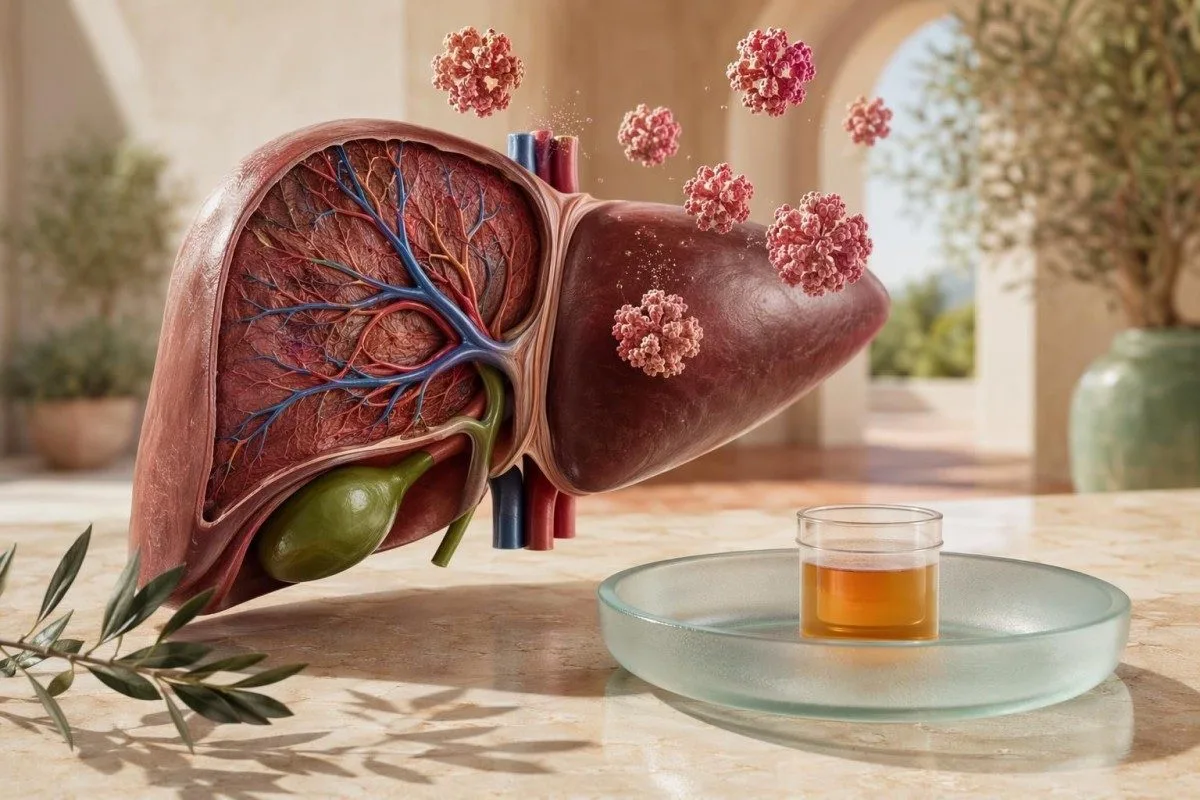
উচ্চ CRP মানে আপোনাৰ যকৃতে অধিক C-reactive protein তৈয়াৰ কৰিছে, কাৰণ শৰীৰৰ ৰোগ-প্ৰতিৰোধ ব্যৱস্থাটো শৰীৰৰ ক’তো কিবা এটা ঠাইত সক্ৰিয় হৈ উঠিছে।. মৃদু বৃদ্ধি প্ৰায়ে আহে স্থূলতা, ধূমপান, বেয়া টোপনি, দাঁতৰ মাড়িৰ ৰোগ, বা শেহতীয়া ভাইৰাছৰ পৰা; অতি উচ্চ CRP আমাক বেছি ভাবিবলৈ বাধ্য কৰে—ইয়াৰ অৰ্থ বেক্টেৰিয়াজনিত সংক্ৰমণ, প্ৰদাহজনিত ৰোগ, বা কলা-আঘাতৰ কথা। এটা একক ফলাফলে ক’ত কোনটো হৈছে সেইটো ক’ব নোৱাৰে। ক’ত কান্টেষ্টি এ আই, আমি সাধাৰণতে CRP-টোক লক্ষণসমূহ আৰু স্বাভাৱিক CRP ৰেঞ্জৰ ওপৰত ব্যৱহাৰিক অংশটোৱে দেখুৱাই যে এই জোৰাটো কিয় চিকিৎসাগতভাৱে উপযোগী। ৰ সৈতে একেলগে ব্যাখ্যা কৰোঁ, তাৰ পিছতহে ইয়াক চিন্তাজনক বুলি ক’ম।.
CRP সাধাৰণতে mg/L. ত প্ৰকাশ কৰা হয়। বহুতো প্ৰাপ্তবয়স্কৰ লেবত এটা মানক CRP তলৰ 5 mg/L স্বাভাৱিক। যদিও কিছুমান ইউৰোপীয় লেবৰেটৰীয়ে ব্যৱহাৰ কৰে <3 mg/L আৰু কিছুমানে এতিয়াও ফলাফলক বহল ৰেফাৰেন্স বেণ্ডত প্ৰকাশ কৰে। যদি আপোনাৰ প্ৰতিবেদনত আছে মিলিগ্ৰাম/ডেচিলিটাৰ, গুণ কৰা 10; তেন্তে 0.8 mg/dL বুলি লিখা থাকে, 8 mg/L, যিটো এটা ৰূপান্তৰজনিত ভুল—মই আমাৰ তেজ পৰীক্ষাৰ স্বাভাৱিক মান গাইড.
ৰোগীসকলে আশা কৰাতকৈ বেছি সঘনাই দেখোঁ। সকলো CRP পৰীক্ষা একে নহয়।. সাধাৰণ CRP সংক্ৰমণ আৰু সক্ৰিয় প্ৰদাহৰ বাবে ডিজাইন কৰা হৈছে—যেতিয়া স্তৰসমূহ স্বাভাৱিকৰ ওপৰত স্পষ্টভাৱে উঠি যায়, তেতিয়া; আনহাতে hs-CRP কম ঘনত্ব জুখে—প্ৰায় 0.3 ৰ পৰা 10 mg/L লৈ।—কাৰ্ডিঅভাস্কুলাৰ ঝুঁকি কামৰ বাবে। Pepys আৰু Hirschfield এ CRP-এক “ এক অসুনিৰ্দিষ্ট তীব্ৰ-প্ৰতিক্ৰিয়া প্ৰ’টিন”, বুলি বৰ্ণনা কৰিছিল, যিটো ক্লিনিকত ঠিক সেই ব্যৱহাৰিক সমস্যাই: ই আমাক কেৱল ক’ব পাৰে যে সোঁজাই/প্ৰদাহ আছে, কিন্তু ক’ত আৰম্ভ হৈছিল সেয়া নাজানে (Pepys & Hirschfield, 2003)।.
সময়ে অৰ্থ সলনি কৰে। CRP এটা প্ৰদাহজনক উদ্দীপক আৰম্ভ হোৱাৰ ভিতৰতেই 6ৰ পৰা 8 ঘণ্টাৰ ভিতৰত ৰ ভিতৰত উঠিবলৈ আৰম্ভ কৰিব পাৰে, বহু সময়ত ২৪ৰ পৰা ৪৮ ঘণ্টালৈ বৃদ্ধি কৰিব পাৰে, ৰ আশে-পাশে শীৰ্ষত উপনীত হয়, আৰু উদ্দীপক স্থিৰ হৈ গ’লে ইয়াৰ প্লাজমা অৰ্ধ-আয়ুস প্ৰায় ১৯ ঘণ্টাৰ হয়। সেইবাবেই এজন ৰোগী আৰম্ভণিতে কেৱল সামান্য CRP লৈও নিউম’নিয়াত যথেষ্ট অসুস্থ দেখা দিব পাৰে, তাৰ পিছদিনা নাটকীয়ভাৱে বৃদ্ধি দেখুৱাব পাৰে, আৰু পিছত চিকিৎসাৰ পাছত দ্ৰুত কমি যাব পাৰে—যদিও ভাগৰুৱা ভাব থাকি যায়।.
এইটো সেইবোৰ লেব’ৰেটৰী সূচকসমূহৰ ভিতৰত এটা য’ত পৰিস্থিতিয়ে কেঁচা সংখ্যাটোককৈ বেছি গুৰুত্ব পায়। আমাৰ Kantesti-ৰ ক্লিনিকেল ৰিভিউ ৱৰ্কফ্ল’ত, স্থূলতা থকা আৰু জ্বৰ নথকা কোনো এজনৰ 7 mg/L CRP এটা প্ৰক্ৰিয়াৰ পিছত কঁপনি/কাঁপনি-জ্বৰ (shaking chills) থকা কাৰোবাৰ 7 mg/L ৰ পৰা একেবাৰে বেলেগ কথা; একে বায়’মাৰ্কাৰ, কিন্তু প্ৰি-টেষ্ট সম্ভাৱনা বহুত বেলেগ।.
Standard CRP বনাম hs-CRP
A standard CRP ফলাফলে আমাক সংক্রমণ, অটোইমিউন সক্ৰিয়তা, বা টিছ্যু আঘাত মূল্যায়ন কৰাত সহায় কৰে কাৰণ ই মধ্যম আৰু উচ্চ স্তৰত সঠিকভাৱে পঢ়ে।. hs-CRP হৈছে নিম্ন-ৰেঞ্জৰ এটা পৰীক্ষা (assay) যিটো মূলত কাৰ্ডিঅভাস্কুলাৰ ঝুঁকিৰ বাবে ব্যৱহাৰ হয়, আৰু যদি ই আহে >10 mg/L, তেন্তে বেছিভাগ চিকিৎসকে হৃদযন্ত্ৰৰ ঝুঁকি অনুমান কৰিবলৈ ব্যৱহাৰ কৰাৰ পৰিৱর্তে আৰোগ্যৰ পিছত পুনৰ পৰীক্ষা কৰে।.
কেতিয়া মৃদুভাৱে বৃদ্ধি পোৱা CRP সাধাৰণ—আৰু বহু সময়ত বিপদজনক নহয়
সামান্য বৃদ্ধি হোৱা CRP সাধাৰণতে চিকিৎসাজনিত তৎক্ষণাৎ বিপদ (medical emergency) নহয়—ই সাধাৰণতে কম-স্তৰৰ প্ৰদাহ বুজায়।. প্ৰায় ৫-১০ mg/L ৰ মানসমূহ বহু সময়ত স্থূলতা, ধূমপান, চিকিৎসা নকৰা শুই থকাৰ সময়ৰ শ্বাস-বন্ধ (sleep apnea), মাড়িৰ ৰোগ, শেহতীয়া ভাইৰাছজনিত অসুখ, বা কষ্টকৰ ট্ৰেইনিংৰ পৰা আহে—গম্ভীৰ বেক্টেৰিয়াজনিত সংক্রমণৰ পৰা নহয়; আমাৰ প্রদাহৰ মাপকাঠী গাইড এ ইয়াক দৃষ্টিভংগীত ৰাখিবলৈ সহায় কৰে।.
মই প্ৰতিটো সপ্তাহতে এই ধৰণৰ আৰ্হি দেখা পাওঁ। এজন ৰোগীৰ BMI 34 কেজি/মি², সীমান্তৱৰ্তী ট্ৰাইগ্লিচাৰাইড, আৰু CRP 6.4 মি.গ্ৰা./লি. কিন্তু সাধাৰণতে জ্বৰ নাথাকে—তেতিয়া সাধাৰণতে বিপাকীয় (metabolic) প্ৰদাহ দেখা যায়,, গোপনে হোৱা ছেপচিছ (occult sepsis) নহয়। তাতেই ব্যক্তিগত বেছলাইন (personal baseline) ধাৰণাই সত্যিকাৰৰ অৰ্থত উপযোগী হৈ উঠে, কিয়নো কিছুমান মানুহে 4 ৰ পৰা 6 মি.গ্ৰা./লি. বছৰ বছৰ ধৰি থাকে—যেতিয়ালৈকে ওজন, শুই থকাৰ অৱস্থা, বা যকৃতৰ চৰ্বি (liver fat) উন্নত নহয়।.
ব্যায়ামে (Exercise) বেছিক পানীখিনি বেছিভাগ ৱেবছাইটে স্বীকাৰ কৰাতকৈ বেছি “ঘোলা” কৰে। মাৰাথনৰ পিছত, অধিক পৰিমাণৰ ভৰি-অনুশীলন (high-volume leg session), বা অভ্যস্ত নহোৱা eccentric training কৰিলে CRP বৃদ্ধি পাব পাৰে ২৪ৰ পৰা ৭২ ঘণ্টা, আৰু কেতিয়াবা অনুশীলন নকৰাসকল ক্ৰীড়াবিদৰ ক্ষেত্ৰত অলপ বেছি সময়ো লাগিব পাৰে। ড° থমাছ ক্লেইন, এম.ডি., ইয়াত: মই দেখিছোঁ যে সুস্থ দৌৰবিদসকলে ৰেচৰ পিছদিনা পুৱা লোৱা এটা CRP of 11 মি.গ্ৰা./লি. লৈ আতংকিত হৈ পৰে—কিন্তু সেইটো এক সপ্তাহৰ ভিতৰত স্বাভাৱিক হৈ গৈছিল।.
সৰু সৰু প্ৰদাহৰ উৎস সহজে এৰাই যোৱা হয়। দাঁতৰ মাড়িৰ ৰোগ (periodontal disease), দীঘলীয়া সময়ৰ নাক-চাইনাছৰ লক্ষণ (chronic sinus symptoms), ধূমপান, শুই থকাৰ অভাৱ (sleep deprivation), আৰু আনকি এটা কষ্টকৰ ভাইৰাছ-সপ্তাহেও hs-CRP ক 2 ৰ পৰা 5 মি.গ্ৰা./লি. পৰিসীমালৈ ঠেলি দিব পাৰে। “মৃদু” মানে “কল্পিত” নহয়—ইয়াৰ অৰ্থ মাথোঁ ডিফাৰেনচিয়েল ডায়াগন’ছিছ (differential diagnosis) বেছি বিস্তৃত আৰু সাধাৰণতে কম তৎক্ষণাৎ (less urgent)।.
এটা ব্যৱহাৰিক নিয়মে সহায় কৰে। লক্ষণ নথকা অৱস্থাত 8 mg/L থকা CRP সাধাৰণতে বিৰলভাৱে এটা তৎক্ষণাৎ বিপদ (emergency), কিন্তু যদি ই ২টা পৰীক্ষাত—২ ৰ পৰা ১২ সপ্তাহৰ ব্যৱধানত—উচ্চ হৈ থাকে,, তেন্তে আমি ইয়াক “শব্দ/নয়েজ” বুলি কোৱা বন্ধ কৰি.
কেতিয়া অতি উচ্চ CRP এ সংক্ৰমণ বা ডাঙৰ প্ৰদাহৰ দিশে আঙুলিয়াই দিয়ে
অতি উচ্চ CRP এ সংক্রমণ বা যথেষ্ট পৰিমাণৰ টিছ্যু প্ৰদাহৰ সম্ভাৱনা বেছি কৰে।. এবাৰ CRP 40 mg/L, ৰ ওপৰত উঠিলে, আমি কেৱল জীৱনশৈলী (lifestyle) সম্পৰ্কীয় কাৰকৰ বাহিৰলৈ চিন্তা কৰোঁ; ওপৰত 100 mg/L, বেক্টেৰিয়েল সংক্ৰমণ, গুৰুতৰ সজীৱ প্রদাহজনিত ৰোগ, পেনক্ৰিয়াটাইটিছ, বা ডাঙৰ কলা আঘাতে তালিকাত বহুত বেছি ওপৰলৈ লৈ যায়।.
দৈনন্দিন চিকিৎসাত, 100 mg/L তকৈ বেছি CRP হৈছে সেই মাত্ৰা যিয়ে ৰোগীৰ সৈতে কথা পাতোঁতে মোৰ সুৰ সলনি কৰে। ই বেক্টেৰিয়েল ৰোগ নিশ্চিত নকৰে, কিন্তু 'কেৱল মানসিক চাপ' বা 'কেৱল ওজন' বুলি ব্যাখ্যা কৰাটো অতি কম সম্ভাৱনাময় কৰি তোলে। সেইবাবেই আমাৰ critical value guide এ তিনিটাকৈ অংকৰ CRP-কে এনে এটা ফলাফল হিচাপে গণ্য কৰে যাৰ বাবে তৎক্ষণাৎ মনোযোগ দৰকাৰ, বিশেষকৈ যদি লক্ষণ থাকে।.
সম্পূৰ্ণ তেজ গণনা (CBC) প্ৰায়ে ছবিখন অধিক স্পষ্ট কৰে।. CRP বেছি + নিউট্ৰ’ফিলিয়া হৈছে এটা সাধাৰণ সংক্ৰমণৰ ধৰণ, বিশেষকৈ যেতিয়া নিউট্ৰ’ফিলবোৰ লেবৰেটৰিৰ সৰ্বোচ্চ সীমাৰ ওপৰলৈ উঠে বা অপৰিপক্ক গ্ৰেনুল’চাইট দেখা আৰম্ভ হয়। আমাৰ উচ্চ নিউট্ৰ’ফিলসমূহে এ কিয় এই সংমিশ্ৰণটো কেৱল CRP-ৰ তুলনাত আমাক বেছি চিন্তিত কৰে সেইটো বুজায়।.
কিছুমান ব্যতিক্ৰম আছে, আৰু সেইবোৰ গুৰুত্বপূৰ্ণ। গুৰুতৰ গাউট, সক্ৰিয় ভাস্কুলাইটিছ, প্রদাহজনিত অন্ত্ৰৰ ৰোগ, পেনক্ৰিয়াটাইটিছ, আৰু ডাঙৰ অস্ত্ৰোপচাৰৰ পিছৰ গুৰুতৰ প্রদাহজনিত প্ৰতিক্ৰিয়াই সকলোবোৰে CRP-কে 100 mg/L ক্লাছিক বেক্টেৰিয়েল উৎস নোহোৱাকৈও ওপৰলৈ ঠেলি দিব পাৰে। ভাইৰেল ৰোগসমূহ বেছিকৈ 10 ৰ পৰা 40 mg/L অঞ্চলত থাকে, যদিও গুৰুতৰ ভাইৰেল ৰোগ নিশ্চয়কৈ আৰু ওপৰলৈ যাব পাৰে।.
স্বাভাৱিক বগা তেজৰ গণনাই কাহিনীটো ৰক্ষা নকৰে। বয়সীয়াল লোক, ইমিউন’চাপ্ৰেছিভ চিকিৎসা গ্ৰহণ কৰা লোক, আৰু কিছুমান দুৰ্বল ৰোগীৰ ক্ষেত্ৰত কেৱল সৰু বা আনকি স্বাভাৱিক WBC-ৰ সৈতে এটা বিপদজনক সংক্ৰমণ থাকিব পাৰে। যদি CRP দ্ৰুতভাৱে বাঢ়ি আছে আৰু ৰোগী অসুস্থ যেন লাগে, আমি কেতিয়াও এটা আশ্বাসদায়ক সংখ্যাই পৰীক্ষা বন্ধ কৰিবলৈ নিদিওঁ।.
লক্ষণ আৰু লগত থকা পৰীক্ষাই অৰ্থ কেনেকৈ সলনি কৰে
লক্ষণ আৰু ওচৰৰ পৰীক্ষাৰ ফলাফলেই এটা অতি সাধাৰণ (নুইচেন্স) CRP-ৰ পৰা এটা অৰ্থপূৰ্ণ CRP-কে পৃথক কৰে।. জ্বৰ, কাহ, মূত্ৰজনিত লক্ষণ, গাঁঠিৰ ফুলা, ৰেচ, বুকৰ বিষ, বা পেটৰ বিষ সাধাৰণতে কেৱল CRP সংখ্যাটোৰ তুলনাত আমাক বেছি ক’ব পাৰে।.
CRP বেছি + জ্বৰ আৰু নিউট্ৰ’ফিল-প্ৰধান CBC এ আমাক সংক্ৰমণৰ দিশলৈ লৈ যায়। CRP বেছি + পুৱা কঁপনি (মৰ্নিং ষ্টিফনেছ), ৰক্তহীনতা (এনিমিয়া), আৰু থ্ৰম্ব’চাইটোছিছ এ বেছি পৰিমাণে ক্ৰনিক প্রদাহজনিত ৰোগৰ দিশলৈ আঙুলিয়াই দিয়ে। সেইবাবেই আমি ইয়াক neutrophil-to-lymphocyte ratio কেৱল CRP-কে একক উত্তৰ হিচাপে চিকিৎসা কৰাৰ পৰিৱর্তে তুলনা কৰোঁ।.
CRP আৰু ই এছ আৰ একে আনটোৰ সৈতে বিনিময়যোগ্য নহয়। CRP ঘণ্টাৰ ভিতৰত সলনি হয়, কিন্তু ESR বেছি ধীৰে সলনি হয় আৰু কেইদিন বা কেইসপ্তাহলৈও বাঢ়ি থাকিব পাৰে, কিয়নো ই ফাইব্ৰিন’জেন আৰু ৰঙা তেজৰ কোষৰ আচৰণকো তেনেকৈ প্ৰতিফলিত কৰে—যিমানেই নহয়, তেনেকৈ তীব্ৰ প্রদাহকো। আমাৰ ESR গাইড ই উপযোগী যেতিয়া দুয়োটা ফলাফল একে অপরৰ সৈতে মিল নাথাকে, যিটো বেছিকৈ দেখা যায় ৰক্তহীনতা (anemia), বয়স বঢ়া, গৰ্ভাৱস্থা, আৰু মন’ক্ল’নেল প্ৰ’টিন বিকাৰৰ ক্ষেত্ৰত।.
ইয়াত এটা ধৰণ আছে যিটো বহু পাঠকে ক্লিনিকত নপৰ্যন্ত নাজানে: উচ্চ CRP + উচ্চ ফেৰিটিন + স্বাভাৱিক প্ৰ’কেলচিট’নিন বেক্টেৰিয়াজনিত সংক্ৰমণতকৈ অটোইমিউন বা বিপাকীয় (metabolic) প্ৰদাহৰ লগত ভালদৰে মিলিব পাৰে। ফেৰিটিনো এটা acute-phase reactant, সেয়েহে উচ্চ ফেৰিটিনে স্বয়ংক্ৰিয়ভাৱে আয়ৰণৰ আধিক্য (iron overload) বুজাই নোৱাৰে। আৰু উচ্চ CRP + ট্ৰ’প’নিন বুকুৰ লক্ষণ (chest symptoms) আলোচনাত থাকিলে কেতিয়াও 'কেৱল প্ৰদাহ' বুলি এৰি দিয়া নহয়।.
Kantesti AI আটাইতকৈ সহায়ক হয় যেতিয়া আপলোডত এটা পৃথক পৰীক্ষাৰ সলনি সম্পূৰ্ণ পেনেল থাকে। আমাৰ ইঞ্জিনে CBCৰ কাষত CRP, ক্ৰিয়েটিনিন, যকৃতৰ এনজাইম, গ্লুক’জ, লিপিড, আৰু পূৰ্বৰ ফলাফলসমূহ পৰীক্ষা কৰে—যিটো এটা বায়’মাৰকাৰক অকলশৰীয়াকৈ পঢ়াৰ তুলনাত চিকিৎসকসকলে বাস্তৱত কেনেকৈ চিন্তা কৰে তাৰ সৈতে অধিক মিল।.
অটোইমিউন ফ্লেয়াৰ: কিয় CRP উচ্চ, স্বাভাৱিক, বা বিভ্ৰান্তিকৰ হ’ব পাৰে
অটোইমিউন ৰোগে CRP বঢ়াব পাৰে, কিন্তু সেই ধৰণটো ৰোগটোৰ ওপৰত নিৰ্ভৰ কৰে।. ৰিউমেটয়েড আৰ্থ্ৰাইটিছ, ভাস্কুলাইটিছ, পলিমাইলজিয়া ৰিউমেটিকা, ছ’ৰিয়াটিক আৰ্থ্ৰাইটিছ, আৰু প্ৰদাহজনিত অন্ত্ৰৰ ৰোগে (inflammatory bowel disease) প্ৰায়ে স্পষ্টভাৱে CRP বঢ়ায়, আনহাতে লুপাছে কেৱল তুলনামূলকভাৱে কম CRP বৃদ্ধি হলেও flare কৰিব পাৰে।.
ই রোগীক আচৰিত কৰি দিয়ে। কাৰোবাৰ হাতৰ আঙুলৰ গাঁঠিত ফুলা (swollen knuckles) আৰু CRP ২৮ mg/L কেৱল ভাগৰুৱা (fatigue) থকা এজনতকৈ সক্ৰিয় প্ৰদাহজনিত আৰ্থ্ৰাইটিছৰ লগত বহু বেছি মিল খায়—সেয়েহে এটা পৃথক পজিটিভ ANA এৰি দিয়া নহয় যে নিৰ্ণয় স্থিৰ হৈ গ’ল। সংখ্যাটোৰ এটা “body map” লাগে—প্ৰদাহ আচলতে ক’ত দেখা দিছে?
লুপাছ হৈছে ক্লাছিক ব্যতিক্ৰম। ছিষ্টেমিক লুপাছত, যথেষ্ট উচ্চ CRP প্ৰায়ে মোৰ তালিকাত অধিক ওপৰলৈ ঠেলি দিয়ে, যদিহে স্পষ্ট ছেৰ’ছাইটিছ (serositis) বা আন কোনো শক্তিশালী প্ৰদাহজনিত বৈশিষ্ট্য নাথাকে; বহু লুপাছ flare-ত টাইপ I ইণ্টাৰফেৰন (interferon) বায়’লজিয়ে CRP-টোক কম কৰি দিয়া যেন লাগে। আমাৰ সংক্ৰমণৰ পৰা লুপাছ লেব গাইড dsDNA, C3, আৰু C4 দেখুৱায় কিয় এই পৰিস্থিতিত CRP-তকৈ ৰোগৰ সক্ৰিয়তা (disease activity) ভালদৰে অনুসৰণ কৰিব পাৰে। অটোইমিউন পেনেলসমূহেও অতিমাত্ৰা প্ৰতিশ্ৰুতি দিয়ে। নেগেটিভ স্ক্ৰিনিঙে প্ৰদাহজনিত আৰ্থ্ৰাইটিছ, স্পণ্ডাইল’আৰ্থ্ৰাইটিছ (spondyloarthritis), জায়েণ্ট চেল আৰ্টেৰাইটিছ (giant cell arteritis), বা প্ৰদাহজনিত অন্ত্ৰৰ ৰোগক নোহোৱা কৰি নিদিয়ে। মই এতিয়াও ৰোগীক ক’বলৈ দিওঁ যে তেওঁলোকে আমাৰ.
অটোইমিউন পেনেলৰ blind spots ধাৰণা কৰাৰ আগতে যে ‘সকলো স্বাভাৱিক’ মানে একো প্ৰদাহজনিত ঘটনা নাই। আটাইতকৈ উপযোগী সূত্ৰটো প্ৰায়ে সংখ্যা আৰু লক্ষণৰ মাজত থকা অমিল। এটা.
CRP 45 mg/L CRP of ৪৫ mg/L গৰম, ফুলা গাঁঠিৰ সৈতে আৰু প্লেটলেট বৃদ্ধি পোৱা অৱস্থাই—ইয়াৰ অনুভৱ বেলেগ; 45 mg/L কাহ আৰু অক্সিজেন কমি যোৱাৰ সৈতে; প্ৰথমটো ৰিউমেট’লজি হ’ব পাৰে, দ্বিতীয়টো সংক্রমণ হ’ব পাৰে, আৰু দুয়োটাই সঁচাকৈ অনুসৰণৰ যোগ্য।.
স্থূলতা, ইনচুলিন ৰেজিষ্টেন্স, আৰু ফেটি লিভাৰ: নীৰৱ CRP ধৰণ
স্থূলতা-সম্পৰ্কীয় CRP সাধাৰণতে মৃদু-লৈকে মধ্যম পৰ্যায়লৈ বৃদ্ধি পায়, অতিমাত্ৰা নহয়।. তেজৰ মানসমূহৰ 3 ৰ পৰা 10 mg/L পৰিসৰে সাধাৰণতে তলপেটৰ চৰ্বি, ইনচুলিন ৰেজিষ্টেন্স, ফেটি লিভাৰ, বা শুই থকাৰ সময়ৰ শ্বাস-প্ৰশ্বাস বন্ধ (sleep apnea) বুজায়—হঠাৎ হোৱা সংক্রমণৰ তুলনাত।.
জীৱবিজ্ঞানটো যথেষ্ট সুন্দৰ।. তলপেটৰ চৰ্বিজাত কলা (visceral adipose tissue) এ চাইট’কাইন (cytokines) IL-6মুক্ত কৰে—যিয়ে যকৃতক (liver) অধিক CRP তৈয়াৰ কৰিবলৈ সংকেত দিয়ে। যদি একে ৰোগীৰ তেজত উচ্চ ট্ৰাইগ্লিচাৰাইড, কম HDL, বা সীমান্তৱৰ্তী উপবাস গ্লুক’জ থাকে, তেন্তে আমি এন্টিবায়’টিকৰ কথা ভাবাৰ আগতেই বিপাকীয় প্ৰদাহ (metabolic inflammation)ৰ কথা ভাবোঁ।.
prediabetes পৰীক্ষাত এটা পৰিচিত ধৰণ দেখা যায়— is CRP 4.9 mg/L, ট্ৰাইগ্লিচাৰাইড 210 mg/dL, HDL 38 মিগ্ৰা/ডি এল, ALT ৪৬ U/L, আৰু ক্ৰমাৎ বাঢ়ি যোৱা কোমৰৰ মাপ। এই গোটেই ধৰণে একো নহয় বুলি নুবুজায়; ই বেছিভাগ সময়েই শৰীৰে চলি থকা দীৰ্ঘম্যাদী বিপাকীয় চাপত (chronic metabolic stress) আছে বুলি বুজায়।.
ফেটি লিভাৰ আন এটা সূত্ৰ। যেতিয়া CRP মৃদুভাৱে বেছি থাকে আৰু ALT বা GGT ওপৰলৈ গতি কৰে, তেতিয়া আমাৰ পৰৱৰ্তী প্ৰশ্ন সাধাৰণতে লুকাই থকা সংক্রমণৰ সলনি যকৃতত চৰ্বি আছে নে নাই—সেয়া হয়। একে যুক্তি আমাৰ উন্নীত যকৃতৰ এনজাইম গাইড তো দেখা যায়, কিয়নো যকৃতৰ চৰ্বি আৰু CRP প্ৰায়ে একেলগে যায়।.
বেছিভাগ ৰোগীয়ে এই ধৰণটো অদ্ভুত ধৰণে আশ্বাসজনক বুলি পায়, কিয়নো ই সলনি হ’ব পাৰে। 5% ৰ পৰা 10% লৈ শৰীৰৰ ওজন কমালে প্ৰায়ে CRP যথেষ্ট পৰিমাণে কমে, আৰু ভাল শুই থোৱা, sleep apnea ৰ চিকিৎসা, ধূমপান বন্ধ কৰা, আৰু ৰেজিষ্টেন্স ট্ৰেইনিং—স্কেলত বহু পৰিৱর্তন নোহোৱালৈকেও—সহায় কৰিব পাৰে।.
উচ্চ CRP মানেই হৃদৰোগ নেকি?
উচ্চ hs-CRP এ অধিক হৃদযন্ত্ৰ-সম্পৰ্কীয় (cardiovascular) ঝুঁকি সূচাব পাৰে, কিন্তু ই বন্ধ হোৱা ধমনী বা হৃদআঘাত (heart attack) ধৰা পেলাব নোৱাৰে।. স্থিৰ অৱস্থাৰ প্ৰাপ্তবয়স্কসকলৰ ক্ষেত্ৰত, hs-CRP <1 mg/L কম ৰক্তনলী-সম্পৰ্কীয় ঝুঁকি (vascular risk) বুজাব পাৰে, 1 ৰ পৰা 3 mg/L গড় ঝুঁকি, আৰু >3 mg/L অধিক ঝুঁকি; >10 mg/L সাধাৰণতে অসুখ ভাল হৈ উঠাৰ পিছত পুনৰ পৰীক্ষা কৰা উচিত।.
ইয়াত সেই কাট-অফ দিয়া হৈছে যিটো চিকিৎসকে বাস্তৱত ব্যৱহাৰ কৰে। ২০১৮ চনৰ AHA/ACC কলেষ্টেৰল নিৰ্দেশিকাই তেতিয়া বিবেচনা কৰে hs-CRP ≥২.০ mg/L হিচাপে এটা ঝুঁকি-বৃদ্ধিকাৰী কাৰক যেতিয়া সিদ্ধান্ত লোৱা হয় যে সীমান্তীয় বা মধ্যম-ঝুঁকিৰ এজন প্ৰাপ্তবয়স্কই ষ্টেটিন থেৰাপীৰ পৰা লাভৱান হ’ব নে নহ’ব (Grundy et al., 2019)। সেইবাবেই আমাৰ হৃদ্-ঝুঁকি বায়’মাৰ্কাৰ গাইডে hs-CRP ক সংক্ৰমণৰ কাম-কাজৰ কাষত নহয়, বৰং লিপিডৰ কাষত ৰাখে।.
JUPITER এ hs-CRP ক বিখ্যাত কৰিলে। সেই পৰীক্ষাত, LDL-C <130 mg/dL কিন্তু hs-CRP ≥২ mg/L থকা প্ৰাপ্তবয়স্কসকলে প্লেচেব’ৰ তুলনাত ৰ’জুভাষ্টেটিনত কম সংখ্যক ডাঙৰ হৃদ্ৰোগ-সম্পৰ্কীয় ঘটনা দেখুৱালে (Ridker et al., 2008)। মই এতিয়াও কেৱল CRP ৰ ওপৰত ভিত্তি কৰি চিকিৎসা আৰম্ভ বা বন্ধ নকৰোঁ; মই সম্পূৰ্ণ ছবিখন বিচাৰোঁ—য’ত আছে ঝুঁকিৰ অনুসৰি LDL লক্ষ্য, ৰক্তচাপ, ধূমপান, পৰিয়ালৰ স্বাস্থ্য ইতিহাস, আৰু ডায়েবেটিছৰ অৱস্থা।.
CRP এটা হৃদ্আক্ৰমণ পৰীক্ষা নহয়।. ট্ৰ’প’নিন ই হৃদ্ৰ পেশীত আঘাত (myocardial injury) ধৰা পেলায়, আনহাতে CRP এ প্রদাহক প্ৰতিফলিত কৰে আৰু ই বহু কম নিৰ্দিষ্ট। যদি hs-CRP 4.2 mg/L আৰু আপুনি সুস্থ অনুভৱ কৰে, তেন্তে ই এটা ঝুঁকি-বিষয়ক আলোচনা; কিন্তু যদি আপোনাৰ বুকুত চাপ, শ্বাসকষ্ট, বা চোয়ালৰ বিষ থাকে, সেয়া তৎক্ষণাৎ চিকিৎসা—অনলাইনতে সহজে ব্যাখ্যা কৰিবলগীয়া কথা নহয়।.
2026 চনৰ পৰা এপ্ৰিল 25, 2026, কোনো ডাঙৰ নিৰ্দেশিকাই সকলোকে স্ক্ৰীন কৰিবলৈ কেৱল hs-CRP ব্যৱহাৰ কৰাৰ কথা নকয়। আমি ইয়াক বাছনি কৰি ব্যৱহাৰ কৰোঁ আমাৰ AI তেজ পৰীক্ষা প্লেটফৰ্ম যেতিয়া ঝুঁকিৰ অনুমান সীমান্তীয় হয়, পৰিয়ালৰ ইতিহাস শক্তিশালী হয়, বা মেটাবলিক ছবিখন কেৱল LDL এ কোৱাৰ তুলনাত বেয়া যেন লাগে।.
hs-CRP এ কৰিব নোৱাৰা কথা
hs-CRP এ ধমনী বন্ধ হৈ থকা (coronary blockage) ৰোগ নিৰ্ণয় কৰিব নোৱাৰে, হৃদযন্ত্ৰৰ আক্ৰমণৰ (heart attack) সঠিক সময়-সূচী ভৱিষ্যদ্বাণী কৰিব নোৱাৰে, বা লিপিড পেনেলক (lipid panel) সলনি কৰিব নোৱাৰে। ইয়াক সৰ্বোত্তমভাৱে ব্যৱহাৰ কৰা হয় টাই-ব্ৰেকাৰ (tiebreaker) সূচক হিচাপে স্থিতিশীল প্ৰাপ্তবয়স্কসকলৰ ক্ষেত্ৰত, একক বিচাৰক (solo judge) হিচাপে নহয়।.
কিয় পুনৰ পৰীক্ষা কৰাটো বহু সময়ত প্ৰথম সংখ্যাটোৰ তুলনাত বেছি গুৰুত্বপূৰ্ণ
CRP পৰীক্ষা পুনৰ কৰা প্ৰায়ে অস্থায়ী (transient) প্ৰদাহক এটা স্থায়ী সমস্যাৰ পৰা পৃথক কৰাৰ আটাইতকৈ দ্ৰুত উপায়।. যদি মৃদু বৃদ্ধি (elevation) ৰ কাৰণ বুজা নাযায়, তেন্তে অসুখৰ পৰা আৰোগ্য লাভ কৰাৰ পিছত, ১ৰ পৰা ৩ সপ্তাহ কঠোৰ ব্যায়াম বা দাঁতৰ চিকিৎসাৰ পিছত পৰীক্ষা পুনৰ কৰাটো, একে লগে বহুতো অতিৰিক্ত পৰীক্ষা নিৰ্দেশ দিয়াতকৈ বেছিকৈ উপযোগী হ’ব পাৰে।.
CRP হৈছে এটা ধাৰাভিত্তিক (trend) বায়’মাৰ্কাৰ। 18 mg/L ৰ পৰা 4 mg/L লৈ ১০ দিনৰ ভিতৰত সাধাৰণতে বুজায় যে প্ৰদাহ সৃষ্টিকাৰী কাৰকটো শান্ত হৈ আহিছে; আনহাতে 4 mg/L ৰ পৰা 12 mg/L লৈ লক্ষণ নথকাকৈ বৃদ্ধি হ’লে আমাৰ মনোযোগ অধিক সাৱধানতাৰে অনুসন্ধানৰ দিশে যায়। আমাৰ তেজ পৰীক্ষাৰ ধাৰা নিৰ্দেশিকা ঠিক সেই ধৰণৰ বাস্তৱ জীৱনৰ তুলনাৰ ওপৰত নিৰ্মিত।.
সময়-ফাঁদ (Timing traps) সকলো ঠাইতে আছে। মই, থমাছ ক্লেইন, MD, সাধাৰণতে সুধোঁ—গত সপ্তাহত ৰোগীয়ে ভেকচিন (vaccine) লৈছিল নেকি, শেষ , সেয়ে স্বাভাৱিক বিলিৰুবিনে সম্পূৰ্ণকৈ পিত্তনলীসমূহ পৰিষ্কাৰ হৈছে বুলি নিশ্চিত নকৰে। মই দেখিছোঁ—এটা ক্ষণস্থায়ী পাথৰ পাৰ হৈ যায়, বিষ কমি যায়, আৰু কেইদিনমানলৈকে পৰীক্ষাৰ ফল অস্বাভাৱিকেই থাকে; সেইবাবেই 48ৰ পৰা 72 ঘণ্টাৰ পিছত, দিনত তীব্ৰ ব্যায়াম কৰিছিল নেকি, মাড়িৰ (gum) জ্বলা-ফুলা (flare) আছিল নেকি, শ্বাস-প্ৰশ্বাসজনিত ভাইৰাছ আছিল নেকি, বা মাহেকীয়া (menstruation) চলি আছিল নেকি। মুখে খোৱা ইষ্ট্ৰ’জেন (oral estrogen) এ CRP বঢ়াব পাৰে, কিন্তু ষ্টেৰ’ইড আৰু প্ৰদাহ-প্ৰতিৰোধী (anti-inflammatory) চিকিৎসাই কেতিয়াবা চিন্তাজনক প্ৰক্ৰিয়াক ভুলকৈ শান্ত যেন দেখুৱাব পাৰে।.
মহিলাসকলৰ বাবে hs-CRP আৰু হৃদযন্ত্ৰজনিত (cardiovascular) ঝুঁকি, বহুতো চিকিৎসকে পছন্দ কৰে যে ৰোগী সুস্থ অৱস্থাত থাকোঁতে ২ সপ্তাহৰ ব্যৱধানত দুটা মাপ লোৱা হওক। ইয়াৰ ফলত এটা আকস্মিক ঠাণ্ডা বা চাপযুক্ত (stressful) সপ্তাহে দীঘলীয়া সময়ৰ ঝুঁকি পুনৰ শ্ৰেণীবদ্ধ (reclassify) কৰাৰ সম্ভাৱনা কমে। আমাৰ সীমান্তীয় ফলাফলৰ গাইড (borderline result guide) এ বুজাই যে এটা একক অস্বাভাৱিক মানক কিয় নিৰ্ণয় (diagnosis) বুলি ভুল ধৰা উচিত নহয়।.
সম্ভৱ হ’লে একে লেবৰেটৰী (lab) ব্যৱহাৰ কৰক। পৰীক্ষাৰ পদ্ধতি (assay methods) অলপ বেলেগ হ’ব পাৰে, আৰু সৰু সৰু পৰিৱৰ্তন—বিশেষকৈ hs-CRP ৰ চাৰিওফালে—জৈৱিক কাৰণৰ দৰে নহয়, পদ্ধতি-ভেদ (method variation) বাবেও হ’ব পাৰে। বেছিভাগ ৰোগীয়ে দেখে যে প্ৰথম দিনাই প্ৰতিটো মৃদু ওঠ-পোৰত ধাৱমান হোৱাতকৈ এটা পৰিকল্পিত পুনৰ পৰীক্ষা (planned repeat test) শান্ত আৰু বেছি উপযোগী। 1 ৰ পৰা 3 mg/L hs-CRP – পদ্ধতিৰ ভিন্নতাৰ বা জৈৱিক কাৰকৰ প্ৰতিফলন হ’ব পাৰে। অধিকাংশ ৰোগীয়ে অনুভৱ কৰে যে কিবা এক সামান্য বৃদ্ধিৰ পিছত দৌৰাদৌৰি কৰাতকৈ পৰিকল্পিতভাৱে পুনৰীক্ষা কৰা অধিক শান্ত আৰু উপযোগী।.
কেতিয়া উচ্চ CRP ৰ বাবে একে দিনাই চিকিৎসাজনিত পৰ্যালোচনা লাগে
CRP উচ্চ হ’লে, সংখ্যাটো বেছি আৰু ব্যক্তি অসুস্থ হ’লে তৎক্ষণাৎ পৰ্যালোচনা (urgent review) লাগিব।. CRP যদি 100 mg/L জ্বৰ (fever), বিভ্ৰান্তি (confusion), শ্বাসকষ্ট (shortness of breath), তীব্ৰ পেটৰ বিষ (severe abdominal pain), কঁকালৰ কাষৰ বিষ (flank pain), ছালৰ ৰঙ বাঢ়ি বিয়পি পৰা (spreading skin redness), বা বুকুৰ লক্ষণ (chest symptoms) ৰ সৈতে থাকে, তেন্তে ইয়াক এটা ব্লগ লেখাই বুজাই ল’বলৈ অপেক্ষা কৰা উচিত নহয়।.
সতৰ্ক সংকেতবোৰ কেৱল সংখ্যাগত নহয়; সেয়া চিকিৎসাজনিত। CRP ৰ 65 mg/L এটা আৰামদায়ক ৰোগীত দ্ৰুত কিন্তু শান্তভাৱে মূল্যায়ন কৰিব পাৰি; গৰ্ভৱতী, ৰোগ-প্ৰতিৰোধ ক্ষমতা কম থকা, বা নতুনকৈ বিভ্ৰান্ত হোৱা কোনো ব্যক্তিত CRP ৰ তাৰ পিছত অধিক তৎক্ষণাৎ প্ৰয়োজনীয় হ’ব পাৰে। লেবৰেটৰীৰ ফলাফল আৰু ব্যক্তিজনৰ মাজৰ এই অমিলতেই ভুল হোৱাৰ সম্ভাৱনা থাকে।.
মই বেছি চিন্তিত হওঁ যেতিয়া CRP দ্ৰুতভাৱে বৃদ্ধি পায় আৰু জীৱন-চিহ্নবোৰ বেয়া থাকে—তাপমাত্ৰা 38.5°C, ৰ ওপৰত, বিশ্ৰামত হৃদস্পন্দন 100, ৰ ওপৰত, অক্সিজেন সন্তৃপ্তি কমি যোৱা, বা ৰক্তচাপ নামি যোৱা। আমাৰ symptoms decoder ৰ সহায়ত ৰোগীয়ে লেবৰেটৰীৰ ধৰণসমূহক লক্ষণৰ সৈতে মিলাই বুজিব পাৰে, কিন্তু তৎক্ষণাৎ বিপদজনক লক্ষণসমূহৰ বাবে তথাপিও বাস্তৱ সময়ৰ চিকিৎসা যত্ন লাগেই।.
এটা ভুল ধাৰণা স্পষ্টকৈ ক’বলগীয়া। কেৱল CRP ৰে নহয় কেঞ্চাৰ, ছেপচিছ, এপেণ্ডিচাইটিছ, বা অটোইমিউন ৰোগ নিৰ্ণয় কৰা নাযায়। ই আমাক কয় যে শৰীৰে প্ৰতিক্ৰিয়া দিছে; নিৰ্ণয় আহে কাহিনী, পৰীক্ষা, ইমেজিং, কালচাৰ, আৰু বাকী লেবৰেটৰীৰ ধৰণৰ পৰা।.
Kantesti ত CRP আমি কেনেকৈ সুৰক্ষিতভাৱে ব্যাখ্যা কৰোঁ
Kantesti AI এ উচ্চ CRP ব্যাখ্যা কৰে সংখ্যাটো, পৰীক্ষাৰ ধৰণ (assay type), সংগী বায়’মাৰ্কাৰ, লক্ষণ, আৰু সময়ৰ লগে লগে হোৱা পৰিৱৰ্তন পঢ়ি—এটা এটা একক ফলাফল চাই অনুমান কৰি নহয়।. সেয়েহে CRP ৰ 7 mg/L এটা এজন ৰোগীত সম্ভাৱ্য বিপাকীয় (metabolic) প্ৰদাহ বুলি চিহ্নিত হ’ব পাৰে, আন এজনত সম্ভাৱ্য আৰম্ভণিৰ সংক্রমণ বুলি।.
ত Kantesti’s Medical Advisory Board, আমাৰ চিকিৎসকসকলে ঠিক এই ধৰণৰ সীমান্তীয় (edge) কেছবোৰ পৰ্যালোচনা কৰে কাৰণ CRP সহজে বেছি ধৰি (overcall) কোৱা হয়। এটা সুৰক্ষিত ব্যাখ্যাৰ আগতে প্ৰথমে চাৰিটা প্ৰশ্ন: মানক CRP নে hs-CRP, এককবোৰ কি, ক’ত ক’ত লক্ষণ আছে, আৰু ই নতুন নে এটা ধাৰা (trend)।.
Kantesti ৰ নিউৰেল নেটৱৰ্কে CRP ক 15,000+ বায়’মাৰ্কাৰ আৰু আগৰ আপলোডসমূহৰ সৈতে প্ৰায় 60 ছেকেণ্ডত, ত ক্রছ-চেক কৰে, তাৰ পিছত ফলাফলটো চিকিৎসকৰ ধৰণৰ যুক্তিৰ ভিতৰত ৰাখে। এই প্ৰক্ৰিয়াটোৰ সুৰক্ষা কাঠামো (safety framework) কিয় কেনেকৈ কাম কৰে—সেয়া আমাৰ চিকিৎসা বৈধতা মানদণ্ড এ ব্যাখ্যা কৰে। যদি আপুনি সূক্ষ্ম কাৰিকৰী অংশ (nuts and bolts) বিচাৰে, আমাৰ প্ৰযুক্তি গাইড এ ব্যাখ্যা কৰে যে ব্যাখ্যা (interpretation) কাৰ্যপ্ৰবাহ (workflow) কেনেকৈ গঠন কৰা হৈছে।.
কাৰণ কান্টেষ্টি সেৱা কৰে 2M+ ব্যৱহাৰকাৰী ইমূৰৰ পৰা সিমূৰলৈ ১২৭+ দেশ আৰু ৭৫+ ভাষা, একক ৰূপান্তৰ (unit conversion) আৰু লেব-মেথডৰ পাৰ্থক্যবোৰ বহু গুৰুত্বপূৰ্ণ। CRP হিচাপে 0.7 mg/dL বুলি ৰিপ’ৰ্ট কৰা মানক 7 mg/L, ৰ পৰা বেলেগ ধৰণে পঢ়া উচিত নহয়, আৰু আমাৰ ব্যৱস্থাই সেইটো স্বয়ংক্ৰিয়ভাৱে স্বাভাৱিক কৰি দিয়ে—সেইবোৰৰ ভিতৰত এটা সৰু সুৰক্ষা-সম্পৰ্কীয় বিৱৰণ, যিটো মানুহে বুজাৰ আগতেই বেছি গুৰুত্বপূৰ্ণ।.
ইয়াতেই আমাৰ চিকিৎসা-সংস্কৃতিৰ প্ৰতিফলনো দেখা যায়। এজন চিকিৎসক হিচাপে, মই কম ফলদায়ক পৰীক্ষাৰ তৎক্ষণাৎ “পাইল-অন” কৰাৰ পৰিৱর্তে পুনৰাবৃত্ত CRP, লক্ষণসমূহৰ যত্নসহকাৰে পৰ্যালোচনা, আৰু এটা ভাল সময়-ৰেখা (timeline) দেখাটো বেছি পছন্দ কৰিম। CRP উপযোগী, কিন্তু কেৱল তেতিয়াহে যেতিয়া আমি ইয়াৰ ক’ব পৰা আৰু নক’ব পৰা কথাখিনি মানি চলোঁ।.
যদি আপুনি আজিৰে পৰা ব্যৱহাৰিক পৰৱৰ্তী পদক্ষেপ বিচাৰে, তেন্তে আমাৰ বিনামূলীয়া তেজ পৰীক্ষা বিশ্লেষণ যেতিয়া ফলাফল মৃদু হয় আৰু আপুনি ভাল অনুভৱ কৰে। সংখ্যাটো অতি বেছি হলে বা আপোনাৰ “ৰেড-ফ্লেগ” লক্ষণ থাকিলে, প্ৰথমে চিকিৎসা সহায়তা লওক আৰু তৎকালীন সমস্যাটো সমাধান হোৱাৰ পিছতহে এই সঁজুলিটো ব্যৱহাৰ কৰক।.
সঘনাই সোধা প্ৰশ্ন
কোন CRP ৰ মাত্ৰাক বিপদজনকভাৱে বেছি বুলি গণ্য কৰা হয়?
এটা CRP স্তৰ 100 mg/L সেই পৰিসৰ য’ত চিকিৎসকসকলে সাধাৰণতে গুৰুতৰ সংক্ৰমণ, ডাঙৰ ধৰণৰ প্ৰদাহজনিত উত্থান (major inflammatory flare), বা উল্লেখযোগ্য কলা-আঘাত (tissue injury) সম্পৰ্কে চিন্তা কৰে—বিশেষকৈ লক্ষণ থাকিলে। এই পৰিসৰৰ ওপৰৰ এটা সংখ্যা 40 mg/L ইতিমধ্যে তাৎপৰ্যপূর্ণ, কিন্তু 100 mg/L জ্বৰ, শ্বাসকষ্ট, বিভ্ৰান্তি, বুকুৰ বিষ, বা তীব্ৰ পেটৰ বিষৰ সৈতে থাকিলে সাধাৰণতে সেইদিনাই চিকিৎসা পৰ্যালোচনা কৰাটো উচিত। কেৱল CRP-এ কাৰণ নিৰ্ণয় নকৰে। তৎকালীনতা আহে সংখ্যাটো, লক্ষণসমূহ, জীৱন-চিহ্ন (vital signs), আৰু বাকী লেবৰেটৰী ধৰণৰ (lab pattern) সংমিশ্ৰণৰ পৰা।.
সংক্ৰমণ নোহোৱাকৈ স্থূলতাই উচ্চ CRP সৃষ্টি কৰিব পাৰেনে?
হয়।. স্থূলতা (obesity) আৰু অন্তঃপেটৰ চৰ্বি (visceral fat) সাধাৰণতে CRP-এ 3 ৰ পৰা 10 mg/L পৰিসৰত ৰাখে আনকি যেতিয়া কোনো সংক্ৰমণ নাই। এইটো হয় কাৰণ চৰ্বিযুক্ত কলা (adipose tissue)-এ IL-6, দৰে প্ৰদাহজনক চাইট’কাইন (inflammatory cytokines) মুক্ত কৰে, যিয়ে যকৃতক (liver) অধিক CRP তৈয়াৰ কৰিবলৈ উদ্দীপিত কৰে। যদি উচ্চ CRP উচ্চ ট্ৰাইগ্লিচাৰাইডৰ সৈতে যায়, কম HDL থাকে, মৃদু ALT বৃদ্ধি (mild ALT elevation) হয়, বা ইনচুলিন ৰেজিষ্টেন্স (insulin resistance) থাকে, তেন্তে লুকাই থকা বেক্টেৰিয়াজনিত অসুখতকৈ বিপাকীয় প্ৰদাহ (metabolic inflammation) অধিক সম্ভাৱনাময় হৈ পৰে। 40 ৰ পৰা 100 mg/L-ৰ ওপৰৰ অতি উচ্চ মানসমূহ ৪০-১০০ mg/L কেৱল স্থূলতা (obesity) দ্বাৰা বুজাই দিয়াটো বহু কম সম্ভাৱনা।.
মই সামান্য বেছি CRP পৰীক্ষা পুনৰ কৰিম নে?
সাধাৰণতে হয়। যদি CRP কেৱল মৃদুভাৱে বৃদ্ধি পায়—প্ৰায় ৫-১০ mg/L—আৰু কোনো ৰেড-ফ্লেগ লক্ষণ নাই, তেন্তে বহু চিকিৎসকে অসুখৰ পৰা আৰোগ্য, কঠোৰ ব্যায়াম (hard exercise), দাঁতৰ সমস্যা (dental problems), বা আন আন সাময়িক উদ্দীপক (temporary triggers)ৰ পিছত ইয়াক ১ৰ পৰা ৩ সপ্তাহ পুনৰাবৃত্তি কৰে। হৃদয়-ঝুঁকি মূল্যায়নৰ বাবে hs-CRP ব্যৱহাৰ কৰা হয়, গতিকে আপুনি ভাল অৱস্থাত থাকোঁতে দুটা মাপ (measurements) লোৱাটো বহু সময়ত পছন্দ কৰা হয়। কমি যোৱা ফলাফল আশ্বাসদায়ক; স্থায়ী বা বাঢ়ি যোৱা ফলাফলে কথাবাৰ্তাৰ ধৰণ সলনি কৰে। ২ সপ্তাহৰ ব্যৱধানত নাই। উচ্চ CRP অটোইমিউন (autoimmune) ৰোগৰ ক্ষেত্ৰতো হ’ব পাৰে, কিন্তু ই.
উচ্চ CRP ৰ অৰ্থ কি মই কোনো অটোইমিউন ৰোগত ভুগিছোঁ নেকি?
নিৰ্দিষ্ট নহয় কেৱল অটোইমিউনিটি (autoimmunity)-ৰ বাবে, আৰু ই নিজে নিজে ৰিউমেটয়ড আৰ্থ্ৰাইটিছ (rheumatoid arthritis), লুপাছ (lupus), ভাস্কুলাইটিছ (vasculitis), বা প্ৰদাহজনিত অন্ত্ৰৰ ৰোগ (inflammatory bowel disease) নিৰ্ণয় কৰিব নোৱাৰে। ৰিউমেটয়ড আৰ্থ্ৰাইটিছ আৰু পলিমাইলজিয়া ৰিউমেটিকা (polymyalgia rheumatica) প্ৰায়ে CRP স্পষ্টভাৱে বৃদ্ধি কৰে, কেতিয়াবা সক্ৰিয় ৰোগৰ সময়ত 20 to 50 mg/L পৰিসৰ বা তাতকৈও ওপৰলৈ। লুপাছ বেলেগ, কিয়নো এটা উত্থান (flare)-এ কেৱল মাত্ৰাত কম CRP বৃদ্ধি দেখুৱাব পাৰে, আৰু লুপাছত যথেষ্ট বেছি CRP থাকিলে বহু সময়ত চিকিৎসকসকলে প্ৰথমে সংক্ৰমণৰ কথা ভাবিবলৈ ধৰে। নিৰ্ণয় আহে লক্ষণসমূহ, পৰীক্ষা (examination), এন্টিবডি (antibodies), ইমেজিং (imaging), আৰু বাকী লেবৰেটৰী ধৰণৰ পৰা। সংক্ৰমণ (infection) আৰু সক্ৰিয় প্ৰদাহ (active inflammation)ৰ বাবে ব্যৱহাৰ কৰা হয়, আনহাতে.
hs-CRP কি সাধাৰণ CRP পৰীক্ষাৰ সৈতে একে?
নহয়। সাধাৰণ CRP হৈছে এটা অধিক সংবেদনশীল পৰীক্ষা (assay), যি হৃদযন্ত্ৰ-সম্পৰ্কীয় ঝুঁকি মূল্যায়নৰ বাবে কম স্তৰৰ পৰিমাপ কৰিবলৈ ডিজাইন কৰা হৈছে। এটা স্থিৰ (stable) প্ৰাপ্তবয়স্কত, hs-CRP hs-CRP অধিক ঝুঁকি। যদি hs-CRP হয় <1 mg/L কম ৰক্তনলী-সম্পৰ্কীয় ঝুঁকি (vascular risk) বুজাব পাৰে, 1 ৰ পৰা 3 mg/L গড় ঝুঁকি, আৰু >3 mg/L অধিক ঝুঁকি। যদি hs-CRP >10 mg/L, অধিকাংশ চিকিৎসকে লোকে সুস্থ হোৱাৰ পিছত পুনৰ পৰীক্ষা কৰে, কিয়নো তীব্ৰ প্রদাহে হৃদ্যন্ত্ৰ-সম্পৰ্কীয় তেজ পৰীক্ষাৰ ফলাফল বিকৃত কৰিব পাৰে।.
মানসিক চাপ বা ব্যায়ামে কি CRP বৃদ্ধি কৰিব পাৰে?
তীব্ৰ ব্যায়ামে নিশ্চয়কৈ কৰিব পাৰে। কঠিন সহনশীলতা (endurance) অনুষ্ঠান আৰু নতুনকৈ আৰম্ভ কৰা শক্তি-প্ৰশিক্ষণে CRP বৃদ্ধি কৰিব পাৰে ২৪ৰ পৰা ৭২ ঘণ্টা, কেতিয়াবা বেছি দিনলৈ, বিশেষকৈ যিসকল লোক কামৰ চাপৰ সৈতে ভালদৰে খাপ খোৱা নহয়। মানসিক চাপেও CRP ওপৰলৈ ঠেলিব পাৰে, কিন্তু সাধাৰণতে সংক্ৰমণ, স্ব-ইমিউন ৰোগ, বা স্থূলতা-সম্পৰ্কীয় প্রদাহৰ তুলনাত সৰু পৰিমাণে। যদি আপুনি আটাইতকৈ পৰিষ্কাৰ ফল বিচাৰে, পুনৰ পৰীক্ষাৰ আগতে দুদিনমান কঠোৰ প্ৰশিক্ষণ এৰক।.
মোৰ CRP কিয় mg/L ৰ পৰিৱৰ্তে mg/dL ত প্ৰতিবেদন কৰা হৈছে?
কিছুমান লেবৰেটৰীয়ে এতিয়াও CRP ৰিপ’ৰ্ট কৰে মিলিগ্ৰাম/ডেচিলিটাৰ “ mg/L, আৰু সেই একক-ভেদে বহু ৰোগীক বিভ্ৰান্ত কৰে। ৰূপান্তৰ সহজ: 1 mg/dL সমান 10 mg/L. । সেয়ে CRP ৰ 0.6 mg/dL ৰ সৈতে একে 6 mg/L. । যেতিয়া কোনো ফল আচৰিত ধৰণে বেছি বা কম যেন লাগে, এককসমূহ পৰীক্ষা কৰাটো মই পৰামৰ্শ কৰা প্ৰথম সুৰক্ষা পদক্ষেপসমূহৰ ভিতৰত এটা।.
CRP বেছি হ’লে মোৰ কৰ্কট ৰোগ হৈছে বুলি বুজায় নেকি?
CRP বেছি হোৱাটো কৰ্কট ৰোগৰ নিদান নহয় বা কৰ্কট ৰোগৰ নিৰ্ভৰযোগ্য স্ক্ৰীনিং পৰীক্ষাও নহয়; বহুতো সাধাৰণ অৱস্থাই ইয়াক বৃদ্ধি কৰিব পাৰে। কোনো ব্যাখ্যা নোহোৱাকৈ যদি ইয়াৰ মাত্ৰা বেছি হৈ থাকে, তেন্তে অধিক মূল্যায়নৰ বিষয়ে আপোনাৰ চিকিৎসকৰ সৈতে আলোচনা কৰক, বিশেষকৈ যদি আপোনাৰ অকাৰণতে ওজন কমিছে বা নিশা ঘাম ওলোৱা অব্যাহত আছে।.
هل يمكن أن يؤثر اللقاح الأخير على نتيجة CRP الخاصة بي؟
نعم. يمكن أن يرتفع CRP مؤقتًا بعد التطعيم حيث يستجيب الجهاز المناعي، غالبًا خلال الأيام العديدة الأولى. أخبر الطبيب الذي يطلب الاختبار عن اللقاحات التي تلقيتها خلال الأسبوع السابق؛ إذا شعرت بتحسن، فقد يعكس الاختبار لاحقًا خط الأساس المعتاد لديك بشكل أفضل.
ঔষধে মোৰ CRP ফলাফলত প্ৰভাৱ পেলাব পাৰেনে?
হয়। ষ্টেৰয়ড, কিছুমান এন্টি-ইনফ্লেমেটৰী ঔষধ, আৰু ষ্টেটিনে CRP কমাব পাৰে, আনহাতে সোঁজাই/প্ৰদাহ সৃষ্টি কৰা চিকিৎসা বা শেহতীয়াকৈ দিয়া ইনজেকচনে কেতিয়াবা সাময়িকভাৱে ইয়াক বৃদ্ধি কৰিব পাৰে। ফলাফল ব্যাখ্যা কৰাৰ আগতে আপুনি গ্ৰহণ কৰা সকলো কথা আপোনাৰ চিকিৎসকক জনাওক—য’ত আছে দোকানত পোৱা (over-the-counter) বিষনাশক আৰু সম্পূৰক (supplements)।.
উচ্চ CRP এটা দাঁতৰ সংক্রমণ বা মাড়িৰ ৰোগৰ পৰা আহিব পাৰেনে?
হয়। মাড়িৰ প্রদাহ, দাঁতৰ ফোঁড়া (ডেণ্টেল এব্সেছ), বা সাম্প্ৰতিক দাঁতৰ প্ৰক্ৰিয়াই CRP বৃদ্ধি কৰিব পাৰে, বিশেষকৈ যদি ফুলা, বিষ, বেয়া সোৱাদ, বা জ্বৰ থাকে; এই লক্ষণসমূহ থাকিলে সোনকালে দাঁতৰ পৰীক্ষা (ডেণ্টেল ৰিভিউ) ব্যৱস্থা কৰক।.
আজিয়েই AI-চালিত তেজ পৰীক্ষাৰ বিশ্লেষণ লাভ কৰক
বিশ্বজুৰি ২ মিলিয়নতকৈ অধিক ব্যৱহাৰকাৰীয়ে বিশ্বাস কৰা Kantesti-ত যোগদান কৰক—তাৎক্ষণিক আৰু সঠিক লেব পৰীক্ষাৰ বিশ্লেষণৰ বাবে। আপোনাৰ তেজ পৰীক্ষাৰ ফলাফল আপলোড কৰক আৰু কেইছেকেণ্ডমানৰ ভিতৰতে 15,000+ বায়’মাৰ্কাৰৰ সম্পূৰ্ণ ব্যাখ্যা লাভ কৰক।.
📚 উদ্ধৃত গৱেষণা প্ৰকাশনা
Klein, T., Mitchell, S., & Weber, H. (2026)।. 15টা বেনামী তেজ পৰীক্ষাৰ কেছত Kantesti AI ইঞ্জিন (2.78T) ৰ ক্লিনিকেল ভেলিডেচন: সাতটা চিকিৎসা বিশেষত্বৰ মাজেৰে হাইপাৰডায়েগন’ছিছ ট্ৰেপ কেছ অন্তৰ্ভুক্ত কৰা এটা প্ৰি-ৰেজিষ্টাৰ্ড ৰুব্ৰিক-ভিত্তিক বেঞ্চমাৰ্ক.। Kantesti AI Medical Research.
Klein, T., Mitchell, S., & Weber, H. (2026)।. AI তেজ পৰীক্ষা বিশ্লেষক: 2.5M পৰীক্ষা বিশ্লেষণ কৰা হৈছে | বিশ্ব স্বাস্থ্য প্ৰতিবেদন 2026.। Kantesti AI Medical Research.
📖 বাহ্যিক চিকিৎসা সম্পৰ্কীয় উৎসসমূহ
⚕️ চিকিৎসা অস্বীকাৰ
এই লেখাটো কেৱল শিক্ষামূলক উদ্দেশ্যৰ বাবে, আৰু ই চিকিৎসাজনিত পৰামৰ্শ নহয়। ৰোগ নিৰ্ণয় আৰু চিকিৎসাৰ সিদ্ধান্তৰ বাবে সদায় যোগ্য স্বাস্থ্যসেৱা বিশেষজ্ঞৰ সৈতে পৰামৰ্শ কৰক।.
E-E-A-T বিশ্বাস সংকেত
অভিজ্ঞতা
চিকিৎসক-নিৰ্দেশিত লেব ব্যাখ্যা কাৰ্যপ্ৰবাহৰ ক্লিনিকেল পৰ্যালোচনা।.
বিশেষজ্ঞতা
ক্লিনিকেল পৰিপ্ৰেক্ষিতত বায়’মাৰ্কাৰসমূহ কেনেকৈ আচৰণ কৰে—সেই বিষয়ে লেবৰেটৰী মেডিচিনৰ গুৰুত্ব।.
কৰ্তৃত্বশীলতা
ড° থমাছ ক্লেইনৰ দ্বাৰা লিখিত; ড° ছাৰাহ মিচেল আৰু প্ৰফ. ড° হান্স ৱেবাৰৰ দ্বাৰা পৰ্যালোচনা।.
বিশ্বাসযোগ্যতা
স্পষ্ট অনুসৰণ পথৰ সৈতে প্ৰমাণ-ভিত্তিক ব্যাখ্যা—আতংক কমাবলৈ।.