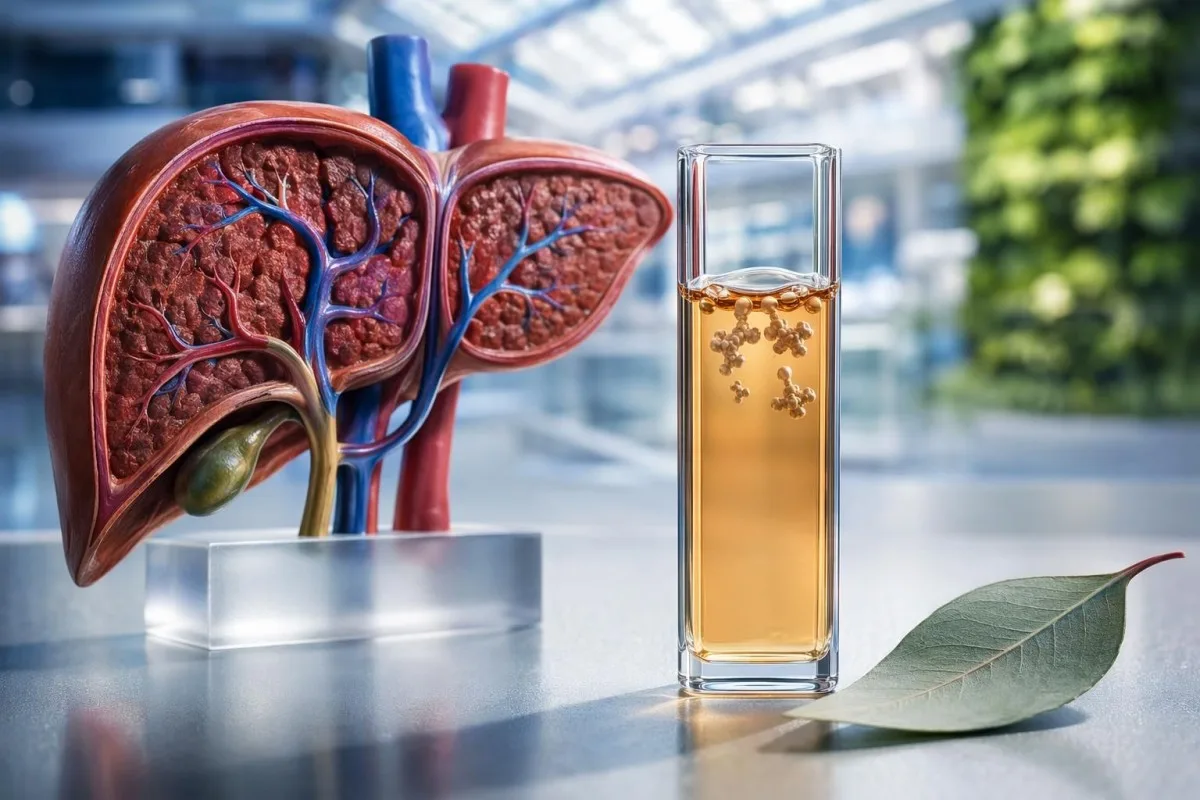
অধিকাংশ উচ্চ অ্যালবুমিনৰ ফলাফল দেখা যায় ঘনীভূত ৰক্তত, যকৃতৰ সমস্যা নহয়। প্ৰকৃত দক্ষতা হ’ল ছ’ডিয়াম, BUN, হেমাট’ক্ৰিট, মোট প্ৰ’টিনৰ কাষত অ্যালবুমিন পঢ়া, আৰু নমুনা কেনেকৈ সংগ্ৰহ কৰা হৈছিল সেয়া বুজা।.


- অ্যালবুমিনৰ স্বাভাৱিক সীমা সাধাৰণতে প্ৰাপ্তবয়স্কত 3.5-5.0 g/dL, যদিও কিছুমান লেবত 3.4-4.8 g/dL ব্যৱহাৰ হয়।.
- উচ্চ অ্যালবুমিন 5.0 g/dLৰ ওপৰত বেছিভাগ সময়তে পানিশূন্যতা বা হেম’কনচেণ্ট্ৰেচনকেই প্ৰতিফলিত কৰে, অতিরিক্ত খাদ্য-প্ৰ’টিনক নহয়।.
- স্পষ্টভাৱে বৃদ্ধি (elevation) 5.5 g/dL বা তাতকৈ অধিক সু-হাইড্ৰেটেড বহিঃৰোগীসকলৰ ক্ষেত্ৰত অস্বাভাৱিক, আৰু সাধাৰণতে পুনৰ পৰীক্ষা কৰাটো উচিত।.
- সৰ্বোত্তম সংগী সূচকসমূহ হ’ল মোট প্ৰ’টিন, ছ’ডিয়াম, BUN, ক্ৰিয়েটিনিন, BUN/ক্ৰিয়েটিনিন অনুপাত, হেমাট’ক্ৰিট, আৰু মোট কেলচিয়াম।.
- BUN/ক্ৰিয়েটিনিন অনুপাত ক্ৰিয়েটিনিন অন্যথা স্থিৰ থাকিলে প্ৰায় 20:1ৰ ওপৰত ভলিউম ডিপ্লিশনক সমৰ্থন কৰে।.
- টুৰ্নিকেট সময় প্ৰায় ১ মিনিটতকৈ বেছি হ’লে অ্যালবুমিন আৰু মোট প্ৰ’টিনক মিছাকৈ ঘনীভূত কৰিব পাৰে।.
- মুঠ কেলচিয়াম অ্যালবুমিন বেছি থাকিলে মৃদুভাৱে উচ্চ দেখা যাব পাৰে; ছবিখন মিল নাখালে আয়নাইজড কেলচিয়াম অধিক নিৰ্ভৰযোগ্য।.
- পুনৰ পৰীক্ষাৰ সময় সাধাৰণতে মৃদু একক উচ্চতাৰ বাবে ১-২ সপ্তাহ, বা শেহতীয়া দ্ৰৱ্য হেৰুওৱা থাকিলে পুনঃহাইড্ৰেশনৰ পিছত আগতেই।.
উচ্চ অ্যালবুমিনৰ ৰক্ত পৰীক্ষাই সাধাৰণতে কি বুজায়
অ্যালবুমিনৰ উচ্চ ৰক্ত পৰীক্ষা সাধাৰণতে ডিহাইড্ৰেচন বা হেমোকনচেণ্ট্ৰেচন বুজায়।. প্ৰাপ্তবয়স্কৰ ক্ষেত্ৰত প্ৰায় ৫.০ g/dLৰ ওপৰৰ অ্যালবুমিন বেছিভাগ সময়েই অতিপ্ৰস্তুতিৰ (overproduction) তুলনাত ঘনত্বজনিত সমস্যা, আৰু আমাৰ কান্টেষ্টি এ আই দলে ৰোগ বুলি কোৱাৰ আগতে সম্পূৰ্ণ পেনেলটো পৰীক্ষা কৰে। আপুনি প্ৰথমে সাধাৰণ ধৰণটো বিচাৰিলে, আমাৰ ডিহাইড্ৰেচন ফলছ-হাইছ সম্পৰ্কীয় প্ৰবন্ধ.
দ্য... অ্যালবুমিন ৰক্ত পৰীক্ষা যকৃতে তৈয়াৰ কৰা মূল প্ৰ’টিনটো জুখে, কিন্তু প্ৰকাশিত সংখ্যাটো পানীৰ ভাৰসাম্যৰ ওপৰত বহু বেছি নিৰ্ভৰ কৰে। অ্যালবুমিনে প্ৰায় ৭৫-80% প্লাজমা অনক’টিক চাপ যোগান ধৰে, প্ৰায় ২০ দিনৰ আধা-জীৱন (half-life) লৈ সঞ্চালিত হয়, আৰু যকৃতে প্ৰায় দিনে ১০-১৫ g তৈয়াৰ কৰে; সেয়ে ৪.৪ৰ পৰা ৫.৩ g/dLলৈ ৪৮ ঘণ্টাৰ ভিতৰত হোৱা বৃদ্ধি সাধাৰণতে হঠাৎ অতিপ্ৰস্তুতিৰ পৰিৱৰ্তে ঘনত্বজনিত (concentration) প্ৰতিফলন—যিটো ২০১৬ত Levitt আৰু Levitt এ পৰ্যালোচনা কৰিছে।.
মই এইটো সহনশীলতা (endurance) সম্পৰ্কীয় ঘটনাৰ পিছত সদায় দেখা পাওঁ: ৫২ বছৰীয়া এজন মাৰাথন দৌৰবিদে গৰমত দৌৰ শেষ কৰে, নিশা উপবাস থাকে, আৰু তেওঁৰ পেনেলত অ্যালবুমিন ৫.২ g/dL, ছ’ডিয়াম ১৪৬ mmol/L, BUN ২৮ mg/dL, আৰু হেমাট’ক্ৰিট 50% দেখা যায়। তেওঁক দ্ৰৱ্য (fluids) দিয়ক, কেইদিনমান পিছত পুনৰ পৰীক্ষা কৰক, আৰু অ্যালবুমিন বহু সময়তে কোনো যকৃতৰ (liver) কাম-কাজ নকৰাকৈয়ে পুনৰ সীমাৰ ভিতৰলৈ ঘূৰি আহে।.
মই, Thomas Klein, MD, যেতিয়া স্বতন্ত্ৰভাৱে (lone) ৫.১ বা ৫.২ g/dL অ্যালবুমিন দেখোঁ, কিন্তু ALT, AST, বিলিৰুবিন, আৰু ক্ৰিয়েটিনিন স্বাভাবিক থাকে, তেতিয়া মই বেছ কমেই সংখ্যাটোক কেৱল নিজেই ৰোগ হিচাপে চিকিৎসা দিওঁ।. কান্টেষ্টি এ আই ধৰণটো আৰু ধাৰাটোক (trend) পঢ়ে কাৰণ অ্যালবুমিন ৰক্ত পৰীক্ষা উচ্চ সাধাৰণতে প্লাজমা-ভলিউমৰ এটা সূত্ৰ (clue), যকৃতে বেছি প্ৰ’টিন তৈয়াৰ কৰি আছে বুলি চিন নহয়।.
অ্যালবুমিনৰ স্বাভাৱিক সীমা: ক’তকৈ উচ্চ বুলি গণ্য হয়?
অ্যালবুমিনৰ স্বাভাৱিক সীমা প্ৰাপ্তবয়স্কৰ ক্ষেত্ৰত সাধাৰণতে ৩.৫-৫.০ g/dL, বা ৩৫-৫০ g/L। ৫.১ g/dLৰ ফল বহুতো লেবত মৃদুভাৱে উচ্চ, কিন্তু ৫.৫ g/dL বা তাতকৈ বেছি হলে সাৱধানে পুনৰ পৰীক্ষা কৰাটো উচিত; আপোনাৰ ৰিপ’ৰ্টখন আমাৰ স্বাভাবিক অ্যালবুমিন সীমা গাইডৰ সৈতে তুলনা কৰক.
বেছিভাগ প্ৰাপ্তবয়স্ক লেবে এটা অ্যালবুমিন স্বাভাবিক ৰেঞ্জ ৩.৫-৫.০ g/dL ব্যৱহাৰ কৰে, যিটো SI এককত ৩৫-৫০ g/L। কিছুমান ইউৰোপীয় লেবে ওপৰৰ সীমা 4.8 g/dL স্থিৰ কৰে, সেয়ে এটা ৰিপ’ৰ্টত যিটো কেৱল অলপ উচ্চ যেন লাগে, আন এটা ৰিপ’ৰ্টত স্পষ্টভাৱে চিহ্নিত (flagged) হ’ব পাৰে।.
৫.১ g/dLৰ এটা মান সাধাৰণতে মৃদু অস্বাভাৱিকতা। সুস্থভাৱে হাইড্ৰেটেড আউটপেশ্যেণ্টত ৫.৫ g/dL বা তাতকৈ বেছি স্থায়ী মান অস্বাভাৱিক, আৰু পুনৰ পৰীক্ষা কৰাটো উচিত—বিশেষকৈ আগৰ বেছিভাগ বেইজলাইন ৪.২-৪.৭ g/dLৰ আশে-পাশে থাকিলে।.
একক কাট-অফ (cutoff)তকৈ প্ৰসংগ (context) বেছি গুৰুত্বপূৰ্ণ। স্থিৰ মোট প্ৰ’টিন (total protein) আৰু কোনো লক্ষণ নথকা অৱস্থাত বছৰৰ পিছত 4.9-৫.০ g/dLৰ আশে-পাশে ঘূৰি থকা কাৰোবাতকৈ, এটা ভিজিটত ০.৭ g/dL হঠাৎ বৃদ্ধি হোৱা ব্যক্তিক আমি বেছি গুৰুত্ব দিওঁ।.
পানিশূন্যতাই কেনেকৈ অ্যালবুমিনক সীমাৰ ওপৰলৈ ঠেলি দিয়ে
Dehydration এ এলবুমিন বৃদ্ধি কৰে কাৰণ প্লাজমা কনচেণ্ট্ৰেট হয়।. যেতিয়া মুঠ শৰীৰৰ পানী কমে, বিশেষকৈ extracellular water কমিলে, তেতিয়া প্ৰটিনৰ পৰিমাণ বেছি যেন লাগে, যদিও প্ৰটিনৰ মাত্ৰা (protein mass) সলনি হোৱা নাই।.
Dehydration এ এলবুমিন বৃদ্ধি কৰে কাৰণ প্লাজমাৰ পানী কমে, কিন্তু প্ৰটিনৰ মাত্ৰা প্ৰায় একে থাকে। এইটো ক্লাছিক হেম’কনচেণ্ট্ৰেচন, আৰু plasma-volume পৰিৱৰ্তনৰ ক্ষেত্ৰত পুৰণি Dill আৰু Costill পদ্ধতিয়ে এতিয়াও বুজাই দিয়ে কিয় কঠোৰ ব্যায়াম, গৰমৰ সংস্পৰ্শ, বা GI fluid loss এ প্ৰটিনসমূহ বাস্তৱতকৈ বেছি যেন পঢ়িব পাৰে (Dill আৰু Costill, 1974)।.
এই ধৰণটো আৰু শক্তিশালী হয় যেতিয়া BUN প্ৰায় 20 mg/dL ৰ ওপৰত উঠে, sodium এ 145 mmol/L ৰ ওপৰলৈ অলপ ঠেল খায়, আৰু hydration বা kidney testing ত BUN ৰ অৰ্থ ইতিহাসৰ সৈতে মিল খায়। ডায়েৰিয়া, বমি, diuretics, নিয়ন্ত্ৰণহীন ডায়েবেটিছ, অত্যধিক ঘাম, আৰু পানীৰ কম গ্ৰহণ—এইবোৰেই সাধাৰণ সন্দেহভাজন।.
এটা তীক্ষ্ণ সূত্ৰ হৈছে গতি (speed)। যদি নিয়মীয়া hydration আৰু বিশ্ৰামৰ 24-72 ঘণ্টাৰ ভিতৰত এলবুমিন 5.3 ৰ পৰা 4.7 g/dL লৈ কমে, তেন্তে ই কোনো ধৰণৰ দীর্ঘমেয়াদী প্ৰটিন বিকাৰৰ তুলনাতেই volume contraction ৰ সৈতে বহু বেছি খাপ খায়।.
লেবৰেটৰী আৰ্টিফেক্টে কেনেকৈ উচ্চ অ্যালবুমিনৰ ফলাফলৰ দৰে দেখুৱায়
Lab artifact এ ক্লিনিকেলভাৱে dehydration নোহোৱাকৈও উচ্চ এলবুমিন নকল কৰিব পাৰে।. সাধাৰণ দোষীসমূহ হৈছে দীঘল সময়ৰ tourniquet ব্যৱহাৰ, বাৰম্বাৰ মুঠি টান (fist clenching), ড্ৰ’ কৰাৰ আগতে থিয় হৈ থকা, আৰু method-to-method assay ৰ ভিন্নতা।.
Pre-analytic error এ নমুনা analyzer লৈ পোৱাৰ আগতেই এলবুমিন ওপৰলৈ ঠেলি দিব পাৰে। EFLM venous sampling ৰ পৰামৰ্শ অনুসৰি tourniquet সময় প্ৰায় 1 মিনিটলৈ সীমিত ৰাখিবলৈ কোৱা হৈছে, কাৰণ দীঘল stasis এ প্ৰটিন কনচেণ্ট্ৰেট কৰে আৰু এটা lab error pattern আমাৰ AI এ চিনাক্ত কৰিব পাৰে আনকি অন্যথা সুস্থ লোকৰ ক্ষেত্ৰতো (Simundic et al., 2018)।.
কিন্তু কথা এটা—posture ও গুৰুত্বপূৰ্ণ। থিয় হৈ বা অলপ খোজ কাঢ়ি লোৱা নমুনা 10-15 মিনিট বহি থকাৰ পিছত লোৱা নমুনাতকৈ অলপ বেছি পঢ়িব পাৰে, আৰু bromocresol green বনাম bromocresol purple দৰে dye-binding পদ্ধতিয়ে analyzers ৰ মাজত borderline albumin প্ৰায় 0.1-0.2 g/dL লৈ সলনি কৰিব পাৰে।.
পুনৰ পৰীক্ষা (repeat testing) আটাইতকৈ ভাল কাম কৰে যেতিয়া মূল কথাবোৰ (basics) একেবাৰে সাধাৰণ হয়: স্বাভাৱিক fluid, 24 ঘণ্টা কোনো কঠোৰ workout নহয়, বাৰম্বাৰ মুঠি পাম্পিং নহয়, আৰু নমুনা সংগ্ৰহৰ আগতে শান্তভাৱে বহি বিশ্ৰাম। অনুমোদিত কি কি—সেই বিষয়ে নিশ্চিত নহ’লে, আমাৰ ৰক্ত পৰীক্ষাৰ আগতে পানী খোৱা শীৰ্ষক লেখাটোৱে ব্যৱহাৰিক সংস্কৰণটো দিয়ে।.
উচ্চ অ্যালবুমিন বুজিবলৈ সহায়ক সংগী সূচকসমূহ
উচ্চ এলবুমিনৰ ৰক্ত পৰীক্ষাৰ বাবে সৰ্বোত্তম সহায়ক (companion) চিহ্নকসমূহ হৈছে total protein, sodium, BUN, creatinine, BUN/creatinine ratio, hematocrit, আৰু total calcium।. একেলগে এইবোৰে দেখায় যে সংখ্যাটো dehydration, lab artifact, নে অধিক বিস্তৃত প্ৰটিনজনিত অস্বাভাৱিকতাৰ সৈতে খাপ খায় নে নাই।.
যদি এলবুমিন উচ্চ হয় আৰু মুঠ প্ৰটিন উচ্চ হয়, তেন্তে ডিহাইড্ৰেচন বা সাধাৰণ ঘনত্ব বৃদ্ধি তালিকাৰ ওপৰত উঠে। A উচ্চ BUN/creatinine অনুপাতৰ ধৰণ প্ৰায় 20:1ৰ ওপৰত, আৰু ক্ৰিয়েটিনিন স্থিৰ থাকিলে, অন্তঃস্থ কিডনি আঘাততকৈ ভলিউম হ্ৰাসকেই বেছি সমৰ্থন কৰে।.
হেমাট’ক্ৰিট আন এটা নীৰৱ কিন্তু উপযোগী সাক্ষী। এলবুমিন 5.2 g/dL দেখা যায় যেতিয়া এটা উচ্চ হেমাট’ক্ৰিটৰ ধৰণৰ কাষত আৰু মৃদুভাৱে ঘনত্বযুক্ত ছ’ডিয়াম থাকে, তেতিয়া মই হেম’কনসেনট্ৰেচনকেই বেছি বিশ্বাস কৰোঁ—কোনো অদ্ভুত ৰোগ-নিৰ্ণয়তকৈ।.
মুঠ কেলচিয়ামত ইয়াত সূক্ষ্মতা লাগে, কাৰণ পৰিভ্ৰমণশীল কেলচিয়ামৰ প্ৰায় 40% এলবুমিনৰ লগত বান্ধ খায়। স্বাভাবিক লক্ষণ থকা অৱস্থাত মৃদুভাৱে উচ্চ মুঠ কেলচিয়াম পৰীক্ষা কৰিলে স্বাভাৱিক হৈ যাব পাৰে কিয় একে কেলচিয়াম ফল এচেই ধৰণে বেলেগ যেন দেখাব পাৰে—সেই কথা, আৰু corrected-calcium সূত্ৰসমূহ সহায়ক, কিন্তু নিখুঁত নহয়।.
আমি আটাইতকৈ বেছি বিশ্বাস কৰা তিনিটা
দৈনন্দিন পৰ্যালোচনাত, যিটোৱে আটাইতকৈ বেছি স্পষ্ট কৰে সেই তিনিটা হৈছে এলবুমিন প্লাছ মুঠ প্ৰ’টিন প্লাছ হেমাট’ক্ৰিট। তিনিওটা একেলগে বৃদ্ধি পালে, বিশেষকৈ ব্যায়াম বা তৰল হেৰুওৱাৰ পিছত, ডিহাইড্ৰেচনেই আটাইতকৈ আগশাৰীৰ ব্যাখ্যা হৈ পৰে। উচ্চ এলবুমিন তেজ পৰীক্ষা হৈছে এলবুমিন যোগ কৰা মোট প্ৰোটিন যোগ কৰা হেমাটোক্রেট। যেতিয়া তিনিওটা একেলগে বৃদ্ধি পায়, বিশেষকৈ ব্যায়াম বা জলীয় পদাৰ্থ হেৰুওৱাৰ পিছত, ডিহাইড্রেশন হৈছে মূল কাৰণ।.
উচ্চ অ্যালবুমিনে সাধাৰণতে কি বুজায় নে
উচ্চ এলবুমিন সাধাৰণতে লিভাৰ বিকলতা, কিডনিত প্ৰ’টিন হেৰুওৱা, বা উচ্চ-প্ৰ’টিন খাদ্যৰ অৰ্থ নহয়।. আচলতে, ক্ৰমাগত লিভাৰ ৰোগ আৰু নেফ্ৰ’টিক সিন্ড্ৰমসমূহে বেছিকৈ কম এলবুমিন, উচ্চ এলবুমিন নহয়।.
এটা সাধাৰণ ৰোগীৰ ভয় হৈছে লিভাৰ ৰোগ, কিন্তু উচ্চ এলবুমিন সাধাৰণতে লিভাৰ বিকলতাৰ দিশে আঙুল নুফুৰায়. । লিভাৰ আঘাত, চিৰ’ছিছ, নেফ্ৰ’টিক সিন্ড্ৰম, আৰু প্ৰ’টিন-হেৰুওৱা অন্ত্ৰৰ ৰোগে বেছিকৈ কম এলবুমিনৰ ধৰণসমূহ (patterns) উচ্চবোৰতকৈ।.
বেছি চিকেন খোৱা বা প্ৰ’টিন শেক খোৱাই সাধাৰণতে কেৱল নিজে নিজে ছিৰাম এলবুমিনক ৰেফাৰেন্স সীমাৰ ওপৰত ঠেলি নাযায়। আমাৰ পৰ্যালোচনাত, খাদ্যৰ পৰিৱর্তনে এলবুমিনক ক্লিনিকেলভাৱে তাৎপৰ্যপূৰ্ণ ধৰণে সলনি কৰাতকৈ বেছিকৈ ইউৰিয়া, ক্ৰিয়েটিনিন, বা ট্ৰাইগ্লিচাৰাইডক সলনি কৰে।.
কিডনি ৰোগে ছবিখন ঘোলা কৰিব পাৰে, যদিও বহুতে যিদৰে ভাবে তেনেকৈ নহয়। এটা বৃক্ক কাৰ্যক্ষমতা পৰীক্ষা এ ক্ৰমাগত কিডনি সমস্যাৰ ওপৰত ডিহাইড্ৰেচন-সম্পৰ্কীয় ঘনত্ব দেখুৱাব পাৰে, সেয়ে কেৱল উচ্চ এলবুমিনে নিজে নিজে কিডনি সমস্যাক নাকচ বা নিশ্চিত—দুয়োটাই নকৰে।.
স্থায়ীভাৱে অ্যালবুমিন বৃদ্ধি পোৱাৰ বিৰল সত্য কাৰণসমূহ
স্থায়ীভাৱে উচ্চ এলবুমিনৰ সঁচা কাৰণসমূহ বিৰল।. বাহ্যিক ডিহাইড্ৰেচন আৰু নমুনা লোৱাৰ সমস্যাৰ বাহিৰে, মূল বাস্তৱ-জগতৰ কাৰণসমূহ হ’ল শেহতীয়া এলবুমিন ইনফিউজন, শক্তিশালী প্লাজমা ভলিউম সংকোচন, আৰু কেতিয়াবা পুনৰ পৰীক্ষাত লেব-নিৰ্দিষ্ট এচে’ প্ৰভাৱ।.
বেছিভাগ মানুহে এলবুমিন এটা বিস্তৃত বিপাকীয় পেনেল, ত ধৰা পেলায়, আৰু সত্যিকৈ স্থায়ীভাৱে উচ্চতা বিৰল। হেম’কনচেণ্ট্ৰেচনৰ বাহিৰে, আটাইতকৈ স্পষ্ট বাস্তৱ কাৰণ হ’ল শেহতীয়া IV এলবুমিন ইনফিউজন, যিয়ে চিকিৎসা-শেষৰ পিছত কিছু সময়ৰ বাবে ছিৰাম এলবুমিনক ৫.০ g/dLৰ ওপৰলৈ ঠেলি দিব পাৰে।.
ইয়াত প্ৰমাণবোৰ সঁচাকৈয়ে মিশ্ৰিত। চিকিৎসকসকলে মতভেদ কৰে যে আউটপেশ্যেণ্ট পৰিৱেশত ক্ৰনিক চিকিৎসাজনিত বিকাৰে সত্যিকৈ 'কাৰণ' হয় নে উচ্চ এলবুমিনৰ, কিয়নো প্লাজমা ভলিউম আৰু এচে’ পদ্ধতি নিয়ন্ত্ৰণ কৰিলে বেছিভাগ ক্ষেত্ৰতে আকৌ ডিহাইড্ৰেচন, নমুনা লোৱাৰ পৰিস্থিতি, বা শেহতীয়াকৈ দিয়া এলবুমিনলৈকে গুচি যায়।.
মই কেতিয়াবা ডাঙৰ ভলিউমৰ পেৰাসেণ্টেছিছ বা ক্ৰিটিকেল কেয়াৰৰ পিছত হস্পিটেল ফ’ল’আপত এইটো দেখা পাওঁ। ৰোগীজন ভালেই অনুভৱ কৰে, এলবুমিন ৫.৬ g/dL, আৰু ব্যাখ্যাটো লুকাই থকা কেন্সাৰ বা গোপনে হোৱা লিভাৰৰ অতিউৎপাদন নহয় — সেয়া কেৱল এলবুমিনক আক্ষৰিক অৰ্থত দিয়া হৈছিল।.
ক্ৰীড়াবিদ, উপবাস, আৰু পানী-ক্ষয়জনিত পৰিস্থিতিয়ে অ্যালবুমিন বৃদ্ধি কৰা
ক্ৰীড়াবিদ, ফাষ্ট কৰা লোক, ডায়েৰিয়া থকা লোক, আৰু ডাইইউৰেটিক খোৱা লোকসকলে সাময়িকভাৱে এলবুমিন বৃদ্ধি দেখুৱাব পাৰে।. ধৰণটো সাধাৰণতে চুটি সময়ৰ বাবে থাকে আৰু বহু সময়ত বেছি BUN, ছ’ডিয়াম, বা হেম’ক্ৰিটৰ সৈতে একেলগে দেখা যায়।.
ক্ৰীড়াবিদ আৰু গাটৰ মাজেৰে দ্ৰৱ্য হেৰুওৱা লোকসকল ক্লাছিক সাময়িক উচ্চ-এলবুমিন কেছ। ৰিকভাৰিৰ বাবে ক্ৰীড়াবিদে অনুসৰণ কৰা ৰক্ত পৰীক্ষাসমূহৰ ওপৰত আমাৰ লেখাটোৱে বুজাইছে কিয় কঠিন ছেছন, গৰম, আৰু বেয়া ৰিহাইড্ৰেচনে একেলগে এলবুমিন, BUN, ছ’ডিয়াম, আৰু হেম’ক্ৰিট সলনি কৰিব পাৰে।.
ফাষ্টে আন এটা জটিলতা যোগ কৰে। দীঘলীয়া ফাষ্টৰ পিছত, ল’কাৰ্ব খোৱা, ছ’না ব্যৱহাৰ কৰা, বা কেইবাটাও ঢিলা পায়খানাৰ পিছত পুৱা নমুনাত এলবুমিন ৫.১–৫.৩ g/dL আৰু BUN ২৪–৩০ mg/dL দেখা যাব পাৰে, আনকি কেইদিনমান পিছত কৰা পুনৰ পৰীক্ষাটো সাধাৰণ হ’লেও।.
১৮ মে’, ২০২৬ অনুসৰি, আমাৰ আন্তঃৰাষ্ট্ৰীয় ডেটাছেটত এতিয়াও সেইটোৱেই প্ৰধান ধৰণ। একাধিক ক্লিনিক ৰিভিউত, ভয়ংকৰ সংখ্যাটো অংগ-ৰোগ নহয়—সেয়া আছিল ভ্ৰমণৰ দিন, এটা গৰমৰ কঠিন ৱৰ্কআউট, বা দুদিনৰ GI দ্ৰৱ্য হেৰুওৱা।.
এনে ধৰণ যিবোৰে কেৱল তৎক্ষণাৎ আশ্বাসৰ ওপৰত নাথাকে
উচ্চ এলবুমিনৰ ফলাফল আন আন অস্বাভাৱিক প্ৰ’টিন বা কিডনি-সম্পৰ্কীয় সূত্ৰৰ সৈতে মিলি থাকিলে অধিক ঘনিষ্ঠভাৱে পৰ্যালোচনা যোগ্য।. আটাইতকৈ গুৰুত্বপূৰ্ণ সংমিশ্ৰণসমূহ হ’ল উচ্চ ট’টেল প্ৰ’টিন, অ’প্ৰত্যাশিত গ্ল’বুলিন বৃদ্ধি, ক্ৰিয়েটিনিন বৃদ্ধি, বা স্থায়ীভাৱে অস্বাভাৱিক ছ’ডিয়াম.
কাহিনী সলনি কৰা সংমিশ্ৰণসমূহ হ’ল অস্বাভাৱিক প্ৰ’টিন, কিডনি অৱনতি, বা ৰেড-ফ্লেগ লক্ষণ। যদি এলবুমিন উচ্চ হয় কিন্তু গ্ল’বুলিনসমূহৰ সৈতে বোৰো উচ্চ হয়, তেন্তে পৰৱৰ্তী ভাল পদক্ষেপ হ’ল কেৱল এলবুমিনলৈ চাই নাথাকি ছিৰাম প্ৰ’টিনসমূহ আৰু A/G অনুপাতৰ ধৰণটো পৰ্যালোচনা কৰা।.
আন এটা এটা কোণেও গুৰুত্ব আছে। 148 mmol/L ছ’ডিয়াম, 31 mmol/L বাইকাৰ্বনেট, বা ক্ৰিয়েটিনিন বৃদ্ধি পোৱা উচ্চ অ্যালবুমিন থাকিলেও ই হয়তো ডিহাইড্ৰেচনৰ সৈতে জড়িত হ’ব পাৰে, কিন্তু ই কেৱল সহজ আশ্বাসৰ কেছ হৈ নাথাকে আৰু ওষুধ, গ্লুক’জৰ ক্ষতি, কিডনিৰ ৰক্তসঞ্চালন (perfuson), বা অন্তৰ্নিহিত অসুখ—এইবোৰৰ এক বহল পৰ্যালোচনা দাবী কৰে।.
মই বেছি চিন্তিত হওঁ যেতিয়া সংখ্যাটো স্থায়ী থাকে আৰু ব্যক্তিজনে ওজন কমে, নিশাৰ ঘাম (night sweats) হয়, বা দৃশ্যমানভাৱে মুঠ প্ৰ’টিন (total protein) বাঢ়ি গৈ থাকে। 5.3 g/dL ৰ ওপৰৰ অ্যালবুমিন আৰু প্ৰায় 8.5 g/dL ৰ ওপৰৰ মুঠ প্ৰ’টিন স্বয়ংক্ৰিয়ভাৱে বিপদজনক নহয়, কিন্তু তথাপিও অধিক সম্পূৰ্ণ পৰ্যালোচনা যোগ্য।.
অ্যালবুমিন পৰীক্ষা কেনেকৈ সঠিকভাৱে পুনৰ কৰা যায়
আপুনি ভাল অনুভৱ কৰিলে 1-2 সপ্তাহৰ ভিতৰত এটা মৃদু উচ্চ অ্যালবুমিন পৰীক্ষা পুনৰ কৰক; বমি, ডায়েৰিয়া, বিভ্ৰান্তি, মূৰ্ছা/মাথা ঘূৰোৱা (dizziness), বা মূত্ৰৰ পৰিমাণ কমি যোৱা থাকিলে আগতেই পুনৰ কৰক।. ভাল পুনৰ পৰীক্ষাই অতিরিক্ত ইণ্টাৰনেট অনুসন্ধানতকৈ বেছি ভুল সতৰ্কতা ঠিক কৰে।.
এটা পৃথক (isolated) মৃদু ফলৰ ক্ষেত্ৰত, সাধাৰণতে 1-2 সপ্তাহৰ ভিতৰত পৰীক্ষা পুনৰ কৰাই যথেষ্ট। আমাৰ গাইড অন কেতিয়া অস্বাভাৱিক তেজ পৰীক্ষা পুনৰ কৰিব লাগে ক্লিনিকেলভাৱে আমি ব্যৱহাৰ কৰা একে নিয়মেই ব্যৱহাৰ কৰে: লক্ষণ সক্ৰিয় থাকিলে দ্ৰুত, বাকী পেনেলটো শান্ত থাকিলে ধীৰ।.
প্ৰস্তুতিয়ে মানুহে যিমান আশা কৰে তাৰ তুলনাত উত্তৰ বেছি সলনি কৰিব পাৰে। স্বাভাৱিক হাইড্ৰেচন ব্যৱহাৰ কৰক, 24 ঘণ্টা কঠোৰ ব্যায়াম এৰক, আৰু আমাৰ প্ৰবন্ধত থকা তথ্য অনুসৰি আপোনাৰ পেনেলখন সত্যিই fasting লাগে নে নালাগে পৰীক্ষা কৰক— কোনবোৰ ৰক্ত পৰীক্ষাই আচলতে fasting লাগে.
পুৰণি ৰিপ’ৰ্টবোৰ আনি ৰাখক। চাৰিবছৰ ধৰি 4.9-5.0 g/dL ৰ স্থিতিশীল অ্যালবুমিন, পেটৰ ফ্লু (stomach flu)ৰ পিছত 5.4 g/dL লৈ নতুনকৈ হঠাৎ বৃদ্ধি পোৱাৰ পৰা একেবাৰে বেলেগ কথা, আৰু ধাৰা (trend)-ভিত্তিক পঢ়াইহে ভুল সতৰ্কতাবোৰ বাছি উলিয়ায়।.
Kantesti AI-এ উচ্চ অ্যালবুমিনৰ ধৰণ কেনেকৈ ব্যাখ্যা কৰে
Kantesti এ উচ্চ অ্যালবুমিনৰ ৰক্ত পৰীক্ষা ব্যাখ্যা কৰে পতাকাৰ (flag) ওপৰত নহয়, আৰ্হিৰ (pattern) ওপৰত ভিত্তি কৰি।. আমাৰ এ আই তেজৰ পৰীক্ষা বিশ্লেষণ প্ৰায় 60 ছেকেণ্ডৰ ভিতৰত অ্যালবুমিনক মুঠ প্ৰ’টিন, গ্ল’বুলিন (globulin), ছ’ডিয়াম, BUN, ক্ৰিয়েটিনিন, হেমাট’ক্ৰিট (hematocrit), কেলচিয়াম (calcium), ইউনিট, আৰু আগৰ ধাৰাসমূহৰ সৈতে একেলগে চায়।.
কান্টেষ্টি এ আই অ্যালবুমিনক এককভাৱে (isolation) পঢ়া নহয়। 2M+ ব্যৱহাৰকাৰীসকলে 127+ দেশসমূহত ব্যৱহাৰ কৰা আমাৰ মডেলে ফলাফলটোক অধিক বিস্তৃত 15,000-plus বায়’মাৰ্কাৰ গাইড, ৰ সৈতে তুলনা কৰে, 50 g/L বনাম 5.0 g/dL দৰে ইউনিটৰ সলনি চিনাক্ত কৰে, আৰু ছ’ডিয়াম, BUN, ক্ৰিয়েটিনিন, মুঠ প্ৰ’টিন, গ্ল’বুলিন, হেমাট’ক্ৰিট, আৰু কেলচিয়াম একে দিশত আগবাঢ়িছে নে নাই পৰীক্ষা কৰে।.
আমাৰ মেডিকেল এডভাইজাৰী ব’ৰ্ড ক্লিনিকেল যুক্তি (clinical logic) পৰ্যালোচনা কৰে। আমাৰ চিকিৎসা বৈধকৰণ মানদণ্ডসমূহে CE Mark, HIPAA, GDPR, আৰু ISO 27001-সমন্বিত (aligned) কাৰ্যপ্ৰণালীত অনিশ্চয়তা, আৰ্হিৰ সংঘাত (pattern conflicts), আৰু অনুসৰণমূলক (follow-up) পৰামৰ্শ কেনেকৈ সামলাই—সেই কথা ব্যাখ্যা কৰে।.
Thomas Klein, MD হিচাপে মোৰ ভূমিকা অনুসৰি, মই সেইবোৰ টুল পছন্দ কৰোঁ যিয়ে সঁচা উত্তৰটো ক’ব পাৰে—যেনে 'সম্ভৱত ডিহাইড্ৰেচন, মানক (standardized) পৰিস্থিতিত পুনৰ পৰীক্ষা কৰক'। যদি আপুনি টেকনিকেল দিশটো বিচাৰে, আমাৰ AI প্রযুক্তি গাইড আপলোড কৰা ৰিপ’ৰ্টবোৰ মডেলে কেনেকৈ বিশ্লেষণ (parse) কৰে—সেই কথা ব্যাখ্যা কৰে। আমাৰ ক্লিনিকেল বেঞ্চমাৰ্ক পেজ দেখুৱায় যে Kantesti ৰ নিউৰেল নেটৱৰ্ক বহুতো বিশেষত্ব (specialties) আৰু বাস্তৱ জগতৰ (real-world) edge case-ত কেনেকৈ পৰীক্ষা কৰা হৈছিল।.
একক, বয়স, আৰু লেবৰেটৰী-টু-লেবৰেটৰী ভিন্নতা
অ্যালবুমিন g/dL বা g/L ত ৰিপ’ৰ্ট হ’ব পাৰে, আৰু ইউনিটৰ মিশ্ৰণ (unit mix-ups) সাধাৰণ।. 5.0 g/dL ৰ এটা ফল 50 g/L ৰ সমান, আৰু এই সহজ ৰূপান্তৰেই বহুতো ৰোগীৰ বাৰ্তাৰ আচৰিত ব্যাখ্যা কৰে।.
এলবুমিন হিচাপে প্ৰতিবেদন কৰা হ’ব পাৰে g/dL অথবা g/L, আৰু ৰূপান্তৰটো সহজ: ১ g/dL সমান ১০ g/L। আমাৰ বেলেগ এককত থকা লেবৰ মানসমূহ সম্পৰ্কীয় লেখাটোৱে সহায় কৰে সেই ৰোগীসকলক, যিসকলে ভাবে যে কেৱল প্ৰতিবেদনৰ বিন্যাস সলনি হোৱাৰ বাবেই ফল সলনি হৈছে।.
গৰ্ভাৱস্থাই সাধাৰণতে এলবুমিন অলপ কমায়, কিয়নো প্লাজমা ভলিউম বৃদ্ধি পায়; সেয়ে স্বাভাৱিক তৃতীয়-ত্রৈমাসিকৰ মান সাধাৰণ প্ৰাপ্তবয়স্কৰ মধ্যবিন্দুৰ তলত থাকিব পাৰে। বয়স্ক নহোৱা শিশুসকল আৰু কিশোৰসকলে বয়স্ক প্ৰাপ্তবয়স্কতকৈ অলপ বেছি মান দেখুৱাব পাৰে, আৰু প্ৰতিটো লেবৰেটৰীৰ এনালাইজাৰ আৰু ৰেফাৰেন্স জনসংখ্যাই ওপৰৰ সীমা সলনি কৰিব পাৰে।.
এই কাৰণেই ব্যক্তিগত বেছলাইন গুৰুত্বপূৰ্ণ। কিছুমান মানুহে বছৰ বছৰ ধৰি ১TP34T g/dL ত থাকে, কিন্তু ৪.১ ৰ পৰা ১TP35T g/dL লৈ হোৱা জাঁপটোৱে—দুয়োটা সংখ্যা সীমাৰ কাষতে থাকিলেও—বেছি ডাঙৰ সূত্ৰ হ’ব পাৰে।.
চিকিৎসা পৰ্যালোচনাৰ প্ৰয়োজন হোৱা সতৰ্ক সংকেতসমূহ
এলবুমিন প্ৰায় ৫.৫ g/dL ৰ ওপৰত থাকিলে, বা ফলত হাইপাৰনেট্ৰেমিয়া, অজ্ঞান হোৱা, বিভ্ৰান্তি, তীব্ৰ পিয়াহ, চলি থকা বমি, ক’লা পায়খানা, ওজন কমা, বা অতি উচ্চ মুঠ প্ৰ’টিন থাকিলে—দ্ৰুতভাৱে এজন চিকিৎসকক যোগাযোগ কৰক।. সংখ্যাটোৱেই বিৰলভাৱে তৎক্ষণাৎ বিপদ; তাৰ চাৰিওফালৰ পৰিস্থিতিটোহে।.
স্থায়ীভাৱে উল্লেখযোগ্য বৃদ্ধি বা লক্ষণে কাৰ্যকৰী হোৱাৰ সীমা সলনি কৰে। আমাৰ গুৰুত্বপূৰ্ণ তেজ পৰীক্ষাৰ মানৰ ব্যাখ্যা চাওক যদি এলবুমিন পুনঃপুনীয়াকৈ প্ৰায় ৫.৫ g/dL ৰ ওপৰত থাকে, বিশেষকৈ ছ’ডিয়াম ১৪৭ mmol/L ৰ ওপৰত থাকিলে, ক্ৰিয়েটিনিন বৃদ্ধি পালে, মূৰ ঘূৰালে, বা বিভ্ৰান্তি থাকিলে।.
যদি ফলৰ লগত অনিচ্ছাকৃতভাৱে ওজন কমা, ক’লা পায়খানা, জ্বৰ, বা নিশাৰ ঘাম থাকে, তেন্তে পৰীক্ষা কেৱল পানিশূন্যতাৰ বিষয়ে নহয়। অজ্ঞাত ওজন কমাৰ বাবে আমাৰ ৰক্ত পৰীক্ষা ৰ বিস্তৃত ডিফাৰেনশিয়েল ডায়াগন’ছিছ কভার কৰে যিটো চিকিৎসকসকলে বিবেচনা কৰে।.
চুটি সংস্কৰণ: বিপদ সাধাৰণতে কাৰণটো—এলবুমিন নিজেই নহয়। মই, থমাছ ক্লেইন, MD, যেতিয়া গুৰুতৰ GI (গেষ্ট্ৰইনটেষ্টাইনেল) ক্ষতি, হাইপাৰনেট্ৰেমিয়া, বা অৰ্থ’ষ্টেটিক লক্ষণৰ সৈতে উচ্চ এলবুমিন দেখা পাওঁ, তেতিয়া মই এলবুমিনক বিষ (টক্সিন) বুলি ভাবি নাথাকোঁ; মই ভাবোঁ দেহৰ পানী কমি যোৱা (ফ্লুইড ডিপ্লিশন) আৰু সেইটোৱে চাপ দিব পৰা অংগসমূহৰ কথা।.
মূল কথা: উচ্চ অ্যালবুমিনৰ ফলাফলৰ সৈতে কি কৰিব
মূল কথা: বেছিভাগ এলবুমিন ৰক্ত পৰীক্ষাৰ উচ্চ ফলেই পানিশূন্যতা, হেম’কনচেণ্ট্ৰেচন, বা সংগ্ৰহজনিত অৱস্থা প্ৰতিফলিত কৰে।. আটাইতকৈ বুদ্ধিমান পৰৱৰ্তী পদক্ষেপ হ’ল এলবুমিনক মুঠ প্ৰ’টিন, ছ’ডিয়াম, BUN, ক্ৰিয়েটিনিন, হেমাট’ক্ৰিট, আৰু আপোনাৰ আগৰ ব্যক্তিগত বেছলাইনৰ সৈতে তুলনা কৰা।.
বেছিভাগ মৃদু, পৃথকভাৱে হোৱা উচ্চতা ভাল পানী যোগান আৰু অধিক পৰিষ্কাৰভাৱে কৰা পুনৰ নমুনাৰ সৈতে স্থিৰ হৈ যায়। সেয়ে আটাইতকৈ বুদ্ধিমান প্ৰথম পদক্ষেপটো সহজ: মুঠ প্ৰ’টিন, ছ’ডিয়াম, BUN, ক্ৰিয়েটিনিন, হেমাট’ক্ৰিট, লক্ষণ, আৰু সময়—এইবোৰ তুলনা কৰক আমাৰ প্লেটফৰ্ম বেয়া ধাৰণা কৰাৰ আগতে।.
যদি আপুনি দ্ৰুত ধৰণ (পেটাৰ্ন) পঢ়িব বিচাৰে, আপোনাৰ PDF বা ফটো আমাৰ বিনামূলীয়া তেজ পৰীক্ষাৰ ডেমো চেষ্টা কৰা।. ত আপলোড কৰক। ১TP6T এ আপোনাৰ পেনেলৰ বাকী অংশৰ সৈতে একেলগে প্ৰায় ৬০ ছেকেণ্ডত অনুবাদ কৰিব আৰু দেখুৱাব যে সামগ্ৰিক ধৰণটো পানিশূন্যতা, লেবৰেটৰী আৰ্টিফেক্ট, নে এনে কিবা এটা যাৰ বাবে চিকিৎসকৰ ভিজিটৰ প্ৰয়োজন—সেইটো। অ্যালবুমিন ৰক্ত পৰীক্ষা বাকী পেনেলৰ সৈতে প্ৰায় ৬০ ছেকেণ্ডৰ ভিতৰত আৰু দেখুৱাই যে সাধাৰণ ধৰণটো ডিহাইড্রেশন, ল্যাব আৰ্টিফেক্ট, বা চিকিৎসকৰ পৰামৰ্শৰ প্ৰয়োজন হোৱা কিবা এটাৰ দৰে দেখায় নেকি।.
আৰু যদি আপুনি জানিব বিচাৰে আমি এটা সংস্থা হিচাপে কোন—তেতিয়া ভিজিট কৰক আমাৰ বিষয়ে. । আমি ১TP6T এই ধৰণৰ দৈনন্দিন লেবৰেটৰী অস্পষ্টতা (ambiguity) ঠিক সেই বাবেই গঢ়ি তুলিছোঁ—যিটো মৃদুভাৱে অস্বাভাৱিক ফল, যেতিয়া সম্পূৰ্ণ পেনেল একেলগে পঢ়া হয়, তেতিয়া বহু কম রহস্যময় হৈ পৰে।.
সঘনাই সোধা প্ৰশ্ন
উচ্চ এলবুমিন তেজ পৰীক্ষা কিহে সৃষ্টি কৰে?
উচ্চ অ্যালবুমিনৰ ৰক্ত পৰীক্ষা বেছিভাগ সময়ে ডিহাইড্ৰেচন বা হিম’কনচেনট্ৰেচনৰ ফলত হয়, বিশেষকৈ যেতিয়া অ্যালবুমিন ৫.০ g/dLৰ ওপৰত থাকে আৰু একে সময়তে BUN, ছ’ডিয়াম, বা হেমাট’ক্ৰিট বৃদ্ধি পায়। কমকৈ, ইয়াৰ ফল দীঘলীয়া টুৰ্নিকেট সময়, নমুনা লোৱাৰ আগতে থিয় হৈ থকা, মুঠি টানকৈ ধৰি ৰখা, বা শেহতীয়া IV অ্যালবুমিন ইনফিউজনক প্ৰতিফলিত কৰিব পাৰে। সত্যিকাৰৰ দৰে দীঘলীয়া সময়ৰ বাবে অতিমাত্ৰা উৎপাদন সাধাৰণ নহয়। স্বাভাৱিক হাইড্ৰেচনৰ পিছত পুনৰ পৰীক্ষা কৰিলে প্ৰশ্নটো বেছিভাগ সময়ে স্পষ্ট হয়।.
কেবল পানিহীনতা (ডিহাইড্ৰেচন) দ্বাৰাই উচ্চ এলবুমিন হ’ব পাৰেনে?
হয়। কেৱল ডিহাইড্ৰেচনে এলবুমিনক 4.6 g/dL দৰে স্বাভাবিক মানৰ পৰা 5.1 g/dL দৰে চিহ্নিত (flagged) মানলৈ ঠেলি দিব পাৰে, কাৰণ প্লাজমাৰ পানী এলবুমিনৰ ভৰৰ পৰিৱৰ্তনৰ তুলনাত বেছি দ্ৰুতভাৱে কমি যায়। BUN 20 mg/dL ৰ ওপৰত বা ছ’ডিয়াম 145 mmol/L ৰ ওপৰত থাকিলে এই ধৰণটো অধিক শক্তিশালী হয়। ভালকৈ পানী সেৱন (fluid intake) উন্নত কৰাৰ 24-72 ঘণ্টাৰ পিছত ফলাফল বহু সময়ত পুনৰ বেছিভাগ ক্ষেত্ৰতে baseline দিশে ঘূৰি যায়।.
উচ্চ অ্যালবুমিন ৰক্ত পৰীক্ষাই কি যকৃতৰ ৰোগ বুজায়?
কোনো। উচ্চ অ্যালবুমিনৰ ৰক্ত পৰীক্ষাই সাধাৰণতে লিভাৰৰ ৰোগ বুজাই নাথাকে। বাৰে বাৰে চলি থকা লিভাৰৰ ৰোগে বেছিকৈ কম অ্যালবুমিন সৃষ্টি কৰে কাৰণ ক্ষতিগ্ৰস্ত সংশ্লেষণ ক্ষমতাই সময়ৰ লগে লগে উৎপাদন কমাই দিয়ে। যদি ALT, AST, বিলিৰুবিন, আৰু INR স্বাভাৱিক থাকে, তেন্তে ৫.১ g/dL ৰ কেৱল অ্যালবুমিনে ঘনত্ব বা নমুনা সংগ্ৰহৰ অৱস্থাই বুজোৱাৰ সম্ভাৱনা বহু বেছি।.
প্রাপ্তবয়স্কৰ বাবে স্বাভাবিক এলবুমিনৰ পৰিসীমা কিমান?
প্রাপ্তবয়স্কৰ অ্যালবুমিনৰ স্বাভাবিক পৰিসৰ সাধাৰণতে ৩.৫–৫.০ গ্ৰাম/ডি এল, যিটো ৩৫–৫০ গ্ৰাম/এল। কিছুমান লেবৰেটৰিত ৩.৪–4.8 গ্ৰাম/ডি এল ব্যৱহাৰ কৰা হয়, আৰু কিছুমান ইউৰোপীয় প্ৰতিবেদনত অলপ কম ওপৰৰ সীমা ব্যৱহাৰ কৰা হয়। ৫.১ গ্ৰাম/ডি এলৰ মান সাধাৰণতে মৃদু, কিন্তু ৫.৫ গ্ৰাম/ডি এল বা তাতকৈ ওপৰৰ পুনঃপুনীয়া মানে অধিক ঘনিষ্ঠ পৰ্যালোচনাৰ যোগ্য।.
উচ্চ অ্যালবুমিন বুজিবলৈ আন কোনবোৰ ফলাফল সহায় কৰে?
আটাইতকৈ উপযোগী সহায়ক ফলাফলসমূহ হ’ল মুঠ প্ৰ’টিন, ছ’ডিয়াম, BUN, ক্ৰিয়েটিনিন, BUN/ক্ৰিয়েটিনিন অনুপাত, হেমাট’ক্ৰিট, আৰু মুঠ কেলচিয়াম। প্ৰায় ২০:১ৰ ওপৰৰ BUN/ক্ৰিয়েটিনিন অনুপাত আৰু ক্ৰিয়েটিনিন স্থিৰ থাকিলে ভলিউম হ্ৰাস (volume depletion) সমৰ্থন কৰে, আৰু হেমাট’ক্ৰিট বৃদ্ধি পালে হেম’কনচেণ্ট্ৰেচন (hemoconcentration) অধিক সম্ভাৱনীয় হয়। সামান্য বেছি মুঠ কেলচিয়াম বিভ্ৰান্তিকৰ হ’ব পাৰে কাৰণ এলবুমিনে কেলচিয়াম বান্ধি ৰাখে, সেয়ে আয়নাইজড কেলচিয়াম (ionized calcium) অধিক ভাল অনুসৰণমূলক পৰীক্ষা হ’ব পাৰে।.
উচ্চ অ্যালবুমিনৰ ফলাফল পুনৰ কেতিয়া পৰীক্ষা কৰা উচিত?
যদি আপুনি ভাল অনুভৱ কৰে তেন্তে ১-২ সপ্তাহৰ ভিতৰত মৃদুভাৱে বেছি থকা একক এলবুমিনৰ ফলাফল পুনৰাবৃত্তি কৰক। যদি সক্ৰিয় বমি, ডায়েৰিয়া, মূৰ ঘূৰণি, বিভ্ৰান্তি, তীব্ৰ পিয়াহ, মূত্ৰৰ পৰিমাণ কম, বা ছ’ডিয়াম ১৪৭ mmol/L ৰ ওপৰত থাকে তেন্তে আগতেই পুনৰাবৃত্তি কৰক। পুনৰ পৰীক্ষাৰ আগতে স্বাভাৱিক হাইড্ৰেচন ব্যৱহাৰ কৰক, ২৪ ঘণ্টা তীব্ৰ শাৰীৰিক ব্যায়াম এৰক, আৰু নমুনা সংগ্ৰহৰ আগতে ১০-১৫ মিনিট শান্তভাৱে বহি থাকক।.
অ্যালবুমিন ৫.১ গ্ৰাম/ডি এল বিপদজনক নেকি?
5.1 g/dL ৰ এলবুমিন সাধাৰণতে নিজে নিজে বিপদজনক নহয়। স্বাভাৱিক ছ’ডিয়াম, ক্ৰিয়েটিনিন, মুঠ প্ৰ’টিন, আৰু যকৃতৰ এনজাইম থকা সুস্থ ব্যক্তিত ই প্ৰায়ে মৃদু ডিহাইড্ৰেচন বা ৰ নমুনা সংগ্ৰহৰ এটা কলেকচন আৰ্টিফেক্টকেই সূচায়, ৰোগক নহয়। চিন্তা বৃদ্ধি পায় যেতিয়া 5.1 g/dL স্থায়ী থাকে, ওপৰলৈ ধাৱমান হয়, বা লক্ষণসমূহৰ সৈতে বা অন্য কোনো অস্বাভাৱিক সূচকৰ সৈতে একেলগে দেখা যায়।.
बहुमान एलब्युमिन स्तरले कुनै लक्षण उत्पन्न गर्न सक्छ?
सामान्यतया होइन। गाढा रगतबाट उच्च मानले आफैंले लक्षणहरू निम्त्याउने सम्भावना कम हुन्छ; तिर्खा, चक्कर आउनु, मुख सुक्नु, पिसाब कम लाग्नु, वा कमजोरीले डिहाइड्रेसन सङ्केत गर्दछ र सामान्य तरल पदार्थ प्रतिस्थापन वा गम्भीर, निरन्तर वा भ्रमसँगै भएमा चिकित्सकीय सल्लाहको योग्य छ।.
গৰ্ভাৱস্থাত উচ্চ এলবুমিনৰ ফলাফল কেনেকৈ ব্যাখ্যা কৰা হয়?
গৰ্ভাৱস্থাই সাধাৰণতে এলবুমিন অলপ কমাই দিয়ে, কিয়নো প্লাজমা ভলিউম বৃদ্ধি পায়; সেয়েহে লেব’ৰেটৰীৰ সীমাৰ ওপৰৰ ফলাফল আপোনাৰ প্ৰসৱ-পূৰ্ব চিকিৎসকৰ সৈতে আলোচনা কৰা উচিত। বমিৰ পৰা হোৱা ডিহাইড্ৰেচনে সহায় কৰিব পাৰে, কিন্তু স্থায়ীভাৱে উচ্চ থাকিলে পুনৰ পৰীক্ষা আৰু লক্ষণসমূহ আৰু আন আন ফলাফলসমূহ পৰ্যালোচনা কৰাটো উচিত।.
মোৰ ঔষধবোৰে অ্যালবুমিনক উচ্চ যেন দেখুৱাব পাৰেনে?
পানীৰ বড়ি (water pills) আৰু কিছুমান ডায়েবেটিছৰ ঔষধ যিয়ে মূত্ৰ বৃদ্ধি কৰে, সেইবোৰে তেজ ঘনীভূত কৰি অ্যালবুমিনক অধিক যেন দেখুৱাব পাৰে—বিশেষকৈ গৰমত, বমি, বা ডায়েৰিয়াৰ সময়ত। নিজে নিজে কোনো নিৰ্ধাৰিত ঔষধ বন্ধ নকৰিব; আপোনাৰ চিকিৎসকক সুধিব যে পানী খোৱাৰ পৰামৰ্শ নে পুনৰ পৰীক্ষা কৰাটো কোনটো সুৰক্ষিত।.
আজিয়েই AI-চালিত তেজ পৰীক্ষাৰ বিশ্লেষণ লাভ কৰক
বিশ্বজুৰি ২ মিলিয়নতকৈ অধিক ব্যৱহাৰকাৰীয়ে বিশ্বাস কৰা Kantesti-ত যোগদান কৰক—তাৎক্ষণিক আৰু সঠিক লেব পৰীক্ষাৰ বিশ্লেষণৰ বাবে। আপোনাৰ তেজ পৰীক্ষাৰ ফলাফল আপলোড কৰক আৰু কেইছেকেণ্ডমানৰ ভিতৰতে 15,000+ বায়’মাৰ্কাৰৰ সম্পূৰ্ণ ব্যাখ্যা লাভ কৰক।.
📚 উদ্ধৃত গৱেষণা প্ৰকাশনা
Klein, T., Mitchell, S., & Weber, H. (2026)।. বহুভাষিক এআই সহায়ত ক্লিনিক্যাল সিদ্ধান্ত সহায়ক হাৰাণ্টাভাইৰাছৰ চিকিৎসাৰ বাবে: ৫০,০০০ ব্যাখ্যা কৰা ৰক্ত পৰীক্ষাৰ পৰীক্ষামূলক ফলাফলৰ ডিজাইন, ইঞ্জিনিয়ারিং মূল্যায়ন আৰু বাস্তৱ ক্ষেত্ৰত নিয়োজন.। Kantesti AI Medical Research.
Klein, T., Mitchell, S., & Weber, H. (2026)।. উপবাসৰ পিছত ডায়েৰিয়া, মলত ক'লা দাগ আৰু জিআই গাইড ২০২৬.। Kantesti AI Medical Research.
📖 বাহ্যিক চিকিৎসা সম্পৰ্কীয় উৎসসমূহ
Simundic AM et al. (2018)।. শিৰাস্থ (venous) তেজ সংগ্ৰহৰ বাবে যৌথ EFLM-COLABIOCLI পৰামৰ্শ. ক্লিনিক্যাল কেমিষ্ট্ৰী এণ্ড লেবোৰেটৰী মেডিসিন।.
Dill DB, Costill DL (1974). ডিহাইড্ৰেচনৰ সময়ত তেজ, প্লাজমা, আৰু ৰঙা কোষৰ ভলিউমৰ শতকৰা পৰিৱৰ্তন গণনা. Journal of Applied Physiology.
⚕️ চিকিৎসা অস্বীকাৰ
এই লেখাটো কেৱল শিক্ষামূলক উদ্দেশ্যৰ বাবে, আৰু ই চিকিৎসাজনিত পৰামৰ্শ নহয়। ৰোগ নিৰ্ণয় আৰু চিকিৎসাৰ সিদ্ধান্তৰ বাবে সদায় যোগ্য স্বাস্থ্যসেৱা বিশেষজ্ঞৰ সৈতে পৰামৰ্শ কৰক।.
E-E-A-T বিশ্বাস সংকেত
অভিজ্ঞতা
চিকিৎসক-নিৰ্দেশিত লেব ব্যাখ্যা কাৰ্যপ্ৰবাহৰ ক্লিনিকেল পৰ্যালোচনা।.
বিশেষজ্ঞতা
ক্লিনিকেল পৰিপ্ৰেক্ষিতত বায়’মাৰ্কাৰসমূহ কেনেকৈ আচৰণ কৰে—সেই বিষয়ে লেবৰেটৰী মেডিচিনৰ গুৰুত্ব।.
কৰ্তৃত্বশীলতা
ড° থমাছ ক্লেইনৰ দ্বাৰা লিখিত; ড° ছাৰাহ মিচেল আৰু প্ৰফ. ড° হান্স ৱেবাৰৰ দ্বাৰা পৰ্যালোচনা।.
বিশ্বাসযোগ্যতা
স্পষ্ট অনুসৰণ পথৰ সৈতে প্ৰমাণ-ভিত্তিক ব্যাখ্যা—আতংক কমাবলৈ।.