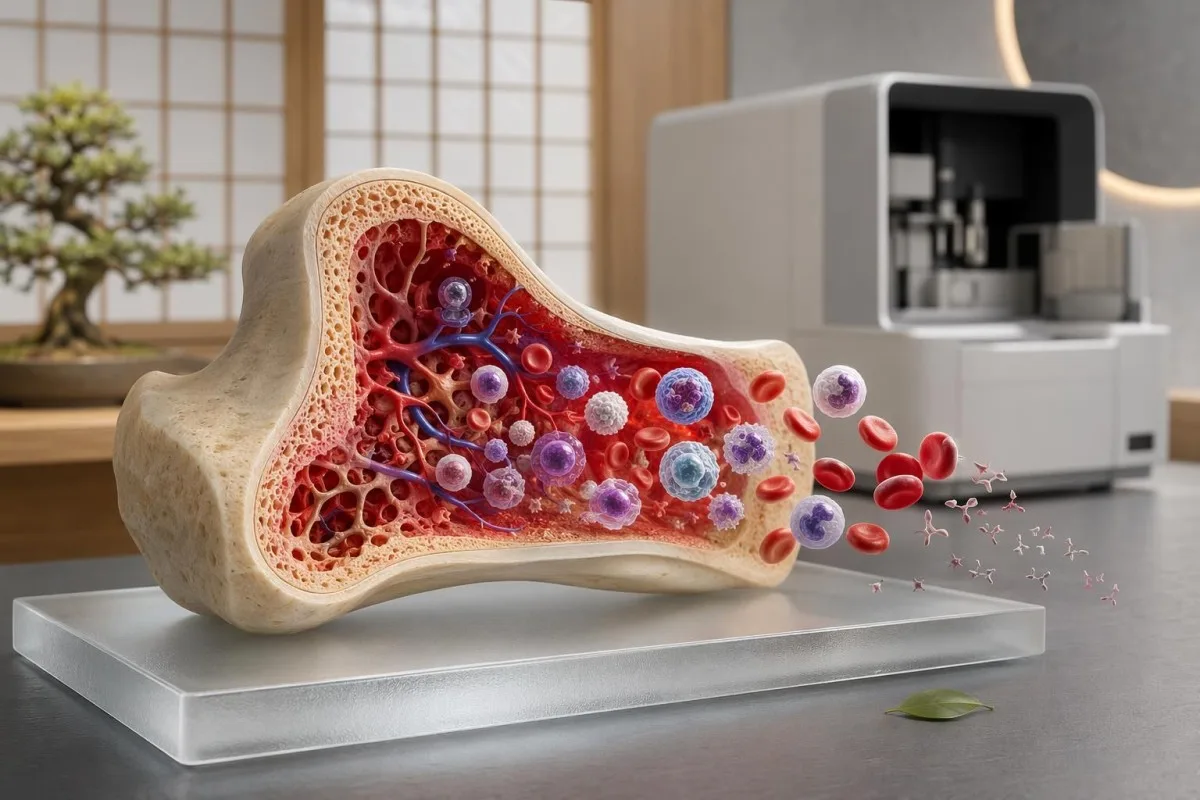
دليل تقرير مختبر على الطريقة البريطانية لنتائج تعداد الدم الكامل، ومصطلحات CBC، والحدود المرجعية، والأنماط غير الطبيعية التي تستحق المتابعة.


- FBC يرمز إلى تعداد الدم الكامل, ، وهو المصطلح البريطاني لـ CBC أو تعداد الدم الكامل المستخدم في الولايات المتحدة.
- الهيموغلوبين غالباً ما يكون حوالي 130-170 غ/لتر عند الرجال البالغين و120-150 غ/لتر عند النساء البالغات، رغم أن الحدود تختلف حسب المختبر.
- عدد كريات الدم البيضاء غالباً ما يكون 4.0-11.0 ×10^9/لتر عند البالغين؛ يوضح التفريق أي خط خلوي هو الذي يقود التغير.
- الصفائح الدموية غالباً ما تكون 150-400 ×10^9/لتر؛ انخفاضها عن 20 ×10^9/لتر أو ارتفاعها فوق 1000 ×10^9/لتر عادةً يستدعي مراجعة سريرية عاجلة.
- القيمة المتوسطة المتوسطة يميّز بين فقر الدم صغير الكريات، وفقر الدم طبيعي الكريات، وفقر الدم كبير الكريات؛ انخفاض MCV مع ارتفاع RDW غالباً ما يشير إلى نقص الحديد.
- FBC مقابل CBC هو أساسا فرق فـي التسمية: التقارير فـي المملكة المتحدة كتقول FBC، بينما بزاف ديال التقارير فـي أمريكا الشمالية كتسمّيها CBC.
- علامات الخطر تشمل الخلايا الأرومية، نقصا شاملا فـي جميع سلاسل الدم (pancytopenia)، العدلات اللي تحت 0.5 x10^9/L، الهيموغلوبين اللي تحت 70 g/L، ولا الصفائح اللي تحت 20 x10^9/L.
- الاتجاهات هي المهمة حيث نتيجة فـي النطاق تقدر تكون ذات معنى سريريا حتى إلا كانت دارت 20-30% من خط أساسك المعتاد.
معنى FBC في تقرير تحليل دم بالمملكة المتحدة
FBC كتعني تعداد الدم الكامل, ، تحليل دم روتيني فـي المملكة المتحدة كيقيس كريات الدم الحمراء، كريات الدم البيضاء والصفائح الدموية. فـي الولايات المتحدة وبزاف ديال التقارير الدولية، نفس التحليل غالبا كيتسمّى سي بي سي, ، أو تحليل الدم الشامل. Kantesti هو منصة تفسير تحليل الدم ديال AI اللي كيقرا كل من صياغة FBC وCBC، ومن بعد كيرجم سطور النتيجة لنفس الإطار السريري.
ال تحليل دم FBC ماشي غير علامة وحدة؛ هو لوحة هيماتولوجية مضغوطة. FBC قياسي ديال البالغين غالبا كيشمل الهيموغلوبين، عدد كريات الدم الحمراء، الهيماتوكريت، MCV، MCH، MCHC، RDW، العدد الكلي ديال كريات الدم البيضاء، التفريق ديال كريات الدم البيضاء، والصفائح الدموية. ديالنا الخاص بالواسمات الحيوية كيشـرح كيفاش كيتدار هاد الشي ضمن فحوصات الدم الأوسع، ماشي غير كيتعامل كتشخيص بوحدو.
أنا توماس كلاين، MD، و فـي المراجعة السريرية اليومية كنعتبر FBC اختبار نمطي. نسبة لمفاويات مرتفعة شوية ممكن تعني شي حاجة قليلة، ولكن لمفاويات ديال 8.0 x10^9/L كاتستمر لمدة 3 أشهر فـي شخص عمره 68 سنة كتعطي كلام آخر.
FBC طبيعي ما كينفـيش المرض، و FBC غير طبيعي ما كيعنيش تلقائيا شي حاجة خطيرة. السؤال العملي هو واش هاد الشذوذ كيلائم عدوى حديثة، دواء، حمل، التعرض للارتفاع، تدريب قوي، نزيف، نقص غذائي، ولا مشكل فـي نقي العظم.
FBC مقابل CBC: نفس الفحص، لغة مختبر مختلفة
FBC مقابل CBC هو أساسا فرق فـي التسمية: FBC هو المصطلح فـي المملكة المتحدة وCBC هو المصطلح فـي الولايات المتحدة لنفس اختبار الهيماتولوجيا الأساسي. المؤشرات غالبا كتطابق، ولكن الترتيب والوحدات والاختصارات يقدروا يختلفوا بما يكفي باش يربكوا المرضى اللي كيقارنوا تقارير من بلدان مختلفة.
تقرير من المملكة المتحدة ممكن يكتب Hb بوحدة g/L، بينما تقرير من الولايات المتحدة ممكن يبين hemoglobin بوحدة g/dL. الهيموغلوبين ديال 140 g/L هو نفس الشيء ديال 14.0 g/dL، يعني خطأ فـي مكان الفاصلة يقدر يخلي نتيجة طبيعية تبان مرعبة. ديالنا دليل الاختصارات مفيد ملي كاين تقرير كيتستعمل فيه رموز قصيرة بلا ملاحظات.
بعض المختبرات فـي المملكة المتحدة مازالين كايستعملوا PCV لحجم الخلايا المكدسة بدل الهيماتوكريت، وبعض التقارير كاتكتب WCC بدل WBC. فـي تجربتي، أكبر خطأ ديال المريض هو يقارن نتيجة g/L من المملكة المتحدة مع مجال g/dL أمريكي وكيظن أن الهيموغلوبين هبط بعشرة أضعاف.
مجالات المرجع كذلك ماشي عالمية. مختبر خادم لمجتمعات بزاف ديال اللي كيعانيو من العيش فـي ارتفاعات عالية ممكن يتوقع قيم أعلى شوية ديال كريات الدم الحمراء، بينما التقارير الخاصة بالحمل ممكن تنقص عتبة الهيموغلوبين حيث حجم البلازما كيزيد بحوالي 40-50%.
كيف يتم ترتيب تقرير تعداد الدم الكامل
A UK تقرير تحليل الدم الشامل غالباً ما يبدأ بنتائج كريات الدم الحمراء، ثم نتائج كريات الدم البيضاء، ثم الصفائح الدموية. أغلب التقارير الآلية تُظهر قيمة، وحدة، مجال مرجعي مخبري وأحياناً علامة H أو L أو تنبيه لكونها غير طبيعية.
الوحدة تهمّ بقدر ما تهمّ العدد. عادةً يُعرض عدد كريات الدم الحمراء كـ x10^12/L، وكريات الدم البيضاء كـ x10^9/L، والصفائح الدموية كـ x10^9/L، والهيموغلوبين كـ g/L في تقارير المملكة المتحدة. دليل وحدات المختبر يشرح لماذا يمكن لنفس البيولوجيا أن تبدو مختلفة بعد تغيير المختبر أو البلد.
أجهزة التحليل الآلي لأمراض الدم تُحصي وتُصنّف ملايين الأحداث الخلوية في ثوانٍ، لكنّها لا تعرف هل ركضت ماراثون أمس، أو بدأت بريدنيزولون، أو أنجبت قبل 6 أسابيع. لهذا يمكن أن يكون تحليل الدم الشامل دقيقاً تقنياً لكنه مُضلِّلاً سريرياً بدون سياق.
تنبيهات مثل الخلايا اللمفاوية غير النمطية، الحبيبات غير الناضجة، تكتلات الصفائح أو NRBCs ليست للزينة. عندما أرى واحداً من هذه التنبيهات، أريد القصة السريرية أولاً، وإذا لزم الأمر، مراجعة الفيلم/اللّطاخة بدل تكرار التحليل بشكل أعمى.
الهيموغلوبين وRBC والهيماتوكريت: نتائج نقل الأكسجين
الهيموغلوبين، RBC والهِيماتوكريت يصف جانب حمل الأكسجين في تحليل الدم الشامل. في كثير من مختبرات البالغين بالمملكة المتحدة، يكون الهيموغلوبين تقريباً 130-170 g/L عند الرجال و120-150 g/L عند النساء، لكن المجال المطبوع في مختبرك يجب أن يُعتمد على أي مجال عام.
دليل منظمة الصحة العالمية 2024 يستخدم حدود الهيموغلوبين لتعريف فقر الدم حسب العمر والجنس وحالة الحمل؛ حيث تكون النساء البالغات غير الحوامل عادةً تحت 120 g/L، والرجال البالغون تحت 130 g/L يُحسبون كمرضى بفقر الدم (WHO، 2024). هيموغلوبين 108 g/L ليس نفس المشكلة عند امرأة تبلغ 24 سنة وتُحيض، كما هو الحال عند رجل عمره 74 سنة لديه أعراض جديدة في الأمعاء.
لعدد كريات الدم الحمراء (RBC) غالباً ما يكون حوالي 4.5-5.9 x10^12/L عند الرجال البالغين و4.1-5.1 x10^12/L عند النساء البالغات. ارتفاع عدد RBC مع انخفاض MCV قد يشير إلى صفة الثلاسيميا، بينما انخفاض عدد RBC مع انخفاض الهيموغلوبين غالباً ما يشير إلى فقر الدم بسبب فقد الحديد، الالتهاب، مرض الكِلى أو نقص إنتاج نخاع العظم. للحصول على تفاصيل نطاق عدد كريات الدم الحمراء، استعمل دليلنا دليل نطاق RBC.
الهيماتوكريت هو النسبة من حجم الدم التي تشغلها كريات الدم الحمراء، وغالبًا ما تكون حوالي 0.40-0.52 عند الرجال البالغين و0.36-0.46 عند النساء البالغات. يمكن للجفاف أن يرفع الهيماتوكريت دون خلق كريات دم حمراء إضافية؛ أما الارتفاع الحقيقي المستمر فينبغي مقارنته مع دليل الهيماتوكريت والنظر إليه إلى جانب تشبع الأكسجين، والتدخين، وانقطاع النفس أثناء النوم، وفحوصات EPO/JAK2.
MCV وMCH وMCHC وRDW: مؤشرات خلايا الدم الحمراء
MCV وMCH وMCHC وRDW تشرح لماذا يكون الهيموغلوبين منخفضًا أو لماذا لا تتطابق نتائج كريات الدم الحمراء مع الأعراض. MCV هو متوسط حجم كريات الدم الحمراء؛ القيم التي تقل عن حوالي 80 fL تكون صغيرة الكريات (microcytic) والقيم التي تفوق حوالي 100 fL تكون كبيرة الكريات (macrocytic) في كثير من مختبرات البالغين.
MCV منخفض مع RDW مرتفع هو نمط كلاسيكي مبكر لنقص الحديد لأن الكريات الحمراء الجديدة تصبح أصغر قبل أن تبدو جميع الخلايا متشابهة. يوصي Snook وآخرون في إرشادات الجمعية البريطانية لأمراض الجهاز الهضمي (British Society of Gastroenterology) بأن فقر الدم المؤكد بسبب نقص الحديد عند الرجال البالغين والنساء بعد سنّ اليأس ينبغي عادةً أن يدفع إلى تقييم الجهاز الهضمي، وليس الاكتفاء بأقراص الحديد (Snook et al., 2021).
ارتفاع MCV له تفاضل أوسع مما يتوقعه كثير من المرضى. يمكن أن يؤدي تناول الكحول، وأمراض الكبد، وقصور الغدة الدرقية، ونقص B12، ونقص الفولات، وبعض أدوية مضادات الاختلاج، واضطرابات نخاع العظم إلى رفع MCV فوق 100 fL. إن MCV يتعمق أكثر في متى يكون الرقم غالبًا مرتبطًا بالتغذية مقابل كونه مرتبطًا بالأدوية.
RDW هو معامل التباين في حجم كريات الدم الحمراء، وغالبًا ما يكون حوالي 11.5-14.5%. يمكن أن يكون RDW مرتفع مع MCV طبيعي هو أول علامة مرئية لمشاكل الحديد وB12 المختلطة، أو التعافي بعد نزيف حديث، أو تأثير نقل الدم. للحصول على نظرة تقنية حول RDW-CV وRDW-SD، انظر على RDW.
عدد كريات الدم البيضاء والتفريق: قراءة نمط المناعة
عدد كريات الدم البيضاء عادةً يكون حوالي 4.0-11.0 x10^9/L عند البالغين، لكن التفاضل يعطي المعنى السريري. إن أعداد العدلات المطلقة، واللمفاويات، والوحيدات، والحمضات، والقاعديات تهم أكثر من النِّسَب وحدها.
العدلات غالباً كتطلع مع العدوى البكتيرية، الستيرويدات، التدخين، توتر/إجهاد النسيج والتمارين الرياضية القوية. اللمفاويات غالباً كتطلع مع الأمراض الفيروسية، ولكن استمرار ارتفاع اللمفاويات بشكل مطلق فوق 5.0 x10^9/L عند شخص كبير فالسن كيتطلب إعادة التحليل وأحياناً فحص التدفق الخلوي. دليل التفريق يشرح علاش العدّ بالأعداد المطلقة كيتفوّق على النِّسب.
انخفاض عدد كريات الدم البيضاء ماشي بالضرورة يعني فشل مناعي. بعض الناس الأصحّاء، خصوصاً اللي عندهم قلة عدلات عرقية حميدة، كيبقاو العدلات ديالهم حوالي 1.0-1.5 x10^9/L بلا عدوى متكررة. مستوى المشكل عادة هو عدلات تحت 0.5 x10^9/L, ، خصوصاً مع الحمى.
كنشوف بزاف ديال المرضى كيتقلقو من نسبة اللمفاويات 48% حيث العدد المطلق ديال اللمفاويات هو 2.4 x10^9/L والعدلات غير ببساطة فآخر الحدّ السفلي الطبيعي. بالنسبة للمدى ديال البالغين والحالات الخاصة بالحمل، ديالنا دليل نطاق WBC أكثر فائدة من تفسير النسبة بوحدها.
الصفائح الدموية وMPV: عدد التجلط، وليس وظيفة التجلط
الصفائح الدموية غالباً حوالي 150-400 x10^9/L عند البالغين، وكيعاونوا على تكوين الجلطات بعد الإصابة. عدد الصفائح فـ FBC كيعطيك شحال من صفيحة كاينة، ماشي واش كتشتغل بشكل طبيعي تحت الأسبرين، فشل الكِلى أو اضطرابات الصفائح الوراثية.
الصفائح تحت 150 x10^9/L كيتسمّاو نقص صفائح الدم (thrombocytopenia)، ولكن الخطر كيتبدّل بشكل حاد حسب المستوى. بزاف ديال الناس اللي عندهم 100-149 x10^9/L كيبقاو مستقرّين وماعندهمش أعراض؛ تحت 50 x10^9/L كيبان مهم للإجراءات، وتحت 20 x10^9/L غالباً كيتطلب مراجعة عاجلة. ديالنا دليل نطاق الصفائح كيغطي هاد الحدود بالتفصيل أكثر.
الصفائح المرتفعة غالباً كتكون تفاعلية. نقص الحديد، عدوى حديثة، التهاب، جراحة وبعض السرطانات كاملين يقدروا يدفعو الصفائح فوق 450 x10^9/L، بينما استمرار الأعداد فوق 600-1000 x10^9/L كيرفع احتمال وجود اضطراب تكاثري نخاعي (myeloproliferative disorder).
MPV, ، أو الحجم المتوسط للصفائح (mean platelet volume)، كيتدار بوحدين المختبرات وكيتم تجاهلو عند آخرين. MPV مرتفع مع صفائح قليلة يقدر يوحي بزيادة دوران الصفائح، ولكن MPV حساس لسنّ العينة وطريقة جهاز التحليل؛ ونادراً كنقرر شي حاجة اعتماداً على MPV بوحده.
أنماط فقر الدم في FBC: ما يستنتجه الأطباء أولاً
أن FBC يقدر يقترح نوع فقر الدم (anaemia) قبل إجراء تحاليل الحديد أو B12 أو الكِلى. الأطباء عادةً يجمعون بين الهيموغلوبين، MCV، RDW، عدد الخلايا الشبكية و الصفائح الدموية لتحديد ما إذا كان النمط يشير إلى نقص الحديد، نقص فيتامينات، التهاب، انحلال دم أو نقص إنتاج من نخاع العظم.
كانتيستي هو منصة تفسير المؤشرات الحيوية بالذكاء الاصطناعي التي تجمع بين أنماط الهيموغلوبين وMCV وRDW والفيريتين بدل قراءة كل سطر كاختلال منفصل. هذا مهم لأن انخفاض الهيموغلوبين مع انخفاض MCV و صفائح 520 x10^9/L غالبًا يتصرف مثل نقص الحديد، بينما انخفاض الهيموغلوبين مع MCV طبيعي و صفائح منخفضة يشير إلى مسار تشخيصي مختلف.
اختصار سريري مفيد هو هذا: فقر الدم صغير الكريات (microcytic) يطلب الفيريتين، تشبع الترانسفيرين وتقييم فقدان الدم؛ فقر الدم كبير الكريات (macrocytic) يطلب B12، الفولات، الكبد، الغدة الدرقية ومراجعة الأدوية. دليل نمط فقر الدم يغطّي تلك الفروع الأولى دون الادعاء أن FBC يفسّر كل شيء.
نقص الحديد قد يظهر قبل أن ينخفض الهيموغلوبين. فيرّيتين أقل من 30 µg/L يُعالج غالبًا على أنه نقص حديد في كثير من الإعدادات للبالغين، رغم أن الالتهاب قد يجعل الفيريتين يبدو طبيعيًا أو مرتفعًا بشكل خاطئ. دليل نقص الحديد يستحق القراءة إذا كان MCV عندك ينخفض تدريجيًا لكن Hb ما زال ضمن النطاق.
مؤشرات العدوى والإنتان في تعداد الدم الكامل
أن يمكن لـ FBC أن يدعم الاشتباه في عدوى أو إنتان (sepsis), ، لكنه لا يمكنه وحده نفي الإنتان أو تأكيده. WBC أعلى من 12 x10^9/L، WBC أقل من 4 x10^9/L، كثرة العدلات، الخلايا الحبيبية غير الناضجة والصفائح التي تنخفض تكون أكثر إثارة للقلق عندما تقترن بحمى، انخفاض ضغط الدم، تشوش أو لاكتات مرتفع.
قد يبدو ارتفاع شديد جدًا في عدد العدلات بعد بريدنيزولون كأنه بكتيري عندما يكون سببه الدواء. وبالمقابل، قد لا يكون لدى شخص مسنّ هش مصاب بإنتان عدد WBC طبيعي، لكن قد تظهر قلة اللمفاويات الجديدة وتنخفض الصفائح من 240 إلى 115 x10^9/L خلال 48 ساعة.
العدلات الشريطية والخلايا الحبيبية غير الناضجة تشير إلى أن النخاع يطلق الخلايا مبكرًا. بعض الأجهزة التحليلية تسجل ذلك تلقائيًا، بينما أخرى لا تميّزه إلا ليتطلب مراجعة فيلم يدوي. لمزيد من الشرح، راجع دليل مؤشرات الإنتان (sepsis marker guide).
عندما يخبرني المريض أن نتيجة FBC طبيعية لكنه يشعر أنه مريض جدًا بشكل يبعث على القلق، لا أتوقف عند هذا الحد. CRP، بروكالستونين، لاكتات، مزروعات الدم، فحص البول، تصوير الصدر والفحص السريري يمكن أن تكون أهم من العدد نفسه، خصوصًا في أول 6-12 ساعة من المرض.
أنماط التحذير المتعلقة بالنزيف والتجلط ونخاع العظم
نقص خلايا الدم الشامل (Pancytopenia), ، أي انخفاض في كريات الدم الحمراء، انخفاض في كريات الدم البيضاء وانخفاض في الصفائح معًا، هو واحد من أنماط FBC التي تحتاج متابعة عاجلة. انخفاض سطر واحد فقط قد يكون حميدًا؛ أما ثلاثة أسطر منخفضة معًا فتثير القلق من كبت نخاع العظم، عدوى شديدة، سمّية دوائية، مرض مناعي ذاتي أو سرطان دموي.
مراجعة Bain في New England Journal of Medicine حول لطاخة الدم تبقى تذكيرًا عمليًا بأن العدّادات الآلية تفوّت بعض التشخيصات التي تعتمد على شكل الخلايا (Bain, 2005). الخلايا الأرومية، الخلايا على شكل دمعة، الكريات المكسّرة (schistocytes)، NRBCs أو خلل واضح في التنسّج على الفيلم يمكن أن يغيّر درجة الاستعجال حتى عندما تبدو الأرقام الرئيسية غير طبيعية بشكل متوسط فقط.
العدلات أقل من 0.5 x10^9/L مع الحمى تُعامل كحالة طارئة طبية في كثير من المسارات السريرية. المريض الذي يتناول علاج كيميائي، كاربيمازول، كلوزابين أو مثبطات مناعة لا ينبغي أن ينتظر عدة أيام لموعد روتيني إذا ظهرت الحمى مع انخفاض عدد العدلات. دليلنا دليل WBC المنخفض يشرح جانب خطر العدوى.
يمكن أن تتذبذب الصفائح بعد مرض فيروسي، وغالبًا يتعافى كثيرون خلال 2-8 أسابيع. ومع ذلك، الصفائح أقل من 20 x10^9/L، ظهور أعراض عصبية جديدة، الحمل، إصابة الكِلى أو فقر الدم مع كريات حمراء متفتتة يغيّر مستوى درجة القلق. للصفائح الدموية المنخفضة يقدّم حدودًا واضحة موجّهة للمرضى.
متى تحتاج نتائج FBC غير الطبيعية إلى إعادة الفحص أو رعاية عاجلة
تحليل دم غير طبيعي نتيجة FBC تحتاج رعاية عاجلة عندما يكون الرقم شديدًا، توجد أعراض، أو عندما يكون أكثر من نوع واحد من الخلايا غير طبيعي. الهيموغلوبين أقل من 70-80 g/L، العدلات أقل من 0.5 x10^9/L مع الحمى، الصفائح أقل من 20 x10^9/L، الخلايا الأرومية، أو الأعداد التي تتغير بسرعة لا ينبغي مراقبتها بشكل عابر.
إلا كان غير شذوذ خفيف ومعزول، تكرار CBC فـ 2-6 أسابيع غالباً يكون معقول، خصوصاً من بعد مرض فيروسي أو مجهود بدني قوي. عادةً كنقصّ هاد المدة لـ 1-2 أسابيع إلا كان النتيجة جديدة، ما عندهاش تفسير، أو قريبة من عتبة قرار سريري.
الأعراض كتبدّل كلشي. ضيق النفس وراحتو، ألم فالصدر، براز أسود، إغماء، سخانة، تشوش، صداع قوي، كدمات جديدة، ولا نزيف ما كيبقاش كيتوقف خاصو يوقف أي تفسير مطمئن من الأنترنيت. القيم الحرجة توجه كاينين لائحة ديال الأنماط اللي كتستاهل تصعيد أسرع.
الفحص المتكرر خاصو يجاوب على سؤال محدد، ماشي غير باش يطمن. إلا كان الهيموغلوبين كينقص، زيد ferritin، transferrin saturation، reticulocytes وأحياناً CRP؛ إلا كانت الصفائح واطية، سول واش كاين clumping، أدوية، ولا عدوى حديثة محتملة. بالنسبة لمنطق التوقيت، شوف دليل إعادة الفحص.
لماذا قد يبدو FBC غير طبيعي رغم أن المريض بصحة جيدة
شذوذات CBC اللي كاتكون خاطئة ولا مضللة كتحصل حيث عينات، الفيزيولوجيا، والتوقيت كيتأثرو وكيأثرو على عدد الخلايا. الجفاف كيقدر يركّز الهيموغلوبين والـ haematocrit، clumping ديال الصفائح كيقدر يخلق رقم صفائح واطي بشكل كاذب، والمجهود البدني القوي كيقدر يرفع WBC بشكل مؤقت لعدة ساعات.
clumping ديال صفائح EDTA فخّ كلاسيكي. الجهاز ديال التحليل ممكن يكتب platelets ديال 70 x10^9/L، بينما المريض ما عندوش كدمات و”film” كيبان فيها clumps ماشي thrombocytopenia حقيقية. Kantesti AI كيعلم على هاد النوع ديال عدم التطابق ملي عدد الصفائح، MPV، تعليقات الجهاز، والنتائج السابقة ما كيتوافقوش.
الحمل، الارتفاع، التدخين، التلقيح الأخير، الستيرويدات، والتدريب على التحمل كلهم كيمكن يحرّكو CBC. عدّاء الماراثون ممكن يبان عندو WBC ديال 13 x10^9/L وneutrophilia خفيف فالصباح ديال نهار من بعد السباق، بينما شخص راجع من الارتفاع ممكن يكون عندو الهيموغلوبين 10-20 g/L فوق المعدل ديال مستوى البحر ديالو.
معاييرنا السريرية كتخدم فـ Kantesti وكتراجع ضد حالات artefact واقعية، حيث فحوصات خطأ المختبر جزء من تفسير آمن، ماشي حاجة اختيارية. تقدر تقرا أكثر فـ التحقق الطبي الملاحظات ديالنا، و دليل أخطاء Kantesti AI كيعطي أمثلة على flags ديال clots، clumps ديال الصفائح، وsmudge-cells.
كيفية التحضير لـ FBC وما يجب إحضاره للمتابعة
عادةً ماشي ضروري تصوم من أجل CBC, ، حيث الأكل ما كيتبدّلش بشكل مهم خلايا الدم الحمراء ولا البيضاء ولا الصفائح. جيب النتائج السابقة، الأدوية الحالية، المكملات، العدوى الأخيرة، تاريخ الدورة الشهرية ولا النزيف، حالة الحمل، حمولة التدريب، والتعرض للسفر ولا الارتفاع.
الترطيب كيساعد على جودة العينة، ولكن شرب الماء بزاف ما غاديش يصلّح فقر الدم ولا الصفائح. إلا كان طبيبك زاد glucose، lipids، iron studies ولا اختبارات ديال الكِلى، قواعد الصيام ممكن تتبدّل؛ CBC بوحدو غالباً مزيان بلا صيام.
كانتيستي هو أداة تحليل ديال تحاليل الدم مدعومة بالذكاء الاصطناعي مستعمل من طرف 2M+ ديال الناس عبر 127+ بلدان باش يفسّروا PDFs وphotos اللي ترفعهم بعدة لغات. إلا كنت كتقارن بين تقارير قديمة وجديدة، دليل المسح بالصور كشرح كيفاش تتفادى الرفع غير الواضح وreference ranges مقصوصة.
للمتابعة، الاتجاه (trend) غالباً كيكون أكثر قيمة من قيمة وحدة معلّمة. الهيموغلوبين اللي كيتدرّج من 151 حتى 132 حتى 118 g/L على 18 شهر كيبان أكثر معنى من نتيجة وحدة 118 g/L بلا baseline. إلا بغيت سير عمل منظّم للرفع، ديالنا صفحة التحليل المجانية مصممة خصيصًا لهذا الاستخدام.
كيف تقرأ AI من Kantesti نتائج FBC بأمان
Kantesti AI يقرأ ديال نتائج CBC كيتدار عبر فحص سلاسل الخلايا مع بعضهم، مقارنة الوحدات، التعرف على مصطلحات UK وCBC، والبحث على أنماط غير آمنة اللي خاصها مراجعة من طرف طبيب. ما كيعوّضش طبيبك العام ولا اختصاصي أمراض الدم ولا العناية الاستعجالية؛ كيساعد غير على تنظيم الأرقام قبل هاد النقاش.
ابتداءً من 9 يونيو 2026، منصتنا كتدعم 75+ لغات ومعالجة ديال الخصوصية ومبنية على GDPR لوثائق تحاليل الدم. Thomas Klein, MD كيراجع مقاربة المحتوى السريري ديالنا بنفس القاعدة اللي كنستعملها فالعيادة: شرح النمط اللي غالباً، تسمية عدم اليقين، وإخبار المريض شنو اللي خاصو يصرا من بعد.
طريقة Kantesti ديال الذكاء الاصطناعي كتكون معتمدة على الأنماط أكثر من كونها معتمدة على العلامات. كيتفسّر انخفاض MCH، وانخفاض MCV، وارتفاع RDW، مع الصفائح الدموية ديال 510 x10^9/L بشكل مختلف من انخفاض MCH مع ارتفاع عدد RBC واستقرار الهيموغلوبين، حيث النمط الأول غالباً كيتماشى مع نقص الحديد، بينما النمط الثاني ممكن يوافق فقر الدم المنجلي/الثلاسيميا (thalassaemia trait).
أكثر الأدوات أماناً كذلك كتعرف حدودها. كننشر معلومات ديال الحوكمة السريرية عبر المجلس الاستشاري الطبي, ، و دليل التكنولوجيا كيوضح كيفاش كيدار تحليل الوثائق، وتطبيع الوحدات، وفحوصات القواعد السريرية، بلا ما نحولو تقرير مخبري إلى تشخيص.
الأسئلة الشائعة
شنو كتعني FBC فـتحليل الدم؟
FBC تعني "full blood count" (العدّ الكامل لخلايا الدم)، وهو الاسم البريطاني لفحص يقيس كريات الدم الحمراء وكريات الدم البيضاء والصفائح الدموية. وعادةً ما يتضمن الهيموغلوبين، والهيماتوكريت، وRBC، وMCV، وMCH، وMCHC، وRDW، وWBC، وعدّ التفريق، والصفائح الدموية. وفي كثير من التقارير الأمريكية، يُسمّى نفس الفحص CBC، أو "تحليل الدم الشامل".
هل FBC هو نفسه CBC؟
نعم، FBC وCBC عادةً كيعنيو على نفس الفحص الأساسي، ولكن التسمية والوحدات ممكن يختلفو حسب البلد. التقارير ديال المملكة المتحدة غالباً كتعرض الهيموغلوبين بوحدة g/L، بينما التقارير ديال الولايات المتحدة غالباً كتعرضه بوحدة g/dL، وبالتالي 140 g/L كيعادل 14.0 g/dL. التفسير السريري خاصو يعتمد على المدى المرجعي ديال المختبر بوحدو وعلى أعراض المريض.
شنو هو المدى الطبيعي لتحليل الدم الشامل؟
المدى المعتاد لتحليل الدم الكامل عند البالغين هو الهيموغلوبين حوالي 130-170 g/L عند الرجال و120-150 g/L عند النساء، و WBC حوالي 4.0-11.0 x10^9/L، والصفائح الدموية حوالي 150-400 x10^9/L. MCV غالباً ما يكون حوالي 80-100 fL. هاد المدى كيتبدّل حسب المختبر، والحمل، والعمر، والارتفاع عن سطح البحر، والسياق السريري.
هل يمكن لـ FBC اكتشاف السرطان؟
يمكن لـ AST إظهار أنماط تثير القلق بشأن سرطانات الدم، مثل الخلايا الأرومية (blasts)، أو ارتفاع مستمر غير مفسَّر في عدد اللمفاويات فوق 5.0×10^9/L، أو نقص خلايا الدم الشامل (pancytopenia)، أو ارتفاعات/انخفاضات شديدة غير طبيعية في أعداد كريات الدم البيضاء. ولا يمكنه وحده تشخيص أغلب أنواع السرطان. إذا كان نمط AST مريبًا، قد يطلب الأطباء لطاخة دم، أو إعادة إجراء AST، أو قياس التدفق الخلوي (flow cytometry)، أو LDH، أو فحوصات تصويرية، أو إحالة إلى اختصاصي أمراض الدم.
هل نحتاج نصوم قبل تحليل الدم FBC؟
عادةً لا تحتاج للصيام قبل فحص الدم الشامل FBC لأن الأكل لا يغيّر بشكل كبير كريات الدم الحمراء أو كريات الدم البيضاء أو الصفائح الدموية. الماء مناسب ويمكن أن يسهل جمع العينة. إذا كانت نفس الزيارة تشمل الغلوكوز أو الدهون الثلاثية أو فحوصات الحديد أو تحاليل أخرى، فقد يعطيك طبيبك أو المختبر تعليمات صيام منفصلة.
ما هي نتائج CBC التي تعتبر عاجلة؟
الأنماط العاجلة ديال FBC كتضمّ الهيموغلوبين اللي تحت حوالي 70-80 g/L مع الأعراض، والنيتروفيل تحت 0.5 x10^9/L مع الحمى، والصفائح تحت 20 x10^9/L، والـblasts فـلطاخة الدم، ولا pancytopenia اللي كاتأثر على جميع سلاسل الخلايا الثلاثة. الأعداد اللي كتتبدّل بسرعة كتكون كذلك أكثر مقلقة من الاضطرابات الخفيفة المستقرة. الأعراض الشديدة بحال ألم فالصدر، الإغماء، الارتباك، البراز الأسود، صداع قوي، ولا نزيف غير متحكَّم فيه كيتطلّب تقييم طبي فـنفس اليوم.
هل يمكنني ممارسة الرياضة بعد إجراء فحص دم FBC؟
نعم. بعد سحب دم روتيني، تكون الأنشطة العادية عادةً مناسبة؛ حافظ على ضغط ثابت على مكان الوخز لمدة 2–5 دقائق وتجنب حمل الأشياء الثقيلة بالذراع نفسها لعدة ساعات. اطلب المشورة إذا كان النزيف لن يتوقف، أو إذا كان التورم يكبر، أو إذا شعرت بدوخة.
احصل على تحليل الدم بالذكاء الاصطناعي اليوم
انضم إلى أكثر من 2 مليون مستخدم عالمي يثقون في Kantesti لتحليل فوري ودقيق لنتائج التحاليل المخبرية. ارفع نتائج تحليل الدم الخاصة بك واحصل على تفسير شامل لـ 15,000+ للـ biomarkers في ثوانٍ.
📚 أبحاث منشورة مُشار إليها
Klein, T., Mitchell, S., & Weber, H. (2026). الإسهال بعد الصيام، ووجود بقع سوداء في البراز، ودليل الجهاز الهضمي 2026. Kantesti بحث طبي بالذكاء الاصطناعي.
Klein, T., Mitchell, S., & Weber, H. (2026). دليل صحة المرأة: التبويض، انقطاع الطمث، والأعراض الهرمونية. Kantesti بحث طبي بالذكاء الاصطناعي.
📖 مراجع طبية خارجية
منظمة الصحة العالمية (2024). إرشادات بشأن حدود الهيموغلوبين لتعريف فقر الدم لدى الأفراد وفي عموم السكان. منظمة الصحة العالمية.
⚕️ إخلاء مسؤولية طبية
هذه المقالة لأغراض تعليمية فقط ولا تشكل نصيحة طبية. استشر دائمًا مقدم رعاية صحية مؤهلًا لاتخاذ قرارات التشخيص والعلاج.
إشارات الثقة E-E-A-T
خبرة
مراجعة سريرية يقودها الأطباء لسير عمل تفسير التحاليل.
خبرة
تركيز طب المختبر على كيفية سلوك الـ biomarkers في السياق السريري.
السلطة
مكتوب من طرف الدكتور Thomas Klein مع مراجعة من طرف الدكتورة Sarah Mitchell والأستاذ الدكتور Hans Weber.
الجدارة بالثقة
تفسير قائم على الأدلة مع مسارات متابعة واضحة لتقليل الإنذار.