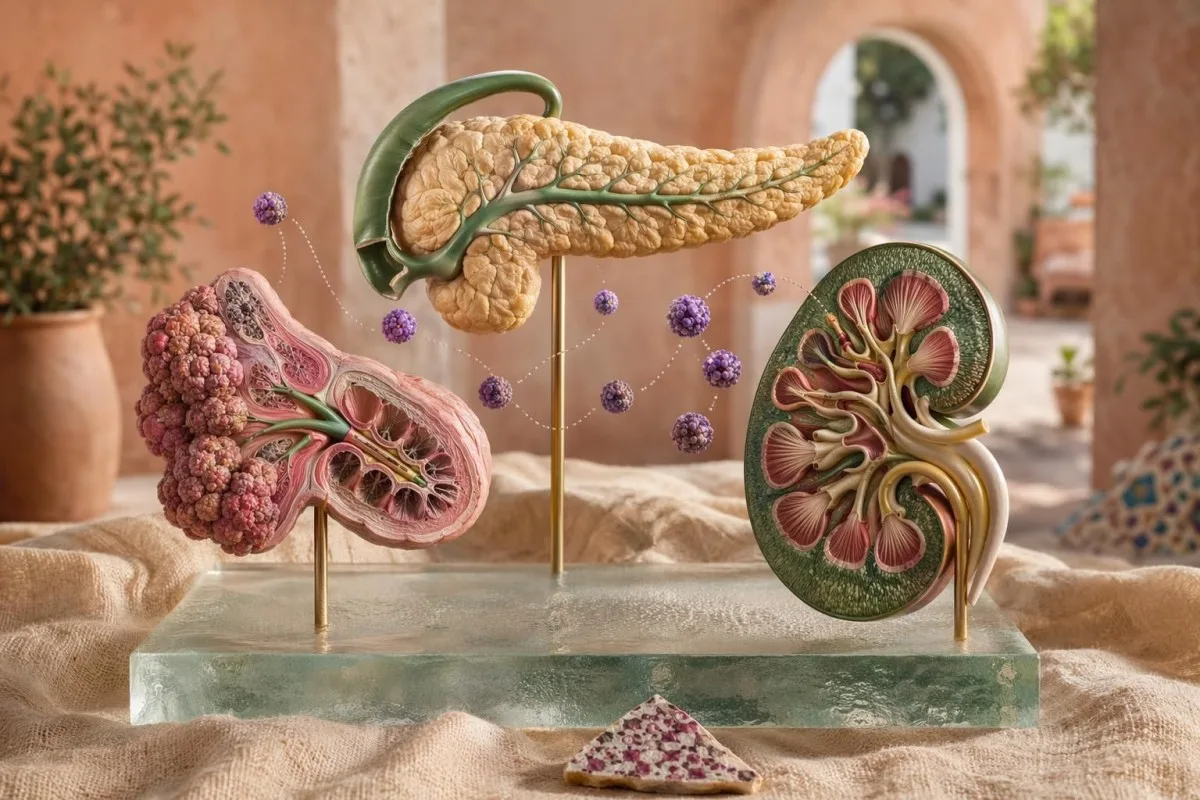
نتيجة الأميلاز المرتفعة ماشي دايمًا كتدل على التهاب البنكرياس. الدليل المفيد هو النمط: الليباز، الأعراض، وظائف الكلى، أميلاز البول، الأدوية والتوقيت.


- أسباب الأميلاز المرتفع كتشمل التهاب البنكرياس، تهيّج الغدد اللعابية، نقص تصفية الكلى، التهاب الأمعاء، الأدوية وماكروأميلاز.
- الأميلاز مرتفع والليباز طبيعي غالبًا كيشير بعيد على التهاب البنكرياس الحاد الكلاسيكي، خصوصًا إلا كان ألم البطن وما كايناش صور/تصوير.
- القلق من التهاب البنكرياس كيزيد إلا كان الأميلاز أو الليباز فوق 3 مرات الحدّ الأعلى ديال المختبر، وغالبًا تقريبًا فوق 300 وحدة/لتر ديال الأميلاز.
- تصفية الكلى كتهم حيث eGFR أقل من 60 مل/دقيقة/1.73 م² تقدر تبقي الأميلاز مرتفع حتى بلا أذية ديال البنكرياس.
- ماكروأميلاز كيدير أميلاز مرتفع فالسيروم مع ليباز طبيعي، أميلاز البول قليل ونسبة تصفية الأميلاز إلى الكرياتينين غالبًا كتكون أقل من 1%.
- دلائل الغدد اللعابية تضمّ تورّم الفكّ، جفاف الفم، شغل أسنان حديث، تقيّؤ، مرض شبيه بالنكاف أو أعراض من نوع Sjögren.
- أعراض ارتفاع الأميلاز التي تستدعي رعاية في نفس اليوم تشمل ألم شديد في الجزء العلوي من البطن، تقيّؤ مستمر، سخانة، اصفرار الجلد، إغماء أو تشوش.
- توقيت إعادة الفحص عادةً تكون 24-72 ساعة لحالة حادّة مشكوك فيها، أو 1-3 أسابيع لنتيجة خفيفة معزولة عند شخص بصحّة جيدة.
شنو غالبًا كتعني النتيجة المرتفعة ديال الأميلاز أولاً
أسباب الأميلاز المرتفع تشمل التهاب البنكرياس، أمراض الغدد اللعابية، انخفاض تصفية الكلى، macroamylase، تهيّج الأمعاء وتأثيرات الأدوية. وجود lipase طبيعي يجعل التهاب البنكرياس الحاد الكلاسيكي أقل احتمالاً، لكن ليس مستحيلاً. من تجربتي، أسرع تقسيم آمن هو: ألم شديد في الجزء العلوي من البطن مع مستويات إنزيمات تفوق 3 مرات الحدّ الأعلى هو أمر مستعجل؛ شخص بصحّة جيدة مع ارتفاع أميلاز معزول غالباً يحتاج لمراجعة النمط، لا للهلع.
ابتداءً من 28 يونيو 2026، أغلب مختبرات البالغين تبلغ أميلاز في المصل حوالي 30-110 U/L، رغم أنني ما زلت أرى حدوداً عليا من 90 إلى 125 U/L عبر البلدان. Kantesti هو محلل اختبار الدم بالذكاء الاصطناعي يقرأ الأميلاز إلى جانب lipase وcreatinine وeGFR وإنزيمات الكبد والأعراض بدل معالجة علامة حمراء واحدة كتشخيص؛ و الخاص بالواسمات الحيوية يشرح لماذا يهمّ هذا السياق.
أميلاز واحد فقط بــ 145 U/L عند شخص يتغذّى بشكل طبيعي ويدخل العيادة وهو مرتاح هو مشكل مختلف عن أميلاز بــ 780 U/L مع تقيّؤ وبطن علوي قاسٍ. Thomas Klein, MD، هنا: الحالة الأولى غالباً تنتهي إلى كونها لعابية أو مرتبطة بالكلى أو macroamylase؛ الحالة الثانية تُقيَّم لالتهاب البنكرياس، حصى المرارة والمضاعفات.
الفخّ الخفي هو التوقيت. يمكن أن يرتفع الأميلاز خلال 6-12 ساعة بعد تهيّج البنكرياس وغالباً يعود نحو المستوى الأساسي خلال 3-5 أيام، لذلك قد تبدو نتيجة تحليل دم متأخرة خفيفة بشكل مُضلِّ بينما تبقى القصة السريرية خطيرة.
إمتى الأميلاز المرتفع كيكون خطير؟
ارتفاع الأميلاز خطير عندما يقترن بأعراض شديدة، ضغط على الأعضاء أو مستويات تفوق حوالي 3 مرات الحدّ المرجعي الأعلى. إذا كان الحدّ الأعلى في المختبر هو 100 U/L، فإن نتيجة تتجاوز 300 U/L هي العتبة المعتادة التي تدفع الأطباء إلى التفكير بشكل فعّال في التهاب البنكرياس الحاد.
نتيجة بين 1 و2 مرات من الحدّ الأعلى شائعة وغالباً غير نوعية. بعض المختبرات الأوروبية تستعمل مجالاً مرجعياً أقل للأميلاز من مختبرات المملكة المتحدة أو الولايات المتحدة، لذلك قيمة 118 U/L قد تُعلَّم في نظام واحد وتكون طبيعية في نظام آخر.
Kantesti AI يربط ارتفاع الإنزيم بشدة النمط باستعمال قواعد مُراجَعة سريرياً، و التحقق السريري يَتعامل مع الأميلاز الذي يفوق 3 مرات الحدّ الأعلى بشكل مختلف جداً عن نتيجة حدّية معزولة. هذا التمييز يمنع نتيجتين سيئتين: تفويت التهاب البنكرياس و الإفراط في المعالجة الطبية لنمط macroamylase غير مؤذٍ.
الخطر كذلك يعتمد على الشركة التي يحافظ عليها الأميلاز. أميلاز 260 U/L مع بيليروبين 65 µmol/L وALP 280 U/L وألم في الربع العلوي الأيمن يوحي بمسار صفراوي-بنكرياسي؛ أميلاز 260 U/L مع eGFR 38 mL/min/1.73 m² وبدون ألم قد يعكس فقط انخفاض التصفية.
علامات ديال البنكرياس اللي كتشير لالتهاب البنكرياس الحاد
التهاب البنكرياس الحاد يُشتبه فيه عندما كاين على الأقل 2 من 3 علامات: ألم نموذجي فـالجزء العلوي من البطن، إنزيمات البنكرياس مرتفعة بأكثر من 3 مرات من الحد الأعلى الطبيعي، أو دليل فالتصوير. هاد إطار “2 من 3” جا من التصنيف الأطلنطي المُراجع (Banks et al., 2013).
نمط الألم مهم أكثر مما كيتوقع بزاف ديال المرضى. ألم البنكرياس الكلاسيكي هو ألم عميق فـالجزء العلوي من البطن وقد يمتد للظهر، وغالباً مع تقيؤ وعدم القدرة على تحمّل الأكل؛ دليلنا إلى خطر مرتفع ديال الليباز كيغطي الإنزيم المرافق بتفصيل أكثر.
الأميلاز المرتفع بأكثر من 3 مرات من الحد الأعلى الطبيعي عندو حساسية معقولة فالبداية، ولكن الليباز غالباً أكثر نوعية للإصابة فالبنكرياس وكيظل مرتفع مدة أطول. Forsmark وVege وWilcox شرحوا هاد مشكل التوقيت العملي فمراجعة فـNew England Journal of Medicine على التهاب البنكرياس الحاد (Forsmark et al., 2016).
كنقلق أبكر عندما كيجينا أميلاز مرتفع مع بيليروبين مرتفع، ALT مرتفع أكثر من 150 وحدة/لتر، براز فاتح، بول غامق أو حمى، حيث التهاب البنكرياس بسبب حصى المرارة ممكن يتطور بسرعة. مريض عندو ALT 212 وحدة/لتر، أميلاز 640 وحدة/لتر وبطن علوي مؤلم عند اللمس ماشي حالة ديال “نستناو ونشوفو”.
لماذا يمكن أن يكون الأميلاز مرتفعًا عندما يكون الليباز طبيعيًا
الأميلاز مرتفع والليباز طبيعي غالباً كيعني أن مصدر الأميلاز ممكن يكون غير بنكرياسي، أن نافذة التهاب البنكرياس تعدّت، أو أن النتيجة كتعبّر عن تصفية (clearance) ماشي عن إطلاق إنزيم جديد. الليباز الطبيعي ما كيمسحش الأعراض، ولكن كيتبدّل بقوة خريطة الاحتمالات.
الليباز كيميل أكثر للبنكرياس من الأميلاز، بينما الأميلاز كيجي من نظائر إنزيمية بنكرياسية ولعابية. إلا بغيت الخلاف المختبري الأعمق، ديالنا نسبة الأميلاز-الليباز المقال كيشّرح علاش جوج الإنزيمات ممكن يتحركو فجهات مختلفة.
كانتيستي هو خدمة تفسير تحاليل مختبر الذكاء الاصطناعي اللي كيعامل الليباز الطبيعي كمُعدّل لاحتمال، ماشي كإلغاء. ليباز 28 وحدة/لتر مع أميلاز 210 وحدة/لتر، eGFR 92 وتورّم فالفك كيتقرأ بشكل مختلف بزاف من ليباز 28 وحدة/لتر، أميلاز 210 وحدة/لتر و14 ساعة ديال ألم شديد فـالمنطقة الشرسوفية.
Yadav وAgarwal وPitchumoni دافعو فـAmerican Journal of Gastroenterology أن التحاليل المخبرية ديال التهاب البنكرياس الحاد خاصها تتفسّر على ضوء التوقيت والعرض السريري، ماشي بوحدها (Yadav et al., 2002). وهاد الشي مازال كيتطابق مع اللي كنشوف: المريض، ماشي الإنزيم، هو اللي كيعطي الإنذار.
أسباب ديال الغدد اللعابية اللي الأطباء كيتفوتو عليها بزاف
أميلاز الغدد اللعابية يقدر يرفع الأميلاز الكلي فمصل الدم حتى إلا كانت البنكرياس ساكتة. انتفاخ فالفك، ألم مع المضغ، جفاف الفم، تقيؤ حديث، عدوى سنّية، أو مرض بحال النكاف هي العلامات اللي كنطلب عليهم بنشاط.
تقريباً 50-70% من نشاط الأميلاز الكلي فمصل الدم يقدر يجي من الأيزوأميلاز من نوع لعابي، حسب الفحص والشخص. لهذاك الليباز طبيعي مع حساسية فالخدّين كيدير ليا نركز فوق الرقبة، ماشي مباشرة على البنكرياس.
قصة جد شائعة هي مريض دار له علاج أسنان، ومن بعد بعد يومين طلع ارتفاع خفيف فالأميلاز. بالنسبة لأنماط التحاليل ديال الفم والفك، مقالنا على تحاليل مشاكل الأسنان كيعطي لائحة تدقيق مفيدة قبل ما حد يطلب تصوير بطني.
الأكل يقدر يحفّز إفراز اللعاب بشكل مؤقت، ولكن عادة ما ينبغيّش يرفع الأميلاز فمصل الدم بزاف. أميلاز مستمر بنمط لعابي كيكون أقوى دليل ملي كيبان مع عيون جافة، فم جاف، انتفاخ متكرر فالغدة النكافية، أو مؤشرات التهابية بحال CRP فوق 10 mg/L.
تصفية الكلى تقدر تخلي الأميلاز يبان مقلق بلا سبب
نقص وظيفة الكلى يقدر يرفع الأميلاز حيث الكلى كيساعدو على تصفية الإنزيم من الدوران. عملياً، eGFR تحت 60 mL/min/1.73 m² يقدر يحوّل ارتفاع بسيط فالأميلاز لمشكل تصفية، ماشي تشخيص ديال البنكرياس.
ملي كنشوف أميلاز بين 180-300 U/L مع كرياتينين 150 µmol/L أو eGFR 42، كنهدّي النقاش. الارتفاع المرتبط بالكلى غالباً كيكون خفيف إلى متوسط، غالباً أقل من 3 مرات من الحد الأعلى، وقد يستمر لأسابيع إلا كانت وظيفة الكلى مستقرة.
هنا كيبان دور لوحة الكلى. المرضى فالمملكة المتحدة ممكن يشوفو اليوريا والشوارد بدل BUN، لذلك دليلنا على U&E كيساعد يترجم الجانب ديال الكلى فالتقرير.
نسبة تصفية الأميلاز إلى الكرياتينين اختبار متخصص ولكن مفيد ملي كيتوقعو macroamylase أو لخبطة فالتصفية. بالنسبة لحسابات الكلى، دليل نسبة BUN/الكرياتينين كيعطي رفيق مزيان، خصوصاً ملي الجفاف كيرفع اليوريا ولكن eGFR باقي قريب من المستوى الأساسي.
ماكروأميلاز: النمط الحميد اللي كيدير القلق
ماكروأميلاز هو مركب كبير ديال الأميلاز-غلوبولين مناعي كيبقى فالدّم حيث كبر بزاف باش يعدّي بسهولة للبول. النمط الكلاسيكي هو أميلاز مرتفع فمصل الدم، ليباز طبيعي، أميلاز بولي منخفض، ونسبة تصفية الأميلاز إلى الكرياتينين أقل من 1%.
Macroamylase نادر، ولكن ماشي نادر لدرجة نهملوه؛ الدراسات القديمة وسلاسل المختبرات غالباً كتحطّه حوالي 1% من حالات فرط أميلازيميا غير مفسّرة. المريض غالباً حالتو مزيانة، والأميلاز يقدر يبقى بين 150-600 U/L لعدة أشهر بلا ما يطابق الأعراض.
Kantesti AI كينبّه لهذا الاحتمال ملي الأميلاز فمصل الدم كيبقى مرتفع عبر تحاليل متكررة ولكن الليباز وCRP والبيليروبين و eGFR ما كيدعموش مرض بنكرياسي. بزاف ديال المرضى كيلاحظو النمط أول مرة وهم كيحاولو يفهمو نتائج التحاليل قبل موعدهم، وهو بالضبط الوقت اللي كاين فيه الطمأنة مع خطة كتعاون.
الاختبار العملي ماشي غير تحليل الأميلاز العشوائي بوحدو. سول طبيبك واش الأميلاز فالبول، أو أميلاز إيزوينزيمز، أو ترسيب باستعمال البولي إيثيلين غليكول، ولا نسبة تصفية الأميلاز إلى الكرياتينين متوفرة محلياً.
الأدوية، الإجراءات والمحرضات الاستقلابية
أميلاز مرتفع مرتبط بالأدوية ممكن يوقع مع أدوية اللي كتهيج البنكرياس، كتبدل جريان اللعاب، ولا كتبدل طريقة تعامل الكلي مع المواد. النمط كيولي أكثر مقلق إلا بدات الأعراض داخل أيام لأسابيع من دواء جديد وارتفعت الإنزيمات لأكثر من 3 مرات الحد الأعلى للمعدل.
الأدوية اللي كترتبط بالتهاب البنكرياس فحالات منشورة أو فالممارسة السريرية كتضمن: آزاثيوبرين، فالبروات، ديدانوسين، بعض المدرّات، ناهضات مستقبل GLP-1، التتراسيكلينات، وكورتيكوستيرويدات بجرعات عالية. قوة الدليل كتختلف بزاف؛ ما نوقفش دواء مفيد غير بسبب الأميلاز بوحدو إلا كان المشهد السريري كيتماشى.
الإجراءات كذلك مهمة. ERCP تقدر ترفع إنزيمات البنكرياس، وبعد إجراءات على البطن ممكن ارتفاع خفيف ومؤقت فالأميلاز يعكس التعامل، التوتر، أو تهيج محلي، ماشي بالضرورة مرض مزمن جديد.
المحفزات الأيضية الخفية هي: ثلاثي الغليسيريد فوق 1,000 mg/dL، الكالسيوم واضح فوق مجال التحليل، وتعرض قوي وكثير للكحول فالأيام الأخيرة. إلا كان التوقيت كيتماشى مع وصفة جديدة، دليلنا مراقبة الدواء يقدر يساعدك تجهز خط زمني واضح لطبيبك.
الأمعاء، المرارة وأخرى ديال البطن اللي كتعطي دلائل
مرض بطني غير متعلق بالبنكرياس يقدر يرفع الأميلاز حيث الأمعاء اللي كاتتهيج، أو أمراض المرارة/القنوات الصفراوية، أو توتر النسيج القريب كيسرب إنزيمات أو كينشط مسارات التهابية. هاد الحالات غالباً كيبانو من خلال تغييرات فالبراز، الحمى، أعراض الانسداد، أو تحاليل كبد غير طبيعية.
الحصا فـالمرارة تقدر تسبّب التهاب بنكرياس حقيقي، ولكن تقدر كذلك تخلق صورة صفراوية قبل ما الإنزيمات يبان عليهم ارتفاع كبير. براز فاتح، بول غامق، وبيليروبين فوق 34 µmol/L كخلّيني نفكر فحركة/جريان الصفراء، ماشي غير خلايا البنكرياس.
انسداد الأمعاء، الانثقاب، الإقفار (نقص التروية)، والتهاب معدة وأمعاء شديد أسباب أقل شيوعاً لارتفاع الأميلاز، ولكن كاينين مهمين حيث المريض غالباً كيبان عليه أسوأ من اللي كيوحي به رقم الأميلاز. فهاد الحالات، اللاكتات، عدد كريات الدم البيضاء، CRP، والتصوير الطبي ممكن يكونوا أكثر حسم من إعادة الأميلاز ثلاث مرات.
التهاب البنكرياس بسبب ثلاثي الغليسيريد هو فخ خاص، حيث ثلاثي الغليسيريد بزاف بزاف كيقدر يتدخل مع بعض الفحوصات وكيعكّر تفسير الإنزيمات. دليلنا ديال أسباب ثلاثي الغليسيريد المرتفع يستاهل يتقرأ إلا كان ثلاثي الغليسيريد فوق 500 mg/dL، وعاجل إلا كان قريب من 1,000 mg/dL أو فوقه.
أعراض الأميلاز المرتفع اللي ما خاصهاش تنتظر
أعراض ارتفاع الأميلاز اللي كيتطلب رعاية عاجلة كيشمل: ألم شديد ففوق البطن، تقيؤ مستمر، حمى، إغماء، اصفرار، تشوش، أو نبض/سرعة قلب. رقم التحليل بوحدو نادراً ما كيكون حالة طارئة؛ شخص مريض مع هاد التحليل ممكن يكون.
اتصل بخدمات الطوارئ أو دير تقييم فـنفس اليوم إلا كان الألم شديد، مستمر، كيمتد للظهر، أو كيجيو مع تقيؤ متكرر. الجفاف يقدر يبان داخل 12-24 ساعة، والكرياتينين يقدر يرتفع قبل ما المريض يدرك شحال هو ناشف.
كنأخذ كذلك بعين الاعتبار الحمى، انخفاض ضغط الدم، التشوش، ونسبة الأكسجين اللي تحت 94% بجدية، حيث هاد الشي كيشير لمرض عام فالجسم، ماشي غير تحليل ديال البنكرياس. إلا كان كاين احتمال عدوى أو صدمة، دليلنا مؤشرات الإنتان (sepsis marker guide) كيشرح علاش اللاكتات، CBC و CRP كيتبدلو فمستوى القلق.
Thomas Klein, MD، قاعدة ذهبية سريرية: إلا ما قدرتش تبقى على السوائل، ما قدرتش تقف مستقيم بسبب ألم فالبطن، ولا باين عليك رمادي وبارد/مبلل من العرق، ما تنتظرش لإعادة تحليل الدم. هاد الشي مشكل ديال الفحص والتصوير.
شنو التحاليل ديال المتابعة اللي كيوضحوا المصدر؟
تحاليل المتابعة لارتفاع الأميلاز عادةً كتشمل: الليباز، الكرياتينين/eGFR، إنزيمات الكبد، البيليروبين، CRP، تعداد الدم الكامل، وأحياناً أميلاز فالبول أو أميلاز إيزوينزيمز. التصوير كيتختار حسب القصة، ماشي كيتطلب تلقائياً لكل ارتفاع خفيف.
إلا كان كاين شك فالتهاب البنكرياس، الأطباء غالباً كيديرو فحوصات ديال الليباز، ALT، AST، ALP، GGT، البيليروبين، الكالسيوم، الترايغليسيريدات، اليوريا، الكرياتينين، الشوارد و CRP. CRP اللي فوق 150 mg/L بعد 48 ساعة ممكن يشير لالتهاب بنكرياس أشد، ولكن ماشي أداة فرز مبكّر مثالية.
الإيكوغرافيا كتستعمل غالباً إلا كان ممكن تكون حصى فالمَرارة، بينما CT غالباً كيتحفظ للحالات اللي فيها عدم يقين تشخيصي أو مضاعفات مشتبهة من بعد المرحلة الأولى. سكانير CT فـأول 24 ساعة ممكن يبان مطمئن بشكل خاطئ فبعض حالات التهاب البنكرياس، لذلك التوقيت مهم.
قبل الموعد، كنطلب من المرضى يكتبوا توقيت الألم، الوجبات، الكحول، التقيؤ، الأدوية الجديدة ونتائج الإنزيمات السابقة. قائمة فحص زيارة الطبيب كيتفادى المشكل الشائع ديال تذكر رقم الأميلاز ولكن نسيان الحدث اللي تسبب فيه.
كيفاش التفسير بالاعتماد على النمط كيتفادى الإنذارات الكاذبة
تفسير مبني على الأنماط كيفصل النتائج اللي مستعجلة ومرتفعة ديال الأميلاز عن الأنماط الحميدة ولا المزمنة، عبر جمع ارتفاع الإنزيم، الليباز، وظائف الكلى، فحوصات الكبد، مؤشرات الالتهاب وتوقيت الأعراض. ما كاينش أي نظام مسؤول خاصو يشخّص التهاب البنكرياس اعتماداً على الأميلاز بوحدو.
كانتيستي هو أداة تحليل ديال تحاليل الدم مدعومة بالذكاء الاصطناعي كيتستعمل من طرف الناس فبلدان 127+، وفريقنا الطبي كيدرب النظام باش يتعرف على الخلاف بين الأميلاز والليباز. المنطق بسيط طبياً ولكن صعيب يتدار يدوياً على نطاق واسع: إنزيم واحد غير طبيعي غير كيعطي إشارة، ماشي حكم نهائي.
شبكة Kantesti العصبية كتقارن الأميلاز مع أكثر من طبقة سياق، بما فيها واش eGFR تحت 60، واش البيليروبين مرتفع، واش CRP فوق 10 mg/L، وواش النتائج السابقة كاتبين خط أساس شخصي ثابت. المنهجية الأساسية موصوفة فـ دليل تقنية الذكاء الاصطناعي.
هذا ماشي بديل عن الرعاية العاجلة. هو عدسة ديال الفرز: أميلاز مرتفع مع أعراض شديدة كيعطي رسالة “إنذار”، بينما أميلاز معزول مستمر مع ليباز طبيعي وأميلاز بولي منخفض كيعطي تنبيه “macroamylase” باش يتناقش مع طبيب.
شنو تدير قبل ما تعاود تكرر تحليل الأميلاز
توقيت إعادة فحص الأميلاز كيعتمد على الخطورة: نفس اليوم إلا كانت الأعراض شديدة، 24-72 ساعة إلا كانت الحالة الحادة غير مؤكدة، و1-3 أسابيع إلا كانت النتيجة خفيفة ومعزولة فشخص ماشي مريض. إعادة الفحص بسرعة بزاف كتخلق ضجيج بلا ما تبدّل القرارات.
قبل إعادة فحص غير مستعجلة، تجنب الكحول بكثرة، التمرين المكثف بشكل غير عادي والمكملات غير الضرورية لمدة 48-72 ساعة إلا كان طبيبك موافق. ما توقفش الأدوية الموصوفة بوحدك؛ إيقاف آزاثيوبرين، فالبروات ولا دواء ديال السكري بشكل مفاجئ ممكن يكون أخطر من نتيجة الإنزيم.
جيب التقرير السابق، المجال المرجعي والوحدات. الأميلاز اللي كيتكتب بوحدات U/L ما يمكنش تقارنو بسهولة بين طرق تحاليل مختلفة، والتحول من 105 إلى 135 U/L ممكن يكون مجرد اختلاف مخبري إذا كان الحد الأعلى تبدّل من 125 إلى 100 U/L.
الترند هو أهدأ أستاذ. إلا كان الأميلاز ديالك 180 و176 و190 U/L على مدى ستة أشهر مع ليباز طبيعي، ماشي كيتصرف بحال التهاب بنكرياس حاد؛ دليل تحليل الاتجاهات كشرح كيفاش كتكتشف هاد النوع ديال نمط ثابت.
الخلاصة للمرضى وللأطباء
الأميلاز المرتفع غير كيعطي إشارة، ماشي تشخيص. التفسير الأكثر أماناً كيفصل أنماط الطوارئ ديال البنكرياس عن أنماط اللعاب، الكلى، الأدوية وmacroamylase باستعمال الأعراض، الليباز، eGFR، فحوصات الكبد وسلوك إعادة الفحص.
فـKantesti AI، موقفنا السريري متعمّد يكون محافظ: الأعراض الشديدة كتغلب على الأجزاء اللي كتطمّن، والأنماط ديال الإنزيم المعزول الثابت كتستاهل متابعة مدروسة بدل الخوف. الأطباء والمستشارين ديالنا مذكورين فـ المجلس الاستشاري الطبي الصفحة للقراء اللي باغيين يعرفوا شكون كيراجع منطقنا الطبي.
Thomas Klein, MD: أكثر خطأ قابل نتفاداه كنشوفه هو نفترض أن كل أميلاز مرتفع كيعني ضرر فالبنكرياس. ثاني خطأ هو العكس — تجاهل ألم بطني شديد حيث الليباز كان طبيعي فذاك الوقت.
إلا بغيتي تتذكر رقم واحد، تذكر 3 مرات الحد الأعلى. إلا بغيتي تتذكر نمط واحد، تذكر: أميلاز مرتفع + ليباز طبيعي + أميلاز بولي منخفض + ما كايناش أعراض كيشير بقوة لـmacroamylase ولا أسباب غير بنكرياسية، بينما الألم، التقيؤ واليرقان خاصهم تقييم طبي عاجل. تقدر تقرا أكثر على منظمتنا والحكامة ديالنا فـ معلومات عنا.
الأسئلة الشائعة
ما هي أكثر الأسباب شيوعًا لارتفاع الأميلاز؟
أشيع الأسباب ديال ارتفاع الأميلاز هي التهاب البنكرياس الحاد، تهيّج الغدد اللعابية، نقص تصفية الكلى، الماكروأميلاز، تأثيرات الأدوية، وحالات بطنية بحال أمراض المرارة أو الأمعاء. المدى المرجعي المعتاد للبالغين هو حوالي 30-110 وحدة/لتر، ولكن المختبرات كتختلف. القيم اللي فوق 3 مرات من الحد الأعلى، وغالباً فوق حوالي 300 وحدة/لتر، كتكون أكثر مقلقة إلا كان كاين توافق مع الأعراض ديال التهاب البنكرياس.
هل ارتفاع الأميلاز خطير إذا كانت الليباز طبيعية؟
ارتفاع الأميلاز مع ليباز طبيعي غالبًا يكون أقل خطورة من ارتفاع كلا الإنزيمين، لكن الأعراض هي اللي كتحدد مدى الاستعجال. ليباز طبيعي كيخلّي التهاب البنكرياس الحاد الكلاسيكي أقل احتمالًا، خصوصًا إلا ماكانش ألم قوي فالمعدة من الفوق أو قيء. ارتفاع خفيف ومُنعزل فالأميلاز (أقل من مرتين من الحد الأعلى) غالبًا كيدفع لإعادة التحليل، مراجعة الكِلى، واعتبار أسباب من قبيل الأميلاز اللعابي أو الأميلاز الكبير (macroamylase).
شنو معنى ارتفاع الأميلاز وبقاء الليباز طبيعي؟
ارتفاع الأميلاز مع ليباز طبيعي يعني أن نمط الإنزيمات قد يكون قادمًا من خارج البنكرياس، مثل الغدد اللعابية، أو تصفية الكلى، أو الماكروأميلاز. كما يمكن أن يحدث ذلك إذا تم أخذ تحليل الدم في وقت متأخر بعد نوبة، لأن الأميلاز غالبًا ينخفض خلال 3-5 أيام. إذا كانت الآلام شديدة أو مستمرة، فإن الليباز الطبيعي لا يلغي الحاجة إلى تقييم سريري.
شنو هي الأعراض اللي كتحتاج رعاية عاجلة ملي كاين ارتفاع فالأميلاز؟
ارتفاع الأميلاز بشكل كبير يستدعي عناية عاجلة عندما يحدث مع ألم شديد في الجزء العلوي من البطن، تقيؤ متكرر، حمى، اصفرار الجلد أو العينين، إغماء، تشوش، تسارع نبضات القلب أو انخفاض ضغط الدم. قد تشير هذه الأعراض إلى التهاب البنكرياس، انسداد بسبب حصاة في المرارة، الجفاف أو مرض عام بالجسم. يجب تقييم نتيجة تفوق الحد الأعلى بثلاث مرات أو أكثر مع ألم نموذجي بشكل عاجل.
هل يمكن أن تؤدي مشاكل الكلى إلى ارتفاع الأميلاز؟
نعم، مشاكل الكلى يمكن أن ترفع الأميلاز حيث إن الكلى تساعد على تصفية الأميلاز من الدورة الدموية. إن كانت قيمة eGFR أقل من 60 مل/دقيقة/1.73 م² فقد تسبب ارتفاعًا خفيفًا إلى متوسط في الأميلاز دون حدوث أذى جديد في البنكرياس. في هذا النمط، تكون الكرياتينين واليوريا أو BUN ونتائج تحليل البول ونتائج الكلى السابقة غالبًا أكثر فائدة من إعادة قياس الأميلاز وحده.
كيف يتم تشخيص الماكروأميلاز؟
يُشتبه في الماكروأميلاز عندما يبقى الأميلاز في الدم مرتفعًا بينما لا تدعم الليباز والأعراض والفحوصات التصويرية وجود التهاب البنكرياس. العلامة الكلاسيكية هي انخفاض الأميلاز في البول مع نسبة تصفية الأميلاز إلى الكرياتينين أقل من 1%. بعض المختبرات تؤكد ذلك عبر أيزوأنزيمات الأميلاز أو اختبار الترسيب بالبوليثيليين غليكول.
بعد كم من الوقت يجب أن أكرر تحليل الأميلاز المرتفع؟
تكرار التوقيت كيتحدد حسب الصورة السريرية. الأعراض الشديدة كتحتاج رعاية فنهار نفس اليوم بدل تكرار روتيني، بينما الحالة الحادة اللي مازال فيها الشك غالباً كتتراجع داخل 24-72 ساعة. بالنسبة لشخص سليم وماعندو غير ارتفاع خفيف ومحدود، يقدر بشكل معقول يعاود تحليل الأميلاز مع الليباز، الكرياتينين/eGFR والاختبارات ديال الكبد فـ 1-3 أسابيع إلا كان الطبيب ديالو موافق.
واش ناخد مكملات الإنزيمات الهاضمة باش ننقص مستوى الأميلاز طالع؟
لا. هاد المكملات ما تعالجش مستوى الأميلاز المرتفع في الدم؛ كتعوض إنزيمات البنكرياس لعدم كفايته الموثق، ماشي باش تعاود لواحد النتيجة مختبرية غير مفسرة. سأل طبيبك قبل ما تبداها.
هل خاصني نْفحص أفراد عائلتي إلا كان عندي ماكروأميلاز؟
غالباً لا. ماكروأميلاز عادةً كيبان كحالة/نتيجة خاصة بمختبر معيّن أكثر من كونها حالة كتحتاج فحص شامل للعائلة؛ ومن بعد ما كتتأكد عند شخص بلا أعراض مقلقة، توثيقها كيقدر يمنع تكرار الفحوصات بلا داع أو تقييمات طارئة غير ضرورية.
احصل على تحليل الدم بالذكاء الاصطناعي اليوم
انضم إلى أكثر من 2 مليون مستخدم عالمي يثقون في Kantesti لتحليل فوري ودقيق لنتائج التحاليل المخبرية. ارفع نتائج تحليل الدم الخاصة بك واحصل على تفسير شامل لـ 15,000+ للـ biomarkers في ثوانٍ.
📚 أبحاث منشورة مُشار إليها
Klein, T., Mitchell, S., & Weber, H. (2026). دليل تحليل الدم المكمل C3 وC4 وقياس عيار ANA. Kantesti بحث طبي بالذكاء الاصطناعي.
Klein, T., Mitchell, S., & Weber, H. (2026). اختبار الدم لفيروس نيباه: دليل الكشف المبكر والتشخيص 2026. Kantesti بحث طبي بالذكاء الاصطناعي.
📖 مراجع طبية خارجية
Yadav D وآخرون (2002). تقييم حاسم للاختبارات المخبرية في التهاب البنكرياس الحاد. المجلة الأمريكية لأمراض الجهاز الهضمي.
⚕️ إخلاء مسؤولية طبية
هذه المقالة لأغراض تعليمية فقط ولا تشكل نصيحة طبية. استشر دائمًا مقدم رعاية صحية مؤهلًا لاتخاذ قرارات التشخيص والعلاج.
إشارات الثقة E-E-A-T
خبرة
مراجعة سريرية يقودها الأطباء لسير عمل تفسير التحاليل.
خبرة
تركيز طب المختبر على كيفية سلوك الـ biomarkers في السياق السريري.
السلطة
مكتوب من طرف الدكتور Thomas Klein مع مراجعة من طرف الدكتورة Sarah Mitchell والأستاذ الدكتور Hans Weber.
الجدارة بالثقة
تفسير قائم على الأدلة مع مسارات متابعة واضحة لتقليل الإنذار.