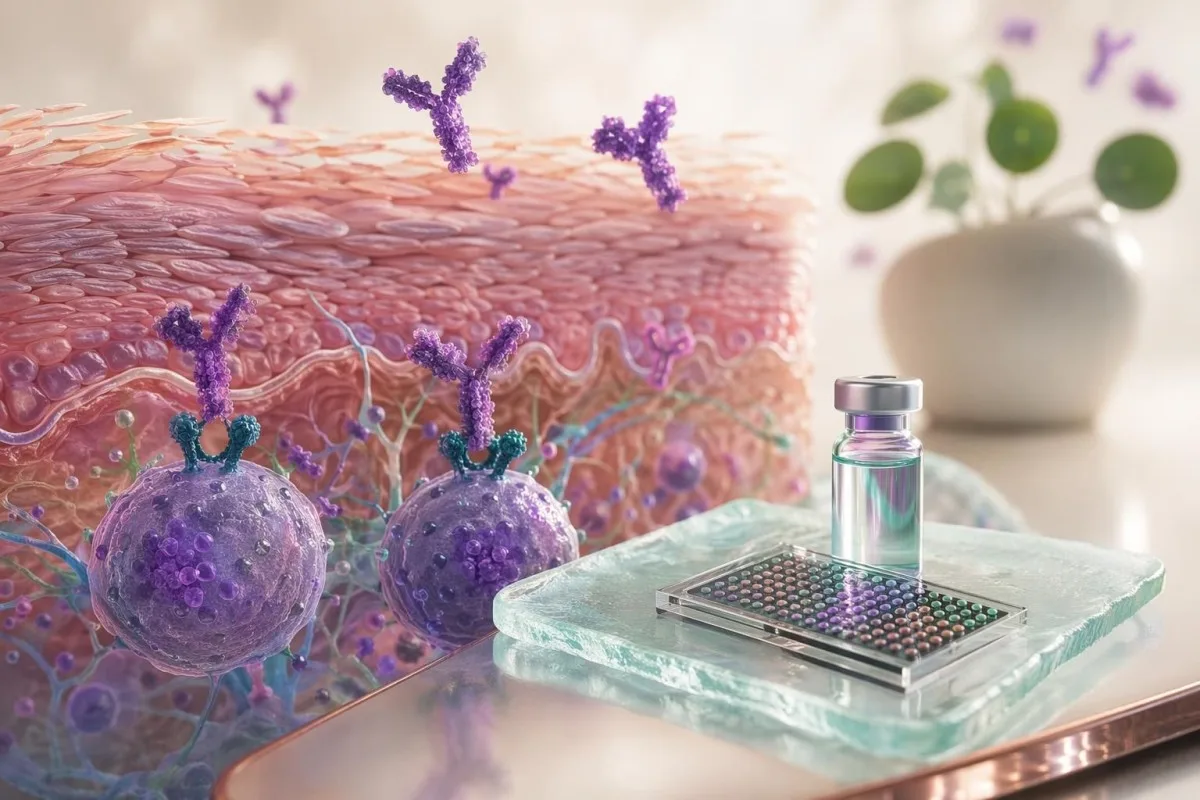
የIgE ምርመራ በኤክማ ውስጥ ጠቃሚ ሊሆን ይችላል፣ ግን ውጤቱ ከታሪኩ ጋር ሲስማማ ብቻ ነው። በጣም ደህና የሆነ ትርጓሜ ምልክቶችን፣ ጊዜን፣ የምርመራውን ጥንካሬ፣ ዕድሜን፣ የአመጋገብ አደጋን እና የቆዳ መከላከያ ቁጥጥርን ያጣምራል።.


- የIgE የደም ምርመራ ውጤቶቹ አለርጂያዊ ስሜትን (allergic sensitization) ያሳያሉ፤ የተወሰነ IgE 0.35 kUA/L ወይም ከዚያ በላይ መሆኑ ምግብ ወይም አቧራ ኤክማን እያባባሰ እንደሆነ አያረጋግጥም።.
- የምግብ ጊዜ ጉዳዩ ይህ ነው፦ በ5 ደቂቃ እስከ 2 ሰዓት ውስጥ የሚከሰቱ ሽፍታዎች (hives)፣ ማስታወክ፣ መተንፈስ መቸገር (wheeze) ወይም መንፋት (swelling) ከ24 ሰዓት በኋላ የሚመጣ ደረቅ የኤክማ መባባስ ይልቅ በIgE-መነሻ አለርጂ የተሻለ ይመጣል።.
- አጠቃላይ IgE ብዙ ጊዜ በአቶፒክ ደርማቲቲስ (atopic dermatitis) ከፍተኛ ነው፤ የአዋቂ መመሪያ ክልሎች ብዙ ጊዜ ከ100-150 kU/L በታች ይቀመጣሉ፣ ነገር ግን ከባድ ኤክማ ደረጃዎችን ወደ ሺዎች ሊገፋ ይችላል።.
- ሰፊ የምግብ ፓነሎች ታሪኩ ደካማ ሲሆን የሐሰት ማንቂያዎችን ይፈጥራሉ፤ 20 ምግቦችን መመርመር በቀላሉ በክሊኒካዊ ትርጉም የሌላቸው ብዙ አዎንታዊ ውጤቶችን ሊያመጣ ይችላል።.
- የማስወገጃ አመጋገቦች ብዙ ጊዜ አጭር፣ ተኮር እና በባለሙያ ክትትል ሊደረግ ይገባል፤ ወተት፣ እንቁላል ወይም ስንዴን ከ2-4 ሳምንት በላይ ማስወገድ በልጆች ላይ እድገት ወይም አመጋገብ ላይ ጉዳት ሊያደርስ ይችላል።.
- የአካባቢ IgE ለአቧራ ንክሻ (dust mite)፣ አበባ ወለላ (pollen)፣ እርጥበት እና ፈንገስ (mould) ወይም እንስሳት መጋለጥ እቅድ ለመዘጋጀት ሊረዳ ይችላል፣ ነገር ግን አዎንታዊ ውጤት ከመጋለጥ በኋላ ቆዳው እንደሚበራ በግልጽ አያረጋግጥም።.
- የአፍ የምግብ ፈተና ታሪክ እና IgE ውጤቶች እርስ በርስ ሲለያዩ የምግብ አለርጂ ለማረጋገጥ ወርቃማው መስፈርት ነው፣ እናም በተቆጣጣሪ የክሊኒክ አካባቢ መከናወን አለበት።.
- ካንቴስቲ AI በተመሳሳይ ሪፖርት ውስጥ ክፍሎችን፣ የማጣቀሻ ክልሎችን፣ የጊዜ ፍንጮችን፣ ኢኦሲኖፊሎችን፣ አጠቃላይ IgEን እና የአመጋገብ-አደጋ አውድን በመመርመር የIgE ውጤቶችን ለመተርጎም ይረዳል።.
የIgE የደም ምርመራ ለኤክማ ታካሚ ሲረዳ
አንድ የIgE የደም ምርመራ ምልክቶቹ ወዲያውኑ አለርጂ የሚጠቁሙ ሲሆኑ ለኤክዜማ በሽተኞች ይረዳል፣ ኤክዜማ ብቻ እንደማይታረም ግትር ሆኖ ሲቆይ ግን አይደለም። እኔ ይህን እጠይቃለሁ ወይም እተረጉማለሁ ምግብ፣ እንስሳ ፣ የአበባ ወቅት ወይም የአቧራ መጋለጥ በተደጋጋሚ ከግምት ውስጥ በግምት 2 ሰዓት ውስጥ ሽፍታ (hives)፣ ከንፈር መወፈር (lip swelling)፣ ማስታወክ (vomiting)፣ የሳንባ መጮህ (wheeze) ወይም የተለየ የማሳከክ መበራት (sharp itch flare) ሲያስከትል፤; ካንቴስቲ AI በእነዚህ የላቦራቶሪ ፍንጮች ከምልክቶች ጋር በጎን በማደራጀት ለማድረግ በአመጋገብ ለውጥ ከመወሰናቸው በፊት ሊረዳ ይችላል።.
የሚለው ቃል የኤክዜማ አለርጂ የደም ምርመራ ሊያሳሳት ይችላል ምክንያቱም ኤክዜማ አንድ የበሽታ መንገድ አይደለም። አቶፒክ ደርማቲቲስ (atopic dermatitis) የቆዳ መከላከያ ድክመት፣ የኢሚዩን ምልክት መላክ፣ ማይክሮቦች፣ መቧጠጥ (scratching)፣ የአየር ሁኔታ (climate)፣ አስተናጋጅ ነገሮች (irritants)፣ ጭንቀት (stress) እና አንዳንዴም እውነተኛ በIgE መካከል የሚከሰት አለርጂ ያካትታል።.
በክሊኒካዊ ስራዬ ውስጥ ጠቃሚ የሚሆኑ ጉዳዮች ብዙውን ጊዜ ንድፍ አላቸው፦ አንድ ትንሽ ልጅ የተቀቀለ እንቁላል (scrambled egg) ሲበላ በ15 ደቂቃ ውስጥ ሽፍታ ይወጣል፣ ወይም እጅ ኤክዜማ ያለው አዋቂ በእያንዳንዱ ጊዜ አቧራማ መዝገብ (dusty archive) ሲያጸዳ የኤክዜማ መበራት ይከሰታል። ለIgE ምን ሊመረመር እንደሚችል እና ምን እንደማይችል ለበለጠ ማብራሪያ ይመልከቱ የእኛን የአለርጂ የደም ምርመራ መመሪያ.
የምግብ ወይም የአካባቢ IgE ውጤት የማስቀረት ዝርዝር (trigger list) አይደለም። ውጤቱ አንድ የመረጃ ነጥብ ነው፣ እና ተግባራዊው ጥያቄ መጋለጥ፣ ጊዜ፣ ምልክቶች እና የምርመራው ጥንካሬ ሁሉም ወደ አንድ አቅጣጫ የሚጠቁሙ መሆኑ ነው።.
ከግንቦት 15 ቀን 2026 ጀምሮ የእኔ ቀዳሚ ምክር ጥንቃቄ ነው፦ የተጠረጠሩ አለርጂዎችን በትንሹ ይመርምሩ፣ 3-5 የተጨባጭ የቀን-ቀን መጋለጦችን ይመዝግቡ፣ እና ላቦራቶሪ ፓነሉ አዎንታዊ አትሞ ስለወጣ ብቻ ተቀባይነት ያላቸውን ምግቦች እንዲያስወግዱ አይመከርም።.
IgE በደም ውስጥ ትክክል ምን ይለካል
አንድ የIgE የደም ምርመራ ወይ አጠቃላይ IgE ይለካል ወይም በሴረም ውስጥ የሚዘዋወሩ የአለርጂ-ተኮር IgE አንቲቦዲዎችን ይለካል። የተለየ IgE ውጤት ከ 0.35 kUA/L ወይም ከዚያ በላይ ብዙውን ጊዜ ስሜት መነሳት (sensitization) ይጠቁማል፣ ነገር ግን እውነተኛ የክሊኒክ አለርጂ ምልክቶቹ ከመጋለጥ በኋላ መመጣጠን አለባቸው።.
አጠቃላይ IgE ሰፊ የኢሚዩን ማሳያ ነው፣ ብዙ ጊዜ በ kU/L ወይም IU/mL. ይታተማል። ብዙ ላቦራቶሪዎች የአዋቂ ከፍተኛ የማጣቀሻ ገደብ በግምት እንደ 100-150 kU/L, ይጠቀማሉ፣ ነገር ግን ልጆች፣ የኤክዜማ ከባድነት፣ የተውሳክ መጋለጥ (parasite exposure)፣ ማጨስ (smoking) እና የምርመራ ዘዴ (assay choice) የሚጠበቀውን ክልል ሊያስተካክሉ ይችላሉ።.
የተለየ IgE ለአንድ አለርጂ ይታተማል፣ ለምሳሌ የእንቁላል ነጭ (egg white)፣ ኦቾሎኒ (peanut)፣ የድመት ቆዳ ቅንጣት (cat dander)፣ የአቧራ ንክሻ (dust mite) ወይም የበርች አበባ ወለላ (birch pollen)። በተለመደው የImmunoCAP አይነት ሚዛን (common ImmunoCAP-style scale)፣, 0.35-0.69 kUA/L ዝቅተኛ አዎንታዊ (low positive) ነው፣, 0.70-3.49 kUA/L ብዙ ጊዜ መካከለኛ-ዝቅተኛ (moderate-low) ተብሎ ይጠራል፣ ከፍ ያሉ ክፍሎች በአጠቃላይ የምልክቶች እድል ይጨምራሉ እንጂ እርግጠኝነት አይሰጡም።.
Kantesti በAI የክፍሎችን እና የማጣቀሻ ክልሎችን ከእኛ ጋር ያረጋግጣል፣ የባዮማርከር መመሪያ ምክንያቱም IgE ውጤቶች በተለያዩ ቅርጾች ይመጣሉ። ቁጥራዊው እሴት ብቻ 1.1 kUA/L ሲሆንም የ2ኛ ክፍል ውጤት ሲታይ በሽተኞች እንዲያስፈራሩ አይቻለሁ። 1.1 kUA/L እና ምግቡ ለዓመታት በደህና ተበልቷል።.
የ2010 የNIAID የምግብ አለርጂ መመሪያ እንደሚለው፣ የIgE ምርመራ ብቻ የምግብ አለርጂን ለመመርመር በቂ አይደለም፤ ከታሪክ ጋር መተርጓም አለበት እና አስፈላጊ ሲሆን የፈተና ማስተካከያ (challenge) ማድረግ ይኖርበታል (Boyce et al., 2010)። ያ አንድ አረፍተ ነገር ብዙ የማይፈለግ ፍርሃት ከሰዎች ያድናል።.
አንድ ተጨማሪ ገጽታ፦ አንቲሂስታሚኖች በአብዛኛው የሴረም IgE ውጤቶችን አይቀንሱም፣ ከቆዳ መወጋት (skin prick) ምርመራ በተለየ መልኩ። ቅርብ ጊዜ የተወሰዱ የስርዓተ-አካል ስቴሮይዶች ወይም ባዮሎጂክ ሕክምና የክሊኒካዊ ሁኔታውን ምስል ሊቀይሩ ይችላሉ፣ ነገር ግን ሰውየው ትናንት ሴቲሪዚን ከወሰደ ብቻ መደበኛ የተወሰነ IgE ምርመራ በቀላሉ ልክ እንደማይሆን አይቆጠርም።.
ለምን አዎንታዊ የIgE ውጤት የኤክማ መነሻ ማስረጃ ላይሆን ይችላል
አዎንታዊ ምርመራ ነው የምግብ አለርጂ IgE ምርመራ የመከላከያ መለያየትን ያረጋግጣል፣ መንስኤነትን (causation) አይደለም። በኤክዜማ ውስጥ የ“false-positive” ችግኝ ብዙ ነው፣ ምክንያቱም የተጎዳ ቆዳ ምግቦችን ወይም አየር በኩል የሚተላለፉ ፕሮቲኖችን ለስሜት መፍጠር ሊያበረታታ ይችላል፤ እነዚህ ነገሮች ሲበሉ ወይም ሲተነፍሱ ምልክት አያስከትሉም።.
የመጀመሪያ ዕድል (pretest probability) ሁሉን ነገር ይቀይራል። አንድ ልጅ ዮጉርትን በየቀኑ ሲበላ እና ሽፍታ (hives)፣ ማስታወክ፣ ሳል፣ ወይም ድንገተኛ ማሳከክ ካልኖረ፣ የወተት IgE ከወተት ምርቶችን ለማስወገድ ምክንያት ከመሆን ይልቅ የጫጫታ ጉዳይ (noise) መሆኑ ብዙ ነው። 0.8 kUA/L ከወተት ምርቶችን ለማስወገድ ምክንያት ከመሆን ይልቅ የጫጫታ ጉዳይ ነው።.
እዚህ ነው ሰፊ ፓነሎች ሰዎችን ወደ ችግኝ የሚያገቡት። በኤክዜማ ያለ ልጅ ውስጥ 25 ምግቦችን መመርመር እና ወዲያውኑ የምግብ ምላሽ ካልኖረ በእድል ብዙ ዝቅተኛ አዎንታዊዎችን ሊያመጣ ይችላል፣ እያንዳንዱ አዎንታዊ ደግሞ በሕክምና ምክንያት ያልተፈለገ የአመጋገብ ለውጥ ሊያስከትል ይችላል።.
እኔ ብዙ ጊዜ IgEን ከስሜታዊ ባትሪ ጋር ያለ የጭስ ማንቂያ እንደሚመስል አወዳድራለሁ። ሊያገኝ ይችላል—ጭስ፣ እንፋሎት፣ ወይም የተቃጠለ ቶስት—ነገር ግን ታሪኩ እውነተኛ እሳት ነበር ወይስ አልነበር ይነግረናል።.
ግራ መጋባቱ ከIgG የምግብ መታገስ ፓነሎች ጋር የበለጠ ይከፋል፣ እነዚህ ከIgE አለርጂ ይልቅ መጋለጥን እና የመታገስ ንድፎችን ይለካሉ። ይህን የተለየ ችግኝ በእኛ ውስጥ በሚከተለው ውስጥ እናብራራለን፦ የIgG መታገስ መመሪያ, ፣ ምክንያቱም ብዙ ታካሚዎች ሁለቱንም ውጤቶች በአንድ ላይ ተቀላቅለው ይመጣሉ።.
Sicherer እና Sampson በ2018 የJACI ግምገማቸው ውስጥ ማስታወቂያ ማድረጋቸው ማስተካከል (sensitization) ከምግብ አለርጂ ጋር አንድ ነገር እንዳልሆነ ነው፣ እና የክሊኒካዊ ታሪክ መረጃ ለምርመራ መሠረታዊ ሆኖ መቆየቱ እንደሚቀጥል ነው (Sicherer & Sampson, 2018)። ለኤክዜማ ታካሚዎች ይህ ልዩነት የትምህርት ጉዳይ አይደለም፤ ልጅ መደበኛ ምግብ መብላቱን እንዲቀጥል ይወስናል።.
የምግብ IgE ምርመራ ጊዜው ከአለርጂ ጋር ሲመጣ በጣም ይሰራል
ከምግብ ጋር የተያያዙ የIgE ምላሾች ብዙውን ጊዜ በውስጥ ይጀምራሉ ከ5 ደቂቃ እስከ 2 ሰዓት ከመብላት በኋላ። በሚቀጥለው ጠዋት የሚባባስ ኤክዜማ እውነተኛ ሊሆን ይችላል፣ ነገር ግን በIgE የደም ምርመራ ብቻ ለማረጋገጥ በጣም ከባድ ነው።.
ጠንካራ የምግብ ፍንጮች የሚደጋገሙ እና ፈጣን ናቸው፦ እንባ መውጣት (hives)፣ መንፋት (swelling)፣ ማስታወክ (vomiting)፣ ሳል (cough)፣ የሚያስተናግድ ድምፅ (wheeze)፣ መደንዘዝ (faintness)፣ ወይም ከተመሳሳይ ምግብ በኋላ በፍጥነት የሚከብድ እጅግ ከባድ ማሳከክ (intense itch)። በዚህ ሁኔታ የእንቁላል ነጭ IgE፣ የወተት IgE፣ የኦቾሎኒ IgE፣ ወይም የስንዴ IgE በእርግጥ የማስረጃ እቅድ (referral plan) ለመደገፍ ይችላሉ።.
ዘግይቶ የሚመጣ የኤክዜማ መባባስ ግልጽ አይደለም። በሌሊት መቧጠጥ (scratching)፣ የተሳሳተ ማስተካከያ እርጥበት መተው (missed emollient)፣ የቫይረስ በሽታ (viral illness)፣ ሙቀት (heat)፣ ሳሙና (soap)፣ ላብ (sweat)፣ ወይም አዲስ የልብስ ማጠቢያ ምርት (new laundry product) ሁሉም ሊፈጥሩ ይችላሉ ከ12-48 ሰዓት የሚታይ መባባስ እንደ ምግብ የሚመስል ግን ያልሆነ።.
ሊኖር የሚችል የምግብ ንድፍ ሲመለከት ስገምግም፣ ፍጹም የሆነ ስፕሬድሼት ሳይሆን ቀላል የቀን መዝገብ (diary) እጠይቃለሁ። ምግቡን፣ መጠኑን፣ ከ 14 ቀናት, የቆዳ ውጤት (skin score) እንዴት እንደሚሆን ከ 0-10, ፣ የአንቲሂስታሚን አጠቃቀም፣ እንቅልፍ፣ ኢንፌክሽኖች፣ እና ማንኛውም ወዲያውኑ የሚታዩ ምልክቶች ይመዝግቡ።.
የሴሊያክ በሽታ ምርመራን ከIgE የምግብ አለርጂ ምርመራ ጋር አትቀላቅሉ። ስንዴ የሆድ ምልክቶችን እንደሚያመጣ ከታየ፣ የክብደት መቀነስ፣ የብረት እጥረት፣ ወይም የረጅም ጊዜ ተቅማጥ (chronic diarrhoea) ካለ፣ ቀጣዩ እርምጃ እኛ የምንመርጠው ሊሆን ይችላል የሴሊያክ የደም ምርመራ መመሪያ ከስንዴ-ተኮር IgE ይልቅ።.
የአካባቢ IgE መጋለጥን ለመቀየር መመሪያ ሊሆን ይችላል፣ ወንጀል ለመጣል አይደለም
የአካባቢ (environmental) IgE ምርመራ ኤክዜማ መባባስ ከየአቧራ እንቁላል (dust mite)፣ ከአበባ ዱቄት (pollen)፣ ከእርጥበት እና ፈንገስ (mould)፣ ከእንስሳ መንጋጋ ቆሻሻ (animal dander)፣ ወይም ከሙያ መጋለጥ (occupational exposure) ጋር ሲከታተል ሊረዳ ይችላል። የdust mite IgE መኖሩ የdust mite እርሱ ኤክዜማን የሚያነሳሳ መንስኤ መሆኑን አያረጋግጥም፤ ምልክቶቹ ከተመረጠ መጋለጥ መቀነስ ጋር ቢሻሻሉ ብቻ ነው።.
Dust mite IgE በatopic dermatitis ውስጥ ብዙ ነው፣ በተለይ ኤክዜማ ፊትን፣ አንገትን፣ የዓይን ክዳንን (eyelids) ወይም የእጅ/እግር መታጠፊያ ክፍሎችን (flexures) ሲያጠቃ ጊዜ። ነገር ግን ከአንድ ጊዜ ዝቅተኛ አዎንታዊ ውጤት በኋላ ውድ የመኝታ ፍራሽ ሽፋኖችን መግዛት በራሱ ብቻ ከባድ ኤክዜማን ብዙ ጊዜ አይቀይርም።.
ተግባራዊው ሙከራ በንድፍ ላይ ይመሠረታል፦ በአልጋ ላይ የባሰ፣ ከቫኩም ማጽዳት በኋላ የባሰ፣ በእርጥበታማ ክፍሎች ውስጥ የባሰ፣ ወይም የአበባ ዱቄት መጠን ሲጨምር የሚመጣ የወቅት ማሳከክ። ንድፉ ከሌለ፣ የIgE ውጤት ከ 0.6 kUA/L እስከ dust mite ብዙ ጊዜ ቤትን እንዲቀይር በቂ አይደለም።.
እንስሳት ሌላ ወጥመድ ይፈጥራሉ። የድመት IgE ከ 3 kUA/L ሊጠቅም ይችላል ታካሚው ከድመት ቤት ጋር ከመገናኘት በ30 ደቂቃ ውስጥ እየተንፈስ ወይም እየተማሳከከ ከሆነ፣ ነገር ግን ከ8 ዓመት በላይ ተመሳሳይ ድመት ጋር ሳይኖር ሳይባባስ የኖረ ሰው ላይ የረጅም ጊዜ ኤክዜማን ሊያብራራ አይችልም።.
ሙሉ የደም ምርመራ (CBC) ትንሽ ፍንጭ ሊጨምር ይችላል፣ ኢኦሶኖፊሎች በብዙ አለርጂ ሁኔታዎች ይጨምራሉ። ኢኦሶኖፊል ቆጠራዎች ከ 500 ሴሎች/µL, የእኛ ኢኦሶኖፊል የደም ምርመራ መመሪያ በክሊኒክ ውስጥ የምጠቀምበትን የተለያዩ ምርመራ አማራጮች (differential diagnosis) ይሰጣል።.
የአካባቢ ቁጥጥር ከሁኔታው ጋር ተመጣጣኝ መሆን አለበት። አልጋ ልብስን በ 60°C የአቧራ እንቁላል ተባይ ታሪክ ከሆነ የመኝታ ክፍል እርጥበትን ከግምት በታች ያድርጉ፣ እና ከIgE ሁኔታ ቢሆንም ቆዳን የሚያበሳጭ ጠንካራ የመዓዛ ምርቶችን ያስወግዱ። 50%, እና የ IgE ደረጃ ምንም ይሁን ምን ቆዳን የሚያበሳጩ ጠንካራ ሽቶ ምርቶችን ያስወግዱ።.
ከባድ ኤክማ ያላቸው ሕፃናት የተለየ የIgE रणእት ይፈልጋሉ
መካከለኛ እስከ ከባድ ኤክዜማ ያላቸው ሕፃናትና ትንኳ ልጆች ከከፍተኛ አደጋ ያላቸው ምግቦች በፊት፣ በተለይም ኦቾሎኒ (peanut) ሲጀምሩ፣ ታሪኩ እንቁላል አለርጂ ወይም ቀደምት ከባድ ኤክዜማ እንደሚያካትት ከሆነ የተወሰነ IgE ምርመራ ከማድረግ ሊጠቅሙ ይችላሉ። ምርመራው ጠባብ መሆን አለበት፣ ምክንያቱም ያልተፈለገ መራቅ ሊመለስ ይችላል።.
የNIAID 2017 ማሻሻያ መመሪያ እንደሚመክረው ከባድ ኤክዜማ፣ እንቁላል አለርጂ ወይም ሁለቱም ያላቸው ሕፃናት ኦቾሎኒ (peanut) ከመጀመራቸው በፊት መገምገም አለባቸው፣ ብዙ ጊዜ በ 4-6 ወራት እንደ ዝግጁነት እና የአካባቢ አሠራር ይወሰናል (Togias et al., 2017)። ይህ የመከላከል ተኮር ምርመራ ነው፣ ሁሉንም ምግቦች ለመመርመር ምክንያት አይደለም።.
በሕፃናት ውስጥ የኤክዜማ ከባድነት ጠቅላላ IgE ሊያሳድግ እና አንዳቸው በፍጹም ያልተበሉ ምግቦች ላይ ዝቅተኛ አዎንታዊ ውጤቶችን ሊፈጥር ይችላል። በየቀኑ ፎርሙላ እየተቀበሉ ቢሆንም በ9 ወር ዕድሜ ያሉ ሕፃናት የወተት IgE አዎንታዊ ሆኖ እንዳየሁ አስታውሳለሁ፤ በዚህ ሁኔታ ወተትን ማስወገድ ከመጠቀም ይልቅ ጉዳት ሊያመጣ ይችላል።.
የእድገት መረጃ እንደ አለርጂ ፓነል ያህል አስፈላጊ ነው። አንድ ልጅ ከ50ኛው ወደ 15ኛው የክብደት መለኪያ ሲወርድ በወላጅ የተመራ የማስወገድ አመጋገብ በኋላ የላቦራቶሪ ሪፖርቱ ቀድሞውኑ የአመጋገብ ችግኝ ሆኖ እየተቀየረ ነው።.
ቤተሰቦች የልጅ የላቦራቶሪ ክልሎችን ሲያነጻጽሩ ለእኛ የሕፃናት ማጣቀሻ መመሪያ ጠቃሚ ነው፣ ምክንያቱም ኢኦሲኖፊሎች፣ ሄሞግሎቢን፣ ፌሪቲን፣ እና የቫይታሚን ዲ ሁሉ ከእድሜ ጋር ይለዋወጣሉ። ልጅ በላቦራቶሪ አኳኋን ትንሽ አዋቂ አይደለም።.
የእኔ ተግባራዊ ህግ ቀላል ነው፦ ምግቡ አሁን እየተቀበለ ከሆነ ዝቅተኛ IgE ውጤት ብቻ ምክንያት በማድረግ ሳይሆን ከባለሙያ ምክር በስተቀር አታስወግዱት። መቻቻል ውድ ነው፣ ማጣቱ የግምት ጉዳይ አይደለም።.
የማስወገጃ አመጋገብ የIgE ምርመራ በትክክል ካልተነበበ በኤክማ ታካሚዎች ላይ ጉዳት ሊያደርስ ይችላል
የማስወገድ አመጋገቦች የተወሰኑ፣ ጊዜ የተገደቡ፣ እና በአመጋገብ አኳኋን የተጠበቁ መሆን አለባቸው። ወተት፣ እንቁላል፣ ስንዴ፣ ሶያ፣ ፍሬዎች፣ ወይም አሳ ከ ከ2-4 ሳምንታት በላይ ማስወገድ ያለ ግልጽ ጥቅም የአመጋገብ ጉዳት ሊያባብስ እና ወደፊት መቻቻልን ሊያወሳስብ ይችላል።.
እኔ የማየው በጣም የተለመደው ጉዳት ድንገተኛ አናፊላክሲስ አይደለም፤ ቀስ በቀስ የአመጋገብ መጠን መጠበብ ነው። የ6 ዓመት ልጅ የወተት ምርቶችን፣ እንቁላልን፣ ስንዴን፣ እና ፍሬዎችን ካጣ በእርጋታ ካልሲየም፣ የቫይታሚን ዲ፣ ፕሮቲን፣ አዮዲን፣ ሪቦፍላቪን፣ ብረት እና መደበኛ የማህበራዊ መመገብ ልማድ ሊያጣ ይችላል።.
ወተት-ነጻ ልጆች የካልሲየም እቅድ ይፈልጋሉ፣ ብዙ ጊዜ በ 700 mg/ቀን በዕድሜ 1-3 እና 1000 mg/ቀን በዕድሜ 4-8 ላይ ነው፣ በብሔራዊ መመሪያ መሠረት። የቫይታሚን ዲ እንዲሁም ዝቅተኛ ከሆነ የኤክዜማ ድካም እና የአጥንት ጤና ጉዳዮች አንድ ላይ ይጣመራሉ፤ የእኛ የልጅ የቫይታሚን ዲ መመሪያ የ25-OH የቫይታሚን ዲ ክልሎችን የሚያብራራ ነው ወላጆች ብዙ ጊዜ የሚያዩት።.
በተቆጣጣሪ ሙከራ ውስጥ ዒላማው ከመጀመሩ በፊት መወሰን አለበት። ለምሳሌ፡ እንቁላልን አስወግድ ለ 14-21 ቀናት, ፣ የቆዳ ሕክምናን ቋሚ አድርግ፣ ማሳከክንና መተኛትን በየምሽቱ ውጤት ስጥ፣ ከዚያም የ6 ወር የማስቆጠብ ልማድ ውስጥ ከመግባት ይልቅ ዳግም ማስገባት ወይም ፈተና ማድረግ እንዲሁ ይወያዩ።.
የመቻቻል ጉዳይም አለ። ከሐሰት-አዎንታዊ IgE ውጤት በኋላ ተቀባይነት ያለውን ምግብ ልጆች ሲያቆሙ በወራት በኋላ ዳግም ሲቀርብ ሊነሳሱ ይችላሉ፣ በተለይ ከዚያ ምግብ በፊት በአመጋገቡ መደበኛ ክፍል ከሆነ።.
ኤክማ በአንድ ጊዜ አምስት ምግቦችን ብቻ ካስወገዱ በኋላ ብቻ ቢሻሻል፣ አነሳሽውን አልፈለጉም ማለት ነው። በብዙ የሚንቀሳቀሱ ክፍሎች ያለ እርስ በርስ የተያያዘ ችግኝ ፈጥረዋል።.
ጠቅላላ IgE እና ኢኦሲኖፊሎች የአቶፒ ጭነትን ሊያሳዩ ይችላሉ
ከፍተኛ ጠቅላላ IgE እና ኢኦሲኖፊሎች የአቶፒክ ንድፍ ሊያግዙ ይችላሉ፣ ነገር ግን ምንም አይነት ልዩ የኤክማ አነሳሽ አያረጋግጥም። ኢኦሲኖፊሎች በቀጣይ ከ 1500 ሴሎች/µL ወይም ጠቅላላ IgE በብዙ ሺዎች ክልል ውስጥ መሆኑ ሰፋ ያለ የክሊኒካዊ ግምገማ ይገባዋል።.
ብዙ ታካሚዎች ከባድ አቶፒክ ደርማቲቲስ ያላቸው ጠቅላላ IgE ከ 500 kU/L, ይበልጣል፣ እና አንዳንዶች ከ 2000 kU/L በላይ ይሆናሉ እንኳን አንድ ሊወገድ የሚችል ምግብ ምክንያት ሳይኖር። ቁጥሩ ብዙ ጊዜ በቆዳ መከላከያ ላይ የሚደርስ መጋለጥ እና በዓመታት ውስጥ የሚከሰት የእንክብካቤ እንቅስቃሴ ይገልጻል።.
ኢኦሲኖፊሊያ ብዙ ጊዜ እንደ ፍፁም ኢኦሲኖፊል ቆጠራ ከ 500 ሴሎች/µL. በላይ መሆን ተብሎ ይገለጻል። በ 1500 ሴሎች/µL በተደጋጋሚ ምርመራ ውጤቶች ከፍ ያሉ ቆጠራዎች የተለየ ዝርዝር ያመጣሉ፦ አስም፣ የመድሀኒት ምላሾች፣ ጥገኛ ተሕዋስያን፣ ኢኦሲኖፊሊክ የአንጀት በሽታ፣ የእንክብካቤ መዛባት እና የተወሰኑ የደም ሁኔታዎች።.
Kantesti በAI የደም ምርመራ ትንተና ይህን ንድፍ የሚያነብበው በCBC አጠገብ ያሉትን ኢኦሲኖፊሎች፣ የጉበት ኢንዛይሞች፣ የኩላሊት ምልክቶች፣ የቫይታሚን ዲ እና የእብጠት ምልክቶች ሲኖሩ በመመልከት ነው። የእኛ የIgE የደም ምርመራ ከCBC ጎን ያለውን፣ ኢኦሲኖፊሎችን፣ የጉበት ኢንዛይሞችን፣ የኩላሊት ምልክቶችን፣ የቫይታሚን ዲን እና የእብጠት ምልክቶችን እነሱ ሲኖሩ በማንበብ ነው። የእኛ የእንክብካቤ-ስርዓት የላብ መመሪያ አንድ የእንክብካቤ ምልክት ለጥያቄው ሙሉ መልስ ብዙ ጊዜ ለምን እንደማይሰጥ ያብራራል።.
ከፍተኛ IgE ከተደጋጋሚ የቆዳ መቅሰፍት መቆሰል፣ ያልተለመዱ የሳንባ ምችዎች፣ ደካማ እድገት፣ ረጅም ጊዜ ተቅማጥ ወይም ከባድ የቫይረስ የቆዳ ኢንፌክሽን ጋር ሲመጣ ይበልጥ ጥንቃቄ እሆናለሁ። እነዚህ የተለመዱ የኤክማ ፍንጮች አይደሉም፤ ሽፍታው የሚታወቅ ቢመስልም የኢሚውኖሎጂ ሪፈራል ማስፈለግ ሊያስችል ይችላል።.
መደበኛ ጠቅላላ IgE እንኳን ኤክማን አያገልልም። አንዳንድ ታካሚዎች በተባለው ውስጣዊ አቶፒክ ደርማቲቲስ ውስጥ ጠቅላላ IgE መደበኛ ሲሆን የአለርጂ ስሜት መቀስቀስ ዝቅተኛ ነው፤ ነገር ግን የቆዳ በሽታቸው እንኳን ከባድ ሊሆን ይችላል።.
የክፍል (component) IgE ምርመራ የምግብ አለርጂ አደጋን ሊያጣራ ይችላል
የክፍል-ክፍል IgE ምርመራ በምግብ ውስጥ ለሚገኙ ልዩ ፕሮቲኖች የሚያደርጉ አንቲቦዲዎችን ይለካል፣ እና ከአበባ ብናኝ ጋር የሚዛመድ መስቀል-ምላሽ ከከፍተኛ አደጋ አለርጂ ሊለይ ይችላል። ሙሉ-አለርጂን የሚያመለክት IgE ግልጽ ካልሆነ በተለይ ለኦቾሎኒ (peanut)፣ ለዛፍ ፍሬዎች (tree nuts) እና ለአንዳንድ የፍሬ ወይም የዘር ምላሾች በጣም ጠቃሚ ነው።.
ኦቾሎኒ የታወቀ ምሳሌ ነው። Ara h 2 IgE በብዙ ህዝቦች ውስጥ ከሙሉ-ኦቾሎኒ IgE ይልቅ እውነተኛ የኦቾሎኒ አለርጂ ጋር በበለጠ ቅርብ ይዛመዳል፣ ነገር ግን ብቻውን የተገለለ Ara h 8 ብዙ ጊዜ የbirch-pollen መስቀል-ምላሽ እና ቀላል የአፍ ምልክቶችን ይወክላል።.
ቁጥሮቹ አሁንም በላቦራቶሪ እና በህዝብ ቡድን ይለያያሉ። የAra h 2 ውጤት ከ 0.35 kUA/L አይደለም እንደ 10 kUA/L, እና ሁለቱም ውጤቶች የእውነተኛ የኦቾሎኒ መጋለጥ ታሪክ ሳይኖር መተርጎም አይገባም።.
የዛፍ ፍሬዎችም እኩል ውስብስብ ሊሆኑ ይችላሉ። የHazelnut Cor a 1 ብዙ ጊዜ ከአበባ ተያይዞ የሚታይ ምልክት እንደሚሰራ ይታያል፣ ነገር ግን Cor a 9 እና Cor a 14 በብዙ ጥናቶች ውስጥ ከስርዓተ-አካል ምላሾች ጋር የበለጠ ይዛመዳሉ።.
ክፍሎች (units) እና የምርመራ ስም እዚህ ጠቃሚ ናቸው፤ አንድ የላቦራቶሪ ሪፖርት ሙሉ አለርጂን ሊያሳይ ይችላል፣ ሌላው ክፍሎች (components) ሊያሳይ ይችላል፣ ሌላው ደግሞ የክፍል ቁጥሮችን ብቻ ሊያሳይ ይችላል። እኛ የላቦራቶሪ ክፍሎች መመሪያ ሁለት ሪፖርቶች በቀጥታ እንደማይመጣጠኑ ታካሚዎች ለመለየት ይረዳል።.
የክፍል ምርመራ (component testing) ግምት እንጂ ፍርሃት እንዳይበዛ መቀነስ አለበት። ታካሚው ምግቡን በደህና ብዙ ጊዜ ከበላ እኔ ብዙ ጊዜ የድንበር ውጤት (borderline) የእውነተኛ የመታገስ አቅምን እንዲተካ አልፈቅድም።.
የአፍ ውስጥ የምግብ ፈተና (oral food challenge) ከመገመት ይልቅ ደህና መቼ ነው
የአፍ ምግብ ፈተና (oral food challenge) የማጣቀሻ መስፈርት ነው የIgE ውጤቶች እና ምልክቶች ካልተስማሙ ጊዜ። ታሪኩ አሻሚ ሲሆን፣ ምግቡ በአመጋገብ ዋጋ ሲኖረው፣ እና የግምት ምላሽ አደጋው በተቆጣጣሪ አካባቢ ውስጥ ተቀባይ ሲሆን ብዙ ጊዜ ይታሰባል።.
የፈተና ምርመራ በቤት ቀላል ሙከራ አይደለም። በሕክምና የተቆጣጠረ ፈተና የተለካ መጠን (measured doses)፣ ክትትል (observation)፣ የመዳን መድሃኒት (rescue medication) እና የማቆም ደንቦች (stopping rules) ይጠቀማል፤ ብዙ ክሊኒኮች ለIgE-አይነት ምላሾች ቢያንስ 2 ሰዓት ከመጨረሻው መጠን በኋላ ይከታተላሉ።.
እኔ በቶሎ እመራለሁ ሲታይ ማንኮራፋት (wheeze)፣ የጉሮሮ መጠንጠን (throat tightness)፣ ተደጋጋሚ ማስታወክ (repetitive vomiting)፣ መደንዘዝ (faintness)፣ ወይም የብዙ ስርዓት ምልክቶች (multi-system symptoms) ካሉ። የልጅ ልጅ የኦቾሎኒ IgE ከ 8 kUA/L እና በትንሽ መጋለጥ በኋላ ወዲያውኑ ንፍጥ (hives) መኖር ከ 0.6 kUA/L ያለው እና ኦቾሎኒን አልበላም ያለ ልጅ አይደለም።.
በቴሌሄልዝ (Telehealth) ወደ ማማከር ከመሄድ በፊት ታሪኩን ለመለየት ሊረዳ ይችላል፣ በተለይ ቤተሰቦች የhives ፎቶዎች፣ የምግብ መዝገብ (food diary) እና የላቦራቶሪ ሪፖርቱ ካላቸው። እኛ የቴሌሄልዝ የላቦራቶሪ ግምገማ መመሪያ በተግባር በመስመር ላይ (virtually) የሚሰሩ ጉዳዮች እና በአካል መንከባከብ የሚፈልጉት የትኞቹ እንደሆኑ ያብራራል።.
የፈተና ውሳኔው የኑሮ ጥራትን መካተት አለበት። አንድ ወጣት በልጅነቱ ዝቅተኛ የIgE ውጤት ምክንያት 8 ዓመታት እንቁላልን ሲያስቀር ከነበረ፣ መታገስን ማረጋገጥ መደበኛ መብላት፣ የት/ቤት ጉዞዎች፣ እና እምነት ሊመልስ ይችላል።.
ከቀድሞ አናፊላክሲስ (anaphylaxis)፣ ያልተቆጣጠረ አስም (uncontrolled asthma)፣ ወይም ከፍተኛ አደጋ ያለው የባለሙያ ግምገማ በኋላ በቤት ፈተና አትሞክሩ። ትክክለኛው አካባቢ የሕክምናው ክፍል ነው።.
ምግብን ከመወንጀል በፊት የቆዳ መከላከያውን ይቆጣጠሩ
አብዛኛው የኤክማ (eczema) መባባስ ከምግብ መገደብ ይልቅ በመከላከያ ግንባታ (barrier repair) እና በፀረ-እብጠት ሕክምና በተሻለ መልኩ ይሻላል። ማርጠብ (moisturising)፣ የአካባቢ ፀረ-እብጠት ሕክምና (topical anti-inflammatory therapy)፣ ኢንፌክሽን መቆጣጠር (infection control)፣ እና የሚያበሳጭ ነገር መራቅ (irritant avoidance) ካልተሻሻሉ የIgE ምርመራ ከእውነተኛው የሕክምና ክፍተት ሊያዘናጋ ይችላል።.
የምግብ ሙከራ (food trial) በጣም አስቸጋሪ ሊሆን ይችላል ቆዳ ልማድ (skin routine) በተመሳሳይ ጊዜ ከተቀየረ። በዚያ ሳምንት ውስጥ ጠንካራ የአካባቢ ስቴሮይድ መጀመር፣ የማጠቢያ ሳሙና መቀየር፣ እርጥብ መጠቅለያዎች (wet wraps) መጨመር፣ እና ወተትን ማስወገድ በአንድ መሻሻል ላይ አራት ማብራሪያዎች ይፈጥራሉ።.
በተግባር እኔ ታካሚዎችን የቆዳ ሕክምና ለ 2 ሳምንታት እስከሚረጋጋ ድረስ እንዲያስተካክሉ እጠይቃለሁ የተጠረጠረው የምግብ ተፅእኖ እንዳለ ለመፍረድ ከመሆኑ በፊት፣ ወዲያውኑ የአለርጂ ምላሽ ካልነበረ በስተቀር። ይህ ማለት ተመሳሳይ የሆነ ማስተካከያ ክሬም (emollient)፣ ተገቢ የፀረ-እብጠት አጠቃቀም፣ እና አዲስ መዓዛ (fragrance) ወይም ፀረ-ተባይ ሙከራዎች አለመጀመር ነው።.
የቆዳ ድጋፍ የሚያስደንቅ አይደለም፣ ግን የሚለካ ነው፦ የሌሊት መነቃቃት መቀነስ፣ መቧጨር መቀነስ፣ የተጎዳው አካባቢ መቀነስ፣ እና የመዳን ሕክምና ፍላጎት መቀነስ። እኛ የቆዳ ማሟያ መመሪያ ጠቃሚ ሊሆኑ የሚችሉ ንጥረ ነገሮችን ይሸፍናል፣ ነገር ግን ግምቶችን ተጨባጭ በሆነ መልኩ ያቆያል።.
የተበከለ ኤክማ አለርጂ እየባሰ መምሰል ይችላል። ማር ቀለም ያለው መሰንጠቅ/ቅርፊት፣ የሚያሰቃይ መሰንጠቅ፣ ፈጣን ስርጭት ያለው ቀይነት፣ ወይም ትኩሳት ከ IgE ወደ አስቸኳይ የሕክምና ግምገማ ማዞር አለበት።.
ጠቃሚ የሙከራ ጊዜ አንድ ተለዋዋጭ ብቻ በአንድ ጊዜ ይቀይራል። ይህ ደብዛዛ ይመስላል፣ ግን ደብዛዛ ዘዴዎች ታካሚዎችን ከስህተት መደምደሚያ ይጠብቃሉ።.
ኤክማ ያላቸው አዋቂዎች ብዙ ጊዜ የንክኪ አለርጂ አስተሳሰብ ይፈልጋሉ
በጥሩ ሕክምና ቢሆንም የሚቀጥል የአዋቂ ኤክማ ብዙ ጊዜ የንክኪ መበሳጨት (irritant) ወይም አለርጂክ ንክኪ የቆዳ ምላሽ (allergic contact dermatitis) መገምገም ይፈልጋል፣ ይህ በ IgE የደም ምርመራ አይታወቅም። የፓች ሙከራ (patch testing)፣ የሥራ ቦታ ግምገማ፣ እና የመድኃኒት ታሪክ ከሌላ የምግብ ፓነል ይልቅ ይበልጥ ጠቃሚ ሊሆኑ ይችላሉ።.
የዓይን ሽፋን ኤክማ፣ የእጅ ኤክማ፣ የአንገት ኤክማ፣ እና በጌጣጌጥ ወይም በሚለብሱ መሳሪያዎች ስር ያለ የቆዳ ምላሽ ብዙ ጊዜ ከምግብ ይልቅ ወደ ሌላ ነገር ያመለክታሉ። ኒኬል፣ መዓዛዎች (fragrances)፣ ጠባቂዎች (preservatives)፣ አክሪሌቶች (acrylates)፣ የፀጉር ቀለም ኬሚካሎች፣ የጎማ ማፋጠኛዎች (rubber accelerators)፣ እና የቆዳ ላይ መድኃኒቶች አንቲባዮቲክስ በአዋቂዎች ውስጥ የተለመዱ ተጠያቂዎች ናቸው።.
የፓች ሙከራ ከ በኋላ የሚመጡ የT-ሴል ምላሾችን ይፈልጋል ከ 48-96 ሰዓታት በላይ, ፣ ከ2 ሰዓት ውስጥ የሚመጡ IgE ምላሾች ሳይሆን። አሉታዊ IgE ፓነል አለርጂክ ንክኪ የቆዳ ምላሽን አይክድም፣ አዎንታዊ IgE ፓነል ደግሞ እሱን አይመረምርም።.
ኤክማ ከዕድሜ በኋላ ከመጀመሩ በኋላ ሲጀምር፣ ከሁለቱ ጎን ይልቅ አንዱን በበለጠ ሲጎዳ፣ መደበኛ ሕክምናን ሲቃወም፣ ወይም ከክብደት መቀነስ፣ የሌሊት ላብ፣ የመገጣጠሚያ መደማት፣ ወይም ያልተብራራ ትኩሳት ጋር ሲመጣ የሚመስሉ ሁኔታዎችን በጥልቅ እጠይቃለሁ። እነዚህ ጉዳዮች የተስፋፋ የሕክምና እይታ ይፈልጋሉ፣ የአለርጂ ሙከራ ብቻ ሳይሆን። 50, አንዱን ወገን ከሌላው ይበልጥ ይጎዳል፣ መደበኛውን ሕክምና ይቋቋማል፣ ወይም ከክብደት መቀነስ፣ የሌሊት ላብ፣ የመገጣጠሚያ እብጠት፣ ወይም ያልተገለጸ ትኩሳት ጋር አብሮ ይመጣል። እነዚህ ሁኔታዎች የአለርጂ ምርመራን ብቻ ሳይሆን ሰፊ የሕክምና ምርመራ ይገባቸዋል።.
የአውቶኢሚዩን ምልክቶች ከኤክማ መሰል ሽፍታ ጎን ሲቀመጡ፣ የእኛ የአውቶኢሚዩን ፓነል መመሪያ በAI የደም ምርመራ ትንተና ታካሚዎች የደም ምርመራዎች ምን እንደሚያስቀር እና ምን እንደማይችሉ እንዲረዱ ሊረዳ ይችላል። የቆዳ ምርመራው አሁንም ጠቃሚ ነው።.
ፈጣን የሥራ ቦታ ዝርዝር መዝገብ ከ £300 የአለርጂ ፓነል ይልቅ ይበልጥ ጠቃሚ ሊሆን ይችላል። ስለ ጓንት፣ ሟሟ ኬሚካሎች (solvents)፣ እርጥብ ሥራ (wet work)፣ ማጣበቂያዎች (adhesives)፣ ዲስኢንፌክታንቶች (disinfectants)፣ እፅዋት፣ ብረቶች፣ መዋቢያዎች (cosmetics) እና አዲስ መዝናኛ ልምዶች ይጠይቁ።.
የኤክማ IgE ሪፖርትን እንዴት ከመበሳጨት ሳይበልጥ ማንበብ ይቻላል
የኤክማ IgE ሪፖርትን በማንበብ የተፈተነውን አለርጂን (allergen)፣ የቁጥር እሴት (numeric value)፣ ክፍል (unit)፣ የማጣሪያ መጠን (reference cutoff)፣ የመጋለጥ ታሪክ (exposure history) እና የምልክት ጊዜ (symptom timing) ይመልከቱ። የክፍል መለያ (class label) ከእውነተኛው ይልቅ ያነሰ ጠቃሚ ነው kUA/L ቁጥሩ እና የታካሚው በእውነተኛ ሕይወት የሚታገሠው (real-life tolerance)።.
ከመሠረታዊው ይጀምሩ፦ እሱ ጠቅላላ IgE ነበር? የተወሰነ IgE ነበር? ወይስ የክፍል ምርመራ (component test) ነበር? ታካሚዎች ወተት ላይ አለርጂ አለባቸው ብለው ያሰቡባቸው ሪፖርቶችን አይቻለሁ፣ ግን ብቸኛው ያልተመጣጠነ ውጤት ጠቅላላ IgE ነበር ከ 420 kU/L, ፣ ይህ ስለ ወተት ልዩ ነገር አይናገርም።.
ቀጥሎ የምግቡ ወይም የመጋለጡ ነገር መታገስ እንደሚቻል ይጠይቁ። ኦቾሎኒ (peanut) በሳምንት ሁለት ጊዜ ሳይኖሩ ምልክት ሳይኖር ከተበላ የኦቾሎኒ IgE ከ 0.5 kUA/L ሊሆን ቢችልም ባለሙያ ምክር ሳይኖር መራቅን አያስገድድም።.
ድንበር ላይ ያሉ ውጤቶች በረጋ ሁኔታ ይፈልጋሉ። የእኛ መመሪያ ለ የድንበር የደም ውጤቶች ከላቦራቶሪ መቆራረጫ (cutoff) በላይ የሚገኙ እሴቶች ብዙ ጊዜ ከግልጽ የአቅጣጫ ምልክት (trend) ወይም ከጠንካራ የሕክምና ንድፍ ያነሰ ትርጉም የሚኖራቸው ለምን እንደሆነ ያብራራል።.
የትምድር መደቦችን (class labels) እንደ ሁሉአቀፍ ነገር በማስተካከል ከላቦራቶሪ ወደ ላቦራቶሪ አትነጻጽር። አንድ ሪፖርት እንዲህ ሊል ይችላል፤ 0.7 kUA/L ክፍል 2፣ ሌላው ደግሞ የተለየ ቅርጸ-አቀማመጥ (formatting) ሊጠቀም ይችላል፣ እና አንዳንድ ፓነሎች ቁጥሩን በቀለም ባንዶች ጀርባ ሊያደብቁት ይችላሉ።.
በIgE ሪፖርት ላይ የተጻፈ እጅ-ጽሑፍ ማስታወሻ በጣም ደህናው ብዙ ጊዜ ይህ ነው፦ አዎንታዊ ማለት ተሰማሚ (sensitized) ነው፣ ምርመራ አይደለም። ይህ አንድ መስመር ብዙ ያልተፈለጉ አመጋገቦችን ከማስቀረት ይከላከላል።.
Kantesti በAI የIgE ውጤቶችን በደህና እንዴት ይተረጉማል
Kantesti በAI የደም ምርመራ ትንተና ቁጥሩን፣ ክፍሉን (unit)፣ የላቦራቶሪ ክልሉን (lab range)፣ የአለርጂን ስም (allergen name)፣ ዕድሜን፣ ምልክቶችን እና አቅራቢያ ያሉ የደም ምልክቶችን በአንድ ላይ በመመልከት የIgE ውጤቶችን ይተረጉማል። መድሀኒካዊ ሁኔታ በሕክምና ደህንነት ላይ አደጋ ስለሚፈጥር ሁሉንም አዎንታዊ IgE እንደ አለርጂ አይሰይምም።.
ተጠቃሚ ፒዲኤፍ ወይም ፎቶ ሲሰቅል፣ የእኛ AI የደም ምርመራ ተንታኝ ሪፖርቱ ጠቅላላ IgE እንደሚል፣ የተወሰነ IgE ወይም የክፍል (component) IgE እንደሚል መሆኑን ይመረምራል። እንዲሁም እንደ እነዚህ ያሉ የተለመዱ ግራ መጋባቶችን ያሳያል፦ kU/L ከ kUA/L, ቁጥራዊ እሴት የሌላቸው የክፍል ቁጥሮች፣ እና በእውነት ፈጽሞ ያልተበሉ አለርጂዎች።.
Kantesti ከሚገኝ ጊዜ የIgEን ከሰፊው ሪፖርት ጋር ያገናኛል፦ ኢኦሲኖፊሎች (eosinophils)፣ CRP፣ የቫይታሚን ዲ፣ ፌරිቲን (ferritin)፣ አልቡሚን (albumin)፣ የጉበት ምልክቶች፣ የኩላሊት ምልክቶች፣ እና በልጆች ውስጥ ከእድገት ጋር የተያያዙ ፍንጮች። ይህ አስፈላጊ ነው፣ ምክንያቱም የማስወገጃ አመጋገብ የደም ማነስ (anaemia)፣ የቫይታሚን ዲ እጥረት፣ ወይም ዝቅተኛ የፕሮቲን መመገብን ሊያባብስ ይችላል።.
የእኛ የክሊኒካል መመዘኛዎች በ የሕክምና ማረጋገጫ ሂደቶች እና የሐኪም ክትትል (physician oversight)፣ ቀላል ከፍተኛ-ዝቅተኛ ማስታወቂያ አይደለም። ለKantesti የበለጠ ሰፊ የደም-ምርመራ ትርጓሜ ሥራ የመሐንዲስ መመዘኛ (engineering benchmark) በ Kantesti የማረጋገጫ ጥናት (validation study).
ለግላዊነት ጥንቃቄ ላላቸው ታካሚዎች፣ የደም ምርመራ PDF ማስገባት የሥራ ፍሰቱ የተመሰጠረ የሰነድ አያያዝ (secure document handling) እና ፈጣን ትርጓሜ ላይ ተመስርቷል። አብዛኛዎቹ ሰቀላዎች በግምት ውስጥ መዋቅራዊ መመሪያ ይመልሳሉ 60 ሰከንድ, ፣ ነገር ግን አስቸኳይ ምልክቶች አሁንም የቀጥታ ሕክምና እንክብካቤ ይፈልጋሉ።.
ቶማስ ክላይን (Thomas Klein), MD ከክሊኒክ ውስጥ እጠቀማለሁት ተመሳሳይ ህግ ጋር አለርጂ-ተያያዥ ይዘትን ይመለከታል፦ የላቦራቶሪ ውጤት ከሚደጋገም የምልክት ንድፍ በላይ እንዳይቆም ፈጽሞ አትፍቀድ። AI ምክንያቱን ግልጽ እንዲያደርግ አለበት፣ ሐኪሙን አይተካ።.
ጥናት፣ የክሊኒክ አስተዳደር (clinical governance) እና ቀጣይ ምን ማድረግ
የእርስዎ ኤክዜማ (eczema) IgE ውጤቶች እየተጋገሉ ከሆነ፣ የሚቀጥለው እርምጃ ትልቅ ፓነል መጨመር አይደለም፤ ይልቁንም ንጹህ የትርጓሜ እቅድ ነው። ሪፖርትዎን ወደ ነፃ የ AI የደም ምርመራ ትንታኔን ይሞክሩ መስቀል የተሰማሚነት (sensitization)፣ ምናልባት አለርጂ የሆነው፣ የአመጋገብ አደጋ (nutrition risk)፣ እና ለሐኪምዎ የሚነሱ ጥያቄዎችን እንዲለዩ ሊረዳ ይችላል።.
Kantesti LTD የUK የጤና ቴክኖሎጂ ኩባንያ ነው፣ እና የእኛ የክሊኒካዊ ይዘት በእነዚህ በተዘረዘሩ ሐኪሞች አስተዋጽኦ ይገመገማል፤ በ የሕክምና አማካሪ ቦርድ. ይችላሉ። በመድረኩ ጀርባ ያለውን ድርጅት ተጨማሪ ለማንበብ በ ስለ ካንቴስቲ.
ቶማስ ክላይን (Thomas Klein), MD፣ ዋና የሕክምና ኦፊሰር (Chief Medical Officer) በKantesti፣ አመጋገብን ከመቀየር በፊት ሶስት ጥያቄ መጠየቅ ይመክራል፦ ምልክቶቹ በ 2 ሰዓት, ውስጥ ተከስተዋል? ምላሹ ከአንድ ጊዜ በላይ ተከስቷል? እና ምግቡ አሁን የሚታገስ ነው? ማንኛውም መልስ ግልጽ ካልሆነ፣ የባለሙያ እቅድ ከግምት ይበልጣል።.
የAPA-ዘይቤ Kantesti የምርምር መዝገብ፦ Kantesti LTD. (2026). Multilingual AI Assisted Clinical Decision Support for Early Hantavirus Triage: Design, Engineering Validation, and Real-World Deployment Across 50,000 Interpreted Blood Test Reports. Figshare. DOI: 10.6084/m9.figshare.32230290. ResearchGate: የምርምር በር. Academia.edu: አካዳሚ.ኢዱ.
የAPA-ዘይቤ Kantesti የምርምር መዝገብ፦ Kantesti LTD. (2026). AI Blood Test Analyzer: 2.5M Tests Analyzed | Global Health Report 2026. Zenodo. DOI: 10.5281/zenodo.18175532. ResearchGate: የምርምር በር. Academia.edu: አካዳሚ.ኢዱ.
መደረሻ ማጠቃለያ፦ የIgE ውጤት ፍንጭ ነው፣ ፍርድ አይደለም። ብቁ የህክምና ባለሙያ በሌላ መልኩ እስካልመከረ ድረስ ተታጋጭ ምግቦችን በአመጋገብ ውስጥ ያቆዩ፣ እና ራስን በራስ ከመመርመር ይልቅ የተሻሉ ጥያቄዎችን ለማዘጋጀት ይጠቀሙ። በ AI የተጎላበተ የደም ምርመራ ትርጓሜ ከባድ አለርጂን ራስን በራስ ለመመርመር ሳይሆን የተሻሉ ጥያቄዎችን ለማዘጋጀት።.
በተደጋጋሚ የሚጠየቁ ጥያቄዎች
የIgE የደም ምርመራ ኤክዜማን ሊመረመር ይችላል?
የIgE የደም ምርመራ ብቻውን ኤክዜማን ሊመረምር አይችልም። ኤክዜማ በሽፍታው የቅጥ ስርዓት፣ ማሳከክ፣ ረጅም ጊዜ መቆየት (chronicity)፣ የቤተሰብ ጤና ታሪክ፣ ቀስቃሾች (triggers) እና የምርመራ ግኝቶች መሠረት በሕክምና ሁኔታ ይመረመራል፤ የIgE ምርመራ ግን ብቻ የአለርጂ ስሜት መነሳትን (allergic sensitization) ያሳያል። የተወሰነ IgE ውጤት ከ0.35 kUA/L ወይም ከዚያ በላይ ከሆነ ምልክቶቹ በግምት ከ2 ሰዓት ውስጥ በመጋለጥ ምክንያት ከተከሰቱ አለርጂ መጠርጠርን ሊያግዝ ይችላል። ብዙ የኤክዜማ ታካሚዎች ግልጽ የሚወገድ አንድ ቀስቃሽ ሳይኖር ከፍተኛ የጠቅላላ IgE ይኖራቸዋል።.
አዎንታዊ የምግብ አለርጂ IgE ምርመራ ውጤት ያንን ምግብ መብላት ማቆም አለብኝ ማለት ነው?
አዎንታዊ የምግብ አለርጂ IgE ምርመራ ውጤት በራሱ ምግቡን መተው እንዳለብዎ አያስገድድም። ምግቡን በመደበኛነት ሲመገቡ የሚያስከትል እንክብካቤ ካልኖረ—እንደ ሽፍታ (hives)፣ እብጠት (swelling)፣ ማስታወክ (vomiting)፣ የሳንባ መተንፈስ መቸገር (wheeze)፣ ወይም በ5 ደቂቃዎች እስከ 2 ሰዓታት ውስጥ ፈጣን ማሳከክ (rapid itch)—ከሆነ ውጤቱ የሕክምና አለርጂ ሳይሆን ስሜት መነሳት (sensitization) ሊያመለክት ይችላል። በተለመደ ሁኔታ የሚታገሱ ምግቦችን ከ2-4 ሳምንታት በላይ ማስወገድ የአመጋገብ ችግኝ ሊፈጥር ይችላል፣ በተለይ በልጆች ላይ። ወተት፣ እንቁላል፣ ስንዴ (wheat) ወይም ፍሬዎች (nuts) እንደ መሠረታዊ ምግቦች ማስወገድ ከመጀመርዎ በፊት ውጤቱን ከአለርጂ ስልጠና ያለው ሐኪም ጋር ይወያዩ።.
ለኤክዜማ የሚታሰበው ከፍተኛ የIgE ደረጃ ምንድን ነው?
ከግምት 100-150 kU/L በላይ ያለው አጠቃላይ IgE ብዙ ጊዜ በአዋቂዎች ውስጥ ከፍተኛ ሆኖ ይታወቃል፣ ነገር ግን የኤክማ በሽተኞች ደረጃዎች ከ500 kU/L በላይ ወይም እንኳ 2000 kU/L ሊደርሱ ይችላሉ። ቁጥሩ ምልክቶቹን የሚያስከትል የትኛው ምግብ፣ እንስሳ ወይም አበባ እንደሆነ አይነግርም። የተለየ IgE የአለርጂን በተናጠል በመተርጎም ይታያል፣ ብዙ ጊዜ 0.35 kUA/L እንደ አዎንታዊ መቁረጫ ገደብ ተደርጎ ይወሰናል። በጣም ከፍተኛ አጠቃላይ IgE ከተደጋጋሚ ኢንፌክሽኖች፣ ደካማ እድገት ወይም ያልተለመዱ የቆዳ ኢንፌክሽኖች ጋር ቢኖር የተስፋፋ የሕክምና ግምገማ ሊያስፈልግ ይገባል።.
የIgE የደም ምርመራ ለኤክዜማ ከቆዳ ላይ መወጋት (skin prick) ምርመራ ይሻላል?
የIgE የደም ምርመራ ብዙ ጊዜ ኤክዜማ በስፋት ሲኖር፣ አንቲሂስታሚኖች ሊቆሙ ሲባል ሲያስቸግር፣ ወይም የቆዳ ምርመራ ማድረግ አመቺ ሲሆን ሲያስቸግር ቀላል ነው። የቆዳ መወጋት (skin prick) ምርመራ ወዲያውኑ ተግባራዊ መረጃ ይሰጣል፣ ነገር ግን በተቃጠለ ቆዳ ላይ ማንበብ ከባድ ሊሆን ይችላል እና በአንቲሂስታሚኖች ይጎዳል። ሁለቱም ምርመራዎች የመረጋጋት (sensitization) መኖርን ይገነዘባሉ፣ ኤክዜማ መንስኤ መሆኑን አይገልጹም። ምርጡ ምርጫ በአለርጂ አንቲጂን (allergen)፣ በእድሜ፣ መድሀኒት መጠቀም፣ የቆዳ ሁኔታ፣ እና በአካባቢ የአለርጂ ባለሙያ እውቀት ላይ ይመረኮዛል።.
የአቧራ ንክሻ ሚት IgE ኤክዜማ መባባስ (flare-ups) ሊያስከትል ይችላል?
የአቧራ ንክሻ አይጂኢ (Dust mite IgE) በኤክማ (eczema) ውስጥ ተገቢ ሊሆን ይችላል፣ በተለይ በአልጋ ላይ መተኛት፣ እርጥበታማ ክፍሎች ወይም ከአቧራ መጋለጥ በኋላ መባባስ (flares) ሲባባስ ከሆነ። ነገር ግን አዎንታዊ የአቧራ ንክሻ IgE ውጤት ብቻውን መንስኤነትን (causation) አያረጋግጥም፣ ምክንያቱም በአቶፒክ ደርማቲቲስ (atopic dermatitis) ውስጥ መለያየት (sensitization) ብዙ ጊዜ ይታያል። ታማኝ የሚሆኑ ተግባራዊ እርምጃዎች እንደ አልጋ ልብስን በ60°C መታጠብ እና የቤት ውስጥ እርጥበትን ከግምት በታች በሆነ መጠን ማቆየት (በግምት 50% በታች) ታሪኩ ከሚያስማማ ሁኔታ ጋር ሲስማማ በጣም ተገቢ ናቸው። የመጋለጥ ንድፍ (exposure pattern) ካልተገኘ፣ ዝቅተኛ አዎንታዊ ውጤት የቤት አብዛኛውን ለውጥ ማድረግ ሊያስፈልግ አይችልም።.
የኤክዜማ ማስወገጃ አመጋገብ ለምን ያህል ጊዜ መቆየት አለበት?
የምርመራ ኤክማ (eczema) ማስወገጃ አመጋገብ ብዙውን ጊዜ አጭር፣ በትክክል የተወሰነ እና በባለሙያ የሚከታተል ሲሆን፣ ብዙ ጊዜ ከ2-4 ሳምንታት ያህል ይሆናል። በሙከራው ወቅት የቆዳ እንክብካቤ ልማድ መረጋጋት አለበት፣ እና እንደ ማሳከክ፣ እንቅልፍ እና የሽፍታ አካባቢ ያሉ ምልክቶች በየቀኑ መመዝገብ አለባቸው። ግልጽ ማሻሻያ ከሌለ ምግቡ ብዙ ጊዜ በባለሙያ መመሪያ እንደገና ሊመለስ ይገባል። ለረጅም ጊዜ ወተት፣ እንቁላል፣ ስንዴ፣ ሶያ፣ ፍሬዎች ወይም ዓሳ መቆጠብ የአመጋገብ ክፍተቶችን ሊያስከትል እና መቻቻልን ሊነካ ይችላል።.
ኤክዜማ ያለበት ልጅ መቼ የIgE ምርመራ ማድረግ አለበት?
ኤክማ ያለበት ልጅ ከተወሰነ ምግብ ወይም መጋለጥ በኋላ ወዲያውኑ ምልክቶች ሲታዩ ወይም ከባድ የሕፃን ኤክማ ስለ እንደ ኦቾሎኒ (peanut) ያሉ ከፍተኛ አደጋ ያላቸው ምግቦች ደህንነት በሚመጣ መግባት ላይ ጥያቄ ሲያስነሳ የIgE ምርመራ ማድረግ አለበት። የNIAID የኦቾሎኒ መከላከያ ማስታወሻ (addendum) ከባድ ኤክማ ያለባቸው ሕፃናት፣ የእንቁላል አለርጂ ያለባቸው ወይም ሁለቱም ያሉ ሕፃናት ለመገምገም ይመክራል፤ ብዙ ጊዜ በእድገት ዝግጁ ከሆኑ በኋላ በግምት 4-6 ወራት ዙሪያ ነው። ምርመራው ሰፊ የምግብ ፓነል ሳይሆን በተወሰነ ሁኔታ ሊያነጣጥር ይገባል። ዝቅተኛ የIgE ውጤት ብቻ ምክንያት ቀድሞ የተቀበሉት ምግቦች መወገድ የለባቸውም።.
ልጄ ከተመገበ በኋላ የቆዳ ሽፍታ (hives) ካለበት ምን ማድረግ አለብኝ?
ከተመገቡ በኋላ ብዙም ሳይቆይ የቆዳ ሽፍታ (hives) ፠ ማስታወክ ፠ ሳል ፠ የትንፋሽ መጮህ ፠ ወይም እብጠት ከተከሰተ ፠ ያንን ምግብ ያቁሙና ወዲያውኑ ሐኪምን ያነጋግሩ ፠ የመተንፈስ ችግር ፠ ተደጋጋሚ ማስታወክ ፠ የመሳት ስሜት ፠ ወይም የምላስ እብጠት ካለ የድንገተኛ ህክምና ያግኙ። ሐኪም ካላዘዙ በስተቀር ፠ ልጁ አስቀድሞ የሚታገሳቸውን ምግቦች ይቀጥሉ።.
የቤት ውስጥ የምግብ ስሜታዊነት ሙከራዎች ለኤክማ (eczema) መነሻ ምግቦች መፈለግ ጠቃሚ ናቸው?
የቤት ውስጥ የምግብ ስሜታዊነት ኪቶችን ይተዉ፣ በተለይም IgG የሚለኩትን፣ ምክንያቱም እነሱ የIgE-መነሳት የምግብ አለርጂን ሊመረምሩ ወይም የኤክማ መነሻ ምግቦችን ሊለዩ አይችሉም። አንድ ምግብ በተደጋጋሚ ንብ መሰል ሽፍታ (hives)፣ ማስታወክ (vomiting)፣ መደንዘዝ (swelling) ወይም የመተንፈስ ምልክቶችን በ2 ሰዓት ውስጥ እንደሚያስከትል ከታየ፣ ለተወሰነ ምርመራ የሕክምና ምክር ይፈልጉ።.
ለኢጂኢ (IgE) የደም ምርመራ ለኤክማ (eczema) ከመጀመር በፊት አንቲሂስታሚኖችን (antihistamines) ማቆም አስፈልጎኛል?
ብዙውን ጊዜ አይደለም። አንቲሂስታሚኖች በደሙ ውስጥ የተለየ ኢጂኢ (specific IgE) መጠንን አይቀይሩም፣ ስለዚህ ብዙ ጊዜ መቀጠል ይቻላል፤ ነገር ግን ቆዳ መወጋት (skin prick testing) ከመደረጉ በፊት ሊቆሙ ይችላሉ፣ ስለዚህ የክሊኒክዎ መመሪያዎችን ይከተሉ።.
ዛሬ የAI-የኃይል የደም ምርመራ ትንተና ያግኙ
በፍጥነት እና ትክክለኛ የላቦራቶሪ ምርመራ ትንተና ለማግኘት Kantestiን የሚያምኑ ከ2 ሚሊዮን በላይ ተጠቃሚዎችን ይቀላቀሉ። የደም ምርመራ ውጤትዎን ይስቀሉ እና በ15,000+ ባዮማርከሮች ላይ የተሟላ ትርጓሜን በሰከንዶች ውስጥ ይቀበሉ።.
📚 የተጠቀሱ የምርምር ህትመቶች
Klein, T., Mitchell, S., & Weber, H. (2026). ባለብዙ ቋንቋ በAI የታገዘ የክሊኒካል ውሳኔ ድጋፍ ለቀደምት የሃንታቫይረስ ትርያጅ፦ ንድፍ፣ መሐንዲስነት ማረጋገጫ እና በእውነተኛ ሁኔታ ማሰማራት በ50,000 በተተረጎሙ የደም ምርመራ ሪፖርቶች ላይ. Kantesti AI የሕክምና ምርምር።.
Klein, T., Mitchell, S., & Weber, H. (2026). በAI የደም ምርመራ ትንተና፡ 2.5M ምርመራዎች ተተንትነዋል | የዓለም ጤና ሪፖርት 2026. Kantesti AI የሕክምና ምርምር።.
📖 ውጫዊ የሕክምና ማጣቀሻዎች
⚕️ የሕክምና ማስተባበያ
ይህ ጽሑፍ ለትምህርታዊ ዓላማ ብቻ ነው እና የሕክምና ምክር አይደለም። ለምርመራ እና ለሕክምና ውሳኔዎች ሁልጊዜ ብቁ የጤና ባለሙያን ያማክሩ።.
የE-E-A-T እምነት ምልክቶች
ልምድ
በሐኪም መሪነት የላቦራቶሪ ትርጓሜ የስራ ፍሰቶች ክሊኒካዊ ግምገማ።.
ባለሙያነት
በክሊኒካዊ አውድ ውስጥ ባዮማርከሮች እንዴት እንደሚሰሩ ላይ የላቦራቶሪ ሕክምና ትኩረት።.
ስልጣን ያለው
በዶክተር ቶማስ ክላይን የተፃፈ ከዶክተር ሳራ ሚቸል እና ፕሮፌሰር ዶክተር ሃንስ ዌበር ግምገማ ጋር።.
አስተማማኝነት
ለማስጠንቀቂያ ምላሽ መቀነስ ግልጽ የቀጣይ መንገዶች ያለው በማስረጃ የተደገፈ ትርጓሜ።.