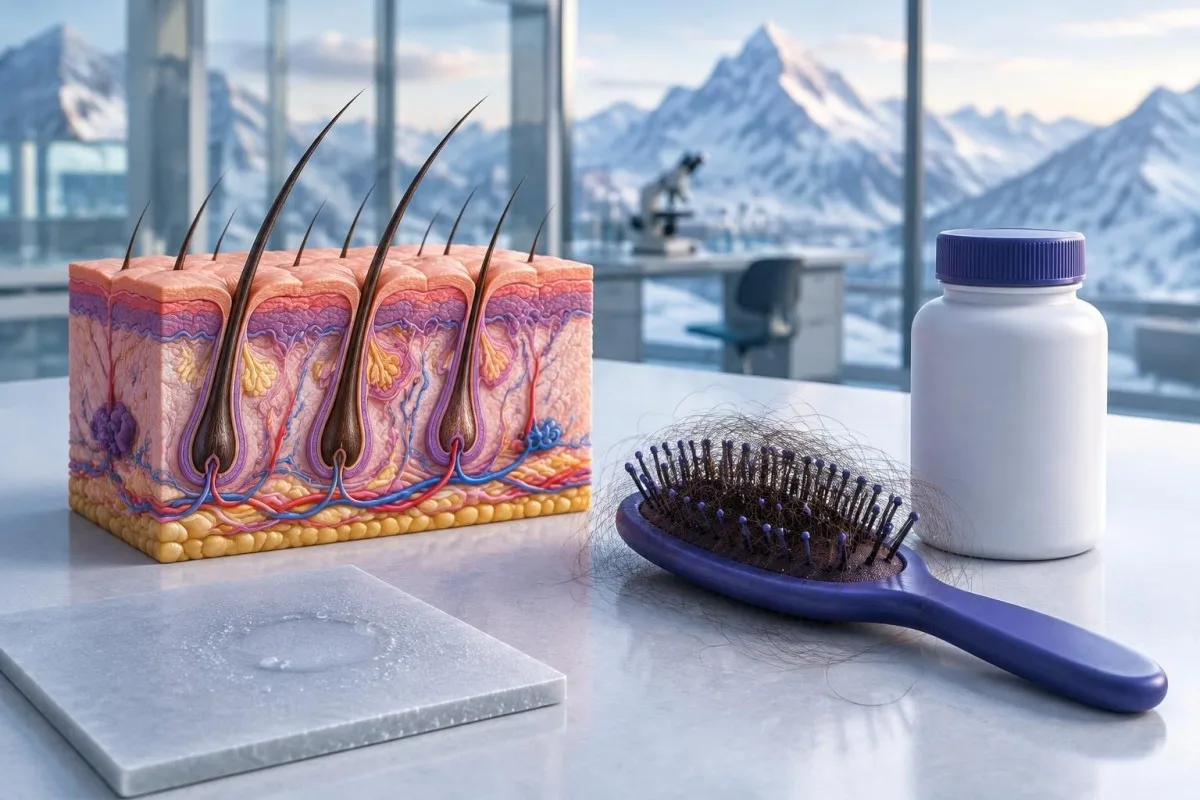
A supplement intended to support hair growth can sometimes contribute to shedding. The clue is a selenium result interpreted alongside the dose, timing and other symptoms.

مۇھىم خۇلاسىلەر
- Excess selenium can cause hair loss and brittle nails; a high result plus supplement use makes exposure worth investigating, but does not prove the cause.
- Adult requirements are 55 micrograms of selenium per day in the United States; requirements and limits differ by age and guideline.
- يۇقىرى چېكى differ: the US adult limit is 400 micrograms per day, while the European Food Safety Authority sets 255 micrograms per day.
- Dose arithmetic matters: 0.2 mg equals 200 micrograms, and selenium from multiple products adds up.
- Lab ranges depend on the specimen and laboratory; a result above your report’s range is not automatically a diagnosis of poisoning.
- ئالامەتلەر of excess can include hair shedding, nail changes, a garlic-like breath odour, nausea and diarrhoea.
- كېيىنكى قەدەم: Stop a non-prescribed selenium-containing supplement and contact a clinician; seek urgent advice sooner after a large ingestion or if significant symptoms develop.
- ئەسلىگە كېلىش can take months because hair grows slowly, and persistent shedding needs assessment for other causes.
Can selenium supplements cause hair loss?
Too much selenium can cause hair loss, even when the supplement was purchased to help hair growth. A high selenium result makes excess exposure a plausible clue, especially if shedding began after starting or combining supplements, but it does not establish the diagnosis on its own.

Selenium is an essential trace element involved in antioxidant enzymes and thyroid hormone metabolism. Essential does not mean that more is better: a supplement can add a substantial dose to selenium already obtained from food.
The connection between selenium supplements and hair loss is supported by reports of سېلېنىيوز, the name for selenium toxicity. In an outbreak caused by a misformulated liquid supplement, hair loss and nail symptoms were among the reported problems (MacFarquhar et al., 2010).
Hair shedding alone is not specific to selenium. Ask when the shedding began, whether the hair is coming out diffusely or in patches, and whether changes appeared in the nails or digestive system; the answers help distinguish exposure-related shedding from other conditions.
A detailed selenium dose and testing guide explains why the amount on one bottle is only part of the exposure history. Bring all product containers or clear photos of their ingredient panels to the appointment.
What does a high selenium blood test mean?
A high selenium result means that the measured concentration exceeds the reporting laboratory’s reference interval; it does not, by itself, identify a toxic dose or prove why hair is shedding. The specimen, units, supplement history and symptoms determine what the result can reasonably tell you.
Check whether your report measures serum, plasma or whole-blood selenium. Serum and plasma are commonly used to assess more recent intake, whereas whole blood can reflect a longer exposure window; their results and reference intervals should not be treated as interchangeable.
Units can be confusing: 1 ng/mL equals 1 microgram per litre, while 1 micromole per litre of selenium is approximately 79 micrograms per litre. For example, 200 ng/mL is 200 micrograms per litre, or approximately 2.53 micromoles per litre; whether it is flagged depends on the lab and specimen.
Imagine a patient whose serum selenium is 200 ng/mL, above that laboratory’s stated upper limit, after taking two selenium-containing products daily. This hypothetical result strengthens the case for reviewing exposure, but the number alone cannot tell us whether the patient has selenosis or whether selenium caused their hair loss.
Tell the clinician when the sample was collected relative to the last dose and ask whether the result warrants confirmation or a repeat test. Laboratories may use different methods and intervals, so compare results from different dates only after checking the specimen and units; the biomarker پايدىلىنىش قوللانمىسى provides further context.
How much selenium is too much?
For adults, the US recommended dietary allowance is 55 micrograms of selenium daily, while the US tolerable upper intake level is كۈندە 400 مىكرو گىرامم from food, drinks and supplements combined. The European Food Safety Authority sets a lower adult upper limit of كۈنىگە 255 مىكروگىرام (EFSA, 2023).
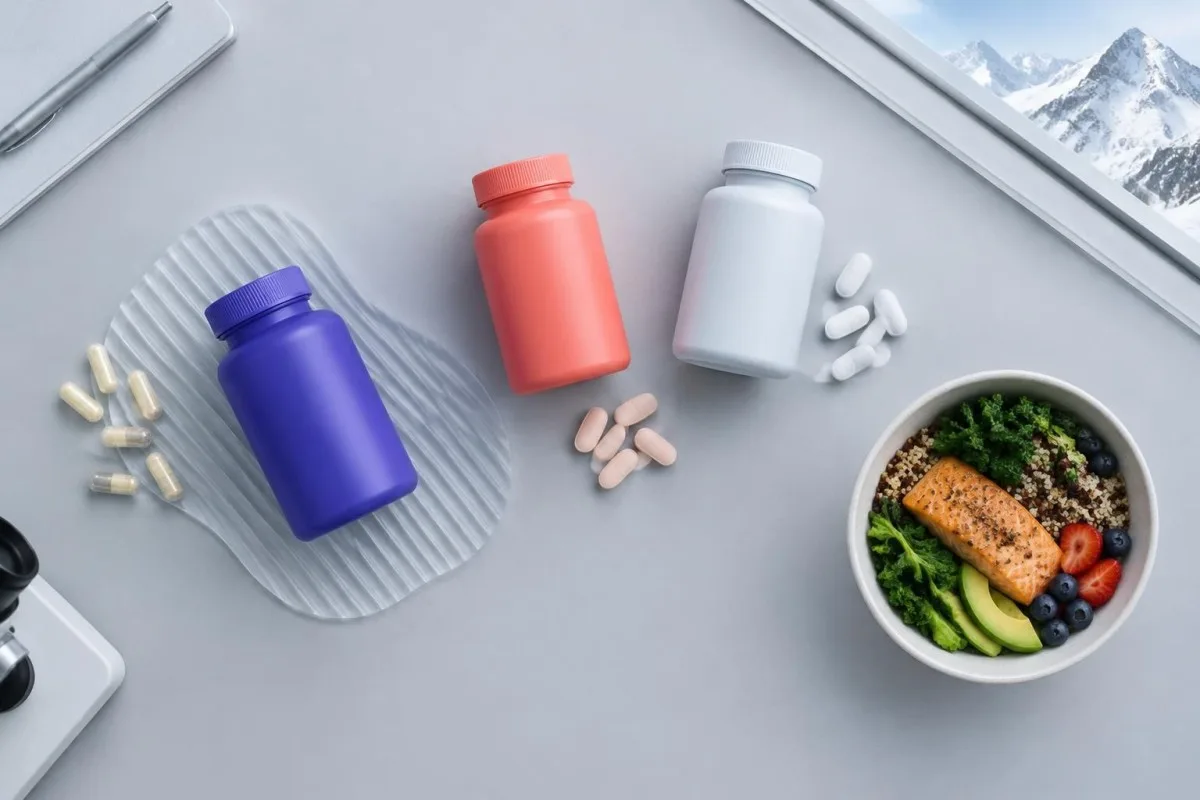
These limits are not treatment targets or sharp poisoning thresholds. They are population-level estimates of the highest long-term intake unlikely to cause adverse effects in most people; an intake above a limit raises concern but does not prove that harm has occurred.
The European limit is lower because the EFSA panel used evidence on early signs of excess, including brittle nails, when reassessing risk. The US and European figures reflect different assessments rather than two blood-test cutoffs; neither should be used to declare a particular selenium result safe.
Convert milligrams before adding doses: 1 mg equals 1,000 micrograms, so 0.2 mg equals 200 micrograms. A hypothetical hair capsule containing 200 micrograms plus a multivitamin containing 100 micrograms provides 300 micrograms daily from supplements alone, before food is counted.
The arithmetic changes with the label’s serving size. If a listed 200 micrograms applies to two capsules and you take one, that product supplies 100 micrograms per day; the supplement interaction guide covers other reasons to review ingredients together.
What are the symptoms of too much selenium?
Too much selenium symptoms can include hair shedding, brittle or discoloured nails, a garlic-like breath odour, metallic taste, nausea, diarrhoea and fatigue. These symptoms are not unique to selenium, but a combination appearing during supplement use is more informative than hair loss alone.
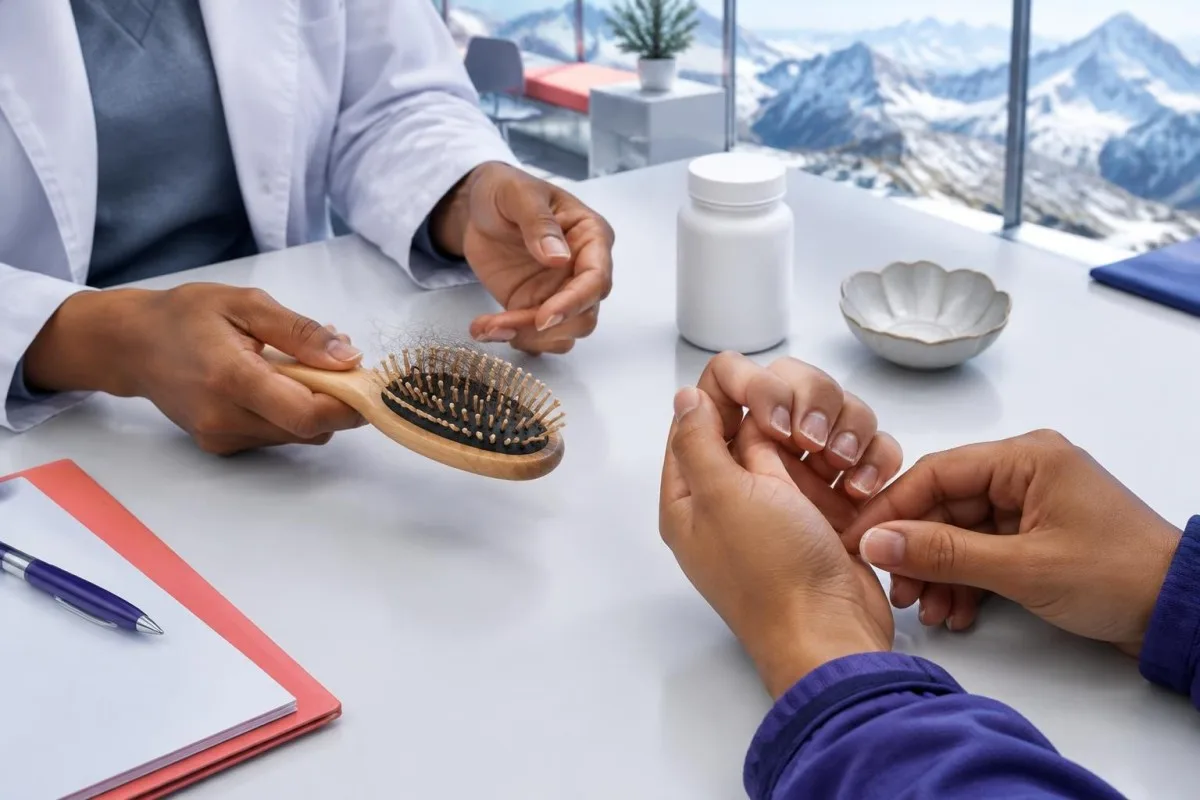
Long-term excess is often described as selenosis and may develop over weeks or months. Nail changes and hair loss can lag behind exposure, so note the approximate start date of each product as well as when symptoms first appeared.
A garlic-like breath odour is a useful clue, not a required sign. Likewise, nausea or diarrhoea can occur for many reasons; a clinician will interpret the pattern alongside the selenium result and the estimated dose rather than diagnosing poisoning from a single symptom.
Tingling, numbness or weakness also deserves assessment because nerve symptoms have several possible causes, including nutritional problems unrelated to selenium. The guide to tingling and blood tests explains why the pattern and examination matter.
After a suspected large or accidental ingestion, contact a poison information service immediately rather than waiting for hair or nail symptoms. Call emergency services for collapse, severe breathing difficulty, seizures or marked confusion; in the UK, call 999 for an emergency and NHS 111 for urgent non-emergency advice.

What else can cause hair loss with high selenium?
Hair loss with high selenium can have more than one cause, including تېلوگېن ئېففلوۋىيۇم, iron deficiency, thyroid disease, pattern hair loss or a scalp condition. A high selenium result may be relevant without being the entire explanation.
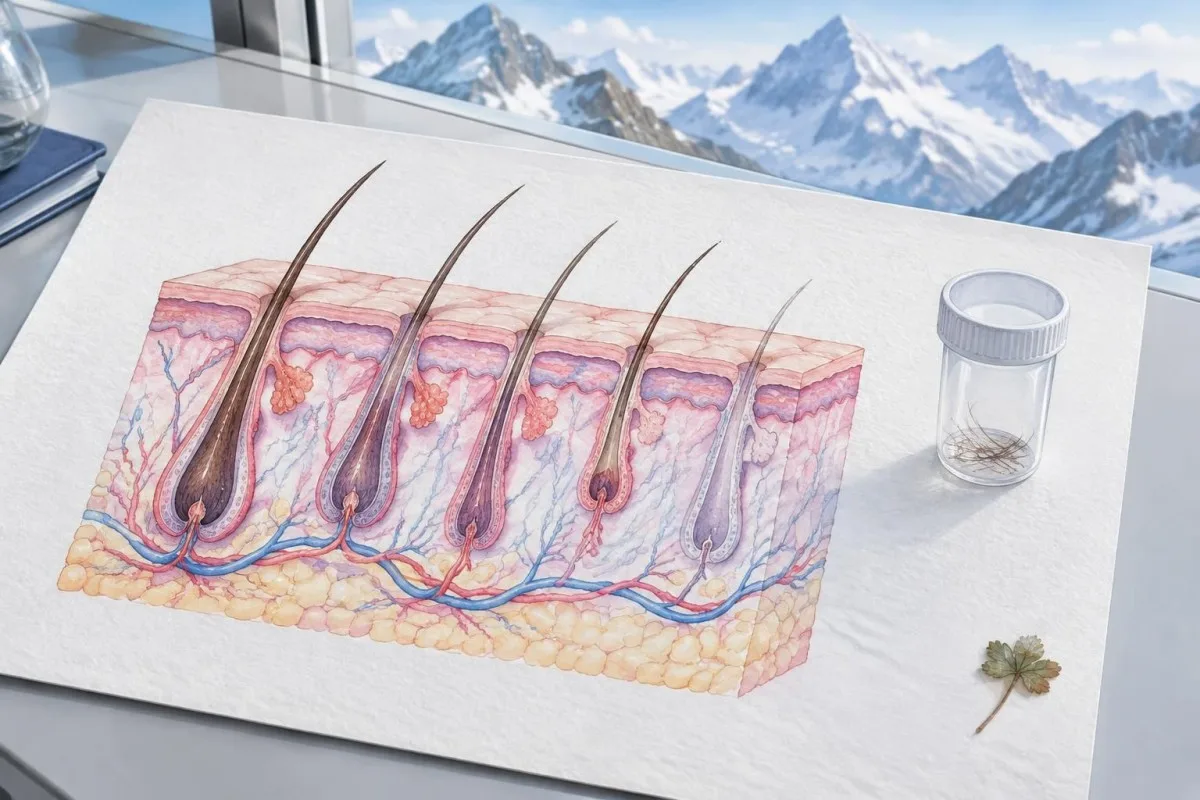
Telogen effluvium is diffuse shedding that often appears about 2–3 months after a trigger such as illness, substantial weight loss, surgery or childbirth. That delay matters: an event predating the hair supplement may explain the shedding that prompted someone to start it.
Iron deficiency can exist without anaemia, and ferritin helps assess iron stores in context. A clinician may consider a complete blood count and ferritin when history suggests deficiency; the discussion of قان ئازارلىقتىن بۇرۇن تۆۋەن فېرىتىن توغرىسىدىكى سۆھبىتىمىز explains why haemoglobin alone can miss low stores.
Thyroid dysfunction can also contribute to diffuse shedding, so thyroid-stimulating hormone and, when appropriate, free T4 may be considered. Selenium supports thyroid biology, but that does not mean extra selenium treats every thyroid problem; see the thyroid hormone testing guide for how these tests fit together.
Patchy loss, scalp scaling, redness or scarring calls for a scalp examination rather than a broader supplement stack. A clinician may also consider medication changes, restrictive eating, menstrual blood loss or androgen-related patterns; blood tests are chosen according to the history rather than ordered as one universal panel.
What should you do after a high selenium result?
If your selenium is high and you take a non-prescribed selenium-containing supplement, stop that product and contact a clinician to review the result and your intake. Do not stop prescribed medicines or medically supervised nutrition without discussing them with the prescribing team.
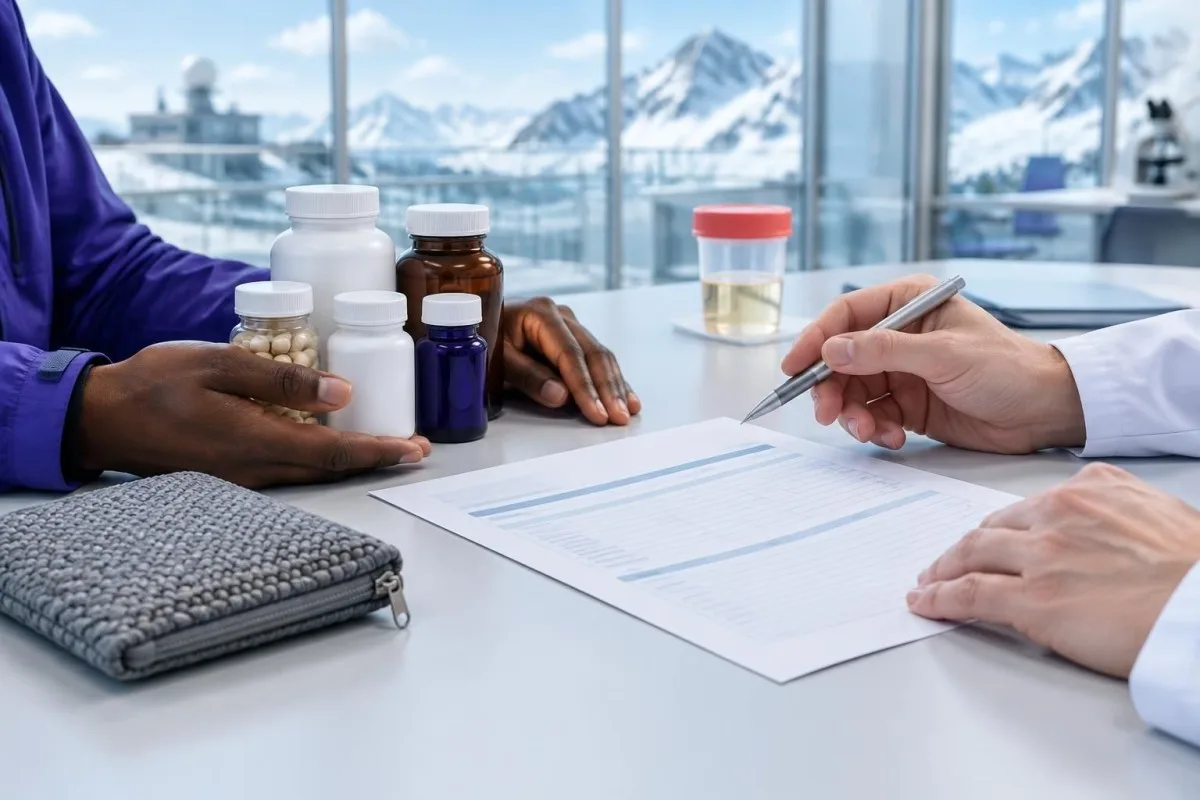
Bring the report, the laboratory’s reference interval and all supplement labels. Write down the daily dose, how long you took it, the date of your last dose and whether you regularly consume Brazil nuts or fortified products; this helps reconstruct exposure without relying on memory during the visit.
Ask whether repeat selenium testing is useful, which specimen the same laboratory should use and when to collect it. There is no single retesting interval that fits every result: the plan depends on the level, duration of exposure, symptoms and whether a trace-element contamination issue is suspected.
Do not try to force selenium out with detox products or start restrictive diets without advice. A balanced diet remains appropriate for most people, while someone receiving prescribed nutritional support needs an individual plan to avoid both excess and deficiency.
A severe exposure or worsening symptoms should not wait for a routine repeat result. For a routine consultation, the تېببىي مەزمۇن ئۆلچەملىرى explain the distinction between educational information and decisions that need individual clinical assessment.
Will hair grow back, and should you take another supplement?
Hair can regrow after excess selenium exposure is corrected, but improvement often takes ئاي ۋاقىت كېتىشى مۇمكىن, and regrowth is not guaranteed if another cause is present. Before taking more supplements for hair loss, ask whether a deficiency has actually been identified and whether treatment is likely to help your particular pattern of shedding.
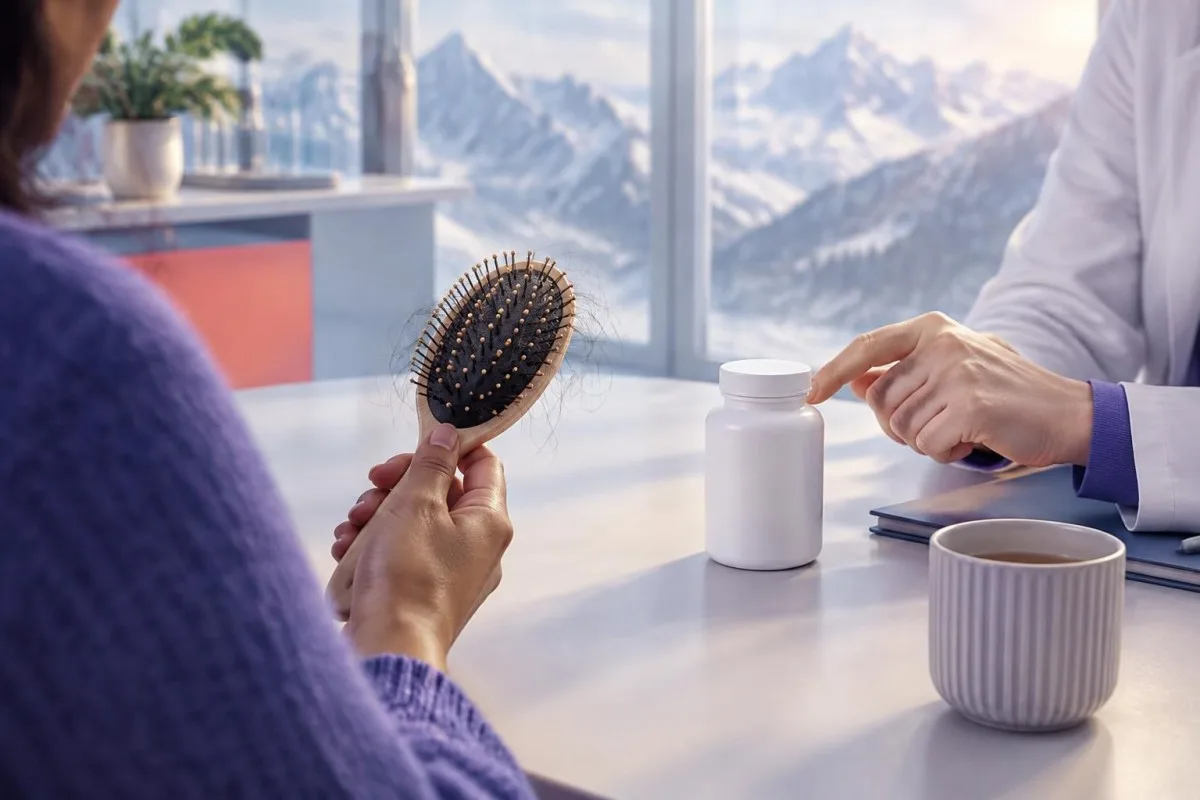
Hair grows slowly, roughly 1 centimetre per month on average, so a falling selenium concentration and visible improvement in hair density do not have to occur at the same time. Persistent shedding, new patches or signs of scarring warrant reassessment rather than waiting indefinitely.
A nutrient supplement can be useful when a deficiency or specific medical indication is confirmed, but there is no reason to assume that a person with a high selenium result needs more selenium. In the United States, the adult requirement of 55 micrograms per day is usually approached through ordinary food rather than a high-dose hair formula.
If iron or another deficiency is found, ask about a targeted dose, expected duration and follow-up rather than buying a mixture with several overlapping ingredients. The تۆمۈر تەتقىقاتى قوللانمىسى explains why ferritin and other iron markers need to be read in context.
For continuing or unexplained hair loss, a primary care clinician or dermatologist can assess scalp findings and discuss evidence-based treatment for the identified cause. Our داۋالاشقا ئائىت مەسلىھەت ئۇچۇرلىرى ۋە كلىنىكىلىق تەكشۈرۈش رامكىسى بار بولۇپ، تەجرىبىخانا ئىزاھاتلىرى قانداق سىناق قىلىنىپ ۋە داۋالاش جەھەتتىن قانداق تەكشۈرۈلىدىغانلىقىنى چۈشەندۈرىدۇ. Kantesti نىڭ داۋالاش تەكشۈرۈش مودېلى بىزنىڭ are available separately; neither replaces an individual assessment.
دائىملىق سورالدىغان سوئاللار
سېلېن تولۇقلىمىسى چېچىڭىزنىڭ چۈشۈپ كېتىشىنى كەلتۈرۈپ چىقىرالامدۇ؟
ھەئە. قوشۇمچىلاردىن كەلگەن سېلېننىڭ ئېشىپ كېتىشى سېلېن زەھەرلىنىشىنىڭ بىر قىسمى سۈپىتىدە چاچ چۈشۈشنى كەلتۈرۈپ چىقىرىشى مۇمكىن؛ بەزىدە تىرناقلارنىڭ ئاسان سۇنۇشى، كۆڭۈل ئېلىشى ياكى سامساققا ئوخشاش نەپەس پۇرىقى بىلەن بىللە بولىدۇ. ئامېرىكىدا قۇرامىغا يەتكەنلەر ئۈچۈن بارلىق مەنبەلەردىن كۈندىلىك يۇقىرى قوبۇل قىلىش مىقدارى 400 مىكروگرام، ئەمما زەھەرلىنىشنى پەقەت مىقدارىغا قاراپلا دىياگنوز قويغىلى بولمايدۇ. مەھسۇلاتنى ۋە سېلېن مىقدارىنىڭ يۇقىرى چىققان ھەر قانداق نەتىجىسىنى دوختۇر بىلەن بىرلىكتە كۆزدىن كەچۈرۈڭ.
What selenium blood level causes hair loss?
There is no single selenium blood level that reliably predicts hair loss for everyone. Serum, plasma and whole-blood tests have different reference intervals, and laboratories may report results in ng/mL, micrograms per litre or micromoles per litre. A result above the laboratory’s range is a reason to review exposure and symptoms, not proof that selenium caused shedding. For unit conversion, 1 ng/mL equals 1 microgram per litre.
Is 200 micrograms of selenium a day too much?
A 200-microgram selenium supplement provides more than three times the US adult recommended dietary allowance of 55 micrograms, before food is counted. It is below the US adult upper limit of 400 micrograms, but food and other products can increase the total. The European adult upper limit is lower, at 255 micrograms daily from all sources. A clinician can help decide whether a supplement is needed at all, particularly if your selenium result is high.
How long does hair loss from too much selenium last?
Hair recovery after excess selenium exposure can take months because scalp hair grows approximately 1 centimetre per month. The timeline varies with the duration of exposure, the hair-growth cycle and whether another condition is contributing. A clinician may recommend repeat testing based on the result and symptoms rather than a fixed schedule. Persistent shedding or patchy loss deserves a separate assessment.
Should I stop my hair supplement if my selenium is high?
If a non-prescribed hair supplement contains selenium and your result is high, stop that product and contact a clinician to review the dose and result. Bring the label, the laboratory report and a list of other products, since a multivitamin may add another 50–100 micrograms or a different amount. Do not stop prescribed medicines or medically supervised nutrition without advice from the prescribing team. Seek urgent poison-service advice after a suspected large ingestion.
Can high selenium and low iron both contribute to hair loss?
Yes. Selenium excess and iron deficiency are separate possible contributors to hair loss, and one does not rule out the other. Ferritin and a complete blood count can help assess iron status when the history supports testing, although a normal haemoglobin does not exclude low iron stores. Treatment should address the identified problem rather than automatically adding a supplement containing both iron and selenium.
قان تەكشۈرۈش نەتىجىسىنى قانداق ئوقۇش
تەجرىبىخانا دوكلاتىڭىزنى يوللاڭ، Kantesti نىڭ سۈنئىي ئەقىلى ھەر بىر بىئوماركېرنى بىر نەچچە سېكۇنت ئىچىدە ئاددىي تىلدا چۈشەندۈرىدۇ. دۇنيا بويىچە 2 مىليوندىن ئارتۇق ئادەم ئىشلىتىدۇ.
پايدىلانغان ماتېرىياللار
- Klein, T., Mitchell, S., & Weber, H. (2026). Kantesti قان تەكشۈرۈش چۈشەندۈرۈش ماتورىنىڭ 100,000 دانە سۈنئىي سىناق ئەھۋالىدا، ئالدىن تىزىمغا ئېلىنغان، رۇبرىكا-ئاساسلىق ئاپتوماتىك تېخنىكىلىق بېنچماركى. Kantesti AI Medical Research. DOI
- Klein, T., Mitchell, S., & Weber, H. (2026). كلېنىكىلىق دەلىللەش رامكىسى v2.0 (داۋالاش دەلىللەش بېتى). Kantesti AI Medical Research. DOI
- MacFarquhar JK et al. (2010). Acute selenium toxicity associated with a dietary supplement. ئىچكى تېبابەت ئارخىپى. DOI PubMed
- EFSA Panel on Nutrition, Novel Foods and Food Allergens et al. (2023). Scientific opinion on the tolerable upper intake level for selenium. EFSA Journal. DOI
- 2M +تەھلىل قىلىنغان تەكشۈرۈشلەر
- 127+دۆلەتلەر
- 100+تىللار
تېببىي گۇرۇپپا ھەققىدە


E-E-A-T ئىشەنچ سىگناللىرى
تەجرىبە
دوختۇر رەھبەرلىكىدىكى لابوراتورىيە تەبىرىنى چۈشەندۈرۈش خىزمەت ئېقىملىرىنى بالىياتقۇچلۇق تەكشۈرۈش.
مۇتەخەسسىسلىك
بىئوماركىرلارنىڭ كىلىنىكىلىق مۇھىتتا قانداق ھەرىكەت قىلىدىغانلىقىغا مەركەزلەشكەن لابوراتورىيە تېبابىتى.
ھوقۇقدارلىق
دوكتور توماس كلېين تېببىي جەھەتتىن تەكشۈرگەن، دوكتور سارا مىچېل ۋە پروفېسسور دوكتور خانس ۋېبېرنىڭ تۆھپىسى بىلەن تەييارلانغان.
ئىشەنچلىكلىك
ئاگاھلاندۇرۇشنى ئازايتىش ئۈچۈن ئېنىق كېيىنكى قەدەملەر بىلەن ئىسپات-ئاساسلىق تەبىر.


تېببىي ئاگاھلاندۇرۇش
بۇ ماقالە پەقەت تەربىيە-ئوقۇتۇش مەقسىتى ئۈچۈن بولۇپ، داۋالاش مەسلىھەتىنى تەشكىل قىلمايدۇ. دىئاگنوز قويۇش ۋە داۋالاش قارارلىرى ئۈچۈن ھەمىشە لاياقەتلىك ساغلاملىق مۇلازىمىتى تەمىنلىگۈچى بىلەن مەسلىھەتلىشىڭ.
Published · تەھرىر گۇرۇپپىسى بىلەن ئالاقىلىشىڭ
ئەنگلىيە ۋە ۋېلىشتا تىزىمغا ئېلىنغان Kantesti Ltd تەرىپىدىن نەشر قىلىنغان، شىركەت نومۇرى:. 17090423, ، لوندون، ئەنگلىيە.
