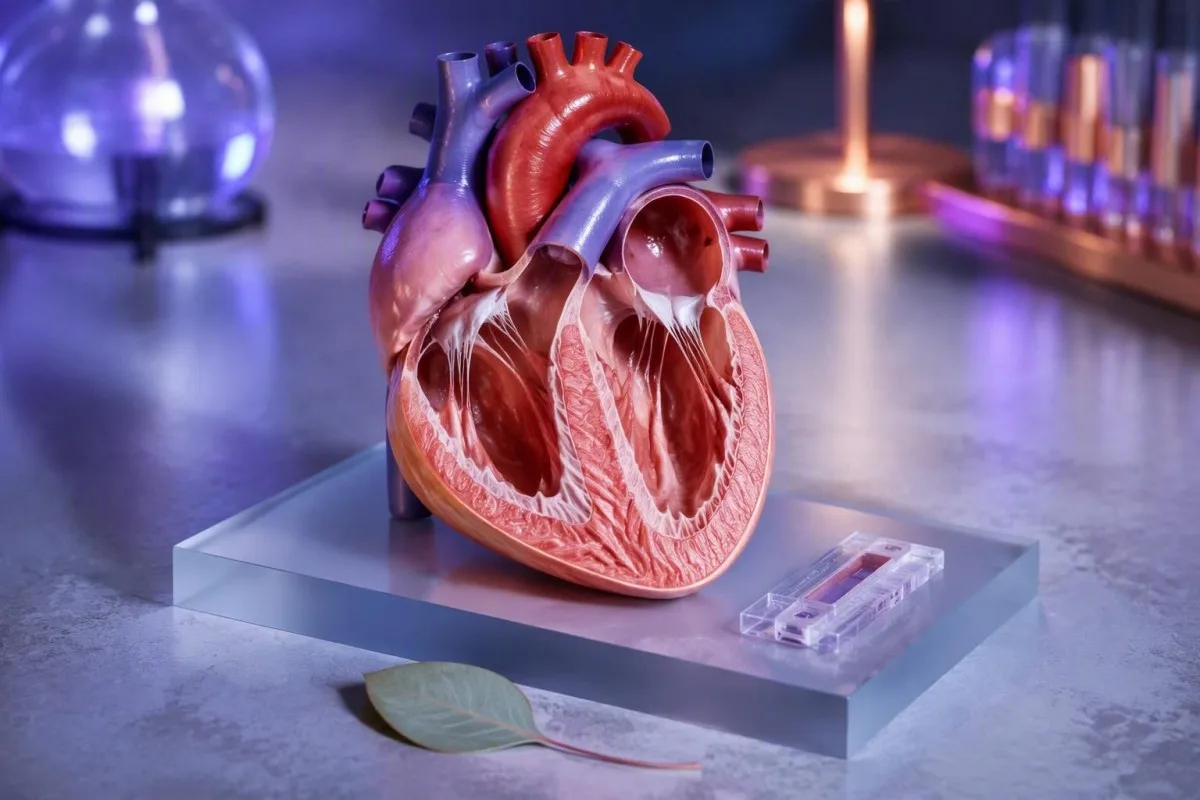
Galectin-3 يۈرەك قاناش كېسەللىكىنى باشقۇرۇشتا ئىشلىتىلىدىغان تالا توقۇلمىلىرى بىلەن مۇناسىۋەتلىك بولغان ماركېر بولۇپ، گەرچە يۈرەك قاناشنى ياكى BNP، سۈرەتكە تارتىش، تەكشۈرۈش ۋە كىلىنىكىلىق ھۆكۈمنى ئالماشتۇرالمايدۇ.


- Galectin-3 سىنىقى تالا توقۇلمىلىرى ۋە ماكروفاگ پائالىيىتى بىلەن مۇناسىۋەتلىك ئاقسىلنى ئۆلچەيدۇ، سۇ بېسىمى ياكى يۈرەك سوقۇش كۈچىنى بىۋاسىتە ئۆلچەيدۇ.
- يۇقىرى galectin-3 سەۋىيىسى بىر كۆپ ئىشلىتىلىدىغان سىناق ئۈچۈن 17.8 ng/mL دىن يۇقىرى دەپ قارىلىدۇ، ئەمما تەجرىبىخانا ئالاھىدە دائىرىلىرى ھەمىشە چۈشەندۈرۈشنى باشقۇرىدۇ.
- BNP ۋە NT-proBNP galectin-3 گە قارىغاندا يۈرەك مۇسكۇلنىڭ تېنىشى ۋە بېسىمىغا تېخىمۇ بىۋاسىتە جاۋاب قايتۇرىدۇ.
- بۆرەك ئىقتىدارى galectin-3 نى زور دەرىجىدە ئاشۇرالايدۇ؛ eGFR نىڭ 60 mL/min/1.73 m² دىن تۆۋەن بولۇشى ئاساسلىق چۈشەندۈرۈش خاتا بولۇشىنى كەلتۈرۈپ چىقىرىدۇ.
- يۈرەك قاناش دىئاگنوزى يەنىلا ئالامەتلەر ياكى بەلگىلەرنى، شۇنداقلا يۈرەك قۇرۇلۇشى ياكى ئىقتىدارىنىڭ كەمچىلىكىنى ئىسپاتلاشنى تەلەپ قىلىدۇ.
- تەرتىپلىك ئۆزگىرىش Galectin-3 ئۈچۈن ئۆستۈرۈلگەن تۇزنىڭ رېزتانلىرىغا قارىغاندا كەم قىلىنغان؛ بىرلا نەتىجە داۋالاشنى ئۆزگەرتىشنى ئاز قىلىدۇ.
- جىددىي ئالامەتلەر نەپەس يېتىشمەسلىك، ئېسىل يوقىلىش، يېڭىدىن پەيدا بولغان كۆكرەك بېسىمى ياكى تېز ئۆرلەيدىغان ئىششىق قاتارلىقلارنى بىۋاسىتە ساقلىقنى ساقلاش كېرىدىغان بولۇپ، ھەر قانداق بىيو-ماركېر قىممىتىگە قارىماي، جىددىي داۋالاشقا ئېھتىياجلىق.
Galectin-3 سىنىقى ھازىر نېمىنى ئۆلچەيدۇ
A گالېكتىن-3 تەكشۈرۈشى قاندا تاراتقۇسىدىكى گالېكتىن-3 نى ئۆلچەيدۇ، بۇ كاربون سۇ بىرىدىغان ئاقسىل بولۇپ، كۆپىنچە قوزغىتىلغان ماكروفاگىسلاردىن قويۇپ بېرىلىدۇ ۋە توقۇلما رېمونتى ۋە فىبروزغا قاتنىشىدۇ. يۈرەك ناچارلاشقاندا، يۇقىرى قىممەت يۈرەك رېمېنتىغا مايىل بولغان بىئولوگىيىلىك مۇھىتنى كۆرسىتىشى مۇمكىن، ئەمما بۇ بىر ئادەمنىڭ بۈگۈن سۇغا تولغان ياكى سول قورساقنىڭ قانچىلىك قاتتىق سوقۇلۇشىنى كۆرسەتمەيدۇ.
گالېكتىن-3 يۈرەك، بۆرەك، جىگەر ۋە ئۆپكە قاتارلىق نۇرغۇن ئەزالاردا كوللاگېن چۆكمىسى ۋە ئىممۇنىتېت ھۈجەيرە سىگنالىغا قاتنىشىدۇ. شۇڭا نەتىجە يۈرەككە خاس ئەمەس, ، مېنىڭ پاتسىيەنتلىرىم بايراقدار دوكلاتنى ئېلىپ كەلگەندە مەن تۈزىتىدىغان تۇنجى خاتا چۈشەنچە.
بۇ سىناق ئادەتتە سېرۇم ياكى پلازماغا ئىممۇن سىستېمىسى ئارقىلىق ئىجرا قىلىنىدۇ، قورسىقىنى ئوچۇق تۇتۇش تەلەپ قىلىنمايدۇ ۋە بىر قېتىم يېمەكلىك ئەھمىيەتلىك ھالدا نەتىجىنى ئۆزگەرتىدىغانلىقىغا ئىسپات يوق. ئادەتتىكى تومۇر تەجرىبىخانا ئەۋرىشكىسى كۇپايە؛ ئەمەلىي قىيىنچىلىق تەييارلىق ئەمەس، بەلكى چۈشەندۈرۈش.
كانتېستى بىر AI قان تەكشۈرۈش ئانالىزچىسى گالېكتىن-3 نەتىجىسىنى ئۇنى بىر تەرەپلىمە دىئاگنوز قويۇشقا ئىشلىتىشنىڭ ئورنىغا، بۆرەك فۇنكىسيى، ناترىيورېتىك پەپتىدلىرى ۋە باشقا تەكشۈرۈشلەر بىلەن بىللە قويىدۇ. بىزنىڭ biomarker پايدىلىنىش قوللانمىسى يەنە پاتسىيەنتلارنىڭ تەجرىبىخانا بايرىقى بىلەن جەزىملەشتۈرۈلگەن كىلىنىكىلىق ئەھۋالنى پەرقلەندۈرۈشىگە ياردەم بېرىدۇ.
Galectin-3 دائىرىلىرى ۋە يۇقىرى نەتىجىنىڭ مەنىسى
كۆپ ئىشلىتىلىدىغان گالېكتىن-3 سىنىقى ئۈچۈن،, 17.8 ng/mL سوزۇلما يۈرەك ناچارلاشقان كىشىلەردە دائىم سېتىلىدىغان تەخمىنىي ئۆلچىمى، بۇنىڭدىن تۆۋەن قىممىتى تەخمىنەن 17 ng/mL تەكشۈرۈلگەن ئاھالىلەردە ئادەتتە تۆۋەن خەتەردە. بۇلار خەتەرلىك ساھەلەر، كېسەلنى دىئاگنوز قويۇش نورمال-نورمالسىز چېگرىسى ئەمەس.
پايدىلىنىش دائىرىسى سىناق كالىبرلاش، ئەۋرىشكە تىپى، يېشى ۋە بۆرەك فۇنكىسيىگە ئوخشىمايدۇ؛ بىر تەجرىبىخانىنىڭ 2026-يىللىق نەتىجىسىنى يەنە بىر كونا نەتىجە بىلەن سېلىشتۇرۇشقا بولمايدۇ. ئەمەلىيەتتە، مەن بىر ساننى مۇلاھىزە قىلىشتىن بۇرۇن، توغرا سىناق نامى، بىرلىك ۋە ئۇنىڭ بېسىلغان پايدىلىنىش دائىرىسىنى ئارزۇ قىلىمەن.
A يۇقىرى گالېكتىن-3 سەۋىيىسى سوزۇلما بۆرەك كېسىلى بار كىشىلەردە 25 ng/mL بولسا، نورمال بۆرەك فۇنكىسيى، پۇتىدا ئىششىق بار ۋە يېقىنقى يۈرەك ناچارلاشقانلىقى توغرىسىدىكى بىماردا 25 ng/mL دىن كۆرۈنەرلىك پەرقلىنىشى مۇمكىن. بۆرەك سۈزگۈچى ۋە كاردىئو-بۆرەك فىبروزى ھەر ئىككىسى قاتنىشىدۇ.
2022 AHA/ACC/HFSA يۈرەك ناچارلاشش كۆرسەتمىسىدە گالېكتىن-3 نى ئۆز ئىچىگە ئالغان فىبروزنىڭ بىيو-ماركېرلىرىنى تاللانغان خەتەرنى تۈزەش قارالىرىغا پايدىلىق بولۇشى مۇمكىن دەپ تەسۋىرلەنگەن (Heidenreich et al., 2022). ئەگەر نەپەس يېتىشمەسلىك مەسىلە بولسا، بىزنىڭ يېتەكچىمىز NT-proBNP چۈشەندۈرۈشى ئادەتتە تېخىمۇ تېزدىن كېيىنكى ئوقۇش.
نېمىشقا تالا توقۇلمىلىرى Galectin-3 يۈرەك قاناش بىلەن مۇناسىۋەتلىك
Galectin-3 matters in heart failure because myocardial fibrosis can make the ventricle stiffer, impair filling, and reduce the heart’s reserve during exercise. It is a marker of a longer-term remodelling pathway, not a real-time measure of acute cardiac injury.
In heart failure with preserved ejection fraction, or HFpEF, fibrosis and stiffness are especially plausible contributors to exertional breathlessness despite a visually normal or near-normal pumping fraction. Yet galectin-3 has insufficient specificity to identify HFpEF by itself.
This distinction is clinically useful: تروپونىن reflects myocardial injury, whereas galectin-3 reflects fibrosis-associated biology, and natriuretic peptides reflect wall stress. Patients often assume every cardiac blood marker answers the same question; it really does not.
A cardiac MRI with late gadolinium enhancement or an echocardiogram with diastolic measurements can supply structural information a galectin-3 value cannot. Read about the different role of troponin I بىلەن troponin T before interpreting either as a generic “heart test.”
Galectin-3 قان تەكشۈرۈشى نېمىلەرنى دىئاگنوز قويالمايدۇ
A galectin-3 blood test cannot diagnose heart failure, coronary artery blockage, myocarditis, or a heart attack. Heart-failure diagnosis requires compatible symptoms or signs plus objective evidence of a structural or functional cardiac abnormality.
I have seen patients with galectin-3 above 20 ng/mL who had no heart failure at all, but did have reduced eGFR, diabetes, obesity, or chronic inflammatory illness. Conversely, a low result cannot reassure us away from acute pulmonary oedema or a dangerous arrhythmia.
In acute breathlessness, clinicians prioritise oxygen saturation, examination, ECG, chest imaging, renal function, troponin when indicated, and BNP or NT-proBNP. A galectin-3 sample does not return quickly enough, or answer the right biological question, to direct emergency triage.
New symptoms deserve the same seriousness even when a prior biomarker was low: see our practical okwegugumuka kw'obwongo obw'obwongo obw'okwegugumuka obw'okwegugumuka. As of September 26, 2026, no major heart-failure guideline recommends galectin-3 as a population screening test.
Galectin-3 بىلەن BNP ۋە NT-proBNP نى سېلىشتۇرۇش
BNP and NT-proBNP are better validated than galectin-3 for supporting the diagnosis and exclusion of heart failure in symptomatic patients. Galectin-3 adds a possible fibrosis-related prognostic layer after the clinical picture is already defined.
In non-acute settings, an NT-proBNP below 125 pg/mL makes heart failure less likely, although obesity, HFpEF, and early disease can produce lower concentrations. In acute presentations, an NT-proBNP below 300 pg/mL has high rule-out value in many settings, but age and kidney function modify interpretation.
BNP and NT-proBNP may fall with effective decongestion, whereas galectin-3 often changes little over short intervals. That difference is why I would not use an unchanged galectin-3 result to judge whether a diuretic worked over 48 hours.
The ESC guideline places natriuretic peptides at the centre of the diagnostic pathway and treats newer fibrosis biomarkers as adjuncts, not replacements (McDonagh et al., 2021). Renal context is crucial, so review سوزۇلما بۆرەك كېسەللىكى باسقۇچلىرىنى when both NT-proBNP and galectin-3 are raised.
نېمىشقا بۆرەك ئىقتىدارى Galectin-3 نى ئاشۇرالايدۇ
Reduced kidney function can increase galectin-3 even without a change in cardiac status, making eGFR one of the most necessary companion results. An eGFR below دىن تۆۋەن بولسا CKD نى كۆرسىتىدۇ؛ should make clinicians more cautious about assigning a high value to cardiac fibrosis alone.
The biology is not merely reduced clearance: chronic kidney disease also promotes systemic fibrosis, oxidative stress, and low-grade immune activation. This is one reason the same galectin-3 number carries unequal weight in two otherwise similar patients.
For example, a 74-year-old with eGFR 38 mL/min/1.73 m² and galectin-3 29 ng/mL may need renal, medication, volume, and echocardiographic review—not an automatic assumption of worsening heart failure. The trajectory of creatinine, potassium, bicarbonate, and albumin adds useful context.
Kantesti AI interprets galectin-3 alongside eGFR, creatinine, and electrolyte patterns because a single cardiac biomarker cannot untangle cardiorenal disease. A ئاساسىي مېتابولىك تاختا (panel) نى تەكشۈرۈش is often more actionable than repeating galectin-3 immediately.
يۇقىرى Galectin-3 سەۋىيىسىنىڭ باشقا سەۋەبلىرى
High galectin-3 can occur with kidney dysfunction, older age, diabetes, obesity, liver fibrosis, systemic inflammatory conditions, and some cancers; it is not specific to cardiac fibrosis. The result should therefore trigger a contextual review rather than alarm.
Age matters. In cohort studies, galectin-3 tends to rise with advancing age, and women often have modestly higher concentrations than men after adjustment for other variables; a universal biological “normal” number is overly simplistic.
A temporarily high inflammatory state may also muddy interpretation, although the day-to-day biological variability is less familiar than it is for CRP. I generally avoid drawing broad conclusions from one isolated result taken during an acute illness or immediately after hospital discharge.
كانتېستى بىر AI ئارقىلىق قوزغىتىلغان قان تەكشۈرۈش تەھلىل قورالى that identifies potential confounders before presenting a risk-oriented explanation of galectin-3. Our explanation of the CRP نىڭ ئالبۇمىنغا نىسبىتى can help show when systemic tissue response may be influencing a panel.
كىلىنىستلار قاچان Galectin-3 غا بۇيرۇق بېرەلەيدۇ
Clinicians may order galectin-3 in selected people with established chronic heart failure when prognostic uncertainty remains after symptoms, natriuretic peptides, renal testing, and imaging are reviewed. It is not routinely required for every heart-failure follow-up visit.
The test can be most informative when a patient looks stable but has repeated admissions, renal fluctuation, an equivocal natriuretic peptide level, or uncertainty about the intensity of follow-up. Even then, the result should alter surveillance and conversations—not replace guideline-directed treatment.
In my experience, the best use is often as a tie-breaker in a complicated story. A patient with HFpEF, diabetes, eGFR 72 mL/min/1.73 m², worsening exercise tolerance, elevated NT-proBNP, and high galectin-3 merits closer phenotyping than any one of those findings alone.
Kantesti نىڭ AI لابراتورىيە سىنىقىنى چۈشەندۈرۈش مۇلازىمىتىدە ئېلان قىلىنىدۇ can organise longitudinal results and flag combinations for clinician discussion, while the BUN-نى قەنت بىلەن سېلىشتۇرۇش كۆرسەتكۈچى explains one practical volume-status clue that may coexist with heart failure.
ئېكوكاردىيوگرافىيە ۋە يۈرەك سۈرەتكە تارتىش قانداق پايدىلىنىدۇ
Echocardiography provides information that galectin-3 cannot: ejection fraction, chamber size, valve disease, filling pressures, right-heart function, and pulmonary pressure estimates. A galectin-3 result is useful only after those concrete structural questions are considered.
An echocardiogram can identify reduced ejection fraction, but a normal ejection fraction does not rule out heart failure. HFpEF is diagnosed from a combination of symptoms, signs, natriuretic peptides, structural changes, and evidence of raised filling pressures—not from galectin-3 alone.
Cardiac MRI may identify scar or infiltration when echocardiography leaves an important question unanswered. These tests are complementary because imaging maps anatomy while a laboratory marker samples circulating biology.
If chest symptoms are new, imaging decisions must be made by the clinician assessing the patient rather than by an app-generated risk category. For urgent distinctions, our chest-pain laboratory guide explains why ECG and serial troponins often outrank fibrosis biomarkers.
Galectin-3 سىنىقىنى تەكرارلىشىمىز كېرەكمۇ؟
Routine repeat galectin-3 testing every few weeks is not supported by strong evidence. A repeat result is most defensible when the same assay is used and the clinician has a specific decision that a meaningful trend could inform.
Analytical variation, renal change, intercurrent illness, and assay differences can create apparent movement that does not represent changed myocardial fibrosis. A 2 ng/mL shift around 18 ng/mL should not be treated as proof of improvement or deterioration.
By contrast, weight gain of more than 2 kg in 2 to 3 days, escalating orthopnoea, or new peripheral oedema may signal congestion and deserves clinical contact regardless of a galectin-3 trend. Daily symptoms and weight remain remarkably useful tools.
Kantesti stores results for longitudinal review and helps users compare like with like; our guide to قان تەكشۈرۈشلەر ئارىسىدىكى مەنىلىك پەرقلەر explains why a numerical change is not always a biological change.
نەتىجە داۋالاش قارارىنى قانداق ئۆزگەرتىدۇ
A high galectin-3 level should prompt a review of heart-failure management and follow-up intensity, but it does not point to a galectin-3-lowering medicine. Treatment is selected by heart-failure phenotype, ejection fraction, blood pressure, kidney function, potassium, symptoms, and comorbidities.
For HFrEF, guideline-directed therapy commonly includes an ARNI, ACE inhibitor or ARB, evidence-based beta-blocker, mineralocorticoid receptor antagonist, and SGLT2 inhibitor when tolerated. Galectin-3 does not decide which one a person should start or the appropriate dose.
A practical safety example: starting or increasing an MRA requires timely potassium and kidney monitoring, because potassium above 5.0 mmol/L or significant renal deterioration can change the risk-benefit calculation. That safety issue matters more immediately than a fibrosis marker.
When I, Thomas Klein, MD, review a raised value, I ask whether the patient is receiving proven therapy before pursuing exotic explanations. Our دورا بىخەتەرلىك تەرەققىيات كۆرسەتمىسى describes why creatinine and potassium often need closer surveillance after medication changes.
ھەر قانداق بىئوماركېردىن مۇھىم بولغان ئالامەتلەر
Breathlessness at rest, fainting, new chest pressure, blue or gray lips, confusion, or rapidly worsening swelling require urgent clinical assessment regardless of a galectin-3 result. A biomarker never overrules an unstable patient in front of you.
A sudden inability to lie flat, waking breathless, or needing several more pillows may represent worsening congestion. Fast weight gain of 2 kg over 2 to 3 days is a useful trigger to follow an individual heart-failure action plan, especially after prior fluid retention.
Palpitations with dizziness, a heart rate persistently above مىنۇتىغا 120 قېتىمدىن يۇقىرى, or syncope may indicate an arrhythmia requiring ECG assessment. Galectin-3 is unrelated to immediate rhythm diagnosis and should not delay care.
Thomas Klein, MD, advises patients to save their results but lead with their symptoms when speaking to a clinician. Our heart-palpitations blood test guide clarifies which laboratory findings may help after urgent rhythm causes have been considered.
Kantesti نەتىجىلىرىنى ساقلىقنى ساقلاش گۇرۇپپىڭىز بىلەن بىخەتەر ئىشلىتىش
Kantesti can explain a galectin-3 report in context, but it cannot examine you, listen to your lungs, interpret an echocardiogram, or prescribe treatment. Use an AI interpretation as a structured preparation tool for a clinician conversation, especially when a result is new or unexpected.
Kantesti AI بىر AI بىئوماركر ئىزاھلاش سۇپىسى that compares a galectin-3 result with reported laboratory intervals, renal markers, and related cardiac tests. It should label uncertainty clearly when key data—such as ejection fraction, symptoms, or assay method—are absent.
Before an appointment, write down the date of the test, current medicines and doses, home weights, blood-pressure readings, and changes in exercise tolerance. A concise record often reveals whether the issue is gradual remodelling, acute congestion, medication effect, or simply an incomparable laboratory method.
Our clinical methodology is subject to داۋالاش تەستىقى ۋە نازارەت قىلىشقا بويسۇنىدۇ, but medical decisions remain with the responsible clinician. For a safer workflow, read our AI medical report checklist.
Galectin-3 نەتىجىسى ئۆسسە قانداق سوئاللارنى سوراش كېرەك
After an elevated galectin-3 result, ask whether the assay-specific threshold was exceeded, whether kidney function could explain part of the rise, and whether symptoms or imaging show active heart failure. Those three questions prevent most over-interpretation.
Useful questions include: “What was my eGFR on the same day?”, “Do I have a BNP or NT-proBNP result?”, “Has my ejection fraction changed?”, and “Would this alter my treatment or follow-up interval?” A good answer should be specific, not merely reassuring.
Do not start supplements marketed for “fibrosis” on the basis of a galectin-3 value. There is no supplement proven to safely lower galectin-3 and improve heart-failure outcomes; some products can worsen blood pressure, potassium, or kidney function.
For medical review standards and the clinicians behind our educational work, see the كانتېستى داۋالاش مەسلىھەتچىلەر كومىتېتى. The bottom line is modest but useful: a galectin-3 test can refine risk in heart failure, while symptoms, natriuretic peptides, kidney function, imaging, and examination still drive care.
دائىم سورايدىغان سوئاللار
گالېكتىن-3 نى تەكشۈرۈش نېمە ئۆلچەيدۇ؟
گالېكتىن-3 سىنىمى ماكروفاگ پائالىيىتى، تالا ھاسىل بولۇشى ۋە توقۇلمىلارنىڭ قايتا ھاسىل بولۇشى بىلەن مۇناسىۋەتلىك بىر ئاقسىل بولغان گالېكتىن-3 نىڭ قويغۇنلۇقىنى ئۆلچەيدۇ. يۈرەك كېسىلىدە، ئادەتتە ئېيتىلىدىغان 17.8 ng/mL چەكلىمىسىدىن يۇقىرى قىممەتلەر تاللانغان ئاھالىلەردە ئۇزۇن مۇددەتلىك يۇقىرى خەتەرنى ئېنىقلاشقا بولىدۇ. سىنىمادايۇ سۇيۇقلۇقنىڭ كۆپىيىشىنى، قۇسۇش نىسبىتىنى، قان تومۇرلارنىڭ توسۇلۇشىنى ياكى يۈرەك كېسىلىنى بىۋاسىتە ئۆلچىمەيدۇ. بۆرەك كېسىلى، يېشى، دىيابېت، سېمىزلىك، جىگەر كېسىلى ۋە ياللۇغلىنىش ئەھۋالىمۇ نەتىجىنى ئاشۇرالايدۇ.
يۈرەك كېسىلىدە گالېكتىن-3 نىڭ يۇقىرى بولۇشى نېمە؟
ئۈز-كۆڭۈل يېتىشمەسلىكنى پەرەز قىلىشتا ئىشلىتىلىدىغان بىر خىل كۆپ ئىشلىتىلىدىغان سىناقتا، گالېكتىن-3 مىقدارى 17.8 ng/mL تىن يۇقىرى بولسا، ئادەتتە يۇقىرى دەپ قارىلىدۇ. 25 ng/mL قىممىتى 18 ng/mL دىن ئاپتوماتىك خەتەرلىك ئەمەس، چۈنكى eGFR، سىملىق، NT-proBNP، رەسىملىك ۋە سىناق ئۇسۇلى ئۇنىڭ مەنىسىنى زور دەرىجىدە ئۆزگەرتىدۇ. گالېكتىن-3 نىڭ جىددىي ياكى ئېغىر مىقدارى ئۇنىمىلا قوبۇل قىلىنغان. يۇقىرى قىممەت ئۆزلۈكىدىن دىئاگنوز قويۇشقا ئەمەس، بەلكى كلىنىكىلىق ئەھۋالنى قايتا كۆزىتىشكە سەۋەب بولۇشى كېرەك.
گالكتىن-3 يۈرەك كېسىلىنى دىياگنوز قويالاامدۇ؟
يoch, galectin-3 يöz بoچa يüräk يetärlïklïgïn anïqlayallaydï. يüräk يetärlïklïgï سىمتىملار ياكى ئالامەتلەرنى، شۇنداقلا يۈرەك قۇرۇلۇشى ياكى فۇنكسىيەسىنىڭ تاشقى كېسەللىكىنى، ئادەتتە ئېكوكاردىئوگرافىيە بىلەن باھالاپ، BNP ياكى NT-proBNP بىلەن قوللاپ تەلەپ قىلىدۇ. ئۆتكۈر بولمىغان ساقلىقنى ساقلاشتا، 125 pg/mL دىن تۆۋەن NT-proBNP يۈرەك يېتىشمەسلىكىنى ئازايتىدۇ، گەرچە istisnalar بار. Galectin-3 كەڭ كلىنىكىلىق رەسىم تەكشۈرۈلگەندىن كېيىن قوشۇمچە خەتەر بەلگىسى.
بۆيرەك ئىقتىدارى تۆۋەن بولغاندا نېمىشقا گالېكتىن-3
بۆرەك ئىقتىدارى تۆۋەنلەنگەندە گالېكتىن-3 دائىم كۆپىيىدۇ، چۈنكى بۆرەك تازىلاش، سىستېمىلىق فېبروز ۋە دائىمىي ئىممۇنىتېت قوزغىلىش قاتارلىقلار بۇنىڭغا تۆھپە قوشىدۇ. 60 مىللىلېتىر/مىنۇت/1.73 m² دىن تۆۋەن eGFR گالېكتىن-3 نىڭ يۇقىرى نەتىجىسىنى يۈرەك فېبروزىغا تېخىمۇ ئالاھىدە قىلمايدۇ. داۋالاش خادىملىرى كرېئاتىنىن، eGFR، كالىي، سۈيدۈك ئاقسىلى، تىقىلىش ئالامەتلىرى ۋە يۈرەك تەسۋىرىنى بىرلىكتە چۈشىنىشى كېرەك. دائىمىي بۆرەك كېسىلىدىكى يۇقىرى نەتىجە يۈرەك ناچارلىشىش كېسىلىنى ئۆزلۈكىدىن ئىسپاتلىمايدۇ.
يۈرەك كېسىلىگە مۇناسىۋەتلىك گالېكتىن-3 نى تەكشۈرۈش كېرەكمۇ؟
يۈرەك كېسىلىنى داۋالاشقا تاشقى كېسەللىك ئىنكاسىنى نازارەت قىلىش ئۈچۈن ھەر بىر نەچچە ھەپتىدە ئادەتتىكى گالېكتىن-3 قايتا سىنىقىنى ئېلىش كۈچلۈك قوللىمايدۇ. كلينىكىستىكىلار تەكرارلىنىشنى تەلەپ قىلسا، ئوخشاشلا ئورۇننىڭ ئۇسۇلىنى ئىشلىتىش كېرەك، چۈنكى سىناق پەرقى بىئولوگىيىلىك ئۆزگىرىشنى ئەسلىگە كەلتۈرەلەيدۇ. يۇقۇملىنىش، ھەر كۈنلۈك ئېغىرلىق، بۆرەك ئىقتىدارى، كالىي، BNP ياكى NT-proBNP ۋە تەكشۈرۈش ئادەتتە تېخىمۇ پايدىلىق قىسقا مۇددەتلىك ئۇچۇر بېرىدۇ. گالېكتىن-3 گە قارىماي، 2-3 كۈن ئىچىدە 2 كىلوگىرامدىن ئارتۇق ئېغىرلىقنى كۆپەيتىش يۈرەك كېسىلىنى داۋالاش پىلانىغا ئەگىشىشى كېرەك.
ياشاش ئۇسۇلىنى ئۆزگەرتىش گالېكتىن-3 نى تۆۋەنلىتەلەمدۇ؟
No lifestyle programme has been proven to lower galectin-3 and independently improve heart-failure outcomes. Following evidence-based heart-failure care—taking prescribed medicines, limiting sodium only when advised, remaining physically active within clinical limits, avoiding tobacco, and managing diabetes and blood pressure—can improve overall risk. Do not use unregulated “anti-fibrosis” supplements based on a galectin-3 result, particularly if you take diuretics, ACE inhibitors, ARBs, ARNIs, or mineralocorticoid receptor antagonists. Your clinician can tailor activity and dietary advice to eGFR, potassium, and volume status.
بۈگۈنلا AI بىلەن قان تەكشۈرۈش تەھلىلى ئېلىڭ
دۇنيادىكى 2 مىليوندىن ئارتۇق ئىشلەتكۈچى Kantesti نى دەرھال، توغرا تەجرىبىخانا تەھلىلى ئۈچۈن ئىشەنچ قىلىدۇ. قان تەكشۈرۈش نەتىجىڭىزنى يوللاپ، 15,000+ بىئوماركىرلىرىنىڭ تولۇق چۈشەندۈرۈشىنى بىر نەچچە سېكۇنتتا ئېلىڭ.
📚 پايدىلىنىلغان تەتقىقات ئېلانلىرى
Klein, T., Mitchell, S., & Weber, H. (2026). سۈيدۈك تەكشۈرۈشىدىكى Urobilinogen: 2026 تولۇق سۈيدۈك تەكشۈرۈش قوللانمىسى. Kantesti AI Medical Research.
Klein, T., Mitchell, S., & Weber, H. (2026). تۆمۈر تەتقىقات قوللانمىسى: TIBC، تۆمۈرنىڭ تويۇنۇش دەرىجىسى ۋە باغلىنىش ئىقتىدارى. Kantesti AI Medical Research.
📖 تاشقى داۋالاش پايدىلىنىش ماتېرىياللىرى
⚕️ تېببىي ئەسكەرتىش
بۇ ماقالە پەقەت تەربىيە-ئوقۇتۇش مەقسىتى ئۈچۈن بولۇپ، داۋالاش مەسلىھەتىنى تەشكىل قىلمايدۇ. دىئاگنوز قويۇش ۋە داۋالاش قارارلىرى ئۈچۈن ھەمىشە لاياقەتلىك ساغلاملىق مۇلازىمىتى تەمىنلىگۈچى بىلەن مەسلىھەتلىشىڭ.
E-E-A-T ئىشەنچ سىگناللىرى
تەجرىبە
دوختۇر رەھبەرلىكىدىكى لابوراتورىيە تەبىرىنى چۈشەندۈرۈش خىزمەت ئېقىملىرىنى بالىياتقۇچلۇق تەكشۈرۈش.
مۇتەخەسسىسلىك
بىئوماركىرلارنىڭ كىلىنىكىلىق مۇھىتتا قانداق ھەرىكەت قىلىدىغانلىقىغا مەركەزلەشكەن لابوراتورىيە تېبابىتى.
ھوقۇقدارلىق
دوكتور توماس كلېين تەرىپىدىن يېزىلغان، دوكتور سارا ميتچېل ۋە پروف. دوكتور ھانس ۋېبېر تەرىپىدىن تەكشۈرۈلگەن.
ئىشەنچلىكلىك
ئاگاھلاندۇرۇشنى ئازايتىش ئۈچۈن ئېنىق كېيىنكى قەدەملەر بىلەن ئىسپات-ئاساسلىق تەبىر.