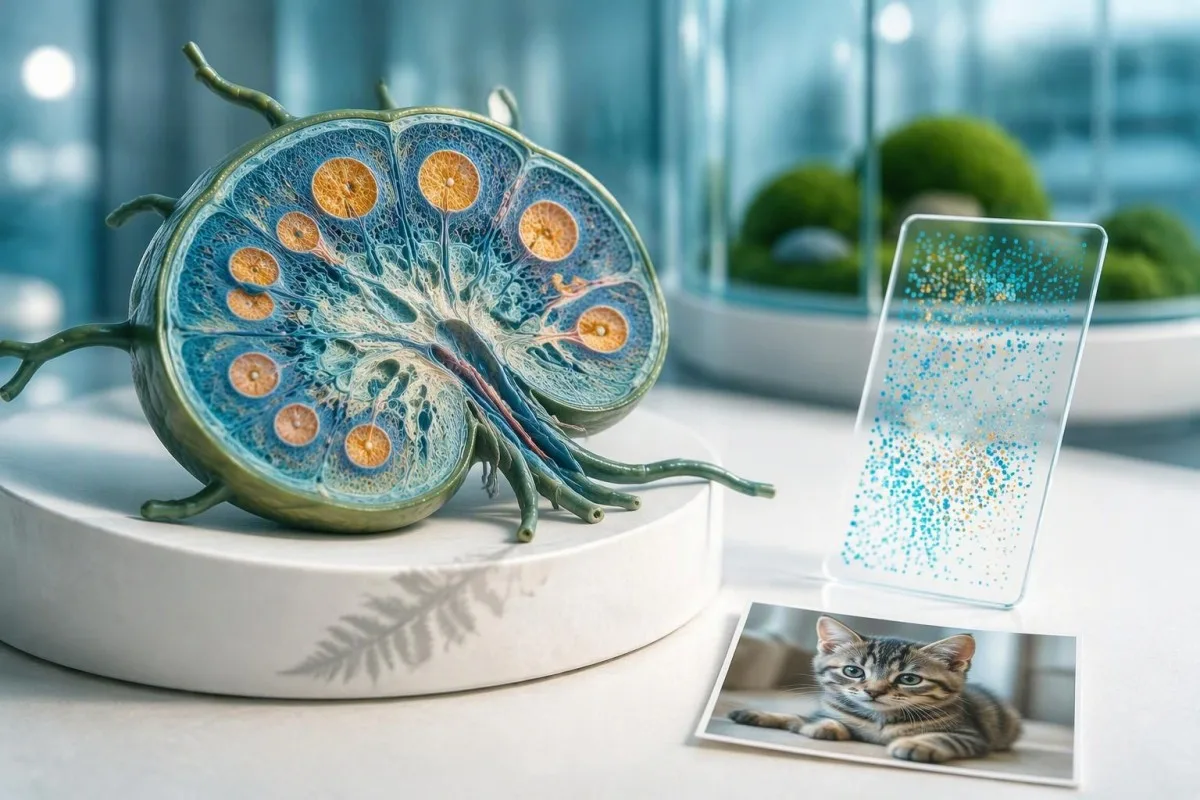
يۇقىرى سۆڭەك بېزى ۋە مۇسبەت بارتونېللا تەن جەۋھىرىنى سىناش مۈشۈكنىڭ تېرىسىنى چىشلىشىنى كەلتۈرۈپ چىقىرىشى مۇمكىن - ئەمما ھەر ئىككىسى ئۆزلۈكىدىن دىئاگنوز قويمايدۇ. ۋاقتى, مايكروسوڭلۇق ئۇسۇل, ۋە PCR ئۈچۈن تاللانغان ئەۋرىشكە ئوخشاش ۋاقتى, كېيىنكى قەدەمگە تەسىر قىلىدۇ.


- مۈشۈكنىڭ چىشلىشىدىن كېلىپ چىققان كېسەللىك سىنىقى ئادەتتە بارتونېللا ھېنسېللىغا قارشى تەن جەۋھىرىنى ئۆلچەيدۇ؛ يەككە مۇسبەت نەتىجىنى ئۆتكەن ئۇچرىشىش بىلەن ئاكتىپ يۇقۇملىنىشنى ئىشەنچلىك ئايرىش تەس.
- تەن جەۋھىرى dilution, bacterial count غا ئوخشاش: 1:256 بولسا 1:64 نىڭ ئاخىرقى dilution نىڭ تۆت ھەسسىسى, ئەمما كېسەللىك جىددىي كۈچىنىڭ تۆت ھەسسىسىنى كۆرسەتمەيدۇ.
- بارتونېللا ھېنسېللى IgG 1:256 دىن يۇقىرى بولسا بەزى چۈشەندۈرۈش پىلانلىرىدا يېقىنقى ياكى ھازىرقى يۇقۇملىنىشنى قوللايدۇ, ئەمما مايكروسوڭلۇق ئالاھىدە چەكلىمىلەر ۋە ئالامەتلەر تېخى چۈشەندۈرۈشنى باشقۇرىدۇ.
- بارتونېللا IgM چۈشەندۈرۈشى دىققەت قىلىشنى تەلەپ قىلىدۇ: مەنپىي نەتىجىنى بارتونېللا كېسەللىكىنى رەت قىلمايدۇ, بولۇپمۇ ئالامەتلەر باشلانغاندىن كېيىن نەچچە ھەپتە ئۆتكەندە سىناق ئېلىپ بېرىلغاندا.
- قايتا يۇقۇملىنىش سىنىقى 10–21 كۈن ئەتراپىدا بىر قېتىم قايتا سىناپ باققاندا دەسلەپكى سەلبىي ياكى چېگرا نەتىجىنى ئېنىقلاپ بېرىشى مۇمكىن؛ ئىمكانقەدەر ئوخشاش تەجرىبىخانا ۋە ئانالىزنى ئىشلىتىڭ.
- تۆت ھەسسە كۆپەيگەن تىتېر 1:128 دىن 1:512 گە ئوخشاش ئۆزگىرىشنى كۆرسىتىدۇ ۋە بىرلا IgG نەتىجىسىگە قارىغاندا يېقىنقى يۇقۇملىنىشنىڭ تېخىمۇ كۈچلۈك ئىسپانىنى بېرىدۇ.
- PCR ئەۋرىشكا تاللاش مۇھىم: يەرلىك لىمفا تۈگۈنى يۇقۇملىنىشتا لىمفا تۈگۈنى سۈمۈرگۈچ ياكى توقماق يىراق قان تومۇرىغا قارىغاندا پايدىلىق بولىدۇ، ئەمما ئەۋرىشكا ئېلىش كلىنىك سەۋەبنى تەلەپ قىلىدۇ.
- جىددىي باھالاش كۆرۈش قۇۋۋىتىنىڭ يېڭى يوقىلىشى، چۈشەنچە، ئېغىر قورساق ئاغرىش ياكى ئىممۇنىتېتى تۆۋەن بولغان بىماردا زۇكام بولسا، ئالدىنى ئېلىش كېرەك - تەخمىنەن 2-3 ھەپتە ساقلاشقا توغرا كەلمەيدۇ.
مۈشۈكنىڭ چىشلىشىدىن كېلىپ چىققان كېسەللىك سىنىقى سىزگە نېمە دەپ بېرىدۇ؟
A مۈشۈك تېرىش كېسەللىكىنى تەكشۈرۈش ئادەتتە قارشى تۇرسا Bartonella henselae, ، مۈشۈك تېرىش كېسەللىكى بىلەن مۇناسىۋەتلىك باكتېرىيە. بىر قېتىمقى مۇسبەت تىتېر ئۆتكەن قېتىمقى تەسىرنى ياكى ئاكتىپ يۇقۇملىنىشنى ئېنىق ئاجرىتىپ چىقىرالمايدۇ؛ ئۇيغۇن كېلىدىغان تەكشۈرۈش، تەخمىنەن 2-3 ھەپتەدىن كېيىن قايتا سىناش ياكى مۇۋاپىق تاللانغان PCR دىئاگنوزنى ئېنىقلاشقا ياردەم بېرىدۇ.
ئادەتتىكى كلىنىك سوئالى يېڭى ئىششىپ كەتكەن لىمفا تۈگۈنىنىڭ يېقىنقى مۈشۈك بىلەن بولغان مۇناسىۋىتى بارمۇ؟ مۈشۈكنىڭ قولنى تېرىگەنىدىن 2 ھەپتە كېيىن پەيدا بولغان بىر قىسىم يۇمشاق يۇمشاق تۈگۈن Bartonella نى مۇمكىن قىلىدۇ؛ بىمار بولمىغان كىشىلەردىكى ئوخشاش ئانتىتېلا نەتىجىسى كونا ئىممۇنىتېت جاۋابىنى ئەكس ئەتتۈرۈشى مۇمكىن.
كانتېستى بىر AI قان تەكشۈرۈش ئانالىزچىسى بۇ ئۆزگىرىش مۈشۈك ئانتىتېلاسىنى توپلاش ۋاقتى ۋە تەجرىبىخانا پايدىلىنىش دائىرىسى بىلەن بىللە چۈشەندۈرۈشكە ياردەم بېرىدۇ. ئانتىتېلا ئايلار ياكى يىللارغىچە بايقالالايدۇ، شۇڭا CDC نىڭ كلىنىك يېتەكچىسى چۈشەندۈرگەندەك، ھەتتا مۇسبەت نەتىجىنى ئىشلىتىپلا دورا قوبۇل قىلىش كېرەك دېگەننى بىلدۈرمەيدۇ.
مەن MD، توماس كلايىن، ۋە مەن دىققەت قىلىدىغان پەرقى يۇقۇملىنىشنىڭ ئىسپاتى بىلەن بۈگۈنگى كۈندىكى زۇكامنى چۈشەندۈرىدىغان ئىسپات. ئىككى خىل ئوخشاش دوكلاتنى ئويلاڭ: بىرى كىچىكلىشىۋاتقان رايونلۇق تۈگۈننى قوللايدۇ، يەنە بىرى ئۇزۇنغا سوزۇلغان زۇكام ۋە نۇرغۇن چوڭىيىۋاتقان تۈگۈننى قوللايدۇ؛ ئىككىنچى بىمارنىڭ ئوخشاش رەقەمنى تېخىمۇ كۈچلۈك ئىزاھلاشقا ئەمەس، بەلكى تېخىمۇ كەڭ باھالاشقا موھتاج.
مۇسبەت ئانتىتېلا نەتىجىسى بىر ئامىل. بىزنىڭ يېتەكچىمىز مۇsbettى ئەزالىق نەتىجىسىنى چۈشەندۈرۈش نىڭ زۇكامغا قارشى ئانتىتېلالارنىڭ ئىممۇنىتېت سىنىقى ۋە ئاپتوماتىك سىنىقىدىن قانداق پەرقلىنىدىغانلىقىنى چۈشەندۈرىدۇ؛ بىزنىڭ تەشكىلاتىمىز ۋە كلىنىكىلىق ۋەزىپىمىز يەنە Kantesti نىڭ ۋەزىپىسىنى تەكشۈرۈشنىڭ ئورنىنى ئالىدىغان خىزمەت بىلەن تەمىنلەيدىغانلىقىنى چۈشەندۈرىدۇ، بۇ ئامىللارنى باغلايدىغان تەكشۈرۈشنىڭ ئورنىنى ئالمايدۇ.
مۈشۈك بىلەن ئۇچراشقاندىن كېيىن سۆڭەك بېزى يۇقىرى كۆتۈرۈلگەندە بارتونېللاغا قانداق ماس كېلىدۇ؟
مۈشۈك چىشىم كېسەللىكى ئادەتتە يۇقۇملىنىش ۋەقەسىدىن تەخمىنەن 1-3 ھەپتە ئۆتكەندىن كېيىن يەرلىك ئىششىپ كەتكەن لىمفا تۈگۈنىنى كەلتۈرۈپ چىقىرىدۇ. تېگىش نۇقتىسىدىكى كىچىك بومبا ئىلگىرى پەيدا بولىدۇ، ئەمما سىزدە كۆرۈنمەيدىغان تېرىش ياكى تېرىنىڭ بەلگىسى بولمىسا بۇ ئەھۋالنى رەت قىلىشقا بولمايدۇ.
ئورنى نۇرغۇن بىمارلار ئويلىغاندىنمۇ كۆپ دىئاگنوزغا پايدىلىق ئۇچۇر بېرىدۇ. قول ياكى ئالدى قول تېگىش نۇقتىسى بېلەك ياكى بېلەك تۈگۈنلىرىگە تارتالايدۇ، بېشى ئەتراپىدىكى تېگىش بويۇن تۈگۈنلىرىگە ئېلىپ كېلىشى مۇمكىن؛ 1 رايونلۇق توپى ھەقىقىي كېسەللىككە قارىغاندا نۇرغۇن كىشىلەرگە قارىغاندا ياخشى كېلىدۇ.
مۈشۈك باللىرى ۋە مۈشۈك فلېس بار مۈشۈكلەر كۆپ ئۇچرايدىغان ئەھۋاللار، ئەمما مۈشۈك ئىگىسى بولۇش ئۆزى دىئاگنوز ئەمەس. كلىنىكلار ئالدىنقى 2-8 ھەپتە ئىچىدە تېرىنىڭ يۇقۇملىنىش، چىشلاش ۋە يۇقۇملىنىشنى سۈمۈرۈش ھەققىدە سوئال سورايدۇ؛ Bartonella تارقىلىشى تېرى ياكى مۇكوزا يۈزىگە قارشى تۇرغۇزۇش ماتېرىياللىرىنى ئۆز ئىچىگە ئالىدۇ، ھايۋانغا يېقىن تۇرۇشنى ئەمەس.
يۈز بېرىش ۋاقتى ئازدۇرغۇچى بولىدۇ، چۈنكى لىمفا تۈگۈنى ئېنىق بولۇشتىن بۇرۇن تېرى ئاستا-ئاستا ساقىيىدۇ. بىر مىسالدا، بىر ئاتا-ئانىسى 4 ھەپتە ئىلگىرى مۈشۈك بالىسىنى ئالغانلىقىنى ئەسلىدى، گەرچە ئۇنىڭدىن سوئال سورۇلغان بولسىمۇ؛ بۇ تارىخ سىناقنى تاللاشقا ياردەم بېرىدۇ، ئەمما ئۇ قايسى كېسەللىكنىڭ تۈگۈننى كەلتۈرۈپ چىقارغانلىقىنى ئېنىقلاپ چىقمايدۇ.
باشقا يۇقۇملىنىشلاردا باشقا يۇقۇملىنىش ۋاقتىنى خاتالاشقا بولىدۇ. بىزنىڭ چۈشەندۈرۈشىمىز يېقىنقى يۇقۇملىنىشقا قارشى يۇقۇملىنىش ئوخشاش مۇلاھىزە مەسىلىسىنى چۈشەندۈرۈش ئۈچۈن ASO تىتېرنى ئىشلىتىدۇ: ئىممۇنىتېت بەلگىسى ئۇنى قوزغىتىدىغان ۋەقەدىن ئۆتۈپ كېتىشى مۇمكىن، بەزىدە بىر نەچچە ئايغىچە.
بارتونېللا تەن جەۋھىرى 1:64 ياكى 1:256 قاتارلىقلار نېمىنى كۆرسىتىدۇ؟
Bartonella antibody titers report the highest serum dilution at which an assay still detects antibodies. A result of 1:256 represents a greater endpoint dilution than 1:64; it does not report the number of bacteria in the body or measure disease severity.
Indirect immunofluorescence assays often use doubling dilutions: 1:64, 1:128, 1:256, and 1:512. Moving from 1:64 to 1:256 crosses 2 dilution steps, producing a fourfold increase; moving from 1:128 to 1:256 crosses only 1 step and may reflect ordinary analytical variation.
The assay method is part of the result. Some laboratories use immunofluorescence, while others report an enzyme immunoassay index or arbitrary units; a value of 2.1 on an index-based assay cannot be converted into a titer of 1:256 without a validated relationship supplied by that laboratory.
A report may also list antibodies to both B. henselae and B. quintana. Cross-reactivity between Bartonella species means that 2 positive species results do not automatically establish 2 separate infections; exposure history and, when necessary, species-specific molecular testing provide information that antibody patterns alone may not.
Before comparing 2 reports, check the organism, antibody class, assay, reference interval, and collection date. Our guide to سۈپەتلىك ۋە مىقدارلىق نەتىجىلەر explains why a simple positive flag can hide useful detail—and why more decimal places do not necessarily mean more diagnostic certainty.
بارتونېللا ھېنسېللى IgG نەتىجىلىرىنى قانداق چۈشەندۈرۈش كېرەك؟
بارتونېللا ھېنسېللى IgG indicates an immune response to Bartonella antigens, not necessarily an ongoing infection. Some clinical references treat titers above 1:256 as strongly supportive in a compatible illness, but a single high IgG result can persist after recovery and must be interpreted using the reporting laboratory’s criteria.
The often-quoted 1:64 and 1:256 boundaries come from particular assays and clinical interpretive conventions, not universal biological switches. Klotz, Ianas, and Elliott’s American Family Physician review describes low titers as less supportive and higher titers as more supportive, while emphasizing the combination of exposure, lymphadenopathy, and serology (Klotz et al., 2011).
A stable IgG titer of 1:512 in someone whose node has been shrinking for 6 weeks does not prove treatment failure. The immune system clears antibody signals more slowly than symptoms may improve; repeating IgG until it becomes negative can create unnecessary appointments, expense, and pressure to extend antibiotics.
An isolated IgG of 1:128 is especially vulnerable to overinterpretation when the initial suspicion is low. A patient with no plausible exposure and a hard supraclavicular node needs investigation of that node, even if the laboratory labels the antibody positive; the test’s relevance depends on the probability of disease before testing.
IgG positivity also behaves differently across organisms. Our discussion of IgG-positive, IgM-negative patterns shows why the familiar phrase past exposure cannot be transferred mechanically to every infection, and why 1 immune pattern may support several possible timelines.
بارتونېللا IgM يېقىنقى يۇقۇملىنىشنى ئىسپاتلايدۇمۇ؟
Bartonella IgM can support a recent infection, but it neither reliably confirms nor excludes cat scratch disease by itself. IgM may be absent, short-lived, or nonspecifically reactive; an IgM-negative result several weeks into lymph-node symptoms does not settle the diagnosis.
IgM has a shorter detection window than IgG in many patients, and available assays have variable sensitivity. If testing occurs 4–6 weeks after the first node appeared, the clinician may already have missed the most informative IgM period; a negative result should therefore be interpreted against the entire symptom timeline.
An IgM-positive, IgG-negative pattern may represent very early infection, but nonspecific reactivity is another possibility. Repeating both classes after approximately 10–21 days can look for IgG development, while the examination determines whether waiting is reasonable; an isolated IgM flag should not override an obviously different clinical diagnosis.
Intercurrent viral illness can complicate antibody interpretation, including nonspecific IgM reactions in some assay systems. That does not mean every EBV infection produces a false Bartonella result; rather, fever, sore throat, and generalized nodes should prompt consideration of a second explanation instead of assuming that 1 positive assay answers every question.
The combination of antibody classes matters more than either label alone. Our guide to EBV antibody timing illustrates how 3 markers can separate different stages of one viral infection, while also showing why Bartonella—with a different assay performance profile—requires its own interpretation.
قايتا بارتونېللا يۇقۇملىنىش سىنىقى قاچان پايدىلىق بولىدۇ؟
Repeat Bartonella serology is most useful when an early negative, borderline, or isolated IgG result conflicts with a convincing clinical picture. A second specimen approximately 10–21 days later may demonstrate seroconversion or a fourfold rise, providing stronger evidence of recent infection than a single titer.
A fourfold increase means 2 doubling-dilution steps: 1:128 to 1:512, or 1:256 to 1:1024. A rise from 1:128 to 1:256 is only twofold and may be within assay variability; asking the laboratory whether paired specimens can be tested together may improve the comparability of an apparent change.
The retest interval is not identical everywhere. Klotz et al. (2011) suggest repeating uncertain titers after 10–14 days, while laboratories may recommend approximately 2–3 weeks depending on the initial specimen and method; the practical question is whether enough time has passed for a new immune signal to emerge.
كانتېستى بىر AI قان تەكشۈرۈش نەتىجىسىنى چۈشەندۈرۈش سۇپىسى that can help organize dated reports, but 2 results are not automatically comparable just because they concern the same organism. A change in laboratory, assay, or reporting units can masquerade as a biological trend, which is why we emphasize the original report rather than an isolated screenshot.
Repeat testing is less useful when the first specimen was already collected late and symptoms are steadily resolving. Our explanation of قان تەكشۈرۈش ۋاقتى helps distinguish a genuinely evolving result from a stable immune footprint; clinicians should not delay urgent evaluation for 2–3 weeks merely to obtain a cleaner antibody pattern.
بارتونېللا PCR قاچان پايدىلىق بولىدۇ - ۋە قايسى ئەۋرىشكە مۇھىم؟
Bartonella PCR detects bacterial DNA rather than antibodies and can help when serology is inconclusive or the presentation is atypical. In localized lymph-node disease, an appropriate lymph-node aspirate or tissue specimen may be more informative than peripheral blood; a negative PCR still does not exclude infection.
Bartonella does not have to circulate detectably in peripheral blood while causing a regional node reaction. A blood PCR collected 3 weeks into an otherwise typical localized illness can therefore be negative; the result says more about DNA in that specimen than about every tissue site in the patient.
Hansmann and colleagues evaluated PCR in patients with lymph-node enlargement and showed its diagnostic value alongside other clinical criteria (Hansmann et al., 2005). The study also illustrates why 1 headline sensitivity estimate cannot be transferred to every modern assay: specimen type, case definition, processing, and timing all affect performance.
A node should not be sampled solely because a patient wants a more definitive result. CDC guidance generally reserves aspiration for substantial pain or swelling, or diagnostic uncertainty; if a clinician already plans sampling, discussing PCR and other investigations before the procedure can prevent the only suitable specimen from being handled incorrectly.
Laboratories may need different containers for microbiology, molecular testing, and tissue examination. Our guide to antibodies versus PCR timing explains the wider distinction between an immune footprint and direct organism detection, but each infection requires its own specimen rules—especially when only 1 sample is available.
CBC, CRP, ياكى ESR مۈشۈكنىڭ چىشلىشىدىن كېلىپ چىققان كېسەللىكنى جەزملەشتۈرەلەمدۇ؟
A CBC, CRP, or ESR cannot confirm cat scratch disease, and normal results do not exclude localized Bartonella infection. These tests help assess the wider illness: a regional node with a normal white-cell count presents a different problem from fever accompanied by abnormalities in 2 or more cell lines.
The white-cell count may remain within the laboratory’s adult reference interval, often approximately 4–11 × 10^9/L, despite a clearly enlarged node. CRP may also be modest or normal in localized disease; neither result measures the probability of Bartonella as directly as the exposure history and regional examination.
Raised inflammatory markers are nonspecific. A CRP of 25 mg/L can accompany several infectious or inflammatory conditions, while an ESR of 50 mm/hour may reflect additional influences such as anemia; our explanation of WBC ۋە CRP نىتاڭشسى helps prevent one normal marker from falsely reassuring the patient.
Reactive lymphocytes may redirect the differential toward a viral illness, although they are not exclusive to viruses. Our guide to رېئاكسىيەلىك لىمفوسىت بايقاشلىرى explains why morphology and absolute counts matter more than 1 percentage alone, particularly when fatigue and generalized nodes accompany the laboratory flag.
My approach as Thomas Klein, MD, is to ask whether every abnormality fits the proposed diagnosis. If a patient has a solitary tender node but platelets of 80 × 10^9/L and substantial anemia, those additional abnormalities deserve their own evaluation; a positive Bartonella titer should not become a convenient explanation for an entire discordant panel.
مۈشۈك بىلەن ئۇچراشقاندىن كېيىن سۆڭەك بېزى يۇقىرى كۆتۈرۈلۈشىنىڭ باشقا سەۋەبلىرى نېمە؟
Swollen lymph nodes after cat exposure can still arise from viral infections, ordinary bacterial lymphadenitis, tuberculosis, other animal-associated infections, or malignancy. A positive Bartonella IgG result does not exclude a second diagnosis; progressive enlargement or failure to improve over approximately 4–6 weeks deserves reassessment.
EBV, CMV, acute HIV, and toxoplasmosis can produce overlapping symptoms, particularly when nodes occur in more than 1 region. A sore throat, marked fatigue, splenic enlargement, sexual exposure history, or pregnancy can change which tests are useful; clinicians should choose a targeted differential rather than order every available infection panel.
A negative early Monospot test does not erase the possibility of EBV. Our guide to early Monospot false negatives explains that timing and age affect performance, which matters when 2 incomplete tests—a negative viral screen and a positive low Bartonella titer—appear to point in opposite directions.
Tuberculosis requires a different diagnostic pathway, especially with persistent cervical nodes or relevant epidemiological exposure. Our explanation of IGRA result limitations clarifies why a positive immune test does not establish active nodal tuberculosis and why a negative result cannot reliably exclude every case.
A hard, fixed, supraclavicular, or steadily enlarging node deserves attention even when cat contact is genuine. The 4–6-week reassessment window is a practical follow-up trigger, not permission to wait through rapid deterioration; a node shrinking slowly after typical cat scratch disease may persist for months without implying cancer or treatment failure.
قايتا تەن جەۋھىرىنى ئۆزگەرتكەندە قايسى ئالامەتلەرنى جىددىي باھالاش كېرەك؟
New vision loss, confusion, severe abdominal pain, or serious systemic illness requires prompt assessment, regardless of the Bartonella titer. Cat scratch disease can occasionally involve the eye, nervous system, liver, spleen, bone, or heart; waiting 2–3 weeks for repeat antibodies is inappropriate when those complications are suspected.
A visual complaint is not just another symptom to add to the laboratory request. New blurred vision, a central blind spot, or reduced color perception can require same-day eye assessment; Bartonella-associated neuroretinitis is one possible cause, but clinicians must also evaluate alternatives that need urgent treatment.
Persistent fever with significant abdominal pain may prompt examination and imaging of the liver and spleen. Liver enzymes can be normal or elevated, and 1 abnormal ALT result cannot establish organ involvement; our guide to جىگەر سىنىقىنى چۈشەندۈرۈش explains why patterns are more informative than a single flag.
Prolonged fever with a new murmur, embolic features, or a valve history raises a different question: possible endocarditis. Specialist pathways may use high Bartonella IgG thresholds, sometimes around 1:800 in specific criteria, but that context-specific value must not be borrowed as a diagnostic or severity cutoff for uncomplicated cat scratch disease.
Severe illness outranks serology. In an illustrative comparison, a person with IgG 1:1024 and a shrinking node may need routine follow-up, whereas someone with IgG 1:128, confusion, and fever needs urgent care; a low titer cannot compensate for a concerning examination.
ئىممۇنىتېت كەمچىللىكى بارتونېللا سىنىقىنى قانداق ئۆزگەرتىدۇ؟
Immunocompromised patients may develop a weaker antibody response and more disseminated Bartonella disease, so negative serology can be less reassuring. Fever, unusual skin findings, or organ symptoms in someone receiving chemotherapy, transplant medicines, or substantial immune suppression warrants earlier clinician-led evaluation rather than a routine 2–3-week retest alone.
The relevant issue is not simply whether the patient takes any medicine called an immunosuppressant. The drug, dose, treatment duration, underlying condition, and recent immune measurements all affect risk; 1 low-dose agent and intensive multi-drug transplant therapy should not be treated as equivalent exposures.
Bartonella can cause bacillary angiomatosis and other systemic presentations in severely immunocompromised people. These cases may lack the familiar solitary-node story, so tissue examination, PCR, cultures designed for the clinical question, and specialist assessment may carry more weight than 1 negative IgM result.
Total immunoglobulin concentrations and organism-specific antibodies answer different questions. Our discussion of testing frequent infections explains how recurrent illness may justify broader immune evaluation, but a normal total IgG concentration does not guarantee that a particular Bartonella antibody assay will become positive.
Do not stop an immune-suppressing medicine on the basis of an antibody report. A patient with a transplant and fever of 38.3°C needs prompt contact with the transplant or treating team, because medication changes, specimen collection, and treatment decisions must balance the possible infection against the condition the medicine is controlling.
مۇسبەت بارتونېللا تەن جەۋھىرىنى ئىشلىتىش ئانتىبىئوتىكنىڭ لازىملىقىنى كۆرسىتىدۇمۇ؟
A positive Bartonella titer alone is not an indication for antibiotics. Many uncomplicated cat scratch disease cases improve without antimicrobial treatment over approximately 2–4 months, while significant symptoms, immune suppression, or suspected organ involvement can justify a different clinician-directed treatment plan.
The evidence for uncomplicated-node treatment is narrower than patients often assume. CDC guidance and Klotz et al. (2011) describe azithromycin as an option that can reduce lymph-node volume sooner, but that does not establish that every seropositive patient benefits from treatment or that persistent antibodies require another course.
One commonly used adult regimen is azithromycin 500 mg on day 1 followed by 250 mg daily on days 2–5, when a clinician decides treatment is appropriate. This is not a self-treatment recommendation: children, cardiac rhythm risks, drug interactions, pregnancy, and complicated disease require individualized prescribing, and systemic Bartonella disease may need entirely different regimens.
Medication reconciliation matters before even a short course. People taking warfarin may need closer INR monitoring when antibiotics or acute illness change their response; our guide to ئانتىبىيوئىك ۋە INR ئۆزگىرىشلىرى explains why a 5-day prescription can have consequences beyond the infection being treated.
Follow-up should measure recovery, not antibody disappearance. A practical plan records fever, function, pain, and whether the node is shrinking over 2–4 weeks; prevention focuses on veterinary flea control, avoiding rough kitten play, and washing affected contact sites rather than testing healthy household members or removing a well-cared-for cat.
بارتونېللا نەتىجىلىرىنى تەكشۈرگەندە نېمىلەرنى ئېلىپ كېلىشىڭىز كېرەك؟
Bring the complete laboratory report, exposure history, symptom dates, and any earlier results—not just a positive flag. Two numbers such as 1:128 and 1:512 become useful only when the clinician knows whether they came from comparable assays and whether your symptoms are improving or progressing.
A useful one-page history includes 5 items: likely cat contact, the first skin change, the first enlarged node, the first fever, and any antibiotic start date. Record medicines and immune conditions as well; an approximate timeline is better than false precision, particularly when the contact event was never noticed.
كانتېستى بىر AI ئارقىلىق قوزغىتىلغان قان تەكشۈرۈش تەھلىل قورالى that can help explain IgG and IgM terminology from a laboratory PDF or photo without establishing a diagnosis. A missing less-than sign can turn <1:64 into 1:64, so our PDF transcription checks are particularly relevant to antibody reports.
بىزنىڭ چۈشەندۈرۈش تېخنىكىسى قوللانمىسى describes how Kantesti approaches laboratory explanations; that process cannot replace node palpation, an eye examination, or specimen selection. When 2 reports disagree, the useful output is a list of uncertainties and questions for the clinician—not an artificially confident verdict.
Physician involvement should be transparent rather than implied by a badge. Our داۋالاش مەسلىھەتچىلەر ھەيئىتى describes advisory roles, but an individual patient’s diagnosis still belongs to the treating team; ask that team what finding would change the plan and whether reassessment should occur in 48 hours, 2 weeks, or later.
تەتقىقات پايدىلىنىش ماتېرىياللىرى ۋە مۇناسىۋەتلىك مايكروسوڭلۇق نەشرىياتلار
The Bartonella-specific references below support the antibody, PCR, and management discussion; the 2 linked Zenodo publications address other laboratory topics. They should not be treated as Bartonella diagnostic studies, peer-reviewed clinical guidelines, or evidence that an automated report can diagnose cat scratch disease.
CDC clinical guidance describes persistent antibodies, cross-reactivity, and the limitations of molecular testing in localized disease. Klotz et al. (2011) supplies a clinical overview, while Hansmann et al. (2005) examines PCR in lymph-node enlargement; these 3 sources answer different questions and should not be collapsed into one universal test-accuracy claim.
As of October 7, 2026, this article uses those identifiable sources rather than inventing a new 2026 Bartonella guideline. The material does not establish that a named physician has completed a fresh external review; Kantesti’s كلىنىكىلىق قائىدىلەر ۋە تىكشۈرۈش page describes the organization’s methodology, not a guarantee that any single titer interpretation is correct.
The first related publication accompanies our kidney ratio interpretation guide. Kidney measurements can become relevant during systemic illness or medication monitoring, but the BUN/creatinine ratio has 0 established roles as a confirmatory cat scratch disease test; its DOI is provided for publication discovery, not to support the Bartonella thresholds above.
The second publication accompanies our complete urinalysis explanation. Urobilinogen likewise cannot confirm Bartonella infection; both formal citations appear below with DOI links and 2 clearly identified scholarly search links, because a search result must not be represented as a verified ResearchGate or Academia.edu publication record.
دائىم سورايدىغان سوئاللار
مۈشۈكنىڭ چىشلىشىدىن بولىدىغان خەتەرلىك كېسەللىكنىڭ ئىجابىي سىنىمى قانداق بولىدۇ؟
سۆزلىرىنى تەكشۈرۈش ئارقىلىق يەتكەن ياكى يېڭىدىن ئۆتكەن يۇقۇملىنىشنى كۆرسىتىدۇ. سۆزلۈك سەۋىيىسى 1:256 يۇقىرى بولسا، يېڭىدىن ئۆتكەن ياكى ھازىرقى يۇقۇملىنىشنى قوللايدىغانلىقىنى كۆرسىتىدۇ. يۇقۇملىنىش بىلەن بېرىش ئوتتۇرىسىدىكى پەرقىنى ساقلاشقا بولمايدۇ، چۈنكى ئانتىتانانىڭ 6 ئايدىن 2 يىلغىچە ساقلىنىشى مۇمكىن.
Bartonella henselae IgG 1:1024 يېڭى يۇقۇملىنىشنى بىلدۈرەمدۇ؟
1:1024 يېنىچە بولغان Bartonella henselae IgG نۇرغۇنلىغان سىناقلاردا يۇقىرى سېلىنما ھېسابلىنىدۇ، ئەمما ئۇ يۇقۇملانغان ياكى كېسەللىك ئېغىرلىقىنى ئۆلچەشنى ئىسپاتلىمايدۇ. يۇقىرى IgG، بولۇپمۇ سېلىشتۇرۇش ئۈچۈن ئىلگىرىكى ئەۋرىشىكى بولمىغاندا، ساقىيغاندىن كېيىن بايقىلىشقا بولىدۇ. سېلىشتۇرغىلى بولىدىغان سىناقلاردا 1:256 دىن 1:1024 گە يۇقىرىلاشى، 1:1024 نىڭ يەككە نەتىجىسىدىن كۆپرەك ئۇچۇر بېرىدۇ. داۋالاش قارارى ئالامەتلەر، ئىممۇنىتېت ھالىتى، تەكشۈرۈش نەتىجىلىرى ۋە ئەزالارنىڭ ئۆزگىرىشىگە باغلىق.
ئەينەك سىزگە مۈشۈك چىشلىگەن كېسەللىك ئالامەتلىرى بارمۇ؟
شۇنداق، مۈشۈك تىزمىسى كېسىلىbartonella IgM نېگاتىپ بولسىمۇ كېلىپ چىقىشى مۇمكىن، چۈنكى IgM ئىنكاسى بولماسلىقى، قىسقا ۋاقىت داۋاملىشىشى ياكى مۇۋاپىق سىناقتا بايقالماسلىقى مۇمكىن. تۇنجى سىياقلىرىدىن 4-6 ھەپتە ئۆتكەندە نېگاتىپ نەتىجە كېسەلگە گۇمانى بار بىمارلار ئويلىغاندىنمۇ ئاز ئەھمىيەتلىك بولۇشى مۇمكىن. IgG نەتىجىسى، ۋاقىت جەدۋىلى ۋە لىمفا dritte نىڭ تارقالغانلىقى يەنىلا دىياگنوزنى قوللىشى مۇمكىن. دەسلەپكى نەتىجىلەر ئېنىق بولمىغاندا قايتا ئىشلەنگەن ئانتىتېلا ياكى مۇۋاپىق تاللانغان PCR ياردەم بېرەلەيدۇ.
كاتونېللاغا قارشى تۇرۇملۇقلىرى قايتا قاچان تەكشۈرۈلىشى كېرەك؟
Bartonella غەۋاسىزلىق سەۋىيىسىنى داۋاملىق گۇمان قىلغاندا، دەسلەپكى بىر قىسىم قايتا-قايتا، چېگرا ياكى يەكۈنلۈك نەتىجىگە ئېرىشكەندىن كېيىن تەخمىنەن 10-21 كۈن ئىچىدە تەكرارلاش مۇمكىن. ئىمكانقەدەر شۇ خىل تەجرىبىخانا ۋە ئۇسۇلنى ئىشلىتىش كېرەك. تۆت ھەسسە ئېشىش (مەسىلەن، 1:128 دىن 1:512 گە)، ئىككى ھەسسە ئۆزگىرىشتىن كۆرە يېقىنقى يۇقۇملىنىشقا تېخىمۇ كۈچلۈك پاكىت بېرىدۇ. تەكرار قىلىنغان قاننى تەكشۈرۈش كۆرۈش قۇۋۋىتى، كاللىسىنى ئاغرىتىش، قورساقنى قاتتىق ئاغرىتىش ياكى ئېغىر سىستېمىلىق كېسەللىكلەرنى جىددىي باھالاشنى كېچىكتۈرمەسلىكى كېرەك.
Bartonella PCR anıta GÖRE تېخىمۇ توغرىمۇ؟
Bartonella PCR ۋە زەرەپشەن سىنىقى ئوخشىمىغان سوئاللارغا جاۋاب بېرىدۇ، شۇڭا ھېچقايسىسى ئۇنىۋېرسال جەھەتتىن تېخىمۇ ئېنىق ئەمەس. PCR باكتېرىيە DNA نى بايقايدۇ، زەرەپشانلىق تەكشۈرۈش بولسا ئىممۇنىتېت ئىنكاسىنى بايقايدۇ؛ يەرلىك لىمفا تۈگۈن كېسەللىكىدە، مۇۋاپىق لىمفا تۈگۈن ئەۋرىشكىسى مېنىڭ قانغا قارىغاندا تېخىمۇ پايدىلىق بولۇشى مۇمكىن. بىر قېتىملىق قان PCR نى رەت قىلىش مۈشۈك چىشلىگەن كېسەلنى تاشلىمايدۇ. لىمفا تۈگۈن ماتېرىياللىرىنى ئېلىش قارارى ئېنىقسىز زەرەپشان نەتىجىسىنى ئالماشتۇرۇش ئۈچۈنلا ئەمەس، بەلكى كلىنىكىلىق ئاساسى بىلەن بولۇشى كېرەك.
مۈچە ياللۇغىنى كەلتۈرۈپ چىقارغان ئىتتىك يارىسىدىن كېيىن، لىمفا ھۈجەيرىسى قانچىلىك ئۇزۇن ۋاقىت چىشلىق بولىدۇ؟
ئاسانلىشىشچان مۈشۈك چىشلىشىش سەۋەبىدىن كېلىپ چىققان لىمفا تۈگۈنى تەخمىنەن 2-4 ئاي ياكى بەزىدە تېخىمۇ ئۇزۇن ۋاقىت چوڭىيىشى مۇمكىن. ئاستا-ئاستا كىچىكلەش ۋە ئەگەشمە ئالامەتلەرنىڭ ياخشىلىنىشى پەقەت بىرلا ئۆسمىنىڭ داۋاملىشىشىدىن تېخىمۇ ئىشەنچلىك. ئالغا ئىلگىرىلەپ چوڭىيىش، قاتتىق ياكى تۇراقلىق تۈگۈن، قۇيرۇق ئۇچىدا بولۇش، ياكى تەخمىنەن 4-6 ھەپتە ئىچىدە ياخشىلىنىشنىڭ بولماسلىقى قايتا باھالاشقا ئەرزىيدۇ. بارتونېللا تىتېرىنىڭ مۇسبەت بولۇشى لىمفا تۈگۈنىنىڭ چوڭىيىشىنىڭ باشقا سەۋەبىنى بىكار قىلمايدۇ.
بۈگۈنلا AI بىلەن قان تەكشۈرۈش تەھلىلى ئېلىڭ
دۇنيادىكى 2 مىليوندىن ئارتۇق ئىشلەتكۈچى Kantesti نى دەرھال، توغرا تەجرىبىخانا تەھلىلى ئۈچۈن ئىشەنچ قىلىدۇ. قان تەكشۈرۈش نەتىجىڭىزنى يوللاپ، 15,000+ بىئوماركىرلىرىنىڭ تولۇق چۈشەندۈرۈشىنى بىر نەچچە سېكۇنتتا ئېلىڭ.
📚 پايدىلىنىلغان تەتقىقات ئېلانلىرى
Klein, T., Mitchell, S., & Weber, H. (2026). BUN/كرېئاتىنىن نىسبىتىنىڭ چۈشەندۈرۈلۈشى: بۆرەك ئىقتىدارى سىنىقى قوللانمىسى. Kantesti AI Medical Research.
Klein, T., Mitchell, S., & Weber, H. (2026). سۈيدۈك تەكشۈرۈشىدىكى Urobilinogen: 2026 تولۇق سۈيدۈك تەكشۈرۈش قوللانمىسى. Kantesti AI Medical Research.
📖 تاشقى داۋالاش پايدىلىنىش ماتېرىياللىرى
كېسەللىكنى كونترول قىلىش ۋە ئالدىنى ئېلىش مەركىزى (CDC) (n.d.). Clinical Guidance for Bartonella henselae. CDC Bartonella Clinical Guidance.
Klotz SA, Ianas V, Elliott SP (2011). Cat-scratch Disease. ئائىلە جۇمھۇرىيەتچىلىرى.
Hansmann Y et al. (2005). Diagnosis of Cat Scratch Disease with Detection of Bartonella henselae by PCR: a Study of Patients with Lymph Node Enlargement. Журнал Клиникалық Микробиология.
⚕️ تېببىي ئەسكەرتىش
بۇ ماقالە پەقەت تەربىيە-ئوقۇتۇش مەقسىتى ئۈچۈن بولۇپ، داۋالاش مەسلىھەتىنى تەشكىل قىلمايدۇ. دىئاگنوز قويۇش ۋە داۋالاش قارارلىرى ئۈچۈن ھەمىشە لاياقەتلىك ساغلاملىق مۇلازىمىتى تەمىنلىگۈچى بىلەن مەسلىھەتلىشىڭ.
E-E-A-T ئىشەنچ سىگناللىرى
تەجرىبە
دوختۇر رەھبەرلىكىدىكى لابوراتورىيە تەبىرىنى چۈشەندۈرۈش خىزمەت ئېقىملىرىنى بالىياتقۇچلۇق تەكشۈرۈش.
مۇتەخەسسىسلىك
بىئوماركىرلارنىڭ كىلىنىكىلىق مۇھىتتا قانداق ھەرىكەت قىلىدىغانلىقىغا مەركەزلەشكەن لابوراتورىيە تېبابىتى.
ھوقۇقدارلىق
دوكتور توماس كلېين تەرىپىدىن يېزىلغان، دوكتور سارا ميتچېل ۋە پروف. دوكتور ھانس ۋېبېر تەرىپىدىن تەكشۈرۈلگەن.
ئىشەنچلىكلىك
ئاگاھلاندۇرۇشنى ئازايتىش ئۈچۈن ئېنىق كېيىنكى قەدەملەر بىلەن ئىسپات-ئاساسلىق تەبىر.