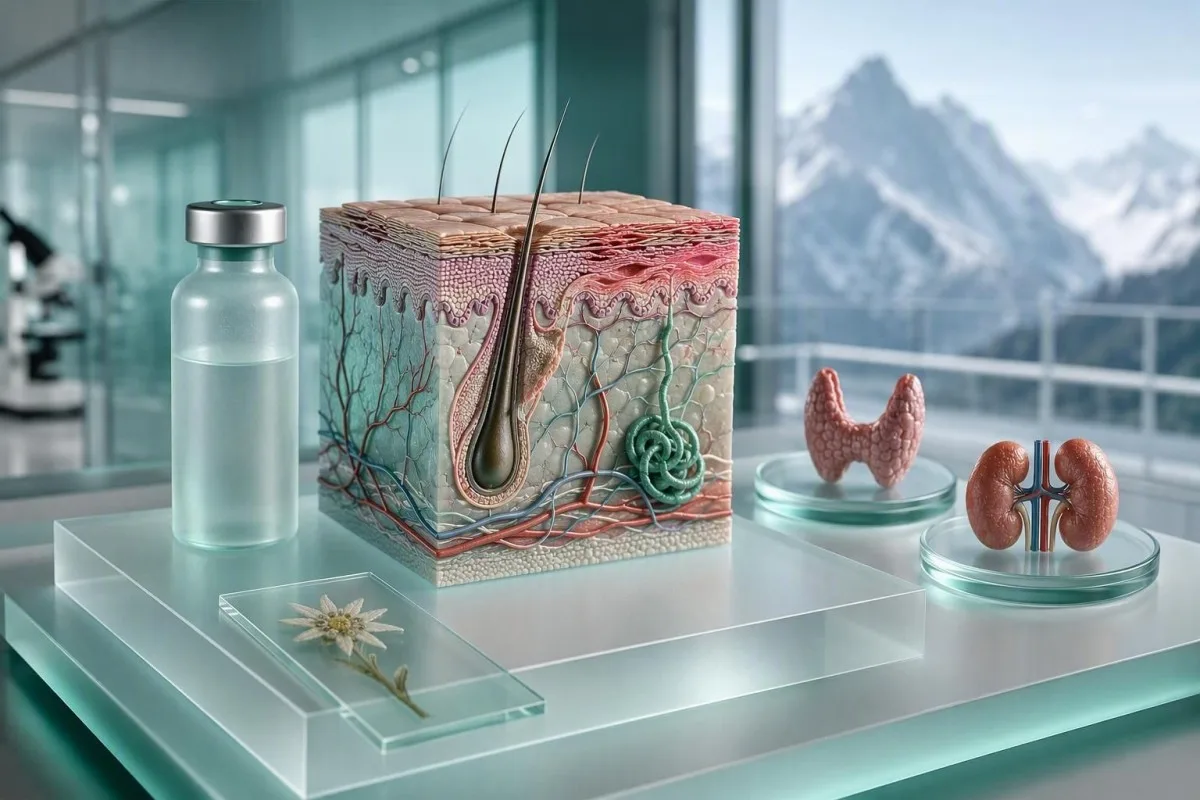
كۆپىنچە قۇرغاق تېرى كىلىمات، ساپۇن، ئېگزىما ياكى تېرە توسمىسىنىڭ زىيانغا ئۇچرىشىدىن كېلىپ چىقىدۇ - نورمالسىز ھېسابات نەتىجىسىدىن ئەمەس. ئەقلىي ئىقتىدارلىق تېرە باقمىچىلىقىغا قارىماي داۋاملاشقان ۋە ھارغىنلىق، تەرەت قىلماسلىق، ئىچكىچە، چېچىنىڭ ئۆزگىرىشى، ئىششىق ياكى ئېغىرلىقنىڭ ئۆزگىرىشى بىلەن بىللە بولغاندا، ت targeted قاندىكى خىزمەت پايدىلىق بولىدۇ.


- تۇنجى تەكشۈرۈش: پەقەت قۇرغاق تېرە قاندىكى خىزمەتنى ئازدىن-تۆتتىن ئاز تەلەپ قىلىدۇ؛ قۇرغاق تېرە بىلەن بىللە ھارغىنلىق، چېچىنى چۈشۈرۈش، ئىچكىچە، تەرەت قىلماسلىق، ئىششىق ياكى ئېغىرلىقنىڭ ئۆزگىرىشى بار.
- تۆمۈر زاپىسى: فېررېنتىن 15 ng/mL دىن تۆۋەن بولسا تۆمۈر كەملىكنى كۈچلۈك قوللايدۇ، 45 ng/mL دىن تۆۋەن بولغاندا قاندىكى ئانېمىيە ياكى خاراكتېرلىك ياللۇغ بولغاندا يەنىلا مۇھىم بولىدۇ.
- ئېغىز بەلگىسى: يۇقىرى TSH ۋە تۆۋەن ئەركىن T4 ئېغىز ئاجىزلىشىشنى قوللايدۇ، بۇ يۇمغاق، سالقىن، قۇرغاق تېرنىڭ كلاسسىك سىستېمىلىق سەۋەبى.
- قان شېكەر مىقدارى: HbA1c 6.5% ياكى ئۇنىڭدىن يۇقىرى بولغاندا ئىسپاتلانغاندا دىياپېتنى دىياگنوز قويۇش مىقدارىغا يېتىدۇ، يۇقىرى قان شېكەر سۇيۇقلۇق كەمچىلىكى بىلەن مۇناسىۋەتلىك تېرە قۇرغاقلىقىنى يامانلاشتۇرالايدۇ.
- بۆرەك ئەندىزىسى: eGFR 60 mL/min/1.73 m² دىن تۆۋەن بولۇشى ياكى سۈيدۈك ئالدىن-كرېئىتىن نىسبىتى 30 mg/g دىن يۇقىرى بولۇشى 3 ئاي ياكى ئۇنىڭدىن ئارتۇق ۋاقىت كلىنىك كېيىنكى كۆرۈشۈشنى تەلەپ قىلىدۇ.
- Nutrients: سىنىك، B12، فولات، ۋىتامىن D، ۋە زۆرۈر ماي ئىستېمالى مىقدارىغا باغلىق تەكشۈرۈشلەر؛ دائىملىق كەڭ ئوزۇقلۇق تەكشۈرۈش تىزىملىكى ئادەتتە پايدىسى ئاز.
- تېرە ئاسراش ئالدىنقى ئورۇندا تۇرىدۇ: مۇنچىدىن 3 مىنۇت ئىچىدە ئىشلىتىلگەن پۇراقسىز ھەم سېرامىد قۇيۇق دورىسى، كۆپ ساندىكى كىشىلەر ئۈچۈن، ئىچىملىكتىن پايدىلىنىشقا قارىغاندا، يېنىكلىك سېزیشنى ياخشىلاشتا تېخىمۇ ئىشەنچلىك.
- جىددىي ئالامەتلەر: كۈن ئىچىدە غۇلىشىش، قۇسۇش، چوڭقۇر تېز نەپەس ئېلىش، شىۋىرغاندەك سىيىش مىقدارىنىڭ ئازىيىشى، تېرە سېرىيىپ كېتىشى ياكى تېز تارقىلىدىغان ئاغرىقلىق قىزىلمۇچ قاتارلىق ئەھۋاللارغا دەرھال چارە كۆرۈش كېرەك.
قۇرغاق تېرە داۋاملىق تەكشۈرۈشكە ئەرزىيدىغان بولغاندا
A قۇرۇق تېرە ئۈچۈن قان تەكشۈرۈش ھۆل-يېغىنلىق تېرە ئاسراش بىلەن 6-8 ھەپتىدىن كۆپرەك داۋاملاشقان ياكى بەدەننىڭ باشقا ئەزالىرىدا ئالامەتلەر كۆرۈلگەندە ئەڭ پايدىلىق بولىدۇ. مېنىڭ كلىنىكىلىق تەجرىبىمگە ئاساسلانغاندا، قىش پەسلىدە پەقەت پۇتنىڭ پۇتىلا يۇلتۇزچە يېرىلىپ كەتسە، سىتتامىننىڭ نەتىجىسى بىلەن ھەرگىز چۈشەندۈرگىلى بولمايدۇ؛ چارچاپ كېتىش، ئىچ قېتىش، ھەيزنىڭ قېلىنلىقى، ھورۇنلۇق ياكى تويۇقنىڭ ئىششىپ كېتىشى بىلەن قۇرۇق تېرە ئەستايىدىل تەكشۈرۈشنى تەلەپ قىلىدۇ.
50 ياشتىن كېيىن يېڭىدىن پەيدا بولغان ياكى ئېنېرگىيە، ئۈچەي ھەرىكىتى، ئېغىرلىق، ھەيز، سىيىش ياكى دورا ئىستېمالىدا ئۆزگىرىش بولسا، قۇرۇق تېرە تېخىمۇ كلىنىكىلىق قىزىقارلىق بولىدۇ. بىر كلىنىكچى ئادەتتە مەلۇم بىر قىسقا تارىختىن باشلايدۇ، چۈنكى ئۇزۇن ئىسسىق مۇنچا، رېتىنويىد، دىيورېتىك، قەلماق يۇقۇمى ياكى ناچار كونترول قىلىنغان گلوكوزا تېخىمۇ ئوخشىمىغان تېرە ئەندىزىسىنى ھاسىل قىلالايدۇ.
34 ياشلىق بىر ئادەمنىڭ قوچقار، قېلىن ھەيز، پەلەمپەيدىن يۇقىرىغا چىققاندا نەپەس يېتىشمەسلىك ۋە تىنمايدىغان پۇتلىرى بار، ئەنئەنىۋى مىكرونترېنىنت توپىدىن تاشقىرى تۆمۈر تەكشۈرۈشنى تەلەپ قىلىدۇ. بۇنىڭغا قارشى، قوچقارنىڭ ئەتراپىدىكى چىشلىق، قىچىشقاق تاغارچىلىرى ئېگىزما ياكى ئالاقىلىشىش دېرماتىتىنى كۆرسىتىدۇ.; چىش سىيرىپ يۈرۈش ئۈچۈن قان تەكشۈرۈشى جىگەر، بۆرەك ياكى قان بىلەن مۇناسىۋەتلىك ئەندىشە بارلىقىنى ئاشكارىلايدۇ.
كانتېستى بىر AI قان تەكشۈرۈش ئانالىزچىسى بۇ سىزمۇ بىلەن تەمىنلىگەن سىئىنتومنىڭ سىياسەتلىرىگە فېررېنتىن، قەلماق، گلوكوزا، بۆرەك ماركېرلىرى ۋە CBC نەتىجىلىرىنى قۇرايدۇ. 2026-يىلى 9-ئاينىڭ 2-كۈنىدىن باشلاپ، بىزنىڭ كلىنىكىلىق مۇئامىلىمىز ئاددىي: ھەر قانداق چەكتىن ھالقىغان قىممەت تېرىنى چۈشەندۈرۈشىنى تەلەپ قىلىش ئۈچۈن ئەمەس، بەلكى ئەڭ مۇمكىن بولغان سىستېمىلىق سەۋەبلەرنى ئىسپاتلاش ئۈچۈن نەتىجىلەرنى ئىشلىتىش.
ئەمەلىي تەكشۈرۈشتىن ئىلگىرىكى تەكشۈرۈش
قۇرۇق تېرە قان تەكشۈرۈشىنى ئورۇنلاشتۇرۇشتىن بۇرۇن، مەسىلە قاچان باشلانغانلىقىنى، ئەڭ ناچار يېرىنى، يېڭى دورىلارنى، مۇنچا دائىملىقىنى، ھەيزنى، يېمەك-ئىچمەك چەكلىمىسىنى، ئىسپىرت ئىستېمالىنى ۋە بىر قىسىم ئاسراش دورىسىنىڭ ياخشىلانغان-ياكىشلىقىنى خاتىرىلەڭ. بۇ 2 مىنۇتلۇق ۋاقىت دائىرىسى دائىم كېرەكسىز تەكشۈرۈشنى توسىدۇ ۋە نورمال گۇرۇپپىنى تېخىمۇ خاتىرجەم قىلىدۇ.
ھېساباتتا تەكشۈرگىلى بولىدىغان سەۋەبلەر بىلەن ئادەتتىكى تېرە توسمىسىنىڭ قۇرغاقلىقى
ئەڭ داۋاملىشىدىغان قۇرۇق تېرە سەۋەبلىرى قان تەكشۈرۈشتە بايقالمايدۇ. تۆۋەن ھاۋا نەملىكى، دائىم يۇيۇنۇش، غىدىقلىغۇچى ئالاقىلىشىش دېرماتىتى، ئاتوپىيىلىك egzema، psoriasis، قېرى تېرە ۋە قاتتىق سىزىقلىق داۋالاشلار فېررېنتىن، TSH ياكى HbA1c نى ئۆزگەرتمەي تاشقى قاتلامنى بۇزىدۇ.
پايدىلىق پەرقلەندۈرۈش ئۇلارنىڭ تارقىلىشى: ئىچكى قىسىم قۇرۇق تېرىسى دائىم تارقاق بولۇپ، سالقىن ياكى قوپال ھېس قىلىدۇ، ھالبۇكى قول دېرماتىتى يۇيۇنۇش سۇيۇقلۇقى، ساغلاملاشتۇرغۇچ، قولقاپ ۋە ھۆل خىزمەت ئەتراپىدا توپلىشىدۇ. ئوتتۇرا ھۆل-يېغىنلىق ياشتىن كېيىن ئادەتتىكىدەك يېرىلىپ كېتىش كۆپ ئۇچرايدۇ، چۈنكى تېرە ماي ئاجرىلىشى ۋە ئېپىدېرمىستىكى ماي مىقدارى ئازايغان بولسىمۇ، ئىلمىي قىممەتلەر نورمال بولسا.
مەن بىمارلاردىن بىر قىسىم چېكىدىن ھالقىغان تەكشۈرۈشلەرنى قوغلىماستىن بۇرۇن 14 كۈنلۈك توسالغۇ سىنىقىنى ئۆتكۈزۈشنى تەلەپ قىلىمەن: 5-10 مىنۇتلۇق ئىسسىق سۇدا چۈشۈش، پۇراشسىز يۇيۇنۇش سۇيۇقلۇقى پەقەت مۈچە ۋە بوغۇمدا، ئاندىن 3 مىنۇت ئىچىدە قويۇق سېرامىد ياكى پېترول بېنزىنى بازىسىدىكى دورا. ئەگەر تېرە كەم دېگەندە يېرىمىغا ياخشىلانسىچۇ، سىستېمىلىق كەملىكنىڭ ئاساسلىق ھەرىكەتچان ئىكەنلىكى مۇمكىن ئەمەس.
دورا تەكشۈرۈشى ئاز ئىشلىتىلىدۇ. ئېغىزدىكى رېتىنويىدلار، تېرىگە سۈرۈلىدىغان رېتىنويىدلار، دىيورېتىك، لىتىي، بەزى راك داۋالاشلىرى ۋە دائىم ئىشلىتىلىدىغان دورىلار قۇرۇق تېرە پەيدا قىلىشى مۇمكىن، گەرچە دوختۇرنىڭ تەۋسىيەسىز داۋالاشنى توختىتىش ئەقىللىق ئەمەس. بىزنىڭ تۇنجى قان تەكشۈرۈش تەييارلىق قوللانمىسى كېسەللىك، قوشۇمچە يېمەكلىكلەر ۋە ۋاقىتنىڭ قانداق تەسىر قىلىدىغانلىقىنى چۈشەندۈرىدۇ.
تۆمۈر كەملىك پاكىتلىرى: فېررېنتىن، CBC، ۋە تىرانسفېرراتور سىكېنىرلاش
تۆمۈر كەملىكى قۇرۇق، ئاجىز تېرە ۋە چېچىنىڭ ئۆزگىرىشىگە سەۋەب بولۇشى مۇمكىن، ئەمما تېخىمۇ ياخشى بايان قىلىنغان بەلگىلەر چارچاپ كېتىش، چېنىقىش ئىقتىدارىنىڭ تۆۋەنلىشى، تىنمايدىغان پۇت، چېچىنىڭ چۈشۈشى ۋە جىگدىر چېچى. Ferritin 15 ng/mL دىن تۆۋەن ھەممە ئىشلار نورمال بولغان قۇرامىغا يەتكەنلەر ئۈچۈن تۆمۈر زاپىسىنىڭ ئازىيىشىنى تەلەپ قىلىدۇ.
18 ng/mL فېررېنتىن بىلەن نورمال ھېمگلوگوبىن يەنىلا تۆمۈرنىڭ دەسلەپكى قىسلىقىنى كۆرسىتىدۇ، بولۇپمۇ ھەيزى قېلىن ياكى تۆمۈر ئىستېمالى ئاز بولغان كىشىلەردە. ئامېرىكا ئاشقازان-ئۈچەي جەمئىيىتى تۆمۈر-كەمچىللىك قان كېسىلىنى باھالاشتا 45 ng/mL فېررېنتىن چېكىنى ئىشلىتىدۇ، چۈنكى ئەنئەنىۋى 15 ng/mL چېكى كلىنىكىلىق مۇناسىۋەتلىك ئەھۋاللارنى قولدىن بېرىدۇ (Ko et al., 2020).
تۆمۇرنىڭ تويۇنۇلۇشى% 20%% دىن تۆۋەن بولسا، circulating تومۇرنىڭ يېتىشمەسلىكىنى كۆرسىتىدۇ، MCV 80 fL دىن تۆۋەن بولسا، كىچىك قان تومۇرغا ئىشارەت قىلىدۇ. يۇقۇم ۋە ياللۇغدا فېررېنتىن ئاشىدۇ، شۇڭا C-reactive protein يۇقىرى بولسا، 70 ng/mL فېررېنتىن% 100% كەپپىللىك قىلالمايدۇ.
فېررېنتىن 9 ng/mL، قان 10.8 g/dL، MCV 76 fL بولغاندا، مەن تاشقى كېسەللەرنى تەپسىلىي كۆرۈشتىن بۇرۇن، نېمىشقا دەپ سورىمايمەن - ھەيز كۆپ بولۇش، چولپان كېسىلى، قان بېرىش، ھامىلدارلىق، ياكى ئاشقازان-ئۈچەينىڭ قان تېپىش شەكلى پىلاننى ئۆزگەرتىدۇ. تۆمۈر تەتقىقاتى قوللانمىسى ۋە تۆۋەن فېررىتىن يېتەكچىسى دىيەتنى تولۇق چۈشەندۈرۈش دەپ پەرەز قىلىشتىن بۇرۇن.
ئېغىز ئاجىزلىشىش ۋە قۇرغاق، سالقىن تېرە ئەندىزىسى
% 20%%% 20%%% 20%%% 20%%% 20%%% 20%%% 20%%% 20%%% 20%%% 20%%% 20%%% 20%%% 20%%% 20%%% 20%%% 20%%% 20%%% 20%%% 20%%% 20%%% 20%%% 20%%% 20%%% 20%%% 20%%% 20%%% 20%%% 20%%% 20%%% 20%%% 20%%% 20%%% 20%%% 20%%% 20%%% 20%%% 20%%% 20%%% 20%%% 20%%% 20%%% 20%%% 20%%% 20%%% 20%%% 20%%% 20%%% 20%%% 20%%% 20%%% 20%%% 20%%% 20%%% 20%%% 20%%% 20%%% 20%%% 20%%% 20%%% 20%%% 20%%% 20%%% 20%%% 20%%% 20%%% 20%%% 20%%% 20%%% 20%%% 20%%% 20%%% 20%%% 20%%% 20%%% 20%%% 20%%% 20%%% 20%%% 20%%% 20%%% 20%%% 20%%% 20%%% 20%%% 20%%% 20%%% 20%%% 20%%% 20%%% 20%%% 20%%% 20%%% 20%%% 20%%% 20%%% 20%%% 20%%% 20%%% 20%%% 20%%% 20%%% 20%%% 20%%% 20%%% 20%%% 20%%% 20%%% 20%%% 20%%% 20%%% 20%%% 20%%% 20%%% 20%%% 20%%% 20%%% 20%%% 20%%% 20%%% 20%%% 20%%% 20%%% 20%%% 20%%% 20%%% 20%%% 20%%% 20%%% 20%%% 20%%% 20%%% 20%%% 20%%% 20%%% 20%%% 20%%% 20%%% 20%%% 20%%% 20%%% 20%%% 20%%% 20%%% 20%%% 20%%% 20%%% 20%%% 20%%% 20%%% 20%%% 20%%% 20%%% 20%%% 20%%% 20%%% 20%%% 20%%% 20%%% 20%%% 20%%% 20%%% 20%%% 20%%% 20%%% 20%%% 20%%% 20%%% 20%%% 20%%% 20%%% 20%%% 20%%% 20%%% 20%%% 20%%% 20%%% 20%%% 20%%% 20%%% 20%%% 20%%% 20%%% 20%%% 20%%% 20%%% 20%%% 20%%% 20%%% 20%%% 20%%% 20%%% 20%%% 20%%% 20%%% 20%%% 20%%% 20%%% 20%%% 20%%% 20%%% 20%%% 20%%% 20%%% 20%%% 20%%% 20%%% 20%%% 20%%% 20%%% 20%%% 20%%% 20%%% 20%%% 20%%% 20%%% 20%%% 20%%% 20%%% 20%%% 20%%% 20%%% 20%%% 20%%% 20%%% 20%%% 20%%% 20%%% 20%%% 20%%% 20%%% 20%%% 20%%% 20%%% 20%%% 20%%% 20%%% 20%%% 20%%% 20%%% 20%%% 20%%% 20%%% 20%%% 20%%% 20%%% 20%%% 20%%% 20%%% 20%%% 20%%% 20%%% 20%%% 20%%% 20%%% 20%%% 20%%% 20%%% 20%%% 20%%% 20%%% 20%%% 20%%% 20%%% 20%%% 20%%% 20%%% 20%%% 20%%% 20%%% 20%%% 20%%% 20%%% 20%%% 20%%% 20%%% 20%%% 20%%% 20%%% 20%%% 20%%% 20%%% 20%%% 20%%% 20%%% 20%%% 20%%% 20%%% 20%%% 20%%% 20%%% 20%%% 20%%% 20%%% 20%%% 20%%% 20%%% 20%%% 20%%% 20%%% 20%%% 20%%% 20%%% 20%%% 20%%% 20%%% 20%%% 20%%% 20%%% 20%%% 20%%% 20%%% 20%%% 20%%% 20%%% 20%%% 20%%% 20%%% 20%%% 20%%% 20%%% 20%%% 20%%% 20%%% 20%%% 20%%% 20%%% 20%%% 20%%% 20%%% 20%%% 20%%% 20%%% 20%%% 20%%% 20%%% 20%%% 20%%% 20%%% 20%%% 20%%% 20%%% 20%%% 20%%% 20%%% 20%%% 20%%% 20%%% 20%%% 20%%% 20%%% 20%%% 20%%% 20%%% 20%%% 20%%% 20%%% 20%%% 20%%% 20%%% 20%%% 20%%% 20%%% 20%%% 20%%% 20%%% 20%%% 20%%% 20%%% 20%%% 20%%% 20%%% 20%%% 20%%% 20%%% 20%%% 20%%% 20%%% 20%%% 20%%% 20%%% 20%%% 20%%% 20%%% 20%%% 20%%% 20%%% 20%%% 20%%% 20%%% 20%%% 20%%% 20%%% 20%%% 20%%% 20%%% 20%%% 20%%% 20%%% 20%%% 20%%% 20%%% 20%%% 20%%% 20%%% 20%%% 20%%% 20%%% 20%%% 20%%% 20%%% 20%%% 20%%% 20%%% 20%%% 20%%% 20%%% 20%%% 20%%% 20%%% 20%%% 20%%% 20%%% 20%%% 20%%% 20%%% 20%%% 20%%% 20%%% 20%%% 20%%% 20%%% 20%%% 20%%% 20%%% 20%%% 20%%% 20%%% 20%%% 20%%% 20%%% 20%%% 20%%% 20%%% 20%%% 20%%% 20%%% 20%%% 20%%% 20%%% 20%%% 20%%% 20%%% 20%%% 20%%% 20%%% 20%%% 20%%% 20%%% 20%%% 20%%% 20%%% 20%%% 20%%% 20%%% 20%%% 20%%% 20%%% 20%%% 20%%% 20%%% 20%%% 20%%% 20%%% 20%%% 20%%% 20%%% 20%%% 20%%% 20%%% 20%%% 20%%% 20%%% 20%%% 20%%% 20%%% 20%%% 20%%% 20%%% 20%%% 20%%% 20%%% 20%%% 20%%% 20%%% 20%%% 20%%% 20%%% 20%%% 20%%% 20%%% 20%%% 20%%% 20%%% 20%%% 20%%% 20%%% 20%%% 20%%% 20%%% 20%%% 20%%% 20%%% 20%%% 20%%% 20%%% 20%%% 20%%% 20%%% 20%%% 20%%% 20%%% 20%%% 20%%% 20%%% 20%%% 20%%% 20%%% 20%%% 20%%% 20%%% 20%%% 20%%% 20%%% 20%%% 20%%% 20%%% 20%%% 20%%% 20%%% 20%%% 20%%% 20%%% 20%%% 20%%% 20%%% 20%%% 20%%% 20%%% 20%%% 20%%% 20%%% 20%%% 20%%% 20%%% 20%%% 20%%% 20%%% 20%%% 20%%% 20%%% 20%%% 20%%% 20%%% 20%%% 20%%% 20%%% 20%%% 20%%% 20%%% 20%%% 20%%% 20%%% 20%%% 20%%% 20%%% 20%%% 20%%% 20%%% 20%%% 20%%% 20%%% 20%%% 20%%% 20%%% 20%%% 20%%% 20%%% 20%%% 20%%% 20%%% 20%%% 20%%% 20%%% 20%%% 20%%% 20%%% 20%%% 20%%% 20%%% 20%%% 20%%% 20%%% 20%%% 20%%% 20%%% 20%%% 20%%% 20%%% 20%%% 20%%% 20%%% 20%%% 20%%% 20%%% 20%%% 20%%% 20%%% 20%%% 20%%% 20%%% 20%%% 20%%% 20%%% 20%%% 20%%% 20%%% 20%%% 20%%% 20%%% 20%%% 20%%% 20%%% 20%%% 20%%% 20%%% 20%%% 20%%% 20%%% 20%%% 20%%% 20%%% 20%%% 20%%% 20%%% 20%%% 20%%% 20%%% 20%%% 20%%% 20%%% 20%%% 20%%% 20%%% 20%%% 20%%% 20%%% 20%%% 20%%% 20%%% 20%%% 20%%% 20%%% 20%%% 20%%% 20%%% 20%%% 20%%% 20%%% 20%%% 20%%% 20%%% 20%%% 20%%% 20%%% 20%%% 20%%% 20%%% 20%%% 20%%% 20%%% 20%%% 20%%% 20%%% 20%%% 20%%% 20%%% 20%%% 20%%% 20%%% 20%%% 20%%% 20%%% 20%%% 20%%% 20%%% 20%%% 20%%% 20%%% 20%%% 20%%% 20%%% 20%%% 20%%% 20%%% 20%%% 20%%% 20%%% 20%%% 20%%% 20%%% 20%%% 20%%% 20%%% 20%%% 20%%% 20%%% 20%%% 20%%% 20%%% 20%%% 20%%% 20%%% 20%%% 20%%% 20%%% 20%%% 20%%% 20%%% 20%%% 20%%% 20%%% 20%%% 20%%% 20%%% 20%%% 20%%% 20%%% 20%%% 20%%% 20%%% 20%%% 20%%% 20%%% 20%%% 20%%% 20%%% 20%%% 20%%% 20%%% 20%%% 20%%% 20%%% 20%%% 20%%% 20%%% 20%%% 20%%% 20%%% 20%%% 20%%% 20%%% 20%%% 20%%% 20%%% 20%%% 20%%% 20%%% 20%%% 20%%% 20%%% 20%%% 20%%% 20%%% 20%%% 20%%% 20%%% 20%%% 20%%% 20%%% 20%%% 20%%% 20%%% 20%%% 20%%% 20%%% 20%%% 20%%% 20%%% 20%%% 20%%% 20%%% 20%%% 20%%% 20%%% 20%%% 20%%% 20%%% 20%%% 20%%% 20%%% 20%%% 20%%% 20%%% 20%%% 20%%% 20%%% 20%%% 20%%% 20%%% 20%%% 20%%% 20%%% 20%%% 20%%% 20%%% 20%%% 20%%% 20%%% 20%%% 20%%% 20%%% 20%%% 20%%% 20%%% 20%%% 20%%% 20%%% 20%%% 20%%% 20%%% 20%%% 20%%% 20%%% 20%%% 20%%% 20%%% 20%%% 20%%% 20%%% 20%%% 20%%% 20%%% 20%%% 20%%% 20%%% 20%%% 20%%% 20%%% 20%%% 20%%% 20%%% 20%%% 20%%% 20%%% 20%%% 20%%% 20%%% 20%%% 20%%% 20%%% 20%%% 20%%% 20%%% 20%%% 20%%% 20%%% 20%%% 20%%% 20%%% 20%%% 20%%% 20%%% 20%%% 20%%% 20%%% 20%%% 20%%% 20%%% 20%%% 20%%% 20%%% 20%%% 20%%% 20%%% 20%%% 20%%% 20%%% 20%%% 20%%% 20%%% 20%%% 20%%% 20%%% 20%%% 20%%% 20%%% 20%%% 20%%% 20%%% 20%%% 20%%% 20%%% 20%%% 20%%% 20%%% 20%%% 20%%% 20%%% 20%%% 20%%% 20%%% 20%%% 20%%% 20%%% 20%%% 20%%% 20%%% 20%%% 20%%% 20%%% 20%%% 20%%% 20%%% 20%%% 20%%% 20%%% 20%%% 20%%% 20%%% 20%%% 20%%% 20%%% 20%%% 20%%% 20%%% 20%%% 20%%% 20%%% 20%%% 20%%% 20%%% 20%%% 20%%% 20%%% 20%%% 20%%% 20%%% 20%%% 20%%% 20%%% 20%%% 20%%% 20%%% 20%%% 20%%% 20%%% 20%%% 20%%% 20%%% 20%%% 20%%% 20%%% 20%%% 20%%% 20%%% 20%%% 20%%% 20%%% 20%%% 20%%% 20%%% 20%%% 20%%% 20%%% 20%%% 20%%% 20%%% 20%%% 20%%% 20%%% 20%%% 20%%% 20%%% 20%%% 20%%% 20%%% 20%%% 20%%% 20%%% 20%%% 20%%% 20%%% 20%%% 20%%% 20%%% 20%%% 20%%% 20%%% 20%%% 20%%% 20%%% 20%%% 20%%% 20%%% 20%%% 20%%% 20%%% 20%%% 20%%% 20%%% 20%%% 20%%% 20%%% 20%%% 20%%% 20%%% 20%%% 20%%% 20%%% 20%%% 20%%% 20%%% 20%%% 20%%% 20%%% 20%%% 20%%% 20%%% 20%%% 20%%% 20%%% 20%%% 20%%% 20%%% 20%%% 20%%% 20%%% 20%%% 20%%% 20%%% 20%%% 20%%% 20%%% 20%%% 20%%% 20%%% 20%%% 20%%% 20%%% 20%%% 20%%% 20%%% 20%%% 20%%% 20%%% 20%%% 20%%% 20%%% 20%%% 20%%% 20%%% 20%%% 20%%% 20%%% 20%%% 20%%% 20%%% 20%%% 20%%% 20%%% 20%%% 20%%% 20%%% 20%%% 20%%% 20%%% 20%%% 20%%% 20%%% 20%%% 20%%% 20%%% 20%%% 20%%% 20%%% 20%%% 20%%% 20%%% 20%%% 20%%% 20%%% 20%%% 20%%% 20%%% 20%%% 20%%% 20%%% 20%%% 20%%% 20%%% 20%%% 20%%% 20%%% 20%%% 20%%% 20%%% 20%%% 20%%% 20%%% 20%%% 20%%% 20%%% 20%%% 20%%% 20%%% 20%%% 20%%% 20%%% 20%%% 20%%% 20%%% 20%%% 20%%% 20%%% 20%%% 20%%% 20%%% 20%%% 20%%% 20%%% 20%%% 20%%% 20%%% 20%%% 20%%% 20%%% 20%%% 20%%% 20%%% 20%%% 20%%% 20%%% 20%%% 20%%% 20%%% 20%%% 20%%% 20%%% 20%%% 20%%% 20%%% 20%%% 20%%% 20%%% 20%%% 20%%% 20%%% 20%%% 20%%% 20%%% 20%%% 20%%% 20%%% 20%%% 20%%% 20%%% 20%%% 20%%% 20%%% 20%%% 20%%% 20%%% 20%%% 20%%% 20%%% 20%%% 20%%% 20%%% 20%%% 20%%% 20%%% 20%%% 20%%% 20%%% 20%%% 20%%% 20%%% 20%%% 20%%% 20%%% 20%%% 20%%% 20%%% 20%%% 20%%% 20%%% 20%%% 20%%% 20%%% 20%%% 20%%% 20%%% 20%%% 20%%% 20%%% 20%%% 20%%% 20%%% 20%%% 20%%% 20%%% 20%%% 20%%% 20%%% 20%%% 20%%% 20%%% 20%%% 20%%% 20%%% 20%%% 20%%% 20%%% 20%%% 20%%% 20%%% 20%%% 20%%% 20%%% 20%%% 20%%% 20%%% 20%%% 20%%% 20%%% 20%%% 20%%% 20%%% 20%%% 20%%% 20%%% 20%%% 20%%% 20%%% 20%%% 20%%% 20%%% 20%%% 20%%% 20%%% 20%%% 20%%% 20%%% 20%%% 20%%% 20%%% 20%%% 20%%% 20%%% 20%%% 20%%% 20%%% 20%%% 20%%% 20%%% 20%%% 20%%% 20%%% 20%%% 20%%% 20%%% 20%%% 20%%% 20%%% 20%%% 20%%% 20%%% 20%%% 20%%% 20%%% 20%%% 20%%% 20%%% 20%%% 20%%% 20%%% 20%%% 20%%% 20%%% 20%%% 20%%% 20%%% 20%%% 20%%% 20%%% 20%%% 20%%% 20%%% 20%%% 20%%% 20%%% 20%%% 20%%% 20%%% 20%%% 20%%% 20%%% 20%%% 20%%% 20%%% 20%%% 20%%% 20%%% 20%%% 20%%% 20%%% 20%%% 20%%% 20%%% 20%%% 20%%% 20%%% 20%%% 20%%% 20%%% 20%%% 20%%% 20%%% 20%%% 20%%% 20%%% 20%%% 20%%% 20%%% 20%%% 20%%% 20%%% 20%%% 20%%% 20%%% 20%%% 20%%% 20%%% 20%%% 20%%% 20%%% 20%%% 20%%% 20%%% 20%%% 20%%% 20%%% 20%%% 20%%% 20%%% 20%%% 20%%% 20%%% 20%%% 20%%% 20%%% 20%%% 20%%% 20%%% 20%%% 20%%% 20%%% 20%%% 20%%% 20%%% 20%%% 20%%% 20%%% 20%%% 20%%% 20%%% 20%%% 20%%% 20%%% 20%%% 20%%% 20%%% 20%%% 20%%% 20%%% 20%%% 20%%% 20%%% 20%%% 20%%% 20%%% 20%%% 20%%% 20%%% 20%%% 20%%% 20%%% 20%%% 20%%% 20%%% 20%%% 20%%% 20%%% 20%%% 20%%% 20%%% 20%%% 20%%% 20%%% 20%%% 20%%% 20%%% 20%%% 20%%% 20%%% 20%%% 20%%% 20%%% 20%%% 20%%% 20%%% 20%%% 20%%% 20%%% 20%%% 20%%% 20%%% 20%%% 20%%% 20%%% 20%%% 20%%% 20%%% 20%%% 20%%% 20%%% 20%%% 20%%% 20%%% 20%%% 20%%% 20%%% 20%%% 20%%% 20%%% 20%%% 20%%% 20%%% 20%%% 20%%% 20%%% 20%%% 20%%% 20%%% 20%%% 20%%% 20%%% 20%%% 20%%% 20%%% 20%%% 20%%% 20%%% 20%%% 20%%% 20%%% 20%%% 20%%% 20%%% 20%%% 20%%% 20%%% 20%%% 20%%% 20%%% 20%%% 20%%% 20%%% 20%%% 20%%% 20%%% 20%%% 20%%% 20%%% 20%%% 20%%% 20%%% 20%%% 20%%% 20%%% 20%%% 20%%% 20%%% 20%%% 20%%% 20%%% 20%%% 20%%% 20%%% 20%%% 20%%% 20%%% 20%%% 20%%% 20%%% 20%%% 20%%% 20%%% 20%%% 20%%% 20%%% 20%%% 20%%% 20%%% 20%%% 20%%% 20%%% 20%%% 20%%% 20%%% 20%%% 20%%% 20%%% 20%%% 20%%% 20%%% 20%%% 20%%% 20%%% 20%%% 20%%% 20%%% 20%%% 20%%% 20%%% 20%%% 20%%% 20%%% 20%%% 20%%% 20%%% 20%%% 20%%% 20%%% 20%%% 20%%% 20%%% 20%%% 20%%% 20%%% 20%%% 20%%% 20%%% 20%%% 20%%% 20%%% 20%%% 20%%% 20%%% 20%%% 20%%% 20%%% 20%%% 20%%% 20%%% 20%%% 20%%% 20%%% 20%%% 20%%% 20%%% 20%%% 20%%% 20%%% 20%%% 20%%% 20%%% 20%%% 20%%% 20%%% 20%%% 20%%% 20%%% 20%%% 20%%% 20%%% 20%%% 20%%% 20%%% 20%%% 20%%% 20%%% 20%%% 20%%% 20%%% 20%%% 20%%% 20%%% 20%%% 20%%% 20%%% 20%%% 20%%% 20%%% 20%%% 20%%% 20%%% 20%%% 20%%% 20%%% 20%%% 20%%% 20%%% 20%%% 20%%% 20%%% 20%%% 20%%% 20%%% 20%%% 20%%% 20%%% 20%%% 20%%% 20%%% 20%%% 20%%% 20%%% 20%%% 20%%% 20%%% 20%%% 20%%% 20%%% 20%%% 20%%% 20%%% 20%%% 20%%% 20%%% 20%%% 20%%% 20%%% 20%%% 20%%% 20%%% 20%%% 20%%% 20%%% 20%%% 20%%% 20%%% 20%%% 20%%% 20%%% 20%%% 20%%% 20%%% 20%%% 20%%% 20%%% 20%%% 20%%% 20%%% 20%%% 20%%% 20%%% 20%%% 20%%% 20%%% 20%%% 20%%% 20%%% 20%%% 20%%% 20%%% 20%%% 20%%% 20%%% 20%%% 20%%% 20%%% 20%%% 20%%% 20%%% 20%%% 20%%% 20%%% 20%%% 20%%% 20%%% 20%%% 20%%% 20%%% 20%%% 20%%% 20%%% 20%%% 20%%% 20%%% 20%%% 20%%% 20%%% 20%%% 20%%% 20%%% 20%%% 20%%% 20%%% 20%%% 20%%% 20%%% 20%%% 20%%% 20%%% 20%%% 20%%% 20%%% 20%%% 20%%% 20%%% 20%%% 20%%% 20%%% 20%%% 20%%% 20%%% 20%%% 20%%% 20%%% 20%%% 20%%% 20%%% 20%%% 20%%% 20%%% 20%%% 20%%% 20%%% 20%%% 20%%% 20%%% 20%%% 20%%% 20%%% 20%%% 20%%% 20%%% 20%%% 20%%% 20%%% 20%%% 20%%% 20%%% 20%%% 20%%% 20%%% 20%%% 20%%% 20%%% 20%%% 20%%% 20%%% 20%%% 20%%% 20%%% 20%%% 20%%% 20%%% 20%%% 20%%% 20%%% 20%%% 20%%% 20%%% 20%%% 20%%% 20%%% 20%%% 20%%% 20%%% 20%%% 20%%% 20%%% 20%%% 20%%% 20%%% 20%%% 20%%% 20%%% 20%%% 20%%% 20%%% 20%%% 20%%% 20%%% 20%%% 20%%% 20%%% 20%%% 20%%% 20%%% 20%%% 20%%% 20%%% 20%%% 20%%% 20%%% 20%%% 20%%% 20%%% 20%%% 20%%% 20%%% 20%%% 20%%% 20%%% 20%%% 20%%% 20%%% 20%%% 20%%% 20%%% 20%%% 20%%% 20%%% 20%%% 20%%% 20%%% 20%%% 20%%% 20%%% 20%%% 20%%% 20%%% 20%%% 20%%% 20%%% 20%%% 20%%% 20%%% 20%%% 20%%% 20%%% 20%%% 20%%% 20%%% 20%%% 20%%% 20%%% 20%%% 20%%% 20%%% 20%%% 20%%% 20%%% 20%%% 20%%% 20%%% 20%%% 20%%% 20%%% 20%%% 20%%% 20%%% 20%%% 20%%% 20%%% 20%%% 20%%% 20%%% 20%%% 20%%% 20%%% 20%%% 20%%% 20%%% 20%%% 20%%% 20%%% 20%%% 20%%% 20%%% 20%%% 20%%% 20%%% 20%%% 20%%% 20%%% 20%%% 20%%% 20%%% 20%%% 20%%% 20%%% 20%%% 20%%% 20%%% 20%%% 20%%% 20%%% 20%%% 20%%% 20%%% 20%%% 20%%% 20%%% 20%%% 20%%% 20%%% 20%%% 20%%% 20%%% 20%%% 20%%% 20%%% 20%%% 20%%% 20%%% 20%%% 20%%% 20%%% 20%%% 20%%% 20%%% 20%%% 20%%% 20%%% 20%%% 20%%% 20%%% 20%%% 20%%% 20%%% 20%%% 20%%% 20%%% 20%%% 20%%% 20%%% 20%%% 20%%% 20%%% 20%%% 20%%% 20%%% 20%%% 20%%% 20%%% 20%%% 20%%% 20%%% 20%. TSH نىڭ يۇقىرى بولۇشى، ئەركىن T4 نىڭ تۆۋەن بولۇشى ئېنىق باشلامچى ھىپوتىئىروئىدلىقنى قوللايدۇ ۋە كىلىنىكشۇناس تەرىپىدىن تەكشۈرۈلۈشى كېرەك.
TSH نىڭ سېلىشتۇرما ئارىلىقى ئاساسلىق ئۇسۇلغا ئاساسەن ئوخشىمايدۇ، ئەمما نۇرغۇن چوڭلار لاۋاراتىورىيەسى تەخمىنەن 0.4 دىن 4.0 mIU/L غىچە ئىشلىتىدۇ. 6.2 mIU/L TSH نىڭ ئەركىن T4 نورمال بولۇشى سۇبكلinikal hypothyroidismdur، تېرە قۇرۇق بولۇشىنىڭ سەۋەبى ئىسپاتى ئەمەس؛ تەكرار تەكشۈرۈش، سىملىق، ق bydق ئەگەشكۈچىلىرى، ھامىلدارلىق ھالىتى ۋە يېشى مۇھىم.
مېنىڭ دىققەتىمنى تارتىدىغان بىرلەشمە قۇرۇق تېرە ۋە ئىچكىچە، سوغۇققا چىدىماسلىق، ئويلىنىشنىڭ ئاستىلىشى، ھىقچىيىش، كۆزى ئايلانما، ياكى تۈزگىچە ئويلاپ يېتىپ بولمايدىغان LDL خولېستېرىن. Biotin قوشۇمچىلىرى بەزى ق bydق ئىممۇنىتېت سىستېمىسىنى يالتىراتقۇزالايدۇ، شۇڭا كىلىنىكشۇناس ۋە لاۋاراتىورىيەگە قانداق ئىستېمال قىلىدىغانلىقىڭىزنى ئېيتىپ بېرىڭ؛ ق bydق تەكشۈرۈش ۋاقتى ئەمەلىي تەپسىلاتلار ئۈچۈن.
دوكتور توماس كلېيننىڭ كلىنىكىدا “ق bydق قوللاش” قوشۇمچىلىرىنى دىئاگنوزنى تەسدىقلىمىدىن بۇرۇن چىقىرىۋېتىش regla. يودنىڭ ئېشىپ كېتىشى ئاپتوماتىك ق bydق كېسەللىكلىرىنى ئەڭگىدىرىش، ۋە سېلېن 400 مىكروگرامدىن ئارتۇق ھەر كۈنى زەھەرلىك بولۇش خەۋپى بار. بىزنىڭ ق bydق يېمەكلىك ۋە يود رەھبەرلىكى بىخەتەر يېمەكلىك چەكلىمىلىرىنى چۈشەندۈرىدۇ.
دىياپېت، يۇقىرى قان شېكەر، ۋە سۇيۇقلۇق كەمچىلىك بىلەن مۇناسىۋەتلىك قۇرغاقلىق
دىئاۋېت كېسىلى تېرە قۇرۇق ھېس قىلىشقا سەۋەب بولىدۇ، چۈنكى يۇقىرى گلوكوزا سۈيدۈك ئىشلىتىش ۋە سۇسىزلىنىشنى ئاشۇرىدۇ، ئەمما قۇرۇق تېرەلا دىئاۋېت كېسىلىنى دىئاگنوز قىلالمايدۇ. HbA1c 6.5% ياكى ئۇنىڭدىن يۇقىرى بولسا، بالىياتىك ئەھۋال ۋە قايتا تەكشۈرۈش ماس كەلگەندە دىئابېت (شېكەر كېسىلى) دىئاگنوزىنى قوللايدۇ؛ شۇڭا بىرلا توغرا كىرگۈزۈلگەن قىممەت، سۇس/نامۇۋاپىق پۈتۈن بەت رەسىمىدىنمۇ بەكرەك پايدىلىق بولالايدۇ., ، 126 mg/dL (7.0 mmol/L) ياكى ئۇنىڭدىن يۇقىرى قەنت كېسىلى، ياكى 200 mg/dL (11.1 mmol/L) ياكى ئۇنىڭدىن يۇقىرى قاندىكى قاندىكى قاندىكى قاندىكى قاندىكى قاندىكى سىملىق بىلەن كۈندىلىك كۆرسەتكۈچكە تۇتىشىدۇ.
چاچ، دائىم سۈيدۈك چىقىرىش، كۆرۈش سۇسلىشىش، سەۋەبىنى چۈشەندۈرگىلى بولمايدىغان ئورۇقلاش، جىنسىي ياكى تېرە يۇقۇملىنىش، ۋە ساغلاملىقنىڭ ئاستىلىشى - يالاڭ تېرە ئەمەس. ئامېرىكا دىئاۋېت كېسىلى جەمئىيىتىنىڭ ساقچىلار رەھبەرلىكى 5.7% دىن 6.4% غىچە بولغان HbA1c نى تېزدىن كېسەل دەپ ھېسابلايدۇ، 6.5% ياكى ئۇنىڭدىن يۇقىرى بولسا دىئاۋېت كېسىلى دەپ ھېسابلايدۇ (ئامېرىكا دىئاۋېت كېسىلى جەمئىيىتى، 2025).
HbA1c يېقىنقى قاندىن كېيىن، يېقىنقى قاندىن ئېلىۋېتىش، ھامىلدارلىق، ھېماتىي قاندىكى خىل-ئەركىنلىك، ياكى قىزىل قان ھۈجەيرىسىنىڭ ياشاش كۈچىنى قىسقارتىدىغان شارائىتلارنى قايلىماققا بولىدۇ. قاندىكى قەنت ۋە HbA1c نىڭ قارشى چىقىشى كىلىنىكشۇناسنى بۇ ئامىللارنى سوراشقا ھەۋەسلەندۈرىدۇ، بەلكى ياخشى كۆرۈنگەن نەتىجىنى تاللاشنىڭ ئورنىغا؛ بىزنىڭ رەھبەرلىكىمىز قان قۇيۇلغاندىن كېيىنكى HbA1c بىر مۇھىم مىسالنى چۈشەندۈرىدۇ.
قان شېكەر مىقدارى 280 mg/dL، قۇسۇش، قورساق ئاغرىش، چوڭقۇر تېز نەپەس ئېلىش ياكى كالالارنىڭ يېتىشمەسلىكى بولغان كىشىلەر ئۈچۈن، تېرىنىڭ قۇرۇقلىقى ئەمدى مەسىلە ئەمەس - جىددىي باھالاش زۆرۈر. قان ياكى تەرەتتىكى كېتونلار مۇھىم بولۇپ قالىدۇ، چۈنكى دىئابىت كېتوئاسسىדוolusى تېز تەرەققىي قىلالايدۇ، بولۇپمۇ 1-تىپتىكى دىئابىتتا؛ تەكشۈرۈش مۇسبەت تەرەتتىكى كېتونلار جىددىي ئاگاھلاندۇرۇش سىگناللىرى ئۈچۈن.
قۇرغاق ياكى قىچىشىدىغان تېرىگە ئەگىشىپ كېلىدىغان بۆرەك نەتىجىلىرى
سوزۇلما خاراكېرلىك بۆرەك كېسەللىكى ئومۇمىي قۇرۇقلىق ۋە قىچىشىش كەلتۈرۈپ چىقىرىشى مۇمكىن، بولۇپمۇ تېخىمۇ ئىلغار باسقۇچلاردا، ئەمما ئادەتتىكى قۇرۇق تېرىگە بۆرەك كېسەللىكىنى تەكشۈرگىلى بولمايدۇ. eGFR 60 mL/min/1.73 m² دىن تۆۋەن 3 ئاي ياكى ئۇنىڭدىن ئۇزۇن سوزۇلما خاراكېرلىك بۆرەك كېسەللىكى ئۈچۈن بىر تۈزۈلۈش.
كرېئېناتىننى مۇسكۇل ئېغىرلىقى، ھۆل-يېغىن، يېمەك-ئىچمەك ۋە مايىللىق بىلەن چۈشەندۈرۈش كېرەك. مۇسكۇلى 28 ياشلىق، كرېئېناتىن 1.25 mg/dL بولغان كىشى نورمال سۈزۈش مىقدارىغا ئىگە بولۇشى مۇمكىن، گەرچە مۇسكۇل ئېغىرلىقى تۆۋەن بولغان ياشانغان كىشى كرېئېناتىن نورمال كۆرۈنسىمۇ بۆرەك زەخملىنىشى مۇمكىن.
تەرەتتىكى ئالبۇمىن-كرېئېناتىن نىسبىتى، ياكى ACR، يۇمغاقسۈتتىكى كرېئېناتىن بېرەلمەيدىغان ئۇچۇرلارنى قوشىدۇ. ACR 30 mg/g ياكى ئۇنىڭدىن يۇقىرى بولسا نورمال ئەمەس، 300 mg/g ياكى ئۇنىڭدىن يۇقىرى بولسا ئالبۇمىن سۈزۈلۈش كۆپەيگەنلىكىنى كۆرسىتىدۇ؛ KDIGO 2024 يېتەكچىسى خەتەرنى تۈرگە ئايرىش ئۈچۈن eGFR ۋە ئالبۇمىننى بىللە ئىشلىتىشنى تەۋسىيە قىلىدۇ (KDIGO, 2024).
قۇرۇق تېرىگە ئۇدا قىچىشىش، پۇت-بۇتتىكى ئىششىق، تەرەتنىڭ كۆپۈكلۈكى، ھارغىنلىق، كۆڭۈل سىلكىنىش ياكى تەرەت مىقدارىنىڭ ئازىيىشى تىببىي تەكشۈرۈشنى تەلەپ قىلىدۇ. Kantesti AI قان تەكشۈرۈش نەتىجىسىنى چۈشەندۈرۈش سۇپىسى كرېئېناتىن نەتىجىسىنى ھۆكۈم قىلىش ئورنىدا، eGFR نى ئالبۇمىن، ئېلېكترولىت، گلىكوزا ۋە ئىلگىرىكى قىممەتلەر بىلەن بىللە ئوقۇيدۇ؛ بىزنىڭ CKD باسقۇچلىرى يېتەكچىسى.
ئوزۇقلۇق تەكشۈرۈشى: قاچان سىنىك، B12، فولات، ياكى ۋىتامىن D پايدىلىق بولىدۇ
تېرىنىڭ قۇرۇقلىقى بىلەن يۇقۇملىنىش كەمچىل بولۇشى مۇمكىن، ئەمما توردا قوشۇمچە بازارغا سېلىش تەشۋىق قىلغاندەك ئاز ئۇچرايدۇ. چەكلىمىلىك يېمەك-ئىچمەك، سۈمۈرۈلۈش كەمچىل بولۇش، سوزۇلما خاراكېرلىك دىئارىيە، بارىياترىك ئوپېراتسىيەسى، ھاراق كۆپ ئىستېمال قىلىش، چۈشەندۈرگىلى بولمايدىغان قان كەمچىللىكى، ياكى ئېغىز، چاچ، نېرۋا، ياكى تىرناق ئۆزگىرىشى قاتارلىق خاراكتېرلىك ئۆزگىرىشلەر بولسا، نىشانلاشقان تەكشۈرۈش ئەقلىگە مۇۋاپىق.
سىنك كەملىك ئېغىز ئەتراپىدا ياكى پۇت-قوللاردا، چاچ تۈكۈلۈش، تاتلىق تەم ئۆزگىرىشى ۋە ساقلىنىش ئاستا بولۇش قاتارلىقلارنى كەلتۈرۈپ چىقىرىشى مۇمكىن، ئەمما زىنك ئاقسىلى ئاغرىق جەريانىدا تۆۋەنلەيدۇ ۋە ئەۋرەكنىڭ ۋاقتىغا تەسىر قىلىدۇ. تەكشۈرۈش ھەقىقىي كۆرسىتىلگەن بولسا، قورسىقىنى تويغۇزغان ئەتىگەنلىك نەتىجىسى ياخشىراق.; زىنك تەكشۈرۈشىنىڭ توغرىلىقى ئادەتتىكى قاپقانلارنى ئۆز ئىچىگە ئالىدۇ.
B12 ۋىتامىنى 200 pg/mL (148 pmol/L) دىن تۆۋەن بولسا، ئادەتتە تۆۋەن بولىدۇ، 200 دىن 300 pg/mL گىچە بولسا نورمال بولمىغان بولۇشى مۇمكىن ۋە مۇۋاپىق شارائىتتا مېتىلمالونىك كىسلاتا تەكشۈرۈشىنى تەلەپ قىلىشى مۇمكىن. B12 كەملىك ئاددىي قۇرۇق تېرىدىن كۆپرەك قول-پۇتنىڭ تارتقىلىشى، تەڭپۇڭلۇق قىيىنچىلىقى، تىل ياللۇغى ياكى ماكروئىتوزنى كەلتۈرۈپ چىقىرىدۇ؛ بىزنىڭ B12 دائىرە يېتەكچىسى بىرلىك قىممىتىنى ئۆزگەرتىشنى تەمىنلەيدۇ.
كانتېستى بىر AI ئارقىلىق قوزغىتىلغان قان تەكشۈرۈش تەھلىل قورالى 127+ دۆلەتلىرىدە ئىشلىتىلىدۇ، شۇڭا بىز تەكشۈرۈش ئارىلىقى ۋە بار بولغان ئوزۇقلۇق تەھلىللىرىنىڭ لاگېرلاردىن قانداق پەرقلىنىدىغانلىقىنى كۆرىمىز. سەۋەبسىز ھالدا كۆپ مىقداردا زىنك “تېرىگە” ئىستېمال قىلماڭ: ھەپتىلىگى 50 مىللىگىرام بىر نەچچە ھەپتە ئىستېمال قىلىش مىسنى سۈمۈرۈشنى ئازايتىپ، قان كەمچىللىكى ياكى نېرۋا زەخملىنىشىگە سەۋەب بولالايدۇ.; تۆۋەن مىس كەلتۈرۈپ چىقىرىدۇ تاشلىۋېتىلگەن نەتىجىلەر.
ئاقسىل، جىگەر، ۋە ئىچكى ئورگانلارنىڭ خىزمەتنى ئۆزگەرتىدىغان پاكىتلىرى
تۆۋەن ئالبۇمىن، ئۆت كەسەللىكىنىڭ نورمال بولمىغان تەكشۈرۈشلىرى، ياكى سۈمۈرۈلۈش كەمچىل بولۇش سىنىپلىرى ئادەتتىكى قۇرۇق تېرىدىن باشقا نەتىجىلەرنى كۆرسىتىشى مۇمكىن، گەرچە ئالبۇمىن كېسەللىكنىڭ بەلگىسى ۋە سۇيۇقلۇق تەڭپۇڭلىقى بولۇپ، ئاقسىل مىقدارىنى تېز ئۆلچەش ئۇسۇلى ئەمەس. ئالبۇمىن 3.5 g/dL دىن تۆۋەن ئۆت كەسەللىكىنىڭ نورمال ئىقتىدارى، بۆرەك ئاقسىلىنى يوقىتىش، يۇقۇملىنىش ۋە ئوزۇقلۇق تارىخى بىلەن چۈشەندۈرۈلۈشى كېرەك.
ئاز مىقداردا ئاقسىل يېگەن ئادەم 3 كۈن ئىچىدە تۆۋەن ئالبۇمىن نەتىجىسىنى ھاسىل قىلمايدۇ؛ ئالبۇمىن ئاستا ئۆزگىرىدۇ ۋە يۇقۇملىنىش، جىگەر زەخملىنىشى، نېفروتلىق ئاقسىلنى يوقىتىش ۋە سۇيۇقلۇق كۆپىيىشىدە تۆۋەنلەيدۇ. تېرىنىڭ قۇرۇق تاشلىنىشى بىلەن بىللە ئورۇقلاش، ئۇدا سۇس دىئارىيە، ئاغۇز ياللۇغى، ياكى يۇقىرى مىقداردىكى پۇرايدىغان تەرەت ئوزۇقلۇق سۈمۈرۈلۈشىنىڭ ئازىيىشىنى كەلتۈرۈپ چىقىرىشى مۇمكىن ۋە تېخىمۇ كۆپ قوشۇمچە يېمەكلىكتىن كۆپ تەرەت ياكى چىۋىن تەكشۈرۈشىنى تەلەپ قىلىشى مۇمكىن.
خولېستاتىك جىگەر ئالامەتلىرى — ئىלקالىي فوسفاتازا ۋە GGT نىڭ كۆپىيىشى، كۆپىنچە بىليرۇبىن ئۆزگىرىشى بىلەن بىرگە — قۇرغاقلىقتىن كۆرە قاتتىق قىچىشىش بىلەن تېخىمۇ كۈچلۈك باغلانغان. كېچىدە كۈچىيىدىغان ۋە كاۋاپ ۋە تەلپۇزلىرىنى ئۆز ئىچىگە ئالىدىغان قىچىشىش، بولۇپمۇ قېنىق سۈيدۈك ياكى سۇس تاشقى ئەخلەت بىلەن بىرگە، تېز باھالاشنى تەلەپ قىلىدۇ؛ بىزنىڭ خولېستاز (cholestasis) قان تەكشۈرۈش يېتەكچىسىدە تەسۋىرلەنگەن ئەندىزىگە تېخىمۇ كۆپرەك ئەھمىيەت بېرىدۇ..
ALT, AST, ALP, GGT, بىلىرۇبىن، ئالبۇمىن ۋە ئومۇمىي ئاقسىلنى ئۆز ئىچىگە ئالغان جىگەر ئۆلچەش ئىسكىلاتى، يەككە “زەھەرلەش” تەكشۈرۈشىدىن كۆپ پايدىلىق. مېنىڭ تەجرىبەم بويىچە، يەككە ALT نىڭ 45 IU/L قۇرغاق تېرىنى چۈشەندۈرەلمەيدۇ، لېكىن ALT قوشۇلغان تۆۋەن ئالبۇمىن، ئېدمانىڭ بارلىقى ۋە نورمالسىز بىلىرۇبىن ئۆزگىرىشى جىددىيلىكنى ئۆزگەرتىدۇ.
قۇرغاق تېرە قاندىكى خىزمىتىنىڭ نەتىجىلىرىنى ساقلاپ قېلىش ئۈچۈن قانداق تەييارلىق قىلىش كېرەك
كۆپىنچە قۇرغاق تېرىنىڭ قان تەكشۈرۈشى ئاچ قېلىشنى تەلەپ قىلمايدۇ، لېكىن 8 دىن 12 سائەتكىچە ئاچ قېلىش گلوكوزا، ئۈچەي ماي، تۆمۈر ياكى سىنك تەكشۈرۈلگەندە تۇراقلىقلىقنى ياخشىلىيالايدۇ. بىيوۋوتىن، تۆمۈر، B12، يود، سىنك ۋە گىياھلىق مەھسۇلاتلارنى ئۆز ئىچىگە ئالغان قوشۇمچە تىزىملىكنى ئېلىپ كېلىڭ.
تۆمۈر قوشۇمچىسى ۋاقىتلىق قان تومۇرىدىكى تۆمۈرنى كۆپەيتەلەيدۇ، شۇڭا نۇرغۇن كلىنىكچىلەر شۇ كۈنى بىر قېتىملىق دورىدىن بۇرۇن ئەتىگەنلىك تۆمۈر ئەۋرەنى ئەۋزەل كۆرىدۇ. فېرىتىن بىر دانە زەپتىدىن ئاز تەسىرگە ئۇچرايدۇ، ئەمما ئۇ يۇقۇملانغاندىن ياكى قاتتىق چېنىقىش كۈچىگە ئىگە، شۇڭا نەتىجە بىئارام بولغاندا قىزىتما، چىدامچانلىق پائالىيىتى ۋە يېقىنقى كېسەللىكنى تىلغا ئېلىڭ.
بۇيرۇم قىلغان كلىنىكچى باشقىچە كۆرسەتمىگەن بولسا، نۇرغۇنلىغان تىروئىد تەكشۈرۈشلىرىدىن 48 سائەتتىن كەم بولمىغاندا يۇقىرى مىقداردىكى بىيوۋوتىننى ئىستېمال قىلماڭ؛ دورا ۋە ئانالىز مۇھىم. سۇسلاشقانلىق كرېئىناتىن، ئالبۇمىن ۋە گېماتوكرىتنى سەل زىچلاشتۇرالايدۇ، تەكشۈرۈشتىن بۇرۇن كۆپ سۇ ئىچسە ئۇلارنى سۇسلاشتۇرالايدۇ - نورمال سۇ بېرىش قىزىقارلىق بولمىغان ئەڭ ياخشى ئەمەلىيەت.
بىزنىڭ ئىشلىتىڭ قان تەكشۈرۈش روزا تۇتۇش يېتەكچىسى قايسى قوشۇمچە ياردەمچىلەرنىڭ ئارىلىشىدىغانلىقىنى تەكشۈرۈش ئۈچۈن. نەتىجىلەر ساقلانمىسا، بىرلا ۋاقىتتا بەش خىل يېمەك-ئىچمەك ۋە قوشۇمچە ئۆزگەرگۈچى مىقدارنى ئۆزگەرتىشتىن كۆپ، سېلىشتۇرغىلى بولىدىغان شارائىتتا قايتا تەكشۈرۈش.
نېمىشقا ھېسابات ئەندىزىسى بىر ئۆزگەرتىلگەن نەتىجىدىن مۇھىم
بىرلا سەل نورمالسىز نەتىجە قۇرغاق تېرىنىڭ سەۋەبىنى ئىسپاتلاش روك. ئۆلچەش خاراكتېرلىك ئامىللار تېخىمۇ كۆپ كلىنىكلىق ئېغىرلىققا ئىگە: تۆۋەن فېرىتىن قوشۇلغان تۆۋەن تىرانسفېر توشۇغۇچى تويۇنۇش، يۇقىرى TSH قوشۇلغان تۆۋەن ئەركىن T4، ياكى كۆپەيگەن گلوكوزا قوشۇلغان ئالامەتلەر يەككە چېگرادىكى بايرىقتىن كۆپ ئۇچۇر بېرىدۇ.
پايدىلىنىش دائىرىلىرى بىر تەخمىنەن 1% نىڭ پايدىلىنىش نوپۇسىنى قەيەردە قويىدىغانلىقىنى تەسۋىرلەيدۇ؛ ئۇلار داۋالاش نىشانى ئەمەس ۋە تەكشۈرۈش ئورۇنلىرى ئارىسىدا ئوخشاش ئەمەس. 28 ng/mL فېرىتىن بىر تەشكىلاتنىڭ دائىرىسىگە كىرىشى مۇمكىن، ئەمما يەنىلا ھەيز كېلىدىغان ئانېمىيە بىلەن ئاغرىدىغان كىشىلەر ئۈچۈن مۇلاھىزە قىلىشقا ئەرزىيدۇ، شۇنىڭ بىلەن بىر يۈز تېرىسى ساغلام ئادەمدە ئوخشاش قىممەت ھېچقانداق تەدبىر تەلەپ قىلماسلىقى مۇمكىن.
تەرەققىيات دراماغا چىداملىق. 0.8 دىن 1.2 mg/dL گە يۇقىرى كۆتۈرۈلگەن كرېئىناتىن، “نورمال” بولسىمۇ، تۇراقلىق 1.2 mg/dL دىن كۆپرەك ئەھمىيەتكە ئىگە بولۇشى مۇمكىن؛; مۇھىم تەجرىبىخانا ئۆزگىرىشلىرى بىئولوگىيەلىك ۋە تەجرىبە-تحلىلىي ئۆزگىرىشنى چۈشەندۈرىدۇ.
AI ئۇزۇن مۇددەتلىك نەتىجىلەرنى تەكشۈرىدۇ ۋە كىلىنىك داۋاملاشتۇرۇش ئۈچۈن بىرلەشمىلەرنى بەلگە قىلىدۇ، ئەمما ئۇ سىزنىڭ تېرىڭىزنى تەكشۈرەلمەيدۇ، تىروئىدنى سىلايالمىدۇ، ياكى PDF دىن ئېكېما دىياگنوزى قويالمىدۇ. بىزنىڭ داۋالاش جەھەتتىكى دەلىللەش ئۇسۇلىمىز بىز بىلىم بېرىش تەبىرىنى كلىنىك دىئاگنوزدىن قانداق ئايرىشنى چۈشەندۈرىدۇ.
قۇرغاق تېرىنىڭ قاندىكى خىزمەت نەتىجىسى نورمال بولسا نېمە قىلىش كېرەك
قان تەكشۈرۈش نورمال بولغاندا ئېغىر سىستېمىلىق كەملىك، دىئابېت، ئىلغار بۆرەك كېسەللىكى ۋە ئاشكارا ھىپوتىروزنى ئاز پۇرسەتلىك قىلىدۇ، ئەمما ئۇ ئېگزمى، ئالېرگىيىلىك قۇرغاقلىق،پسورىياز، ئىكېتىئوز ياكى دورا بىلەن مۇناسىۋەتلىك قۇرغاقلىقنى رەت قىلمايدۇ. مۇناسىۋەتلىك تېرىنى پاراشوتلاش ۋە زۆرۈر بولغاندا، درماتولوگىيەنى تەكشۈرۈش كېيىنكى ئەقىللىق قەمچىلەر.
ھەپتىدە 2 قېتىم، ھەپتىدە 2 قېتىم، ھەپتىدە 2 قېتىم، ھەپتىدە 2 قېتىم، ھەپتىدە 2 قېتىم، ھەپتىدە 2 قېتىم، ھەپتىدە 2 قېتىم، ھەپتىدە 2 قېتىم، ھەپتىدە 2 قېتىم، ھەپتىدە 2 قېتىم، ھەپتىدە 2 قېتىم، ھەپتىدە 2 قېتىم، ھەپتىدە 2 قېتىم، ھەپتىدە 2 قېتىم، ھەپتىدە 2 قېتىم، ھەپتىدە 2 قېتىم، ھەپتىدە 2 قېتىم، ھەپتىدە 2 قېتىم، ھەپتىدە 2 قېتىم، ھەپتىدە 2 قېتىم، ھەپتىدە 2 قېتىم، ھەپتىدە 2 قېتىم، ھەپتىدە 2 قېتىم، ھەپتىدە 2 قېتىم، ھەپتىدە 2 قېتىم، ھەپتىدە 2 قېتىم، ھەپتىدە 2 قېتىم، ھەپتىدە 2 قېتىم، ھەپتىدە 2 قېتىم، ھەپتىدە 2 قېتىم، ھەپتىدە 2 قېتىم، ھەپتىدە 2 قېتىم، ھەپتىدە 2 قېتىم، ھەپتىدە 2 قېتىم، ھەپتىدە 2 قېتىم، ھەپتىدە 2 قېتىم، ھەپتىدە 2 قېتىم، ھەپتىدە 2 قېتىم، ھەپتىدە 2 قېتىم، ھەپتىدە 2 قېتىم، ھەپتىدە 2 قېتىم، ھەپتىدە 2 قېتىم، ھەپتىدە 2 قېتىم، ھەپتىدە 2 قېتىم، ھەپتىدە 2 قېتىم، ھەپتىدە 2 قېتىم، ھەپتىدە 2 قېتىم، ھەپتىدە 2 قېتىم، ھەپتىدە 2 قېتىم، ھەپتىدە 2 قېتىم، ھەپتىدە 2 قېتىم، ھەپتىدە 2 قېتىم، ھەپتىدە 2 قېتىم، ھەپتىدە 2 قېتىم، ھەپتىدە 2 قېتىم، ھەپتىدە 2 قېتىم، ھەپتىدە 2 قېتىم، ھەپتىدە 2 قېتىم، ھەپتىدە 2 قېتىم، ھەپتىدە 2 قېتىم، ھەپتىدە 2 قېتىم، ھەپتىدە 2 قېتىم، ھەپتىدە 2 قېتىم، ھەپتىدە 2 قېتىم، ھەپتىدە 2 قېتىم، ھەپتىدە 2 قېتىم، ھەپتىدە 2 قېتىم، ھەپتىدە 2 قېتىم، ھەپتىدە 2 قېتىم، ھەپتىدە 2 قېتىم، ھەپتىدە 2 قېتىم، ھەپتىدە 2 قېتىم، ھەپتىدە 2 قېتىم، ھەپتىدە 2 قېتىم، ھەپتىدە 2 قېتىم، ھەپتىدە 2 قېتىم، ھەپتىدە 2 قېتىم، ھەپتىدە 2 قېتىم، ھەپتىدە 2 قېتىم، ھەپتىدە 2 قېتىم، ھەپتىدە 2 قېتىم، ھەپتىدە 2 قېتىم، ھەپتىدە 2 قېتىم، ھەپتىدە 2 قېتىم، ھەپتىدە 2 قېتىم، ھەپتىدە 2 قېتىم، ھەپتىدە 2 قېتىم، ھەپتىدە 2 قېتىم، ھەپتىدە 2 قېتىم، ھەپتىدە 2 قېتىم، ھەپتىدە 2 قېتىم، ھەپتىدە 2 قېتىم، ھەپتىدە 2 قېتىم، ھەپتىدە 2 قېتىم، ھەپتىدە 2 قېتىم، ھەپتىدە 2 قېتىم، ھەپتىدە 2 قېتىم، ھەپتىدە 2 قېتىم، ھەپتىدە 2 قېتىم، ھەپتىدە 2 قېتىم، ھەپتىدە 2 قېتىم، ھەپتىدە 2 قېتىم، ھەپتىدە 2 قېتىم، ھەپتىدە 2 قېتىم، ھەپتىدە 2 قېتىم، ھەپتىدە 2 قېتىم، ھەپتىدە 2 قېتىم، ھەپتىدە 2 قېتىم، ھەپتىدە 2 قېتىم، ھەپتىدە 2 قېتىم، ھەپتىدە 2 قېتىم، ھەپتىدە 2 قېتىم، ھەپتىدە 2 قېتىم، ھەپتىدە 2 قېتىم، ھەپتىدە 2 قېتىم، ھەپتىدە 2 قېتىم، ھەپتىدە 2 قېتىم، ھەپتىدە 2 قېتىم، ھەپتىدە 2 قېتىم، ھەپتىدە 2 قېتىم، ھەپتىدە 2 قېتىم، ھەپتىدە 2 قېتىم، ھەپتىدە 2 قېتىم، ھەپتىدە 2 قېتىم، ھەپتىدە 2 قېتىم، ھەپتىدە 2 قېتىم، ھەپتىدە 2 قېتىم، ھەپتىدە 2 قېتىم، ھەپتىدە 2 قېتىم، ھەپتىدە 2 قېتىم، ھەپتىدە 2 قېتىم، ھەپتىدە 2 قېتىم، ھەپتىدە 2 قېتىم، ھەپتىدە 2 قېتىم، ھەپتىدە 2 قېتىم، ھەپتىدە 2 قېتىم، ھەپتىدە 2 قېتىم، ھەپتىدە 2 قېتىم، ھەپتىدە 2 قېتىم، ھەپتىدە 2 قېتىم، ھەپتىدە 2 قېتىم، ھەپتىدە 2 قېتىم، ھەپتىدە 2 قېتىم، ھەپتىدە 2 قېتىم، ھەپتىدە 2 قېتىم، ھەپتىدە 2 قېتىم، ھەپتىدە 2 قېتىم، ھەپتىدە 2 قېتىم، ھەپتىدە 2 قېتىم، ھەپتىدە 2 قېتىم، ھەپتىدە 2 قېتىم، ھەپتىدە 2 قېتىم، ھەپتىدە 2 قېتىم، ھەپتىدە 2 قېتىم، ھەپتىدە 2 قېتىم، ھەپتىدە 2 قېتىم، ھەپتىدە 2 قېتىم، ھەپتىدە 2 قېتىم، ھەپتىدە 2 قېتىم، ھەپتىدە 2 قېتىم، ھەپتىدە 2 قېتىم، ھەپتىدە 2 قېتىم، ھەپتىدە 2 قېتىم، ھەپتىدە 2 قېتىم، ھەپتىدە 2 قېتىم، ھەپتىدە 2 قېتىم، ھەپتىدە 2 قېتىم، ھەپتىدە 2 قېتىم، ھەپتىدە 2 قېتىم، ھەپتىدە 2 قېتىم، ھەپتىدە 2 قېتىم، ھەپتىدە 2 قېتىم، ھەپتىدە 2 قېتىم، ھەپتىدە 2 قېتىم، ھەپتىدە 2 قېتىم، ھەپتىدە 2 قېتىم، ھەپتىدە 2 قېتىم، ھەپتىدە 2 قېتىم، ھەپتىدە 2 قېتىم، ھەپتىدە 2 قېتىم، ھەپتىدە 2 قېتىم، ھەپتىدە 2 قېتىم، ھەپتىدە 2 قېتىم، ھەپتىدە 2 قېتىم، ھەپتىدە 2 قېتىم، ھەپتىدە 2 قېتىم، ھەپتىدە 2 قېتىم، ھەپتىدە 2 قېتىم، ھەپتىدە 2 قېتىم، ھەپتىدە 2 قېتىم، ھەپتىدە 2 قېتىم، ھەپتىدە 2 قېتىم، ھەپتىدە 2 قېتىم، ھەپتىدە 2 قېتىم، ھەپتىدە 2 قېتىم، ھەپتىدە 2 قېتىم، ھەپتىدە 2 قېتىم، ھەپتىدە 2 قېتىم، ھەپتىدە 2 قېتىم، ھەپتىدە 2 قېتىم، ھەپتىدە 2 قېتىم، ھەپتىدە 2 قېتىم، ھەپتىدە 2 قېتىم، ھەپتىدە 2 قېتىم، ھەپتىدە 2 قېتىم، ھەپتىدە 2 قېتىم، ھەپتىدە 2 قېتىم، ھەپتىدە 2 قېتىم، ھەپتىدە 2 قېتىم، ھەپتىدە 2 قېتىم، ھەپتىدە 2 قېتىم، ھەپتىدە 2 قېتىم، ھەپتىدە 2 قېتىم، ھەپتىدە 2 قېتىم، ھەپتىدە 2 قېتىم، ھەپتىدە 2 قېتىم، ھەپتىدە 2 قېتىم، ھەپتىدە 2 قېتىم، ھەپتىدە 2 قېتىم، ھەپتىدە 2 قېتىم، ھەپتىدە 2 قېتىم، ھەپتىدە 2 قېتىم، ھەپتىدە 2 قېتىم، ھەپتىدە 2 قېتىم، ھەپتىدە 2 قېتىم، ھەپتىدە 2 قېتىم، ھەپتىدە 2 قېتىم، ھەپتىدە 2 قېتىم، ھەپتىدە 2 قېتىم، ھەپتىدە 2 قېتىم، ھەپتىدە 2 قېتىم، ھەپتىدە 2 قېتىم، ھەپتىدە 2 قېتىم، ھەپتىدە 2 قېتىم، ھەپتىدە 2 قېتىم، ھەپتىدە 2 قېتىم، ھەپتىدە 2 قېتىم، ھەپتىدە 2 قېتىم، ھەپتىدە 2 قېتىم، ھەپتىدە 2 قېتىم، ھەپتىدە 2 قېتىم، ھەپتىدە 2 قېتىم، ھەپتىدە 2 قېتىم، ھەپتىدە 2 قېتىم، ھەپتىدە 2 قېتىم، ھەپتىدە 2 قېتىم، ھەپتىدە 2 قېتىم، ھەپتىدە 2 قېتىم، ھەپتىدە 2 قېتىم، ھەپتىدە 2 قېتىم، ھەپتىدە 2 قېتىم، ھەپتىدە 2 قېتىم، ھەپتىدە 2 قېتىم، ھەپتىدە 2 قېتىم، ھەپتىدە 2 قېتىم، ھەپتىدە 2 قېتىم، ھەپتىدە 2 قېتىم، ھەپتىدە 2 قېتىم، ھەپتىدە 2 قېتىم، ھەپتىدە 2 قېتىم، ھەپتىدە 2 قېتىم، ھەپتىدە 2 قېتىم، ھەپتىدە 2 قېتىم، ھەپتىدە 2 قېتىم، ھەپتىدە 2 قېتىم، ھەپتىدە 2 قېتىم، ھەپتىدە 2 قېتىم، ھەپتىدە 2 قېتىم، ھەپتىدە 2 قېتىم، ھەپتىدە 2 قېتىم، ھەپتىدە 2 قېتىم، ھەپتىدە 2 قېتىم، ھەپتىدە 2 قېتىم، ھەپتىدە 2 قېتىم، ھەپتىدە 2 قېتىم، ھەپتىدە 2 قېتىم، ھەپتىدە 2 قېتىم، ھەپتىدە 2 قېتىم، ھەپتىدە 2 قېتىم، ھەپتىدە 2 قېتىم، ھەپتىدە 2 قېتىم، ھەپتىدە 2 قېتىم، ھەپتىدە 2 قېتىم، ھەپتىدە 2 قېتىم، ھەپتىدە 2 قېتىم، ھەپتىدە 2 قېتىم، ھەپتىدە 2 قېتىم، ھەپتىدە 2 قېتىم، ھەپتىدە 2 قېتىم، ھەپتىدە 2 قېتىم، ھەپتىدە 2 قېتىم، ھەپتىدە 2 قېتىم، ھەپتىدە 2 قېتىم، ھەپتىدە 2 قېتىم، ھەپتىدە 2 قېتىم، ھەپتىدە 2 قېتىم، ھەپتىدە 2 قېتىم، ھەپتىدە 2 قېتىم، ھەپتىدە 2 قېتىم، ھەپتىدە 2 قېتىم، ھەپتىدە 2 قېتىم، ھەپتىدە 2 قېتىم، ھەپتىدە 2 قېتىم، ھەپتىدە 2 قېتىم، ھەپتىدە 2 قېتىم، ھەپتىدە 2 قېتىم، ھەپتىدە 2 قېتىم، ھەپتىدە 2 قېتىم، ھەپتىدە 2 قېتىم، ھەپتىدە 2 قېتىم، ھەپتىدە 2 قېتىم، ھەپتىدە 2 قېتىم، ھەپتىدە 2 قېتىم، ھەپتىدە 2 قېتىم، ھەپتىدە 2 قېتىم، ھەپتىدە 2 قېتىم، ھەپتىدە 2 قېتىم، ھەپتىدە 2 قېتىم، ھەپتىدە 2 قېتىم، ھەپتىدە 2 قېتىم، ھەپتىدە 2 قېتىم، ھەپتىدە 2 قېتىم، ھەپتىدە 2 قېتىم، ھەپتىدە 2 قېتىم، ھەپتىدە 2 قېتىم، ھەپتىدە 2 قېتىم، ھەپتىدە 2 قېتىم، ھەپتىدە 2 قېتىم، ھەپتىدە 2 قېتىم، ھەپتىدە 2 قېتىم، ھەپتىدە 2 قېتىم، ھەپتىدە 2 قېتىم، ھەپتىدە 2 قېتىم، ھەپتىدە 2 قېتىم، ھەپتىدە 2 قېتىم، ھەپتىدە 2 قېتىم، ھەپتىدە 2 قېتىم، ھەپتىدە 2 قېتىم، ھەپتىدە 2 قېتىم، ھەپتىدە 2 قېتىم، ھەپتىدە 2 قېتىم، ھەپتىدە 2 قېتىم، ھەپتىدە 2 قېتىم، ھەپتىدە 2 قېتىم، ھەپتىدە 2 قېتىم، ھەپتىدە 2 قېتىم، ھەپتىدە 2 قېتىم، ھەپتىدە 2 قېتىم، ھەپتىدە 2 قېتىم، ھەپتىدە 2 قېتىم، ھەپتىدە 2 قېتىم، ھەپتىدە 2 قېتىم، ھەپتىدە 2 قېتىم، ھەپتىدە 2 قېتىم، ھەپتىدە 2 قېتىم، ھەپتىدە 2 قېتىم، ھەپتىدە 2 قېتىم، ھەپتىدە 2 قېتىم، ھەپتىدە 2 قېتىم، ھەپتىدە 2 قېتىم، ھەپتىدە 2 قېتىم، ھەپتىدە 2 قېتىم، ھەپتىدە 2 قېتىم، ھەپتىدە 2 قېتىم، ھەپتىدە 2 قېتىم، ھەپتىدە 2 قېتىم، ھەپتىدە 2 قېتىم، ھەپتىدە 2 قېتىم، ھەپتىدە 2 قېتىم، ھەپتىدە 2 قېتىم، ھەپتىدە 2 قېتىم، ھەپتىدە 2 قېتىم، ھەپتىدە 2 قېتىم، ھەپتىدە 2 قېتىم، ھەپتىدە 2 قېتىم، ھەپتىدە 2 قېتىم، ھەپتىدە 2 قېتىم، ھەپتىدە 2 قېتىم، ھەپتىدە 2 قېتىم، ھەپتىدە 2 قېتىم، ھەپتىدە 2 قېتىم، ھەپتىدە 2 قېتىم، ھەپتىدە 2 قېتىم، ھەپتىدە 2 قېتىم، ھەپتىدە 2 قېتىم، ھەپتىدە 2 قېتىم، ھەپتىدە 2 قېتىم، ھەپتىدە 2 قېتىم، ھەپتىدە 2 قېتىم، ھەپتىدە 2 قېتىم، ھەپتىدە 2 قېتىم، ھەپتىدە 2 قېتىم، ھەپتىدە 2 قېتىم، ھەپتىدە 2 قېتىم، ھەپتىدە 2 قېتىم، ھەپتىدە 2 قېتىم، ھەپتىدە 2 قېتىم، ھەپتىدە 2 قېتىم، ھەپتىدە 2 قېتىم، ھەپتىدە 2 قېتىم، ھەپتىدە 2 قېتىم، ھەپتىدە 2 قېتىم، ھەپتىدە 2 قېتىم، ھەپتىدە 2 قېتىم، ھەپتىدە 2 قېتىم، ھەپتىدە 2 قېتىم، ھەپتىدە 2 قېتىم، ھەپتىدە 2 قېتىم، ھەپتىدە 2 قېتىم، ھەپتىدە 2 قېتىم، ھەپتىدە 2 قېتىم، ھەپتىدە 2 قېتىم، ھەپتىدە 2 قېتىم، ھەپتىدە 2 قېتىم، ھەپتىدە 2 قېتىم، ھەپتىدە 2 قېتىم، ھەپتىدە 2 قېتىم، ھەپتىدە 2 قېتىم، ھەپتىدە 2 قېتىم، ھەپتىدە 2 قېتىم، ھەپتىدە 2 قېتىم، ھەپتىدە 2 قېتىم، ھەپتىدە 2 قېتىم، ھەپتىدە 2 قېتىم، ھەپتىدە 2 قېتىم، ھەپتىدە 2 قېتىم، ھەپتىدە 2 قېتىم، ھەپتىدە 2 قېتىم، ھەپتىدە 2 قېتىم، ھەپتىدە 2 قېتىم، ھەپتىدە 2 قېتىم، ھەپتىدە 2 قېتىم، ھەپتىدە 2 قېتىم، ھەپتىدە 2 قېتىم، ھەپتىدە 2 قېتىم، ھەپتىدە 2 قېتىم، ھەپتىدە 2 قېتىم، ھەپتىدە 2 قېتىم، ھەپتىدە 2 قېتىم، ھەپتىدە 2 قېتىم، ھەپتىدە 2 قېتىم، ھەپتىدە 2 قېتىم، ھەپتىدە 2 قېتىم، ھەپتىدە 2 قېتىم، ھەپتىدە 2 قېتىم، ھەپتىدە 2 قېتىم، ھەپتىدە 2 قېتىم، ھەپتىدە 2 قېتىم، ھەپتىدە 2 قېتىم، ھەپتىدە 2 قېتىم، ھەپتىدە 2 قېتىم، ھەپتىدە 2 قېتىم، ھەپتىدە 2 قېتىم، ھەپتىدە 2 قېتىم، ھەپتىدە 2 قېتىم، ھەپتىدە 2 قېتىم، ھەپتىدە 2 قېتىم، ھەپتىدە 2 قېتىم، ھەپتىدە 2 قېتىم، ھەپتىدە 2 قېتىم، ھەپتىدە 2 قېتىم، ھەپتىدە 2 قېتىم، ھەپتىدە 2 قېتىم، ھەپتىدە 2 قېتىم، ھەپتىدە 2 قېتىم، ھەپتىدە 2 قېتىم، ھەپتىدە 2 قېتىم، ھەپتىدە 2 قېتىم، ھەپتىدە 2 قېتىم، ھەپتىدە 2 قېتىم، ھەپتىدە 2 قېتىم، ھەپتىدە 2 قېتىم، ھەپتىدە 2 قېتىم، ھەپتىدە 2 قېتىم، ھەپتىدە 2 قېتىم، ھەپتىدە 2 قېتىم، ھەپتىدە 2 قېتىم، ھەپتىدە 2 قېتىم، ھەپتىدە 2 قېتىم، ھەپتىدە 2 قېتىم، ھەپتىدە 2 قېتىم، ھەپتىدە 2 قېتىم، ھەپتىدە 2 قېتىم، ھەپتىدە 2 قېتىم، ھەپتىدە 2 قېتىم، ھەپتىدە 2 قېتىم، ھەپتىدە 2 قېتىم، ھەپتىدە 2 قېتىم، ھەپتىدە 2 قېتىم، ھەپتىدە 2 قېتىم، ھەپتىدە 2 قېتىم، ھەپتىدە 2 قېتىم، ھەپتىدە 2 قېتىم، ھەپتىدە 2 قېتىم، ھەپتىدە 2 قېتىم، ھەپتىدە 2 قېتىم، ھەپتىدە 2 قېتىم، ھەپتىدە 2 قېتىم، ھەپتىدە 2 قېتىم، ھەپتىدە 2 قېتىم، ھەپتىدە 2 قېتىم، ھەپتىدە 2 قېتىم، ھەپتىدە 2 قېتىم، ھەپتىدە 2 قېتىم، ھەپتىدە 2 قېتىم، ھەپتىدە 2 قېتىم، ھەپتىدە 2 قېتىم، ھەپتىدە 2 قېتىم، ھەپتىدە 2 قېتىم، ھەپتىدە 2 قېتىم، ھەپتىدە 2 قېتىم، ھەپتىدە 2 قېتىم، ھەپتىدە 2 قېتىم، ھەپتىدە 2 قېتىم، ھەپتىدە 2 قېتىم، ھەپتىدە 2 قېتىم، ھەپتىدە 2 قېتىم، ھەپتىدە 2 قېتىم، ھەپتىدە 2 قېتىم، ھەپتىدە 2 قېتىم، ھەپتىدە 2 قېتىم، ھەپتىدە 2 قېتىم، ھەپتىدە 2 قېتىم، ھەپتىدە 2 قېتىم، ھەپتىدە 2 قېتىم، ھەپتىدە 2 قېتىم، ھەپتىدە 2 قېتىم، ھەپتىدە 2 قېتىم، ھەپتىدە 2 قېتىم، ھەپتىدە 2 قېتىم، ھەپتىدە 2 قېتىم، ھەپتىدە 2 قېتىم، ھەپتىدە 2 قېتىم، ھەپتىدە 2 قېتىم، ھەپتىدە 2 قېتىم، ھەپتىدە 2 قېتىم، ھەپتىدە 2 قېتىم، ھەپتىدە 2 قېتىم، ھەپتىدە 2 قېتىم، ھەپتىدە 2 قېتىم، ھەپتىدە 2 قېتىم، ھەپتىدە 2 قېتىم، ھەپتىدە 2 قېتىم، ھەپتىدە 2 قېتىم، ھەپتىدە 2 قېتىم، ھەپتىدە 2 قېتىم، ھەپتىدە 2 قېتىم، ھەپتىدە 2 قېتىم، ھەپتىدە 2 قېتىم، ھەپتىدە 2 قېتىم، ھەپتىدە 2 قېتىم، ھەپتىدە 2 قېتىم، ھەپتىدە 2 قېتىم، ھەپتىدە 2 قېتىم، ھەپتىدە 2 قېتىم، ھەپتىدە 2 قېتىم، ھەپتىدە 2 قېتىم، ھەپتىدە 2 قېتىم، ھەپتىدە 2 قېتىم، ھەپتىدە 2 قېتىم، ھەپتىدە 2 قېتىم، ھەپتىدە 2 قېتىم، ھەپتىدە 2 قېتىم، ھەپتىدە 2 قېتىم، ھەپتىدە 2 قېتىم، ھەپتىدە 2 قېتىم، ھەپتىدە 2 قېتىم، ھەپتىدە 2 قېتىم، ھەپتىدە 2 قېتىم، ھەپتىدە 2 قېتىم، ھەپتىدە 2 قېتىم، ھەپتىدە 2 قېتىم، ھەپتىدە 2 قېتىم، ھەپتىدە 2 قېتىم، ھەپتىدە 2 قېتىم، ھەپتىدە 2 قېتىم، ھەپتىدە 2 قېتىم، ھەپتىدە 2 قېتىم، ھەپتىدە 2 قېتىم، ھەپتىدە 2 قېتىم، ھەپتىدە 2 قېتىم، ھەپتىدە 2 قېتىم، ھەپتىدە 2 قېتىم، ھەپتىدە 2 قېتىم، ھەپتىدە 2 قېتىم، ھەپتىدە 2 قېتىم، ھەپتىدە 2 قېتىم، ھەپتىدە 2 قېتىم، ھەپتىدە 2 قېتىم، ھەپتىدە 2 قېتىم، ھەپتىدە 2 قېتىم، ھەپتىدە 2 قېتىم، ھەپتىدە 2 قېتىم، ھەپتىدە 2 قېتىم، ھەپتىدە 2 قېتىم، ھەپتىدە 2 قېتىم، ھەپتىدە 2 قېتىم، ھەپتىدە 2 قېتىم، ھەپتىدە 2 قېتىم، ھەپتىدە 2 قېتىم، ھەپتىدە 2 قېتىم، ھەپتىدە 2 قېتىم، ھەپتىدە 2 قېتىم، ھەپتىدە 2 قېتىم، ھەپتىدە 2 قېتىم، ھەپتىدە 2 قېتىم، ھەپتىدە 2 قېتىم، ھەپتىدە 2 قېتىم، ھەپتىدە 2 قېتىم، ھەپتىدە 2 قېتىم، ھەپتىدە 2 قېتىم، ھەپتىدە 2 قېتىم، ھەپتىدە 2 قېتىم، ھەپتىدە 2 قېتىم، ھەپتىدە 2 قېتىم، ھەپتىدە 2 قېتىم، ھەپتىدە 2 قېتىم، ھەپتىدە 2 قېتىم، ھەپتىدە 2 قېتىم، ھەپتىدە 2 قېتىم، ھەپتىدە 2 قېتىم، ھەپتىدە 2 قېتىم، ھەپتىدە 2 قېتىم، ھەپتىدە 2 قېتىم، ھەپتىدە 2 قېتىم، ھەپتىدە 2 قېتىم، ھەپتىدە 2 قېتىم، ھەپتىدە 2 قېتىم، ھەپتىدە 2 قېتىم، ھەپتىدە 2 قېتىم، ھەپتىدە 2 قېتىم، ھەپتىدە 2 قېتىم، ھەپتىدە 2 قېتىم، ھەپتىدە 2 قېتىم، ھەپتىدە 2 قېتىم، ھەپتىدە 2 قېتىم، ھەپتىدە 2 قېتىم، ھەپتىدە 2 قېتىم، ھەپتىدە 2 قېتىم، ھەپتىدە 2 قېتىم، ھەپتىدە 2 قېتىم، ھەپتىدە 2 قېتىم، ھەپتىدە 2 قېتىم، ھەپتىدە 2 قېتىم، ھەپتىدە 2 قېتىم، ھەپتىدە 2 قېتىم، ھەپتىدە 2 قېتىم، ھەپتىدە 2 قېتىم، ھەپتىدە 2 قېتىم، ھەپتىدە 2 قېتىم، ھەپتىدە 2 قېتىم، ھەپتىدە 2 قېتىم، ھەپتىدە 2 قېتىم، ھەپتىدە 2 قېتىم، ھەپتىدە 2 قېتىم، ھەپتىدە 2 قېتىم، ھەپتىدە 2 قېتىم، ھەپتىدە 2 قېتىم، ھەپتىدە 2 قېتىم، ھەپتىدە 2 قېتىم، ھەپتىدە 2 قېتىم، ھەپتىدە 2 قېتىم، ھەپتىدە 2 قېتىم، ھەپتىدە 2 قېتىم، ھەپتىدە 2 قېتىم، ھەپتىدە 2 قېتىم، ھەپتىدە 2 قېتىم، ھەپتىدە 2 قېتىم، ھەپتىدە 2 قېتىم، ھەپتىدە 2 قېتىم، ھەپتىدە 2 قېتىم، ھەپتىدە 2 قېتىم، ھەپتىدە 2 قېتىم، ھەپتىدە 2 قېتىم، ھەپتىدە 2 قېتىم، ھەپتىدە 2 قېتىم، ھەپتىدە 2 قېتىم، ھەپتىدە 2 قېتىم، ھەپتىدە 2 قېتىم، ھەپتىدە 2 قېتىم، ھەپتىدە 2 قېتىم، ھەپتىدە 2 قېتىم، ھەپتىدە 2 قېتىم، ھەپتىدە 2 قېتىم، ھەپتىدە 2 قېتىم، ھەپتىدە 2 قېتىم، ھەپتىدە 2 قېتىم، ھەپتىدە 2 قېتىم، ھەپتىدە 2 قېتىم، ھەپتىدە 2 قېتىم، ھەپتىدە 2 قېتىم، ھەپتىدە 2 قېتىم، ھەپتىدە 2 قېتىم، ھەپتىدە 2 قېتىم، ھەپتىدە 2 قېتىم، ھەپتىدە 2 قېتىم، ھەپتىدە 2 قېتىم، ھەپتىدە 2 قېتىم، ھەپتىدە 2 قېتىم، ھەپتىدە 2 قېتىم، ھەپتىدە 2 قېتىم، ھەپتىدە 2 قېتىم، ھەپتىدە 2 قېتىم، ھەپتىدە 2 قېتىم، ھەپتىدە 2 قېتىم، ھەپتىدە 2 قېتىم، ھەپتىدە 2 قېتىم، ھەپتىدە 2 قېتىم، ھەپتىدە 2 قېتىم، ھەپتىدە 2 قېتىم، ھەپتىدە 2 قېتىم، ھەپتىدە 2 قېتىم، ھەپتىدە 2 قېتىم، ھەپتىدە 2 قېتىم، ھەپتىدە 2 قېتىم، ھەپتىدە 2 قېتىم، ھەپتىدە 2 قېتىم، ھەپتىدە 2 قېتىم، ھەپتىدە 2 قېتىم، ھەپتىدە 2 قېتىم، ھەپتىدە 2 قېتىم، ھەپتىدە 2 قېتىم، ھەپتىدە 2 قېتىم، ھەپتىدە 2 قېتىم، ھەپتىدە 2 قېتىم، ھەپتىدە 2 قېتىم، ھەپتىدە 2 قېتىم، ھەپتىدە 2 قېتىم، ھەپتىدە 2 قېتىم، ھەپتىدە 2 قېتىم، ھەپتىدە 2 قېتىم، ھەپتىدە 2 قېتىم، ھەپتىدە 2 قېتىم، ھەپتىدە 2 قېتىم، ھەپتىدە 2 قېتىم، ھەپتىدە 2 قېتىم، ھەپتىدە 2 قېتىم، ھەپتىدە 2 قېتىم، ھەپتىدە 2 قېتىم، ھەپتىدە 2 قېتىم، ھەپتىدە 2 قېتىم، ھەپتىدە 2 قېتىم، ھەپتىدە 2 قېتىم، ھەپتىدە 2 قېتىم، ھەپتىدە 2 قېتىم، ھەپتىدە 2 قېتىم، ھەپتىدە 2 قېتىم، ھەپتىدە 2 قېتىم، ھەپتىدە 2 قېتىم، ھەپتىدە 2 قېتىم، ھەپتىدە 2 قېتىم، ھەپتىدە 2 قېتىم، ھەپتىدە 2 قېتىم، ھەپتىدە 2 قېتىم، ھەپتىدە 2 قېتىم، ھەپتىدە 2 قېتىم، ھەپتىدە 2 قېتىم، ھەپتىدە 2 قېتىم، ھەپتىدە 2 قېتىم، ھەپتىدە 2 قېتىم، ھەپتىدە 2 قېتىم، ھەپتىدە 2 قېتىم، ھەپتىدە 2 قېتىم، ھەپتىدە 2 قېتىم، ھەپتىدە 2 قېتىم، ھەپتىدە 2 قېتىم، ھەپتىدە 2 قېتىم، ھەپتىدە 2 قېتىم، ھەپتىدە 2 قېتىم، ھەپتىدە 2 قېتىم، ھەپتىدە 2 قېتىم، ھەپتىدە 2 قېتىم، ھەپتىدە 2 قېتىم، ھەپتىدە 2 قېتىم، ھەپتىدە 2 قېتىم، ھەپتىدە 2 قېتىم، ھەپتىدە 2 قېتىم، ھەپتىدە 2 قېتىم، ھەپتىدە 2 قېتىم، ھەپتىدە 2 قېتىم، ھەپتىدە 2 قېتىم، ھەپتىدە 2 قېتىم، ھەپتىدە 2 قېتىم، ھەپتىدە 2 قېتىم، ھەپتىدە 2 قېتىم، ھەپتىدە 2 قېتىم، ھەپتىدە 2 قېتىم، ھەپتىدە 2 قېتىم، ھەپتىدە 2 قېتىم، ھەپتىدە 2 قېتىم، ھەپتىدە 2 قېتىم، ھەپتىدە 2 قېتىم، ھەپتىدە 2 قېتىم، ھەپتىدە 2 قېتىم، ھەپتىدە 2 قېتىم، ھەپتىدە 2 قېتىم، ھەپتىدە 2 قېتىم، ھەپتىدە 2 قېتىم، ھەپتىدە 2 قېتىم، ھەپتىدە 2 قېتىم، ھەپتىدە 2 قېتىم، ھەپتىدە 2 قېتىم، ھەپتىدە 2 قېتىم، ھەپتىدە 2 قېتىم، ھەپتىدە 2 قېتىم، ھەپتىدە 2 قېتىم، ھەپتىدە 2 قېتىم، ھەپتىدە 2 قېتىم، ھەپتىدە 2 قېتىم، ھەپتىدە 2 قېتىم، ھەپتىدە 2 قېتىم، ھەپتىدە 2 قېتىم، ھەپتىدە 2 قېتىم، ھەپتىدە 2 قېتىم، ھەپتىدە 2 قېتىم، ھەپتىدە 2 قېتىم، ھەپتىدە 2 قېتىم، ھەپتىدە 2 قېتىم، ھەپتىدە 2 قېتىم، ھەپتىدە 2 قېتىم، ھەپتىدە 2 قېتىم، ھەپتىدە 2 قېتىم، ھەپتىدە 2 قېتىم، ھەپتىدە 2 قېتىم، ھەپتىدە 2 قېتىم، ھەپتىدە 2 قېتىم، ھەپتىدە 2 قېتىم، ھەپتىدە 2 قېتىم، ھەپتىدە 2 قېتىم، ھەپتىدە 2 قېتىم، ھەپتىدە 2 قېتىم، ھەپتىدە 2 قېتىم، ھەپتىدە 2 قېتىم، ھەپتىدە 2 قېتىم، ھەپتىدە 2 قېتىم، ھەپتىدە 2 قېتىم، ھەپتىدە 2 قېتىم، ھەپتىدە 2 قېتىم، ھەپتىدە 2 قېتىم، ھەپتىدە 2 قېتىم، ھەپتىدە 2 قېتىم، ھەپتىدە 2 قېتىم، ھەپتىدە 2 قېتىم، ھەپتىدە 2 قېتىم، ھەپتىدە 2 قېتىم، ھەپتىدە 2 قېتىم، ھەپتىدە 2 قېتىم، ھەپتىدە 2 قېتىم، ھەپتىدە 2 قېتىم، ھەپتىدە 2 قېتىم، ھەپتىدە 2 قېتىم، ھەپتىدە 2 قېتىم، ھەپتىدە 2 قېتىم، ھەپتىدە 2 قېتىم، ھەپتىدە 2 قېتىم، ھەپتىدە 2 قېتىم، ھەپتىدە 2 قېتىم، ھەپتىدە 2 قېتىم، ھەپتىدە 2 قېتىم، ھەپتىدە 2 قېتىم، ھەپتىدە 2 قېتىم، ھەپتىدە 2 قېتىم، ھەپتىدە 2 قېتىم، ھەپتىدە 2 قېتىم، ھەپتىدە 2 قېتىم، ھەپتىدە 2 قېتىم، ھەپتىدە 2 قېتىم، ھەپتىدە 2 قېتىم، ھەپتىدە 2 قېتىم، ھەپتىدە 2 قېتىم، ھەپتىدە 2 قېتىم، ھەپتىدە 2 قېتىم، ھەپتىدە 2 قېتىم، ھەپتىدە 2 قېتىم، ھەپتىدە 2 قېتىم، ھەپتىدە 2 قېتىم، ھەپتىدە 2 قېتىم، ھەپتىدە 2 قېتىم، ھەپتىدە 2 قېتىم، ھەپتىدە 2 قېتىم، ھەپتىدە 2 قېتىم، ھەپتىدە 2 قېتىم، ھەپتىدە 2 قېتىم، ھەپتىدە 2 قېتىم، ھەپتىدە 2 قېتىم، ھەپتىدە 2 قېتىم، ھەپتىدە 2 قېتىم، ھەپتىدە 2 قېتىم، ھەپتىدە 2 قېتىم، ھەپتىدە 2 قېتىم، ھەپتىدە 2 قېتىم، ھەپتىدە 2 قېتىم، ھەپتىدە 2 قېتىم، ھەپتىدە 2 قېتىم، ھەپتىدە 2 قېتىم، ھەپتىدە 2 قېتىم، ھەپتىدە 2 قېتىم، ھەپتىدە 2 قېتىم، ھەپتىدە 2 قېتىم، ھەپتىدە 2 قېتىم، ھەپتىدە 2 قېتىم، ھەپتىدە 2 قېتىم، ھەپتىدە 2 قېتىم، ھەپتىدە 2 قېتىم، ھەپتىدە 2 قېتىم، ھەپتىدە 2 قېتىم، ھەپتىدە 2 قېتىم، ھەپتىدە 2 قېتىم، ھەپتىدە 2 قېتىم، ھەپتىدە 2 قېتىم، ھەپتىدە 2 قېتىم، ھەپتىدە 2 قېتىم، ھەپتىدە 2 قېتىم، ھەپتىدە 2 قېتىم، ھەپتىدە 2 قېتىم، ھەپتىدە 2 قېتىم، ھەپتىدە 2 قېتىم، ھەپتىدە 2 قېتىم، ھەپتىدە 2 قېتىم، ھەپتىدە 2 قېتىم، ھەپتىدە 2 قېتىم، ھەپتىدە 2 قېتىم، ھەپتىدە 2 قېتىم، ھەپتىدە 2 قېتىم، ھەپتىدە 2 قېتىم، ھەپتىدە 2 قېتىم، ھەپتىدە 2 قېتىم، ھەپتىدە 2 قېتىم، ھەپتىدە 2 قېتىم، ھەپتىدە 2 قېتىم، ھەپتىدە 2 قېتىم، ھەپتىدە 2 قېتىم، ھەپتىدە 2 قېتىم، ھەپتىدە 2 قېتىم، ھەپتىدە 2 قېتىم، ھەپتىدە 2 قېتىم، ھەپتىدە 2 قېتىم، ھەپتىدە 2 قېتىم، ھەپتىدە 2 قېتىم، ھەپتىدە 2 قېتىم، ھەپتىدە 2 قېتىم، ھەپتىدە 2 قېتىم، ھەپتىدە 2 قېتىم، ھەپتىدە 2 قېتىم، ھەپتىدە 2 قېتىم، ھەپتىدە 2 قېتىم، ھەپتىدە 2 قېتىم، ھەپتىدە 2 قېتىم، ھەپتىدە 2 قېتىم، ھەپتىدە 2 قېتىم، ھەپتىدە 2 قېتىم، ھەپتىدە 2 قېتىم، ھەپتىدە 2 قېتىم، ھەپتىدە 2 قېتىم، ھەپتىدە 2 قېتىم، ھەپتىدە 2 قېتىم، ھەپتىدە 2 قېتىم، ھەپتىدە 2 قېتىم، ھەپتىدە 2 قېتىم، ھەپتىدە 2 قېتىم، ھەپتىدە 2 قېتىم، ھەپتىدە 2 قېتىم، ھەپتىدە 2 قېتىم، ھەپتىدە 2 قېتىم، ھەپتىدە 2 قېتىم، ھەپتىدە 2 قېتىم، ھەپتىدە 2 قېتىم، ھەپتىدە 2 قېتىم، ھەپتىدە 2 قېتىم، ھەپتىدە 2 قېتىم، ھەپتىدە 2 قېتىم، ھەپتىدە 2 قېتىم، ھەپتىدە 2 قېتىم، ھەپتىدە 2 قېتىم، ھەپتىدە 2 قېتىم، ھەپتىدە 2 قېتىم، ھەپتىدە 2 قېتىم، ھەپتىدە 2 قېتىم، ھەپتىدە 2 قېتىم، ھەپتىدە 2 قېتىم، ھەپتىدە 2 قېتىم، ھەپتىدە 2 قېتىم، ھەپتىدە 2 قېتىم، ھەپتىدە 2 قېتىم، ھەپتىدە 2 قېتىم، ھەپتىدە 2 قېتىم، ھەپتىدە 2 قېتىم، ھەپتىدە 2 قېتىم، ھەپتىدە 2 قېتىم، ھەپتىدە 2 قېتىم، ھەپتىدە 2 قېتىم، ھەپتىدە 2 قېتىم، ھەپتىدە 2 قېتىم، ھەپتىدە 2 قېتىم، ھەپتىدە 2 قېتىم، ھەپتىدە 2 قېتىم، ھەپتىدە 2 قېتىم، ھەپتىدە 2 قېتىم، ھەپتىدە 2 قېتىم، ھەپتىدە 2 قېتىم، ھەپتىدە 2 قېتىم، ھەپتىدە 2 قېتىم، ھەپتىدە 2 قېتىم، ھەپتىدە 2 قېتىم، ھەپتىدە 2 قېتىم، ھەپتىدە 2 قېتىم، ھەپتىدە 2 قېتىم، ھەپتىدە 2 قېتىم، ھەپتىدە 2 قېتىم، ھەپتىدە 2 قېتىم، ھەپتىدە 2 قېتىم، ھەپتىدە 2 قېتىم، ھەپتىدە 2 قېتىم، ھەپتىدە 2 قېتىم، ھەپتىدە 2 قېتىم، ھەپتىدە 2 قېتىم، ھەپتىدە 2 قېتىم، ھەپتىدە 2 قېتىم، ھەپتىدە 2 قېتىم، ھەپتىدە 2 قېتىم، ھەپتىدە 2 قېتىم، ھەپتىدە 2 قېتىم، ھەپتىدە 2 قېتىم، ھەپتىدە 2 قېتىم، ھەپتىدە 2 قېتىم، ھەپتىدە 2 قېتىم، ھەپتىدە 2 قېتىم، ھەپتىدە 2 قېتىم، ھەپتىدە 2 قېتىم، ھەپتىدە 2 قېتىم، ھەپتىدە 2 قېتىم، ھەپتىدە 2 قېتىم، ھەپتىدە 2 قېتىم، ھەپتىدە 2 قېتىم، ھەپتىدە 2 قېتىم، ھەپتىدە 2 قېتىم، ھەپتىدە 2 قېتىم، ھەپتىدە 2 قېتىم، ھەپتىدە 2 قېتىم، ھەپتىدە 2 قېتىم، ھەپتىدە 2 قېتىم، ھەپتىدە 2 قېتىم، ھەپتىدە 2 قېتىم، ھەپتىدە 2 قېتىم، ھەپتىدە 2 قېتىم، ھەپتىدە 2 قېتىم، ھەپتىدە 2 قېتىم، ھەپتىدە 2 قېتىم، ھەپتىدە 2 قېتىم، ھەپتىدە 2 قېتىم، ھەپتىدە 2 قېتىم، ھەپتىدە 2 قېتىم، ھەپتىدە 2 قېتىم، ھەپتىدە 2 قېتىم، ھەپتىدە 2 قېتىم، ھەپتىدە 2 قېتىم، ھەپتىدە 2 قېتىم، ھەپتىدە 2 قېتىم، ھەپتىدە 2 قېتىم، ھەپتىدە 2 قېتىم، ھەپتىدە 2 قېتىم، ھەپتىدە 2 قېتىم، ھەپتىدە 2 قېتىم، ھەپتىدە 2 قېتىم، ھەپتىدە 2 قېتىم، ھەپتىدە 2 قېتىم، ھەپتىدە 2 قېتىم، ھەپتىدە 2 قېتىم، ھەپتىدە 2 قېتىم، ھەپتىدە 2 قېتىم، ھەپتىدە 2 قېتىم، ھەپتىدە 2 قېتىم، ھەپتىدە 2 قېتىم، ھەپتىدە 2 قېتىم، ھەپتىدە 2 قېتىم، ھەپتىدە 2 قېتىم، ھەپتىدە 2 قېتىم، ھەپتىدە 2 قېتىم، ھەپتىدە 2 قېتىم، ھەپتىدە 2 قېتىم، ھەپتىدە 2 قېتىم، ھەپتىدە 2 قېتىم، ھەپتىدە 2 قېتىم، ھەپتىدە 2 قېتىم، ھەپتىدە 2 قېتىم، ھەپتىدە 2 قېتىم، ھەپتىدە 2 قېتىم، ھەپتىدە 2 قېتىم، ھەپتىدە 2 قېتىم، ھەپتىدە 2 قېتىم، ھەپتىدە 2 قېتىم، ھەپتىدە 2 قېتىم، ھەپتىدە 2 قېتىم، ھەپتىدە 2 قېتىم، ھەپتىدە 2 قېتىم، ھەپتىدە 2 قېتىم، ھەپتىدە 2 قېتىم، ھەپتىدە 2 قېتىم، ھەپتىدە 2 قېتىم، ھەپتىدە 2 قېتىم، ھەپتىدە 2 قېتىم، ھەپتىدە 2 قېتىم، ھەپتىدە 2 قېتىم، ھەپتىدە 2 قېتىم، ھەپتىدە 2 قېتىم، ھەپتىدە 2 قېتىم، ھەپتىدە 2 قېتىم، ھەپتىدە 2 قېتىم، ھەپتىدە 2 قېتىم، ھەپتىدە 2 قېتىم، ھەپتىدە 2 قېتىم، ھەپتىدە 2 قېتىم، ھەپتىدە 2 قېتىم، ھەپتىدە 2 قېتىم، ھەپتىدە 2 قېتىم، ھەپتىدە 2 قېتىم، ھەپتىدە 2 قېتىم، ھەپتىدە 2 قېتىم، ھەپتىدە 2 قېتىم، ھەپتىدە 2 قېتىم، ھەپتىدە 2 قېتىم، ھەپتىدە 2 قېتىم، ھەپتىدە 2 قېتىم، ھەپتىدە 2 قېتىم، ھەپتىدە 2 قېتىم، ھەپتىدە 2 قېتىم، ھەپتىدە 2 قېتىم، ھەپتىدە 2 قېتىم، ھەپتىدە 2 قېتىم، ھەپتىدە 2 قېتىم، ھەپتىدە 2 قېتىم، ھەپتىدە 2 قېتىم، ھەپتىدە 2 قېتىم، ھەپتىدە 2 قېتىم، ھەپتىدە 2 قېتىم، ھەپتىدە 2 قېتىم، ھەپتىدە 2 قېتىم، ھەپتىدە 2 قېتىم، ھەپتىدە 2 قېتىم، ھەپتىدە 2 قېتىم، ھەپتىدە 2 قېتىم، ھەپتىدە 2 قېتىم، ھەپتىدە 2 قېتىم، ھەپتىدە 2 قېتىم، ھەپتىدە 2 قېتىم، ھەپتىدە 2 قېتىم، ھەپتىدە 2 قېتىم، ھەپتىدە 2 قېتىم، ھەپتىدە 2 قېتىم، ھەپتىدە 2 قېتىم، ھەپتىدە 2 قېتىم، ھەپتىدە 2 قېتىم، ھەپتىدە 2 قېتىم، ھەپتىدە 2 قېتىم، ھەپتىدە 2 قېتىم، ھەپتىدە 2 قېتىم، ھەپتىدە 2 قېتىم، ھەپتىدە 2 قېتىم، ھەپتىدە 2 قېتىم، ھەپتىدە 2 قېتىم، ھەپتىدە 2 قېتىم، ھەپتىدە 2 قېتىم، ھەپتىدە 2 قېتىم، ھەپتىدە 2 قېتىم، ھەپتىدە 2 قېتىم، ھەپتىدە 2 قېتىم، ھەپتىدە 2 قېتىم، ھەپتىدە 2 قېتىم، ھەپتىدە 2 قېتىم، ھەپتىدە 2 قېتىم، ھەپتىدە 2 قېتىم، ھەپتىدە 2 قېتىم، ھەپتىدە 2 قېتىم، ھەپتىدە 2 قېتىم، ھەپتىدە 2 قېتىم، ھەپتىدە 2 قېتىم، ھەپتىدە 2 قېتىم، ھەپتىدە 2 قېتىم، ھەپتىدە 2 قېتىم، ھەپتىدە 2 قېتىم، ھەپتىدە 2 قېتىم، ھەپ.
ئەگەر 2 دىن 4 ھەپتىگىچە قىچىشىش، قىزىرىش، كولما، ياكى يېرىلىش ساقلىنىپ قالسا، ئۇنداقتا ئالاقىلىشىش سەۋەبلىرىنى ئويلاڭ: خۇشپۇراق، ئۆسۈملۈك مېيى، ساقلىغۇچى، يۇڭ، خىزمەتتىكى ھۆل خىزمەت، ۋە “تەبىئىي” تېرى مەھسۇلاتلىرى ھەمىشە مەسىلە پەيدا قىلىدۇ. قول، كۆز قاپچىقى، ياكى بويۇنغا تاقالغان يۇمغاققا نىسبەتەن باشقا ۋىتامىن تاختىسىدىن ئېشىپ كېتىش سىنىقى تېخىمۇ قىممەتلىك بولىدۇ.
بۇ بىر جەھەتتىن قاراڭغۇ چارە-تەدبىر تەرەققىي قىلىدۇ. بىزنىڭ تېرە مەسىلىلىرى ئۈچۈن قان تەكشۈرۈشى تەجرىبىخانىدا تەكشۈرۈشنىڭ تېرىنى تەكشۈرۈشنىڭ ئورنىنى ئېلىشتىن بۇرۇنقىسىنى چۈشەندۈرىدۇ.
ئىسپاتلانغان كەملىكلەرنى ئىككىنچى مەسىلە پەيدا قىلماي داۋالاش
ئىسپاتلانغان كەملىكنى داۋالاش ئۇنىڭ سەۋەبىنى تېپىشنى ۋە قايتا تەكشۈرۈش ۋاقتىنى بېكىتىشنى ئۆز ئىچىگە ئېلىشى كېرەك. ئۆزىنى ئۆزى دورىلاش يۇقىرى مىقداردىكى تۆمۈر، سىنك، ۋىتامىن A، يوتقا، ياكى ۋىتامىن D نى قۇرغاق تېرىگە ئىشلىتىش زىيانغا ئۇچرىشى مۇمكىن ۋە ھەمىشە توغرا دىياگنوزنى كېچىكتۈرىدۇ.
ئاددىي تۆمۈر كەملىكى ئۈچۈن، نۇرغۇن كىلىنىك خادىملىرى كۈنىگە بىر قېتىم ياكى ھەر كۈنى 40-65 مىللىگىراملىق تۆمۈر ئىشلىتىپ، ئاندىن تەخمىنەن 6-8 ھەپتىدىن كېيىن ھېمېموگلوبىن ۋە فېرىتىننى قايتا باھالايدۇ. ھەر كۈنىدىن ئايرىم پىلانلار كۆڭۈل ئېلىش ۋە ئىچكى ئاجىزلىقنى ئازايتالايدۇ، گەرچە ئەڭ ياخشى پروگرامما ئانېمىيەنىڭ ئېغىرلىقى، ھامىلدارلىق، سۈمۈرۈلۈش، ۋە بەرىكاتقا ئوخشىمايدۇ.
ۋىتامىن D تەكشۈرۈش ئۇنىۋېرسال قۇرغاق تېرىنى تەكشۈرۈش ئەمەس. 20 ng/mL (50 nmol/L) دىن تۆۋەن 25-hydroksivitamini D سەۋىيىسى كۆپىنچە كەملىك دەپ قارىلىدۇ، ئەمما داۋالاش مىقدارى دۆلەت، بەدەن ئېغىرلىقى، يېمەكلىك سۈمۈرۈلۈش، ۋە سۇنۇق خەتەرگە ئاساسەن ئوخشىمايدۇ؛ سوزۇلما خاراكتېرلىك ھەددىدىن زىيادە كۆپ ئىستېمال قىلىش كالتىسىي ئۆستۈرۈپ، بۆرەكنى زىيانغا ئۇچرىتىدۇ.
ئەگەر تىروئىد كېسەللىكى ياكى دىئابىت دىياگنوز قويۇلسا، مايلانغۇچى ئالامەتلەرگە ياردەم بېرىدۇ، ئەمما كېسەللىك داۋاسىنىڭ ئورنىنى ئالمايدۇ. دوكتور توماس كلىن، بىر قانچە مەھسۇلاتنى قوشۇشتىن بۇرۇن، بىر مىقدارلىق تەدبىرنى ۋە بىر قېتىم قايتا تەكشۈرۈش ۋاقتىنى تاللاشنى تەۋسىيە قىلىدۇ؛ بىزنىڭ قوشۇمچە ماددا ئىز قوغلاش تەكشۈرۈشلىرى بۇ سۆھبەتنى قۇرۇشقا ياردەم بېرىدۇ.
قىزىل بايرىقلار: قۇرغاق تېرە كۆزىتىش ۋە ساقلاشقا بولمايدىغان سىملىق بولمىسا
يۇمغاق تېرىنىڭ چۈچۈرۈش، غايەت زور ھالىتى، ئېغىر كۈچسىزلىك، ھوشىدىن كېتىش، كۆكرەك ئاغرىقى، چوڭقۇر تېز نەپەسلىنىش، بەك ئاز سۈيۈكلۈك، ئىششىقنىڭ تېز كۆپىيىشى، سېرىقلىق ياكى كۆپ يەرگە تارقالغان ئاغرىقلىق قىيام-پاشا قاۋاقلىرى بىلەن بىللە پەيدا بولسا، جىددىي تەكشۈرۈشنى تەلەپ قىلىدۇ. بۇ خۇسۇسىيەتلەر مۇرەككەپ مەسىلىنى كۆرسىتىدۇ، بۇنى مۇرەككەپ ساقلاش ياكى دائىملىق سىرتتىن تەكشۈرۈش بىلەن بىخەتەر باشقۇرغىلى بولمايدۇ.
يېڭى تارقالغان قىچىشىش بىلەن بىللە كۆزنىڭ سېرىيىشى، سۈيۈك كۆپ كۈچۈك، ئاقسارما، ياكى زور قورساق ئاغرىقى بولسا، شۇ كۈنى تەكشۈرتۈش ئەقىللىق، چۈنكى ئۆت سۈيىنىڭ ئېقىش مەسىلىلىرى تېرە ئالامەتلىرى ئارقىلىق نامايان بولىدۇ. شۇنداقلا، ئىنساننىڭ دائىملىق تېرىدىن سۈيى كېتىش ۋە ئىچى سۈرۈش بىلەن قۇسۇش ياكى تېز نەپەسلىنىش بىلەن بىللە بولسا، بولۇپمۇ گلوگوزا ئاشقانلىقى مەلۇم بولسا، بۇمۇ مۇۋاپىق.
چارچاش ۋە سەۋەبى نامەلۇم بولغان ئورۇقلاش، دائىملىق ئىچ سۈرۈش، ھەيزنىڭ ئېغىرلىشىشى، يېڭى تۈك چۈشۈش، ئىششىق، ياكى چېنىقىش ئىقتىدارىنىڭ تۆۋەنلىشى بىلەن بىللە يۈز بەرسە، ۋاقتىدا كۆرۈشۈشكە بېرىڭ. ياشانغانلاردا، يېڭى قاۋاق بىلەن يۇمغاق تېرىنىڭ ئورۇقلىشىشىنى ياشنىڭ قېرىشى بىلەن ھېس قىلماسلىق كېرەك؛ دورا-چارە، زىيانكەشلىككە ئۇچرىغۇچىغا مۇناسىۋەتلىك قىچىشىش، ۋە ئىنسان غدىدىكى خىزمىتىنىڭ نورمالسىزلىقى يېتەرلىك بولمىسىمۇ، مۇمكىن بولغان ئىشلار.
Kantesti نىڭ كىلىنىكىلىق مەزمۇنى بىزنىڭ يېتەكچىلىكىمىز بىلەن تەكشۈرۈلىدۇ داۋالاش مەسلىھەتچىلەر كومىتېتى, ، ئەمما جىددىي ئالامەتلەر يەرلىك جىددىي ياكى شۇ كۈنى كىلىنىكىلىق داۋالاشنى تەلەپ قىلىدۇ. ئىلگىرىكى نەتىجىلەر ۋە ئالامەت كۈنلىرىنىڭ كۆپەيتىلگەن نۇسخىسىنى ساقلاڭ؛ بىر يۈزلىنىش كۆپىنچە داۋالايدىغان گۇرۇپپىنىڭ تېز يۈرۈشىگە ياردەم بېرىدۇ.
داۋاملىق قۇرغاق تېرىگە مۇناسىۋەتلىك پايدىلىق كلىنىك كۆرۈش تەكشۈرۈش تىزىملىكى
يۇمغاق تېرىنى كۆرۈشۈشكە كەلگەندە ئالامەت كۈنلىرى، مەھسۇلات تىزىملىكى، دورا ۋە قوشۇمچە تىزىملىك، يامغۇرلۇق سۈرەتلەر، جەمەت تارىخى، ۋە ئىلگىرىكى نەتىجىلەرنى ئېلىپ كېلىڭ. بۇ ئۇچۇر كىلىنىستقا تېرىنى تەكشۈرۈش، CBC ۋە فېرىتىننى زاكاز قىلىش، TSH ۋە تېرىنى تېتىقلىق 4- تەكشۈرۈش، گلوگوزنى تەكشۈرۈش، بۆرەك ئىقتىدارىنى باھالاش، ياكى تەكشۈرۈشنى پۈتۈنلەي تاشلاپ قويۇشنى قارار قىلىشقا ياردەم بېرىدۇ.
تۆت بىۋاسىتە سوئال سوراڭ: “تېرە كۆرۈنۈشىگە قايسى دىياگنوز ماس كېلىدۇ؟”، “قايسى قان تەكشۈرۈشلەر خىزمەتنى ئۆزگەرتىدۇ؟”، “دورىلار ياكى مەھسۇلاتلار بۇنى كەلتۈرۈپ چىقىرىشى مۇمكىنمۇ؟”، ۋە “قانداق قىلىپ تەكشۈرۈشنى تەكرارلىشىم كېرەك؟” قارارسىز بىر تەكشۈرۈش كۆپىنچە رەقەملىك، بولۇپمۇ چېكىتى يۇقىرى ۋىتامىن نەتىجىلىرى ئۈچۈن.
ئەگەر مۇرەككەپ ئالامەتلەر تەلەپ قىلىنسا، ئەقىللىق باشلىنىش توپلىمى CBC، فېرىتىن بىلەن تۆمۈر كۆرسەتكۈچلىرى، TSH بىلەن تېتىقلىق 4- ئەگەر كۆرسىتىلسە، HbA1c ياكى گلوگوزا، كرېئىتىن/eGFR، ئېلېكتىروتىنلار، جىگەر قاتارى، ۋە بۆرەك خەتىرى بولسا سۈيۈك ACR. كۆپ خىللىق گىرمانىيە تەكشۈرۈشى تەسۋىي تەرىپىدىن كۆرسىتىلمىسە، ئاز ياردەم بېرىدۇ.
كانتېستى بىر AI لابراتورىيە سىنىقىنى چۈشەندۈرۈش مۇلازىمىتىدە ئېلان قىلىنىدۇ قوللىنىشچان نەتىجىلەرنى تەشكىللىيەلەيدىغان، كۈنلەرنى سېلىشتۇرىدىغان، ۋە 60 سېكۇنت ئەتراپىدا داۋالاش زىيارىتى ئۈچۈن سوئاللارنى ھاسىل قىلىدىغان. قۇرۇلما خاراكتېرلىك مۇزاكىرىلەر جەدۋىلى ئۈچۈن، بىزنىڭ ... نى ئىشلىتىڭ. قان تەكشۈرۈش قىسقىچە تەكشۈرۈش تىزىملىكى ۋە تېخىمۇ كېڭەيگەن ... بىئوماركېرلار قوللانمىسى.
دائىم سورايدىغان سوئاللار
تېرىم قۇرۇق بولسا قان تەكشۈرۈشىدە نېمە سوراش كېرەك؟
يۇمغاق تېرىگە قارىتىلغان قان تەكشۈرۈش CBC، فېرىتىن ۋە تىرانسفېررىن ساكلىنىشى، TSH بىلەن تېتىقلىق 4-، HbA1c ياكى گلوگوزا، كرېئىتىن/eGFR، ئېلېكتىروتىنلار، ۋە ئالامەتلەر مۇرەككەپ سەۋەبنى كۆرسەتسە جىگەر تەكشۈرۈشىنى ئۆز ئىچىگە ئالىدۇ. فېرىتىن 15 ng/mL دىن تۆۋەن بولسا تۆمۈر زاپاسلىرىنىڭ كەمچىللىكىنى قوللايدۇ، HbA1c 6.5% ياكى ئۇنىڭدىن يۇقىرى بولسا، جەزملەنگەندە دىياففېتىمنىڭ دىياگنوزىغا توغرا كېلىدۇ. گىرمانىيە، B12، فولات، ۋىتامىن D، ۋە سىلىيا كېسىلى تەكشۈرۈشى دائىملىق زاكاز قىلىنىشتىن كۆرە، يېمەك-ئىچمەك، ئۈچەي ئالامەتلىرى، قان ئازلىق ئەندىزىسى، ۋە تەكشۈرۈش نەتىجىلىرىدىن تاللىنىشى كېرەك. كۆپىنچە يالغۇز يۇمغاق تېرىنىڭ سەۋەبى توسالغۇنىڭ بۇزۇلۇشىدىن كېلىپ چىقىدۇ ۋە قاندا كۆرسىتىلمەيدۇ.
تۆۋەن تۆمۇر مىقدارى قۇرۇق تېرىگە سەۋەب بولالامدۇ؟
تۆمۈر كەمچىللىكى يۇمغاق تېرى، قورۇق تىرنىق، تۈك چۈشۈش، چارچاش، ۋە چېنىقىش ئىقتىدارىنىڭ تۆۋەنلىشى بىلەن بىللە بولۇشى مۇمكىن، گەرچە يۇمغاق تېرى تۆمۈر كەمچىللىكى ئۈچۈن ئالاھىدە بولمىسىمۇ. فېرىتىن 15 ng/mL دىن تۆۋەن بولسا ساغلام ياشلاردىكى تۆمۈر زاپاسلىرىنىڭ تۆۋەنلىكىنى كۈچلۈك قوللايدۇ، تىرانسفېررىن ساكلىنىشى 20% دىن تۆۋەن بولسا قوشۇمچە قوللاش بېرىدۇ. 15 گە 45 ng/mL ئارىسىدىكى فېرىتىن يەنىلا قان ئازلىقى، ھەيزنىڭ ئېغىر قېنى، دائىملىق ياللۇغ، ياكى ئالامەتلەر بار كىشىلەردە مۇھىم بولۇشى مۇمكىن. تۆمۈر كەمچىللىكىنىڭ سەۋەبى ئۇزۇن مۇددەتلىك قوشۇمچە قوللىنىشتىن بۇرۇن باھالاش كېرەك.
Hypothyroidism نۇرغۇن قۇرغاق تېرىگە سەۋەب بولامدۇ؟
گىرمانىيە يۇمغاق تېرىنى، ئىسسىقلىقنى، يۇمغاق تېرىنى، تېرىنىڭ ئۆسۈشىنى ۋە تېرىنىڭ ئۆسۈشىنى ئازايتىش ئارقىلىق يۇمغاق تېرىنى كەلتۈرۈپ چىقىرىشى مۇمكىن. چوڭ باشلامچى گىرمانىيە ئادەتتە يۇقىرى TSH بىلەن تۆۋەن تېتىقلىق 4- نى كۆرسىتىدۇ، گەرچە تەجرىبىخانا پايدىلىنىش چەكلەشلىرى ئۆلچەش تەرىپىدىن ئوخشىمايدۇ. نورمال تېتىقلىق 4- بىلەن ئازراق يۇقىرى TSHنى مېيىشقا چىداملىق گىرمانىيە دەپ ئاتايدۇ ۋە تېرە يۇمغاقلىقىنىڭ گىرمانىيە بىلەن مۇناسىۋەتلىك ئىكەنلىكىنى ئىسپاتلىمايدۇ. ئىچ كېتىش، ئىسسىقلىققا چىدىماسلىق، چارچاش، يۇمغاق قاۋاق، ھەيۋەتلىك ئاۋاز، ۋە ئورۇقلاش گىرمانىيە تەكشۈرۈشىنى تېخىمۇ پايدىلىق قىلىدۇ.
قۇرۇق تېرىنىڭ دىابېت بارلىقىنى بىلدۈرىدىمۇ؟
يۇمغاق تېرىنى دىياففېتىمنىڭ ئالامىتى دەپ چۈشەنمەسلىك كېرەك، ئەمما يۇقىرى گلوگوزا سۇسىزلىنىش ۋە تېرە توسالغۇسىنى تېخىمۇ ناچارلاشتۇرالايدۇ. دىياففېتىمنى 6.5% ياكى ئۇنىڭدىن يۇقىرى HbA1c، 126 mg/dL ياكى ئۇنىڭدىن يۇقىرى قورامدىكى پلازما گلوگوزا، ياكى كلاسسىك ئالامەتلەر بىلەن 200 mg/dL ياكى ئۇنىڭدىن يۇقىرى راندوم گلوگوزا ئارقىلىق دىياففېتىمنىڭ دىياگنوزى قويۇلىدۇ، ئادەتتە جەزملەش بىلەن. ئىنساننىڭ تېرىدىن سۈيى كېتىش، دائىملىق ئىچى سۈرۈش، كۆرۈنۈشنىڭ بۇلغىنىشى، ئورۇقلاش، قايتا-قايتا يۇقۇملىنىش، ۋە ئاستا ساقىيىش تېرىنىڭ قۇرۇقلىقىدىن تېخىمۇ كۆپ كۆرسىتىدۇ. قۇسۇش، چۈچۈرۈش، چوڭقۇر تېز نەپەسلىنىش، ياكى كەتونلارنىڭ يۇقىرى گلوگوزا بىلەن بىللە بولۇشى جىددىي داۋالاشنى تەلەپ قىلىدۇ.
قۇرۇق تېرىگە قانداق ۋىتامىن كەملىكى سەۋەب بولىدۇ؟
يۇمغاق تېرىنى غايەت زور ئوزۇقلۇق كەمچىللىكى بىلەن بىللە كۆرۈش مۇمكىن، ئەمما ۋىتامىن كەمچىللىكى ئېگىما، كېلىمات، ئىسسىق مۇنچا، سوپۇن، ۋە دورا ئۈنۈمىگە قارىغاندا كەمچىللىك نىسبەتەن ئاز چۈشەندۈرىدۇ. گىرمانىيە كەمچىللىكى تېرە ياللۇغى، چۈكۈپ كەتكەن چاچ، تەمىنىڭ ئۆزگىرىشى، ۋە ئاستا ساقىيىشنى كەلتۈرۈپ چىقىرىشى مۇمكىن؛ B12 كەمچىللىكى تېرىنىڭ يۇمغاقلىقىدىن باشقا كۆپىنچە نېرۋا ئالامەتلىرى ياكى ماكروئوتوسىنى كەلتۈرۈپ چىقىرىدۇ. 20 ng/mL دىن تۆۋەن ۋىتامىن D كەمچىل دەپ قارىلىدۇ، ئەمما ئۇنى ئەسلىگە كەلتۈرۈش يۇمغاق تېرىنى يالغۇز ساقلاشتا ئىشەنچلىك داۋالاش ئەمەس. تەكشۈرۈش يېمەك-ئىچمەك چەكلەش، سۈمۈرۈلۈش خەتىرى، ياكى بىللە كېلىدىغان كىلىنىكىلىق ئىشارتلارنى قوغلاش كېرەك.
يۇمغاق تېرىنى كۆرۈش ئۈچۈن قاچان دوختۇرغا كۆرۈنۈش كېرەك؟
يۇمغاق تېرىنى دائىملىق moisturising ئۇسۇلىغا قىيماي 6-8 ھەپتىدىن ئارتۇق داۋاملاشسا، تارقىلىشچان بولۇپ كەتسە، ئاغرىق بىلەن يارىتىلسا، ياكى چارچاش، ئورۇقلاش، ھەيزنىڭ ئېغىرلىشىشى، تېرىدىن سۈيى كېتىش، ئىششىق، ھەزىم قىلىش، ياكى چاچ چۈشۈش بىلەن بىللە پەيدا بولسا، كىلىنىست بىلەن كۆرۈشۈڭ. شۇ كۈنى داۋالاش بەك ئاز سۈيۈكلۈك، سېرىقلىق، يۇقىرى گلوگوزا ئالامەتلىرى بىلەن قۇسۇش، چۈچۈرۈش، كۆكرەك ئاغرىقى، ياكى ئاغرىقلىق قاۋاقلىرى ئۈچۈن مۇۋاپىق. 50 ياشتىن چوڭلار يېڭى جىنىس قىچىشىش ياكى قۇرۇقلىق بىلەن ئورۇقلاش بىلەن بىللە بولسا، تەكشۈرۈش تەلەپ قىلىدۇ، ھەتتا ئاساسىي تېرە كۆڭۈل بۆلۈش ئېلىپ بارمىسا. كىلىنىست بىر تەكشۈرۈش، تەكشۈرۈش، ياكى تىك قان خىزمىتىنىڭ ئەڭ پايدىلىق بولۇشىنى قارار قىلالايدۇ.
بۈگۈنلا AI بىلەن قان تەكشۈرۈش تەھلىلى ئېلىڭ
دۇنيادىكى 2 مىليوندىن ئارتۇق ئىشلەتكۈچى Kantesti نى دەرھال، توغرا تەجرىبىخانا تەھلىلى ئۈچۈن ئىشەنچ قىلىدۇ. قان تەكشۈرۈش نەتىجىڭىزنى يوللاپ، 15,000+ بىئوماركىرلىرىنىڭ تولۇق چۈشەندۈرۈشىنى بىر نەچچە سېكۇنتتا ئېلىڭ.
📚 پايدىلىنىلغان تەتقىقات ئېلانلىرى
Klein, T., Mitchell, S., & Weber, H. (2026). كلېين، T. (2026). BUN/Creatinine نىسبىتىنى چۈشەندۈرۈش: بۆرەك ئىقتىدار تەكشۈرۈش قوللانمىسى. Zenodo. https://doi.org/10.5281/zenodo.18207872. Kantesti AI Medical Research.
Klein, T., Mitchell, S., & Weber, H. (2026). Klein, T. (2026). سۆزلىكىدىكى ئ urobilinogen: تولۇق سۈيدۈك تحلیلی 2026. Zenodo. https://doi.org/10.5281/zenodo.18226379. Kantesti AI Medical Research.
📖 تاشقى داۋالاش پايدىلىنىش ماتېرىياللىرى
ئامېرىكا دىئابېت جەمئىيىتى كەسپىي ئەمەلىيەت كومىتېتى (2025). دىئابېتنى دىياگنوز قىلىش ۋە تۈرگە ئايرىش: دىئابېتتىكى پەرۋىش ئۆلچىمى—2025. Diabetes Care.
⚕️ تېببىي ئەسكەرتىش
بۇ ماقالە پەقەت تەربىيە-ئوقۇتۇش مەقسىتى ئۈچۈن بولۇپ، داۋالاش مەسلىھەتىنى تەشكىل قىلمايدۇ. دىئاگنوز قويۇش ۋە داۋالاش قارارلىرى ئۈچۈن ھەمىشە لاياقەتلىك ساغلاملىق مۇلازىمىتى تەمىنلىگۈچى بىلەن مەسلىھەتلىشىڭ.
E-E-A-T ئىشەنچ سىگناللىرى
تەجرىبە
دوختۇر رەھبەرلىكىدىكى لابوراتورىيە تەبىرىنى چۈشەندۈرۈش خىزمەت ئېقىملىرىنى بالىياتقۇچلۇق تەكشۈرۈش.
مۇتەخەسسىسلىك
بىئوماركىرلارنىڭ كىلىنىكىلىق مۇھىتتا قانداق ھەرىكەت قىلىدىغانلىقىغا مەركەزلەشكەن لابوراتورىيە تېبابىتى.
ھوقۇقدارلىق
دوكتور توماس كلېين تەرىپىدىن يېزىلغان، دوكتور سارا ميتچېل ۋە پروف. دوكتور ھانس ۋېبېر تەرىپىدىن تەكشۈرۈلگەن.
ئىشەنچلىكلىك
ئاگاھلاندۇرۇشنى ئازايتىش ئۈچۈن ئېنىق كېيىنكى قەدەملەر بىلەن ئىسپات-ئاساسلىق تەبىر.