
A lab result can help identify a risk or a safety concern, but it rarely proves that a supplement will prevent a heart attack.

ముఖ్యాంశాలు
- లిపిడ్ ప్యానెల్: LDL-C, triglycerides and non-HDL-C help characterize risk; they do not establish that an over-the-counter supplement can replace prescribed treatment.
- ట్రైగ్లిసరైడ్లు: A result of 500 mg/dL or higher warrants prompt clinician review because pancreatitis prevention may become a priority.
- మూత్రపిండాల పనితీరు: eGFR below 60 mL/min/1.73 m² for at least 3 months meets a chronic kidney disease criterion; potassium-containing products may be unsafe in some people with reduced kidney function.
- Liver enzymes: ALT and AST can provide context before or after products such as red yeast rice, but normal results do not guarantee that a supplement is safe.
- Medication changes: Warfarin users should discuss changes in vitamin K intake and supplements; INR is interpreted against an individual treatment target, not a single universal range.
- పరీక్షల పరిమితులు: There is no routine blood panel that can prove a supplement is protecting your heart, and many supplements do not need serial lab monitoring in otherwise healthy adults.
- ఫాలో-అప్: Record the product, dose, start date, medication list and baseline results; repeat testing only when a clinician recommends it for a specific risk or change.
What heart-health labs can—and cannot—tell you
Supplements for heart health should be considered alongside a person’s cardiovascular risk, medication list and relevant lab results—not selected from one abnormal number. A lipid panel can describe cholesterol-related risk, while kidney and liver tests may reveal safety concerns; none can confirm that an over-the-counter product prevents a heart attack.
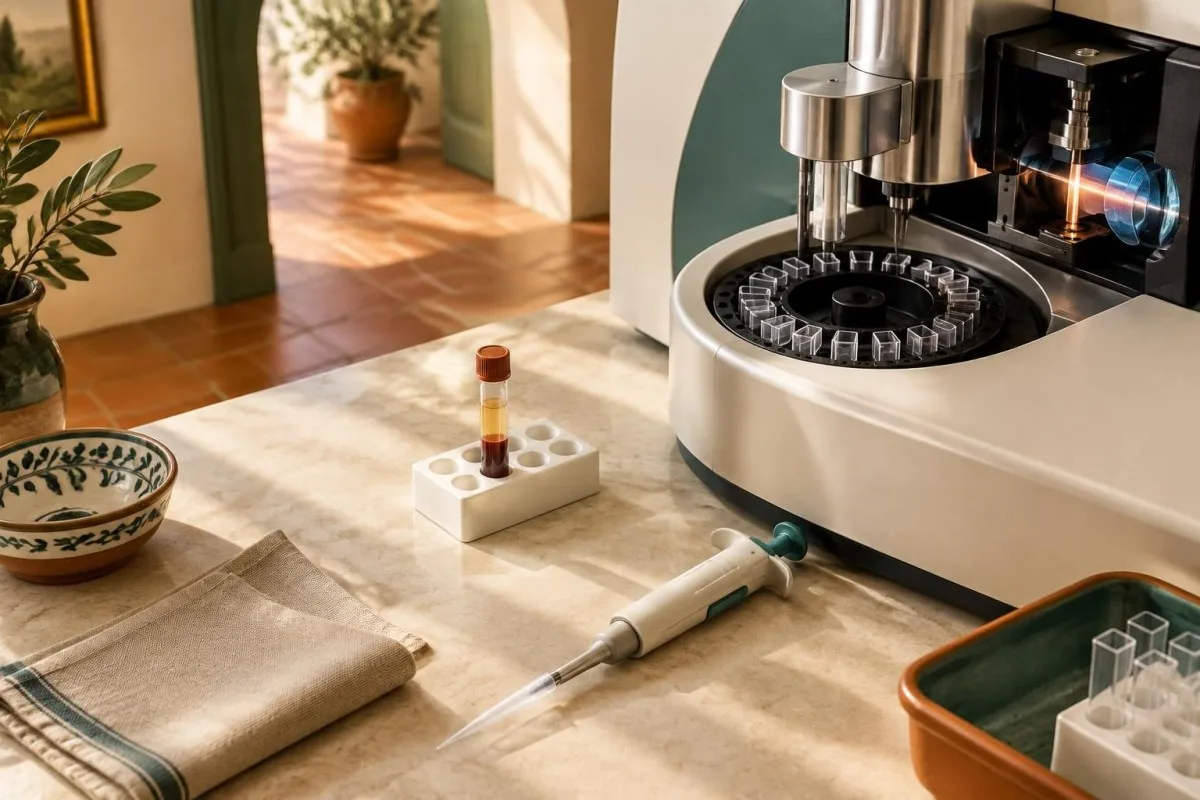
ఉపయోగకరమైన ప్రశ్న కేవలం “ఏ సప్లిమెంట్ ఒక సంఖ్యను తగ్గిస్తుంది?” అనేది కాదు. ఆ ఫలితం చికిత్స చేయదగిన ప్రమాదాన్ని సూచిస్తుందా, ప్రతిపాదిత ఉత్పత్తి ఆ ప్రమాదాన్ని అర్థవంతంగా ప్రభావితం చేస్తుందా, అలాగే సూచించిన చికిత్సతో పరస్పర చర్య కలిగించగలదా అనేదే ప్రశ్న.
ఉదాహరణకు, LDL-C 165 mg/dL మరియు సాధారణ కాలేయ ఎంజైమ్లు ఉన్నట్లు ఊహించిన 58 ఏళ్ల వ్యక్తికి ఇంకా మొత్తం ప్రమాదంపై చర్చ అవసరం; సాధారణ ALT ఉన్నంత మాత్రాన సప్లిమెంట్, సూచించబడిన స్టాటిన్కు ప్రత్యామ్నాయం కాదు. వైద్యుడు రక్తపోటు, మధుమేహం, ధూమపానం, కుటుంబ చరిత్ర మరియు గత హృదయనాళ వ్యాధిని కూడా పరిగణించవచ్చు.
ప్రయోజనాన్ని నిర్ధారించగల ప్రామాణిక “హృదయ సప్లిమెంట్ ప్యానెల్” ఏదీ లేదు. నిర్దిష్ట ప్రశ్నకు సమాధానం ఇవ్వడానికి పరీక్షలను ఎంచుకోవాలి, అలాగే ఈరోజు సాధారణంగా ఉన్న ఫలితం భవిష్యత్తులో సంభవించే పరస్పర చర్యను లేదా ప్రతికూల ప్రభావాన్ని తోసిపుచ్చలదు.
ఉత్పత్తిని జోడించే ముందు
పొడులు, టీలు మరియు కలయిక ఫార్ములాలతో సహా ఉత్పత్తి యొక్క ఖచ్చితమైన పదార్థాలు, మోతాదు మరియు ప్రారంభ తేదీని రాసుకోండి. సప్లిమెంట్ లేబుల్లో క్రియాశీల మోతాదు లేదా పరస్పర చర్యలు స్పష్టంగా ఉండకపోవచ్చు, కాబట్టి మందుల సమీక్షకు కంటైనర్ను లేదా స్పష్టమైన ఫోటోను తీసుకురండి.
గతంలో హార్ట్ అటాక్, స్ట్రోక్, స్టెంట్లు, హార్ట్ ఫెయిల్యూర్, దీర్ఘకాలిక మూత్రపిండ వ్యాధి, గర్భధారణ లేదా ప్రతిస్కందక మందుల వినియోగం ఉన్నవారు సప్లిమెంట్ ప్రారంభించే ముందు తమ వైద్య బృందాన్ని సంప్రదించాలి. ఉత్పత్తులు పరీక్షా ఫలితాలను ఎలా ప్రభావితం చేయగలవో నేపథ్య సమాచారం కోసం, మా మార్గదర్శిని చూడండి సప్లిమెంట్ పరస్పర చర్యలు మరియు ల్యాబ్ మార్పులు.
How LDL, non-HDL and triglycerides shape decisions
లిపిడ్ ప్యానెల్ LDL-C, HDL-C, ట్రైగ్లిజరైడ్లు మరియు మొత్తం కొలెస్ట్రాల్ను కొలుస్తుంది; మొత్తం కొలెస్ట్రాల్ నుంచి HDL-Cను తీసివేయడం ద్వారా non-HDL-C లెక్కించబడుతుంది. ఈ విలువలు వైద్యులకు ప్రమాదాన్ని అంచనా వేయడంలో మరియు ఆధారపూర్వక చికిత్సను ఎంచుకోవడంలో సహాయపడతాయి, కానీ సప్లిమెంట్ ప్రభావవంతమైన ప్రత్యామ్నాయం అని నిర్ధారించవు.

అనేక మంది పెద్దలకు, 100 mg/dL కంటే తక్కువ LDL-C సాధారణంగా ఉపయోగించే సూచనాత్మక లక్ష్యం, అయితే తగిన లక్ష్యం ప్రమాదం మరియు వైద్య చరిత్రపై ఆధారపడి ఉంటుంది; స్థిరపడిన హృదయ-రక్తనాళ వ్యాధి ఉన్న కొంతమంది వ్యక్తులు గణనీయంగా తక్కువ స్థాయులకు చేరుకోవాలని సూచించబడతారు. 2018 AHA/ACC కొలెస్ట్రాల్ మార్గదర్శకం అందరికీ ఒకే LDL లక్ష్యానికి బదులుగా ప్రమాద-ఆధారిత నిర్ణయాలు మరియు వైద్యుడు-రోగి సంయుక్త చర్చను ప్రాధాన్యపరుస్తుంది (Grundy et al., 2019).
ఉపవాస స్థితిలో కొలిచినప్పుడు 150 mg/dL కంటే తక్కువ ట్రైగ్లిజరైడ్లు సాధారణంగా సాధారణమైనవిగా పరిగణించబడతాయి, అయితే 150–499 mg/dL పరిధిలో ద్వితీయ కారణాలు మరియు మొత్తం హృదయ-రక్తనాళ ప్రమాదంపై దృష్టి అవసరం. 500 mg/dL లేదా అంతకంటే ఎక్కువ వద్ద, వైద్యులు తీవ్రమైన హైపర్ట్రైగ్లిజరైడీమియా మరియు ప్యాంక్రియాటైటిస్ ప్రమాదాన్ని వెంటనే అంచనా వేస్తారు; ఈ పరిమితి అధిక మోతాదు ఫిష్ ఆయిల్తో స్వయంగా చికిత్స చేసుకోవడానికి కాదు, వైద్యసేవను కోరడానికి కారణం.
ట్రైగ్లిజరైడ్లు పెరిగినప్పుడు, మధుమేహం ఉన్నప్పుడు లేదా LDL-C ఇతర ప్రమాద సూచకాలతో అసంగతంగా కనిపించినప్పుడు ApoB అదనపు సమాచారాన్ని అందించగలదు. ముఖ్యంగా ట్రైగ్లిజరైడ్లు కనీసం 200 mg/dL ఉన్నప్పుడు, కనీసం 130 mg/dL ApoBను ప్రమాదాన్ని పెంచే కారకంగా మార్గదర్శకం గుర్తిస్తుంది; ఇది సార్వత్రిక స్క్రీనింగ్ పరీక్ష కాదు, సప్లిమెంట్ లక్ష్యం కూడా కాదు.
| స్థాయి | పరిధి | దాని అర్థం |
|---|---|---|
| కోరదగిన ట్రైగ్లిసరైడ్స్ | 150 mg/dL కంటే తక్కువ | సాధారణ ఉపవాస సూచనాత్మక వర్గం; LDL-C, non-HDL-C మరియు మొత్తం ప్రమాదంతో కలిపి అర్థం చేసుకోండి. |
| సరిహద్దు-ఎక్కువ ట్రైగ్లిసరైడ్లు | 150–199 mg/dL | ఫలితాన్ని కేవలం ఆహారానికే ఆపాదించే ముందు ఉపవాస స్థితి, మద్యం, ఇటీవలి భోజనాలు, గ్లూకోజ్ నియంత్రణ మరియు మందులను సమీక్షించండి. |
| అధిక ట్రైగ్లిసరైడ్స్ | 200–499 mg/dL | కణ-సంబంధిత ప్రమాదాన్ని స్పష్టీకరించడానికి వైద్యులు ద్వితీయ కారణాలను అంచనా వేయవచ్చు మరియు non-HDL-C లేదా ApoBను పరిగణించవచ్చు. |
| తీవ్రమైన ట్రైగ్లిసరైడ్స్ పెరుగుదల | 500 mg/dL లేదా అంతకంటే ఎక్కువగా ఉంటే | తక్షణ వైద్య సమీక్ష సముచితం; చాలా ఎక్కువ ఫలితాలు ప్యాంక్రియాటైటిస్-ప్రమాద తగ్గింపుతో సహా చికిత్స ప్రాధాన్యతలను మార్చగలవు. |
ఒమేగా-3 ఫలితాలు ఏమి సూచించగలవు మరియు ఏమి సూచించలేవు
వైద్యుడు ఎంచుకున్న మోతాదుల్లో ప్రిస్క్రిప్షన్ ఒమేగా-3 ఉత్పత్తులు ట్రైగ్లిజరైడ్లను తగ్గించగలవు, అయితే ఓవర్-ది-కౌంటర్ ఫిష్ ఆయిల్ ఉత్పత్తుల్లో EPA మరియు DHA పరిమాణం మారుతూ ఉంటుంది మరియు అవి ప్రిస్క్రిప్షన్ మందులకు పరస్పరం మార్పిడి చేయదగినవి కావు. ట్రైగ్లిజరైడ్లలో మార్పు మాత్రమే గుండెపోటుల తగ్గింపును నిరూపించదు.
ఒమేగా-3 కొవ్వు ఆమ్లాలపై AHA శాస్త్రీయ సలహా, ట్రైగ్లిజరైడ్లు అధికంగా ఉన్న ఎంపిక చేసిన రోగులకు ప్రిస్క్రిప్షన్ ఉత్పత్తులను చికిత్సా ఎంపికగా వివరిస్తుంది, అలాగే వైద్యుని పర్యవేక్షణను నొక్కిచెబుతుంది (Skulas-Ray et al., 2019). ఉత్పత్తి-నిర్దిష్ట మోతాదు మరియు జాగ్రత్తల కోసం, మా అధిక ట్రైగ్లిజరైడ్ల కోసం ఒమేగా-3 మార్గదర్శిని చదవండి.
When eGFR, creatinine and potassium matter
మూత్రపిండ పనితీరు పరీక్షలు ముఖ్యమైనవి, ఎందుకంటే తగ్గిన వడపోత కొన్ని ఖనిజాలు మరియు సప్లిమెంట్ పదార్థాలు శరీరంలో పేరుకుపోయేలా చేయవచ్చు. కనీసం 3 నెలల పాటు 60 mL/min/1.73 m² కంటే తక్కువగా ఉన్న క్రియాటినిన్-ఆధారిత eGFR దీర్ఘకాలిక మూత్రపిండ వ్యాధికి ఒక ప్రమాణం, అయితే ఒకే ఫలితం తాత్కాలిక అనారోగ్యం, డీహైడ్రేషన్ లేదా ఇతర కారకాలను ప్రతిబింబించవచ్చు.
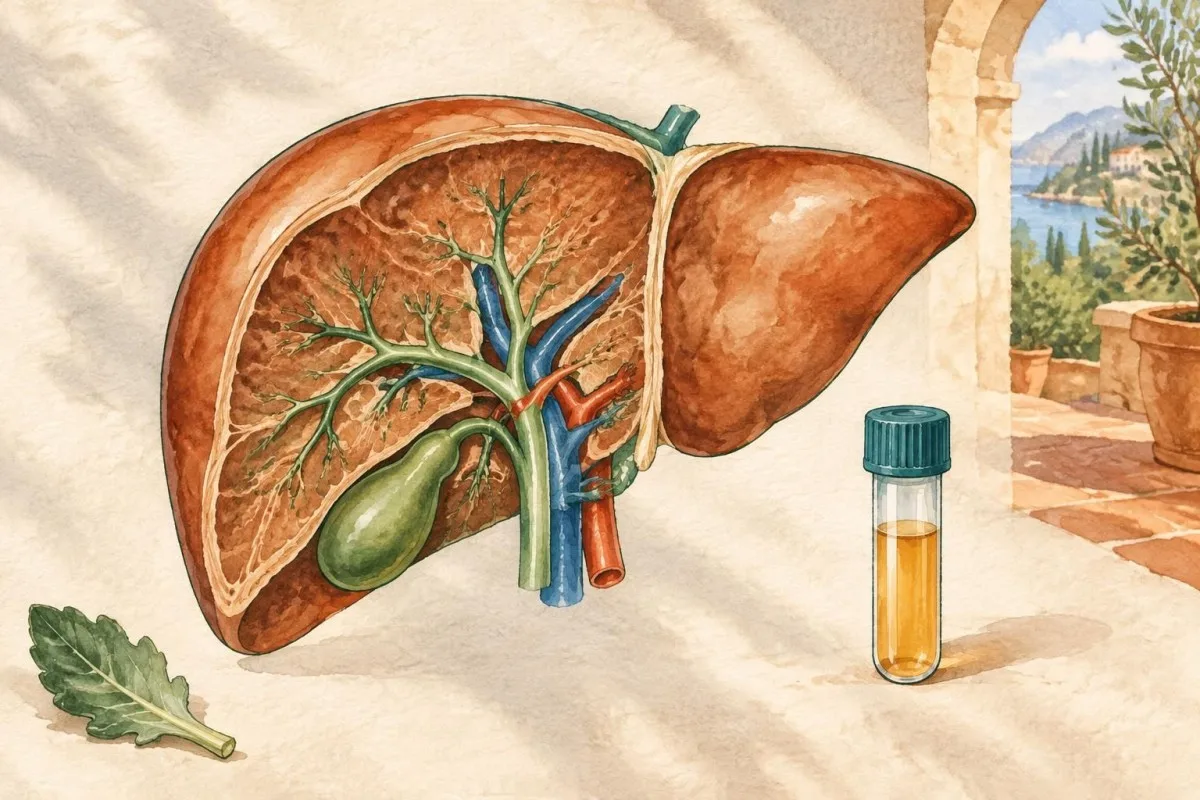
eGFR అంచనా వేయడానికి సీరమ్ క్రియాటినిన్ను ఉపయోగిస్తారు, అయితే కండర ద్రవ్యరాశి అసాధారణంగా ఎక్కువగా లేదా తక్కువగా ఉన్నప్పుడు, గర్భధారణ సమయంలో లేదా మూత్రపిండాల పనితీరు వేగంగా మారుతున్నప్పుడు ఈ అంచనా తక్కువ విశ్వసనీయంగా ఉండవచ్చు. ఒకసారి వచ్చిన తక్కువ eGFRను దీర్ఘకాలిక వ్యాధిగా పేర్కొనే ముందు, వైద్యుడు గత ఫలితాలు, మూత్ర ఆల్బుమిన్-టు-క్రియాటినిన్ నిష్పత్తి మరియు క్లినికల్ సందర్భాన్ని పోల్చి చూడవచ్చు.
మూత్రపిండాల పనితీరు దెబ్బతిన్న వ్యక్తులకు పొటాషియం సప్లిమెంట్లు మరియు పొటాషియం-ఆధారిత ఉప్పు ప్రత్యామ్నాయాలు ప్రమాదకరంగా ఉండవచ్చు, ముఖ్యంగా ACE ఇన్హిబిటర్లు, ARBలు లేదా మినరలోకార్టికాయిడ్ రిసెప్టర్ యాంటగోనిస్టులతో కలిపి ఉపయోగించినప్పుడు. స్థానిక ప్రయోగశాల పరిధి కంటే ఎక్కువగా ఉన్న పొటాషియం ఫలితం—ప్రయోగశాల మరియు పరిస్థితిని బట్టి తరచుగా 5.0–5.5 mmol/L చుట్టూ ఉంటుంది—వివరణ అవసరం కావచ్చు మరియు సమయానుకూలంగా తదుపరి పరిశీలన అవసరమవచ్చు.
ఈరోజు సాధారణంగా ఉన్న పొటాషియం స్థాయి, పొటాషియం ఉత్పత్తిని ఉపయోగించడానికి సంపూర్ణ అనుమతి కాదు: మూత్రపిండాల పనితీరు, మందులు మరియు మోతాదు మారవచ్చు. మా వివరణలను చూడండి సరిహద్దు eGFR ఫలితాలు మరియు BUN-టు-క్రియాటినిన్ నిష్పత్తి ధోరణులు మరియు సందర్భం ఎందుకు ముఖ్యమో తెలుసుకోవడానికి.
Magnesium and mixed mineral formulas
Routine serum magnesium is not a reliable measure of total body magnesium stores, so a normal result does not prove that supplementation is needed or beneficial. High-dose magnesium products can cause diarrhea, and toxicity is more concerning when kidney clearance is reduced.
Avoid adding magnesium, potassium or phosphate solely to “support the heart” without a defined indication. If eGFR is persistently below 60, or if a medicine affects potassium, ask the prescriber or pharmacist to review the exact ingredient and dose before use.
How ALT, AST and bilirubin inform supplement safety
ALT, AST, alkaline phosphatase and bilirubin can help assess liver injury or bile-flow patterns, but they cannot screen every supplement reaction in advance. An elevated enzyme result may reflect medication, alcohol, fatty liver, strenuous exercise or illness—not necessarily a supplement.

ALT and AST are commonly reported in IU/L, and laboratory upper limits differ; a result should be compared with that lab’s reference interval and the person’s prior values. The pattern matters: bilirubin elevation or a rise in alkaline phosphatase alongside aminotransferases can require a different evaluation than a small isolated AST increase.
Red yeast rice may contain monacolin K, a compound chemically identical to lovastatin, but the amount varies among products and may be undisclosed. That means statin-like muscle or liver adverse effects and drug interactions are possible; a supplement label does not guarantee a predictable dose.
A hypothetical adult with ALT 92 IU/L after starting a multi-ingredient “heart formula” should not assume the product caused the rise or continue it without review. The clinician may compare baseline labs, timing, alcohol and prescription medicines, and decide whether repeat testing or additional evaluation is appropriate.
Why normal enzymes are not a safety certificate
Many people with liver disease have normal aminotransferases, and a normal ALT cannot predict whether a new product will cause an idiosyncratic reaction. Conversely, a mild isolated enzyme elevation may be temporary and does not automatically mean permanent liver damage.
People with prior liver disease should be cautious with concentrated extracts and multi-ingredient products, which can have uncertain composition. For details on reading enzyme patterns, see our guide to liver function test abbreviations మరియు ALT ఫలితాలు.
Medication interactions that show up in lab results
Medication-related lab changes can matter more than the supplement’s advertised benefit, especially with anticoagulants, statins and blood-pressure medicines. Record the start and stop dates of supplements so clinicians can compare changes with INR, potassium, creatinine, liver enzymes or muscle markers when relevant.

Warfarin users should avoid abrupt changes in vitamin K intake and consult their anticoagulation team before taking new supplements. INR targets vary by indication; although 2.0–3.0 is common for many uses, a patient’s prescribed range may differ, and a changed INR should be managed by the treating team.
Some supplements can affect bleeding risk or interact with antiplatelet and anticoagulant medicines, while products containing vitamin K can alter warfarin response. The laboratory result alone cannot identify which ingredient caused a change, so a full medication and supplement list is more useful than testing one suspected product in isolation.
Statins can occasionally raise liver enzymes or creatine kinase, but routine CK testing is not generally needed for every person without symptoms. New severe muscle pain, weakness or dark urine warrants prompt medical advice; kidney injury and marked CK elevation require clinical assessment, not self-directed supplement changes.
Blood pressure and kidney-protective medicines
ACE inhibitors, ARBs and some diuretics can change potassium or creatinine, particularly after a dose change or during dehydration. Adding potassium, a salt substitute or a product that affects blood pressure can complicate interpretation; clinicians may repeat labs after a medication adjustment based on the person’s risk.
Do not stop a prescribed heart medicine because a supplement is marketed as “natural.” For a broader explanation of longitudinal medication-related changes, see our article on lab trends and medication safety.
What common products can change—and what labs cannot prove
The most useful lab for a supplement depends on the ingredient and the clinical question; no single blood test can certify a product as heart-protective. Evidence differs substantially between prescription treatments, standard nutrients used for a deficiency and supplements marketed for general cardiovascular support.

Fish oil may lower triglycerides at sufficient doses, but typical retail capsules may contain far less EPA and DHA than prescription formulations. For a person with triglycerides of 700 mg/dL, a clinician must assess causes and a treatment plan; simply doubling an over-the-counter dose can add risks, including gastrointestinal effects and possible bleeding concerns with some medicines.
Red yeast rice can lower LDL-C in some products because monacolin K acts like lovastatin, but potency and contaminants are variable. A lower LDL-C after starting it does not make the product safer than a prescribed statin, and the same muscle, liver and interaction questions may apply.
Coenzyme Q10 is sometimes used for statin-associated muscle symptoms, but evidence for routine prevention or treatment remains mixed; it should not prompt discontinuation of a statin without a prescriber’s advice. Testing a CoQ10 blood level is not a standard way to decide whether it will improve cardiovascular outcomes.
Correct deficiencies rather than chase idealized numbers
A measured deficiency can justify targeted replacement for a specific health reason, but correcting a nutrient level is not the same as proving heart-attack prevention. Vitamin D, for example, should not be started at high doses solely because someone hopes to lower cardiovascular risk.
Product quality, dose and medical history influence the risk-benefit balance. Our guide to vitamin D and K2 together explains why combining products is not automatically safer or more effective.
Which labs to check before starting or after a change
Baseline and follow-up tests should be selected for a specific supplement, medication or medical condition—not ordered as a routine panel for everyone. A clinician may use lipids to monitor a lipid-lowering plan, kidney tests for a person at risk of electrolyte accumulation, or liver tests when symptoms or a potentially hepatotoxic product make them relevant.

Before a new product, gather the most recent lipid panel, creatinine/eGFR, potassium, liver tests and medication list if they are already available; this does not mean every person needs all these tests. If the product is intended to change triglycerides, the clinician can decide when a repeat lipid panel is meaningful, often after enough time for the intervention to have an effect.
A fasting lipid panel is not always required, but recent food intake can affect triglycerides; if a nonfasting result is unexpectedly high, a clinician may request a fasting repeat. Follow the lab’s instructions and do not stop prescribed medicines unless the ordering clinician tells you to.
A hypothetical person starts a new supplement and sees potassium rise from 4.4 to 5.4 mmol/L two weeks later while taking an ACE inhibitor. The result needs prompt clinical review and confirmation as appropriate, including consideration of sample handling, kidney function and other medicines—not a conclusion that the supplement alone caused it.
Make comparisons interpretable
Use the same units, note whether the lipid sample was fasting, and record product dose and dates. Small shifts may reflect biological variation, meals or laboratory differences rather than a true treatment effect.
For a practical explanation of preparation and timing, see our guide to fasting requirements on lab orders. Discuss any planned retest with the clinician managing the relevant medicine or condition.
When a result or symptom needs medical attention
Contact a clinician promptly for a markedly abnormal potassium, triglycerides at or above 500 mg/dL, a new substantial liver-test rise, or a concerning change in INR. Seek urgent care for severe symptoms such as chest pressure, fainting, sudden weakness, severe shortness of breath or signs of a serious allergic reaction; supplements are not emergency treatment.

Chest pain, sudden facial or limb weakness, trouble speaking or severe breathlessness require emergency assessment, regardless of whether a supplement was recently started. Do not wait for a routine lab appointment or try to correct a suspected heart problem with an over-the-counter product.
For abnormal results without emergency symptoms, call the clinician who ordered the test and provide the exact result, units, reference range, medication list and supplement start date. A laboratory flag is a prompt for interpretation, not a diagnosis by itself.
Keep cardiovascular prevention centered on treatments with established outcome evidence: prescribed medicines when indicated, smoking cessation, blood-pressure management, physical activity and a heart-supportive eating pattern. The వైద్య సలహా బోర్డు describes the clinical oversight context for health information; individual supplement choices still belong in a conversation with your own care team.
తరచుగా అడిగే ప్రశ్నలు
హృదయానికి సంబంధించిన సప్లిమెంట్లు తీసుకునే ముందు నేను ఏ రక్త పరీక్షలు చేయించుకోవాలి?
గుండె ఆరోగ్యం కోసం సప్లిమెంట్లు తీసుకునే ముందు తప్పనిసరిగా చేయించుకోవాల్సిన సార్వత్రిక రక్తపరీక్షల ప్యానెల్ ఏదీ లేదు. ఒక వ్యక్తి ఆరోగ్య పరిస్థితి, మందులు లేదా సూచించిన ఉత్పత్తి కారణంగా ఆ ఫలితాలు సంబంధితంగా ఉంటే, వైద్య నిపుణుడు ఇప్పటికే ఉన్న లిపిడ్ ప్యానెల్, క్రియాటినిన్/eGFR, పొటాషియం లేదా కాలేయ ఎంజైమ్లను సమీక్షించవచ్చు. వార్ఫరిన్ వాడేవారికి, మందు లేదా సప్లిమెంట్లో మార్పు ప్రతిస్కందన ప్రభావాన్ని ప్రభావితం చేసే అవకాశం ఉంటే INR పర్యవేక్షణ అవసరం కావచ్చు. పరీక్షలను ఏర్పాటు చేసుకునే సమయంలో సూచించిన హృదయ-రక్తనాళ చికిత్సను ఆలస్యం చేయవద్దు.
స్టాటిన్ను భర్తీ చేసేంతగా సప్లిమెంట్లు LDL కొలెస్ట్రాల్ను తగ్గించగలవా?
వైద్యుని మార్గదర్శకత్వం లేకుండా సూచించిన statinకు supplements ప్రత్యామ్నాయంగా ఉండకూడదు. Red yeast riceలో monacolin K ఉండవచ్చు; ఇది రసాయనపరంగా lovastatinతో సమానమైనదే, కానీ దాని మోతాదు మరియు స్వచ్ఛత మారవచ్చు. అందువల్ల, మోతాదు ముందుగా అంచనా వేయలేనప్పటికీ statinల మాదిరి ప్రమాదాలు ఉండవచ్చు. LDL-C లక్ష్యాలు కేవలం ఒక ల్యాబ్ ఫలితంపై కాకుండా, వ్యక్తి యొక్క హృదయ-రక్తనాళ ప్రమాదం మరియు వైద్య చరిత్రపై ఆధారపడతాయి. కండరాల లక్షణాలు, కాలేయ సంబంధిత ఆందోళనలు లేదా మందులపై మీ అభిరుచులను మీ కొలెస్ట్రాల్ను నిర్వహిస్తున్న వైద్యునితో చర్చించండి.
పొటాషియం లేదా మెగ్నీషియం తీసుకునే ముందు నాకు మూత్రపిండాల పరీక్షలు అవసరమా?
మీకు మూత్రపిండాల వ్యాధి ఉంటే లేదా పొటాషియం స్థాయిలను పెంచగల మందులు తీసుకుంటుంటే, పొటాషియం సప్లిమెంట్లు లేదా పొటాషియం ఆధారిత ఉప్పు ప్రత్యామ్నాయాలను ఉపయోగించే ముందు వైద్యుడిని సంప్రదించండి. క్రియాటినిన్ మరియు eGFR మూత్రపిండాల వడపోతను అంచనా వేయడంలో సహాయపడతాయి, అయితే రక్తంలోని పొటాషియం ఫలితం నమూనా తీసుకున్న సమయానికి ఉన్న స్థాయిని ప్రతిబింబిస్తుంది; భవిష్యత్తులో జరిగే ప్రతి మార్పును వీటిలో ఏదీ ఒక్కదానితోనే అంచనా వేయలేరు. మూత్రపిండాల ద్వారా తొలగింపు గణనీయంగా తగ్గినప్పుడు మెగ్నీషియం సప్లిమెంట్లు కూడా శరీరంలో పేరుకుపోవచ్చు. సరైన పరీక్షలు మరియు వాటి సమయం మీ మందులు, మూత్రపిండాల పనితీరు మరియు మోతాదుపై ఆధారపడి ఉంటాయి.
చేప నూనె నా ట్రైగ్లిజరైడ్ రక్త పరీక్ష ఫలితాన్ని మార్చగలదా?
వైద్యుడు ఎంచుకున్న మోతాదుల్లో ప్రిస్క్రిప్షన్ ఒమేగా-3 ఉత్పత్తులు ట్రైగ్లిజరైడ్లను తగ్గించగలవు, అయితే రిటైల్ చేప నూనె ఉత్పత్తుల్లో EPA మరియు DHA పరిమాణాలు మారుతూ ఉంటాయి. ట్రైగ్లిజరైడ్ ఫలితం తగ్గడం మాత్రమే ఆ ఉత్పత్తి గుండెపోటులను నివారిస్తుందని చూపదు, అలాగే అధిక మోతాదులో స్వయంగా తీసుకోవడం అనుచితం కావచ్చు. 500 mg/dL లేదా అంతకంటే ఎక్కువ ట్రైగ్లిజరైడ్ స్థాయిలకు వెంటనే వైద్య సమీక్ష అవసరం, ఎందుకంటే ప్యాంక్రియాటైటిస్ ప్రమాదం చికిత్సా ప్రణాళికను ప్రభావితం చేయవచ్చు. ఉపవాస లిపిడ్ ప్యానెల్ను ఎప్పుడు, మళ్లీ చేయాలా అనే విషయంపై వైద్యుడు సలహా ఇవ్వగలరు.
సప్లిమెంట్లు తీసుకుంటున్నప్పుడు కాలేయ ఎంజైమ్లను పరీక్షించించుకోవాలా?
ప్రతి సప్లిమెంట్ తీసుకునే ప్రతి వ్యక్తికి రొటీన్ కాలేయ పరీక్షలు అవసరం లేదు, అయితే లక్షణాలు, కాలేయ వ్యాధి, మందులు లేదా కాలేయానికి విషపూరితంగా ఉండే అవకాశం ఉన్న ఉత్పత్తి కారణంగా ఆందోళన ఉంటే ALT, AST, ఆల్కలైన్ ఫాస్ఫటేజ్ మరియు బిలిరుబిన్ పరీక్షలు తగినవిగా ఉండవచ్చు. రెడ్ ఈస్ట్ రైస్లో స్టాటిన్ వంటి సమ్మేళనం ఉండవచ్చు, అలాగే అనేక పదార్థాలు కలిగిన ఎక్స్ట్రాక్ట్ల కూర్పు స్పష్టంగా ఉండకపోవచ్చు. కాలేయ ఎంజైమ్లు సాధారణంగా ఉండటం వల్ల సప్లిమెంట్ సురక్షితమని హామీ ఇవ్వదు. కొత్తగా అసాధారణ ఫలితం వచ్చినప్పుడు ఉత్పత్తులను ఆపే ముందు లేదా మళ్లీ ప్రారంభించే ముందు దాన్ని ఎలా అర్థం చేసుకోవాలో వైద్యుడిని అడగండి.
నేను వార్ఫరిన్ తీసుకుంటే సప్లిమెంట్లు INR ను ప్రభావితం చేయగలవా?
అవును, కొన్ని సప్లిమెంట్లు మరియు విటమిన్ K తీసుకునే మోతాదులో మార్పులు వార్ఫరిన్ ప్రతిస్పందనను మరియు INRను మార్చగలవు. అనేక సూచనల కోసం సాధారణ INR లక్ష్యం 2.0–3.0గా ఉంటుంది, కానీ సరైన పరిధి వార్ఫరిన్ ఎందుకు సూచించబడిందనే దానిపై ఆధారపడి మారవచ్చు. ఏదైనా సప్లిమెంట్ను ప్రారంభించే ముందు, ఆపే ముందు లేదా మార్చే ముందు మీ యాంటీకోగ్యులేషన్ బృందానికి తెలియజేయండి, అలాగే వార్ఫరిన్ మోతాదును మీరే మార్చకండి. పరీక్ష ఫలితం మీ వ్యక్తిగత లక్ష్య పరిధికి వెలుపల ఉంటే లేదా అసాధారణ రక్తస్రావం ఉంటే వెంటనే సలహా తీసుకోండి.
మీ రక్త పరీక్ష ఫలితాలు ఎలా చదవాలో తెలుసుకోండి
మీ ల్యాబ్ నివేదికను అప్లోడ్ చేయండి; Kantesti యొక్క AI ప్రతి బయోమార్కర్ను సులభమైన భాషలో క్షణాల్లో వివరిస్తుంది. ప్రపంచవ్యాప్తంగా 2 మిలియన్లకు పైగా ప్రజలు ఉపయోగిస్తున్నారు.
ప్రస్తావనలు
- క్లైన్, టి., మిచెల్, ఎస్., & వెబర్, హెచ్. (2026). ఉపవాసం తర్వాత విరేచనాలు, మలంలో నల్లటి మచ్చలు & జీర్ణాశయ మార్గదర్శి 2026. Kantesti AI వైద్య పరిశోధన. డిఓఐ
- క్లైన్, టి., మిచెల్, ఎస్., & వెబర్, హెచ్. (2026). మహిళల ఆరోగ్య మార్గదర్శి: అండోత్సర్గం, మెనోపాజ్ మరియు హార్మోన్ల లక్షణాలు. Kantesti AI వైద్య పరిశోధన. డిఓఐ
- Grundy SM తదితరులు (2019). రక్త కొలెస్ట్రాల్ నిర్వహణపై 2018 AHA/ACC/AACVPR/AAPA/ABC/ACPM/ADA/AGS/APhA/ASPC/NLA/PCNA మార్గదర్శకం. సర్క్యులేషన్. డిఓఐ పబ్మెడ్
- Skulas-Ray AC et al. (2019). 高 Triglyceridemia: A Scientific Statement From the American Heart Association. సర్క్యులేషన్. డిఓఐ పబ్మెడ్
- KDIGO Lipid Work Group (2013). KDIGO Clinical Practice Guideline for Lipid Management in Chronic Kidney Disease. కిడ్నీ ఇంటర్నేషనల్ సప్లిమెంట్స్. డిఓఐ
- 2మి+విశ్లేషించిన పరీక్షలు
- 127+దేశాలు
- 100+భాషలు
వైద్య బృందం గురించి


E-E-A-T విశ్వాస సంకేతాలు
అనుభవం
వైద్యుడి నేతృత్వంలో ల్యాబ్ ఫలితాల అర్థం చేసుకునే వర్క్ఫ్లోలపై క్లినికల్ సమీక్ష.
నైపుణ్యం
క్లినికల్ సందర్భంలో బయోమార్కర్లు ఎలా ప్రవర్తిస్తాయో అనే దానిపై ల్యాబొరేటరీ మెడిసిన్ దృష్టి.
అధికారవాదం
డా. థామస్ క్లైన్ వైద్యపరంగా సమీక్షించారు; డా. సారా మిచెల్ మరియు ప్రొ. డా. హాన్స్ వెబర్ సహకారం అందించారు.
విశ్వసనీయత
ఆందోళనను తగ్గించేందుకు స్పష్టమైన తదుపరి చర్యల మార్గాలతో ఆధారిత (ఎవిడెన్స్-బేస్డ్) అర్థం చేసుకోవడం.






వైద్య నిరాకరణ ప్రకటన
ఈ వ్యాసం కేవలం విద్యా ప్రయోజనాల కోసం మాత్రమే; ఇది వైద్య సలహాగా పరిగణించబడదు. నిర్ధారణ మరియు చికిత్స నిర్ణయాల కోసం ఎల్లప్పుడూ అర్హత కలిగిన ఆరోగ్య సంరక్షణ నిపుణుడిని సంప్రదించండి.
ప్రచురించబడింది · సంపాదకీయ బృందాన్ని సంప్రదించండి
ఇంగ్లాండ్ మరియు వేల్స్లో నమోదైన Kantesti Ltd ద్వారా ప్రచురించబడింది, కంపెనీ నంబర్. 17090423, లండన్, యునైటెడ్ కింగ్డమ్.
