
HDL is more than a reassuring label beside your cholesterol results. Its meaning depends on triglycerides, non-HDL cholesterol, ApoB, and your overall cardiovascular risk.

Mambo muhimu ya kukumbuka
- HDL meaning: HDL stands for high-density lipoprotein, and HDL-C measures the cholesterol carried inside HDL particles.
- Typical low HDL: HDL below 40 mg/dL in men or below 50 mg/dL in women is commonly considered low, although laboratories may use different reference intervals.
- LDL context: An LDL-C below 100 mg/dL is often described as optimal for an average-risk adult, but people at very high cardiovascular risk may have treatment goals below 55 or 70 mg/dL.
- High is not always better: HDL-C of 60 mg/dL or higher has traditionally been viewed as favorable, while persistently very high results above roughly 90 mg/dL deserve context rather than automatic reassurance.
- Read the panel: Compare HDL with triglycerides, total cholesterol, non-HDL cholesterol, and sometimes ApoB; a normal LDL-C can coexist with an elevated number of atherogenic particles.
- Non-HDL calculation: Non-HDL cholesterol equals total cholesterol minus HDL cholesterol and includes LDL plus cholesterol in several remnant particles.
- Measurement limits: The Friedewald LDL calculation becomes less dependable when triglycerides approach or exceed 400 mg/dL, so a direct LDL-C or ApoB may be more useful.
- Hatua inayofuata ya vitendo: Do not start niacin or another HDL-raising treatment solely to increase the HDL number; cardiovascular decisions should address overall risk and atherogenic particles.
What does HDL stand for on a lab report?
HDL stands for high-density lipoprotein, a particle that transports cholesterol and other fats through the bloodstream. The result usually labelled HDL-C measures the cholesterol content carried by those particles, not the number, size, or effectiveness of every HDL particle. That distinction matters when LDL-C looks normal but triglycerides or other risk markers do not.

HDL-C is reported in milligrams per decilitre (mg/dL) au millimoles per litre (mmol/L). A result of 40 mg/dL is approximately 1.0 mmol/L, while 60 mg/dL is approximately 1.6 mmol/L. The abbreviation HDL-C therefore describes cholesterol within high-density lipoproteins, not a direct measurement of artery protection.
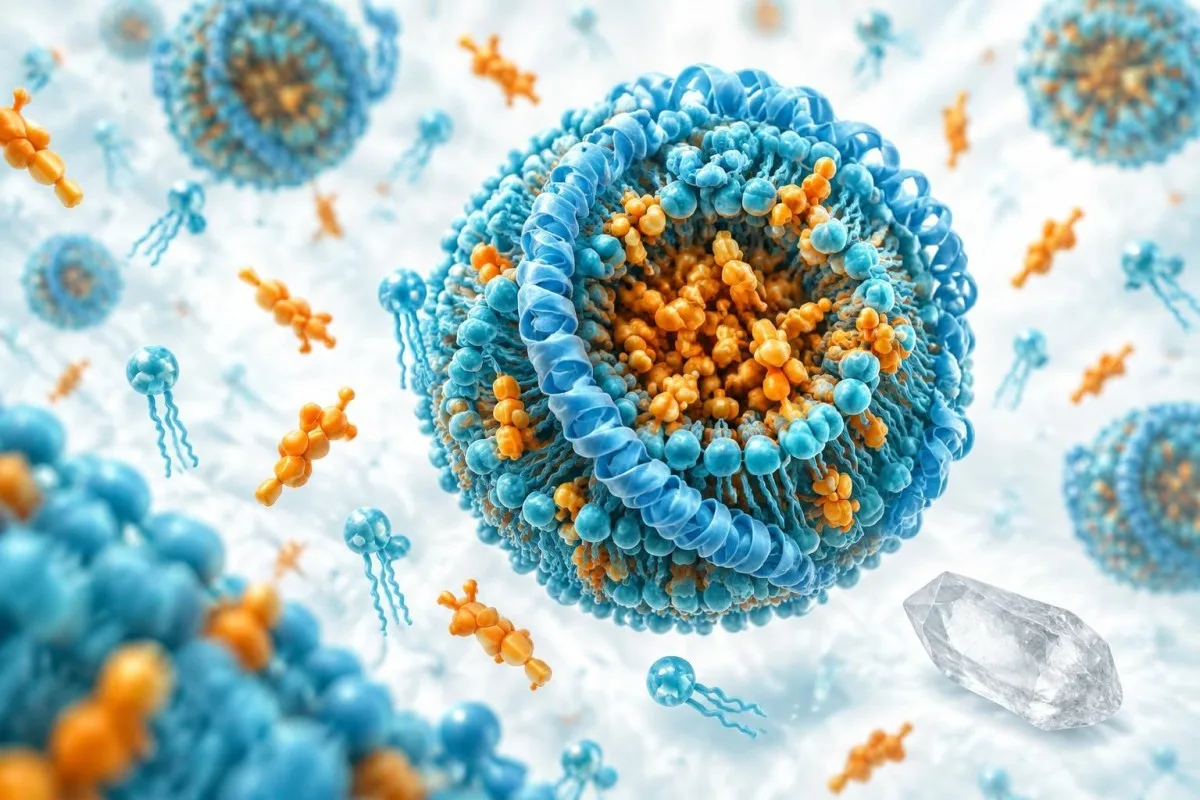
HDL particles help move cholesterol between tissues and the liver, but the phrase good cholesterol is an oversimplification. HDL also participates in lipid exchange, immune signalling, and oxidation control; these functions vary between people, so two adults with an HDL-C of 52 mg/dL may not have identical HDL biology.
The mtihani wa damu biomarkers mwongozo can help distinguish a concentration result from a particle or function test. A standard lipid panel usually reports HDL-C, LDL-C, total cholesterol, and triglycerides; it does not routinely measure cholesterol efflux capacity, HDL particle number, or HDL particle size.
HDL-C is not the same as HDL particle count
HDL-C measures the amount of cholesterol inside HDL particles, whereas an HDL particle count measures how many particles are circulating. The two values can diverge: a person may have many small HDL particles carrying relatively little cholesterol, or fewer particles carrying more cholesterol, yet both situations can produce a similar HDL-C result.
That difference explains why HDL-C alone is not a treatment target in most modern guidance. The 2019 AHA/ACC cholesterol guideline places greater emphasis on LDL-C reduction and risk-enhancing information than on trying to raise HDL-C with medication (Grundy et al., 2019).
Why can HDL still matter when LDL looks normal?
A normal LDL-C result does not make HDL irrelevant because LDL-C describes one atherogenic cholesterol measurement, while HDL-C can reveal a different metabolic pattern. The combination of low HDL-C, high triglycerides, insulin resistance, or elevated ApoB may indicate residual cardiovascular risk even when LDL-C is below 100 mg/dL.
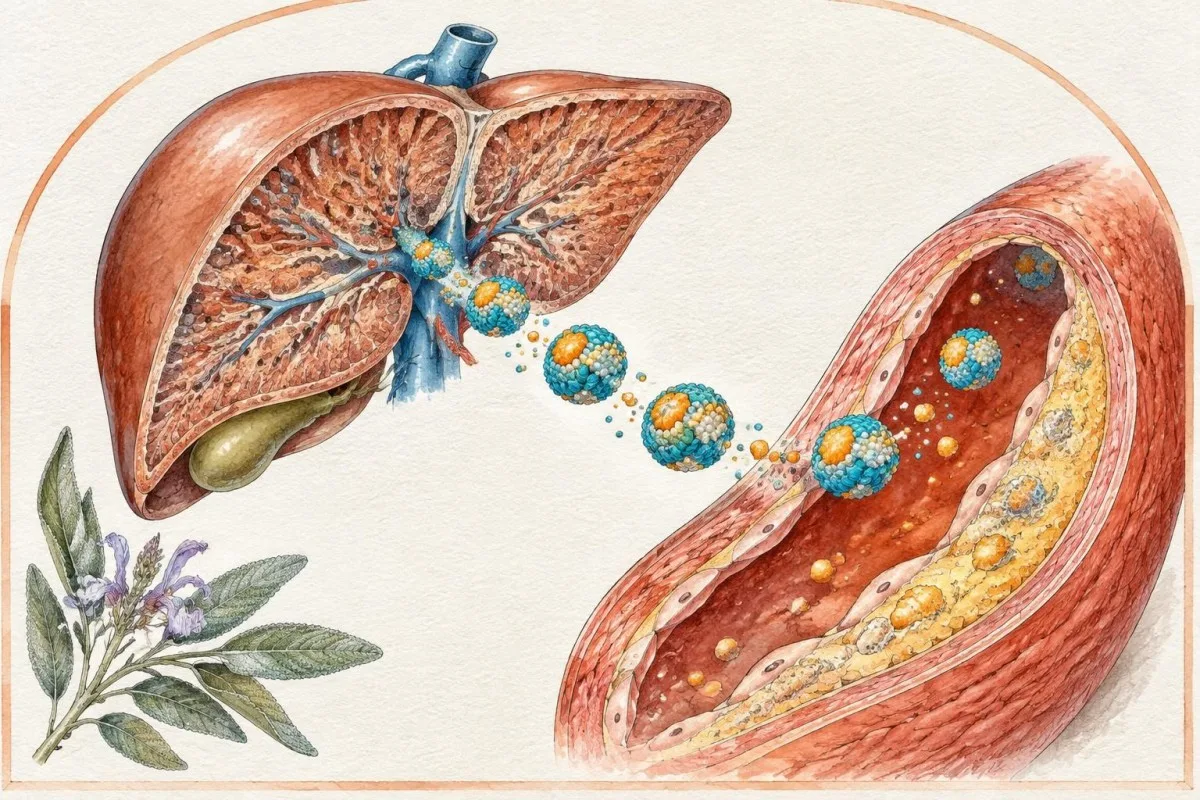
HDL-C below 40 mg/dL in men and below 50 mg/dL in women is commonly classified as low, but these cutoffs are population conventions rather than a diagnosis. A result of 39 mg/dL in a physically active man and the same result in a woman with triglycerides of 310 mg/dL should not be interpreted identically.
The ApoB na ApoA1 explains why particle-related markers can clarify an apparently reassuring LDL-C. ApoB is present on atherogenic particles such as LDL, VLDL remnants, and lipoprotein(a), so ApoB can be elevated even when calculated LDL-C is not strikingly high.
A normal LDL-C also does not rule out inherited lipoprotein(a) elevation, chronic kidney disease, diabetes, smoking-related risk, or established vascular disease. The practical question is not whether HDL rescues or condemns the result; it is whether the entire lipid and risk profile supports the same conclusion.
What HDL range is considered normal or low?
HDL reference ranges are sex-specific in many laboratories: HDL-C below 40 mg/dL is commonly low for men, and below 50 mg/dL is commonly low for women. HDL-C of 60 mg/dL or higher has traditionally been considered favourable, but very high values are not automatically protective and should be interpreted alongside triglycerides and clinical risk.

HDL-C reference intervals vary by laboratory, assay, sex, age, and reporting convention. Some European laboratories flag HDL-C below 1.0 mmol/L in men and below 1.2 or 1.3 mmol/L in women, while many US reports use 40 and 50 mg/dL; the report's own interval should be recorded before comparing results.
The 60 mg/dL threshold comes largely from observational associations, not from a guarantee that every person above it has low cardiovascular risk. A high HDL-C result can be reassuring in a broad population yet less informative when triglycerides are high, LDL particles are numerous, or there is established coronary disease.
The fasting test preparation guide explains why a laboratory may request fasting for some lipid assessments. Fasting is often unnecessary for a routine lipid profile, but a repeat fasting panel can help when triglycerides are high or a previous result was affected by a recent meal.
| Kiwango | Wigo | Maana yake |
|---|---|---|
| Low HDL-C | <40 mg/dL in men; <50 mg/dL in women; approximately <1.0 or <1.3 mmol/L | May accompany insulin resistance, high triglycerides, smoking, obesity, or genetic lipid patterns; interpret with the rest of the panel. |
| Intermediate HDL-C | 40-59 mg/dL in men; 50-59 mg/dL in women | Usually not interpreted in isolation; triglycerides, non-HDL cholesterol, ApoB, age, and medical history change the meaning. |
| Traditionally favourable | ≥60 mg/dL; approximately ≥1.6 mmol/L | Often associated with lower risk in population studies, but raising HDL pharmacologically has not reliably reduced cardiovascular events. |
| Very high or unusual | Persistently >90-100 mg/dL, depending on laboratory and population | Not an emergency by itself; review alcohol intake, medicines, thyroid or liver conditions, family pattern, and the broader cardiovascular profile. |
How to convert HDL between mg/dL and mmol/L
To convert HDL-C from mg/dL to mmol/L, divide by approximately 38.67; to convert from mmol/L to mg/dL, multiply by approximately 38.67. Thus, 50 mg/dL is about 1.29 mmol/L and 80 mg/dL is about 2.07 mmol/L, although rounding may differ between reports.
Do not compare a value of 1.4 mmol/L with a US reference range without converting it. A unit mismatch can make a normal result appear low or a high result appear modest.
How should you read HDL and LDL results together?
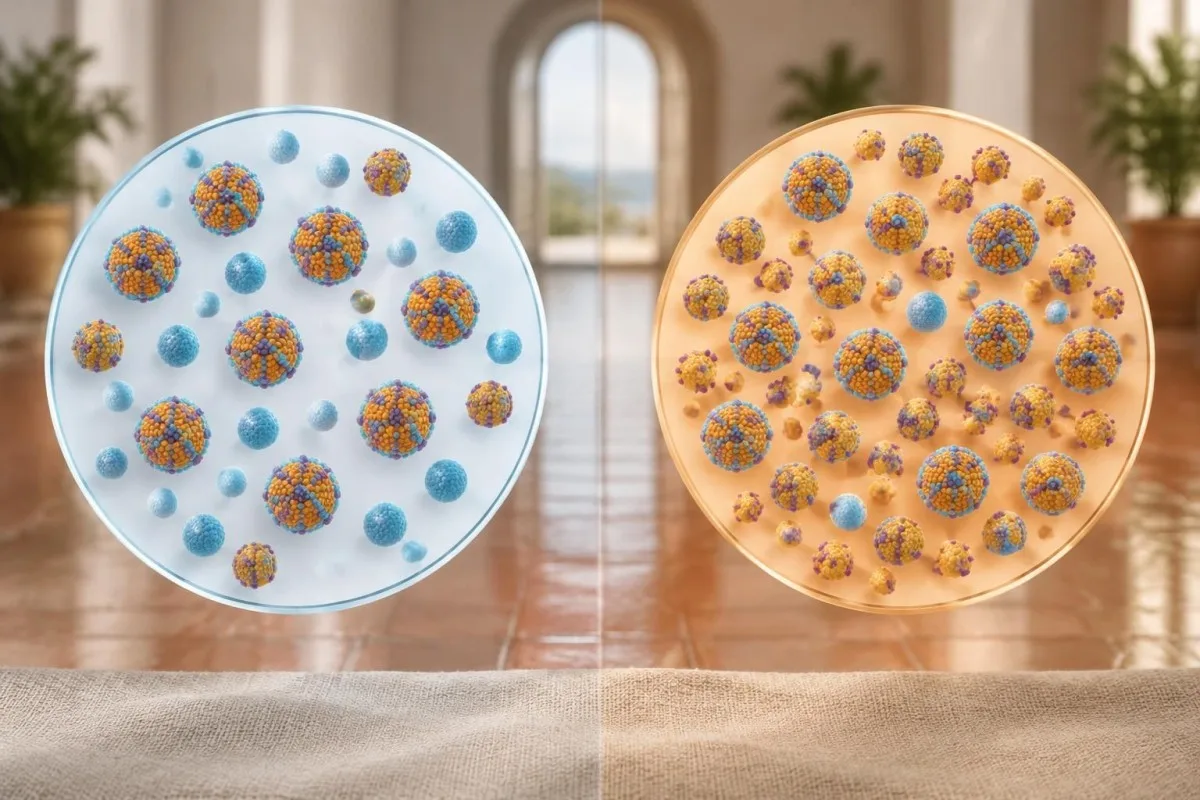
Read HDL-C and LDL-C together with triglycerides, total cholesterol, and non-HDL cholesterol rather than ranking one number as good or bad. Non-HDL cholesterol is calculated by subtracting HDL-C from total cholesterol, and it captures cholesterol carried by LDL plus several remnant particles.

Calculated LDL-C is not a direct particle count, and the calculation becomes less dependable when triglycerides are very high. The traditional Friedewald calculation should not be relied on when triglycerides are at least 400 mg/dL, although newer equations and direct assays may extend usefulness at lower concentrations.
ApoB can clarify discordance between LDL-C and the number of atherogenic particles. For example, LDL-C 85 mg/dL with ApoB 125 mg/dL may indicate many cholesterol-poor atherogenic particles, whereas LDL-C 110 mg/dL with ApoB 80 mg/dL can represent a different particle pattern; the clinical decision still depends on overall risk and treatment context.
The mwongozo wa protini za damu is useful for separating protein concentration tests from lipoprotein measurements. HDL is a lipoprotein particle, not the same as albumin, globulin, or total serum protein, even though all appear in blood chemistry discussions.
What can cause a low or unusually high HDL?
Low HDL-C commonly accompanies high triglycerides, insulin resistance, obesity, smoking, physical inactivity, and some medicines, while unusually high HDL-C may reflect genetics, alcohol exposure, liver or thyroid conditions, or altered lipid metabolism. HDL-C itself does not identify the cause, so an unexpected result should be checked against history and related tests.

Very high HDL-C is not automatically a sign of exceptional health. Persistent results above 90-100 mg/dL may reflect a family trait, alcohol exposure, medication effects, thyroid disease, liver disease, or uncommon changes in HDL metabolism; the evidence linking very high HDL-C with outcomes is honestly mixed.
For example, a hypothetical adult with HDL-C 108 mg/dL, LDL-C 78 mg/dL, triglycerides 72 mg/dL, and no symptoms may need confirmation and history review rather than urgent treatment. A clinician may ask about alcohol, prescribed medicines, thyroid-stimulating hormone, liver enzymes, and family lipid results before deciding whether further testing is useful.
HDL-C can also shift with acute illness, inflammation, pregnancy, major weight change, and laboratory variation. A difference from 46 to 42 mg/dL over several months is usually less meaningful than a persistent pattern accompanied by triglycerides above 200 mg/dL or a rising non-HDL cholesterol.
Should you try to raise HDL cholesterol?
You should not take niacin or another medicine solely to raise HDL-C because increasing the number has not consistently reduced heart attacks or strokes. The safer goal is to improve the complete risk pattern through physical activity, smoking cessation, dietary quality, weight management when appropriate, and treatment of LDL-C or ApoB when indicated.
Smoking cessation is one of the clearest ways to improve cardiovascular risk, regardless of whether HDL-C rises. Dietary patterns rich in vegetables, legumes, nuts, whole grains, and unsaturated fats can lower atherogenic risk, while replacing refined carbohydrates may reduce triglycerides in people whose HDL-C is low.
A hypothetical 45-year-old with HDL-C 37 mg/dL, triglycerides 220 mg/dL, LDL-C 94 mg/dL, and no known cardiovascular disease may gain more from checking blood pressure, glucose, waist measurement, and ApoB than from buying an HDL-raising supplement. The treatment target is the risk pattern, not a cosmetic change from 37 to 45 mg/dL.
Do not stop a statin because HDL-C is low or because LDL-C has become normal. A normal LDL-C may be the result of effective treatment, and the benefit comes largely from reducing atherogenic exposure over time rather than from producing a high HDL-C result.
When can normal LDL still hide cardiovascular risk?
Normal LDL-C can coexist with clinically meaningful cardiovascular risk when a person has diabetes, chronic kidney disease, established vascular disease, high lipoprotein(a), persistent high triglycerides, inflammatory disease, or a strong family history. Risk-enhancing conditions can lower the LDL-C level that a clinician considers acceptable.

The 2020 ESC/EAS guideline separates LDL-C goals by baseline risk rather than using one normal range for everyone (Mach et al., 2020). Examples include below 116 mg/dL for some low-risk adults, below 100 mg/dL for moderate risk, below 70 mg/dL for high risk, and below 55 mg/dL for selected very-high-risk patients.
Those targets are not interchangeable with laboratory reference intervals. A report may mark LDL-C 96 mg/dL as within range, while a person with prior myocardial infarction may have a treatment goal below 55 mg/dL; the same number therefore has different meaning in different clinical settings.
Family history can be particularly informative when several relatives developed coronary disease before age 55 in men or before age 65 in women. If that pattern exists alongside low HDL-C or high triglycerides, discussing ApoB, Lp(a), blood pressure, glucose, and kidney function may be more useful than focusing on HDL alone.
What should you do after seeing HDL and LDL results?
After seeing HDL and LDL results, confirm the units and laboratory ranges, review the full lipid panel, compare with earlier tests, and ask whether your personal risk changes the LDL goal. A single HDL-C value rarely requires urgent action, but a pattern of high triglycerides, diabetes, kidney disease, or established vascular disease deserves timely clinical review.
Ask four practical questions: Is the LDL-C calculated or directly measured; were triglycerides below 400 mg/dL; what is the non-HDL cholesterol; and does my medical history require a lower LDL-C goal? These questions often produce more useful discussion than asking how to increase HDL-C by a specific number.
Seek prompt medical advice for results accompanied by chest pressure, sudden breathlessness, fainting, one-sided weakness, or new neurological symptoms; HDL and LDL do not diagnose an emergency. For an isolated abnormal lipid value without symptoms, arrange routine follow-up rather than treating the result as an immediate crisis.
The mwongozo wa vipimo vya damu vya kila mwaka can help organise repeat testing around age, medicines, symptoms, and risk factors. Laboratory interpretation supports a conversation with a qualified clinician; it does not replace a diagnosis or personalised treatment plan.
A simple worked reading
Imagine a 58-year-old with total cholesterol 176 mg/dL, HDL-C 41 mg/dL, LDL-C 89 mg/dL, triglycerides 232 mg/dL, blood pressure 148/88 mmHg, and a parent who had a heart attack at 54. The LDL-C is below 100 mg/dL, but the overall pattern still contains several reasons to review blood pressure, glucose, ApoB or non-HDL cholesterol, smoking status, and family risk.
That example does not prove hidden artery disease and does not determine medication by itself. It demonstrates the central reading rule: HDL-C and LDL-C are measurements inside a broader risk assessment, not competing scores where one normal value cancels the other.
Maswali ya mara kwa mara
What does HDL stand for in a blood test?
HDL stands for high-density lipoprotein, and HDL-C means the amount of cholesterol carried by HDL particles. HDL-C is usually reported in mg/dL or mmol/L; 40 mg/dL is approximately 1.0 mmol/L. The result does not directly measure HDL particle number or prove how protective the particles are.
Can HDL be low if LDL is normal?
Yes, HDL-C can be low even when LDL-C is below 100 mg/dL. HDL-C below 40 mg/dL in men or below 50 mg/dL in women is commonly classified as low, while high triglycerides, insulin resistance, smoking, obesity, and inactivity may produce this pattern. Non-HDL cholesterol, ApoB, blood pressure, glucose, and family history can clarify its significance.
Is HDL of 40 considered bad?
HDL-C of 40 mg/dL is around 1.0 mmol/L and is close to the low threshold used for men; it is generally below the usual target for women, which is often 50 mg/dL. The number is not a diagnosis and should be interpreted with triglycerides, LDL-C, non-HDL cholesterol, and cardiovascular risk. A result of 40 mg/dL with triglycerides of 250 mg/dL is more concerning than the same HDL-C with triglycerides of 90 mg/dL.
Is high HDL always protective when LDL is normal?
High HDL-C is not always protective, particularly when it is persistently above about 90-100 mg/dL or when other risk factors are present. HDL-C of 60 mg/dL or higher has traditionally been associated with lower risk in population studies, but medications that raise HDL have not consistently reduced cardiovascular events. Very high results should prompt context review rather than automatic reassurance.
What is more important, HDL or LDL?
LDL-C and other atherogenic particle measures generally guide treatment more directly than HDL-C, but neither value should be interpreted alone. LDL-C below 100 mg/dL may be acceptable for some average-risk adults, whereas people at very high risk may have goals below 55 mg/dL. HDL-C helps describe the pattern, especially when triglycerides are at least 150 mg/dL, but raising HDL alone is not the usual treatment goal.
Should I take niacin to raise my HDL?
You should not start niacin solely to raise HDL-C without clinician guidance. In the AIM-HIGH trial, niacin increased HDL-C but did not reduce cardiovascular events when added to statin treatment in people with established vascular disease and low HDL-C. Lifestyle measures, LDL-C or ApoB management, blood-pressure control, glucose assessment, and smoking cessation usually address risk more effectively than chasing a particular HDL number.
Pata maelezo ya jinsi ya kusoma matokeo ya vipimo vya damu
Pakia ripoti yako ya maabara na AI ya Kantesti itaeleza kila kiashiria cha kibayolojia kwa lugha rahisi ndani ya sekunde chache. Inatumiwa na zaidi ya watu milioni 2 duniani kote.
Marejeleo
- Klein, T., Mitchell, S., & Weber, H. (2026). Kiwango cha Kawaida cha aPTT: Mwongozo wa D-Dimer na Protein C kuhusu Mgando wa Damu. Utafiti wa Kimatibabu wa AI ya Kantesti. DOI
- Klein, T., Mitchell, S., & Weber, H. (2026). Mwongozo wa Protini za Seramu: Globulini, Albumin na Kipimo cha Uwiano wa A/G. Utafiti wa Kimatibabu wa AI ya Kantesti. DOI
- Grundy SM et al. (2019). Mwongozo wa 2018 wa AHA/ACC/AACVPR/AAPA/ABC/ACPM/ADA/AGS/APhA/ASPC/NLA/PCNA kuhusu Udhibiti wa Kolesteroli ya Damu. Circulation. DOI PubMed
- Mach F et al. (2020). 2019 ESC/EAS Guidelines for the Management of Dyslipidaemias: Lipid Modification to Reduce Cardiovascular Risk. European Heart Journal. DOI PubMed
- Boden WE et al. (2011). Niacin in Patients with Low HDL Cholesterol Levels Receiving Intensive Statin Therapy. New England Journal of Medicine. DOI PubMed
- 2M+Vipimo vilivyochanganuliwa
- 127+Nchi
- 100+Lugha
Kuhusu timu ya matibabu


E-E-A-T Trust Signals
Uzoefu
Mapitio ya kimatibabu inayoongozwa na daktari ya mifumo ya tafsiri ya maabara.
Utaalamu
Kuzingatia dawa za maabara kuhusu jinsi viashiria (biomarkers) vinavyobadilika katika muktadha wa kliniki.
Mamlaka
Imekaguliwa kimatibabu na Dkt. Thomas Klein, kwa michango kutoka kwa Dkt. Sarah Mitchell na Prof. Dkt. Hans Weber.
Uaminifu
Tafsiri inayotegemea ushahidi yenye njia zilizo wazi za ufuatiliaji ili kupunguza tahadhari za hofu.



Kanusho la kimatibabu
Makala haya ni kwa madhumuni ya elimu tu na si ushauri wa kimatibabu. Wasiliana na mtoa huduma aliyehitimu kila wakati kwa maamuzi ya utambuzi na matibabu.
Imechapishwa · Wasiliana na timu ya uhariri
Imechapishwa na Kantesti Ltd, imesajiliwa nchini Uingereza na Wales, nambari ya kampuni. 17090423, London, Uingereza.
