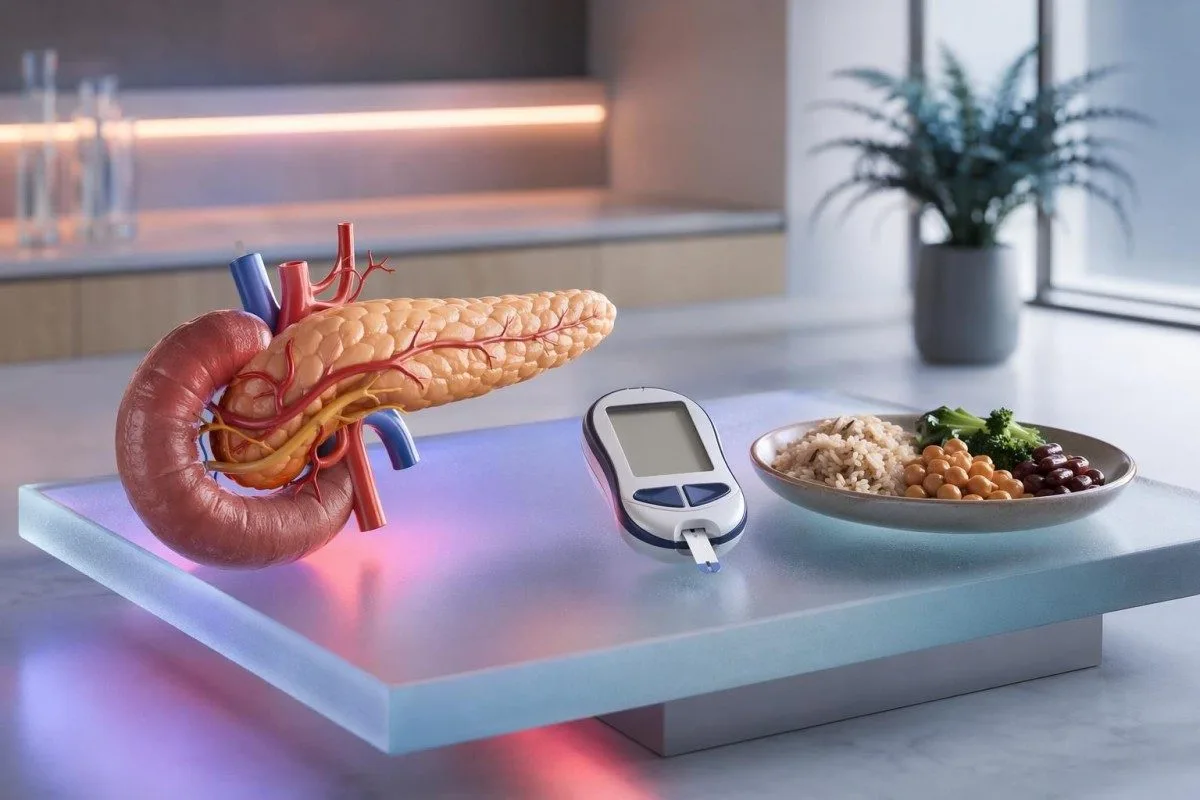
ආහාර ගැනීමෙන් පසු ග්ලූකෝස් මට්ටම ඉහළ යා යුතුය. වෛද්යමය ප්රශ්නය වන්නේ එය කොතරම් ඉහළ යන්නේද, කොපමණ කාලයක් පවතින්නේද, සහ ඔබ ප්රතිඵලය නිවැරදි කාල සීමාව (timing cutoff) සමඟ සංසන්දනය කරනවාද යන්නයි.



- ආහාර ගැනීමෙන් පසු රුධිර සීනි සඳහා සාමාන්ය පරාසය සාමාන්යයෙන් දියවැඩියාව නොමැති වැඩිහිටියන් තුළ පැය 2ක් වන විට 140 mg/dLට අඩුය, නැතහොත් 7.8 mmol/Lට අඩුය.
- ආහාර ගැනීමෙන් පැය 1කට පසු සාමාන්ය රුධිර සීනි බොහෝ විට 110–160 mg/dL පමණට ඉහළම අගය (peak) කරයි; නමුත් සාමාන්ය ගෙදර කියවීම් සඳහා එකම විශ්වීය පැය 1ක සීමාවක් (1-hour cutoff) නැත.
- ආහාර ගැනීමෙන් පැය 2කට පසු සාමාන්ය රුධිර සීනි සාමාන්යයෙන් 140 mg/dLට අඩුය; 75 g OGTT මත 140–199 mg/dL ලෙස තිබීම ග්ලූකෝස් ඉවසීම අඩුවීම (impaired glucose tolerance) පෙන්නුම් කරයි.
- නිරාහාර ග්ලූකෝස් සීමාවන් කැලරි නොගෙන අවම වශයෙන් පැය 8ක් ගතවීමෙන් පසුව අදාළ කරගන්න; උදෑසන ආහාරයෙන් පසුව, සීනි එකතු කළ කෝපි, පලතුරු, හෝ රාත්රී අග ස්නැක්කයෙන් පසුව නොවේ.
- අහඹු ග්ලූකෝස් සම්භාව්ය රෝග ලක්ෂණ සමඟින් 200 mg/dL හෝ ඊට වැඩි මට්ටමක් තිබීම දියවැඩියාවක් යෝජනා කළ හැකි අතර ඉක්මන් වෛද්ය තහවුරු කිරීමක් අවශ්ය වේ.
- නිවසේ ග්ලූකෝස් මීටර බොහෝ සැබෑ ලෝක පරාසයන් තුළ රසායනාගාර ග්ලූකෝස් මට්ටමෙන් ආසන්න වශයෙන් ±15% තරම් වෙනස් විය හැක; එබැවින් එක් අසාමාන්ය කියවීමක් නැවත පරීක්ෂා කළ යුතුය.
- CGM කියවීම් අන්තර්ස්ථායි ග්ලූකෝස් මනින අතර ශිරා රුධිර ප්ලාස්මා ග්ලූකෝස් නොවේ; එසේම ආහාර වේලේ උච්ච මට්ටම්වලට වඩා ආසන්න වශයෙන් මිනිත්තු 5–15ක් පමණ පසුපස විය හැක.
- ගර්භණී ග්ලූකෝස් ඉලක්ක වඩා දැඩි ය; බොහෝ වෛද්යවරු ආහාර ගැනීමෙන් පැය 1කට පසු 140 mg/dLට අඩුවෙන් සහ පැය 2කට පසු 120 mg/dLට අඩුවෙන් ඉලක්ක කරති.
ආහාර ගැනීමෙන් පසු සාමාන්ය රුධිර සීනි පරාසය කුමක්ද?
A රුධිර සීනි සඳහා සාමාන්ය පරාසය ආහාර ගැනීමෙන් පසුව සාමාන්යයෙන් පැය 2ක් වන විට 140 mg/dLට අඩුවෙන්, එනම් 7.8 mmol/Lට අඩුවෙන්, දියවැඩියාවක් නොමැති වැඩිහිටියන් තුළ පවතී. පැය 1ක අගය කෙටි කාලයක් සඳහා වැඩි විය හැක; සාමාන්යයෙන් 110–160 mg/dL අතරින්, විශේෂයෙන් කාබෝහයිඩ්රේට් බහුල ආහාරයකින් පසුව. එබැවින් නිරාහාර සීමාවන් ආහාරයෙන් පසුව ලැබෙන ප්රතිඵලවලට යෙදිය නොහැක.
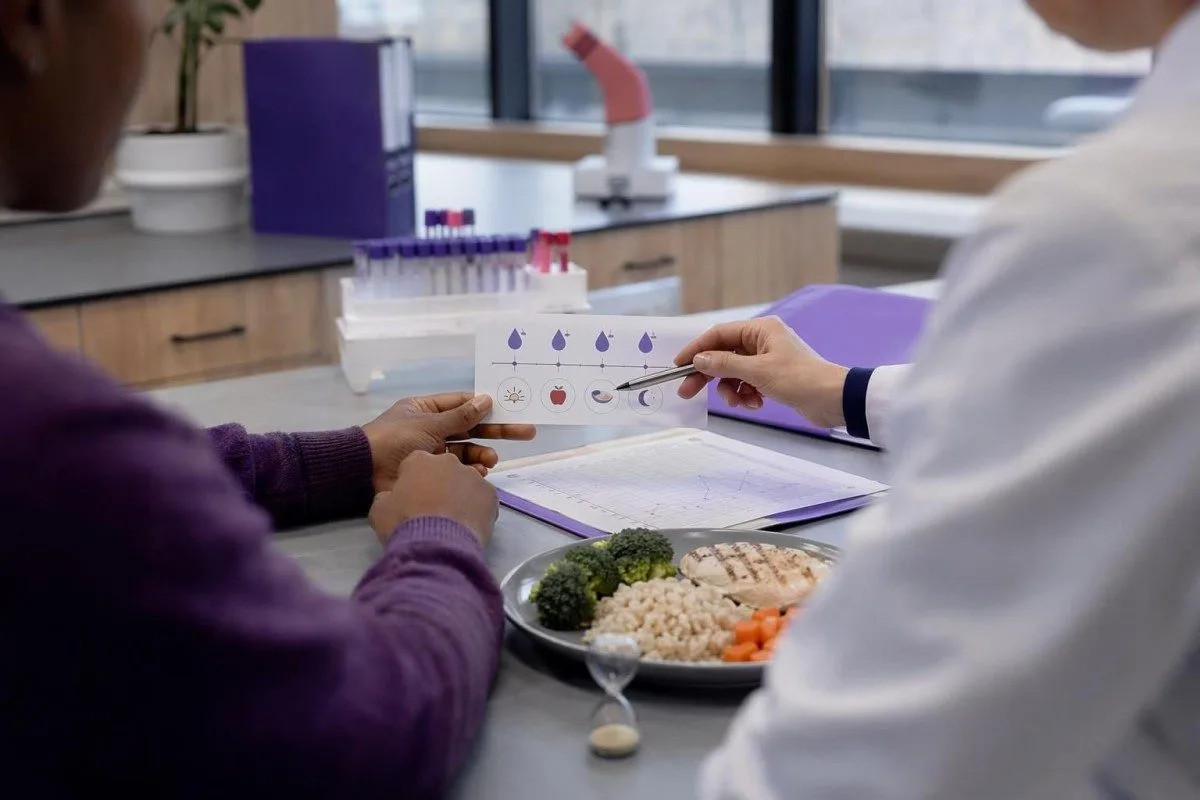
2026 අප්රේල් 26 වන විටත් මම සතියකට කිහිප වතාවක් මේ ව්යාකූලත්වය දකිමි: කෙනෙක් දිවා ආහාරයෙන් පසු මිනිත්තු 55ක් වන විට ග්ලූකෝස් පරීක්ෂා කර 132 mg/dL දකින අතර, එය 99 mg/dL නිරාහාර සීමාව සමඟ සංසන්දනය කළ නිසා කරදර වන්නේ. එම සංසන්දනය වැරදිය. අපගේ පද්ධතිය වේලාව සහ අවදානම වෙන් කරලා ඔබට අවශ්ය නම්, කන්ටෙස්ටි AI HbA1c, ලිපිඩ්, වකුගඩු සලකුණු, සහ වේලාව සටහන අසල ග්ලූකෝස් ප්රතිඵල කියවිය හැක.
ප්රායෝගික යොමු ලක්ෂ්යය සරලයි: නිරාහාර ග්ලූකෝස් තීරණය කරන්නේ අවම වශයෙන් පැය 8ක් කැලරි නොගෙන සිටීමෙන් පසුවයි; ආහාරයෙන් පසුව (postprandial) ග්ලූකෝස් තීරණය කරන්නේ ඔබේ ශරීරය ආහාරය කොතරම් ඉක්මනින් ඉවත් කරනවාද යන්න අනුවයි. උදෑසන අගයන් ගැන ගැඹුරින් බැලීමට, අපගේ මාර්ගෝපදේශය නිරාහාර රුධිර සීනි උදෑසන හෝරාවට පෙර හෝමෝන උච්චාවචනයන් උදෑසන ආහාරයට පෙර ග්ලූකෝස් ඉහළ දැමිය හැකි හේතුව පැහැදිලි කරයි.
මගේ සායනික අත්දැකීම අනුව, වේලාව සටහන් කිරීම අංකයටත් ආසන්න වශයෙන්ම වැදගත්. බත් පාත්රයකින් පසු මිනිත්තු 58ක් වන විට 151 mg/dL කියවීම, ආහාර ගැනීමෙන් පසු පැය 2යි මිනිත්තු 45ක් වන විට 151 mg/dL කියවීම වගේ එකම වෛද්ය සංඥාවක් නොවේ.
Thomas Klein, MD, මෙන්න මම රෝගීන්ට දෙන සෘජු අනුවාදය: ආහාරය අවසන් කළ වේලාව නොව, පළමු කටගැස්ම ගත් වේලාව ලියන්න. බොහෝ ආහාරයෙන් පසුව සීමාවන් කාලානුරූප ශාරීරික ක්රියාවලියන් මත ගොඩනැගී ඇති අතර, මිනිත්තු 20ක වේලාව වැරැද්දක් සෞඛ්ය සම්පන්න ප්රතිචාරයක් සැකසහිත ලෙස පෙනෙන්නට පුළුවන්.
30, 60, සහ 120 මිනිත්තු වලදී රුධිර සීනි වෙනස් ලෙස ඉහළ යන්නේ ඇයි?
ඉන්සියුලින්ට ලැබෙන සියලු ග්ලූකෝස් මාංශ පේශි, අක්මාව සහ මේද පටක වෙත ගෙන යාමට හැකි වීමට පෙර කාබෝහයිඩ්රේට් වේගයෙන් අවශෝෂණය වීම නිසා ආහාර ගැනීමෙන් පසු රුධිර සීනි ඉහළ යයි. පළමු කටගැස්මෙන් පසු මිනිත්තු 30ත් 90ත් අතර කාලයේදී සාමාන්යයෙන් ඉහළම අගය දක්නට ලැබේ; ඉන්පසු සාමාන්ය ඉන්සියුලින් ප්රතිචාරයක් ඇති පුද්ගලයන් තුළ පැය 2–3ක් තුළ නැවත මූල අගය වෙත පහළ යයි.
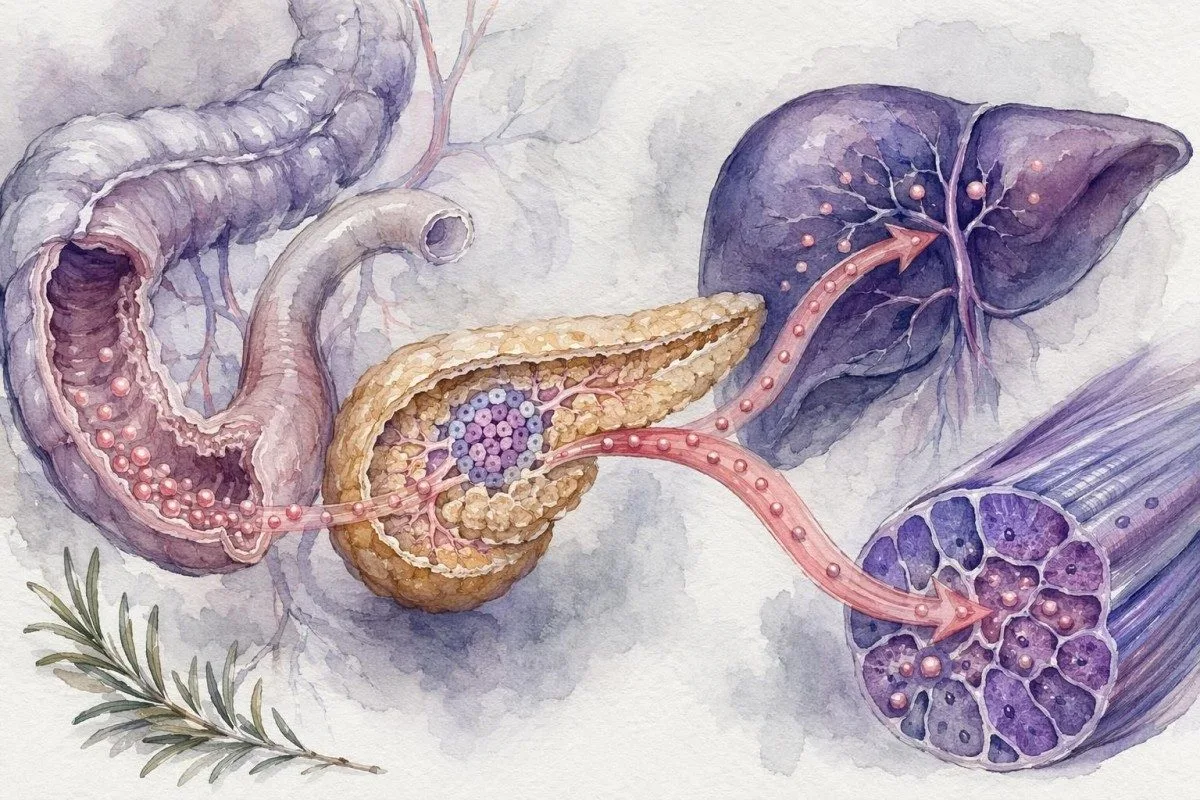
පළමු මිනිත්තු 30 තුළ බොහෝ දුරට පිළිවෙලින් ආමාශය හිස්වීම සහ අන්ත්ර අවශෝෂණය පිළිබිඹු වේ. දියර, සුදු පාන්, පළතුරු යුෂ, සහ අඩු තන්තු සහිත ධාන්ය ග්ලූකෝස් වේගයෙන් ඉහළ දැමිය හැකි අතර, කඩල (lentils), සම්පූර්ණ ධාන්ය, මේදය, සහ ප්රෝටීන් වක්රය මන්දගාමී කරයි.
මිනිත්තු 60 වන විට ඉන්සියුලින් ස්රාවය බර වැඩ කරමින් සිටී. අග්න්යාශය ඉන්සියුලින් වේගයෙන් මුදාහරිනවා නම් ග්ලූකෝස් සුළු වශයෙන් ඉහළ ගොස් වේගයෙන් පහළ යා හැක; පළමු අදියරේ ඉන්සියුලින් ප්රතිචාරය මන්දගාමී නම්, එම ආහාරය දිගු කාලයක් පුරා පැතලි ලෙස ඉහළ යාමක් ඇති කළ හැක.
පැය 2ක සීමාව සායනිකව ප්රයෝජනවත් වුණේ ප්රමාද වූ ඉවත් කිරීම (clearance) අල්ලා ගන්නා නිසාය. ඔබ දිගුකාලීන සාමාන්ය ග්ලූකෝස් ද නිරීක්ෂණය කරන්නේ නම්, එය HbA1c පරාසය එක ආහාරයෙන් පසු කියවීමකින් ලබාගත නොහැකි මිනිත්තු 2–3ක දෘෂ්ටියක් එක් කරයි.
උපුටා දැක්විය හැකි නීතියක්: ආහාරයෙන් පසු (postprandial) ග්ලූකෝස් සාමාන්ය පරාසය කියවීම සඳහා පළමු කටගැස්මෙන් පසු නිවැරදි කාලය අවශ්ය වේ, මන්ද පැය 1 සහ පැය 2 කියවීම් විවිධ ශාරීරික ප්රශ්නවලට පිළිතුරු දෙයි.
ආහාර ගැනීමෙන් පැය 1කට පසු සාමාන්ය රුධිර සීනි: සැනසිලිදායක ලෙස සලකන්නේ කුමක්ද?
ආහාර ගැනීමෙන් පැය 1කට පසු සාමාන්ය රුධිර සීනි දියවැඩියාව නොමැති සෞඛ්ය සම්පන්න වැඩිහිටියන් තුළ සාමාන්යයෙන් 140–160 mg/dL අතර අගයක් ලෙස දක්නට ලැබේ; නමුත් සමහර අය විශාල කාබෝහයිඩ්රේට් ආහාරයකින් පසු කෙටි කාලයක් එය ඉක්මවා යා හැක. තනි පැය 1 කියවීමක්, පැය 2 අගයට වඩා අඩු රෝග නිර්ණාත්මක (diagnostic) වේ; වෘත්තීය දියවැඩියා නිර්ණායක ප්රධාන වශයෙන් උපවාස ග්ලූකෝස්, HbA1c, හෝ කාල නියමිත මුඛ ග්ලූකෝස් ඉවසීමේ පරීක්ෂණය මත රඳා පවතී.
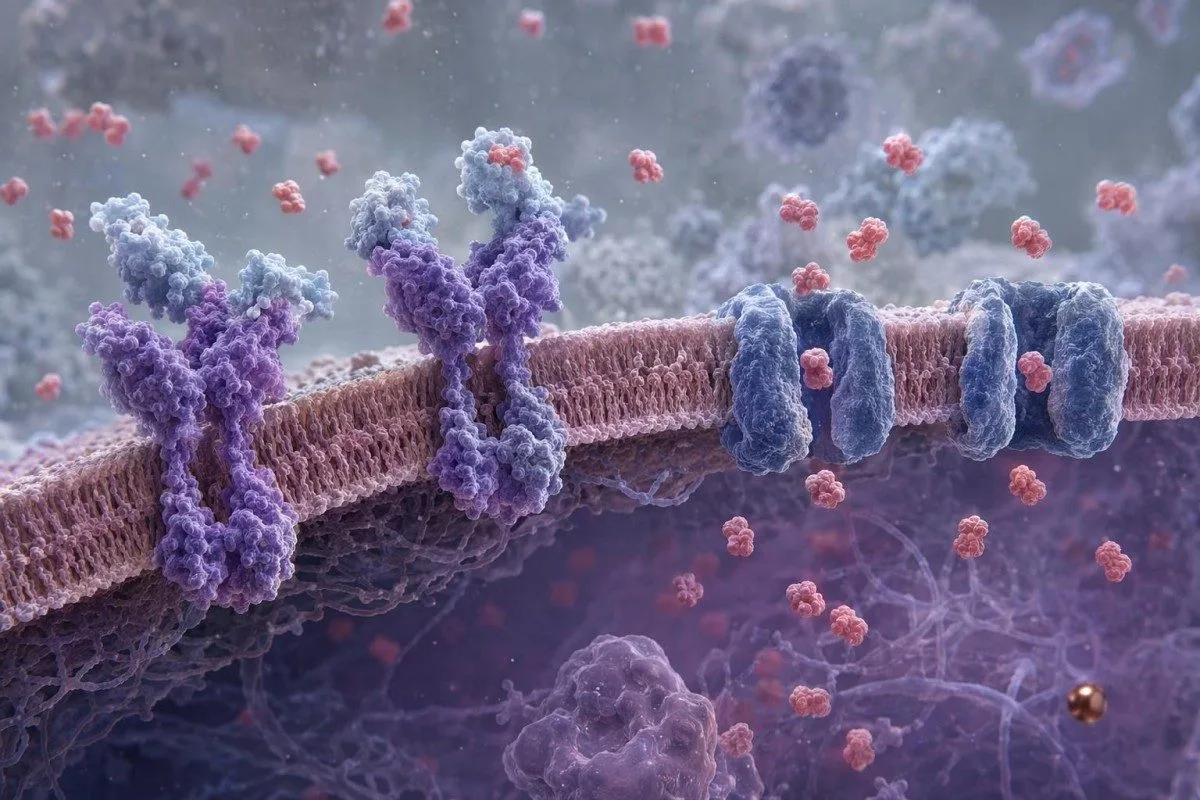
මිශ්ර ආහාරයකින් පසු පැය 1ට ග්ලූකෝස් 128 mg/dL සාමාන්යයෙන් කරදරකාරී නොවේ; කරදරකාරී නොවීම හොඳ දෙයක්. පැය 1ට ග්ලූකෝස් 172 mg/dL ස්වයංක්රීයව දියවැඩියාවක් යැයි අදහස් නොකරයි; නමුත් මම අසන්නේ කුමක් කෑවද, පුද්ගලයා නරක ලෙස නිදාගත්තද, සහ පැය 2 අගය පහළට ආවද යන්නයි.
දියවැඩියාව හඳුනාගෙන නැති පුද්ගලයන් තුළ පැය 1 අගය කොතරම් තදින් භාවිතා කළ යුතුද යන්න ගැන වෛද්යවරුන් එකඟ නොවේ. පර්යේෂණ කණ්ඩායම් බොහෝ විට 75 g OGTT හි පැය 1 (1-hour) ග්ලූකෝස් අගය සుమට 155 mg/dL ලෙස අනාගත අවදානම් සංඥාවක් ලෙස සලකයි; නමුත් එය නිවසේ ඇඟිලි තුඩු පරීක්ෂණයක සාමාන්ය රෝග නිර්ණාත්මක සීමාවක් (routine diagnostic threshold) හා සමාන නොවේ.
මම දියවැඩියාව නොදන්නා තත්ත්වයකදී ආහාරයෙන් පසු ග්ලූකෝස් ඉහළ බව පෙන්වන වාර්තාවක් සමාලෝචනය කරන විට, නාට්යයට වඩා රටා (patterns) සොයමි. අපගේ ලිපිය දියවැඩියාවක් නොමැතිව ඉහළ ග්ලූකෝස් උග්ර ආතතිය (acute stress), ස්ටෙරොයිඩ්, ආසාදනය, සහ නින්ද අඩුවීම තාවකාලිකව ග්ලූකෝස් ඉහළ දැමිය හැකි හේතුව පැහැදිලි කරයි.
උපුටා දැක්විය හැකි කරුණක්: ආහාරයෙන් පසු පැය 1 ග්ලූකෝස් 160 mg/dLට අඩු වීම බොහෝ විට සාමාන්ය ශාරීරික ක්රියාකාරිත්වයට අනුකූල වේ; නමුත් පැය 1 අගයන් 180 mg/dLට ඉහළින් දිගටම පවතින්නේ නම් නැවත පරීක්ෂා කිරීම සහ සායනික සන්දර්භය අවශ්ය වේ.
ආහාර ගැනීමෙන් පැය 2කට පසු සාමාන්ය රුධිර සීනි: වැඩිම වැදගත්කම ඇති සීමාව
ආහාර ගැනීමෙන් පැය 2කට පසු සාමාන්ය රුධිර සීනි සාමාන්යයෙන් දියවැඩියාව නොමැති වැඩිහිටියන් තුළ 140 mg/dLට අඩු හෝ 7.8 mmol/Lට අඩු වේ. නිල 75 g මුඛ ග්ලූකෝස් ඉවසීමේ පරීක්ෂණයකදී (OGTT) පැය 2ක ග්ලූකෝස් 140–199 mg/dL නම් ග්ලූකෝස් ඉවසීම අඩුවීම (impaired glucose tolerance) පෙන්නුම් කරයි; 200 mg/dL හෝ ඊට වැඩි නම් තහවුරු කළ විට දියවැඩියාවට සහාය වේ.
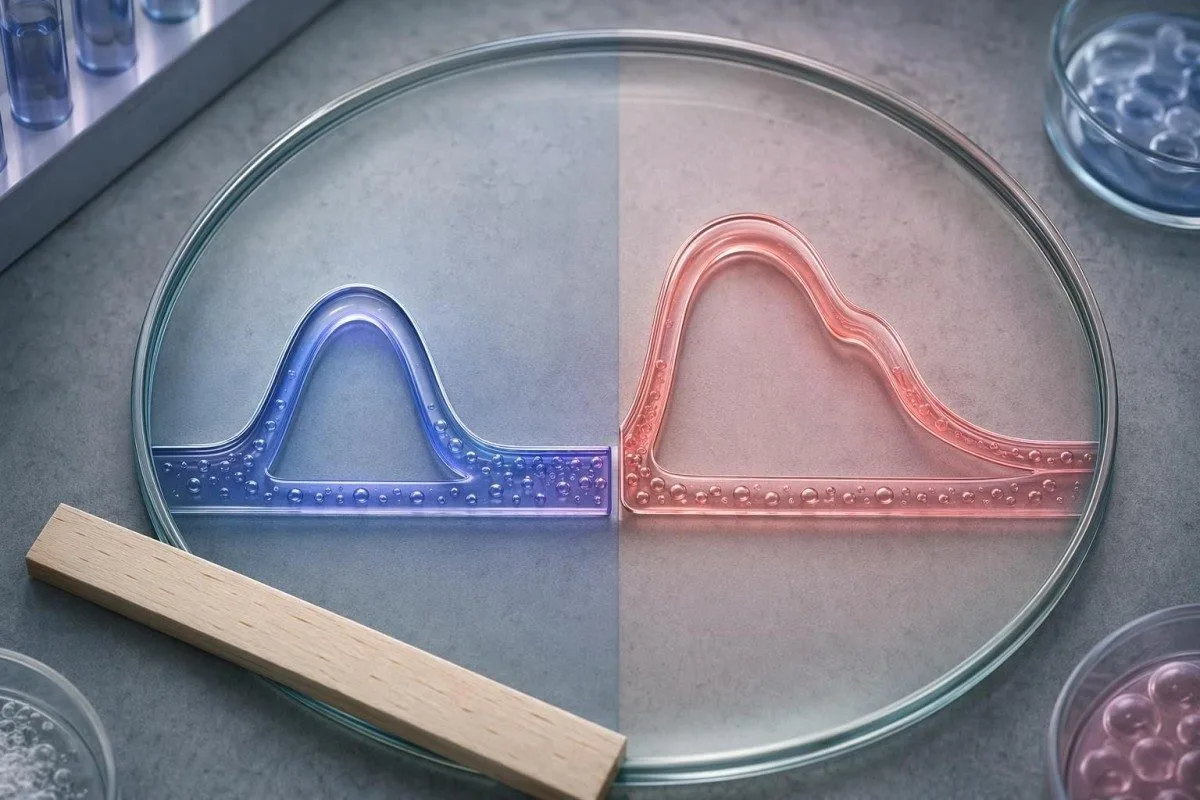
American Diabetes Association (ADA) රෝග නිර්ණ නිර්ණායක දියවැඩියාව සඳහා පැය 2ක 75 g OGTT සීමාව 200 mg/dL ලෙසත්, ග්ලූකෝස් ඉවසීම අඩුවීම සඳහා 140–199 mg/dL ලෙසත් භාවිතා කරයි (ADA Professional Practice Committee, 2024). එම පරීක්ෂණය ප්රමිතිගත කර ඇත; නිවසේ අහඹු ආහාර වේලක් එසේ නොවේ.
රෝගීන් අඩුවෙන් අහන සූක්ෂ්මතාව මෙන්න: පීසා ආහාරයෙන් පසු පැය 2ක අගය 137 mg/dL නම්, පිපිඤ්ඤා සහ බිත්තර ආහාරයෙන් පසු පැය 2ක අගය 137 mg/dLට වඩා බොහෝ විට වඩා සැනසිලිදායක විය හැක. එකම අංකයයි; වෙනස් පරිවෘත්තීය අභියෝගයයි.
ඔබේ පැය 2ක ග්ලූකෝස් නැවත නැවතත් 140 සිට 199 mg/dL අතරට වැටෙන්නේ නම්, එක් කියවීමක් මත ඔබට ලේබලයක් දමන්න එපා. නිරාහාර ග්ලූකෝස්, HbA1c, ඉණ වෙනස්වීම, ඖෂධ, සහ පවුලේ සෞඛ්ය ඉතිහාසය නැවත සමාලෝචනය කරන්න; අපේ පූර්ව දියවැඩියාව රුධිර පරීක්ෂණ මාර්ගෝපදේශය එම සීමා මායිම් රටා හරහා ඔබව ගෙන යයි.
උපුටා දැක්විය හැකි කරුණක්: ප්රමිතිගත OGTT පරීක්ෂණයකදී ආහාර ගැනීමෙන් පසු පැය 2ක ග්ලූකෝස් 140 mg/dL හෝ ඊට වැඩි වීම අසාමාන්යය; නමුත් නිවසේ ආහාර වේලකින් ලැබෙන කියවීම ආහාර ප්රමාණය, වේලාව නිවැරදිද යන්න, සහ මීටර ක්රමය අනුව අර්ථකථනය කළ යුතුය.
ආහාර නොගෙන සිටින (fasting) ග්ලූකෝස් සීමා ආහාරයෙන් පසු භාවිත නොකළ යුත්තේ ඇයි?
ආහාර ගැනීමෙන් පසු නිරාහාර ග්ලූකෝස් සීමා (cutoffs) භාවිතා නොකළ යුතුය. ආහාර ජීර්ණය හිතාමතාම නිරාහාර පරාසයට වඩා ග්ලූකෝස් ඉහළ නංවයි. නිරාහාර අගය 100–125 mg/dL නම් නිරාහාර ග්ලූකෝස් අසාමාන්යතාව (impaired fasting glucose) පෙන්නුම් කළ හැක; නමුත් ආහාර ගැනීමෙන් පැය 1ක් පසුව එමම අගය නම් සම්පූර්ණයෙන්ම සාමාන්ය විය හැක.
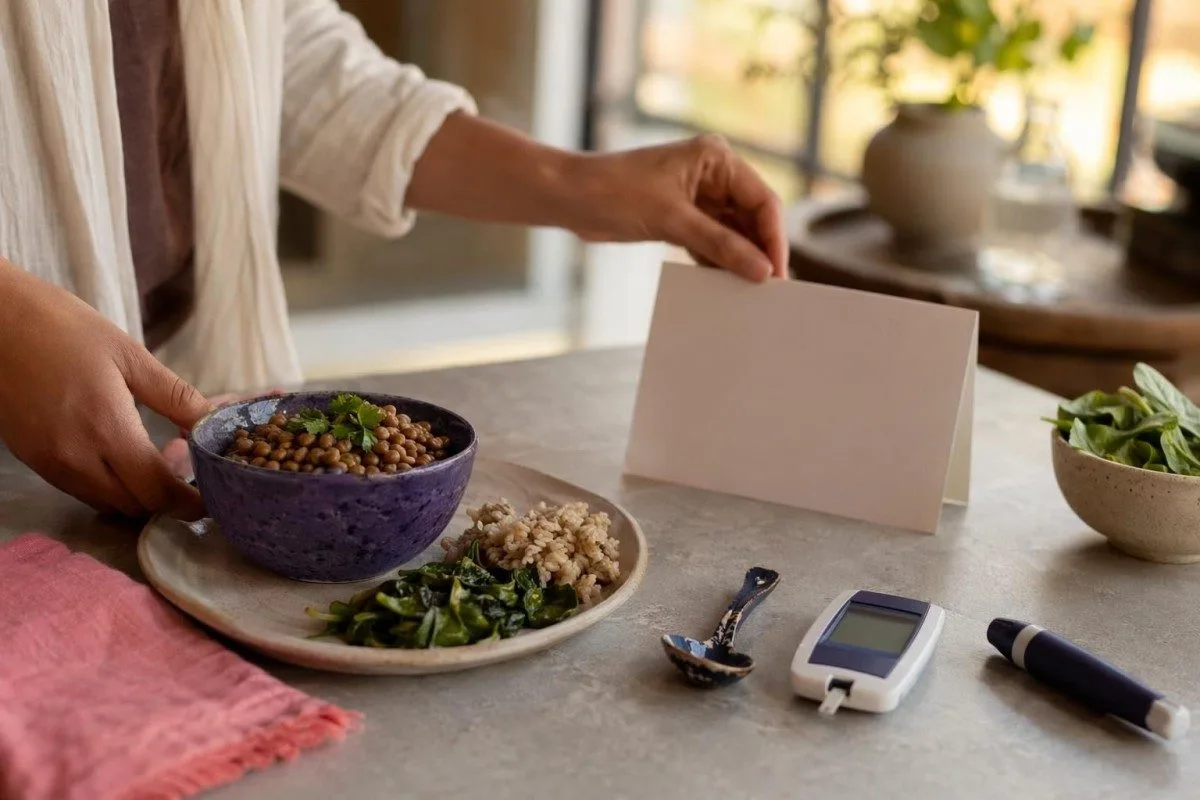
නිරාහාර සීමාව පවතින්නේ සක්රීය පෝෂක අවශෝෂණයක් නොමැතිව මූලික ග්ලූකෝස් නියාමනය මැනීමටයි. සමහර අයට කළු කෝපි පවා ආතති හෝමෝනවලට බලපෑ හැකි අතර, සීනි එකතු කළ කෝපි නිරාහාර තත්ත්වය නිසැකවම බිඳ දමයි.
අහඹු (random) ග්ලූකෝස්ට තමන්ගේම තර්කයක් ඇත. පිපාසය, නිතර මුත්රා කිරීම, සහ බර අඩුවීම වැනි සම්භාව්ය රෝග ලක්ෂණ සමඟ අහඹු ශිරා ප්ලාස්මා ග්ලූකෝස් 200 mg/dL හෝ ඊට වැඩි වීම දියවැඩියාව රෝග නිර්ණයට සහාය විය හැක; නමුත් 200 mg/dLට අඩු අහඹු අගයන් එය බැහැර නොකරයි.
ඔබට නිරාහාරව කළ යුතු පරීක්ෂණ මොනවාදැයි විශ්වාස නැත්නම්, අපේ සරල භාෂා මාර්ගෝපදේශය කියවන්න උපවාසය ගැන සැබවින්ම වැදගත් වන්නේ කුමක්දැයි පැහැදිලි කරයි.. රෝගියෙක් කුඩා කෑමක් “ගණන් නොගන්න” කියලා හිතපු නිසා ට්රයිග්ලිසරයිඩ්, ඉන්සියුලින්, සහ ග්ලූකෝස් සියල්ලම වැරදි ලෙස කියවී ඇති බව මට දැකලා තියෙනවා.
උපුටා දැක්විය හැකි කරුණක්: නිරාහාර ප්ලාස්මා ග්ලූකෝස් අගය 100 mg/dLට අඩු නම් සාමාන්යය; 100–125 mg/dL අතර නම් පූර්ව දියවැඩියා පරාසය; නැවත පරීක්ෂා කිරීමේදී 126 mg/dL හෝ ඊට වැඩි නම් දියවැඩියා පරාසය වේ.
ආහාරයම ආහාරයෙන් පසු (postprandial) ග්ලූකෝස් සාමාන්ය පරාසය වෙනස් කරන්නේ කෙසේද?
එකම පුද්ගලයාට විවිධ ආහාර ගැනීමෙන් පසුව ආහාර ගැනීමෙන් පසු (postprandial) ග්ලූකෝස් ප්රතිඵල බෙහෙවින් වෙනස් විය හැක. අඩු තන්තු (fiber) සහිත ග්රෑම් 70 කාබෝහයිඩ්රේට් ආහාරයක්, ග්රෑම් 20 කාබෝහයිඩ්රේට් සහිත ප්රෝටීන් බහුල ආහාරයකට වඩා ග්ලූකෝස් mg/dL 40–70 කින් වැඩි කර දැමිය හැක; දෙකම එකම වේලාවක ආහාරයට ගත්තත්.
කාබෝහයිඩ්රේට් ග්රෑම් ප්රමාණය වැදගත්ය, නමුත් ආහාරයේ ව්යුහයද වැදගත්ය. සම්පූර්ණ පලතුරු, කඩල (lentils), ඕට්ස් (oats), සහ අඛණ්ඩ ධාන්ය (intact grains) සාමාන්යයෙන් යුෂ (juice), සුදු සහල් (white rice), හෝ පිරිපහදු පිටි (refined flour) වලට වඩා මන්දගාමී ලෙස ග්ලූකෝස් ඉහළ යාමක් ඇති කරයි; තන්තු සහ අංශු ප්රමාණය ආමාශය හිස්වීම (gastric emptying) වෙනස් කරන නිසා.
ප්රෝටීන් සහ මේදය පළමු පැය තුළ ග්ලූකෝස් ඉහළ යාම මන්ද කළ හැකි අතර වක්රයේ “වලිගය” (tail) දිගු කරයි. ඒ නිසා පීසා (pizza) හෝ ක්රීම් සහිත අතුරුපසක් (creamy dessert) පසු පැය 2ක කියවීම තවමත් ඉහළ යමින් තිබිය හැකි අතර, තනිවම සහල් (rice) පසු පැය 2ක කියවීම දැනටමත් පහළ යමින් තිබිය හැක.
ඉන්සියුලින් ප්රතිචාරය (insulin response) යනු සැඟවුණු වෙනස්කාරකය (hidden variable) වේ. නිරාහාර ඉන්සියුලින් අගය ඉහළ නමුත් ග්ලූකෝස් සාමාන්ය ලෙස පෙනෙන්නේ නම්, මුල් අවධියේ ඉන්සියුලින් ප්රතිරෝධය (insulin resistance) තිබිය හැක; අපගේ ඉන්සියුලින් රුධිර පරීක්ෂණය ලිපියෙන් පැහැදිලි කරන්නේ ග්ලූකෝස් අවසානයේ ඉහළ යාමට පෙර වසර ගණනාවක් සාමාන්ය ලෙසම තිබිය හැක්කේ ඇයිද යන්නයි.
ප්රමාණාත්මක කියවන්නන් සඳහා, HOMA-IR පැහැදිලි කිරීම නිරාහාර ග්ලූකෝස් සහ නිරාහාර ඉන්සියුලින් මගින් ඉන්සියුලින් ප්රතිරෝධය ඇස්තමේන්තු කරගත හැකි ආකාරය පෙන්වයි. මම එය ප්රවේශමෙන් භාවිතා කරන්නේ HOMA-IR යනු ආකෘතියක් (model) මිස රෝග නිර්ණයක් (diagnosis) නොවන නිසාය.
ගෙදර මීටර, CGM, සහ රසායනාගාර ග්ලූකෝස්: ප්රතිඵල එකිනෙකට සමාන නොවන්නේ ඇයි?
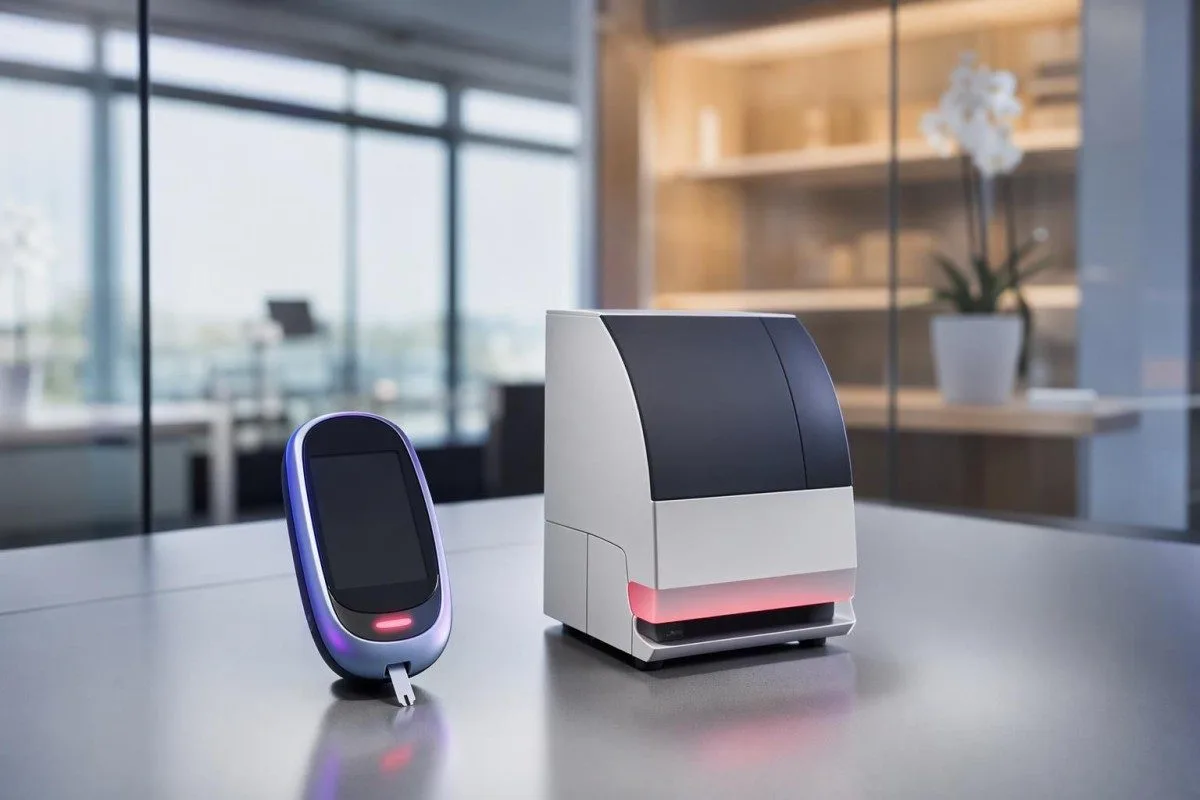
ගෘහ මීටර, CGM උපකරණ, සහ රසායනාගාර ප්ලාස්මා ග්ලූකෝස් අතර වෙනස්කම් තිබිය හැක; ඒවා විවිධ කොටස්වල (compartments) ග්ලූකෝස් මැනීම හෝ විවිධ ක්රම භාවිතා කිරීම නිසාය. ඇඟිලි ඇනීමෙන් (fingerstick) කරන මීටරයක් සායනිකව ප්රයෝජනවත් විය හැකි නමුත්, පිළිගත් රසායනාගාරයක් මගින් මනින ලද ශිරා ප්ලාස්මා ග්ලූකෝස් (venous plasma glucose) හා සමාන නොවේ.

නවීන ග්ලූකෝස් මීටර හොඳ මෙවලම් වේ, නමුත් ඒවා පරිපූර්ණ උපකරණ නොවේ. සාමාන්ය ග්ලූකෝස් පරාසයන් වටා බොහෝ ප්රමිතීන්, යොමු ක්රමයකට සාපේක්ෂව ප්රතිඵල ±15% පමණ ඇතුළත වැටිය හැකි බවට ඉඩ දෙයි; එබැවින් නිවැරදි 140 mg/dL අගයක් නිවසේදී අර්ථවත් ලෙස ඉහළ හෝ පහළ ලෙස පෙනෙන්නට පුළුවන.
CGM උපකරණ මනිනු ලබන්නේ අන්තර්ස්ථ තරලය (interstitial fluid) වන අතර එය වේගවත් ඉහළ යාම් සහ පහළ යාම් අතරතුර රුධිර ග්ලූකෝස්ට පසුපසින් (lag) යයි. අධික කාබෝහයිඩ්රේට් ආහාරයක් ගැනීමෙන් පසු, CGM හි උපරිමය (peak) ඇඟිලි ඇනීමෙන් මනින අගයකට හෝ ශිරා ප්ලාස්මා අගයකට සාපේක්ෂව මිනිත්තු 5–15ක් පමණ ප්රමාද විය හැක.
Diabetes Care හි Sacks et al. විසින් දක්වන රසායනාගාර මාර්ගෝපදේශය සකස් කළ සාම්පල හැසිරවීම ඉතා ප්රවේශමෙන් කළ යුතු බව අවධාරණය කරයි. මන්දයත් එකතු කිරීමෙන් පසු සෛල ග්ලූකෝස් භාවිතා කරමින් පවතින නිසා, සැකසීම නොකළ නලයක ග්ලූකෝස් අඩුවිය හැක (Sacks et al., 2023). ඔබගේ වාර්තාව අමුතු ලෙස පෙනේ නම්, අපගේ රුධිර පරීක්ෂණ PDF උඩුගත කිරීමක් workflow එක හරහා PDF එක උඩුගත කරන්න; එවිට Kantesti AI හට ඒකක, සාම්පල වර්ගය, සහ වේලාව සම්බන්ධ සටහන් පරීක්ෂා කළ හැක.
උපුටා දැක්විය හැකි කරුණක්: රෝග නිદાન සඳහා වන පරීක්ෂණවල සම්මත සාම්පල වර්ගය වන්නේ ශිරාමය ප්ලාස්මා ග්ලූකෝස්ය. එහෙත් නිවසේ කැපිලරි කියවීම් රටා නිරීක්ෂණය සඳහා වඩාත් සුදුසුය.
ආහාරයෙන් පසු ග්ලූකෝස් ඉහළ කියවීමක් වෛද්යමය අනුගමනයක් අවශ්ය වන්නේ කවදාද?
ආහාර ගැනීමෙන් පසු (post-meal) ග්ලූකෝස් අගය ඉහළ යාම නැවතත් සිදු වුවහොත්, එය අනුගමනය කළ යුතුය: නැවත සිදු වීම, පැය 2 දී ප්රමාද වීම, රෝග ලක්ෂණ සමඟ තිබීම, හෝ අසාමාන්ය නිරාහාර ග්ලූකෝස් හෝ HbA1c මගින් සහාය ලැබීම යන අවස්ථා වලදී. විශාල ආහාරයකින් පසු පැය 1 ක තනි ඉහළ යාමක් සාමාන්යයෙන් පැය 2 ක අගයන් 140 mg/dL ට වඩා නැවත නැවත ඉහළ යාමට වඩා අඩු සැලකිල්ලට ලක්විය යුතුය.
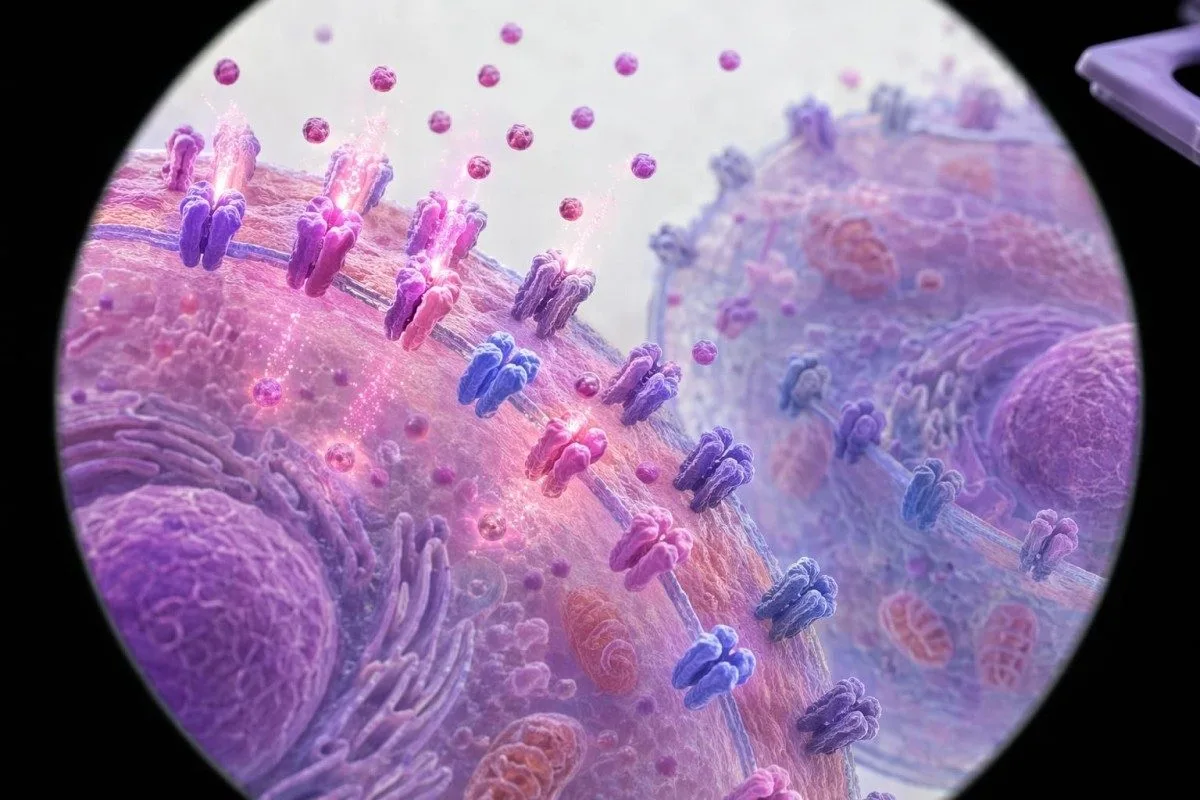
ග්ලූකෝස් ඉහළම අගයට යනවාට වඩා, එය ඉහළවම පවතින විට මට වැඩි සැලකිල්ලක් ඇති වේ. පැය 1 දී 178 mg/dL වී පැය 2 දී 112 mg/dL දක්වා අඩුවීම, පැය 2 දී 178 mg/dL සහ පැය 3 දී 164 mg/dL ලෙස තිබීමෙන් වෙනස් කතාවක් කියයි.
රෝග ලක්ෂණ අනුව හදිසිභාවය වෙනස් වේ. අධික පිපාසය, නිතර මුත්රා කිරීම, බොඳ වූ දෘෂ්ටිය, අනපේක්ෂිත බර අඩුවීම, නැවත නැවත ආසාදන, හෝ කීටෝන් (ketone) සම්බන්ධ ලක්ෂණ නිවසේදී සැහැල්ලුවෙන් බලා සිටිය යුතු නොවේ.
HbA1c 6.5% හෝ ඊට වැඩි නම්, තහවුරු කළ විට එය ප්රධාන රෝග නිદાન සීමාවක් ඉක්මවයි. අපගේ මාර්ගෝපදේශය 6.5 ක A1c එම නිශ්චිත අගය සායනිකව වැදගත් වන්නේ ඇයි කියා පැහැදිලි කරයි.
උපුටා දැක්විය හැකි කරුණක්: දියවැඩියාව නොමැති වැඩිහිටියන් තුළ, ආහාර ගැනීමෙන් පසු පැය 2 ක ග්ලූකෝස් අගයන් 180 mg/dL ට වඩා නැවත නැවත තිබීම සාමාන්ය නොවන අතර, නිරාහාර ග්ලූකෝස් අගය සුළු වශයෙන් පමණක් ඉහළ ගියත් වුවද, විධිමත් පරීක්ෂණයක් ආරම්භ කළ යුතුය.
ආහාර ගැනීමෙන් පසු රුධිර සීනි ඉතා අඩු විය හැකිද?
ආහාර ගැනීමෙන් පසු රුධිර සීනි අඩුවිය හැක—විශේෂයෙන් ඉන්සියුලින් භාවිතා කරන අය, sulfonylureas භාවිතා කරන අය, ඇතැම් ආමාශ ශල්යකර්ම වලින් පසු අය, හෝ reactive hypoglycemia ඇති අය තුළ. සායනිකව, 70 mg/dL ට අඩු ග්ලූකෝස් අඩු (low) ලෙස සලකන අතර, 54 mg/dL ට අඩු අගය සායනිකව වැදගත් hypoglycemia ලෙස සැලකේ.
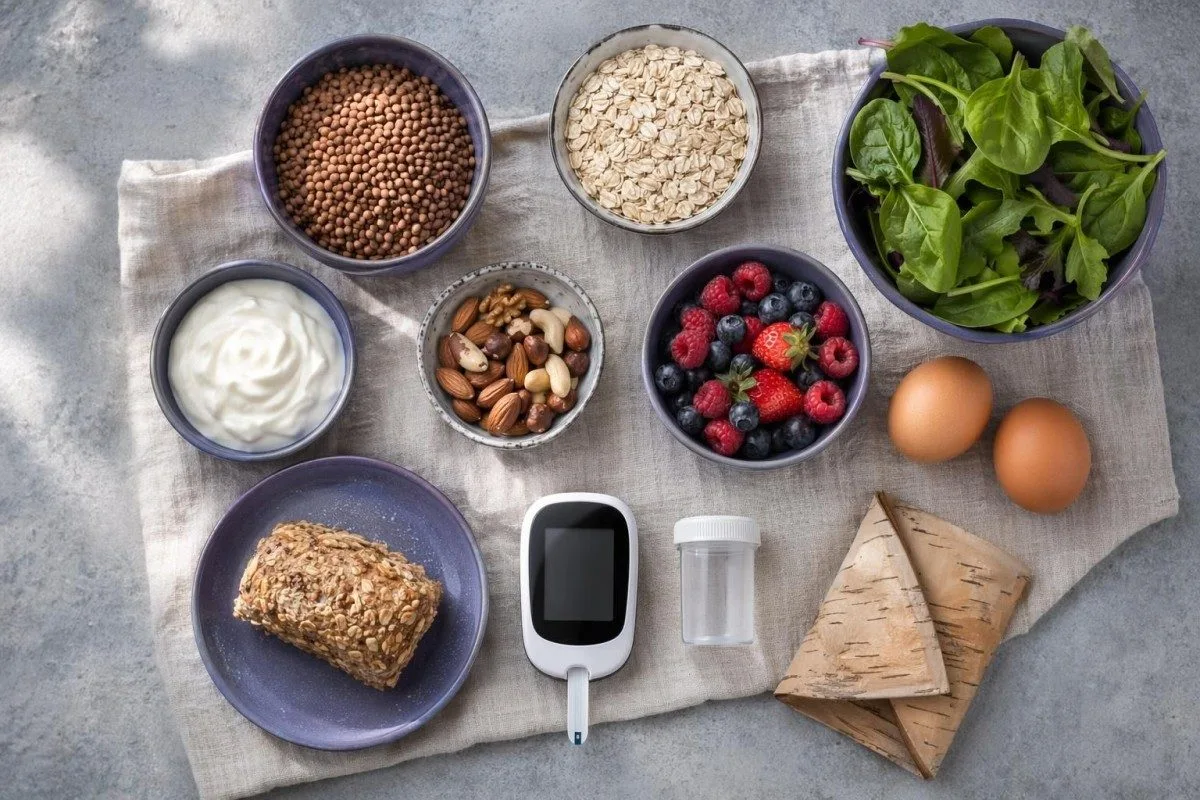
Reactive hypoglycemia සාමාන්යයෙන් ආහාර වේලකට පසු පැය 2–5 අතර කාලයේදී පෙනී යයි; පැය 1 ක peak එකේදී නොවේ. රෝගීන් විස්තර කරන්නේ වෙව්ලීම, දහඩිය දැමීම, කුසගින්න, හෘද ස්පන්දන වේගවත් වීම, හෝ හදිසියේම වාඩි වීමට අවශ්ය වීම වැනි දේවල් ලෙසය; දුෂ්කර කොටස වන්නේ කනස්සල්ල (anxiety) ද ඒ හා සමාන හැඟීමක් විය හැකි වීමයි.
වඩාත්ම ප්රයෝජනවත් තහවුරු කිරීම වන්නේ Whipple’s triad ය: රෝග ලක්ෂණ, මනින ලද අඩු ග්ලූකෝස්, සහ ග්ලූකෝස් ඉහළ යාමෙන් පසු රෝග ලක්ෂණ අඩුවීම. මේ තුනම නැතිනම්, සෑම ආහාරයෙන් පසු බිඳවැටීමක්ම රුධිර සීනි නිසාම යැයි චෝදනා කිරීමට මම පසුබට වෙමි.
ඉලෙක්ට්රොලයිට් සහ වකුගඩු ක්රියාකාරිත්වය ග්ලූකෝස් රෝග ලක්ෂණ සංකීර්ණ කළ හැකිය—විශේෂයෙන් වැඩිහිටියන් තුළ හෝ ඩයුරටික් (diuretics) ගන්නා අය තුළ. ඔබේ ග්ලූකෝස් රෝග ලක්ෂණ දුර්වලතාවය හෝ ව්යාකූලත්වය සමඟ එන්නේ නම්, අපගේ BMP රුධිර පරීක්ෂණය මාර්ගෝපදේශය සෝඩියම්, පොටෑසියම්, බයිකාබනේට්, සහ ක්රියේටිනින් බොහෝ විට ඉක්මනින් පරීක්ෂා කරන්නේ ඇයිද යන්න පැහැදිලි කරයි.
උපුටා දැක්විය හැකි කරුණක්: 70 mg/dL ට අඩු ග්ලූකෝස් යනු හයිපොග්ලයිසීමියා (hypoglycemia) වන අතර, 54 mg/dL ට අඩු ග්ලූකෝස් යනු සායනිකව වැදගත් හයිපොග්ලයිසීමියා (clinically significant hypoglycemia) වන අතර එය බරපතල ලෙස සැලකිය යුතුය.
ඔබට දැනටමත් දියවැඩියාව තිබේ නම් ආහාරයෙන් පසු ග්ලූකෝස් ඉලක්ක
දියවැඩියාව ඇති ගර්භණී නොවන බොහෝ වැඩිහිටියන් සඳහා, ආහාර ආරම්භ කිරීමෙන් පසු පැය 1–2 තුළ 180 mg/dL ට අඩු මට්ටමක් සාමාන්ය ඉලක්කයක් වේ; නමුත් පුද්ගලික ඉලක්ක වෙනස් වේ. වැඩිහිටියන්, හයිපොග්ලයිසීමියා අවදානමක් ඇති අය, සහ බරපතල රෝග ඇති අය සඳහා වඩා ආරක්ෂිත, අඩු ආක්රමණශීලී ඉලක්ක අවශ්ය විය හැකිය.
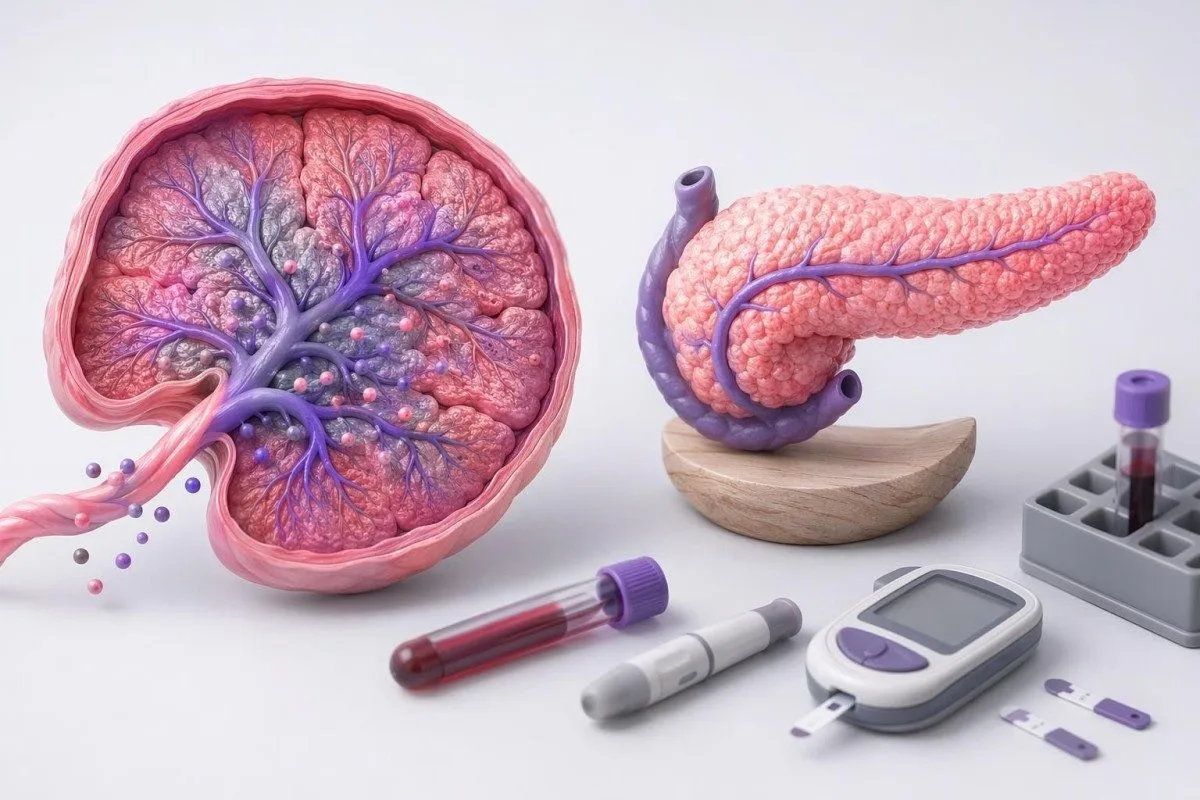
ADA Standards of Care දියවැඩියාව නිර්ණය කිරීමට නොව, නිවසේ සිටින කෙනෙකුට දියවැඩියාව ඇතිදැයි තීරණය කිරීමට නොව, ප්රතිකාර මඟ පෙන්වීමට ආහාරයෙන් පසු ඉලක්ක භාවිතා කරයි. මෙම වෙනස වැදගත් වන්නේ දියවැඩියාව ඇති පුද්ගලයෙකුට කළමනාකරණය කරන්නේ පරීක්ෂා කරමින් සිටින (screening) දියවැඩියාව සොයා බලන පුද්ගලයෙකුට වඩා වෙනස් පරාසයකට විය හැකි බැවිනි.
ඖෂධ වේලාව සෑම දෙයක්ම වෙනස් කරයි. වේගයෙන් ක්රියා කරන ඉන්සියුලින් (rapid-acting insulin), GLP-1 receptor agonists, sulfonylureas, ආමාශය හිස්වීම ප්රමාද වීම, සහ ආහාර මඟහැරීම—allම ආහාරයෙන් පසු පැය 1–2 වක්රය (curve) නැවත හැඩගස්විය හැකිය.
ඔබ ආහාරයෙන් පසු ග්ලූකෝස් HbA1c සමඟ සංසන්දනය කරන්නේ නම්, HbA1c රක්තහීනතාවය (anemia), වකුගඩු රෝගය (kidney disease), ගර්භණීභාවය (pregnancy), හෝ රතු රුධිර සෛල (red cell) පරිවර්තනය වෙනස් වීම (altered red cell turnover) හේතුවෙන් වැරදි ලෙස පෙනෙන්නට පුළුවන බව මතක තබාගන්න. අපගේ සාමාන්ය HbA1c මාර්ගෝපදේශය එම තත්ත්වයන් ගැන වැඩි ගැඹුරින් ආවරණය කරයි.
උපුටා දැක්විය හැකි කරුණක්: දියවැඩියාව ඇති ගර්භණී නොවන බොහෝ වැඩිහිටියන් සඳහා, පැය 1–2 තුළ ආහාරයෙන් පසු 180 mg/dL ට අඩු ග්ලූකෝස් ඉලක්කයක් බොහෝ විට භාවිතා කරයි; නමුත් පුද්ගලික ඉලක්ක වෛද්යවරයෙකු සමඟ තීරණය කළ යුතුය.
ගර්භණීභාවය: ආහාරයෙන් පසු ග්ලූකෝස් ඉලක්ක වඩා දැඩි වන්නේ ඇයි?
ගර්භණී සමයේ ආහාර ගැනීමෙන් පසු ග්ලූකෝස් ඉලක්ක වඩා දැඩි වේ, මන්ද කලලයේ වර්ධනය මවගේ ග්ලූකෝස් මට්ටම්වලට සංවේදී වේ. බොහෝ සත්කාර කණ්ඩායම් ගර්භණී දියවැඩියාවේදී ආහාර ගැනීමෙන් පැය 1 කින් 140 mg/dLට අඩුවෙන් හෝ පැය 2 කින් 120 mg/dLට අඩුවෙන් ඉලක්ක කරයි; නමුත් ප්රාදේශීය ක්රමවේද වෙනස් විය හැක.

ගර්භණී සමයේදී වේලාව පිළිබඳ නිරවද්යතාවය අත්යවශ්ය දෙයක්. පැය 1 ඉලක්කය සහ පැය 2 ඉලක්කය එකිනෙකට හුවමාරු කළ නොහැකි අතර, ඒවා මිශ්ර කරගැනීමෙන් අනවශ්ය ඖෂධ ගැනීමේ කනස්සල්ලක් ආරම්භ වන බව මම දැක ඇත.
ගර්භණී දියවැඩියාව සඳහා රෝග නිර්ණාත්මක සීමා ද සාමාන්ය ආහාර ගැනීමෙන් පසු ඉලක්කවලින් වෙනස් වේ. බොහෝ 75 g OGTT ක්රමවේදවලදී නිරාහාර, පැය 1, සහ පැය 2 අගයන් වෙන වෙනම අර්ථකථනය කරනු ලබන නිසා එක් අසාමාන්ය වේලාවක අගයක් වැදගත් විය හැක.
ඔබ ගර්භණී නම්, ඉන්ටර්නෙට් ප්රස්ථාරයක් පමණක් මත පදනම්ව ආහාර හෝ ඖෂධ වෙනස් නොකරන්න. අපේ ගර්භණී කාලයේ රුධිර පරීක්ෂණ මාර්ගෝපදේශය ග්ලූකෝස් පරීක්ෂාව යකඩ තත්ත්වය, තයිරොයිඩ් පරීක්ෂණය, ආසාදන පරීක්ෂාව, සහ රුධිර කණ්ඩායම් පරීක්ෂා කිරීම අසලට ගැළපෙන ආකාරය පැහැදිලි කරයි.
උපුටා දැක්විය හැකි කරුණක්: ගර්භණී දියවැඩියාව නිරීක්ෂණය සඳහා සාමාන්ය ඉලක්ක වන්නේ නිරාහාර ග්ලූකෝස් 95 mg/dLට අඩුවෙන්, ආහාර ගැනීමෙන් පැය 1 කින් 140 mg/dLට අඩුවෙන්, සහ ආහාර ගැනීමෙන් පැය 2 කින් 120 mg/dLට අඩුවෙන්—වෛද්යවරයෙකු වෙනස් ඉලක්ක සකස් කරන්නේ නැත්නම්.
ව්යායාමය, ආතතිය, නින්ද, සහ රෝගාබාධ ග්ලූකෝස් වක්රය (glucose curve) වෙනස් කළ හැකිය
ව්යායාමය, ආතතිය, නින්ද අඩුවීම, සහ රෝගාබාධ යන සියල්ලම ආහාරයම නොවී පසුව ආහාරයෙන් පසු ග්ලූකෝස් වෙනස් කළ හැක. සමහර පුද්ගලයන් තුළ, එකම ආහාරය තිබුණත්, නරක නින්දක් හෝ මෘදු ආසාදනයක් ආහාරයෙන් පසු ග්ලූකෝස් mg/dL 10–30කින් ඉහළ දැමිය හැක.
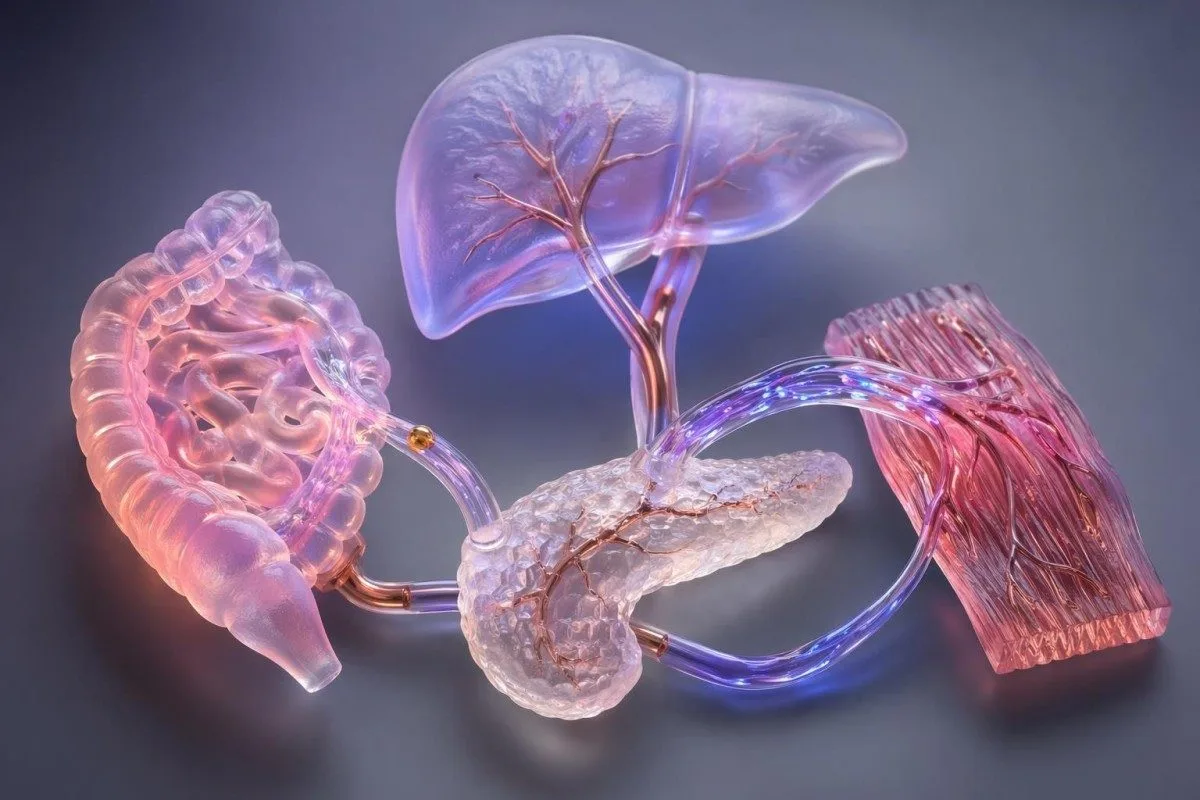
ආහාර ගැනීමෙන් පසු විනාඩි 10–20ක් ඇවිදීම බොහෝ විට ග්ලූකෝස් උච්චය අඩු කරයි, මන්ද ක්රියාකාරී මාංශ පේශි වැඩි ඉන්සුලින් අවශ්ය නොවී ග්ලූකෝස් ඇද ගනී. මෙම බලපෑම බොහෝ විට වඩාත් පැහැදිලි වන්නේ රාත්රී ආහාරයෙන් පසුවය, එවිට බොහෝ දෙනා වෙනත් අයුරින් නිෂ්ක්රීයව සිටින බැවිනි.
ආතති හෝමෝන ග්ලූකෝස් ඉහළට තල්ලු කරයි. කෝර්ටිසෝල් සහ ඇඩ්රිනලින් අක්මාවට ග්ලූකෝස් මුදා හැරීමට කියයි; එය අනතුරක් ඇති විට ප්රයෝජනවත්ය, නමුත් රාත්රී 11ට එන “ඉන්බොක්ස්” වැනි අනතුරක් නොවන අවස්ථාවක එය එතරම් ප්රයෝජනවත් නොවේ.
ක්රීඩකයන් විශේෂ අවස්ථාවකි. සමහර දිගු දුර ක්රීඩකයන් දැඩි සැසි අතරතුර තාවකාලිකව ඉහළ ග්ලූකෝස් පෙන්වයි, මන්ද ඇඩ්රිනලින් අක්මාවෙන් ග්ලූකෝස් නිෂ්පාදනයට බලපායි; අපගේ මාර්ගෝපදේශය ක්රීඩකයන් සඳහා රුධිර පරීක්ෂණ පුහුණු බර (training load) සාමාන්ය සලකුණු විකෘති කළ හැකි ආකාරය ආවරණය කරයි.
උපුටා දැක්විය හැකි කරුණක්: ආහාරයෙන් පසු විනාඩි 10–20ක් ඇවිදීම බොහෝ වැඩිහිටියන් තුළ ග්ලූකෝස් උච්චාවචනයන් අඩු කළ හැක, නමුත් ක්රියාකාරකම හදිසියේ එකතු කළහොත් ඖෂධ භාවිතා කරන්නන් හයිපොග්ලයිසීමියාව ගැන අවධානයෙන් සිටිය යුතුය.
ඔබටම ව්යාකූල නොවී ආහාරයෙන් පසු රුධිර සීනි පරීක්ෂා කරන්නේ කෙසේද?
ආහාර ගැනීමෙන් පසු රුධිර සීනි නිවැරදිව පරීක්ෂා කිරීමට, පළමු කටෙන් මැනීම ආරම්භ කර, සංසන්දනය සඳහා එකම වේලාව භාවිතා කරන්න. පැය 1ක කියවීම ආහාර ආරම්භයෙන් පසු මිනිත්තු 60කට ගතවූ විට ගත යුතු අතර, පැය 2ක කියවීම ආහාර ආරම්භයෙන් පසු මිනිත්තු 120කට ගතවූ විට ගත යුතුය.
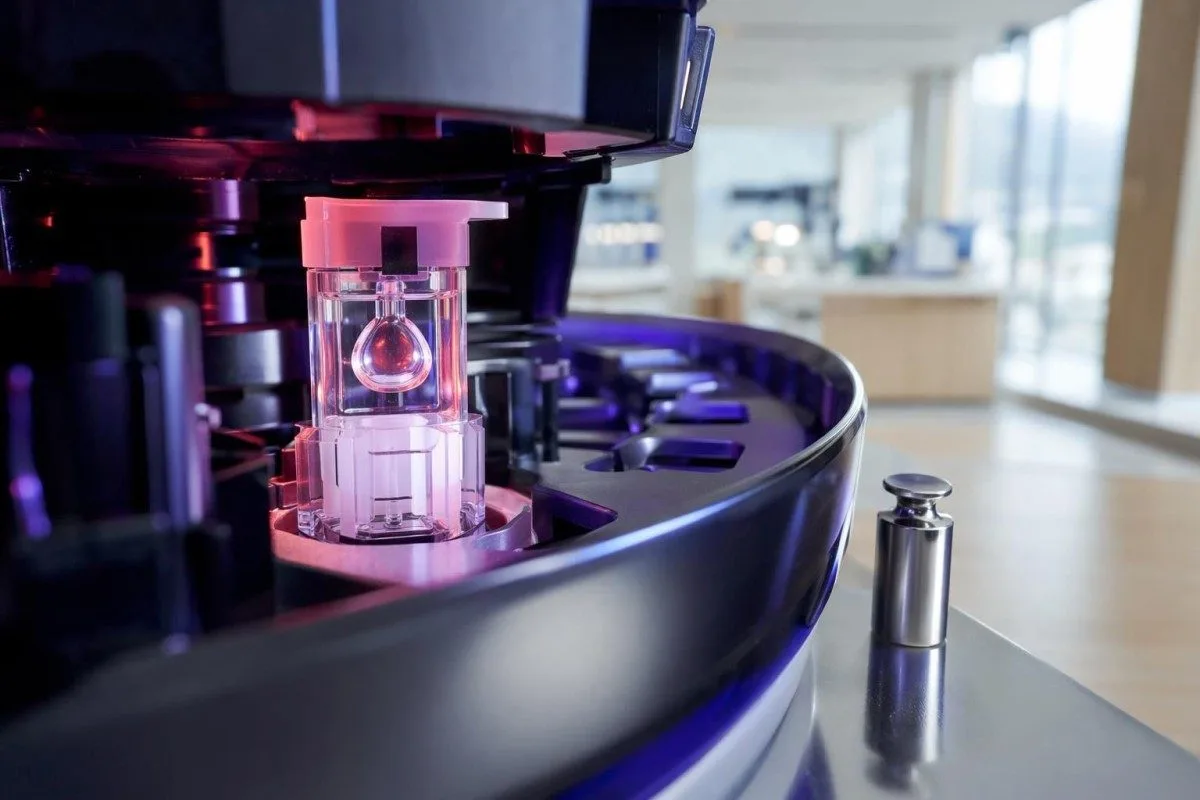
කේශනාලිකා පරීක්ෂාව සඳහා පිරිසිදු, වියළි අත් භාවිතා කරන්න, මන්ද පලතුරු අවශේෂයක් ඇඟිලි කටු පරීක්ෂණ ප්රතිඵලය අසත්ය ලෙස ඉහළ දැමිය හැක. මම දැක තිබෙනවා—කෙසෙල් අතකින් ගත් කියවීම 198 mg/dL සිට, සේදලා නැවත කළ පසු 114 mg/dL දක්වා පහළ වූ බව.
අයිතම 4ක් ලියන්න: පළමු කටේ වේලාව, ආහාර වර්ගය, පසුව කළ චලනය, සහ රෝග ලක්ෂණ. එම විස්තර නැතිව, ග්ලූකෝස් අගයක් අහසේ පාවෙලා අධික අර්ථකථනයකට ඉඩ දෙයි.
ඔබ විවිධ පරීක්ෂණ කිහිපයක් නිරීක්ෂණය කරන්නේ නම්, එක්ම කාලරේඛාවක් (timeline) භාවිතා කරන්න. අපගේ රුධිර පරීක්ෂණ ඉතිහාසය විශේෂාංගය මඟින් රෝගීන්ට මාස ගණනක් පුරා ග්ලූකෝස්, HbA1c, ට්රයිග්ලිසරයිඩ, ALT, සහ බර එකට වෙනස් වෙමින් තිබේදැයි දැකගත හැක.
උපුටා දැක්විය හැකි කරුණක්: ආහාරයෙන් පසු ග්ලූකෝස් ලොග් (logs) වඩාත් ප්රයෝජනවත් වන්නේ ඒවාට පළමු කටේ වේලාව, පැය 1 හෝ පැය 2 මිනුම් වේලාව, ආහාර විස්තරය, ඖෂධ ගැනීමේ වේලාව, සහ රෝග ලක්ෂණ ඇතුළත් වූ විටය.
ආහාරයෙන් පසු ග්ලූකෝස් ප්රතිඵලයක් පැහැදිලි කිරීමට උපකාරී වන රුධිර පරීක්ෂණ මොනවාද?
ආහාරයෙන් පසු ග්ලූකෝස් අර්ථකථනය කිරීමේදී HbA1c, නිරාහාර ග්ලූකෝස්, නිරාහාර ඉන්සුලින්, ලිපිඩ, වකුගඩු ක්රියාකාරිත්වය, අක්මා එන්සයිම, සහ සමහර විට මුත්රා කීටෝන හෝ ඇල්බියුමින්-ක්රියේටිනින් අනුපාතය සමඟින් බැලීම වඩාත් සුදුසුය. ග්ලූකෝස් පමණක් ඔබට අංකය කියයි; ඒ වටා ඇති පරීක්ෂණ ඔබට රටාව පැහැදිලි කරයි.
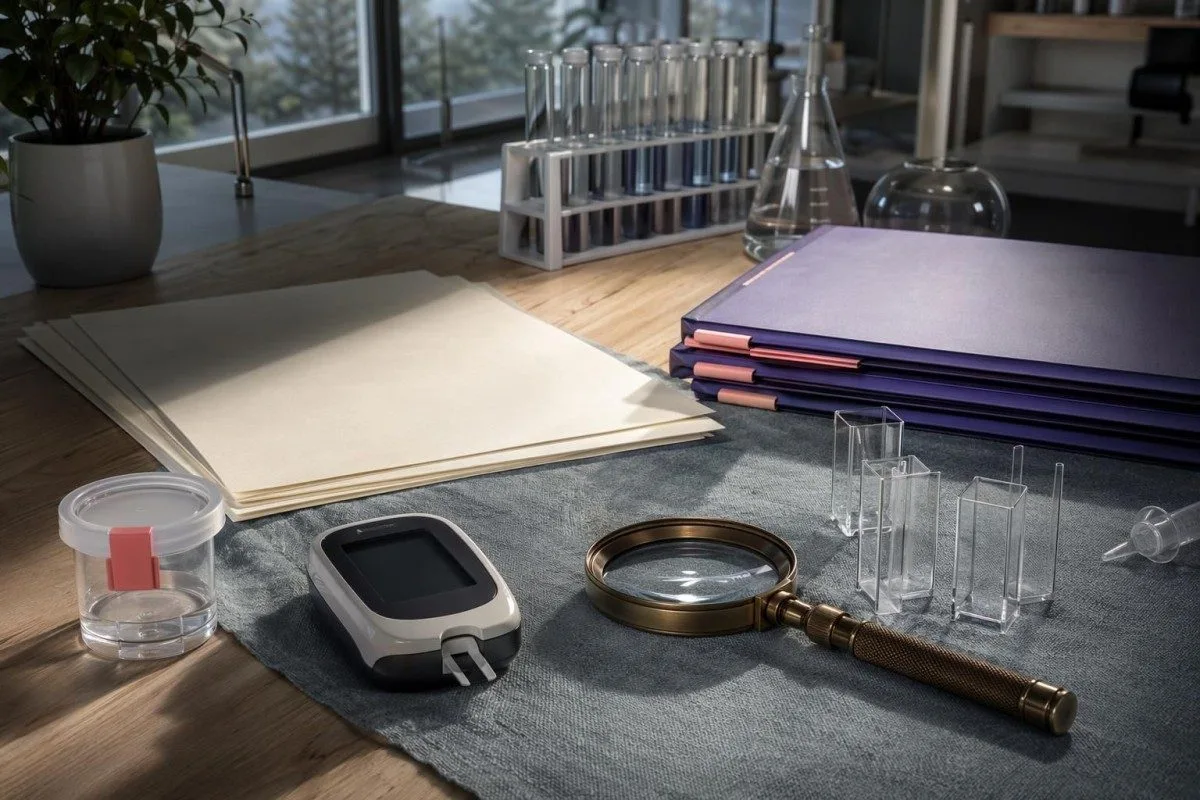
HbA1c සාමාන්ය ග්ලූකෝස් නිරාවරණය ඇස්තමේන්තු කරයි; නිරාහාර ග්ලූකෝස් මූලික නියාමනය පෙන්වයි; නිරාහාර ඉන්සුලින් ග්ලූකෝස් ඉහළ යාමට පෙර වන්දි (compensation) හෙළි කළ හැක. 150 mg/dLට ඉහළ ට්රයිග්ලිසරයිඩ බොහෝ විට ඉන්සුලින් ප්රතිරෝධය සමඟ ගමන් කරයි, විශේෂයෙන් HDL අඩු වූ විට.
අක්මා එන්සයිම වැදගත් වන්නේ මේද අක්මාව (fatty liver) සහ ඉන්සුලින් ප්රතිරෝධය බොහෝ විට එකට එකතු වීම නිසාය. වකුගඩු ක්රියාකාරිත්වය වැදගත් වන්නේ නිදන්ගත වකුගඩු රෝගය ඖෂධ තේරීම් සහ හයිපොග්ලයිසීමියා අවදානම වෙනස් කරන බැවිනි.
ඔබ සම්පූර්ණ වාර්තාවක් කියවීමට ඉගෙන ගනිමින් සිටී නම්, අපගේ මාර්ගෝපදේශය රුධිර පරීක්ෂණ කියවන්නේ කෙසේද හානිකර නොවන හුදකලා අනතුරු ලකුණකින් සැබෑ අසාමාන්ය රටාව වෙන් කරගන්නේ කෙසේද කියා පැහැදිලි කරයි.
Monnier සහ අය Diabetes Care හි වාර්තා කළේ දියවැඩියාවේ විවිධ අවස්ථා වලදී HbA1c සඳහා උපවාස (fasting) සහ ආහාර ගැනීමෙන් පසු (postprandial) ග්ලූකෝස් දායකත්වය වෙනස් ලෙස බලපාන බවයි. ඒ නිසාම එක් ග්ලූකෝස් කාල ලක්ෂ්යයක් (time point) මගින් මුළු රෝග ක්රියාවලියම නිරූපණය කළ නොහැක (Monnier et al., 2003).
Kantesti AI ආහාරයෙන් පසු (postprandial) ග්ලූකෝස් ප්රතිඵල අර්ථකථනය කරන්නේ කෙසේද
Kantesti AI කාලය, ඒකක, සාම්පල වර්ගය, දියවැඩියා තත්ත්වය, ගර්භණී තත්ත්වය, ඖෂධ, සහ අදාළ ජෛව සලකුණු (biomarkers) පරීක්ෂා කරමින් ආහාර ගැනීමෙන් පසු ග්ලූකෝස් අර්ථකථනය කරයි. අපගේ වේදිකාව 1 පැය ගෘහ කියවීමක්, උපවාස ශිරා රුධිර (venous) රසායනාගාර අගයක්, සහ පැය 2 OGTT ප්රතිඵලය එකම පරීක්ෂණයක් ලෙස සලකන්නේ නැත.
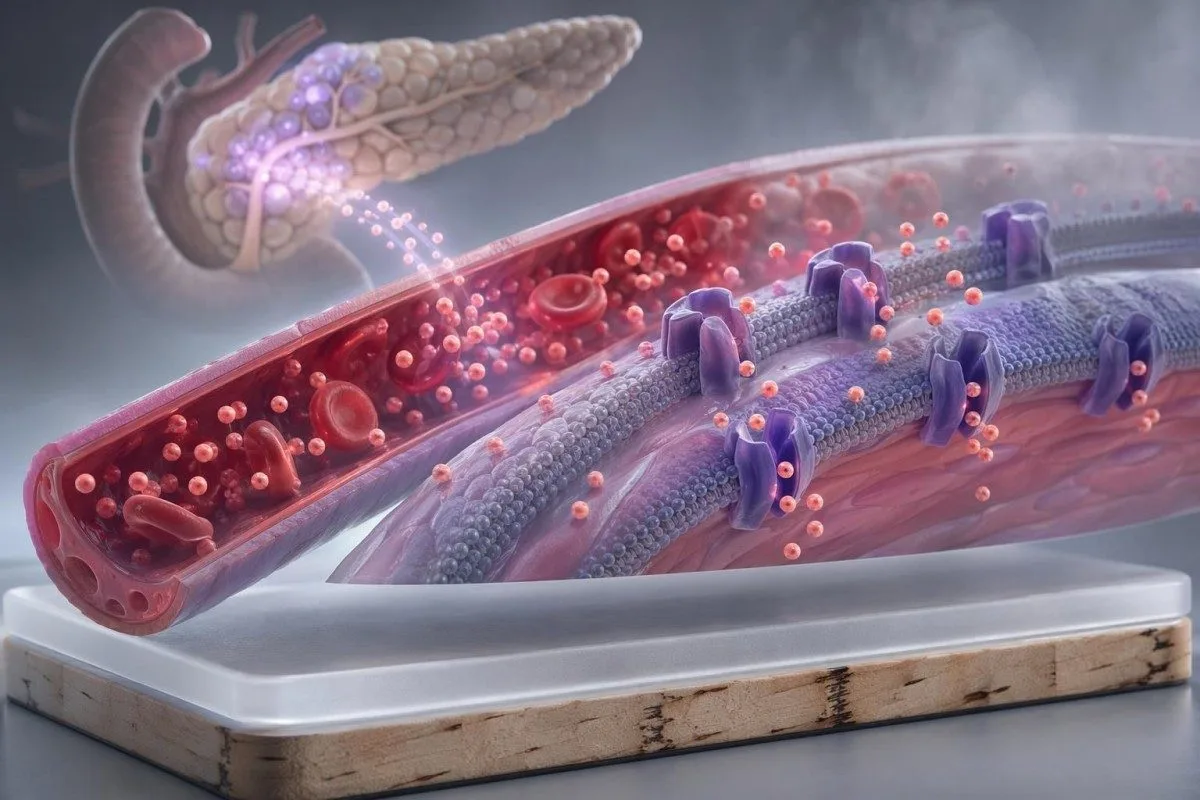
අපගේ 2M+ රුධිර පරීක්ෂණ උඩුගත කිරීම් (uploads) 127+ රටවල් හරහා කරන ලද විශ්ලේෂණයේදී, ග්ලූකෝස් ප්රතිඵල ඒවාට වඩා බියකරු ලෙස පෙනෙන්නට හේතු වන වඩාත් පොදු කරුණු අතර කාල දෝෂ (timing errors) ද වේ. Kantesti AI එවැනි නොගැලපීම් රෝගියාට පහසුවෙන් තේරුම්ගත හැකි පැහැදිලි කිරීම් ජනනය කිරීමට පෙර හඳුනාගෙන (flag) දක්වයි.
අපගේ නියුරල් ජාලය ද සලකුණු අතර අසමඟියක් (disagreement) සොයයි. උදාහරණයක් ලෙස, ඉහළ ට්රයිග්ලිසරයිඩ්, ඉහළ උපවාස ඉන්සියුලින්, සහ ඉහළ යන ALT සමඟ සාමාන්ය උපවාස ග්ලූකෝස් තිබීම, HbA1c 5.7% ඉක්මවීමට පෙර පවා මුල් අවධියේ පරිවෘත්තීය (metabolic) ආතතියක් පෙන්නුම් කළ හැක.
Kantesti LTD යනු එක්සත් රාජධානියේ (UK) සමාගමක් වන අතර, අපගේ සායනික ප්රමිතීන් අපගේ වෛද්ය වලංගුකරණය පිටුවේ විස්තර කර ඇත. ඔබට ඔබගේම වාර්තාවක් සමඟ එය උත්සාහ කිරීමට අවශ්ය නම්, භාවිතා කරන්න නොමිලේ රුධිර පරීක්ෂණ විශ්ලේෂණය (free blood test analysis) උඩුගත කිරීම (upload) සහ ග්ලූකෝස් උපවාස නොවූයේ නම් ආහාර ගැනීමේ කාල සටහන (meal timing note) ඇතුළත් කරන්න.
උපුටා දැක්විය හැකි කරුණක්: Kantesti AI HbA1c, ඉන්සියුලින්, ට්රයිග්ලිසරයිඩ්, ක්රියේටිනින්, ALT, සහ ඖෂධ සම්බන්ධ ආරක්ෂිතතා සලකුණු ඇතුළු 15,000කට වැඩි ජෛව සලකුණු (biomarkers) සන්දර්භය තුළ ග්ලූකෝස් ප්රතිඵල විශ්ලේෂණය කරයි.
මෙම මාර්ගෝපදේශය සඳහා භාවිත කළ පර්යේෂණ ප්රකාශන, වලංගුකරණය, සහ යොමු කිරීම්
මෙම මාර්ගෝපදේශය ලියා ඇත්තේ වෛද්ය අධීක්ෂණය යටතේ වන අතර දියවැඩියා රෝග නිර්ණ ප්රමිතීන්, රසායනාගාර වෛද්ය මාර්ගෝපදේශ, සහ Kantesti වලංගුකරණ (validation) කටයුතු මත පදනම්ව ඇත. මම Thomas Klein, MD, Kantesti AI හි ප්රධාන වෛද්ය නිලධාරියා (Chief Medical Officer) වන අතර, සාමාන්ය ග්ලූකෝස් ප්රස්ථාරයක් පිටපත් කිරීම වෙනුවට වර්තමාන භාවිතය සමඟ සායනික කඩඉම් (clinical cutoffs) මම සමාලෝචනය කළෙමි.

අපගේ වෛද්යවරුන් සහ උපදේශකයන් ලැයිස්තුගත කර ඇත්තේ වෛද්ය උපදේශක මණ්ඩලය, හරහාය, මන්ද YMYL අන්තර්ගතය කිසිවිටෙකත් වෛද්ය අර්ථකථනයට වගකිව යුත්තේ කවුදැයි සැඟවිය යුතු නැත. Kantesti AI නිර්මාණය කර ඇත්තේ සායනික තර්කනයට සහාය වීමට මිස හදිසි ප්රතිකාර (urgent care), රෝග නිර්ණය (diagnosis), හෝ ඖෂධ තීරණ (medication decisions) වෙනුවට නොවේ.
Kantesti AI Engine හි benchmark එක පෙර-ලියාපදිංචි කර ඇති (pre-registered) rubric-පාදක වලංගුකරණ අභ්යාසයක් ලෙස මහජනතාවට ලබාගත හැකි අතර, අධිනිර්ණය (overdiagnosis) අනාරක්ෂිත වන trap cases ද ඇතුළත් වේ. තාක්ෂණික විස්තර අවශ්ය කියවන්නන්ට පහත AI බෙන්ච්මාර්කය සහ DOI සම්බන්ධ ප්රකාශනය (publication) බලන්න පුළුවන්.
Klein, T., Kantesti Clinical AI Team. (2026). 15 Anonymised Blood Test Cases මත Kantesti AI Engine (2.78T) හි සායනික වලංගුකරණය: වෛද්ය විශේෂතා හතක් හරහා අධිනිර්ණය trap cases ඇතුළත් පෙර-ලියාපදිංචි කර ඇති rubric-පාදක benchmark එකක්. Figshare. https://doi.org/10.6084/m9.figshare.32095435. ResearchGate සහ Academia.edu profile සබැඳි DOI යොමු (reference) කොටසේ ලබා දී ඇත.
Kantesti Clinical Education Team. (2026). Serum Proteins Guide: Globulins, Albumin & A/G Ratio Blood Test. Zenodo. https://doi.org/10.5281/zenodo.18316300. අපගේ සංවිධානය සහ සායනික මෙහෙවර පිළිබඳ පුළුල් බැල්මක් සඳහා පිවිසෙන්න කන්ටෙස්ටි AI රුධිර පරීක්ෂණ විශ්ලේෂකය.
නිතර අසන ප්රශ්න
ආහාර ගැනීමෙන් පැය 1ක් පසු රුධිර සීනි සඳහා සාමාන්ය පරාසය කීයද?
ආහාර ගැනීමෙන් පැය 1ක් ඇතුළත සාමාන්ය රුධිර සීනි මට්ටම බොහෝ විට දියවැඩියාව නොමැති වැඩිහිටියන් තුළ 140–160 mg/dL, එනම් 7.8–8.9 mmol/L ට වඩා අඩුවෙන් පවතී. නමුත් නිවැරදි අගය බොහෝ දුරට ආහාර වේල මත රඳා පවතී. කාබෝහයිඩ්රේට් වැඩි ආහාර වේලකින් පසු 140 mg/dL ට වඩා කෙටි කාලයක් (පැය 1ක්) ඉහළ යාමක් සිදුවිය හැකි අතර එය තනිවම දියවැඩියාව හඳුනා නොදේ. විශේෂයෙන් පැය 2ක අගයන් ද ඉහළ අගයන් වීමත් සමඟ, 180 mg/dL ට වඩා ඉහළ පැය 1ක අගයන් නැවත නැවතත් වාර්තා වන්නේ නම්, නිල වශයෙන් පසු විපරම් කිරීම සුදුසුය.
ආහාර ගැනීමෙන් පැය 2ක් පසු රුධිර සීනි සඳහා සාමාන්ය පරාසය කීයද?
ආහාර ගැනීමෙන් පැය 2ක් පසු සාමාන්ය රුධිර සීනි මට්ටම වැඩිහිටියන් තුළ (දියවැඩියාව නොමැති අය) සාමාන්යයෙන් 140 mg/dLට අඩු හෝ 7.8 mmol/Lට අඩු වේ. සම්මත 75 g මුඛ ග්ලූකෝස් ඉවසීමේ පරීක්ෂණයකදී, පැය 2ක් වන විට 140–199 mg/dL අගය ඉඟිගත ග්ලූකෝස් ඉවසීම අඩුවීම (impaired glucose tolerance) බව පෙන්වයි. 200 mg/dL හෝ ඊට වැඩි අගය තහවුරු කළ විට දියවැඩියාවට සහාය වේ. නිවසේ ආහාර පරීක්ෂණයක් ප්රයෝජනවත් වුවත්, එය OGTTට වඩා අඩු සම්මතකරණයකින් යුක්තය.
ආහාර ගැනීමෙන් පසුවද උපවාස රුධිර සීනි සීමාවන් භාවිතා කළ හැකිද?
නැත, ආහාර ගැනීමෙන් පසු භාවිතා කළ යුතු නොවන බැවින් උපවාස රුධිර සීනි සීමා (cutoffs) ආහාර වේලකට පසුව භාවිතා නොකළ යුතුය; සාමාන්යයෙන් ආහාර ගැනීම ග්ලූකෝස් ඉහළ නංවයි. උපවාස ග්ලූකෝස් අර්ථකථනය කරන්නේ අවම වශයෙන් පැය 8ක් කැලරි නොගෙන සිටීමෙන් පසුවය; සාමාන්යයෙන් එය සාමාන්ය අගයන් ලෙස 100 mg/dLට අඩු වේ. 115 mg/dL ග්ලූකෝස් අගයක් උපවාසයේදී අසාමාන්ය විය හැකි නමුත් ආහාර ගැනීමෙන් පසු පැය 1–2ක් තුළදී සම්පූර්ණයෙන්ම සාමාන්ය විය හැක.
ආහාර ගැනීමෙන් පසු 150 mg/dL සාමාන්යද?
ආහාර ගැනීමෙන් පසු 150 mg/dL ලෙස ග්ලූකෝස් මට්ටමක් තිබීම, වේලාව අනුව සාමාන්ය හෝ අසාමාන්ය විය හැක. කාබෝහයිඩ්රේට් බහුල ආහාර වේලකට පැය 1ක් පමණ පසු 150 mg/dL මට්ටමක් බොහෝ වැඩිහිටියන් තුළ සාමාන්ය උච්චතම අගයක් (peak) විය හැක. පැය 2ක් පසු 150 mg/dL මට්ටම සාමාන්යයෙන් භාවිත කරන 140 mg/dL සීමාවට වඩා වැඩි වන අතර එය නිතර සිදුවන්නේ නම් නැවත පරීක්ෂා කිරීම හෝ වෛද්යවරයෙකු සමඟ සාකච්ඡා කිරීම කළ යුතුය.
ආහාර ගැනීමෙන් පසු 200 mg/dL දියවැඩියාවක්ද?
ආහාර ගැනීමෙන් පසු 200 mg/dL ලෙස ලැබෙන අගයක්, එය සාමාන්ය නොවන ගෙදර ආහාර පරීක්ෂාවකින් ලැබුණේ නම්, ස්වයංක්රීයව දියවැඩියාවක් යැයි අදහස් නොවේ. එහෙත් එය බැරෑරුම් ලෙස සැලකීමට තරම් ඉහළ අගයකි. නිල 75 g OGTT පරීක්ෂණයකදී පැය 2 ක ග්ලූකෝස් අගය 200 mg/dL හෝ ඊට වැඩි වීම, තහවුරු කළ විට දියවැඩියාවට සහාය දක්වයි. පිපාසය, නිතර මුත්රා කිරීම, හෝ බර අඩුවීම වැනි සම්භාව්ය රෝග ලක්ෂණ සමඟින් 200 mg/dL හෝ ඊට වැඩි අහඹු ග්ලූකෝස් අගයක් ලැබුණහොත්, එයද ඉක්මන් වෛද්ය ඇගයීමක් අවශ්ය කරයි.
මගේ ග්ලූකෝස් නිරාහාරව සාමාන්ය ලෙස පෙනෙන්නේත්, ආහාර ගැනීමෙන් පසු ඉහළ ලෙස පෙනෙන්නේත් ඇයි?
උපවාස ග්ලූකෝස් සාමාන්යව පැවතිය හැකි අතර, ආහාර ගැනීමෙන් පසු ග්ලූකෝස් ඉහළ යා හැක්කේ මුල් ඉන්සුලින් ප්රතිචාරය ප්රමාද වීම හෝ ඉන්සුලින් ප්රතිරෝධය වර්ධනය වෙමින් පැවතීම නිසාය. HbA1c මගින් 5.7% යන පූර්ව දියවැඩියා සීමාව ඉක්මවා යාමට පෙර මෙම රටාවක් දක්නට ලැබිය හැක. මෙම රටාව සායනික වශයෙන් වැදගත්ද යන්න පැහැදිලි කර ගැනීමට HbA1c, උපවාස ඉන්සුලින්, ට්රයිග්ලිසරයිඩ්, කුස ප්රමාණයේ වෙනස, සහ සමහර විට OGTT පරීක්ෂා කිරීම උපකාරී වේ.
ආහාර ගැනීමෙන් පසු මට රුධිර සීනි කොපමණ වෙලාවකට පසුව පරීක්ෂා කළ යුතුද?
පළමු කටගැස්මෙන් පසු පැය 1ක් හෝ පැය 2ක් ගත වූ විට රුධිර සීනි පරීක්ෂා කරන්න; ආහාරය අවසන් කිරීමෙන් පසුව නොවේ. පැය 1ක කියවීමෙන් උපරිම අගය (peak) පෙන්වයි. පැය 2ක කියවීමෙන් ග්ලූකෝස් කොතරම් හොඳින් ඉවත් වී ඇත්ද යන්න පෙන්වයි. සෑම අවස්ථාවකම එකම වේලාව භාවිතා කරන්න; මිනිත්තු 60ක ප්රතිඵලයක් සහ මිනිත්තු 120ක ප්රතිඵලයක් එකම සීමාව (cutoff) සමඟ සංසන්දනය නොකළ යුතුය.
නිරාහාර රුධිර සීනි මට්ටම් සාමාන්ය වුවත්, ස්ටෙරොයිඩ් ඖෂධ ආහාර ගැනීමෙන් පසු මගේ රුධිර සීනි මට්ටම ඉහළ නැංවිය හැකිද?
ඔව්—ප්රෙඩ්නිසෝන් වැනි ස්ටෙරොයිඩ් මඟින් ආහාර ගැනීමෙන් පසු ග්ලූකෝස් මට්ටම වඩාත් කැපී පෙනෙන ලෙස ඉහළ යා හැකි බැවින්, සාමාන්ය නිරාහාර ප්රතිඵලයකින් එම බලපෑම හඳුනාගත නොහැකි විය හැක. දවසේ පසු කාලයකදී පරීක්ෂා කළ යුතුදැයි ඔබේ ඖෂධ නියම කළ වෛද්යවරයාගෙන් විමසන්න, සහ ඔබම ස්ටෙරොයිඩ් මාත්රාව අඩු කිරීම හෝ එය ගැනීම නතර කිරීම නොකරන්න.
Ali vrstni red uživanja živil vpliva na mojo raven sladkorja v krvi po obroku?
Lahko. Če začnete z zelenjavo, beljakovinami ali zdravimi maščobami in ogljikohidrate jeste kasneje, lahko pri nekaterih ljudeh zmanjšate dvig glukoze. Ta pristop lahko podpira obvladovanje glukoze, vendar ne nadomešča predpisanega zdravljenja ali testiranja sladkorne bolezni.
දියවීම (dehydration) මට ආහාර ගැනීමෙන් පසු මගේ රුධිර සීනි අගය වැඩි ලෙස පෙනෙන්නට හේතු විය හැකිද?
සුළු දියවීම ග්ලූකෝස් කියවීම් ටිකක් ඉහළ යාමට හේතු විය හැකි අතර, අසනීපයක් හෝ උණුසුම (heat) මගින් අග්රහෝර්මෝන (stress hormones) වැඩි වී අගයන් ඉහළට තල්ලු කළ හැක. දියර පානය කරන්න, ඔබට හොඳින් දැනෙන විට නැවත පරීක්ෂා කරන්න, සහ 2-පැය කියවීම් ඉහළ අගයන් නැවත නැවතත් දිගටම පවතින්නේදැයි ඔබේ වෛද්යවරයාගෙන් විමසන්න.
අඩු කාබෝහයිඩ්රේට් ආහාරයක් මගේ ආහාරයෙන් පසු ග්ලූකෝස් සාමාන්ය ලෙස පෙනෙන්න පුළුවන්ද—ඉන්සියුලින් ප්රතිරෝධයක් තිබුණත්?
ඔව්, ඉතා අඩු කාබෝහයිඩ්රේට් ආහාරයක් ග්ලූකෝස් ඉහළ යාම අඩු කරලා පෙනෙන්න පුළුවන්. ඒ නිසා පාන්, බත්, පලතුරු, හෝ රසකැවිලි පසු පෙනෙන ගැටලු මඟහැරෙන්න පුළුවන්. HbA1c, නිරාහාර ග්ලූකෝස්, සහ සමහර විට මුඛ ග්ලූකෝස් ඉවසීමේ පරීක්ෂණය (oral glucose tolerance test) වඩා පුළුල් දර්ශනයක් ලබා දෙයි.
අදම AI බලයෙන් රුධිර පරීක්ෂණ විශ්ලේෂණය ලබාගන්න
තත්පර කිහිපයකින් ක්ෂණික හා නිවැරදි රසායනාගාර පරීක්ෂණ විශ්ලේෂණය සඳහා Kantesti විශ්වාස කරන ලොව පුරා මිලියන 2කට වැඩි පරිශීලකයන්ට එක්වන්න. ඔබගේ රුධිර පරීක්ෂණ ප්රතිඵල උඩුගත කර, තත්පර කිහිපයකින් 15,000+ ජෛව සලකුණු පිළිබඳ සවිස්තර අර්ථකථනය ලබාගන්න.
📚 යොමු කර ඇති පර්යේෂණ ප්රකාශන
ක්ලයින්, ටී., මිචෙල්, එස්., සහ වෙබර්, එච්. (2026). Kantesti AI Engine (2.78T) හි සායනික සත්යාපනය (Clinical Validation) නිර්නාමික රුධිර පරීක්ෂණ නඩු 15ක් මත: හයිපර්ඩයග්නෝසිස් ට්රැප් නඩු ඇතුළත් පූර්ව-ලියාපදිංචි කරන ලද රූබ්රික්-පාදක බෙන්ච්මාර්කයක් 7ක් වන වෛද්ය විශේෂතා හරහා. Kantesti AI වෛද්ය පර්යේෂණ.
ක්ලයින්, ටී., මිචෙල්, එස්., සහ වෙබර්, එච්. (2026). සෙරුම් ප්රෝටීන් මාර්ගෝපදේශය: ග්ලෝබියුලින්, ඇල්බියුමින් සහ A/G අනුපාත රුධිර පරීක්ෂාව. Kantesti AI වෛද්ය පර්යේෂණ.
📖 බාහිර වෛද්ය යොමු
American Diabetes Association Professional Practice Committee (2024). 2. දියවැඩියාව පිළිබඳ රෝග නිර්ණය සහ වර්ගීකරණය: Diabetes—2024 සඳහා සත්කාර ප්රමිතීන්. Diabetes Care.
Sacks DB et al. (2023). දියවැඩියා Mellitus රෝග නිර්ණය සහ කළමනාකරණය සඳහා රසායනාගාර විශ්ලේෂණයේ මාර්ගෝපදේශ සහ නිර්දේශ. Diabetes Care.



⚕️ වෛද්ය වියාචනය
මෙම ලිපිය අධ්යාපනික අරමුණු සඳහා පමණක් වන අතර වෛද්ය උපදෙස් ලෙස නොසැලකේ. රෝග නිદાન සහ ප්රතිකාර තීරණ සඳහා සෑම විටම සුදුසුකම් ලත් සෞඛ්ය සේවා සපයන්නෙකුගෙන් උපදෙස් ලබාගන්න.
E-E-A-T විශ්වාස සංඥා
අත්දැකීම්
වෛද්යවරයා විසින් මෙහෙයවන ලද රසායනාගාර අර්ථකථන ක්රියාවලි පිළිබඳ සමාලෝචනය.
ප්රවීණතාව
සායනික සන්දර්භය තුළ ජෛව සලකුණු (biomarkers) හැසිරෙන ආකාරය පිළිබඳ රසායනාගාර වෛද්ය විද්යා අවධානය.
අධිකාරීත්වය
ආචාර්ය තෝමස් ක්ලයින් විසින් ලියන ලද අතර ආචාර්ය සාරා මිචෙල් සහ මහාචාර්ය ආචාර්ය හෑන්ස් වෙබර් විසින් සමාලෝචනය කරන ලදී.
විශ්වසනීයත්වය
අනතුරු ඇඟවීම් අඩු කිරීමට පැහැදිලි පසුකැඳවීම් මාර්ග සහිත සාක්ෂි-පාදක අර්ථකථනය.