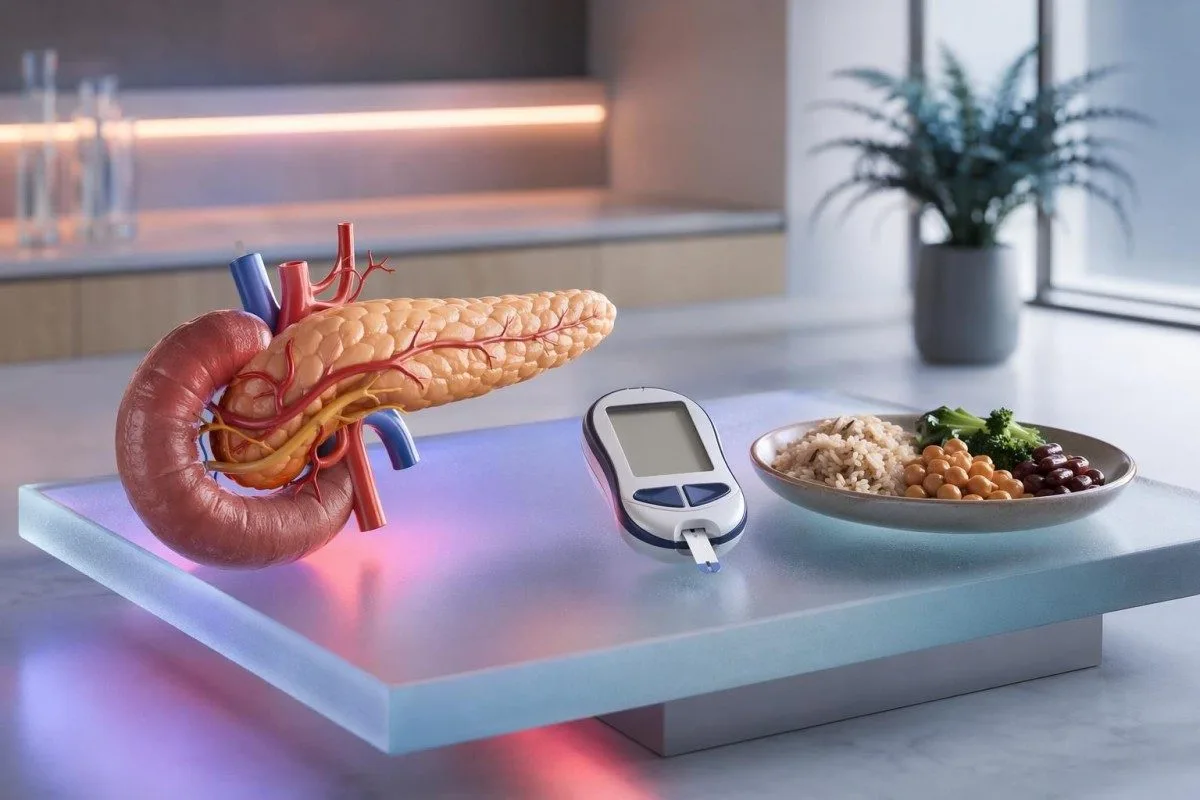
Хоол идсэний дараах глюкоз өсөх ёстой. Эмнэлзүйн гол асуулт нь хэр өндөр, хэр удаан өсөх вэ, мөн та үр дүнг зөв цагийн босготой харьцуулж байгаа эсэх юм.



- Хоол идсэний дараах цусан дахь сахарын хэвийн хүрээ ихэвчлэн 2 цагийн дотор чихрийн шижингүй насанд хүрэгчдэд 140 мг/дл-ээс доогуур, эсвэл 7.8 ммоль/л-ээс доогуур байдаг.
- Хоол идсэний дараа 1 цагийн дараах хэвийн цусан дахь сахар ихэвчлэн 110–160 мг/дл орчимд хамгийн өндөрт хүрдэг боловч гэрийн энгийн уншилтад зориулсан 1 цагийн ганц бүх нийтийн оношлох босго байдаггүй.
- Хоол идсэний дараа 2 цагийн дараах хэвийн цусан дахь сахар ерөнхийдөө 140 мг/дл-ээс доогуур байдаг; 75 г OGTT дээр 140–199 мг/дл нь глюкозын тэсвэржилт алдагдсаныг илтгэнэ.
- Мацаг баралтын глюкозын босго Хамгийн багадаа 8 цагийн турш калори хэрэглэхгүй байсны дараа хэрэглэнэ; өглөөний цай, элсэн чихэртэй кофе, жимс, эсвэл шөнийн сүүлчийн зуушны дараа хэрэглэж болохгүй.
- Санамсаргүй глюкоз 200 мг/дл буюу түүнээс дээш, сонгодог шинж тэмдгүүдтэй тохиолдолд чихрийн шижинг илтгэж болох бөгөөд яаралтай эмнэлгийн баталгаажуулалт шаардлагатай.
- Гэрийн глюкоз хэмжигчүүд Олон бодит нөхцөлд лабораторийн глюкозоос ойролцоогоор ±15% орчим хууль ёсоор зөрүүтэй байж болох тул нэг удаагийн хачин уншилтыг давтан шалгах хэрэгтэй.
- CGM-ийн уншилтууд Эд эсийн завсрын глюкозыг хэмждэг бөгөөд венийн сийвэнгийн глюкоз биш; мөн хоолны оргил үеэс ойролцоогоор 5–15 минутын хоцрогдолтой байж болно.
- Жирэмсний үеийн глюкозын зорилтот түвшин Илүү хатуу; олон эмч нар хоолны дараах 1 цагт 140 мг/дл-ээс доош, 2 цагт 120 мг/дл-ээс доош байлгахыг зорьдог.
Хоол идсэний дараах цусан дахь сахарын хэвийн хүрээ хэд вэ?
A Цусан дахь сахарын хэвийн хүрээ Хоол идсэний дараа ихэвчлэн 2 цагийн дотор 140 мг/дл-ээс доош, эсвэл 7.8 ммоль/л байна (чихрийн шижингүй насанд хүрэгчдэд). 1 цагийн үзүүлэлт богино хугацаанд илүү өндөр болж болох бөгөөд ихэвчлэн 110–160 мг/дл орчим байдаг; ялангуяа нүүрс ус ихтэй хоолны дараа. Тиймээс хоолны дараах үр дүнд мацаг барих үеийн хязгаарлалтыг шууд хэрэглэх ёсгүй.
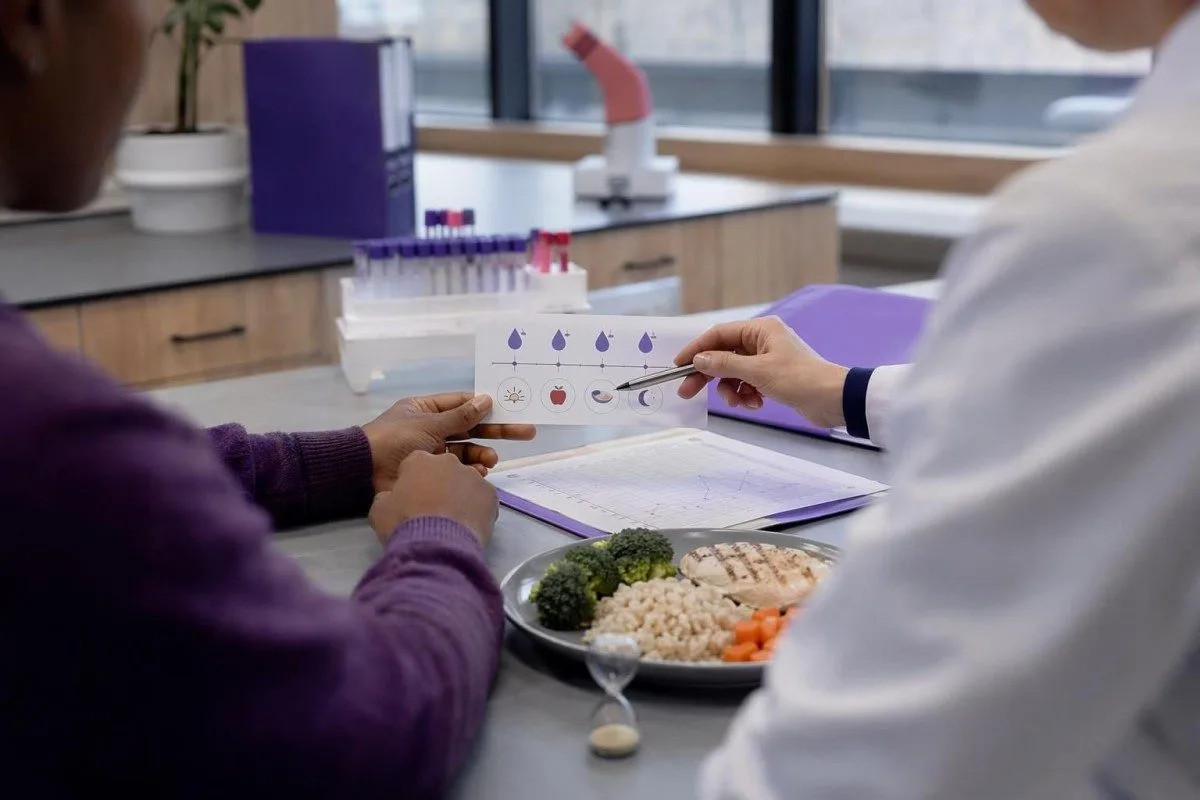
2026 оны 4-р сарын 26-ны байдлаар би долоо хоногт хэд хэдэн удаа энэ төөрөгдлийг дахин дахин харсаар байна: хэн нэгэн үдийн хоолны дараа 55 минутын дараа глюкозоо шалгаад 132 мг/дл харж, үүнийг мацаг барих үеийн 99 мг/дл-ийн хязгаартай харьцуулснаас болж санаа зовдог. Энэ харьцуулалт буруу. Хэрэв та манай систем цаг хугацааг эрсдэлээс ялгаж уншуулахыг хүсвэл, Кантести AI HbA1c, липидүүд, бөөрний үзүүлэлтүүд болон хугацааны тэмдэглэлийн хажууд глюкозын үр дүнг уншиж болно.
Практик лавлах гол санаа нь энгийн: мацаг барьсан глюкозыг хамгийн багадаа 8 цаг калори хэрэглэхгүй байсны дараа үнэлнэ; харин хоолны дараах глюкозыг таны бие хоолыг хэр хурдан цэвэрлэж байгаагаар үнэлнэ. Өглөөний тоонуудыг илүү гүнзгий харахыг хүсвэл манай өлөн үеийн цусан дахь сахар өглөөний “шүүдэр” дааврын огцом өсөлт өглөөний цайны өмнө глюкозыг яагаад нэмэгдүүлж болохыг тайлбарладаг.
Миний эмнэлзүйн туршлагаас харахад цагийн тэмдэглэгээ нь бараг л тооноос адил чухал. Будаатай аяга таваг идсэний дараа 58 минутын дараах 151 мг/дл уншилт нь хоол идсэнээс хойш 2 цаг 45 минутын дараах 151 мг/дл шиг эмнэлгийн дохио биш.
Thomas Klein, MD, өвчтөнүүдэд би шууд хэлдэг хувилбар нь: хоол идэж эхэлсэн эхний хазалтын цагийг бич, хоолоо дуусгасан цагийг биш. Ихэнх хоолны дараах босго хэмжээнүүдийг цаг хугацаанд суурилсан физиологийн дагуу бүтээсэн бөгөөд 20 минутын хугацааны алдаа нь эрүүл хариу урвалыг сэжигтэй мэт харагдуулж чадна.
Яагаад 30, 60, 120 минутын үед цусан дахь сахар өөр өөрөөр өсдөг вэ?
Нүүрс ус шингээлт нь инсулин бүх ирж буй глюкозыг булчин, элэг, өөхний эд рүү бүрэн шилжүүлэхээс хурдан явагддаг тул хоол идсэний дараа цусан дахь сахарын хэмжээ нэмэгддэг. Хамгийн өндөр утга нь ихэвчлэн эхний хазалтаас хойш 30–90 минутын хооронд гарч, инсулины хэвийн хариу үйлдэлтэй хүмүүсийн хувьд 2–3 цагийн дараа суурь түвшин рүү буудаг.
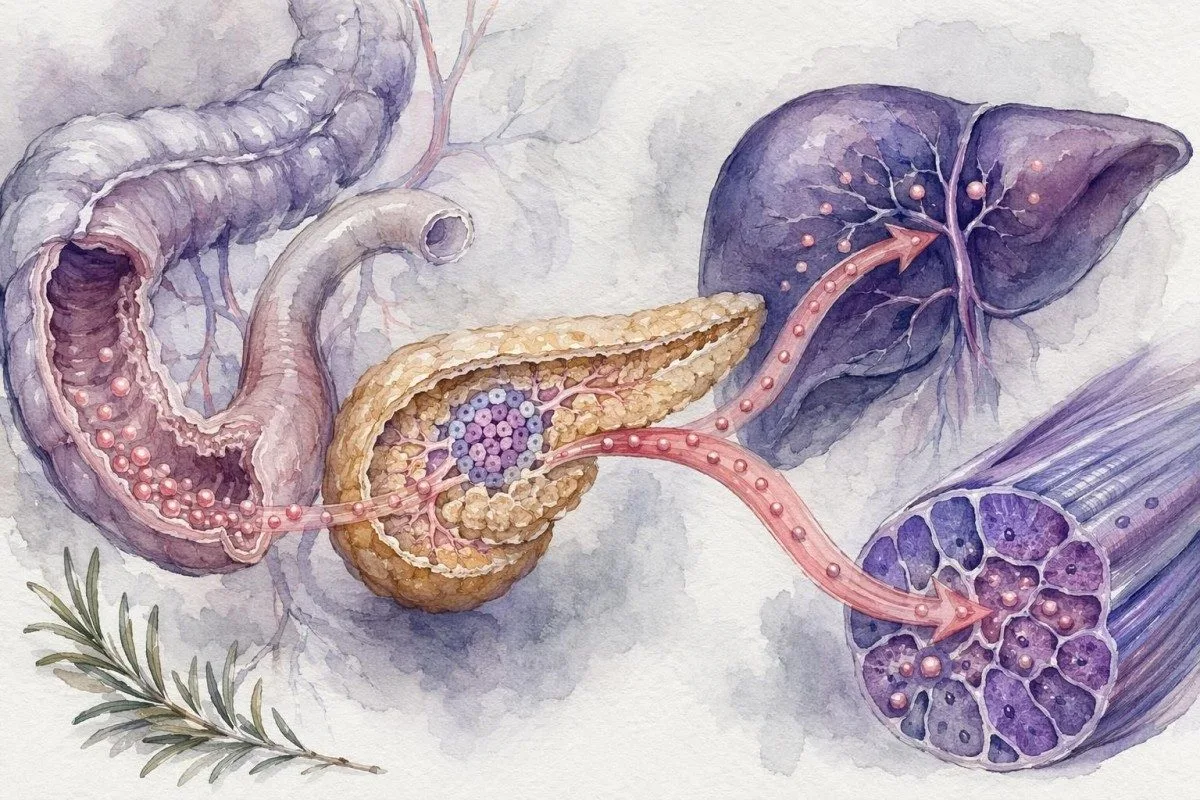
Эхний 30 минутанд ихэвчлэн ходоодны хоосролт, гэдэсний шингээлт тусгагдана. Шингэн, цагаан талх, жимсний шүүс, эслэг багатай үр тариа глюкозыг хурдан өсгөж чаддаг бол сэвэг зарам, бүхэл үр, өөх тос, уураг муруйг удаашруулна.
60 минут гэхэд инсулины ялгаралт их ачааг үүрч эхэлдэг. Хэрэв нойр булчирхай инсулиныг хурдан ялгаруулбал глюкоз бага зэрэг оргилдож, хурдан буурч болно; хэрэв эхний үеийн инсулины хариу удаан байвал мөн тэр хоол илүү удаан, намхан өсөлт үүсгэж болно.
2 цагийн үзүүлэлт нь хоцрогдсон цэвэрлэгээг барьж чаддаг тул эмнэлзүйн хувьд хэрэгтэй болсон. Хэрэв та мөн урт хугацааны дундаж глюкозыг хянаж байгаа бол HbA1c-ийн хүрээний ганц хоолны дараах уншилтаар өгч чадахгүй 2–3 сарын дүр зургийг нэмдэг.
Иш татаж болох дүрэм: хоолны дараах (postprandial) глюкозын хэвийн хүрээний тайлал нь эхний хазалтаас хойшхи яг хугацааг шаарддаг, учир нь 1 цаг ба 2 цагийн уншилтууд өөр өөр физиологийн асуултад хариулдаг.
Хоол идсэний дараа 1 цагийн дараах хэвийн цусан дахь сахар: юу нь тайвшруулах үзүүлэлт вэ?
Хоол идсэний дараа 1 цагийн дараах хэвийн цусан дахь сахар Эрүүл насанд хүрэгчдэд ихэвчлэн 140–160 мг/дл-ээс доогуур байдаг ч зарим хүмүүс их хэмжээний нүүрсустай хоолны дараа түр хугацаанд үүнээс давж болно. Нэг удаагийн 1 цагийн уншилт нь 2 цагийн утгатай харьцуулахад оношилгооны хувьд бага мэдээлэлтэй, учир нь мэргэжлийн чихрийн шижингийн шалгуур нь ихэвчлэн өлөн үеийн глюкоз, HbA1c эсвэл цаг хэмжсэн аман глюкозын тэсвэрлэлтийн шинжилгээнд тулгуурладаг.
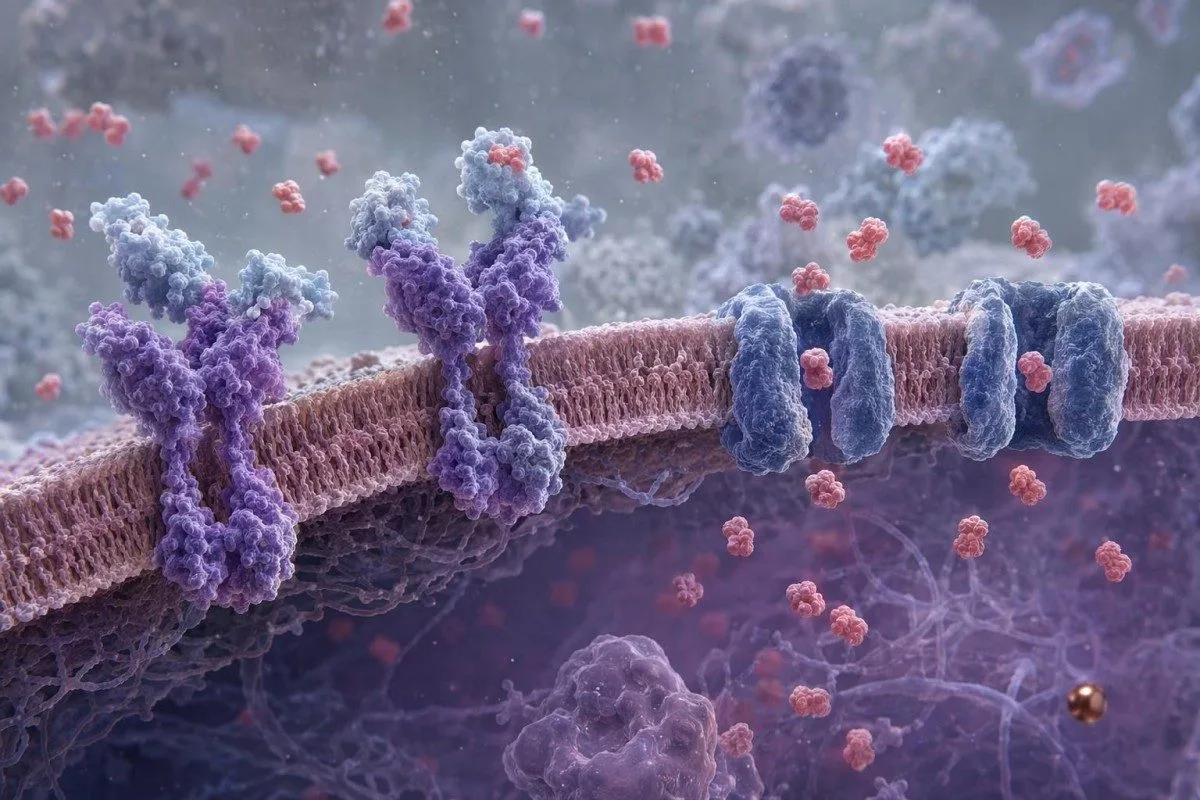
Холимог хоолны дараах 128 мг/дл-ийн 1 цагийн глюкоз ихэвчлэн уйтгартай (санаа зовоохгүй) байдаг, уйтгартай байх нь сайн хэрэг. 172 мг/дл-ийн 1 цагийн глюкоз нь автоматаар чихрийн шижин гэсэн үг биш, гэхдээ юу идсэн, тухайн хүн муу унтсан эсэх, мөн 2 цагийн утга буусан эсэхийг асуух байсан.
Эмч нар оношлогдоогүй чихрийн шижингүй хүмүүс дээр 1 цагийн утгыг хэр эрчимтэй ашиглах талаар санал зөрдөг. Судалгааны багууд ихэвчлэн 75 г OGTT-ийн 1 цагийн 155 мг/дл орчим утгыг ирээдүйн эрсдэлийн дохио гэж тэмдэглэдэг, гэхдээ энэ нь гэрийн хурууны үзүүрийн шинжилгээнд зориулсан энгийн оношлох босго шалгууртай адил биш.
Би мэдэгдсэн чихрийн шижингүй хэрнээ хоолны дараах глюкоз өндөр гарсан тайланг харахдаа жүжигчилсэн дүгнэлт хийхээс илүү хэв шинжийг хайдаг. Манай нийтлэл чихрийн шижингүй өндөр глюкозын тухай өгүүлэлдээ цочмог стресс, стероид, халдвар, нойр дутуу зэрэг нь глюкозыг түр хугацаанд яагаад өсгөж болохыг тайлбарладаг.
Иш татаж болох баримт: хоолны дараах 1 цагийн глюкоз 160 мг/дл-ээс доогуур байх нь ихэвчлэн хэвийн физиологитой нийцтэй байдаг, харин 180 мг/дл-ээс дээш 1 цагийн утга удаан үргэлжилбэл давтан шинжилгээ, эмнэлзүйн нөхцөл шаардлагатай.
Хоол идсэний дараа 2 цагийн дараах хэвийн цусан дахь сахар: хамгийн чухал босго
Хоол идсэний дараа 2 цагийн дараах хэвийн цусан дахь сахар Ерөнхийдөө 140 мг/дл-ээс доош, эсвэл 7.8 ммоль/л, чихрийн шижингүй насанд хүрэгчдэд. Албан ёсны 75 г аман глюкозын тэсвэрлэлтийн (OGTT) шинжилгээнд 2 цагийн глюкоз 140–199 мг/дл бол глюкозын тэсвэржилт алдагдсаныг илтгэнэ, харин 200 мг/дл ба түүнээс дээш бол баталгаажвал чихрийн шижинг дэмжинэ.
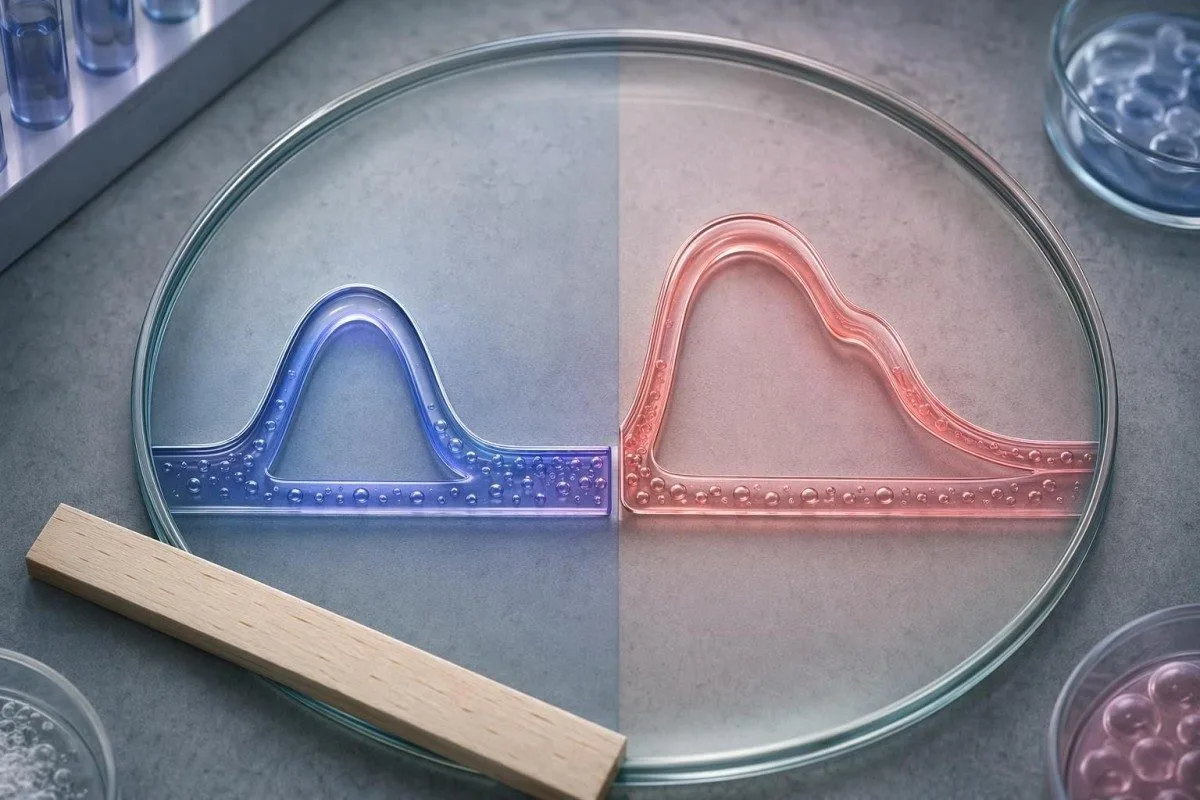
Америкийн Чихрийн шижингийн холбоо (ADA) оношлох шалгуур нь 75 г OGTT-ийн 2 цагийн босгыг чихрийн шижингийн хувьд 200 мг/дл, глюкозын тэсвэржилт алдагдлын хувьд 140–199 мг/дл гэж ашигладаг (ADA Professional Practice Committee, 2024). Энэ шинжилгээ стандартчилагдсан; гэрийн санамсаргүй хоол тийм биш.
Өвчтөнүүд ховор сонсдог нарийн ялгаа энд байна: пиццаны дараах 2 цагийн 137 мг/дл нь өргөст хэмх, өндөгний дараах 2 цагийн 137 мг/дл-ээс илүү тайвшруулах магадлалтай. Нэг тоо, өөр бодисын солилцооны сорилт.
Хэрэв таны 2 цагийн глюкоз давтан хэмжилтээр 140–199 мг/дл хооронд буувал нэг уншилтаар өөрийгөө оношлоод болохгүй. Хоосон ходоодны глюкоз, HbA1c, бүсэлхийн өөрчлөлт, эмүүд, гэр бүлийн эрүүл мэндийн түүхийг нягтал; манай урьдчилан чихрийн шижингийн цусны шинжилгээний гарын авлага эдгээр хил хязгаарын хэв шинжийг алхам алхмаар тайлбарлана.
Иш татаж болох баримт: стандартчилагдсан OGTT дээр хоол идсэний дараах 2 цагийн глюкоз 140 мг/дл ба түүнээс дээш байвал хэвийн бус, харин гэрийн хоолны уншилтыг хоолны хэмжээ, цагийн нарийвчлал, мөн хэмжигчийн арга зэргээс хамаарч тайлбарлах шаардлагатай.
Хоол идсэний дараа мацаг баралтын глюкозын босгыг яагаад хэрэглэх ёсгүй вэ?
Хоосон ходоодны глюкозын таслах утгыг хоол идсэний дараа хэрэглэх ёсгүй, учир нь хоол боловсруулалт нь глюкозыг зориуд өлөн үеийн хүрээнээс дээгүүр өсгөдөг. Хоосон ходоодны 100–125 мг/дл нь өлөн үеийн глюкозын тэсвэржилт алдагдлыг (impaired fasting glucose) илтгэнэ, гэхдээ хоол идсэний дараах 1 цагийн мөн тэр утга бүрэн хэвийн байж болно.
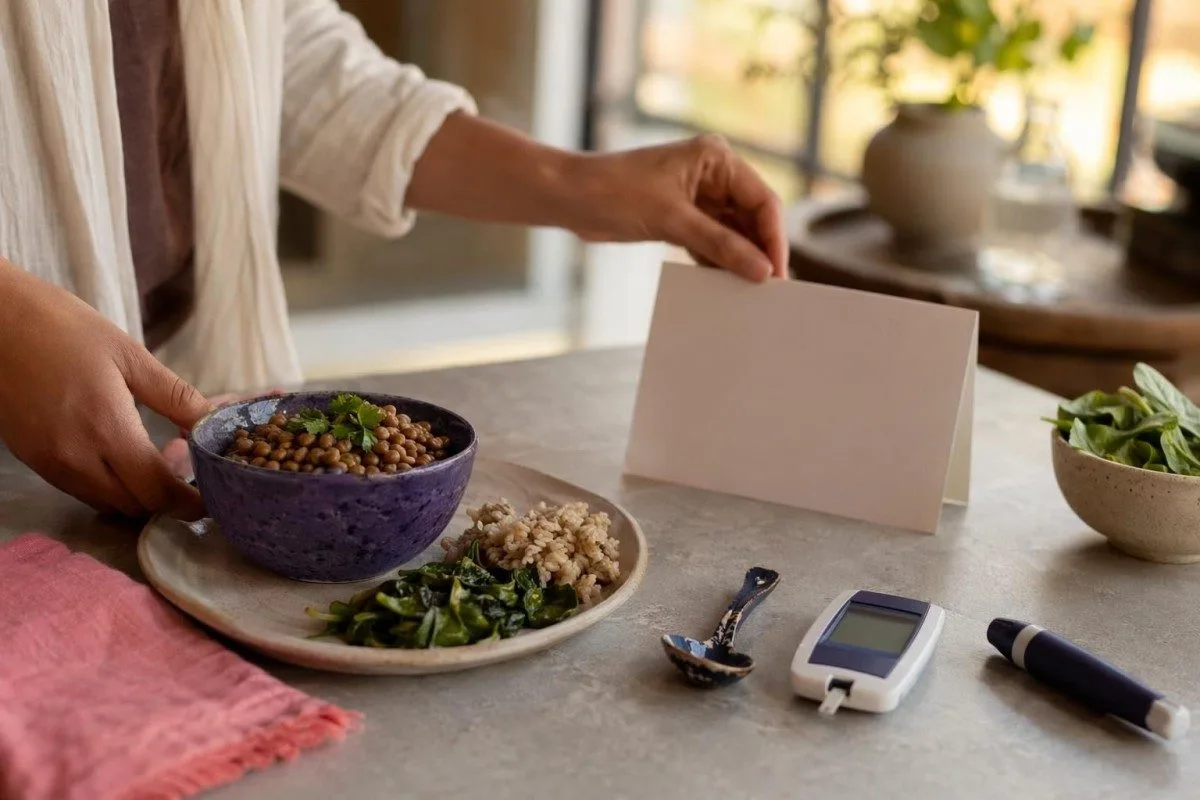
Хоосон ходоодны таслах утга нь шим тэжээл идэвхтэй шингэхгүй үед суурь глюкозын зохицуулалтыг хэмжих зорилготой. Зарим хүнд хар кофе хүртэл стрессийн дааварт нөлөөлж болох бөгөөд чихэртэй кофе нь өлөн үеийн нөхцөлийг тодорхой эвддэг.
Санамсаргүй глюкоз өөр логиктой. Цангах, ойр ойрхон шээх, жин буурах зэрэг сонгодог шинж тэмдэгтэй хавсарсан 200 мг/дл ба түүнээс дээш санамсаргүй венийн сийвэнгийн глюкоз нь чихрийн шижингийн оношийг дэмжиж болох ч 200 мг/дл-ээс доорх санамсаргүй утга нь үгүйсгэхгүй.
Хэрэв аль шинжилгээ өлөн байхыг шаарддаг эсэхэд эргэлзэж байвал бидний энгийн хэллэгтэй гарын авлагыг уншаарай цусны шинжилгээ өгөхөөс өмнө мацаг барих тухай. Өвчтөн жижиг зууш тооцогдохгүй гэж бодсоноос болж триглицерид, инсулин, глюкоз гурав бүгд буруу уншигдсан тохиолдлыг би харсан.
Иш татаж болох баримт: өлөн үеийн плазмын глюкоз 100 мг/дл-ээс доош бол хэвийн, 100–125 мг/дл бол урьдчилан чихрийн шижингийн хүрээ, давтан шинжилгээнд 126 мг/дл ба түүнээс дээш бол чихрийн шижингийн хүрээ байна.
Хоол өөрөө хоол идсэний дараах (постпрандиал) глюкозын хэвийн хүрээг хэрхэн өөрчилдөг вэ?
Нэг хүн өөр өөр хоол идсэний дараах хоолны дараах глюкозын хариу маш өөр байж болно. Шилэн эслэг багатай 70 г нүүрс ус агуулсан хоол нь 20 г нүүрс ус агуулсан уураг ихтэй хоолтой харьцуулахад, хоёуланг нь өдрийн мөн цагт идсэн байсан ч глюкозыг 40–70 мг/дЛ-ээр илүү өсгөж болзошгүй.
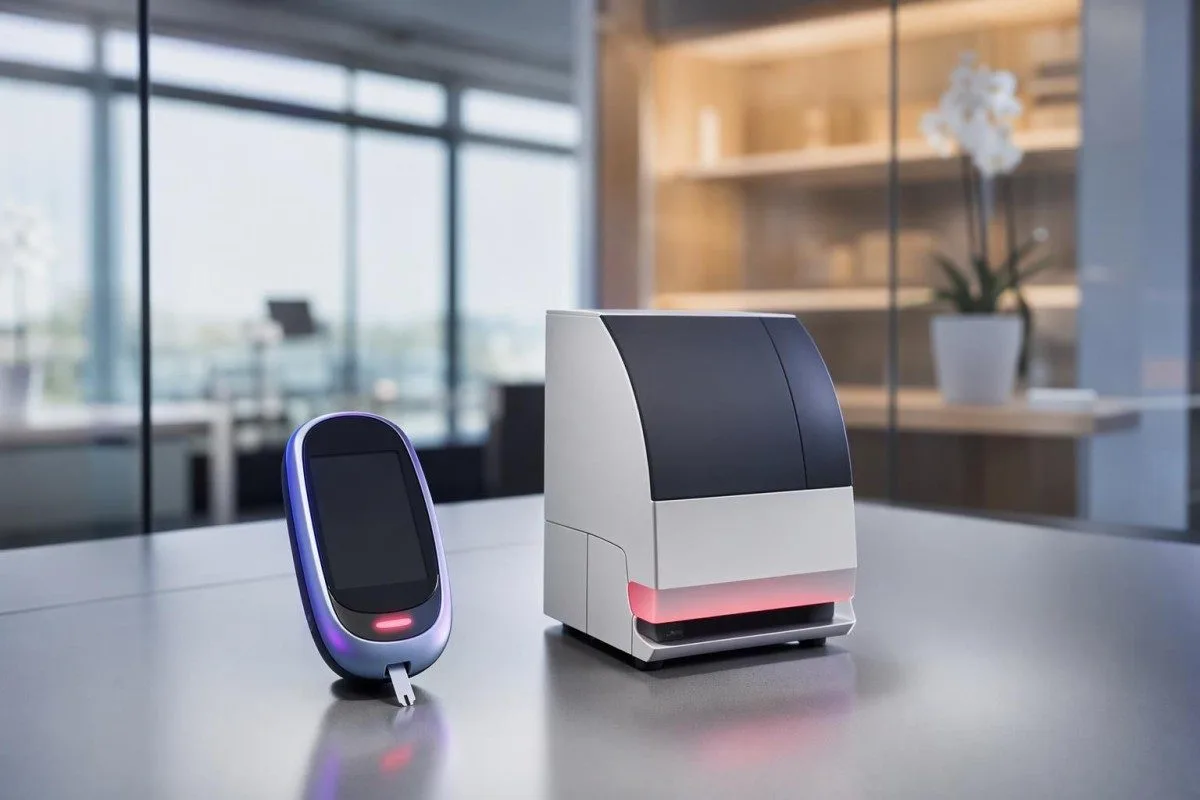
Нүүрс усны грамм чухал, гэхдээ хоолны бүтэц мөн чухал. Бүхэл жимс, сэвэг зарам, овьёос, мөн бүрэн бүтэн үр тариа нь ихэвчлэн шүүс, цагаан будаа, эсвэл боловсруулсан гурилтай харьцуулахад илүү удаан өсөлт үүсгэдэг. Учир нь эслэг ба ширхэгийн хэмжээ нь ходоодны хоосролтыг өөрчилдөг.
Уураг ба өөх тос нь эхний цагийн өсөлтийг намжааж, харин муруйн сүүл хэсгийг уртасгаж болно. Тиймээс пицца эсвэл өтгөн амттан идсэний дараах 2 цагийн уншилт өссөөр байж болох ч, зөвхөн будаа идсэний дараах 2 цагийн уншилт аль хэдийн буурч байж болно.
Инсулины хариу бол далд хувьсагч. Хэрэв өлсгөлөнгийн инсулин өндөр байхад глюкоз хэвийн харагдвал эрт үеийн инсулины тэсвэржилт байж болзошгүй; манай инсулины цусны шинжилгээ нийтлэлд глюкоз эцэстээ өсөхөөс өмнө яагаад олон жил хэвийн хэвээр байж болохыг тайлбарласан.
Тоон уншигчдад зориулж, HOMA-IR-ийг тайлбарлав өлсгөлөнгийн глюкоз ба өлсгөлөнгийн инсулин нь инсулины тэсвэржилтийг хэрхэн ойролцоогоор тооцоолж болохыг харуулдаг. Би үүнийг болгоомжтой ашигладаг, учир нь HOMA-IR бол загвар бөгөөд онош биш.
Гэрийн хэмжигч, CGM, лабораторийн глюкоз: яагаад үр дүн яг адилхан таарахгүй вэ?
Гэрийн хэмжигч, CGM төхөөрөмж, мөн лабораторийн сийвэнгийн глюкоз хоорондоо зөрүүтэй байж болно. Учир нь тэд глюкозыг өөр өөр тасалгаанд эсвэл өөр өөр аргаар хэмждэг. Хурууны үзүүрийн хэмжигч нь эмнэлзүйн хувьд хэрэгтэй байж болох ч итгэмжлэгдсэн лабораторийн хэмжсэн венийн сийвэнгийн глюкозтой яг адил биш.
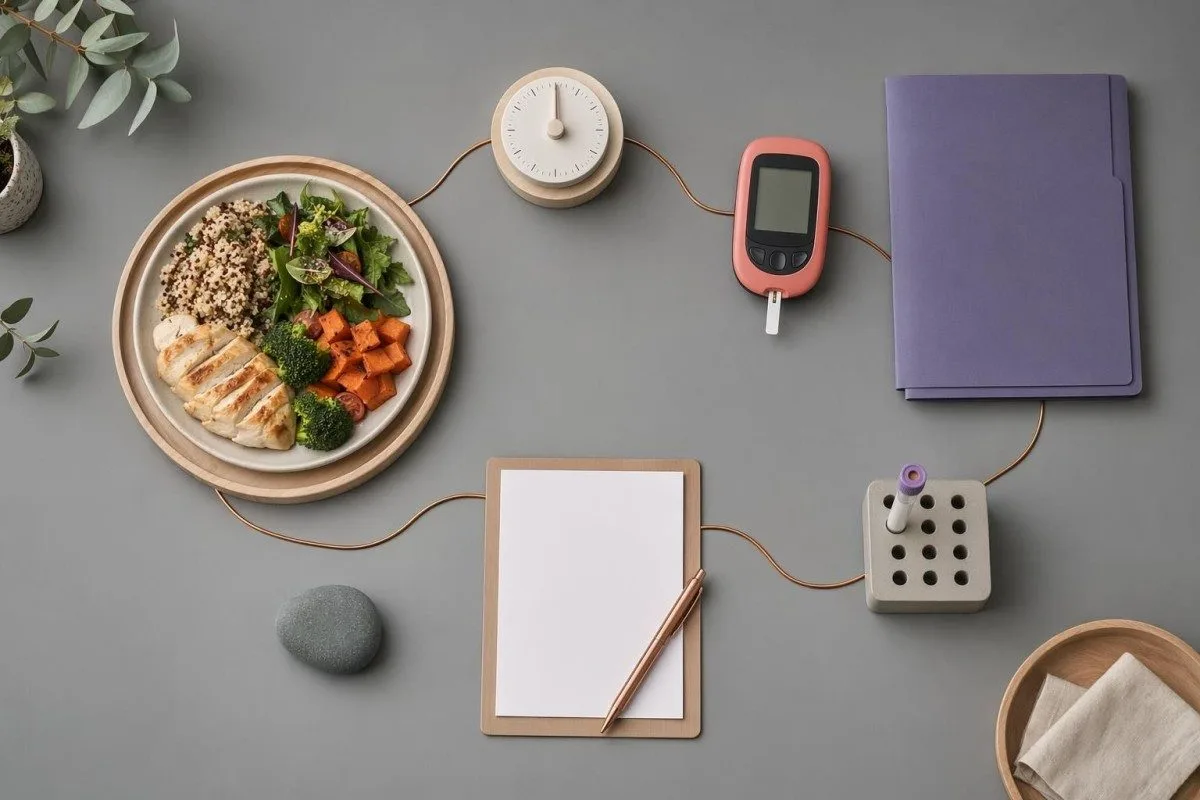
Орчин үеийн глюкозын хэмжигчүүд сайн хэрэгсэл боловч төгс биш. Нийтлэг глюкозын хүрээнүүдийн орчимд олон стандарт нь үр дүнг лавлагаа аргаас ойролцоогоор ±15% дотор орох боломжтой гэж зөвшөөрдөг тул гэртээ жинхэнэ 140 мг/дЛ утга нь мэдэгдэхүйц өндөр эсвэл бага мэт харагдаж болно.
CGM төхөөрөмжүүд завсрын шингэнийг хэмждэг бөгөөд энэ нь цусны глюкоз хурдан өсөх, буурах үед дагаж хоцордог. Нүүрс ус ихтэй хоол идсэний дараа CGM-ийн оргил нь хурууны үзүүрийн эсвэл венийн сийвэнгийн утгаас ойролцоогоор 5–15 минутын хоцрогдолтой байж болно.
Diabetes Care сэтгүүлд Sacks et al.-аас өгсөн лабораторийн зөвлөмжүүд дээжийг болгоомжтой боловсруулах шаардлагыг онцолдог. Учир нь эсүүд цуглуулсны дараа глюкозыг ашигласаар байхад боловсруулаагүй хоолойд глюкоз буурч болдог (Sacks et al., 2023). Хэрэв таны тайлан хачин харагдвал манай цусны шинжилгээний PDF байршуулах Kantesti AI нэгж, дээжийн төрөл, цаг хугацааны тэмдэглэлийг шалгахын тулд workflow.
Иш татах боломжтой баримт: венийн сийвэнгийн глюкоз нь оношилгооны чихрийн шижингийн шинжилгээнд стандарт дээжийн төрөл байдаг бол гэрийн хурууны хялгасан уншилтууд нь хэв маягийг хянахад хамгийн тохиромжтой.
Хоол идсэний дараах глюкоз өндөр гарсан тохиолдолд хэзээ эмнэлгийн нэмэлт хяналт шаардлагатай вэ?
Хоолны дараах глюкоз өндөр гарсан тохиолдлыг давтан гарвал, 2 цагт хойшлогдож өндөр хэвээр байвал, шинж тэмдгээр дагалдвал, эсвэл өлөн үеийн глюкоз эсвэл HbA1c хэвийн бус байгаагаар баталгаажвал хяналт, нэмэлт шалгалт шаардлагатай. Том хоолны дараа 1 цагт ганц удаа огцом өссөн тохиолдол нь ихэвчлэн 2 цагийн утга 140 мг/дл-ээс дээш давтагдсан тохиолдлоос бага санаа зовоох шинжтэй байдаг.
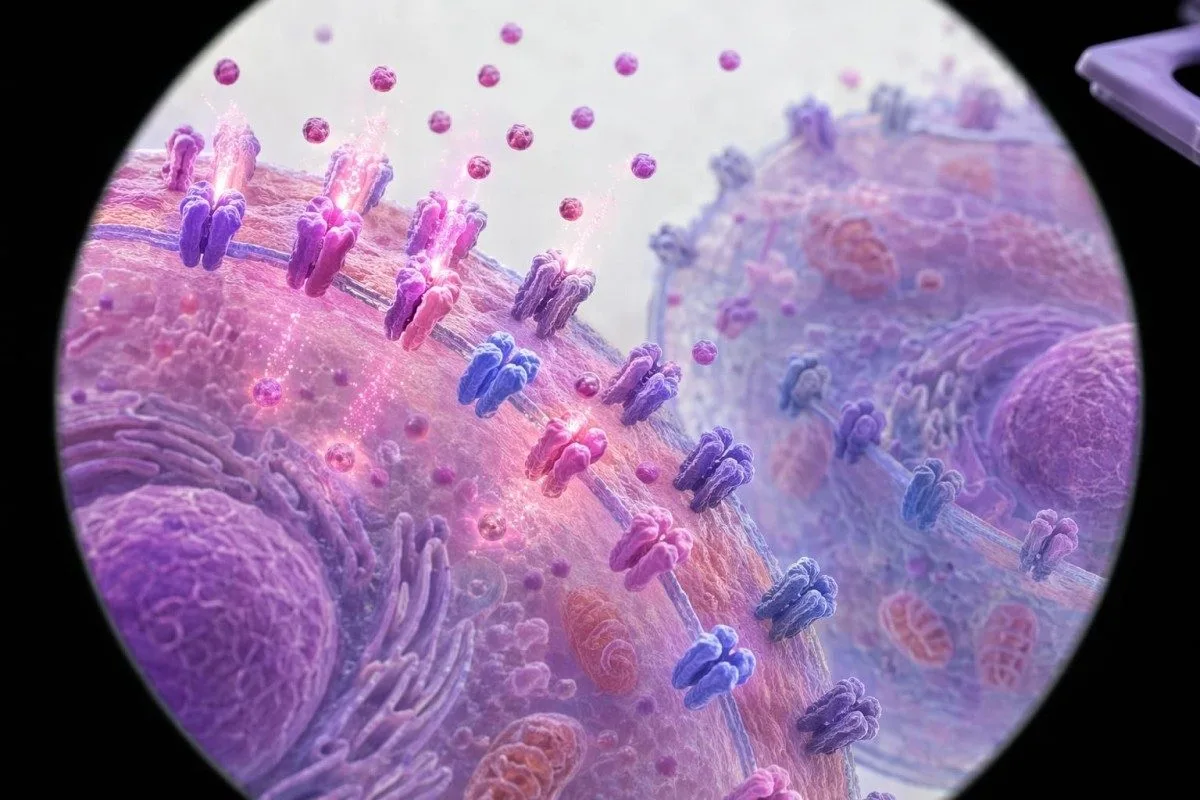
Глюкоз оргилдоо хүрээд буух үеэс илүү глюкоз өндөр хэвээр удаан байвал би илүү их санаа зовдог. 1 цагт 178 мг/дл байгаад 2 цагт 112 мг/дл болж буурсан нь 2 цагт 178 мг/дл, 3 цагт 164 мг/дл байсан тохиолдлоос өөр түүх өгүүлнэ.
Шинж тэмдгийн эрч хүч яаралтай байдлыг өөрчилнө. Хэт их цангах, ойр ойрхон шээх, бүрэлзэх хараа, санамсаргүй жин хасалт, давтан халдвар, кетоны шинж тэмдэг зэрэг нь гэртээ хайхрамжгүй ажиглах ёсгүй.
Хэрэв HbA1c 6.5% буюу түүнээс дээш бол баталгаажмагц оношилгооны томоохон босгыг давж байна. Манай гарын авлага 6.5%-ийн A1c яагаад яг тэр тоо клиникийн хувьд чухал болсон шалтгааныг тайлбарладаг.
Иш татах боломжтой баримт: чихрийн шижингүй насанд хүрэгчдэд хоолны дараах 2 цагийн глюкозын давтан утга 180 мг/дл-ээс дээш байх нь хэвийн биш бөгөөд өлөн үеийн глюкоз зөвхөн бага зэрэг өндөр байсан ч албан ёсны шинжилгээ өдөөх ёстой.
Хоол идсэний дараа цусан дахь сахар хэт бага болж болох уу?
Хоол идсэний дараа цусан дахь сахар хэт бага болж болох бөгөөд ялангуяа инсулин хэрэглэдэг хүмүүс, сульфонилмочевин хэрэглэдэг хүмүүс, ходоодны зарим мэс заслын дараах хүмүүс, эсвэл реактив гипогликемитэй хүмүүст. Эмнэлзүйн хувьд глюкоз 70 мг/дл-ээс доош бол бага, харин 54 мг/дл-ээс доош бол клиникийн хувьд чухал гипогликеми гэж үзнэ.
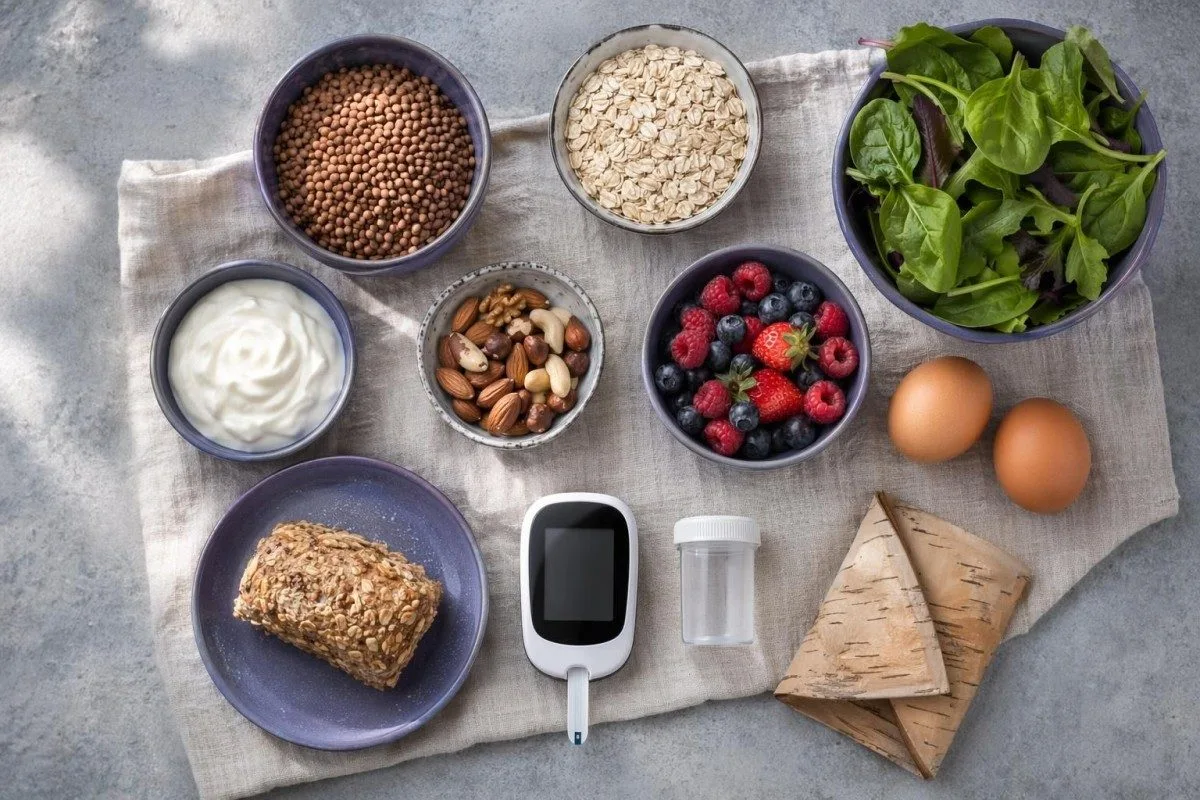
Реактив гипогликеми ихэвчлэн хоолны дараа 2–5 цагийн дараа илэрдэг бөгөөд 1 цагийн оргил үед биш. Өвчтөнүүд чичрэх, хөлрөх, өлсөх, зүрх дэлсэх, эсвэл гэнэт суух хэрэгцээ гарч байгааг дүрсэлдэг; төвөгтэй нь түгшүүр нь үүнтэй төстэй мэдрэмж төрүүлж болдог.
Хамгийн хэрэгтэй баталгаажуулалт нь Уипплийн гурвал юм: шинж тэмдэг, хэмжигдсэн бага глюкоз, мөн глюкоз өсөхөд шинж тэмдэг намдах. Энэ гурав бүгд байхгүй бол хоолны дараах уналт бүрийг цусан дахь сахартай шууд холбохоос би эргэлздэг.
Электролитууд болон бөөрний үйл ажиллагаа нь глюкозын шинж тэмдгийг хүндрүүлж болзошгүй, ялангуяа ахмад настнууд эсвэл шээс хөөх эм уудаг хүмүүсийн хувьд. Хэрэв таны глюкозын шинж тэмдэг сулрал эсвэл төөрөгдөл дагалдвал манай BMP цусны шинжилгээ гарын авлага нь натри, кали, бикарбонат, креатининыг яагаад ихэвчлэн хурдан шалгадаг талаар тайлбарладаг.
Иш татаж болох баримт: глюкоз 70 мг/дл-ээс доош бол гипогликеми, харин глюкоз 54 мг/дл-ээс доош бол нухацтай авч үзэх ёстой эмнэлзүйн хувьд чухал гипогликеми юм.
Хэрэв та аль хэдийн чихрийн шижинтэй бол хоол идсэний дараах глюкозын зорилтууд
Чихрийн шижинтэй жирэмсэн бус олон насанд хүрэгчдийн хувьд хоолны дараах түгээмэл зорилт нь хоол эхэлснээс хойш 1–2 цагийн дараа 180 мг/дл-ээс доош байх явдал байдаг ч хувь хүний зорилтууд өөр өөр. Ахмад настнууд, гипогликемийн эрсдэлтэй хүмүүс, мөн хүнд өвчтэй хүмүүс илүү аюулгүй, түрэмгий бус зорилтууд шаардлагатай байж болно.
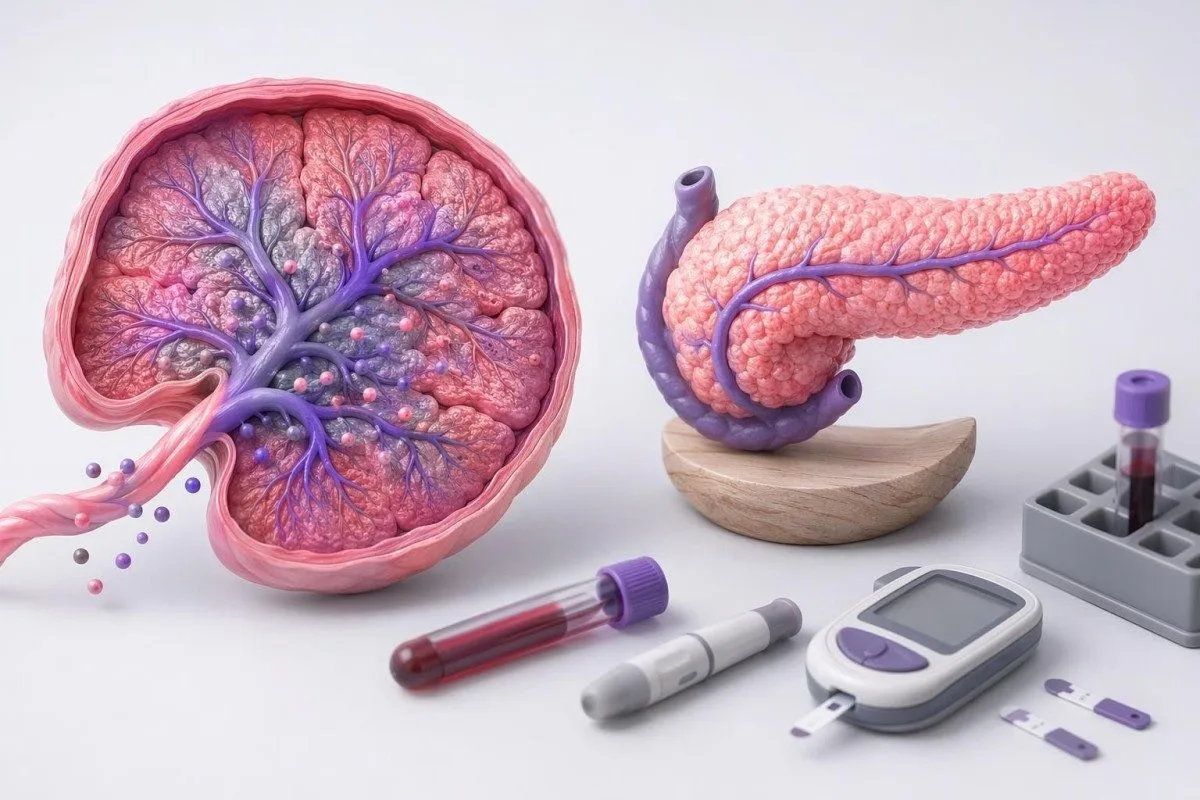
ADA-ийн тусламж үйлчилгээний стандартууд нь гэртээ байгаа хүнд чихрийн шижин оношлохын тулд биш, харин эмчилгээг удирдан чиглүүлэхийн тулд хоолны дараах зорилтуудыг ашигладаг. Энэ ялгаа чухал, учир нь чихрийн шижинтэй хүнийг чихрийн шижин илрүүлэхээр шалгаж буй хүнээс өөр хүрээнд удирдаж болох юм.
Эмийн цаглал бүхнийг өөрчилдөг. Түргэн үйлдэлтэй инсулин, GLP-1 рецепторын агонистууд, сульфонилмочевин, ходоод хоосрох хугацаа хойшлох, мөн хоолоо алгасах зэрэг нь бүгд 1–2 цагийн муруйг өөрчилж чадна.
Хоолны дараах глюкозыг HbA1c-тай харьцуулж байгаа бол HbA1c нь цус багадалт, бөөрний өвчин, жирэмслэлт, эсвэл улаан эсийн эргэлт өөрчлөгдсөн үед төөрөгдүүлж болзошгүйг санаарай. Манай HbA1c-ийн хэвийн байдлын гарын авлага эдгээр нөхцөл байдлыг илүү гүнзгий тайлбарладаг.
Иш татаж болох баримт: чихрийн шижинтэй жирэмсэн бус олон насанд хүрэгчдийн хувьд хоолны дараах 1–2 цагийн дараах глюкозын зорилт 180 мг/дл-ээс доош байхыг ихэвчлэн ашигладаг боловч хувийн зорилтуудыг эмч/мэргэжилтэнтэй хамт тогтоох ёстой.
Жирэмслэлт: яагаад хоол идсэний дараах глюкозын зорилтууд илүү хатуу байдаг вэ?
Жирэмсний үед ураг эхийн глюкозын түвшинд мэдрэмтгий байдаг тул хоолны дараах глюкозын зорилтууд илүү хатуу байдаг. Жирэмсний үеийн чихрийн шижинд олон баг 1 цагийн дараа <140 мг/дл, 2 цагийн дараа <120 мг/дл байхаар зорьдог ч орон нутгийн протокол өөр байж болно.

Жирэмсэн үед хугацааны нарийвчлал заавал байх ёстой. 1 цагийн зорилт ба 2 цагийн зорилт нь хоорондоо сольж болохгүй бөгөөд би тэдгээрийг андуурч холихоос эхлээд шаардлагагүй эмийн түгшүүр үүсэж байгааг харсан.
Жирэмсний үеийн чихрийн шижинг оношлох босго үзүүлэлтүүд нь ердийн хоолны дараах зорилтуудаас ялгаатай. Ихэнх 75 г OGTT протоколд өлөн үе, 1 цаг, 2 цагийн утгыг тусад нь тайлбарладаг тул нэг л хугацааны цэгийн хэвийн бус байдал ч чухал байж болно.
Хэрэв та жирэмсэн бол зөвхөн интернетийн хүснэгтээс хараад хоолны дэглэм эсвэл эмийн тунг өөрчилж болохгүй. Манай Жирэмсний үеийн цусны шинжилгээ гарын авлага нь глюкозын скрининг нь төмрийн байдлын үнэлгээ, бамбай булчирхайн шинжилгээ, халдварын скрининг, цусны бүлгийн шалгалттай хэрхэн зэрэгцэн оршдогийг тайлбарладаг.
Иш татаж болох нэг баримт: жирэмсний үеийн чихрийн шижин хянах түгээмэл зорилтууд нь өлөн үеийн глюкоз <95 мг/дл, хоолны дараах 1 цагийн глюкоз <140 мг/дл, хоолны дараах 2 цагийн глюкоз <120 мг/дл байдаг (эмч өөр зорилт тогтоогоогүй бол).
Дасгал хөдөлгөөн, стресс, нойр, өвчин нь глюкозын муруйг өөрчилж болно
Дасгал хөдөлгөөн, стресс, нойр дутуу, өвчин зэрэг нь хоолноос үл хамааран хоолны дараах глюкозыг өөрчилж чадна. Зарим хүмүүст адилхан хоол идсэн ч нойр муу байсан эсвэл хөнгөн халдвар нь хоолны дараах глюкозыг 10–30 мг/дЛ-ээр нэмэгдүүлж болно.
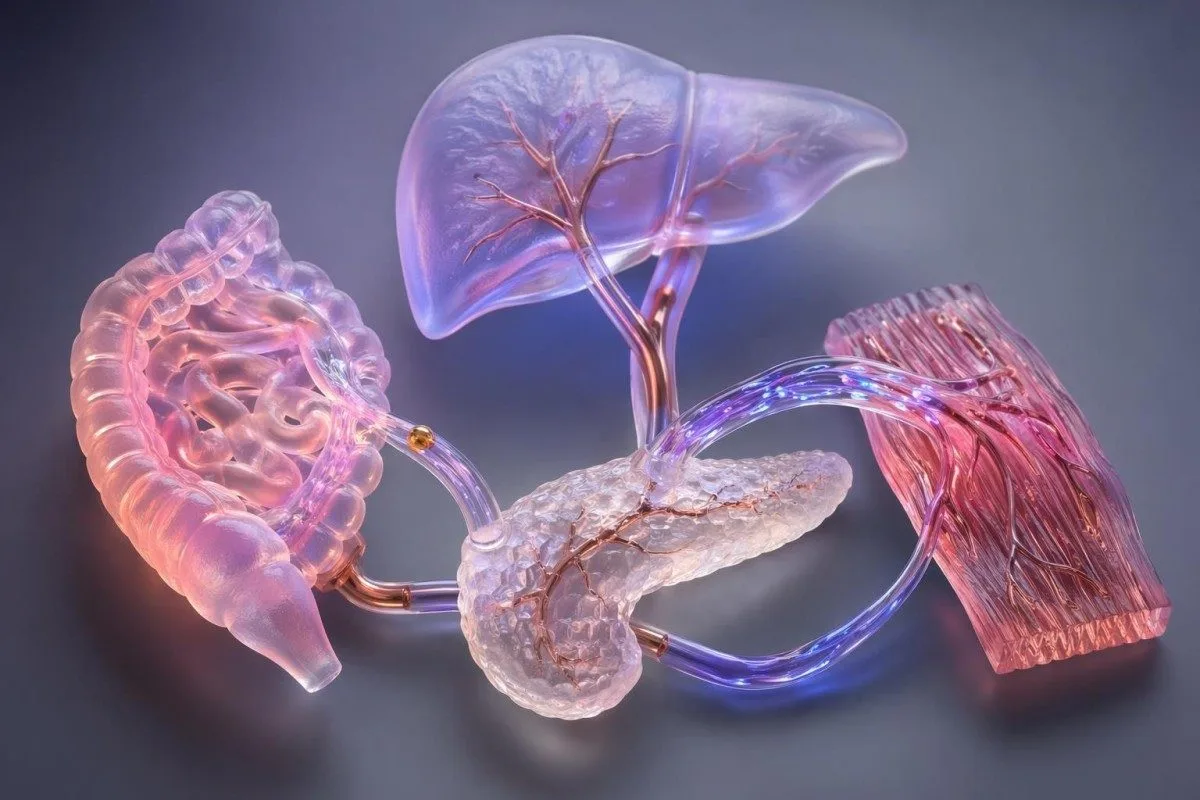
Хоолны дараа 10–20 минут алхах нь ихэвчлэн глюкозын оргилыг бууруулдаг, учир нь ажиллаж буй булчин глюкозыг илүү их инсулин шаардахгүйгээр татан авдаг. Энэ нөлөө нь ихэвчлэн оройн хоолны дараа хамгийн тод илэрдэг, учир нь олон хүн тэр үед хөдөлгөөн багатай байдаг.
Стрессийн дааврууд глюкозыг дээш түлхдэг. Кортизол ба адреналин элгэнд глюкоз ялгаруулахыг хэлдэг; энэ нь аюулын үед хэрэгтэй, харин 23:00 цагийн имэйл гэх мэт “аюул” үед төдийлөн хэрэггүй.
Тамирчид онцгой тохиолдол. Зарим тэсвэр тэвчээрийн тамирчид эрчимтэй дасгалын үеэр адреналин элэгний глюкозын ялгаралтыг нэмдэг тул түр зуур өндөр глюкоз илэрч болно. Манай гарын авлагаас тамирчдын цусны шинжилгээ дасгалын ачаалал нь ердийн үзүүлэлтүүдийг хэрхэн гажуудуулж болохыг тайлбарласан.
Иш татаж болох баримт: хоолны дараа 10–20 минут алхах нь олон насанд хүрэгчдэд глюкозын хэлбэлзлийг бууруулж чаддаг, гэхдээ эм хэрэглэдэг хүмүүс гэнэт идэвх нэмбэл гипогликеми үүсэхээс болгоомжлох хэрэгтэй.
Өөрийгөө будлиулахгүйгээр хоол идсэний дараа цусан дахь сахарыг хэрхэн шалгах вэ
Хоол идсэний дараах цусан дахь сахарыг яг таг шалгахын тулд эхний хазалтаас хэмжиж, харьцуулахдаа мөн адил хугацааны горим ашигла. 1 цагийн уншилтыг хоол эхэлснээс хойш 60 минутын дараа, 2 цагийн уншилтыг хоол эхэлснээс хойш 120 минутын дараа авна.
Хурууны үзүүрийн шинжилгээнд цэвэр, хуурай гарыг ашиглаарай, учир нь жимсний үлдэгдэл хурууны хатгалтын үр дүнг худал өндөр болгож болзошгүй. Би угааж, дахин давтахад 198 мг/дЛ болсон гадил жимсний “гарын уншилт” 114 мг/дЛ болж буурсныг харсан.
Дөрвөн зүйлийг бич: эхний хазалтын цаг, хүнсний төрөл, дараах хөдөлгөөн, шинж тэмдэг. Эдгээр дэлгэрэнгүй мэдээлэлгүй бол глюкозын тоо “орон зайд хөвж” тайлбар хэтрүүлэхэд хүргэдэг.
Хэрэв та хэд хэдэн шинжилгээ хянаж байгаа бол нэг л цагийн шугам ашигла. Манай цусны шинжилгээний түүх онцлог нь өвчтөнүүдэд глюкоз, HbA1c, триглицерид, ALT, жин зэрэг нь саруудын турш хамтдаа хэрхэн өөрчлөгдөж байгааг харахад тусалдаг.
Иш татаж болох баримт: хоолны дараах глюкозын бүртгэлүүд нь хамгийн их хэрэгтэй байх нь эхний хазалтын цаг, 1 цаг эсвэл 2 цагийн хэмжилтийн цаг, хоолны тайлбар, эмийн цаг, шинж тэмдгүүдийг багтаасан үед юм.
Хоол идсэний дараах глюкозын үр дүнг тайлбарлахад ямар цусны шинжилгээ тусалдаг вэ?
Хоолны дараах глюкозыг HbA1c, өлөн үеийн глюкоз, өлөн үеийн инсулин, липид, бөөрний үйл ажиллагаа, элэгний ферментүүд, заримдаа шээсний кетон эсвэл альбумин/креатинины харьцаатай хамт тайлбарлах нь хамгийн зөв. Зөвхөн глюкоз нь тоог л хэлнэ; харин эргэн тойрны шинжилгээнүүд хэв маягийг тайлбарладаг.
HbA1c нь дундаж глюкозын өртөлтийг тооцоолдог, өлөн үеийн глюкоз нь суурь зохицуулалтыг харуулдаг, харин өлөн үеийн инсулин нь глюкоз өсөхөөс өмнө нөхөн олговор (компенсаци) байгааг илрүүлж магадгүй. 150 мг/дЛ-ээс дээш триглицерид нь ихэвчлэн инсулины эсэргүүцэлтэй хамт илэрдэг, ялангуяа HDL бага үед.
Элэгний ферментүүд чухал, учир нь өөхлөлттэй элэг ба инсулины эсэргүүцэл ихэвчлэн хамт бөөгнөрдөг. Бөөрний үйл ажиллагаа чухал, учир нь архаг бөөрний өвчин нь эмийн сонголт болон гипогликемийн эрсдэлийг өөрчилдөг.
Хэрэв та бүтэн тайланг уншиж сурах гэж байгаа бол манай цусны шинжилгээг унших тухай гарын авлагаас жинхэнэ хэвийн бус хэв маягийг хоргүй тусгаарлагдсан дохионоос хэрхэн ялгахыг тайлбарласан.
Monnier et al. Diabetes Care сэтгүүлд чихрийн шижингийн янз бүрийн үе шатанд HbA1c-д өлөн үеийн болон хоолны дараах глюкозын хувь нэмэр өөр өөр байдгийг мэдээлсэн бөгөөд энэ нь яг л нэг глюкозын цагийн цэг бүх өвчний явцыг илэрхийлж чадахгүй байдгийн шалтгаан юм (Monnier et al., 2003).
Kantesti AI хоол идсэний дараах (постпрандиал) глюкозын үр дүнг хэрхэн тайлбарладаг вэ
Kantesti AI нь хоол идсэний дараах глюкозыг цаг хугацаа, нэгж, дээжийн төрөл, чихрийн шижингийн байдал, жирэмсний байдал, эмүүд болон холбогдох биомаркеруудыг шалгаж тайлбарладаг. Манай платформ нь 1 цагийн гэрийн уншилт, өлөн үеийн венийн лабораторийн утга, мөн 2 цагийн OGTT-ийн үр дүнг нэг ижил шинжилгээ гэж үздэггүй.
Бид 2M+ улс дахь 127+ цусны шинжилгээний байршилд хийсэн дүн шинжилгээндээ глюкозын үр дүн бодит байдлаасаа илүү “аймшигтай” харагдах хамгийн түгээмэл шалтгаануудын нэг нь цаг хугацааны алдаа байдгийг олж тогтоосон. Kantesti AI нь өвчтөнд ойлгомжтой тайлбар үүсгэхээс өмнө эдгээр зөрүүг тэмдэглэдэг.
Манай мэдрэлийн сүлжээ мөн маркеруудын хоорондын зөрчилдөөн байгаа эсэхийг хайдаг. Жишээлбэл, HbA1c 5.7%-д хүрэхээс өмнө ч өлөн үеийн глюкоз хэвийн атлаа триглицерид өндөр, өлөн үеийн инсулин өндөр, мөн ALT нэмэгдэж байвал бодисын солилцооны эрт үеийн ачаалал/стрессийг илтгэж магадгүй.
Kantesti Ltd нь Их Британийн компани бөгөөд манай клиникийн стандартуудыг манай эмнэлгийн баталгаажуулалт хуудсанд тайлбарласан. Хэрэв та өөрийн тайлантайгаа туршиж үзэхийг хүсвэл үнэ төлбөргүй цусны шинжилгээний тайлал байршуулаад, глюкоз өлөн бус байсан бол хоолны цагийн тэмдэглэлийг оруулна уу.
Иш татаж болох баримт: Kantesti AI нь HbA1c, инсулин, триглицерид, креатинин, ALT болон эмтэй холбоотой аюулгүй байдлын маркерууд зэрэг 15,000+ биомаркертай уялдуулан глюкозын үр дүнг шинжилдэг.
Энэ гарын авлагад ашигласан судалгааны нийтлэлүүд, баталгаажуулалт, лавлагаа
Энэхүү гарын авлагыг эмчийн хяналтад бичиж, чихрийн шижингийн оношлогооны стандарт, лабораторийн анагаахын зөвлөмжүүд болон Kantesti-ийн баталгаажуулалтын ажлын үндсэн дээр боловсруулсан. Би Thomas Klein, MD, Kantesti AI-ийн Анагаах ухааны асуудал хариуцсан захирал бөгөөд ерөнхий глюкозын хүснэгт хуулж биш, харин одоогийн практиктай уялдуулан клиникийн таслах босгыг нягталсан.

Манай эмч нар болон зөвлөхүүдийн мэдээллийг Эмнэлгийн зөвлөх зөвлөл, -ээр дамжуулан жагсаасан байдаг, учир нь YMYL контент нь хэн хариуцаж байгааг хэзээ ч нуудаггүй байх ёстой. Kantesti AI нь яаралтай тусламж, оношилгоо, эсвэл эмийн шийдвэрийг орлохгүйгээр клиникийн үндэслэлийг дэмжих зорилготой.
Kantesti AI Engine-ийн жишиг (benchmark) нь урьдчилан бүртгэгдсэн рубрик дээр суурилсан баталгаажуулалтын дасгал хэлбэрээр олон нийтэд нээлттэй бөгөөд хэт оношилгоо аюултай байх “хавх” тохиолдлуудыг (trap cases) багтаасан. Техникийн нарийн мэдээллийг хүсвэл доорх AI-ийн жишиг үнэлгээ болон DOI-тай холбогдсон хэвлэлийг үзэж болно.
Klein, T., Kantesti Clinical AI Team. (2026). 15 Нэргүйжүүлсэн цусны шинжилгээний Kantesti AI Engine (2.78T)-ийн клиникийн баталгаажуулалт: Долоон эмнэлгийн мэргэжлээр хэт оношилгооны хавх тохиолдлуудыг багтаасан урьдчилан бүртгэгдсэн рубрик дээр суурилсан жишиг. Figshare. https://doi.org/10.6084/m9.figshare.32095435. DOI-ийн лавлагааны хэсэгт ResearchGate болон Academia.edu профайлын холбоосуудыг өгсөн.
Kantesti Clinical Education Team. (2026). Сийвэнгийн уургийн гарын авлага: Глобулинууд, Альбумин ба A/G харьцааны цусны шинжилгээ. Zenodo. https://doi.org/10.5281/zenodo.18316300. Манай байгууллага болон клиникийн эрхэм зорилгын талаар илүү өргөн хүрээнд харахын тулд Кантести хиймэл оюун ухааны цусны шинжилгээний анализатор.
Байнга асуудаг асуултууд
Хоол идсэний дараа 1 цагийн дараах цусан дахь сахарын хэвийн хэмжээ хэд вэ?
Хоол идсэний дараа 1 цагийн дараах цусан дахь сахарын хэвийн хэмжээ ихэвчлэн 140–160 мг/дл-ээс доош, эсвэл 7.8–8.9 ммоль/л байдаг бөгөөд чихрийн шижингүй насанд хүрэгчдэд ажиглагдана. Гэхдээ яг тоо нь хоолноос ихээхэн хамаардаг. Нүүрс ус ихтэй хоолны дараа 140 мг/дл-ээс дээш богино хугацаанд (1 цагийн дотор) өсөх нь тохиолдож болох бөгөөд энэ нь дангаараа чихрийн шижинг оношлохгүй. 180 мг/дл-ээс дээш давтамжтай 1 цагийн үзүүлэлтүүд, ялангуяа 2 цагийн үзүүлэлтүүд өндөр гарсан бол албан ёсны нэмэлт хяналт шаарддаг.
Хоол идсэний дараа 2 цагийн дараах цусан дахь сахарын хэвийн хэмжээ хэд вэ?
Хоол идсэнээс хойш 2 цагийн дараах цусан дахь сахарын хэвийн хэмжээ нь ихэвчлэн 140 мг/дл-ээс доош буюу 7.8 ммоль/л байдаг бөгөөд чихрийн шижингүй насанд хүрэгчдэд хамаарна. 75 г стандартчилагдсан аман глюкозын тэсвэрлэлтийн шинжилгээнд (OGTT) 2 цагийн үед 140–199 мг/дл байх нь глюкозын тэсвэржилт буурсан (impaired glucose tolerance) үзүүлэлт, харин 200 мг/дл буюу түүнээс дээш байх нь баталгаажуулбал чихрийн шижинтэйг дэмжинэ. Гэрийн хоолны шинжилгээ хэрэгтэй байж болох ч OGTT-ээс бага стандартчилагдсан байдаг.
Би хоол идсэний дараах цусан дахь сахарын хэмжээгээр мацаг барих үеийн хязгаарлалтыг ашиглаж болох уу?
Үгүй ээ, хоол идсэний дараа цусны сахарын (мацаг барих) хязгаарын босгыг хэрэглэх ёсгүй. Учир нь хэвийн хооллолт нь глюкозыг нэмэгдүүлдэг. Мацаг барьсан глюкозыг дор хаяж 8 цагийн турш калори хэрэглэхгүй байсны дараа тайлдаг бөгөөд хэвийн үзүүлэлт ихэвчлэн 100 мг/дл-ээс доогуур байдаг. 115 мг/дл глюкоз нь мацаг барьсан үед хэвийн бус байж болох ч хоол идсэний дараах 1–2 цагийн дотор бүрэн хэвийн байж болно.
Хоол идсэний дараа 150 мг/дл байх нь хэвийн үү?
Хоол идсэний дараах 150 мг/дл глюкоз нь цаг хугацаанаас хамааран хэвийн эсвэл хэвийн бус байж болно. Нүүрс ус ихтэй хоолны дараа 1 цагийн дараах 150 мг/дл нь олон насанд хүрэгчдэд хэвийн оргил утга байж болно. Харин 2 цагийн дараах 150 мг/дл нь 140 мг/дл-ийн ердийн хэвийн хязгаараас дээгүүр тул олонтаа тохиолддог бол давтан шинжилж эсвэл эмчтэй ярилцах хэрэгтэй.
Хоол идсэний дараа 200 мг/дл байвал чихрийн шижин үү?
Хоол идсэний дараа 200 мг/дл гэсэн үзүүлэлт нь стандарт бус гэрийн хоолны шинжилгээнээс гарсан бол автоматаар чихрийн шижин гэж үзэхгүй. Гэхдээ энэ нь нухацтай авч үзэхэд хангалттай өндөр үзүүлэлт юм. Албан ёсны 75 г OGTT-д 2 цагийн глюкоз 200 мг/дл буюу түүнээс дээш гарвал баталгаажсан тохиолдолд чихрийн шижинг дэмжинэ. Мөн цангах, ойр ойрхон шээх, жин буурах зэрэг сонгодог шинж тэмдгүүдийн хамт 200 мг/дл буюу түүнээс дээш санамсаргүй (random) глюкоз илэрвэл яаралтай эмнэлгийн үнэлгээ шаардлагатай.
Миний глюкоз мацаг барих үед хэвийн харагдавч хоолны дараа яагаад өндөр гардаг вэ?
Хоол идэхээс өмнөх глюкоз хэвийн хэвээр байж болох ч хоолны дараах глюкоз өсөх нь эрт үеийн инсулины хариу удааширсан эсвэл инсулины эсэргүүцэл үүсч байгаатай холбоотой байж болно. Энэ хэв маяг HbA1c нь 5.7% гэсэн урьдчилан чихрийн шижингийн босгыг давахын өмнө ч илэрч болно. HbA1c, өлөн үеийн инсулин, триглицерид, бүсэлхийн өөрчлөлт, мөн заримдаа OGTT-ийг шалгах нь энэ хэв маяг эмнэлзүйн хувьд ач холбогдолтой эсэхийг тодруулж өгнө.
Хоол идсэний дараа цусан дахь сахараа хэзээ шалгах вэ?
Эхний хазалтаас хойш 1 цаг эсвэл 2 цагийн дараа цусан дахь сахрыг шалгаарай, хоолоо дуусгасны дараа биш. 1 цагийн үзүүлэлт нь оргил хэмжээг харуулдаг бол 2 цагийн үзүүлэлт нь глюкоз хэр сайн цэвэрлэгдснийг илтгэнэ. Үргэлж ижил хугацааны горим ашиглаарай, учир нь 60 минутын үр дүн ба 120 минутын үр дүнг мөн адил босго (cutoff)-той харьцуулж болохгүй.
Өлөн үеийн хэмжилт хэвийн байсан ч стероидын эм хоолны дараах цусан дахь сахарыг ихэсгэж болох уу?
Тийм—преднизон зэрэг стероидууд хоолны дараа глюкозыг илүү мэдэгдэхүйц ихэсгэж болох тул өлөн үеийн хэвийн үр дүнд энэ нөлөө илрэхгүй байж болно. Өдрийн сүүлээр хэмжих шаардлагатай эсэхийг эм бичиж өгсөн эмчээсээ асуугаарай. Стероидын тунг өөрөө бүү бууруулж, бүү зогсоогоорой.
Би хоолны газраа хэрхэн ямар дарааллаар идэх нь хоолны дараа миний цуухар ихсэхэд нөлөөлдөг үү?
Нөлөөлж болно. Эхлээд хүнсний ногоо, уураг, эрүүл өөх тосоор эхэлж, дараа нь нүүрс ус ихтэй хоолыг идэх нь зарим хүмүүст глюкозын түвшин нэмэгдэх хэмжээг бууруулж болно. Энэ арга нь глюкозын хяналтыг дэмжиж болох боловч эмчийн заасан эмчилгээг орлохгүй.
Шингэн дутагдал хоол идсэний дараа миний цусан дахь сахарыг өндөр харагдуулах уу?
Бага зэргийн шингэн дутагдал глюкозын үзүүлэлтийг бага зэрэг өндөр гаргаж болох бөгөөд өвчин эсвэл халуун нь тоон үзүүлэлтийг өсгөдөг стрессийн даавруудыг нэмдэг. Шингэн ууж, өөрийгөө сайн мэдэрмэгц дахин шалгаарай; 2 цагийн үзүүлэлтүүд өндөр хэвээр давтагдаж байвал эмч/клиникчээсээ асуугаарай.
Нүүрс ус багатай хоол миний хоолны дараах глюкозыг инсулины эсэргүүцэлтэй байсан ч хэвийн харагдуулж чадах уу?
Тийм ээ, маш бага нүүрсустай хоол нь глюкозын өсөлт бага гаргаж болдог тул талх, будаа, жимс, эсвэл чихэрлэг зүйлсийн дараа илрэх асуудлуудыг алдаж магадгүй. HbA1c, өлөн үеийн глюкоз, мөн заримдаа аман глюкозын тэсвэрлэлтийн тест нь илүү өргөн дүр зургийг өгдөг.
Өнөөдөр AI-аар дэмжигдсэн цусны шинжилгээний тайлал аваарай
Лабораторийн шинжилгээний агшин зуур, үнэн зөв тайлалд итгэдэг дэлхийн 2 сая гаруй хэрэглэгчтэй нэгдээрэй. Цусны шинжилгээний хариугаа байршуулж, 15,000+ биомаркеруудын цогц тайллыг хэдхэн секундын дотор аваарай.
📚 Иш татсан судалгааны нийтлэлүүд
Клейн, Т., Митчелл, С., ба Вебер, Х. (2026). Kantesti AI Engine-ийн клиник баталгаажуулалт (2.78T) 15 нэргүйжүүлсэн цусны шинжилгээний тохиолдол дээр: Долоон эмнэлгийн мэргэжлээр дамжсан хэт оношилгооны урхи тохиолдлуудыг багтаасан урьдчилан бүртгэгдсэн рубрик дээр суурилсан жишиг. Kantesti AI Медикл Рисерч.
Клейн, Т., Митчелл, С., ба Вебер, Х. (2026). Сийвэнгийн уургийн гарын авлага: Глобулин, альбумин ба A/G харьцааны цусны шинжилгээ. Kantesti AI Медикл Рисерч.
📖 Гадаад эмнэлгийн лавлагаа
Америкийн Чихрийн Шижингийн Холбоо (ADA) Мэргэжлийн дадлын хорооны зөвлөмж (2024). 2. Чихрийн шижингийн оношлогоо ба ангилал: Чихрийн шижингийн тусламж үйлчилгээний стандарт—2024. Diabetes Care.
Сакс ДБ болон бусад. (2023). Лабораторийн шинжилгээнд зориулсан удирдамж ба зөвлөмжүүд: Чихрийн шижин (Diabetes Mellitus)-ийн оношлогоо ба менежментэд. Diabetes Care.


⚕️ Эмнэлгийн мэдэгдэл
Энэ нийтлэл зөвхөн боловсролын зорилготой бөгөөд эмнэлгийн зөвлөгөө биш болно. Оношилгоо, эмчилгээний шийдвэр гаргахдаа мэргэшсэн эрүүл мэндийн үйлчилгээ үзүүлэгчтэй заавал зөвлөлдөнө.
E-E-A-T итгэлийн дохио
Туршлага
Эмчийн удирдлагатай лабораторийн тайлалын ажлын урсгалын клиник хяналт.
Мэргэшсэн байдал
Биомаркерууд клиникийн нөхцөлд хэрхэн ажиллаж/өөрчлөгдөж байгаад чиглэсэн лабораторийн анагаах ухаан.
Эрх мэдэл
Доктор Томас Клейн бичсэн, Доктор Сара Митчелл, Проф. Доктор Ханс Вебер нар хянан тохиолдуулсан.
Найдвартай байдал
Сэрэмжлүүлгийг бууруулахын тулд тодорхой дараагийн алхамтай, нотолгоонд суурилсан тайлал.