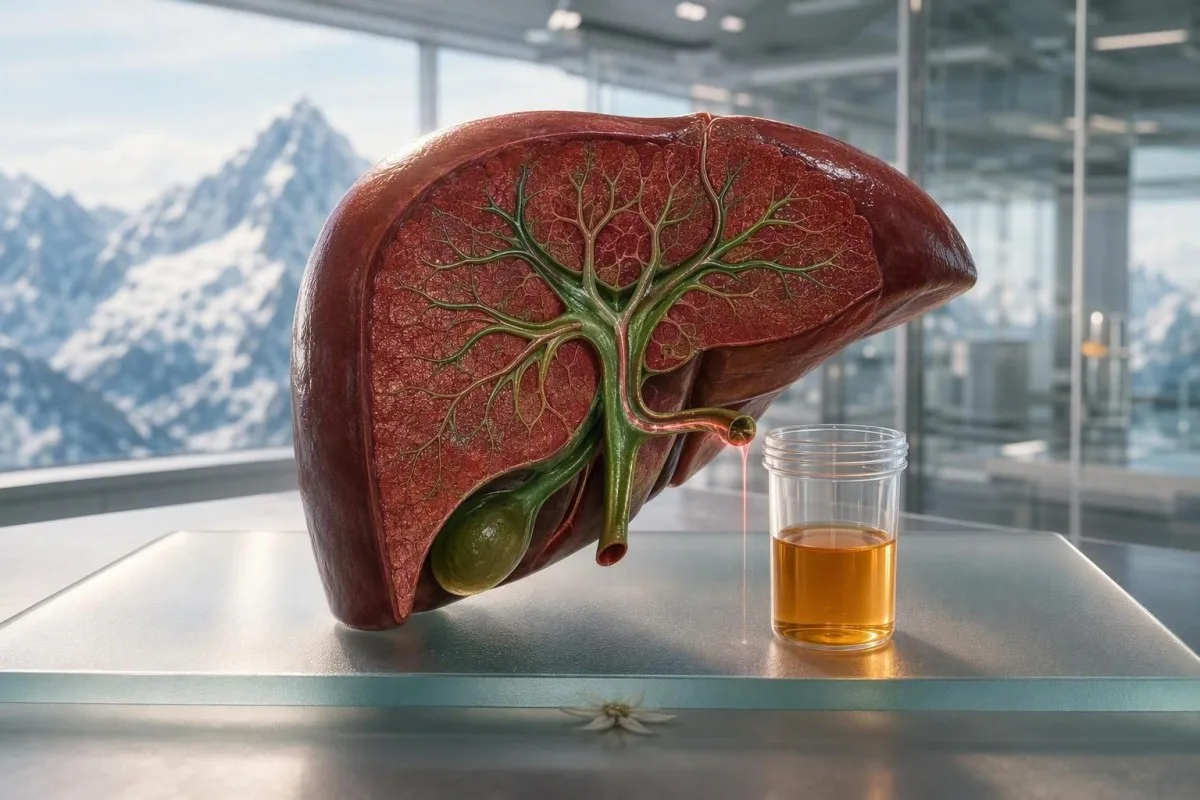
ڊِپ اسٽِڪ تي بيليروبن جو مثبت نتيجو عام طور تي ڪنجيگيٽڊ بيليروبن جي پيشاب تائين پهچڻ کي ظاهر ڪري ٿو. ڀرپاسي جون علامتون، پيشاب جا نتيجا، ۽ جگر پينل اهو طئي ڪن ٿا ته ورجائي جاچ مناسب آهي يا فوري جائزو وٺڻ وڌيڪ محفوظ آهي.



- پيشاب ۾ bilirubin عام طور تي منفي هجڻ گهرجي، ڇاڪاڻ ته صرف پاڻيءَ ۾ حل ٿيندڙ ڪنجيگيٽڊ بيليروبن ئي پيشاب ۾ داخل ٿي سگهي ٿو.
- پيشاب ۾ بيليروبن جو مثبت هجڻ اڪثر ڪري هيپاٽو سيلولر نقصان يا بائل جي وهڪري ۾ رڪاوٽ ڏانهن اشارو ڪري ٿو، نه ته غير پيچيده Gilbert syndrome يا اڪيلائيءَ واري haemolysis ڏانهن.
- Cholestatic نمونو مطلب ته alkaline phosphatase ۽ GGT، ALT کان وڌيڪ وڌن ٿا؛ R ratio 2 يا گهٽ هن نموني جي حمايت ڪري ٿو.
- هيپاٽو سيلولر نمونو مطلب ته ALT غير متناسب طور وڌي ٿو؛ R ratio 5 يا وڌيڪ جگر-سيل نقصان جي حمايت ڪري ٿو.
- تڪڙي خبرداري جا نشان شامل ٿي سگهن ٿيون: بخار، ساڄي مٿئين پيٽ ۾ سور، پيليون اکيون، هلڪا پاخانا، مونجهارو، يا تيزيءَ سان اونداهو ٿيندڙ پيشاب.
- ٻيهر ٽيسٽ صرف تڏهن ئي مناسب آهي جڏهن علامتن کان سواءِ، نموني جي هٿ ڪرڻ ۽ دوائن جو جائزو وٺڻ کان پوءِ، هڪ غير متوقع الڳ ڊِپ اسٽِڪ ڳولها ملي.
- رت جا ٽيسٽ عام طور تي شامل هوندا آهن: total ۽ direct bilirubin، ALT، AST، ALP، GGT، albumin، INR، ۽ مڪمل خون جو شمارو.
- غلط نتيجا ٿي سگهي ٿو جڏهن پيشاب پراڻو هجي يا روشنيءَ ۾ بي نقاب هجي، ۽ فينازوپيرائيڊين غلط-مثبت رنگي مداخلت پيدا ڪري سگهي ٿي.
ڊِپ اسٽِڪ جو مثبت نتيجو اصل ۾ ڇا ڳولي ٿو
A مثبت پيشاب بيليروبن نتيجو اهو ظاهر ڪري ٿو ته ڊِپ اسٽِڪ پيشاب ۾ ڪنجيگيٽڊ، پاڻيءَ ۾ حل ٿيندڙ بيليروبن کي ڳولي ورتو. اهو ڪنهن مخصوص بيماري جي تشخيص نٿو ڪري، پر بالغ ۾ ان جي پيروي ضروري آهي، ڇاڪاڻتہ ڪنجيگيٽڊ بيليروبن عام طور تي پيشاب ۾ تڏهن پهچي ٿو جڏهن جگر جي پروسيسنگ يا بائل جي نيڪال ۾ رڪاوٽ ٿئي؛ بخار، يرقان، مٿئين پيٽ جو سور، هلڪا پاخانا، يا الٽي ان پيروي کي ساڳئي ڏينهن تائين اڳتي وڌائين.
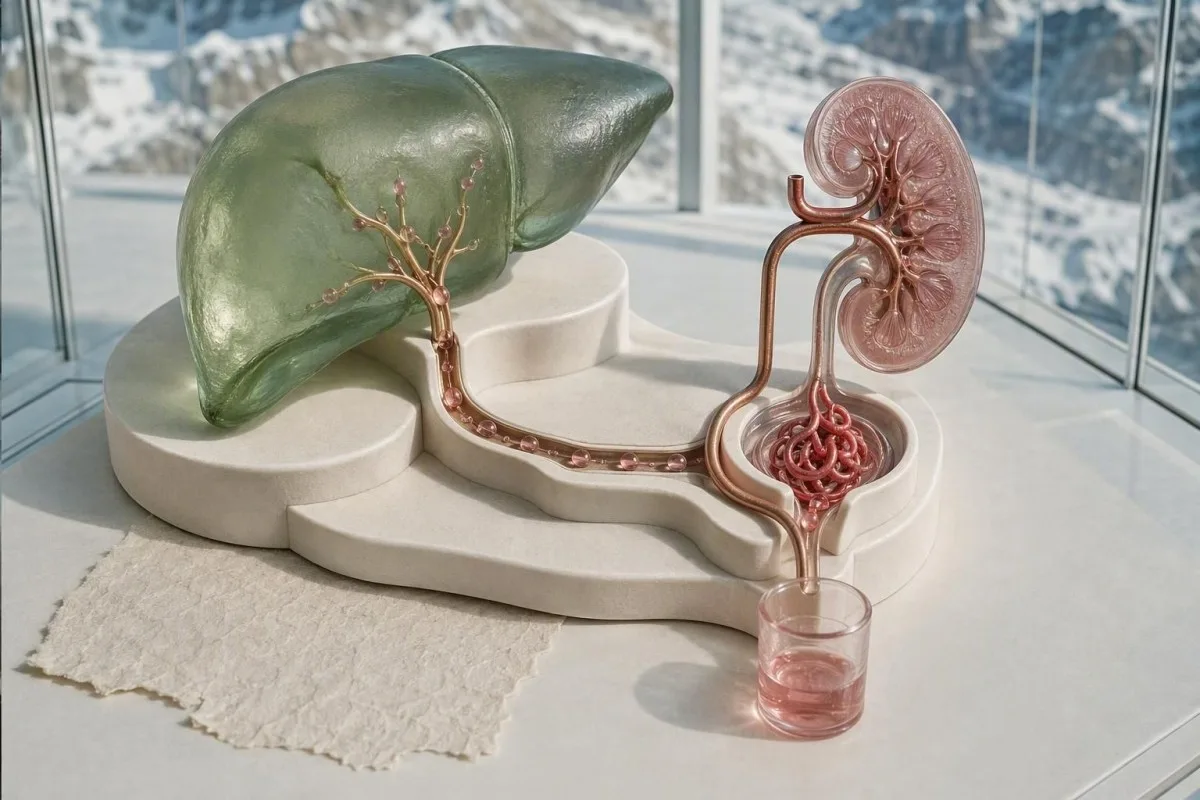
عام پيشاب جي جاچ ۾ بيليروبن جو نتيجو آهي منفي. بيليروبن پهرين هيموگلوبن جي ٽٽڻ مان پيدا ٿيندڙ هڪ پيداوار طور شروع ٿئي ٿو، پوءِ غير-ڪنجيگيٽڊ صورت ۾ جگر ڏانهن سفر ڪري ٿو، ۽ بائل ۾ داخل ٿيڻ کان اڳ ڪنجيگيٽڊ ٿي وڃي ٿو؛ ڪنجيگيٽڊ صورت ايتري پاڻيءَ ۾ حل ٿيندڙ هوندي آهي جو جڏهن رت ۾ ان جي مقدار وڌي ٿي ته گردا ان کي فلٽر ڪري سگهن ٿا.
هڪ ئي مثبت پٽي اڪثر شدت جو نمبر نه پر شروعاتي اشارو هوندو آهي. مون ڏٺو آهي ته ماڻهو اکين جي واضح پيلو ٿيڻ کان 24 کان 48 ڪلاڪ اڳ چانهه جهڙو رنگ وارو پيشاب نوٽ ڪندا آهن، خاص طور تي شروعاتي رڪاوٽ يا دوائن سان لاڳاپيل جگر جي زخمي ٿيڻ ۾؛ پر صرف پيشاب جو رنگ اڪيلو بيليروبن جي قابلِ اعتماد ماپ نه آهي.
ڊاڪٽر ٿامس ڪلين جو عملي قاعدو اهو آهي ته هن نتيجي کي باقي پيشاب جي جاچ سان گڏ پڙهجي، نه ته اڪيلو ئي خبرداريءَ وانگر. رپورٽ تي موجود مخففن جي سادي ٻوليءَ ۾ سمجهاڻي لاءِ، ڏسو اسان جي گائيڊ پيشاب جي جاچ جي اصطلاحن بابت. Kantesti هڪ اي آءِ بلڊ ٽيسٽ اينالائيزر جيڪا لاڳاپيل جگر پينل کي حوالي ۾ رکي ٿي، جڏهن ته هڪ ڪلينشين کي اڃا به مثبت پيشاب ٽيسٽ ۽ علامتن جو جائزو وٺڻو پوندو.
اڻ سڌي بيليروبن عام طور تي نه هئڻ باوجود بيليروبن پيشاب ۾ ڇو داخل ٿئي ٿو
ڪنجيگيٽڊ بيليروبن پيشاب ۾ ظاهر ٿئي ٿو ڇاڪاڻتہ اهو پاڻيءَ ۾ حل ٿي وڃي ٿو؛ غير-ڪنجيگيٽڊ بيليروبن البومين سان مضبوط طور جڙيل هوندو آهي ۽ عام طور تي گردي جي فلٽر مان گذري نٿو سگهي. اهو ئي فرق آهي جنهن جي ڪري بيليروبنوريا بائل جي وهڪري يا جگر جي سيلن جي نموني کي الڳ ٿيل ڳاڙهي رت جي سيلن جي ٽٽڻ کان ڌار ڪرڻ ۾ مدد ڪري سگهي ٿي.

ڪيترن ئي بالغ ليبارٽرين ۾ ٽوٽل بيليروبن تقريباً 0.2 کان 1.2 mg/dL (3 کان 20 micromol/L) هوندو آهي، ۽ ڊائريڪٽ بيليروبن اڪثر هيٺ هوندو آهي 0.3 mg/dL (5 micromol/L). حوالا وقفا طريقيڪار موجب مختلف ٿين ٿا، پر مثبت پيشاب پٽي معيار طور غيرمعمولي هوندي آهي جيتوڻيڪ سيرم بيليروبن جي قيمت صرف هاڻي ئي وڌڻ شروع ڪئي هجي.
الڳ ٿيل هيمولائسز ۾ وڌيڪ غير-ڪنجيگيٽڊ بيليروبن پيدا ٿيندو آهي، پر پيشاب ۾ بيليروبن پيڊ عام طور تي منفي ئي رهندو آهي. يوروبيلينوگين ان حالت ۾ وڌي سگهي ٿو، پر اهو روشني ۽ هوا ۾ غير مستحڪم هوندو آهي، تنهنڪري ان کي اڪيلو استعمال ڪري هيمولائسز کي “ٿي رهيو آهي” يا “نه ٿي رهيو آهي” ثابت ڪرڻ لاءِ ڪڏهن به استعمال نه ڪيو وڃي.
اهو ئي سبب آهي ته روزو رکڻ سان لاڳاپيل بيليروبن ۾ وڌو، جيڪو اڪثر Gilbert syndrome ۾ ڏٺو ويندو آهي، عام طور تي بيليروبنوريا پيدا نٿو ڪري. هڪ مفيد گڏيل وضاحت آهي اسان جي گائيڊ سڌو ۽ اڻ سڌو بيليروبن, ، جيڪا ڏيکاري ٿي ته حصو (fraction) ڇو مجموعي جيترو ئي اهميت رکي ٿو.
جگر-سيل جو نمونو: جڏهن ALT ۽ AST ڪهاڻي اڳتي آڻين
A هيپاٽو سيلولر (جگر جي سيلن وارو) نمونو تڏهن ٿئي ٿو جڏهن ALT ۽ AST الڪلائن فاسفٽيز جي ڀيٽ ۾ تمام گهڻو وڌن، جنهن مان ظاهر ٿئي ٿو ته جگر جي سيلن کي نقصان پهچي رهيو آهي، نه ته بنيادي طور بائل جي نيڪال ۾ رڪاوٽ. R ratio 5 يا وڌيڪ—ALT کي ان جي عام حدِ مٿئين حد (upper limit of normal) سان ورهائي، پوءِ ALP کي ان جي عام حدِ مٿئين حد سان ورهائي—هن نموني جي حمايت ڪري ٿو.

ALT عام طور تي تقريباً 7 کان 56 U/L ۽ AST بابت 10 کان 40 U/L بالغن ۾، جيتوڻيڪ هر ليبارٽري پنهنجو ئي وقفو مقرر ڪري ٿي. وائرل هيپاٽائيٽس، ميٽابولڪ ڊسفنڪشن-اسوسيئيٽيڊ اسٽياتوٽڪ ليور ڊيزيز، شراب سان لاڳاپيل نقصان، جگر ڏانهن رت جي فراهمي گهٽجڻ، ۽ دوا سبب جگر جو نقصان—سڀئي هي نمونو مثبت يورين بيليروبن سان پيدا ڪري سگهن ٿا.
اينزائم جو مطلق انگ قابلِ اعتماد نموني اهو نٿو ٻڌائي ته ڪو ماڻهو ڪيترو بيمار آهي. ALT جو 450 U/L رکندڙ شخص عارضي دوا جي ردِعمل کان پوءِ مڪمل طور تي صحتياب ٿي سگهي ٿو، جڏهن ته گهٽ ALT سان گڏ وڌندڙ بيليروبن، وڌايل INR، مونجهارو، يا گهٽ البومين وڌيڪ خراب جگر جي ڪارڪردگي جو اشارو ڏئي سگهي ٿو.
جڏهن مان هن ڪلسٽر جو جائزو وٺان ٿو، ته پهرين مان ٽائيم لائن چيڪ ڪريان ٿو: نيون تجويزون، اوور دي ڪائونٽر پراڊڪٽس، ايسيتامينوفين جي ڊوز، تازو بيمار ٿيڻ، وزن ۾ تبديلي، ۽ شراب جي نمائش. اسان جو جائزو جگر پينل ۾ ڇا شامل هوندو آهي توهان کي سڃاڻڻ ۾ مدد ڪري سگهي ٿو ته ڪهڙا نتيجا انهي گفتگو سان تعلق رکن ٿا.
بائل-نلي جو نمونو: جڏهن نيڪال ۾ رڪاوٽ ٿيڻ جا امڪان وڌيڪ هجن
A ڪوليسٽٽڪ نمونو تڏهن ٿئي ٿو جڏهن الڪالائن فاسفٽيز ۽ GGT، ALT کان وڌيڪ وڌن—اڪثر ڪري سڌي بيليروبن ۾ واڌ ۽ بيليروبينوريا سان. R تناسب جو 2 يا گهٽ ڪوليسٽيسس جي حمايت ڪري ٿو، جڏهن ته 2 کان 5 مان تناسب کي مِڪسڊ سمجهيو وڃي ٿو.
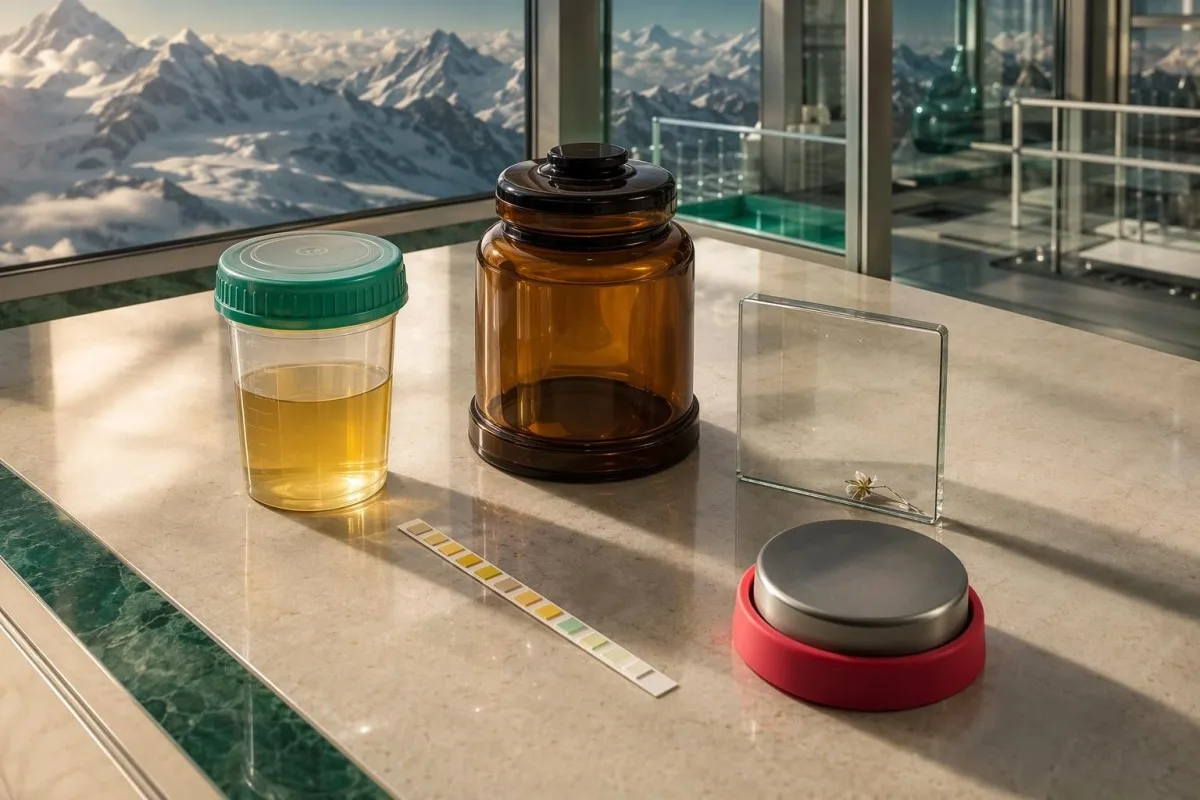
الڪالائن فاسفٽيز اڪثر تقريباً 44 کان 147 U/L بالغن ۾ هوندو آهي، پر عمر، حمل، ۽ هڏن جي ٽرن اوور ان کي غير بائليري سببن لاءِ وڌائي سگهن ٿا. GGT، جڏهن ALP وڌيل هجي ته هيپاٽو بائليري ماخذ جي تصديق ۾ مدد ڪري ٿو، جيتوڻيڪ GGT اڪيلو به شراب جي نمائش، ميٽابولڪ ليور بيماري، ۽ ڪيترين ئي دوائن سان وڌي سگهي ٿو.
گال اسٽونز، بائل-ڊڪٽ جو تنگ ٿيڻ، پينڪرياز واري علائقي جي بيماري، پرائمري بائليري ڪولانگائٽس، ۽ دوا جا اثر بائل جي وهڪري کي روڪي يا سست ڪري سگهن ٿا. EASL ڪوليسٽٽڪ ليور ڊيزيز گائيڊ لائن سفارش ڪري ٿي ته جڏهن ڪوليسٽيسس جو شڪ هجي ته پهريون اميجنگ ٽيسٽ طور ايبڊومينل الٽراسائونڊ استعمال ڪيو وڃي، ڇاڪاڻ ته اهو ريڊيئيشن کان سواءِ ڊڪٽ ڊائليٽيشن يا گال اسٽونز سڃاڻي سگهي ٿو (EASL, 2009).
اها گڏيل حالت جيڪا تڪڙ بدلائي ٿي اها آهي يرقان + بخار + ساڄي مٿئين پيٽ جو سور; ؛ اهو اپرائينگ ڪولانگائٽس ظاهر ڪري سگهي ٿو ۽ فوري طور تي ذاتي (in-person) جائزو ضروري آهي. اينزائم نموني بابت وڌيڪ ڄاڻ لاءِ ڏسو ڪوليسٽيسس بلڊ ٽيسٽ جا اشارا.
پيشاب جي جاچ (urinalysis) ۾ بيليروبن پيڊ ڪيترو صحيح آهي؟
بيليروبن ڊِپ اسٽڪ اسڪريننگ لاءِ مفيد آهي، پر اهو نموني جي عمر، روشنيءَ جي نمائش، رنگ جي مداخلت، ۽ ٽيڪنڪ کان متاثر ٿي سگهي ٿو. تازو، محفوظ ڪيل پيشاب جو نمونو ڪيترن ڪلاڪن تائين تيز روشنيءَ هيٺ بيٺل نموني مان پٽي پڙهڻ کان وڌيڪ قابلِ اعتماد هوندو آهي.
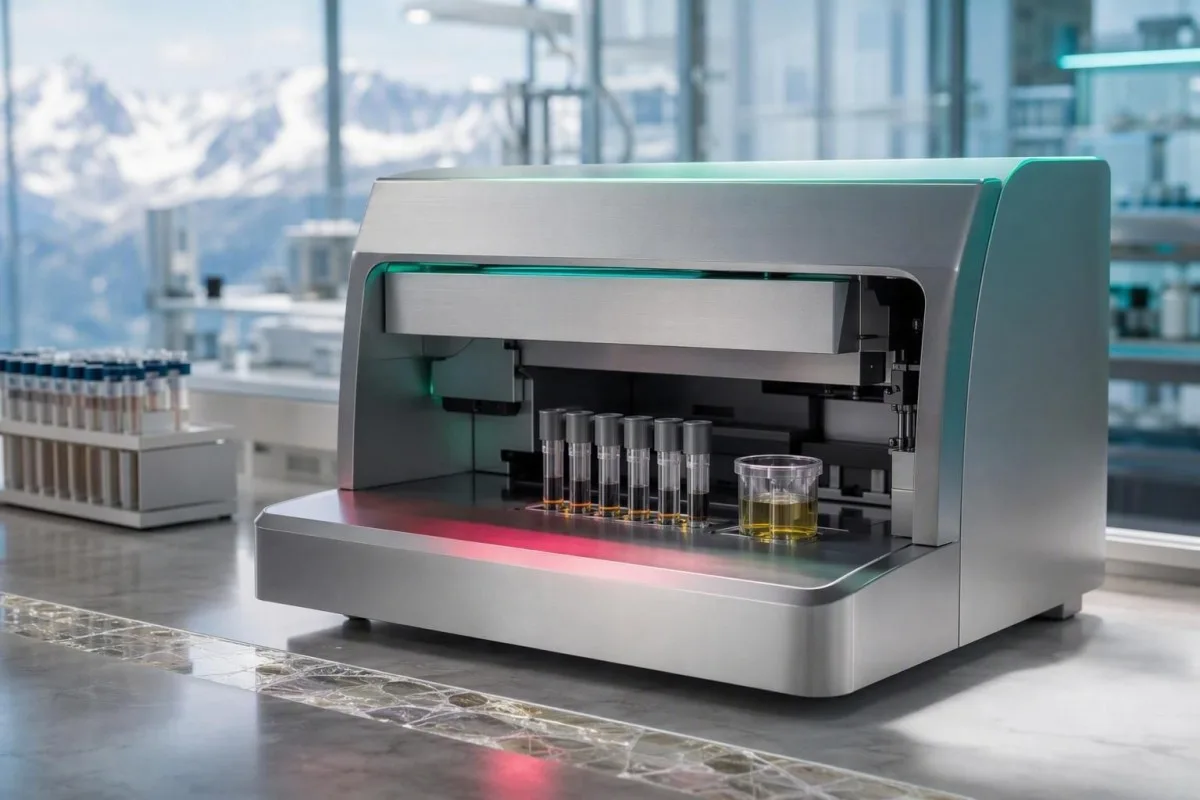
ري ايجنٽ پيڊ هڪ ڊاءِازو رِايڪشن استعمال ڪري ٿو جيڪو بيليروبن جي موجودگي ۾ رنگ تبديل ڪري ٿو. سڌي سج جي روشني بيليروبن کي خراب ڪري سگهي ٿي ۽ غلط-منفي نتيجو پيدا ڪري سگهي ٿي، جڏهن ته تمام گهڻي وٽامن C جي مقدار، نائٽريٽ، ۽ تمام تيزابي پيشاب جو نمونو به ڊِپ اسٽڪ جي حساسيت گهٽائي سگهي ٿو.
فينازوپيرائيڊين، جيڪو پيشاب جي تڪليف لاءِ استعمال ٿيندو آهي، عام طور تي پيشاب کي نارنگي ڪري ٿو ۽ رنگ جي تشريح ۾ مداخلت ڪري سگهي ٿو. ڪلورپرومازين ميٽابولائٽس ۽ ايٽوڊولڪ ميٽابولائٽس به غلط-مثبت بيليروبن پيڊ ردِعمل پيدا ڪرڻ لاءِ رپورٽ ڪيا ويا آهن؛ هر تجويز، سپليمينٽ، ۽ غير تجويز ڪيل پراڊڪٽ کي جائزي لاءِ آڻيو.
پيشاب جي جاچ (urinalysis) ۾ بيليروبن جو مثبت نتيجو، جيڪڏهن علامتون يا غير معمولي ليور نتيجا گڏ هجن ته بار بار پٽيون استعمال ڪرڻ بدران سيرم ٽيسٽ سان تصديق ڪرڻ گهرجي. اسان جي تفصيلي urobilinogen ۽ urinalysis گائيڊ وضاحت ڪري ٿي ته گهٽ يا غير موجود يوروبيلينو جين جو نتيجو مڪمل رڪاوٽ جي حمايت ڪري سگهي ٿو، پر پاڻ طرفان ان جي تصديق نٿو ڪري سگهي.
ڪهڙيون جاچون پيشاب ۾ بيليروبن جي مثبت نتيجي کي واضح ڪن ٿيون
تصديق ٿيل بيليروبينوريا کان پوءِ عام ايندڙ قدم اهو آهي ته بيليروبين جي ڀاڱن سميت ليور ڪيمسٽري پينل, ، صرف اڪيلو گردي جو جائزو نه. ڪل بيليروبين، ڊائريڪٽ بيليروبين، ALT، AST، ALP، GGT، البومين، CE، مڪمل خون جو شمارو، ۽ ڪڏهن ڪڏهن هيپاٽائيٽس جاچ، نمونو ۽ ان جي تڪڙ کي طئي ڪن ٿا.
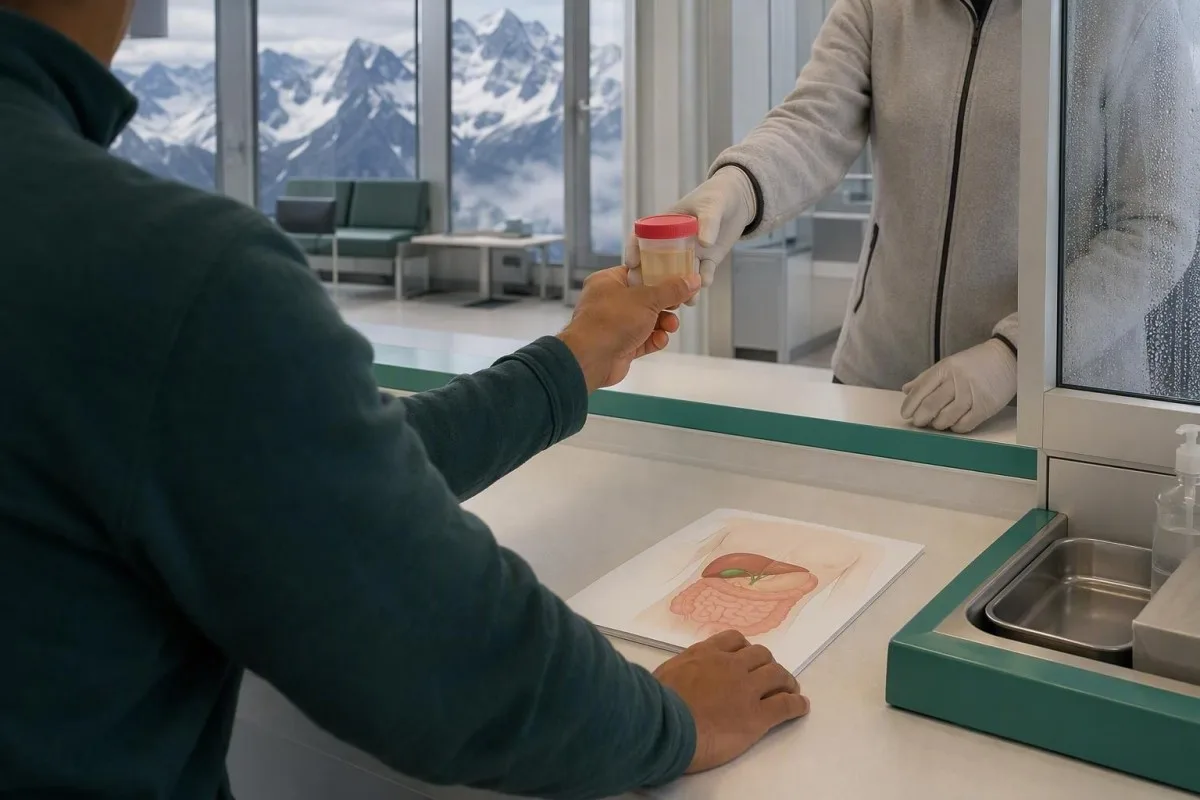
سڌو بيليروبن مٿي 0.3 mg/dL ڪيترن ئي ليبارٽرين ۾ ريفرنس وقفي کان مٿي هوندو آهي، پر ڪلينشين هڪڙي واحد ڪٽ آف جي بدران مڪمل نموني تي ڌيان ڏين ٿا. البومين هيٺ اڪثر يا CE مقامي ريفرنس رينج کان مٿي هجي ته ليور جي مصنوعي (synthetic) ڪم ۾ گهٽتائي جو اشارو ٿي سگهي ٿو، جيتوڻيڪ غذائيت، سوزش، ۽ اينٽي ڪوئگولنٽس انهن جاچن کي گمراهه ڪري سگهن ٿا.
جيڪڏهن ALP ۽ GGT وڌيل هجن ته اڪثر الٽراسائونڊ پهريون اميجنگ مطالعو هوندو آهي؛ جيڪڏهن ALT غالب هجي ته تاريخ (history)، وائرل جاچ، دوائن جو جائزو، ۽ ميٽابولڪ خطري جو جائزو پهريان ٿي سگهي ٿو. Kantesti هڪ AI blood test interpretation پليٽ فارم آهي جيڪو انهن رت جي نتيجن کي هيپاٽو سيلولر، ڪوليسٽٽڪ، يا مڪسڊ نموني مطابق ترتيب ڏئي سگهي ٿو، پر اهو امتحان، اميجنگ، يا ڪلينشين جي تشخيص جو متبادل ناهي.
ليور ٽيسٽنگ ۾ ظاهر ٿي سگدڙ مارڪرن جي رينج بابت مفيد حوالي لاءِ، اسان جي رت جي چڪاس جي بايو مارڪرز جي رهنمائي. GGT ليبارٽري جي مٿئين حد کان مٿي—اڪثر لڳ ڀڳ 60 U/L بالغ مردن ۾ ۽ 40 U/L بالغ عورتن ۾—وڌيڪ ڄاڻ ڏيندڙ آهي جڏهن ALP به وڌيل هجي؛ اسان جو GGT رينج گائيڊ انهن احتياطن (caveats) کي بيان ڪري ٿو.
جڏهن پيشاب ۾ بيليروبن جو مثبت هجڻ ساڳئي ڏينهن سنڀال جي ضرورت رکي ٿو
مثبت يورين بيليروبين کي ساڳئي ڏينهن طبي جائزو گهرجي جڏهن اهو بخار، مسلسل الٽي، سخت مٿئين پيٽ جو سور، پيليون اکيون يا چمڙي، بيچيني/مونجهارو، نوان نِيل/نِيلن جا نشان (bruising)، يا هلڪا (پيل) پاخانا سان گڏ هجي. اهي علامتون بند ٿيل بائل جي وهڪري، اهم هيپاٽائيٽس، يا شديد ليور جي خرابي سان گڏ ٿي سگهن ٿيون.
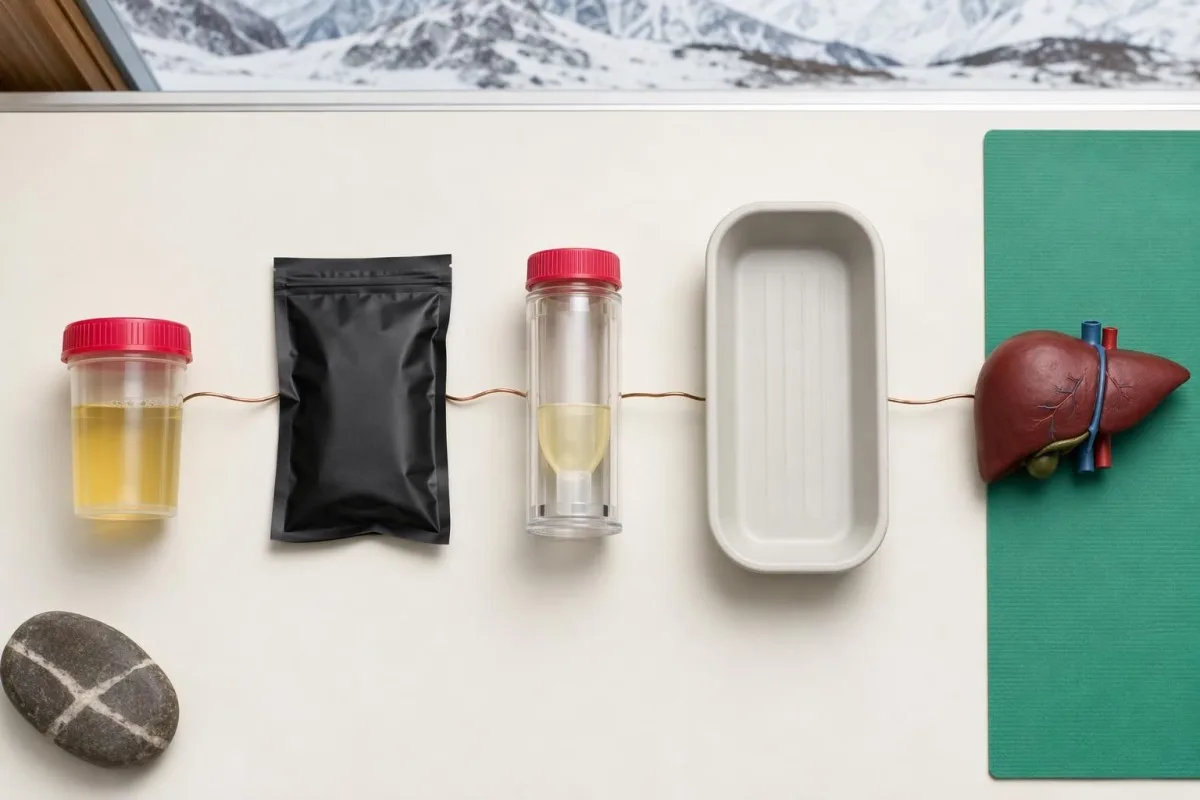
نئون يارلو (jaundice) عام طور تي تڏهن نظر اچي ٿو جڏهن ڪل سيرم بيليروبين اڪثر لڳ ڀڳ 2 کان 3 mg/dL (34 کان 51 مائڪرو مول/L) جي ويجهو هجي، جيتوڻيڪ چمڙي جو رنگ ۽ ڪمري جي روشني سڃاڻپ تي اثرانداز ٿين ٿا. اونداهي پيشاب اڳ به ٿي سگهي ٿو ڇاڪاڻ ته ڪنجيگيٽڊ بيليروبين پاڻي ۾ حل ٿيندڙ آهي، تنهنڪري جيڪڏهن ٻيون خبرداري واريون علامتون موجود هجن ته واضح پيلي چمڙي جو انتظار نه ڪريو.
مونجهاري، واضح ننڊ/بيهوشي جهڙي حالت، بيهوش ٿيڻ، ڪارا پاخانا، اهڙي الٽي جيڪا پاڻي نه رکي سگهي، يا بخار سان گڏ سخت سور لاءِ فوري طور ايمرجنسي سنڀال طلب ڪريو. اهي نشان بيليروبين پاڻ سبب نه هوندا آهن؛ اهي اهم آهن ڇاڪاڻ ته اهي انفيڪشن، خونريزي، ڊي هائيڊريشن، ليور فيلئر، يا ٻي وقت-حساس پيچيدگي جو اشارو ڏئي سگهن ٿا.
منهنجي ڪلينڪل تجربي ۾، ماڻهو ڪڏهن ڪڏهن هلڪا يا پَٽي جهڙا رنگ وارا پاخانا کي غذا جي تبديلي سمجهي رد ڪري ڇڏيندا آهن. مسلسل هلڪا پاخانا اونداهي پيشاب سان گڏ، صرف ڪنهن هڪ علامت کان وڌيڪ مخصوص بائل-وهڪري جي نشاني آهي؛ ڏسو جڏهن بيليروبين خبرداري واريون نشانيون اهم ٿين ٿيون عملي علامتي چيڪ لسٽ لاءِ.
جڏهن ورجائي پيشاب جي جاچ ڪافي آهي—۽ جڏهن نه آهي
24 کان 72 ڪلاڪن اندر پيشاب جي ٽيسٽ کي ورجائڻ مناسب ٿي سگهي ٿو، جيڪڏهن ڪنهن چڱي صحت واري شخص ۾ اوچتو الڳ مثبت نتيجو اچي ۽ نمونو مشڪوڪ هجي، ۽ يرقان (جائونڊس)، سور، بخار، يا غير معمولي جگر جي تاريخ موجود نه هجي. جيڪڏهن نتيجو برقرار رهي، علامتون موجود هجن، يا نمونو واضح طور تي تازو ۽ صحيح نموني سنڀاليل هجي ته فوري طور تي رت جي جاچ ڪرڻ وڌيڪ محفوظ آهي.
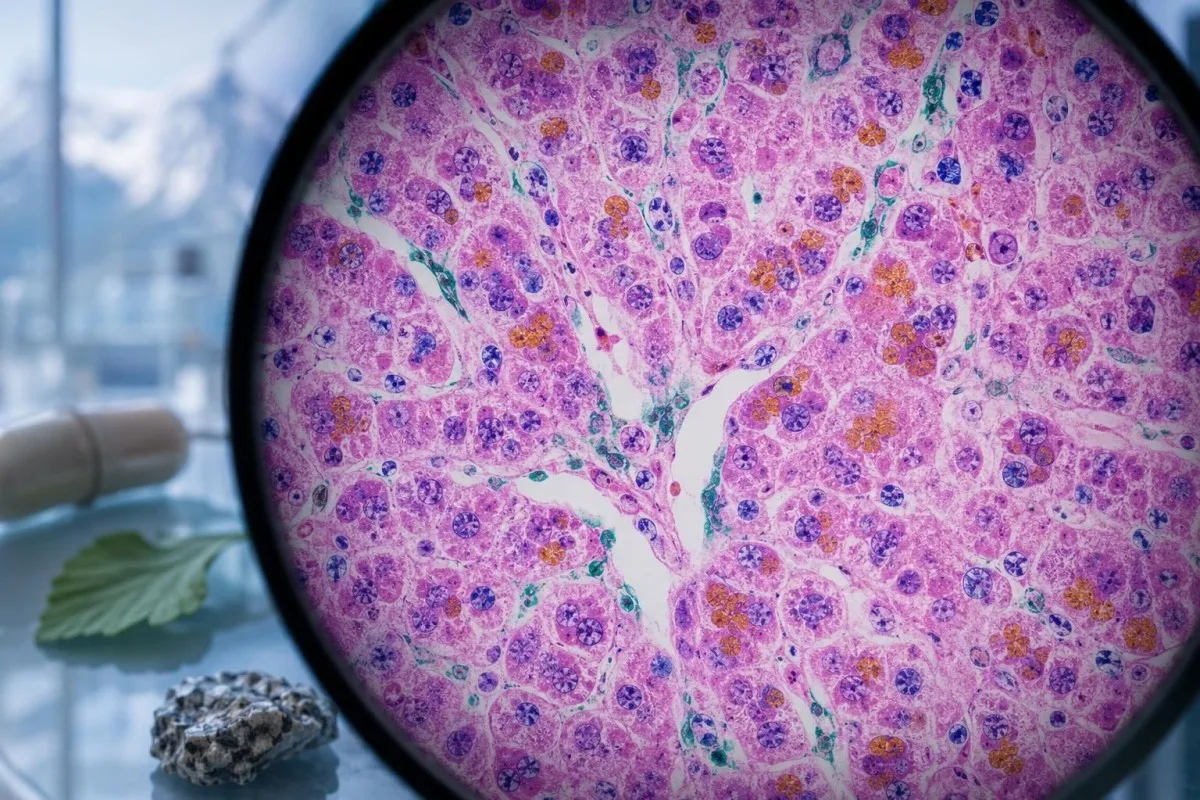
هڪ تازو مڊ اسٽريم نمونو سان ورجائي ٽيسٽ ڪريو، جيڪو سج جي روشني کان محفوظ هجي؛ مثالي طور تي غير ضروري رنگ بدلائيندڙ پيشاب واريون دوائون کان پاسو ڪرڻ کان پوءِ، صرف تڏهن جڏهن ڪو ڪلينشين يا فارماسسٽ چوي ته اهو محفوظ آهي. نتيجو بهتر ڪرڻ لاءِ تجويز ڪيل علاج کي بند نه ڪريو؛ شڪ ٿيل دوا سان لاڳاپيل جگر جي زخم (لِور انجري) لاءِ گهر ۾ آزمائش نه، پر طبي صلاح ضروري آهي.
آمريڪن ڪاليج آف گيسٽرو اينٽرولوجي سفارش ڪري ٿي ته غير معمولي جگر جي ڪيمسٽري کي ورجائي تصديق ڪئي وڃي ته جيئن غير متوقع نتيجو کي وسيع جاچ کان اڳ پڪ ڪري سگهجي، جڏهن ڪلينڪل صورتحال مستحڪم هجي (Kwo et al., 2017). اها سفارش ڪنهن اهڙي شخص تي لاڳو نٿي ٿئي جنهن کي يرقان هجي، سسٽمڪ بيماري هجي، شديد سور هجي، حمل سان لاڳاپيل خارش هجي، يا نتيجو تيزي سان تبديل ٿي رهيو هجي.
ڊاڪٽر ٿامس ڪلين هڪ سادي فرق بيان ڪن ٿا: ورجايو ٽيسٽ جڏهن پري-اينالائيٽڪ (ٽيسٽ کان اڳ واري) غلطي ممڪن هجي؛ علامتون هجن يا جگر-پينل جو ملندڙ نمونو موجود هجي ته شخص کي فوري طور جائزو وٺو. جيڪڏهن توهان وٽ اڳوڻا نتيجا آهن، ته دوري-وچ مقابلو ڏيکاري سگهي ٿو ته بيليروبن يا اينزائمز اڳ ۾ ئي مٿي وڃي رهيا هئا يا نه.
اهڙيون دوائون، سپليمنٽس، ۽ نمائشون جيڪي نمونو تبديل ڪري سگهن ٿيون
تجويز ڪيل دوائون، جڙي ٻوٽين جون شيون، هاءِ ڊوز سپليمينٽس، ۽ شراب پيشاب ۾ بيليروبن جو مثبت نتيجو سبب بڻجي سگهن ٿا—يا ته جگر جي سيلن کي نقصان پهچائي، يا بائل (پت) جي ٽرانسپورٽ کي متاثر ڪري. لاڳاپيل نمائش اڪثر ڪري اها هوندي آهي جيڪا اڳوڻن 5 کان 90 ڏينهن, اندر شروع ڪئي وئي هجي، جيتوڻيڪ وقت مختلف دوائن موجب گهڻو بدلجي سگهي ٿو.
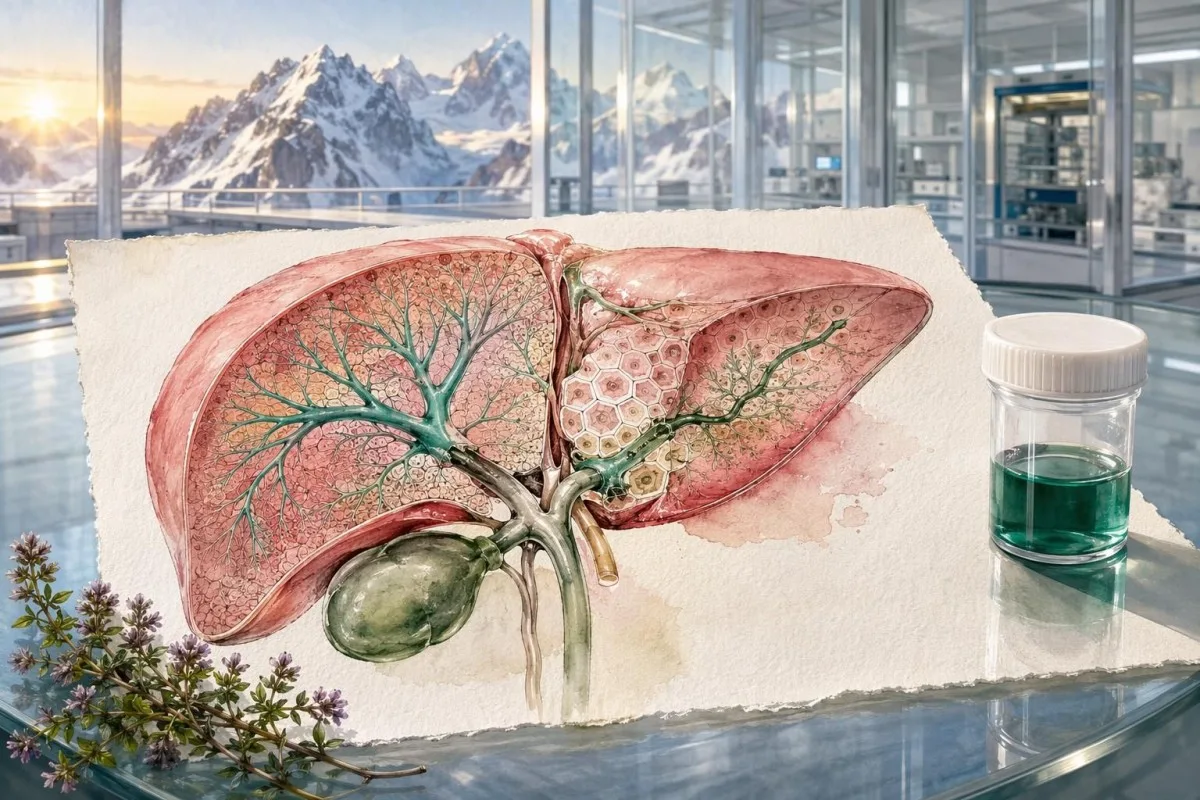
اموڪسيسلن-ڪلويولينٽ، اينابولڪ-اينڊروجينڪ اسٽيرائڊز، ڪجهه ضد-دَور (anti-seizure) دوائون، ٽي بي جون دوائون، ۽ ڪجهه مخصوص اميون ٿراپيز جگر جي دوا-سبب زخم جا چڱيءَ طرح ڄاتل سبب آهن. نمونو هيپاٽو سيلولر، ڪوليسٽٽڪ، يا مِڪسڊ ٿي سگهي ٿو، تنهنڪري ساڳيو پراڊڪٽ ٻن ماڻهن تي بلڪل مختلف اثر ڪري سگهي ٿو.
اي سيٽامينوفين (Acetaminophen) کي الڳ ڌيان ڏيڻ گهرجي، ڇاڪاڻ ته اوورڊوز شديد هيپاٽو سيلولر نقصان جو سبب بڻجي سگهي ٿي؛ بالغن کي عام طور تي 4,000 mg کان وڌيڪ نه ھجڻ گھرجي, کان وڌيڪ نه ڪرڻ گهرجي، ۽ جگر جي بيماري، گهڻو شراب استعمال، وڏي عمر، يا خراب غذائيت سان لاڳاپيل حالتن ۾ ڪلينشين جي هدايت ڪيل گهٽ حدون وڌيڪ مناسب آهن. ٿڌ ۽ سور جون گڏيل دوائون اڪثر ڪري حادثاتي ڊبل ڊوزنگ جو سبب بڻجن ٿيون.
ليبلن جون تصويرون آڻيو، جن ۾ چانهه ۽ پائوڊر به شامل هجن، صرف يادگيري تي ڀروسو نه ڪريو. اسان جي جگر جي صحت لاءِ سپليمينٽس بابت جائزي ۾ بيان ڪيو ويو آهي ته “قدرتي” ڇو حفاظت جي ڪيٽيگري نه آهي ۽ شڪ ٿيل پراڊڪٽ کي بند ڪرڻ بابت ڪلينشين سان ڳالهه ٻولهه ڇو ضروري آهي.
خاص حالتون: حمل، ٻار، ۽ بعد جي عمر
حمل دوران، ٻار ۾، يا ڪمزور/ناتوان وڏي عمر واري شخص ۾ بيليروبنوريا (پيشاب ۾ بيليروبن) لاءِ ڪلينشين سان رابطو ڪرڻ جي حد گهٽ رکڻ گهرجي، ڇاڪاڻ ته سبب ۽ نتيجا مختلف هوندا آهن. حمل ۾، هٿن جي کجين يا پيرن جي تلوئن جي خارش سان گڏ غير معمولي بائل مارڪرز، حمل جي اندروني جگر جي ڪوليسٽاسس (intrahepatic cholestasis of pregnancy) جو اشارو ٿي سگهي ٿو ۽ ان لاءِ اوبسٽٽريڪل جائزو ضروري آهي.
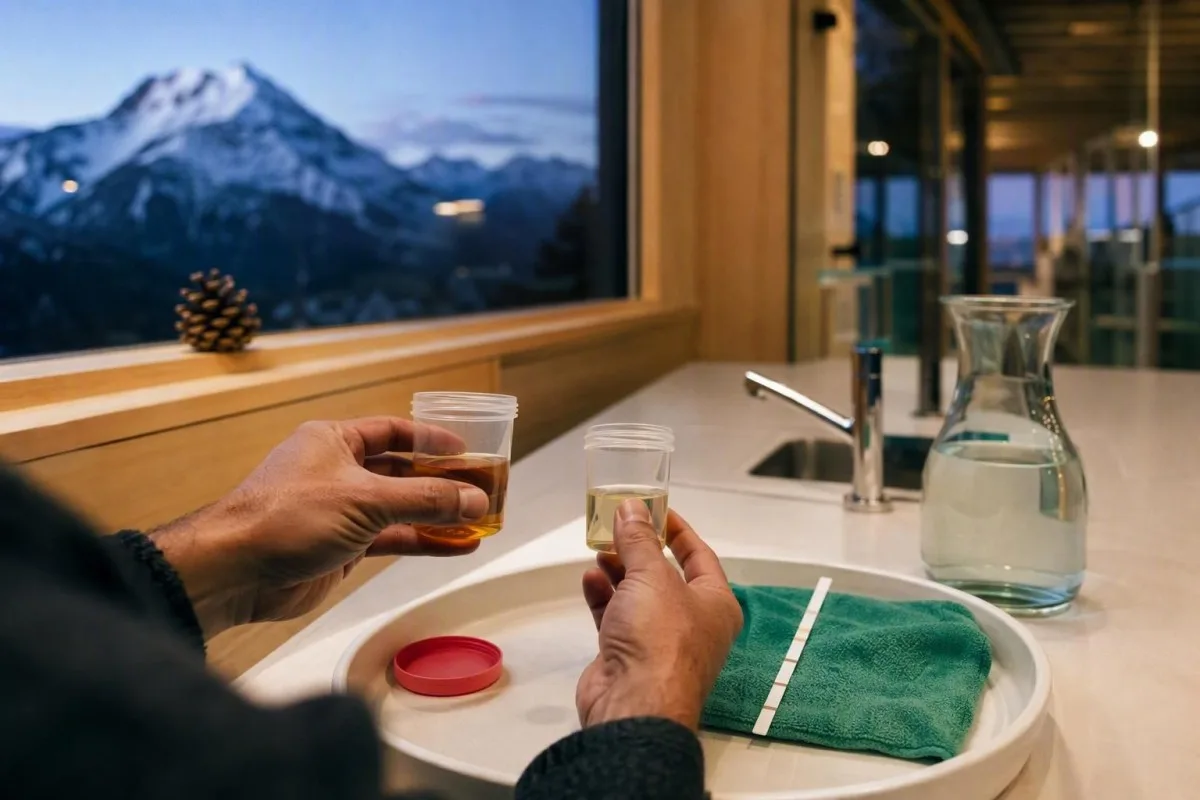
حمل ۾ ALP وڌي سگهي ٿو، ڇاڪاڻ ته پلاسينٽا (placenta) ان کي پيدا ڪري ٿي، تنهنڪري مِڊ-حمل کان پوءِ صرف ALP وڌڻ ايترو مفيد نه هوندو آهي. بيليروبن کي اڃا به ALT، AST، بائل ايسڊز (جڏهن اشارو هجي)، بلڊ پريشر، علامتن، ۽ جنين-او بسٽٽريڪل حوالي سان تشريح ڪرڻ گهرجي؛ ڳاڙهو پيشاب ۽ خارش کي سپليمينٽس سان پاڻمرادو سنڀالڻ نه گهرجي.
يرقان واري ٻارڙي ۾، جيڪڏهن سڌو بيليروبن (direct bilirubin) جي تصديق ٿيل مقدار 1.0 mg/dL يا وڌيڪ فوري طور تي ماهر ڊاڪٽر جي جائزي جي ضرورت آهي، ڇاڪاڻتہ conjugated hyperbilirubinaemia ڪڏهن به physiologic نه سمجهي ويندي آهي. نون ڄاول ٻارن ۾ urine dipstick معياري تشخيصي رستو ناهي، ۽ ٻارن لاءِ reference ranges بالغن جي رپورٽن مان کڻي استعمال نٿا ڪري سگهجن.
وڏي عمر وارن ماڻهن ۾ علامتون گهٽ ٿي سگهن ٿيون، جيتوڻيڪ gallstone obstruction هجي يا دوا سبب نقصان ٿيو هجي، خاص طور تي جيڪڏهن انهن کي diabetes هجي يا cognitive impairment هجي. اسان جي گائيڊ ساڳئي ڏينهن جي pregnancy لاءِ رت جي ٽيسٽ جا ڳاڙها جهنڊا انهن علامتن کي بيان ڪري ٿي جيڪي فوري طور تي maternity care سان رابطو ڪرائڻ گهرجن.
اونداهو پيشاب هميشه بيليروبن نه هوندو—۽ بيليروبن هميشه نظر به نه ايندو آهي
ڳاڙهو پيشاب dehydration، کاڌا، دوائون، myoglobin، haemoglobin، يا bilirubin سبب ٿي سگهي ٿو؛ صرف رنگ سبب ئي سبب طئي نٿو ڪري سگهجي. Bilirubinuria عام طور تي پيشاب کي چانهه يا cola جهڙو رنگ ڏئي ٿي ۽ ڇڪڻ تي مسلسل زرد جھاگ ڇڏي سگهي ٿي، پر ليبارٽري تصديق اڃا به ضروري آهي.

Dehydrated پيشاب وڌيڪ concentrated هوندو آهي ۽ عام طور تي fluids سان هلڪو ٿي ويندو آهي، جڏهنتہ bilirubin سان لاڳاپيل ڳاڙهائپ عام hydration نارمل هئڻ باوجود به برقرار رهي سگهي ٿي. Beets، blackberries، B-complex vitamins، rifampicin، ۽ phenazopyridine سڀ پيشاب جو رنگ تبديل ڪري سگهن ٿا بغير ان جي ته پيشاب ۾ bilirubin ظاهر ٿئي.
microscopy ۾ ٿورن يا بلڪل به نه ڳاڙهن رت جي خاني (red cells) سان گڏ هڪ مثبت “blood” dipstick haemoglobin يا myoglobin جو اشارو ڏئي سگهي ٿو، نه bilirubin جو. انتهائي exertion کان پوءِ عضلاتي سور، ڪمزوري، يا پيشاب جي مقدار ۾ گهٽتائي لاءِ فوري جائزو ضروري آهي، ڇاڪاڻتہ rhabdomyolysis creatine kinase کي تمام گهڻو وڌائي سگهي ٿي 5 ڀيرا مٿئين reference limit کان.
عملي سوال اهو ناهي ته پيشاب ڪيترو ڳاڙهو نظر اچي ٿو، پر اهو آهي ته bilirubin، blood، protein، glucose، nitrite، leukocyte esterase، ۽ microscopy جي نتيجن جو بيان ڪهاڻي سان ملي ٿو يا نه. اسان جي پيشاب رنگ چارٽ عام بي ضرر رنگ تبديلين کي انهن نمونن کان ڌار ڪرڻ ۾ مدد ڪري ٿي جيڪي ٽيسٽ جي لائق آهن.
اڳين نتيجن کي ڪيئن استعمال ڪجي بغير پاڻ کي غلط طور تي مطمئن ڪرڻ جي
Direct bilirubin، ALP، GGT، ALT، ۽ INR ۾ رجحان (trends) هڪ اڪيلو نمبر کان وڌيڪ ڪلينڪل طور مفيد آهن، بشرطيڪه ساڳي ليبارٽري طريقو ۽ ڪلينڪل پسمنظر نظر ۾ رکيا وڃن. bilirubin ۾ واڌ 0.4 کان 1.1 mg/dL شايد حد اندر يا ان جي ويجهو ئي رهي، پر پوءِ به اهم ٿي سگهي ٿي جيڪڏهن ALP ۽ GGT به وڌي رهيا هجن.

ALT جو گهٽجڻ هميشه بحالي (recovery) جو مطلب ناهي. ناياب شديد liver injury ۾ ALT گهٽجي سگهي ٿو ڇاڪاڻتہ گهٽ functioning liver cells enzyme ڇڏين ٿيون؛ انهيءَ ڪري bilirubin، INR، mental status، glucose، ۽ ڪلينڪل معائنو به enzyme جي رجحانن سان گڏ اهميت رکن ٿا.
نتيجن جو مقابلو ڪرڻ کان اڳ علامتن جي شروعات جي تاريخ، شراب جو استعمال، نيون دوائون، تازيون انفيڪشنون، سفر، fasting، ۽ ڪنهن به پيٽ جي تڪليف/درد کي نوٽ ڪريو. هي ٿورو پسمنظر اڪثر ڪري صرف عددي گراف کان وڌيڪ بهتر نموني ظاهر ٿيندڙ فرق جي وضاحت ڪري سگهي ٿو، خاص طور تي جڏهن هڪ نمونو ڪنهن acute illness دوران ورتو ويو هجي.
ڪينٽيسٽي هڪ آهي AI بايو مارڪر تشريحي پليٽ فارم جيڪو longitudinal blood panels جو مقابلو ڪري ٿو ۽ clinical review لاءِ وڌندڙ cholestatic cluster کي نشاندهي ڪري سگهي ٿو. هڪ ڊگهي مدي واري ليب گائيڊ وضاحت ڪري ٿو ته اهو پسمنظر ڪيئن محفوظ رکجي جيڪو رجحان کي طبي طور قابلِ تشريح بڻائي ٿو.
ڪٿي AI جي تشريح مدد ڪري ٿي—۽ ڪٿي ان کي روڪڻو پوندو
AI liver سان لاڳاپيل رت جي نتيجن کي ترتيب ڏيڻ ۽ انهن گڏيل نمونن کي سڃاڻڻ ۾ مدد ڪري سگهي ٿو جيڪي follow-up جا لائق هجن، پر اهو بند ٿيل duct جي تشخيص نٿو ڪري سگهي، پيٽ جي نرمي (abdominal tenderness) جو جائزو نٿو ڏئي سگهي، يا اهو فيصلو نٿو ڪري سگهي ته ڪو ماڻهو septic نظر اچي ٿو يا نه. پيشاب ۾ bilirubin جو مثبت نتيجو هڪ ڪلينڪل يافته (clinical finding) ئي رهي ٿو جنهن لاءِ معائنو، ورجائي ليبارٽري ڪم، ۽ imaging جي ضرورت پئجي سگهي ٿي.
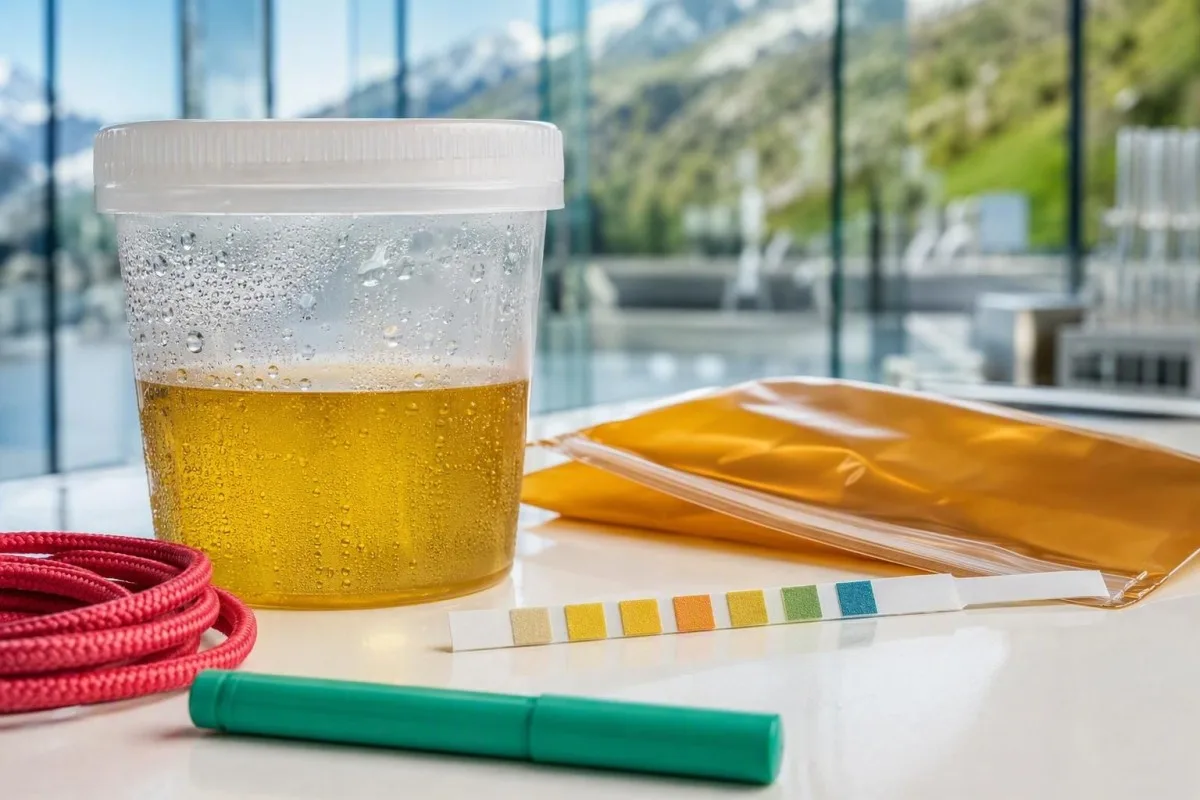
Kantesti AI bilirubin جي نتيجن جي تشريح direct ۽ total bilirubin کي ALT، AST، ALP، GGT، albumin، ۽ اڳين قدرن سان لاڳاپو ڏئي ڪري ٿي، نه ته ڪنهن به هڪ نتيجي کي حتمي فيصلو (verdict) بڻائي. هڪ pattern flag ڄاڻي واڻي follow-up لاءِ اشارو هوندو آهي، نه ته hepatitis، gallstones، ڪينسر، يا ڪنهن خاص دوا جي ردعمل جو ثبوت.
معيار درست ڪڍڻ (extraction) ۽ مناسب ليبارٽري وقفي (intervals) تي دارومدار رکي ٿو. تصوير مان نقل ڪيل نتيجن ۾ يونٽ، ڊيسيمل، ۽ ريفرنس-رينج جون غلطيون ٿي سگهن ٿيون، جنهن ڪري ڪلينڪل تصديق جو طريقو غير مطابقت رکندڙ بايو مارڪر لاڳاپن (biomarker relationships) لاءِ چيڪ شامل آهن ۽ ڇو ته استعمال ڪندڙن کي تشريح ڪيل قدرن کي اصل رپورٽ سان ڀيٽڻ گهرجي.
اسان جي ڪلينشين ۽ انجنيئرز Kantesti AI کي طبي ملاقات لاءِ سوال واضح ڪرڻ خاطر ٺاهيو آهي، نه ته هنگامي (urgent) سنڀال ۾ دير ڪرڻ لاءِ. پڙهندڙ جيڪي دليل جي حدن کي سمجهڻ چاهين ٿا، اهي اسان جي AI ٽيڪنالاجي گائيڊ, ڏسي سگهن ٿا، خاص طور تي ان جي حوالي سان “contextual pattern analysis” جي وضاحت.
مثبت نتيجي کان پوءِ ڪلينشين وٽ ڇا کڻي وڃڻ گهرجي
مثبت bilirubin نتيجي کان پوءِ مڪمل يوريناليسس (urinalysis)، اڳوڻا جگر جا ٽيسٽ، تاريخ وار دوائن ۽ سپليمنٽس جي فهرست، ۽ مختصر علامتي ٽائم لائن (symptom timeline) آڻيو. اهي چار شيون اڪثر هڪ ڪلينشين کي جلدي فيصلو ڪرڻ ۾ مدد ڏين ٿيون ته ورجائي ٽيسٽ، هيپاٽائيٽس ٽيسٽ، الٽراسائونڊ، يا هنگامي ريفرل (urgent referral) مناسب آهي يا نه.
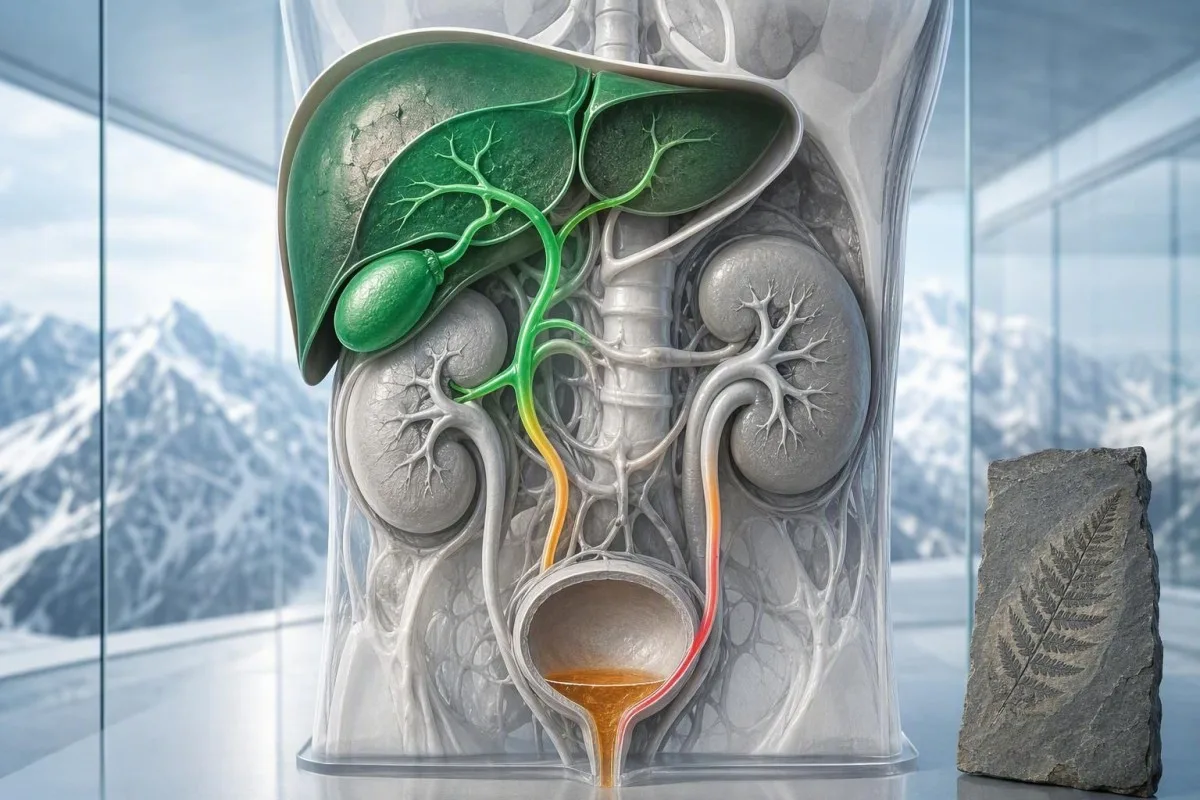
ٽي مرڪوز سوال پڇو: bilirubin سڌو (direct) آهي يا اڻ سڌو (indirect)؟ ڇا منهنجي جگر پينل (liver panel) hepatocellular، cholestatic، يا mixed لڳي ٿو؟ ڇا مون کي هاڻي اميجنگ (imaging) جي ضرورت آهي؟ اهو هڪ ئي نمبر “خراب” آهي يا نه پڇڻ کان وڌيڪ ڪارآمد آهي، ڇاڪاڻ ته جواب گڏيل نموني (accompanying pattern) ۽ توهان جي محسوسات تي دارومدار رکي ٿو.
گهڻي پاڻي، ڊٽوڪس ڊرنڪس، يا روزو (fasting) ذريعي bilirubin کي ٻاهر ڪڍڻ جي ڪوشش نه ڪريو. جيڪڏهن توهان ٿورو ڊي هائيڊريٽڊ (mildly dehydrated) آهيو ۽ پيئڻ جي قابل آهيو ته پاڻي سمجهه واري ڳالهه آهي، پر اهو بائل-ڊڪٽ جي رڪاوٽ (bile-duct obstruction) صاف نٿو ڪري يا جگر جي سوزش (liver inflammation) جو علاج نٿو ڪري؛ روزو ڪجهه حساس ماڻهن ۾ unconjugated bilirubin وڌائي سگهي ٿو.
29 جولاءِ 2026 تائين، سمجهه وارو آخري قدم (endpoint) هڪ دستاويزي منصوبو آهي: ڪڏهن ٽيسٽ ورجائڻا آهن، ڪهڙيون علامتون منصوبي کي مٿان ترجيح ڏين ٿيون، ۽ نتيجن جو جائزو ڪير وٺندو. Kantesti’s طبي صلاحڪار بورڊ اسان جي ڊاڪٽر-جائزو ڪيل حفاظتي معيارن (safety standards) کي سپورٽ ڪري ٿو، ۽ اسان جي ڊاڪٽر-وِزٽ خلاصو چيڪ لسٽ توهان کي مختصر سوال تيار ڪرڻ ۾ مدد ڪري سگهي ٿي.
وچان وچان سوال ڪرڻ
پيشاب ۾ مثبت بيليروبن جو مطلب ڇا آهي؟
پيشاب ۾ بيليروبن جو مثبت نتيجو عام طور تي اهو ظاهر ڪري ٿو ته ڪنجيگيٽڊ بيليروبن رت ۾ اهڙي سطح تي گردش ڪري رهيو آهي جو گردن ذريعي فلٽر ٿي سگهي ٿو. هي نمونو جگر جي سيل جي زخمي ٿيڻ، دوائن سان لاڳاپيل جگر جي زخمي ٿيڻ، يا پٿري يا بائل-ڊڪٽ جي تنگي سبب بائل جي وهڪري ۾ رڪاوٽ سان ٿي سگهي ٿو. پيشاب ۾ بيليروبن جو عام نتيجو منفي هوندو آهي، جڏهن ته ڪيترين ئي ليبارٽريز سيرم ٽوٽل بيليروبن کي تقريباً 0.2 کان 1.2 mg/dL تائين درج ڪن ٿيون. مثبت ڊِپ اسٽڪ کي ڊائريڪٽ بيليروبن، ALT، AST، ALP، GGT، علامتن، ۽ نموني جي معيار سان گڏ تشريح ڪرڻ گهرجي.
ڇا پاڻي جي کوٽ پيشاب ۾ بلي روبن جو سبب بڻجي سگهي ٿي؟
Dehydration (بيماريءَ سبب پاڻيءَ جي کوٽ) پيشاب کي وڌيڪ ڳاڙهو ڪري سگهي ٿي، پر عام طور تي اهو واقعي مثبت bilirubin pad (بليروبن پيڊ) نتيجو نٿو ڪري. مرڪوز پيشاب رنگ جي تشريح کي وڌيڪ ڏکيو بڻائي سگهي ٿو، جيڪو هڪ سبب آهي ته تازو، مناسب طريقي سان گڏ ڪيل نمونو ترجيح ڏنو وڃي. جيڪڏهن صرف ڪمزور مثبت نتيجو ملي ٿو ۽ ڪا به علامت موجود ناهي، ته 24 کان 72 ڪلاڪن اندر هڪ محفوظ (protected) پيشاب جو نمونو ٻيهر وٺڻ مناسب ٿي سگهي ٿو. مسلسل مثبت هجڻ لاءِ serum liver tests (رت جي جگر جا ٽيسٽ) ڪرڻ ضروري آهي، جيتوڻيڪ hydration بهتر ٿي وڃي.
پيشاب ۾ بيليروبن هڪ هنگامي حالت آهي؟
پيشاب ۾ بيليروبن پاڻمرادو ايمرجنسي نه هوندو آهي، پر جيڪڏهن اهو بخار، سخت مٿئين پيٽ جو سور، الٽي، پيليون اکيون، هلڪا رنگ جا پاخانا، مونجهارو، يا تيزيءَ سان وڌندڙ ڳاڙهو پيشاب سان گڏ هجي ته ان صورت ۾ ساڳئي ڏينهن جائزو ضروري آهي. يرقان (Jaundice) اڪثر ڪري ڪل بيليروبن جي مقدار تقريباً 2 کان 3 mg/dL جي لڳ ڀڳ تي نظر اچڻ لڳندو آهي، پر بيليروبنوريا (bilirubinuria) نظر ايندڙ پيلي ٿيڻ کان اڳ به ظاهر ٿي سگهي ٿي. بخار سان گڏ يرقان ۽ ساڄي مٿئين پيٽ جو سور متاثر ٿيل بائل جي رڪاوٽ (infected bile obstruction) جو اشارو ڏئي سگهي ٿو ۽ ان لاءِ فوري جائزو ضروري آهي. هڪ صحتمند شخص جنهن کي صرف اڻڄاتل پٽي (strip) جو نتيجو ملي ٿو، اهو ڪلينشين جي صلاح کان پوءِ نموني ٻيهر ڏئي سگهي ٿو.
ڇا پيشاب جي انفيڪشن (UTI) پيشاب ۾ بيليروبن جي مثبت نتيجي جو سبب بڻجي سگهي ٿي؟
عام پيشاب جي رستي جي انفيڪشن (UTI) عام طور تي مثبت پيشاب بيليروبن جو سبب نٿي بڻجي. UTI جون نشانيون آهن leukocyte esterase، nitrite، اڇا رت جا سيل (white cells)، پيشاب جون علامتون، ۽ ڪڏهن ڪڏهن هڪ مثبت ڪلچر؛ جڏهن ته بيليروبن بدران جگر يا بائلري مسئلي ڏانهن اشارو ڪري ٿو يا جاچ ۾ مداخلت (testing interference) ٿي سگهي ٿي. Phenazopyridine، جيڪو اڪثر پيشاب جي جلن لاءِ استعمال ٿيندو آهي، پيشاب کي نارنگي ڪري سگهي ٿو ۽ بيليروبن پيڊ سان مداخلت ڪري سگهي ٿو. جيڪڏهن پيشاب جون علامتون ۽ bilirubinuria گڏ ٿين، ته پوءِ پيشاب ۽ hepatobiliary ٻنهي سببن تي غور ڪرڻو پوندو.
بيليروبينوريا کان پوءِ ڪهڙا رت جا ٽيسٽ گهربل آهن؟
بليروبينوريا کان پوءِ عام طور تي ڪيل رت جا ٽيسٽ شامل آهن: ڪل بليروبن، سڌو بليروبن، ALT، AST، الڪلائن فاسفٽيز، GGT، البومين، INR، ۽ مڪمل خون جو شمارو. ALT جيڪڏهن پنهنجي ليبارٽري جي مٿئين حد کان مٿي هجي ۽ R تناسب 5 يا وڌيڪ هجي ته اهو هيپاٽو سيلولر نمونو ظاهر ڪري ٿو، جڏهن ته R تناسب 2 يا گهٽ هجي ته اهو ڪوليسٽيسس جي حمايت ڪري ٿو. سڌو بليروبن اڪثر بالغن ۾ 0.3 mg/dL کان گهٽ هوندو آهي، جيتوڻيڪ حدون ليبارٽري مطابق مختلف ٿي سگهن ٿيون. الٽراسائونڊ عام طور تي شامل ڪيو ويندو آهي جڏهن ALP ۽ GGT بائل جي نيڪال ۾ خرابي جو اشارو ڏين.
ڇا گِلبرٽ سنڊروم پيشاب ۾ بيليروبن جو سبب بڻجي سگهي ٿو؟
گِلبرٽ سنڊروم عام طور تي اڻ-ڪنجيگيٽ ٿيل بائليروبن وڌائيندو آهي ۽ تنهن ڪري عام طور تي پيشاب ۾ بائليروبن پيدا نٿو ڪري. روزو رکڻ، بيماري، حيض، يا ڊي هائيڊريشن دوران، ڪل بائليروبن ٿورو وڌي سگهي ٿو—اڪثر عام حالتن ۾ 3 mg/dL کان گهٽ—جڏهن ته ALT، AST، ALP، ۽ سڌو بائليروبن نارمل رهن ٿا. پيشاب ۾ بائليروبن جو مثبت نتيجو ڪنجيگيٽ ٿيل بائليروبن لاءِ دليل ڏئي ٿو ۽ ان کي بي ڌياني سان گِلبرٽ سنڊروم سان منسوب نه ڪيو وڃي. هڪ ڪلينيشين رت جي ٽيسٽ سان بائليروبن جي ڀاڱا بندي ڪيل نموني جي تصديق ڪري سگهي ٿو.
اڄ ئي AI-طاقتور خون جي جاچ جو تجزيو حاصل ڪريو
دنيا ڀر ۾ 2 ملين کان وڌيڪ استعمال ڪندڙن ۾ شامل ٿيو جيڪي فوري ۽ درست ليب ٽيسٽ تجزيو لاءِ Kantesti تي ڀروسو ڪن ٿا. پنهنجا خون جي جاچ جا نتيجا اپلوڊ ڪريو ۽ سيڪنڊن ۾ 15,000+ بائيو مارڪرز جي جامع تشريح حاصل ڪريو.
📚 حوالا ڏنل تحقيقي اشاعتون
ڪلين، ٽي.، مچل، ايس.، ۽ ويبر، ايڇ. (2026). نيپا وائرس بلڊ ٽيسٽ: ابتدائي سڃاڻپ ۽ تشخيص گائيڊ 2026. Kantesti AI Medical Research.
ڪلين، ٽي.، مچل، ايس.، ۽ ويبر، ايڇ. (2026). B منفي رت جو قسم، LDH بلڊ ٽيسٽ ۽ ريٽيڪولوسائيٽ ڳڻپ گائيڊ. Kantesti AI Medical Research.
📖 ٻاهرين طبي حوالا


⚕️ طبي دستبرداري
هي آرٽيڪل صرف تعليمي مقصدن لاءِ آهي ۽ طبي مشورو نٿو بڻجي. تشخيص ۽ علاج جي فيصلن لاءِ هميشه ڪنهن قابل صحت فراهم ڪندڙ سان صلاح ڪريو.
E-E-A-T اعتماد جا سگنل
تجربو
ڊاڪٽر جي نگرانيءَ هيٺ ليبارٽري نتيجن جي تشريح واري عمل جو جائزو.
ماهر
ليبارٽري دوائن جو ڌيان ان ڳالهه تي ته بايو مارڪرز ڪلينڪل حوالي سان ڪيئن رويو ڏيکارين ٿا.
اختيار
ڊاڪٽر ٿامس ڪلين لکيو، ۽ ڊاڪٽر ساره مچل ۽ پروف. ڊاڪٽر هانس ويبر طرفان جائزو ورتل.
اعتبار
ثبوتن تي ٻڌل تشريح، جنهن سان خبرداري گهٽائڻ لاءِ واضح پيرويءَ جا رستا موجود هجن.