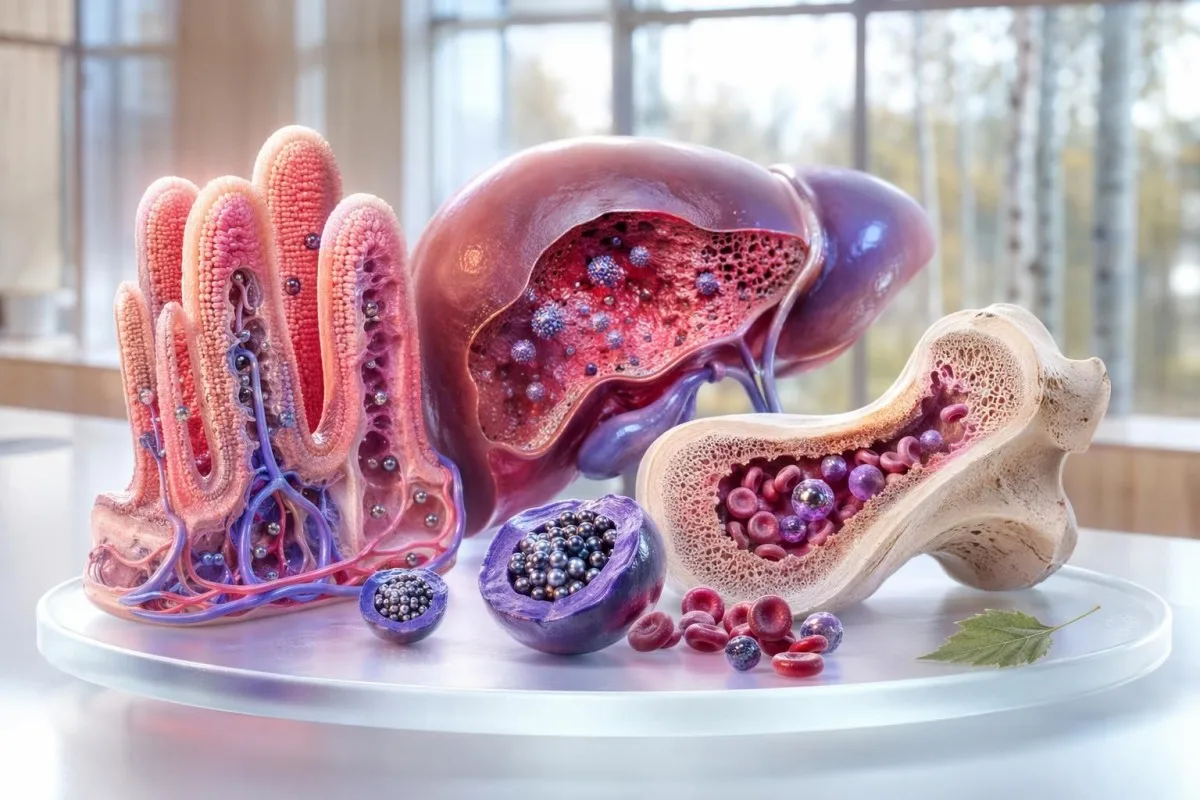
د فیرټین ټیټه کچه چې معمولا د ډېرې حیض (heavy periods) سره نه وي، ډېری وخت د کم خوراک، خراب جذب، پرلهپسې کوچنۍ ضایعات، یا پټې (occult) معدې-کولمو وینې بهېدنې ته اشاره کوي. نارینه، د مینوپاز وروسته ښځې، او هغه کسان چې حیض یې لږ وي باید دا یوازې د غذا (diet) ستونزه ونه ګڼي.


- ټیټ فیرټین له 15 ng/mL څخه ښکته کچه د اوسپنې د کموالي لپاره ډېر ځانګړې ده؛ ډېر کلینیسینان د 30 ng/mL څخه ښکته ارزښتونه د زېرمو د کمېدو په توګه درملنه کوي.
- د فیرټین کچې کېدای شي د التهاب پر مهال په غلط ډول نورمال ښکاره شي، نو CRP یا ESR ممکن د سرحدي (borderline) پایلو په تفسیر کې مرسته وکړي.
- د فیرټین نورمال حد د لابراتوار له مخې توپیر لري، خو ډېری راپورونه د بالغو ښځو لپاره شاوخوا 12-150 ng/mL او د بالغو نارینهوو لپاره 30-400 ng/mL یادوي.
- د اوسپنې د وینې ازموینه پینلونه معمولا سیرم اوسپنه (serum iron)، TIBC یا transferrin، د transferrin saturation، او فیرټین شاملوي؛ یوازې سیرم اوسپنه د باور وړ نه ده.
- GI وینې بهېدنه په بالغو نارینهوو او د مینوپاز وروسته ښځو کې ډېر لویه اندېښنه ګرځي، په ځانګړي ډول که hemoglobin یا MCV ښکته روان وي.
- د سیلیک ناروغي کولی شي فیرټین ټیټ کړي مخکې له دې چې انیمیا (anemia) ښکاره شي، او ازموینه معمولا tTG-IgA د total IgA سره کاروي، په داسې حال کې چې لا هم gluten خورئ.
- د PPI درمل کېدای شي په ځینو اوږدمهاله کاروونکو کې د non-heme اوسپنې جذب کم کړي، خو اغېز توپیر لري او باید د فرض کولو پر ځای ورسره بحث وشي.
- د غذايي نښې پکې د هیم ټیټ اوسپنې مصرف، د خوړو پر مهال چای یا قهوه، کلسیم د اوسپنې لرونکو خوړو سره یوځای اخیستل، او د ویټامین C ټیټ مصرف شامل دي.
- بیا ازموینه (Retesting) عموماً د اوسپنې د درملنې له 8-12 اونیو وروسته ترسره کېږي؛ فیرټین اکثراً د هیموګلوبین په پرتله ورو لوړېږي.
- سور بیرغونه پکې تورې غایطه (black stools)، بې له وضاحت د وزن کمېدل، دوامدارې د معدې درد، د کولمو د عادت نوی بدلون، یا د 50 کلنۍ وروسته د اوسپنې کموالي انیمیا شامل دي.
ولې فیرټین ټیټه کېدای شي کله چې د حیض ستونزه دلیل نه وي
د درنې دورې پرته ټیټ فیرټین معمولاً د څلورو شیانو څخه یو معنا لري: ډېر کم اوسپنه دننه راتلل، ډېر کم جذب کېدل، تکراري کوچنۍ ضایع کېدل، یا پټ د معدې-کولمو وینه بهېدنه. زه توماس کلاین، MD یم، او کله چې زه دا بڼه په نارینه وو، د مینوپاز وروسته ښځو، یا د ډېر لږې دورې لرونکو خلکو کې وینم، زه یې د پلټنې لپاره نښه ګڼم — نه دا چې یوازې په خپله یې تشخیص وبولم.
فیرټین د اوسپنې د زېرمه بڼه ده، او ټیټ فېرېټین ډېری وختونه د هیموګلوبین له راکښته کېدو څو میاشتې مخکې ښکاره کېږي. د فیرټین پایله له 15 ng/mL څخه کمه په کلکه د اوسپنې کموالي ښکارندویي کوي، په داسې حال کې چې 15-30 ng/mL یو خړ زون دی چې پکې نښې، MCV، RDW، او د transferrin saturation اهمیت لري.
کانټیسټي یو دی د AI د وینې معاینې شنونکی چې فیرټین د CBC تر څنګ، د التهاب نښې، د پښتورګو فعالیت، د ځیګر پروټینونه، او د تغذیې نښې په پام کې نیسي، نه دا چې یوه پایله د ټولې کیسې په توګه درملنه وشي. تاسو کولی شئ زموږ د طبي ټیم د تنظیم په اړه نور ولولئ په زموږ په اړه, ، خو کلینیکي عادت ساده دی: ټیټه زېرمه یوه سرچینه غواړي.
جال دا دی چې ګومان وشي که درنه دوره نه وي نو وینه بهېدنه هم نشته. زموږ په بیاکتنه کې د 2M+ اپلوډ شویو لابراتواري راپورونو، هغه پېښې چې تر ټولو زیات زما اندېښنه راپاروي دا دي: یو 62 کلن سړی چې فیرټین 9 ng/mL او MCV 78 fL لري، یا یوه 56 کلنه ښځه چې د مینوپاز له پنځو کلونو وروسته فیرټین 12 ng/mL لري او د RDW نوی زیاتوالی راغلی.
که ستاسو لابراتواري راپور مغشوش وي، لومړی وګورئ چې ستاسو ارزښت واقعاً ستاسو د لاب او عمر لپاره ټیټ دی که نه؛ زموږ لارښود د د فیرټین نورمال حد تشریح کوي چې ولې چاپ شوی reference interval د لومړني کموالي لپاره ډېر پراخ کېدای شي.
د فیرټین کچې او نورمال حدود چې د څېړنې لوری بدلوي
د فیرټین کچې چې له 15 ng/mL څخه ښکته وي معمولاً د اوسپنې زېرمو د کموالي ښکارندویي کوي، خو د اندېښنې عملي حد اکثر په لویانو کې د نښو په شتون کې له 30 ng/mL څخه ښکته وي. هغه فیرټین نورمال رینج چې لابراتوار چاپوي ښايي داسې ارزښتونه پکې شامل وي چې تخنیکي پلوه په رینج کې وي، خو کلینیکي پلوه د restless legs، د استقامت تمرین، د ویښتانو تویېدل، یا د امیندوارۍ پلان جوړولو لپاره ډېر ټیټ وي.
ډېر لابراتوارونه د بالغو ښځو لپاره شاوخوا 12-150 ng/mL او د بالغو نارینه وو لپاره 30-400 ng/mL د فیرټین نورمال رینج راپوروي، خو رینجونه د assay او نفوس له مخې توپیر لري. ځینې اروپایي لابراتوارونه ټیټې lower-limits کاروي، چې کولی شي د 18 ng/mL فیرټین د هغه په پرتله لږ اندېښمن ښکاره کړي چې کلینیکي احساس یې کوي.
یو ګټور قانون: د فیرټین کچه له 30 ng/mL څخه کمه د اوسپنې کموالي سره همغږې ده، حتی که هیموګلوبین نورمال وي. دا بڼه په لا ډېر تفصیل کې په د فیرټین ټیټوالی د نورمال هیموګلوبین سره, پوښل شوې، ځکه چې لومړنی کمښت کولی شي د ستړیا یا restless legs لامل شي مخکې له دې چې انیمیا ښکاره شي.
التهاب هر څه پېچلي کوي. فیرټین د acute-phase reactant په توګه عمل کوي، نو هغه کس چې CRP 22 mg/L او فیرټین 70 ng/mL لري، لا هم ښايي د اوسپنې محدود بیولوژي ولري؛ په inflammatory bowel disease، مزمن انتان، د پښتورګو ناروغۍ، یا اتوایمیون ناروغۍ کې، ځینې کلینیسینان د فیرټین له 100 ng/mL څخه کم او د transferrin saturation له 20% څخه کم د کموالي د بڼې په توګه کاروي.
Kantesti AI فیرټین زموږ په د بایومارکر لارښود کې د 15,000 څخه زیات بایومارکرونو پر وړاندې نقشه کوي، ځکه چې هماغه شمېر په یو منډه وهونکي، په لوړ CRP لرونکي کس، او په اوږدمهاله د اسید د کمولو درملو اخیستونکي ناروغ کې بېلابېل معناوې لرلی شي.
څنګه د اوسپنې د وینې ازموینه ټیټې زېرمې له التهاب (inflammation) څخه بېلوي
د اوسپنې د وینې ازموینه تر ټولو ګټوره ده کله چې پکې فیرټین، سیرم اوسپنه، TIBC یا ټرانسفرین، او د ټرانسفرین سنتریشن شامل وي. یوازې سیرم اوسپنه د ورځې په اوږدو کې تر 30-50% پورې بدلون کولی شي، نو ډاکټران یې ډېر کم یوازې د اوسپنې د کمښت د تشخیص لپاره کاروي.
کلاسیک د اوسپنې کمښت عموماً ټیټ فیرټین، لوړ TIBC، ټیټه سیرم اوسپنه، او د ټرانسفرین سنتریشن له 20% څخه ښکته ښيي. برعکس، التهابات ډېری وخت عادي یا لوړ فیرټین، ټیټه سیرم اوسپنه، او ټیټ یا عادي TIBC ښيي، ځکه بدن په شعوري ډول د اوسپنې حرکت محدودوي.
هغه پایله چې ناروغان یې تر ټولو ډېرې حېرانوي عادي فیرټین د ټیټې سنتریشن سره ده. زموږ مقاله په دا چې ټیټه اوسپنه څه معنا لري د همدې بڼې په اړه توضیح ورکوي، خو لنډه خبره دا ده چې اوسپنه ښايي شتون ونه لري حتی که زېرمه کافي ښکاري.
زه ډېری وخت د CBC غوښتنه کوم چې پکې RDW، MCV، reticulocyte count، CRP، B12، folate، creatinine، او کله ناکله د ځیګر انزایمونه هم شامل وي، کله چې فیرټین په ناڅاپي ډول ټیټ وي. د MCV کمېدل له 91 څخه تر 82 fL پورې په 18 میاشتو کې ښايي د یوې داسې پایلې په پرتله ډېر مهم وي چې لا هم د لابراتوار په عادي حد کې وي.
د هغو لوستونکو لپاره چې تخنیکي نسخه غواړي، زموږ د اوسپنې د مطالعاتو لارښود تشریح کوي چې ولې TIBC لوړېږي کله چې ځیګر ډېر ټرانسفرین جوړوي ترڅو د اوسپنې د موندلو لپاره یې وپلټي.
د غذا نښې: په کاغذ کې کافي اوسپنه تل نه وي چې جذب هم شي
کم خوراک کولی شي فیرټین ټیټ کړي حتی پرته له درنو حیضونو، په ځانګړي ډول په هغو خلکو کې چې لږ سره غوښه خوري، ټول مقدار یې کم وي، یا ډېری یې د نباتاتو پر بنسټ خواړه وي پرته له د جذب ملاتړ. بالغ نارینه او د مینوپاز وروسته ښځې هره ورځ شاوخوا 8 mg اوسپنې ته اړتیا لري، په داسې حال کې چې د حیض لرونکو بالغو ښځو ډېری وخت شاوخوا 18 mg په ورځ اړتیا وي.
د کب، چرګ او غوښې څخه هیم اوسپنه عموماً شاوخوا 15-35% جذبېږي، خو غیر-هیم اوسپنه د لوبیاوو، غلو، مغزاتو او شنو پاڼو څخه ډېری وخت په 2-20% کې جذبېږي. له همدې امله دوه کسان چې په کاغذ پر مخ ورته 12 mg اوسپنه خوري، کولی شي ډېر بېلابېل فیرټین مسیرونه ولري.
ویټامین C کولی شي د غیر-هیم اوسپنې جذب ښه کړي کله چې په هماغه خواړه کې واخیستل شي؛ له لیمو، کیوي، مرچو یا بیرو څخه 50-100 mg اکثراً کافي وي. چای او قهوه د خواړو سره کولی شي د غیر-هیم جذب کم کړي، او د کلسیم سپلیمنټونه چې د اوسپنې لرونکي خواړه سره واخیستل شي ښايي په ځینو ناروغانو کې جذب کمزوری کړي.
په کلینیک کې هغه بڼه چې زه یې وینم تل بد غذا نه وي. ډېری وخت دا د کم اشتها سهار ناشته وي، د غرمې لپاره سلاد، د دواړو خواړو سره قهوه، او داسې ماښام چې اوسپنه لري خو ټولیز پروټین یا ویټامین C پوره نه وي.
که تاسو لومړی د خوړو هڅه کوئ، زموږ د ټیټ فیرټین غذايي لارښود د لوړ-ډوز سپلیمنټونو ته له کود کولو مخکې د خوندي، د خواړو په کچه بدلونونه وړاندې کوي.
د جذب مخنیوی کوونکي: PPIs، انټاسیدونه، چای، کلسیم او د وخت تنظیم
د اوږدمهاله اسید کمولو درملنه په ځینو ناروغانو کې کولی شي فیرټین ټیټ کړي، ځکه د معدې اسید د غیر-هیم اوسپنې په لا جذبېدونکې بڼه بدلولو کې مرسته کوي. د PPIs لپاره شواهد ګډ دي، خو نښه دومره قوي ده چې زه د فیرټین په ټیټوالي کې د اومپرازول، پانتوپرازول، لانسوپرازول، H2 بلاکرونو، انټاسیدونو، او د باریاتریک تاریخ په اړه پوښتنه کوم.
یو ناروغ چې د 5-10 کلونو لپاره PPI اخلي، فیرټین یې 14 ng/mL وي، حیضونه عادي وي، او د خوړو کومه څرګنده ستونزه نه وي، د درملو بیاکتنه مستحق دی. دا معنا نه لري چې PPI ناڅاپه بند کړي؛ د ریفلوکس وینه بهېدنه، Barrett’s esophagus، یا د زخم مخنیوی ښايي دلیل وي چې ولې ورته تجویز شوی و.
وخت کله ناکله له هغه ډېر څه حل کوي چې خلک یې تمه لري. د اوسپنې لرونکي خواړه یا سپلیمنټونه عموماً د چای، قهوې، کلسیم، مګنیزیم، زنک، او د لوړ فایبر بران څخه لرې ښه جذبېږي؛ د 2 ساعتونو جلاوالی یو عملي پیل ټکی دی، که څه هم دقیق علم نه دی.
TIBC کولی شي د کم خوراک له التهابو څخه جلا کولو کې مرسته وکړي. لوړ TIBC ډېر وخت د اوسپنې د کمښت لور ته اشاره کوي، او زموږ د TIBC تشریح لارښود تشریح کوي چې ولې ټرانسفرین لوړېږي کله چې بدن د کارېدونکې اوسپنې له کمښت سره مخ وي.
رښتینی ټکی: هر ټیټ فیرټین په PPI کې د هماغه PPI له امله نه وي. ما داسې ناروغان لیدلي چې د اسید بلاکرونو پړه یې د 18 میاشتو لپاره اچولې، خو وروسته یې وموندله چې د celiac ناروغي، د وینې پرلهپسې ورکول، یا د NSAID اړوند ورځنی د معدې ځورونه موجوده وه.
د سلیاک ناروغي او نور د کولمو لاملونه چې په خاموش ډول فیرټین ټیټوي
د سیلیک ناروغي کولی شي د انیمیا، اسهال، یا د وزن کموالي له رامنځته کېدو مخکې د فیرټین کچه ټیټه کړي. معمول لومړنی سکرینینګ د نسج ترانسګلوټامینیز IgA دی، چې tTG-IgA ورته ویل کېږي، او همدارنګه ټول IgA هم، تر څو چې شخص لا هم ګلوټن خوري.
Lebwohl او همکارانو سیلیک ناروغي د داسې سیستمیک اختلال په توګه تشریح کړې چې کېدای شي د کولمو څخه بهر هم وړاندې شي، په ګډون د اوسپنې کموالي (Lebwohl et al., 2018). په عمل کې، ما سیلیک ناروغي د 8 ng/mL فیرټین له امله تشخیص کړې، په داسې ناروغ کې چې یوازینی شکایت یې د ماسپښین ستړیا وه.
د دې لپاره چې فیرټین ژر راښکته کېږي، اناتومیک لامل دی. د اوسپنې جذب په ډوډینم او نږدې jejunum کې متمرکز دی—هماغه ځای چې د سیلیک اړوند ویلي بدلون اکثراً لومړی د مغذي موادو د اداره کولو پر څرنګوالي اغېز کوي.
د ګلوټن-فری رژیم له پیل وروسته ازموینې کولی شي غلطه ډاډګی رامنځته کړي، ځکه انټي باډي په څو اونیو کې تر څو میاشتو پورې راکمېدای شي. که سیلیک ناروغي په پام کې وي، د ګلوټن له لرې کولو مخکې د ازموینې په اړه بحث وکړئ؛ زموږ د سلیاک د وینې ازموینې لارښود د tTG-IgA بڼه او د ټول IgA ړوند ځای تشریح کوي.
نور د مالابسورپشن نښې هم شاملې دي: اوږدمهاله نرم/اوبجن اسهال، د اوبو په شان (floating) غایطه، ټیټ البومین، ټیټ ویټامین D، ټیټ B12، ټیټ فولېټ، یا بې له وضاحت د وزن کموالی. د 18 ng/mL فیرټین او د 12 ng/mL ویټامین D کیسه د 18 ng/mL فیرټین په څېر نه ده، که نور ټول تغذیوي شاخصونه ثابت وي.
پټه GI وینې بهېدنه: ولې د غایطه (stool) یا اندوسکوپي (scope) ازموینې ممکن مثبت راشي
پټه (occult) معدې-کولمو وینه بهېدنه یو مهم پام دی کله چې په بالغ نارینه وو، د مینوپاز وروسته ښځو، یا هر هغه کس کې چې د میاشتني وینې بهېدنې روښانه توضیح نه لري، فیرټین ټیټ ښکاره شي. د American Gastroenterological Association لارښود د اوسپنې کموالي انیمیا لپاره د ډېرو نارینه وو او د مینوپاز وروسته ښځو کې bidirectional endoscopy سپارښتنه کوي (Ko et al., 2020).
د British Society of Gastroenterology لارښود هم د اوسپنې کموالي انیمیا لپاره لومړنۍ ارزونه سپارښتنه کوي چې پکې urinalysis، د سیلیک سکرینینګ، او په نارینه وو او د مینوپاز وروسته ښځو کې د مناسب پورته او ښکته GI ارزونه شامله وي (Snook et al., 2021). دا سپارښتنه د اوسپنې کموالي انیمیا په اړه ده، نه د هر جلا فیرټین کمېدو په اړه؛ نو ستاسو CBC مهم دی.
FIT او د غایطه پټه وینه (fecal occult blood) ازموینې کولی شي د ټیټ GI وینه بهېدنه کشف کړي، خو د غایطه موادو منفي ازموینه د پورته GI وینه بهېدنه، سیلیک ناروغي، یا متناوبه وینه بهېدنه نه ردوي. پولیپونه، ګاسټریت، انجیودیسپلاسیا، التهابي کولمو ناروغي، زخمونه، او بدخیمي کولی شي په ډېر لږ مقدار کې وینه به کړي چې ناروغان یې هېڅکله نه ویني.
یوه عملي نښه سرعت دی. د فیرټین له 55 څخه تر 32 ng/mL پورې په 4 کلونو کې د رژیم له بدلون وروسته بدلېدل د فیرټین له 80 څخه تر 9 ng/mL پورې په 10 میاشتو کې د 11.2 g/dL نوي هیموګلوبین سره بېل احساس لري.
که د هاضمې نښې د انځور برخه وي، زموږ لارښود د د ګېډې د روغتیا لپاره د وینې ازموینې تشریح کوي چې کومې لابراتواري ازموینې څه شی وړاندیز کولی شي او څه شی یې نه شي بدلولی، په ګډون د endoscopy کله چې اړتیا وي.
نارینه، د مینوپاز وروسته ښځې او د لږ حیض لرونکي ناروغان: خطر بدلېږي
د فیرټین ټیټه کچه د اندیښنې بېلابېل کچې ته اړتیا لري کله چې میاشتنی وینه بهېدنه نه وي یا لږه وي. په بالغ نارینه وو او د مینوپاز وروسته ښځو کې، کلینیسنان ډېر احتمال لري چې د معدې-کولمو له لاسه ورکولو، د ادرار له لاسه ورکولو، د خوراکي محدودیت، د درملو اغېزو، او د بسپنې (donation) د تاریخ په اړه پوښتنې وکړي.
زه د هر 24 ng/mL فیرټین په لیدو کې نه ډارېږم، خو په 67 کلن نارینه کې له 24 کلن نارینه سره چې درنې میاشتني دورې او تازه خوراکي محدودیت لري، تیزې پوښتنې کوم. عمر د کولون پولیپونو، د معدې زخمونو/لېژونونو، د پښتورګو ناروغۍ، او د درملو له امله وینه بهېدنې د pre-test احتمال بدلوي.
د مینوپاز وروسته حالت مهم دی، ځکه د میاشتو له بندېدو وروسته د اوسپنې اړتیا کمه شي. که فیرټین د مینوپاز له وروسته 2-5 کاله لا هم راښکته کېږي، نو عموماً توضیح دا وي: کمو خوړل (intake)، جذب کمېدل، بسپنه، التهاب چې پټوي (masking)، یا له بل ځایه لاسه ورکول.
کانټیسټي یو دی د AI پر بنسټ د وینې ازموینې تحلیل وسیله د 2M+ خلکو له خوا په 127 هېوادونو کې کارول کېږي، او له همدې امله زموږ AI عمر، جنس، د مینوپاز وضعیت، او د تکراري لابراتواري تاریخچه په بېلابېلو ډولونو وزنوي. د منځني عمر وروسته د هورموني بدلونونو له امله د شاخصونو د بدلېدو لپاره ژور نظر ته، وګورئ د مینوپاز د وینې شاخصونه.
سپکې میاشتني دورې هم د اوسپنې له لاسه ورکولو مخه نه نیسي. د مسو intrauterine device، پرلهپسې spotting، د زیږون وروسته د ذخیرې کموالی، مخکینۍ درنې میاشتني دورې، د پزې وینې بهېدنه، یا د استقامت سپورت کولی شي فیرټین د اوږدې مودې لپاره ټیټ پرېږدي، حتی وروسته له دې چې اصلي محرک تېر شوی وي.
نښې او د CBC هغه نښې چې د فیرټین ټیټه کچه پېژندل اسانه کوي
ټیټ فیرټین کولی شي د انیمیا له څرګندېدو مخکې نښې رامنځته کړي، خو نښې دومره ځانګړې نه دي چې یوازې د اوسپنې کموالي تشخیص وکړي. ستړیا، بېارامي لرونکي پښې، د ویښتانو تویېدل، د یخ نه زغمل (cold intolerance)، سر دردونه، د تمرین نه زغمل (exercise intolerance)، او نازک نوکان هغه وخت ډېر قانع کوونکي کېږي کله چې فیرټین له 30 ng/mL څخه ټیټ وي یا د CBC شاخصونه مخ په بدلېدو وي.
CBC ښايي د څو میاشتو لپاره نورمال پاتې شي. د اوسپنې لومړنی کموالی اکثراً لومړی RDW لوړوالی ښيي، بیا MCH راټیټېږي، بیا وروسته MCV ټیټېږي، او یوازې وروسته هیموګلوبین راکمیږي.
نورمال هیموګلوبین پدې معنی نه ده چې ستاسو د اوسپنې ذخیرې سمې دي. ما لیدلي چې فیرټین 7 ng/mL وي او هیموګلوبین 13.4 g/dL وي په داسې منډهوهونکي کې چې نور یې نه شوای کولی په غونډیو کې سرعت وساتي، بیا 4 میاشتې وروسته هیموګلوبین بالاخره راټیټ شو.
بېارامي پښې (Restless legs) هغه نښې دي چې د فیرټین هدفونه ښايي د انیمیا د کټ آف له کچې لوړې وي. ډېری نیورولوجستان فیرټین له 50-75 ng/mL څخه ټیټ د بېارامي پښو سنډروم (restless legs syndrome) لپاره اړوند ګڼي، په ځانګړي ډول کله چې د ټرانسفرین سنتریشن (transferrin saturation) ټیټ وي.
که ستاسو اصلي ستونزه ستړیا (exhaustion) وي، زموږ د ستړیا د وینې ازموینې لارښود تشریح کوي چې ولې ښايي تایرایډ، B12، ویټامین D، ګلوکوز، التهاب، او د پښتورګو (kidney) نښې باید د فیرټین تر څنګ بیاکتنه شي.
د وینې ورکول (blood donation)، د استقامت سپورت (endurance sport) او کوچنۍ پرلهپسې ضایعات
تکراري کوچنۍ ضایع کېدل کولی شي فیرټین راکم کړي، حتی که هېڅ یو واحد پېښه دومره مهمه نه ښکاري. د وینې ورکول، د استقامت چلول (endurance running)، پرلهپسې پوزې وینې (frequent nosebleeds)، د NSAID کارول، او سخت تمرین هر یو کولی شي په میاشتو کې د فیرټین کموالی رامنځته کړي.
یو واحد د ټولې وینې (whole blood) ورکول شاوخوا 200-250 mg اوسپنه لرې کوي، چې بې له مکمل (supplementation) څخه بیا جوړېدل یې څو میاشتې وخت نیسي. هغه کسان چې هر 8-12 اونۍ وینه ورکوي ښايي هموګلوبین (hemoglobin) لا هم د منلو وړ وساتي، خو فیرټین په خاموش ډول له 20 ng/mL څخه ښکته راځي.
د استقامت ورزشکاران (endurance athletes) نور میکانیزمونه هم زیاتوي: د پښو ټکر له امله هیمولایز (foot-strike hemolysis)، د خولې له لارې د اوسپنې ضایع کېدل، د کولمو مایکروټروما (gut microtrauma)، او د اوږدو پېښو وروسته التهاب. د ورزشکار فیرټین 28 ng/mL کېدای شي په لابراتوار راپور کې تخنیکي ډول د منلو وړ وي، خو د روزنې (training) د زغم لپاره ډېر ټیټ وي.
ورځنی NSAID کارول بله هغه نښه ده چې ډېر کم تر پوښتنې لاندې راځي. ایبوپروفین (ibuprofen)، ناپروکسن (naproxen)، اسپرین (aspirin)، انټيکوګولانټونه (anticoagulants)، او انټيپلېټلېټ درمل (antiplatelet medicines) کولی شي کوچنی د GI (معدې-کولمو) ځورښت په مزمنه کوچنۍ کچې ضایع (chronic microscopic loss) بدل کړي، په ځانګړي ډول د 50 کلنۍ وروسته.
د وینې ورکولو تاریخ (donation history) مستحق دی چې خپل مهالویش (timeline) ولري. زموږ لارښود د د وینې ورکولو وروسته فیرټین تشریح کوي چې ولې ډېر ژر بیا ازموینه کولای شي اصلي ټیټه نقطه (true low point) له لاسه ورکړي.
د اوسپنې له پیل مخکې له خپل کلینیسین څخه څه پوښتنه وکړئ
مخکې له دې چې اوسپنه پیل کړئ، دا وپوښتئ چې هدف د معلوم کموالي (known deficit) ځایناستي کول دي که دا معلومول چې ولې کموالی موجود دی. دا توپیر مهم دی، ځکه اوسپنه کولی شي نښې ښه کړي، خو په لنډمهال ډول د روانې ضایع کېدو سرچینه پټه کړي.
یو معقول بحث اکثراً CBC، فیرټین، سیرم اوسپنه (serum iron)، TIBC یا transferrin، د ټرانسفرین سنتریشن، CRP، B12، فولېټ (folate)، او ښايي د سیلیاک سیرولوجي (celiac serology) هم شامل وي. په نارینه وو او د انیمیا لرونکو هغو ښځو کې چې د مینوپاز وروسته وي، د غایطه موادو (stool) ازموینه یا د اندوسکوپیک ارزونه ښايي ژر پورته شي، نه دا چې څو میاشتې د ګولیو وروسته.
د اندازې (dose) په اړه پوښتنه وکړئ، نه دا چې ګومان وکړئ ډېر ښه دی. ډېر بالغ کسان 40-65 mg عنصري اوسپنه (elemental iron) هر بله ورځ (every other day) ښه زغمي نسبت له دې چې هره ورځ لوړه-ډوزه اوسپنه وخوري، او د بدیل-ورځې (alternate-day) ورکول ښايي جذب ښه کړي ځکه hepcidin د ډوزونو تر منځ راټیټېږي.
عوارض (side effects) مهم دي ځکه هغوی د درملنې دوام (adherence) ټاکي. قبض (constipation)، زړه بدوالی (nausea)، تورې غایطه (dark stools)، د معدې تیزاب بېرته راتګ (reflux)، او د نس درد/کرامپ (abdominal cramping) عام دلیلونه دي چې ناروغان یې د 2-3 اونیو په دننه کې درمل بندوي.
د عملي ډوزنګ او د تعقیبي پوښتنو لپاره، زموږ د اوسپنې مکمل لارښود (iron supplement guide), ، په ځانګړي ډول که ستاسو ډاکټر/کلینیسین لا مخکې د اوسپنې کموالی (iron deficiency) تایید کړی وي.
د بیا ازموینې مهالویش او کله فیرټین واقعاً لوړېږي
فیرټین عموماً ورو لوړېږي، او د 8-12 اونیو وروسته بیا ازموینه د څو ورځو وروسته له چک کولو څخه ډېر معلوماتي وي. هموګلوبین ښايي لومړی ښه شي، ډېری وخت د اوسپنې کموالي انیمیا (iron deficiency anemia) کې شاوخوا 1 g/dL په 2-4 اونیو کې، که جذب ښه وي او وینهبهېدنه بنده شوې وي.
که فیرټین د 8-12 اونیو لپاره د کافي اوسپنې له ورکولو وروسته لوړ نه شي، زه درې پوښتنې کوم: ایا ډوز اخیستل شوی و؟ ایا جذب شوی و؟ او ایا اوس هم اوسپنه ضایع کېږي؟ ځواب ډېر وخت بېساری وي — ګولۍ د قهوې سره اخیستل — خو ځینې وختونه دا سیلیاک ناروغي (celiac disease) یا پټه GI ضایع کېدل (occult GI loss) وي.
یو شفاهي (oral) د اوسپنې ازمایښتي کورس چې فیرټین له 9 څخه تر 24 ng/mL پورې لوړوي، لا هم نیمګړی کېدای شي. ډېر کلینیسنان اوسپنه شاوخوا 3 میاشتې دوام کوي وروسته له دې چې هموګلوبین نورمال شي، تر څو زېرمه (stores) بیا جوړه شي، که څه هم هدفونه د نښو او علت له مخې توپیر لري.
د توماس کلاین (Thomas Klein)، MD مشوره دلته په قصدي ډول محتاطه ده: د 150 ng/mL فیرټین پسې مه ځئ، پرته له دې چې ځانګړی دلیل وي. د ډېرې اندازې مکمل ورکول کولی شي فیرټین لوړ کړي، د GI عوارض رامنځته کړي، یا ګډوډي (confusion) سبب شي که التهاب یا د ځیګر ناروغي (liver disease) موجوده وي.
د بدلون کرښې (trend lines) د جلا جلا نقطو (isolated dots) په پرتله ډېر ګټورې دي. زموږ د وینې ازموینې د رجحان تحلیل ښيي چې د فېرېټین ورو کمېدل څنګه کولی شي د خطر نښه مخکې له دې چې کوم واحد لابراتواري ارزښت سور شي.
هغه سور بیرغونه (red flags) چې باید د مکمل (supplement) د ازموینې لپاره انتظار ونه کړي
ټیټ فېرېټین باید په چټکۍ سره تر بحث لاندې ونیول شي که چېرې دا د تورې غایطه (black stools) سره ښکاره شي، په غایطه کې ښکاره وینه وي، بېدلیله د وزن کموالی وي، دوامدار د معدې درد وي، د تېرولو ستونزه وي، د کولمو په عادت کې نوی بدلون وي، یا انیمیا وي. دا نښې سرطان نه ثابتوي، خو دومره مهمې دي چې د بېپروا د سپلېمنټ-یوازې چلند مخه ونیول شي.
د هیموګلوبین له 10 g/dL څخه ښکته، د MCV له 75 fL څخه ښکته، د فېرېټین له 15 ng/mL څخه ښکته، او د FIT مثبتوالی د فېرېټین 26 ng/mL له سناریو سره چې CBC نورمال وي او د خوړو وروستۍ محدودیت موجود وي، ډېر توپیر لري. ترکیب، نه یوازې فېرېټین، بیړنیوالی ټاکي.
کانټیسټي یو دی د AI بایومارکر تفسیر پلیټفارم چې داسې کلاسترونه په نښه کوي لکه ټیټ فېرېټین + د هیموګلوبین راکمول + لوړ RDW د لوړ لومړیتوب د تعقیب بڼو په توګه. زموږ کلینیکي معیارونه په طبي اعتبار, کې تشریح شوي، په شمول د دې چې ولې زموږ AI د یو بایومارکر له مخې تشخیص نه کوي.
زړې عمر، د انټيکوګولانټ کارول، د کولوریکټل سرطان کورنۍ تاریخ، د معدې پخوانی جراحي، او د اوږدمهاله NSAID کارول ټول د خبرو اترو بڼه بدلوي. د ۲۰۲۶ کال د جون تر ۳مې پورې، لوی GI لارښودونه لا هم ټینګار کوي چې د اوسپنې د کموالي انیمیا علت پیدا شي، نه دا چې یوازې اوسپنه ځای پر ځای شي.
که د وزن کموالی یا د شپې خولې د کیسې برخه وي، فېرېټین تر هغه پورې د تغذیې په نوم مه پټوه تر څو چې ستاسې کلینیسین ټوله بڼه وزن نه کړي. زموږ لارښود په د بېدلیله وزن کموالي لابراتواري ازموینې د پراخو چکونو په اړه پوښښ کوي چې ډاکټران یې ډېر وخت له هماغه سره پیلوي.
څنګه Kantesti د فیرټین بدلونونه (trends) لوستلای شي او د څېړنې لاره
Kantesti AI ټیټ فېرېټین د اوسپنې د مطالعې (iron studies)، د CBC بڼو، د التهاب نښو، د تغذیې نښو، د درملو د شرایطو، عمر، جنس، او د پخوانیو پایلو په یوځای کولو سره تفسیر کوي. موخه دا نه ده چې ستاسو کلینیسین ځای ونیسي؛ موخه دا ده چې د اپلوډ شاوخوا ۶۰ ثانیو کې سم تعقیبي پوښتنې روښانه کړي.
کله چې زموږ AI فېرېټین 11 ng/mL، transferrin saturation 9%، TIBC 460 µg/dL، RDW 16.8%، او MCV 79 fL وویني، کلاستر د کلاسیک اوسپنې د کموالي فزیولوژۍ په توګه چلند کوي. خو کله چې فېرېټین 72 ng/mL وي د CRP 38 mg/L سره او saturation 12% وي، نو بڼه یې بل ډول نښه کوي، ځکه التهاب ښايي د اوسپنې محدودیت پټ کړي.
زموږ ډاکټران او بیاکتونکي، په ګډون د هغو کلینیسینانو چې په د طبي مشورتي بورډ, ، سیسټم دې ته اړ باسي چې بېخونده خو مهمې پوښتنې وکړي: د بسپنې (donation) فریکونسي، PPIs، NSAIDs، د celiac خطر، د خوړو بڼه، او دا چې ناروغ وروستهیې د حیض (postmenopausal) دی که نارینه.
Kantesti څېړنه هم د نږدې لابراتواري تفسیر ډومېنونه پوښي، ځکه ټیټ فېرېټین ډېر کم یوازې یوازینی نښه وي په یوه واقعي راپور کې. زموږ د Zenodo سره تړلې کار ته وګورئ په د سیرم پروټینونو بڼې او د تکمیلي ازموینې (complement testing) د بېلګو لپاره د جوړښت لرونکي بایومارکر استدلال تر اوسپنې هاخوا.
عملي وروستۍ موخه ساده ده: که ټیټ فېرېټین تاسو حیران کړي، خپل بشپړ د اوسپنې پینل، د CBC تمایل، د درملو لېست، د بسپنې تاریخ، او د GI نښې خپل کلینیسین ته یوسئ. ډېری ناروغان هغه وخت روښانه پلان ترلاسه کوي چې پوښتنه له دې بدله شي چې «زه څنګه فېرېټین لوړ کړم؟» پر دې چې «زما د اوسپنې زېرمه په لومړي ځای کې ولې کمه شوه؟».
پوښتل شوې پوښتنې
ایا تاسو کولی شئ د درنې حیض پرته هم ټیټ فیرټین ولرئ؟
هو، کم فیرټین کولی شي د درنو حیضونو پرته هم پېښ شي، ځکه چې د اوسپنې ذخیرې د کمې خوراکي اندازې، د جذب کمزوري، د وینې ورکولو، د استقامت تمرین، درملو، یا پټې معدې-کولمو وینې بهېدنې له امله راکمېږي. فیرټین له ۱۵ ng/mL څخه ټیټ ډېر په کلکه د اوسپنې د ذخیرې د کمښت ښکارندویي کوي، او ډېر کلینیسنان د ۳۰ ng/mL څخه ټیټ ارزښتونه په کلینیکي ډول ټیټ ګڼي کله چې نښې موجودې وي. نارینه، د مینوپاز وروسته ښځې، او هغه کسان چې حیض یې لږ وي باید د حیض نه اړوند لاملونه د یو ډاکټر/کلینیسین سره مطرح کړي، نه دا چې یوازې د خوراکي رژیم پر کمښت یې تکیه وکړي.
کوم د فیرټینین کچه ټیټه ګڼل کېږي؟
د فریتین کچه له ۱۵ ng/mL څخه کمه عموماً ډېره ټیټه ګڼل کېږي او په لویانو کې د اوسپنې کمښت په کلکه ملاتړ کوي. د ۱۵ تر ۳۰ ng/mL کچې ترمنځ کچه ډېری وخت د ټیټې یا سرحدي (borderline) په توګه درملنه کېږي، په ځانګړي ډول که ستړیا، بېارامي پښې (restless legs)، د ویښتانو تویېدل، ټیټ MCV، لوړ RDW، یا د ټرانسفرین سنتریشن (transferrin saturation) ټیټه کچه موجوده وي. د التهاب پر مهال فریتین کېدای شي په غلط ډول نورمال ښکاره شي، نو د فریتین کچه له ۱۰۰ ng/mL څخه کمه او د ټرانسفرین سنتریشن له ۱TP44T څخه کمه بیا هم په ځینو شرایطو کې د اوسپنې محدود فیزیولوژي (iron-restricted physiology) نښه کېدای شي.
ایا PPIs کولی شي د فیرټین ټیټه کچه رامنځته کړي؟
اوږدمهاله پروټون پمپ انهبیټرونه ښايي په ځینو خلکو کې د فیرټین ټیټې کچې لامل شي، ځکه چې د معدې اسید کموي، چې د غیر-هیم اوسپنې جذب ته مرسته کوي. اغېز یې بېلابېل دی، او هر هغه کس چې اومېپرازول، پانتوپرازول، یا لانسوپرازول کاروي، د اوسپنې کموالي نه رامنځته کېږي. که فیرټین له ۳۰ ng/mL څخه ټیټ وي او تاسو د کلونو لپاره PPI کارولی وي، له خپل ډاکټر سره د درملو د وخت، دوز، رژیم، او نورو لاملونو لکه د سیلیک ناروغي یا د GI (د معدې-کولمو) وینې بهېدنې په اړه خبرې وکړئ.
ایا هغه نارینه چې فیرټین یې ټیټ وي باید د معدې او کولمو (GI) د وینې بهېدو لپاره معاینه شي؟
هغه نارینه چې فیرټین یې ټیټ وي، په ځانګړي ډول کله چې هیموګلوبین ټیټ وي یا MCV ښکته روان وي، باید د معدې-کولمو د وینې بهېدنې د ارزونې په اړه د یو ډاکټر/کلینیسین سره خبرې وکړي. د معدې-روده (gastroenterology) د ټولنو لارښوونې د اوسپنې د تایید شوې کموالي انیمیا لپاره د ډېرو نارینهوو په اړه د پورته او ښکته GI ارزونه سپارښتنه کوي، ځکه چې زخمونه، پولیپونه، التهاب او سرطانونه کولی شي په خاموش ډول وینه بهوي. یوازې د فیرټین ټیټوالی چې CBC یې نورمال وي ممکن په بل ډول اداره شي، خو عمر، نښې، د درملو کارول، او د بدلون سرعت مهم دی.
ایا د سیلیاک ناروغي کولی شي له معدې پرته له نښو څخه هم د فیرټین کموالی رامنځته کړي؟
هو، د سیلیک ناروغي کولی شي د معدې له څرګندې اسهال، د معدې له درد، یا د وزن له کمېدو پرته هم ټیټ فیرټین رامنځته کړي. اوسپنه په عمده ډول په ډوډینم او د کوچني کولمو په نږدې برخه کې جذبېږي، چې دا برخې په عام ډول د سیلیک ناروغۍ کې اغېزمنې وي. سکرینینګ عموماً د tTG-IgA تر څنګ د ټول IgA کاروي، او ازموینه تر ټولو باوري هغه وخت وي چې شخص لا هم ګلوټن خوري.
د اوسپنې له مکملونو وروسته فیرټینین څومره وخت کې لوړېږي؟
فریټین عموماً د ورځو پر ځای په څو اونیو تر څو میاشتو کې لوړېږي. ډېر کلینیسینان د خولې له لارې د اوسپنې له ۸–۱۲ اونیو وروسته CBC او د اوسپنې معاینات بیا تکراروي، په داسې حال کې چې د هموګلوبین کچه ممکن په اوسپنې کموالي انیمیا کې د درملنې په کار کېدو سره تر ۲–۴ اونیو کې شاوخوا ۱ g/dL پورې ژر ښه شي. که فریټین د کافي دوز سره سره هم لوړ نه شي، کلینیسینان معمولاً ژمنتیا (adherence)، جذب (absorption)، روانه وینه بهېدنه، التهاب، او اصلي تشخیص بیا ارزوي.
که ټیټ فیرټین خطرناک وي که هیموګلوبین نورمال وي؟
د نورمال هیموګلوبین سره ټیټ فیرټین عموماً د اوسپنې د کمښت لومړنی پړاو وي، نه بیړنی حالت، خو باید له پامه ونه غورځول شي. فیرټین له ۳۰ ng/mL څخه ښکته کېدای شي حتی مخکې له دې چې انیمیا څرګنده شي د ستړیا، بېارامه پښو، د ورزش د زغم کمېدو، یا د ویښتانو د تویېدو سره تړاو ولري. د عاجلې ارزونې اړتیا د نښو، عمر، جنس، د CBC بدلونونو، د GI خبرداریو نښو، او دا چې فیرټین په چټکۍ سره راټیټېږي که نه، پورې اړه لري.
کله کیدای شي د ټابلیټونو پرځای د رګونو له لارې اوسپنه یوه اختیار وي؟
ستاسو کلینیکین ممکن د رګونو له لارې د اوسپنې وړاندیز وکړي که چیرې ټابلیټونه ناخوښه اړخیزې اغیزې رامینځته کړي، د مناسب درملنې آزموینې سره سره د فیرټین وده ناکامه شي، یا د کولمو حالت جذب محدود کړي. دا کولی شي د اوسپنې زیرمې ډکې کړي، مګر د دې تحقیق کول چې ستاسو اوسپنه ولې ټیټه ده لا هم مهمه ده.
ایا د فېرېټین یا د اوسپنې پینل لپاره باید روژه ونیسم؟
د فېرېټین ازموینه عموماً روژه نه غواړي. که ستاسو پینل پکې د سیرم اوسپنه یا د ټرانسفرین سنتریشن هم شامل وي، د لابراتوار لارښوونې تعقیب کړئ؛ کېدای شي د سهار نمونه واخیستل شي او د ازموینې له اخیستلو مخکې ستاسو د اوسپنې ټابلیټ ونه کاروئ، ځکه وروستي خوراکونه کولی شي سیرم اوسپنه په لنډمهال کې بدله کړي.
ایا د اوسپنې مکملونه کولی شي غایطه تور ښکاره کړي، او دا څنګه د GI وینې بهېدنې (GI bleeding) له توپیر سره توپیر لري؟
اوسپنه کولی شي غایطه په څو ورځو کې تیاره شنه یا تور کړي، خو تور، چسبنده، بد بوی لرونکي غایطه، کمزوري، سر ګرځېدل، یا د معدې درد باید په بیړنۍ توګه راپور شي. که ډاډه نه یاست، مه یې انګېرئ چې دا د مکمل له امله دی.
همدا نن د AI په مرسته د وینې ازموینې تحلیل ترلاسه کړئ
له 2M+ څخه زیات کاروونکي په ټوله نړۍ کې زموږ په Kantesti باور لري چې د لابراتوار ازموینو تحلیل په فوري او دقیق ډول کوي. خپل د وینې ازموینې پایلې اپلوډ کړئ او په ثانیو کې د 15,000+ بایومارکرونو بشپړه تشریح ترلاسه کړئ.
📚 د څېړنې خپرونې چې حواله شوې دي
کلین، ټي، مېچېل، ایس، او وېبر، ایچ. (2026). د سیرم پروټین لارښود: ګلوبولین، البومین او د A/G تناسب د وینې معاینه. Kantesti د AI طبي څېړنه.
کلین، ټي، مېچېل، ایس، او وېبر، ایچ. (2026). د C3 C4 تکمیلي وینې ازموینه او د ANA ټایټر لارښود. Kantesti د AI طبي څېړنه.
📖 بهرني طبي مراجع
کو سی ډبلیو او نور. (۲۰۲۰). د AGA کلینیکي عمل لارښوونې د معدې-کولمو د ارزونې لپاره د اوسپنې کموالي له امله انیمیا. Gastroenterology.
سنوک ج او نور. (2021). د British Society of Gastroenterology لارښودونه د لویانو لپاره د اوسپنې کموالي انیمیا د مدیریت په اړه. ښه.
لووبول بی او نور. (2018). د سیلیک ناروغي. The Lancet.
⚕️ طبي ردونه
دا مقاله یوازې د زده کړې لپاره ده او طبي مشوره نه جوړوي. د تشخیص او درملنې د پرېکړو لپاره تل د وړ روغتیايي خدمت وړاندې کوونکي سره سلا وکړئ.
د E-E-A-T باور نښې
تجربه
د ډاکټر تر مشرۍ لاندې کلینیکي بیاکتنه د لابراتواري تفسیر د کاري بهیرونو لپاره.
تخصص
د لابراتواري طب تمرکز پر دې چې بایومارکرونه په کلینیکي شرایطو کې څنګه چلند کوي.
واک ورکول
د ډاکټر توماس کلاین له خوا لیکل شوی، د ډاکټر سارا میچل او پروف. ډاکټر هانس ویبر له خوا بیاکتنه.
اعتبار
د شواهدو پر بنسټ تفسیر د روښانه تعقیبي لارو چارو سره، تر څو اندیښنه کمه شي.