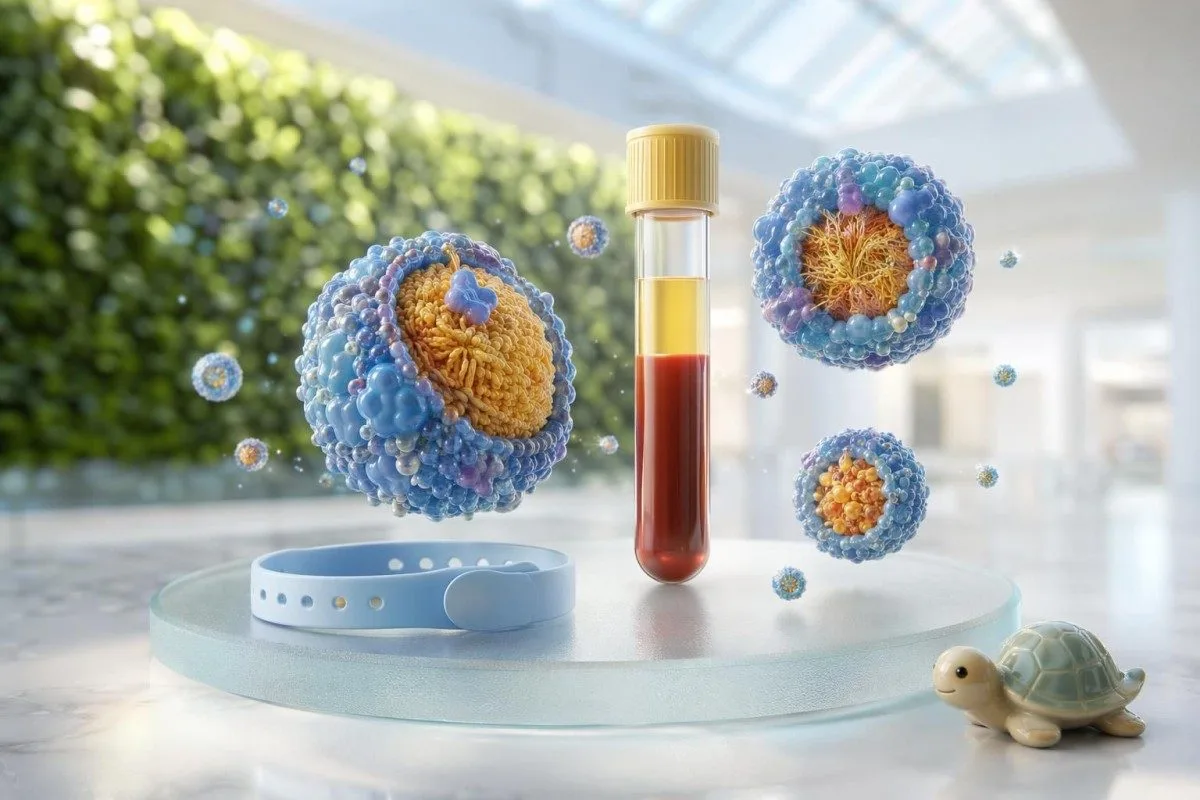
Un guia orientat als parents per los resultats del panèl lipidic pediatric, lo risc d’istòria sanitària familiala e los nombres de colesterol que cal tornar a examinar.


- Colesterol total es acceptable jos 170 mg/dL dins los enfants e los adolescents; 170–199 mg/dL es borderline e 200 mg/dL o mai naut es naut.
- Colesteròl LDL es acceptable jos 110 mg/dL dins los enfants; 110–129 mg/dL es borderline e 130 mg/dL o mai naut es naut.
- Triglicèrids son basats sus l’edat: naut vòu dire 100 mg/dL o mai naut jos 10 ans, e 130 mg/dL o mai naut de 10 a 19 ans.
- Colesterol non-HDL jos 120 mg/dL es acceptable dins los enfants e es subretot util quand l’analisi èra pas a dejuni.
- Temps de la seleccion generalament significa una seleccion lipidica a las edats de 9–11 ans e tornada a 17–21, amb una analisi mai temprana dempuèi 2 ans se i a un risc familiau.
- Repetir las analisis se fa generalament amb 2 panèls lipidics a dejuni, separats per almens 2 setmanas e dins un periòde d’unas 3 meses, abans d’aplicar l’etiqueta d’un colesterol persistentament naut a l’enfant.
- Istòria sanitària familiala es importanta se un paire, un grand paire, una tia, o un oncle aguèt un infart de cor, un ictus, una cirurgia de bypass, un stent, o una mòrt subita cardiaca abans de 55 ans pels òmes o de 65 ans per las femnas.
- Colesteròl LDL fòrça naut de 190 mg/dL o mai pòt suggerir una hipercolesterolemia familiala, quitament dins un enfant prim e actiu.
- Medicament se considera generalament sonque après un trabalh sus l’estil de vida, sovent dempuèi l’edat de 10 ans, e mai sovent quand lo LDL demòra a 190 mg/dL o mai o a 160 mg/dL amb de factors de risc fòrça importants.
Quins nombres de colesterol son normals pels enfants?
Per la màger part dels enfants, los nivèls de colesteròl dels enfants son considerats acceptables quand lo colesteròl total es jos 170 mg/dL, lo LDL es jos 110 mg/dL, lo non-HDL es jos 120 mg/dL, e l’HDL es mai naut de 45 mg/dL. Los triglicerids depenen de l’edat: jos 75 mg/dL es acceptable abans de 10 ans, e jos 90 mg/dL es acceptable dempuèi 10–19 ans. Los parents pòdon cargar los resultats a Kantesti AI per una explicacion rapida e especifica per l’enfant, mas los resultats anormals devon totjorn èsser discutits amb lo clinician de l’enfant.
Las chifras utilizadas per un rang normal del colesteròl dels enfants son pas de “cutoffs” d’adult miniatura. Los rangs de colesteròl pediatric son basats sus percentils, perque lo risc d’arterias comença de bon d’ora, mas la pubertat, la creissença e la biologia heredada pòdon desplaçar los resultats per 10–20% sens cap de simptòma evident.
La guia del NHLBI Expert Panel, publicada dins Pediatrics en 2011, demòra la referéncia principala als EUA per los “cutoffs” de colesteròl: lo colesteròl total jos 170 mg/dL es acceptable, 170–199 mg/dL es borderline, e 200 mg/dL o mai es naut (Expert Panel, 2011). Per una comparason mai prigonda entre adults e enfants, nòstre guia de rang de colesteròl explica perqué lo meteis nombre de LDL pòt significar de causas diferentas a d’ages diferents.
Sovent rencontrèri de parents que dison: “Mas mon enfant es prim.” Aquò non exclutz lo colesteròl naut dins los enfants. Un jogaire de fotbòl de 9 ans amb un LDL de 198 mg/dL a fòrça mai de probabilitats d’aver un problèma hereditari del receptor LDL que pas un problèma ligat a de snacks, e aquela diferéncia cambia lo plan de seguiment.
Qué mesura un panèl lipidic pediatric?
A panèl lipidic pediatric mesura lo colesterol total, colesterol LDL, colesterol HDL, triglicèrids, e sovent lo colesterol non-HDL calculat. Las estimacions de LDL representan lo colesterol portat dins de partícules que forman las artèrias, l’HDL reflectís lo transport invers del colesterol, e los triglicèrids seguisson sovent l’ingesta de salsas, l’istabilitat insulinica, lo cambiament de pes o lo metabolism hereditari.
Lo colesterol total es lo nombre mai “brut” del rapòrt. Un enfant pòt aver un colesterol total de 184 mg/dL amb un HDL plan naut sensa perilh, o lo meteis colesterol total amb un LDL de 142 mg/dL que cal seguiment; per aquò rarament interpretè soi lo colesterol total sol.
Lo colesterol LDL jos 110 mg/dL es acceptable pels enfants, mentre que un LDL de 130 mg/dL o mai naut es naut. Se volètz la lenga marcador per marcador que la màger part dels laboratoris utiliza, nòstre guia del panèl lipidic passa en revista LDL, HDL, triglicèrids e los valors calculats en lenga plan clara.
Kantesti analisi de sang amb IA interpreta los resultats lipidics pediatrics en legissent tot lo patròn, pas solament las senhalas rojas. Nòstre sistèma verifica las unitats, l’edat, lo sèxe, lo status de dejun e los biomarcadors relacionats del guia de biomarcadors de biais que un triglicèrid de 118 mg/dL en un enfant de 7 ans es pas tractat de la meteissa manièra que 118 mg/dL en un enfant de 17 ans.
Rangs de colesterol normals per grop d’edat
Per las edats 2–19, los principals punts de referéncia pediatrics sones los meteisses pel colesterol total, LDL, HDL e non-HDL, mentre que los punts de referéncia dels triglicèrids cambian a partir de 10 ans. Los enfants jos 2 ans generalament son pas escorreguts de rutina, perque la rapida creissença del cervèl depend de las fats de l’alimentacion e que los valors lipidics son mens estables dins l’enfància.
Lo detalh d’edat mai sovent oblidat son los triglicèrids. Un resultat de triglicèrids de 105 mg/dL es naut en un enfant de 8 ans, mas dins un contèxte acceptable a limitrof pòt cambiar en un adolescent, perque las hormonas de la pubertat modifican lo transport de las fats e la sensibilitat a l’insulina.
Lo colesterol LDL jos 110 mg/dL es acceptable pels enfants e los adolescents, 110–129 mg/dL es limitrof, e 130 mg/dL o mai naut es naut. Nòstre explicador de la franja LDL mòstra cossí las categorias de risc cambian lo sens de “normal”, subretot quand l’istòria sanitària familiala es fòrt.
De quilhuns laboratoris europèus afichan los intervals de referéncia pediatrics de manièra diferenta, sovent en mmol/L en luòc de mg/dL. Per convertir lo colesterol de mg/dL a mmol/L, dividissètz per 38,67; un LDL de 130 mg/dL es d’aperaquí 3,36 mmol/L.
Quand cal far un examèn de colesterol als enfants?
La màger part dels enfants devon aver un escoratge universau del colesteròl còp una entre las edats 9–11 e tornarmai entre 17–21. Un escoratge selectiu mai i aviat comença a partir de l’atge 2 se i a una malautiá cardiovascular prematura dins la familha, un paire o una maire amb un colesteròl fòrça naut, diabetis, obesitat, hipertension, malautiá renala, o certanas exposicions a de medicaments.
La franja 9–11 es causida perque los valors del colesteròl son generalament mai estables abans la turbuléncia hormonala de la mitat de la pubertat. Entre 12–16 ans, l’LDL pòt davalar temporàriament, subretot dins los dròlles, de biais que pòt arribar un resultat falsament rassurant se los clinicians escorchan solament pendent aquela epòca.
Un escoratge lipidic sens dejuni es sovent acceptabla per una primièra passada, perque lo colesteròl non-HDL es fisable aprèp los repaisses. Se lo resultat sens dejuni es anormal, nòstre guia de colesterol sens dejuni explica quins valors pòdon encara èsser fisables e quins cal tornar far amb dejuni.
Lo USPSTF trobèt pas d’efiàcia sufisenta en 2016 per recomendar a favor o contra l’escoratge universau dins los enfants asimptomatics, subretot perque los estudis randomizats d’efècte long tèrme son fòrça dificils de menar dins la pediatria (Bibbins-Domingo et al., 2016). Aquò vò pas dire que l’escoratge siá inutil; vò dire que los clinicians devon ajustar las analisis al risc, a l’istòria familiala, e a l’enfant qu’an davant. Nòstre guia d’edat per las analisis cobre la question mai larga del calendari.
Cossí l’istòria sanitària familiala modifica lo risc de colesterol d’un enfant
L’istòria sanitària familiala fa naisser de preocupacion se un parent pròche aguèt un infart, un ictus, una endoprotesi (stent), una cirurgia de contorn (bypass), o una mòrt cardiaca subita abans de 55 ans pels òmes o 65 ans per las femnas. Un enfant amb un colesteròl LDL de 160 mg/dL o mai, apondut a aquel patròn familiau, deu èsser avalorat per un risc de colesteròl hereditari.
La condicion hereditària classica es hipercolesterolèmia familiala, sovent abreujada a FH. La FH heterozigòta afecta aperaquí 1 sus 250 personas, de biais que dins una granda escòla primària i pòt aver qualques enfants amb una elevacion de l’LDL que deu pas gaire a la talha o a l’esfòrç.
Un colesteròl LDL de 190 mg/dL o mai dins un enfant fa fòrça pensar a una hipercolesterolemia familiala se aquò persistís dins las analisis repetidas. Quand l’LDL es de 160–189 mg/dL, l’istòria de la familha e de marcaires coma Lp(a) devenon fòrça mai influents; nòstre guia de risc de Lp(a) explica perqué aquela particula hereditària pòt se concentrar dins las familhas.
Una question practica que i demandi: “Qual dins la familha aviá besonh de tractament cardiac abans l’edat de la retiracion?” Los parents sovent se remembran de “problemas de cori” mas pas de l’edat, e aquela diferéncia de 10 ans que manca importa clinicament. Un infart del grand paire a 82 ans es pas lo meteis senhal que un stent de l’oncle a 43.
Quand cal tornar far l’analisi se lo resultat es anormal
Un resultat de colesteròl pediatric anormal deu generalament èsser tornat far amb un panèl lipidic amb dejuni abans de far qualque etiqueta o decidida de tractament de long tèrme. Mantun còdi de practica pediatric aconselha de far una mitjana de 2 panèls lipidics amb dejuni tirats al mens 2 setmanas apart e dins un periòde d’unas 3 meses, quand l’LDL, lo non-HDL o los triglicerids son nauts.
La frema, una infeccion recenta, una pèrda de pes, un repaís fòrça doç, e tanben una presa mal temporizada pòdon distorsionar los resultats del colesteròl. Dins nòstras revistas clinicas, los triglicerids son los mai volatils; un enfant pòt passar de 168 mg/dL a 92 mg/dL solament en repetissent una mostra matinal amb dejuni.
Kantesti marca aqueste tipe d’incertesa en luòc de pretendre que cada resultat siá definitiu. Se lo panèl de vòstre enfant es a la limit, nòstre guia de analisis anormalas repetidas dona un quadre sensat per decidir se cal tornar verificar dins de setmanas, de meses, o aprèp que l’afecion s’esclarís.
La pubertat merita son pròpri renviament (nota). L’LDL pòt baixar d’unes 10–20% pendent la pubertat e puèi tornar montar mai tard, de biais que un adolescent de 14 ans amb una istòria familiala FH fòrça marcada pòt encara besonhar de seguiment, quitament quand l’LDL actual sembla mens alarmant que lo resultat d’un fraire o d’una sorre.
Qué vòu dire lo colesterol LDL pels enfants
Lo colesteròl LDL es lo marcador lipidic principal que guida lo tractament dins los enfants, perque reflectís lo colesteròl portat per de particulas que pòdon dintrar dins las parets de las artèrias pendent de decennis. Un LDL jos 110 mg/dL es acceptabla, 110–129 mg/dL es a la limit, 130–189 mg/dL es naut segon lo risc, e 190 mg/dL o mai es fòrça sospitós per un risc hereditari.
Los parents esperan de còps de simptòmas a causa d’un LDL naut. Los enfants gaireben jamai sentisson un LDL naut; la preocupacion es l’exposicion acumulada, çò que vòl dire que un enfant amb LDL 180 mg/dL dempuèi l’atge 8 pòt aver decennis mai d’exposicion a las parets de las artèrias que pas un adult que son LDL s’eslevèt a 48.
Lo colesteròl non-HDL dona una vista mai larga de totas las particulas aterogènas e es acceptabla jos 120 mg/dL dins los enfants. Se l’LDL de vòstre enfant es normal mas lo non-HDL es naut, nòstre guia de colesterol non-HDL explica perqué los partícules rics en triglicerids pòdon encara èsser importants.
La guia de colesterol 2018 de l’AHA/ACC se focaliza subretot sus los adults, mas reforça lo meteis concepte de risc al long de la vida per l’elevacion severa hereditària del LDL e l’escampada de l’escrutament familiau (Grundy et al., 2019). En practica pediatrica, tracti lo LDL coma un senhal familiau tant coma un senhal de l’enfant.
Perqué los punts de tall de triglicerids son diferents segon l’edat
Los punts de tall dels triglicerids son mai basses dins los enfants mai joves, perque lors valors normals de triglicerids en dejun son generalament mai basses que las dels adolescents. Per las edats de 0–9, los triglicerids jos 75 mg/dL son acceptables e 100 mg/dL o mai naut es naut; per las edats de 10–19, jos 90 mg/dL es acceptable e 130 mg/dL o mai naut es naut.
Los triglicerids nauts dins los enfants fan sovent pensar a una carga de sucre, a una resisténcia a l’insulina, a una rapida augmentacion de pes, al risc de fetge gras, o a una mostra sens dejun. Un sol triglicerid de 145 mg/dL dins un enfant de 12 ans es pas un diagnostic, mas es una rason per demandar çò que s’es passat dins las 24 oras precedentas.
Triglicerids de 500 mg/dL o mai dins un enfant meritan una revirada medica prompta, perque lo risc de pancreatitis s’enaugís fòrça a de nivèls fòrça nauts. Nòstre guia de triglicerids descompausa lo dejun, l’edat, e la diferéncia entre resultats liurament nauts e resultats perilhós.
Kantesti AI tracte los triglicerids de manièra diferenta quand lo rapòrt ditz dejun versus sens dejun. Un triglicerid de 180 mg/dL sens dejun aprèp una festa d’anniversari a un significat diferent d’un triglicerid de 180 mg/dL en dejun amb ALT e HbA1c elevats.
HDL, non-HDL, ApoB e Lp(a): las pistas amagadas
HDL, colesterol non-HDL, ApoB e Lp(a) ajudan a explicar lo risc quand solament lo LDL no conta pas tota l’istòria. Un HDL mai naut que 45 mg/dL es generalament acceptable dins los enfants, lo non-HDL deu èsser jos 120 mg/dL, l’ApoB es generalament acceptable jos 90 mg/dL, e lo Lp(a) mai naut que 50 mg/dL o 125 nmol/L es sovent tractat coma elevat.
ApoB compta lo nombre de partícules aterogènas de biais mai dirècte que la concentracion de colesterol LDL. Dins los enfants amb obesitat, resisténcia a l’insulina, o triglicerids nauts, l’ApoB pòt èsser inesperadament naut, quitament quand lo LDL sembla solament liurament elevat.
Un ApoB jos 90 mg/dL es generalament acceptable dins l’interpretacion de lípids pediatric, 90–109 mg/dL es limítrof, e 110 mg/dL o mai naut es naut. Nòstre explicador d’ApoB explica perqué lo comptatge de partícules pòt èsser important quand la carga de colesterol per partícula varia.
Lp(a) es majoritàriament iereditari e cambia pauc amb la dieta, donc ieu lo soi explicar mai coma un marcador de risc familiau que coma una “culpa” del enfant. Las evidéncias sus quand cada enfant deu far verificar son Lp(a) son encara mescladas, mas ieu soi mai enclin a far la prova quand apareis una malautiá cardiaca prematura dins la familha.
Cambiaments d’estil de vida que baissan de biais segur lo colesterol dins los enfants
Las cambiaments d’estil de vida segurs per calmar lo colesteròl pels enfants se focalizan sus la qualitat de l’alimentacion, la fibra, l’activitat, lo durmir e las rutinas familiales, mai que sus la restriccion de calòrias. Per los enfants mai grands de 2 ans amb LDL naut, un plan favorable al còr generalament limita las grasas saturadas a aperaquí 7–10% de las calòrias, en protegissent lo creissen, la pubertat, l’ingesta de fèr e la sant mental.
Lo primièr cambiament mai eficaç es sovent de remplaçar las fonts de grasa saturada per de grasas insaturadas, e non pas de suprimir la grasa totalament. Los enfants an besonh de grasa per lo creissen; lo problèma es generalament l’excès de mantega, crema, carn processada, aliments frits e de snacks fòrça a basa de còco, mai que l’òli d’oliva, las nous, l’avocat o las pèis rics en grasas.
La fibra solubla pòt baixar modestament lo LDL, e la màger part dels enfants d’edat escolara simplement n’en prenen pas pro. L’avena, las mongetas, las lentilhas, la frucha e las verduras son de causidas practicas; nòstre guia d’aliments que fan baissar lo colesteròl balha de remplaçaments d’aliments que los parents pòdon vertadièrament utilizar.
Per los triglicerids nauts, lo sucre e l’amidon refinat sovent importan mai que lo colesteròl de l’alimentacion. Un enfant que beu 500 mL de beurega ensucrada cada jorn pòt far variar los triglicerids sensiblament dins las setmanas aprèp aver cambiat cap a l’aiga o lo lach; nòstre guida d’aliments de glicèmia bassa explica la relacion glúcosa-triglicerids.
Efèctes de l’exercici, del durmir, del pes e de la pubertat
L’activitat e lo durmir influencian lo colesteròl pediatric subretot per l’efècte sus los triglicerids, la sensibilitat a l’insulina, la trajectòria de pes e lo colesteròl HDL. En general, los enfants devon visar al mens 60 minutas d’activitat fisica moderada a vigorosa cada jorn, mentre que los enfants d’edat escolara an generalament besonh de 9–12 oras de durmir e los adolescents de 8–10 oras.
L’exercici generalament fa pas baissar un LDL naut geneticament dempuèi 190 mg/dL fins a la normalitat, e los parents non deurián èsser culpabilizats se aquò se fa pas. Mas pòt, en tot cas, baixar los triglicerids, elevar l’HDL qualques mg/dL, reduire lo risc de grassa al fetge e melhorar la resisténcia a l’insulina dins 8–12 setmanas.
Dins nòstra analisi de panèls cargats per de familhas, lo clúster comun es triglicerids, ALT, glúcosa a dejun e insulina que se movon ensems. Se se sospita una resisténcia a l’insulina, nòstre guia d’analisi de sang d’insulina explica perqué l’insulina a dejun pòt aportar de contèxte mai que la glúcosa sola.
La discussió sul pes necessita de precaucions. Ai vist d’enfants sortir de la consulta amb solament “perdre de pes”, quand lo messatge melhor èra “los marcaires del vòstre fetge, de l’insulina e dels triglicerids demandan de rutinas diferentas”. Las xifras devon guiar l’ajuda, pas la vergonha.
Quand un enfant pòt besonhar de medicacion o un especialista en lipids
Un enfant pòt besonhar un especialista dels lipoids quand lo LDL demòra a 190 mg/dL o mai, quand lo LDL demòra a 160 mg/dL o mai amb una istòria familiala fòrta o d’autres factors de risc, quand los triglicerids arriban a 500 mg/dL o mai, o se sospita una disòrdre genetic dels lipoids. Las medicacions son generalament consideradas dempuèi l’atge de 10 ans, aprèp un trabalh estructurat d’estil de vida, levat de cases severes rars.
Las statinas son las medicacions per baixar lo LDL mai estudiadas pels enfants amb hipercolesterolemia familiala, e los especialistas pediatrics començan sovent amb de dozas bassas, en monitorizant ALT, AST, los simptòmas, lo creissen e la pubertat. L’objectiu es de reduire lo risc dins de decennis, pas de perseguir una xifra perfècta dins un sol mes.
La guia pediatrica de l’NHLBI suggerís de considerar la terapèutica medicamentosa aprèp la terapèutica per dieta en los enfants de 10 ans o mai quand lo LDL demòra a al mens 190 mg/dL, o a al mens 160 mg/dL amb istòria familiala o d’autres factors de risc (Expert Panel, 2011). Nòstres estandards revisats per nòstre metge son supervisats per de clinicians listats sus lo Conselh Consultatiu Medical.
Quand los parents demandan se un LDL a la limit deu aver de medicament, la meuna responsa es generalament nò. Un enfant de 12 ans amb LDL 132 mg/dL, pas d’istòria familiala, triglicerids normals e HbA1c normalament deu generalament besonh de tornar far un contèxte e de cambiaments d’alimentacion familiala, pas d’una prescripcion.
Condicions medicalas que pòdon elevar lo colesterol dins los enfants
Lo colesteròl naut pels enfants pòt èsser secundari a una hipotiroïdisme, a la diabetis, a la malautiá renala, a la sindròma nefrotica, a de condicions hepaticas, a una resisténcia a l’insulina ligadas a l’obesitat, e a mantun medicaments. Un enfant amb una elevacion novèla del LDL deu pas èsser tractat coma un cas de dieta abans que lo clinician verifique de causas medicalas.
L’ipotiroïdisme es una condicion classicament associada a l’augment del LDL, perque l’abaissament de l’ormòna tiroïdiana reduch l’activitat del receptor del LDL dins lo fetge. Un enfant amb LDL 165 mg/dL e fatiga, constipacion, creissen alentit o intolerància al frega deu aver un examen tiroïdian; nòstre guia de TSH pels enfants explica los punts de tall (cutoffs) del TSH pediatric.
La pèrda de proteïnas a travèrs dels renes pòt provocar una elevacion fòrça marcada del colesteròl, de còps amb de gonflament al torn dels uèlhs o dels anques. Dins la sindròma nefrotica, lo LDL e los triglicerids pòdon augmentar dramaticament, perque lo fetge aumenta la produccion de lipoproteïnas en besonh de remplaçar las proteïnas perdudas.
La revisió dels medicaments es pas opcional. L’isotretinoïna, els corticoides orals, alguns medicaments anticonvulsivants, certs antipsicòtics i algunes teràpies contra el VIH poden augmentar els triglicèrids o el colesterol; se ALT tanben es elevat, nòstre guia d’enzims del fetge ajuda los parents a comprene l’ensems superpausat de la imatge hepatometabolica.
Cossí PIYA.AI ajuda los parents a legir e seguir los resultats dels lipids
Kantesti ajuda los parents a interpretar lo perfil lipidic d’un enfant en combinant de punts de tall segon l’edat, l’estat de dejuni, las unitats, l’istòria sanitària familiala e de marcaires ligats coma HbA1c, ALT, TSH e insulina. Nòstra plataforma d’analisi de sang amb IA pòt legir un PDF o una fotografia en aperaquí 60 segondas e transformar lo rapòrt en pròssims passos comprensibles pels parents.
L’avantatge vertadièr es la memòria de las tendéncias. Un enfant que l’LDL passèt de 104 a 128 a 151 mg/dL pendent 3 ans necessita una conversacion diferenta que pas un enfant amb un sol LDL de 151 mg/dL aprèp una malautiá, encara que lo darrièr nombre siá identic.
La foncion de risc istòria sanitària familiala de Kantesti permet als parents de gardar fraires e sòrres, paire e maire, e grands parents dins un sol registre organizat, çò que conta quand se sospita de desòrdres lipidics heredats. Nòstra guia de registres familials explica cossí gardar los resultats de biais segur sens pèrdre lo modèl familial.
Podètz ensajar una interpretacion d’exemple a travèrs de la analizaire de tèst de sang gratuit. Encara disi a las familhas la meteissa causa dins la consulta: l’IA pòt organizar e explicar las evidéncias, mas un clinician pediatre deu far las decisions concernissent lo diagnostic, la medicacion e las proves geneticas.
Qué devon demandar los parents aprèp un resultat naut
Aprèp un resultat de colesterol pediatric elevat, los parents devon demandar se la prova èra en dejuni, se cal repetir-la, quina fraccion lipidica es anormala, se l’istòria sanitària familiala modifica lo risc, e se cal verificar de causas secundàrias. Lo pròssim pas mai segur es generalament una confirmacion amb contèxte, pas pas la panica.
En data del 4 de mai de 2026, la meuna lista practica de contròls pels parents es corta: escriure l’edat de l’enfant, l’estat de dejuni, lo colesterol total, LDL, HDL, triglicèrids, non-HDL, e totes eveniments cardiacs familials abans de 55 ans pels òmes o 65 ans per las femnas. Pòrta los rapòrts anteriors de panèl lipidic se n’avètz.
La sortida clinica de Kantesti es bastida sus de metòdes de validacion revisats per metges e sus de normes de seguretat descritas sus nòstre pagina de validacion medica. Nòstra òbra mai larga de validacion de l’engin d’IA es tanben disponibla a travèrs de la Benchmark d’IA Kantesti, incloent de proves a escala de populacion dins de diferentas especialitats e de cas pièges de hiperdianòstic.
Thomas Klein, MD, e nòstre equipa clinica revisan lo contengut lipidic pediatric amb una sola biaissa: protegir l’enfant sens sobre-medicamentar la familha. Se volètz ajuda per preparar de questions abans d’una reünion, cargatz lo rapòrt sus nòstra plataforma e prene lo resumit generat cap a lo seu clinician.
Questions frequentas
Quin es un nivèl normal de colesteròl per un enfant?
Un nivèl normal de colesterol total per un enfant o adolescent es jos de 170 mg/dL. Lo colesterol LDL deu generalament èsser jos de 110 mg/dL, lo colesterol non-HDL jos de 120 mg/dL, e lo colesterol HDL mai naut de 45 mg/dL. Los triglicerids depenen de l’edat: jos de 75 mg/dL es acceptabla abans de 10 ans, e jos de 90 mg/dL es acceptabla dempuèi 10–19 ans. Los resultats que depassan aquestes valors de referéncia devon èsser interpretats en tenent compte del dejun, de l’istòria sanitària familiala, e d’un repòrt de proves.
Es colesteròl naut de 200 es nauta per un enfant?
Un colesteròl total de 200 mg/dL o mai naut es considerat naut per un enfant o un adolescent. Lo pas seguent es generalament pas un tractament immediat; los clinicians miran l’LDL, l’HDL, los triglicerids, lo colesteròl non-HDL, l’estat de dejuni, e l’istòria sanitària familiala. Se l’LDL es de 130 mg/dL o mai naut, se recomanda sovent una repeticion en dejuni de la panèl lipidica. Se l’LDL es de 190 mg/dL o mai naut, lo risc de colesteròl d’origina hereditària ven una preocupacion mai granda.
Quand un enfant deu tornar far un examen de colesteròl naut?
Un enfant amb un resultat anormal dels lípids deu generalament tornar far un panèl de lípids en dejú abans d’èsser considerat coma qu’a un colesteròl naut persistent. Mantun protocòl pediàtric fa una mitjana de 2 panèls de lípids en dejú tirats amb al mens 2 setmanas de diferéncia e dins d’un periòde d’environ 3 meses. Tornar far l’analisi es subretot util quand los triglicerids son nauts, la primièra analisi èra sens dejú, o l’enfant èra recentament malaut. Los triglicerids fòrça nauts pròches o superiors a 500 mg/dL deurián èsser revisats lèu, sens esperar de meses.
Un enfant magre pòt aver un colesteròl naut?
Òc, un enfant minçòt e actiu pòt aver de colesteròl naut, subretot se l’ipercolesterolemia familiala o un Lp(a) naut corren dins la familha. Lo colesteròl LDL de 190 mg/dL o mai es sospitós per un risc de colesteròl d’origina hereditària, quitament se l’enfant a un pes saludable. Un LDL de 160 mg/dL o mai ven mai preocupant se un paire o un parent pròche aviá una malautiá cardiaca temprana. La talha del còrs prediu pas de manièra fisabla los problèmas d’LDL d’origina hereditària.
Los enfants cal dejunar abans un examen de colesteròl?
Los enfants ne cal pas totjorn besonh de dejunar per una primièra escasença de colesterol, perque lo colesterol non-HDL pòt èsser interpretat dempuèi una mostra sens dejunar. Lo dejunar es generalament necessari quand los triglicerids son nauts, quand cal calcular LDL amb una precision exacta, o quand lo primièr escartatge es anormal. Una fenèstra de dejunar tipica es de 8–12 oras, amb aiga autorizada levat se lo clinician dona d’autras instruccions. Los mainats e los pichons enfants devon seguir d’instruccions especificas de pediatria, e non pas de rutinas de dejunar d’adultes.
Quin nivèl de triglicerids es perilhós dins los enfants ?
Triglicerids de 500 mg/dL o mai naut en un enfant meritan una revisió medica prompta, perque lo risc de pancreatitis pòt aumentar a nivèls fòrça auts. Per de valors de referéncia pediatricas regularas, los triglicerids son nauts a partir de 100 mg/dL o mai jos 10 ans e a partir de 130 mg/dL o mai dempuèi 10–19 ans. De elevacions leugièras o moderadas son sovent tornadas far amb dejuni e son avaloradas amb glucòsa, insulina, enzims hepaticas e istòria de dieta. De elevacions severas pòdon necessitar una atencion per un especialista e qualques còps de medicacion.
A quin edat los enfants pòdon prene de medicaments contra lo colesteròl naut?
La medicacion per lo colesteròl es sovent considerada dempuèi l’atge de 10 ans, quand lo LDL demòra fòrça naut après un tractament estructurat de l’istil de vida. Las valors de referéncia pediatricas frequentas inclòson un LDL de 190 mg/dL o mai, o un LDL de 160 mg/dL o mai amb una istòria familiala fòrça marcada o d’autras factors de risc. De quauques condicions hereditàrias severas e raras necessitan un tractament specialist abans. Las decisions de medicacion devon èsser fachas per un clinician pediatric o per un especialista dels lipids après de proves repetidas e una revirada del risc.
Los parents se devon far testar quand un enfant a un LDL colesterol nauta?
Òc. Una elevacion persistenta del LDL, subretot de 160 mg/dL o mai, o una istòria de familha de malautiá cardiaca precoça, es una rason per que los parents organizen lor pròpia analisi de lipids. Trobar un patròn eredat de bon començament dona al quite de temps per gerir lo risc ensems.
Cal far d’analís als frairs e a las sòrres se un enfant a un LDL fòrça naut?
Òc. Se un enfant a un LDL de 190 mg/dL o mai, o de 160 mg/dL o mai amb una granda istòria familiala, demandar se los parents e los frairs e sòrres cal far un depistatge dels lípids. Aquò pòt revelar de manèra temprana una hipercolesterolèmia familiala, quand lo tractament es lo mai eficaç.
Obtén uèi una analisi de sang amb IA
Joinhètz mai de 2 milions d’utilizaires al mond que confian en Kantesti per una analisi instantanèa e precisa dels analisis de laboratòri. Mandatz vòstres resultats analisi de sang e recebetz una interpretacion complèta de 15,000+ biomarcadors en segondas.
📚 Publicacions de recerca citadas
Klein, T., Mitchell, S., & Weber, H. (2026). Quadre de validacion clinica v2.0 (Pàgina de validacion medica). Kantesti IA Recèrca Medicala.
Klein, T., Mitchell, S., & Weber, H. (2026). Analizator d’analisi de sang amb IA: 2,5M d’analisis analisadas | Rapòrt de salut globala 2026. Kantesti IA Recèrca Medicala.
📖 Referéncias mèdicas externes
Panèl d’Experts sus de Guidadas Integradas per la Salut Cardiovascular e la Reduccion del Risc dins los enfants e los adolescents (2011). Panèl d’Experts sus de Guidadas Integradas per la Salut Cardiovascular e la Reduccion del Risc dins los enfants e los adolescents: Rapòrt de resumit. Pediatria.
⚕️ Avertiment medical
Aqueste article es solament per tòcas educatius e constituís pas de conselh medical. Consultatz totjorn un professional de la sant qualificat per las decisions de diagnostica e de tractament.
Senhals de confiança E-E-A-T
Experiéncia
Revisión clinica menada pel metge de las practicas d’interpretacion de las analisis.
Expertisa
Fòcus sus la medicina de laboratòri sus cossí los biomarcadors se comportan dins un contèxte clinic.
Autoritat
Escrich pel Dr. Thomas Klein amb revisión pel Dr. Sarah Mitchell e Prof. Dr. Hans Weber.
Fisança
Interpretacion basada sus d’evidéncias amb de camins de seguiment clars per reduzir l’alarmisme.