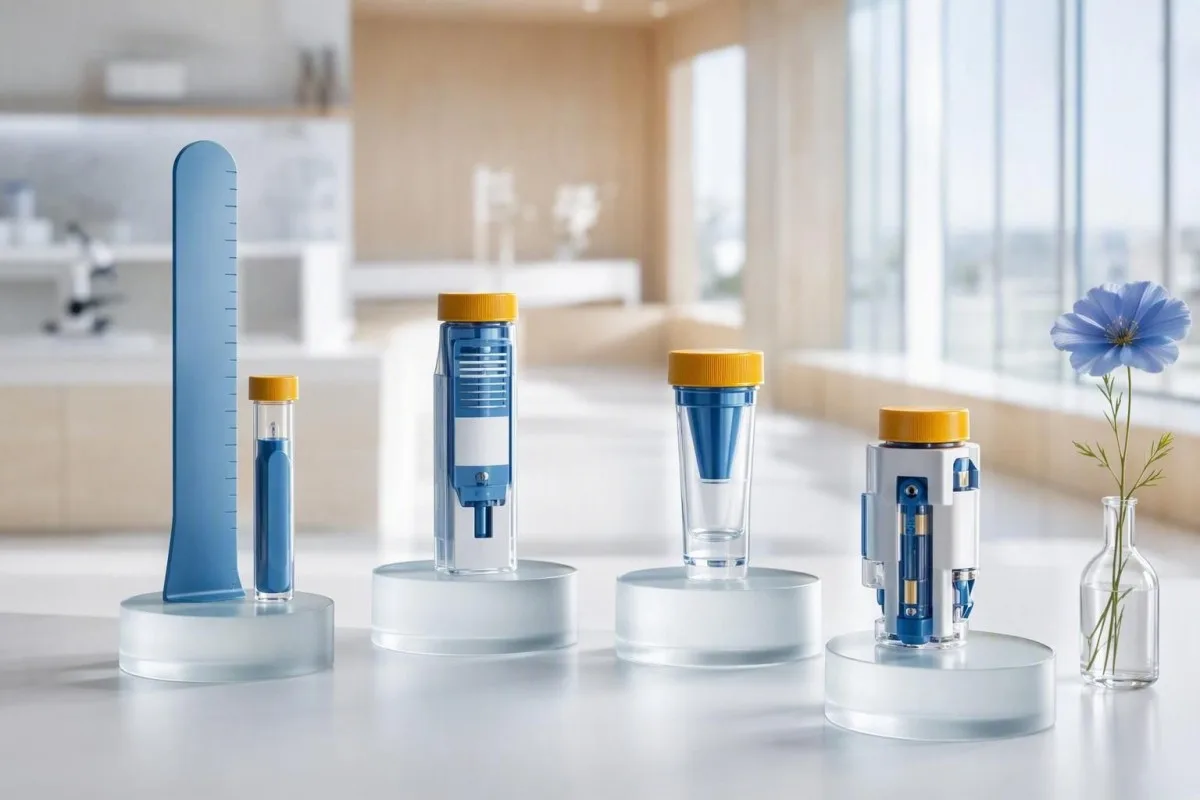
Un plan de testatge familiala util es pas un unic panel tròp grand per cadun. Es un ensems de tèstes cort, adaptat a l'edat, amb una question clinica clara, un plan de seguiment nomat, e un consentiment separat per cada membre de la familha.


- Començar per l'indicacion: Comandar un tèste sonque quand l'edat, los simptòmas, lo seguiment de las medecinas, la gravidesa, o un istorial familial documentat càmbian çò que farissiatz aprés.
- Los enfants son diferents: Las CBC de rutina, los panels de tiroïda, vitamina D, fèrre, e d'ormonas son pas recomandats per los enfants sanes sens una rason clinica.
- Los lipids son importants lèu: Un depistatge lipidic non-a jeun universal es comunament conselhat un còp entre 9-11 ans e de nòu entre 17-21 ans.
- Depistage de diabèti: Los adults de 35-70 ans amb sobrepès o obesitat devon èsser depistats per la prediabèta e la diabèta de tipe 2.
- Escasença del A1c: Lo HbA1c pòt èsser enganós après una transfusion, dins qualques variants de l'emoglobina, e quand lo torn dels globuls roges es anormal.
- Lp(a) a un moment donat: Un mesurament de la lipoprotein(a) es raionable un còp a l'edat adulta, particularament amb una malautiá cardiovascular prematura dins la familha.
- Evitar los panels dobles: Un CMP inclutz ja lo glucòsa, la creatinina, lo calci, l'albumina, AST e ALT; ajustar de copias separadas apondent sovent de cost, pas d'apercebut.
- Tendéncia abans de reagir: Tornar un resultat limitrof en condicions comparablas abans d'estendre un ensemble de analisis de sang familiala, levat si de simptòmas o una valor critica demandan de terapèia urgenta.
Que fa partia d'un plan de testatge familiala segur?
A de paquet d’anàlisa de sang per la familha deuriá contéer solament de tests que respondon a un question clinica diferenta per cada persona: prevencion per un adult san, securitat de medicaments per un grand-parent, o tests menats per simptòmas per un mainat. A data del 2 de setembre de 2026, un panel universal unic per los parents e los mainats es de costuma una mala medecina perque los intervals de referéncia, los diagnostics probables, e los damatges dels resultats falsament positius diferisson netament segon l'edat.
En 15 ans de practica, ai trobat que la melhora premiera question es pas “Qué marcaires son incluits ?” mas “Qué decision aqueth resultat va cambiar ?” Un resultat normal pòt èsser rassicurant, mes un resultat limitrof incidentau pòt tanben desencadenar d'analisis de repeticion, d'images, de vistas de specialistas, e una angoissa reala—particularament dens los mainats.
Un ensemble basic de prevencion per adults inclutz sovent la pression arteriala, una avaloracion del pes o de la talha, un perfil lipidic, lo glucòsa o HbA1c quora indicat, e de tests renals quora i a de l'ipertension arteriala, de diabèta, o de medicaments relevants presents. un plan de preparacion de la presa de sang de basa redusís la variacion evitabla deguda a un exercici intens, una desidratacion, e de suplements.
Kantesti es un Analizador de tèst de sang d'IA que ajuda las familhas a legir los rapòrts existents en contèxte, en luec de encoratjar de tests amples sens rason clinica. Thomas Klein, MD, examina los patrons en los marcaires relacionats perque un indicador isolat es sovent mens util que la relacion entre los resultats.
La regula del minimum de questions
Abans d'ordenar quauque ensag, escrivètz lo declinator, lo interval de resultat esperat, e l'accion per las trobalhas basas, normalas, o autas. Se cap d'accion cambia a quauque resultat, lo test aparten de costuma pas a un programa de benestar familiala.
Quand los enfants an-il vertadièrament besonh de analisis de sang?
Los mainats sans de costuma non an pas besonh de panels de sang amples annadièrs. Los tests son apropiats quora la creissença, lo regim, los simptòmas, l'exposicion a medicaments, un seguiment de la depistatge de naissença, o un risc ereditari definit creaa una question clinica plausibla.
Un CBC e una ferritina son sensats quora un mainat a palor, fatigue, alimentacion restrictiva, sagnament menstrual abondant, pica, o tolerància reduita a l'exercici; non son pas un depistatge de “benestar” de rutina. Una ferritina inferiòra a 15 ng/mL sosten fòrtament las resèrvas de fèrre esgotadas dens un mainat autrament san, totun l'infeccion pòt aumentar la ferritina e amagar una deficiença.
Lo depistatge lipidic universal es comunament realizat un còp entre 9 e 11 ans e un còp entre 17 e 21 ans, de preferéncia non a jeun per lo depistatge inicial. Lo Comitat d'Experts de l'Academia Americana de Pediatria recomanda un depistatge ciblat mai precòç a partir de 2 ans quora i a de diabèta, obesitat, ipertension arteriala, malautiá renala cronica, o malautiá cardiovascular prematura dens los parents pròches (Comitat d'Experts, 2011). Veire nòstre guida de momentacion del colesteròl infantil.
Los panels hormonals son una font frequenta de testatge excessiu dens los adolescents. Un resultat unic e aleatòri de cortisol, testosteròna, estradiol, o ormona de creissença explica rarament la fatigue o la variacion de creissença; la endocrinologia pediatrica utiliza la velocitat de creissença, l'estadi pubertari, la momentacion, e de tests de confirmacion amb criteria.
Simptòmas que justifiquen un examen rapid
Un examen clinic la medisha semada es apropiat per una set excessiva persistenta, pèrda de pes, vòmits recorrents, esvaniments, icterícia, emponts inusuaus, o una pèrda marcada d'estamina. Los tests de sang pòdon far partida de l'avaloracion, mes un mainat que sembla acutament malaut non deuriá pas esperar un resultat del panel a domicile.
Quin tèstes de basa son racionals per los parents?
Per la màger part dels adults, los tests fondamentaus son un perfil lipidic e un depistatge de diabèta quora l'edat o lo risc lo justifiquen; los tests renals, hepatics, CBC, tiroidians, de fèrre, e de vitaminas deurián èsser ciblatz puslèu qu'automatics. Los adults entre 35 e 70 ans amb sobrapès o obesitat deurián èsser depistats per prediabèta e diabèta de tipe 2 jos la guida de l'USPSTF (US Preventive Services Task Force, 2021).
Un HbA1c de 5.7%–6.4% indica prediabèta, mentretant que 6.5% o mai pòt diagnosticar de diabèta quora es confirmat dens una persona asymptomatica. Una glicèmia a jeun de 100–125 mg/dL indica una glicemia a jeun alterada; una valor de 126 mg/dL o mai requèr tanben de confirmacion levat si simptòmas classics son presents.
Un perfil lipidic estandardizat raporta colesteròl total, LDL-C, HDL-C, e triglicerids. Los triglicerids a 500 mg/dL o mai aumentan lo risc de pancreatitis e meritan un revirament clinic prompt, mentre qu’una leugiera pujada isolada aprés un repaish demanda sovent una repeticion planificada puslèu que de panic; nòstre guida per los resultats de triglicerids non rapidants explica la diferéncia.
Los tests CBC son raresonables per la fatiga inexplicada, las infeccions recurrentas, las hemorragias anormalas, o los medicaments que afecton la foncion de la medula, mas aquò’s pas un reqüeriment annal universal. Un resultat d’emoglobina deu èsser legit en relacion amb lo sèxe, l’edat, l’altitud, l’estat de gràvida, lo MCV, la ferritina, e los simptòmas.
Com devon las pilhas de tèstes cambiar per los parents majors?
Los adults pus ancians an besonh d’un seguit especifi dels medicaments e de las patologias puslèu qu’un panel preventiu mai larg. La foncion renala, lo potassi, lo sòdi, los enzims hepatics, lo CBC, e l’HbA1c venon utils quand un medicament o un diagnostic fa que lo resultat siá accionable.
Un medicament inhibidor de l’ACE, un ARB, un diüretic, un AINE, lo liti, la metformina, una statina, un anticoagulant, o un medicament anticonvulsiu pòdon justificar un programa de seguit diferent. Per exemple, un nivèl de potassi superior a 6.0 mmol/L pòt èsser perilhós, especialament amb feblessa, palpitacions, impairment renal, o modificacions de l’ECG; confirmar urgentament que l’emolisi de l’escanilha pòt l’elevar falsament.
Un GFR estimat inferior a 60 mL/min/1.73 m² pendent al mens 3 meses suggerís una malautiá renala cronica, mas un sol eGFR bas aprés desidratacion non establis pas lo diagnostic. Comparar la creatinina amb los valors precedents e considerar lo rapòrt albumina/creatinina urinar; nòstre guida de desidratacion e eGFR cobrís la baissa temporària comuna.
Un analisis de sang per dependents jamai devèria devèner un otís de susvelhança contrarotlat per un parent. La guida del portal familial sostèn de profils e de permisions separats, çò que compte quand los filhs adults, los espòsses, e los parents pus ancians partejan los dossiers medicals.
Quin istorials familials justifcan de marcators suplementaris?
Un' istoriala familiala justifica de tests addicionals sonque quand la patologia es ereditada, lo test a una precision raresonabla, e un resultat anormal càmbia la prevencion o la referéncia. La malautiá cardiovascular prematura, l’ipercolesterolemia familiala, l’emocromatòsi, la malautiá renala, e lo diabètas son d’exemples comuns.
Un parent del primièr gra amb infart miocardic, AVC, o revascularizacion abans 55 ans pels òmes o 65 ans per las femnas renfòrça lo cas per un revirament lipidic precòç e una mesura unica de lipoprotein(a). Lp(a) a 50 mg/dL o mai, aperaquí 125 nmol/L segon lo metòde, es un factor de renfòrçament del risc dins la guia de prevencion ACC/AHA 2019 (Arnett et al., 2019).
L’ApoB pòt ajudar quand los triglicerids son nautas, lo LDL-C sembla enganosament ordinari, o se sospèta un sindròm metabolic. L’ApoB a 130 mg/dL o mai es considerat un nivèl de renfòrçament del risc en adults seleccionats, mas non remplaça pas la pression sanguina, l’evaluacion del tabagisme, lo dépistage del diabètas, o la decision comuna.
Non testatz pas cada parent per sobrecarrega de fèrre que una persona aja “ fèrre naut ”. Una saturacion de transferrina persistenta a 43% o mai amb una ferritina elevada es un patron mai significatiu que lo fèrre seric sol; nòstre referéncia d’analisis de fèrre explica perqué l'ora del matin e los suplements pòdon distorsionar l'imatge.
Quin tèstes causan lo mai de seguiment inutil?
Los panels hormonals ampls, los marcaires tumorals, los marcaires inflamatòris, los panels d’IgG alimentàrias, e los panels de micronutrients creon las pus evitablas alarmas falsas dins las familhas sanas. Lo problèma es matematic: una patologia de bassa prevaléncia testada en fòrça personas sanas produís mai de resultats falsament positius que de diagnostics utiles.
Lo CA-125, lo CEA, lo CA 19-9, lo PSA, e los marcators similars son pas de criblatges de càncer generals per las personas sens indicacion especifica. Lo PSA es un afar de decision partajada per los òmes elegibles, mas un ensemble de marcators tumorals es pas un ret de seguretat e pòt menar a d'images que troban d'anormalitats innòquas.
La CRP e la VS son de marcators de responsa non especifica. Una CRP de 10 mg/L pòt aumentar aprés una malautiá virala, un entraïnament fisic intens, l'obesitat, lo tabagisme, o una patologia periodontala, doncas que diagnostica pas de malautiá autoimmuna ni explica la fatiga vaga per se.
La T3 reversa de rutina, los èrmones sexuals amplis, e los resultats de cortisol isolats confondon sovent mai que clarifican. Se los simptòmas tiroidians son crediblas, la TSH es tipicament lo primièr tèst, puèi la T4 liura quand la TSH es anormala o qu'una patologia ipofisària es sospichada; consultatz nòstra programa de repeticion tiroidiana.
Com preventz las analisis de laboratòri duplicadas?
Prevètz la duplicacion en mapejant cada marcator demandat a un panel actual e la data abans que lo mostre siá pres. Un panel metabolic complet inclutz ja lo sòdi, lo potassi, lo clorur, lo bicarbonat, lo glucòsa, lo calci, la creatinina, l'albumina, la bilirubina, la fosfatasa alcalina, l'AST, e l'ALT dins la màger part dels laboratòris.
La duplicacion comuna es de demandar un CMP mai d'enzims epatics isolats, d'electrolits, de creatinina, de glucòsa, de calci, e d'albumina. Una autra es de demandar un CBC mai d'un emoglobina e d'un hematocrit solets; una tresena es de repetir d'anticòrs tiroidians quand una patologia de Hashimoto establida es ja documentada.
Thomas Klein, MD, conselha las familhas de gardar lo nom exacte del tèst, lo laboratòri, la data de prason, lo estat de june, la malautiá, l'exercici recent, e los supliments. Aquela pichona memòria es mai valenta clinicament qu'un segond panel pres 10 jorns mai tard dins de condicions completament diferentas; utilizatz un traçaire de l'istorial familial de laboratòri per téner los perfils separats.
Los intervals de repeticion devon correspondre a la biologia. L'HbA1c reflectís aperaquí 8–12 setmanas de glicèmia, mentre que lo LDL-C pòt èsser razoablement reevaluat 4–12 setmanas aprés un cambiament de tractament major; una repeticion la meteissa setmana es generalament utila sonque per verificar un resultat inesperat o potencialament urgent.
Que devè aver caduna de las gropas d'edat?
Los ensembles basats sus l'edat devon èsser corts e graduats: los mainats recevon de tèstes ciblatges, los joves adults establiscan de linhas de basa seleccionadas, los adults d'edat mejana se concentran sus lo risc cardiometabolic, e los adults mai ancians ajustan lo seguiment de las malautiás e de la medecina. La lista de tèstes dev dev s'agrandir amb lo risc—e non simplament amb los anniversaris.
Per las edats de 0 a 8 ans, seguissètz los programas nacionals de criblatge neonatal e infantil, puèi testatz sonque per simptòmas o risc. Per las edats de 9 a 21 ans, inclusetz lo criblatge lipidic als periods recomendats e de tèstes ciblatges de CBC, ferritina, coeliaca, tiroidiana, o de glucòsa sonque quand l'istorial e l'examèn lo sostenon.
Per los adults de 22 a 39 ans, un perfil lipidic, una avaloracion de la pression arteriala, e un revisament del risc de diabèti cobrisson generalament mai de terren que los ensembles de vitaminas o d'èrmonas. Las personas que poirián èsser pregnantas an besonh d'un acompanhament preconcepcionau adaptat, incluent lo grop sanguin, l'immunitat a las infeccions, lo criblatge genetic de portaires, e l'avaloracion del fèrre quand es recomandat localament—e non un panel generic de benestar.
Kantesti es un plataforma d’interpretacion d’analisi de sang d’AI que compara los resultats de cada persona amb los intervals de laboratòri apropiats per l'edat e los sieus rapòrts precedents. Nòstra guida del programa de benestar familial mòstra cossí atribuir una rason e una data de revision a cada marcator.
Per que la gravidesa jamai devè èsser inclosa dins una pilha generica?
La prenessa necessita de vias de tèstes obstetricalas perque los intervals normals per l'emoglobina, la creatinina, l'albumina, la fosfatasa alcalina, los lipids, e los marcators tiroidians càmbian per trimèstre. Un panel familial generic pòt falsament qualificar la fisiologia normala de la prenessa de malautiá o passar per dessús un criblatge urgent.
L'emoglobina baissa comunament amb l'expansion del volum plasmatic, e l'albumina tanben diminua; aquestes cambiaments demandan una interpretacion specifica per trimèstre puslèu qu'un interval de referéncia adult non pregnant. La creatinina serica cor normalament mens auta pendent la prenessa, doncas qu'una valor que sembla “normala” en defòra de la prenessa pòt meritar atencion quand s'auça d'un bas nivèl.
Lo criblatge del diabèti gestacional se debana comunament a las 24–28 setmanas, amb una avaloracion mai anciana per las prenessas de naut risc. Una glicèmia a jeun de 92 mg/dL o mai es un de sos limtes utilizats dins una via diagnostica de tèst de tolerància orala a 75 g de glucòsa, mas los protocols obstetricals locals varian.
Una ferritina de mens de 30 ng/mL indica sovent de bas nivèls de fèrre en prenessa mem abans que l'anèmia se desvolopa, totun los limtes exactes de la practica difèran. Nòstra guida de intervals de ferritina per trimèstre es utila per discutir los resultats amb un clinician obstetrical.
Quand un resultat limit es digna d'èsser repetit?
Un resultat limit es de valor de repetir quand es inesperat, clinicament plausible, e susceptible de cambiar lo tractament se persistent. Repetir dins de condicions comparablas abans d'escalar, a levat que lo resultat siá critic, los simptòmas inquietants, o la trajectòria s'agravant rapidament.
Las massas de referéncia descrivon lo centre 95% d'una populacion de referéncia, doncas aperaquí 1 sus 20 resultats sants pòdon èsser defòra d'una massa per azard. Un ALT leugièrament pujat de 48 UI/L aprés un exercici intens, una malautiá recenta, o una exposicion a l'alcòl merita un contèxt e sovent una repeticion planificada, alara que la ictericia, l'urina escura, o la bilirubina pujanta cambian l'urgéncia.
La variacion biologica es pas triviala : los triglicerids, lo cortisòl, los compte blancs de globuls, e la creatinina pòdon cambiar amb los repaïses, lo son, lo stress, l'idratacion, l'exercici, e l'ora del jorn. Lo guia diferéncia-tram-visitass explica la valor de referéncia del cambiament, lo concèpte que los laboratòris utilisar per jutjar se lo movement depassa lo bruch esperat.
Kantesti L'IA legís las tendéncias a costat de las condicions de recòlta e marca un cambiament per revision del clinician puslèu que de declarar un diagnostic a partir d'un sol nombre. Aquò es especialament util quand maiors parents utilizan de laboratòris e d'unitats divèrsas.
Com los medicaments e los complements alteran los resultats familials?
Los medicaments e los suplements pòdon cambiar los resultats, crear una interferéncia d'assaig, o rendre un resultat que sembla normal enganós. Cada demanda d'examen familiala deuriá enregistrar los medicaments sus prescription, los produchs de venda liura, las injeccions, las polvras, e las vitaminas a auta dòsi presas dins las 7 jornadas precedentas.
La biotina pòt interferir amb unes imunoassais e pòt produsir un TSH falsament bas o una T4 liura falsament auta, segon lo dessenh de l'assaig. Un fum de laboratòris conselhan d'arrestar la biotina a auta dòsi pendent almens 48 oras abans l'examen tiroïdian, mas los pacients devon confirmar amb lo clinician prescritor puslèu qu'arrestar lo tractament prescrit.
La metformina pòt contribuir a una deficiença de vitamina B12 amb lo temps, alara que los inhibidors de la bomba de protòns pòdon reduire l'absorpcion de B12, magnesi, e fèrre dins las personas susceptiblas. Una B12 en dejós de 200 pg/mL es comunament considerat coma bas, mas l'acid metilmalonic de confirmacion pòt ajudar quand la B12 serica es limit o los simptòmas son neurologics.
Ne cal pas ajustar selèni, fèrre, iòde, o vitamina D simplament perque un parent a un resultat anormal. Un lista de verificacion dels suplements abans de l'examen pòt empachar tant los assais enganhós coma las dòsis de copionatge dangieros.
Qui devè controlar los registres de laboratòri familials?
Cada adulte competent deuriá controlar son pròpri recòrd de laboratòri, las autorizacions, e la comunicacion amb lo clinician. Los parents o los tutors legals gerisson sovent los recòrds d'un enfant, mas los adolescents meritan de conversas de privacitat adaptadas a lor edat e las règlas legalas localas lor pòdon donar de dreches independents.
La partatge es mai util quand es especific : un parent ancian pòt causir de partejar los resultats renals amb un enfant adult que coordona los rendez-vous, tot gardant autra informacion privada. Los resultats que concernisson la gràviditat, las infeccions, lo risc genetic, la santat mentala, la fertilitat, o la consomacion de substàncias demandan un caucions particulara.
Kantesti es un Outil d’analisi de sang amb IA concebut per de perfils separats, interpretacion multilingua, e gestion axada sus la privacitat dels rapòrts de laboratòri telecargats. Nòstre guida de consentiment e de partatge ajuda los menatges a decidir qui pòt veire, exportar, o discutir cada recòrd.
Un tablèu de familha remplaça pas la comunicacion amb lo clinician. Se un resultat suggerís un risc immediat, la persona testada – e non pas solament l'organizator del compte – deuriá recebre una alerta clara e un camin cap a las urgéncias.
Quin resultats an besonh d'una accion urgenta en plaça d'un plan de pilha?
Uns resultats demandan una avaloracion clinica urgenta e deurián jamai èsser gerits coma un seguiment de benestar de rutina. Los exemples includisson lo potassi al dessús de 6.0 mmol/L, lo glucòsa al dessús de 300 mg/dL amb vòmits o confusion, lo sòdi en dejós de 125 mmol/L amb simptòmas neurologics, o un emoglobina marcadament bassa amb dispnea, dolor toracica, o desmai.
Los simptòmas cambian lo sens de cada nombre. La dolor toracica, la novèla dificultat respiratòria, la confusion, la feblesa unilatrala, las selaas negras, la desidratacion severa, la ictericia, o un enfant dificil de levar demandan una avaloracion urgenta quitament se un rapòrt de laboratòri es pas encara disponible.
Un compte de plaquetas en dejós de 20 × 10⁹/L, de neutrophils en dejós de 0.5 × 10⁹/L amb febre, o un emoglobina pròche de 7 g/dL son d'exemples que provoquan comunament una avaloracion lo meteis jorn, quitament se l'accion justa depend dels simptòmas, de la causa, e dels camins de servici locals. Las plaquetas falsament bassas degudas a l'aglutinacion EDTA se produson, mas devon èsser confirmadas rapidament puslèu que assumidas ; veire pichons trapadís d'aglutinacion de plaquetas.
Kantesti L'IA es pas un servici d'urgéncia e pòt pas remplaçar un clinician, un servici d'urgéncias o un centre antiviperin. Nòstre sistèma es bastit per marcar las combinasons preocupantas per un seguiment, amb de principis de supervison clinica descrits dins nòstre encastre de validacion medica.
Cada quant temps devè èsser revirat un plan familial?
La màger part dels adults en bona santat an besonh d'un bilanç de laboratòri preventiu tot los 1–3 ans segon lo risc, mentre que los enfants an besonh sonque de tests ciblats e las personas que prenon de mètges especifiques pòdon aver besonh de verificacions dins los jorns o los meses. L'interval coret seguís la condicion e l'intervencion, pas un calendari d'abonament.
Una familha amb de lipides normals, sens risc de diabèta e sens medicaments pertinents pòt aver rasonablament de longs intervals entre las prenas de sang. Al contrari, un nòu diuretic, un ajustament de la dòsi de la tiroïde, un tractament de fèrre, una emprenhadura, una malautiá renala cronica, un diabèta o un resultat anormal crea un temps de reteste focalizat.
Fa que cada revision siá practica: gardatz lo PDF original, notatz lo laboratòri e las unitats, listatz los nòus medicaments, e notatz se la persona èra a juniar, malauta o s'entrainava fòrtament. Aquel contèxte rend un resultat futur interpretable e evita de perseguir un bruch ordinari; nòstre guia de basa longitudinala explica lo registre de téner.
Kantesti a d'utilizators dins 127+ païses e 75+ lengas, mas las gamas clinicas e las politicas de depistatge varian encara per region. Per los estandards de revision medicala e los clinicians que sostenon nòstra apròcha, consultatz lo Conselh Consultatiu Medical; la decision finala sus lo teste aparten al clinician qualificat de la persona.
Questions frequentas
Quin tipe de paquet d'anàlisis de sang familiala cau inclure?
Un ensemble familiar de sang de familha devriá inclòure diferents tèsts per a personas diferentas, pas un panel gran per a totas. Un adult san podriá aver besonh de cribratge de lipids e de diabèti basat sus l'edat e lo risc, mentre qu'un enfant auriá pas besonh de sang levat que de simptòmas, de preoccupacions de creissença, de dieta, de medicaments, o d'istòria familiar forneisson una rason clara. Los adults de 35 a 70 ans amb sobrepés o obesitat devon èsser cribrats per la prediaèti o lo diabèti de tipe 2. La surveillància de la medecina, los tèsts de emprenhenta, e los tèsts de risc ereditari devon èsser aponduts sonque quand cambian una decision clinica.
Los mainats sants an-ilhs de far de globulinas annalas?
Los mainatges sants ne'n tròban pas normalament pas de tests de sang amples annadièrs. Lo depistatge lipidic es comunament recomanat un còp entre 9–11 ans e tornarmai entre 17–21 ans, mentre que los tests CBC, de ferritina, de la tiroïd, de vitamina D e d'ormonas devon èsser guiats per los simptòmas o los riscs. Una ferritina de mens de 15 ng/mL confirma las resèrvas de fèrre abelidas, mès la ferritina pòt pujar pendent una infeccion e devrà èsser interpretada amb l'istorial del mainatge. Un clinician pediatric devèra guidar los tests per una creissença flaca, una alimentacion restrichida, de la fatiga, una sed excessiva, de vòmits recorents o una pubertat tardana.
Los parents e los enfants pòdon usar lo meteis panel de tests sanguins?
Los parents e los filhs ne devon pas utilizar lo meteis panel de'n test sanguin perque las grasas normalas, la probabilitat de malautiá, e los damatges dels tests varian segon l'atge. Per exemple, una fosfatasa alcalina leugièrament elevada pòt reflehter una creissença osse normala en un mainat, mentre que lo meteis esquèma sus un adult grand pòt provocar una evaluacion del fetge o de'n oss. Un HbA1c de 5.7%–6.4% indica una prediabèta sus los adults, mas las decisions de depistatge pediatric dependon fòrtament de la pubertat, de la trajectòria de'n pes, e dels factors de risc de diabèta. Un plan mai segur utiliza de panels especifics a l'atge e de questions clinicas separadas.
A quina frequéncia las familhas devon repetir las analisis de sang?
La màger part dels adults de bas risc pòdon repetir los tests preventius cada 1–3 ans, mentre que los mainats devon èsser testats sonque quand una indicacion clinica apareis. HbA1c refleta aperaquí 8–12 setmanas d'exposicion al glucòsa, doncas es rarament util de la repetir aprés sonque qualques jorns. LDL-C es sovent reevaluat 4–12 setmanas aprés aver començat o modificat un tractament redusent las lipèmias. La foncion renala e los electrolits poirián necessitar un teste repetat dins las 1–4 setmanas aprés de modificacions medecinalas certanas, en dependéncia de la medecina e del risc de basa del pacient.
Quin exams de sang son comunament duplicats?
Los tests duplicats mai comuns son un painèl metabolic complet mai electrólits separats, creatinina, glucòsa, calci, albumina e enzims epatics. Un CMP conten ja generalament sòdi, potassi, bicarbonat, creatinina, glucòsa, calci, albumina, bilirubina, fosfatasa alcalina, AST e ALT. La duplicacion de CBC se produs tanben quand l'emoglobina e l'ematocrit son comandats separadament sens rason. Revisar lo nom exacte del painèl, la data de recòlta e lo laboratòri abans de comandar pòt eliminar la duplicacion sens mancar d'informacion clinicament utila.
Una parentèla de malautiá del còr implica que tot lo mond a besonh d'ApoB e de Lp(a) ?
Un antecedent familial de malautiá cardiovasculara prematura fa que una evaluacion lipidica mai tempestiva e un test unic de lipoprotein(a) sián razoables per fòrça adultes, especialament quand un parent del primièr gra foguèt tocat abans dels 55 ans per los òmes o 65 ans per las femnas. Lp(a) a o al dessús de 50 mg/dL, aperaquí 125 nmol/L segon lo metòde, es considerat coma un factor que renforça lo risc cardiovascular. ApoB pòt èsser util quand los triglicerids son elevats, que se sospèta un sindròm metabolic, o que lo LDL-C sembla en discordància amb lo risc general. Ni lo resultat remplaça l'evaluacion de la pression arteriala, la revision del tabagisme, lo depistatge del diabèti, o la planificacion preventiva menada pel clinician.
Obtén uèi una analisi de sang amb IA
Joinhètz mai de 2 milions d’utilizaires al mond que confian en Kantesti per una analisi instantanèa e precisa dels analisis de laboratòri. Mandatz vòstres resultats analisi de sang e recebetz una interpretacion complèta de 15,000+ biomarcadors en segondas.
📚 Publicacions de recerca citadas
Klein, T., Mitchell, S., & Weber, H. (2026). Kantesti Ltd. (2026). Un benchmark tècnic automatizat prèviamen enregistrat e basat sus una rubrica del motor d’interpretacion de las analisis sanguinas Kantesti sus 100.000 cases sinteticas. Figshare. https://doi.org/10.6084/m9.figshare.32095435. ResearchGate: https://www.researchgate.net/ Academia.edu: https://www.academia.edu/. Kantesti IA Recèrca Medicala.
Klein, T., Mitchell, S., & Weber, H. (2026). Kantesti Ltd. (2026). Cadre de validacion clinica v2.0 (Pagina de validacion medicala). Zenodo. https://doi.org/10.5281/zenodo.17993721. ResearchGate: https://www.researchgate.net/ Academia.edu: https://www.academia.edu/. Kantesti IA Recèrca Medicala.
📖 Referéncias mèdicas externes
Panèl d’Experts sus de Guidadas Integradas per la Salut Cardiovascular e la Reduccion del Risc dins los enfants e los adolescents (2011). Comitat d'experts sus las directivas integradas per la santat cardiovasculara e la reduccion del risc en los enfants e adolescents: Rapòrt resumit. Pediatria.
⚕️ Avertiment medical
Aqueste article es solament per tòcas educatius e constituís pas de conselh medical. Consultatz totjorn un professional de la sant qualificat per las decisions de diagnostica e de tractament.
Senhals de confiança E-E-A-T
Experiéncia
Revisión clinica menada pel metge de las practicas d’interpretacion de las analisis.
Expertisa
Fòcus sus la medicina de laboratòri sus cossí los biomarcadors se comportan dins un contèxte clinic.
Autoritat
Escrich pel Dr. Thomas Klein amb revisión pel Dr. Sarah Mitchell e Prof. Dr. Hans Weber.
Fisança
Interpretacion basada sus d’evidéncias amb de camins de seguiment clars per reduzir l’alarmisme.