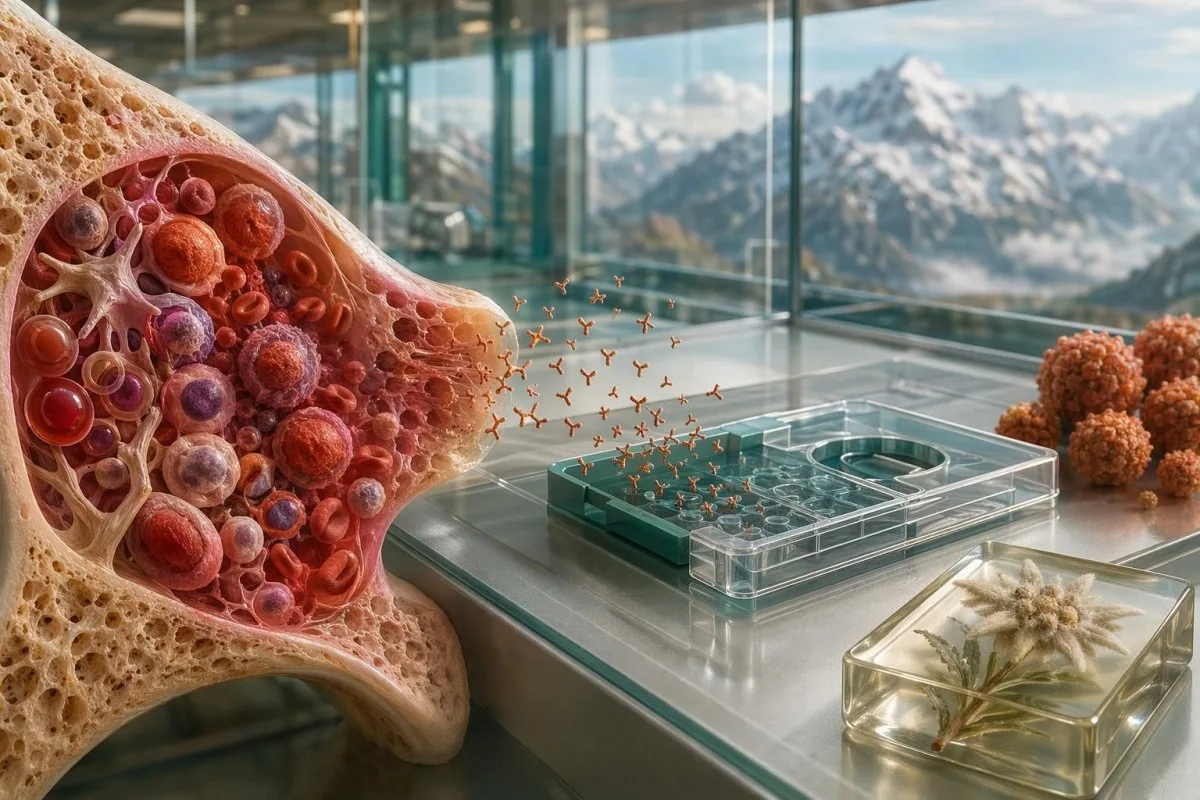
Уусдаг трансферрины рецептор (sTfR) нь ясны чөмөг хангалттай төмөр авч чадахгүй үед нэмэгддэг тул үрэвсэл, жирэмслэлт, архаг өвчин эсвэл саяхан болсон халдварын улмаас ферритин хэт өндөр харагдах үед ч жинхэнэ төмрийн дутагдлыг илрүүлж чадна.


- Уусдаг трансферрины рецептор Хөгжиж буй улаан эсүүдэд төмөр хүргэлт хангалтгүй үед нэмэгддэг; ферритинтэй харьцуулахад үрэвслээр бага гажууддаг.
- Ферритин 15 нг/мл-ээс доогуур Насанд хүрэгчдэд төмрийн нөөц багассан байдлыг хүчтэй дэмждэг боловч халдвар, элэгний өвчин, аутоиммун өвчин эсвэл жирэмслэлтийн үед ферритин хэвийн эсвэл өндөр харагдаж болно.
- Уусдаг трансферрины рецептор өндөр Ихэвчлэн жинхэнэ төмрийн дутагдал, улаан эсийн үйлдвэрлэл нэмэгдэх, эсвэл хоёуланг нь илтгэнэ; энэ нь дангаараа онош тавих үндэслэл биш.
- CRP 5-10 мг/л-ээс дээш Ферритинийг төөрөгдүүлж болдог тул sTfR, трансферрины ханалт ба CBC-ийн индексүүд илүү хэрэгтэй болдог.
- TSAT 20%-ээс доогуур Цусны эргэлтэд байгаа төмөр хязгаарлагдсаныг илтгэнэ, ялангуяа MCV бага, MCH бага эсвэл RDW нэмэгдэж байвал.
- sTfR/log ferritin индексийг Тархаг үрэвслийн үеийн цус багадалтаас төмрийн дутагдлын цус багадалтыг ялгахад тусалж болох ч таслах утгууд шинжилгээний аргазүйгээс хамаарч өөр өөр байдаг.
- Жирэмслэлтийн үеийн тайлбар нь илүү төвөгтэй: плазмын эзлэхүүн тэлж, эритропоэз нэмэгддэг; олон эмч нар ферритин 30 ng/mL-ээс доош байвал сэжигтэй гэж үздэг.
- Эмчилгээний хариу ихэвчлэн 7-10 хоногийн дотор ретикулоцитын өөрчлөлт, 2-3 долоо хоногийн дотор гемоглобины өсөлт, хэдэн долоо хоногийн дараа sTfR сайжрал илэрдэг.
Ферритин өндөр үед уусдаг трансферрины рецептор яагаад тус болдог вэ
Уусдаг трансферрины рецептор жинхэнэ төмрийн дутагдлыг ялгахад тусалдаг, учир нь хөгжиж буй улаан эсүүд төмөр хүсэж эхлэх үед энэ нь нэмэгддэг; харин ферритин нь бие үрэвссэнээс болж зүгээр л өсөж болно. Практикт би үүнийг ферритин 30-300 ng/mL үед захиалж эсвэл тайлбарладаг боловч CRP, жирэмслэлт, бөөрний өвчин эсвэл саяхан болсон халдвар нь ферритинийг итгэхэд хэцүү болгодог.
Kantesti нь AI цусны шинжилгээний анализатор бөгөөд ферритин, CRP, трансферрины ханалт болон CBC-тай ижил клиник хүрээнд уусдаг трансферрины рецепторыг уншдаг. Учир нь 90 ng/mL ферритин нь эрүүл насанд хүрэгчид хангалттай нөөцийг илэрхийлж болох ч CRP нь 18 mg/L байгаа өвчтөнд төмрийн дутагдлыг нуудаг.
Би Томас Кляйн, MD, өдөр тутмын лабораторийн хяналт дээр миний хардаг хамгийн түгээмэл урхины нэг нь энэ: ядартай өвчтөнд ферритин хэвийн гэж хэлдэг, гэтэл MCV 88 fL-ээс 80 fL болж буурсаар, трансферрины ханалт 12% байна. Манай тайлбарлагч CRP-тэй хавсарсан маркеруудтай харьцуулах юм. яг тэр үрэвслийн сохор цэгийг хамардаг.
Ферритин 15 ng/mL-ээс доош байх нь насанд хүрэгчдэд төмрийн нөөц шавхагдсан байдлыг маш өндөр өвөрмөцөөр илтгэнэ, гэхдээ ферритин нь мөн цочмог үеийн урвалын уураг. WHO 2020 ферритиний удирдамжид халдвар эсвэл үрэвсэл байгаа үед ферритинийг CRP эсвэл альфа-1-ацид гликопротейн зэрэг үрэвслийн маркеруудтай хамт тайлбарлахыг тодорхой зөвлөсөн байдаг (WHO, 2020).
Kantesti LTD нь бидний Бидний тухай хуудас, гэхдээ клиник зарчим нь дижитал ямар ч хэрэгслээс хуучин: төмрийн маркерийг дангаар нь уншиж болохгүй. Практик алхам нь нэг тоо H эсвэл L тэмдэгтэй эсэхээс илүүтэйгээр хэв шинж нь чөмөгт төмрийн өлсгөлөнтэй нийцэж байна уу гэдгийг асуух явдал.
Төмөр өлссөн ясны чөмөгт sTfR шинжилгээ юу хэмждэг вэ
The sTfR шинжилгээ төмөр импортолж буй эсүүдээс, ялангуяа ясны чөмөг дэх эритроид урьдал эсүүдээс ялгарч буй трансферрины рецептор-1-ийн эргэлдэх уусдаг хэсгийг хэмждэг. Төмрийн хангамж хангалтгүй үед эдгээр эсүүд илүү олон рецептор илэрхийлдэг тул уусдаг трансферрины рецептор ихэвчлэн хүнд хэлбэрийн цус багадалт тод харагдахаас өмнө нэмэгддэг.
Трансферрины рецептор-1 нь трансферринтэй холбогдсон төмрийн эсийн үүд хаалга юм. sTfR өндөр гарсан нь чөмөг цусны эргэлтээс илүү төмөр татаж авах гэж оролдож байгааг биохимийн шинжээр илтгэнэ; энэ нь хоол, өвчин эсвэл өдрийн цагийн нөлөөгөөр өөрчлөгдөж болох, илүү “чимээ ихтэй” маркер болох ийлдэсний төмрөөс өөр.
Үрэвслийн хариу урвалын үед гепцидин нь макрофаг болон гэдэсний эсүүдээс төмрийн ялгаралтыг хориглодог тул ийлдэсний төмөр хэдхэн цагийн дотор буурч болно. Хэрэв та төмрийн панелийн өргөн хүрээний контекстийг хүсвэл манай төмрийн судалгааны гарын авлага TIBC, трансферрины ханалт болон холбох чадварыг мөн тэр хүрээнд тайлбарладаг.
Уусдаг трансферрины рецепторын шинжилгээг ихэвчлэн ийлдэс эсвэл плазм дээр иммунологийн аргаар хийдэг бөгөөд үр дүнг mg/L, nmol/L эсвэл шинжилгээний аргаас хамаарах нэгжээр мэдээлж болно. Kantesti-ийн биомаркерийн гарын авчим эдгээр нэгжийн ялгааг хянадаг, учир нь 4.8 mg/L гэсэн утга нэг аргаар хэвийн, нөгөө аргаар хэвийн бус байж болно.
Миний туршлагаар энэ шинжилгээ хамгийн их хэрэгтэй байх нь ‘энэ хүн цус багадалттай юу?’ гэхээс илүү ‘төмрийн хүргэлт нь улаан эсийн үйлдвэрлэлийг хязгаарлаж байна уу?’ гэсэн асуулт тавигдах үед байдаг. Энэ ялгаа тамирчид, үрэвсэлт гэдэсний өвчин, ревматоид артрит, архаг бөөрний өвчин, жирэмслэлт зэрэгт чухал, учир нь гемоглобин төмрийн стрессээс хэдэн долоо хоногоор хоцорч илэрч болно.
Лавлах хүрээ ба өндөр sTfR нь юу гэсэн үг вэ
A өндөр уусдаг трансферрины рецептор ихэвчлэн төмрийн дутагдалтай эритропоэз эсвэл улаан эсийн үйлдвэрлэл нэмэгдсэнтэй холбоотой байдаг, гэхдээ тоон таслах босго нь шинжилгээний аргыг ихээхэн дагадаг. Зарим насанд хүрэгчдийн лавлах интервалууд нэг түгээмэл хэмжүүр дээр 0.8-1.8 mg/L орчим байдаг бол бусад лабораториуд 2.2-5.0 mg/L-т ойр интервал ашигладаг.
Арга ба нэгж таарахгүй бол лабораториудын хооронд sTfR-ийн утгыг харьцуулж болохгүй. Би онлайн хүрээ 1.8 mg/L-ийг өндөр гэж хэлсэн тул өвчтөнүүдийн нэг нь sTfR 4.2 mg/L гэж гарсан дээр сандрахыг харсан; харин тэдний өөр лабораторийн дээд лавлах хязгаар 5.0 mg/L байсан.
Орон нутгийн дээд хязгаараас 20-50% дээш утга нь ферритин 30 ng/mL-ээс доош, трансферрины ханалт 20%-ээс доош, мөн MCH 27 pg-ээс доош байвал илүү үнэмшилтэй. Ферритин, TIBC болон ийлдэсний төмөр хэрхэн нийлж байгааг энгийн хэлээр сэргээхийг хүсвэл манай төмрийн бага үр дүн.
Уусдаг трансферрины рецептор нь яаралтай тусламжийн критик-care маркер биш; кали эсвэл тропонин шиг бүх нийтийн “яаралтай” таслах босго байдаггүй. Маш өндөр sTfR нь төмөр нэмэх нь үргэлж аюулгүй гэсэн автомат дүгнэлт хийхээс илүүтэйгээр цус багадалтын нарийвчилсан үнэлгээг эхлүүлэх дохио өгөх ёстой.
Нэг нарийн зүйл: sTfR нь ихэвчлэн ферритинээс үрэвслээр бага нөлөөлөгддөг боловч ясны чөмөгний идэвхжилд нөлөөлөгдөнө. Тиймээс гемолиз, талассеми, саяхны цус алдалтын дараах сэргээлт, эритропоэтин эмчилгээ, жирэмслэлт нь нийт биеийн төмөр дангаараа асуудал биш байсан ч үүнийг өсгөж болно.
Ферритин, CRP ба sTfR/лог ферритин индекс
The sTfR/log ferritin индексийг Ясны чөмөгний эрэлтэд суурилсан маркерийг агуулах маркерын мэдээлэлтэй хослуулдаг тул зөвхөн ферритинээс илүүтэйгээр үрэвслийн улмаас үүссэн цус багадалтаас жинхэнэ төмрийн дутагдлыг илүү нарийвчлалтай ялгаж чадна. Энэхүү индекс нь ферритин 30-150 ng/mL, мөн CRP ойролцоогоор 5-10 mg/L-ээс дээш үед хамгийн их тустай.
Ердийн тооцоо нь уусдаг трансферрины рецепторыг ферритиний log10-д хуваах явдал боловч лабораториуд нэгж, калибровкоороо ялгаатай. Тиймээс шинжилгээний аргаас хамаараад 1.5, 2.0 эсвэл 3.2 гэсэн таслах утга бүгд үндэслэлтэй байж болох бөгөөд өвчтөн гэнэт биологио өөрчилсөн мэтээр тайлбарлах шаардлагагүй.
Skikne болон хамт олон American Journal of Hematology сэтгүүлд sTfR болон sTfR/log ферритиний индекс нь урьдчилсан олон төвийн үнэлгээнд (Skikne et al., 2011) төмрийн дутагдлын цус багадалт ба архаг өвчний цус багадалтыг ялгах чадварыг сайжруулсан гэж мэдээлсэн. Энэ бол олон энгийн самбарууд бүдэгрэх яг тэр “холимог цус багадалтын бүс”.
Ферритин нь цочмог үрэвслийн хариу урвалын үед 2-5 дахин нэмэгдэж болох бол ийлдэсний төмөр болон трансферрины ханалтын хувь хурдан буурч магадгүй, учир нь гепцидин төмрийг агуулах хэсгүүдэд “барьж” тогтоодог. Манай нийтлэл ийлдэсний төмөр бага вирусын халдварын дараах үед төмрийн үзүүлэлт бага гарах нь үргэлж хоол тэжээлийн дутагдал биш байдгийг тайлбарладаг.
Энэхүү индекс нь ид шид биш. Жишээлбэл ферритин маш өндөр байвал, элэгний өвчин эсвэл хүнд үрэвслийн үед 800-1000 ng/mL-ээс дээш гэх мэт, sTfR нь тусалсаар байж болох ч тооцоо нь эмнэлзүйн хувьд илүү “цэгцтэй” биш болж, шинжилгээний аргыг ойлгодог хүнээр тайлбарлуулах ёстой.
Үрэвсэл, архаг өвчин ба функциональ төмрийн дутагдал
Архаг үрэвслийн өвчинд уусдаг трансферрины рецептор нь абсолют төмрийн дутагдлыг үйл ажиллагааны төмрийн дутагдал, өөрөөр хэлбэл төмөр агуулахад байгаа боловч ясны чөмөгт үр ашигтай хүрч чадахгүй байдлаас ялгахад тусалдаг. Энэ хэв маяг нь ихэвчлэн хэвийн эсвэл өндөр ферритин, TSAT 20%-ээс доогуур бага трансферрины ханалт, мөн хувьсамтгай sTfR-тай харагддаг.
Camaschella-гийн 2015 оны New England Journal of Medicine тоймд гепцидиныг үрэвслийн үед гэдэснээс төмрийн шимэгдэлт болон макрофагуудаас төмөр ялгаралтыг хаадаг төв зохицуулагч гэж тодорхойлсон байдаг (Camaschella, 2015). Энэ механизм нь ясны чөмөг функциональ байдлаараа төмөр дутагдалтай байхад ферритин тайвшруулам мэт харагдаж болох шалтгааныг тайлбарладаг.
Kantesti нь AI лабораторийн шинжилгээний тайлбар үйлчилгээ бөгөөд энэ хэв маягийг sTfR-ийг CRP, альбумин, ферритин, трансферрины ханалтын хувь болон CBC-ийн индекстэй хамт уншиж илрүүлдэг; дан ганц нэг хэвийн бус үр дүн гэж үзэхгүй. Манай эмнэлгийн баталгаажуулалт стандартууд нь хэв маяг таних дээр суурилагдсан, учир нь архаг өвчин ховорхон “сурах бичгийн” лабораторийн үзүүлэлт өгдөг.
Нийтлэг жишээ: ревматоид шинж тэмдэгтэй 58 настай хүн гемоглобин 10.8 g/dL, ферритин 180 ng/mL, CRP 24 mg/L, TSAT 11% байна. Хэрэв уусдаг трансферрины рецептор тодорхой өндөр байвал би жинхэнэ төмрийн дутагдал нь үрэвслийн дээр давхарласан байх магадлалд илүү сэжигтэй болдог.
Нэг нийтлэг тохиолдол: ESR өндөр, гемоглобин бага байгаа нь хөгшрөлт гэж тоомжиргүй өнгөрөөж болохгүй. Бидний ESR ба гемоглобин халдвар, аутоиммун болон хорт хавдрын хэв маягийг ялгаж салгах гэж эмч нар урт хугацааны төмөр өгөхөөс өмнө оролддог бөгөөд тэр хэв маягуудаар дамжин тайлбарлана.
Жирэмслэлт, төрсний дараах үе ба саяхны өвчлөл: sTfR хаана таардаг вэ
Жирэмслэлтийн үед болон саяхан өвдсөний дараа sTfR нь төмрийн хэрэгцээг тодруулж чадна, гэхдээ тайлбар нь сийвэнгийн эзлэхүүн нэмэгдэх, улаан эсийн үйлдвэрлэл ихсэх, үрэвсэл нэмэгдэх зэргийг тооцох ёстой. Жирэмсэн үед ферритин 30 нг/мл-ээс доош байх нь ихэвчлэн гемоглобин хараахан буураагүй байсан ч төмрийн дутагдлын сэжигтэй гэж эмчилдэг.
Жирэмслэлт нийт төмрийн хэрэгцээг ойролцоогоор 1000 мг-аар нэмэгдүүлдэг: эхийн улаан эсийн тэлэлт, урагт хэрэгцээ, мөн төрөх үеийн алдагдлуудын нийлбэрээр. Эхний эсвэл гурав дахь гурван сард гемоглобин 11.0 г/дл-ээс доош, эсвэл хоёр дахь гурван сард 10.5 г/дл-ээс доош байвал ихэвчлэн цус багадалтын үнэлгээг өдөөдөг боловч эдгээр босгоос өмнө төмрийн дутагдал байж болно.
Уусдаг трансферрины рецептор нь хожуу жирэмслэлтэд хэсэгчлэн нэмэгдэж болно, учир нь эритропоэз физиологийн хувьд илүү идэвхтэй байдаг. Энэ нь ферритин 8 нг/мл-тэй бага зэрэг өндөр sTfR бол ойлгомжтой, харин ферритин 65 нг/мл ба CRP 16 мг/л-тэй бага зэрэг өндөр sTfR нь илүү их контекст шаарддаг гэсэн үг.
Гурван сард тусгайлан төмрийн тайлбар хийхийн тулд манай жирэмсний үеийн төмрийн хүрээтэй харьцуулна уу. нийтлэл нь жирэмсэн бус насанд хүрэгчдийн хүрээг хэрэглэхээс илүү хэрэгтэй. Мөн төрсний дараах цус алдалт, хөхүүлэлт, гиперемезис, бариатрын мэс засал, мөн жирэмслэлтүүдийн хоорондын зайг би асуудаг, учир нь эдгээр нь төмрийн нөөцийг хэдэн арван нг/мл-ээр хөдөлгөж чадна.
Ханиад (flu), COVID, уушгины хатгалгаа эсвэл вакцины урвалын дараа зарим өвчтөнд ферритин 2–6 долоо хоногийн турш өндөр хэвээр байж болно. Шинж тэмдгүүд тогтвортой байвал эдгэрсний дараа ферритин, CRP болон трансферрины ханалтыг давтан шалгах нь төмрийг шууд нэмэгдүүлэхээс ихэвчлэн илүү цэвэр тайлбар өгдөг.
sTfR-ийг илүү итгэмээр болгодог CBC-ийн дохио
CBC дээр микрoцитоз, бага MCH, RDW нэмэгдэж байгаа эсвэл цаг хугацааны явцад гемоглобин буурч байгаа нь илэрвэл өндөр sTfR нь төмрийн дутагдлын хувьд илүү үнэмшилтэй байдаг. Насанд хүрэгчдэд MCV 80 fL-ээс доош, MCH 27 pg-ээс доош байх нь төмөр улаан эсийн үйлдвэрлэлд хүрэлцэхгүй байгааг илтгэх сонгодог дохио юм.
CBC-ийн хамгийн эртний дохио заримдаа бага гемоглобин биш; энэ нь “хазайлт” (drift) байдаг. 9 сарын дотор MCV нь 91 fL-ээс 83 fL болж буурсан өвчтөн тайлан дээр хүрээнд байна гэж бичсэн байсан ч төмрөөр хязгаарлагдсан эритропоэз хөгжиж байж болно.
RDW нь ясны чөмөг хуучин хэвийн хэмжээтэй эсүүд болон шинэ жижиг эсүүдийн холимог популяцыг ялгаруулах үед ихэвчлэн 14.5%-ээс дээш өсдөг. Хэв маяг уншихын тулд энэ нийтлэлийг манай MCV ба MCH гарын авлагатай хослуулж, зөвхөн гемоглобин руу ширтэхээс илүү.
Ретикулоцитын гемоглобины агууламж, ихэвчлэн CHr эсвэл Ret-He гэж нэрлэдэг, өмнөх хэдхэн өдрийн төмрийн хүртээмжийг харуулж чадна; олон лабораторид ойролцоогоор 28–29 pg-ээс доош утгууд нь төмрөөр хязгаарлагдсан улаан эсийн үйлдвэрлэл байгааг илтгэнэ. Энэ маркер нь төмрийн эмчилгээний дараа ферритинаас хурдан өөрчлөгдөж болно.
Бид улаан эсийн индексүүдийн талаар илүү гүнзгий судалгааны маягийн хэлэлцүүлгийг манай RDW гарын авлага. нийтэлсэн. Практик орны (bedside) дүрэм нь энгийн: хэрэв sTfR, RDW, MCV, MCH болон TSAT бүгд нэг чиглэл рүү зааж байвал ферритин бүхэл түүхийг хэлж чадахгүй байх магадлал бага.
Өндөр sTfR нь төмрийн дутагдал биш байх үе
Өндөр уусдаг трансферрины рецептор нь үргэлж төмрийн дутагдал гэсэн үг биш, учир нь ясны чөмөг улаан эсийг хурдан үйлдвэрлэж байхад энэ маркер мөн нэмэгддэг. Гемолиз, талассемийн шинж (trait), цус алдалтын дараах сэргэлт, эритропоэтин эмчилгээ болон зарим ховор ясны чөмөгний өвчнүүд нь энгийн хоол тэжээлийн төмрийн дутагдалгүйгээр ч sTfR-ийг нэмэгдүүлж болно.
Энд эмнэлзүйн туршлага нь хүмүүсийг хэт эмчилгээнээс хамгаалдаг. Би sTfR нь хүрээнээс дээгүүр, ферритин 48 нг/мл, CRP хэвийн байсан залуу тэсвэр тэвчээрийн тамирчин харсан; үнэндээ улаан эсийн тоо өндөр, MCV 67 fL байсан нь өндөр улаан эсийн тоогоор илэрдэг талассемийн шинж (trait)-ийг санал болгож байсан.
Бага ретикулоцит нь өндөр ретикулоцитоос өөр түүх өгүүлдэг. Бага ретикулоцитын тухай манай гарын авлага удаан хөдөлгөөнтэй ясны чөмөг нь бодит асуудал нь B12, фолат, бөөрний дааврын дохиолол эсвэл ясны чөмөгний дарангуйлалт байхад цус багадалтыг төмөртэй холбоотой мэт харагдуулж болохыг тайлбарладаг.
Гемолиз нь sTfR-ийг өсгөж болно, учир нь ясны чөмөг эсийг ердийнхөөс хурдан нөхөх гэж оролдож байна. Энэ нөхцөлд би төмрийн эм асуудлыг засна гэж шууд таамаглахын оронд ретикулоцит 2.5%-ээс дээш, бага гаптоглобин, LDH өндөр, шууд бус билирубин өндөр байгаа эсэхийг хайдаг.
Ферритин 300 нг/мл-ээс дээш, TSAT 45%-ээс дээш бүхий өндөр sTfR нь ердийн төмрийн дутагдлын зураглал биш. Энэ хослол нь нэмэлт тэжээл өгөхөөс өмнө эмчийн (клиницистийн) үнэлгээг шаарддаг; ялангуяа элэгний өвчтэй, давтан сэлбэлт хийлгэсэн эсвэл гэр бүлд төмрийн хэт ачааллын түүхтэй хүмүүст.
Эмч нар уусдаг трансферрины рецепторын шинжилгээг хэрхэн захиалж, бэлтгэдэг вэ
Уусдаг трансферрины рецепторын шинжилгээ нь стандарт лабораторийн иммун-ассай бөгөөд ихэвчлэн өлсөж (мацаг барьж) авах шаардлагагүй, гэхдээ хамгийн сайн тайлбарын тулд ферритин, CRP болон трансферрины ханалтыг хамт захиалах хэрэгтэй. Нэг өдрийн дотор хийсэн CBC нь үр дүнг илүү клиникийн хувьд ашигтай болгодог.
Ихэнх лабораториуд sTfR-ийг ийлдэс эсвэл плазмаас хийж чаддаг боловч энэ нь төмрийн ердийн шинжилгээний багцад үргэлж ордоггүй. Хэрэв таны эмч холимог төмрийн дутагдал ба үрэвслийг сэжиглэж байгаа бол захиалга нь ферритин, ийлдэс дэх төмөр, TIBC эсвэл трансферрин, трансферрины ханалт, CRP болон CBC-ийг багтаасан эсэхийг асуугаарай.
sTfR өөрөө мацаг барих шаардлага бараг хэзээ ч байдаггүй, гэхдээ ийлдэс дэх төмөр нь хоолны дараа болон өдрийн цагаар өөрчлөгдөж болно. Хэрэв ийлдэс дэх төмөр болон трансферрины ханалтыг шийдвэр гаргахад ашиглаж байгаа бол өглөөний цусны сорьц ихэвчлэн илүү цэвэр байдаг, ялангуяа өмнөх үр дүн хил хязгаартай байсан бол.
Урьдчилсан шинжилгээний (pre-analytic) нарийн мэдээлэл хүмүүсийн бодсоноос илүү чухал. хоолойн өнгөний утга буруу төрлийн сорьц лабораторид хүрвэл шинжилгээг яагаад хойшлуулж эсвэл татгалзаж болохыг тайлбарладаг.
Эмийн болон нэмэлт тэжээлийн мэдээллийг авчир. Шинжилгээний өглөө уусан аман төмөр нь ийлдэс дэх төмрийг түр зуур өөрчилж болох бол 3 хоногийн өмнөх өвчнөөс үүссэн үрэвсэл нь sTfR-ийн утгаас илүү ферритин болон трансферрины ханалтыг гажуудуулж чадна.
Төмрийн эмчилгээг хянах ба дахин шинжилгээ хийхэд sTfR ашиглах
sTfR нь төмрийн эмчилгээ ясны чөмөгт хүрч байгаа эсэхийг хянахад тусалж болох ч гемоглобин, ретикулоцит, ферритин мөн чухал хэвээр. Үр дүнтэй аман эсвэл IV төмрийн дараа ретикулоцитын хариу 7-10 хоногийн дотор илэрч болох бөгөөд гемоглобин ихэвчлэн 2-3 долоо хоног тутамд ойролцоогоор 1 г/дл-ээр өсдөг, харин sTfR аажмаар буурна.
Би ихэвчлэн зөвхөн хэдхэн хоногийн дараа sTfR-ийг давтахгүй байхыг хичээдэг, учир нь энэ нь үйл ажиллагааны ясны чөмөгний хариу урвалаас хоцорч илэрч болно. Өвчтөн тогтвортой байвал 4-8 долоо хоногийн зай илүү утгатай; харин хүнд хэлбэрийн цус багадалт, жирэмслэлт эсвэл идэвхтэй цус алдалт нь ойрхон эмнэлгийн хяналт шаарддаг.
Аман төмөр нь ихэвчлэн тун тутамд 40-65 мг элементэн төмөр агуулдаг бөгөөд олон өвчтөн өдөр бүрийн гурав биш харин өдөр алгассан (every other day) байдлаар уухад илүү сайн шингэдэг. Манай төмрийн нэмэлт тэжээлийн зааврыг үзнэ үү тун, гаж нөлөө болон дахин шинжилгээ хийх хугацааг илүү дэлгэрэнгүй тайлбарласан.
Хэрэв тэсвэрлэсэн эмчилгээний 3-4 долоо хоногийн дараа гемоглобин ойролцоогоор 1 г/дл-ээр өсөхгүй бол би дагаж мөрдөлт, үргэлжилж буй цус алдалт, целиак өвчин, H. pylori, сарын тэмдгийн их цус алдалт, бөөрний өвчин болон үрэвслийн гепцидин хориглолт (hepcidin blockade)-ын талаар асуудаг. Зүгээр л төмрийн тунг хоёр дахин нэмэх нь шалтгааныг засахгүйгээр ихэвчлэн өтгөн хаталтыг улам хүндрүүлдэг.
Ферритин нөхөх (repletion) нь шинж тэмдэг сайжрахаас удаан хугацаа шаарддаг. Өвчтөн ферритин 25 ng/mL хүрэхэд өөрийгөө илүү сайн гэж мэдэрч болох ч олон эмч нар гемоглобин хэвийн болсны дараа нөөцийг сэргээхийн тулд ойролцоогоор 3 сарын турш үргэлжлүүлэн эмчилдэг; төмрөөс зайлсхийх шалтгаан байхгүй бол.
Зөрүүтэй төмрийн үр дүнтэй юу хийх вэ
Зөрүүтэй төмрийн үр дүнг таамаглаж биш, хэв шинжийг шалгах замаар шийдвэрлэх хэрэгтэй. Хэрэв ферритин хэвийн, трансферрины ханалт бага, CRP өндөр, мөн sTfR өндөр байвал зөвхөн аль нэг нөхцөлөөс илүүтэйгээр жинхэнэ төмрийн дутагдал + үрэвсэл хавсарсан байх магадлал өндөр.
Нэгдүгээрт, нэгжүүд болон лавлах хүрээг баталгаажуул. Уусдаг трансферрины рецепторын (soluble transferrin receptor) утгууд өөр өөр калибровкын системд мэдээлэгдэж болох бөгөөд ферритин нь ng/mL эсвэл µg/L байж болно; трансферрины ханалт нь ийлдэс дэх төмөр болон холбогдох чадвараас (binding capacity) гарган авсан хувь (percentage) юм.
Хоёрдугаарт, хугацааг шалга. Целлюлитийн үед, COVID-ийн үед, ревматоидын хурцадмал үед эсвэл хүнд хүчний дасгал хийсний дараа 48 цагийн дотор авсан ферритин нь суурь төмрийн нөөцийг илэрхийлэхгүй байж болох тул 2-6 долоо хоногийн дараа давтан хийх нь тайлбарыг өөрчилж чадна.
Гуравдугаарт, энэ зөрүү нь эмнэлзүйн хувьд яаралтай эсэхийг шийд. Манай хэвийн бус цусны шинжилгээг давтан өгөх дахин шалгах, нэмэлт шинжилгээ нэмэх, мөн хүлээхгүй байх үеийн хувьд тохиромжтой хүрээг өгдөг.
Эмчийн хэрэгтэй хэллэг нь: ‘Энэ хэв шинж өвчтөнийг тайлбарлаж байна уу?’ Цайвар арьс, тайван бус хөл, пика, үс уналт, ачааллын үед амьсгаадах, сарын тэмдэг ихсэх нь өндөр sTfR-ийг илүү үнэмшилтэй болгодог; шинж тэмдэггүй, зөвхөн бага зэрэг өндөртэй өвчтөнд илүү тайван хяналт хийх хэрэгтэй.
Kantesti нь илүү өргөн биомаркерын контексттэйгээр sTfR-ийг хэрхэн уншдаг вэ
Kantesti нь уусдаг трансферрины рецепторыг CBC-ийн үзүүлэлтүүд, ферритин, CRP, трансферрины ханалт, бөөрний маркерууд болон чиг хандлагын түүхтэй харьцуулж тайлбарладаг. Kantesti нь тусгаарлагдсан “улаан туг” (red flags) биш, эмнэлзүйн хувьд уялдаатай кластеруудыг хайдаг AI биомаркер тайлбарлах платформ юм.
Манай нейрон сүлжээ нь MCV буурч, RDW өсч, ферритин 30 ng/mL-ээс доогуур эсвэл CRP нь ферритин “хөөх” (inflation) байгааг санал болгож байвал өндөр sTfR-д илүү жин өгдөг. Харин хэв шинж нь гемолиз, талассемийн шинж (thalassemia trait) эсвэл цус алдалтаас саяхан эдгэрсэнтэй холбоотойг харуулбал бага жин өгнө.
Kantesti AI нь байршуулах (uploaded) цусны шинжилгээний PDF эсвэл зурагнуудыг ойролцоогоор 60 секундын дотор боловсруулж чадна, гэхдээ хурд нь эмнэлзүйн гол зүйл биш. Ашигтай хэсэг нь давхар шалгалт (cross-check): нэг багцад 40 хүртэлх маркер байж болох бөгөөд төмрийн зангилаа (iron clue) нь ихэвчлэн CBC-ийн хэлбэлзэл, CRP болон бөөрний үйл ажиллагааны хооронд нуугдсан байдаг.
Инженерийн талыг сонирхож буй уншигчдад зориулбал манай технологийн гарын авлага манай систем улс орон бүрийн нэгжүүд, лавлах интервалууд болон чиг хандлагын шинжилгээг хэрхэн зохицуулдгийг тайлбарладаг. Энэ нь sTfR-ийн хувьд чухал, учир нь шинжилгээний (assay)-тусгай хүрээнүүд нь өвчтөний төөрөгдлийн бодит эх үүсвэр болдог.
Би өвчтөнүүдэд эмнэлэг дээр хэлсэнтэйгээ яг ижил зүйлийг одоо ч хэлсээр байна: AI-ийн тайлбар нь таны эмчтэй хийх яриаг илүү сайн болгох ёстой, орлох ёсгүй. Уусдаг трансферрины рецептор (sTfR) өндөр байх нь дараагийн асуултыг чиглүүлж чадна, гэхдээ төмрийн алдагдлын шалтгааныг заавал олж тогтоох шаардлагатай.
Төмрийн эмчилгээ эхлэхээс өмнө эмчээсээ асуух асуултууд
Төмрийн эмчилгээ эхлэхээс өмнө дутагдлыг баталж байгаа эсэх, дутагдлыг юу үүсгэсэн, мөн хариу урвалыг хэзээ шалгах талаар асуу. Хэрэгтэй үед төмөр их хэмжээгээр тусалж чадна, гэхдээ шаардлагагүй төмөр нь гаж нөлөөг нэмэгдүүлж, төмрийн хэт ачааллын үед аюулгүй биш байж болно.
Эхний асуулт: ‘Миний ферритин, sTfR, трансферрины ханалт болон CBC бүгд нэг ижил оношийг зааж байна уу?’ Хариулт үгүй бол аль үр дүнг хамгийн ихээр итгэж байгаа, мөн яагаад гэдгийг асуу.
Хоёр дахь асуулт нь цус алдалтын тухай. Сарын тэмдэг ирдэг насанд хүрэгчдэд их цус алдалт түгээмэл; их сарын тэмдэггүй насанд хүрэгчдэд төмрийн бага хэмжээ нь ходоод гэдэсний цус алдалт, шимэгдэлтийн алдагдал эсвэл хооллолтын дутагдлыг үнэлэх шаардлагатай байж болох бөгөөд үүнийг манай бага ферритин үүсгэдэг шалтгаанууд шиг насанд тохирсон лавлах утгыг ашиглах хэрэгтэй.
Гурав дахь асуулт нь хугацаа. Зөв төлөвлөгөөнд ихэвчлэн 2–4 долоо хоногт ретикулоцит эсвэл CBC, 8–12 долоо хоногт ферритин ба трансферрины ханалт, харин анхны онош тодорхойгүй байсан эсвэл үрэвсэл идэвхтэй хэвээр байвал л sTfR орно.
Анхаарах “улаан туг”-уудыг үл тоомсорлож болохгүй: хар өтгөн, санамсаргүй жин бууралт, цээжний өвдөлт, ухаан алдах, мэдэгдэхүйц амьсгаадалттай жирэмслэлт, гемоглобин 8 г/дЛ-ээс доош эсвэл тоо баримт хурдтай буурч байгаа тохиолдолд яаралтай эмнэлгийн тусламж шаардлагатай. Ихэнх төмрийн дутагдал зохицуулах боломжтой, гэхдээ түүний цаад түүх нь нэмэлт тэжээлийн савнаас илүү чухал байж болно.
Судалгааны тэмдэглэл, анагаахын тойм ба DOI эх сурвалжууд
2026 оны 7-р сарын 12-ны байдлаар уусдаг трансферрины рецепторын хамгийн сайн хэрэглээ нь чиглэсэн байдлаар: ферритин ойлгомжгүй үед захиалах, энгийн “wellness” нэмэлт болгон биш. Нотолгоо нь холимог төмрийн дутагдал ба үрэвслийн үед хамгийн хүчтэй байдаг бол жирэмслэлт, гемолиз, ясны чөмөгний идэвхжил нь эмчийн шийдвэрийг шаардсаар байна.
Энэ нийтлэлийг би Kantesti AI дахь Ерөнхий эмчийн албан тушаалтан, доктор Томас Клейн (Thomas Klein, MD) болох эмнэлзүйн байр сууринаас бичсэн бөгөөд манай эмнэлгийн засаглалын үйл явцтай уялдуулан хянасан. Манай Эмнэлгийн зөвлөх зөвлөл нь нийтлэлүүдийг өвчтөний аюулгүй байдалтай нийцтэй байлгахад тусалдаг, ялангуяа нэг маркерийг энгийн “тийм/үгүй” хариулт гэж буруу ойлгож болох үед.
Kantesti-ийн дотоод судалгааны номын санд хөрш маркеруудын талаар DOI-оор индексжүүлсэн албан эх сурвалжууд багтдаг, учир нь төмрийн тайлбар ихэвчлэн CBC болон бөөрний нөхцөлөөс хамаардаг. RDW-ийн хэвлэл нь микроцитоз ба анизоцитоз нь уусдаг трансферрины рецепторын түүхийн нэг хэсэг байх үед хэрэгтэй.
Бөөрний үйл ажиллагаа нь цус багадалтын тайлбарыг мөн өөрчилдөг, ялангуяа эритропоэтин дохиолол эсвэл архаг бөөрний өвчин нь ясны чөмөгний хариу урвалд нөлөөлөх үед. Тиймээс манай BUN креатинины гарын авлага нь төмрийн шинжилгээ биш байсан ч судалгааны нөөцөд багтсан.
Дүгнэлт: уусдаг трансферрины рецепторын шинжилгээ нь тодорхой нэг эмнэлзүйн асуултад хариулж чадвал хамгийн их хэрэгтэй. Хэрэв ферритин ‘хэвийн’ мэт харагдавч өвчтөн, CRP, CBC болон трансферрины ханалт өөр түүхийг өгүүлж байвал sTfR нь төмрийн дутагдлыг анзааралгүй өнгөрүүлэхээс сэргийлэх зангилаа байж болно.
Байнга асуудаг асуултууд
Цусанд уусамтгай трансферриний рецепторын хэмжээ ихсэх нь юу гэсэн үг вэ?
Уусдаг трансферрины рецептор (sTfR) өндөр байх нь ихэвчлэн ясны чөмөг төмрийн шимэгдэлтийг нэмэгдүүлж байгааг, өөрөөр хэлбэл төмрийн хүргэлт хангалтгүй байгааг илтгэнэ; гэхдээ улаан эсийн үйлдвэрлэл нэмэгдсэн үед мөн өсөж болно. Ферритин 30 нг/мл-ээс доогуур, трансферрины ханалт 20%-ээс доогуур, MCV бага эсвэл RDW нэмэгдэж байвал төмрийн дутагдал илүү магадлалтай. Гемолиз, талассемийн шинж (trait), саяхан цус алдалтын дараах сэргээлт, эритропоэтин эмчилгээ мөн sTfR-ийг нэмэгдүүлж болох тул үр дүнг CBC болон төмрийн шинжилгээнүүдтэй хамт тайлбарлах хэрэгтэй.
Трансферриний рецепторын уусдаг хэлбэр нь ферритинээс илүү юу?
Уусдаг трансферрин рецептор нь ферритинтэй харьцуулахад бүх тохиолдолд заавал илүү сайн биш; энэ нь өөр асуултад хариулдаг. Ферритин нь хадгалагдсан төмрийг тооцоолдог бөгөөд ялангуяа 15–30 нг/мл-ээс доош үед маш хэрэгтэй байдаг, гэхдээ үрэвсэл, халдвар, элэгний өвчин, жирэмслэлтийн үед нэмэгдэж болно. sTfR нь үрэвсэлд бага нөлөөлдөг бөгөөд ясны чөмөгний төмрийн хэрэгцээг илүү сайн тусгадаг тул ферритин хэвийн эсвэл өндөр байх үед, харин эмнэлзүйн зураглал нь төмрийн дутагдлыг хэвээр сэжиглэж байвал хамгийн их хэрэгтэй.
CRP өндөр байвал ферритины ямар түвшин бага гэж үзэх вэ?
CRP өндөр үед ферритин нь цочмог үеийн урвалж бодисын хувьд нэмэгддэг тул төмрийн нөөцийг хэтрүүлэн үнэлж болдог. Үрэвслийн нөхцөлд олон эмч нар ферритин 100 нг/мл-ээс доош байвал, ялангуяа трансферрины ханалт 20%-ээс доош байвал төмрийн дутагдлыг сэжиглэдэг. Уусдаг трансферрины рецептор өндөр байх эсвэл sTfR/лог ферритиний индекс өссөн байх нь зөвхөн ферритинд итгэхэд хэцүү үед жинхэнэ төмрийн дутагдлын нотолгоог бэхжүүлж чадна.
Нийлэмжтэй трансферриний рецепторын шинжилгээнд мацаг барих шаардлагатай юу?
Трансферриний уусдаг рецепторын шинжилгээ өөрөө ихэвчлэн мацаг барих шаардлагагүй байдаг, учир нь sTfR нь ийлдэсний төмрөөс харьцангуй тогтвортой. Хэрэв ийлдэсний төмөр болон трансферриний ханалтын түвшинг нэгэн зэрэг авч байвал өглөөний дээж нь хооллолт болон циркадийн цагтай холбоотойгоор ийлдэсний төмөр өөрчлөгддөг тул өдөр тутмын хэлбэлзлийг бууруулж чадна. Таны лаборатори эсвэл эмчээс таны бүрэн төмрийн панелд орон нутгийн мацаг барих заавар байгаа эсэхийг асуугаарай.
Жирэмслэлт нь уусдаг трансферрин рецепторыг өндөр болгох боломжтой юу?
Жирэмслэлт нь уусамтгай трансферрины рецепторын түвшинг нэмэгдүүлж болно, учир нь улаан эсийн үйлдвэрлэл нэмэгдэж, жирэмслэлт ба төрөлт хүртэл нийт төмрийн хэрэгцээ ойролцоогоор 1000 мг-аар өсдөг. Жирэмсний хожуу үед sTfR бага зэрэг өндөр байх нь заавал хэвийн бус гэсэн үг биш боловч ферритин 30 нг/мл-ээс доош байвал, трансферрины ханалт 20%-ээс доош байвал, эсвэл гемоглобин жирэмсний хугацааны босго хэмжээнээс доош унавал илүү ач холбогдолтой болдог. Жирэмсний үеийн үр дүнг зөвхөн жирэмсэн бус насанд хүрэгчдийн үзүүлэлтээр бус, эх барихын нөхцөлтэй уялдуулан тайлбарлах хэрэгтэй.
Төмрийн эмчилгээ хийсний дараа sTfR хэр хурдан сайжирдаг вэ?
sTfR нь төмрийн эмчилгээ ясны чөмөгт хүрмэгц ихэвчлэн хэдэн долоо хоногийн турш аажмаар сайжирдаг. Ретикулоцитын өөрчлөлтүүд 7–10 хоногийн дотор илэрч болох бөгөөд эмчилгээ үр дүнтэй, цус алдалт хяналттай байвал гемоглобин ихэвчлэн 2–3 долоо хоног тутамд ойролцоогоор 1 г/дл-ээр нэмэгддэг. sTfR-ийг 4–8 долоо хоногийн дараа дахин шалгах нь зөвхөн хэдхэн хоногийн дараа давтан шалгахаас ихэвчлэн илүү мэдээлэлтэй байдаг.
Уусдаг трансферрин рецептор нь архаг өвчний анеми оношилж чадах уу?
Уусдаг трансферрины рецептор нь архаг өвчний үеийн цус багадалтыг төмрийн дутагдлын цус багадалтаас ялгахад тусалж болох боловч дангаараа аль ч эмгэгийг оношлохгүй. Архаг үрэвслийн сонгодог үеийн цус багадалтын үед ферритин хэвийн эсвэл өндөр, трансферрины ханалт бага, CRP эсвэл ESR өндөр, мөн жинхэнэ төмрийн дутагдал хавсарч байгаагүй бол sTfR хэвийн байж болно. Өндөр sTfR эсвэл өндөр sTfR/ферритины лог индекс нь үрэвсэл хавсарсан холимог төмрийн дутагдлыг дэмждэг бөгөөд ялангуяа CBC-ийн үзүүлэлтүүд микроцитоз эсвэл RDW нэмэгдэж байгааг харуулсан үед.
Миний гемоглобин хэвийн байсан ч байнга цус хандивлах нь төмрийн нөөцийг бууруулж чадах уу?
Тийм. Бүх цус хандивлах бүрд хэмжээний төмөр авдаг бөгөөд гемоглобин бага болохоос өмнө төмрийн нөөц буурч болно. Хэрэв та тогтмол цус хандивэлдэг эсвэл ядардаг бол өндөр тунгаар төмөр ууж эхлэхийн оронд ferritin болон төмрийн бүрэн шинжилгээний талаар эмчээсээ асуугаарай.
Өнөөдөр AI-аар дэмжигдсэн цусны шинжилгээний тайлал аваарай
Лабораторийн шинжилгээний агшин зуур, үнэн зөв тайлалд итгэдэг дэлхийн 2 сая гаруй хэрэглэгчтэй нэгдээрэй. Цусны шинжилгээний хариугаа байршуулж, 15,000+ биомаркеруудын цогц тайллыг хэдхэн секундын дотор аваарай.
📚 Иш татсан судалгааны нийтлэлүүд
Клейн, Т., Митчелл, С., ба Вебер, Х. (2026). Маргаан голчлон 20–40 ng/mL-ийн “оновчтой” бүсэд, ялангуяа тусгай бүлгүүдэд төвлөрдөг.. Kantesti AI Медикл Рисерч.
Клейн, Т., Митчелл, С., ба Вебер, Х. (2026). BUN/Креатинины харьцааны тайлбар: Бөөрний үйл ажиллагааны шинжилгээний гарын авлага. Kantesti AI Медикл Рисерч.
📖 Гадаад эмнэлгийн лавлагаа
Дэлхийн Эрүүл Мэндийн Байгууллага (2020). Хүн болон хүн амын төмрийн байдлыг үнэлэхэд ферритиний концентрацийг ашиглах тухай ДЭМБ-ын удирдамж. Дэлхийн Эрүүл Мэндийн Байгууллага.
⚕️ Эмнэлгийн мэдэгдэл
Энэ нийтлэл зөвхөн боловсролын зорилготой бөгөөд эмнэлгийн зөвлөгөө биш болно. Оношилгоо, эмчилгээний шийдвэр гаргахдаа мэргэшсэн эрүүл мэндийн үйлчилгээ үзүүлэгчтэй заавал зөвлөлдөнө.
E-E-A-T итгэлийн дохио
Туршлага
Эмчийн удирдлагатай лабораторийн тайлалын ажлын урсгалын клиник хяналт.
Мэргэшсэн байдал
Биомаркерууд клиникийн нөхцөлд хэрхэн ажиллаж/өөрчлөгдөж байгаад чиглэсэн лабораторийн анагаах ухаан.
Эрх мэдэл
Доктор Томас Клейн бичсэн, Доктор Сара Митчелл, Проф. Доктор Ханс Вебер нар хянан тохиолдуулсан.
Найдвартай байдал
Сэрэмжлүүлгийг бууруулахын тулд тодорхой дараагийн алхамтай, нотолгоонд суурилсан тайлал.