LFT значи тестови за функција на црниот дроб, но голем дел од панелот мери повреда на хепатоцитите или прекин на протокот на жолчката, наместо самата функција на црниот дроб. Разликата го менува начинот на кој клиницистите ги толкуваат абнормалните резултати.



- значење на LFT е тестови за функција на црниот дроб, иако ALT, AST, ALP и GGT главно сигнализираат повреда или нарушен проток на жолчката наместо работата на црниот дроб.
- ALT обично изнесува околу 7-55 IU/L кај возрасни; вредност над горната граница на лабораторијата треба да се толкува заедно со лекови, вежбање, консумација на алкохол и метаболички ризик.
- Албумин обично изнесува 35-50 g/L и ги одразува протеинската продукција на црниот дроб во текот на недели, но загубата на бубрезите, воспалението и недоволниот внес исто така можат да ја намалат.
- Билирубин често изнесува 3-21 µmol/L; пораст со темна урина или бледа столица бара брза клиничка проценка.
- INR или PT ја мери продукцијата на фактори на коагулација и е еден од најкорисните крвни индикатори за опаѓање на синтетичката функција на црниот дроб кога се исклучени недостаток на витамин К и антикоагуланси.
- ALP плус GGT заедничкото покачување поддржува хепатобилијарно потекло, додека изолираното покачување на ALP може да дојде од коските.
- AST по тешка вежба може да потекнува од скелетно мускулно ткиво; проверката на креатин киназата може да спречи непотребна работа на црниот дроб.
- Итни симптоми вклучуваат новонастаната жолтица, конфузија, повраќање крв, црна смолеста столица, силна болка во горниот дел на стомакот или брзо влошување на поспаноста.
Што означува LFT — и зошто името е погрешно
LFT означува тестови за функција на црниот дроб, група крвни тестови кои се користат за откривање на повреда на црниот дроб, нарушено одведување на жолчката и намален капацитет за производство на протеини. Името е несовршено: ALT, AST, ALP и GGT се главно маркери за повреда или холестаза, додека албумин, билирубин и PT/INR даваат подиректни - иако сè уште нецелосни - индиции за функцијата на црниот дроб.

Нормалниот LFT панел не докажува дека секој аспект од здравјето на црниот дроб е нормален, а абнормалниот панел не значи автоматски откажување на црниот дроб. Аланин аминотрансфераза (ALT) се зголемува кога хепатоцитите ослободуваат ензим во циркулацијата; тоа повеќе укажува на истекување на клетките отколку на способноста на црниот дроб да произведува албумин или фактори на коагулација. Нашиот детал ALT резултат водич објаснува зошто таа разлика е важна.
Во пракса, им велам на пациентите да го сметаат панелот како три прашања: дали клетките на црниот дроб се иритирани, дали жолчката се движи слободно и дали црниот дроб синтетизира протеини нормално? Д-р Томас Клајн видел многу упати за ALT од 62 IU/L каде што вистински охрабрувачките наоди биле нормален билирубин, албумин и INR — не зборот “функција” отпечатен над панелот.
Кантести е анализатор на крвна слика со вештачка интелигенција што ги чита резултатите од LFT како шема низ целиот извештај, наместо да третира еден означен ензим како дијагноза. Од 12 септември 2026 година, нашиот работен тек за клинички преглед исто така го задржува референтниот интервал на самата лабораторија, бидејќи горната граница на ALT од 35 IU/L во една лабораторија не е заменлива со 55 IU/L во друга.
Јазикот што клиницистите сè повеќе го користат
Многу хепатолошки служби сега велат “крвни тестови за црниот дроб” или “хемиски тестови за црниот дроб” бидејќи тие ознаки не ветуваат премногу. Упатството на Американскиот колеџ за гастроентерологија слично ги одделува хепатоцелуларната повреда, холестатската повреда и нарушеното справување со билирубин при проценка на абнормални хемикалии во црниот дроб (Kwo et al., 2017).
Кои тестови обично се вклучени во LFT панел?
Типичен LFT панел вклучува ALT, AST, алкална фосфатаза (ALP), билирубин, албумин и вкупен протеин; многу лаборатории вклучуваат и GGT. PT/INR често се нарачува посебно, иако е клинички клучен кога е во прашање вистинската функција на црниот дроб.

ALT и AST се аминотрансферази, заедно сугерираат проблеми со жолчните канали или холестатски проблеми; а помагаат да се идентификува шема на билијарниот канал, а билирубинот ја одразува обработката и екскрецијата на продуктите од распаѓањето на хемот. Албуминот и PT/INR ја проценуваат синтезата, но албуминот се менува бавно бидејќи неговиот полуживот е приближно 20 дена. Видете што вклучува панел за црн дроб за вообичаените лабораториски варијации.
Вкупниот протеин и глобулинот понекогаш се појавуваат на истиот извештај, но не се специфични тестови за црниот дроб. Високиот резултат на глобулин со низок албумин може да се појави кај хронична болест на црниот дроб, автоимуно заболување или постојана воспаление; односот е индиција, никогаш дијагноза. упатство за референтни вредности на серумските протеини помага да се стават тие вредности во контекст.
Една практична нијанса: британските извештаи може да кажат “LFT”, додека американските извештаи може да кажат “hepatic function panel” или “liver panel”. Ниту еден не е целосно стандардизиран. Пред да ги споредите резултатите помеѓу земјите, споредете го аналитот, единицата и референтниот опсег отпечатен до него.
Кои LFT резултати покажуваат повреда на црниот дроб наместо функција?
ALT и AST првенствено покажуваат клеточно оштетување, а не функција на црниот дроб. ALP и GGT главно покажуваат можна холестатична шема или шема на жолчните канали, додека албуминот и PT/INR подиректно ја одразуваат синтетичката способност.

ALT е позастапен во црниот дроб од AST, но ниту еден не е ексклузивен за црниот дроб. AST е присутен во скелетните мускули, срцето и црвените крвни клетки, така што тешко вежбање, мускулна повреда или хемолизиран примерок може да го зголемат. Еден AST:ALT над 2 може да ја поддржи повредата на црниот дроб поврзана со алкохол во соодветен контекст, но не е дијагностичка сама по себе.
52-годишен маратонец со AST 89 IU/L и ALT 36 IU/L по трка е класична стапица. Би прашал за напор и мускулна болка, потоа би разгледал CK и повторен примерок по 7 дена без напорно тренирање; нашата статија за високи AST обрасци ја објаснува таа логика.
Kantesti AI ги толкува црнодробните ензими со проверка дали зголемувањето е хепатоцелуларно, холестатично, мешано или можно екстрахепатално. R-однос—(ALT поделен со неговата горна граница) поделен со (ALP поделен со неговата горна граница)— е над 5 во хепатоцелуларна шема и под 2 во холестатична шема; тоа е алат за сортирање на клиницист, а не домашна дијагноза.
Зошто шемата ја надминува највисоката бројка
ALT од 120 IU/L со нормален ALP покажува во различен правец од ALP 280 IU/L со нормален ALT. Првиот често води до преглед на метаболички, вирусни, лекови или мускулни контексти; вториот поставува прашања за жолчните канали, прометот на коските и ефектите од лековите.
LFT вредностите што поблиску ја одразуваат вистинската функција на црниот дроб
Албумин, билирубин и PT/INR се најкорисните рутински крвни знаци за вистинската функција на црниот дроб, иако секој може да биде абнормален од причини што не се поврзани со црниот дроб. Комбинацијата од зголемен билирубин и INR е многу позагрижувачка од умерено изолирано зголемување на ALT.
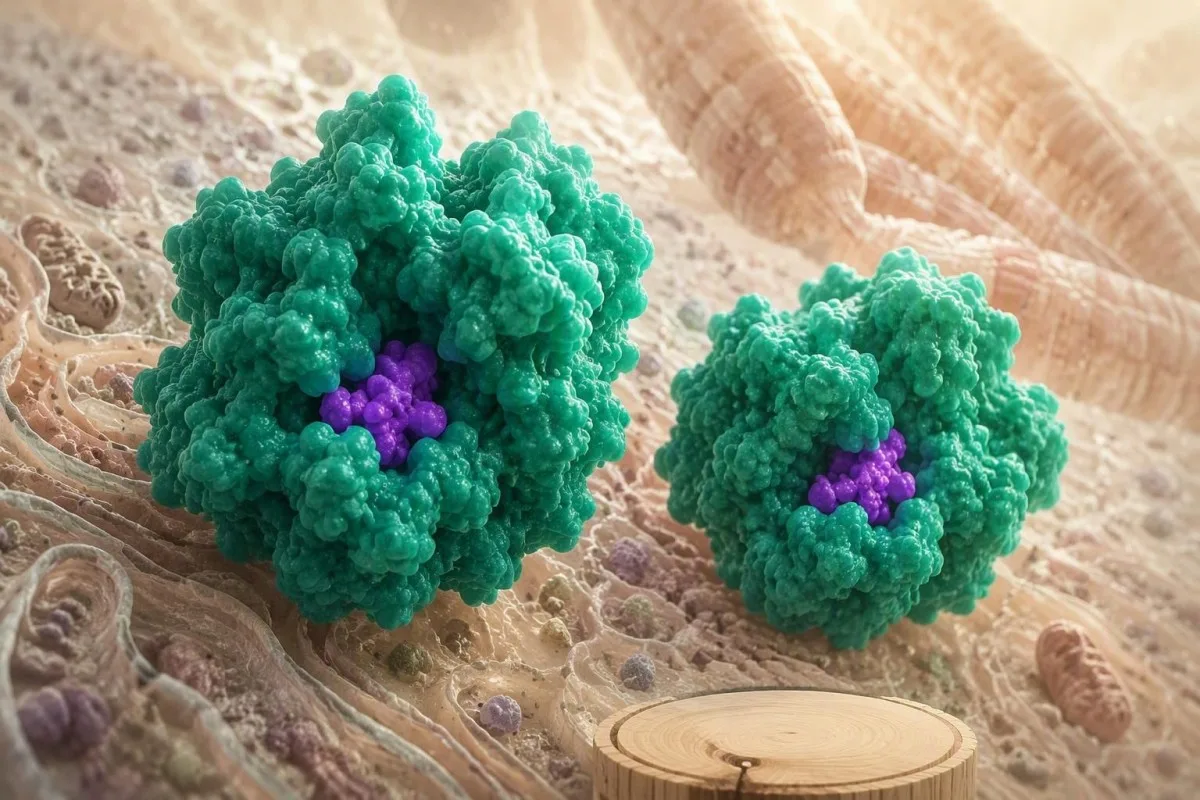
Албумин е типично 35–50 g/L кај небремени возрасни, но низок албумин може да произлезе од губење протеини преку бубрезите, системска инфламација, неухранетост, изгореници или разредување. Обично опаѓа подоцна кај хронични заболувања на црниот дроб отколку што се зголемува ALT, затоа нормалниот албумин не ја исклучува раната фиброза. Прочитајте за албумин во бременост ако ги споредувате резултатите од бременост со стандарден опсег за возрасни.
PT/INR ја рефлектира продукцијата на краткотрајни фактори на коагулација, особено фактор VII, и може да се промени за денови наместо за недели. INR над 1.5 кај акутна повреда на црниот дроб е еден критериум што се користи во итна проценка за акутна инсуфициенција на црниот дроб, но варфарин, дефицит на витамин К и некои антибиотици можат да произведат ист лабораториски сигнал. Објаснување на INR ги опфаќа тие важни исклучоци.
Билирубинот исто така не е чист тест за функција. Неконјугираниот билирубин може да се зголеми со Гиглбертов синдром, гладување или хемолиза и покрај нормалниот синтетски капацитет на црниот дроб; конјугираниот билирубин со темна урина укажува повеќе кон нарушено лачење на жолчката или хепатоцелуларна обработка. Ова е причината зошто никогаш не толкувам “покачен билирубин” без негова фракционирање.
Корисна клиничка хиерархија
Кај стабилен возрасен, нормален INR и албумин со благо покачен ALT обично укажуваат на зачувана синтетска функција. Новата жолтица, продолжувањето на INR, низок гликозен или конфузни промени ја менуваат итноста целосно и бараат медицинска проценка истиот ден.
Како да се читаат ALT и AST резултатите заедно
ALT повисок од AST е чест кај метаболичка масна болест на црниот дроб и многу вирусни или повреди поврзани со лекови, додека AST повисок од ALT има пошироки причини, вклучувајќи изложеност на алкохол и мускулна повреда. Апсолутното зголемување и трендот се посигурни од само сооднос.

ALT често се пријавува во IU/L или U/L, кои се еквивалентни за практични цели. Вредност под 2 пати поголема од горната референтна граница често се проверува повторно по преглед на алкохол, додатоци, лекови на рецепт, интеркурентни болести и неодамнешна вежба. Упатството на ACG препорачува потврдување на абнормални хепатални хемии пред да се започне со широка потрага (Kwo et al., 2017).
Вредности над 1.000 IU/L за ALT или AST не се “само масна црниот дроб” додека не се докаже спротивното. Акутен вирусен хепатитис, повреда од лекови или токсини, исхемичен хепатитис и акутна билијарна опструкција можат да предизвикаат впечатливи зголемувања; временскиот тек, симптомите и INR ја водат итноста повеќе од онлајн отсечките.
Практичниот совет на д-р Томас Клајн е да се фотографира секоја етикета од додаток пред состанок за следење. “Природните” производи, концентрираниот екстракт од зелен чај, анаболните агенси и производите за слабеење со повеќе состојки често се пропуштаат при првичната историја. Нашиот водич за додатоци што го ризикуваат црниот дроб објаснува зошто прекинувањето на осомничен производ треба да биде предводено од клиницист кога е пропишан.
Што можат да ви кажат ALP и GGT за протокот на жолчката
Зголемени ALP и GGT заедно обично поддржуваат хепатобилијарна или холестатична причина; изолирано зголемување на ALP може да дојде од коски, бременост или нормален раст. GGT помага да се локализира ALP, но не ја мери сигурно внесот на алкохол сам по себе.
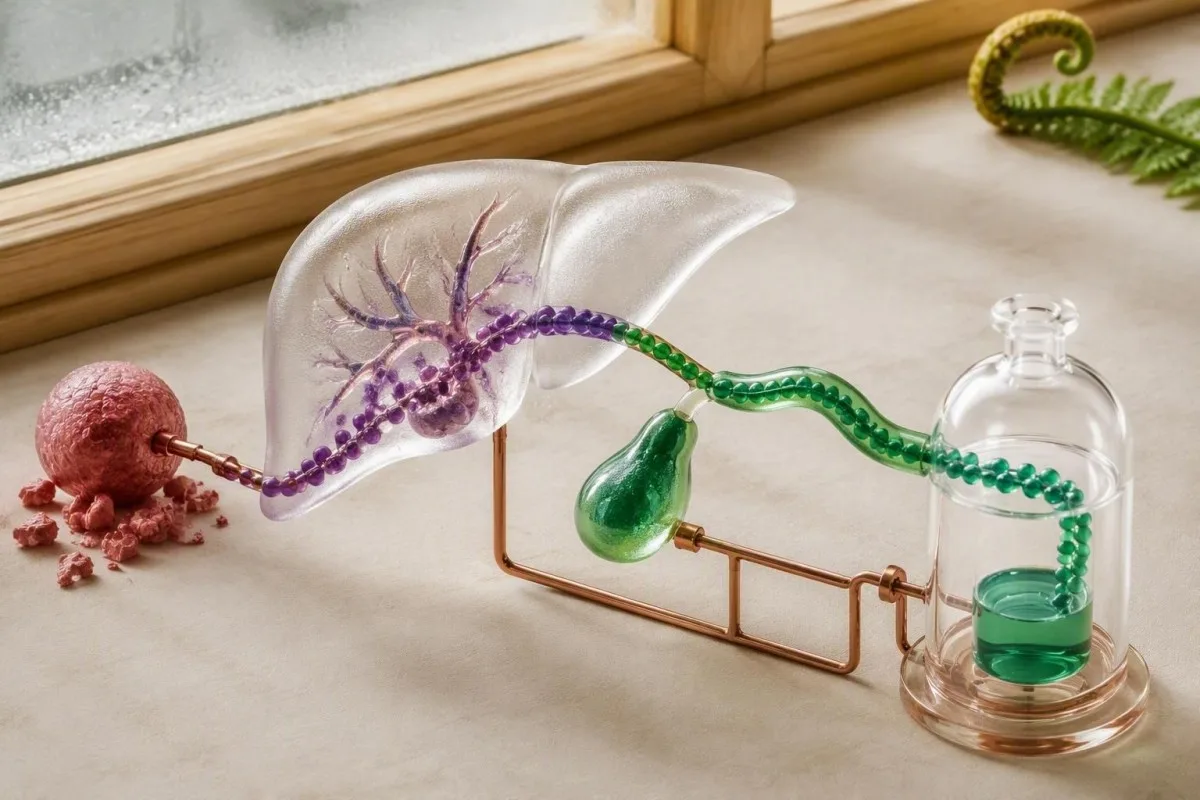
ALP често е приближно 40-129 IU/L кај возрасни, но секоја лабораторија ги поставува своите интервали. Ако ALP е покачен и GGT е нормален, клиницистите обично земаат предвид коскени причини, статус на витамин Д, лекување на фрактура или коскеен промет пред да претпостават болест на црниот дроб. Преглед на изоензими на ALP објаснува како лабораториите разликуваат извори кога е потребно.
GGT се зголемува со холестаза, изложеност на алкохол, метаболичка болест на црниот дроб и лекови кои индуцираат ензими како што се некои антиконвулзиви. GGT над 60 IU/L во многу системи за референтни вредности кај возрасни мажи заслужува контекстуален преглед, особено заедно со покачен ALP, но не постои безбеден или дијагностички “алкохолен број.” Погледнете го нашиот Водич за нормален опсег на GGT за пол и лабораториски варијации.
Комбинацијата на чешање, бледа столица, темна урина, покачена ALP и покачен билирубин бара итна проценка за опструиран проток на жолчката. Ехографијата често е прв тест за снимање, но нормалната ехографија не ги елиминира сите причини поврзани со мали канали или лекови; нашата водич за холестаза навлегува подлабоко.
Зошто билирубинот има потреба од фракции и симптоми
Вкупниот билирубин мора да се подели на директни и индиректни фракции за да биде клинички корисен. Индиректната доминација често одразува прекумерно производство или намалена конјугација, додека директната доминација сугерира нарушено лачење или обработка од страна на хепатоцитите.
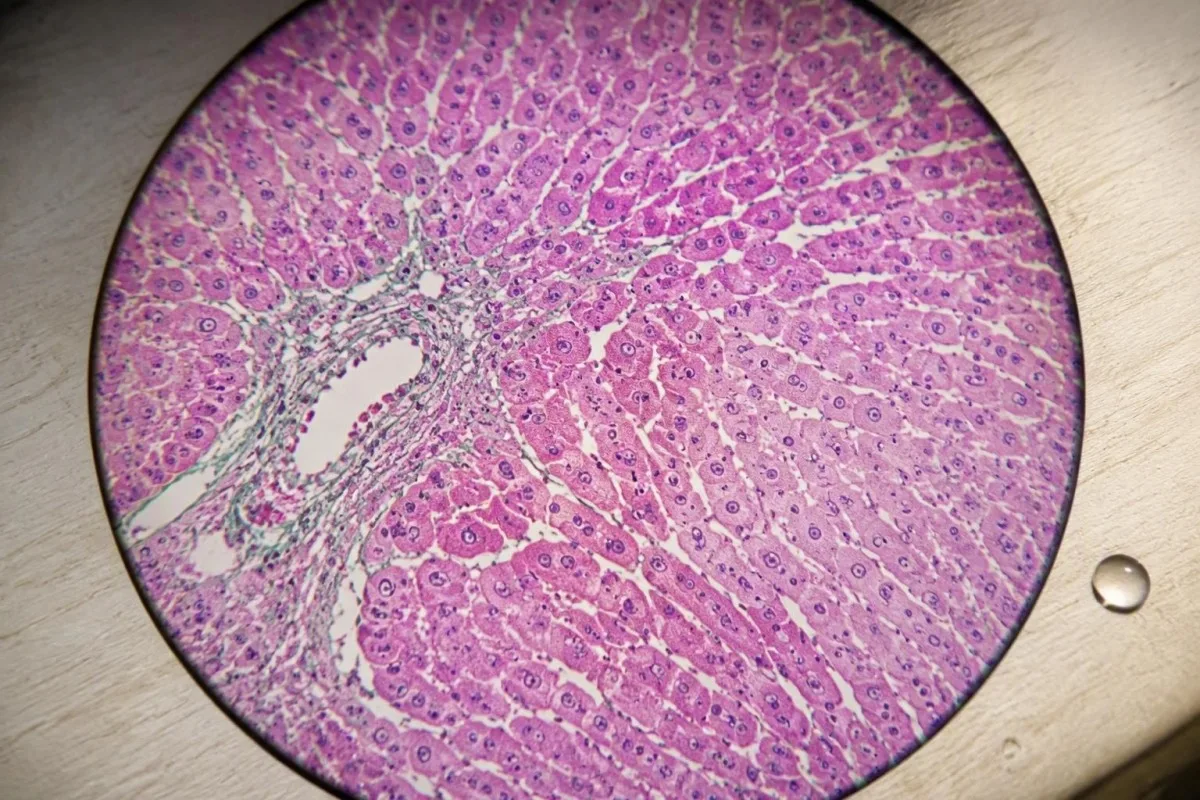
Типичен вкупен билирубин е околу 3-21 µmol/L или 0.2-1.2 mg/dL. Благо, повремено изолирано покачување под приближно 50 µmol/L со нормални ALT, ALP, албумин и крвна слика често е компатибилно со Гилбертов синдром, особено после гладување или болест, но лекарите сè уште го проверуваат образецот пред да го применат тој етикет.
Конјугираниот билирубин е растворлив во вода, така што може да ја затемни урината; неконјугираниот билирубин не може да влезе во урината. Тој мал дел од физиологијата е корисен: жолти очи плус чајно обоена урина е клинички позагрижувачка од лесно покачен индиректен билирубин пронајден случајно. Преглед шеми на директен билирубин за следните тестови што често ги избираат лекарите.
Не обидувајте се да го “исфрлите билирубинот” со детокс производи. Хидратацијата може да ја поправи концентрацијата од дехидратација, но не може да ја реши хепатитис, опструкција или хемолиза. Упорната жолтица бара вистинска проценка, особено со треска, болка или ненамерно губење на тежината.
Албумин и вкупен протеин: LFT знаци кои се движат бавно
Албуминот е бавен маркер за синтеза на протеини во црниот дроб и болести на целото тело, а не чувствителен рана детектор на оштетување на црниот дроб. Нискиот албумин станува позначаен кога е спарен со покачен INR, асцит, едем или долготраен абнормален образец на црниот дроб.
Албуминот приближно 20-дневен полуживот значи дека акутна болест од 48 часа ретко го намалува драматично само преку механизмите на црниот дроб. Напротив, падот на албуминот во текот на неколку месеци може да одразува хронична болест на црниот дроб, губење на бубрезите, хронична воспаление, недоволен внес или губење на протеини во цревата. Водичот за односот CRP-албумин покажува зошто воспалението може да го промени овој резултат.
Вкупниот протеин често е околу 60-80 g/L, но нормалниот вкупен може да сокрие низок албумин ако глобулините се зголемени. Кај хронични заболувања на црниот дроб, имуноглобулините може да се зголемат додека албуминот паѓа, оставајќи го вкупниот протеин измамнички обичен. Тоа е шема вредна за барање објаснување од лекар, наместо самолекување со протеински прав.
Кантести е Платформа за интерпретација на биомаркери со вештачка интелигенција што ги споредува албуминот, вкупниот протеин, глобулинот и бубрежните маркери заедно, бидејќи изолираниот низок албумин резултат има слаба специфичност. Анализата на трендови е особено корисна кога се користи иста лабораториска метода над најмалку два или три примероци.
Кога PT или INR го прави абнормалниот LFT поитнитен
Зголеменото PT/INR може да сигнализира намалена синтеза на фактори на коагулација во црниот дроб и ја прави акутната повреда на црниот дроб поургентна, особено со жолтица или конфузија. INR не е рутински LFT насекаде, но е суштински кога лекарите се загрижени за значителна дисфункција на црниот дроб.

INR околу 0.8-1.2 е вообичаен без антикоагулантна терапија, но релевантното прашање е промената од основната линија и клиничкиот контекст. INR над 1.5 со акутна хепатална инсуфициенција, енцефалопатија или хипогликемија бара итна евалуација; не чекајте повторен домашен тест. Водичот за панелот за коагулација објаснува што ги исклучуваат, а што не, нормалните тестови за коагулација.
Недостатокот на витамин К поради лоша апсорпција, продолжена употреба на антибиотици со широк спектар или опструкција на жолчните канали може да го продолжи PT/INR без иреверзибилна хепатална инсуфициенција. Спротивно на тоа, лицето кое зема варфарин има намерно променет INR, така што неговата вредност не може да се користи како директен маркер за хепаталната функција. Оваа нијанса спречува многу непотребна алармирање.
Повраќање крв, црна столица како катран, нова конфузија, лесно создавање модринки со жолтица или брзо растечко абдоминално отекување се симптоми на итни случаи. Резултатите од крвта се корисни, но никогаш не ја заменуваат итна клиничка прегледот во таа ситуација.
Вообичаени причини за благо абнормални LFT крвни резултати
Благо абнормалности на LFT често настануваат од хепатална стеатотична болест поврзана со метаболичка дисфункција, алкохол, лекови, суплементи, неодамнешна напорна вежбање или привремена вирусна болест. Резултат помал од 2 пати поголем од горната граница е вообичаен и често реверзибилен, но сепак заслужува структуриран преглед.
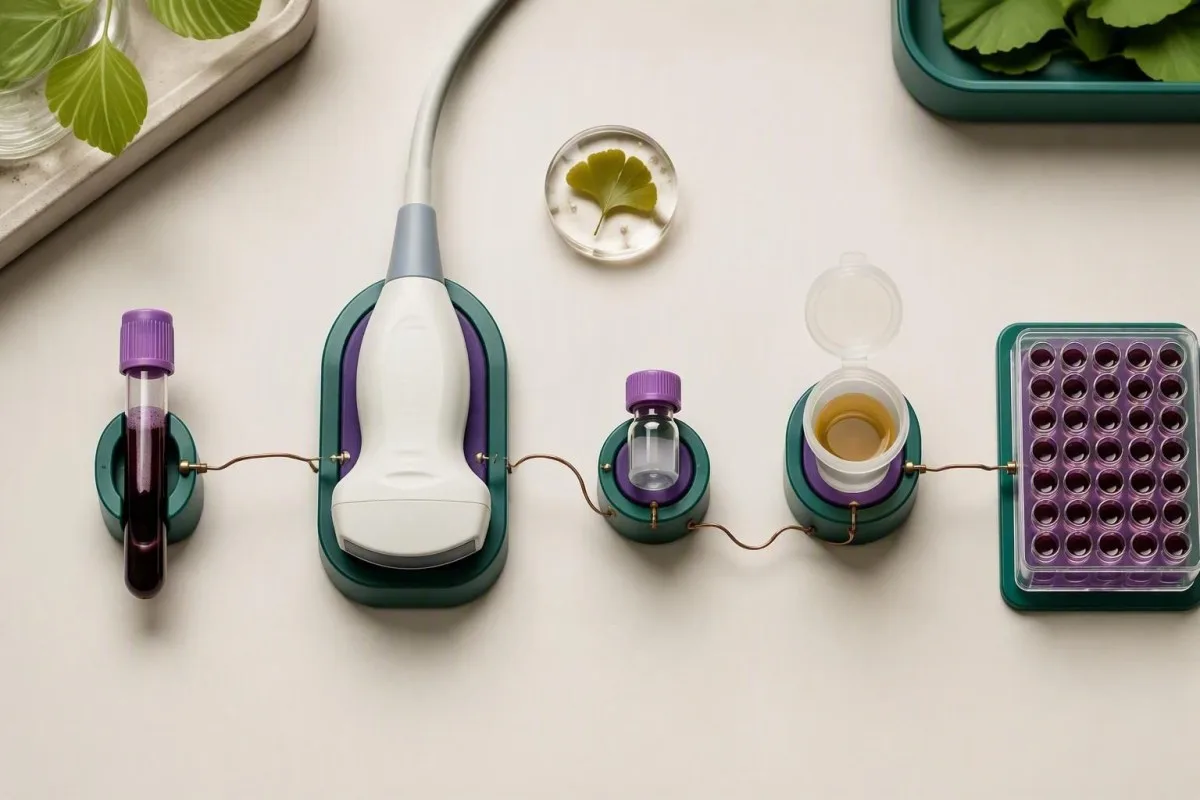
Хепатална стеатотична болест поврзана со метаболичка дисфункција е особено веројатна кога ALT е умерено висок заедно со зголемен обем на половината, триглицериди, абнормалности на гликозата или висок крвен притисок. Насоката на EASL-EASD-EASO од 2024 година препорачува откривање случаи кај луѓе со кардиометаболички ризични фактори наместо неограничено скрининг на населението (EASL-EASD-EASO, 2024).
Напорна тренинг сесија може привремено да ги зголеми AST, ALT и CK неколку дена. Обично советувам избегнување на непозната напорна вежбање за 5-7 дена пред потврден тест кога е можна мускулна придонес; гладувањето генерално не е потребно за стандардни хепатални хемии освен ако други нарачани тестови не го бараат тоа. Нашиот водич за времето на тестирање на крвта може да помогне да се документираат тие конфаундерси.
Историјата на алкохол треба да биде фактичка, а не морализирачка. Период на апстиненција може да ги подобри GGT и ALT, но брзината варира со основната болест, телесната тежина, лековите и тековниот метаболички ризик. лабораториската временска рамка по прекинување на алкохолот дава реални очекувања.
Што се случува по абнормален LFT резултат?
Првиот одговор на благо неочекуван LFT резултат обично е потврда, контекст и насочено тестирање — не паника или генерички детокс. Повторното време варира од денови до неколку месеци во зависност од нивото на ензимот, симптомите и осомничената причина.
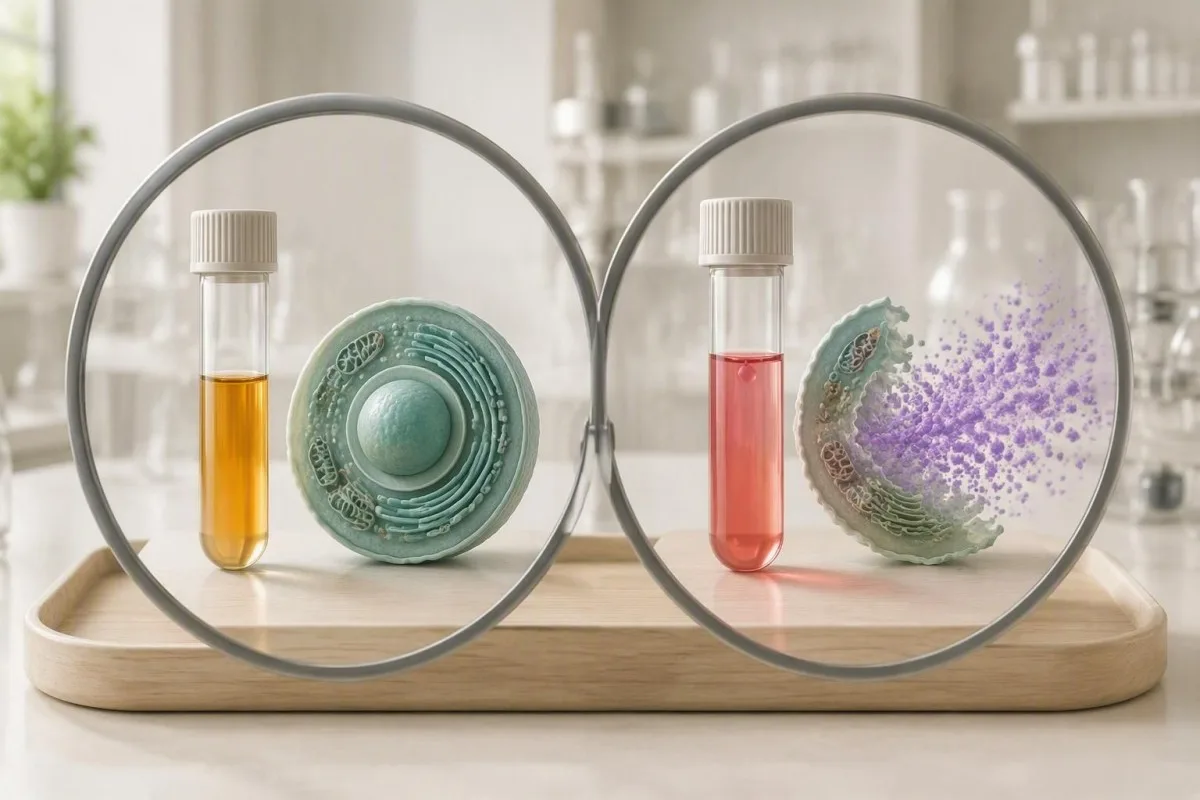
Клиницистите прво ги верифицираат резултатите, ги прегледуваат претходните вредности, прашуваат за алкохол, лекови, суплементи, болести и вежбање, потоа го класифицираат образецот. Следењето може да вклучува тестирање за хепатитис Б и Ц, феритин и сатурација на трансферин, ултразвук, автоимуни маркери, тестирање за целијакија или CK — но само кога образецот и историјата ги поддржуваат. Симптомите и тестирањето за хепатитис Б вреди да се прегледаат бидејќи хроничната инфекција можеби нема жолтица.
За упорно покачување на ALT или AST, клиницистите може да користат FIB-4, кој комбинира возраст, AST, ALT и број на тромбоцити за да го процени ризикот од фиброза. Помалку е сигурен под 35 години и може да биде лажно смирувачки во некои ситуации, но е корисен алатка за тријажа во примарната здравствена заштита; пресметајте го внимателно со нашиот FIB-4 водич за фиброза на црниот дроб.
Kantesti AI е услугата за интерпретација на тестови на AI што може да ги организира LFT трендовите и да ги означи комбинациите за дискусија со клиницист, но не може сам да дијагностицира хепатитис, фиброза или опструкција од PDF. Безбедната интерпретација секогаш вклучува симптоми, историја на лекови, снимање и преглед кога е потребно.
Како гладувањето, вежбањето и квалитетот на примерокот влијаат на LFT
Обично не треба да постите за LFT, но тешката вежбање, акутната болест, дехидрацијата и хемолизата на примерокот може да ги искриват избраните резултати. Полето за коментар на лабораторијата и времето на земање на примерокот често се корисни како единечен знак за референтниот опсег.

Постот може да го зголеми неконјугираниот билирубин кај подложни луѓе, особено кај оние со Гилбертов синдром. Дехидрацијата може да ги концентрира албуминот и вкупниот протеин, додека хемолизата може лажно да го зголеми AST бидејќи црвените крвни клетки содржат AST. водич за повторно земање примерок по хемолиза објаснува кога чист повторен преглед е поинформативен од бркање артефакт.
Биотин не е главна интерферентна супстанција за повеќето рутински анализи на црниот дроб, но може да влијае на некои имуноанализи нарачани паралелно. Донесете список со прашоци, билни мешавини и производи без рецепт, вклучувајќи доза и датум на почеток; “една лажичка дневно” често е поактивна од името на марката.
За корисен повторен преглед, користете ја истата лабораторија каде што е можно и запишете внес на алкохол, болести, интензитет на тренинг и промени во лековите за претходната недела. Биолошката варијација значи дека промената од 10% не е автоматски значајно влошување, особено близу горната референтна граница.
LFT црвени знамиња кои бараат медицинска нега истиот ден
Жолтица со темно урина, силна болка во горниот десен дел на стомакот, треска, конфузија, постојано повраќање или значително зголемен INR бара медицинска проценка истиот ден. Итноста зависи од симптомите и синтетичката функција, а не само од тоа дали ALT е означен како висок.
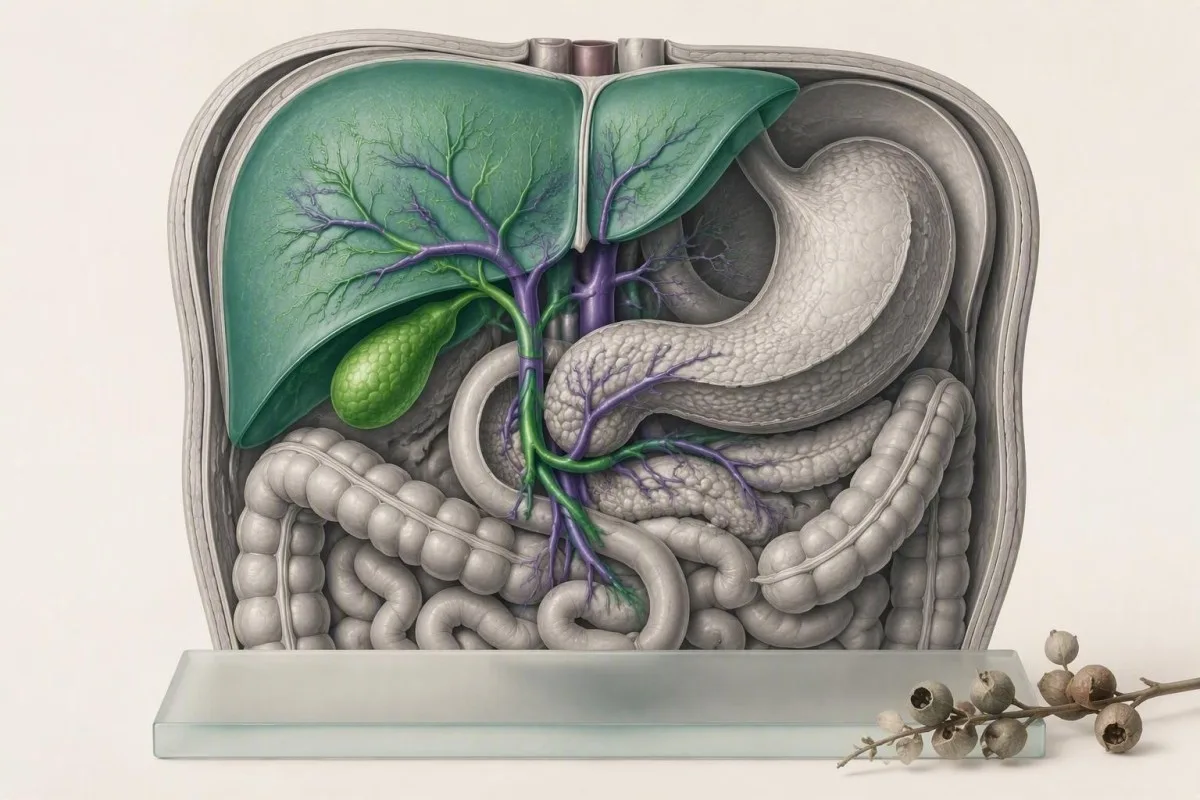
Побарајте итна помош за нова конфузија, екстремна поспаност, повраќање крв, црна столица како катран, несвестица, силна болка во стомакот или брзо влошување на пожолтувањето на очите. Овие може да одразуваат крвавење, сепса, акутна дисфункција на црниот дроб, болест на панкреасот или билијарниот тракт, и тие не можат безбедно да се тријажираат само од резултатот на ензимот. Нашиот водич за кога билирубинот бара итно разгледување ги детализира комбинациите на предупредување.
ALT или AST над 1.000 IU/L, билирубин над 100 µmol/L со симптоми, или INR над 1.5 кај некој што не користи варфарин треба да предизвика итен контакт со лекар. Овие се практични точки за ескалација наместо прагови за самодијагностика; лицето може да биде многу болно со пониски вредности, особено ако брзо се влошува.
Бременоста ги менува пресметките на ризикот. Чешање на дланките или стапалата, главоболка, визуелни симптоми, висок крвен притисок, болка во горниот дел на стомакот или жолтица за време на бременоста бара итна породилна проценка, дури и ако претходниот панел бил нормален.
Безбедно користење на LFT анализа на трендови помеѓу прегледи
Трендовите на LFT се покорисни од еден резултат кога истиот аналит и лабораториски метод се споредуваат со текот на времето. Паѓачкиот тренд на ALT е охрабрувачки, но не докажува дека фиброзата е подобрена или дека основната причина е решена.

Кантести е Алатка за анализа на крвни тестови со вештачка интелигенција (AI) се користат за организирање лабораториски извештаи низ време, јазици и лабораториски формати. Нашата вештачка интелигенција може да идентификува зголемување на ALT од 32 на 78 IU/L заедно со ново зголемување на ALP, но безбедниот следниот чекор останува преглед од лекар на изложеноста на лекови, симптомите и наодите од прегледот.
Не споредувајте резултат во µkat/L директно со IU/L без да го претворите, и не споредувајте вкупен билирубин во mg/dL со µmol/L визуелно. За билирубин, 1 mg/dL е еднакво на приближно 17,1 µmol/L; грешките во единиците се изненадувачки чести кога луѓето поставуваат записи од повеќе земји. водичот за промена на лабораториски резултати објаснува референтна вредност на промена и обична биолошка флуктуација.
Концизната историја на прегледот помага: наведува датуми, точни вредности и референтни опсези, симптоми, шема на алкохол, нови лекови, додатоци, промена на тежината и вежбање. Ова ја претвора вознемирената дискусија за “лоши црнодробни тестови” во клиничко прашање што може да се реши.
Корисни прашања што треба да се постават за вашите LFT крвни резултати
Најкорисното прашање е “Каква шема покажуваат моите резултати: хепатоцелуларна, холестатска, мешана, обработка на билирубин или нарушена синтеза?” Тоа прашање поттикнува план заснован на причина, наместо нејасни упатства за повторување на сè.
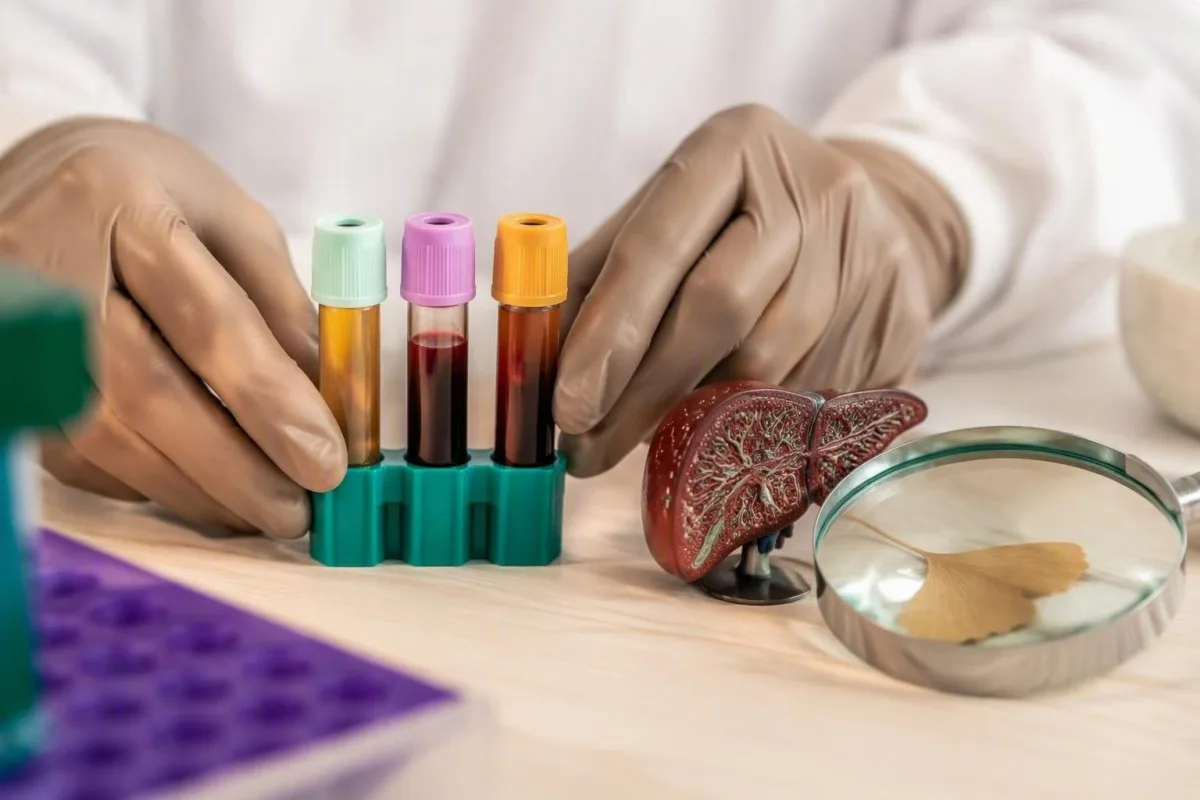
Прашајте дали вашата абнормалност е потврдена, каква била вашата претходна основна линија и дали вежбањето, лековите, алкохолот или додатоците можат да ја објаснат. Прашајте дали билирубинот бил директен или индиректен, дали АЛП имал зголемен GGT покрај него, и дали албуминот или INR укажуваат на нарушена синтеза. Овие детали навистина ја менуваат диференцијалната дијагноза.
Прашајте дали треба да се процени ризикот од фиброза и дали ултразвук, вирусно скрининг или студии за железо се соодветни за вашата шема. Само високиот феритин може да одразува воспаление или метаболичко заболување, додека високиот феритин плус заситеност на трансферин над 45% поставува различно прашање за преоптоварување со железо; видете траги од лабораториска хемохроматоза.
Нашите доктори и клинички прегледувачи користат објавени методи и јасни безбедносни граници; читателите кои сакаат да ја разберат таа власт можат да го прегледаат пристап за медицинска валидација. Најдобар исход не е етикета генерирана од апликација - туку навремена, добро документирана дискусија со лекарот одговорен за вашата грижа.
Што велат сегашните истражувања и насоки за толкување на LFT
Тековните упатства поддржуваат толкување засновано на шема и потврда на абнормални црнодробни хемикалии пред опсежно тестирање. Ниту еден LFT не ја идентификува фазата на фиброза, откажување на црниот дроб или специфична причина без клинички контекст.
Упатството на ACG од Кво и колегите препорачува потврда на абнормален резултат од црнодробна хемија и потоа проценка врз основа на хепатоцелуларна наспроти холестатска шема (Kwo et al., 2017). Тоа звучи здодевно, но спречува честа грешка: нарачување широки панели по еден граничен резултат што исчезнува на правилно темпиран повторен примерок.
Упатството на EASL-EASD-EASO од 2024 година ја рамкира метаболичката стеатотична болест на црниот дроб околу кардиометаболичкиот ризик и неинвазивна проценка на фиброза, наместо само ALT (EASL-EASD-EASO, 2024). Затоа, нормален ALT не ја исклучува сигурно стеатозата или фиброзата, особено кај лица со дијабетес или дебелина.
Клиничката содржина на Kantesti се прегледува според лабораториската пракса и надзорот од лекар; нашиот Медицински советодавен одбор помага автоматските објаснувања да останат во тие граници. Сродните публикации за симптоми се наведени подолу за транспарентност, но тие не ги заменуваат упатствата специфични за црниот дроб или индивидуалната медицинска нега.
Често поставувани прашања
Што значи LFT на тест на крв?
LFT означува тестови за функција на црниот дроб, исто така наречени крвни тестови за црниот дроб или панел за црниот дроб. Повеќето панели вклучуваат ALT, AST, ALP, билирубин и албумин, додека GGT и PT/INR може да се нарачаат посебно. ALT и AST обично покажуваат оштетување на клетките на црниот дроб, наместо функција на црниот дроб, додека албуминот и INR се поблиски мерки за синтеза на протеини. Референтните интервали варираат во зависност од лабораторијата; ALT често е околу 7-55 IU/L кај возрасни.
Дали покачените ензими во црниот дроб се исти како лоша функција на црниот дроб?
Не, покачените ензими во црниот дроб не значат автоматски лоша функција на црниот дроб. ALT и AST можат да се покачат кога клетките на црниот дроб или мускулните клетки ослободуваат ензими, дури и кога албуминот, билирубинот и INR остануваат нормални. Вистинското синтетско оштетување е позагрижувачко кога билирубинот се покачува, албуминот паѓа под приближно 35 g/L, или INR се покачува над лабораторискиот опсег. Клиничар ги толкува овие резултати заедно со симптомите и медицинската историја.
Кој е нормален опсег на LFT?
Не постои единствен универзален нормален опсег на LFT бидејќи методите и референтните популации се разликуваат помеѓу лабораториите. Вообичаени возрасни интервали вклучуваат ALT 7-55 IU/L, AST 8-48 IU/L, ALP 40-129 IU/L, албумин 35-50 g/L и вкупен билирубин 3-21 µmol/L. Референтниот интервал отпечатен покрај вашиот резултат е точниот што треба да се користи прв. Резултат само над опсегот честопати бара потврда и контекст наместо непосреден третман.
Дали вежбањето може да ги зголеми резултатите од LFT?
Да, напорното вежбање може привремено да ги зголеми AST и понекогаш ALT бидејќи скелетното мускулно ткиво ги содржи овие ензими. Висока AST со нормална или благо зголемена ALT после маратон, тешко кревање или мускулна повреда може да ја одрази мускулната екскреција, особено ако и креатин киназата е висока. Избегнувањето на непознато тешко вежбање 5-7 дена пред повторен тест често е разумно кога клиницистот ја сомнева оваа причина. Вежбањето обично не ја објаснува жолтицата, високиот билирубин или продолжениот INR.
Дали ЛФТ тест открива масна црн дроб?
Тестовите за функција на црниот дроб (LFT) можат да укажат на масна болест на црниот дроб, но не можат да ја дијагностицираат или исклучат. Многу луѓе со метаболичка дисфункција-поврзана стеатотична болест на црниот дроб имаат вредности на ALT под 55 IU/L, а некои имаат целосно нормални рутински тестови на црниот дроб. Факторите на ризик како што се дијабетес тип 2, централно зголемување на телесната тежина, високи триглицериди и висок крвен притисок водат кон понатамошна проценка. Ултразвукот и неинвазивните резултати за фиброза како што е FIB-4 често се користат заедно со резултатите од крвта.
Кога треба да се грижам за абнормални резултати од крвта од ЛФТ?
Побарајте медицински совет истиот ден за абнормални LFT резултати со жолтица, темна урина, бледа столица, силна абдоминална болка, треска, конфузија, повраќање крв или црна столица како катран. ALT или AST над 1.000 IU/L, билирубин над 100 µmol/L со симптоми, или INR над 1,5 без варфарин, исто така, бара итна проценка. Благо изолирани покачувања под 2 пати од горната граница обично се проверуваат повторно по преглед на лекови, алкохол, додатоци, болести и вежбање. Правата итност зависи од целосната клиничка слика, а не од една бројка.
Добијте AI анализа на крв со моќ на вештачка интелигенција денес
Придружете се на над 2 милиони корисници ширум светот кои му веруваат на Kantesti за инстантна, точна анализа на лабораториски тестови. Поставете ги вашите резултати од крвна слика и добијте сеопфатно толкување на 15,000+ биомаркери за секунди.
📚 Реферирани научни публикации
Клајн, Т., Мичел, С., и Вебер, Х. (2026). Дијареа по постење, црни точки во столицата и гастроинтестинален водич 2026. AI Medical Research.
Клајн, Т., Мичел, С., и Вебер, Х. (2026). Водич за здравјето на жените: Овулација, менопауза и хормонски симптоми. AI Medical Research.
📖 Надворешни медицински референци


⚕️ Медицинско одрекување од одговорност
Овој напис е само за едукативни цели и не претставува медицински совет. Секогаш консултирајте се со квалификуван здравствен работник за одлуки за дијагноза и третман.
Сигнали за доверба E-E-A-T
Искуство
Клиничка ревизија водена од лекар за работните текови на толкување на лабораториски резултати.
Експертиза
Фокус на лабораториска медицина за тоа како биомаркерите се однесуваат во клинички контекст.
Авторитивност
Напишано од д-р Thomas Klein, со ревизија од д-р Sarah Mitchell и проф. д-р Hans Weber.
Доверливост
Толкување засновано на докази со јасни патеки за следење за да се намали алармирањето.