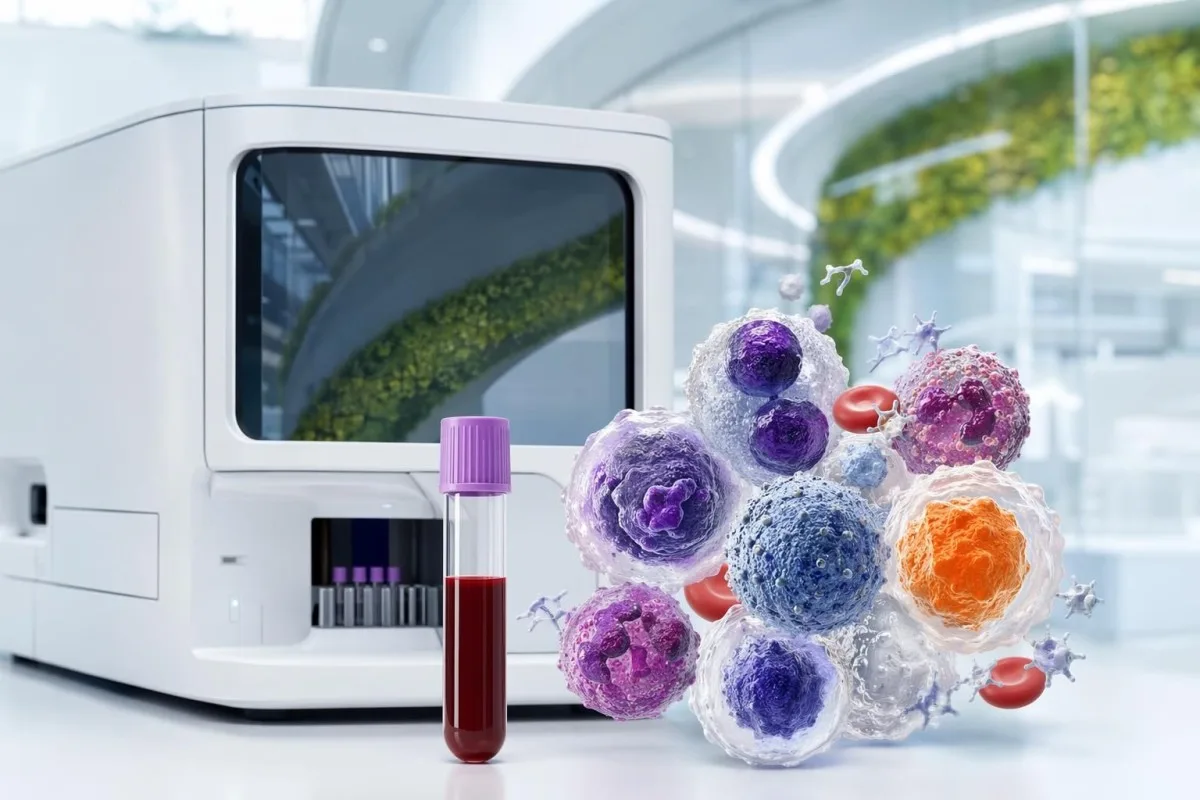
Висок резултат на бројот на бели крвни клетки може да биде реален, но не секој покачен број значи инфекција или леукемија. Примерокот, алармите на анализаторот, наодите од размазот и повторното време често одредуваат што всушност значи резултатот.


- Висок WBC кај возрасни обично е над 11.0 x10^9/L, но неочекуваните резултати треба да се проверат според квалитетот на примерокот и алармите на анализаторот пред да се претпостави болест.
- нормален опсег на WBC за многу возрасни е околу 4.0-11.0 x10^9/L, при што возраста, бременоста, стероидите, вежбањето и пушењето го поместуваат очекуваното основно ниво.
- Згрутчувања во примерокот можат да направат CBC да биде несигурна, бидејќи микрозгрутчувањата ги заробуваат тромбоцитите и белите крвни клетки; видливо згрутчена виолетова-топка цевка обично бара повторно земање.
- Купчиња тромбоцити најчесто предизвикуваат лажно низок број на тромбоцити, но големи грутчиња можат да активираат WBC аларми или ретка псеудолеукoцитоза на некои анализатори.
- Корекција на NRBC е важна затоа што нуклеираните еритроцити може да се бројат како леукоцити; коригираниот WBC е еднаков на пријавениот WBC x 100 / (100 + NRBC на 100 WBC).
- Криоглобулини и протеини реактивни на студ можат да се таложат во изладени примероци и да создадат честички што пречат на автоматизираните броења, освен ако примерокот се чува топол.
- Смудж-клетки се распукани леукоцити на размаз; тие можат да бидат артефакт при подготовка, но честите клетки „smudge“ со постојана лимфоцитоза треба да поттикнат клиничка проверка.
- Време за повторување на CBC често е истиот ден за згрутчени или означени примероци, во рок од неколку дена за неочекувано високи WBC, и итно за бласти, тешки симптоми или WBC над 50 x10^9/L.
Зошто висок WBC може да биде делумно вештачки
A висок WBC резултатот може да биде делумно вештачки кога примерокот е згрутчен, лошо измешан, ладно-преципитиран или погрешно класифициран од анализаторот. Возрасниот бројот на леукоцити најчесто е околу 4.0-11.0 x10^9/L, па вредност над 11.0 x10^9/L заслужува интерпретација, а не паника.
Кантести е анализатор на крвна слика со вештачка интелигенција што ги чита резултатите од CBC заедно со референтните опсези, диференцијалните броеви, однесувањето на тромбоцитите и коментарите во извештајот, наместо да се третира една бројка како целата приказна. За основен контекст, нашиот нормален опсег на WBC водич објаснува како возраста, бременоста и стресот можат да го поместат очекуваниот опсег.
A висок број на бели крвни клетки од 12.0 x10^9/L по напорен тренинг е различно од 45.0 x10^9/L со бласти на размаз. Во мојата клиничка проверка работа како Thomas Klein, MD, првото прашање често е здодевно, но пресудно: дали примерокот се однесувал правилно во тубата?
Заклучно со 29 мај 2026 година, повеќето модерни хематолошки анализатори можат да означат сомнителни кластери, незрели клетки, NRBCs или абнормални обрасци на расејување, но не секогаш можат да кажат дали клиничкото објаснување е реално. Kantesti's водичот за биомаркери од крвна слика е изградено околу таа разлика: резултат прво, шема второ, акција трето.
Згрутчувања во примерокот ја прават CBC несигурна
Згрутчувањето на примерокот ја прави CBC несигурна затоа што клеточните елементи можат да бидат заробени пред анализаторот да ги брои. Згрутчена EDTA туба обично треба да се отфрли или да се повтори, дури и кога пријавениот WBC изгледа само благо абнормален.
Лаванда-топ EDTA тубата е дизајнирана да спречи згрутчување кога е правилно наполнета и превртена околу 8-10 пати по земањето. Ако мешањето се одложи, може да се формираат мали фибрински нишки и да ги повлечат тромбоцитите, неутрофилите, лимфоцитите и црвените клетки во нерамномерни кластери.
Заведувачкиот дел е насоката. Микрозгрутчувањата често ги намалуваат бројките на тромбоцитите, но можат и да го бројот на леукоцити направат нестабилно создавајќи нерамномерна аспирација или аларми од анализаторот. Затоа згрутчен примерок не треба да се користи за да се одлучи дали пациентот има инфекција или леукемија.
Ова најчесто го гледам кога резултатот вели висок WBC плус ниски тромбоцити, но во коментарната линија се спомнува згрутчување. Пред да започнете антибиотици или да нарачате обработка за малигнитет, практичниот чекор е повторно земање; нашиот водич за проверки на лабораториска грешка ја покрива истата логика како и кај другите маркери.
Што лабораторијата може да запише во извештајот
Вообичаени фрази во извештајот вклучуваат згрутчен примерок, присутни фибрински нишки, видливи тромбоцитни кластери или резултатите може да бидат засегнати од згрутчување. Овие коментари можат да бидат клинички покорисни од единствена WBC вредност, бидејќи ви кажуваат дали е тубата погодна за интерпретација.
Грутчиња на тромбоцити можат да ги збунат автоматизираните броења
Тромбоцитните кластери најчесто предизвикуваат лажно ниски тромбоцити, но големите кластери можат да активираат и WBC-поврзани аларми или ретка псеудо-леукоцитоза. EDTA-зависното згрутчување на тромбоцитите е познат преданалитички проблем, а не дијагноза само по себе.
Тромбоцитите обично се бројат одделно од леукоцитите затоа што се многу помали, најчесто 2–3 микрометри во пречник. Кога тромбоцитите се згрутчуваат, кластерот може да стане доволно голем да се наоѓа во близина на честички со големина на леукоцити на одредени канали на анализаторот.
Zandecki et al. опишале тромбоцит-поврзани лажни броеви на хематолошки анализатори во преглед од 2007 година, вклучувајќи го начинот на кој агрегатите можат да ја нарушат автоматизираната интерпретација (Zandecki et al., 2007). Извештај што ги комбинира тромбоцитните кластери со гранична висок број на бели крвни клетки треба да се чита со претпазливост.
Поправката е едноставна, но специфична: повторете го CBC со свеж примерок и, ако повторно се јави EDTA-згрутчување, прашајте ја лабораторијата дали е соодветна туба со цитрат или хепарин. За вистинска интерпретација на тромбоцитите откако примерокот е валиден, видете го нашето водич за опсег на тромбоцити.
Практична насока што пациентите ја пропуштаат
Ако бројот на тромбоцити е многу низок, но размазот вели дека се присутни тромбоцитни кластери, ризикот од крварење може да биде преценет. Истата проба може да направи и блага WBC абнормалност да биде помалку доверлива сè додека бројот не се повтори.
Нуклеирани еритроцити можат да го зголемат WBC
Нуклеирани еритроцити можат лажно да ја зголемат WBC на анализатори што ги бројат како леукоцити или на извештаи каде корекцијата не е очигледна. Стандардната корекција е corrected WBC = reported WBC x 100 / (100 + NRBC per 100 WBC).
NRBC се незрели претходници на еритроцити кои сè уште содржат јадро, што ги прави да изгледаат повеќе како леукоцити за некои системи за броење. Пријавена WBC од 18.0 x10^9/L со 20 NRBC на 100 WBC се коригира на 15.0 x10^9/L со стандардната формула.
Современите анализатори често автоматски идентификуваат и коригираат NRBC-интерференција, но не секој извештај ја прикажува корекцијата на ист начин. Ова е една причина зошто делот за коментари и табелата за диференцијал се подеднакво важни како и главната висок WBC алармна ознака.
NRBC кај возрасни обично не се бенигни ако перзистираат; можат да се појават при тешка хипоксија, стрес на коскената срцевина, хемолиза, голема воспалителна реакција или инфилтрација на коскената срцевина. Нашиот водич за следење на NRBC објаснува кога самите NRBC се важниот наод, а не само проблем со броењето.
Зошто новороденчињата се различни
Новороденчињата можат да имаат NRBC без истото значење како кај возрасните, бидејќи феталната и ранонеонаталната физиологија на коскената срцевина се разликува. Затоа, интерпретацијата на педијатриски CBC мора да користи референтни интервали специфични за возраста, особено во првите недели од животот.
Криоглобулините можат да имитираат клеточни честички
Криоглобулините и другите протеини реактивни на студ можат да формираат честички во изладени примероци што пречат на автоматизираните броења на клетките. Ако се сомнева на интерференција од криоглобулин, примерокот може да треба да се собира на топло, да се транспортира на топло и да се анализира близу 37°C.
Криоглобулините се имуноглобулини што таложат на пониски температури и повторно се раствораат кога се загреваат. Во хематолошки анализатор, тие таложени честички можат да бидат погрешно препознаени како клеточни елементи или да создадат абнормални обрасци на расејување што го прават бројот на леукоцити недоверлив.
Клиничкиот контекст е важен. Криоглобулините се поврзани со моноклонални гамапатии, автоимуни болести и хронични инфекции како хепатитис C; протеински абнормалности може да се појават и при серумско испитување на протеини, што го опфаќаме во нашите серумски протеински индиции.
Пациент со сензитивност на студ, пурпура, невропатија, наоди од бубрези или необјаснети протеински абнормалности има потреба од медицинска проценка, а не само повторување на CBC. Но кога непосредното прашање е дали висок WBC е реално, загревање и повторно собирање на примерокот може да ја оддели биологијата од артефакт.
Криофибриногенот е поврзан „трап“
Криофибриногенот може да преципитира во плазма наместо во серум и може да ги наруши и автоматизираните броења. Упатствата за ракување во лабораторијата се различни, па клиничарите треба да ѝ кажат на лабораторијата ако се сомневаат на протеини што преципитираат на студ пред следното земање.
Алармите на анализаторот одлучуваат кога автоматизацијата не е доволна
Ознаките на анализаторот ѝ кажуваат на лабораторијата кога автоматизираниот CBC може да биде несигурен или непотполен. Ознаките за бласти, атипични лимфоцити, тромбоцитни кластери, NRBCs, абнормален scatter или WBC-интерференција треба да активираат повторна анализа, преглед на размаз, или и двете.
Меѓународната консензус група за хематолошка ревизија предложи критериуми за постапка за автоматизиран CBC и диференцијални резултати, вклучително и кога абнормалните ознаки треба да доведат до преглед на филм (Barnes et al., 2005). Во пракса, WBC од 13.0 x10^9/L без ознаки е помалку алармантен од WBC од 13.0 x10^9/L со ознака за blast.
На Kantesti, нашиот медицински тим ги третира означените CBC како различна категорија на доказ, затоа што анализаторот предупредува дека сопствената класификација може да е неизвесна. Таа филозофија е во согласност со нашата тим за клинички стандарди за интерпретација базирана на шаблони.
Автоматизираните проценти за диференцијалот исто така можат да доведат до погрешно заклучување кога вкупниот број е неточен. Ако анализаторот означи 80% неутрофили на лажно зголемен WBC, пресметаниот апсолутен број на неутрофили може да изгледа повеќе абнормален отколку што навистина е; поради ова, рачна диференцијална ревизијата сè уште е важна.
Што можат да бараат пациентите
Погледнете под нумеричката табела за зборови како review, abnormal scatter, suspect flag, immature cells или smear recommended. Тие коментари не се украс; тие често се причината вашиот лекар да побара повторен CBC.
Прегледот на размазот потврдува како изгледаат клетките
Прегледот на периферен размаз проверува дали автоматизираното броење се совпаѓа со реалниот изглед на клетките на слајд. Особено е корисен кога висок WBC е неочекувано, анализаторот означува абнормални клетки, или тромбоцитите и WBC не се вклопуваат во клиничката слика.
Gulati et al. опишале smear scan, smear examination и smear review како различни нивоа на човечка верификација, при што review е најдеталната евалуација на абнормални или означени CBC (Gulati et al., 2013). Оваа разлика е важна затоа што брз scan може да одговори на прашања за квалитетот на примерокот, додека формалната ревизија може да идентификува бласти или дисплазија.
На размаз, рецензентот може да види тромбоцитни кластери на „feathered edge“, smudge cells, нуклеирани црвени клетки, незрели гранулоцити и токсични промени кај неутрофилите. Анализаторот дава бројки; слајдот ја дава морфологијата.
Добрата интерпретација на CBC користи и апсолутни броеви и изглед на клетките. Нашата водич за CBC диференцијал ги разгледува неутрофилите, лимфоцитите, моноцитите, еозинофилите и базофилите како одделни сигнали, наместо како еден „згрупиран“ резултат на WBC.
Зошто „feathered edge“ е важно
Тромбоцитните кластери и поголемите абнормални клетки често се собираат близу тенкиот „feathered edge“ на размаз. Ако рецензентот гледа само во централното поле, згрупчувањето може да биде потценето и односот тромбоцити-WBC може да остане збунувачки.
Смудж-клетките може да бидат артефакт или вистинска насока
Smudge cells се руптурирани леукоцити видени на слајд, и можат да бидат предизвикани од подготовка на размаз, кршливи лимфоцити, одложена обработка или лимфоидни нарушувања. Тие не значат автоматски леукемија, но чести smudge cells со перзистентна лимфоцитоза бараат следење.
Клетка со „smudge“ не е недопрена клетка; тоа е остаток од кревок леукоцит кој се нарушил за време на подготовката на слајдот. Кај пациент со нормален апсолутен број на лимфоцити, расфрлани клетки со „smudge“ можат да бидат мал, незначаен артефакт.
Загриженоста расте кога клетките со „smudge“ се појавуваат со апсолутен број на лимфоцити над 5.0 x10^9/L што перзистира најмалку 3 месеци. Хроничната лимфоцитна леукемија се дијагностицира со перзистентна моноклонална Б-лимфоцитоза, обично потврдена со проточна цитометрија, а не само со клетки со „smudge“.
Кога ги прегледувам панелите како Томас Клајн, MD, ги третирам клетките со „smudge“ како прашалник, а не како пресуда. Нашата статија за леукемиски обрасци на CBC објаснува кои комбинации се повеќе загрижувачки, како лимфоцитоза плус анемија, ниски тромбоцити или бласти.
Албуминзираните размази можат да го намалат артефактот
Некои лаборатории подготвуваат албуминзираните размази кога лимфоцитите се многу кревки, бидејќи албумин може да ја намали механичката руптура. Ако клетките со „smudge“ нагло се намалат со подобрена техника, поголема е веројатноста дека станува збор за компонента на артефактот.
Диференцијалните обрасци го одвојуваат артефактот од болеста
Диференцијалниот шаблон помага да се одлучи дали висок WBC е реактивно, малигно или недоверливо. Апсолутните броеви се покорисни од процентите, бидејќи висок процент може да изгледа драматично дури и кога вистинскиот број на клетки е нормален.
Апсолутен број на неутрофили над околу 7.5 x10^9/L сугерира неутрофилија во многу лаборатории за возрасни, додека апсолутен број на лимфоцити над околу 4.0 x10^9/L сугерира лимфоцитоза. Самите проценти можат да доведат во заблуда кога друга клеточна линија е многу висока или многу ниска.
Левиот поместок значи дека се зголемени незрели форми на неутрофили, особено бендови, во циркулацијата. Пациент со WBC 16.0 x10^9/L и 15% бендови е различен проблем од WBC 16.0 x10^9/L по преднизон со зрели неутрофили и без токсични промени.
За подлабоко читање за шаблоните на незрели неутрофили, нашите водичот за бенд неутрофили објаснува зошто бендовите можат да поддржат инфекција или стрес на коскената срцевина, но сепак бараат клинички контекст. Означениот левиот поместок треба да се провери и според квалитетот на примерокот пред да стане одлука за третман.
Нeутрофилно-лимфоцитниот однос не е дијагноза
Нeутрофилно-лимфоцитниот однос може да се зголеми со стрес, стероиди, акутна инфекција, хирургија и воспаление. Тој е маркер на шаблон, а не самостојна дијагноза, и станува послаб ако вкупниот WBC е засегнат од артефакт.
Кога да се повтори CBC пред да се претпостави болест
Повторете го CBC пред да претпоставите болест кога резултатот е неочекуван, примерокот е згрутчен, присутни се аларми на анализаторот, се пријавени агломерати на тромбоцити или симптомите не се совпаѓаат со бројот. Повторување истиот ден е разумно за грижи за квалитетот на примерокот; благи, необјаснети зголемувања често може да се повторуваат во рок од неколку дена до недели.
Кантести е услугата за интерпретација на тестови на AI што третира повторен CBC како точка на одлучување, а не како неуспех на првиот тест. WBC од 12.5 x10^9/L по стресна итна посета може да се нормализира за 24-72 часа, додека згрутчената епрувета треба веднаш да се земе повторно.
Повторен CBC идеално треба да користи свежо, правилно наполнето EDTA шише, брзо мешање и навремен транспорт. Ако се сомнева на агломерација на тромбоцити, клиничарот може да побара од лабораторијата дали е соодветно собирање со цитрат; ако се сомнева на криоглобулини, може да биде потребно топло ракување.
Нашиот водич за повтори ги абнормалните тестови дава практична рамка: повторете брзо кога резултатот е неочекуван и има практична последица, повторете со посебно ракување кога се сомневате на артефакт, и ескалирајте веднаш кога има црвени знамиња.
Што да се побара од клиниката
Прашaјте дали CBC имал некакви аларми, дали бил прегледан размазот, дали епруветата била згрутчена и дали диференцијалот ги користел апсолутните броеви. Тие четири одговори обично ќе ви кажат дали бројката е подготвена за интерпретација.
Кога висок WBC не треба да се чека за рутинско повторување
Многу висок WBC не треба да чека рутинско повторување кога пациентот е акутно лош, кога се пријавени бласти или кога бројот е екстремно зголемен. WBC над 50.0 x10^9/L бара итен медицински преглед, а WBC над 100.0 x10^9/L може да создаде ризик од леукостаза кај некои леукемии.
Симптомите го менуваат прагот. Треска, конфузија, отежнато дишење, болка во градите, тешка слабост, крварење, нови модринки или брзо зголемени лимфни јазли треба да ја надминат искушението да се почека до следниот рутински термин.
Бластите на размаска не се лабораториски артефакт сè додека не се докаже поинаку. A висок WBC со бласти, анемија или тромбоцити под 100 x10^9/L бара преглед истиот ден од клиничар, бидејќи нарушувањата на коскената срцевина можат да влијаат на повеќе клеточни линии одеднаш.
За интерпретација насочена кон инфекција, нашата инфекциски крвен тест водич ги споредува CBC обрасците со CRP и прокалцитонин. Само CBC не може да докаже бактериска инфекција, но лево поместување заедно со токсични промени и компатибилни симптоми е многу посилно од самото покачување на WBC.
Правилото што го користам клинички
Ако бројката е висока, но пациентот е добро и примерокот е сомнителен, прво повторете. Ако пациентот е лошо, или размаската пријавува бласти, прегледајте итно дури и ако се нарачува и повторен примерок.
Стрес, вежбање, бременост и лекови можат да го зголемат WBC
Стрес, интензивно вежбање, бременост, пушење, кортикостероиди, бета-агонисти, литиум и неодамнешна операција можат да го зголемат WBC без лабораториска грешка. Овие причини се реални биолошки промени, но сепак може да се помешаат со инфекција ако се игнорира времето.
Тешка тренинг-сесија за издржливост може да го зголеми WBC неколку часа, често со неутрофилија, затоа што демаргинацијата ги преместува клетките од ѕидовите на садовите во циркулација. Нашата водич за лабораторија за вежбање објаснува зошто CK, AST и WBC може сите да се поместат по тежок тренинг.
Кортикостероидите можат да ги зголемат неутрофилите во рок од 4-24 часа преку демаргинација и одложена миграција на неутрофили во ткивата. Тој обрасцe често покажува високи неутрофили со ниски еозинофили и може да се појави без треска или висок CRP.
Бременоста може да го турне WBC над вообичаениот опсег за возрасни, особено во доцната бременост и породувањето. Некои европски и болнички лаборатории користат различни референтни интервали за бременост, па точната споредба не е секогаш стандардната возрасна нормален опсег на WBC испечатена на страницата.
Времето е лабораториски резултат исто така
Запишете го времето на примерокот, неодамнешното вежбање, употребата на стероиди, времето на треска и датумите за вакцинација или операција пред да го дискутирате резултатот. CBC без време е како мерење на крвен притисок без да се знае дали пациентот штотуку истрчал по скали.
Како Kantesti AI проверува несогласувања во CBC
Kantesti AI проверува несогласувања во CBC со споредување на WBC, диференцијалот, тромбоцитите, хемоглобинот, флаговите, коментарите, возраста, полот, единиците и претходните трендови во една интерпретација. Сомнителна комбинација се третира како тригер за следење, а не како дијагноза.
Кантести е Алатка за анализа на крвни тестови со вештачка интелигенција (AI) што го користат 2M+ луѓе во 127 земји, а нашиот AI посебно обрнува внимание на контрадикции како висок WBC плус згрутчени тромбоцити, NRBC флагови или коментари за згрутчен примерок. Исто така проверува дали процентите на диференцијалот и апсолутните броеви се согласуваат.
Нашата работа за валидација се прегледува според стандарди водени од лекари, вклучувајќи ја AI анализа на крв и популацискиот истражувачки бенчмарк. Тоа е важно затоа што CBC „trap“ случаи се лесни за прекумерно оценување кога системот гледа само црвено знаме и не го гледа коментарот за примерокот.
Кога корисниците прикачуваат извештаи, нашиот работен тек може да чита фотографии или PDF, но сепак ги потсетува корисниците дека CBC со флагови бара клиничка евалуација кога ќе се појават итни обрасци. The водич за прикачување PDF објаснува како структурата на извештајот, единиците и линиите со коментари се парсираат безбедно.
Што вештачката интелигенција не треба да прави
ВИ не треба да дијагностицира леукемија само од WBC, и не треба да отфрли многу абнормален WBC затоа што може да е артефакт. Побрзиот и побезбедниот пристап е тријажа: да се идентификува несогласување, да се препорача повторување или преглед на размаска кога е соодветно, и да се ескалираат црвените знамиња.
Научни публикации и практичниот заклучок
Практичниот заклучок е едноставен: потврдете го примерокот и размаската пред да означите неочекувано висок WBC како инфекција или леукемија, освен ако пациентот е клинички нестабилен или размаската покажува итни карактеристики. Оваа статија е напишана со надзор од лекар Томас Клајн, MD, и е прегледана во рамките на медицинскиот процес на Kantesti.
Kantesti Ltd е организацијата зад Kantesti, и нашата За нас страница објаснува како ја комбинираме интерпретацијата на ВИ со безбедносни стандарди водени од клиничари. Нашите медицински рецензенти ја нагласуваат истата принципиелна идеја што се користи во хематолошките лаборатории: резултатот е толку доверлив колку што се примерокот, сигналот на анализаторот и клиничкиот контекст.
Kantesti Ltd. (2026). Серумски протеини водич: Глобулини, албумин и A/G сооднос крвен тест. Zenodo. DOI: https://doi.org/10.5281/zenodo.18316300. Поддржувачки линкови: Запис на ResearchGate и Архива на Academia.edu. Овој труд е релевантен затоа што абнормалности на протеини, како што се криоглобулините, можат да ја попречат лабораториската интерпретација.
Kantesti Ltd. (2026). Тест за комплемент C3 C4 и водич за ANA титaр. Zenodo. DOI: https://doi.org/10.5281/zenodo.18353989. Поддржувачки линкови: ResearchGate и Academia.edu. Контекстот на комплементот и имуните комплекси може да биде важен кога протеини што реагираат на студ, автоимуни болести или обрасци на хронично воспаление се наоѓаат покрај абнормалности во CBC.
Значи, што треба да направите со изненадувачки резултат? Ако примерокот бил згрутчен, означен како проблем, студо-реактивен или несогласен со останатото од CBC, повторете го под соодветни услови; ако пациентот е болен, WBC е многу висок, или се пријавени бласти, побарајте итен медицински преглед наместо да чекате.
Финална клиничка проверка
Валидно повторено CBC што останува абнормално повеќе не е само прашање за лабораториски квалитет. Тогаш, диференцијалот, размаската, симптомите, листата на лекови и трендот одлучуваат за следниот чекор.
Често поставувани прашања
Дали висок WBC може да биде предизвикан од лабораториска грешка?
Да, висок WBC може делумно да биде предизвикано од лабораториски или проблеми со примерокот, особено згрутчувања, купчиња тромбоцити, NRBC пречки, студо-реактивни протеини или погрешна класификација од анализаторот. Вообичаениот опсег на WBC кај возрасни е околу 4.0-11.0 x10^9/L, па вредност над 11.0 x10^9/L треба да се толкува заедно со коментарите во извештајот и диференцијалот. Ако цевката била згрутчена или означена, повторно CBC често е побезбедно отколку да се претпостави инфекција или леукемија.
Кое ниво на WBC се смета за високо кај возрасни?
Вредност на WBC над околу 11,0 x10^9/L се смета за висока во многу лаборатории за возрасни, иако референтните интервали малку се разликуваат по лабораторија и популација. Благи покачувања од 11,1–15,0 x10^9/L често се реактивни поради стрес, стероиди, пушење, вежбање или инфекција. Бројки над 30,0 x10^9/L заслужуваат подетално разгледување, а бројки над 50,0 x10^9/L обично бараат итна медицинска проценка.
Дали тромбоцитните агрегати (купчиња) прават WBC лажно повисок?
Скупчињата на тромбоцити најчесто го прават бројот на тромбоцити лажно низок, но големите скупчиња можат и да создадат алармни ознаки на анализаторот или, ретко, да пречат при броењето на WBC. Ова е особено веројатно кога извештајот спомнува скупчиња на тромбоцити, абнормално расејување или проблеми со квалитетот на примерокот. Свежа CBC, понекогаш со цитратна цевка ако EDTA-скупчувањето опстојува, може да разјасни дали WBC навистина е зголемен.
Како нуклеираните еритроцити влијаат на резултатите за WBC?
Нуклеирани еритроцити можат лажно да го зголемат пријавениот WBC кога се бројат како леукоцити или кога корекцијата не е јасно прикажана. Формулата за корекција е коригиран WBC = пријавен WBC x 100 / (100 + NRBC на 100 WBC). На пример, пријавен WBC од 18,0 x10^9/L со 20 NRBC на 100 WBC се коригира на 15,0 x10^9/L.
Дали клетките со дамки се знак за леукемија?
Смudge клетките се разурнати леукоцити на размаз, и сами по себе не се дијагностички за леукемија. Повремени smudge клетки може да се појават од подготовката на стаклото или од одложена обработка, но чести smudge клетки со перзистентна апсолутна лимфоцитоза над приближно 5,0 x10^9/L треба да ги прегледа клиничар. Хроничната лимфоцитна леукемија бара доказ за перзистентна моноклонална популација на Б-клетки, обично потврдена со проточна цитометрија.
Кога треба да повторя CBC при висок WBC?
Повторете CBC веднаш кога резултатот е неочекуван, примерокот бил згрутчен, анализаторот означил абнормални клетки или извештајот спомнува тромбоцитни агрегати или интерференција од NRBC. Повторно земање истиот ден е разумно при проблеми со квалитетот на примерокот, додека благи необјаснети покачувања како 11.5–13.0 x10^9/L може да се повторат во рок од неколку дена до неколку недели ако пациентот е добро. Не чекајте рутинско повторување ако има бласти, тешки симптоми или WBC над 50.0 x10^9/L.
Дали криоглобулините можат да предизвикаат лажно високо зголемување на бројот на белите крвни клетки?
Криоглобулините можат да предизвикаат лажни резултати од автоматизираните броења, бидејќи се таложат во постудени примероци и создаваат честички што може да пречат на каналите на анализаторот. Ако се сомнева, примерокот може да треба да се собере, транспортира и анализира топол, често во близина на 37°C. Криоглобулините се поврзани со имунолошки и протеински нарушувања, па затоа и при постојани клинички симптоми сè уште е потребна медицинска евалуација.
Може ли мојот WBC резултат да се разликува помеѓу лабораториите?
Да. Можни се мали разлики бидејќи лабораториите користат различни анализатори, референтни опсези и методи за обработка на примероци, а нивоата на WBC исто така варираат во текот на денот. Споредете ги повторените резултати користејќи ја истата лабораторија кога е можно, особено ако вашиот резултат е само благо покачен.
Дали неодамнешна вакцина привремено може да го зголеми мојот број на бели крвни клетки?
Неодамнешна вакцина може привремено да го активира имунолошкиот систем и може да го промени бројот на WBC во следните денови. Кажете му на вашиот лекар за вакцините примени во последните 1–2 недели, но не претпоставувајте дека тоа ја објаснува значителната или постојана елевација, особено ако се чувствувате лошо.
Може ли дехидратацијата да направи моите WBC да изгледаат повисоки отколку што навистина се?
Дехидратацијата може благи да ги концентрира резултатите од крвта, вклучувајќи ги WBC, но обично не објаснува многу висок број или абнормални наоди на размаска. Ако сте биле болни, сте постеле или сте биле недоволно хидрирани, вашиот лекар може да ја повтори CBC по течности и закрепнување.
Добијте AI анализа на крв со моќ на вештачка интелигенција денес
Придружете се на над 2 милиони корисници ширум светот кои му веруваат на Kantesti за инстантна, точна анализа на лабораториски тестови. Поставете ги вашите резултати од крвна слика и добијте сеопфатно толкување на 15,000+ биомаркери за секунди.
📚 Реферирани научни публикации
Клајн, Т., Мичел, С., и Вебер, Х. (2026). Водич за серумски протеини: Тест на крвта за глобулини, албумини и сооднос A/G. AI Medical Research.
Клајн, Т., Мичел, С., и Вебер, Х. (2026). C3 C4 комплементарен тест на крвта и водич за ANA титри. AI Medical Research.
📖 Надворешни медицински референци
Барнс PW и сор. (2005). Меѓународна консензус група за хематолошка ревизија: Предложени критериуми за постапка по автоматизирана анализа на CBC и диференцијал на WBC. Laboratory Hematology.
⚕️ Медицинско одрекување од одговорност
Овој напис е само за едукативни цели и не претставува медицински совет. Секогаш консултирајте се со квалификуван здравствен работник за одлуки за дијагноза и третман.
Сигнали за доверба E-E-A-T
Искуство
Клиничка ревизија водена од лекар за работните текови на толкување на лабораториски резултати.
Експертиза
Фокус на лабораториска медицина за тоа како биомаркерите се однесуваат во клинички контекст.
Авторитивност
Напишано од д-р Thomas Klein, со ревизија од д-р Sarah Mitchell и проф. д-р Hans Weber.
Доверливост
Толкување засновано на докази со јасни патеки за следење за да се намали алармирањето.