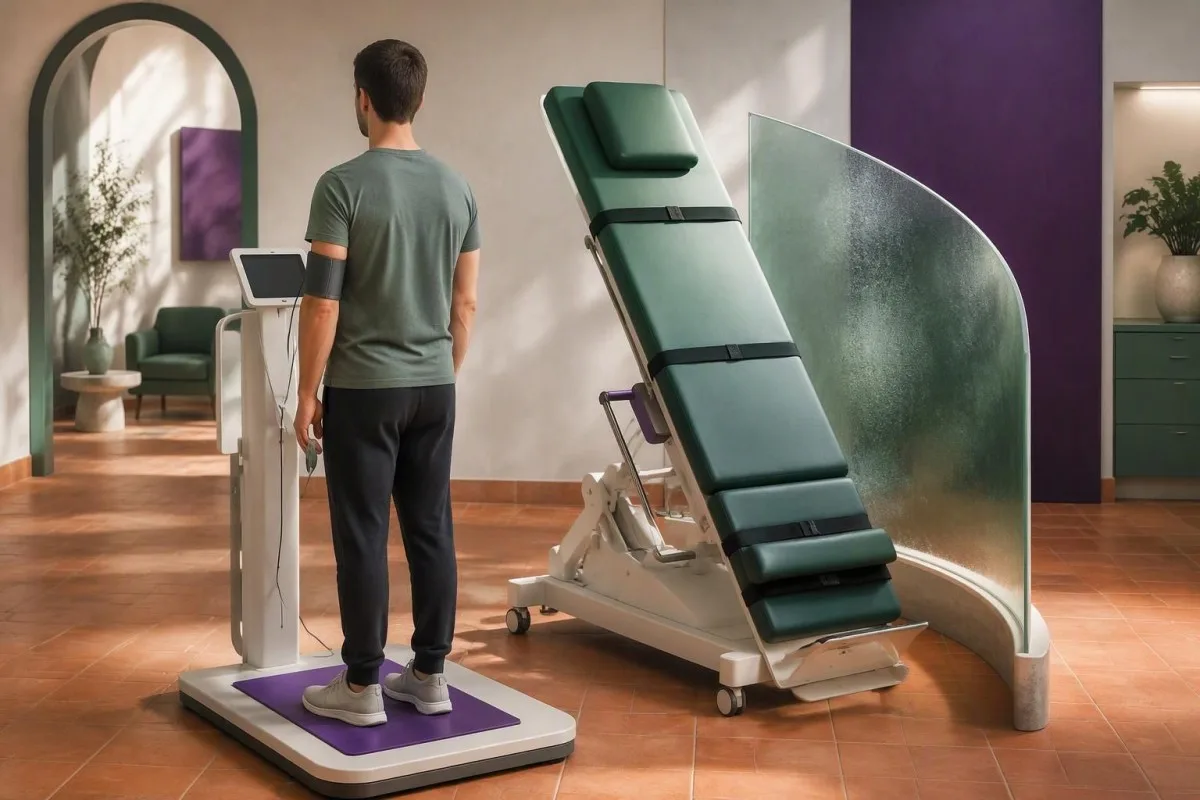
پزیشکان POTS لەسەر بنەمای بەرزبوونەوەی بەردەوامی خێرایی لێدانی دڵ لە کاتی تاقیکردنەوەی وەستاو، نیشانە بەردەوامەکانی پەیوەست بە گۆڕینی هەڵوێست و ڕەتکردنەوەی هۆکارەکانی تر دەستنیشان دەکەن. تاقیکردنەوەی خوێن یارمەتی ناسینەوەی ڕوونکردنەوە جێگرەوەکان دەدات؛ ناتوانێت POTS پشتڕاست بکاتەوە.

خاڵە سەرەکییەکان
- سنووری گەورەساڵان: بەرزبوونەوەی بەردەوامی خێرایی لێدانی دڵ بە کەمترینەوە 30 لێدان/خولەک لە ماوەی 10 خولەکدا لە کاتی وەستان، لە گەورەساڵانی تەمەنی 20 ساڵ و زیاتر، پشتگیری لە POTS دەکات؛ بەو مەرجەی هەموو پێوەرەکانی تر جێبەجێ بکرێن.
- سنووری هەرزەکاران: کەسانی تەمەنی 12–19 ساڵ بە گشتی پێویستیان بە بەرزبوونەوەیەکی بەردەوامی کەمترینەوە 40 لێدان/خولەکە؛ نابێت پێوەرەکانی گەورەساڵان بە شێوەیەکی ئۆتۆماتیکی بۆ منداڵانی بچووکتر بەکاربهێنرێن.
- ماوەی نیشانەکان: پێوەرە هاوچەرخە کەنەدییەکان داوای نیشانە ئۆرتۆستاتیکییە دووبارەبووەوەکان بۆ ماوەی لانیکەم 3 مانگ دەکەن؛ هەندێک پێناسەی کۆنتر داوای 6 مانگیان دەکرد.
- پەستانی خوێن: هایپۆتێنشن ئۆرتۆستاتیکیی بەردەوام—دابەزینێکی لانیکەم 20 mmHg سیستۆلی یان 10 mmHg دیاستۆلی—ئاماژەیە بۆ ڕوونکردنەوەیەکی جیاواز بۆ تاکیکاردیای کاتی وەستان.
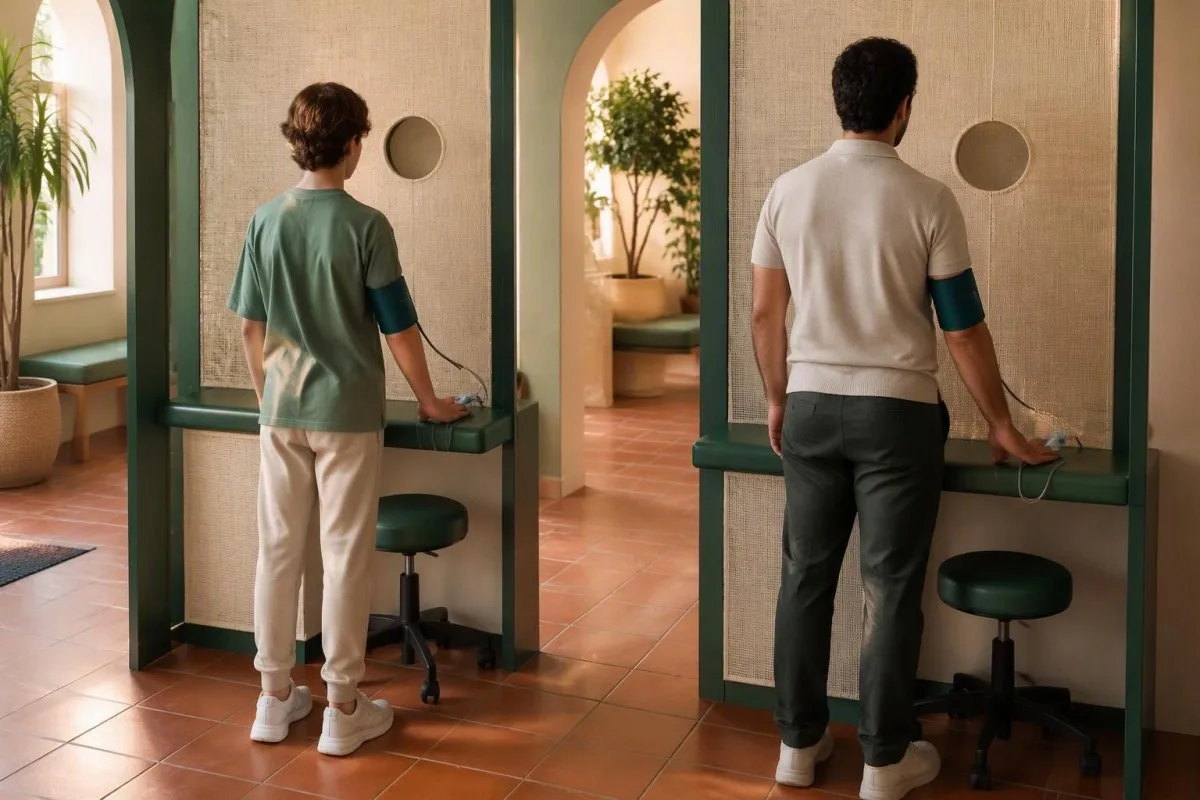
- تاقیکردنەوەی وەستان: پزیشکان بە شێوەی ئاسایی پاش 5–10 خولەک پشوودان، پێوانەی بنەڕەتی لە کاتی پاڵکەوتندا تۆمار دەکەن، پاشان لە ماوەی 10 خولەک وەستاندا دووبارە لێدانی دڵ و پەستانی خوێن دەپێون.
- تاقیکردنەوەی مێزی لار: لارکردنی سەری بەرەو سەرەوە لەژێر چاودێریدا دەتوانێت پشتگیری لە دەستنیشانکردن بکات، کاتێک ئەنجامی وەستان ڕوون نییە، بەڵام بۆ هەموو نەخۆشێک پێویست نییە.
- پشکنینی خوێن: هیمۆگڵۆبین، فێریتین، ئەلیکترۆلایتەکان، کارکردنی گورچیلە و پشکنینی تیروئید یارمەتی لێکۆڵینەوە لە هۆکارە هاوشێوەکان دەدەن؛ هیچ ئەنجامێکی ئاسایی پشکنینی خوێن بە تەنیا نەخۆشی POTS دەسەلمێنێت.
- سەلامەتی: ئازاری سنگ، هەناسەتەنگیی توند، بێهۆشبوون لە کاتی وەرزشدا یان نیشانە نوێیەکانی سیستەمی دەمار پێویستیان بە هەڵسەنگاندنی خێرا هەیە، نەک تاقیکردنەوەی وەستان لە ماڵەوە.
POTS چۆن دەستنیشان دەکرێت—و چی بەڕاستی پشتڕاستی دەکاتەوە؟
دەستنیشانکردنی POTS پێویستی بە بەرزبوونەوەیەکی بەردەوامی لێدانی دڵ لە ماوەی 10 خولەکدا لە کاتی ڕاستبوونەوەدا هەیە—لانیکەم 30 لێدان/خولەک لە گەورەساڵاندا یان 40 لێدان/خولەک لە تەمەنی 12–19 ساڵدا—لەگەڵ نیشانەی پەیوەست بە گۆڕینی هەڵوێست کە بۆ لانیکەم 3 مانگ بەردەوام بن، بەبێ کەمبوونەوەی بەردەوامی پەستانی خوێنی ئۆرتۆستاتیک یان هۆکارێکی دیکە. تاقیکردنەوەی وەستان یان تاقیکردنەوەی مێزی لار ئەو شێوەیە تۆمار دەکات؛ پشکنینی خوێن هۆکارە هاوشێوەکان لادەبات.
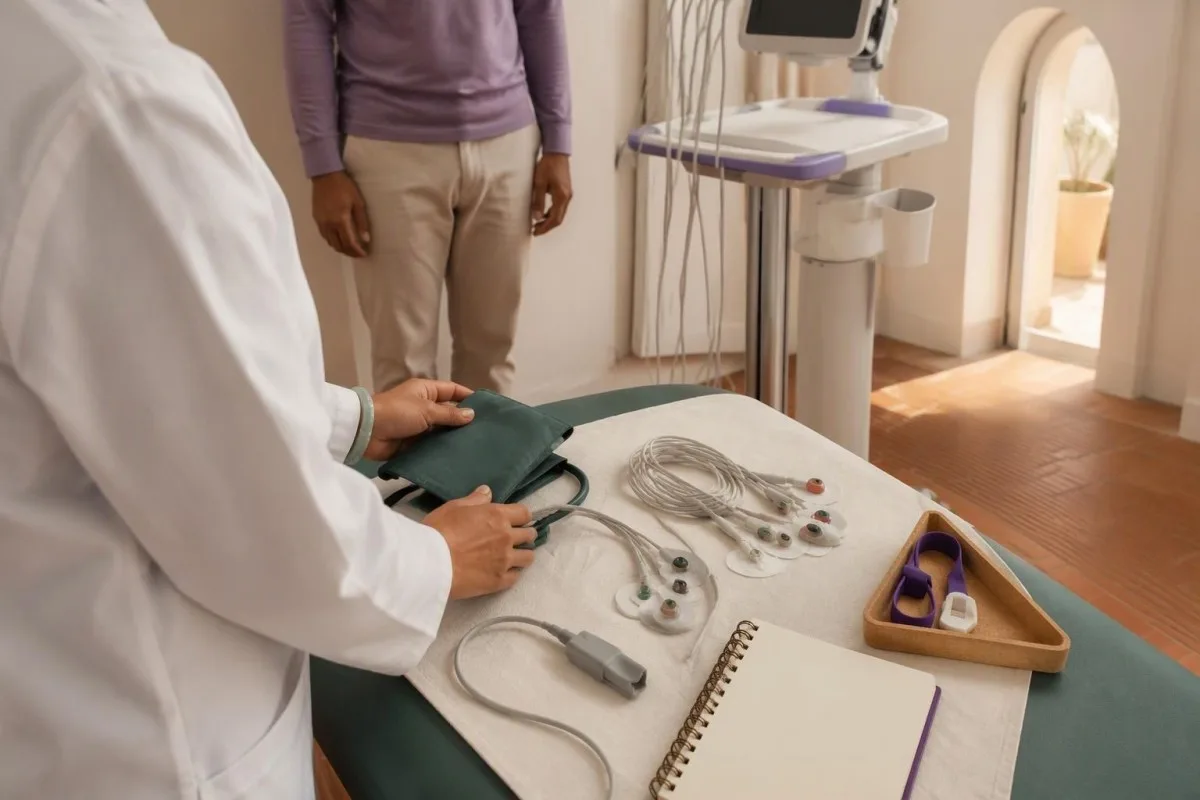
دەستنیشانکردن تێکەڵەیەکە، نەک تاقیکردنەوەیەکی تاک کە ئەنجامی ئەرێنی بدات. بەرزبوونەوەی لێدانی دڵ بە 35 لێدان/خولەک لە گەورەساڵێکی دیکەوە تەندروستدا POTS ناسەلمێنێت، چونکە پێویستە نیشانەکان لە کاتی ڕاستبوونەوەدا خراپتر بن و بە پاڵکەوتن باشتر بن؛ کەمئاوی، کەمخوێنی، کاریگەریی دەرمان و هۆکارەکانی دیکەش دەبێت لەبەرچاو بگیرێن.
پێوانەکردنەوەی دووبارە گرنگترە لە بەرزترین ژمارە. پێداچوونەوەی CMAJ لەلایەن Raj و هاوکارانەوە (2022)، کە پشت بە ڕێنماییە کەنەدییەکان دەبەستێت، دیاری دەکات کە زیادبوونی پێویستە لە لانیکەم 2 پێوانەی ڕاستبوونەوەدا دەربکەوێت کە لانیکەم 1 خولەک لە یەکتر دوورن، بۆ کەمکردنەوەی پشتبەستن بە بەرزبوونەوەیەکی کورت کە بە جووڵە دروست دەبێت.
هەڵسەنگاندنی ئاسایی مێژوو، پشکنین، نیشانە ژیانییە ئۆرتۆستاتیکەکان و ECGی 12-سیمی لەخۆدەگرێت. پزیشکان دەپرسن ئایا هێرشەکان دوای وەستان بەهێواشی دەست پێدەکەن یان بەناکاو دەست پێدەکەن، چونکە شێوازی یەکەم لەگەڵ تاکیکاردیای سینوسیی جێگرەوە دەگونجێت، لە کاتێکدا شێوازی دووەم دەکرێت ئاماژە بێت بە ئاڕیتمییەک کە پێویستی بە لێکۆڵینەوەی جیاواز هەیە.
Kantesti شیکەرەوەی تاقیکردنەوەی خوێنییە بە پشتگیریی زیرەکی دەستکرد کە یارمەتی ڕوونکردنەوەی دۆزینەوەکانی تاقیکردنەوەی تاقیگەیی دەدات کە پەیوەندییان بە گومان لە POTSەوە هەیە، بەڵام ناتوانێت وەڵامی لێدانی دڵ لە کاتی ڕاستبوونەوەدا بپێوێت یان دەستنیشانکردن بکات. زانیاریی دەربارەی سەندەی ئێمە خزمەتگوزاریی پشت ناوەڕۆکی پەروەردەیی ئێمە ڕوون دەکاتەوە؛ هەڵسەنگاندنی فیزیۆلۆژیی 10 خولەکی هەر ئەرکێکی کلینیکییە.
لە تەمەنە جیاوازەکاندا کام پێوەری خێرایی لێدانی دڵ بەکاردێت؟
گەورەساڵانی تەمەنی 20 ساڵ و زیاتر بە گشتی پێویستیان بە زیادبوونێکی بەردەوامی لێدانی دڵ بە بڕی لانیکەم 30 لێدان/خولەک لە ماوەی 10 خولەکدا لە وەستان یان لارکردنی سەری بەرەو سەرەوە هەیە. هەرزەکارانی تەمەنی 12–19 ساڵ بە گشتی پێویستیان بە لانیکەم 40 لێدان/خولەک هەیە، چونکە هەرزەکارانی تەندروست لە کاتی ڕاستبوونەوەدا دەتوانن زیادبوونێکی گەورەتری لێدانی دڵیان هەبێت لە گەورەساڵان.
سنووری تەمەن ئاسانە لەبیر بکرێت: بە گشتی کەسێکی 18 ساڵە بە پێوەری 40 لێدان/خولەک هەژمار دەکرێت، نەک پێوەری 30 لێدان/خولەکی گەورەساڵان. کۆنسێنسەسی Heart Rhythm Society لە ساڵی 2015دا لە تەمەنی 12–19 ساڵ پێوەری بەرزتر بەکاردەهێنێت، بۆ ڕەچاوکردنی پێویستیی خۆپاراستن لە هەژمارکردنی وەڵامە ئاساییەکانی تەمەنی گەنجی وەک نەخۆشییەک (Sheldon و هاوکاران، 2015).
بەپێی پێوەرە هاوچەرخەکانی دەستنیشانکردن، لێدانی دڵی ڕاستبووەوە کە لە 120 لێدان/خولەک زیاتر بێت پێویست نییە. بۆ نموونە، ڕێژەی لێدانی دڵی گەورەساڵێک کە لە 72ەوە دەگاتە 106 لێدان/خولەک دەکرێت پێکهاتەی پەیوەست بە لێدانی دڵی پێوەرەکە پڕ بکات، لە کاتێکدا کەسێک کە لێدانی دڵی لە 102ەوە دەگاتە 125 لێدان/خولەک، سەرەڕای لێدانی کۆتایی بەرزتر، سنووری زیادبوونەکە پڕ ناکات.
لێدانی دڵی نزم لە کاتی پشووداندا کێشەیەکی دیکەی لێکدانەوە دروست دەکات. ڕێنمایی کەنەدی کەمترین لێدانی دڵی پاڵکەوتن بە 60 لێدان/خولەک دادەنێت لە کاتی بەکارهێنانی پێوەرەکانی خۆیدا، بە مەبەستی خۆپاراستن لەوەی بەرزبوونەوە لە بنەمایەکی وەرزشیی نائاسایی نزمەوە بۆ لێدانی دڵی ئاسایی لە کاتی وەستاندا بە POTS هەژمار بکرێت؛ ئەم ڕێککەوتنە لە هەموو پێناسەکاندا یەکسان نییە.
منداڵانی خوار تەمەنی 12 ساڵ پێویستیان بە لێکدانەوەی پزیشکیی منداڵان هەیە، نەک بە بەکارهێنانی سادەی سنوورێکی گەورەساڵان. بەها بنەڕەتییە پەیوەست بە تەمەنەکان کاریگەرییان لەسەر ڕاپۆرتەکانی تاقیکردنەوەی تاقیگەیییان هەیەش، بۆیە ڕێبەری ئێمە بۆ children's lab interpretation separates educational assistance from assessment by a pediatric clinician.
پێش دەستنیشانکردنی POTS، نیشانەکان دەبێت چەندە ماوەیان هەبێت؟
Contemporary Canadian POTS criteria require symptoms for at least 3 months, alongside qualifying upright measurements. The symptoms must be frequent, worse while upright and improve after lying down; a fast pulse during a few days of fever or gastrointestinal illness does not establish a chronic autonomic syndrome.
Older publications and some clinical services use a 6-month duration requirement, so apparent disagreement between assessments may reflect different definitions rather than a measurement error. Raj et al. (2022) describes the 3-month criterion; a referral letter should identify the framework used rather than simply saying the test was positive.
Typical symptoms include lightheadedness, palpitations, blurred vision, weakness and fatigue during upright activity. A hypothetical person with 4 months of symptoms while showering or queuing, relieved by lying down, has a more characteristic history than someone with equally severe fatigue that never changes with posture.
Fainting is not necessary for POTS diagnosis, and recurrent fainting does not automatically mean POTS. Documenting whether a 2-minute episode follows standing, exertion, a painful procedure or no recognizable trigger helps distinguish orthostatic intolerance from vasovagal syncope, arrhythmias and other causes of transient loss of consciousness.
Kantesti's educational approach separates symptom overlap from diagnostic proof: 3 months of fatigue plus normal bloodwork is insufficient without the orthostatic pattern. Post-exertional symptom worsening may warrant assessment for ME/CFS diagnostic criteria, which can coexist with POTS but uses a different diagnostic framework.
پزیشک چۆن تاقیکردنەوەی وەستانی POTS ئەنجام دەدات؟
A POTS standing test measures heart rate and blood pressure after 5–10 minutes lying quietly, then during up to 10 minutes of standing. A commonly described schedule records measurements at 1, 3, 5, 8 and 10 minutes, while documenting symptoms and whether the person can safely remain upright.
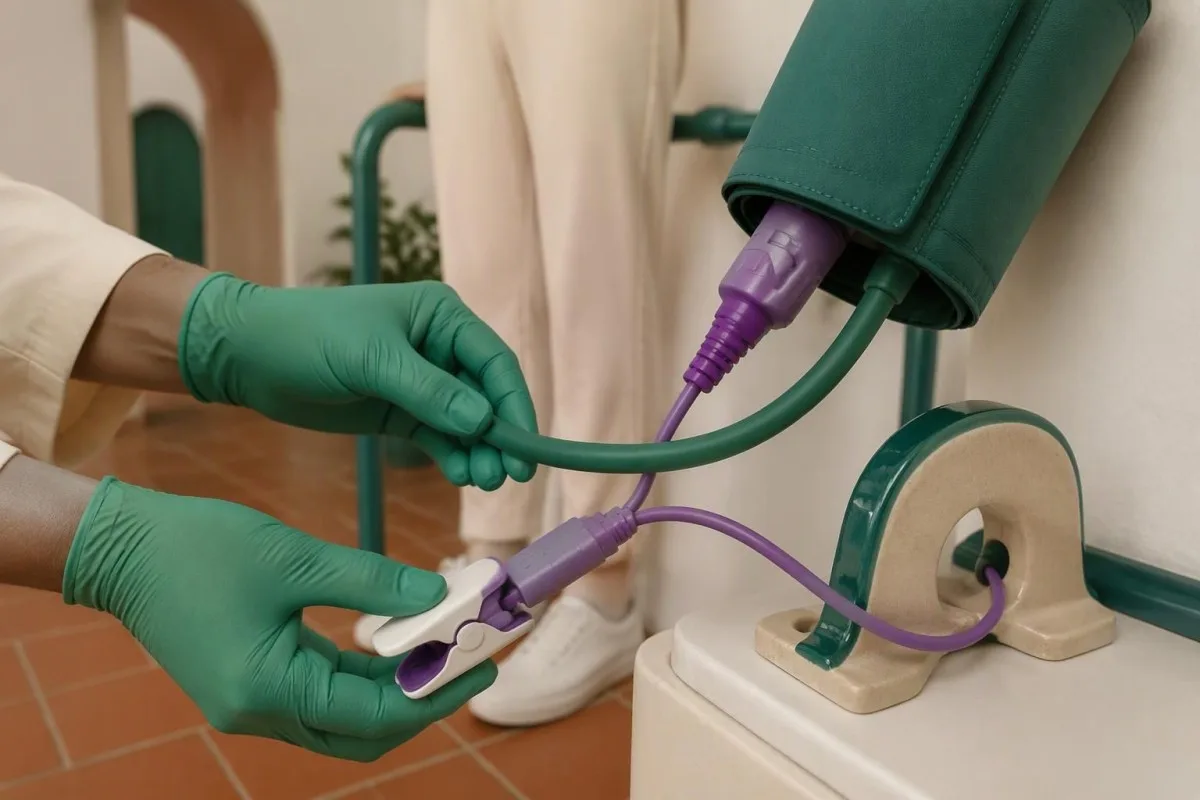
The lying baseline matters. Comparing a seated pulse with a standing pulse is not equivalent to the standard supine-to-standing assessment, because sitting already imposes some orthostatic stress; using a seated baseline can underestimate the change over the subsequent 10 minutes and obscure an otherwise qualifying pattern.
During testing, the patient usually stands quietly with supervision rather than marching, talking continuously or repeatedly contracting the calves. The leg-muscle pump returns fluid toward the heart, so movement during minutes 3–10 can alter the result; locking the knees or deliberately provoking symptoms is not a useful substitute.
Heart rate and blood pressure should be captured together, with the cuff arm supported near heart level. A cuff reading taken while the arm hangs well below the heart can distort pressure interpretation, while a wrist wearable may show movement artifacts during the first 1 minute after standing.
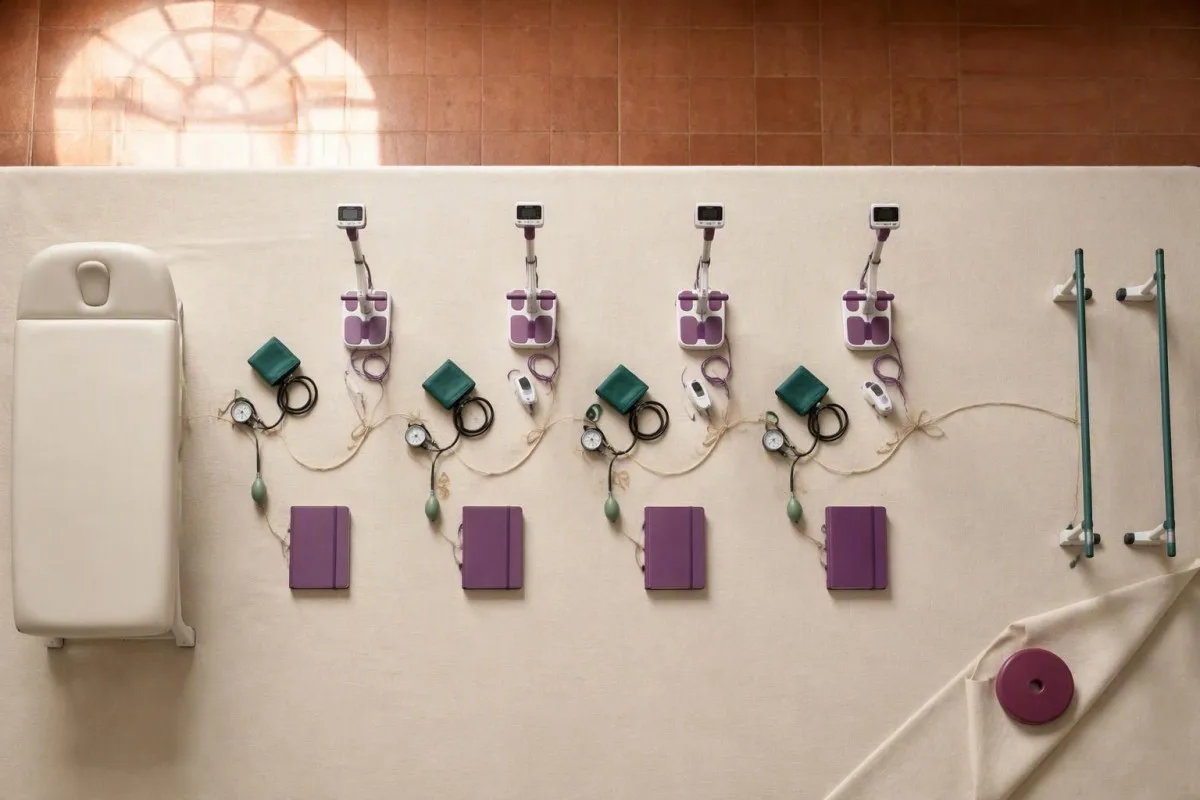
Preparation should be documented, not improvised. A practical record includes medication timing, recent illness, fluid intake and time of day alongside the 5–10-minute baseline; our baseline testing preparation guide explains why consistent conditions also make accompanying laboratory results more interpretable.
نیشانە حیاتییە ئۆرتۆستاتیکییەکان چی دەربارەی پەستانی خوێن ئاشکرا دەکەن؟
Orthostatic vital signs assess blood pressure as well as pulse. A sustained fall of at least 20 mmHg systolic or 10 mmHg diastolic within 3 minutes upright meets conventional criteria for classical orthostatic hypotension; that finding can explain compensatory tachycardia and argues against diagnosing POTS from the pulse increase alone.
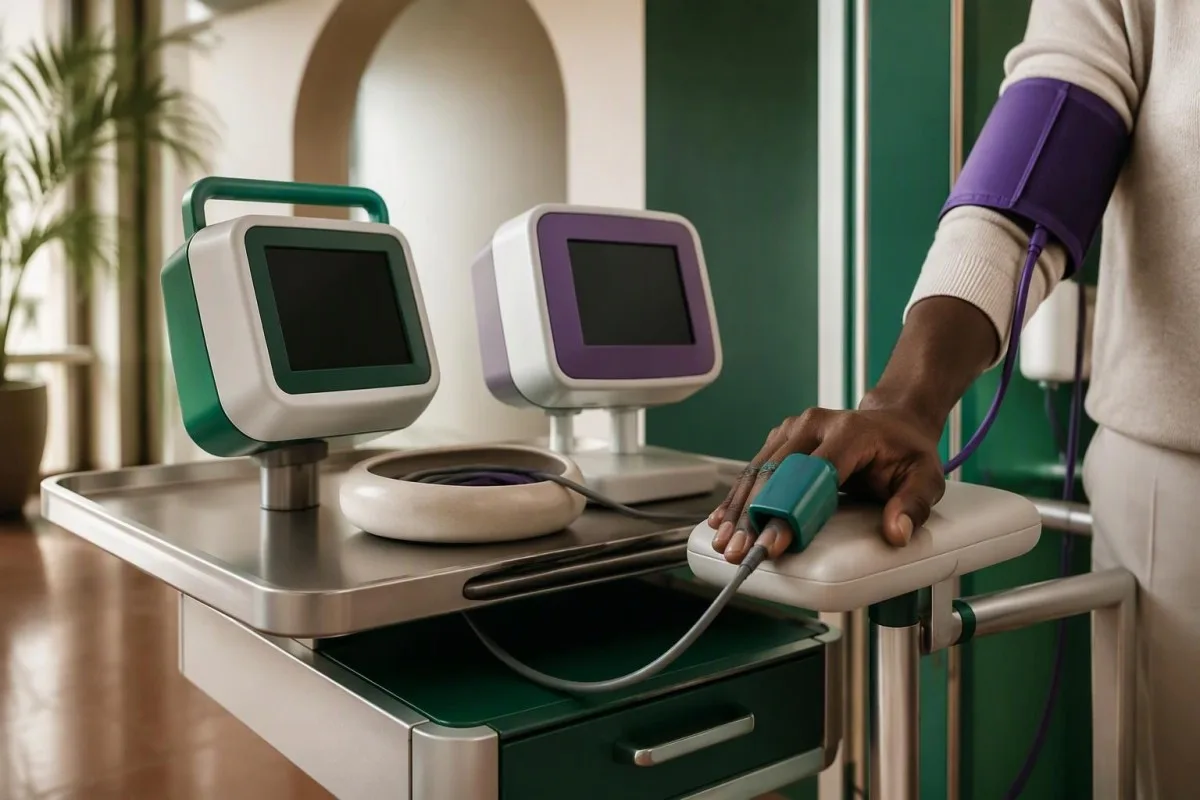
A hypothetical change from 118/76 to 94/64 mmHg is a fall of 24/12 mmHg. Even if heart rate simultaneously rises by 40 beats/min, the pressure drop changes the interpretation: clinicians should investigate volume depletion, medication effects or impaired pressure regulation instead of treating the pulse threshold as confirmation.
A brief pressure dip immediately after standing is different from sustained orthostatic hypotension. Initial orthostatic hypotension often occurs within roughly 15 seconds and can resolve before an intermittent cuff completes its first measurement; such a transient response does not necessarily exclude POTS when the later pattern meets all criteria.
Symptoms in the first 10–20 seconds can therefore be missed by a normal reading at 1 minute. Continuous beat-to-beat pressure monitoring may clarify that early pattern; clinicians may also assess later falls occurring beyond 3 minutes when the history suggests delayed orthostatic hypotension rather than isolated postural tachycardia.
Normal sodium or potassium does not prove adequate circulating volume. The usual sodium reference interval is approximately 135–145 mmol/L, but dehydration can exist within that interval; our ڕێبەری ئەنجامە ئەلیکترۆلیتەکان explains why concentration, fluid losses and kidney function need to be read together.
بەرزبوونەوەی خێرایی لێدانی دڵ چۆن هەژمار و لێکدەدرێتەوە؟
حەساب بکە لە orthostatic heart-rate increase by subtracting the stable lying baseline from each upright reading. Clinicians then look for a sustained increase of at least 30 beats/min in adults or 40 beats/min at ages 12–19, rather than accepting the largest isolated value from a watch or monitor.
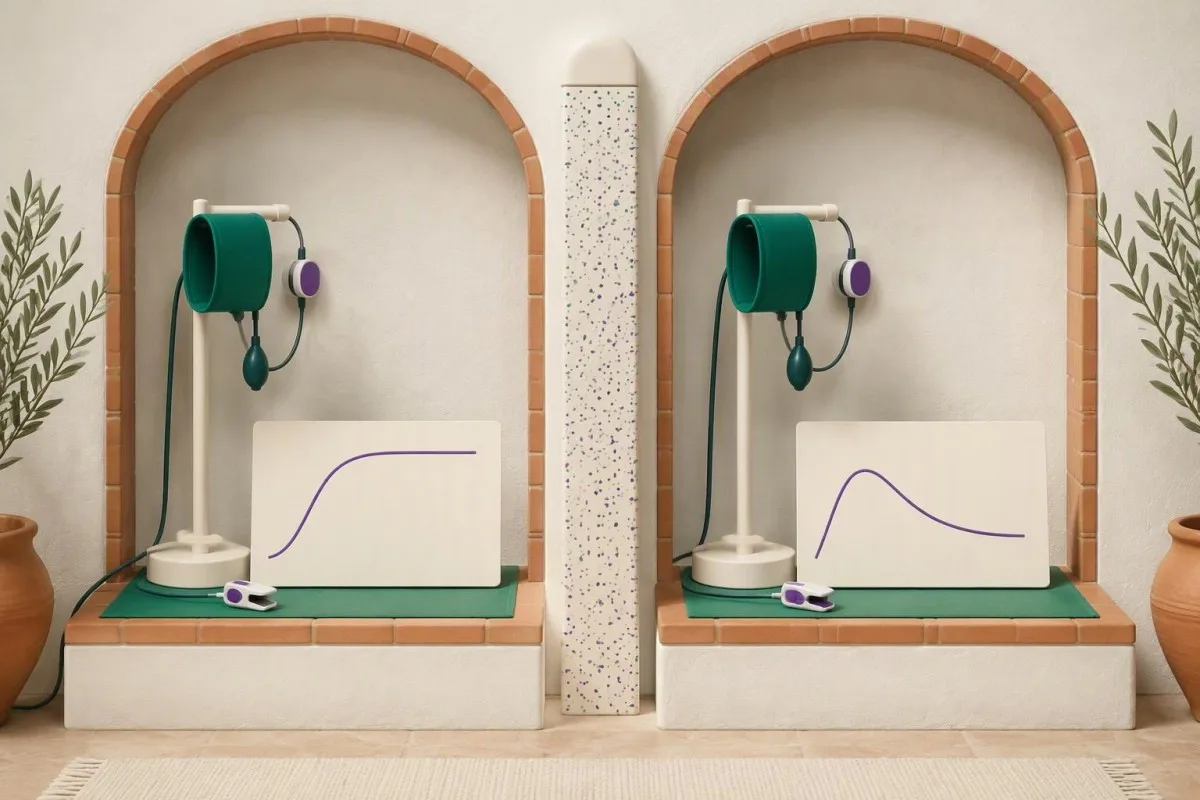
Consider a clearly hypothetical 28-year-old with a resting rate of 68 beats/min and standing readings of 92, 101, 104, 103 and 102. The increases are 24, 33, 36, 35 and 34 beats/min; this satisfies the heart-rate component, but symptoms, pressure and exclusions still determine whether POTS is diagnosed.
Now consider a hypothetical 16-year-old whose rate rises from 70 to 106 beats/min and remains there. The 36-beats/min increase exceeds the adult threshold but not the adolescent threshold of 40; the person may still have clinically significant orthostatic intolerance and deserves assessment rather than dismissal.
An isolated peak is less convincing. If an adult goes from 75 to 112 beats/min immediately after standing, then settles to 94–98 throughout minutes 3–10, the brief 37-beats/min spike does not demonstrate a sustained qualifying response; movement artifact or normal early adjustment may explain the peak.
Symptoms do not map neatly onto the size of the rise: a 45-beats/min increase is not automatically more disabling than a 32-beats/min increase. Recording the rhythm and trigger is often more useful for next steps, particularly when reviewing tests for palpitations alongside orthostatic measurements.
چی دەتوانێت ئەنجامەکە بشێوێنێت—و کەی دەبێت تاقیکردنەوەکە دووبارە بکرێتەوە؟
Hydration, medication, recent illness and time of day can change upright heart-rate measurements. Orthostatic tachycardia is often greater in the morning, so a negative afternoon assessment may warrant a repeat morning test when the history strongly suggests POTS; repeating testing is not the same as changing conditions to force a positive result.
Acute fever, vomiting, diarrhea or inadequate fluid intake can produce a qualifying rise without establishing POTS. A single 10-minute assessment during such an episode should be interpreted as an acute physiological response until the temporary explanation has resolved and the chronic symptom history can be assessed properly.
Beta-blockers and ivabradine can blunt the pulse increase, while stimulants, some decongestants and norepinephrine-reuptake inhibitors can increase it. Record the exact dose and last administration time—for example, a prescribed morning dose taken 2 hours before testing—and follow the testing service's instructions rather than stopping treatment independently.
Nicotine and caffeine can influence sympathetic activity, but abstinence instructions vary between services and test types. Mention vaping, smoking and nicotine replacement used within the preceding hours; nicotine exposure testing describes exposure assessment, not a test that confirms or excludes POTS.
Poor sleep and a large meal can change symptoms and physiological responses even when the equipment is accurate. A repeat assessment after a 5–10-minute rest should record those circumstances; our poor-sleep testing guide explains why the same context can also complicate accompanying laboratory interpretation.
کەی تاقیکردنەوەی مێزی لاربوون بۆ POTS سوودبەخشە؟
A POTS tilt table test is useful when standing measurements are inconclusive, safe standing is difficult or the clinician needs more detailed heart-rate and pressure monitoring. A passive head-up tilt, often around 60–70 degrees, can document the response over at least 10 minutes; many straightforward cases do not require it.
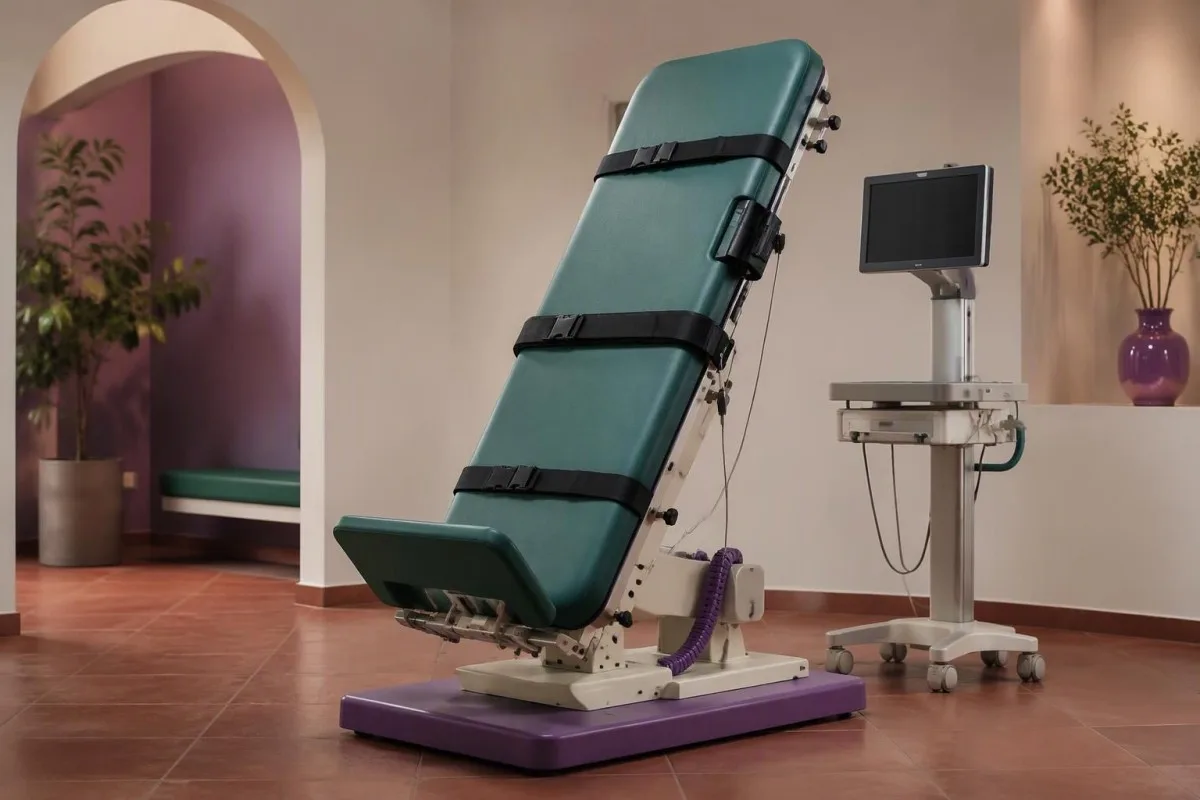
Passive tilt differs from active standing because the table supports the person and reduces use of the leg-muscle pump. Heart rate can therefore rise more on tilt than during standing, meaning the two tests are not interchangeable simply because both expose the circulation to gravity for 10 minutes.
Plash et al. (2013) compared 15 people with POTS and 15 controls. Using a 30-beats/min threshold at 10 minutes, specificity was 40% for tilt versus 67% for standing; this small study illustrates why a positive tilt threshold without the appropriate clinical history can misclassify healthy responses.
Longer syncope protocols may continue beyond the initial 10 minutes and sometimes use medication provocation. A later vasovagal fall in pressure or a medication-induced response should not be treated as identical to an unprovoked POTS-pattern response; ask which portion of the protocol supports the proposed diagnosis.
The report should state the tilt angle, baseline rest, duration, medications and monitoring method. The same transparency principle informs our پشتڕاستکردنەوە و پێوانە کلینیکییەکان: documented methods are necessary for interpretation, but an AI benchmark does not validate a patient's tilt result or replace specialist judgment.
کام تاقیکردنەوەی خوێن یارمەتی ڕەتکردنەوەی دۆخە هاوشێوەکانی POTS دەدەن؟
Bloodwork does not confirm POTS. Common investigations include hemoglobin, ferritin, electrolytes, kidney function and thyroid testing; a morning cortisol may be included in a core workup or ordered according to clinical suspicion and local practice. These tests look for alternative explanations for tachycardia, weakness and orthostatic symptoms.
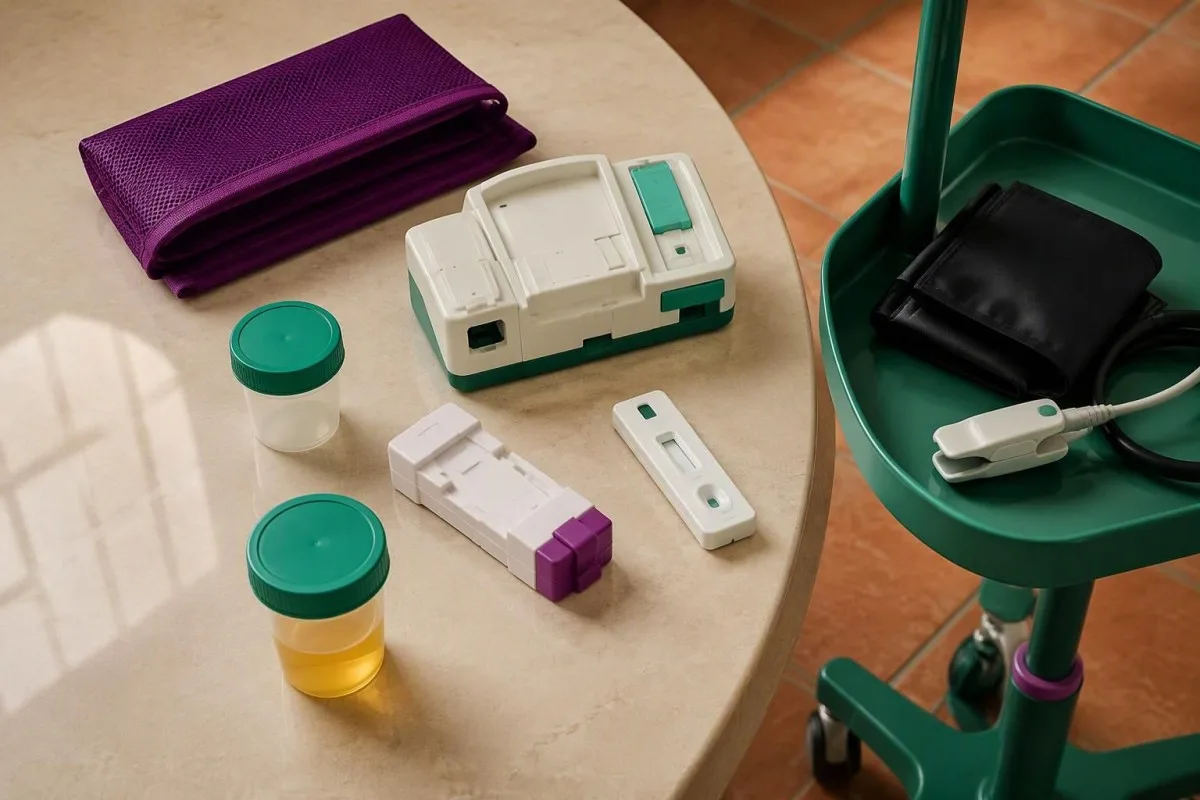
Hemoglobin assesses anemia, while ferritin helps assess iron stores; the two answer different questions. Ferritin of 10 ng/mL can indicate depleted stores even when hemoglobin remains within the local reference interval, so a normal CBC does not make low iron-store symptoms irrelevant.
A suppressed TSH with elevated free T4 suggests thyrotoxicosis, a potential explanation for tachycardia that must be addressed before attributing the pattern to POTS. Free T4 ranges are assay-dependent—often approximately 10–22 pmol/L—so the laboratory's own interval matters when reviewing thyroxine and TSH results.
Morning cortisol needs both sampling time and assay context. A markedly low result, such as below approximately 3 µg/dL or 83 nmol/L, raises concern for adrenal insufficiency but requires clinician-led interpretation; intermediate values may need stimulation testing, as explained in our ڕێنمایی کاتی کورتیزۆل.
Kantesti is an AI blood test interpretation platform that helps explain hemoglobin, ferritin and renal results in context, rather than converting normal values into a POTS label. A BUN/creatinine ratio above 20 may occur with volume depletion when both are expressed in mg/dL, but our تێکچوون/واتای ڕێژەی کلیە سنوورەکانی ڕووندەکاتەوە.
کەمخوێنی و کەمی ئاسن چۆن هەڵسەنگاندنەکە دەگۆڕن؟
Anemia can cause compensatory tachycardia and must be evaluated before a pulse rise is attributed to POTS. Iron deficiency without anemia may contribute to fatigue and reduced exercise tolerance, but a low ferritin result neither confirms POTS nor proves that iron deficiency explains the entire orthostatic symptom pattern.
For example, a hypothetical adult with hemoglobin of 9.2 g/dL, ferritin of 6 ng/mL and a 38-beats/min upright rise needs assessment of the anemia and its cause. The qualifying pulse change cannot be interpreted in isolation; reduced oxygen-carrying capacity can drive tachycardia before any autonomic diagnosis is established.
Ferritin below approximately 15 ng/mL strongly supports depleted iron stores in otherwise healthy adults, but inflammation can raise ferritin and obscure deficiency. A value of 45 ng/mL during an inflammatory illness is therefore not equivalent to the same value when well; complete iron-study interpretation adds transferrin saturation and clinical context.
The source of deficiency matters as much as replacement. Heavy periods, dietary restriction, gastrointestinal losses and malabsorption call for different investigations; prolonged menstrual flow beyond 7 days is one reason to review خوێنڕیزیی زۆری قەبارەی مانگانە rather than assuming every symptom belongs to an autonomic condition.
Kantesti AI can help explain why hemoglobin of 9.2 g/dL and ferritin of 6 ng/mL warrant clinical review, but it cannot decide whether anemia fully accounts for a standing-test result. Persistent posture-related symptoms after correction may justify reassessment; an abnormal laboratory result and genuine POTS can coexist.
بۆچی ECG و چاودێریکردنی ڕیتم بەشێکن لە پشکنینەکان؟
A ECG ی 12-دەستەواژە (12-lead ECG) helps check that the tachycardia is sinus rhythm and looks for cardiac clues that a pulse monitor cannot identify. A Holter or longer event monitor is selected when symptoms suggest an intermittent arrhythmia, persist independently of posture or remain unexplained after the initial orthostatic assessment.
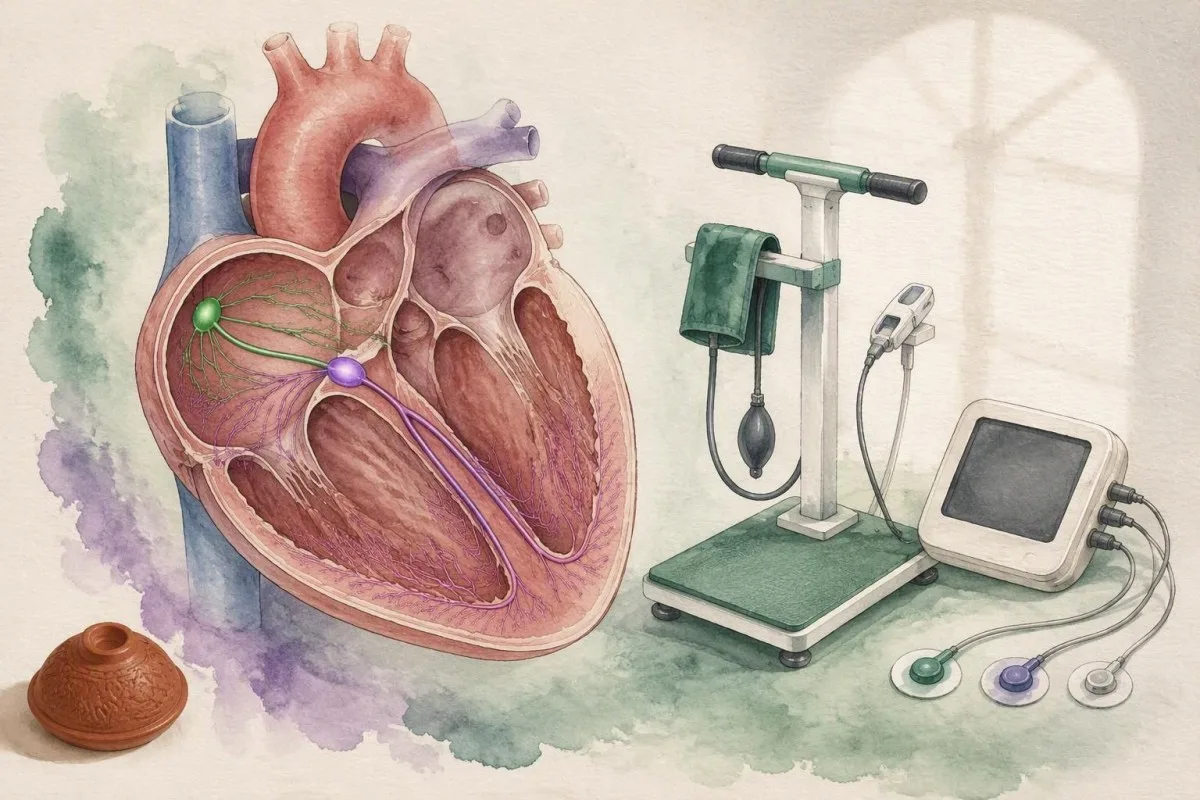
POTS-related sinus tachycardia usually builds with upright stress and decreases after lying down. An episode that abruptly switches from 80 to 180 beats/min and stops just as suddenly raises a different question, particularly if it occurs while resting; a wearable heart-rate number alone cannot identify the rhythm.
Inappropriate sinus tachycardia can overlap symptomatically with POTS but is less posture-dependent. The 2015 Heart Rhythm Society definition includes a resting sinus rate above 100 beats/min and a mean 24-hour rate above 90 beats/min, with distressing symptoms and no primary cause (Sheldon et al., 2015).
Monitor duration should match episode frequency. Daily events may be captured on a 24–48-hour Holter, whereas less frequent episodes may need a longer monitor; a normal short recording does not exclude an arrhythmia that simply did not occur during the recording period.
Echocardiography and troponin are not routine confirmation tests for uncomplicated POTS. New chest pain, exertional fainting, an abnormal ECG or concerning examination findings may justify a separate cardiac pathway; our troponin testing limits guide explains why 1 normal biomarker cannot settle every cardiac concern.
ئایا تاقیکردنەوە ئۆتۆنۆمیکییەکان یان ئاستی نۆرئەپینفرین POTS پشتڕاست دەکەنەوە؟
Additional autonomic tests and catecholamine measurements are not required for every POTS diagnosis. Specialists may use them to investigate particular mechanisms or a broader autonomic disorder; an upright norepinephrine concentration of at least 600 pg/mL is often used as a hyperadrenergic feature, not as a standalone diagnostic test.
An elevated upright norepinephrine result can reflect compensation for reduced central volume, not simply primary sympathetic overactivity. Values at or above 600 pg/mL therefore need to be interpreted alongside blood pressure, symptoms, medications and the collection protocol; proposed POTS subtypes are not always mutually exclusive.
Catecholamine collection is sensitive to posture and handling. Specialist protocols may obtain samples after at least 10 minutes in specified positions, with their own rest and transport requirements; comparing a seated sample from one laboratory with a prolonged-upright sample from another can create a misleading apparent trend.
Sweat testing, Valsalva testing and heart-rate responses to deep breathing assess different autonomic functions. These investigations may help when there are additional neurological or autonomic features, but a normal result on 1 of them does not erase a documented orthostatic tachycardia pattern or independently rule out POTS.
Kantesti does not treat a norepinephrine value of 600 pg/mL as a positive POTS screen. Episodic headache, sweating and marked hypertension may instead prompt clinician-directed metanephrine testing; our pheochromocytoma testing clues guide explains why that investigation answers a different question.
ئەگەر تاقیکردنەوەی خوێن ئاسایی بێت یان ئەنجامی تاقیکردنەوەی وەستان نەرێنی بێت چی؟
Normal bloodwork does not rule out POTS, because routine laboratory tests do not measure the upright cardiovascular response. A single negative 10-minute standing test also may not settle a strongly suggestive history; clinicians should review test conditions, consider repeat assessment and investigate other explanations rather than automatically confirming or dismissing the syndrome.
Someone with frequent orthostatic symptoms may not meet the heart-rate threshold on a particular day. A hypothetical adult with an increase of 26 beats/min still deserves a symptom-focused assessment, but that result does not satisfy the 30-beats/min component and should not be rounded upward to secure a label.
A repeat morning assessment may be reasonable when the first test followed substantial fluid intake, rate-lowering medication or an abbreviated baseline rest. If repeated, well-performed 10-minute assessments remain below threshold, clinicians should broaden the differential rather than assuming an unrecorded POTS response must exist.
Persistent fatigue, tingling or cognitive symptoms can justify targeted investigations even after a basic panel is normal. A borderline vitamin B12 result around 200–300 pg/mL may need contextual follow-up rather than dismissal, as described in our هەڵسەنگاندنی سنووردار بۆ B12; exact laboratory thresholds differ.
Clinical features should determine additional testing, not an indiscriminate autoimmune or hormone panel. At least 3 months of symptoms establishes chronicity under contemporary criteria, but it does not identify the cause; sleep disorders, vasovagal susceptibility, medication effects and overlapping post-viral conditions may require separate assessment.
دواتر چی لەگەڵ خۆت بهێنیت—و AI چی دەتوانێت ڕوون بکاتەوە؟
بێهێنە dated symptoms, medication details, orthostatic measurements and existing laboratory reports to the clinician assessing suspected POTS. A useful record includes the lying baseline, timed readings through 10 minutes, accompanying blood pressure and symptom changes; AI can explain laboratory context, but diagnosis requires clinical assessment of the whole pattern.
A home log should support the consultation, not create a fainting risk. If a clinician recommends home measurements, have assistance, stop when presyncope develops and do not insist on completing 10 minutes; chest pain, severe breathlessness, exertional fainting or new neurological symptoms warrant prompt medical assessment.
Ask 3 practical questions: did my measurements meet the age-appropriate threshold, was sustained orthostatic hypotension absent, and were plausible alternative causes evaluated? A referral report that answers those questions is more useful than a list of pulse peaks without baseline conditions, symptom duration or rhythm information.
Kantesti is an AI lab test interpretation service that helps organize the laboratory part of this discussion while leaving the 10-minute orthostatic assessment to clinicians. Our بنەماکانی زیرەکی دەستکردی بەرپرسانەی ئێمە describe that boundary; review تایبەتمەندی و داتاکانت before sharing reports that contain identifying information.
The 2 Zenodo publications listed below provide supplementary education on kidney ratios and urinalysis, not validation of POTS diagnostic criteria or an AI diagnostic claim. Neither publication establishes a POTS biomarker; the clinical recommendations in this article instead draw on the CMAJ review, Heart Rhythm Society consensus and comparative standing-versus-tilt study listed separately.
پرسیاره باوهكان
POTS چۆن دەستنیشان دەکرێت؟
0 POTS کاتێک دەستنیشان دەکرێت کە نیشانە درێژخایەنە پەیوەستەکان بە گۆڕینی هەڵوێست لەگەڵ بەرزبوونەوەی بەردەوامی لێدانی دڵ لە ماوەی ١٠ خولەکدا لە کاتی ڕاوەستان ڕووبدەن، بەبێ کەمبوونەوەی بەردەوامی فشاری خوێن لە کاتی ڕاوەستان یان هۆکارێکی تری ڕوونکەرەوە. سنووری ئاسایی بۆ زیادبوون لانیکەم ٣٠ لێدان لە خولەکدا بۆ گەورەساڵانی تەمەنی ٢٠ ساڵ و زیاتر، و ٤٠ لێدان لە خولەکدا بۆ تەمەنی ١٢–١٩ ساڵە. پێوەرە هاوچەرخە کەنەدییەکان پێویستیان بە بوونی نیشانەکان بۆ لانیکەم ٣ مانگە، هەرچەندە هەندێک لە پێناسە کۆنەکان ٦ مانگ بەکار دەهێنن. پزیشک پێوانەکانی ڕاوەستان یان تیلت لەگەڵ مێژووی نەخۆشی، پشکنین، ECG و تاقیکردنەوە هەڵبژێردراوەکان کۆ دەکاتەوە.
ئایا تاقیکردنەوەی وەستان دەتوانێت POTS پشتڕاست بکاتەوە بەبێ تاقیکردنەوەی مێزی لێژ؟
تاقیکردنەوەیەکی وەستانی بە شێوەیەکی دروست ئەنجامدراو دەتوانێت پێوانە ئۆرتۆستاتیکییەکانی پێویست بۆ دەستنیشانکردنی POTS بەبێ تاقیکردنەوەی مێزی لار دابین بکات. پزیشکان بە گشتی دوای 5–10 خولەک پاڵکەوتنی ئارام، پێوانەی بنەڕەتی وەردەگرن و لە ماوەی 10 خولەک وەستاندا دڵلێدان و پەستانی خوێن دووبارە پێوانە دەکەن. زیادبوونێکی بەردەوام و گونجاو دەبێت لەگەڵ نیشانە ئۆرتۆستاتیکییە درێژخایەنەکان و دوورخستنەوەی هۆکارە جێگرەوەکاندا ڕووبدات. تاقیکردنەوەی لارکردن بەسوودە کاتێک ئەنجامەکان ڕوون نین، وەستان مەترسیدارە یان چاودێریکردنی وردتر پێویستە.
ئایا پێویستە لێدانی دڵت لە 120 زیاتر بێت بۆ ئەوەی POTSت هەبێت؟
لە پێوەرە نوێکانی POTSدا، پێویست نییە خێرایی لێدانی دڵ لە کاتی وەستاندا لە 120 لێدان/خولەک زیاتر بێت. ئەو گەورەساڵەی خێرایی لێدانی دڵی لە 72ەوە بۆ 106 لێدان/خولەک بەرز دەبێتەوە، زیادبوونێکی 34 لێدان/خولەکی هەیە و ئەگەر بەردەوام بێت، ڕەنگە پێکهاتەی خێرایی لێدانی دڵ جێبەجێ بکات. ئەو کەسەی لە 102ەوە بۆ 125 لێدان/خولەک بەرز دەبێتەوە، تەنها زیادبوونێکی 23 لێدان/خولەکی هەیە و ئەو پێکهاتەیە جێبەجێ ناکات. نیشانەکان، فشاری خوێن و ڕوونکردنەوە جێگرەوەکان هێشتا دیاریکەری تشخیصی کۆتایین.
چ کامێکی خوێن POTS پشتڕاست دەکەنەوە؟
هیچ تاقیکردنەوەیەکی ڕوتینی خوێن POTS پشتڕاست ناکاتەوە. هیمۆگڵۆبین، فێریتین، ئەلیکترۆلایتەکان، کارکردنی گورچیلە و تاقیکردنەوەکانی تیروئید یارمەتی ناسینەوەی دۆخە هاوشێوەکان دەدەن؛ بەپێی هەڵسەنگاندن و پرۆتۆکۆلی ناوخۆیی، کۆرتیزۆلی بەیانیانیش لەوانەیە گونجاو بێت. بۆ نموونە، هیمۆگڵۆبینی 9.2 g/dL لەگەڵ فێریتینی 6 ng/mL ئاماژە بە کەمخوێنی لەگەڵ بەتاڵبوونی پاشەکەوتی ئاسن دەکات، کە دەتوانێت بەشداری لە تاکیکاردیا بکات و پێویستی بە لێکۆڵینەوە هەیە. ئەنجامە ئاساییەکان POTS ڕەت ناکەنەوە، چونکە وەڵامی دڵوئەوڕۆیی لە کاتی وەستاندا ناپێون.
ئایا کاتژمێری زیرەک دەتوانێت لە ماڵەوە POTS دەستنیشان بکات؟
کاتژمێرێکی زیرەک ناتوانێت بە سەربەخۆیی POTS دەستنیشان بکات، هەرچەندە تۆمارەکانی لەوانەیە یارمەتیدەر بن بۆ بەڵگەدارکردنی نیشانەکان لە کاتی ڕاوێژکاریدا. ئامێرە لەبەرکراوەکان بە شێوەیەکی متمانەپێکراو هەڵسەنگاندنی هاوکاتی فشاری خوێن پێشکەش ناکەن کە بۆ لێکۆڵینەوە لە دابەزینێکی بەردەوامی لانیکەم 20 mmHg لە فشاری سیستۆلی یان 10 mmHg لە فشاری دیاستۆلی پێویستە. جووڵە هەروەها دەتوانێت شەپۆلی کورتماوەی لێدانی دڵ دروست بکات کە جیاوازن لە گۆڕانکارییە بەردەوامەکان لە ماوەی 10 خولەکدا. هەر کەسێک مەیلی بۆ بێهۆشبوون هەبێت، دەبێت لە تاقیکردنەوەی وەستانی بێ چاودێری خۆی بپارێزێت و لەگەڵ پزیشکێکدا سەبارەت بە هەڵسەنگاندنی سەلامەت گفتوگۆ بکات.
ئایا دەکرێت POTS ـت هەبێت لەگەڵ تاقیکردنەوەی مێزی لارکردنی ئاسایی؟
ئەنجامێکی ئاساییی تاقیکردنەوەی مێزی لار، بە شێوەیەکی خۆکارانە نیشانە بەردەوامە ئۆرتۆستاتیکییەکان ڕوون ناکاتەوە، بەڵام پشتڕاستکردنەوەی POTSیش ناکات. دەرمان، ئاوداربوون، کاتی ڕۆژ و پرۆتۆکۆڵەکە دەتوانن کاریگەرییان لەسەر ئەوە هەبێت کە ئایا لە یەکەم 10 خولەکدا بەرزبوونەوەیەکی پێوەرپێداو دەردەکەوێت یان نا. پزیشکێک لەوانەیە تاقیکردنەوەیەکی ڕاوەستانی پێشووی بە باشی بەڵگەدارکراو پێداچوونەوەی بۆ بکات، کاتێک گونجاوە هەڵسەنگاندنەکە دووبارە بکاتەوە، یان هۆکارەکانی دیکە بکۆڵێتەوە. دووبارەبوونەوەی تاقیکردنەوەکان کە ئەنجامەکانیان لە سنووری تایبەت بە تەمەن کەمترن، دەبێت ببنە هۆی پێداچوونەوە، نەک گریمانەکردنی ئەوەی کە حەتمەن POTS هەیە.
ئایا بەرزبوونەوەی ٣٠ لێدانی دڵ لە خولەکێکدا بەسە بۆ دەستنیشانکردنی POTS لە هەرزەکارێکدا؟
زیادبوونی ٣٠ لێدانی لە خولەکێکدا بە گشتی مەرجی لێدانی دڵی POTS بۆ هەرزەکارێکی تەمەنی ١٢–١٩ ساڵ پڕ ناکاتەوە. سنووری باوی هەرزەکاران بەرزبوونەوەیەکی بەردەوامی لانیکەم ٤٠ لێدان لە خولەکێکدا لە ماوەی ١٠ خولەک ڕاوەستاوە. هەرزەکارێک کە بەرزبوونەوەکەی کەمترە، هێشتا لەوانەیە نەبوونی توانای بەرگەگرتنی دۆخی ئۆرتۆستاتیکی یان دۆخێکی تری چارەسەرپذیری هەبێت. منداڵانی خوار ١٢ ساڵ پێویستیان بە هەڵسەنگاندنی تایبەت بە منداڵان هەیە، نەک جێبەجێکردنی خۆکارانەی پێوەرەکانی گەورەساڵان.
ئەنجامەکانی تاقیکردنەوەی خوێنت ڕوون بکەرەوە
ڕاپۆرتی تاقیگەکەت باربکە و AIی Kantesti لە چەند چرکەیەکدا هەر بایۆمارکەرێک بە زمانی سادە ڕوون دەکاتەوە. زیاتر لە 2 ملیۆن کەس لە سەرانسەری جیهان بەکاری دەهێنن.
Referans
- کلاین، تی.، میچڵ، ئێس.، و وێبەر، ھ. (٢٠٢٦). ڕوونکردنەوەی ڕێژەی BUN/Creatinine: ڕێنمایی تاقیکردنەوەی کارکردنی کلیه. توێژینەوەی پزیشکیی AIی Kantesti. DOI
- کلاین، تی.، میچڵ، ئێس.، و وێبەر، ھ. (٢٠٢٦). ئوروبیلینۆجین لە تاقیکردنەوەی ئورینە: ڕێنمایی تەواوی ئورینالیز 2026. توێژینەوەی پزیشکیی AIی Kantesti. DOI
- Raj SR et al. (2022). Diagnosis and management of postural orthostatic tachycardia syndrome. CMAJ. DOI PubMed
- Sheldon RS et al. (2015). 2015 Heart Rhythm Society Expert Consensus Statement on the Diagnosis and Treatment of Postural Tachycardia Syndrome, Inappropriate Sinus Tachycardia, and Vasovagal Syncope. Heart Rhythm. DOI PubMed
- Plash WB et al. (2013). Diagnosing postural tachycardia syndrome: comparison of tilt testing compared with standing haemodynamics. Clinical Science. DOI PubMed
- 2M+تاقیکردنەوە شیکراوەکان
- 127+Welat
- 100+Ziman
دەربارەی تیمی پزیشکی


سەنگەری باوەڕپێکردن E-E-A-T
Tecribe
ڕەوی پشکنینی کلینیکی لەلایەن پزیشکەوە بۆ ڕێکخستنی ڕووداوەکانی لێکدانەوەی ئازمایش.
Pisporî
گرێدانی لابراتۆرییەی پزیشکی بەوەی چۆن بایۆمارکەرەکان لە کۆنتێکستی کلینیکی دەگۆڕن.
Desthilatdarî
پێداچوونەوەی پزیشکی بۆ کراوە لەلایەن دکتۆر توماس کلاینەوە، بە بەشداریی دکتۆر سارا میچڵ و پرۆفیسۆر دکتۆر هانس ڤێبەر.
Bawerî
لێکدانەوە بە بنەمای دڵنیابوون (Evidence-based) بە ڕێڕەوی دوایینەوەی ڕوون بۆ کەمکردنەوەی هەست بە ترس/هەڵوەشاندن.
ڕاگەیاندنی بەرپرسیاریەتی پزیشکی
ئەم مادەیە تەنها بۆ. I think I must continue but user expects all items.
بڵاوکراوهتهوه · پەیوەندی بکە بە تیمی دەستەنووس
بڵاوکراوەتەوە لەلایەن Kantesti Ltd، تۆمارکراو لە ئینگلتەرا و وێڵز، ژمارەی کۆمپانیا. 17090423, ، لەندەن، شانشینی یەکگرتوو.
