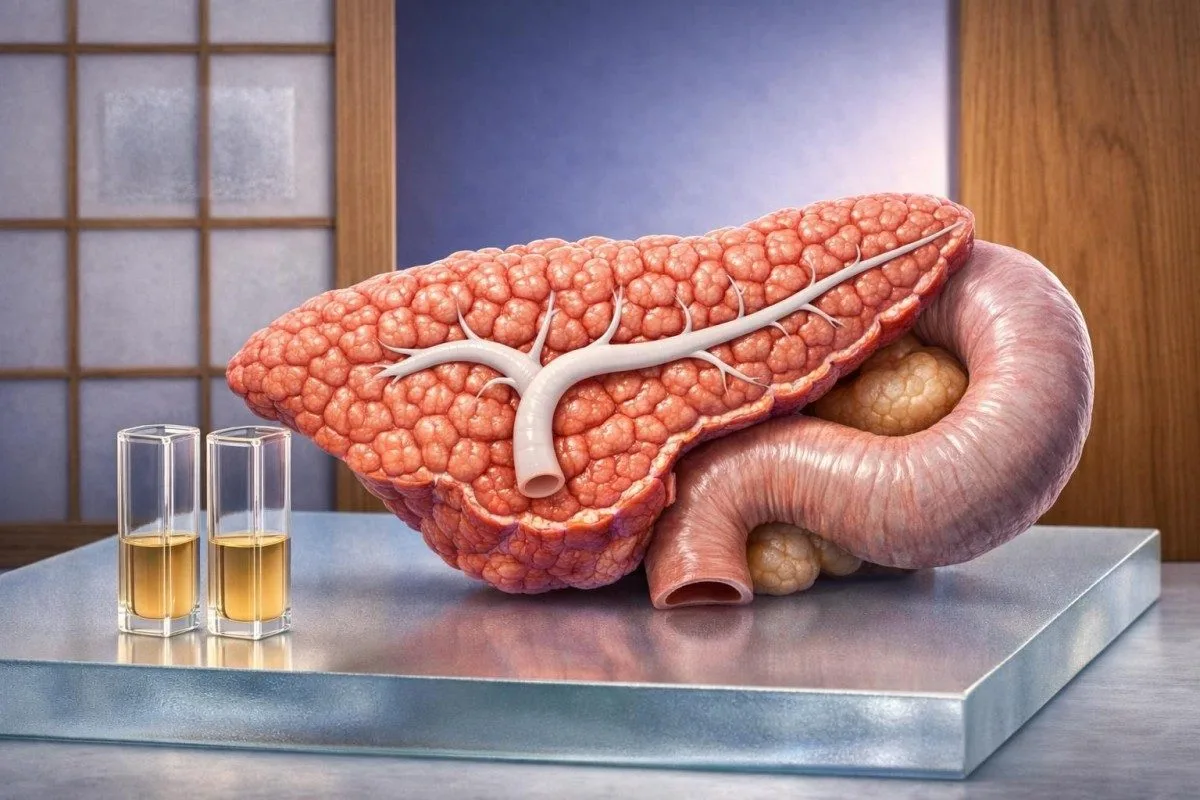
لیپاز بە گشتی بۆ تاقیکردنەوەی خوێنی پەیوەندیدار بە پەنکراس بۆ شەککردنی پەنکراسیت (pancreatitis) باشترە، چونکە تایبەتمەندی زیاتر هەیە و لەوەی ئامیلاز زووتر نەکەوتووە و زۆرتر بەردەوام دەبێت لە بەرزبوون. بەرزبوونەکان هێشتا دەتوانن بەبێ لەوەی نەخۆشی پەنکراس ڕوو بدەن—کەمبوونی کارکردی کلیە (kidney impairment)، نەخۆشی کیسەی صفرا (gallbladder disease)، کێشەکانی ڕوودە (bowel problems)، کێشەی کێشەی کەتوئاسیدۆزی دیابێتی (diabetic ketoacidosis)، و ماکروئامیلازیمی (macroamylasemia) هۆکارە زۆر بەکارهاتوون.


- لیپاز بە گشتی تاقیکردنەوەی باشترە بۆ خوێنی پەنکراس؛ بە کەمێک 3 جار لە سەرحدی سەرەکی (upper limit)ی نورمال + ئاڵامە تایبەتییەکانی توندی لەگەڵ خۆشەویستی (typical pain) پشتیوانی دەکات بۆ پەنکراسیتی هەنووکەیی (acute pancreatitis).
- ئامیلاز زۆرجار لە ماوەی 6 تا 24 کاتژمێر دەبێت بەرز بێت، بەڵام دەتوانێت لە 3 تا 5 ڕۆژ, ـدا بگەڕێتەوە بۆ بنەمای خۆی (baseline)، بۆیە تاقیکردنەوەی دواییدە (delayed testing) دەتوانێت لێی تێپەڕێت.
- کاتژمێری لیپاز لە زۆربەی کات 4 تا 8 کاتژمێر بۆ بەرزبوون, ، نزیکەی 24 کاتژمێر بۆ سەرکەوتن (peak), û 8 تا 14 ڕۆژ بمانێت بەرز بێت.
- ڕێژەی ڕێکخراو (نۆرمال) زۆرجار دەکەوێتە سەر 13 تا 60 U/L بۆ لیپاز û 30 تا 110 U/L بۆ ئامیلاز, ، بەڵام هەر لابراتۆرێک بازەی خۆی دابین دەکات.
- بەرزییە نەرمییەکان سەر 3x ULN ناڕوون و زۆرجار دەگەڕێتەوە بۆ نەخۆشیی کێڵگەی کلیە (نەکارامەیی کلیه)، ئارێشاندنی دەمەی دڵدانە (گالبلادر)، نەخۆشیی دەستەوە/رەودە (بۆول)، یان نەخۆشیی هەڵسوکەوتی سەخت (critical illness) ــ نەک تەنها پەڕەی لوزە (pancreatitis).
- ماکروئامیلازێمیا دەتوانێت هۆکار بێت بۆ ئامیلازی بەرز بەردەوام بە لیپازی نۆرمال و ئامیلازی کەڵەکی (ئورین) کەم، زۆرجار لەو کەسانەدا کە تەواو باش دەسەملێنن.
- تریگلیسەریدەکان لەسەر 500 mg/dL هەستیارکردنەوە دەکات بۆ مەترسی پەڕەی لوزە، و ڕێژەکان لەسەر 1,000 mg/dL دەتوانن بە شێوەی ڕاستەوخۆ دەستپێکی بکەن.
- CRP لەسەر 150 mg/L لە کاتژمێری 48 و BUN بە سودترن بۆ سنووردارکردنی سەختییەوە لە تەنها ژمارەی لیپاز.
- پێداچوونی هەراسان پێویستە کاتێک ئامیلاز یان لیپاز بەرز دەبێت لەگەڵ تێکچوونی سەختی لاپەڕەی سەرەوەی شکم، قیژانی بەردەوام، هەستەوە/تێکچوونی هەناسە (fever)، زەردی (jaundice)، کەمبوونی فشاری خوێن، یان گیجی.
تاقیکردنەوەی خوێنی پەنکراس بە ڕاستی چی دەتوانێت پێت بڵێت
لیپاز زۆرجار بە سودترە بۆ تاقیکردنەوەی خوێنی پەڕەی لوزە. لە گەورەساڵان کە تێکچوونی ناگهانی لاپەڕەی سەرەوەی شکم هەیە، ڕێژەی لیپاز کەمتر نەبێت لە 3 جار لە سنووری سەرەوەی نۆرمالی لابراتۆرە پشتیوانی دەکات بۆ پەڕەی لوزەی هەنووکەیی (acute pancreatitis) بە باشتر لە ئامیلاز ئەنجام، بە تایبەتی دوای 24 کاتژمێری یەکەم. بەرزبوونەکان هێشتا ڕوودەدەن بەبێ نەخۆشییەکی پەزەوەیی — کێشەی ناتوانی لە کلیە، نەخۆشیی کیسەی صفرا، کێشەکانی ڕوودە، کێشەی کێشەی دیابێتی کێتۆئاسیدۆس، و ماکروئامیلازێمیا زۆر گرنگن.
ئەنجامی یەکێنەری پەزەوەیی ڕێنماییە، نەک حکم. لە Kantestî AI, ، زۆر وێنە/آپلود دەبینین کە لیپازی بەرز بە شێوەیەکی کەم دەردەکەوێت کە بەهۆی کەمبوونی پاککردنەوەی کلیە، هەستێکی هەڵوەشاندن/ئێتێجانی صفراوی، یان کێشەی کات (تایمینگ) ـەوەیە، نەک خودی پەزەوەیەتی. ئەگەر هەر جارێک پرسیوتە چرا ئەنجامێکی ڕەنگاوڕەنگکراو بتوانێت گمراه بکات، ڕوونکردنەوەکەمان لەسەر ئەوەی کە چۆن بازەی ڕێژەی ڕاست/نۆرمال گمراه دەکات هەمان خاڵە دەکاتەوە کە لە کلینیکدا من دەڵێم.
وەک توماس کلاین، د.م.، زۆرجار پێش ئەوەی واکەم لەسەر ژمارە بدەم، دوو پرسیار دەکەم: لە کوێیە تێکەڵ/درد؟ و کەی دەستی پێکرد؟ لە توێژینەوەماندا سەبارەت بە زیاتر لە 2 ملیۆن پەنێڵی آپلودکراو لە واڵاتانی 127+، ئەو شێوەیە کە زۆرترین پەیوەندی هەیە بە ڕەشنەبوونی ڕاستەقینەی پەزەوەیی ئەوەیە: دڵدردی تایبەتی ناوەندی سەرەوە (epigastric) بە تەنها لیپاز ≥3x ULN, ، نەک تەنها یەک بەرزبوونی یەکەوە. ئەگەر دەتەوێت بزانیت کێ ئەو مەنتقە دەسەلمێنێت، بخوێنە سەبارەت بە تیمی ئێمە.
Banks et al. پەزەوەیەتی توند (acute pancreatitis) بە 2 لە 3 شێوە/معیارڕەخسان کرد: ≥3 جار بەهێزتر لە سەر حەدی سەرەکی ڕاستەقینە (upper limit of normal), ، یان وێنەگرتن/ئیمەجینگ کە لەگەڵ پەزەوەیەتی تونددا یەکدەگرێت (Banks et al., 2013). ئەمە واتە بەرزبوونی یەکێنەری پەزەوەیی بەبێ دڵدرد بەخودی خۆی خۆکار نییە بۆ پەزەوەیەتی توند، و بەرزبوونی نەبوونی یەکێنەری لە سەرەتای زۆر زووەوە بە تەواوی ناتوانێت بە شێوەیەکی کۆتایی لێی ڕەت بکات. ئەو دیکۆدەرەکەی ئەلامەت گرنگە کاتێک کە ڕاپۆرت زووتر دەگەیەت کەداستان/ڕووداوەکە ڕوون نەبووە.
ئامیلاز لەگەڵ لیپاز: بۆ پەنکراسیت کەی تاقیکردنەوەکە زۆرتر یارمەتیدەدات؟
لە زۆربەی زۆربەی گەورەساڵان، لیپاز لە ئامیلاز بەهێزترە بۆ پەزەوەیەتی توند کە پێشبینی دەکرێت چونکە زیاتر پەیوەستە بە پەزەوە و زووتر/بە درێژتر هێشتا ناهەنجار دەبێت. ئامیلاز هێشتا دەتوانێت یارمەتیدەر بێت، بەڵام زووتر دەبەرز بێت و زووتر دەکەوێت و بە ئاسانتر لەلایەن نەخۆشییەکانی غدودی دەم، قی (هەڵدانەوە)، و ماکروئامیلازێمیا گومڕا دەکرێت.
ڕێنمایی ACG پشتیوانی دەکات لە لیپاز بەرامبەر ئامیلاز کاتێک پەزەوەیەتی توند پێشبینی دەکرێت (Tenner et al., 2013). لە ڕاستەقینەی کەرتی/کاردا، لیپاز زۆرجار لە 4 تا 8 کاتژمێر, دەبەرز دەبێت، نزیکەی کاتژمێرەکاندا دەکەوێت/دەبێتە سەرەکی (peaks) لە حەدودەی 24 کاتژمێر, ، و دەتوانێت هێشتا بەرز بمێنێت لە 8 تا 14 ڕۆژ. ئەو «دۆڵی درێژ»ە بۆ ئەوەیە کە نەخۆشێک کە دوو ڕۆژ پاش دەستپێکردنی تێکچوون/درد دەردەکەوێت، دەتوانێت لیپازێکی بەهێز پیشان بدات بە هەمان کاتدا ئامیلازێکی نزیک بە تەواوی/نەرم.
ئامیلاز کەمتر تایبەتمەندی هەیە، چونکە لە لایەن پێنچاسەوە و غدّە بزاقییەکان دروست دەکرێت. یەک ڕەوتی/ئاسایی تاقیکردنەوەی خوێنی ئامیلاز زۆرجار ئەو سەرچاوەیانە جیا ناکاتەوە، بۆیە ڕەشنووسی پارۆتید، قیڕان/هەڵهاتنی زۆر، یان هەندێک نەخۆشی لە ناوەوەی ڕۆدەکان دەتوانن بیهێننە سەر. ئەگەر دەتەوێت ڕوونکردنەوەی گشتیتر ببینی کە چۆن موودێلەکانمان ئەم ئەنزیمانە دەکەنە کنارەی تاقیکردنەوە/نیشانەی بیۆکیمیایی تر، ئەو ڕێنمای 15,000-مارکر ڕوونکردنەوەکە دەخاتەڕوو.
بە شێوەیەکی تێرەوە، من هێشتا لە کاتی شێوانەبوونی ڕووداوەکان سەیری ئامیلاز دەکەم. لیپازێکی تەواو/نۆرمال بە هەڵکەوتنێکی کەم لە ئامیلاز دەتوانێت ڕێنماییم بکات بۆ نەخۆشییەکانی غدّە بزاقی یان ماکرۆئامیلازێمیا لەبەر پێنچاسە، بەڵام هەندێک جار خوێنکێشانی زوو زوو دەتوانێت ئامیلاز یەکەم بگیرێت. ئەمە جێگای ڕیزەیی/دقیقەیییە، نەک قاعدەی ڕەوتی.
کاتێک ئامیلاز هێشتا جێگای خۆی دەگرێت
ئامیلاز هەڵسەنگاندنی تایبەتی هەیە لە سەرەتای زوو، لە کاتی پێشبینی ماکرۆئامیلازێمیا، و لە بیمارستاناندا کە لابراتۆریەک تەنها یەک ئەنزیمی پێنچاسە لە شەوێکدا پیشان دەدات. زۆربەی نەخۆشەکان دەفهمن کە گرنگی کات/بەرواری هەستپێکردنی نیشانەکان زیاترە لەوەی تێبینی بکەن کە کدام تاقیکردنەوە لە ڕووی تەکنیکییەوە باشترە.
کاتێک ئامیلاز و لیپاز لە دوای دەستپێکردنی نەخۆشی بەرز دەبنەوە
کات زۆرتر لەوەی زۆربەی نەخۆشەکان پێیان وایە ئەنجام دەگۆڕێت. ئامیلاز زۆرجار لە 6 تا 24 کاتژمێر بەرز دەبێت و لە 3 تا 5 ڕۆژ, دەردەکەوێت، لەکاتێکدا لیپاز زۆرجار بۆ زیاتر لە یەک هەفتە.
ئەگەر خوێنکێشانی تاقیکردنەوەی خوێنی لیپاز زوو بێت — وەک ٢ کاتژمێر پاش دەستپێکردنی درد — دەتوانێت هێشتا نۆرمال بێت. لە کێسە کلاسیکییەکاندا کە دڵنیایی/دردی بەردەوام لە سەرەوەی شکم هەیە، دووبارە نموونە لە نزیکەی ٦ تا ١٢ کاتژمێر زۆرجار زانیاری زیاتر دەدات لەوەی ڕاستەوخۆ چوونە سەر سکان/وێنەبردن. من دەڵێم بە نەخۆشەکان کە خۆیان بە نەتەوە/هەڵەوە دڵخۆش نەبن بە نەتەوەی نۆرمالی زوو-زۆو.
کاتێکی دوایین ڕووداوەکە دەگۆڕێت. کەسێک کە ڕێکخستنی تاقیکردنەوە/چێککردنەوە لەدوایین دەکات، دەتوانێت ئامیلازێکی پێشتر کەوتبێت و هێشتا نزیک بووەوە بۆ خوار، بەڵام لیپاز بە ڕوونی ناهەموار/غیرنۆرمال دەبێت. ئەمە یەک لەو هۆکارانەیە کە کاتێکی دوایین دەبێتە هۆی گەولەکردنی خەڵک بۆ ئەوەی کە لەسەر نەتەوەکانی خۆیان لاینلاین دەیانخوێنن؛ ڕێنماییەکەمان لە 48 تا 72 کاتژمێر پێش ئەنجامدانی پشکنین، پشکنینی ئەملیز لەوانەیە دابەزیبێت، لە کاتێکدا لیپاز هێشتا بە ڕوونی نائاسایی دەمێنێتەوە. ئەمە یەکێکە لە هۆکارەکانی پێشکەوتنی دواکەوتوو خەڵک تێبینی ئەنجامەکانی خۆیان بە خۆڕایی ببینن؛ ڕێنمایی ئێمە لەسەر چۆن بۆ خوێندنەوەی ڕاپۆرتە لابراتۆرییەکان گام بە گام دەڕواتە سەر.
لێرەدا چەند هەڵوەشاندنێکی تر هەیە: هایپرتریگلیسەریدیمیا دەتوانێت ئامیلازی کە لەسەرگیری کراوە بێئاسایی بکات، و پەنکریاتیتەی هەروەها درێژخایەن دەتوانێت تەنها گۆڕانکارییەکی بچووک لە فێرمانەکان دروست بکات، چونکە غدداکە پێشتر بە شەرمەوە (سکار) کراوە. ئەنجامێکی نەزۆر بەرز هیچ مانایەکی نییە بەبێت کاتژمێر/ماوەکە.
چەند بەرزبوونەکە لە ئامیلاز و لیپاز «بەرز» دەژمێردرێت؟
زۆربەی لابراتوارەکان لیپاز دەنووسن بە هەمان شێوەی ئاسایی لە نێوان 13 تا 60 U/L و ئامیلاز لە نێوان 30 تا 110 U/L, ، بەڵام ڕەنجی تەواو بەستە بە شێوەی ئانالیزەر و وڵات. بۆ پەنکریاتیت، ئاستی بەکارهێنانی کلینیکی زۆرجار ئەوەیە کە 3 جار لە سەرحدی بەرزترین حدی ئاسایی لابراتوارەکە, ، نەک یەک ژمارەی گشتی.
A لیپاز 95 U/L لە یەک لابراتواردا دەتوانێت بێگرنگ بێت و لە یەکی تر گرنگ بێت، ئەگەر سەرحدی بەرز 30 U/L. هەندێ لابراتواری ئەوروپی کاتکۆتێکی کەمتر بەکارهێنن لە سیستەمە گەورەکانی ئەمریکا، بۆیە ژمارە خامەکان بە شێوەی باش نەنێردرێن لە ناو پۆرتاڵەکان و دووبارە-بڕوانەکان. Kantesti AI بە جێبهجێکردنی بازەی پێناسەی لابراتوارەکە خۆی دەگۆڕێت، نەک ئەوەی تظاهر بکات کە هەموو لیپازەکان یەک سەرحدی هەیە.
بەرزییەکی ئاسایی/کەم — زۆرجار کەمتر لە 3x ULN — نا-بەستە بە یەک دیارییەوە (nonspecific). کاتێک ئەنجامەکە ≥3x ULN و تێکەڵبوونی نەخۆشی/دردەکە لایەکەی پێکەوە دەچێت، پەنکریاتیت زۆرتر دەکەوێتە سەر لیست؛ کاتێکیش 8x یان 10x ULN, ، دەتوانێت وەک ئەوەی ڕوونتر بێت کە چییە، بەڵام گرنگی/سەختییەکە هێشتا بە کارکردی ئەندام، ڕێژەی مایعات (hydration)، بەهەواڕەسانی (oxygenation)، و وێنەبردن (imaging) پەیوەستە. Our لە پەڕەی تائیدکردنی کلینیکی ڕوون دەکاتەوە کە چۆن پلاتفۆرمەکەمان ئەو بەرەهەمییە (context) دەوزنێت.
ئەمە یەکێکە لەو شوێنانە کە بەرەهەم (context) زۆرتر گرنگە لەوەی ژمارە. من نەخۆشانی پەیوەست بە لیپاز 220 U/L وەک ئەوەی زۆر نەخۆش بن، وەردەست/پذیراوم، و من نەخۆشانی باش-دەردەکەوتوو (well-appearing) بە لیپاز 900 U/L دوای ئەوەی بقیەی کارەکان/بەدوایەکەوتن (workup) ڕوون کرد کە لایەکی ترە.
بۆچی بەهایەکی زۆر بەرز بە مانای بەهایەکی زۆر سەخت نییە؟
لیپاز دەربڕینی نشتکردنی ڕوونەوەی ڕوونەکانە بۆ خوێنە، نەک بەهای ڕاستەقینەی تێشووی پەزەیی (pancreatic tissue) لەسەرەوە. کاتێک لیپاز دەکەوێت، دەتوانێت لەگەڵ خراپبوونی کەمبوونەوەی مایە (dehydration) یان زیانی کلیەدا هەبێت، بۆیە پێشەوەی نەخۆشەکەمان دەکەینەوە — تەنها لاینی سەر ڕەسمەکە نییە.
بۆچی دەتوانێت لیپاز بەرز بێت بەبێ نەخۆشی پەنکراس؟
لیپازی بەرز بەبێ پەڕەیەکی پەزەیی (pancreatitis) زۆر بەکارهێنانی خۆی هەیە، بۆیە هەر هەفتە لێی دەگەڕێین. ناکارامەیی کلیە، بەستنی روده (bowel obstruction) یان ئیسکێمی (ischemia)، هەڵسوکەوتی هەڵکەوتی دەمە صفراوی (gallbladder inflammation)، کێشەی کێتوئاسیدۆزی دیابێتی (diabetic ketoacidosis)، سێپس (sepsis)، و هەندێک دارو هەموویان دەتوانن لیپاز بەرز بکەن.
Hameed و هاوکاران هۆکارە نە-پەزەییە زۆرەکان لەبەرزبوونی بەهێزی لیپاز ڕاگەیاندن، لەوانە ناتوانی کلیە، نەخۆشی هەپاتۆبیلیاری (hepatobiliary disease)، نەخۆشی روده/دەستەواژە (intestinal disease)، و نەخۆشییە هەستیارە سەخت (critical illness) (Hameed et al., 2015). لە کاری ڕاستەقینەدا، ڕەخنەی ساکار زۆرجار ئەوەیە کە لیپاز لەگەڵ چی دەمانێت: کرێاتینینێک کە 2.0 mg/dL, ، eGFR لە 45 mL/min/1.73 m² خوارترە, ، یان تاقیکردنەوەکانی کبدی کولێستاتیک (cholestatic liver tests) گفتوگۆکە زوو دەگۆڕێت. وتارەکەمان بۆ GFR کەم لەگەڵ کرێئاتینین ڕێک یارمەتیدەکات ئەگەر بەشی کلیە تێکچوونێکی هەیە.
کەمبوونی ڕەوانەکردنی کلیە دەتوانێت بێت لیپاز ماوە بکات حەتتا کاتێک پەزە باش بێت. تازە پەنێلی لە نەخۆشێکی 68 ساڵەدا سەیری کردم کە لیپاز 118 U/L, ، 1.9 mg/dL, بوو، نە تێکچوونی شکم (abdominal pain) هەبوو، نە هەستەوەی خواردنەوە (appetite) دەستکاری دەکرد؛ دووبارە تاقیکردنەوە لەدوای ڕێکخستنی مایە (hydration) و پەیوەندی دوای کلیە، زانیاری زیاترمان پێدا تا لەوەی CT یەکی خێرا. ڕێکخستنی وشەکان زۆرجار باشتر دەفهمرێت کاتێک سەیری ڕێژە/الگوکانی BUN/creatinine بکەیت.
DKA دامێکی کلاسیکییە. من بەهای لیپاز لە 200 تا 400 U/L دەبینم کە کاتێک گلوکۆز، کێتونەکان، و ئاسیدۆس (acidosis) باشتر دەبن، دێنەوە سەر ڕێژەی خۆیان، بەبێ ئەوەی وێنەبردن (imaging) هیچ پەڕەیەکی پەزەیی پیشان بدات. پەڕەیەکی پەزەیی لەسەر بنەمای کاری دارو ڕاستە، بەڵام نایابە؛ و بەهایەکی تەنها بەرزبوونی ڕوونەوە (enzyme bump) دوای دەستپێکردنی داروی نوێ، نیشانەی ئەوە نییە کە داروەکە گوناهبارە.
بۆچی دەتوانێت ئامیلاز بەرز بێت کاتێک لیپاز نورمالە؟
ئامێزی بەرز (amylase) لەگەڵ لیپازی تەواو/نۆرمال زۆرجار دەکەوێتە دەرەوەی پەزە. نەخۆشی دەستەواژەی دەم/غدودی سەڵیڤاوی (salivary gland disease)، هەڵوەشاندن/هەڵوەشاندنەوە (vomiting)، نەخۆشییەکانی روده، هەستیارکردنی لەسەر بنەمای ئاڵکۆل، و ماکروئامیلەسێمیا (macroamylasemia) ئەو ڕێژە/ئالگوانەن کە من یەکەم جار سەیری دەکەم.
ڕێکخراوەی ڕۆتین ڕەوتی/ئاسایی تاقیکردنەوەی خوێنی ئامیلاز پەنێڵەکان زۆرجار تەنها ئامیلازی تەواو (total amylase) دەسەلمێنن، نەک بە شێوەی جیاواز ئامیلازی ئایزۆئەنسێم (isoenzymes) ی پانکراس و سالیڤاری. بۆیە نەخۆشێک کە پەفکردنی پارۆتید (parotid swelling) هەیە یان هەفتەیەک ڕەشکردن/هەڵدانەوەی بەردەوام (retching) هەبێت دەتوانێت ئامیلاز لە 150 تا 250 U/L پیشان بدات، بە لیپازی (lipase) بەڕێک و بە تەواوی پانکراسێکی تەواو ڕاست. ئەگەر ئەلامەتەکان زیاتر لەسەر سەرگیچی/نەوزیا (nausea)، پەفکردن (bloating)، یان گۆڕانی دەستەڵ/بۆوڵ (bowel change) بن، لەوەی کە لە دردی کلاسیکی پانکراسدا دەبینرێت، ئەوا ڕێنمای ئەلامەتی گوارشی زۆرجار باشترین دەستپێکیە بۆ.
ماکروئامیلازێمیا (Macroamylasemia) یەکێکە لە هۆکارە زۆر کەم پەروەردەکراوە. ئامیلاز بە پرۆتینە گەورەترەکان ـ زۆرجار ئیمونۆگلوبولینەکان ـ بەستەوە و دەبێت بە قەبارەی زۆر گەورە بۆ ئەوەی لە ڕێگای کلیەکان پاک بکرێت؛ بۆیە ئامیلازی سیروم (serum amylase) هێشتا بەرز دەمانێت، بەڵام ئامیلازی نێوڕەو/ئامیلازی لە نێوڕەو (urinary amylase) کەم دەمانێت؛ زۆرجار نەخۆشەکان تەواو باشن. کاتێک من ئامیلاز بەردەوام لە سەر 2x ULN بەبێ ئەلامەت و لیپازی ڕاست، زوو دەفکرێم لەوە.
هەروەها گاهی پانکراس تەنها بە شێوەی ناڕاستانە بەشداری دەکات. شەکەڵێکی کەڵە/سنگی کەڵە (gallstone) یەکجار دەستێکی دەدات و دەریچەی ڕوونکردنەوەی ڕێگای پانکراس (pancreatic duct opening) هەژاندەوە و ئامیلاز بەرز دەکات، بەڵام ئەگەر ALT، ALP، GGT، یان بیلیروبین (bilirubin) هەروەها ناهەموار بن، ئەوا ڕێگای بیلیاری (biliary tree) دەبێت سەرنجی سەرەکی بێت. دەستپێک بکە لەگەڵ ڕێنمایی ئێمە بۆ بەرزییەکی ئەنزایمەکانی کبد. ئەگەر ڕەنگی ترانسئامیناز (transaminase pattern) هێشتا ڕوون نەبێت، ڕێنمایی AST/ALT لایەکی تر زیاد دەکات.
یەک ڕێنمایی/ئاماژەی زیادە کە پزیشکان بەکاردەهێنن
هەپرسیارییەکی بەردەوامی ئامیلازێمیای تەنها بەرز (persistent isolated hyperamylasemia) بەبێ دەرەنجام/درد، کاتێکی باشە بپرسیت لەسەر ئامیلازی نێوڕەو (urinary amylase) یان ئامیلازی ئایزۆئەنسێم (amylase isoenzymes) ـ نەک تکرارکردنی سکانەکانی CT. ئەو گامە کەمە دەتوانێت بەڕاستی هەندێک هەڵوەشاندنەوەی نیگەرانی بێشومار کەم بکات.
ئەو ئاڵامانەی کە بەرزبوونی ئامیلاز یان لیپاز دەردەخەن زۆرتر گرنگن
ئەلامەتەکانن کە ئەنجامی بەرزبوونی یەک ئەنزیم لە وەک ڕاپۆرتێکی تەواوی لابراتۆری (incidental lab result) دەکەنە کێشەیەکی پزیشکی. دەرەنجامی توندی دردی سەرەوەی ناوەوەی شکم (severe upper-abdominal pain)، دردی کە دەگاتە پشتی (back)، ڕەشکردنەوەی بەردەوام (repeated vomiting)، هەستەوە/تەمەنی (fever)، زەردی (jaundice)، یان ڕووخسار/کۆڵاپس (collapse) زۆر گرنگترە لەوەی ئەوەی ژمارەکە بڵێت 180 یان 380 U/L.
دردی پانکراتیت (pancreatitis) ی کلاسیکی بەردەوامە، لە ناوەندی سەرەوەی شکم یان لەسەر لای چەپە، و زۆرجار دوای خواردن توندتر دەبێت. کاتێک ئەم ڕێکخستنە لەگەڵ لیپاز ≥3x ULN, دەردەکەوێت، من جدی دەگرمەوە حەتاکو پێش وێنەگرتن (imaging)؛ کاتێکیش ئەو ژمارەیە لە کەسێکدا دەبینم کە هیچ دردی نییە، من ئاستی خۆم کەم دەکەم. بۆیە باشترین خوێن-تێستی پانکراس (pancreatic blood test) دەبێت لەگەڵ ڕووداوی ئەلامەتەکان خواندن بکرێت.
پانکراتیتی سنگی کەڵە (Gallstone pancreatitis) ئاماژەکان هەیە. یەک ALT لە سەر 150 U/L لە یەکەم کاتدا 48 کاتژمێر بوونی هۆکارێکی صفراوی زۆرتر دەکات بەهێزتر، و بەرزبوونی بیلیروبین یان فەرمی فەرمی فەرمی (alkaline phosphatase) شەک لە بەندبوون/بەستنی ڕێگای صفراوی زیاتر دەکات. ئەمە جیاوازە لە نەخۆشی لەسەر هۆکاری ئاگرەوە (alcohol-related)، کە زۆرجار دەهێنێت بە خشکی لەبەردەست (dehydration)، گۆڕانی ئێلەکتڕۆلەکان (electrolyte drift)، و سەیرتر/سەختتر بوونی ڕێژەی شەوەکە.
هۆکارە میتابۆلیکەکان دەتوانن نازک و بەهێز نەبن. تریگلیسەریدەکان لەسەر 500 mg/dL نیگەرانی دروست دەکات، و لەوەوە لەسەر 1,000 mg/dL دەتوانێت بە شێوەی ڕاستەوخۆ پانکراتیت دروست بکات. ئەگەر ئەم ژمارەیە بەرز بێت، سەیری ڕێنمایی تریگلیسەریدی بەرز. کەڵسیوم لە سەر 10.5 مگ/دڵ دەتوانێت هۆکارێکی لایق بەدوایدا بۆمان بدات. ئەگەر کەڵسیومیش بەرز بێت، سەیری هۆکارەکانی بەرزی کەلسیم.
چۆن دەبێت ئەگەر هیچ تێکچوون/ئازارێک نەبێت؟
لیپازی بێ هەڵسەنگاندن (asymptomatic) 1 تا 2x ULN زۆرتر جارێک کێشەی وەک چاودێری و دووبارە لێدانی نموونەیە، نەک کێشەی نەخۆشخانە/ئامبولانس. لە بەڵگەی مندا، هەڵەی زۆرترین جار ئەوەیە کە لە یەک ڕەنگی ناهەموار (enzyme) ڕاستەوخۆ بڕۆیت بۆ ترسی سەرتان (cancer) یان ترسی پانکراتیتەی هەروەها (chronic pancreatitis).
لابراتوارەکانی تر و سکان (scans) ـی تر کە مانای ئامیلاز و لیپاز دەگۆڕن
لابراتۆرییەکانی تر زۆرجار زۆرتر گرنگن لەوەی amylase یان lipase، کاتێک پانکراتیت لەسەر میزە.. CBC، CMP، بیلیروبین، ALT/AST، کرێاتینین، BUN، کەڵسیوم، گلوکۆز، تریگلیسەرید، و CRP دەڵێن بۆمان هۆکار چییە و بدن لە چەند سەختی/فشارێکدایە.
من زۆرجار تاقیکردنەوەی خوێنی پانکراتەکەم بە تەنها تفسیر ناکەم. A CMP لە مقابل BMP گرنگە چونکە سدیم، CO2، کرێاتینین، بیلیروبین، ئالبومین، و هۆرمۆن/ئەنزایمەکانی کبد دەتوانن خشکی لەبەردەست (dehydration)، بەندبوونی ڕێگای صفراوی، یان فشاری زوو لە ئەرگانەکان پیشان بدەن کە خودی ڕەقەی lipase ناتوانێت ئەوە بە ڕێژە بۆخۆی بۆسەردا بگرێت. Kantesti AI ئەم پەنێڵانە بە یەکەوە دەخوێنێت بۆ ئەوەیە.
کە دەستپێدەکات بە هەڵکشان BUN لە یەکەم کاتدا 24 کاتژمێر کلینیسینەکان نیگەران دەکات چونکە دەتوانێت نیشان بدات کە هەڵکەوتنی مایعی هەیە و دۆخەکان بە باشتر نەبوون دەڕوات، و a هێماتوکریت لە سەر 44% دەتوانێت ڕەنگدانەوەی خوێن لەبەر کەمبوونی مایعی ناوەکی (hemoconcentration) پێشنیار بکات. CRP لەسەر 150 mg/L لە کاتژمێری 48 یەکێکە لە گرنگترین نیشانە سەرسوڕهێنەکان (inflammatory markers) بۆ نەخۆشی سەختتر، بەڵام من هەرگیز CRP تەنها بەکار ناهێنم بۆ پێشبینی تەواوی ڕێژەکە. Our ڕوونکردنەوەی CRP وتارەکە زانیارییەکان پڕ دەکاتەوە.
وێنەگرتن (Imaging) جێگای خۆی هەیە، بەڵام هەر نەخۆشێک پێویستی بە CT یەکەمڕۆژ نییە. سونوگرافی زۆرجار یەکەم وێنەیە کاتێک شەک لە سنگەکانی گال (gallstones) دەکرێت، بەڵام CT بە پێوانەی کۆنتراست زۆرتر بەکاردێت کاتێک ڕێکەوتن/دۆزینەوە نامەعلومە یان نەخۆشەکە دوای 48 تا 72 کاتژمێر. ئەگەر ئاسیدۆز لە وەسفەکەدا هەبێت، ڕێنماییەکانی ئەنێن گپ دەتوانێت ڕوون بکاتەوە بۆچی بەرزبوونێکی لیپاز لە DKA ناتوانێت تێستەکە بەسەردەست بێت و دەرئەنجامەکە ڕاستەقینەی دۆزینەوەکە ڕێک نەکات.
کاتێک ئەنجامی بەرزبوونی هێمای پەنکراس پێویستە بە فوریت ڕاگیراوە
ئێستا بڕۆ بۆ کەسایەتی هێواش/کلینیکی فورسەیی یان ER ئەگەر ئامێلاز یان لیپازێکی بەرز لەگەڵ تێکچوونی توند، قیژەی بەردەوام، هەستەوەی هەناسە/تێکچوون، تێکچوونی هەستەوە، زەردبوون، غەشبوون، یان کەمبوونەوەی هەناسە هاتووە.. پەنکرێاتایتیس دەتوانێت زوو خەتەرناک بێت, ، بە تایبەتی کاتێک لەشکەوتەوە/دێهیدڕەیشن یان هەڵچوونی نەخۆشی دەست پێدەکات.
یەکگرتوویی ئاگاداریی خەتەر: نیشانەکان + فشار/کێشانی سیستەمی. ئەگەر نەتوانیت بۆ زیاتر لە 6 تا 8 کاتژمێر, ، 100/لەقە, بێت، یان فشاری خوێنت کەم بێت، خەتەرەکە تەنها لە لابراتۆریا نییە — شۆکە، کێشەکانی ئێلەکتڕۆلەیت، و فشاری ئەندامەکانە. لێرەوە ڕێنماییەکەم بە ڕوونی دەبێت: مەوەستە بۆ ئەوەی پۆرتال دوبارە نوێ بکرێت.
بەرزییەکانی هێنزا (ئەنزایم) ڕەشنووسی نییە کێ پێویستی بە داخڵکردن هەیە. وەک توماس کلاین، MD، من زیاتر نیگەرانی دەکەم بۆ بەردەوام/سەردەمی پیرتر کە لیپاز 240 U/L, ، هەڵوەشاندن/کۆنفیۆژن، موکوسیای سڕ (خشکبوو)، و بەرزبوونی کرێاتینین دەبینێت، تا بۆ نەخۆشێکی جوانتر کە لیپاز desteya şêwirmendiya bijîşkî 800 U/L.
ـە و ئارامە، دێهیدڕەیشن نییە، و بەهێزبوون دەبینێت. ئەو.
کەی پێویستە دووبارە ئامیلاز یان لیپاز تاقی بکەیت و کەی نە
یارمەتی کرد ئەم ڕێکخستنی تریاج/جێبەجێکردنی هەڵسەنگاندن لەسەر بنەمای کلینیکی پشتگیری بکات بۆ Kantesti.. هەروەها نیشانە خەتەرەکانی تر هەن کەمتر دەردەکەون: زەردبوونی نوێ، کەڵەکانی ڕەنگ-ڕەش/پەست، ڕەنگی توندی دەماغ/خوێن (تاریکی ڕەنگی بول)، یان کەمبوونەوەی نەبەستە/بێ ڕوونکردنەوەی وزنی کە دەلالەت دەکات کە دەتوانیت لەگەڵ بەستنی ڕێگای کەڵە/بایل داکەوتن یان پرۆسێسێکی تر روبەڕوو بیت، نەک تەنها هەستێکی ئازاری سادە و کەمخەتەر. ئەو نەخۆشانە زۆرجار پێویستیان بە هەڵسەنگاندنی پزیشکی لە هەمان هەفتە هەیە، هەرچەندە ئازارەکە کەم بێت.
. کاتێک پەنکرێاتایتیس پێشتر دۆزراوە، دووبارەکردنی لیپاز هەر ڕۆژێک زۆرجار کەمێک دەکات. ٦ تا ١٢ کاتژمێر. ئەم بەشە ڕێکخستنی کاتە هوشمەندەکان بۆ تێستکردنی دووبارە و ئەوە دەڕوون دەکات کە بۆچی چەککردنی هەر ڕۆژێکی ئەنزایم زۆرجار یارمەتی ناکات. یاسایەکی بەکارهێنانی کە من دەستەوە دەگرم: ئەگەر نیشانەکان تەنها چەند کاتژمێر پێشتر دەست پێکردووە و ئەنزایمی یەکەم نۆرمە، دووبارە بکە لە, . ئەگەر کەسەکە باش دەسەلمێت و تەنها کێشەکە لیپازە 1 تا 2 هەفتە لە دوای ڕۆشنکردنەوە (هیدڕەیشن)، گەڕانەوەی دارو، و سەیرکردنی خێرا لە نیشانەکانی کلیە و کبد.
ڕێسەکان تەنها کاریگەری دەبن کاتێک لەگەڵ یەکسانی خۆیان بگۆڕدرێن. لیپازێک لە 68 U/L لە یەک لابراتۆریدا و 74 U/L لە لایەکی تر دەتوانێت زیاتر ڕەنگدانەوەی دەستگاهە جیاوازەکان بێت تا زیندووی واقعی. Kantesti ئەمە چارەسەر دەکات بە ڕێکخستنی بەرەوپێشەوەی (کانتێکست) لە سەیرکردنی ڕێسەی لابراتۆری ڕێکخستن (وۆرکفڵۆ). هەروەها هەڵکەوتنی هێمای خەمی (hemoconcentration) بە ئاسانی دەتوانێت نیشانە هاوڕێکان (companion markers) دەستکاری بکات. ئەم بەشە لەسەر بەخشکبوونی کەلسیمی بەرز بەهۆی بەخشکبوون بەهێزە بۆ خوێندن.
زۆرجار نەخۆشان پرسیاری ئەوە دەکەن کە ڕووگرتن (فاستینگ) ڕەسڵت دەگۆڕێت یان نا. ڕووگرتن زۆرجار پێویست نییە بۆ ئامیلاز یان لیپاز، و بە شێوەی مانادار نەخۆشی پانکراس (pancreatitis) پنهان ناکات؛ گرنگترین کێشە ئەوەیە کات لەگەڵ دەستپێکردنی توندوتیژی (pain) لە یەک کاتدا بێت، نەک ئەوەی تۆ نانێکی تۆستت خواردووە یان نا.
یەک هەڵەیەک هەیە کە پێویستە لێی بگریت
دۆزینەوەی ئەنزایم بۆ ئەوەی پێش لە دەرچوون یان پێش کۆتایی هێوربوونی نیگەرانی، بە شێوەیەکی تەواو بگەڕێت بۆ ڕێژەی ڕاستەقینە، زۆرجار بەکارهێنانی کەمە. من زۆرتر گرنگم ئەوەیە کە توندوتیژی ئارام دەبێت، هیدڕەیشن کافیه، و کارکردی کلیە باثباتە.
چۆن Kantesti تاقیکردنەوەی خوێنی پەنکاس بە ئاسایشتر تفسیر دەکات
ئەگەر دەتەوێت خوێندنێکی ئارەزوتری لە تاقیکردنی خونی پانکراس بکەیت، تەواوی ڕاپۆرت بار بکە — تەنها ژمارە ڕەنگکراوەکە نەکە. Kantesti باشترین کار دەکات کاتێک دەتوانێت ئامیلاز، لیپاز، کرێاتینین، تاقیکردنەوەکانی کبد، گلوکۆز، کەلسیم، و نەخۆشی/ئەلامەتەکان یەکجا لێکۆڵینەوە بکات.
لە لەسەر ئانالیزەری خوێنی AI ـمان, ، ئەنجامەکانی ئەنزایمی پانکراس لەسەر بنەمای ڕێژەی ڕێسەی سەرچاوەی لابراتۆر (lab's own reference range)، تەمەنی تۆ، بەشە شیمیاییە نزیکەکان (surrounding chemistry panel)، و کاتی کە تۆ پێشکەشت دەکەین. ئەمە گرنگە چونکە لیپازێک لە 140 U/L واتایەکی جیاواز هەیە لە کەسێکی تەندروو لەگەڵ نەخۆشی مزمنی کلیە (chronic kidney disease) تا لە نەخۆشێک کە توندوتیژی نوێی ناوچەی سەرەوەی شکم (new epigastric pain) هەیە دوای خواردنی خواردنێکی چەرب. شەبەکەی نێرۆنی (neural network) ی Kantesti دروستکراوە بۆ خوێندنەوەی ڕێکخستنی (pattern) ـەکە، نەک تەنها ئاگاداری ڕەنگخراو (red flag).
لە 18ی ئاپرێلی 2026, ، Kantesti دەتوانێت تۆ ڕاپۆرتێکی PDF یان وێنە بار بکەیت و لە نزیکەی 60 کاتژمێر/دووەوە (seconds). وەڵام/ڕوونکردنەوە وەربگریت. ئەگەر دەتەوێت هەز بکەیت، بەکاربهێنە دیمۆی رایگان لە لابراتۆر. ئەگەر دەتەوێت ببینیت چۆن بە ئاسایش ڕاپۆرتەکان ڕێکدەکەین، ئەمەمان بارکردنی PDF ـی تاقیکردنەوەی خوێن ڕوون دەکات. نەخۆشان هەروەها دەربارەی پارێزگاری (privacy) پرسیار دەکەن؛ وۆرکفڵۆی ئێمە نیشانەی CE ـی هەیە و لەگەڵ HIPAA، GDPR، و ستانداردەکانی ISO 27001 یەکدەگرێت.
یەک جار لە دوای ئەوە. ئێمە Şîrovekirina testa xwînê ya bi hêza AI-ê بۆ لێکدانەوە (interpretation) دروستکراوە، نەک جێگۆڕکێی هەڵەوە/هێرشکردنی هەواڵی هێرشی (emergency substitution)، بۆیە هەر یەک لە هەموو یەکەوە لە توندوتیژی سەخت، هەڵوەشاندن (vomiting)، زەردبوون (jaundice)، هەستەوەی هەناسە/تب (fever)، یان کەوتن/کۆڵەپێدان (collapse) هێشتا پێویستی بە پزیشکییەوەی خێرا لە شوێنی خۆی (urgent in-person care) هەیە. زۆربەی نەخۆشان دەبینن کاتێک تەواوی پەنێڵەکە یەکجا سەیر دەکرێت، ئەنجامەکە زۆر کەمتر دەبێت بە شتێکی ناڕوون.
Pirsên Pir tên Pirsîn
ئایا لیپاز لە ئامیلاز باشترە بۆ پەنکراسیت؟
بەڵێ — لە زۆربەی گەورەساڵان،, لیپاز باشترین پشکنینە بۆ هەوکردنی پەنکریاسی. لیپاز بە شێوەیەکی گشتی لە ماوەی 4 تا 8 کاتژمێر, دەبەرز دەبێت، نزیکەی کاتژمێرەکاندا دەکەوێت/دەبێتە سەرەکی (peaks) لە حەدودەی 24 کاتژمێر, دا بەرز دەبێتەوە، و دەتوانێت بۆ ماوەی 8 تا 14 ڕۆژ, ، بەڵام ئامیلاز بەرز بمێنێتەوە، زۆرجار لە 3 تا 5 ڕۆژ. دا ئاسایی دەگەڕێتەوە. کلینیکەکان بە شێوەیەکی گشتی ئەنجامی پشکنینی ئەنزیمی پەنکریاس بە پشتگیریکەر دادەنێن کاتێک کە لایەنی کەم سێ جار سنووری باڵای ئاسایی تاقیگەکە و شێوازی ئازارەکە نمونەییە. ئەملیزی ئاسایی pancreatitis ڕەفتار ناکات ئەگەر پشکنینەکە دواکەوتووبێت، و لیپازی ئاسایی بە تەواوی pancreatitis ڕەفتار ناکات ئەگەر نموونەکە زۆر زوو گیرا بێت.
ئایا لیپاز دەتوانێت بەرز بێت بەبێ ئەوەی پەنکراسیت هەبێت؟
بەڵێ، بەرزبوونەوەی تاقیکردنەوەی خوێنی لیپاز بە شێوەیەکی خۆکار واتای pancreatitis نادات. کەمبوونی گورچیلە، هەوکردنی کیسەی زەرداو، گیرانی یان کەم خوێنی ڕیخۆڵە، کێتۆئاسیدۆزی شەکری، سپتیسمیا، و هەندێک دەرمان دەتوانن لیپاز بەرز بکەنەوە، و بەرزبوونەوەی سووک لە خوار 3x ULN بەتایبەتی ناڕوونە. لە کرداردا، ئەنجامی پشکنینی کیمیاوی زۆرجار هۆکارەکە زیاتر لە ژمارەی لیپاز بە تەنها ڕوون دەکاتەوە. لەبەر ئەوە کلینیکەکان سێری کراتینین، پشکنینەکانی جگەر، گلوکۆز، تریگلیسراید، و نیشانەکان پێکەوە دەکەن.
کەیاسە بۆ کەیاسە لەوەی کە لایپاز بەرز پێناسە دەکرێت؟
زۆربەی تاقیگەکانی گەورەکان لیستی ڕێژەی ئاسایی لیپاز somewhere near 13 بۆ 60 U/L, ، بەڵام سنووری ورد جیاوازە بە گوێرەی شیکەرەوە و وڵات. ئەنجامێک بە تەکنیکی بەرز دادەنرێت ئەگەر لە سنووری باڵای تاقیگەکە تێپەڕێت، بەڵام pancreatitis زۆر بەهێزتر دەبێت کاتێک لیپاز سێ جار سنووری باڵای ئاسایی یان زیاتر بێت و نیشانەکان بگونجێت. لیپازێکی 90 U/L دەتوانێت لە یەک تاقیگادا بە زەحمەت نائاسایی بێت و لە یەکێکی تردا بە ڕوونی نائاسایی بێت ئەگەر سنووری باڵای کەمتر بێت. ژمارەی چەند قات سنووری خۆی تاقیگەکە زیاتر گرنگە لە ژمارەیەکی گشتگیر.
بۆچی ئامێلاز دەبێت بەرز بێت بەڵام لیپاز بەنجی/نۆرمال بێت؟
بەرزەوە ڕەوتی/ئاسایی تاقیکردنەوەی خوێنی ئامیلاز کاتێک لیپاز ئاسایی بێت زۆرجار دەکەوێتە سەر سەرچاوەیەکی نە-پەنکراسیتی. نەخۆشیی غودەکانی لیک، ڕشانەوەی دووبارە، نەخۆشییەکانی ڕیخۆڵە، هاندان بەهۆی ئەلکهول، و ماکرۆئەملاسیڤیا هۆکاری باون. لە ماکروئامیلازێمیا, دا، ئەملیزی خوێن بەرز دەمێنێتەوە چونکە بە پرۆتینە گەورەکانەوە دەبەسترێتەوە و بە باشی لە ڕێگەی گورچیلەکانەوە ناگوازرێتەوە، لە کاتێکدا ئەملیزی میز زۆرجار کەمە. کاتێک لیپاز ئاساییە و ئازاری تیپیی پەنکریاس نییە، پزیشکان بە شێوەیەکی گشتی جیاوازی زۆرتر دەکەن نەک pancreatitis بگرنەبەر.
ئایا پێویستە پێش تاقیکردنەوەی خوێنی ئامیلاز یان لیپاز ناشتا بم؟
بە شێوەیەکی گشتی نا - خواردن بە شێوەی ڕێکخراو پێویست نییە بۆ amylase lipase پانێل. خواردنێکی تازە بە شێوەیەکی مانادار نەیتوانێت تێکچوونی توندی پەزەڵ (acute pancreatitis) پنهان بکات، و کاتێکی نموونەکە لەگەڵ دەستپێکردنی نەخۆشی/ئەلامەتەکان گرنگترە لەوەی ئەوەی ناشتە خواردوویت یان نا. بەراوردی ئەوە ئەو کاتەیە کە پزیشک هەروەها تریگلیسەریدی ناشتە, داوای بکات، ئەنجامی چونکە تریگلیسەریدەکان لە 1,000 mg/dL و بە تایبەتی لە سەر.
ئایا ئامیلاز و لیپاز دەبێت هەر ڕۆژێک دوبارە بکرێنەوە؟
زۆرجار نەخێر. دوای ئەوەی توندی پەزەڵ (acute pancreatitis) پێشتر دڵنیابوون/دەرکەوت، دووبارەکردن لیپاز an ئامیلاز هەر ڕۆژێک زۆرجار چارەسەر دەگۆڕێت نییە، چونکە ئاستی هێنزا بە شێوەیەکی ڕێک و پێک بەستە بە سەختی/گرانی نەخۆشی. دووبارە تاقیکردنەوە مانادارە کاتێک نموونەی یەکەم زۆر زوو هێنراوە، کاتێک ئەلامەتەکان دەگۆڕن، یان کاتێک بەرزبوونێکی ئاسایی/کەم و تەنها لە یەک شوێن (isolated) پێویستی بە دوایینەوە هەیە لە 1 تا 2 هەفتە. لە نەخۆشخانەدا، پزیشکان زیاتر لەسەر کۆنتڕۆڵی تێکچوون/درد، ڕێژەی مایعات (hydration)، بەهێزکردنی هەناسە/ئۆکسیژنەکردن (oxygenation)، BUN، کرێاتینین، و هەڵسوکەوتە/کۆمپلیکەیشنەکان دەڕوانن تا ئەوەی لیپاز لە 600 U/L بۆ 300 U/L.
ئایا لایپازی ڕەسەنیش دەتوانێت لە کاتێکی تێکچوونی پەنکراس (pancreatitis) ڕووبدات؟
بەڵێ، هێشتا دەتوانێت لە کاتی توندی پەزەڵدا لیپازی ڕێک/ئاسایی (normal) هەبێت، هەرچەند لەوە کەمترە کە ئامیلەز (amylase) بە شێوەیەکی نادروست-ئاسایی (false-normal) دەردەکەوێت. بە شێوەیەکی گشتی ئەوە لە کاتێکدا ڕوودەدات کە نموونەی خوێن زۆر زوو لە ماوەی چەند کاتژمێرەکانی یەکەم لە دەرکەوتنی دەرەنجام/درد هێنراوە، یان لە کیسێکی پیچیدەتر وەک هایپرتریگلیسەریدیمیا یان کێشەی شەرمەزاری/سکاردانی مزمنی پەزەڵ (chronic pancreatic scarring). ئەگەر دەرەنجام/درد ڕێک و کلاسیکی و بەردەوام بێت، زۆرجار پزیشکان هێنزا لە ٦ تا ١٢ کاتژمێر دووبارە دەکەنەوە بەڵام نەک ئەوەی بە شێوەیەکی هەڵە/سریع دڵنیابوونەکە ڕەت بکەن. دڵنیابوون هێشتا پێویستی بە تەواوی وەسفەکان هەیە: ئەلامەتەکان، ڕەنگ/شێوازی گۆڕانی هێنزا، و هەندێک جار وێنەگرتن (imaging).
ئایا لیپاز لە دوای لابردنی کیسەی زراو هێشتا دەکرێت بەرز بێت؟
بەڵێ. لابردنی کیسەی زراو ئەگەری هەوکردنی پەنکریاسی بەهۆی بەردی زراوەوە کەم دەکاتەوە، بەڵام بەردی بچووک یان لووتی زراو لەوانەیە هەندێک جار بمێنێتەوە یان لەناو بۆرییەکانی زراودا دروست ببن، هۆکارەکانی تر بۆ بەرزبوونی لیپاز کە پەیوەندییان بە زراوەوە نییە هێشتا ئەگەر هەیە. ئازاری نوێی سەخت، تا، یان زەردی پێویستی بە هەڵسەنگاندنی خێرای پزیشکی هەیە.
دەتوانێت هەملەبوون (پڕگنانسی) نەتایجی ئامیلاز یان لیپاز بگۆڕێت؟
خۆی هەملەبوون زۆرجار بەخۆی خۆی نایەکێکی زۆر بەرزبوونی ئامیلاز یان لیپاز دروست ناکات. ئەگەر لە هەملەبووندا توندی تێکچوونی بەطن لە سەرەوە، قیچی تێکچوونەوە (هەڵگرتن/هەڵوەشاندن) بەردەوام، هەستەوەی هەناسە/تێکچوونی گەرمەیی (فێڤر)، یان زەردی (جاندیس) هەبوو، پێویستە ڕێک لە ڕۆژی یەکەم پزیشکی ببینیت، زۆرجار دەستپێدەکات بە تاقیکردنەوەی خوێن و سونوگرافییەکی بەهێز/پارێزگار.
ئایا دارو دەتوانێت ڕێژەی ئامیلاز یان لیپاز بەرز بکاتەوە؟
بەڵێ. هەندێک دارو دەتوانن پانکراس بەهێز/هەستیار بکەن یان نەتا̄یجی هۆرمۆن/فێرمانەکان (ئەنزیمەکان) بگۆڕن، لەوانەش هەندێک داروی دیابت، دییورێتیکەکان، داروەکانی سەرسوڕمان/دەستەوە (سێژر)، ئیمونۆسەپڕێسنتەکان، و ستێرۆیدەکان. خۆسرانە داروی پێشنیارکراوتەکە مەبڕە؛ پەیوەندی بکە بە پێشنیارکەرەکەت ئەگەر ئەنزیمە بەرزەکان لەگەڵ تێکچوونی نوێ لە ناوەڕاستی شکم (ئابدۆمین) یان ڕوودان/هەڵدانەوە (ڤۆمیتینگ) هاتوون.
ئەمڕۆ AI-پاوەرد لەسەر تاقیکردنەوەی خوێن بەدەست بهێنە
بە یارمەتی زیاتر لە 2 ملیۆن بەکارهێنەر لە هەموو جیهاندا کە Kantesti دەستپێدەکەن بۆ تاقیکردنەوەی لابراتۆری ڕاست و بەهێز لە کاتێکی کەم. ڕەخنەی تاقیکردنەوەی خوێنت بنێرە و تفسیرێکی تەواو لە 15,000+ نیشانەی زیستی (biomarkers) لە ماوەی چرکەکاندا وەرگرە.
📚 توێژینەوە سەرچاوە پەیوەندیدارەکان
کلاین، ت.، میچێڵ، س.، & وێبەر، ه. (2026). Rêzeya Normal a aPTT: D-Dimer, Rêbernameya Mêjkirina Xwînê ya Proteîna C. Kantesti توێژینەوەی پزیشکی AI.
کلاین، ت.، میچێڵ، س.، & وێبەر، ه. (2026). Rêbernameya Proteînên Serumê: Testa Xwînê ya Globulîn, Albumîn û Rêjeya A/G. Kantesti توێژینەوەی پزیشکی AI.
📖 سەرچاوەی پزیشکی دەرەکی
⚕️ Daxuyaniya Bijîşkî
ئەم مادەیە تەنها بۆ. I think I must continue but user expects all items.
سەنگەری باوەڕپێکردن E-E-A-T
Tecribe
ڕەوی پشکنینی کلینیکی لەلایەن پزیشکەوە بۆ ڕێکخستنی ڕووداوەکانی لێکدانەوەی ئازمایش.
Pisporî
گرێدانی لابراتۆرییەی پزیشکی بەوەی چۆن بایۆمارکەرەکان لە کۆنتێکستی کلینیکی دەگۆڕن.
Desthilatdarî
نووسراوە لەلایەن د. توماس کلاین بە پشکنینی لەلایەن د. سارا میچێڵ و پڕۆف. د. هانس وێبەر.
Bawerî
لێکدانەوە بە بنەمای دڵنیابوون (Evidence-based) بە ڕێڕەوی دوایینەوەی ڕوون بۆ کەمکردنەوەی هەست بە ترس/هەڵوەشاندن.