A glucose value only makes sense alongside the time of your last meal, the test method, and the reason it was ordered.

핵심 요점
- 공복 혈장 포도당 means a laboratory blood sample taken after at least 8 hours without calories; under American Diabetes Association criteria, 100–125 mg/dL (5.6–6.9 mmol/L) is the prediabetes range and 126 mg/dL (7.0 mmol/L) or higher is in the diabetes range.
- 무작위 혈장 포도당 can be measured at any time, regardless of meals; 200 mg/dL (11.1 mmol/L) or higher is diagnostic only when classic hyperglycemia symptoms or a hyperglycemic crisis are present.
- Meal timing changes interpretation: glucose often rises after eating and then falls, so a post-meal random result is not directly comparable with a fasting result.
- A single unexpected result usually needs interpretation against the test type, units, symptoms, pregnancy status, medicines, and prior results; asymptomatic diabetes-range results generally need confirmation.
- A1C estimates average glucose exposure over roughly 2–3 months and does not require fasting, but anemia, recent blood loss, transfusion, pregnancy, and some hemoglobin variants can affect reliability.
- A 2-hour oral glucose tolerance test uses a standardized 75-g glucose drink; a 2-hour laboratory plasma glucose of 200 mg/dL (11.1 mmol/L) or higher meets the diabetes threshold in nonpregnant adults.
- Urgent symptoms matter more than test labels: vomiting, deep or rapid breathing, confusion, severe dehydration, or marked drowsiness with high glucose require urgent medical assessment.
Why meal timing changes a glucose result
Fasting and random glucose results differ because they measure blood glucose under different conditions. Fasting plasma glucose is collected after at least 8 hours with no calories; random glucose is collected at any time, so a recent meal, its carbohydrate content, activity, stress, and medicines may all affect the number.
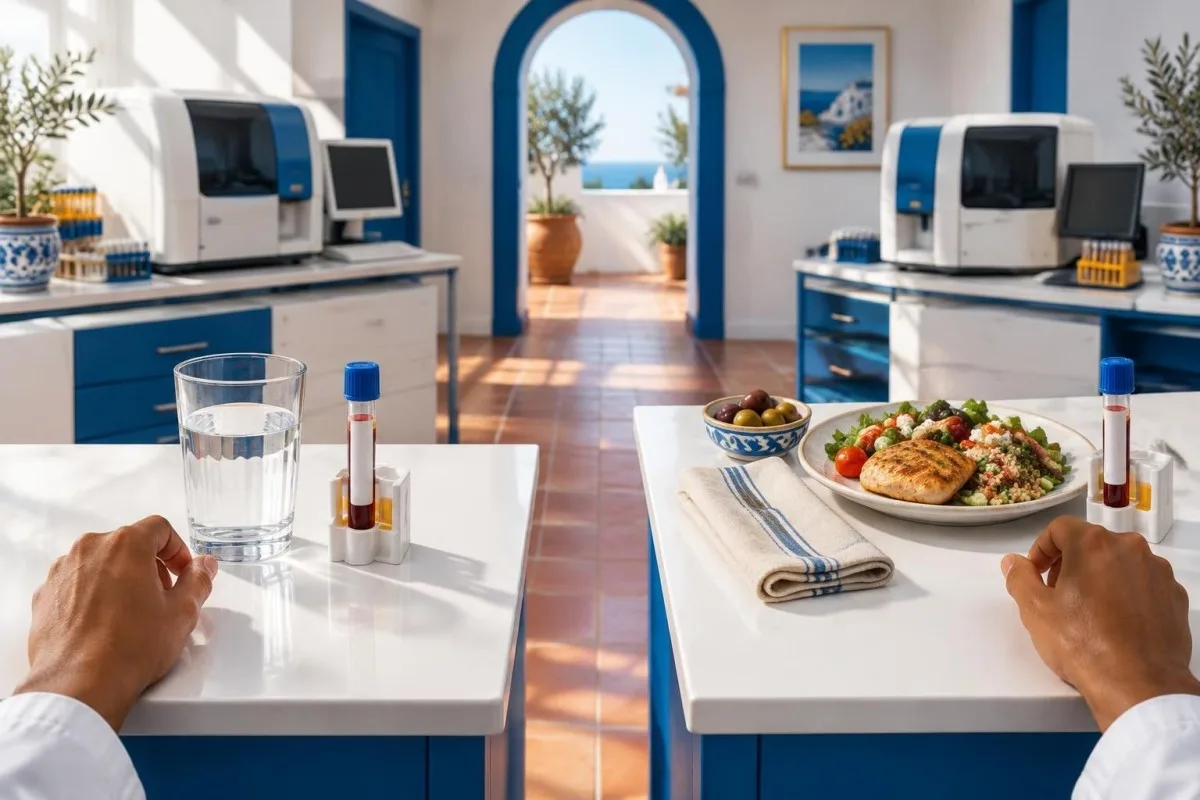
After a meal, carbohydrates are digested into glucose and absorbed into the bloodstream. The pancreas releases insulin, which helps move glucose into tissues; the size and timing of the rise vary with meal composition, gastric emptying, activity, and insulin response.
A fasting result is intended to reduce the immediate effect of food, not to remove every influence on glucose. The liver releases glucose overnight, and an early-morning hormone rise can increase it before waking; this is one reason a fasting value may be higher than an earlier evening reading.
A random result has no standard meal interval. A value collected 30 minutes after a sweetened drink and one collected 4 hours after a mixed meal may both be called random, yet they describe different points in the glucose response.
| 수준 | 범위 | 의미 |
|---|---|---|
| 공복 혈장 포도당 | Below 100 mg/dL (5.6 mmol/L) | Below the ADA threshold for impaired fasting glucose in nonpregnant adults; interpretation still depends on the clinical context. |
| 공복 혈당 장애 | 100–125 mg/dL (5.6–6.9 mmol/L) | ADA prediabetes range; WHO uses a higher lower-bound threshold of 110 mg/dL (6.1 mmol/L). |
| 당뇨 범위 공복 혈당 | 126 mg/dL(7.0 mmol/L) 이상이면 | Meets a diagnostic threshold, but confirmation is generally needed if there are no classic symptoms or crisis. |
| 무작위 혈장 포도당 | 200 mg/dL (11.1 mmol/L) 이상 | Meets the random-glucose diabetes criterion when accompanied by classic symptoms or hyperglycemic crisis; otherwise it needs clinical follow-up. |
What counts as fasting?
For a fasting plasma glucose test, fasting usually means no food or caloric drinks for at least 8 hours; plain water is generally allowed. Coffee with milk, juice, sweetened drinks, and snacks break the fast, while medicines should be taken only as directed by the ordering clinician.
A fasting test is not the same as an overnight fast of any length. Very prolonged fasting, acute illness, dehydration, or a major change in usual sleep and meal timing can complicate interpretation, so record the actual interval rather than assuming the sample was fasting.
Which glucose thresholds apply to each test?
The accepted diagnostic thresholds depend on which test was performed; fasting, random, A1C, and oral glucose tolerance values are not interchangeable. In nonpregnant adults, the ADA defines diabetes-range results as fasting plasma glucose at least 126 mg/dL, A1C at least 6.5%, 2-hour 75-g oral glucose tolerance plasma glucose at least 200 mg/dL, or random plasma glucose at least 200 mg/dL with classic symptoms or crisis.
These thresholds are based on standardized laboratory tests, not simply any device reading. A home meter is useful for monitoring, but its result is not ordinarily used by itself to diagnose diabetes because meter performance, sample type, and collection conditions differ from a diagnostic laboratory assay.
For fasting plasma glucose, 100–125 mg/dL (5.6–6.9 mmol/L) is the ADA prediabetes range, while 126 mg/dL (7.0 mmol/L) or above is diabetes-range. The World Health Organization defines impaired fasting glycaemia starting at 110 mg/dL (6.1 mmol/L), so the same value can receive a different intermediate-risk label under different guidelines.
A random plasma glucose of 200 mg/dL (11.1 mmol/L) or higher is a diagnostic criterion only when classic symptoms—such as frequent urination, unusual thirst, or unexplained weight loss—or a hyperglycemic crisis are present. Without those features, clinicians generally use a repeat or different diagnostic test rather than applying the random threshold alone.
Why guidelines use different prediabetes cutoffs
The ADA's lower impaired-fasting-glucose threshold identifies more people as having elevated risk than the WHO threshold. Neither cutoff turns a single borderline value into a prediction that diabetes is inevitable; risk depends on factors such as age, family history, prior gestational diabetes, body composition, and the overall pattern of results.
The ADA's 2024 Standards of Care gives diagnostic criteria and advises confirmation when hyperglycemia is not unequivocal (American Diabetes Association Professional Practice Committee, 2024). For a broader explanation of markers and their units, see this 혈액 바이오마커 가이드.
When fasting and random results are not directly comparable
A fasting and a random glucose result are not directly comparable when the meal interval, test method, sample type, or clinical state differs. Comparing 92 mg/dL fasting on one date with 168 mg/dL two hours after lunch on another does not, by itself, prove worsening glucose control.

The word “glucose” on two reports does not guarantee that the tests answer the same question. A venous laboratory plasma result, a capillary finger-stick meter reading, and a continuous glucose monitor estimate are different measurements; sensor glucose is measured in interstitial fluid and can lag behind blood glucose during rapid changes.
The exact interval after eating matters, but the meal itself matters too. A large carbohydrate-rich meal, a mixed meal with fat and protein, and a sweetened drink can produce different peaks and durations; a random result without a recorded meal time cannot be interpreted as a standardized post-meal test.
A hypothetical example: a 52-year-old with a fasting plasma glucose of 98 mg/dL (5.4 mmol/L) and a random value of 174 mg/dL (9.7 mmol/L) 45 minutes after lunch has two measurements from different conditions. Neither number alone establishes diabetes, and the random result does not equal a 2-hour oral glucose tolerance test.
Check the specimen and test label
Laboratory reports may specify serum or plasma, while bedside meters typically use capillary whole blood and report a plasma-equivalent estimate. Even when values look similar, diagnostic cutoffs were validated for particular laboratory methods; use the report's test name, units, and reference information before comparing results.
If the units differ, convert carefully: 1 mmol/L glucose is approximately 18 mg/dL. For example, 7.0 mmol/L is about 126 mg/dL, the ADA fasting diabetes threshold; a rounded conversion should not replace the lab's original result.
Why a fasting glucose result can be higher than a later one
A fasting glucose result can be higher than a later random reading because the liver releases glucose overnight and morning hormones can raise glucose before breakfast. This pattern, sometimes called the dawn phenomenon, is more relevant in people with diabetes or impaired glucose regulation, but one higher morning value does not identify its cause.
During sleep, the liver supplies glucose to maintain the body's energy needs. Near waking, cortisol, growth hormone, and other counter-regulatory signals can increase glucose production; in people whose insulin response is limited, the rise may be more apparent.
A late meal, poor sleep, acute stress, infection, or a medication such as a glucocorticoid can also shift the morning result. These influences do not make a diabetes-range fasting value irrelevant, but they help explain why a clinician may repeat the test under consistent conditions.
A hypothetical example: a person records 132 mg/dL (7.3 mmol/L) before breakfast after a week of short sleep and a recent course of oral steroids, then 106 mg/dL (5.9 mmol/L) on a later well-rested morning after recovery. The first value remains a reason to discuss confirmation, not a diagnosis that should be dismissed or assumed.
Medication and illness clues
Glucocorticoids, some antipsychotic medicines, and certain other treatments can increase glucose; the size and timing of the effect vary by drug and dose. Do not stop a prescribed medicine to improve a test result—ask the prescriber whether its timing should be recorded or considered.
Acute infection and physiological stress may temporarily raise glucose through hormone-driven glucose production. If an abnormal result was obtained during significant illness, the timing of a repeat test should be decided with a clinician; related guidance on high-glucose symptoms explains warning signs that should not wait for routine follow-up.
How to interpret a random glucose result after eating
A random blood glucose interpretation should start with the time since the last calories, symptoms, and the type of sample; a single post-meal value has no universal diagnostic cutoff apart from the specific symptomatic 200 mg/dL criterion. A result of 200 mg/dL or higher after eating deserves prompt clinical review, but without classic symptoms it is not automatically diagnostic.
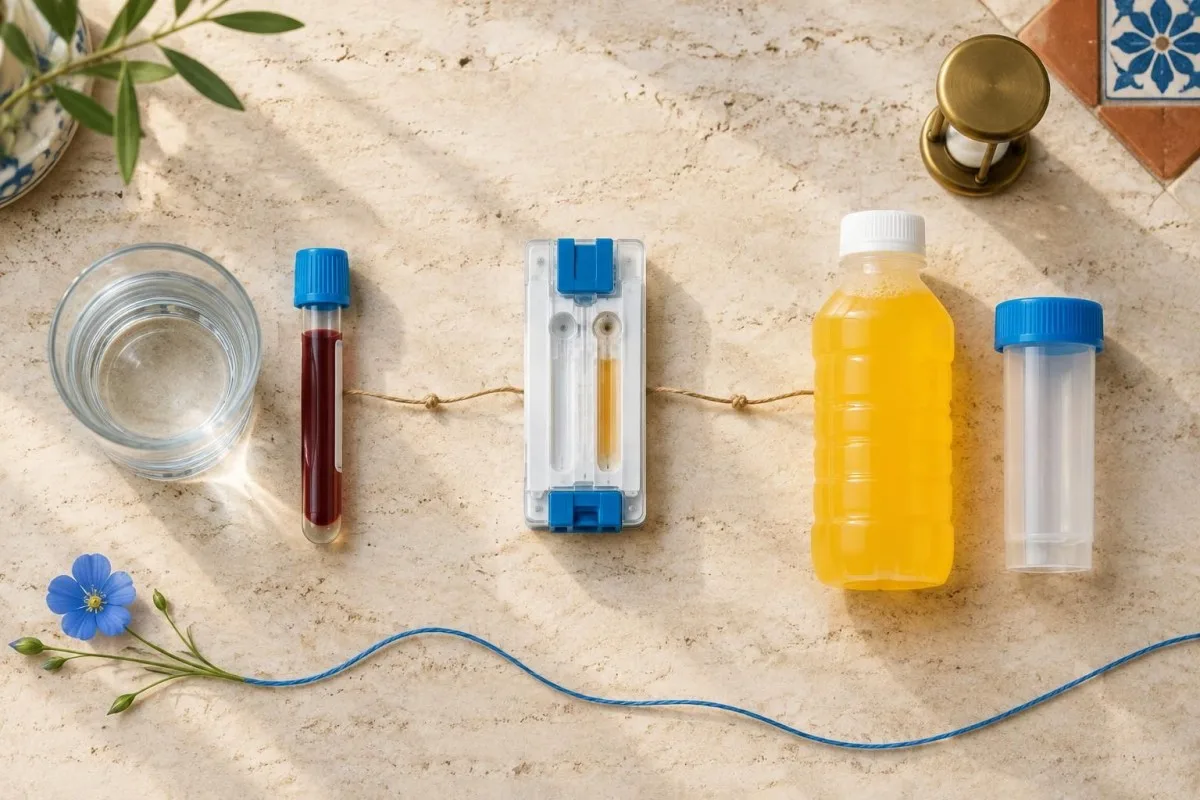
A value shortly after a meal captures part of the rise, whereas a sample several hours later may reflect the decline. For that reason, “two hours after eating” is useful context but is not equivalent to a formal oral glucose tolerance test unless the person drank the standardized 75-g glucose solution and the sample was collected using the specified protocol.
The 2-hour oral glucose tolerance diabetes threshold is 200 mg/dL (11.1 mmol/L) or higher; 140–199 mg/dL (7.8–11.0 mmol/L) indicates impaired glucose tolerance under ADA criteria. Those thresholds apply to a standardized test, not automatically to an ordinary lunch or dinner.
If you have diabetes, a clinician may set personal targets for glucose before meals and after meals. Those treatment targets are designed for day-to-day management and are not the same as the diagnostic thresholds used to determine whether someone has diabetes.
A practical record for a repeat test
Write down the collection time, the time and approximate contents of your last meal, whether the result came from a laboratory or home meter, and any symptoms. Also record unusual exercise, illness, alcohol, and medicines; these details often explain more than a second number without context.
For a general guide to fasting instructions, see 공복 필요의 의미. A comparable repeat is most useful when the same type of sample is taken under similar conditions, rather than when a person tries to recreate an undocumented meal.
Which follow-up test can clarify an unexpected result?
A repeat fasting plasma glucose, A1C, or standardized oral glucose tolerance test may clarify an unexpected glucose result, depending on symptoms, pregnancy status, and possible reasons a test could be unreliable. For an asymptomatic adult, ADA criteria generally require two abnormal results—either the same test repeated or two different tests above their diagnostic thresholds.

Repeat fasting plasma glucose is useful when the first result was obtained after an uncertain fast or when a direct confirmation is needed. A1C reflects longer-term glycemic exposure and does not require fasting; 6.5% or higher is diabetes-range, while 5.7–6.4% is the ADA prediabetes range.
A1C can be misleading when red-cell lifespan or hemoglobin is altered. Iron-deficiency anemia, hemolysis, recent blood loss or transfusion, pregnancy, kidney disease, and some hemoglobin variants may change the relationship between A1C and average glucose; a clinician may favor plasma glucose testing in those situations.
The 75-g oral glucose tolerance test can detect post-challenge dysglycemia that a fasting measurement misses, but it is less convenient and requires preparation. In nonpregnant adults, a 2-hour result from 140–199 mg/dL (7.8–11.0 mmol/L) is impaired glucose tolerance, while 200 mg/dL (11.1 mmol/L) or higher is diabetes-range.
Why confirmation matters
Biological variation and collection conditions can move a result across a threshold, particularly when it is close to the cutoff. The ADA's 2024 diagnostic guidance recommends repeating the abnormal test when there is no unequivocal hyperglycemia; when two different tests disagree, clinicians generally repeat the test that was above its diagnostic threshold.
A low glucose result also needs context: symptoms, medicines such as insulin or sulfonylureas, and whether the sample was processed promptly can matter. See the discussion of 낮은 포도당의 원인 if the report is below range or symptoms are present.
Pregnancy and other situations need different interpretation
Pregnancy uses separate glucose screening and diagnostic pathways, so nonpregnant-adult cutoffs should not be applied without checking the test and gestational age. A random value, a routine fasting glucose, and a pregnancy oral glucose tolerance test each have a different role.
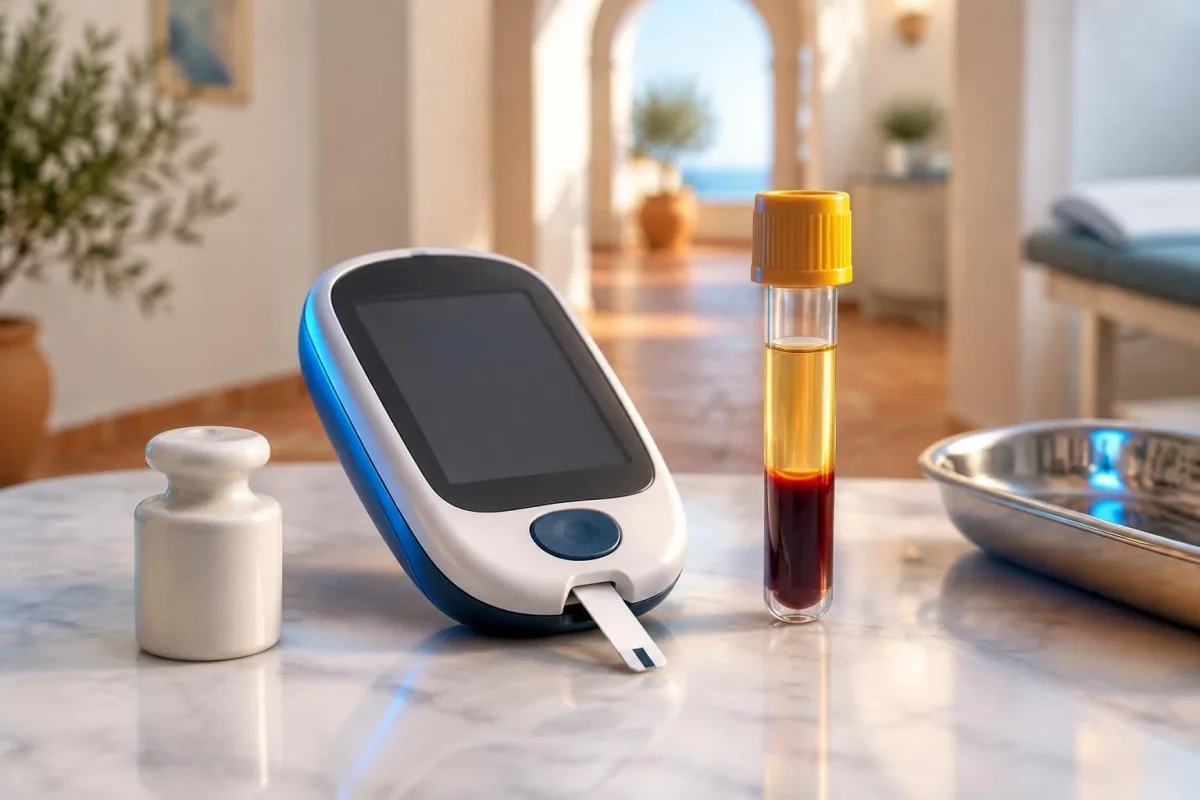
Gestational diabetes is commonly assessed at 24–28 weeks, although earlier testing may be considered for people with risk factors or suspected pre-existing diabetes. One-step and two-step screening protocols use different glucose loads, sample times, and cutoffs, so a single number cannot be interpreted without knowing the protocol ordered.
The ADA's pregnancy guidance describes a 75-g oral glucose tolerance approach in which fasting, 1-hour, and 2-hour plasma values are assessed; the exact thresholds and diagnostic pathway depend on the guideline and local practice. Ask the maternity team to interpret the laboratory's own pregnancy-specific reference criteria.
Children, people with known diabetes, and people taking glucose-lowering medication also need individualized interpretation. A value that is a diagnostic clue in an undiagnosed adult may instead be a treatment-monitoring result in someone already receiving care.
Other reasons the number may mislead
A sample that is not processed promptly can undergo glycolysis, in which cells consume glucose and the measured value may fall. Laboratories use appropriate collection and processing procedures to limit this effect, but a handling concern is worth discussing if a result conflicts sharply with symptoms or repeat testing.
Dehydration, recent strenuous exercise, sleep disruption, and acute illness can also influence glucose. These effects vary, so the safest interpretation combines the actual collection conditions with other evidence rather than applying a correction formula.
When to contact a clinician about a glucose result
Contact a clinician promptly when a laboratory glucose is in the diabetes range, when repeated readings are unexpectedly high, or when symptoms accompany an abnormal result. A random plasma glucose of at least 200 mg/dL (11.1 mmol/L) with marked thirst, frequent urination, or unexplained weight loss warrants assessment rather than waiting for a routine annual check.

Seek urgent medical assessment for high glucose accompanied by vomiting, abdominal pain, deep or rapid breathing, confusion, severe weakness, or inability to keep fluids down; these can signal a medical emergency, particularly in someone with diabetes. Do not wait for an A1C result if severe symptoms are occurring.
A mildly abnormal result without symptoms is usually not an emergency, but it should not be ignored. Ask whether the test was fasting, whether the result should be confirmed, and which follow-up test fits your circumstances; bring the laboratory report and a list of medicines.
Keeping dated results together can help reveal whether a change is persistent or tied to a particular collection condition. For more context on how follow-up decisions are framed, review the 임상 검증 기준, and use a clinician's judgment for diagnosis and treatment.
A short checklist before the appointment
Note the exact value and units, the collection date, whether the sample was venous laboratory plasma or a home meter, and how long it had been since you ate. Include symptoms, pregnancy status if relevant, recent illness, unusual exercise, and any medicines that can affect glucose.
A 기본 혈액 검사 준비 가이드 can help organize collection details for future testing. Do not change food, medication, or insulin plans solely to make a result look lower.
Guidelines and research sources
Major clinical guidelines define glucose thresholds by test type and require context when results conflict. The ADA's diagnostic criteria and the WHO's impaired-fasting-glucose definition explain why a borderline value may be labeled differently across clinical settings.

The American Diabetes Association Professional Practice Committee's 2024 Standards of Care lists diagnostic criteria for fasting plasma glucose, A1C, the 75-g oral glucose tolerance test, and symptomatic random glucose. It advises confirmation when hyperglycemia is not unequivocal and provides separate guidance for pregnancy and circumstances that can affect A1C.
The World Health Organization's 2006 report uses fasting plasma glucose of 6.1–6.9 mmol/L (110–125 mg/dL) for impaired fasting glycaemia, compared with the ADA lower boundary of 5.6 mmol/L (100 mg/dL). This difference reflects distinct guideline definitions of an intermediate-risk category, not a disagreement about whether 126 mg/dL (7.0 mmol/L) is a diabetes-range fasting result.
For additional background on glucose-related results and how to place them alongside other markers, see our glucose and lab-result articles. Clinical standards and local protocols can change; a treating clinician should interpret the actual report and decide whether follow-up is needed.
자주 묻는 질문
Can I compare fasting glucose with a random glucose result?
Fasting glucose and random glucose are not directly comparable because fasting plasma glucose is collected after at least 8 hours without calories, while random glucose may be measured at any time after a meal. A meal can raise glucose temporarily, and the size and duration of that rise vary with timing, food, activity, and insulin response. Compare results only after checking the sample type, units, meal interval, symptoms, and test purpose. A clinician may use repeat fasting glucose, A1C, or an oral glucose tolerance test to clarify a difference.
What is a normal random blood glucose after eating?
There is no single universal diagnostic cutoff for an ordinary random glucose after a meal because meal size and sample timing are not standardized. In nonpregnant adults, a random laboratory plasma glucose of 200 mg/dL (11.1 mmol/L) or higher meets the diabetes criterion when classic hyperglycemia symptoms or a hyperglycemic crisis are present. A value below 200 mg/dL does not by itself rule out diabetes. The clinician may recommend A1C, fasting plasma glucose, or a standardized 75-g oral glucose tolerance test.
Does fasting mean I cannot drink water?
For a fasting plasma glucose test, fasting usually means avoiding food and caloric drinks for at least 8 hours, and plain water is generally allowed. Milk, juice, sweetened drinks, and food break the fast; coffee additives can also affect whether the sample counts as fasting. Follow the laboratory's instructions and ask the prescriber how to handle medicines. Record the actual time of your last calories if the fast was shorter or longer than planned.
Is a fasting glucose of 126 mg/dL diabetes?
A fasting laboratory plasma glucose of 126 mg/dL (7.0 mmol/L) or higher is in the diabetes range under ADA criteria. If a person has no classic symptoms or hyperglycemic crisis, the result generally needs confirmation with a repeat test or another diagnostic test. A home meter reading alone is not usually sufficient to diagnose diabetes. Pregnancy and some medical circumstances use different interpretation pathways.
Can a random glucose of 200 mg/dL diagnose diabetes?
A random laboratory plasma glucose of at least 200 mg/dL (11.1 mmol/L) can diagnose diabetes when it occurs with classic symptoms of hyperglycemia or a hyperglycemic crisis. Without those symptoms, one random result is generally not enough to establish the diagnosis, even if the person recently ate. A clinician may confirm the finding with repeat fasting glucose, A1C, or a 75-g oral glucose tolerance test. Severe vomiting, confusion, deep breathing, or inability to keep fluids down needs urgent assessment.
Which test should I get after an unexpected glucose result?
The best follow-up depends on the first result, symptoms, pregnancy status, and whether A1C could be affected by anemia, recent blood loss, transfusion, or a hemoglobin variant. Repeat fasting plasma glucose can confirm a fasting abnormality, while A1C summarizes longer-term glucose exposure and does not require fasting. A 75-g oral glucose tolerance test can detect impaired post-challenge glucose; its 2-hour diabetes threshold is 200 mg/dL (11.1 mmol/L). A clinician should choose the test and interpret it using the actual collection conditions.
혈액검사 결과 보는법
검사실 보고서를 업로드하면 Kantesti의 AI가 몇 초 안에 각 바이오마커를 쉬운 말로 설명합니다. 전 세계 200만 명 이상이 사용하고 있습니다.
참고 자료
- Klein, T., Mitchell, S., & Weber, H. (2026). 니파 바이러스 혈액 검사: 조기 검출 및 진단 가이드 2026. Kantesti AI 의학 연구. DOI
- Klein, T., Mitchell, S., & Weber, H. (2026). B형 Rh 음성 혈액형, LDH 혈액 검사 및 망상적혈구 수 가이드. Kantesti AI 의학 연구. DOI
- 미국당뇨병학회 전문실무위원회(2024). 2. 당뇨병의 진단 및 분류: 당뇨병 진료 표준—2024. Diabetes Care. DOI 퍼브메드
- World Health Organization and International Diabetes Federation (2006). Definition and Diagnosis of Diabetes Mellitus and Intermediate Hyperglycaemia: Report of a WHO/IDF Consultation. 세계보건기구. DOI
- 200만+분석한 검사
- 127+국가
- 100+언어
의료진 소개


E-E-A-T 신뢰 신호
경험
의사가 주도하는 검사 해석 워크플로 임상 검토.
전문적 지식
임상 맥락에서 바이오마커가 어떻게 거동하는지에 대한 검사실 의학 중심.
권위
Thomas Klein 박사의 의학적 검토를 거쳤으며, Sarah Mitchell 박사와 Hans Weber 교수의 기여가 있었습니다.
신뢰성
경고를 줄이기 위한 명확한 후속 경로가 포함된 근거 기반 해석.


의학적 면책 조항
이 글은 교육 목적만을 위한 것이며 의학적 조언을 구성하지 않습니다. 진단 및 치료 결정에는 항상 자격을 갖춘 의료 전문가와 상담하세요.
게시됨 · 편집팀에 문의
Kantesti Ltd 발행, 잉글랜드 및 웨일스에 등록된 회사, 회사 번호. 17090423, 런던, 영국.
