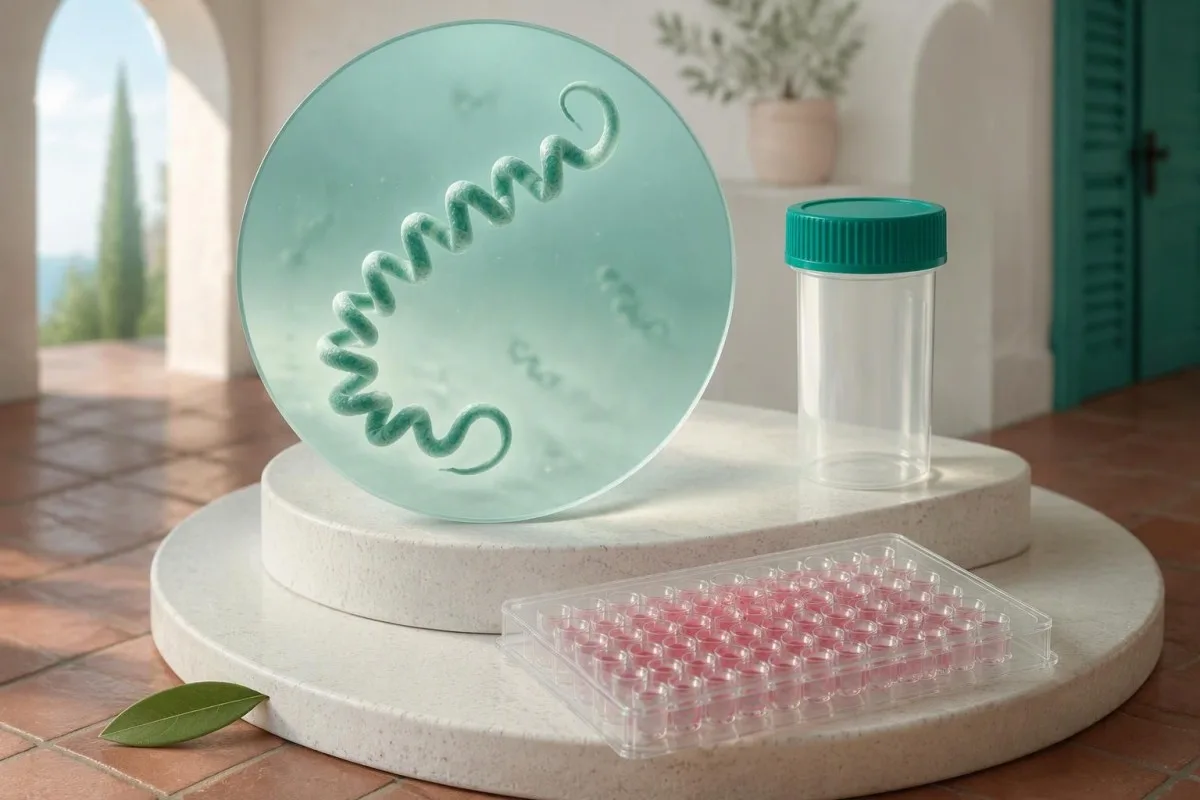
Count testing windows from the first day of symptoms—not just the day you entered floodwater. The right specimen can change as the illness progresses.


- Early blood PCR is generally most useful during the first 7 days of symptoms; do not count that window from exposure alone.
- Թուլացման շրջան is usually 5–14 days, with a possible range of 2–30 days after exposure.
- Antibody testing becomes more useful as the first week ends, with greater sensitivity during the second week of illness.
- Early negative results do not exclude leptospirosis, particularly when antibody testing is performed on symptom day 2 or 3.
- Paired serum samples collected roughly 7–14 days apart can show seroconversion; the laboratory may recommend a different interval.
- Leptospira IgM positive supports a possible diagnosis but can reflect persistent antibodies or a false-positive result; confirmation depends on clinical context.
- Անհապաղ գնահատում should not wait for PCR or antibodies when there is breathlessness, jaundice, confusion, bleeding, or markedly reduced urine.
- Բուժման որոշումներ belong with a clinician; suspected leptospirosis may need antibiotics before laboratory confirmation.
When should you get a leptospirosis blood test?
Get assessed when symptoms develop after a credible exposure. A leptospirosis blood test usually means blood PCR during the first 7 days of illness and antibody testing as the first week ends, especially in week 2. An early negative does not exclude infection; severe symptoms need urgent assessment without waiting for confirmation.
Exposure day and illness day are different clocks. Someone who develops fever 10 days after freshwater swimming and is tested 2 days later is on illness day 3—not illness day 12—and may still be in the useful blood-PCR window.
I am Thomas Klein, MD, Chief Medical Officer at Kantesti, and this is the distinction I emphasize when explaining infectious-disease reports: record the first symptom date before interpreting a negative result. Our organization and clinical mission provide context for our educational work, but laboratory diagnosis still requires an appropriate assay and clinical assessment.
Kantesti is an AI blood test analyzer that helps explain why a day-2 negative antibody result cannot reliably exclude leptospirosis. Interpretation support is not organism detection: an uploaded report cannot substitute for obtaining the right specimen or examining someone whose condition is changing.
The CDC Yellow Book 2026 recommends whole-blood PCR during the first week of illness and notes that serology becomes more sensitive during the second week (CDC, 2025). These are overlapping windows, not a switch that flips at midnight on day 7; clinicians sometimes request both tests when onset is uncertain.
How long after floodwater or animal exposure do symptoms start?
Leptospirosis symptoms usually begin 5–14 days after exposure, but the incubation period can range from 2–30 days. Floodwater, freshwater, wet soil, and urine from infected animals are relevant exposures; the route of contact matters more than simply being near a flooded area.
Leptospira can enter through broken skin or mucous membranes, including the eyes and mouth; prolonged immersion can also increase susceptibility through water-softened skin. A 20-minute cleanup with contaminated water splashing into the eyes may be more relevant than several hours beside floodwater without direct contact.
For an illustrative example, consider a cleanup worker who develops fever and marked calf aches 8 days after wading through floodwater. That history warrants same-day medical advice, even without jaundice, because early leptospirosis can resemble influenza, dengue, malaria, or another febrile illness.
Conjunctival suffusion—red eyes without the usual purulent discharge of bacterial conjunctivitis—can support clinical suspicion, but its absence does not exclude leptospirosis. Record at least 3 details for the appointment: where the exposure occurred, how contact happened, and when symptoms first appeared.
A fever within the 30-day incubation range after travel may require parallel testing rather than a leptospirosis-only approach. Our guide to fever testing after travel explains why possible malaria needs prompt assessment even when freshwater exposure seems to provide an obvious explanation.
Why is the leptospirosis PCR test useful in the first week?
A leptospirosis PCR test detects Leptospira genetic material and is generally most useful in blood during the first 7 days of symptoms. Early infection can produce circulating organisms before antibody concentrations are high enough for a reliable serological result.
Whole blood is commonly requested for early PCR, often in an EDTA container, although accepted specimen types vary by laboratory. Our explanation of շիճուկ ընդդեմ ամբողջ արյան helps decode the distinction; the laboratory's collection instructions take priority over a generic tube-color rule.
A positive result from a validated PCR assay provides strong evidence of leptospiral infection when the specimen and clinical history fit. A negative result on illness day 4 is less definitive because bacterial concentration, collection quality, assay targets, and prior antibiotics can all affect detection.
Collect a diagnostic specimen before antibiotics when practical, but do not delay treatment to arrange a perfect collection. If only 1 specimen can be obtained immediately, the clinician should choose it with the local microbiology service rather than assume every commercial PCR assay accepts the same material.
There is no single trustworthy sensitivity percentage for every leptospirosis PCR test. Haake and Levett describe how organism distribution changes during illness, which helps explain why a day-3 blood specimen and a day-12 blood specimen should not be treated as equivalent diagnostic opportunities (Haake & Levett, 2015).
When do leptospirosis antibodies become detectable?
Leptospira antibodies commonly become detectable toward the end of the first week, and serology is more sensitive during the second week of illness. Some patients develop measurable antibodies earlier; others remain negative longer, so day 7 is a guide rather than a guaranteed detection point.
IgM screening tests and the microscopic agglutination test, or MAT, answer related but different questions. A screening IgM assay may become positive around illness days 5–7, while MAT is commonly used by reference laboratories to support confirmation; neither has a universal calendar-day sensitivity.
An early serum sample can still be useful even when the first result is negative. Collecting a second sample roughly 7–14 days later allows the laboratory to look for seroconversion, although the reference service may request a longer interval depending on the initial collection date.
A single antibody value cannot reliably date an infection. The principles in our guide to դրական հակամարմնային արդյունքների apply here: the assay type, previous exposure, symptom timeline, and change between 2 specimens matter more than the word 'positive' alone.
The WHO laboratory guidance emphasizes paired sera and interpretation in local epidemiological context rather than relying on an isolated titer (WHO, 2003). The document is older, but that principle remains consistent with the CDC Yellow Book 2026; do not turn an established testing window into a rigid rule for every patient.
What does a leptospira IgM positive result actually mean?
A leptospira IgM positive result supports possible leptospirosis but does not, by itself, prove a new active infection. IgM can persist for months or longer, and screening assays can produce false-positive results; confirmation depends on exposure, illness timing, and additional testing.
IgM positivity and MAT confirmation are not interchangeable. A 4-fold increase in MAT titer between paired specimens is strong evidence supporting recent infection; for example, a rise from 1:100 to 1:400 represents 2 serial dilution steps, not merely a small numerical fluctuation.
A single MAT titer needs local interpretation because background antibodies differ between endemic and non-endemic settings. There is no universal rule that every titer of 1:100 confirms acute disease, and some public-health case definitions use thresholds that differ from an individual clinician's diagnostic judgment.
An IgM index of 1.2 or a signal-to-cutoff ratio cannot be compared directly across manufacturers. Մեր ուղեցույցը՝ որակական և քանակական արդյունքներ explains why 'positive,' 'equivocal,' and numerical assay outputs require the specific laboratory reference information.
A positive IgM with negative blood PCR on illness day 12 may reflect normal test-window differences, not contradictory laboratories. By contrast, an isolated IgM-positive result in someone without compatible symptoms or exposure deserves careful confirmation before assigning a diagnosis, particularly if the only relevant water contact was many months earlier.
Why can an early negative result miss leptospirosis?
An early negative leptospirosis result can miss infection because antibodies have not developed or the chosen specimen contains too little bacterial DNA. A negative IgM on illness day 2 and a negative blood PCR late in week 2 have different limitations; neither should be interpreted without timing.
An indeterminate or inhibited PCR is not a negative PCR. Laboratory controls may show that amplification failed or that the specimen contained interfering material; 1 invalid specimen can require recollection or another test, depending on the laboratory's advice and the patient's condition.
For an illustrative day-2 presentation with fever, calf tenderness, and recent floodwater contact, a negative antibody screen would not reassure me on its own. The broader lesson appears in our discussion of normal tests missing appendicitis: a laboratory snapshot does not automatically override a persuasive clinical pattern.
Normal white-cell counts or modest CRP do not exclude leptospirosis. Մեր բացատրությունը WBC և CRP տարաձայնության վերաբերյալ is useful when these 2 markers seem inconsistent, but neither marker is a specific test for Leptospira.
Kantesti can help distinguish 'not detected' from 'equivocal' and explain the missing symptom-day context, but a clinician must decide whether to repeat PCR, arrange paired serology in roughly 7–14 days, or investigate another diagnosis. A repeat-test appointment is appropriate only when the patient's current condition makes waiting safe.
Which symptoms need urgent care before confirmation?
Breathlessness, coughing blood, jaundice, confusion, neck stiffness, collapse, or markedly reduced urine require urgent assessment after a compatible exposure. Suspected severe leptospirosis should not wait for a day-7 antibody result, a reference-laboratory appointment, or an online interpretation.
Severe leptospirosis occurs in approximately 5–10% of clinical infections, according to the CDC Yellow Book 2026, and can involve the kidneys, lungs, liver, or central nervous system (CDC, 2025). Not every severe case has jaundice; absence of yellow eyes should not be used as a safety check.
In adults, a respiratory rate of at least 22 breaths/minute or systolic blood pressure of 100 mmHg or lower can be warning signs of serious illness, but these are not leptospirosis-specific diagnostic cutoffs. New breathing difficulty is urgent even without measuring either value; our հևոցի թեստավորման ուղեցույցը explains why laboratory tests cannot replace assessment.
Reduced urine can indicate acute kidney injury even before a report arrives. A sharp change over 6–12 hours matters, especially with vomiting, weakness, or dizziness; our guide to kidney-related urgent warning signs describes symptoms that should prompt escalation rather than routine retesting.
Call your local emergency service for severe breathing difficulty, collapse, major bleeding, or altered consciousness. Seek same-day care for compatible fever with worsening symptoms, particularly during pregnancy or with underlying kidney disease; do not try to solve a possibly severe illness with several liters of fluid or leftover antibiotics.
Which other blood results show organ involvement?
CBC, creatinine, electrolytes, bilirubin, liver enzymes, and urinalysis assess leptospirosis complications but do not confirm the infection. A creatinine increase of at least 0.3 mg/dL, or approximately 26.5 µmol/L, within 48 hours meets a commonly used acute kidney injury criterion.
Acute creatinine trends are more useful than a single eGFR category. Estimated GFR equations assume relatively stable creatinine, so a change from 0.9 to 1.4 mg/dL over 48 hours should not be dismissed because the displayed eGFR looks only mildly reduced; our BUN և կրեատինինի ուղեցույցը explains the complementary measurements.
Leptospirosis can cause renal tubular dysfunction with ցածր կալիումը, although advanced kidney impairment may instead produce high potassium. A potassium of 2.8 mmol/L and one of 6.2 mmol/L need different responses; the practical interpretation in our էլեկտրոլիտների վահանակը should accompany clinician-directed treatment, not home supplementation.
Marked bilirubin elevation can be disproportionate to AST and ALT elevation in leptospirosis. For example, bilirubin of 8 mg/dL with ALT of 120 IU/L is not the same pattern as ALT of 2,000 IU/L; our guide to high direct bilirubin patterns explains why obstruction and other hepatitis causes still need consideration.
Kantesti is an AI-powered blood test analysis tool that can help explain a 48-hour creatinine change alongside platelet, bilirubin, and electrolyte results. These combinations can indicate a need for urgent clinical review, but they cannot establish leptospirosis or safely determine fluid treatment without examination and information about urine output.
When does urine PCR help after blood PCR?
Urine PCR becomes particularly useful after the first week of leptospirosis symptoms, when organisms may be shed through the kidneys. Some laboratories also test urine earlier or request blood and urine together; the specimen plan should follow local assay guidance rather than an absolute day-8 rule.
A urine dipstick or routine urine culture does not test specifically for Leptospira. The distinction in our guide to միզազննում ընդդեմ միզի կուլտուրայի matters here: 3 different requests—urinalysis, ordinary bacterial culture, and leptospirosis PCR—answer different questions.
For an illustrative illness-day-11 presentation, a clinician may request serum antibodies plus urine PCR rather than rely only on blood PCR. Leptospiral shedding can be intermittent, so a negative urine result is not an automatic exclusion; antibiotic exposure and specimen handling also affect interpretation.
Microscopic blood, protein, or casts in urine can suggest kidney involvement but cannot identify leptospirosis. An abnormal urine result on day 6 should prompt assessment of kidney function and the wider diagnosis, not the assumption that a routine laboratory has already detected the organism.
The CDC Yellow Book 2026 describes urine PCR after the first week and cerebrospinal-fluid PCR when meningitis is suspected (CDC, 2025). A spinal-fluid specimen is obtained only when clinically indicated; headache alone does not mean every patient needs that procedure, and testing must not delay stabilization.
Should you test after exposure if you feel well?
Routine leptospirosis testing is generally not recommended for an asymptomatic person after a single exposure. A test taken 1–2 days after floodwater contact cannot reliably establish that infection will not develop later; symptom awareness over the following 30 days is usually more useful.
A baseline antibody result may reflect past exposure rather than the recent event. In a region where leptospirosis is common, 1 positive screening result in a well person can create uncertainty rather than clarify whether yesterday's freshwater swim caused an infection.
Record the exposure date and watch for fever, headache, calf or lower-back aches, red eyes, vomiting, or diarrhea during the 2–30-day incubation range. Our guide to testing when you feel well explains why adding more laboratory tests is not automatically safer.
Preventive antibiotics are not a universal response to floodwater contact. The CDC Yellow Book 2026 describes limited evidence for clinician-directed prophylaxis in selected adults with short-term, high-risk exposures; that does not establish a routine self-treatment regimen for every person who has already been exposed.
Pregnancy, repeated occupational contact, or a recognized local outbreak warrants individualized advice even without symptoms. Ask about the specific exposure within the next 24–48 hours if uncertainty is substantial, and follow local public-health instructions; an animal's positive test does not automatically tell a clinician which human test is appropriate.
Do antibiotics change leptospirosis test timing?
Antibiotics can reduce the chance of detecting Leptospira DNA, so specimens should be collected before treatment when feasible. Treatment should nevertheless start promptly when a clinician suspects leptospirosis; waiting 24–48 hours for confirmation can be unsafe in a deteriorating patient.
Tell the clinician the antibiotic name, dose, and first-dose time. Two doses taken before collection may be relevant to a negative PCR interpretation, but there is no universal conversion from antibiotic exposure to a guaranteed number of PCR-negative hours; our հիվանդությունների և դեղորայքի ժամանակագրության ուղեցույցը օգնում է կազմակերպել այդ պատմությունը։.
Do not stop a prescribed antibiotic to make a test more likely to turn positive. A repeat specimen 7–14 days later may be intended for antibody comparison, not to create an untreated diagnostic window; PCR and antibody responses are affected differently, and those effects vary between patients.
Mild and severe leptospirosis need different treatment settings. Clinicians may use oral antibiotics for suitable mild cases and intravenous treatment plus organ support for severe illness; choosing between them depends on examination, kidney function, pregnancy, allergy history, and the ability to keep fluids and medicines down.
A Jarisch–Herxheimer reaction can occur within the first 24 hours after starting treatment, causing a temporary worsening of fever or systemic symptoms. New collapse, breathing difficulty, or a severe rash still needs urgent assessment because a reaction, drug allergy, sepsis progression, and other complications cannot safely be distinguished at home.
What should the clinician tell the testing laboratory?
A useful leptospirosis request includes exposure history, first symptom date, specimen collection date, and antibiotic timing. Those 4 details help the laboratory choose PCR, screening serology, MAT, or paired specimens and prevent a technically correct result from being interpreted against the wrong illness stage.
Turnaround time depends on the local service, not just the assay's processing speed. A PCR reaction may run in hours, but transport, batching, weekends, and reference-laboratory referral can turn collection-to-result time into several days; ask when the clinical team expects to act, not merely when a machine finishes.
An order labeled only 'lepto test' may leave uncertainty about whether the clinician wants PCR or antibodies. On illness day 3, check that the request actually includes the intended molecular test; leptospirosis testing is also entirely different from a leptin hormone measurement.
Fasting is not ordinarily required specifically for leptospirosis PCR or antibody testing. Do not delay an urgent specimen by 8 hours to fast, although unrelated tests ordered at the same visit may have their own preparation requirements and the collection service should confirm those instructions.
Կանտեստիի clinical standards and validation explain our interpretation framework, but an AI benchmark is not a validation study of a local leptospirosis assay. Ask 2 practical questions: which specimen does this laboratory accept today, and what follow-up will occur if the result is negative or equivocal?
How can AI help explain a leptospirosis report safely?
AI can help explain test terminology and supporting laboratory trends, but it cannot diagnose or rule out leptospirosis from an uploaded report. An illness-day-2 negative IgM needs a different explanation from a day-14 negative IgM, so the report alone is often insufficient.
Kantesti is an AI blood test interpretation platform that helps readers understand leptospirosis reports alongside symptom dates and routine laboratory findings. Մեր AI տեխնոլոգիայի ուղեցույց explains the interpretation process; the platform does not perform PCR, measure antibodies, or replace a clinician's diagnostic decision.
Provide at least 5 pieces of context for any interpretation: the first symptom date, exposure date, specimen type, antibiotic start date, and current symptoms. A PDF that simply says 'IgM negative' omits enough information that a confident exclusion statement would be inappropriate.
Check the extracted report against the original before relying on an explanation. A lost word such as 'not,' or confusion between 1:100 and 1:1,000, can reverse the meaning; our AI հաշվետվության ճշգրտության ստուգաթերթիկը describes source checks that matter more than a polished-looking summary.
Our platform can make questions for the appointment easier to formulate, particularly when creatinine changes over 48 hours or screening serology differs from PCR. It should not be used to decide that reduced urine, chest symptoms, or worsening fever are safe to monitor at home while another result is pending.
What follow-up plan and research context should you keep?
A safe follow-up plan specifies when to review symptoms, whether to repeat serum testing in roughly 7–14 days, and which organ-function results need reassessment. As of October 4, 2026, symptom-led specimen selection remains the practical approach; a publication date does not create a new diagnostic cutoff.
My advice as Thomas Klein, MD, is to leave the consultation with 3 clear answers: what the clinician currently suspects, what happens if the test is negative, and which symptoms mean immediate escalation. A stable patient may have planned repeat serology; worsening symptoms require reassessment sooner than the scheduled specimen date.
Antibody persistence is not, by itself, evidence that treatment has failed. A positive IgM months after illness is not a reason to keep extending antibiotics, and a single PCR or antibody result is not a universal test of cure; persistent fatigue or abnormal kidney results need their own clinical review.
The 2 Kantesti publications listed below provide broader background on AI interpretation and red-cell indices, not evidence validating leptospirosis PCR, IgM, MAT, or treatment decisions. Our RDW հետազոտության ուղեցույցը is relevant to understanding CBC terminology, but RDW is not a leptospirosis diagnostic marker.
Մեր բժշկական խորհրդատվական խորհուրդը describes the physicians associated with Kantesti's clinical oversight. The listed DOI records should be assessed on their own methods and scope; the ResearchGate and Academia.edu links are discovery searches, not claims of hosted copies, peer review, or a documented reviewer sign-off for this article.
Հաճախակի տրվող հարցեր
How soon after floodwater exposure should I get a leptospirosis blood test?
Leptospirosis testing is usually guided by symptoms rather than a fixed number of days after floodwater exposure. Symptoms typically begin 5–14 days after exposure, although the possible incubation range is 2–30 days. If compatible symptoms develop, seek assessment promptly; blood PCR is generally most useful during the first 7 days of illness. A test immediately after exposure cannot reliably exclude an infection that has not yet become detectable.
Can a leptospirosis test be negative in the first week?
Yes, leptospirosis testing can be negative in the first week despite infection. IgM may not yet be detectable on illness day 2 or 3, and blood PCR can miss infection because of specimen timing, low bacterial concentration, collection problems, or prior antibiotics. A clinician may arrange another specimen or paired serum testing roughly 7–14 days later. Worsening symptoms require reassessment immediately rather than waiting for the repeat test.
Is PCR or IgM better for diagnosing leptospirosis?
Blood PCR is generally more useful during the first 7 days of leptospirosis symptoms, while antibody testing becomes more useful as the first week ends and during week 2. PCR detects bacterial genetic material, whereas IgM testing detects the immune response. Clinicians may request both when the symptom date is uncertain or the illness is progressing. Neither test has one fixed sensitivity that applies to every laboratory and illness stage.
Does a leptospira IgM positive result mean I have an active infection?
A leptospira IgM positive result supports possible leptospirosis but does not prove a new active infection by itself. IgM can persist for months or longer, and screening assays can produce false-positive results. Confirmation may involve clinical assessment, PCR, MAT, or paired antibody specimens; a 4-fold MAT titer rise supports recent infection. Do not start, stop, or extend antibiotics solely because of an isolated IgM result.
When should a negative leptospirosis blood test be repeated?
A clinician may repeat leptospirosis antibody testing roughly 7–14 days after an early specimen, although the reference laboratory may recommend another interval. The next test may be different rather than an identical repeat, such as urine PCR after the first week alongside serum antibodies. The plan depends on symptom duration, antibiotics, local assay availability, and the strength of clinical suspicion. Breathlessness, confusion, jaundice, or reduced urine require assessment before that scheduled repeat.
Should treatment wait until leptospirosis is confirmed?
Treatment should not wait for laboratory confirmation when a clinician has a strong suspicion of leptospirosis, particularly with severe or worsening illness. Blood specimens should be collected before antibiotics when practical, but collection arrangements must not delay necessary care. Severe illness can involve the lungs or kidneys without jaundice, and waiting 24–48 hours for a report may be unsafe. Seek emergency help for severe breathing difficulty, collapse, major bleeding, or altered consciousness.
Ստացեք AI-ով աշխատող արյան անալիզի վերլուծություն այսօր
Միացեք ավելի քան 2 միլիոն օգտատերերի ամբողջ աշխարհում, ովքեր վստահում են Kantesti-ին՝ լաբորատոր թեստերի ակնթարթային, ճշգրիտ վերլուծության համար։ Վերբեռնեք ձեր արյան անալիզի արդյունքները և ստացեք 15,000+ բիոմարկերների համապարփակ մեկնաբանություն վայրկյանների ընթացքում։.
📚 Հղված հետազոտական հրապարակումներ
Klein, T., Mitchell, S., & Weber, H. (2026). AI արյան անալիզատոր. Վերլուծվել է 2.5M թեստ | Համաշխարհային առողջապահական զեկույց 2026.։ Kantesti AI Medical Research.
Klein, T., Mitchell, S., & Weber, H. (2026). RDW արյան անալիզ. Ամբողջական ուղեցույց RDW-CV-ի, MCV-ի և MCHC-ի համար.։ Kantesti AI Medical Research.
📖 Արտաքին բժշկական հղումներ
Հիվանդությունների վերահսկման և կանխարգելման կենտրոններ (CDC) (2025)։. Leptospirosis.։ CDC Yellow Book 2026։.
World Health Organization (2003). Human leptospirosis: Guidance for diagnosis, surveillance and control. Առողջապահության համաշխարհային կազմակերպություն։.
⚕️ Բժշկական հրաժարում
Այս հոդվածը միայն կրթական նպատակների համար է և չի հանդիսանում բժշկական խորհրդատվություն։ Ախտորոշման և բուժման որոշումների համար միշտ խորհրդակցեք որակավորված բուժաշխատողի հետ։.
E-E-A-T վստահության ազդանշաններ
Փորձառություն
Բժշկի կողմից ղեկավարվող կլինիկական վերանայում՝ լաբորատոր մեկնաբանության աշխատանքային հոսքերի համար։.
Մասնագիտություն
Լաբորատոր բժշկության կենտրոնացում՝ այն բանի վրա, թե ինչպես են բիոմարկերները դրսևորվում կլինիկական համատեքստում։.
Հեղինակություն
Գրված է դոկտոր Թոմաս Քլայնի կողմից՝ դոկտոր Սառա Միթչելի և պրոֆեսոր դոկտոր Հանս Վեբերի կողմից վերանայմամբ։.
Հուսալիություն
Ապացույցների վրա հիմնված մեկնաբանություն՝ հստակ հետագա քայլերի ուղիներով՝ ահազանգերը նվազեցնելու համար։.