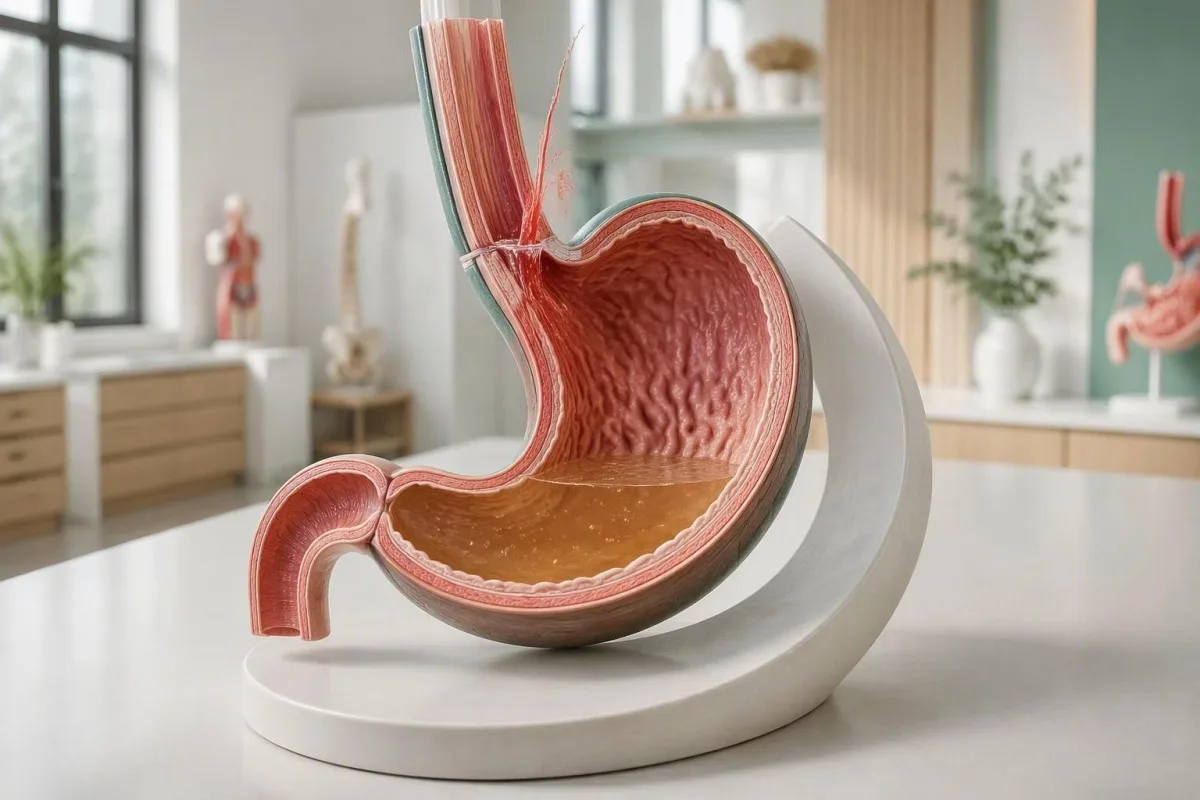
Կրկնվող այրոցն ու թթվային հետհոսքը վկայում են ԳԷՌՀ-ի մասին, երբ դրանք անհանգստացնող են դառնում կամ բարդություններ առաջացնում։ Միայն հազը չի կարող հաստատել ռեֆլյուքսը, իսկ կուլ տալու դժվարությունը, արյունահոսությունը կամ կրծքավանդակի նոր ցավը պահանջում են այլ մոտեցմամբ գնահատում։.


- Կրկնվող այրոցը շաբաթական 2 կամ ավելի օր ունենալը գործնական պատճառ է՝ ԳԷՌՀ-ն բժշկի հետ քննարկելու համար, ոչ թե ախտորոշիչ շեմ։.
- Հետհոսք նշանակում է, որ ստամոքսի պարունակությունը վերադառնում է դեպի կոկորդ կամ բերան, սովորաբար առանց փսխման հետ կապված սրտխառնոցի ու փսխելու փորձերի։.
- Կոկորդի ախտանշաններն ինքնին չեն հաստատում ԳԷՌՀ-ն․ 346 մասնակցով փորձարկման ընթացքում լանսոպրազոլի 16-շաբաթյա կիրառումն ավելի արդյունավետ չեղավ, քան պլացեբոն՝ կոկորդի կայուն ախտանշանների դեպքում։.
- Արտակարգ նախազգուշացնող նշաններ ներառում են ուժեղ կամ նոր, անհասկանալի կրծքավանդակի ցավը՝ շնչահեղձության, քրտնարտադրության, ուշագնացության զգացման կամ դեպի ձեռք կամ ծնոտ տարածվող ցավի հետ։.
- Կուլ տալու դժվարությունը պահանջում է անհապաղ գնահատում․ թուքը կուլ տալու անկարողությունը կամ կերակրափողում մնացած սնունդը պահանջում են շտապ օգնություն։.
- Բուժման փորձնական կուրսը 2022 թվականի Ամերիկյան գաստրոէնտերոլոգիայի քոլեջի ուղեցույցի համաձայն՝ առանց տագնապային նշանների բնորոշ ախտանիշների դեպքում սովորաբար տևում է 8 շաբաթ։.
- Էնդոսկոպիա հետազոտում է կերակրափողի լորձաթաղանթը, սակայն նորմալ արդյունքը չի բացառում ԳԷՌՀ-ն։.
- Ռեֆլյուքսի մոնիթորինգ սարքից կախված՝ չափում է թթվի ազդեցությունը մոտավորապես 24–96 ժամվա ընթացքում, երբ ախտորոշումը մնում է անորոշ։.
- Սովորական արյան հետազոտություններ չի կարող հաստատել կամ բացառել ԳԷՌՀ-ն․ նպատակային հետազոտությունները կարող են օգնել պարզել՝ արդյոք առկա է սակավարյունություն, ջրազրկում կամ մեկ այլ կասկածվող վիճակ։.
ԳԷՌՀ-ի ո՞ր ախտանշաններն են առավել հստակ վկայում ռեֆլյուքսի մասին։
Այրոցը և ռեգուրգիտացիան ԳԷՌՀ-ի բնորոշ ախտանիշներն են՝ կրծոսկրի հետևում այրոցի զգացում և ստամոքսի պարունակության վերադարձ դեպի բերան։ Կրկնվող ախտանիշները, հատկապես ուտելուց հետո կամ գիշերը, հուշում են ԳԷՌՀ-ի մասին, երբ խանգարում են հարմարավետությանը, քնին, սնվելուն կամ առօրյա գործունեությանը․ միայն հաճախականությունը բավարար չէ ախտորոշման համար։.
Այրոցը սովորաբար զգացվում է կրծոսկրի հետևում, ոչ թե անմիջապես ստամոքսի շրջանում, թեև մարդիկ տարբեր կերպ են նկարագրում դրա տեղակայումը։ Ախտանիշները՝ շաբաթական 2 կամ ավելի օր օգտակար առիթ են բժշկի հետ զրույց սկսելու համար, սակայն ավելի հազվադեպ, բայց ծանր նոպաներ ունեցող անձը նույնպես կարող է հետազոտության կարիք ունենալ․ անհանգստացնող ռեֆլյուքսը չի սահմանվում վայրկյանաչափով կամ օրացույցով։.
Ռեգուրգիտացիան կարող է թողնել թթու կամ դառը համ, կռանալիս հեղուկ բերել բերան կամ ստիպել մարդուն ընթրիքից հետո բազմիցս կուլ տալ։ Այս ախտանիշներն ունեցող 45-ամյա մարդու մոտ, եթե դրանք ի հայտ են գալիս երեկոյան ուտելուց հետո, ռեֆլյուքսի պատկերն ավելի բնորոշ է, քան միայն սրտխառնոց ունեցողի դեպքում, բայց այս նկարագրություններից ոչ մեկը չի ցույց տալիս՝ արդյոք կերակրափողը վնասվել է։.
Իմ՝ Թոմաս Քլայնի, MD-ի, մոտեցումն է տարանջատել ախտանիշների պատկերը այն հետազոտությունից, որը կարող է իրականում պատասխանել հարցին։. Kantesti-ն արյան անալիզների արդյունքները վերլուծող արհեստական բանականության գործիք է, որն օգնում է բացատրել լաբորատոր տվյալները, սակայն արյան հետազոտության արդյունքներով հնարավոր չէ ախտորոշել ԳԷՌՀ-ն; մեր կազմակերպչական ֆոնը բացատրում է այս կրթական բովանդակության հիմքում ընկած ծառայությունը։.
ԳԷՌՀ-ն ընդդեմ երբեմն առաջացող այրոցի․ ի՞նչն է փոխում պատկերը։
Ժամանակ առ ժամանակ առաջացող այրոցն ավելի հավանական է, որ ԳԷՌՀ-ի նշան լինի, երբ բազմիցս ազդում է կյանքի որակի վրա կամ կապված է բարդությունների հետ։. Անսովոր մեծ կերակուրից հետո մեկ անգամ առաջացած նոպան տարբերվում է կրկնվող ախտանիշներից, որոնք արթնացնում են ձեզ, սահմանափակում սննդի ընտրությունը կամ հաճախակի դեղորայք ընդունելու անհրաժեշտություն են առաջացնում, նույնիսկ եթե երկու դեպքում էլ զգացողությունը նույնն է։.
Կերակրափողի ստորին սեղմակը մկանային ճնշման պատնեշ է, ոչ թե կոշտ փական։ Դրա կարճատև թուլացումները թույլ են տալիս գղտոցել, սակայն այդ թուլացումների ընթացքում կարող է ռեֆլյուքս առաջանալ․ կերակրափողի բացվածքի ճողվածքը, որովայնի ներսում բարձրացած ճնշումը և մաքրման խանգարումը կարող են խնդիրը դարձնել ավելի կայուն՝ պարտադիր չէ, որ ստամոքսում թթվի արտադրությունն անսովոր բարձր լինի։.
A Ախտանիշների 14-օրյա օրագիր կարող է գրանցել նոպաների ժամանակը, սնունդը, պառկելը, դեղորայքի օգտագործումը և քնի խանգարումները․ այն օժանդակում է բժշկի հետ խորհրդակցությանը, բայց ախտորոշիչ հետազոտություն չէ։ Հատուկ ուշադրություն կդարձնեի այն հանգամանքին, թե արդյոք նույն հրահրող գործոնը բազմիցս է առաջացնում ախտանիշներ, քանի որ չափից շատ ուտելուց հետո մեկ վատ երեկոն ավելի քիչ օգտակար տեղեկություն է տալիս, քան կայուն օրինաչափությունը։.
Գղտոցն ու փքվածությունը նույնը չեն, ինչ թթվային ռեֆլյուքսի ախտանիշները, և կարող են միաժամանակ առկա լինել մարսողական մեկից ավելի խնդիրներ։ Մեր բացատրությունը՝ փքվածության դեպքում շնչառական թեստի մասին վերաբերում է ախտորոշման մեկ այլ հարցի․ շնչառական թեստի դրական արդյունքը չի ապացուցի, որ այրոցը կամ ռեգուրգիտացիան պայմանավորված են ԳԷՌՀ-ով։.
Կարո՞ղ են ԳԷՌՀ-ի ախտանշանները՝ առանց այրոցի, ներառել հազ կամ խռպոտություն։
GERD can occur without heartburn, but cough, throat clearing, hoarseness, and a lump-in-the-throat sensation cannot confirm reflux by themselves. These symptoms overlap with airway disorders, nasal drainage, medication effects, voice strain, and laryngeal sensitivity, so the absence of typical reflux symptoms changes the testing strategy.
The 2022 American College of Gastroenterology guideline recommends evaluating non-reflux causes and considering reflux testing before PPI treatment when extraesophageal symptoms occur without heartburn or regurgitation (Katz et al., 2022). Redness seen during a throat examination is not specific enough to establish laryngopharyngeal reflux, and endoscopy alone cannot prove that reflux caused a cough.
The UK TOPPITS trial randomized 346 adults with persistent throat symptoms to lansoprazole 30 mg twice daily or placebo for 16 շաբաթ անց, without demonstrating a benefit from lansoprazole (O'Hara et al., 2021). That finding does not mean reflux never affects the throat; it means treating an unselected throat-symptom population as though reflux were established is unreliable.
Cough duration, exposures, fever, wheeze, and medication history guide the next step; an ACE inhibitor is one possible contributor. A prolonged coughing illness may require whooping cough assessment, while a recent respiratory illness can follow the pattern described in our adult RSV symptom guide, rather than requiring more acid suppression.
Ե՞րբ է կրծքավանդակի ցավի դեպքում անհրաժեշտ շտապ օգնություն, այլ ոչ թե ռեֆլյուքսի բուժում։
Severe, new, or unexplained chest pain must not be assumed to be GERD, particularly when accompanied by breathlessness, sweating, faintness, or discomfort spreading to the arm, jaw, or back. Call your local emergency number for these features; do not wait to see whether an antacid helps.
Heart-related pain can feel like burning, indigestion, pressure, or an uncomfortable fullness rather than a dramatic crushing sensation. Relief after an antacid does ոչ exclude a heart attack, and a normal home blood-pressure reading offers no reliable reassurance; the symptom description and clinical risk determine whether emergency assessment is needed.
Consider a hypothetical 52-year-old whose usual post-dinner burning becomes discomfort during brisk walking with sweating: the change in pattern matters more than the familiar label of heartburn. Emergency evaluation may include an ECG and serial high-sensitivity troponin measurements, as discussed in our chest-pain testing guide; routine outpatient bloodwork is not an adequate substitute.
Pain that worsens while lying down is not specific to reflux, because other conditions can share that feature. Our discussion of positional chest pain explains one alternative, but new unexplained chest discomfort still needs direct assessment rather than diagnosis by posture, meal timing, or symptom searches.
Ռեֆլյուքսի ո՞ր նախազգուշացնող նշաններն են պահանջում բժշկական գնահատում առանց հապաղելու։
Difficulty swallowing, painful swallowing, gastrointestinal bleeding, unexplained weight loss, persistent vomiting, and unexplained iron-deficiency anemia are warning signs. They require medical assessment rather than repeated self-treatment for reflux; inability to swallow saliva, food stuck in the esophagus, or bleeding with faintness requires emergency care.
Progressive difficulty with solid food can reflect a narrowing, while trouble with both solids and liquids may raise concern about a movement disorder; these patterns are clues, not firm rules. Someone who starts cutting food into smaller pieces or washing every bite down with water may have adapted to dysphagia without naming it, so I would ask about these behaviors directly.
Vomiting blood or coffee-ground material, or passing black, tarry stool, can indicate upper gastrointestinal bleeding and warrants urgent care. Iron supplements and bismuth can also darken stool, but that possibility should not delay assessment when weakness, dizziness, abdominal symptoms, or suspected bleeding are present; our stool bleeding guide explains the distinctions.
There is no minimum amount of weight loss that makes swallowing difficulty safe to ignore; any unexplained loss combined with dysphagia deserves attention. An 8-week medication trial should not postpone investigation of alarm symptoms, because acid suppression may ease discomfort while leaving a narrowing or another underlying condition unresolved.
Ի՞նչ վիճակներ կարող են նմանվել ԳԷՌՀ-ին։
Eosinophilic esophagitis, pill-related esophageal injury, achalasia, rumination syndrome, and functional heartburn can resemble GERD. The distinction matters because stronger acid suppression does not address every cause of burning, swallowing trouble, or returned food, and some conditions need tissue examination or esophageal function testing.
Eosinophilic esophagitis becomes particularly relevant when food sticks, there is a history of food impaction, or swallowing symptoms occur alongside allergic disease. Diagnosis requires symptoms of esophageal dysfunction and appropriate tissue findings, commonly at least 15 eosinophils per high-power field, with assessment of other causes; a peripheral eosinophil count cannot establish or exclude it.
Pill-related injury is worth considering when painful swallowing begins after medicines such as doxycycline, bisphosphonates, or certain supplements, especially if taken with little water or immediately before bed. The medication history can be more informative than the burning sensation itself; do not stop essential prescribed treatment without arranging advice about a safer formulation or administration method.
Rumination often involves effortless return of recently eaten food soon after meals, without the nausea and retching expected with vomiting. Achalasia can also cause regurgitation and swallowing difficulty, whereas functional heartburn involves symptoms without evidence that abnormal reflux explains them; normal acid exposure does not make the discomfort imaginary, but it changes which treatments make sense.
Ինչպե՞ս են բժիշկները գնահատում թթվային ռեֆլյուքսի կրկնվող ախտանշանները։
Clinical evaluation starts with the symptom pattern, alarm features, medication history, and examination—not a routine blood panel. Adults with typical heartburn and regurgitation but no alarm symptoms can often begin a supervised treatment trial, while atypical symptoms, swallowing difficulty, or an uncertain diagnosis may call for testing.
The 2022 ACG guideline recommends an 8-week once-daily PPI trial before a meal for classic symptoms without alarm features (Katz et al., 2022). A clinician should first clarify what the person means by heartburn, because upper abdominal pain, exertional chest discomfort, and nausea can lead to very different assessments even when described as indigestion.
Questions about nighttime waking, meal timing, swallowing, weight change, pregnancy, smoking, and previous treatment help identify the next useful step. I would also ask whether food returns immediately after eating or hours later, and whether symptoms began after a medication change; these details can prevent an ineffective sequence of repeated prescriptions.
Commercial digestive tests are not interchangeable with validated reflux investigations. Our review of միկրոբիոմի թեստերի սահմանափակումները addresses another area where abundant results can outrun their clinical usefulness; neither a stool microbiome profile nor an indiscriminate laboratory panel measures esophageal acid exposure.
Կարո՞ղ են արյան հետազոտությունները ախտորոշել ԳԷՌՀ-ն կամ դրա բարդությունները։
No routine blood test can confirm or rule out GERD. A complete blood count, iron studies, kidney tests, or electrolytes may help investigate a suspected complication or alternative diagnosis, but reflux itself is assessed through clinical evaluation, endoscopy when indicated, and sometimes ambulatory reflux monitoring.
A complete blood count can identify anemia, but a normal hemoglobin does not exclude early iron depletion or a recent bleed. Ferritin below 15 µg/L strongly supports depleted iron stores in otherwise healthy adults, while inflammation can make ferritin less reliable; the երկաթի ուսումնասիրությունների ամբողջական ուղեցույցը explains why the full pattern matters.
The ACG guideline does not recommend routine vitamin B12 or creatinine monitoring solely because a low-risk patient takes a PPI; testing should reflect other risk factors and clinical concerns. Magnesium assessment is more individualized, particularly with relevant medicines, symptoms, or previous abnormalities, and vomiting with dehydration can create a separate reason to check electrolytes.
Kantesti is an AI-powered blood test analysis tool that can explain a clinician-ordered CBC or iron panel, but normal results do not clear reflux warning signs. Մեր մեթոդաբանության և կլինիկական սահմանափակումների should be considered alongside any interpretation; an abnormal result still needs a clinician to investigate its cause rather than automatically attributing it to GERD.
Ի՞նչ է ցույց տալիս ԳԷՌՀ-ի դեպքում PPI-ի փորձնական կիրառումը։
Improvement with a proton pump inhibitor supports an acid-sensitive symptom pattern but does not prove GERD. A correctly timed trial is useful for typical symptoms without alarm features; lack of improvement should prompt a review of dosing, adherence, and the diagnosis rather than indefinite unsupervised escalation.
For many standard PPIs, the recommended timing is 30–60 minutes before a meal, usually breakfast when taken once daily. A clinician may choose a regimen such as omeprazole 20 mg once daily, but the preparation, dose, interactions, and local prescribing guidance matter; PPIs generally do not provide the immediate relief expected from an antacid.
Regurgitation can persist even when burning improves because reducing acidity does not prevent every reflux event. PPIs can also raise gastrin concentrations, so an elevated value during treatment is not a direct measure of reflux severity; our explanation of gastrin during PPI treatment describes this interpretive trap.
Persistent symptoms after an appropriate 8-week trial deserve review, especially if the original complaint was cough alone or swallowing difficulty has appeared. Our ցածր մագնիումի բացատրությունը covers one possible medication-related issue, but it should not be read as a reason to abandon a necessary PPI without discussing risks, benefits, and the actual treatment indication.
Ե՞րբ է ԳԷՌՀ-ի ախտանշանների դեպքում նպատակահարմար էնդոսկոպիան։
Endoscopy is appropriate when reflux symptoms occur with alarm features, when symptoms persist despite appropriate treatment, or when selected risk factors justify assessment for Barrett's esophagus. It examines the esophageal lining and can obtain tissue samples, but a normal examination does not exclude GERD.
Endoscopy can identify erosive esophagitis, a narrowing, Barrett's changes, or another explanation for symptoms. The Lyon Consensus 2.0 recognizes well-characterized Los Angeles grade B, C, or D esophagitis as conclusive evidence of GERD, while grade A alone is less decisive (Gyawali et al., 2024); a report should therefore be read beyond the word irritation.
For a diagnostic examination, a specialist may recommend stopping PPIs for 2–4 շաբաթ beforehand when safe, because treatment can conceal erosive changes or affect tissue findings (Katz et al., 2022). Do not arrange this yourself if you have severe established esophagitis, previous bleeding, or another reason treatment must continue, and do not delay urgent evaluation of alarm symptoms.
Barrett's screening is not automatically required for everyone with heartburn or everyone above one birthday threshold; clinicians consider chronic reflux alongside several risk factors. When sharing results, keep the original findings, tissue report, and medication context together; our բժշկական հաշվետվության աղբյուրի ստուգումները explain why summaries can miss qualifications in the source document.
Ե՞րբ պետք է ենթադրությունների փոխարեն կիրառել ռեֆլյուքսի մոնիտորինգ։
Ambulatory reflux monitoring is useful when GERD remains unproven, endoscopy is inconclusive, or symptoms persist despite treatment for established GERD. Testing may measure acid alone or combine pH with impedance to detect reflux episodes with different acidity; whether testing occurs on or off medication depends on the question.
Catheter-based studies usually record for approximately 24 ժամ, while wireless pH monitoring can record for up to 96 ժամ, depending on the system. Longer recording helps capture day-to-day variation, but wireless pH does not provide the same information about non-acid reflux as impedance-pH; the devices answer overlapping rather than identical questions.
The Lyon Consensus 2.0 uses esophageal acid exposure time above 6% as important evidence of abnormal reflux, with 4–6% generally requiring additional context for an off-treatment catheter study (Gyawali et al., 2024). For prolonged wireless studies, exposure above 6% on at least 2 օր supports GERD, while below 4% on every day with negative symptom association supports excluding pathological GERD.
Unproven GERD is usually investigated off PPIs, often after a clinician-directed 7-day interruption, whereas impedance-pH on treatment can investigate persistent symptoms in proven GERD. Frequent antacid use should also be disclosed; our antacid calcium safety guide explains a separate consequence of excessive calcium-containing products, which acid-exposure testing would not detect.
Առօրյա ո՞ր փոփոխություններն են առավել օգտակար ռեֆլյուքսի ախտանշանների դեպքում։
Avoiding meals close to bedtime, reducing weight when appropriate, and elevating the head of the bed can help selected patients with GERD. Food triggers vary considerably; targeted changes are generally more useful than banning every food commonly associated with reflux or relying on supplements to repair the sphincter.
The ACG guideline suggests avoiding meals within 2–3 hours of bedtime and elevating the head of the bed for nighttime symptoms (Katz et al., 2022). A wedge or safe bed elevation of roughly 15–20 cm can be practical, whereas stacking ordinary pillows may simply bend the upper body; the exact setup should remain comfortable and stable.
Weight reduction can improve reflux in people who are overweight, but weight loss is not a universal instruction for every person with heartburn. Smaller evening meals may be easier to test than a restrictive diet; our food-pattern evidence guide discusses general nutrition, although no anti-inflammatory food list diagnoses or cures GERD.
Left-side sleeping can reduce nighttime reflux compared with right-side sleeping in some patients, but persistent nocturnal choking or breathlessness still needs assessment. Try changing one habit at a time over 1–2 weeks and record what actually changes; stopping coffee, tomatoes, citrus, and spices simultaneously makes it hard to identify a genuine personal trigger.
Ի՞նչ պետք է հետևել նախքան հետագա այցը կամ մասնագետի ուղղորդումը։
Track symptom frequency, swallowing changes, nighttime waking, medication timing, and treatment response before follow-up. Specialist referral becomes more useful when symptoms remain unexplained, persist despite correctly used treatment, or suggest a complication; new alarm symptoms should accelerate assessment rather than wait for a planned appointment.
A 2-week record of meals, symptom episodes, and doses gives a clinician something more useful than the phrase nothing works. Include which symptom improved: less burning with unchanged regurgitation is different from no change at all, and those patterns can affect whether reflux monitoring, endoscopy, or another investigation is the next sensible step.
Esophageal manometry measures pressure and movement; it is not a standalone test for GERD, but it can investigate a suspected motility disorder and is generally needed before invasive antireflux treatment. A decision about a procedure should rest on objective evidence of reflux and appropriate function assessment, not merely on years of symptoms or dislike of medication.
At Kantesti, our role is to help explain existing laboratory information, not to choose an invasive reflux treatment from a blood panel. Readers can review the expertise described on our բժշկական խորհրդատվական խորհրդի էջը; children, pregnant patients, and people with complex medical histories need individualized advice rather than automatically following an adult 8-week PPI pathway.
Հետազոտական հրապարակումները և լաբորատոր արդյունքների մեկնաբանման սահմանափակումները
Laboratory education publications can explain associated findings, but they are not evidence that blood or urine testing diagnoses GERD. As of October 23, 2026, the clinical guidance cited here supports symptom-based assessment, selective endoscopy, and reflux monitoring when needed; the two publications below address separate laboratory topics.
Kantesti is an AI blood test interpretation platform that supports understanding of existing laboratory results rather than replacing reflux investigations. Մեր բժշկական բովանդակության չափանիշներ describe the intended editorial framework; a publication identifier, including a DOI, does not by itself establish peer review, clinical validation, or relevance to a specific diagnosis.
Այն 2026 urinalysis publication explains a separate test domain, accessible through our ամբողջական մեզի վերլուծության ուղեցույց; urinary urobilinogen is not a GERD marker. The iron studies publication is potentially relevant when a clinician investigates iron deficiency, but neither publication should be cited as proof that reflux causes a particular laboratory pattern.
A note from Thomas Klein, MD: keep 3 հարց separate—what symptoms suggest reflux, what warning signs demand assessment, and what each test can actually establish. The references below distinguish GERD guidelines and the throat-symptom trial from our laboratory education material, so readers can trace clinical recommendations without mistaking background resources for reflux diagnostic evidence.
Հաճախակի տրվող հարցեր
Որքա՞ն հաճախ պետք է առաջանա այրոցը՝ ԳԷՌՀ-ի մասին հուշելու համար:
Շաբաթական 2 կամ ավելի օր այրոց ունենալը գործնական պատճառ է բուժաշխատողի հետ ԳԷՌՀ-ի մասին քննարկելու համար, սակայն դա ախտորոշիչ շեմ չէ։ ԳԷՌՀ-ի հավանականությունն ավելի մեծ է, երբ կրկնվող այրոցը կամ հետհոսքը դառնում է անհանգստացնող կամ բարդություններ է առաջացնում։ Ավելի հազվադեպ ախտանշանները նույնպես կարող են գնահատման կարիք ունենալ, եթե դրանք ծանր են, արթնացնում են ձեզ քնից կամ խանգարում են սնվելուն։ Կլման դժվարությունը, արյունահոսությունը և անբացատրելի քաշի կորուստը չպետք է սպասեն, մինչև ախտանշանները հասնեն որոշակի հաճախականության։.
Հնարավո՞ր է ունենալ ԳԷՌՀ՝ առանց այրոցի։
ԳԷՌՀ-ն կարող է առաջանալ առանց այրոցի, բայց միայն հազը, խռպոտությունը և կոկորդը մաքրելը չեն կարող հաստատել ռեֆլյուքսը։ 2022 թվականի ACG ուղեցույցը խորհուրդ է տալիս դիտարկել ռեֆլյուքսի հետ չկապված պատճառները և կատարել ռեֆլյուքսի հետազոտություն՝ նախքան ՊՊԻ-ով բուժումը, երբ այս ախտանիշներն առաջանում են առանց այրոցի կամ հետհոսքի։ TOPPITS-ի՝ 346 մասնակցի ընդգրկած փորձարկման ընթացքում լանսոպրազոլի 16-շաբաթյա ընդունումը մշտական կոկորդային ախտանիշների դեպքում արդյունավետությամբ չի գերազանցել պլացեբոյին։ Հաջորդ ճիշտ քայլը կախված է ախտանիշների ամբողջական պատկերից, այլ ոչ թե «լուռ ռեֆլյուքս» պիտակից։.
ԳԷՌՀ-ի ո՞ր ախտանիշներն են պահանջում շտապ բուժօգնություն։
Ուժեղ կամ նոր, անհասկանալի կրծքավանդակի ցավը՝ ուղեկցվող շնչահեղձությամբ, քրտնարտադրությամբ, ուշագնացության զգացումով կամ դեպի ձեռքը կամ ծնոտը տարածվող ցավով, պահանջում է շտապ բժշկական գնահատում, այլ ոչ թե ենթադրյալ ռեֆլյուքսի բուժում։ Թուքը կուլ տալու անկարողությունը, կերակրափողում խրված սնունդը, արյունային փսխումը կամ սև, ձյութանման կղանքը՝ թուլության կամ ուշագնացության զգացման հետ, նույնպես շտապ բուժօգնություն են պահանջում։ Այս ախտանշանների դեպքում չպետք է սպասել 2-շաբաթյա օրագրի կամ դեղորայքային բուժման 8-շաբաթյա փորձաշրջանի ավարտին։ Կուլ տալու դժվարությունը կամ անհասկանալի քաշի կորուստը, նույնիսկ եթե անհապաղ շտապ օգնության կարիք չկա, այնուամենայնիվ պահանջում են բժշկական գնահատում՝ առանց հապաղելու։.
Արյան անալիզը կարո՞ղ է ցույց տալ թթվային ռեֆլյուքսը կամ ԳԷՌՀ-ը։
Արյան ոչ մի սովորական հետազոտություն չի կարող հաստատել կամ բացառել թթվային ռեֆլյուքսը կամ ԳԷՌՀ-ն։ Ընդհանուր արյան անալիզը և երկաթի հետազոտությունները կարող են օգնել պարզել՝ կա՞ անեմիա կամ կասկածվող արյան կորուստ, սակայն դրանք չեն չափում կերակրափող թթվի հետհոսքը։ Ռեֆլյուքսի ամբուլատոր հետազոտությունները չափում են թթվի ազդեցությունը մոտավորապես 24–96 ժամվա ընթացքում՝ կախված սարքից։ Հետևաբար արյան նորմալ արդյունքները չեն վերացնում կուլ տալու դժվարությունը, արյունահոսությունը կամ մեկ այլ նախազգուշացնող նշան։.
Արդյո՞ք կրկնվող այրոցի դեպքում էնդոսկոպիայի կարիք ունեմ:
Կրկնվող այրոցը ինքնին չի պահանջում էնդոսկոպիա, երբ ախտանիշները բնորոշ են, և տագնապալի նշաններ չկան։ 2022 թվականի ACG ուղեցույցն այդ իրավիճակում խորհուրդ է տալիս սկզբում 8 շաբաթվա ընթացքում օրական մեկ անգամ ընդունել պրոտոնային պոմպի ինհիբիտոր։ Էնդոսկոպիան ավելի նպատակահարմար է դառնում կուլ տալու դժվարության, արյունահոսության, անբացատրելի քաշի կորստի, բուժմանը չնայած պահպանվող ախտանիշների կամ Բարեթի կերակրափողի որոշակի ռիսկի գործոնների առկայության դեպքում։ Էնդոսկոպիայի նորմալ արդյունքը չի բացառում ԳԷՌՀ-ն, ուստի ախտորոշման անորոշության դեպքում կարող է դեռևս անհրաժեշտ լինել ռեֆլյուքսի մոնիթորինգ։.
Արդյո՞ք օմեպրազոլով վիճակի բարելավումը ապացուցում է, որ ես ունեմ ԳԷՌՀ։
Օմեպրազոլի օգտագործմամբ լավացումը չի հաստատում ԳԷՌՀ-ի առկայությունը, քանի որ դեղամիջոցին արձագանքը բավարար չափով սպեցիֆիկ չէ՝ ախտորոշումը հաստատելու համար։ Բժիշկը կարող է նշանակել, օրինակ, օրական մեկ անգամ 20 մգ՝ մեծահասակի բնորոշ ախտանիշների և տագնապային նշանների բացակայության դեպքում 8-շաբաթյա փորձնական բուժման համար։ Ստանդարտ ՊՊԻ-ներից շատերն առավել արդյունավետ են, երբ ընդունվում են սնունդից 30–60 րոպե առաջ։ Ախտանիշների պահպանման դեպքում պետք է վերանայել ընդունման ժամանակը, բուժմանը հետևելը և այլընտրանքային ախտորոշումները, այլ ոչ թե անորոշ ժամանակով ինքնուրույն ավելացնել դեղաչափը։.
Ո՞րն է տարբերությունը էնդոսկոպիայի և ռեֆլյուքսի մոնիթորինգի միջև։
Էնդոսկոպիան զննում է կերակրափողի լորձաթաղանթը, մինչդեռ ռեֆլյուքսի մոնիթորինգը չափում է թթվի ազդեցությունը և, իմպեդանսի կիրառմամբ, տարբեր թթվայնության ռեֆլյուքսի դրվագները։ Կաթետերային հետազոտությունը սովորաբար գրանցումներ է կատարում մոտ 24 ժամ, մինչդեռ անլար pH մոնիթորինգը կարող է գրանցումներ կատարել մինչև 96 ժամ։ Բուժումը դադարեցրած վիճակում կատարվող համապատասխան կաթետերային հետազոտության դեպքում թթվի ազդեցության 6%-ից բարձր ցուցանիշը վկայում է ախտաբանական ռեֆլյուքսի մասին, իսկ 4–6%-ը, առանց լրացուցիչ ապացույցների, ընդհանուր առմամբ անորոշ է։ Մոնիթորինգն իրականացվում է ՊՊԻ-ների ընդունման ընթացքում, թե դրանց ընդունումը դադարեցրած վիճակում, կախված է նրանից՝ արդյոք ԳԷՌՀ-ն արդեն հաստատված է, և ինչ է պետք պարզել կլինիցիստին։.
Ստացեք AI-ով աշխատող արյան անալիզի վերլուծություն այսօր
Միացեք ավելի քան 2 միլիոն օգտատերերի ամբողջ աշխարհում, ովքեր վստահում են Kantesti-ին՝ լաբորատոր թեստերի ակնթարթային, ճշգրիտ վերլուծության համար։ Վերբեռնեք ձեր արյան անալիզի արդյունքները և ստացեք 15,000+ բիոմարկերների համապարփակ մեկնաբանություն վայրկյանների ընթացքում։.
📚 Հղված հետազոտական հրապարակումներ
Klein, T., Mitchell, S., & Weber, H. (2026). Մեզի մեջ ուրոբիլինոգեն. Մեզի ընդհանուր հետազոտության ուղեցույց 2026.։ Kantesti AI Medical Research.
Klein, T., Mitchell, S., & Weber, H. (2026). Երկաթի ուսումնասիրության ուղեցույց. TIBC, երկաթի հագեցվածություն և կապող կարողություն.։ Kantesti AI Medical Research.
📖 Արտաքին բժշկական հղումներ
Gyawali CP et al. (2024). Updates to the modern diagnosis of GERD: Lyon consensus 2.0. Աղիք։.
O'Hara J et al. (2021). Use of proton pump inhibitors to treat persistent throat symptoms: multicentre, double blind, randomised, placebo controlled trial.BMJ։.
⚕️ Բժշկական հրաժարում
Այս հոդվածը միայն կրթական նպատակների համար է և չի հանդիսանում բժշկական խորհրդատվություն։ Ախտորոշման և բուժման որոշումների համար միշտ խորհրդակցեք որակավորված բուժաշխատողի հետ։.
E-E-A-T վստահության ազդանշաններ
Փորձառություն
Բժշկի կողմից ղեկավարվող կլինիկական վերանայում՝ լաբորատոր մեկնաբանության աշխատանքային հոսքերի համար։.
Մասնագիտություն
Լաբորատոր բժշկության կենտրոնացում՝ այն բանի վրա, թե ինչպես են բիոմարկերները դրսևորվում կլինիկական համատեքստում։.
Հեղինակություն
Գրված է դոկտոր Թոմաս Քլայնի կողմից՝ դոկտոր Սառա Միթչելի և պրոֆեսոր դոկտոր Հանս Վեբերի կողմից վերանայմամբ։.
Հուսալիություն
Ապացույցների վրա հիմնված մեկնաբանություն՝ հստակ հետագա քայլերի ուղիներով՝ ահազանգերը նվազեցնելու համար։.