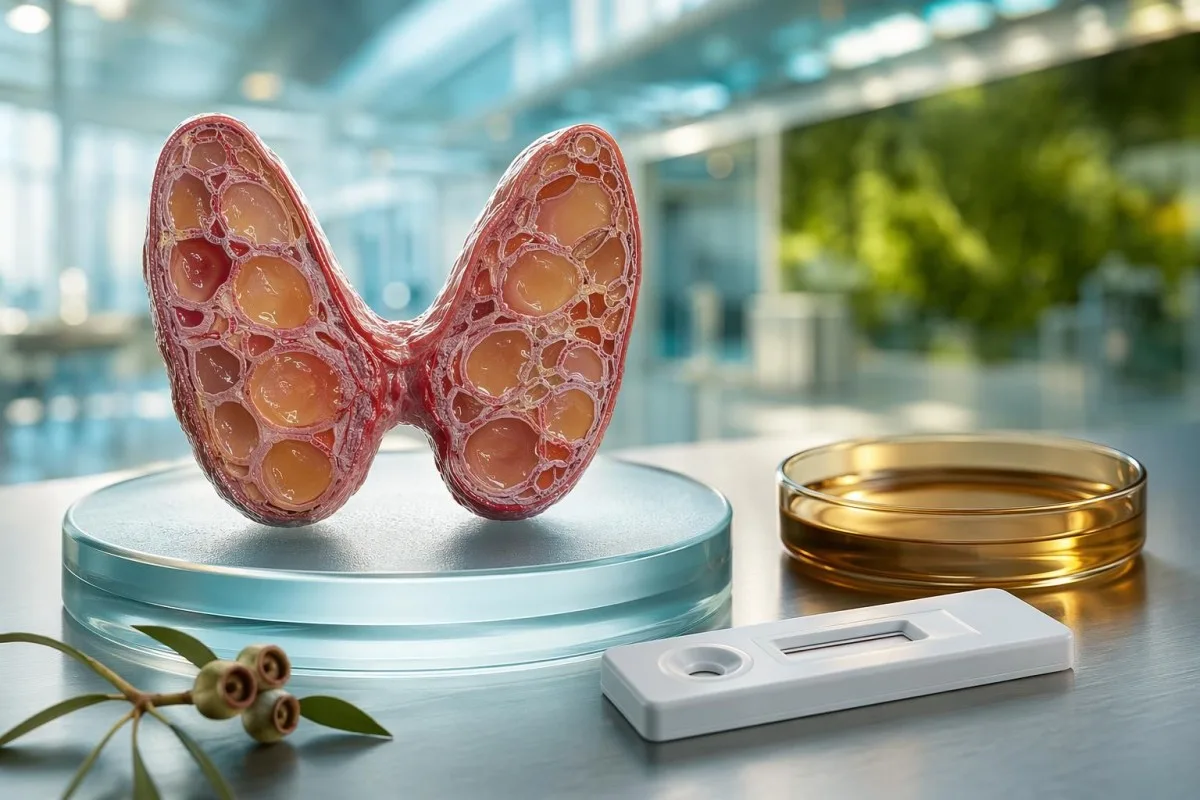
תוצאה חיובית של TgAb יכולה להצביע על מחלת תריס אוטואימונית, אך היא גם עלולה לסבך מעקב אחר סרטן התריס בכך שהיא מקשה לסמוך על תירוגלובולין. לכן הבדיקה הזו דורשת הקשר, לא ניחושים.


- טווח ייחוס מעבדות רבות מדווחות על TgAb כשלילי מתחת לכ-4 IU/mL, אך חלק מהבדיקות משתמשות בספי בדיקה קרובים יותר ל-1 או ל-20 IU/mL.
- רמז אוטואימוני TgAb חיובי תומך במחלת תריס אוטואימונית כאשר הוא משולב עם TSH, free T4 או נוגדנים ל-TPO (TPO antibodies) לא תקינים.
- מעקב אחר סרטן TgAb יכול לגרום לתירוגלובולין בסרום להיראות נמוך באופן כוזב או בלתי ניתן לזיהוי לאחר טיפול בסרטן התריס.
- המגמה חשובה ירידה ב-TgAb במשך 6-24 חודשים לאחר כריתת תריס (thyroidectomy) בדרך כלל מרגיעה; עלייה מתמשכת מצדיקה בדיקה.
- לא ציון חומרה TgAb של 200 IU/mL לא אומר באופן אוטומטי שיש תסמינים גרועים יותר מאשר TgAb של 20 IU/mL.
- בדיקות נלוות מומלצות TSH, free T4, TPOAb ולעיתים גם אולטרסאונד מספקים את פענוח בדיקות הדם הברור ביותר.
- תזמון בדיקה חוזרת מטופלים יציבים לעיתים קרובות חוזרים על הבדיקה לאחר 6-12 חודשים; מעקב אחר סרטן התריס עשוי להיות כל 3-12 חודשים.
- תסמינים דחופים גוש חדש בצוואר, צרידות שנמשכת יותר מ-2-3 שבועות, קושי בבליעה, או דפיקות לב חזקות מצריכים בדיקה רפואית דחופה.
מה בדיקת הדם של נוגדנים לתירוגלובולין (thyroglobulin antibodies) באמת מודדת
ה בדיקת דם נוגדנים ל-thyroglobulin מזהה חלבונים של מערכת החיסון שמכוונים ל- תירוגלובולין, חלבון האגירה בתוך זקיקי התריס. תוצאה חיובית לרוב תומכת במחלת תריס אוטואימונית, ולאחר טיפול בסרטן התריס היא עלולה לעוות מעקב על ידי הפרעה למדידת thyroglobulin; ב- Kantesti בינה מלאכותית אנו מסמנים את ההבחנה הזו מיד, ו- המדריך לבדיקת בלוטת התריס מראה היכן TgAb משתלב.
הבדיקה מודדת את ה- נוגדנים, לא הורמון של התריס, ולא את חלבון thyroglobulin עצמו. זה נשמע מובן מאליו, אבל בעבודה הקלינית בפועל אנחנו רואים באופן קבוע מטופלים שמבלבלים בין TgAb עִם תירוגלובולין, למרות שאחד הוא סמן של מערכת החיסון והשני משמש לעיתים כסמן גידולי לאחר טיפול בסרטן התריס.
תרחיש טיפוסי הוא מטופל עם עייפות, עצירות ו-TSH של 6.8 mIU/L, שהדוח שלו גם מראה TgAb של 118 IU/mL. כאשר ד"ר תומאס קליין בוחן לוח בדיקות כזה, תוצאת הנוגדנים אינה עומדת בפני עצמה; אנחנו בוחנים את דפוס ההורמונים, את התסמינים, את רשימת התרופות, והאם יש היסטוריה של ניתוחי תריס.
נכון ל-17 במאי 2026, זה עדיין אחד מסמני התריס שהובנו בצורה הכי שגויה ברשת. המסר המעשי פשוט: תוצאה חיובית של TgAb אומרת לעיתים קרובות יותר על פעילות חיסונית סביב התריס מאשר על עד כמה התסמינים שלך חמורים היום, ובוודאי שלא מדובר בבדיקת סקר כללית לסרטן.
מדוע מטופלים מבלבלים בין TgAb לבין thyroglobulin
נוגדנים ל-thyroglobulin הם חלבונים של מערכת החיסון, בעוד ש- תירוגלובולין הוא חלבון שמיוצר על ידי התריס. ב-תוצאות בדיקות דם מוסברות היטב, שני הסמנים הללו מופרדים משום ש-TgAb יכול לעוות מעקב אחר thyroglobulin, במיוחד לאחר טיפול בסרטן התריס.
מה נחשב תקין, גבולי או חיובי
A תוצאה תקינה של TgAb תלויה בשיטת הבדיקה, ולא בקו חיתוך אוניברסלי אחד. מעבדות רבות מדווחות על שלילי מתחת לכ- 4 IU/mL, גבולי מ- 4-9 IU/mL, וחיובי ב- 10 IU/m"ל או יותר, אבל חלק מהשיטות משתמשות בערכי ייחוס קרובים יותר ל־ 1 IU/m"ל אוֹ 20 IU/mL.
הנה מה שחשוב לפענוח בדיקות דם: השתמש ב־ טווח הייחוס המודפס על ידי המעבדה שלך. אם התוצאה שלך היא 6 IU/m"ל, ייתכן שהיא חיובית במידה קלה במעבדה אחת ועדיין שלילית באחרת; המאמר שלנו על ערכי מעבדה ביחידות שונות מסביר מדוע סמני בלוטת התריס יכולים להיראות שונים באופן מפתיע בין דוחות.
מספר גבוה יותר לֹא לא אומר באופן אמין יותר נזק לבלוטת התריס. אנחנו רואים מטופלים עם TgAb מעל 200 IU/m"ל שעדיין יש להם TSH ו־free T4 תקינים, וגם רואים מטופלים עם TgAb סביב 15 IU/m"ל שכבר יש להם תת־תריסיות ברורה.
תוצאות גבוליות מצריכות זהירות, לא דרמה. שינוי מ־4.2 ל־5.1 IU/m"ל הוא לעיתים פחות משמעותי מעלייה מתמשכת בבדיקה חוזרת שנעשית עם ה־ אותה בדיקה ומפורשת לצד TSH, free T4, תסמינים ותוצאות קודמות.
מדוע אותו מספר IU/m"ל יכול להתכוון לדברים שונים
בדיקות נוגדנים לא כולן מזהות את אותה אוכלוסיית נוגדנים עם אותה רגישות. חלק ממעבדות באירופה משתמשות בנקודות חיתוך נמוכות יותר, חלק ממעבדות בבתי חולים משתמשות בטווחי ייחוס רחבים יותר, וזה בדיוק מדוע דגל מודפס בלבד לא עונה על השאלה מה המשמעות של בדיקת הדם שלי.
כיצד TgAb חיובי מצביע על דלקת בלוטת התריס של האשימוטו (Hashimoto's thyroiditis)
מַתְמִיד TgAb חיובי בשילוב עם הורמוני תריס חריגים הדבר מצביע מאוד על תירואידיטיס אוטואימונית, במיוחד מחלת השימוטו. בפועל, הדפוס נעשה משכנע יותר כאשר TSH גבוה, T4 חופשי נמוך או נמוך-נורמלי, או נוגדני TPO גם כן חיוביים.
שימוטו בדרך כלל מתפתח תחילה כתהליך חיסוני ולאחר מכן כבעיה הורמונלית. לפי Caturegli et al. ב- Autoimmunity Reviews (2014), נוגדנים עצמיים לבלוטת התריס הם מרכזיים לאבחון, כאשר TPOAb בדרך כלל הם רגישים יותר ו- TgAb עדיין שימושיים קלינית; להשוואה מעשית, ראו את מדריך בדיקות הדם של בלוטת התריס בשימוטו.
דפוס קליני שכיח הוא TSH מעל 4.5 mIU/L, T4 חופשי קרוב לגבול התחתון, TPOAb חיובי מאוד, ו TgAb חיובי במידה מתונה. השילוב הזה מספר סיפור ברור יותר מאשר TgAb בלבד, והוא מסביר מדוע תוצאת נוגדן מבודדת אחת לעולם לא אמורה להניע טיפול ללא הקשר.
אפשר גם לקבל TgAb חיובי עם תפקוד תקין של בלוטת התריס. אני רואה דפוס כזה אצל בני משפחה של אנשים עם שימוטו, אצל מטופלים שנבדקו במסגרת בירור פוריות, ובאנשים שהטענה היחידה שלהם היא עייפות כללית ולא ברורה; לעיתים קרובות הם זקוקים למעקב, ולא לנטילת לבותירוקסין מיידית.
האם TgAb יכול להופיע גם במחלת גרייבס או בדלקת תריס לאחר לידה (postpartum thyroiditis)
כֵּן, TgAb יכול להיות חיובי במחלת גרייבס, תירואידיטיס לאחר לידה, ובתירואידיטיס שקטה. הנוגדן אינו ייחודי לשימוטו, וזו אחת הסיבות לכך שפענוח בדיקות דם של בלוטת התריס תמיד משתמש בלוח הבדיקות המלא.
ב- מחלת גרייבס, הנוגדן שהכי חשוב לאבחון הוא בדרך כלל TRAb אוֹ TSI, אך ייתכן שגם TgAb יהיה נוכח. כאשר הצוות שלנו רואה TSH מדוכא מתחת ל-0.1 mIU/L, T4 חופשי גבוה, ו-TgAb חיובי, אנחנו לא קוראים לזה שימוטו באופן אוטומטי; אנחנו צועדים אחורה ושואלים האם הדפוס הרחב יותר מתאים לגרייבס, לתירואידיטיס, או למצב מעבר, ושה- מדריך גרייבס מול תת-תריסיות עובר על ההבדל הזה.
דלקת בלוטת התריס לאחר לידה מופיעה לעיתים קרובות בתוך 12 חודשים לאחר הלידה ויכולה לעבור דרך שלב של יתר-תריסיות, שלב של תת-תריסיות, או את שניהם. ההנחיה של האיגוד האמריקאי לבלוטת התריס (ATA) משנת 2017 לגבי הריון ותקופה שלאחר לידה מציינת שסרופיות נוגדנים חיוביים מגבירות את הסיכון לדלקת בלוטת התריס לאחר לידה (Alexander et al., 2017); אם התסמינים החלו לאחר הלידה, שלנו מדריך בדיקות המעבדה לאמהות טריות יכול לעזור למסגר את הצעדים הבאים.
העניין הוא שתזמון משנה משמעות. אישה שנמצאת 4 חודשים לאחר לידה עם דפיקות לב, TSH של 0.03 mIU/L, ו-TgAb חיובי זקוקה לשיחה שונה מאוד מזו של בת 52 עם עלייה הדרגתית במשקל ו-TSH של 7.2 mIU/L, גם אם לשתיהן יש אותו דגל של נוגדנים.
מדוע רופאים משלבים TgAb עם TSH, free T4, TPOAb ואולטרסאונד
TgAb בלבד הוא לא מספיק. התשובה הברורה ביותר בדרך כלל מתקבלת משילוב TSH, T4 החופשי, נוגדני TPO, תסמינים, ולעיתים אולטרסאונד של בלוטת התריס כאשר הבלוטה מרגישה מוגדלת או שיש חשד לנודולה.
רוב בדיקות המעבדה למבוגרים משתמשות ב- טווח ייחוס של TSH סביב 0.4-4.0 mIU/L, אף על פי שגיל, הריון ושיטה מקומית חשובים. המאמר שלנו מדריך טווח ה-TSH ו על פרשנות free T4 מראה מדוע הורמון תקין בביקור אחד לא תמיד סוגר את השאלה אם התסמינים חזקים או שהנוגדנים נמשכים.
TPOAb לעיתים קרובות הוא סמן אוטואימוני רגיש יותר, אבל TgAb מוסיף פרטים שימושיים כאשר התמונה גבולית. הסיבה שאנחנו מודאגים מ- TPOAb חיובי יחד עם TgAb חיובי יותר מאשר TgAb בלבד היא שביחד הם מעלים את הסיכוי שמחלת בלוטת התריס האוטואימונית המתמשכת היא אמיתית ולא מקרית.
אולטרסאונד נעשה מועיל כאשר יש גוש מוחשי, א-סימטריה בצוואר, או חשש לנודולות. נודולה בבלוטת התריס של 1 ס״מ או יותר לעיתים קרובות מפעיל הערכת סיכון מובנית באמצעות אולטרסאונד, וגם האולטרסאונד יכול להראות את תבנית ההד ההטרוגנית שרופאים נוטים לקשר עם דלקת אוטואימונית כרונית של בלוטת התריס.
מדוע תוצאה חיובית של מעבדה אחת יכולה להיות שלילית במעבדה אחרת
תכנון הבדיקה, כיול והטרוגניות של נוגדנים יכולים לגרום לכך ש- תוצאות TgAb משתנות באופן משמעותי בין מעבדות. זו הסיבה שחזרה על הבדיקה במעבדה אחרת יכולה ליצור שינוי לכאורה, גם כאשר מצב בלוטת התריס שלך כמעט שלא השתנה.
אימונואסאים שונים מזהים מטרות נוגדנים שונות ומשתמשים בתקני כיול שונים. אם אתם רוצים מבט מעמיק יותר על הבעיה הזו, המאמרים שלנו על שונות בבדיקות דם ו איך לקרוא תוצאות בדיקות דם מסבירים מדוע ערך שסומן לפעמים קשור למתודולוגיה לא פחות מאשר לביולוגיה.
גם בעיות טרום-אנליטיות חשובות, אף שפחות באופן דרמטי מאשר בחלק מבדיקות ההורמונים. מינונים גבוהים של ביוטין, שלעתים נמכרים ב- 5,000-10,000 מק״ג כמוסות, מעוותים TSH ו T4 החופשי יותר מאשר TgAb, אבל זה עדיין שייך לרשימת התרופות; ה- מדריך ביוטין ובדיקות בלוטת התריס שלנו מכסה את המלכודת הזו.
הנה טיפ פרקטי שאני נותן למטופלים: אם אתם עוקבים אחר TgAb לאורך זמן, השתמשו ב- אותה מעבדה בכל הזדמנות אפשרית. מספר קטן יותר ממעבדה חדשה לא בהכרח מעיד על שיפור, ומספר גבוה יותר ממעבדה חדשה לא בהכרח מעיד על החמרה.
מדוע TgAb חשוב לאחר טיפול בסרטן התריס
לאחר ניתוח סרטן בלוטת התריס, TgAb חשוב משום שהוא יכול לגרום ל- תירוגלובולין להיראות נמוך באופן כוזב או אפילו בלתי ניתן לזיהוי בבדיקות אימונומטריות נפוצות. זה עניין גדול, משום שלתירוגלובולין משתמשים לעיתים קרובות כסמן מעקב לאחר טיפול בסרטן בלוטת התריס המובחן.
אצל מטופלים שעברו כריתת בלוטת התריס מלאה, לעיתים גם עם יוד רדיואקטיבי, רופאים בדרך כלל רוצים תירוגלובולין לא מגורה להיות נמוך מאוד. לפי הנחיית הסרטן של האגודה האמריקאית לבלוטת התריס (Haugen et al., 2016), הפרשנות תלויה בבדיקה ובמסגרת הסיכון, אך בדיקה בעלת רגישות גבוהה שמראה Tg מתחת ל-0.2 ננוגרם/מ״ל היא לעיתים קרובות מרגיעה רק כאשר אין הפרעה; ה- שלנו מדריך בדיקת בלוטת התריס לאחר כריתת בלוטת התריס מסביר את התמונה הרחבה יותר של המעקב.
זה אחד מאותם תחומים שבהם ההקשר חשוב יותר מהמספר. אם Tg אינו ניתן לזיהוי אך TgAb חיובי ועולה, תוצאת תירוגלובולין שנראית מרגיעה עלולה להטעות במקום להרגיע.
ד״ר תומאס קליין ראה את הבלבול המדויק הזה במרפאות מעקב: מטופל מקבל נאמר שמדד הגידול שלו תקין, אך מגמת הנוגדנים מטפסת כבר שנה. עלייה ב-TgAb אינה מוכיחה חזרת מחלה, אך היא מספיקה כדי להצדיק בדיקה זהירה יותר של ההדמיה, סיכון הפתולוגיה ולוח הזמנים של המעקב.
כיצד לקרוא יחד את המגמות של תירוגלובולין ושל TgAb
במעקב אחר סרטן בלוטת התריס, ירידה ב-TgAb במשך 6–24 חודשים בדרך כלל מרגיעה, בעוד שעלייה מתמשכת ראויה לתשומת לב. ערך בודד אחד בלבד לעיתים רחוקות מספר את כל הסיפור; כיוון המגמה הוא לעיתים קרובות החלק השימושי מבחינה קלינית.
כלל אצבע טוב הוא לפרש תירוגלובולין ו-TgAb כצמד. כאשר מנוע מגמות ה-AI שלנו מזהה Tg שאינו ניתן לזיהוי עם TgAb יורד, זה בדרך כלל מצביע על פחות רקמת בלוטת תריס שארית לאורך הזמן; כאשר הוא מזהה Tg שאינו ניתן לזיהוי עם TgAb עולה, אנו מסמנים את התוצאה לבדיקה קלינית קרובה יותר.
איכות המגמה תלויה בעקביות. המדריך שלנו ל- השוואת בדיקות דם לאורך זמן מראה מדוע בדיקה באותו מעבדה, באותה שיטה, ובמרווחים דומים הופכת את הגרף לקל יותר לאמון.
תנודות קטנות הן שכיחות. שינוי מ- 42 ל-44 IU/mL הוא בדרך כלל פחות משמעותי מאשר עלייה יציבה מ- 42 ל-88 ל-160 IU/mL לאורך בדיקות חוזרות, וכתבת גרף מגמות המעבדה שלנו מראה כיצד להפריד בין רעש לאות.
מדוע מגמה עדיפה על תמונת מצב
תוצאה בודדת יכולה להיות מעוותת עקב הפרעה של הבדיקה (assay), תזמון או שונות בין מעבדות למעבדה. שינוי כיווני עקבי לאורך לפחות שתי בדיקות או שלוש בדיקות מעקב נותן לרופאים בסיס יציב בהרבה לקבלת החלטות.
מתי תוצאה חיובית לא אומרת שאתם חולים
A תוצאת TgAb חיובית אינה אומרת באופן אוטומטי שיש מחלה פעילה, מחלה חמורה או סרטן. חיוביות קלה יכולה להופיע לפני שמופיעים שינויים בהורמונים, וחלק מהאנשים נשארים אאוטירואידיים במשך שנים.
כאן הרבה מהסברים ברשת משתבשים. נוגדן חיובי במידה קלה יכול לשקף סיכון, היסטוריה, או נטייה חיסונית ולא צורך נוכחי בטיפול, ולכן המאמר שלנו על מדוע טווחים תקינים עלולים להטעות כל כך רלוונטי למה המשמעות של בדיקת הדם שלי.
TgAb חיובי לבדו עושה לֹא לאבחן סרטן בלוטת התריס. למעשה, מחוץ למסגרת המעקב לאחר סרטן, הנוגדן קשור הרבה יותר לעיתים קרובות למחלת בלוטת התריס האוטואימונית מאשר לממאירות.
אני רואה את הדפוס הזה לעיתים קרובות בסקר משפחתי. מטופל עם TSH תקין, T4 חופשי תקין, ו-TgAb של 18 IU/mL עשוי פשוט להזדקק לבדיקות חוזרות בעוד 6-12 חודשים, במיוחד אם התסמינים מינימליים ובבדיקה הגופנית אין ממצאים חריגים.
מתי לחזור על הבדיקה ואילו שינויים צפויים לאורך זמן
מטופלים יציבים עם חיוביות מבודדת של TgAb לרוב חוזרים על הבדיקה ב 6-12 חודשים. מטופלים במעקב לאחר סרטן בלוטת התריס, דלקת בלוטת התריס לאחרונה, שינויים הקשורים להריון, או TSH משתנה עשויים להזדקק לאינטרוול קצר יותר כגון 3-6 חודשים.
אם השאלה המרכזית היא מחלת בלוטת התריס האוטואימונית, תזמון החזרה תלוי בדרך כלל ב TSH, T4 החופשי, ובתסמינים ולא רק בנוגדן. המדריך שלנו על מתי לחזור על בדיקות מעבדה חריגות מספק מסגרת רחבה יותר שמתאימה היטב לבדיקות של בלוטת התריס.
נוגדנים נוטים להשתנות לאט יותר מההורמונים. אם מתחילים או משנים לבותירוקסין, לעיתים קרובות בודקים מחדש את TSH לאחר כ-6-8 שבועות, בעוד ש-TgAb עשוי לנדוד לאורך חודשים; המאמר שלנו על ציר הזמן של TSH לאחר התחלת לבותירוקסין מסביר מדוע השעונים האלה שונים.
להריון ולתקופה שלאחר הלידה מגיעה התייחסות עם ניואנסים נוספים. אדם שהוא חיובי לנוגדנים ומפתח תסמינים חדשים לאחר הלידה עשוי להזדקק לבדיקות מוקדם יותר מהתוכנית השנתית הרגילה, במיוחד אם TSH משתנה מדוכא למוגבר במהלך כמה חודשים.
תסמינים ותרחישים של מטופלים שמצדיקים פאנל תריס מלא יותר
עייפות, אי-סבילות לקור, שינוי במשקל, עצירות, נשירת שיער, דפיקות לב, רעד, תחושת מלאות בצוואר ושינויים לא מוסברים במחזור או לאחר לידה יכולים להצדיק בירור רחב יותר של בלוטת התריס. TgAb הוא השימושי ביותר כאשר הוא עונה על שאלה קלינית אמיתית, ולא כאשר הוא מוזמן לבדו.
מטופל עם עייפות, עור יבש, עצירות, ו- TSH של 8.1 mIU/L שונה מאוד ממטופל שמרגיש טוב ויש לו רק TgAb של 12 IU/mL. אם אתם מנסים להבין עייפות נמוכה בלתי מוסברת, ה- עוזר למיין מה עוד צריך לבדוק. עוזר לזהות מתי בדיקות של בלוטת התריס שייכות לרשימה הקצרה.
אי-סבילות לקור היא רמז קלאסי נוסף, אך לא ספציפי לבלוטת התריס. לכן אנחנו לעיתים קרובות משווים תוצאות של בלוטת התריס לסמני ברזל ו-B12, והמדריך שלנו על בדיקת אי-סבילות לקור מראה כיצד הדפוסים האלה חופפים.
יש עוד זווית כאן: גם תסמינים של עודף הורמוני תריס חשובים. דפיקות לב, חרדה, אי-סבילות לחום וירידה במשקל עם TgAb חיובי עדיין יכולים להצביע על מחלת גרייבס או על דלקת בבלוטת התריס, ולא בהכרח על תת-פעילות של בלוטת התריס, במיוחד כאשר TSH נמוך מ-0.1 mIU/L.
מה לעשות לאחר בדיקת דם חיובית לנוגדנים לתירוגלובולין
הצעד הבא לאחר תוצאת TgAb חיובית הוא בדרך כלל אישור של מצב בלוטת התריס, לא פאניקה. לרוב המטופלים נדרש סיכום מסודר של TSH, T4 החופשי, תסמינים, תרופות ולעיתים גם אולטרסאונד, במקום החלטה טיפולית מיידית.
אם ההורמונים תקינים והתסמינים קלים, לרוב מעקב זהיר הוא המתאים. אם TSH גבוה, free T4 נמוך, או שהתריס מרגיש מוגדל, השיחה משתנה וסביר יותר שיידרש טיפול או הדמיה.
סקירה של תרופות ותוספים חשובה יותר ממה שרבים מבינים. מבוגרים זקוקים לכ־ 55 מק״ג סלניום ליום, בעוד שצריכה כרונית מעל 400 מק״ג ליום עלולה להזיק, ולכן אני בדרך כלל מעדיף אסטרטגיות שמתחילות במזון ומינון זהיר; ה־ מדריך הסלניום והתריס שלנו הוא מקום הגיוני להתחיל בו.
אל תרדפו רק אחרי מספר הנוגדנים. אנחנו פחות מודאגים אם TgAb הוא 60 או 160 IU/mL מאשר מכך ש־TSH נוטה לעלות, ש־free T4 יורד, שהתסמינים מצטברים, ושיש היסטוריה של סרטן בלוטת התריס בתיק.
כיצד Kantesti AI מפרש את התוצאות הללו בהקשר
Kantesti AI לא קורא TgAb באופן מבודד. המנוע שלנו בודק את טווח הבדיקה, הורמוני תריס תואמים, רמזים מהתרופות, כיוון המגמה, והאם הדוח נראה יותר כמו מחלת תריס אוטואימונית או מעקב אחר סרטן תריס; אפשר לראות את זרימת העבודה ב־ פלטפורמת בדיקות הדם בינה מלאכותית שלנו.
Kantesti AI משווה את ערך TgAb שדווח עם TSH, T4 החופשי, TPOAb, ועם לוחות תריס קודמים לפני יצירת תוצאות בדיקות דם מוסברות בשפה פשוטה. אנחנו גם מדגישים מגבלות שיטה ובטיחות, ו־ עמוד אימות רפואי מסביר איך אנחנו מטפלים בסטנדרטים קליניים ובאי-ודאות.
, אנחנו רואים שוב ושוב את אותה טעות: מטופלים מגיבים יתר על המידה לתוצאה גבולית אחת ומגיבים בחסר לעלייה יציבה. ד״ר תומס קליין בנה את לוגיקת הבדיקה הרפואית שלנו סביב הדפוס המדויק הזה, ועמודי 2 מיליון+ משתמשים ב 127+ מדינות ו 75+ שפות, אנחנו רואים באופן עקבי את אותה בלבול: אנשים מקבלים מידע שנוגדן גבוה, אבל לא נאמר להם אם זה משנה עכשיו, בהמשך, או בעיקר במעקב אחר סרטן. לכן זרימת העבודה שלנו ב־PDF ובתמונה חשובה; ה־ מדריך להעלאת PDF של בדיקות דם מראה איך הפלטפורמה שלנו קוראת את כל הדוח בתוך בערך 60 שניות במקום שורה מבודדת אחת.
תומאס קליין, MD, עובר על תוכן בנושא בלוטת התריס עם צוות הרופאים שלנו, והרופאים שעומדים מאחורי המודלים שלנו מופיעים ב- המועצה המייעצת הרפואית. כאשר אנו מזכירים אות של נוגדנים לבלוטת התריס, אנו מציינים גם מה יגביר את רמת הדאגה, מה יפחית את רמת הדאגה, ומתי על קלינאי אנושי להתערב.
אנו מפרסמים גם את המתודולוגיה שלנו. עבור קוראים שרוצים את הצד הטכני, ה- מחקר ולידציה קלינית מספק מבט ברמת מחקר על האופן שבו Kantesti מעריך את איכות פרשנות המעבדה על פני מאגרי נתונים בינלאומיים גדולים.
מתי כדאי לפנות לבדיקה רפואית דחופה
חיוביות TgAb לבדה נדירה שהיא דחופה, אבל תסמינים מסוימים כן. נדרשת בדיקה רפואית דחופה עבור גוש חדש בצוואר, צרידות מתקדמת שנמשכת יותר מ-2-3 שבועות, קושי בבליעה, דופק במנוחה מעל 120, קוצר נשימה חמור, בלבול, או ישנוניות בולטת עם נפיחות וחוסר סבילות לקור.
לאחר טיפול בסרטן בלוטת התריס, עלייה ב-TgAb יחד עם גוש חדש, שיעול מתמשך, או שינוי בקול מצדיקים מעקב מהיר יותר מאשר עלייה שקטה של נוגדנים בדוח יציב אחרת. במחלות אוטואימוניות, בדיקה דחופה מונעת לעיתים קרובות יותר על ידי תסמיני תירוטוקסיקוזיס, תסמינים חמורים של תת-פעילות חמורה של בלוטת התריס, או הקשר הקשור להריון מאשר על ידי מספר הנוגדן עצמו.
אם התוצאות שלך מבלבלות ועדיין נותרו ימים עד למועד הפגישה, תוכל להעלות אותן ל- הדגמת פענוח בדיקות דם בחינם לצורך הקשר מובנה וידידותי למטופל. ואם משהו בדוח או בתסמינים שלך דורש הסלמה, השתמש ב- צור קשר כדי שהצוות הנכון יוכל להפנות אותך לצעד הבא הבטוח ביותר.
בקיצור: נוגדנים לתירוגלובולין הם סמן הקשר. הם חשובים מאוד במחלות אוטואימוניות של בלוטת התריס, והם חשובים באופן שונה לאחר סרטן בלוטת התריס, אך התוצאה הופכת באמת לשימושית רק כאשר מפרשים אותה לצד הורמונים, תסמינים, היסטוריה ומגמות.
שאלות נפוצות
מהי רמת נוגדני תירוגלובולין תקינה?
רמת נוגדנים תקינה ל-thyroglobulin תלויה בבדיקה, אך מעבדות רבות מדווחות על TgAb כשלילי מתחת לכ-4 IU/mL. חלק מהשיטות משתמשות בערכי סף נמוכים או גבוהים יותר, כגון פחות מ-1 IU/mL או פחות מ-20 IU/mL, ולכן טווח המעבדה המודפס חשוב יותר ממספר כללי מהאינטרנט. תוצאה גבולית ממש מעל הסף היא לעיתים פחות אינפורמטיבית מהדפוס הכולל יחד עם TSH, T4 חופשי ובדיקות חוזרות באותה מעבדה.
האם תוצאת TgAb חיובית אומרת שיש לי האשימוטו?
תוצאת TgAb חיובית מעלה את הסבירות למחלת תריס אוטואימונית, אך היא אינה מאבחנת את השימוטו לבדה. האבחנה מתחזקת כאשר TSH מוגבר, free T4 נמוך או נמוך-נורמלי, נוגדנים ל-TPO הם גם חיוביים, או שהאולטרסאונד מציג תבנית אופיינית הטרוגנית של בלוטת התריס. לחלק מהאנשים יש TgAb חיובי במשך חודשים או שנים בעוד ש-TSH נשאר בטווח הייחוס, ולכן החלטות טיפוליות לא צריכות להתבסס על הנוגדן בלבד.
האם נוגדנים ל-thyroglobulin יכולים להעיד על סרטן בלוטת התריס?
נוגדנים חיוביים ל-thyroglobulin בדרך כלל אינם מעידים על סרטן בלוטת התריס. ברוב מסגרות האשפוז הכלליות, TgAb קשור הרבה יותר למחלה אוטואימונית של בלוטת התריס מאשר לממאירות. הבעיה הקשורה לסרטן שונה: לאחר טיפול בסרטן בלוטת התריס, TgAb יכולים להפריע למדידת thyroglobulin ולגרום לתוצאת סמן גידולי להיראות נמוכה באופן כוזב, ולכן פירוש המגמה חשוב.
מדוע נבדקות נוגדנים לתירוגלובולין לאחר כריתת בלוטת התריס עקב סרטן?
לאחר כריתת תירואיד עקב סרטן תירואיד מובחן, קלינאים עוקבים לעיתים קרובות אחר תירוגלובולין בסרום כסמן לרקמת תירואיד שנותרה. TgAb נבדק משום שנוגדנים חיוביים יכולים להפריע לבדיקות אימונומטריות נפוצות של תירוגלובולין ולגרום לתירוגלובולין להיראות בלתי ניתן לזיהוי גם כאשר קיימת רקמה שארית. מגמת ירידה ב-TgAb לאורך 6–24 חודשים היא בדרך כלל מרגיעה יותר ממגמה יציבה או עולה, במיוחד כאשר היא נמדדת באותה שיטת מעבדה.
באיזו תדירות יש לחזור על תוצאה חיובית של TgAb?
עבור מטופלים יציבים ללא תסמינים משמעותיים, לעיתים קרובות מבצעים בדיקות חוזרות לאחר 6-12 חודשים. אם TSH משתנה, אם תסמיני בלוטת התריס גוברים, אם המטופלת לאחר לידה, או אם מעורב מעקב אחר סרטן בלוטת התריס, ייתכן שיבוצעו בדיקות חוזרות מוקדם יותר, לפעמים כל 3-6 חודשים. ההשוואה השימושית ביותר מתקבלת משימוש באותו מעבדה ובקריאת TgAb יחד עם TSH, T4 חופשי והיסטוריה קלינית.
האם נוגדנים לתירוגלובולין יכולים לרדת חזרה?
כן, נוגדנים ל-thyroglobulin יכולים לרדת עם הזמן. במחלות אוטואימוניות של בלוטת התריס הם עשויים לרדת בהדרגה, להישאר חיוביים במשך שנים, או להשתנות בהתאם לפעילות המערכת החיסונית; ואילו לאחר כריתת בלוטת התריס עקב סרטן בלוטת התריס הם לרוב יורדים במשך יותר מ-1–3 שנים אם נותר מעט מאוד רקמת בלוטת תריס. ירידה במספר היא בדרך כלל משמעותית יותר מאשר מדידה נמוכה בודדת, ועלייה מתמשכת היא הדפוס שמצדיק בדיקה מעמיקה יותר.
האם אני צריך/ה לצום לפני בדיקת דם לנוגדנים לתירוגלובולין?
לא. בדרך כלל אין צורך בצום לבדיקת TgAb, אם כי ההוראות עשויות להיות שונות אם מבצעים בדיקות דם נוספות באותו הביקור. אם אתה נוטל/ת לבותירוקסין, בדוק/י אם יש צורך למשוך דם לפני המנה היומית שלך כאשר בודקים free T4.
האם יש לבדוק את בני משפחתי אם נוגדני תירוגלובולין שלי חיוביים?
מחלות אוטואימוניות של בלוטת התריס יכולות להופיע באשכולות במשפחות, אך קרובי משפחה אינם צריכים בדיקת TgAb רק משום שהתוצאה שלך חיובית. רופא/ה עשוי/ה להמליץ על בדיקת TSH לקרובי משפחה שמפתחים תסמינים, יש להם זפק, הם בהריון או מתכננים הריון, או שיש להם מצב אוטואימוני נוסף.
האם יוד או תוספי אצות (kelp) יכולים להשפיע על נוגדני תירוגלובולין?
יוד במינון גבוה, כולל מוצרי kelp, יכול להחמיר בעיות אוטואימוניות של בלוטת התריס אצל חלק מהאנשים ועלול לשנות את תוצאות בדיקות בלוטת התריס. הימנע/י מהתחלת תוספים מעל הדרישה היומית הרגילה אלא אם הרופא/ה שלך ממליץ/ה עליהם, במיוחד אם TSH, TPOAb או TgAb אינם תקינים.
קבל ניתוח בדיקות דם מבוסס בינה מלאכותית כבר היום
הצטרף ליותר מ-2 מיליון משתמשים ברחבי העולם שסומכים על Kantesti לצורך ניתוח מיידי ומדויק של בדיקות מעבדה. העלה את תוצאות בדיקות הדם שלך וקבל פרשנות מקיפה של ביומרקרים של 15,000+ בתוך שניות.
📚 פרסומי מחקר עם הפניות
Klein, T., Mitchell, S., & Weber, H. (2026). סיוע קליני רב-לשוני מבוסס בינה מלאכותית לטריאז' מוקדם של האנטאווירוס: תכנון, אימות הנדסי ופריסה בעולם האמיתי על פני 50,000 דוחות בדיקות דם מפורשים. מחקר רפואי של Kantesti בינה מלאכותית.
Klein, T., Mitchell, S., & Weber, H. (2026). מדריך חלבונים בסרום: בדיקת דם לגלובולינים, אלבומין ויחס A/G. מחקר רפואי של Kantesti בינה מלאכותית.
📖 הפניות רפואיות חיצוניות
⚕️ הצהרת אחריות רפואית
מאמר זה מיועד למטרות חינוכיות בלבד ואינו מהווה ייעוץ רפואי. תמיד יש להתייעץ עם גורם מוסמך בתחום הבריאות לצורך החלטות אבחון וטיפול.
אותות אמון E-E-A-T
הִתנַסוּת
סקירה קלינית בהובלת רופא של תהליכי עבודה לפענוח בדיקות מעבדה.
מוּמחִיוּת
רפואה מעבדתית מתמקדת באופן שבו סמנים ביולוגיים מתנהגים בהקשר קליני.
סמכותיות
נכתב על ידי ד״ר תומאס קליין, עם סקירה על ידי ד״ר שרה מיטשל ופרופ׳ ד״ר האנס וובר.
אֲמִינוּת
פרשנות מבוססת-ראיות עם מסלולי המשך ברורים כדי להפחית בהלה.