
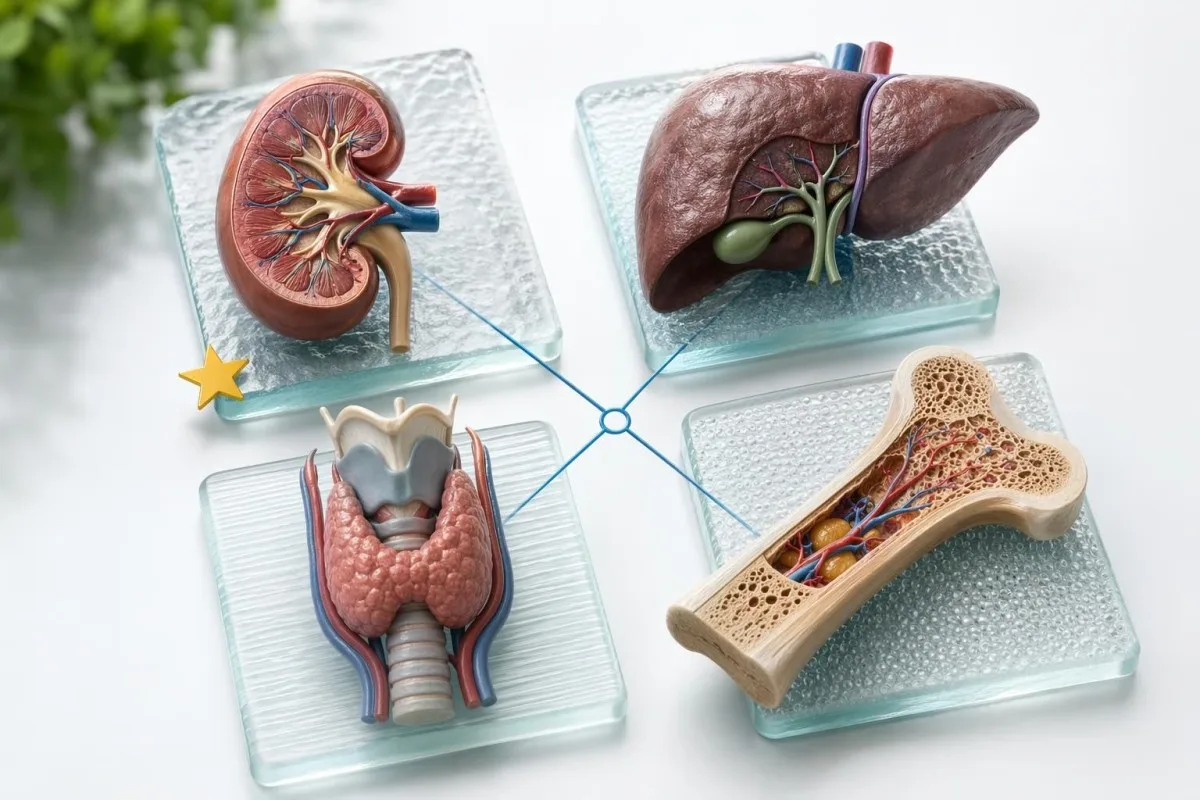
લેબ મૂલ્યની બાજુમાં તારો (સ્ટાર) સામાન્ય રીતે ફ્લેગ હોય છે, નિદાન નહીં. સાચો પ્રશ્ન એ છે કે આ સંખ્યા, એકમો, લક્ષણો અને પ્રવૃત્તિ (ટ્રેન્ડ) કંઈક રૂટીન તરફ ઈશારો કરે છે કે એવી વસ્તુ તરફ જેને તાત્કાલિક સમીક્ષા જોઈએ.



- એસ્ટેરિસ્ક અથવા સ્ટાર સામાન્ય રીતે તેનો અર્થ એ છે કે તમારું મૂલ્ય તે લેબની રેફરન્સ રેન્જની બહાર છે અથવા ક્લિનિશિયનનું ધ્યાન જરૂરી છે.
- સંદર્ભ શ્રેણી સામાન્ય રીતે પસંદ કરાયેલા તુલનાત્મક જૂથના કેન્દ્રિય 95% દર્શાવે છે, એટલે કે લગભગ 5% સ્વસ્થ લોકો તેમાં બહાર પણ આવી શકે છે.
- હાઈ ફ્લેગ તેનો અર્થ એ છે કે પરિણામ છપાયેલી રેન્જથી ઉપર છે; તેનો આપમેળે અર્થ એવો નથી કે જોખમ અથવા રોગ છે.
- આઉટ ઓફ રેન્જ તેનો અર્થ એ છે કે તે લેબ પદ્ધતિ માટે અસામાન્ય છે; જરૂરી નથી કે તમારા શરીર, ઉંમર, ગર્ભાવસ્થા સ્થિતિ, દવાઓ અથવા તાજેતરના વ્યાયામ માટે પણ અસામાન્ય હોય.
- ગંભીર (ક્રિટિકલ) મૂલ્યો જેમ કે 6.0 mmol/L થી ઉપર પોટેશિયમ અથવા 2.5 mmol/L થી નીચે પોટેશિયમ—એવા કેસોમાં ઘણી વાર એ જ દિવસે ક્લિનિકલ સંપર્ક જરૂરી હોય છે.
- હળવા એકવારના ફ્લેગ્સ માર્કર, લક્ષણો અને અગાઉના પરિણામો પર આધાર રાખીને તે ઘણીવાર 1–12 અઠવાડિયામાં ફરી તપાસવામાં આવે છે.
- ટ્રેન્ડ મહત્વનો છે કારણ કે સતત ઉપર જતું સામાન્ય પરિણામ એક જ સરહદી (બોર્ડરલાઇન) તારાની તુલનામાં વધુ ક્લિનિકલી ઉપયોગી હોઈ શકે છે.
- લેબ પદ્ધતિ અને એકમો મૂલ્ય તારાવાળું છે કે નહીં તે બદલાઈ શકે છે, ખાસ કરીને થાયરોઇડ, કિડની, હોર્મોન અને વિટામિન ટેસ્ટમાં.
- Kantesti અર્થઘટન ઉપલબ્ધ હોય ત્યારે તે તારાને રેન્જ, એકમો, ઉંમર, લિંગ, પેટર્ન ક્લસ્ટર્સ અને અગાઉના પરિણામો સાથે વાંચે છે.
એસ્ટેરિસ્ક અથવા સ્ટાર સામાન્ય રીતે શું દર્શાવે છે
એક રક્ત પરીક્ષણ પરનો એસ્ટેરિસ્ક (તારો) સામાન્ય રીતે તેનો અર્થ એ થાય છે કે પરિણામ તે લેબની રેફરન્સ રેન્જની બહાર છે, અથવા લેબની માહિતી પ્રણાલી ક્લિનિશિયનને તેને ધ્યાનમાં લેવા કહે છે. તે H, L, Aની બાજુમાં, અથવા “ફ્લેગ”ની બાજુમાં દેખાઈ શકે છે. માત્ર એક તારો રોગનું નિદાન કરતો નથી; તે કહે છે, “આ મૂલ્યને રેન્જ, એકમો, તમારું બેઝલાઇન, અને તમારા લક્ષણો સાથે સરખાવો.”

તારો સામાન્ય રીતે ત્યારે આપમેળે બને છે જ્યારે એનાલાઈઝરનું પરિણામ પૂર્વનિર્ધારિત નીચી અથવા ઊંચી મર્યાદા પાર કરે. ઘણા રિપોર્ટ્સમાં, એ જ મૂલ્યને સાથે H ઊંચા માટે, લ નીચું માટે, A અસામાન્ય માટે, અથવા નાનો તારો; અમારા સાદી ભાષામાં લેબ પરિણામ નોંધો માર્ગદર્શિકા સમજાવે છે કે આ ચિહ્નો ઘણીવાર ડૉક્ટરની કોઈ ટિપ્પણી વિના કેમ દેખાય છે.
કાન્ટેસ્ટી એક છે AI રક્ત પરીક્ષણ વિશ્લેષક જે તારાને, બાજુમાં આવેલા ઊંચા અથવા નીચા ફ્લેગને, અને દર્દી માટે અનુકૂળ સંદર્ભ બનાવતા પહેલાં છપાયેલ રેફરન્સ ઇન્ટરવલને વાંચે છે. આ ભેદ મહત્વનો છે: 28 ng/mLનું તારાવાળું વિટામિન D અને 6.3 mmol/Lનું તારાવાળું પોટેશિયમ સંપૂર્ણપણે અલગ ક્લિનિકલ પરિસ્થિતિઓમાં આવે છે.
મારા અનુભવ મુજબ, સૌથી વધુ ચિંતિત ફોન કૉલ્સ એવા દર્દીઓ તરફથી આવે છે જેઓ કાળા અંકોના સમુદ્રમાં એક લાલ તારો જુએ છે. Thomas Klein, MD, ઘણીવાર દર્દીઓને યાદ અપાવે છે કે આ ચિહ્ન એક ગોઠવણી સાધન છે; તબીબી પ્રશ્ન એ છે કે તારાવાળું પરિણામ હળવું છે, અપેક્ષિત છે, ફરીથી આવે છે, અન્ય અસામાન્યતાઓ સાથે ક્લસ્ટર થયેલું છે કે લક્ષણો સાથે જોડાયેલું છે.
બ્લડ ટેસ્ટની રેફરન્સ રેન્જનું સરળ ભાષામાં સમજૂતી
A રક્ત પરીક્ષણની રેફરન્સ રેન્જ એ અંતરાલ છે જે કોઈ ચોક્કસ લેબ પસંદ કરેલા તુલનાત્મક જૂથ માટે કોઈ મૂલ્ય સામાન્ય લાગે છે કે નહીં તે નક્કી કરવા માટે વાપરે છે. તે આદર્શ લક્ષ્ય, વ્યક્તિગત બેઝલાઇન, અથવા રોગ માટેની કટઓફ જેટલું નથી.

મોટાભાગના પરંપરાગત રેફરન્સ ઇન્ટરવલ્સમાં સ્પષ્ટ રીતે સ્વસ્થ લોકોના પરિણામોના મધ્ય 95% ભાગનો સમાવેશ થાય છે, જેથી ડિઝાઇન મુજબ લગભગ 2.5% નીચે અને 2.5% ઉપર રેન્જની બહાર રહે. ક્લિનિકલ એન્ડ લેબોરેટરી સ્ટાન્ડર્ડ્સ ઇન્સ્ટિટ્યૂટ EP28-A3c માર્ગદર્શિકા ભલામણ કરે છે કે લેબ જ્યારે નવી નોનપરામેટ્રિક રેફરન્સ ઇન્ટરવલ (CLSI, 2010) સ્થાપિત કરે ત્યારે ઓછામાં ઓછા 120 રેફરન્સ વ્યક્તિઓ નો ઉપયોગ કરવો.
તે 95% નિયમ ઘણા નિર્દોષ તારાઓ સમજાવે છે. જો કોઈ સ્વસ્થ વ્યક્તિમાં 20 અલગ-અલગ એનાલાઇટ્સ માપવામાં આવે, તો માત્ર સંભાવના ઓછામાં ઓછું એક starred મૂલ્ય પેદા કરી શકે છે, ખાસ કરીને જ્યારે માર્કરમાં જૈવિક ફેરફાર વિશાળ હોય; અમારી ઊંડી બ્લડ ટેસ્ટ સામાન્ય મૂલ્યો માટેની માર્ગદર્શિકા સામાન્ય CBC અને કેમિસ્ટ્રીના ઉદાહરણો સાથે આ ફાંસામાંથી પસાર થાય છે.
કેટલીક લેબ્સ ઉત્પાદકની રેન્જ વાપરે છે, કેટલીક સ્થાનિક રેન્જ ચકાસે છે, અને કેટલીક ઉંમર અથવા લિંગ પ્રમાણે રેન્જ વહેંચે છે. 1.15 mg/dL નો ક્રિએટિનિન સ્નાયુબદ્ધ પુખ્ત પુરુષમાં unstarred હોઈ શકે, પરંતુ નાની ઉંમરની વૃદ્ધ સ્ત્રીમાં starred હોઈ શકે, છતાં એ જ સંખ્યા પેજ પર દેખાય છે.
લેબ પરિણામોમાં હાઈ ફ્લેગનો અર્થ શું થાય?
A ઊંચો ફ્લેગ તેનો અર્થ એ છે કે તમારું પરિણામ તે ટેસ્ટ, પદ્ધતિ, અને વસ્તી કેટેગરી માટે લેબની ઉપરની રેફરન્સ મર્યાદા કરતાં ઊંચું છે. તેનો અર્થ આપમેળે એ નથી કે પરિણામ જોખમી છે.

આ શબ્દસમૂહ લેબ પરિણામોમાં ઊંચો ફ્લેગનો અર્થ શું થાય છે સૌથી સામાન્ય દર્દી શોધોમાંનું એક છે, કારણ કે રિપોર્ટ્સ ભાગ્યે જ ફ્લેગની ક્લિનિકલ તાકાત સમજાવે છે. 10.3 mg/dL નો કેલ્શિયમ એક લેબનો હળવો ઊંચો ફ્લેગ હોઈ શકે, જ્યારે 13.5 mg/dL નો કેલ્શિયમ સંપૂર્ણપણે અલગ વાતચીત છે.
ફ્લેગ્સ એકમો પર પણ આધાર રાખે છે. ગ્લુકોઝ યુનાઇટેડ સ્ટેટ્સમાં mg/dL માં રિપોર્ટ થઈ શકે છે અને ઘણા અન્ય દેશોમાં mmol/L માં; 126 mg/dL લગભગ 7.0 mmol/L બરાબર છે, અને ખોટું મૂકાયેલું એકમ સામાન્ય દેખાતું સંખ્યા ચિંતાજનક લાગે એવું બનાવી શકે છે. અમારી બ્લડ ટેસ્ટ સંક્ષેપો લેખમાં સામાન્ય રિપોર્ટ ચિહ્નો, એકમો, અને ફ્લેગ ફોર્મેટ્સ આવરી લેવાયા છે.
હું ઊંચા ફ્લેગને ત્રણ પ્રશ્નોના પ્રોમ્પ્ટ તરીકે લઈએ છું: રેન્જ કરતાં કેટલું ઉપર છે, શું તે પેનલના બાકીના ભાગ સાથે મેળ ખાય છે, અને શું પહેલાં પણ થયું છે? ઉદાહરણ તરીકે, મેરેથોન પછી ઊંચો AST ઘણીવાર ઊંચા CK અને સામાન્ય બિલિરુબિન સાથે જોડાય છે; આ પેટર્ન પ્રાથમિક યકૃત ઇજાની બદલે સ્નાયુ તાણ તરફ સૂચવે છે.
બ્લડ ટેસ્ટમાં “આઉટ ઓફ રેન્જ” નો અર્થ શું થાય?
આઉટ ઓફ રેન્જ લોહીની તપાસમાં તેનો અર્થ એ છે કે લેબની રેફરન્સ ઇન્ટરવલની નીચે અથવા ઉપર સંખ્યા આવે છે. તે રોગ સાબિત કરતું નથી, અને હંમેશા સારવારની જરૂરિયાત દર્શાવતું નથી.

શોધ વાક્ય લોહીની તપાસમાં “આઉટ ઓફ રેન્જ” નો અર્થ શું છે એક સામાન્ય ગેરસમજ છુપાયેલી છે: રેફરન્સ ઇન્ટરવલ્સ અને ડાયગ્નોસ્ટિક કટઓફ્સ એકસરખા નથી. Hemoglobin A1c તેનું સારો ઉદાહરણ છે; American Diabetes Association ડાયાબિટીસને આ પર વ્યાખ્યાયિત કરે છે A1c ≥6.5% અથવા ફાસ્ટિંગ પ્લાઝ્મા ગ્લુકોઝ ≥126 mg/dL યોગ્ય રીતે પુષ્ટિ થયા પછી, ભલે સ્થાનિક લેબ થોડું અલગ રેફરન્સ રેન્જ છાપે (ADA Professional Practice Committee, 2024).
જોખમના થ્રેશહોલ્ડ્સ તો વધુ પણ વ્યક્તિગત હોઈ શકે છે. LDL cholesterol 115 mg/dL પર “સ્ટાર્ડ” ન પણ હોય, પરંતુ તે મૂલ્ય અગાઉના હૃદયરોગ ધરાવતા વ્યક્તિ માટે હજી પણ લક્ષ્યથી ઉપર હોઈ શકે છે; આ જ કારણ છે કે અમારી બ્લડ ટેસ્ટ નંબર્સ લેખમાં અમે વસ્તી આધારિત રેન્જને ક્લિનિકલ લક્ષ્યોથી અલગ કરીએ છીએ.
વિપરીત પણ થાય છે. કોઈ મૂલ્ય સ્ટાર્ડ હોવા છતાં ક્લિનિકલી અચંબિત ન પણ હોય: alkaline phosphatase વધતા કિશોરોમાં વધુ હોઈ શકે છે, corticosteroids પછી white blood cells વધી શકે છે, અને ferritin આયર્ન સ્ટોર્સ ઓવરલોડ ન હોવા છતાં સોજા દરમિયાન વધી શકે છે.
ક્યારે સ્ટાર ચિંતા કરવાની બદલે રૂટીન ગણાય
સ્ટાર્ડ કરાયેલ લોહીનું પરિણામ ઘણી વખત રૂટીન હોય છે જ્યારે તે હળવું હોય, એકલુ હોય, તૈયારીમાંથી અપેક્ષિત હોય, અને લક્ષણો સાથે જોડાયેલું ન હોય. આવા ઘણા ફ્લેગ્સ તાત્કાલિક સારવાર કરતાં પુનઃપરીક્ષણ અથવા ક્લિનિકલ સંદર્ભ દ્વારા સલામત રીતે સંભાળી શકાય છે.

નાસ્તા પછી 185 mg/dL નો triglyceride, ડિહાઇડ્રેશન દરમિયાન હળવો ઊંચો albumin, અથવા ભારે ટ્રેનિંગ પછી 450 U/L નો CK—આ બધું નવી બીમારી સૂચવ્યા વિના સ્ટાર આપી શકે છે. જો ફાસ્ટિંગ સ્થિતિ અસ્પષ્ટ હતી, તો અમારી ફાસ્ટિંગ સામે નોન-ફાસ્ટિંગ માર્ગદર્શિકા ઘણી વખત નક્કી કરવાની સૌથી ઝડપી રીત છે કે પરિણામને સ્વચ્છ પુનઃપરીક્ષણ લાયક છે કે નહીં.
Exercise એક વારંવાર થતો ગુનેગાર છે. મેં 52 વર્ષના મેરેથોન દોડવીરને રેસ પછી બે દિવસમાં AST 89 U/L અને ALT 42 U/L સાથે જોયા છે; એ જ પેનલમાં CK 1,000 U/L થી ઉપર હતું, જેના કારણે મસલ રિલીઝ વધુ સુસંગત સમજૂતી બની.
રૂટીનનો અર્થ અવગણવું નથી. 133 mmol/L નો હળવો સોડિયમ ઓછો હોવો ઊંચી પ્રવાહી લેવાથી પછી નિર્દોષ હોઈ શકે છે, પરંતુ જો તે થાક, ગૂંચવણ, ડાય્યુરેટિક્સ, અથવા ફેફસાની બીમારી સાથે ચાલુ રહે, તો એ જ સ્ટાર વધુ અર્થપૂર્ણ બને છે.
ક્યારે લેબ મૂલ્યની બાજુમાં આવેલો સ્ટાર ફોલો-અપ માંગે છે
પરિણામ ખૂબ જ અસામાન્ય હોય, પુનરાવર્તિત થાય, બગડે, સંબંધિત ફ્લેગ્સ સાથે ગોઠવાયેલું હોય, અથવા લક્ષણો સાથે જોડાયેલું હોય ત્યારે સ્ટારને અનુસરણની જરૂર પડે છે. કેટલાક ઇલેક્ટ્રોલાઇટ, ગ્લુકોઝ, બ્લડ કાઉન્ટ, કિડની, અને ક્લોટિંગની અસામાન્યતાઓ માટે એ જ દિવસે સલાહ સમજદારીભરી છે.

Potassium ક્લાસિક ઉદાહરણ છે કારણ કે હૃદય ઊંચા અને નીચા—બન્ને—મૂલ્યો માટે સંવેદનશીલ છે. ઘણી લેબોરેટરીઝ potassium ને ઉપર સારવાર આપે છે 6.0 mmol/L થી ઉપર અથવા તેનાથી ઓછી 2.5 mmol/L ગંભીર તરીકે, જો કે ચોક્કસ ચેતવણીની મર્યાદાઓ સંસ્થા અને નમૂનાની ગુણવત્તા મુજબ બદલાય છે.
બ્લડ કાઉન્ટના તારાઓ પણ સમય-સંવેદનશીલ હોઈ શકે છે. હિમોગ્લોબિન નીચે 7 ગ્રામ/ડિલી, પ્લેટલેટ્સ નીચે ૨૦ × ૧૦⁹/લિ, અથવા ન્યુટ્રોફિલ્સ નીચે 0.5 × 10⁹/L ઘણીવાર તાત્કાલિક સમીક્ષા માંગે છે, ખાસ કરીને છાતીમાં દુખાવો, રક્તસ્ત્રાવ, તાવ, ગર્ભાવસ્થા, કેમોથેરાપી, અથવા નબળાઈ (frailty) હોય ત્યારે; અમારી ગંભીર (ક્રિટિકલ) મૂલ્યો માર્ગદર્શન આપે છે સમજાવે છે કે લેબ્સ તાત્કાલિક ફ્લેગ્સને સામાન્ય અસામાન્યતાઓથી કેવી રીતે અલગ કરે છે.
જ્યારે હું પેનલની સમીક્ષા કરું છું, ત્યારે હું એક હળવી અસામાન્યતા વિશે ઓછું ચિંતિત રહું છું અને ખતરનાક સમૂહો વિશે વધુ. ઊંચું ક્રિએટિનિન સાથે ઊંચું પોટેશિયમ, નીચું બાઇકાર્બોનેટ, અને ઘટેલું મૂત્ર ઉત્પાદન—આ એકલા બોર્ડરલાઇન ક્રિએટિનિન તારાની તુલનામાં વધુ તાત્કાલિક કિડનીની કહાની કહે છે.
સામાન્ય બ્લડ ટેસ્ટ્સ જેમાં ઘણી વાર સ્ટાર દેખાય છે
CBC, મેટાબોલિક પેનલ, થાયરોઇડ, કિડની, લિવર, લિપિડ, આયર્ન, અને વિટામિન ટેસ્ટ્સમાં સામાન્ય રીતે તારાઓ દેખાય છે કારણ કે તેમાં ઘણી અલગ માપણીઓ હોય છે. જેટલા વધુ માર્કર્સ ઓર્ડર થાય, તેટલી શક્યતા વધે છે કે ઓછામાં ઓછું એક મૂલ્ય રેન્જની બહાર થોડું પડે.

CBC પર, હળવા તારાઓ ઘણીવાર RDW, MCV, લિમ્ફોસાઇટ ટકાવારી, અથવા પ્લેટલેટ ઇન્ડિસિસની બાજુમાં દેખાય છે. RDW લગભગ 14.5% વિવિધ લાલ રક્તકણના કદનું મિશ્રણ સૂચવી શકે છે, પરંતુ તે હિમોગ્લોબિન, MCV, ફેરીટિન, B12, અને રેટિક્યુલોસાઇટ્સ સાથે વાંચવામાં ઘણું વધુ ઉપયોગી બને છે; અમારી RDW ટેકનિકલ માર્ગદર્શિકા તેમાંના આ પેટર્નને વિગતે સમજાવે છે.
કાન્ટેસ્ટી એક છે AI-સંચાલિત બ્લડ ટેસ્ટ એનાલિસિસ ટૂલ استعمال ہوتا ہے 2M લોકો 127 દેશોમાં, અને અમારી સિસ્ટમ રચાયેલ છે કે starred મૂલ્યોને એકલાં એલાર્મ કરતાં સમૂહો તરીકે વાંચે. ઉદાહરણ તરીકે, ભારે પ્રોટીન સેવન પછી સામાન્ય ક્રિએટિનિન સાથે ઊંચું BUN—આવું ઊંચું BUN વધતા ક્રિએટિનિન અને ઘટતા eGFR સાથે હોય તેવું સમાન અર્થ ધરાવતું નથી.
આ બાયોમાર્કર્સ માર્ગદર્શિકા ઉપયોગી છે જ્યારે રિપોર્ટમાં GGT, ApoB, ફેરીટિન સેચ્યુરેશન, અથવા ફ્રી T4 જેવા અજાણ્યા માર્કર્સ હોય. વ્યવહારમાં, તમે ક્યારેય ન સાંભળેલા કોઈ માર્કરની બાજુમાં આવેલો તારો ઘણીવાર તમારા પોતાના બેઝલાઇનમાંથી તીવ્ર રીતે બદલાયેલા પરિચિત માર્કર કરતાં ઓછો જોખમી હોય છે.
એક લેબ એક પરિણામને સ્ટાર કરે છે અને બીજું નથી—એ કેમ?
અલગ લેબ્સ એ જ પરિણામને અલગ રીતે તારાંકિત કરી શકે છે કારણ કે તેઓ અલગ એનાલાઇઝર્સ, કેલિબ્રેશન પદ્ધતિઓ, વસ્તી આધારિત રેન્જ, એકમો, અને રિપોર્ટિંગ નિયમો વાપરે છે. બદલાયેલો ફ્લેગ હંમેશા એનો અર્થ નથી કે તમારી બાયોલોજી બદલાઈ છે.

થાઇરોઇડ ટેસ્ટો મતભેદનું સામાન્ય કારણ છે. એક લેબ TSH 0.45–4.5 mIU/L, . આ સરળ લાગે છે, પરંતુ થાઇરોઇડ ટેસ્ટિંગ એસે-આધારિત (assay-dependent) છે. એક લેબની TSH ની ઉપરની મર્યાદા 0.27–4.2 mIU/L, અને ગર્ભાવસ્થા-વિશિષ્ટ રિપોર્ટ નીચલા ત્રિમાસિકના રેન્જનો ઉપયોગ કરી શકે છે; સંખ્યા સમાન હોઈ શકે છે જ્યારે તારો બદલાય.
CLSI EP28-A3c સ્પષ્ટ રીતે રેફરન્સ ઇન્ટરવલની ચકાસણીને સર્વસામાન્ય સ્થિરતા નહીં પરંતુ સ્થાનિક લેબોરેટરીની જવાબદારી તરીકે ગણાવે છે (CLSI, 2010). એટલે જ અમારી એકમ રૂપાંતર માર્ગદર્શિકા દર્દીઓને સલાહ આપે છે કે પરિણામને સુધરેલું કે બગડેલું માનતા પહેલાં ચોક્કસ એકમો, પદ્ધતિ, અને છપાયેલો રેન્જ સરખાવો.
કેટલીક યુરોપિયન લેબો ALT માટે જૂના ઉત્તર અમેરિકન રિપોર્ટ્સ કરતાં નીચી ઉપરની મર્યાદા વાપરે છે, ખાસ કરીને મહિલાઓમાં. તેથી ALT 36 U/L એક શીટ પર સામાન્ય અને બીજી શીટ પર થોડું ઊંચું દેખાઈ શકે છે, ભલે લિવર એન્ઝાઇમનું મૂલ્ય પોતે હલ્યું ન હોય.
નમૂના (સ્પેસિમેન), સમય (ટાઈમિંગ) અને લેબ આર્ટિફેક્ટ્સથી થતા ખોટા ફ્લેગ્સ
કેટલાક તારાઓ બીમારી કરતાં પ્રી-એનલિટિકલ સમસ્યાઓમાંથી આવે છે, જેમાં હીમોલિસિસ, વિલંબિત પ્રોસેસિંગ, બાયોટિન સપ્લિમેન્ટ્સ, EDTA દૂષણ, કઠોર વ્યાયામ, અથવા ખોટી ટ્યુબનો સમાવેશ થાય છે. કોઈ પણ સારવાર બદલતા પહેલાં આ ફ્લેગ્સની ચકાસણી થવી જોઈએ.

હીમોલિસિસ પોટેશિયમ, AST, LDH, અને ફોસ્ફેટને ખોટી રીતે વધારી શકે છે કારણ કે કોષીય સામગ્રી સંગ્રહ પછી ટ્યુબમાં લીક થાય છે. 6.2 mmol/Lનું પોટેશિયમ અને હીમોલિસિસ અંગે લેબ ટિપ્પણી હોય તો તેને તાત્કાલિક પુનઃપરીક્ષણની જરૂર પડી શકે છે, પરંતુ સમાન પોટેશિયમ સાથે સ્વચ્છ નમૂનાની જેમ તેનું અર્થઘટન થતું નથી.
બાયોટિન બીજું એક ઓછું ચર્ચાયેલું કારણ છે. ઊંચી માત્રાનું બાયોટિન, ઘણીવાર દરરોજ 5–10 mg વાળ અથવા નખના સપ્લિમેન્ટ્સમાં, કેટલાક ઇમ્યુનોએસેઝમાં દખલ કરી શકે છે અને થાઇરોઇડ અથવા હોર્મોનના પરિણામોને ભ્રામક દેખાડે છે; અમારી લેબ ભૂલ ચકાસણીઓ લેખમાં સામાન્ય એવા પેટર્ન્સની યાદી છે જે પુનઃપરીક્ષણને ટ્રિગર કરવાના હોવા જોઈએ.
સમયગાળો રોગ જેવું દેખાડી શકે છે. 16:00 વાગ્યે લેવાયેલું કોર્ટેસોલ 08:00 વાગ્યે લેવાયેલા કોર્ટેસોલ જેવી રીતે ન જજ કરવું જોઈએ, અને ભોજન પછીનું ગ્લુકોઝ ફક્ત ત્યારે જ ફાસ્ટિંગ મૂલ્ય જેવું ન જજ કરવું જોઈએ જ્યારે રિપોર્ટ સ્પષ્ટ રીતે કહે કે તે રેન્ડમ ગ્લુકોઝ છે.
તમારો ટ્રેન્ડ એક જ સ્ટાર કરતાં વધુ કેમ મહત્વનો હોઈ શકે
એક જ તારો એક ઝલક છે, જ્યારે ટ્રેન્ડ દિશા, ઝડપ, અને સતતપણું બતાવે છે. ક્લિનિશિયન્સ ઘણીવાર એકથી વધુ મહિનાઓમાં વારંવાર થતી હલચલને એક જ બોર્ડરલાઇન ફ્લેગ કરતાં વધુ વિશ્વાસપાત્ર માને છે.

ક્રિએટિનિન આનું સારું ઉદાહરણ આપે છે. માંથી વધારો 0.70 થી 1.05 mg/dL હજી પણ કેટલીક રેફરન્સ રેન્જની અંદર હોઈ શકે છે, પરંતુ નાની ઉંમરના વૃદ્ધ વ્યક્તિ માટે તે કિડની ફિલ્ટરેશનમાં અર્થપૂર્ણ ઘટાડો દર્શાવી શકે છે.
જૈવિક ફેરફારની પોતાની ગણિતીય પદ્ધતિ છે. ઘણા માર્કર્સમાં ફેરફાર સામાન્ય દૈનિક ફેરફાર કરતાં વધુ થવો જોઈએ, ત્યાર પછી જ આપણે કહીએ કે બદલાવ વાસ્તવિક છે; અમારી ટ્રેન્ડ એનાલિસિસ ગાઇડ સમજાવે છે કે 3% કોલેસ્ટેરોલનો ફેરફાર સામાન્ય રીતે 25% ફેરિટિનના ઘટાડા કરતાં ઓછો વિશ્વાસપાત્ર કેમ હોય છે.
Kantestiનું ન્યુરલ નેટવર્ક અગાઉના પરિણામો ઉપલબ્ધ હોય ત્યારે બાજુ-બાજુ PDFsની તુલના કરી શકે છે, જે એકવારના તારાઓને ધીમા ડ્રિફ્ટથી અલગ પાડવામાં મદદ કરે છે. મને ખાસ કરીને ફેરિટિન, HbA1c, eGFR, TSH, LDL કોલેસ્ટેરોલ, અને લિવર એન્ઝાઇમ્સ માટે આ ઉપયોગી લાગે છે, જ્યાં લાઇનનો ઢાળ ઘણીવાર લક્ષણો દેખાય તે પહેલાં જ વાર્તા કહી દે છે.
ઉંમર, ગર્ભાવસ્થા અને લિંગ સ્ટારનો અર્થ બદલી શકે છે
રેફરન્સ રેન્જ ઉંમર, ગર્ભાવસ્થા, પ્યુબર્ટી, લિંગ, મસલ માસ, અને ક્યારેક જાતિ સાથે બદલાય છે. તારો માત્ર ત્યારે જ અર્થપૂર્ણ છે જ્યારે લેબે યોગ્ય તુલનાત્મક જૂથનો ઉપયોગ કર્યો હોય.

બાળકો લેબોરેટરી મેડિસિનમાં નાના વયસ્કો નથી. વૃદ્ધિ દરમિયાન એલ્કલાઇન ફોસ્ફેટેઝ ઘણી વખત અનેક ગણું ઊંચું હોઈ શકે છે, પ્રારંભિક બાળપણમાં લિમ્ફોસાઇટ ટકાવારી વધુ હોય છે, અને નાનાં બાળકોમાં ક્રિએટિનિન ઓછું હોય છે કારણ કે મસલ માસ ઓછું હોય છે; અમારી પીડિયાટ્રિક રેન્જ ગાઇડ વય અનુસાર ઉદાહરણો આપે છે.
ગર્ભાવસ્થા ઘણી starred મૂલ્યોની વ્યાખ્યાને બદલાવે છે. હિમોગ્લોબિન ઘણીવાર ઘટે છે કારણ કે પ્લાઝ્મા વોલ્યુમ વધે છે, શ્વેત રક્તકણોની સંખ્યા વધી શકે છે, અને D-dimer ગર્ભાવસ્થાના અંત તરફ વારંવાર વધે છે, તેથી પુખ્ત વયના બિન-ગર્ભવતી રેન્જ સામાન્ય શારીરિક પ્રક્રિયાને ખોટી રીતે વધુ ચિહ્નિત કરી શકે છે.
વૃદ્ધ વયના લોકો એક વધુ સ્તર ઉમેરે છે. 58 mL/min/1.73 m² નો eGFR ઉંમર સાથે સામાન્ય હોઈ શકે છે, પરંતુ KDIGO હજુ પણ ક્રોનિક કિડની રોગને કિડનીની રચના અથવા કાર્યમાં રહેલી અસામાન્યતાઓ દ્વારા વ્યાખ્યાયિત કરે છે જે ઓછામાં ઓછા 3 મહિના સુધી, સમય સુધી ચાલતી અસામાન્યતાઓ તરીકે વ્યાખ્યાયિત કરે છે, જેમાં eGFR 60 mL/min/1.73 m² સતત રહે (KDIGO CKD Work Group, 2024).
ડૉક્ટરો કેવી રીતે નક્કી કરે છે કે ફ્લેગ મહત્વનો છે કે નહીં
ડોક્ટરો severity, લક્ષણો, પુનરાવર્તિતતા, સંબંધિત માર્કર્સ, દવાઓનો ઇતિહાસ, અને ટેસ્ટ શા માટે ઓર્ડર થયો હતો—આ બધું જોડીને starred પરિણામનું triage કરે છે. એ જ સંખ્યા reassurance, પુનઃટેસ્ટિંગ, દવાઓની સમીક્ષા, અથવા તાત્કાલિક સારવાર તરફ દોરી શકે છે.
મારી ક્લિનિકમાં, હું પહેલા પૂછું છું કે આ પરિણામ સામેના દર્દીને સમજાવે છે કે નહીં. તાવ અને જમણી બાજુના પેટના દુખાવા સાથે 70 mg/L નો CRP, વાયરલ બીમારી પછી 7 mg/L ના CRP જેટલો જ પ્રશ્ન નથી.
થોમસ ક્લાઇન, MD, જુનિયર ક્લિનિશિયનોને શીખવતી વખતે એક સરળ આંતરિક નિયમ વાપરે છે: યુનિટ, રેન્જ અને નજીકના માર્કર્સ ચકાસ્યા વગર ક્યારેય star ની વ્યાખ્યા ન કરો. Kantesti સોફ્ટવેરમાં પણ એ જ સિદ્ધાંત લાગુ કરે છે, અને અમારી તબીબી માન્યતા સામગ્રીમાં ક્લિનિકલ રીતે કેવી રીતે બેન્ચમાર્ક કરવામાં આવ્યા છે તેની તુલના કરી શકો છો.
Pattern recognition અતિપ્રતિક્રિયા અને જોખમ ચૂકી જવું—બન્ને અટકાવે છે. ઊંચું ALP અને ઊંચું GGT વધુ હેપેટોબિલિયરી મૂળ તરફ સૂચવે છે, જ્યારે ઊંચું ALP અને સામાન્ય GGT તથા હાડકાંનો દુખાવો સમીક્ષાને હાડકાંના સ્ત્રોત તરફ ધકેલે છે.
Kantesti સ્ટાર, ફ્લેગ્સ અને રેફરન્સ રેન્જને કેવી રીતે વાંચે છે
Kantesti PDF અથવા ફોટામાંથી સંખ્યાત્મક મૂલ્ય, યુનિટ, રેફરન્સ રેન્જ, અસામાન્ય ફ્લેગ, ટેસ્ટનું નામ, અને નજીકના માર્કર્સ કાઢીને stars વાંચે છે. ત્યારબાદ દરેક star ને સમાન ગણવાને બદલે ક્લિનિકલ સંદર્ભમાં પરિણામ સમજાવે છે.
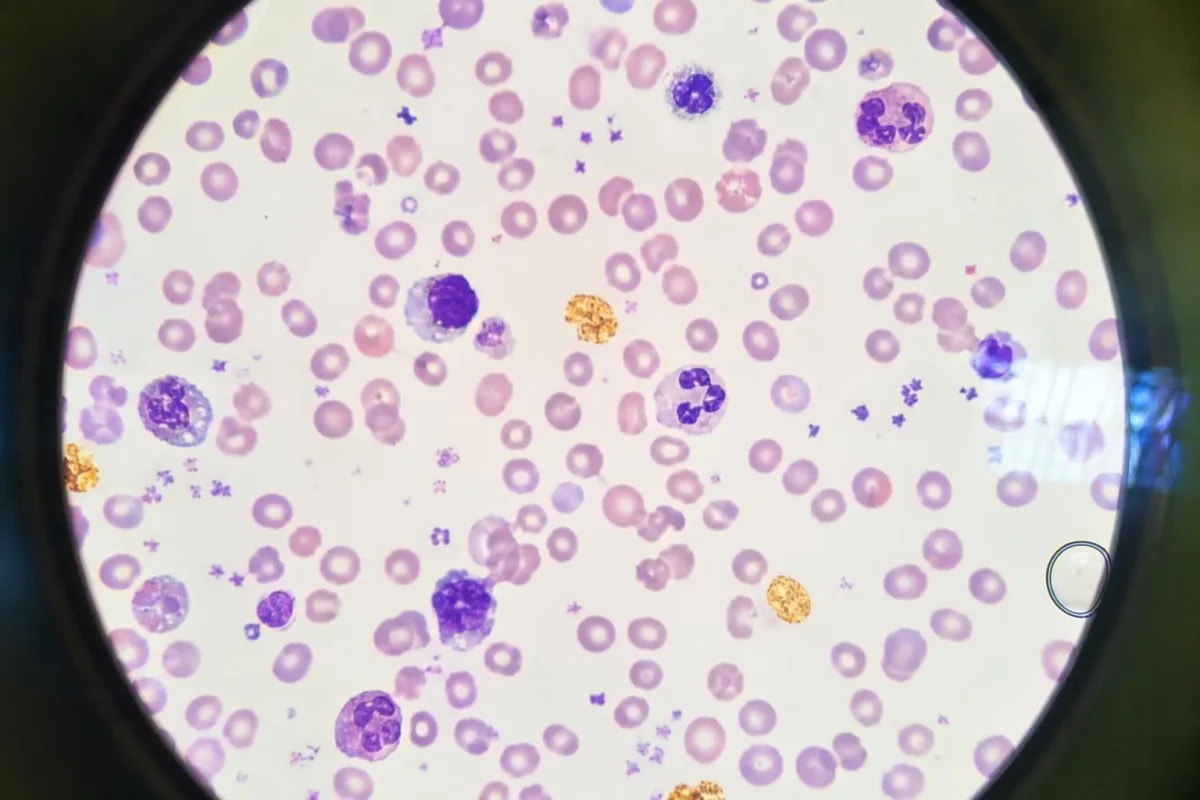
કાન્ટેસ્ટી એક છે AI લેબ ટેસ્ટ ઇન્ટરપ્રિટેશન સર્વિસ પર પ્રકાશિત થાય છે જે બ્લડ ટેસ્ટ PDFs અથવા ફોટાઓને લગભગ 60 સેકન્ડમાં ઘણી બધી રૂટીન કેસોમાં. આઉટપુટ નિદાન નથી; તે એક structured વ્યાખ્યા છે જે દર્દીઓને વધુ સારી રીતે પ્રશ્નો તૈયાર કરવામાં અને પરિણામ રૂટીન લાગે છે, જલ્દી લાગે છે કે તાત્કાલિક—તે નક્કી કરવામાં મદદ કરે છે.
સિસ્ટમ સામાન્ય ખામીઓ માટે ચકાસે છે: મેળ ન ખાતી યુનિટ્સ, રેન્જ ગુમાવવી, ડુપ્લિકેટ ટેસ્ટ નામો, ઉંમર-વિશિષ્ટ માર્કર્સ, અને ઊંચું ક્રિએટિનિન સાથે ઊંચું પોટેશિયમ જેવી ક્લસ્ટર્સ. અમારી ટેકનોલોજી માર્ગદર્શિકા સમજાવે છે કે extraction, biomarker mapping, અને clinical rule layers કેવી રીતે સાથે કામ કરે છે.
અહીં ગોપનીયતા મહત્વપૂર્ણ છે. Kantesti GDPR-aligned છે, સપોર્ટ કરે છે ૭૫+ ભાષાઓ, અને સમગ્ર ૧૨૭+ દેશો; માં વપરાય છે; જો તમે વાસ્તવિક રિપોર્ટ સાથે વર્કફ્લો અજમાવવા માંગો છો, તો મફત વિશ્લેષણ પેજ સંવેદનશીલ લેબ ડેટા ઇમેઇલ કરવાની બદલે અપલોડ કરવા માટે સૌથી સલામત જગ્યા છે.
રિપોર્ટમાં સ્ટાર દેખાય પછી શું કરવું
કોઈ star જોયા પછી, તમે કેટલા ચિંતિત થવું તે નક્કી કરતા પહેલા ટેસ્ટનું નામ, મૂલ્ય, યુનિટ, રેફરન્સ રેન્જ, લક્ષણો, દવાઓ, ફાસ્ટિંગ સ્થિતિ, અને અગાઉના પરિણામો ચકાસો. જો લેબ તેને critical કહે, તો તેને સમય-સંવેદનશીલ તરીકે સારવાર આપો.

મૂળભૂતથી શરૂ કરો: શું ટેસ્ટ ફાસ્ટિંગ હતો, શું તમે બીમાર હતા, શું તમે જોરથી વ્યાયામ કર્યો હતો, અને છેલ્લા 2–8 અઠવાડિયા? આ વિગતો ઘણીવાર સરહદી લિવર એન્ઝાઇમ્સ, ગ્લુકોઝ, પોટેશિયમ, થાઇરોઇડ ટેસ્ટ, આયર્ન માર્કર્સ, અને CK ને સમજાવે છે.
સંપૂર્ણ રિપોર્ટ લાવો, કાપેલી સ્ક્રીનશોટ નહીં. સામાન્ય ALT, AST, ALP, અને હિમોગ્લોબિન સાથે starred bilirubin એક વાત સૂચવે છે, પરંતુ એનિમિયા અથવા ઘેરા મૂત્ર સાથે બીજી વાત; અમારી તબીબી સલાહકાર મંડળ આ pattern-based અભિગમથી કન્ટેન્ટની સમીક્ષા કરે છે.
થોમસ ક્લાઇન, MD તરફથી મુખ્ય મુદ્દો: કોઈ તારાને અવગણશો નહીં, પરંતુ એ નિશાનીને તમારા માટે નિદાન નક્કી કરવા દો નહીં. પૂછો, “એ કેટલું અસામાન્ય છે, શું તે મારા લક્ષણો સાથે મેળ ખાય છે, શું પહેલાં પણ એવું થયું છે, અને હવે આપણે શું ફરી તપાસવું અથવા આગળ શું ઉમેરવું જોઈએ?”
વારંવાર પૂછાતા પ્રશ્નો
બ્લડ ટેસ્ટ રિપોર્ટ પર એસ્ટેરિસ્કનો અર્થ શું છે?
બ્લડ ટેસ્ટ રિપોર્ટ પરનો એસ્ટેરિસ્ક સામાન્ય રીતે દર્શાવે છે કે મૂલ્ય લેબોરેટરીની સંદર્ભ શ્રેણી બહાર છે અથવા તેને ક્લિનિશિયનના ધ્યાન માટે ચિહ્નિત કરવામાં આવ્યું છે. આ તારો H માટે high, L માટે low, અથવા A માટે abnormal સાથે દેખાઈ શકે છે. તે પોતે જ રોગનું નિદાન કરતું નથી; માત્ર 1–5% જેટલું શ્રેણી બહારનું પરિણામ, મર્યાદા કરતાં અનેક ગણું વધુ હોય તેવા પરિણામ કરતાં અથવા લક્ષણો સાથે જોડાયેલ હોય તેવા પરિણામ કરતાં ઓછું ચિંતાજનક હોઈ શકે છે.
શું લેબ પરિણામોમાં ઊંચો ફ્લેગ હોવાનો અર્થ એ છે કે હું બીમાર છું?
ઊંચો ફ્લેગ દર્શાવે છે કે મૂલ્ય તે લેબની ઉપરની સંદર્ભ મર્યાદા કરતાં વધુ છે, એટલે કે તમે ચોક્કસપણે બીમાર છો એવું નથી. ઉદાહરણ તરીકે, ભોજન પછી ટ્રાઇગ્લિસરાઇડ્સ ઊંચા થઈ શકે છે, કેએકે (CK) કઠોર વ્યાયામ પછી વધી શકે છે, અને સ્ટેરોઇડ દવાઓ લીધા પછી શ્વેત રક્તકણો (white blood cells) વધી શકે છે. ઊંચો ફ્લેગ વધુ મહત્વનો બને છે જ્યારે તે વારંવાર જોવા મળે, નોંધપાત્ર રીતે અસામાન્ય હોય, અથવા સંબંધિત અન્ય અસામાન્ય મૂલ્યો સાથે એકસાથે જોવા મળે.
રક્ત પરીક્ષણ રિપોર્ટ્સમાં “આઉટ ઓફ રેન્જ” નો અર્થ શું થાય છે?
રેન્જની બહારનો અર્થ એ છે કે પરિણામ તે નિશ્ચિત લેબ પદ્ધતિ અને વસ્તી જૂથ માટે છાપેલા સંદર્ભ અંતરાલની નીચે અથવા ઉપર આવે છે. ઘણા સંદર્ભ અંતરાલોમાં સ્વસ્થ પરિણામોના કેન્દ્રના 95%નો સમાવેશ થાય છે, તેથી ડિઝાઇન મુજબ લગભગ 5% સ્વસ્થ લોકો તેમાં બહાર પડી શકે છે. નિદાન માટેના કટઓફ્સ, જેમ કે યોગ્ય રીતે પુષ્ટિ થયેલ હોય ત્યારે ડાયાબિટીસ માટે A1c ≥6.5%, સામાન્ય સંદર્ભ રેન્જથી અલગ હોય છે.
તારાંકિત રક્ત પરીક્ષણ વિશે મને ડૉક્ટરને ક્યારે સંપર્ક કરવો જોઈએ?
જો તારાંકિત પરિણામને ગંભીર (critical) તરીકે ચિહ્નિત કરવામાં આવ્યું હોય, તે રેન્જની બહાર ખૂબ જ દૂર હોય, અથવા તે છાતીમાં દુખાવો, બેહોશી, ગૂંચવણ, તાવ, ગંભીર નબળાઈ, રક્તસ્ત્રાવ, અથવા શ્વાસ લેવામાં તકલીફ જેવા લક્ષણો સાથે દેખાય તો તરત જ સંપર્ક કરો. લગભગ 6.0 mmol/Lથી ઉપર અથવા લગભગ 2.5 mmol/Lથી નીચેનું પોટેશિયમ ઘણીવાર તાત્કાલિક (urgent) ગણાય છે, જોકે થ્રેશોલ્ડ્સ લેબ મુજબ બદલાઈ શકે છે. કિડની, રક્ત ગણતરી, ગ્લુકોઝ, અથવા લોહી જમવાની (clotting) અસામાન્યતાઓ વારંવાર જોવા મળે તો પણ સમયસર સમીક્ષા કરવી જોઈએ.
શું લેબની ભૂલ એસ્ટેરિસ્ક અથવા અસામાન્ય ફ્લેગનું કારણ બની શકે છે?
હા, લેબના આર્ટિફેક્ટ્સ દર્દીની સાચી બાયોલોજી અલગ હોવા છતાં પણ સ્ટાર્ડ પરિણામો આપી શકે છે. હીમોલિસિસ પોટેશિયમ, AST, LDH અને ફોસ્ફેટને ખોટી રીતે વધારી શકે છે, જ્યારે 5–10 મિ.ગ્રા./દિવસના બાયોટિન પૂરક કેટલાક થાયરોઇડ અને હોર્મોન ઇમ્યુનોએસેઝમાં વિક્ષેપ પેદા કરી શકે છે. જો પરિણામ તમારા લક્ષણો અથવા બાકીના પેનલ સાથે મેળ ખાતું ન હોય, તો ક્લિનિશિયન્સ ઘણીવાર કાર્યવાહી કરતા પહેલાં પરીક્ષણ ફરીથી કરાવે છે.
એક લેબે મારા પરિણામને શા માટે તારાંકિત (સ્ટાર) કર્યું જ્યારે બીજી લેબે નહીં?
અલગ અલગ લેબ્સ અલગ એનાલાઈઝર્સ, કેલિબ્રેશન સિસ્ટમ્સ, રેફરન્સ પોપ્યુલેશન્સ અને એકમોનો ઉપયોગ કરી શકે છે, તેથી સમાન સંખ્યાત્મક મૂલ્ય એક લેબ દ્વારા ચિહ્નિત થઈ શકે છે અને બીજી દ્વારા નહીં. TSH, ક્રિએટિનિન, ALT, હોર્મોન્સ અને વિટામિન સ્તરો સામાન્ય ઉદાહરણો છે. તમારી સ્થિતિ બદલાઈ ગઈ છે એમ માનતા પહેલાં હંમેશા ચોક્કસ એકમ અને છપાયેલો રેફરન્સ રેન્જની તુલના કરો.
શું બોર્ડરલાઇન તારાંકિત પરિણામ ફરીથી તપાસવા યોગ્ય છે?
સરહદી તારાંકિત પરિણામ ઘણી વખત ફરી તપાસવા યોગ્ય હોય છે જો તે નવું હોય, સમજાવટ વગરનું હોય, સતત રહેતું હોય અથવા લક્ષણો સાથે સંબંધિત હોય. ઘણી હળવી અસામાન્યતાઓને માર્કર મુજબ 1–12 અઠવાડિયામાં ફરી ચકાસવામાં આવે છે, જેમ કે પોટેશિયમ અથવા ક્રિએટિનિન માટે વહેલું અને વિટામિન D અથવા લિપિડ્સ માટે મોડું. તમારું અગાઉનું મૂળભૂત (બેઝલાઇન) મૂલ્ય ઘણી વખત એકલાં તારાંકિત પરિણામ કરતાં વધુ માહિતીપ્રદ હોય છે.
આજે જ AI-સંચાલિત બ્લડ ટેસ્ટ વિશ્લેષણ મેળવો
વિશ્વભરના 2 મિલિયનથી વધુ વપરાશકર્તાઓ જોડાઓ જેઓ તાત્કાલિક, ચોક્કસ લેબ ટેસ્ટ વિશ્લેષણ માટે Kantesti પર વિશ્વાસ કરે છે. તમારાં બ્લડ ટેસ્ટ રિપોર્ટ અપલોડ કરો અને સેકન્ડોમાં 15,000+ બાયોમાર્કર્સની વ્યાપક સમજૂતી મેળવો.
📚 સંદર્ભિત સંશોધન પ્રકાશનો
ક્લાઇન, ટી., મિચેલ, એસ., અને વેબર, એચ. (2026). RDW બ્લડ ટેસ્ટ: RDW-CV, MCV અને MCHC માટે સંપૂર્ણ માર્ગદર્શિકા. Kantesti AI Medical Research.
ક્લાઇન, ટી., મિચેલ, એસ., અને વેબર, એચ. (2026). BUN/ક્રિએટિનાઇન ગુણોત્તર સમજાવાયેલ: કિડની ફંક્શન ટેસ્ટ માર્ગદર્શિકા. Kantesti AI Medical Research.
📖 બાહ્ય તબીબી સંદર્ભો
Clinical and Laboratory Standards Institute (2010). ક્લિનિકલ લેબોરેટરીમાં રેફરન્સ ઇન્ટરવલ્સની વ્યાખ્યા, સ્થાપના અને ચકાસણી; મંજૂર માર્ગદર્શિકા—ત્રીજું સંસ્કરણ. CLSI દસ્તાવેજ EP28-A3c.
કિડની રોગ: ઇમ્પ્રૂવિંગ ગ્લોબલ આઉટકમ્સ CKD વર્ક ગ્રુપ (2024). કિડની રોગના મૂલ્યાંકન અને વ્યવસ્થાપન માટે KDIGO 2024 ક્લિનિકલ પ્રેક્ટિસ માર્ગદર્શિકા. Kidney International.




⚕️ તબીબી અસ્વીકરણ
આ લેખ માત્ર શૈક્ષણિક હેતુઓ માટે છે અને તે તબીબી સલાહનું સ્વરૂપ નથી. નિદાન અને સારવાર સંબંધિત નિર્ણય માટે હંમેશા લાયક આરોગ્યસેવા પ્રદાતા સાથે પરામર્શ કરો.
E-E-A-T વિશ્વાસ સંકેતો
અનુભવ
લેબ રિપોર્ટની વ્યાખ્યાયન વર્કફ્લોઝનું ડૉક્ટર-આધારિત ક્લિનિકલ સમીક્ષણ.
કુશળતા
લેબોરેટરી મેડિસિનનો ફોકસ કે બાયોમાર્કર્સ ક્લિનિકલ સંદર્ભમાં કેવી રીતે વર્તે છે તેના પર.
સત્તાવાદ
ડૉ. થોમસ ક્લાઇન દ્વારા લખાયેલ અને ડૉ. સારાહ મિચેલ તથા પ્રો. ડૉ. હાન્સ વેબર દ્વારા સમીક્ષિત.
વિશ્વસનીયતા
પુરાવા આધારિત વ્યાખ્યાયન સાથે સ્પષ્ટ અનુસરણ માર્ગો, જેથી ચિંતા/અલાર્મ ઓછું થાય.