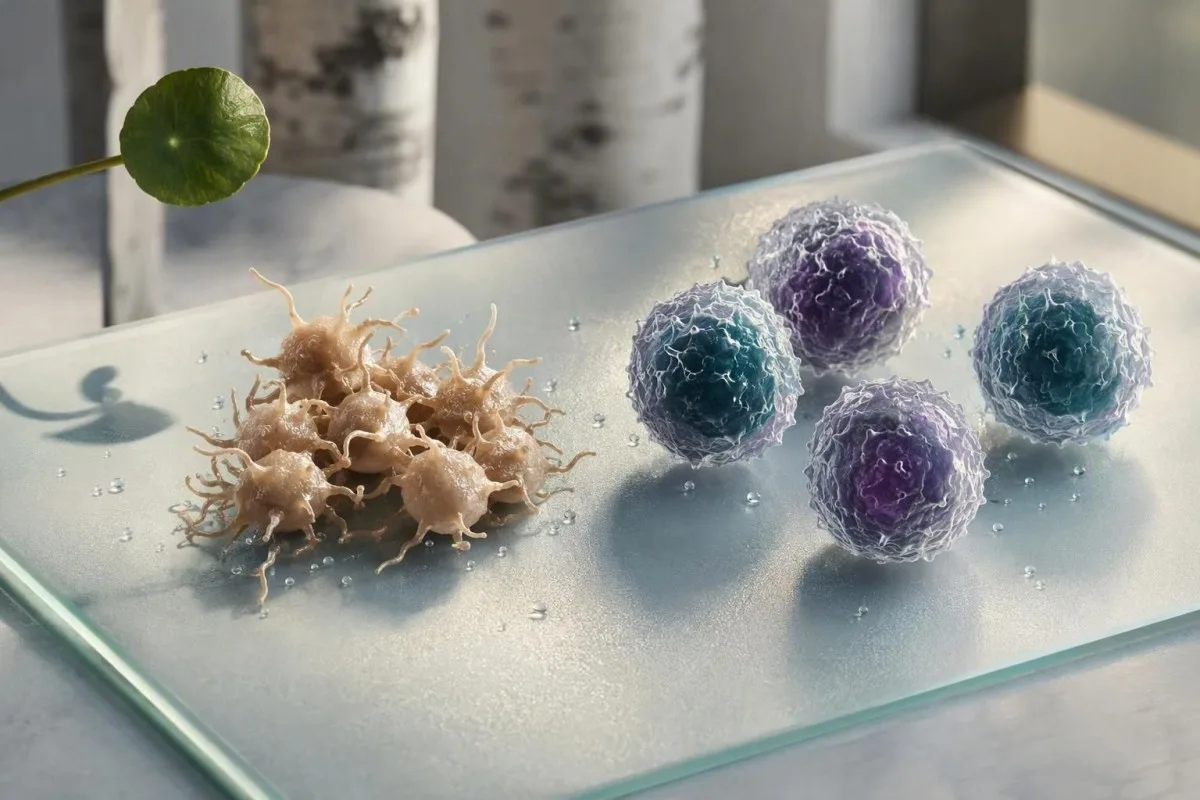
Tha PLR na àireamhachadh sìmplidh bho dhà luach CBC, ach chan e breithneachadh a th' ann. Tha a bhrìgh an crochadh air carson a dh' atharraich truinnsearan, lymphocytes, no an dà chuid.


- Co-mheas truinnseir gu lymphocyte co-ionann ris an àireamh truinnseir air a roinn leis an àireamh lymphocyte iomlan, a' cleachdadh an aon sgèile aonad.
- Obair àireamhachaidh: truinnsearan de 300 × 10^9/L air an roinn le lymphocytes de 1.5 × 10^9/L a' toirt PLR de 200.
- Chan eil raon àbhaisteach uile-choitcheann ann a' nochdadh airson PLR; tha mòran bhuidhnean rannsachaidh inbheach ag aithris luachan timcheall air 100-200, fhad 's a tha ìrean gearraidh sgrùdaidh mar as trice eadar 150 agus 300.
- Brìgh PLR àrd mar as trice a' nochdadh truinnsearan nas àirde, lymphocytes nas ìsle, no an dà chuid aig àm freagairt dìonach, cuideam corporra, dìth iarainn, nochdadh cungaidh-leigheis, no tinneas leantainneach.
- Deuchainn fala PLR chan eil e air òrdachadh air leth anns a' mhòr-chuid de dh' àiteachan; tha e air a thomhas bhon CBC agus eadar-dhealachadh a tha mar-thà air aithisg.
- Tha cudrom air an gluasad: tha àrdachadh leantainneach thar CBCan ath-aithris mar as trice nas feumail na aon cho-mheas iomallach.
- ath-sgrùdadh èiginneach air a stiùireadh le comharran agus na luachan CBC bunaiteach, chan ann le PLR a-mhàin; feumar fiabhras, giorrad analach, pian broilleach, bruis neo-àbhaisteach, no àireamhan glè neo-àbhaisteach measadh luath.
- Co-theacsa clionaigeach a' gabhail a-steach CRP, ESR, ferritin, eachdraidh cungaidh-leigheis, tinneas o chionn ghoirid, obair-lannsa, eacarsaich, agus an àireamh lymphocyte iomlan - chan ann sa cheud.
Dè tha an co-mheas truinnseir gu lymphocyte a' tomhas gu fìrinneach
Tha an co-mheas clàr-phlàta agus lionsaid a’ dèanamh coimeas eadar dùmhlachd clàr-phlàta agus dùmhlachd lionsaid iomlan ann an cunntas fala slàn. Tha toradh àrd a’ ciallachadh gu bheil clàran-phlàta air an àrdachadh gu neo-dhìreach, gu bheil lionsaid air an lughdachadh gu neo-dhìreach, no an dà chuid; cha bhith e a’ comharrachadh aon ghalar.
Tha PLR na chomharra air a thoirt a-mach, chan e tomhas dìreach a rinn an obair-lann. Bidh clàran-phlàta a’ gabhail pàirt ann an cruthachadh clot agus comharran dìon, fhad ‘s a tha lionsaid nan ceallan geal a tha an sàs ann an freagairtean dìonachdan. Tha Dr. Thomas Klein, MD, a’ comhairleachadh a bhith a’ leughadh an cho-mheas dìreach às deidh sgrùdadh a dhèanamh air an dà àireamh bhunaiteach agus na h-ùinean iomraidh obair-lann.
Tha Kantesti na Anailisiche deuchainn fala AI a nì cunntas air pàtranan a thig bho CBC fhad ‘s a chumas tu cunntas clàr-phlàta, cunntas lionsaid iomlan, agus toraidhean eile rim faicinn. Tha co-mheas de 240 bho chlàran-phlàta de 360 × 10^9/L agus lionsaid de 1.5 × 10^9/L a’ faireachdainn clionaigeach gu math eadar-dhealaichte bhon aon cho-mheas air adhbhrachadh le clàran-phlàta de 600 × 10^9/L agus lionsaid de 2.5 × 10^9/L.
Thathas gu tric a’ sgrùdadh PLR mar riochdaire airson gnìomhachd dìonach siostamach aillse, tinneas cridhe, tinneas fèin-dìon, agus droch thinneas. Ach, tha e fhathast neo-shònraichte, agus cha bu chòir a chleachdadh gu bràth airson fèin-dhiadhadh aillse, thrombosis, no galar. Tòisich le dè tha CBC a’ gabhail a-steach.
Dè na h-àireamhan CBC a thathas a' cleachdadh airson deuchainn fala PLR
Bidh PLR a’ cleachdadh cunntas clàr-phlàta agus cunntas lionsaid iomlan, chan e an sa cheud lionsaid. Mar as trice bidh an dà luach air an liostadh air CBC le mìneachadh ann an × 10^9/L no × 10^3/µL.
Nuair a bhios an dà toradh a’ cleachdadh × 10^9/L, roinn gu dìreach. Nuair a bhios an dà chuid a’ cleachdadh ceallan/µL, roinn gu dìreach cuideachd; bidh na h-aonadan a’ cur dheth. Cunntas clàr-phlàta de 250 × 10^9/L agus lionsaid iomlan de 2.0 × 10^9/L a’ toirt a-mach PLR de 125.
Na roinn clàran-phlàta leis an sa cheud lionsaid. Mar eisimpleir, chan urrainn do cheudad lionsaid de 20% a bhith na àite airson cunntas iomlan oir dh’ fhaodadh dùmhlachd iomlan nan ceallan geal a bhith àrd no ìosal. Tha an eadar-dhealachadh seo air a mhìneachadh anns an stiùireadh againn gu mìneachaidhean iomlan an aghaidh sa cheud.
Faodaidh clàr fala slàn a bhith air a thoirt buaidh le clotaichean sampall, pròiseasadh fadalach, cruinneachadh clàr-phlàta, agus bratach luchd-anailis. Ma tha aithisg a’ ghiùlan beachd leithid clotaichean clàr-phlàta no bratach mìneachaidh neo-àbhaisteach, dh’fhaodadh gum bi feum air dearbhadh air na cunntasan tùsail mus tèid co-mheas sam bith a mhìneachadh.
Àireamhachadh co-mheas truinnseir gu lymphocyte ceum air cheum
Tha àireamhachadh co-mheas clàr-phlàta agus lionsaid na chunntas clàr-phlàta ÷ cunntas lionsaid iomlan. Chan eil aonad aig toradh leis gu bheil an dà luach air an cur an cèill air an aon sgèile dùmhlachd.
Eisimpleir a h-aon: cunntas clàr-phlàta 420 × 10^9/L ÷ cunntas lionsaid 1.4 × 10^9/L = PLR 300. Eisimpleir a dhà: clàran-phlàta 180 × 10^9/L ÷ lionsaid 1.8 × 10^9/L = PLR 100. Tha cruinnachadh chun an àireamh slàn as fhaisge reusanta airson beachdachadh agus sgrùdadh clàr-theam.
Faodaidh co-mheas a thighinn am meud eadhon nuair a tha cunntas clàr-phlàta taobh a-staigh raon obair-lann. Clàran-phlàta de 280 × 10^9/L còmhla ri lionsaid de 0.9 × 10^9/L a’ toirt a-mach PLR de 311, mar sin faodaidh an cunntas lionsaid ìosal – chan e dìth clàr-phlàta – a bhith na phrìomh lorg.
Bu chòir toraidhean a tha air am brathadh taobh a-muigh raon a bhith air an tuigsinn ann an co-theacsa seach a bhith air an làimhseachadh mar diagnosais. An luchd-mìneachaidh againn air brataichean obair-lann taobh a-muigh raon a’ còmhdach carson a dh’ fhaodadh bratach a bhith cudromach, sealach, no anailiseach.
A bheil raon àbhaisteach no ìre àrd PLR ann?
Chan eil raon àbhaisteach no crìoch dearbhaidh air a dhèanamh suas gu h-eadar-nàiseanta airson PLR ann an inbhich. Bidh iomadh cruinneachadh faicinn a’ cur luachan àbhaisteach eadar 100 is 200, ach mar as trice cha bhith obair-lann a’ clàradh raon-iomraidh PLR.
Gu tric bidh pàipearan rannsachaidh a’ seòrsachadh PLR os cionn 150, 180, 200, no 300 mar rud àrd, a rèir an t-sluaigh agus a’ cheist clionaigeach. Chan urrainnear ìre gearraidh a chaidh a thaghadh gus toraidhean às dèidh obair-lann aillse a thaghadh a ghluasad gu neach a tha gu math fallain a tha a’ faighinn deuchainn CBC àbhaisteach.
Faodaidh aois, torrachas, smocadh, reamhrachd, tinneasan leantainneach, eacarsaich o chionn ghoirid, agus cungaidhean-leigheis aon phàirt no an tè eile a ghluasad. Bidh cuid de dh’obair-lannan Eòrpach cuideachd a’ cleachdadh diofar raointean-iomraidh airson truinnseagan is ceallan lymph, a tha na adhbhar eile airson nach eil aon ìre PLR uile-choitcheann earbsach.
Bidh AI a' mìneachadh PLR còmhla ris a’ CBC gu lèir agus comharran-ùine co-cheangailte seach a bhith a’ cur às do bhreithneachadh bho aon ghearradh. Thoir sùil air a’ cho-theacsa nas fharsainge nar stiùireadh biomarcadairean 15,000-plus againn.
Carson a dh' fhaodadh freagairtean dìonach àrdachadh air PLR
Faodaidh freagairtean dìonach PLR a thogail oir faodaidh comharran sèid cinneasachadh truinnseagan a mheudachadh fhad ‘s a dh’ fhaodadh cuideam dian gu sealach àireamhan nan ceallan lymph a tha a’ cuairteachadh a lughdachadh. Mar sin, tha an co-mheas a’ nochdadh cothromachadh eadar dà bhuidheann de cheallan a tha ag atharrachadh.
Bidh Interleukin-6 a’ brosnachadh cinneasachadh thrombopoietin grùthan agus faodaidh e cur ri thrombocytosis reactive rè galar, leòn nèis, no tinneas sèid leantainneach. Aig an aon àm, faodaidh freagairtean cortisol agus catecholamine ceallan lymph a sgaoileadh a-mach às an fhuil a tha a’ cuairteachadh, uaireannan taobh a-staigh uairean.
Chan eil PLR àrd a’ dearbhadh galar gnìomhach. Faodaidh tinneas bhìorasach ceallan lymph a lughdachadh no a thogail a rèir ùine, agus faodaidh tinneas bacterial a bhith a’ toirt a-mach àireamhan truinnseagan caochlaideach. Faodaidh CRP agus ESR co-theacsa a chuir ris, ach cha bhith gin dhiubh a’ comharrachadh an adhbhar leis fhèin; faic ar lèirmheas air carson a dh’ èiricheas ESR.
Mhìnich Gasparyan et al. PLR mar chomharra sèid a dh’ fhaodadh a bhith feumail ann an tinneasan reumatach, fhad ‘s a bha iad a’ cur cuideam air dìth sònraichte an tinneis (Gasparyan et al., 2019). Ann an cleachdadh, tha comharran, sgrùdadh, agus deuchainn targaichte fhathast nas fiosrachail na an co-mheas leis fhèin.
Nuair a tha truinnsearan àrda a' stiùireadh PLR àrd
Faodaidh àireamh àrd de truinnseagan a bhith a’ draibheadh PLR suas eadhon nuair a tha ceallan lymph àbhaisteach. Bidh àrdachaidhean truinnseagan reactive gu tric a’ tachairt le dìth iarainn, slànachadh bho thinneas, leòn nèis, sèid leantainneach, agus às deidh splenectomy.
Gu tric bidh raointean-iomraidh truinnseagan inbheach timcheall air 150-450 × 10^9/L, ged a tha an raon clò-bhuailte air an aithisg agad fhèin a’ riaghladh mìneachaidh. Thathas ag ràdh gu bheil truinnseagan os cionn 450 × 10^9/L mar thrombocytosis agus gur fhiach measadh a dhèanamh air an t-suidheachadh clionaigeach, an leantainneachd, agus na co-dhùnaidhean CBC a tha nan cois.
Tha dìth iarainn airidh air aire oir faodaidh e truinnseagan àrdachadh mus bi anemia follaiseach. Dh’ fhaodadh ferritin a bhith cugallach àbhaisteach no àrd rè freagairt dìonach, mar sin dh’ fhaodadh gum bi feum air làn-chumadh transferrin, CRP, eachdraidh mìosachaidh no gastrointestinal, agus deuchainn ath-aithris. Leugh mu dheidhinn TSAT ìosal.
Tha meud truinnseagan a’ tabhann comharra air leth ach chan e breithneachadh. Bu chòir do neach-clionaigeach measadh a dhèanamh air àireamh àrd le atharrachadh ann am meud truinnseagan cuibheasach, toraidhean smear neo-àbhaisteach, no thrombocytosis leantainneach; an artaigil againn air truinnseagan mòra agus MPV a’ mìneachadh nan cuingeachaidhean.
Nuair a tha lymphocytes ìosal a' stiùireadh PLR àrd
Faodaidh ceallan lymph gu tur ìosal PLR a mheudachadh eadhon le àireamh truinnseagan àbhaisteach. Ann an inbhich, bidh mòran obair-lann a’ cleachdadh raon-iomraidh ceallan lymph gu tur faisg air 1.0-3.0 × 10^9/L, ach tha raointean ag atharrachadh a rèir obair-lann agus aois.
Faodaidh lymphopenia sealach a bhith a’ leantainn tinneas goirid, cuideam tòcail no corporra mòr, obair-lann, eacarsaich dian, làimhseachadh corticosteroid, agus cuid de chungaidhean immunosuppressive. Thathas a’ mìneachadh toradh singilte de 0.8 × 10^9/L rè tinneas goirid ann an dòigh eadar-dhealaichte bho luachan ath-aithris fo 1.0 × 10^9/L às deidh slànachadh.
Kantesti AI ’s e àrd-ùrlar mìneachaidh biomarcadairean AI a tha a’ dèanamh coimeas eadar ceallan lymph ìosal le fo-bhuidhnean de cheallan geala, co-theacsa cungaidhean-leigheis, agus CBCn roimhe. Tha seo cudromach oir faodaidh ceudad nan ceallan lymph a bhith a’ coimhead iomchaidh nuair a tha àireamh nan ceallan geala gu lèir ìosal, fhad ‘s a tha an àireamh gu tur a’ comharrachadh an fhìor lùghdachadh.
Faodaidh lymphopenia leantainneach, galar cumanta neo-àbhaisteach, call cuideim, fiabhras, fallas oidhche, clann mòra, no loidhnichean ceall ìosal a bharrachd a bhith feumach air ath-sgrùdadh le clionaig. Airson stiùireadh stèidhichte air comharraidhean, faic nuair a dh ’fheumas lymphocytes ìosal aire.
Faodaidh tinneas o chionn ghoirid, eacarsaich, cadal, agus cungaidhean-leigheis a bhith a' gluasad PLR
Faodaidh PLR atharrachadh thar làithean oir bidh truinnsearan agus lymphocytes a ’freagairt air fiseòlas agus làimhseachadh o chionn ghoir, ann an. Faodaidh toraidhean a chaidh a thoirt a-mach rè fiabhras, faighinn seachad air obair-lannsa, tachartas cruaidh fulangaidh, no cleachdadh steroid gun a bhith a ’riochdachadh bun-loidhne seasmhach.
Faodaidh neach-ruithidh marathon 52-bliadhna le truinnsearan àbhaisteach agus lymphocytes a tha a ’dol seachad de 0.9 × 10^9/L a bhith a’ sealltainn PLR os cionn 250 às deidh oidhirp fhada. Mus dèan thu an obair-obrachadh nas doimhne, bidh clionaichean a ’faighneachd mu luchd trèanaidh, uisgeachadh, comharraidhean gabhaltachd, agus a bheil ath-thaghadh an CBC às deidh faighinn seachad air sàbhailte.
Faodaidh glucocorticoids beòil no stealladh lymphocytes a tha a ’cuairteachadh a lughdachadh agus neutrophils àrdachadh tro ath-shuidheachadh. Faodaidh iad mar sin PLR àrdachadh gun a bhith a ’comharrachadh galar sèid ùr. Clàraich ainm an druga, an dòs, agus an ùine sampall mus mìneachadh thu atharrachadh.
Faodaidh droch chadal agus banachdach o chionn ghoir ath-dhreuchd ceallan dìon a ghluasad gu meadhanach. Mar sin faodaidh an stiùireadh practaigeach againn gu deuchainnean obair-lann às deidh droch chadal cuideachadh le bhith a ’dealachadh atharrachadh aon-ùine bho ghluasad cudromach gu clionaigeach.
A bheil PLR àrd a’ ciallachadh aillse?
Chan eil PLR àrd a ’breithneachadh aillse agus cha bu chòir a chleachdadh mar dheuchainn sgrìonaidh aillse. Ann an daoine le breithneachadh air cuid de tumhan cruaidh mu thràth, tha PLR nas àirde air a bhith co-cheangailte ri ro-innse aig ìre a ’ghrupa, chan ann cinn-cinn airson neach fa-leth.
Chruinnich Templeton et al. 20 sgrùdaidhean agus fhuair iad a-mach gu robh PLR àrd ro làimhseachadh co-cheangailte ri marthannas nas ìsle air feadh grunn tumhan cruaidh, ach chleachd na sgrùdaidhean puingean gearraidh eadar-dhealaichte agus bha iad foighidinn (Templeton et al., 2014). Chan eil co-cheangal a ’stèidheachadh gu bheil PLR ag adhbhrachadh toradh nas miosa no a’ comharrachadh aillse falaichte.
Chan urrainn do PLR àbhaisteach aillse a chuir às, agus tha toradh àrd nas trice air a mhìneachadh le cumhaichean cumanta leithid tinneas o chionn ghoir, dìth iarainn, buaidh cungaidh-leigheis, no galar sèid leantainneach. Feumaidh comharraidhean ùra leantainneach — call cuideim gun dùil, fiabhras leantainneach, fallas oidhche, bleeding neo-àbhaisteach, no clann a tha a ’fàs mòr — measadh meidigeach ge bith dè an PLR.
Nuair a tha cytopenias leantainneach aig CBC, thrombocytosis mòr, brataichean ceall neònaich, no smear draghail, faodaidh clionaichean òrdachadh ath-thagraidhean, sgrùdaidhean iarainn, comharran sèid, agus uaireannan deuchainn speisealaichte. Tha ar slighe measaidh aillse fala a ’mìneachadh carson nach eil an CBC ach a’ chiad cheum.
An urrainn do PLR cunnart cridhe no shoithichean a thomhas?
Faodaidh PLR a bhith co-cheangailte ri toraidhean cardiovascular ann an àireamhan ospadail agus rannsachaidh taghte, ach chan e inneal a th ’ann an àite measadh cunnairt cardiovascular àbhaisteach. Tha cuideam fala, staid smocaidh, tinneas an t-siùcair, cholesterol LDL, ApoB, gnìomh dubhaig, agus eachdraidh teaghlaich a ’giùlan luach casg nas soilleire.
Tha PLR nas àirde air a bhith ceangailte ri toraidhean àicheil ann an clàran crann-tìre acute, far a bheil na h-euslaintich mar-thà tinn agus le iomadh atharrachadh sèid agus thrombotic. Chan eil an dearbhadh sin a ’ciallachadh gu bheil neach asymptomatic le PLR 210 a’ fulang le tinneas cridhe.
Tha stiùireadh 2019 ESC airson crann-tìre leantainneach a ’stèidheachadh casg air factaran cunnairt clionaigeach stèidhichte agus rianachd lipid, gun a bhith a’ sgrùdadh PLR (Knuuti et al., 2020). Cha bu chòir do PLR àrd a bhith a ’brosnachadh aspirin, anticoagulants, no stuthan-taic gun chomhairle clionaigeach oir tha cunnartan bleeding agus eadar-ghnìomh fìor aig co-dhùnaidhean làimhseachaidh.
Ma tha ath-sgrùdadh cunnairt nas fharsainge iomchaidh, faodaidh ApoB agus lipoprotein(a) a bhith nas gnìomhaiche ann an euslaintich taghte. Faic an còmhraidhean againn mu an ìre de ApoB gu ApoA1.
Crìochan obairlann agus àireamhachaidh a dh' fhaodadh PLR a mhì-chreidsinn
Chan eil am PLR ach cho earbsach ris na cunntasan platelet is lymphocyte iomlan a thathas a’ cleachdadh gus a dhèanamh. Faodaidh cruinneachadh platelet, dàil sampall, caolachadh, atharrachaidhean obann ann an lionntan, agus eadar-dhealachaidhean eadar luchd-anailis adhbhrachadh atharrachaidhean meallta.
Faodaidh cruinneachadh platelet co-cheangailte ri EDTA adhbhrachadh pseudothrombocytopenia, a tha a’ ciallachadh gu bheil an anailis ag aithris air cunntas platelet a tha gu math ìosal. Dh’ fhaodadh obair-lann sampall citrate no ath-sgrùdadh fuadaich làimhe iarraidh nuair a chithear cruinneachaidhean; faodaidh am PLR a tha coltach atharrachadh gu mòr gun atharrachadh bith-eòlasach sam bith.
Tha luach atharrachaidh iomraidh cudromach airson deuchainn sreathach. Faodaidh àrdachadh PLR bho 135 gu 155 nochdadh atharrachadh àbhaisteach, ach tha gluasad mòr còmhla ri àrdachadh platelet bho 250 gu 550 × 10^9/L nas dualtaiche a bhith airidh air leanntan aig an àm cheart.
Cleachd an aon obair-lann nuair as urrainn, dèan coimeas eadar suidheachaidhean cruinneachaidh, agus thoir sùil a bheil beachdan anns an aithisg. An stiùireadh againn gu eadar-dhealachaidhean eadar deuchainnean fala a’ mìneachadh carson a dh’ fhaodadh àireamhan atharrachadh eadhon nuair a tha slàinte seasmhach.
Nuair a dh' fheumas PLR àrd a leantainn
Tha PLR àrd a’ cur feum air leanntan nuair a mhaireas e, ag èirigh gu mòr, a’ nochdadh còmhla ri luachan CBC neo-àbhaisteach, no a’ tachairt le comharran draghail. Mar as trice is e an ath cheum iomchaidh am CBC ath-aithris agus a mhìneachadh, chan ann a bhith a’ sireadh na co-chuimse a-mhàin.
Airson neach fallain le àrdachadh beag a-mhàin às deidh fuar no tachartas dian o chionn ghoirid, faodaidh neach-clionaigeach an CBC ath-aithris às deidh faighinn seachad air - gu tric ann an grunn sheachdainean, air a ghnàthachadh a rèir an toraidh agus an eachdraidh. Le bhith ag ath-aithris ro thràth faodaidh e dìreach an aon phàtran dìonach sealach a riochdachadh.
Nuair a bhios platelets a’ dol thairis air 450 × 10^9/L air ath-dheuchainn, tha lymphocytes iomlan a’ fuireach ìosal, tha hemoglobin air a lughdachadh, no tha fo-sheataichean ceallan geala neo-àbhaisteach, mar as trice bidh leanntan a’ toirt a-steach eachdraidh, sgrùdadh, fuadaich iomaill, ferritin le co-chruinneachadh transferrin, CRP no ESR, agus ath-sgrùdadh cungaidh-leigheis. Tha Dr. Thomas Klein, MD, a’ moladh toraidhean roimhe a thoirt leat an àite a bhith an urra ri cuimhne.
Tha Kantesti a’ toirt seachad ath-sgrùdadh pàtran fad-ùine bho aithisgean air an luchdachadh suas, ach tha co-dhùnaidhean clionaigeach mar dhleastanas air proifeasanta teisteanasach aig a bheil eòlas air na comharran agus an eachdraidh agad. Cleachd ar stiùireadh gu gluasadan deuchainn fala brìoghmhor gus ullachadh airson an deasbaid sin.
Comharran a tha nas cudromaiche na an àireamh PLR
Feumaidh comharran èiginneach measadh ge bith dè am PLR oir chan urrainn don cho-chuimse an cruaidh-inntinn a dhearbhadh. Feumaidh pian broilleach, giorrad analach obann, casadaich fala, faochadh, laigse ùr air aon taobh, troimh-chèile, ceann goirt mòr, no bleeding neo-riaghlaidh aire mheidigeach èiginneach.
Faigh comhairle mheidigeach air an aon latha airson fiabhras àrd a mhaireas, tinneas a tha a’ fàs gu luath, sèid farsaing, rash le spotan le fiabhras, stòl dubh, sgìths mòr, no call cuideam gun mhìneachadh - gu sònraichte ma tha an CBC cuideachd a’ nochdadh ana-mhaireannachd platelet, neutrophil, no hemoglobin dona. Chan e sgòr tar-lìnidh a th’ anns an PLR.
Faodaidh cunntas platelet ìosal PLR ìosal a ghineadh agus a bhith cunnartach fhathast; faodaidh co-chuimse àrd nochdadh le cunntasan a tha fa leth faisg air àbhaisteach. Is e seo as coireach gum faod mìneachadh eadar-lìn stèidhichte air co-chuimse a bhith a’ call an comharra a tha cudromach gu clionaigeach.
Ma tha amharas air galar ann an neach tinn, bidh luchd-clionaigeach a’ measadh soidhnichean vitach, comharran, sgrùdadh, agus deuchainnean targaidte mar cultaran, CRP, lactate, no ìomhaighean nuair a tha iad iomchaidh. An t-sealladh farsaing againn air comharran obair-lann sepsis a’ mìneachadh carson nach urrainn do aon cho-chuimse CBC a dhearbhadh no a dhiùltadh.
Mar a leughas Kantesti PLR ann an co-theacsa iomlan an CBC
Tha am PLR as feumail mar ghluasad co-theacsa a bhrosnaicheas ceistean mu na luachan platelet is lymphocyte bunaiteach. Chan eil seo na dhearbhadh, na sgrìonadh aillse, no na thomhas cunnart cridhe-soithich leis fhèin.
Tha Kantesti na Inneal mion-sgrùdaidh deuchainn fala le cumhachd AI a nì meas air PLR còmhla ri truailleanan, fo-sheataichean ceall geal, hemoglobin, MCV, comharran co-cheangailte ri ferritin, agus toraidhean roimhe. Faodaidh an AI againn comharran a nochdadh airson beachdachadh ann an timcheall air 60 diogan, ach cha chuir e an àite sgrùdadh, breithneachadh neach-clionaigeach, no cùram èiginn.
Mar air 25 Lùnastal, 2026, tha an dòigh-obrach againn a’ toirt ro-làimh luachan tùsail, eadar-amannan obair-lann, stiùireadh gluasad, agus brataichean sàbhailteachd ron cho-mheasan a chaidh a tharraing a-mach. Faodaidh luchd-leughaidh an dòigh clionaigeach agus na dìonan againn ath-sgrùdadh anns an iùl teicneòlais airson mìneachadh AI agus fiosrachadh dearbhaidh meidigeach againn.
roinn foillseachaidh rannsachaidh: Klein T. et al. (2026). Taic co-dhùnaidh clionaigeach le AI ioma-chànanach airson Trìdeadh Hantavirus Tràth. Clàr DOI, Geata-rannsachaidh, Academia.edu. Klein T. et al. (2026). Bràth-tomhas Teicnigeach Fèin-ghluasadach Stèidhichte air Rubric, Clàraichte roimhe seo de BH. Clàr DOI, Geata-rannsachaidh, Academia.eduAr Bòrd Comhairleachaidh Meidigeach a’ toirt taic do sgrùdadh sàbhailteachd air a stiùireadh le lighiche.
Ceistean Bitheanta
Dè a th’ ann an co-mheas àrd truinnsearan ri lymphocytes?
Tha co-mheas truailleanan gu crìon-cheallan àrd a’ ciallachadh gu bheil an àireamh de truailleanan àrd an taca ris an àireamh iomlan de chrìon-cheallan. Mar eisimpleir, 360 × 10^9/L de thrùillean air an roinn le 1.5 × 10^9/L de chrìon-cheallan co-ionann ri PLR de 240. Chan eil crìoch uile-choitcheann ann dhaibhsan a tha air an t-sluaigh, ged a bhios sgrùdaidhean rannsachaidh gu tric a’ cleachdadh stairsneach eadar 150 agus 300. Faodaidh an toradh a bhith a’ nochdadh gnìomhachd dìonach, dìth iarainn, cuideam, cungaidhean-leighis, no mòran adhbharan eile, agus mar sin chan eil e a’ dearbhadh leis fhèin.
Ciamar a thathar a’ tomhas co-mheas nam pleitealan ri lymphocytes?
Cunnt co-mheas truailleanan gu crìon-cheallan le bhith a’ roinn àireamh nan truailleanan leis an àireamh iomlan de chrìon-cheallan a’ cleachdadh nan aonadan. Tha àireamh truailleanan de 300 × 10^9/L agus àireamh chrìon-cheallan de 2.0 × 10^9/L a’ toirt PLR de 150. Na cleachd ceudad chrìon-cheallan oir chan eil e a’ toirt aire do chunntas iomlan nan ceall geal. Bidh a’ mhòr-chuid de dh’aithisgean CBC a’ toirt seachad an dà luach a dh’ fheumar airson an àireamhachaidh.
A bheil PLR de 200 àrd?
Faodaidh PLR de 200 a bhith nas àirde na an cuibheasachd a chithear ann am mòran bhuidhnean de dhaoine inbheach fallain, ach chan urrainnear a sheòrsachadh mar neo-àbhaisteach le aon riaghailt chlinigeach uile-choitcheann. Bidh cuid de sgrùdaidhean a’ cleachdadh 150 mar stairsneach àrdaichte, fhad ‘s a bhios feadhainn eile a’ cleachdadh 200, 250, no 300 airson tinneasan agus àireamhan sònraichte. Tha àireamh nan truailleanan agus àireamh iomlan nan crìon-cheallan a’ dearbhadh carson a tha an co-mheas 200. Tha CBC ath-aithris agus co-theacs clionaigeach nas feumail na an co-mheas leis fhèin.
An urrainnear cuideam àrdachadh air co-mheas platelet gu lymphocyte?
Tha, faodaidh cuideam corporra no saidhgeòlach geur àrdachadh gu sealach air co-mheas truailleanan gu crìon-cheallan le bhith a’ lughdachadh chrìon-cheallan a tha a’ cuairteachadh agus uaireannan a’ meudachadh ath-ghnìomhachd truailleanan. Faodaidh cungaidhean corticosteroids, obair-lannsa, eacarsaich dian, agus tinneas geur a bhith a’ toirt a-mach comharra coltach. Faodaidh PLR os cionn 200 goirid às deidh brosnachaidh mhòir a bhith a’ tilleadh gu àbhaisteach nuair a thig an adhbhar gu crìch. Bu chòir atharrachaidhean leantainneach a bhith air am beachdachadh le neach-clionaigeach, gu sònraichte nuair a tha truailleanan nas àirde na 450 × 10^9/L no tha crìon-cheallan fhathast nas ìsle na an eadar-àmhan ionadail.
A bheil PLR àrd a’ ciallachadh aillse?
Chan eil, chan eil PLR àrd a’ ciallachadh gu bheil aillse air neach agus chan eil e na dheuchainn sgrìonaidh aillse ceadaichte. Ann an cuid de dhaoine a chaidh a dhearbhadh mar-thà le tumhan cruaidh, tha rannsachadh air ceanglaichean a lorg eadar PLR ro làimhseachadh nas àirde agus ro-theachdaiche aig ìre buidhne, ach tha stairsnich nan sgrùdaidhean a’ dol bho timcheall air 150 gu 300. Am measg nan mìneachaidhean cumanta tha galar o chionn ghoirid, dìth iarainn, suidheachaidhean dìonach leantainneach, agus cungaidhean-leighis. Feumaidh comharran leantainneach no pàtrain CBC neo-àbhaisteach ath-sgrùdadh meidigeach ge bith dè an luach PLR.
Cuin a bu chòir dhomh deuchainn fala PLR àrd ath-aithris?
Tha an ùine airson ath-aithris CBC an urra ris na cunntasan bunaiteach, na comharran, agus na brosnachaidhean o chionn ghoirid, ach faodaidh neach-clionaigeach àrdachadh beag aonaranach ath-sgrùdadh às deidh slànachadh bho thinneas no eacarsaich dian. Tha deuchainn ath-aithris nas èiginn nuair a tha cunntasan truailleanan nas àirde na 450 × 10^9/L, tha crìon-cheallan gu leantainneach ìosal, tha hemoglobin a’ tuiteam, no tha neo-riaghailteachdan eile ann an ceall geal a’ nochdadh. Cleachd an aon obair-lann agus cùm clàr de chungaidhean-leighis o chionn ghoirid, tinneas, banachdach, agus eacarsaich. Chan eil PLR leis fhèin na stairsneach èiginn.
Faigh Mion-sgrùdadh Deuchainn Fala le Cumhachd AI an-diugh
Thig còmhla ri còrr is 2 mhillean neach air feadh an t-saoghail a tha a’ earbsa Kantesti airson mion-sgrùdadh sa bhad, ceart air deuchainnean obair-lann. Luchdaich suas na toraidhean deuchainn fala agad agus faigh mìneachadh coileanta air biomarcair 15,000+ ann an diogan.
📚 Foillseachaidhean Rannsachaidh le Iomraidhean
Klein, T., Mitchell, S., & Weber, H. (2026). Klein T. et al. (2026). Taic co-dhùnaidh clionaigeach le AI ioma-chànanach airson Trìdeadh Hantavirus Tràth: Dealbhadh, Dearbhadh Innleadaireachd, agus Cur an Gnìomh Fìor-shaoghail thairis air 50,000 Aithisg Deuchainn Fala air am Mìneachadh. Figshare. ResearchGate: https://www.researchgate.net/ Academia.edu: https://www.academia.edu/. Rannsachadh Leigheis AI Kantesti.
Klein, T., Mitchell, S., & Weber, H. (2026). Klein T. et al. (2026). Bràth-tomhas Teicnigeach Fèin-ghluasadach Stèidhichte air Rubric, Clàraichte roimhe seo de BH air 100,000 Cùis Deuchainn Fuadach. Figshare. ResearchGate: https://www.researchgate.net/ Academia.edu: https://www.academia.edu/. Rannsachadh Leigheis AI Kantesti.
📖 Iomraidhean Meidigeach Taobh a-muigh
⚕️ Àicheadh Meidigeach
Tha an artaigil seo dìreach airson adhbharan foghlaim agus chan eil e a’ dèanamh comhairle mheidigeach. Cuir fios an-còmhnaidh gu solaraiche cùram slàinte teisteanasach airson co-dhùnaidhean breithneachaidh is leigheis.
Comharran earbsa E-E-A-T
Eòlas
Lèirmheas clionaigeach air a stiùireadh le lighiche air sruthan-obrach mìneachaidh obair-lann.
Eòlas
Fòcas air leigheas obair-lann air mar a bhios bith-chomharraidhean (biomarkers) a’ giùlan ann an co-theacsa clionaigeach.
Ùghdarrasachd
Air a sgrìobhadh le Dr. Thomas Klein le ath-sgrùdadh le Dr. Sarah Mitchell agus Prof. Dr. Hans Weber.
Earbsachd
Mìneachadh stèidhichte air fianais le slighean leanmhainn soilleir gus dragh a lughdachadh.