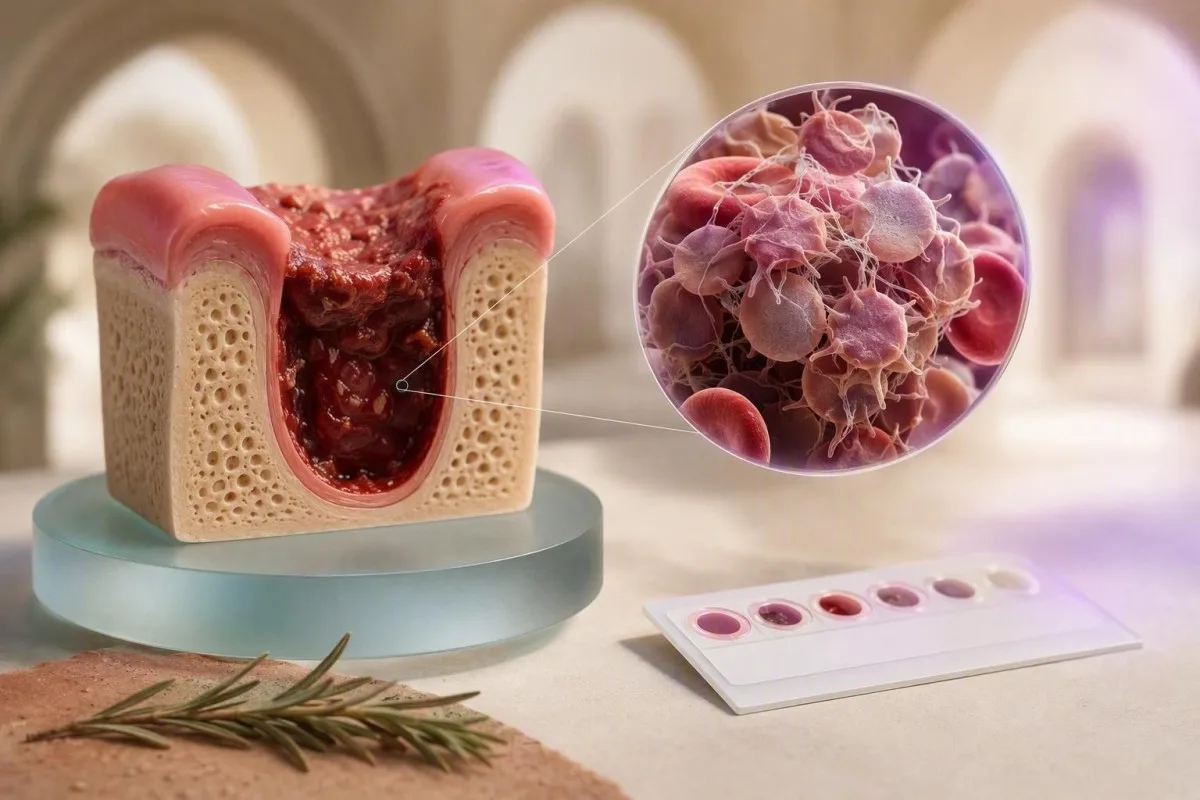
برای یک کشیدن سادهٔ دندان، بسیاری از پزشکان وقتی تعداد پلاکت حداقل ۵۰ × ۱۰^۹/L باشد احساس راحتی میکنند؛ برخی بیماران پایدارِ انتخابشده گاهی میتوانند با تعداد ۳۰–۵۰ × ۱۰^۹/L نیز پیش بروند، به شرطی که اقدامات هموستاتیک موضعی انجام شود و یک برنامهٔ روشن وجود داشته باشد. تعدادهای کمتر از ۳۰ × ۱۰^۹/L، نتیجهای که بهسرعت در حال کاهش است، اختلال عملکرد پلاکت، بیماری کبدی یا کلیوی، یا داروهای همزمانِ رقیقکنندهٔ خون معمولاً پیش از درمان، هماهنگی دندانپزشک–هماتولوژی را توجیه میکند.


- 50 × 10^9/L هدف رایجِ تعداد پلاکت برای اقدامات دندانپزشکی تهاجمی، از جمله بیشترِ کشیدنها است.
- ۳۰–۵۰ × ۱۰^۹/L ممکن است برای یک کشیدن ساده در صورتی که ترومبوسیتوپنی پایدار باشد و هموستاز موضعی برنامهریزی شده باشد قابل قبول باشد.
- کمتر از ۳۰ × ۱۰^۹/L معمولاً پیش از کشیدنِ غیراورژانسی نیاز به نظر هماتولوژی دارد؛ کمتر از ۲۰ × ۱۰^۹/L اغلب به تعویق یا برنامهٔ درمانی نیاز دارد.
- عملکرد پلاکت مهم است: آسپیرین، کلوپیدوگرل، نارسایی کلیه، بیماری کبدی و اختلالات ارثی میتوانند با وجود تعداد قابل قبول، خطر خونریزی هنگام کشیدن دندان را افزایش دهند.
- خودسرانه آنتیکواگولانتها را قطع نکنید: آپیکسابان، ریواروکسابان، وارفارین و داروهای مشابه از تشکیل لخته جلوگیری میکنند، اما تعداد پلاکت را پایین نمیآورند.
- یک نتیجهٔ غیرمنتظره را تکرار کنید زیرا تجمع پلاکتها در EDTA، شیمیدرمانی اخیر، عفونت یا تغییر سریع در آزمایشگاه میتواند باعث شود یک CBC گمراهکننده باشد.
- اقدامات موضعی مؤثر است: تکنیک بدون آسیب، پانسمان قابل جذب، بخیهها و ۳۰ دقیقه فشار محکم با گاز، اغلب خونریزی مورد انتظار پس از کشیدن دندان را کنترل میکند.
- بررسی فوری لازم است برای پر شدن مداوم دهان از خون، لختههای بزرگِ مکرر، سرگیجه، غش، یا خونریزیای که با وجود ۶۰ دقیقه فشار محکم ادامه پیدا میکند.
چه تعداد پلاکت معمولاً برای کشیدن دندان ایمن است؟
A تعداد پلاکت ۵۰ × ۱۰^۹/L یا بالاتر معمولاً آستانهٔ عملی برای بیشترِ کشیدنهای دندان است، در حالی که یک شمارش پایدارِ ۳۰–۵۰ × ۱۰^۹/L ممکن است برای یک کشیدن سادهٔ منفرد، با هموستاز موضعی دقیق، قابلانجام باشد. از ۹ اوت ۲۰۲۶، این عدد نقطهٔ شروع است نه مجوز: پیچیدگیِ کشیدن، عملکرد پلاکت و دلیلِ پایین بودن تعداد پلاکت همگی تصمیم را تغییر میدهند.
راهنمای NICE توصیه میکند تعداد پلاکت را بالاتر از 50 × 10^9/L برای اعمال تهاجمی افزایش دهند؛ با هدف فردیسازیشدهٔ بالاتر وقتی خطر خونریزی افزایش یافته است (NICE، ۲۰۱۵). در تجربهٔ بالینی من، یک دندان شلِ تکریشهای و یک دندان عقل نهفتهٔ فک پایین هرگز نباید بهعنوان اعمال معادل در نظر گرفته شوند، حتی اگر عدد CBC یکسان باشد.
تعداد پلاکتها ۱۵۰–۴۵۰ × ۱۰^۹/L برای بیشترِ بزرگسالان معمول است، هرچند بازههای مرجع آزمایشگاهی کمی متفاوت است. Kantesti یک آنالایزر آزمایش خون هوش مصنوعی است که نتایج پلاکت را همراه با هموگلوبین، الگوهای گلبول سفید، نشانگرهای کبدی و روندهای اخیر میخواند؛ زیرا عدد ۴۲ که سالها پایدار بوده است با عدد ۴۲ پس از شیمیدرمانی معنای بسیار متفاوتی دارد.
مفیدترین سؤال برای تیم دندانپزشکی این است: آیا میتوانیم در این محل یک لختهٔ پایدار ایجاد و حفظ کنیم؟ یک راهنما دربارهٔ اینکه CBC چه چیزهایی را شامل میشود میتواند به بیماران کمک کند زمینهٔ کاملِ شمارش خون را ارائه دهند، نه فقط خطِ پلاکت.
چرا یک آستانهٔ واحدِ جهانی وجود ندارد
شواهد واقعاً مرتبتر از چیزی است که بیماران انتظار دارند. عددِ 50 × 10^9/L یک قرارداد محافظهکارانه برای فرایند است، در حالی که بافتهای دهانی حمایت قویِ موضعی برای لختهسازی دارند و برخی بیمارانِ با دقت انتخابشده، با برنامهریزی تخصصی، میتوانند با سطوح پایینتر نیز کشیدنِ بدون عارضه را با ایمنی انجام دهند.
باندهای تعداد پلاکت و تصمیمهای مربوط به کشیدن
تعداد پلاکتهای بالاتر از 50 × 10^9/L معمولاً از برنامهریزی روتینِ کشیدن دندان پشتیبانی میکند، در حالی که تعدادهای پایینتر از ۳۰ × ۱۰^۹/L نیاز به برنامهای موردی، همراه با مشارکت هماتولوژی دارد. خطر بهصورت پلهای افزایش مییابد، نه یکباره، و روند پلاکتها اغلب به اندازهٔ مقدار فعلی اهمیت دارد.
با ۱۰۰–۱۵۰ × ۱۰^۹/L, ، بیشتر افراد برای دندانپزشکی معمول محدودیت مرتبط با تعداد ندارند. نتیجهای بین 50 و 99 × 10^9/L معمولاً برداشت ساده را ممکن میکند، اما من همچنان میپرسم آیا بیمار کبودی آسان دارد، خونریزی بینی که بیش از 10 دقیقه طول میکشد، خونریزی شدید قاعدگی یا سابقه خونریزی طولانیمدت دندانی دارد.
در ۳۰–۴۹ × ۱۰^۹/L, ، دندانپزشک ممکن است یک دندان را بهصورت جداگانه انتخاب کند، نوبت صبحگاهی و بخیهها را قبل از خروج بیمار انجام دهد. برداشتهای متعدد، بالا بردن فلپ، برداشتن استخوان و جراحی عمیق پریودنتال هدف محافظهکارانهتری میطلبند که معمولاً 50 × 10^9/L یا بالاتر.
در کمتر از 20 × 10^9/L, ، خونریزی خودبهخودی مخاطی محتملتر میشود و برداشت انتخابی معمولاً به تعویق میافتد تا تیم درمان علت را برطرف کرده یا حمایت لازم را فراهم کند. بارداری الگوهای خاص خود را دارد؛; بازههای پلاکت بر اساس تریمستر کمک میکند ترومبوسیتوپنی شایع دوران بارداری از نتایجی که نیاز به بررسی سریعتر دارند متمایز شود.
چرا نوع کشیدن هدف پلاکتی را تغییر میدهد
برداشت ساده یک دندان متحرک، نسبت به یک دندان نهفته که نیاز به بالا بردن لثه، برداشتن استخوان یا چند حفره مجاور دارد، ریسک خونریزی کمتری دارد. هرچه دستکاری بافت مورد انتظار بیشتر باشد، استدلال برای داشتن تعداد پلاکت نزدیک به یا بالاتر از 50 × 10^9/L.
یک دندان پیشین مرکزی (incisor) بالایی که از قبل متحرک است ممکن است بهسرعت با حداقل ترومای بافتی برداشته شود. در مقابل، مولر سوم پایینی میتواند شامل فلپ، قطعهقطعه کردن، شکلدهی حفره و یک پروسیجر طولانیتر باشد؛ هر مرحله اضافهشده سطحی را که باید لخته شود افزایش میدهد.
برای بیماری که در ۳۸ × ۱۰^۹/L, ، من بسیار راحتترم درباره یک دندان شلِ علامتدار صحبت کنم تا برداشت انتخابی چهار دندان نهفته. این تمایز اغلب زمانی که فرد فقط قبل از آستانه جراحی به دنبال تعداد پلاکت میگردد، نادیده گرفته میشود.
دندانپزشک هنگام درخواست مشاوره باید پروسیجر برنامهریزیشده را ثبت کند، نه صرفاً اینکه بنویسد “کار دندانی”. aPTT و آزمایشهای انعقادی راهنما توضیح میدهد چرا PT، aPTT و فیبرینوژن میتوانند مهم باشند وقتی سابقه پزشکی نشان میدهد مشکل اضافی در فاکتورهای انعقادی وجود دارد.
کدام داروها خطر خونریزی هنگام کشیدن دندان را افزایش میدهند؟
داروهای ضدانعقاد و ضدپلاکت میتوانند حتی با وجود طبیعی بودن تعداد پلاکتها، خطر خونریزی حین کشیدن دندان را افزایش دهند، اما بیماران نباید بدون نظر پزشک تجویزکننده آنها را قطع کنند. آسپیرین و کلوپیدوگرل بر عملکرد پلاکت اثر میگذارند؛ آپیکسابان، ریواروکسابان، دابیگاتران و وارفارین مسیرهای انعقاد را تحت تأثیر قرار میدهند نه تعداد پلاکتها را.
آسپیرین بهطور غیرقابل برگشت فعالیت سیکلواکسیژناز پلاکتی را برای طول عمر پلاکت مختل میکند، تقریباً 7–10 روز, ، با این حال قطع آسپیرین پیش از یک کشیدن ساده میتواند برخی بیماران را در معرض خطر قابلاجتناب قلبیعروقی قرار دهد. راهنمای دندانپزشکی SDCEP (2022) بهطور کلی اقدامات هموستاتیک موضعی را به جای قطع روتین درمان تکضدپلاکتی حمایت میکند.
مدیریت وارفارین بر اساس INR, ، نه تعداد پلاکتها؛ بسیاری از پروتکلهای دندانپزشکی اجازه میدهند در صورتی که INR زیر 4.0 باشد، کشیدن محدود انجام شود و نزدیک زمان ویزیت بررسی شود. ضدانعقادهای خوراکی مستقیم اثر کوتاهتری دارند، اما زمان آخرین دوز، عملکرد کلیه و میزان تهاجمی بودنِ کشیدن همچنان مهم است.
داروهای ضدالتهاب غیراستروئیدی مانند ایبوپروفن میتوانند اختلال عملکرد پلاکتیِ برگشتپذیر اضافه کنند، بهویژه وقتی با ترومبوسیتوپنی یا آسپیرین ترکیب میشوند. یک توضیح مطالعه اختلاط PT زمانی مفید است که یک آزمون انعقادیِ غیرمنتظراً طولانیشده کمبود فاکتور یا وجود مهارکننده را مطرح کند، نه یک مشکل پلاکتی.
آیا مکملها اهمیت دارند؟
دوزهای بالای روغن ماهی، عصارههای جینکو، عصارههای سیر و ویتامین E اغلب در شرححالهای پیش از کشیدن مطرح میشوند، هرچند شواهد بالینی برای خونریزی مهم دندانی ناشی از دوزهای معمول مکملها متناقض است. درباره هر محصول و دوزی به دندانپزشک اطلاع دهید؛ تغییرات ناگهانیِ خودسرانه را جایگزین یک برنامه فردیسازیشده نکنید.
وقتی تعداد پلاکت طبیعی است اما انعقاد طبیعی نیست
تعداد پلاکت طبیعی تضمینکننده هموستاز طبیعی نیست، زیرا عملکرد پلاکت، فاکتورهای انعقادی و شرایط بافتی موضعی هنوز میتوانند مختل شوند. نارسایی کلیه، بیماری پیشرفته کبدی، بیماری فونویلبراند، مصرف بیش از حد الکل و برخی داروها میتوانند خونریزی دندانیِ نامتناسبی را در شمارشهای بالاتر از 150 × 10^9/L.
اورمی میتواند چسبندگی و تجمع پلاکتی را مختل کند، بهخصوص در بیماری مزمن پیشرفته کلیه، بدون اینکه لزوماً تعداد را پایین بیاورد. بیمارانی با eGFR کمتر از ۳۰ میلیلیتر در دقیقه/۱.۷۳ متر مربع و سابقه قبلی خونریزی، نیازمند یک برنامهریزی دقیقتر هستند، بهویژه اگر دیالیز نزدیک تاریخ انجام عمل باشد.
سیروز میتواند با حبس طحالی تعداد پلاکتها را کاهش دهد و همزمان فیبرینوژن و تولید فاکتورهای انعقادی را تغییر دهد. یک نمای کلی پنل کبدی زمانی که زردی، آسیت، کبودی آسان یا بیماری شناختهشده کبد وجود دارد، از یک نتیجه منفرد پلاکتی آموزندهتر است.
Kantesti AI نتایج شمارش پلاکت را در ارتباط با نشانگرهای کلیه و کبد تفسیر میکند، اما هیچ الگوریتمی نمیتواند آناتومی حفره، عفونت فعال دهانی یا تکنیک جراحی را ارزیابی کند. قانون دکتر توماس کلاین در عمل ساده است: یک سابقه خونریزیِ بدون توضیح پس از بریدگیهای جزئی حتی وقتی آزمونهای غربالگری اطمینانبخش به نظر میرسند، وزن دارد.
چه زمانی باید تعداد پلاکت پیش از کشیدن تکرار شود؟
CBC را ظرف 24–72 ساعت از کشیدن تکرار کنید، زمانی که تعداد پلاکتها زیر 50 × 10^9/L است، در حال کاهش است، تازه غیرطبیعی شده یا تحت تأثیر درمان اخیر قرار گرفته است. یک نتیجه مزمنِ پایدار که طی چند هفته ثبت شده باشد ممکن است برای دندانپزشکی کمخطر کافی باشد، اما پزشکان درمانکننده بر اساس علت تصمیم میگیرند.
کمینههای پلاکتی مرتبط با شیمیدرمانی اغلب ۷ تا ۱۴ روز پس از یک چرخه درمان رخ میدهند، بسته به رژیم، بنابراین یک شمارش از هفته قبل میتواند بهطور کاذب اطمینانبخش باشد. تیم انکولوژی اغلب میتواند ایمنترین نقطه در چرخه را شناسایی کند، گاهی فقط درست قبل از درمان بعدی، زمانی که ریکاوری مغز استخوان قویترین است.
شمارش بهطور غیرمنتظره پایین باید از نظر تجمع پلاکت وابسته به EDTA بررسی شود؛ یک خطای آزمایشگاهی که میتواند شبهپلاکتوپنی ایجاد کند. یک اسمیر محیطی و نمونه تکراری در لوله سیترات میتواند پیش از برچسبگذاری بیمار بهعنوان پرخطر یا دریافت پلاکت ترانسفیوژن غیرضروری، این موضوع را روشن کند.
تغییرات ناگهانی نیاز به زمینه دارند، نه وحشت. مقاله ما درباره تفاوتهای آزمایش خون بین ویزیتها توضیح میدهد که چرا مشکلات نمونهگیری، وضعیت هیدراتاسیون و تغییرات زیستی میتوانند یک نتیجه را جابهجا کنند، در حالی که افت از 110 به 42 × 10^9/L آنقدر زیاد است که بدون بررسی بالینی نادیده گرفته نشود.
چرا علتِ پایین بودن تعداد پلاکت بر برنامهریزی دندانپزشکی اثر میگذارد
علت ترومبوسیتوپنی برنامه استخراج را تغییر میدهد، زیرا بقای پلاکت، عملکرد و پاسخ به ترانسفیوژن بسته به تشخیص متفاوت است. ترومبوسیتوپنی ایمنی، سرکوب مغز استخوان، هایپراسپلنیسم و ترومبوسیتوپنی ناشی از دارو میتوانند شمارشی مشابه ایجاد کنند، اما به آمادهسازی بسیار متفاوتی نیاز دارند.
در ترومبوسیتوپنی ایمنی پایدار، ممکن است فردی سالها شمارشی در حدود ۳۵–۶۰ × ۱۰^۹/L داشته باشد، با خونریزی خودبهخودی کم، و در صورت نیاز به یک اقدام، ممکن است به کورتیکواستروئیدهای کوتاهمدت، ایمونوگلوبولین داخلوریدی یا آگونیست گیرنده ترومبوپویتین پاسخ دهد. پلاکتهای ترانسفیوژنشده در ITP فعال سریعتر پاک میشوند، بنابراین زمانبندی ترانسفیوژن نیازمند نظر متخصص است.
در سرکوب مغز استخوان ناشی از لوسمی، کمکاری آپلاستیک یا شیمیدرمانی، پلاکتهای پایین ممکن است همراه با نوتروپنی و کمخونی دیده شوند. ANC کمتر از 0.5 × 10^9/L هم نگرانیهای عفونت و هم نگرانیهای خونریزی ایجاد میکند؛ که میتواند تا زمانی که تیم چندرشتهای درباره زمانبندی توافق کند، انتخاب استخراج انتخابی را گزینه بدی کند.
درمان سرطان اغلب چندین خط CBC را همزمان تغییر میدهد؛; تفسیر آزمایشهای خون در حین شیمیدرمانی چارچوب مفیدی برای کمک به بیماران فراهم میکند تا درباره شمارشها با تیم انکولوژی خود گفتوگو کنند، نه اینکه فقط یک عدد را بهتنهایی درمان کنند.
چه زمانی باید دندانپزشک با هماتولوژی هماهنگ کند؟
دندانپزشکان باید پیش از استخراج، در صورت پایین بودن شمارش پلاکت تا 50 × 10^9/L و اگر این اقدام بیش از یک استخراج ساده باشد، پایینتر از ۳۰ × ۱۰^۹/L برای هر استخراج انتخابی، کاهش سریع، یا همراه با یک اختلال خونریزی شناختهشده، با هماتولوژی هماهنگ کنند. هماهنگی همچنین برای درمان دوگانه ضدپلاکتی، ترومبوز وریدی اخیر، شیمیدرمانی، سیروز یا خونریزی پیشین پس از اقدام نیز منطقی است.
سؤال ارجاع باید مشخص باشد: “آیا این بیمار با پلاکتهای 27 × 10^9/L میتواند هفته آینده یک دندان آسیای پایینتر استخراج کند و آیا مداخله پیش از اقدام اندیکاسیون دارد؟” درخواست مبهم برای “پاکسازی” بیمار، کمتر مفید است و میتواند درمان فوری تسکین درد را به تأخیر بیندازد.
برنامه هماتولوژی ممکن است شامل تکرار CBC، درمان برای افزایش پلاکتهای اندوژن، ترانسفیوژن پلاکت بلافاصله پیش از انجام پروسیجر، دهانشویه ترانگزامیک اسید یا بهتعویق انداختن باشد. راهنمای ترانسفیوژن پلاکت ASCO محدوده ۴۰–۵۰ × ۱۰^۹/L را برای بسیاری از اقدامات تهاجمی عمده مناسب میداند، در حالی که اقدامات دهانی همچنان نیازمند قضاوت فردیسازیشده است (Schiffer et al., 2018).
یک کسر پلاکت نابالغ گاهی میتواند به پزشکان کمک کند تا تخریب محیطی افزایشیافته را از کاهش تولید مغز استخوان افتراق دهند، هرچند جایگزین ارزیابی بالینی نمیشود. بیمارانی که میخواهند آن نتیجه را درک کنند میتوانند بررسی کنند که ما راهنمای کسر پلاکت نابالغ.
چکلیست عملیِ پیش از کشیدن برای پلاکت
یک بررسی ایمن پیش از استخراج شامل شمارش پلاکتِ اخیر، فهرست کامل داروها، سابقه خونریزی، پیچیدگی پروسیجر و یک برنامه مکتوب محلی برای هموستاز است. برای بیماری که پلاکتهایش کمتر از 50 × 10^9/L, ، این بررسیها باید پیش از تجویز بیحسی موضعی انجام شود، نه بعد از اینکه دندان از قبل باعث مشکل شده است.
درباره خونریزی لثه هنگام مسواکزدن، خونریزی خودبهخودی از بینی، کبودیهایی بزرگتر از 5 سانتیمتر, ، خون در ادرار یا مدفوع، و مشکلات قبلی پس از زایمان، جراحی یا مراقبت دندانپزشکی سؤال کنید. این جزئیات گاهی یک فنوتیپ خونریزی را نشان میدهند که فقط با شمارش پلاکت نمیتوان آن را پیشبینی کرد.
CBC کامل را بیاورید، شامل هموگلوبین و گلبولهای سفید، و در صورت موجود بودن نتایج کلیه و کبد. Kantesti AI یک سرویس تفسیر آزمایشهای آزمایشگاه AI منتشر میشوند است که میتواند این مقادیر و روندها را برای بحث سازماندهی کند، اما تصمیمگیری درباره انجام پروسیجر باید توسط دندانپزشک و پزشکِ تجویزکننده انجام شود.
بیماران در بریتانیا ممکن است به جای CBC در گزارش “FBC” ببینند، در حالی که سایر کشورها پلاکتها را به صورت “K/µL” گزارش میکنند؛; 50 K/µL برابر است با 50 × 10^9/Lما راهنمای اصطلاحات شمارش کامل خون توضیح میدهد که این واحدهای معادل چگونه هستند.
چه چیزهایی را قبل از نوبت ارسال کنید
جدیدترین گزارش آزمایشگاهی، تشخیص، همه محصولات تجویزی و غیرتجویزی، سابقه قبلی خونریزی دندانپزشکی و نام کلینیسینی که مدیریت ترومبوسیتوپنی را بر عهده دارد را ارسال کنید. یک عکس از نتیجه جزئی ممکن است تاریخ نمونهگیری یا بازه مرجع را حذف کند؛ یکی از دلایل این است که یک PDF کامل ایمنتر است.
دندانپزشکان چگونه پس از کشیدن خونریزی را کاهش میدهند
اقدامات هموستاتیک موضعی میتوانند به طور قابل توجهی خونریزی پس از استخراج را کاهش دهند و حتی در شمارش پلاکت طبیعی نیز مفید هستند. فشار محکم، تکنیک آتروماتیک، مواد هموستاتیک قابل جذب و بخیهها اغلب مهمتر از یک تفاوت کوچک بین شمارش پلاکتِ 55 و 75 × 10^9/L.
یک دندانپزشک ممکن است بسته به وضعیت بالینی و پروتکل محلی از سلولز اکسیدشده، اسفنج ژلاتینی، ماده کلاژنی یا سیلانت فیبرینی استفاده کند. بخیهزدن به حفظ پانسمان کمک میکند و حرکت لخته اولیه را کاهش میدهد، بهویژه در یک حفره بزرگ یا پس از چند استخراج مجاور.
فشار باید پیوسته باشد، نه اینکه مدام بررسی شود. به بیشتر بیماران توصیه میشود برای ۳۰ دقیقه, روی گاز تاخورده گاز بگیرند، سپس در صورت نیاز یک بار آن را تعویض کنند؛ بالا بردن مکرر گاز برای بررسی حفره میتواند تشکیل لخته اولیه را مختل کند.
دهانشویه اسید ترانگزامیک ممکن است برای برخی بیماران پرخطر تجویز شود، معمولاً به صورت محلول 4.8% که چند بار در روز برای چند روز استفاده میشود، اما رژیمها بسته به کشور و سابقه پزشکی متفاوت است. راهنمای فناوری Kantesti AI توضیح میدهد که ابزارهای زمینهبالینی ما چگونه خوشههای مرتبط با پروسیجر را علامتگذاری میکنند، بدون اینکه دستورالعمل دارویی صادر کنند.
چه نوع خونریزیای پس از کشیدن دندان انتظار میرود؟
در روزهای نخست پس از کشیدن، میتوان انتظار بزاقی با رگههای خونی خفیف و ترشح صورتیِ آهسته داشت؛ اما خونریزیِ مداومِ قرمزِ روشن که دهان را پر کند یا با ادامهٔ فشارِ بدون وقفه به مدت ۶۰ دقیقه متوقف نشود، مورد انتظار نیست. بیمارانی که تعداد پلاکت پایینی دارند باید پیش از ترک کلینیک، یک شمارهٔ تماسِ شفاف و مربوط به همان روز دریافت کنند. ۱۲ تا ۲۴ ساعت پس از کشیدن دندان قابل انتظار است؛ جریان مداوم قرمز روشن که دهان را پر می کند یا پس از ۶۰ دقیقه فشار بی وقفه ادامه می یابد، اینطور نیست. بیماران با شمارش پلاکت کم باید قبل از ترک کلینیک، شماره تماس روشن و همان روز دریافت کنند.
برای نخستین روز، از شستوشوی شدید، تف کردن، سیگار کشیدن، الکل، ورزشِ سنگین و نوشیدنیهای داغ پرهیز کنید؛ زیرا این موارد میتوانند لختهٔ اولیه را جابهجا یا اطراف آن را گشاد کنند. معمولاً یک رژیم غذایی نرم و خنک آسانتر است و کنترل دردِ تجویز شده باید با در نظر گرفتن مرور داروها انتخاب شود.
اگر خونریزی دوباره شروع شد، صاف بنشینید، گاز استریلِ تمیز و نمدار را مستقیماً روی محل قرار دهید و محکم گاز بگیرید تا ۳۰ دقیقهٔ بدون وقفه. برای ارزیابی فوری دندانپزشکی یا ارزیابی اورژانسی در صورت وجود لختههای بزرگِ تکرارشونده، ضعف، غش، تنگی نفس، مشکل در بلع یا دهانی که بهطور مکرر از خون پر میشود، مناسب است.
ابزارهای روند Kantesti میتوانند به بیماران کمک کنند تاریخ و زمینهٔ CBC را پیش از انجام اقدامات ذخیره کنند، اما یک عارضهٔ کشیدن دندان هرگز موقعیتی نیست که منتظر تفسیر مبتنی بر اپلیکیشن بمانید. ما اعتبارسنجی بالینی و نظارت ما مرزهای بین تفسیر نتیجه و مراقبت فوریِ حضوری را توضیح میدهیم.
باورهای رایجِ نادرست درباره پلاکتها و خونریزی دندانی
بزرگترین سوءبرداشت این است که فقط تعداد پلاکت پیشبینیکنندهٔ خونریزیِ کشیدن دندان است. در واقع،, تعداد پلاکت، عملکرد پلاکت، داروهای ضدانعقاد، عملکرد کبد و کلیه، خودِ عملِ کشیدن و مراقبتهای پس از آن با هم میزان خطر را تعیین میکنند. برای تعیین خطر با هم ترکیب می شوند.
“تعداد پلاکتم طبیعی است، پس میتوانم داروهایم را نادیده بگیرم” نادرست است. یک عدد ۲۲۰ × ۱۰^۹/L در فردی که پس از یک استنت کرونری اخیر آسپرین بهعلاوه کلوپیدوگرل مصرف میکند، گفتوگویی متفاوت از همان عدد در فردی است که هیچ داروی ضدترومبوتیک مصرف نمیکند.
“برای توقف خونریزی باید ویتامین K بیشتری بخورم” نیز یک قانون ایمنِ همگانی نیست. ویتامین K بر تولید چندین عامل انعقادی اثر میگذارد، نه بر تعداد پلاکت، و تغییرات ناگهانی در رژیم غذایی میتواند درمان وارفارین را بیثبات کند؛ راهنمای ویتامین K و وارفارین ما این تعامل را پوشش میدهد.
اسطورهٔ دیگر این است که تزریق پلاکت همیشه یک تعداد پایین را اصلاح میکند. پلاکتهای تزریقشده ممکن است در اثر تخریب ایمنی عمر کوتاهی داشته باشند و تزریق غیرضروری خطراتی دارد؛ به همین دلیل پزشکان ابتدا تشخیص و برنامهٔ اقدام را مشخص میکنند.
چگونه از نتیجهٔ پلاکت استفاده کنیم بدون واکنش بیش از حد
نتیجهٔ پلاکت باید همراه با تاریخ، روند، روش آزمایشگاهی و زمینهٔ بالینی تفسیر شود، پیش از آنکه برنامهٔ دندانپزشکی تغییر کند. یک عدد منفردِ ۹۲ × ۱۰^۹/L ممکن است نشاندهندهٔ ترومبوسیتوپنی خفیفِ پایدار، بهبود پس از یک بیماری ویروسی، اثر الکل، اثر دارو یا یک خطای نمونه باشد.
به تغییر در طول زمان توجه کنید: افتِ بیش از 50% حتی اگر مقدار جدید همچنان بالاتر از 50 × 10^9/L باشد، از نظر بالینی معنادار است. تب، پتشیهای جدید، علائم عصبی یا خونریزی مخاطی همراه با افت سریع شمارش، نیازمند ارزیابی فوری پزشکی است، نه یک نوبت روتین دندانپزشکی.
کانتستی یک پلتفرم تفسیر بیومارکرهای AI که گزارشهای بارگذاریشده را در ویزیتهای مختلف مقایسه میکند و تغییراتی را که ممکن است نیاز به توجه یک پزشک داشته باشد برجسته میسازد. بیماران همچنان باید ابتدا نامها، تاریخها، واحدها و بازههای مرجع را خودشان بررسی کنند؛ خطاهای OCR و بارگذاری ناقص میتواند یک بررسی منطقی را به یک بررسی گمراهکننده تبدیل کند.
قبل از به اشتراک گذاشتن سوابق با دندانپزشک، هیچ چیزِ از نظر بالینی مرتبط را حذف نکنید و از یک مسیر امن استفاده کنید. ما چکلیست حریم خصوصی بارگذاری نتایج آزمایش گامهای عملی برای محافظت از اطلاعات شخصی را توضیح میدهد، در حالی که جزئیاتی را که یک پزشک برای آن نیاز دارد حفظ میکند.
موقعیتهای ویژه: ITP، سرطان، بارداری و بیماری کبدی
ITP، درمان فعال سرطان، بارداری و بیماری کبدی نیازمند برنامهریزی استخراجِ فردی هستند، زیرا همان شمارش پلاکت میتواند نمایانگر مکانیسمها و روندهای متفاوتی باشد. شمارشِ ۴۵ × ۱۰^۹/L در ترومبوسیتوپنی بارداریِ پایدار نزدیک به زمان زایمان بهطور خودکار مثل 45 در درمان حاد لوسمی مدیریت نمیشود.
در ترومبوسیتوپنی ایمنی (ITP)، هماتولوژیستِ معالج ممکن است هنگام عدم امکانِ انتظار برای استخراج، یک مداخله کوتاه پیش از عمل انتخاب کند. در شیمیدرمانی، تیم ممکن است درمان دندانپزشکی را در فاصله بازیابی مغزِ استخوان برنامهریزی کند و در کنار شمارش پلاکت، شمارش نوتروفیل، خطر تب و موکوزیت را نیز در نظر بگیرد.
بارداری میتواند ترومبوسیتوپنی خفیف ایجاد کند، اما شمارشِ کمتر از ۱۰۰ × ۱۰^۹/لیتر نباید صرفاً خوشخیم فرض شود بدون بررسیِ متخصص زنان و زایمان، بهویژه اگر فشار خون بالا، پروتئین در ادرار، سردرد یا درد قسمت فوقانی شکم وجود داشته باشد. بیماری کبدی به دلیل اینکه آزمون استاندارد INR همه اجزای تعادل هموستازی را پوشش نمیدهد، تنوع ایجاد میکند.
محتوای پزشکی Kantesti با دریافت نظر از سوی پزشکان بررسی میشود و ما هیئت مشاوره پزشکی به تعیین حدود ایمنی برای تفسیر الگوهای آزمایشگاهی کمک میکند. دکتر توماس کلاین توصیه میکند بیماران با تشخیص ناآشنا از دندانپزشک خود دقیقاً بپرسند چه کسی هماهنگیِ برنامه را پیش از نوبت انجام خواهد داد.
پرسشهایی که پیش از رزروِ کشیدن دندان با پلاکت پایین باید مطرح شود
بیماران با شمارش پلاکت پایین باید بپرسند آیا استخراجِ برنامهریزیشده ساده است یا جراحی، چه مدت از زمان لازم است CBC تکرار شود، کدام داروها باید ادامه یابد، و چه برنامهای برای خونریزی استفاده خواهد شد. پاسخهای روشن پیش از درمان از موقعیت رایج و استرسزای کشف یک شمارش پایین در صندلی دندانپزشکی جلوگیری میکند.
بپرسید: “برای این دندانِ مشخص چه شمارش پلاکتی لازم دارید؟” و “آیا از پکینگ استفاده میکنید یا بخیه؟” اگر پاسخ فقط بر اساس یک عدد کلی باشد و تشخیص، فهرست داروها یا نوع پروسیجر شما را در نظر نگیرد، منطقی است که درخواست هماهنگی با پزشکِ مدیریتکننده وضعیت خون شما مطرح شود.
بپرسید چه کسی را بعد از ساعات کاری باید تماس بگیرید و آیا باید گاز استریل، نسخه یا پشتیبانیِ حملونقل از قبل آماده باشد. یک برنامه خوب مشخص میکند آیا CBC باید تا 24 ساعت, تکرار شود، آیا درمان هماتولوژی در نظر گرفته میشود یا نه، و اینکه زمانبندی داروهای ضدانعقاد چه زمانی تأیید شده است.
هوش مصنوعی Kantesti میتواند به سازماندهی نتایج در قالب یک گزارشِ بحثِ مختصر کمک کند، اما جایگزین معاینه دندانپزشکی یا تأییدیه هماتولوژی نمیشود. برای زمینه گستردهتر درباره استانداردهای بالینی و تیم ما، ببینید درباره کانتستی; ؛ جمعبندی عملی این است که هماهنگیِ از پیش برنامهریزیشده ایمنتر از لغوِ لحظه آخری است.
سوالات متداول
آیا میتوانم با تعداد پلاکت ۵۰٬۰۰۰ دندانم را خارج کنم؟
شمارش پلاکت 50,000/µL که همان 50 × 10^9/L است، معمولاً برای بسیاری از استخراجهای روتین دندان زمانی که هیچ خطر اضافیِ مهمِ خونریزی وجود ندارد، کافی در نظر گرفته میشود. با این حال، دندانپزشک باید همچنان ارزیابی کند که استخراج ساده است یا جراحی، آیا عملکرد پلاکت تحت تأثیر آسپیرین یا بیماری کلیه قرار گرفته است یا نه، و آیا شمارش پایدار است. راهنمای NICE برای پروسیجرهای تهاجمی از هدف پلاکتی بالاتر از 50 × 10^9/L استفاده میکند، اما برنامههای فردی دندانپزشکی ممکن است متفاوت باشند. در صورت بالا بودن خطر، اغلب از پکینگ موضعی، بخیه و فشار محکم گاز استریل استفاده میشود.
آیا تعداد پلاکت ۳۰٬۰۰۰ برای کشیدن دندان بیخطر است؟
شمارش پلاکت 30,000/µL یا 30 × 10^9/L بهطور خودکار ناایمن نیست، اما استخراجِ انتخابی در این سطح معمولاً باید با همکاری یک دندانپزشک و یک پزشکِ هماتولوژی که بر اساس یک برنامه مکتوب کار میکنند انجام شود. یک دندان شلِ منفرد ممکن است در برخی بیماران پایدار با اقدامات هموستاتیک موضعی قابل مدیریت باشد، در حالی که استخراجهای متعدد یا جراحی معمولاً به هدف بالاتری نیاز دارند. علت زمینهای مهم است: ITP پایدار، شیمیدرمانی اخیر و بیماری پیشرفته کبدی خطرات متفاوتی دارند. بدون توصیه تیم درمان، فرض نکنید که نیاز به تزریق پلاکت یا تغییر دارو وجود دارد.
تعداد پلاکت خون از چه میزانی برای کشیدن دندان خیلی پایین محسوب میشود؟
تعداد پلاکت کمتر از 30 × 10^9/L معمولاً به اندازهای پایین است که پیش از کشیدن دندانِ انتخابی، هماهنگی با هماتولوژی را فعال کند، و تعداد کمتر از 20 × 10^9/L اغلب باعث میشود پزشکان درمان غیرضروری را به تعویق بیندازند. یک آستانه مطلق واحد وجود ندارد، زیرا پیچیدگی پروسیجر، خونریزی فعال دهانی، عملکرد پلاکتی و آنتیکوآگولانتهای همزمان، میزان خطر را تغییر میدهند. عفونت دندانی اورژانسی یا درد کنترلنشده ممکن است همچنان نیاز به درمان با حمایت مبتنی بر بیمارستان داشته باشد. کاهش سریعِ تعداد پلاکت، ارزیابی سریعتری نسبت به یک کاهش مزمنِ پایدار میطلبد.
اگر تعداد پلاکتهای خونم پایین است، آیا قبل از کشیدن دندان باید مصرف آسپرین را قطع کنم؟
خودسرانه مصرف آسپرین را قبل از کشیدن دندان قطع نکنید، حتی اگر تعداد پلاکتها پایین باشد. آسپرین بهطور تقریبی به مدت ۷ تا ۱۰ روز عملکرد پلاکت را کاهش میدهد، اما قطع آن ممکن است خطر لختهشدن را در افرادی که بیماری عروق کرونر، سابقه سکته مغزی یا استنت اخیر دارند افزایش دهد. دندانپزشک باید با پزشکِ تجویزکننده آسپرین صحبت کند، بهویژه زمانی که تعداد پلاکتها کمتر از ۵۰ × ۱۰^۹/L است یا زمانی که آسپرین همراه با کلوپیدوگرل مصرف میشود. بسیاری از کشیدنهای ساده را میتوان با اقدامات هموستاتیک موضعی مدیریت کرد، در حالی که آسپرین ادامه دارد.
آیا داروهای رقیقکننده خون تعداد پلاکت را کاهش میدهند؟
ضدانعقادهای رایج مانند وارفارین، آپیکسابان، ریواروکسابان و دابیگاتران معمولاً شمارش پلاکت را پایین نمیآورند؛ آنها تشکیل لخته را از طریق بخشهای مختلف سیستم انعقاد کاهش میدهند. داروهای ضدپلاکت مانند آسپیرین و کلوپیدوگرل معمولاً عملکرد پلاکت را تحت تأثیر قرار میدهند، نه تعداد پلاکتی که در CBC نشان داده میشود. هپارین بهندرت میتواند باعث ترومبوسیتوپنی ناشی از هپارین (HIT) شود؛ یعنی افت بالینیِ فوری و مهم در پلاکتها، نه یک اثر معمولِ دارویی. بنابراین شمارش پلاکت 180 × 10^9/L میتواند در صورت وجود درمان ضدانعقاد، همزمان با خطر معنادار خونریزی دندانی وجود داشته باشد.
قبل از جراحی دندانپزشکی، شمارش پلاکت تا چه اندازه باید جدید باشد؟
برای بیمار پایدار با تعداد پلاکت طبیعی، پزشکان ممکن است یک CBC از مراقبت روتین اخیر را بپذیرند، اما معمولاً وقتی پلاکتها کمتر از 50 × 10^9/L هستند، یا نتیجه تازه غیرطبیعی شده یا پس از شیمیدرمانی یا بیماری حاد در حال تغییر است، نتیجهای در بازه 24 تا 72 ساعت ترجیح داده میشود. نادیرهای مرتبط با شیمیدرمانی اغلب 7 تا 14 روز پس از درمان رخ میدهند، بنابراین زمانبندی بهویژه اهمیت دارد. دندانپزشک و پزشک هماتولوژیست باید فاصله زمانی را بر اساس پیچیدگی پروسیجر و علت ترومبوسیتوپنی تعیین کنند. در صورت شک به کلاپس پلاکتی مرتبط با EDTA نیز ممکن است شمارش تکراری لازم باشد.
همین امروز آنالیز آزمایش خون با هوش مصنوعی را دریافت کنید
به بیش از 2 میلیون کاربر در سراسر جهان بپیوندید که Kantesti را برای تحلیل فوری و دقیق آزمایشهای آزمایشگاهی مورد اعتماد قرار میدهند. نتایج آزمایش خون خود را بارگذاری کنید و در عرض چند ثانیه، تفسیر جامع 15,000+ از نشانگرهای زیستی را دریافت کنید.
📚 انتشارات پژوهشی ارجاعشده
کلاین، تی.، میچل، اس.، و وبر، اچ. (۲۰۲۶). Kantesti AI. (2026). راهنمای آزمایش خون مکمل C3 C4 و تیتر ANA. Zenodo.. پژوهش پزشکی مبتنی بر هوش مصنوعی Kantesti.
کلاین، تی.، میچل، اس.، و وبر، اچ. (۲۰۲۶). Kantesti AI. (2026). راهنمای آزمایش خون ویروس نیپا: تشخیص زودهنگام و تشخیص 2026. Zenodo.. پژوهش پزشکی مبتنی بر هوش مصنوعی Kantesti.
📖 منابع پزشکی خارجی
مؤسسه ملی برای سلامت و مراقبت عالی (NICE) (2015). انتقال خون: راهنمای NICE NG24. راهنمای NICE.
برنامه اثربخشی بالینی دندانپزشکی اسکاتلند (2022). مدیریت بیماران دندانپزشکی که داروهای ضدانعقاد یا ضدپلاکت مصرف میکنند، ویرایش دوم. راهنمای بالینی SDCEP.
⚕️ سلب مسئولیت پزشکی
این مقاله فقط برای اهداف آموزشی است و توصیه پزشکی محسوب نمیشود. برای تصمیمهای مربوط به تشخیص و درمان، همیشه با یک ارائهدهنده مراقبتهای بهداشتی واجد شرایط مشورت کنید.
سیگنالهای اعتماد E-E-A-T
تجربه
بازبینی بالینی مبتنی بر نظر پزشک از فرایندهای تفسیر آزمایشگاه.
تخصص
تمرکز بر پزشکی آزمایشگاهی و اینکه نشانگرهای زیستی در زمینه بالینی چگونه رفتار میکنند.
اقتدارگرایی
نوشتهشده توسط دکتر توماس کلاین، با بازبینی توسط دکتر سارا میچل و پروفسور دکتر هانس وبر.
قابل اعتماد بودن
تفسیر مبتنی بر شواهد با مسیرهای پیگیری روشن برای کاهش هشدارها.