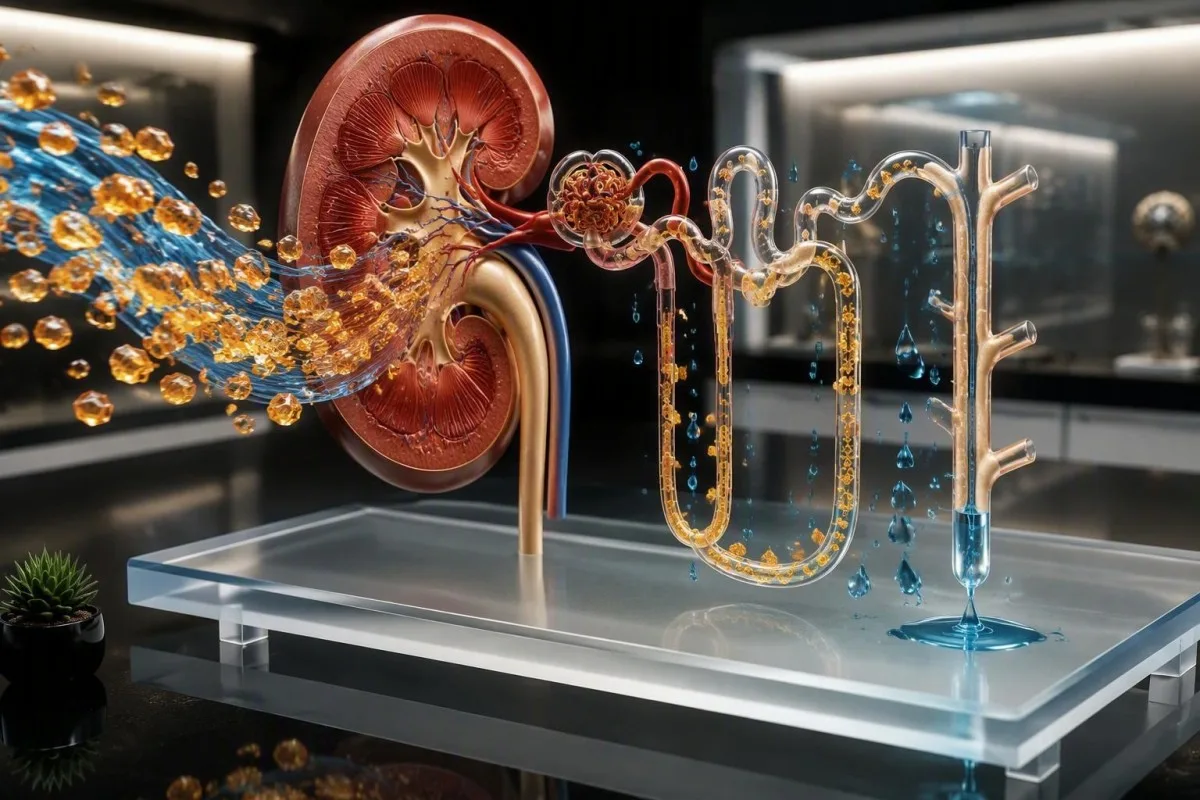
Excessive thirst and blurred vision can signal elevated glucose, but vomiting, deep breathing, confusion, or ketones change the urgency. Here is how clinicians separate a prompt appointment from emergency assessment.


- Excessive thirst often begins when glucose exceeds the kidney’s reabsorption threshold, roughly 180 mg/dL (10.0 mmol/L), causing glucose to spill into urine.
- Malklara vidado can fluctuate over hours to days because high glucose changes fluid movement in the eye’s lens; sudden one-sided visual loss is not a typical glucose symptom and needs urgent assessment.
- Prizorgo en la sama tago is sensible for persistent glucose above 300 mg/dL (16.7 mmol/L), new ketones, dehydration, or repeated vomiting.
- Krizprizorgo is needed for confusion, severe drowsiness, laboured or deep breathing, chest pain, inability to retain fluids, or fruity-smelling breath with high glucose.
- Blood ketones of 1.5-2.9 mmol/L require urgent clinical advice, while values of 3.0 mmol/L or more are an emergency warning in a person with diabetes.
- HbA1c of 6.5% (48 mmol/mol) or higher can diagnose diabetes when confirmed in an appropriate clinical setting, but it cannot judge an acute metabolic emergency.
- SGLT2-medicinoj can rarely cause ketoacidosis with glucose below 250 mg/dL (13.9 mmol/L), so symptoms and ketones matter more than one glucose number.
- Do not self-adjust insulin based only on an online result; use the written sick-day plan from the prescribing team or seek urgent advice.
What high glucose symptoms usually feel like
High glucose symptoms usually develop over days to weeks and include thirst, frequent urination, fatigue, dry mouth, blurred vision, increased hunger, and sometimes recurrent genital yeast infections. The pattern becomes more concerning when symptoms accelerate over hours, or when thirst comes with vomiting, abdominal pain, altered alertness, or unusually deep breathing.
The most common early clue is excessive thirst and glucose-driven urination. When circulating glucose rises beyond roughly 180 mg/dL (10.0 mmol/L), the kidneys cannot reclaim all filtered glucose; glucose remains in urine and carries water with it, a process called osmotic diuresis. Readers with frequent urination can compare other causes in our guide to testoj por ofta urinado.
Blurred vision from hyperglycaemia is usually bilateral and variable rather than a fixed blind spot. In my clinic, patients often describe a prescription that seems to change by lunchtime; lens hydration can shift as glucose moves between blood and tissues, so buying new glasses during an unstable week is usually premature.
Dr Thomas Klein’s practical rule is simple: a symptom is less reassuring when it is new, progressive, and paired with measurable glucose elevation. Kantesti is an AI-sangotesta analizilo that places glucose, HbA1c, kidney markers, and urine findings into one follow-up narrative rather than treating a single flagged result as a diagnosis.
Why fatigue can be misleading
Fatigue is common with high glucose, but it is not specific to diabetes. Dehydration, poor sleep, anaemia, infection, thyroid disease, and medication effects can produce the same complaint, which is why a glucose result needs clinical context rather than guesswork.
Why thirst and frequent urination happen with hyperglycaemia
Thirst and frequent urination occur because excess glucose pulls water into urine once renal glucose reabsorption is overwhelmed. This can produce several litres of urine daily in marked hyperglycaemia, particularly when glucose stays above 250 mg/dL (13.9 mmol/L).
A person may wake two or three times overnight to pass urine before noticing daytime thirst. This nocturia is clinically useful because it distinguishes true fluid loss from simply drinking more tea, coffee, or water; however, diuretics, urinary infection, pregnancy, and high calcium can create a similar pattern.
Urine glucose is a clue, not a measure of current glucose severity. The renal threshold varies with age, pregnancy, kidney function, and medicines, so a negative urine strip does not rule out high blood glucose; our explanation of glukozon en urino covers those exceptions.
Persistent osmotic diuresis can raise urea and creatinine transiently through volume depletion. A high urea-to-creatinine pattern may improve after hydration and glucose treatment, but reduced urine output, dizziness on standing, or inability to drink safely needs same-day assessment rather than a home experiment.
The dry-mouth misconception
Dry mouth alone does not prove high glucose. Mouth breathing, antihistamines, antidepressants, Sjögren syndrome, and dehydration can all cause it; the more persuasive combination is dry mouth plus increased urine volume, thirst that does not settle after drinking, and an elevated glucose reading.
How high glucose affects vision—and when it is not safe to wait
High glucose commonly causes temporary, fluctuating blur in both eyes, while sudden vision loss, a curtain-like shadow, severe eye pain, or new weakness needs urgent assessment. A glucose-related lens shift generally improves as glucose stabilises, but established diabetic retinal disease may be symptom-free until advanced.
Glucose-related blur often affects near and distance focus differently from one day to the next. It is driven partly by sorbitol and water movement in the lens, whereas diabetic retinopathy involves the retina and requires dilated retinal screening—not a reading-glasses adjustment.
The American Diabetes Association’s 2024 diagnostic standards recognise diabetes at an HbA1c of 6.5% (48 mmol/mol) or fasting plasma glucose of 126 mg/dL (7.0 mmol/L) or above when confirmed unless unequivocal hyperglycaemia is present (American Diabetes Association, 2024). Those thresholds diagnose a metabolic condition; they do not explain every episode of blurred sight.
A sudden onset of flashing lights, many new floaters, loss of a visual field, or a painful red eye should be assessed urgently even if glucose is high. For a different eye-risk pattern, see our overview of glaucoma testing results.
Gradual symptoms versus hyperglycaemia warning signs
Gradual thirst, urination, and fatigue usually warrant prompt testing, while vomiting, abdominal pain, rapid deterioration, confusion, or deep breathing are hyperglycaemia warning signs requiring same-day or emergency care. The danger comes from dehydration, ketone production, acid build-up, or very high blood osmolality—not merely from an uncomfortable symptom.
I ask patients four quick questions: Can you keep fluids down? Are you passing urine? Are you thinking clearly? Have you checked ketones? A person with glucose of 270 mg/dL (15.0 mmol/L) who is alert, drinking, and ketone-negative may need a different response from someone at 220 mg/dL (12.2 mmol/L) who is vomiting and breathless.
The 2024 international consensus report led by Umpierrez defines diabetic ketoacidosis using diabetes or hyperglycaemia, elevated ketones, and metabolic acidosis; glucose alone cannot establish or exclude it (Umpierrez et al., 2024). That is why symptom-based triage remains vital.
If you have a meter result but no diagnosis of diabetes, arrange medical review quickly rather than repeatedly testing in isolation. A random blood sugar result of 200 mg/dL (11.1 mmol/L) or more with classic symptoms can support a diabetes diagnosis, but confirmation and cause still require clinician-led evaluation.
Glucose and ketone numbers that change the next step
Persistent glucose above 300 mg/dL (16.7 mmol/L), blood ketones of 1.5 mmol/L or more, or any high glucose with vomiting should trigger urgent clinical advice. A blood ketone result of 3.0 mmol/L or higher is an emergency threshold, especially with abdominal pain or altered breathing.
Finger-prick glucose is a moment-in-time measurement, so wash and dry hands before testing; fruit residue or glucose gel can create a misleadingly high result. Continuous glucose monitors may lag behind blood glucose by roughly 5 to 15 minutes during rapid rises or falls, which matters when symptoms are changing fast.
Kantesti estas AI sangotesta interpretada platformo that can explain HbA1c, fasting glucose, bicarbonate, anion gap, creatinine, and urine findings in context. It cannot replace urgent in-person assessment when symptoms suggest ketoacidosis or hyperosmolar illness.
A high glucose reading after a large meal should be retested only according to your clinician’s plan, not chased every few minutes. For broader context on fasting and post-meal values, read glukozaj intervaloj por virinoj.
When ketones matter, including normal-glucose ketoacidosis
Ketones matter when insulin is insufficient, during illness, prolonged fasting, pregnancy, or SGLT2 treatment; they can signal ketoacidosis even when glucose is not extremely high. Blood beta-hydroxybutyrate is more useful than urine ketones for judging whether ketone production is active now.
Nutritional ketosis commonly produces beta-hydroxybutyrate around 0.5 to 1.0 mmol/L, sometimes higher with prolonged fasting, without acidosis or severe illness. In contrast, blood ketones of 1.5 to 2.9 mmol/L need urgent advice, and 3.0 mmol/L or more is a medical emergency threshold in diabetes care.
Urine ketone strips detect acetoacetate, which may persist as recovery begins while beta-hydroxybutyrate falls. This is one reason a urine strip can look worse after treatment than before; our ketosis versus ketoacidosis guide explains the biochemical switch.
SGLT2 inhibitors can increase the risk of euglycaemic ketoacidosis, where glucose may be below 250 mg/dL (13.9 mmol/L). Do not stop prescribed medication without medical instruction, but know the sick-day rules and seek urgent care for nausea, abdominal pain, rapid breathing, or ketones.
Pregnancy needs a lower threshold for concern
Pregnancy changes ketone physiology and can accelerate ketoacidosis. A pregnant person with diabetes who feels unwell, cannot eat or drink, or has positive ketones should contact maternity or diabetes services the same day, even when glucose is not dramatically raised.
DKA and hyperosmolar red flags that need emergency care
Diabetic ketoacidosis and hyperosmolar hyperglycaemic state require emergency assessment because they can cause severe dehydration, electrolyte disturbance, impaired consciousness, and cardiac rhythm risk. DKA often features nausea, abdominal pain, ketones, and deep breathing; hyperosmolar illness more often presents with profound thirst, weakness, confusion, and very high glucose.
Deep, laboured breathing—sometimes called Kussmaul breathing—is the body’s attempt to lower carbon dioxide during metabolic acidosis. It is not the same as ordinary anxiety-related fast breathing, although clinicians need blood gas and electrolyte tests to tell the difference reliably.
Hyperosmolar hyperglycaemic state often occurs in older adults with type 2 diabetes, limited access to fluids, infection, stroke, or medicines that raise glucose. Serum osmolality above 320 mOsm/kg is a classic marker of marked hyperosmolality, and a serum osmolality result should always be interpreted alongside sodium and glucose.
Call emergency services or attend emergency care for confusion, fainting, seizure, severe weakness, chest pain, inability to keep fluids down, or deep breathing. Waiting to see whether water lowers a dangerous pattern can lose valuable time.
Illness, medicines, and other triggers of sudden high glucose
Infection, corticosteroids, missed insulin, dehydration, surgery, and some antipsychotic medicines can raise glucose abruptly. A sudden change deserves a search for the trigger because correcting glucose without treating the underlying illness may not hold.
Prednisone and related corticosteroids commonly raise glucose most noticeably from midday into evening, depending on dose timing. People taking 20 mg or more of prednisone equivalent may need a temporary monitoring or treatment plan, particularly if they already have diabetes or gestational diabetes.
Infection can raise glucose before fever becomes obvious, while high glucose itself can worsen dehydration and impair immune function. Symptoms such as burning urination, cough, fever, or a new skin problem should not be dismissed as “just diabetes”; a urina teststriko-gvidilon can clarify what urine screening can and cannot show.
Alcohol can produce either low or high glucose depending on food intake, liver glycogen, and mixed drinks. The clinical history matters: a glucose number after poor sleep, a long flight, steroid treatment, or acute illness is not interpreted the same way as a stable fasting result.
Which laboratory results clarify high glucose symptoms
HbA1c estimates average glycaemia over roughly 8 to 12 weeks, while plasma glucose, electrolytes, bicarbonate, kidney function, and ketones help identify acute danger. No single test answers every question, particularly if symptoms began today.
An HbA1c of 5.7% to 6.4% (39-46 mmol/mol) indicates prediabetes, while 6.5% (48 mmol/mol) or higher supports diabetes when appropriately confirmed. HbA1c can be misleading after recent transfusion, substantial blood loss, haemolysis, pregnancy, or conditions affecting red-cell survival; see kiam HbA1c misinformas.
Bicarbonate below 18 mmol/L and an elevated anion gap raise concern for metabolic acidosis in a compatible clinical setting. Those values are not a home diagnosis of DKA—lactate, kidney failure, toxins, and other conditions can also change acid-base balance—but they are reasons for urgent clinician review.
Kantesti estas AI-movita ilo por analizo de sangotestoj that examines these relationships across a complete panel and highlights missing safety data, such as absent bicarbonate or ketones. Our clinicians and technical reviewers publish their oversight approach in the medicina validiga registro.
Why HbA1c and daily glucose readings can disagree
HbA1c can look acceptable despite dangerous short-term spikes, and it can look falsely high or low when red-cell lifespan changes. A normal-looking HbA1c never overrules acute symptoms, ketones, or a convincing high glucose measurement.
HbA1c gives greater weight to the most recent 30 days than to glucose values from three months ago. A person who became unwell last week may have a near-normal HbA1c while experiencing glucose of 350 mg/dL (19.4 mmol/L) today, which is why acute testing remains necessary.
Iron deficiency can modestly increase HbA1c independent of actual glucose in some patients, while haemolysis and recent blood loss can lower it. In my experience, discordant results deserve a careful CBC, iron history, meter review, and sometimes fructosamine rather than an automatic medication change.
Fructosamine reflects glycated serum proteins over roughly 2 to 3 weeks and can help when HbA1c is unreliable. Its interpretation is affected by albumin concentration, nephrotic protein loss, and major liver disease; our fructosamine testing guide outlines these limits.
If you have symptoms but no diabetes diagnosis
Classic symptoms plus a random plasma glucose of 200 mg/dL (11.1 mmol/L) or higher may diagnose diabetes in the right clinical setting, but urgent symptoms still require immediate evaluation rather than waiting for a repeat test. New diabetes can be type 1, type 2, medication-related, pregnancy-related, or less commonly another endocrine or pancreatic condition.
Adults can develop type 1 diabetes, and adults who are lean or active are not protected from it. Rapid weight loss, ketones, vomiting, or symptoms progressing over days should prompt urgent assessment for insulin deficiency rather than assumptions about “mild type 2.”
A fasting plasma glucose of 126 mg/dL (7.0 mmol/L) or above on two occasions, a 2-hour oral glucose tolerance result of 200 mg/dL (11.1 mmol/L) or above, or HbA1c of 6.5% or above are standard diagnostic routes. Laboratory testing is preferred for diagnosis because consumer meters have wider allowable error.
Kantesti AI can help users organise a lab report and identify questions for a clinician, but it does not diagnose diabetes or prescribe treatment. For a sensible first draw, our baseline blood test checklist explains fasting, medicines, and illness timing.
High glucose symptoms in children, pregnancy, and older adults
Children, pregnant people, and frail older adults can deteriorate faster with high glucose because fluid reserves, insulin needs, and symptom recognition differ. Vomiting or unusual sleepiness in a child with thirst and urination is particularly concerning for DKA and should not wait for a routine appointment.
Children may present with bedwetting after previously being dry, thirst, weight loss, tiredness, or new irritability. DKA can be the first presentation of type 1 diabetes, so a child with these signs plus vomiting, rapid breathing, or reduced alertness needs emergency assessment.
Pregnancy lowers the margin for error because insulin resistance rises later in gestation and ketoacidosis can develop at lower glucose values. Gestational diabetes screening follows local protocols, but symptomatic high glucose should be assessed promptly rather than waiting for a planned test date.
Older adults may report weakness, falls, confusion, dry mouth, or reduced appetite rather than obvious thirst. They are also more vulnerable to hyperosmolar dehydration, especially when mobility, cognition, kidney function, or access to drinks is limited; our family health tracking guidance discusses safe symptom escalation.
Safe actions at home while arranging medical care
If you are alert, able to drink, and have no emergency symptoms, drink water, check glucose as directed, check ketones if indicated, and contact your diabetes team or same-day service. Do not use exercise to force down glucose when ketones are positive, because physical exertion can worsen ketone production.
Use water or a sugar-free fluid unless a clinician has given a different fluid plan for heart failure or advanced kidney disease. Small frequent sips are often better tolerated than large volumes; inability to retain fluids for 4 hours is a practical reason to seek urgent help.
Follow your own written sick-day plan for insulin and medicines. Never omit basal insulin solely because you are eating less unless your prescribing team explicitly instructs otherwise, and never take extra insulin from a general internet dosing chart.
Avoid driving if vision is blurred, you feel confused, or glucose is changing quickly. Readers using glucose-lowering treatment should also know the opposite risk: hypoglycaemia symptoms require prompt carbohydrate treatment and can resemble anxiety or illness.
Common misconceptions that delay care
Feeling “fine” does not rule out clinically significant hyperglycaemia, and thirst does not automatically mean diabetes. The useful question is whether symptoms, measurements, medicines, and timing form a coherent pattern that needs testing or urgent care.
“My glucose is high because I ate sugar” is only partly true. A meal can raise glucose, but persistent elevation reflects impaired insulin action, inadequate insulin, acute stress hormones, medication effects, or illness; it is not a moral scorecard about one dessert.
“I can sweat it out with exercise” is unsafe when glucose is above 250 mg/dL (13.9 mmol/L) and ketones are present. Exercise may further increase counter-regulatory hormones and ketone production, whereas gentle activity can be reasonable only when a personalised plan says it is safe.
“A normal urine strip means I am safe” is also unreliable. Urine ketones may lag and urine glucose depends on the renal threshold; our positive urine ketone guide explains why blood ketones and symptoms can be more actionable.
Follow-up after high glucose symptoms settle
After symptoms settle, follow-up should confirm the cause, review medication and sick-day plans, and look for kidney, eye, cardiovascular, or pregnancy-related implications. A single normal reading after hydration does not erase a prior episode of marked glucose elevation or ketones.
A useful follow-up panel may include fasting glucose, HbA1c, electrolytes, creatinine with eGFR, urine albumin-creatinine ratio, lipids, and liver enzymes, tailored to the person’s history. Urine albumin screening identifies early kidney stress before symptoms appear; read our albumino-kreatinina rilatumo preparan gvidilon.
Dr Thomas Klein recommends recording the date, illness symptoms, medicines, meal timing, meter or sensor reading, ketone result, and action taken. That small timeline helps a clinician distinguish a transient steroid-related rise from a developing pattern of diabetes far better than an isolated screenshot.
Kantesti AI supports longitudinal report review across languages and can surface changing glucose-related markers for discussion with a clinician. Our Medicina Konsila Komisiono reviews clinical safety priorities, including when automated interpretation must direct users to urgent care.
Research, clinical boundaries, and the safest bottom line
The safest response to high glucose symptoms is guided by the whole pattern: symptoms, glucose trend, ketones, hydration, medicines, and vulnerability—not a single cut-off. As of September 18, 2026, emergency symptoms always outweigh an apparently modest glucose value, particularly in pregnancy, type 1 diabetes, or SGLT2 treatment.
The clinical evidence is clear on one point: ketoacidosis is a biochemical syndrome requiring ketones and acidosis, not simply “very high sugar.” There is still genuine variation in local referral pathways and individual glucose targets, so use the plan from your own diabetes team whenever one exists.
For transparent methodology, our gvidilo pri AI-sangotesta teknologio describes how result extraction and clinical-context checks are designed. Kantesti Ltd’s role is educational interpretation and structured follow-up support; emergency diagnosis and treatment belong with local clinical services.
Klein, T. (2026). Sangotesto por la Nipah-Viruso: Gvidilo pri Frua Detekto kaj Diagnozo 2026. Zenodo. https://doi.org/10.5281/zenodo.18487418. Related discussion copies: https://www.researchgate.net/ and https://www.academia.edu/. Klein, T. (2026). Gvidilo pri B-negativa sangotipo, LDH-sangotesto kaj retikulocita kalkulo. Figshare. https://doi.org/10.6084/m9.figshare.31333819. Related discussion copies: https://www.researchgate.net/ and https://www.academia.edu/.
Oftaj Demandoj
Kio estas la unuaj simptomoj de alta sangosukero?
La unuaj simptomoj de alta sanga sukero estas ofte pliigita soifo, ofta urinado, seka buŝo, laceco, kaj fluktuanta nebula vido. Tiuj simptomoj ofte aperas kiam glukozo restas sufiĉe alta por ke glukozo elverŝiĝu en urino, kutime ĉirkaŭ 180 mg/dL (10.0 mmol/L), kvankam la sojlo varias laŭ persono. Recentaj ĵusaj, malrapida resaniĝo, kaj neklarigita peza perdo ankaŭ povas okazi. Vomi, abdomena doloro, profunda spirado, konfuzo, aŭ malkapablo trinki sekure ne estas rutinaj fruaj simptomoj kaj bezonas urĝan taksadon.
Je kia glukonivelo mi devus iri al la kriz-ĉambro?
A glucose result of 300 mg/dL (16.7 mmol/L) or higher deserves same-day medical advice, but emergency care depends equally on symptoms and ketones. Go to emergency care for high glucose with vomiting, severe abdominal pain, confusion, fainting, deep or laboured breathing, chest pain, severe weakness, or inability to keep fluids down. Blood ketones of 3.0 mmol/L or more are an emergency warning in people with diabetes. A lower glucose value can still be dangerous in euglycaemic ketoacidosis, especially with SGLT2 medicines.
Ĉu alta sukero povas kaŭzi malklaran vidon?
Alta glukozo povas kaŭzi provizoran malklaran vidon ĉar ŝanĝiĝantaj glukozaj niveloj ŝanĝas akvobalanceon en la okulan lenson. La malklareco ofte ĉeestas en ambaŭ okuloj kaj fluktuas dum horoj aŭ tagoj dum glukozo ŝanĝiĝas. Subita perdo de vizio, kurteno aŭ ombro, severa okuldoloro, novaj ekbriloj, aŭ unuflankaj simptomoj ne estas tipaj lensaj efikoj kaj bezonas urĝan okulan aŭ krizan taksadon. Stabila glukozokontrolo estas kutime necesa antaŭ ŝanĝi okulvitran recepton.
Kiam kontroli ketonojn kun alta sangosukero?
Homoj kun tipo 1 diabeto devus ĝenerale kontroli ketonojn kiam glukozo estas konstante super 250 mg/dL (13.9 mmol/L), dum malsano, aŭ kiam okazas naŭzo, vomado, abdomena doloro, aŭ rapida spirado. Keton-testado ankaŭ gravas dum gravedeco kaj por homoj, kiuj prenas SGLT2-inhibiloj, ĉar ketoacidozo povas okazi kun glukozo sub 250 mg/dL. Sangobeta-hidroksobutirato de 1,5-2,9 mmol/L postulas urĝan klinikan konsilon. Niveloj de 3,0 mmol/L aŭ pli altaj postulas kriz-taksadon.
Can I have diabetic ketoacidosis with normal glucose?
Diabetic ketoacidosis can occur with glucose below 250 mg/dL (13.9 mmol/L), a pattern called euglycaemic ketoacidosis. It is more likely during fasting, vomiting, pregnancy, prolonged illness, or use of an SGLT2 inhibitor. Symptoms include nausea, abdominal pain, unusual fatigue, deep breathing, and ketones; these require urgent evaluation even if a glucose meter does not look dramatically high. Blood ketones and acid-base testing, not glucose alone, determine whether ketoacidosis is present.
Does drinking water lower high blood sugar quickly?
Water helps replace fluid lost through glucose-driven urination and may modestly lower a glucose concentration by improving dehydration, but it does not correct insulin deficiency or treat diabetic ketoacidosis. A person who is alert and able to drink can take frequent small sips while arranging medical advice. Do not rely on water when glucose is 300 mg/dL (16.7 mmol/L) or higher with symptoms, ketones, vomiting, or confusion. People with heart failure or advanced kidney disease should follow their clinician’s fluid advice.
Akiru hodiaŭ AI-movitan analizon de sangoanalizo
Aliĝu al pli ol 2 milionoj da uzantoj tutmonde, kiuj fidas je Kantesti por tuja, preciza analizo de laboratoriaj testoj. Alŝutu viajn rezultojn de sangoanalizo kaj ricevu ampleksan interpretadon de 15,000+-biomarkiloj en sekundoj.
📚 Referencitaj esplorpublikaĵoj
Klein, T., Mitchell, S., & Weber, H. (2026). Sangotesto por la Nipah-Viruso: Gvidilo pri Frua Detekto kaj Diagnozo 2026. Kantesti AI Medicina Esploro.
Klein, T., Mitchell, S., & Weber, H. (2026). G Negativa sangotipo, gvidilo pri LDH-sangotesto kaj retikulocita kalkulo. Kantesti AI Medicina Esploro.
📖 Eksteraj medicinaj referencoj
Umpierrez GE et al. (2024). Hiperglicemiaj krizoj ĉe plenkreskuloj kun diabeto: Konsenta raporto. Diabeta Prizorgo.
⚕️ Medicina Deklaro
Ĉi tiu artikolo estas nur por edukaj celoj kaj ne konsistigas medicinan konsilon. Ĉiam konsultu kvalifikitan sanprovizanton por diagnozaj kaj traktadaj decidoj.
Signaloj de fido E-E-A-T
Sperto
Kuracista gvidata klinika revizio de laboratoriaj interpretaj laborfluoj.
Kompetenteco
Laboratoria medicino fokusiĝas pri kiel biomarkiloj kondutas en klinika kunteksto.
Aŭtoritateco
Skribita de d-ro Thomas Klein kun revizio de d-ro Sarah Mitchell kaj prof. d-ro Hans Weber.
Fidindeco
Evident-bazita interpretado kun klaraj sekvaj vojoj por redukti alarmon.