Ang LFT nagpasabut sa liver function tests, apan daghan sa panel ang nagsukod sa kadaot sa selula sa atay o pagbabag sa dagan sa apdo imbes nga ang paglihok sa atay mismo. Ang kalainan nagbag-o kung giunsa gisabtan sa mga doktor ang usa ka abnormal nga resulta.



- Kahulugan sa LFT mao ang liver function tests, bisan tuod ang ALT, AST, ALP ug GGT nag-una nga nagpahibalo sa kadaot o nadaot nga dagan sa apdo kay sa paggawi sa atay.
- ALT kasagaran mga 7-55 IU/L sa mga hamtong; ang bili nga labaw sa laboratoryo nga taas nga limitasyon kinahanglan hubaron uban sa mga tambal, pag-ehersisyo, paggamit sa alkohol ug metabolic risk.
- Albumin kasagaran 35-50 g/L ug nagpakita sa produksyon sa protina sa atay sulod sa mga semana, apan ang pagkawala sa kidney, panghubag ug dili maayo nga pag-inom mahimo usab nga makapaubos niini.
- Bilirubin kasagaran 3-21 µmol/L; ang pagtaas nga adunay itom nga ihi o maputla nga mga hugaw nagkinahanglan og dinalian nga pagtimbang-timbang sa klinikal.
- INR o PT nagsukod sa produksyon sa clotting-factor ug usa sa labing mapuslanon nga mga timailhan sa dugo sa nagkagrabe nga synthetic function sa atay kung ang kakulangan sa bitamina K ug mga anticoagulant giwagtang.
- ALP ug GGT ang pagtaas nga magkauban nagsuporta sa usa ka hepatobiliary source, samtang ang hilit nga pagsaka sa ALP mahimong gikan sa bukog.
- AST humanik sa lisud nga pag-ehersisyo mahimong magagikan sa skeletal muscle; ang pagsusi sa creatine kinase makapugong sa dili kinahanglan nga pagtrabaho sa atay.
- Mga sintomas nga kinahanglan ug dayon nga pagtagad apil ang bag-ong jaundice, kalibog, nagsuka nga dugo, itom nga tabako nga lingkod, grabe nga kasakit sa taas nga tiyan o dali nga pagkadaot sa pagkahinanok.
Unsa ang Kahulugan sa LFT—ug Ngano nga Ang Ngalan Naglimbong
Ang LFT nagbarug alang sa liver function tests, usa ka grupo sa mga pagsulay sa dugo nga gigamit sa pagpangita sa kadaot sa selula sa atay, guba nga pag-agos sa apdo ug pagkunhod sa kapasidad sa paghimo og protina. Ang ngalan dili kompleto: ang ALT, AST, ALP ug GGT kadaghanan mga marka sa kadaot o cholestasis, samtang ang albumin, bilirubin ug PT/INR naghatag labi ka direkta—apan dili pa gihapon kompleto—mga timailhan sa paglihok sa atay.
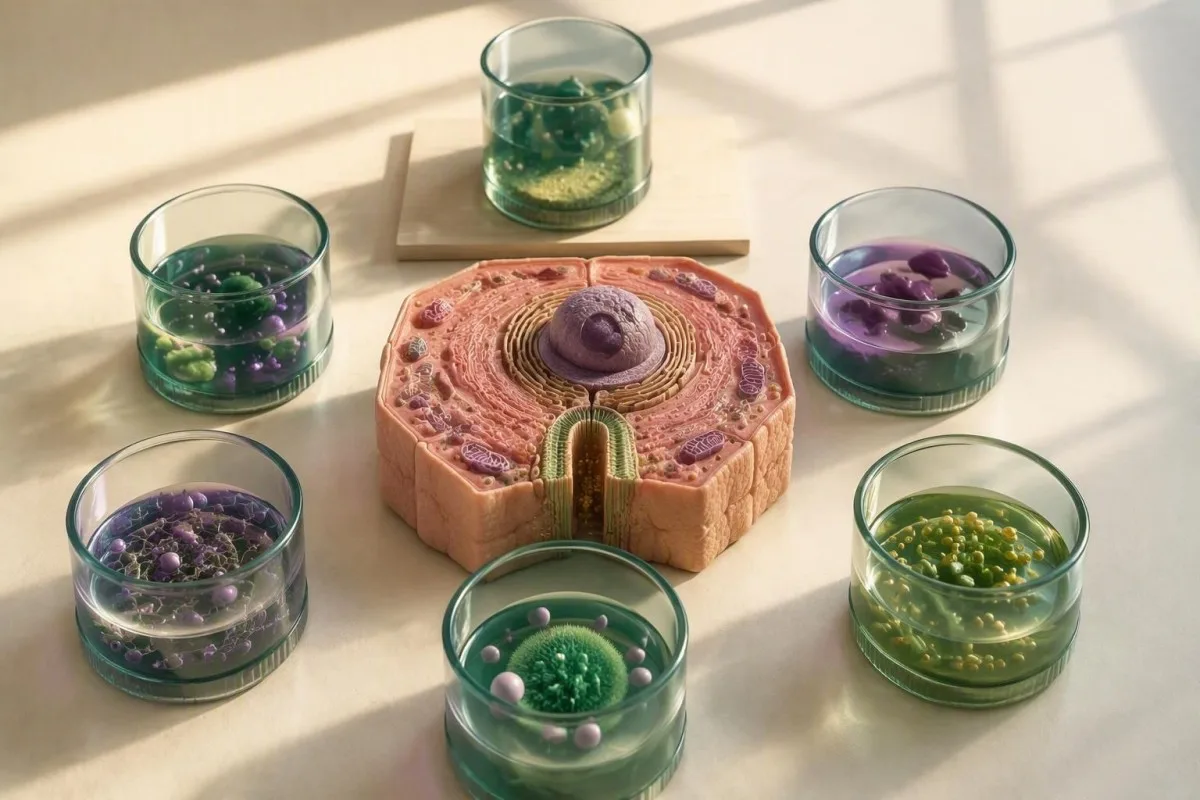
Ang normal nga LFT panel dili makapamatuod nga ang matag aspeto sa kahimsog sa atay normal, ug ang dili normal nga panel dili awtomatikong nagpasabut sa pagkapakyas sa atay. Alanine aminotransferase (ALT) motaas kung ang hepatocytes magpagawas ug enzyme sa sirkulasyon; kini nagsulti labi pa bahin sa pagtulo sa selula kaysa sa abilidad sa atay sa paghimo og albumin o mga clotting factor. Ang among detalyado giya sa resulta sa ALT nagpasabot nganong importante kana nga kalainan.
Sa praktis, giingon nako sa mga pasyente nga hunahunaon ang panel ingon tulo ka mga pangutana: ang mga selula sa atay ba nasamok, ang apdo ba naglihok nga gawasnon, ug ang atay ba naghimo og protina sa normal nga paagi? Si Dr. Thomas Klein nakakita og daghang mga referral alang sa usa ka ALT nga 62 IU/L diin ang tinuod nga makapahupay nga mga resulta mao ang normal nga bilirubin, albumin ug INR—dili ang pulong nga “function” nga naimprinta sa ibabaw sa panel.
Si Kantesti usa ka AI blood test analyzer nga nagbasa sa mga resulta sa LFT ingon usa ka sumbanan sa tibuuk nga taho kaysa pagtratar sa usa ka gipasiugda nga enzyme ingon usa ka diagnosis. Sukad sa Septyembre 12, 2026, ang among clinical review workflow nagpreserba usab sa kaugalingong reference interval sa laboratoryo, tungod kay ang usa ka ALT upper limit nga 35 IU/L sa usa ka laboratoryo dili mapulihan sa 55 IU/L sa lain.
Ang pinulongan nga gigamit sa mga clinician
Daghang hepatology services karon ang nag-ingon nga “liver blood tests” o “liver chemistry tests” tungod kay kini nga mga label dili sobra ang saad. Ang American College of Gastroenterology guideline sa susama nagbulag sa hepatocellular injury, cholestatic injury ug impaired bilirubin handling kung nag-evaluate sa abnormal liver chemistries (Kwo et al., 2017).
Unsang mga Pagsulay ang Kasagarang Kauban sa LFT Panel?
Ang usa ka tipikal nga LFT panel naglakip ALT, AST, alkaline phosphatase (ALP), bilirubin, albumin ug total protein; daghang laboratoryo ang naglakip usab sa GGT. Ang PT/INR kasagarang gi-order nga gilain, bisan kung kini klinikal nga sentro kung ang tinuod nga paglihok sa atay anaa sa pangutana.
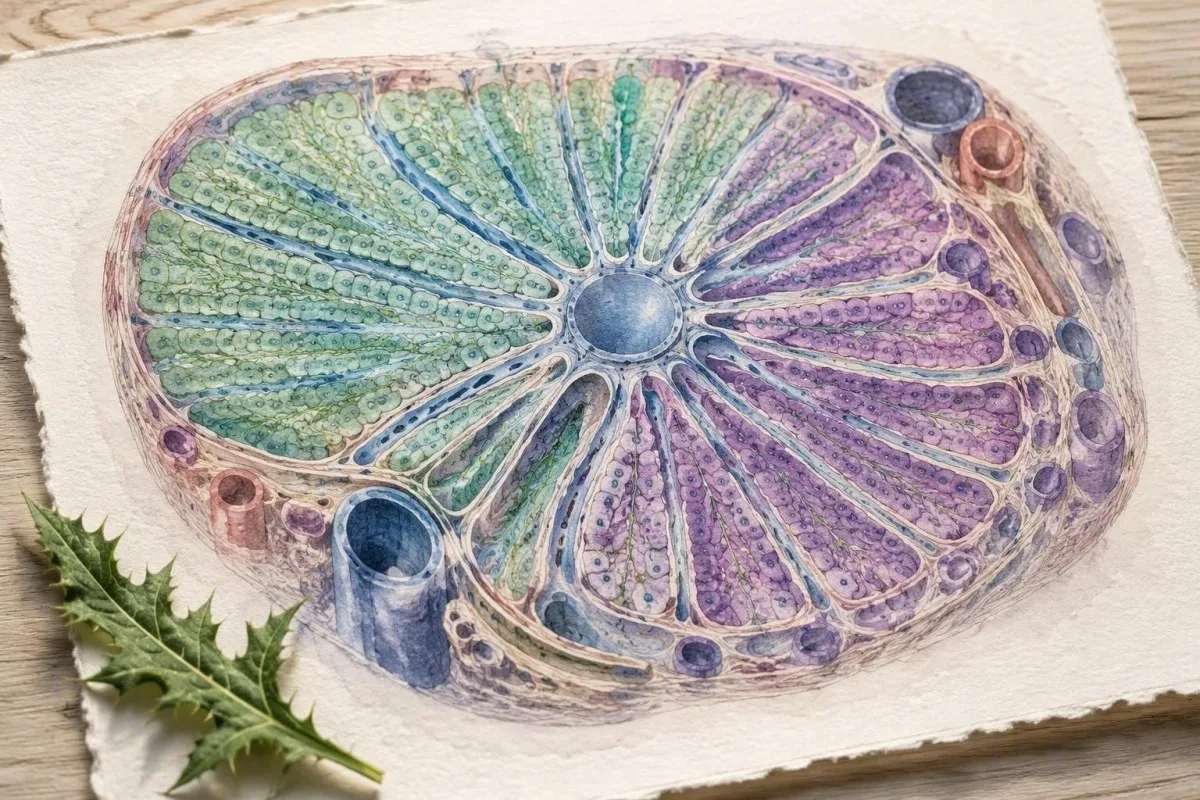
ALT ug AST mga aminotransferases, ang ALP ug GGT makatabang sa pag-ila sa usa ka sumbanan sa bile-duct, ug ang bilirubin nagpakita sa pagproseso ug paggawas sa mga produkto sa pagguba sa dugo. Ang Albumin ug PT/INR nag-assess sa synthesis, apan ang albumin hinay ang pagbag-o tungod kay ang half-life niini mga 20 ka adlaw. Tan-awa unsay gilakip sa liver panel alang sa mga komon nga baryasyon sa laboratoryo.
Ang total protein ug globulin usahay makita sa samang report apan dili mga piho nga pagsulay sa atay. Ang taas nga resulta sa globulin nga adunay ubos nga albumin mahimong mahitabo sa laygay nga sakit sa atay, autoimmune disease o padayon nga panghubag; ang ratio usa ka timailhan, dili gayud usa ka diagnosis. Ang giya sa reperensiya sa mga protina sa serum makatabang sa pagbutang sa mga bili sa konteksto.
Usa ka praktikal nga problema: ang mga report sa UK mahimong mag-ingon nga “LFT,” samtang ang mga report sa US mahimong mag-ingon nga “hepatic function panel” o “liver panel.” Walay usa kanila ang hingpit nga standardized. Sa dili pa itandi ang mga resulta sa tibuok mga nasud, itandi ang analyte, yunit ug ang reference range nga naimprinta tupad niini.
Unsang mga Resulta sa LFT ang Nagpakita sa Kadaot sa Atay Kaysa sa Paglihok?
Ang ALT ug AST nagpakita una sa kadaot sa selula, dili sa pag-andar sa atay. Ang ALP ug GGT nagpakita ilabi na sa usa ka posible nga cholestatic o bile-duct pattern, samtang ang albumin ug PT/INR mas direkta nga nagpakita sa synthetic capacity.

Ang ALT mas daghan sa atay kaysa AST, apan ang usa dili eksklusibo sa atay. Ang AST anaa sa skeletal muscle, kasingkasing ug pula nga mga selula, mao nga ang bug-at nga pag-ehersisyo, kadaot sa kaunoran o usa ka haemolysed nga sample mahimong makapataas niini. Usa ka AST:ALT ratio nga labaw sa 2 mahimong mosuporta sa alkohol-related liver injury sa husto nga kahimtang, apan dili kini diagnostic sa kaugalingon.
Usa ka 52-anyos nga marathon runner nga adunay AST 89 IU/L ug ALT 36 IU/L human sa usa ka lumba usa ka klasikong lit-ag. Mangutana ko bahin sa kakapoy ug kasakit sa kaunoran, unya ikonsiderar ang CK ug usa ka balik nga sample human sa 7 ka adlaw nga walay bug-at nga pagbansay; ang among artikulo bahin sa taas nga mga pattern sa AST nagpahayag niana nga pangatarungan.
Ang Kantesti AI naghubad sa mga enzyme sa atay pinaagi sa pagsusi kung ang pagtaas ba kay hepatocellular, cholestatic, mixed o posibleng extrahepatic. Ang R ratio—(ALT gibahin sa ibabaw nga limitasyon niini) gibahin sa (ALP gibahin sa ibabaw nga limitasyon niini)—labaw sa 5 sa usa ka hepatocellular pattern ug ubos sa 2 sa usa ka cholestatic pattern; kini usa ka himan sa pag-sort sa clinician, dili usa ka balay nga pagdayagnos.
Ngano nga ang pattern molabaw sa kinatas-an nga numero
Ang usa ka ALT nga 120 IU/L nga adunay normal nga ALP nagpunting sa lainlaing direksyon gikan sa ALP 280 IU/L nga adunay normal nga ALT. Ang una kasagaran mosangpot sa pagrepaso sa metabolismo, viral, tambal o kaunoran; ang ikaduha nagpatunghag mga pangutana bahin sa mga bile duct, pagbag-o sa bukog ug epekto sa tambal.
Ang mga Bili sa LFT nga Mas Daghang Nagpakita sa Tinuod nga Paglihok sa Atay
Ang Albumin, bilirubin ug PT/INR mao ang labing mapuslanon nga routine blood clues sa tinuod nga pag-andar sa atay, bisan kung ang matag usa mahimong abnormal sa mga hinungdan nga dili sa atay. Ang kombinasyon sa pagtaas sa bilirubin ug INR labi ka makapabalaka kaysa usa ka kasarangan nga pagtaas sa ALT.
Ang Albumin kasagaran 35-50 g/L sa mga hamtong nga dili mabdos, apan ang ubos nga albumin mahimong resulta sa pagkawala sa protina sa kidney, panghubag sa sistema, dili maayong nutrisyon, paso o paghubas. Kasagaran kini moubos sa ulahi sa laygay nga sakit sa atay kaysa pagtaas sa ALT, mao nga ngano nga ang normal nga albumin dili makawagtang sa sayo nga fibrosis. Basaha ang bahin sa albumin sa pagmabdos kung nagtandi ka usa ka resulta sa pagmabdos sa usa ka standard nga sakup sa hamtong.
Ang PT/INR nagpakita sa produksyon sa mubu nga kinabuhi nga mga clotting factor, labi na ang factor VII, ug mahimong mausab sa mga adlaw kaysa mga semana. Usa ka INR labaw sa 1.5 sa acute liver injury usa ka sukdanan nga gigamit sa dinalian nga pagtimbang-timbang alang sa acute liver failure, apan ang warfarin, kakulangan sa bitamina K ug pipila ka mga antibiotic makaprodyus sa parehas nga signal sa laboratoryo. Ang INR explanation naglangkob sa kana nga importante nga mga eksepsiyon.
Ang bilirubin dili usab usa ka puro nga pagsulay sa paglihok. Ang unconjugated bilirubin mahimong motaas sa Gilbert syndrome, pagpuasa o haemolysis bisan pa sa normal nga synthetic capacity sa atay; ang conjugated bilirubin nga adunay ngitngit nga ihi nagpunting labi pa sa nadaot nga pagpagawas sa apdo o pagproseso sa hepatocellular. Mao kini ang hinungdan nga dili nako kanunay hubaron ang “taas nga bilirubin” kung wala ang pagbahin niini.
Usa ka mapuslanon nga klinikal nga hierarchy
Sa usa ka lig-on nga hamtong, ang normal nga INR ug albumin nga adunay gamay nga pagtaas sa ALT kasagaran nagpaila sa gipreserbar nga synthetic function. Ang bag-ong jaundice, pagdugay sa INR, ubos nga glucose o kalibog nagbag-o sa pagkadinalian sa tibuuk ug nanginahanglan sa pagtimbang-timbang sa medikal sa parehas nga adlaw.
Giunsa Pagbasa ang mga Resulta sa ALT ug AST nga Magkauban
Ang ALT nga mas taas kaysa AST kasagaran sa metabolic fatty liver disease ug daghang mga viral o tambal-related injuries, samtang ang AST nga mas taas kaysa ALT adunay mas lapad nga mga hinungdan lakip ang pagkaladlad sa alkohol ug kadaot sa kaunuran. Ang absolutong pagtaas ug ang uso labi ka kasaligan kaysa usa ka ratio lamang.
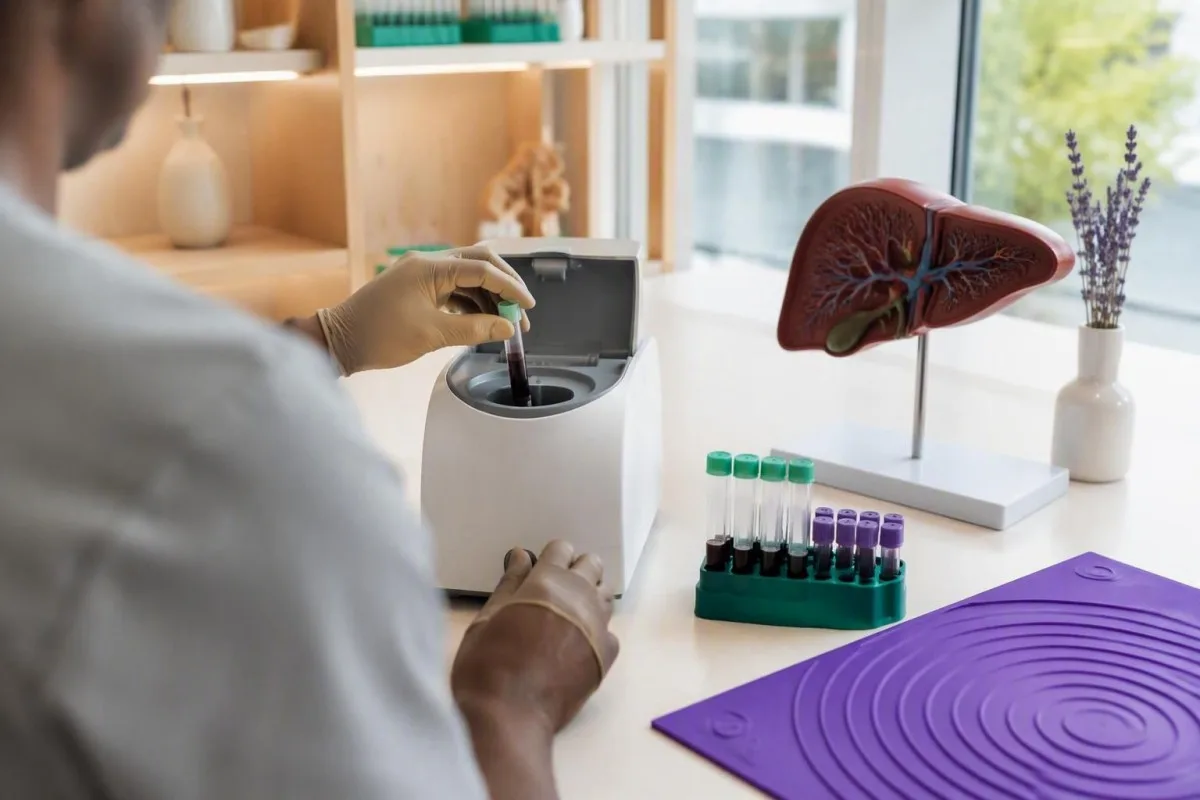
Ang ALT kasagarang gitaho sa IU/L o U/L, nga parehas alang sa praktikal nga mga katuyoan. Ang kantidad nga ubos sa 2 ka pilo sa taas nga limitasyon sa reperensya kasagaran girepaso pagkahuman sa pagrepaso sa alkohol, mga suplemento, mga reseta nga tambal, intercurrent nga sakit ug bag-o nga ehersisyo. Ang ACG guideline nagrekomendar sa pagpamatuod sa abnormal nga liver chemistries sa wala pa magsugod ang usa ka lapad nga trabaho (Kwo et al., 2017).
Ang mga value nga labaw sa 1,000 IU/L alang sa ALT o AST dili “lang fatty liver” hangtod mapamatud-an ang kasagaran. Ang acute viral hepatitis, tambal o hilo nga kadaot, ischemic hepatitis ug acute biliary obstruction mahimong makaprodyus og talagsaon nga pagtaas; ang dagan sa panahon, mga sintomas ug INR naggiya sa pagkadinalian labaw pa sa mga internet cutoffs.
Ang praktikal nga tambag ni Dr. Thomas Klein mao ang pagkuha og litrato sa matag label sa suplemento sa wala pa ang sunod nga appointment. Ang mga “natural” nga produkto, concentrated green-tea extract, anabolic agents ug multi-ingredient fat-loss products kasagarang nawala sa unang kaagi. Ang among giya sa liver-risk supplements nagpatin-aw ngano ang paghunong sa usa ka gisuspetsahan nga produkto kinahanglan nga pangunahan sa clinician kung kini gireseta.
Unsa ang Isulti Kanimo sa ALP ug GGT Bahin sa Dagan sa Apdo
Ang ALP ug GGT nga nagtaas nga magkauban kasagaran nagsuporta sa usa ka hepatobiliary o cholestatic nga tinubdan; ang nahilit nga pagtaas sa ALP mahimong gikan sa bukog, pagmabdos o normal nga pagtubo. Ang GGT makatabang sa pagpangita sa ALP apan dili kasaligan nga makasukod sa pag-inom og alkohol sa iyang kaugalingon.
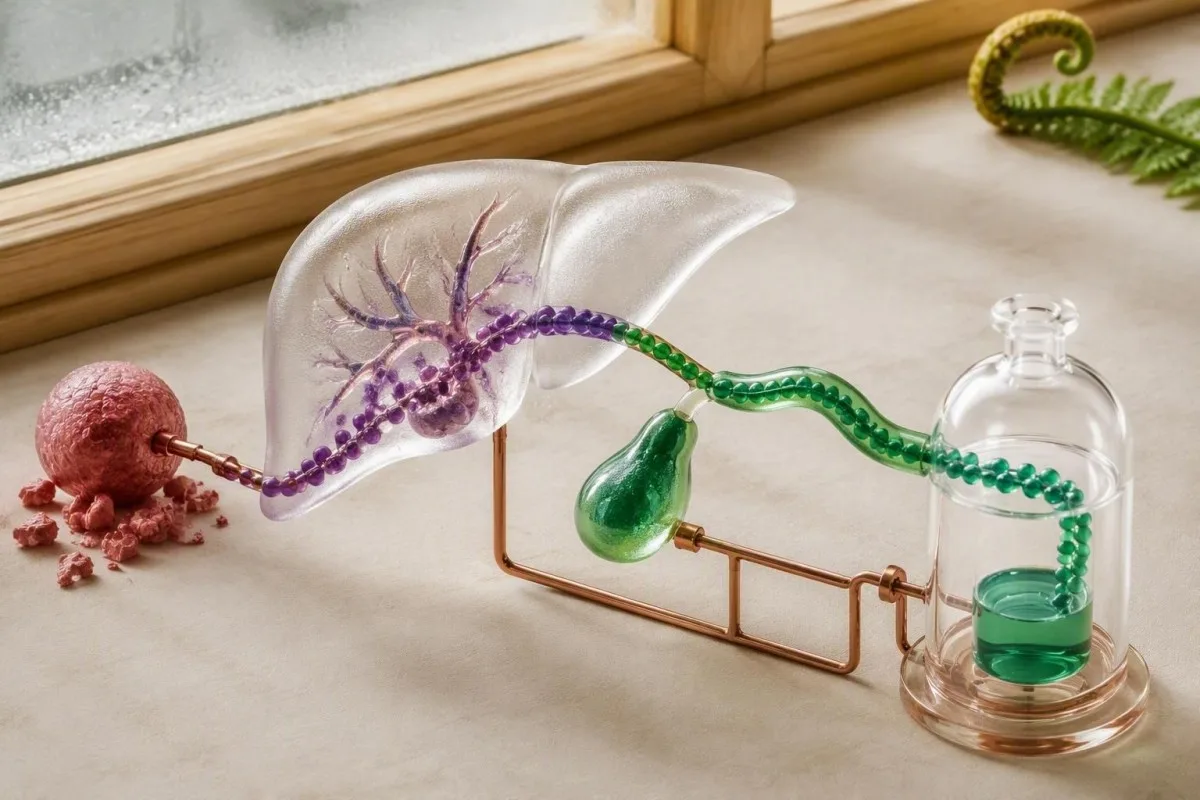
Ang ALP kasagaran mga 40-129 IU/L sa mga hamtong, apan ang matag laboratoryo nagtakda sa kaugalingon nga agwat. Kung ang ALP mosaka ug ang GGT normal, ang mga clinician kasagaran magkonsiderar sa mga tinubdan sa bukog, kahimtang sa bitamina D, pag-ayo sa bali o pagbag-o sa bukog sa wala pa maghunahuna sa sakit sa atay. Ang ALP isoenzyme overview nagpatin-aw kung giunsa pag-ila sa mga laboratoryo ang mga tinubdan kung gikinahanglan.
Ang GGT mosaka sa cholestasis, pagkaladlad sa alkohol, metabolic liver disease ug mga tambal nga nag-induce sa enzyme sama sa pipila ka mga tambal sa pag-atake. Ang GGT nga labaw pa sa 60 IU/L sa daghang hamtong nga lalaki nga mga sistema sa reperensya naglantaw sa contextual nga pagrepaso, ilabi na kauban ang pagtaas sa ALP, apan walay luwas o diagnostic nga “alcohol number.” Tan-awa ang among Giya sa GGT normal-range alang sa kausaban sa sekso ug laboratoryo.
Ang kombinasyon sa pangangati, maputla nga mga bangkito, ngitngit nga ihi, taas nga ALP ug taas nga bilirubin nagkinahanglan ug dinalian nga pagtimbang-timbang alang sa gibabagan nga dagan sa apdo. Ang ultrasound sagad mao ang unang pagsulay sa imaging, apan ang normal nga ultrasound dili makawagtang sa tanan nga gagmay nga mga ugat o hinungdan nga may kalabotan sa tambal; ang among giya sa cholestasis pattern mas lawom pa.
Ngano nga Ang Bilirubin Nagkinahanglan ug mga Bahin ug mga Sintomas
Ang kinatibuk-ang bilirubin kinahanglan bahinon sa direkta ug dili direkta nga mga bahin aron magamit sa klinika. Ang dili direkta nga pagkadominar sagad nagpakita sa sobra nga produksyon o pagkunhod sa paghiusa, samtang ang direkta nga pagkadominar nagsugyot sa gubot nga paggawas o pagproseso sa hepatocyte.
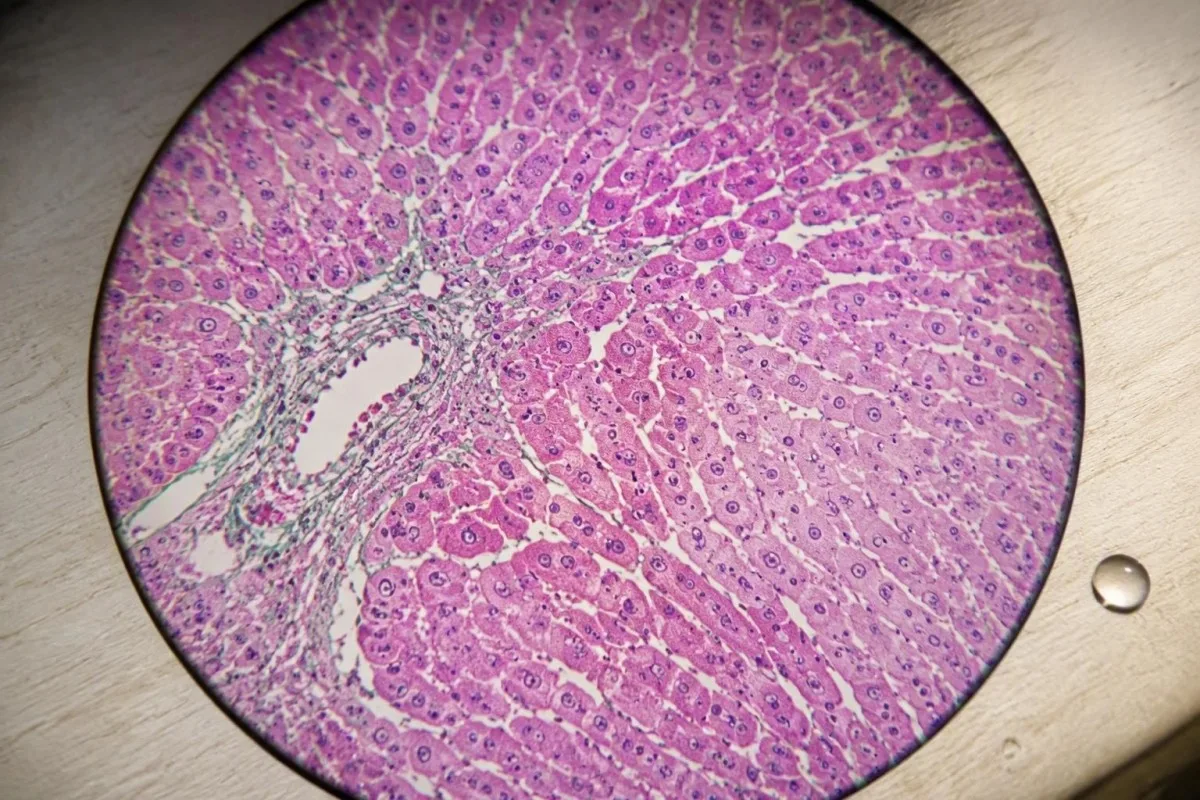
Ang kasagaran nga kinatibuk-an nga bilirubin mga 3-21 µmol/L o 0.2-1.2 mg/dL. Ang usa ka malumo, panalagsan nga bulag nga pagsaka sa ubos sa mga 50 µmol/L nga adunay normal nga ALT, ALP, albumin ug ihap sa dugo sagad mohaum sa Gilbert syndrome, ilabi na pagkahuman sa pagpuasa o sakit, apan ang mga clinician nag-inspeksyon gihapon sa sumbanan sa wala pa gamiton ang kana nga label.
Ang conjugated bilirubin matunaw sa tubig, mao nga kini makapawag-wag sa ihi; ang unconjugated bilirubin dili makasulod sa ihi. Kana nga gamay nga piraso sa pisyolohiya mapuslanon: ang dalag nga mga mata ug ang ihi nga sama sa tsaa mas mak preocupa sa klinika kaysa sa gamay nga taas nga dili direkta nga bilirubin nga nakit-an nga sulagma. Review diretsong bilirubin nga mga sundanan alang sa sunod nga mga pagsulay nga sagad gipili sa mga doktor.
Ayaw pagsulay sa “pag-flush sa bilirubin” gamit ang mga detox product. Ang hydration mahimong makatul-id sa konsentrasyon gikan sa dehydration, apan dili kini makasulbad sa hepatitis, pagbabag o haemolysis. Ang nagpadayon nga jaundice nagkinahanglan og tinuod nga pagtimbang-timbang, ilabi na sa hilanat, kasakit o dili tinuyo nga pagkawala sa timbang.
Albumin ug Total Protein: Ang Hinay nga mga Katingad-an sa LFT
Ang albumin usa ka hinay-hinay nga marker sa synthesis sa protina sa atay ug sa tibuok lawas nga sakit, dili usa ka sensitibo nga sayo nga tig-ila sa kadaot sa atay. Ang ubos nga albumin mas makahuluganon kung ipares sa INR elevation, ascites, oedema o usa ka dugay na nga abnormal nga sumbanan sa atay.
Ang gibanabana nga albumin 20-adlaw nga half-life nagpasabot nga ang usa ka akut nga 48-oras nga sakit panagsa ra makapaus-os niini pag-ayo pinaagi lamang sa mga mekanismo sa atay. Sa kasukwahi, ang pagkunhod sa albumin sulod sa pipila ka bulan mahimong magpakita sa laygay nga sakit sa atay, pagkawala sa kidney, laygay nga panghubag, dili igo nga pag-inom o pagkawala sa protina sa tinai. Ang Gabay sa CRP-albumin ratio nagpakita ngano ang panghubag makapausab niini nga resulta.
Ang kinatibuk-ang protina sagad mga 60-80 g/L, apan ang normal nga kinatibuk-an mahimong magtago sa ubos nga albumin kung ang mga globulin nadugangan. Sa laygay nga sakit sa atay, ang mga immunoglobulin mahimong motaas samtang ang albumin mahanaw, nga magbilin sa kinatibuk-an nga protina nga makapahisalaag nga ordinaryo. Kana usa ka sumbanan nga angay ipasabot sa usa ka clinician kaysa pag-self-medicate gamit ang protein powder.
Si Kantesti usa ka plataporma sa paghubad sa AI biomarker nga nagtandi sa albumin, kinatibuk-ang protina, globulin ug mga marker sa kidney nga magkauban, tungod kay ang usa ka bulag nga ubos nga albumin nga resulta adunay gamay nga espesipiko. Ang pag-analisar sa trend ilabi na nga mapuslanon kung ang parehas nga pamaagi sa laboratoryo gigamit sulod sa labing menos duha o tulo ka draw.
Kanus-a Naghimo ang PT o INR nga Mas Dinalian ang Usa ka Abnormal nga LFT
Ang nagkadaghan nga PT/INR mahimong magsenyas sa pagkunhod sa synthesis sa clotting-factor sa atay ug naghimo sa akut nga kadaot sa atay nga mas dinalian, ilabi na sa jaundice o kalibog. Ang INR dili usa ka regular nga LFT bisan asa, apan kini importante kung ang mga clinician nabalaka bahin sa mahinungdanon nga dysfunction sa atay.
Usa ka INR sa palibot 0.8-1.2 kasagaran kung walay tambal nga anticoagulant, apan ang may kalabutan nga pangutana mao ang pagbag-o gikan sa baseline ug ang kahimtang sa klinikal. Ang INR nga labaw sa 1.5 nga adunay acute liver injury, encephalopathy o hypoglycaemia nagkinahanglan og dinalian nga pagsusi; ayaw paghulat alang sa usa ka balik-balik nga pagsulay sa balay. Ang giya sa coagulation panel nagpatin-aw kung unsa ang mahimo ug dili mabalewala sa normal nga mga pagsulay sa pagpundasyon sa dugo.
Ang kakulangan sa Bitamina K gikan sa dili maayo nga pagsuyup, dugay nga paggamit sa broad-spectrum antibiotics o pagbabag sa apdo mahimong makapahinay sa PT/INR nga walay dili mabalik nga pagkapakyas sa atay. Sa kasukwahi, ang usa ka tawo nga nag-inom ug warfarin adunay tinuyo nga nabag-o nga INR, mao nga ang ilang kantidad dili magamit ingon usa ka prangka nga marka sa paglihok sa atay. Kini nga pagkalaliman makapugong sa daghang dili kinahanglan nga kabalaka.
Ang pagsuka ug dugo, itom nga tarry stool, bag-ong kalibog, dali nga pagkabali nga adunay jaundice o paspas nga pagkadako sa paghubas sa tiyan mga simtomas sa emerhensya. Ang mga resulta sa dugo mapuslanon, apan kini dili gayud mopuli sa usa ka dinalian nga klinikal nga pagsusi sa maong kahimtang.
Mga Kasagarang Rason sa Bahagyang Abnormal nga mga Resulta sa Dugo sa LFT
Ang malumo nga mga abnormalidad sa LFT kasagaran gikan sa metabolic dysfunction-associated steatotic liver disease, alkohol, mga tambal, mga suplemento, bag-o nga kusog nga ehersisyo o usa ka temporaryo nga sakit nga viral. Ang resulta nga ubos sa 2 ka beses sa taas nga limitasyon kasagaran ug dali ra mabalik, apan kini nagkinahanglan gihapon og usa ka structured review.
Ang metabolic dysfunction-associated steatotic liver disease labi na lagmit kung ang ALT medyo taas kauban ang pagtaas sa gidak-on sa hawak, triglycerides, mga abnormalidad sa glucose o taas nga presyon sa dugo. Ang 2024 EASL-EASD-EASO guideline nagrekomenda sa case-finding sa mga tawo nga adunay mga hinungdan sa peligro sa cardiometabolic kaysa sa indiscriminateng pag-screen sa populasyon (EASL-EASD-EASO, 2024).
Ang usa ka lisud nga sesyon sa kusog mahimong temporaryo nga makapataas sa AST, ALT ug CK sulod sa pipila ka adlaw. Kasagaran ako nagtambag nga likayan ang dili pamilyar nga kusog nga ehersisyo alang sa human sa usa ka lumba sa wala pa ang usa ka kumpirmasyon nga pagsulay kung ang kontribusyon sa kaunuran posible; ang pagpuasa dili kasagaran gikinahanglan alang sa standard nga mga kemikal sa atay gawas kung ang ubang mga gisugo nga pagsulay nagkinahanglan niini. Ang among giya sa pag-iskedyul sa blood test makatabang sa pagdokumento sa maong mga confounders.
Ang kasaysayan sa alkohol kinahanglan nga factual kaysa moralizing. Ang usa ka panahon sa pagpugong mahimong makapauswag sa GGT ug ALT, apan ang katulin magkalahi sa baseline disease, gibug-aton sa lawas, mga tambal ug nagpadayon nga metabolic risk. Ang lab timeline human sa paghunong sa alkohol naghatag og realistiko nga mga ekspektasyon.
Unsa ang Mahitabo Pagkahuman sa Usa ka Abnormal nga Resulta sa LFT?
Ang unang tubag sa usa ka malumo nga wala damhang resulta sa LFT kasagaran ang kumpirmasyon, konteksto ug gipunting nga pagsulay—dili kabalaka o usa ka generic nga detox. Ang pag-usab sa oras nagkalainlain gikan sa mga adlaw hangtod sa pipila ka bulan depende sa lebel sa enzyme, mga sintomas ug gihunahuna nga hinungdan.
Ang mga clinician unang nag-verify sa resulta, nagrepaso sa miaging mga kantidad, mangutana bahin sa alkohol, mga tambal, mga suplemento, sakit ug ehersisyo, unya nag-classify sa pattern. Ang follow-up mahimong maglakip sa hepatitis B ug C testing, ferritin ug transferrin saturation, ultrasound, autoimmune markers, coeliac testing o CK—apan kung ang pattern ug kasaysayan nagsuporta niini. Mga sintomas ug pagsulay sa Hepatitis B angayan nga repasohon tungod kay ang laygay nga impeksyon mahimong walay jaundice.
Alang sa padayon nga pagtaas sa ALT o AST, ang mga clinician mahimong mogamit sa FIB-4, nga naghiusa sa edad, AST, ALT ug gidaghanon sa platelet aron mabanabana ang peligro sa fibrosis. Kini dili kaayo kasaligan sa ubos sa edad nga 35 ug mahimong sayop nga makapahupay sa pipila ka mga sitwasyon, apan kini usa ka makatabang nga triage tool sa primary care; kalkulahon kini pag-ayo sa among giya sa FIB-4 liver-fibrosis.
Kantesti AI usa ka AI lab test interpretation service nga makahimo sa pag-organisar sa mga LFT trend ug pag-flag sa mga kombinasyon aron hisgutan sa usa ka clinician, apan dili kini makatambal sa hepatitis, fibrosis o obstruction gikan sa usa ka PDF lamang. Ang usa ka luwas nga interpretasyon kanunay naglakip sa mga sintomas, kasaysayan sa tambal, imaging ug eksaminasyon kung gikinahanglan.
Giunsa ang Pagpuasa, Pag-ehersisyo ug Kalidad sa Sampol Makaapekto sa LFT
Kasagaran dili nimo kinahanglan magpuasa alang sa LFT, apan ang bug-at nga ehersisyo, grabe nga sakit, dehydration ug haemolysis sa sample makapausab sa pipila ka mga resulta. Ang laboratory comment field ug ang oras sa pagkuha kasagaran sama ka mapuslanon sa usa ka single reference-range flag.

Ang pagpuasa makapadugang sa unconjugated bilirubin sa mga tawo nga daling matakdan, ilabi na sa mga adunay Gilbert syndrome. Ang dehydration mahimong makakonsentrar sa albumin ug total protein, samtang ang haemolysis mahimong sayop nga makapadugang sa AST tungod kay ang mga pula nga selula adunay AST. Ang giya sa pag-usab sa pagsulay human sa haemolysis nagpatin-aw kung kanus-a ang usa ka limpyo nga pag-usab mas impormatibo kaysa paggukod sa usa ka artepakto.
Ang Biotin dili usa ka dako nga interferent alang sa kadaghanan sa mga routine liver enzyme assays, apan kini makaimpluwensya sa pipila ka immunoassays nga gi-order sa parallel. Pagdala ug listahan sa mga powder, herbal blends ug over-the-counter products, lakip ang dose ug petsa sa pagsugod; ang “usa ka scoop kada adlaw” kasagaran mas actionable kay sa ngalan sa brand.
Alang sa usa ka mapuslanon nga pag-usab, gamita ang parehas nga laboratoryo kung mahimo ug irekord ang pag-inom ug alkohol, sakit, kasub-anan sa workout ug mga pagbag-o sa tambal sa miaging semana. Ang biological variation nagpasabut nga ang usa ka 10% nga pagbag-o dili awtomatikong usa ka makahuluganon nga pagkadaut, labi na duol sa taas nga reference limit.
Mga Pula nga Bandila sa LFT nga Nagkinahanglan ug Pag-atiman sa Medikal sa Parehas nga Adlaw
Ang jaundice nga adunay ngitngit nga ihi, grabe nga kasakit sa tuo nga bahin sa tiyan, hilanat, kalibog, padayon nga pagsuka o usa ka dakong taas nga INR nanginahanglan ug medical assessment sa samang adlaw. Ang pagkadinalian nagdepende sa mga sintomas ug synthetic function, dili lang kung ang ALT ba gipahamtang nga taas.
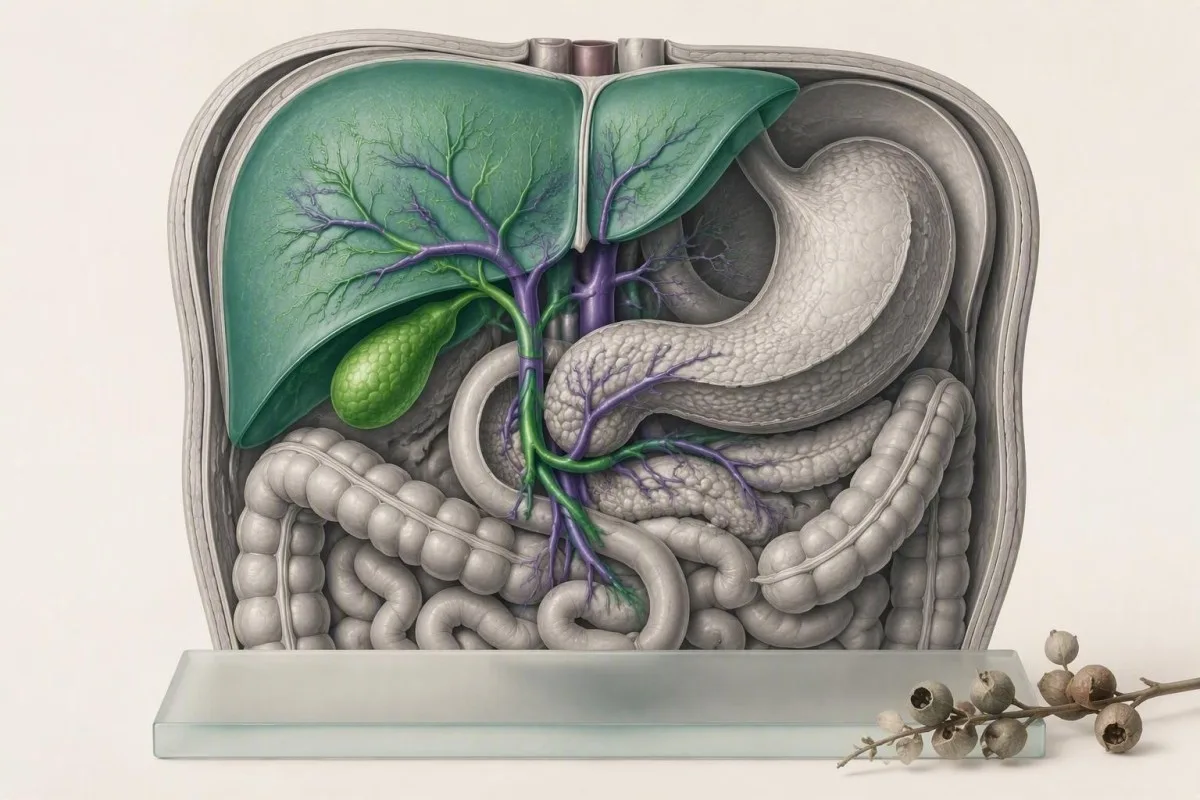
Pangita og emerhensya nga pag-atiman alang sa bag-ong kalibog, grabeng pagkahikatulog, pagsuka ug dugo, itom nga tarry stools, pagkalipong, grabeng kasakit sa tiyan o dali nga pagkagrabe sa pagka-dilaw sa mga mata. Kini mahimong magpakita sa pagdugo, sepsis, acute liver dysfunction, sakit sa pancreas o biliary, ug dili kini luwas nga ma-triaged gikan sa resulta sa enzyme lamang. Ang among giya sa kanus-a ang bilirubin nagkinahanglan ug dinalian nga pagrepaso nagdetalye sa mga kombinasyon sa pasidaan.
ALT o AST nga labaw sa 1,000 IU/L, bilirubin nga labaw sa 100 µmol/L nga adunay mga sintomas, o usa ka INR nga labaw sa 1.5 sa usa ka tawo nga wala mogamit ug warfarin kinahanglan magpahinabog dinalian nga kontak sa clinician. Kini mga praktikal nga punto sa pag-uswag kaysa mga threshold sa self-diagnosis; ang usa ka tawo mahimong masakiton kaayo nga adunay mas ubos nga mga kantidad, labi na kung sila dali nga nadaot.
Ang pagmabdos nagbag-o sa kalkulasyon sa peligro. Ang pangangati sa mga palad o lapalapa, sakit sa ulo, mga sintomas sa panan-aw, taas nga presyon sa dugo, kasakit sa ibabaw nga bahin sa tiyan o jaundice sa panahon sa pagmabdos nanginahanglan ug dinalian nga pagsusi sa pagpanganak, bisan kung ang miaging panel normal.
Paggamit sa LFT Trend Analysis nga Luwas Taliwala sa mga Appointment
Ang mga uso sa LFT mas mapuslanon kaysa usa ka lone result kung ang parehas nga analyte ug pamaagi sa laboratoryo gitandi sa paglabay sa panahon. Ang usa ka paubos nga ALT trend makadasig, apan kini dili magpamatuod nga ang fibrosis miuswag o nga ang nagpahiping hinungdan natubag.
Si Kantesti usa ka AI-powered blood test analysis tool gigamit sa pag-organisar sa mga report sa laboratoryo sa paglabay sa panahon, mga lengguwahe ug mga format sa laboratoryo. Ang among AI makaila sa pagtaas sa ALT gikan sa 32 ngadto sa 78 IU/L uban sa usa ka bag-ong pagtaas sa ALP, apan ang luwas nga sunod nga lakang nagpabilin nga pagrepaso sa clinician sa pagkaladlad sa tambal, mga sintomas ug mga nakaplagan sa eksaminasyon.
Ayaw itandi ang usa ka resulta sa µkat/L direkta sa IU/L nga walay pag-convert niini, ug ayaw itandi ang total bilirubin sa mg/dL sa µmol/L sa mata. Alang sa bilirubin, 1 mg/dL katumbas sa mga 17.1 µmol/L; ang mga sayop sa unit katingad-an nga komon kung ang mga tawo mag-upload ug mga rekord gikan sa labaw sa usa ka nasud. Ang giya sa pagbag-o sa lab-result nagpatin-aw sa reference change value ug ordinaryong biological fluctuation.
Makatabang ang mubo nga appointment note: ilista ang mga petsa, eksaktong mga kantidad ug mga sakup sa reperensiya, mga sintomas, sumbanan sa alkohol, bag-ong mga tambal, mga suplemento, pagbag-o sa timbang ug ehersisyo. Kini nag-usab sa usa ka masuk-anong panag-istoryahan bahin sa “daotan nga mga pagsulay sa atay” ngadto sa usa ka masulbad nga pangutana sa klinika.
Makatabang nga mga Pangutana nga Ipatong Bahin sa Imong mga Resulta sa Dugo sa LFT
Ang labing mapuslanon nga pangutana mao ang “Unsang sumbanana ang gipakita sa akong mga resulta: hepatocellular, cholestatic, mixed, bilirubin-handling o impaired synthesis?” Kana nga pangutana nag-aghat sa usa ka plano nga nakabase sa hinungdan kaysa usa ka dili klaro nga instruksyon sa pagsubli sa tanan.
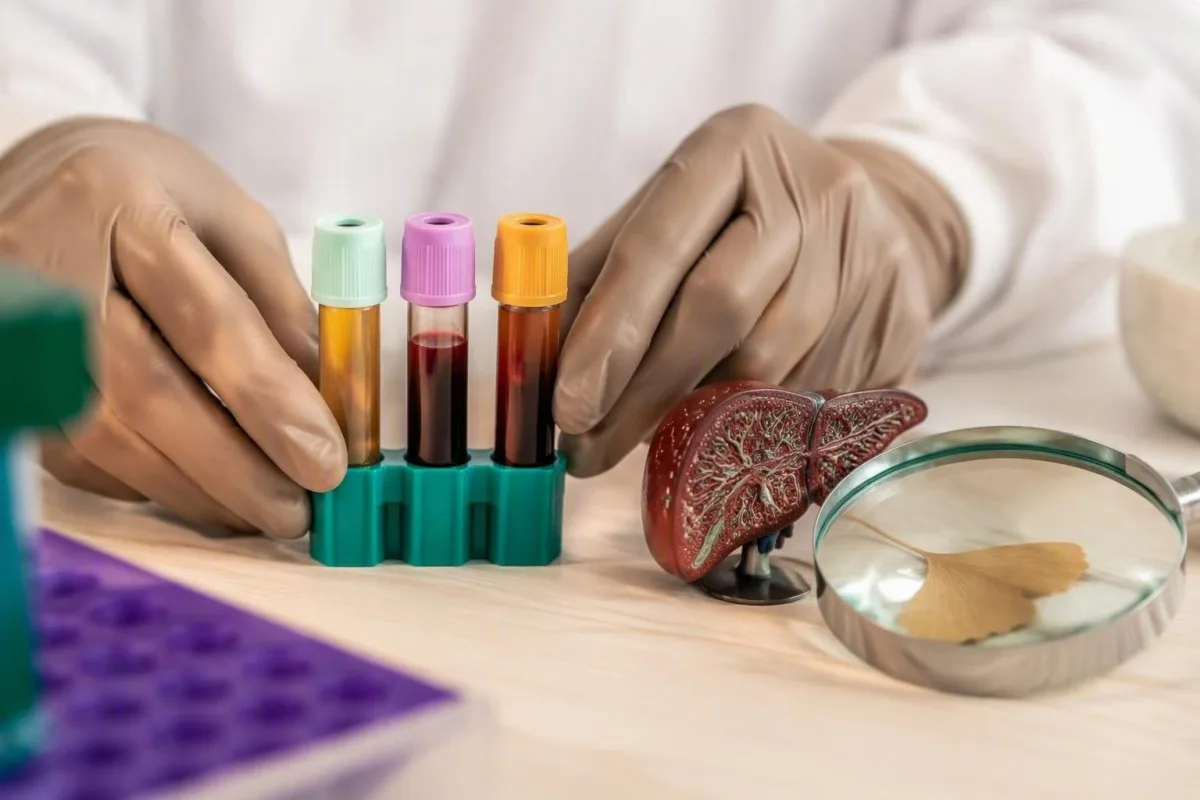
Pangutan-a kung nakumpirma ba ang imong abnormalidad, unsa ang imong miaging baseline, ug kung ang ehersisyo, mga tambal, alkohol o mga suplemento makapatin-aw niini. Pangutan-a kung ang bilirubin direkta o dili direkta, kung ang ALP adunay taas nga GGT tupad niini, ug kung ang albumin o INR nagpakita sa impaired synthesis. Kini nga mga detalye tinuod nga nagbag-o sa differential diagnosis.
Pangutan-a kung ang peligro sa fibrosis kinahanglan nga banabanaon ug kung ang ultrasound, viral screening o iron studies angay alang sa imong sumbanan. Ang taas nga ferritin lamang mahimong magpakita sa panghubag o sakit sa metabolic, samtang ang taas nga ferritin dugang sa transferrin saturation labaw sa 45% nagpataas sa laing pangutana bahin sa iron overload; tan-awa ang mga timailhan sa lab sa haemochromatosis.
Ang among mga doktor ug mga clinical reviewer naggamit ug gipatik nga mga pamaagi ug tin-aw nga mga utlanan sa kaluwasan; ang mga magbabasa nga gusto makasabut niana nga pagdumala mahimong magrepaso sa pamaagi sa balidasyon sa medisina. Ang labing maayo nga resulta dili usa ka label nga gihimo sa app—kini usa ka tukma sa panahon, maayo nga nadokumento nga panag-istoryahan sa clinician nga responsable sa imong pag-atiman.
Unsa ang Giingon sa Kasamtang nga Panukiduki ug mga Giya Bahin sa Paghubad sa LFT
Ang kasamtangang giya nagsuporta sa interpretasyon nga nakabase sa sumbanan ug kumpirmasyon sa abnormal nga liver chemistries sa dili pa ang daghang testing. Walay usa ka LFT ang makaila sa hugna sa fibrosis, pagkapakyas sa atay o usa ka piho nga hinungdan kung walay konteksto sa klinika.
Ang ACG guideline ni Kwo ug mga kauban nagrekomenda sa pagkumpirma sa usa ka abnormal nga resulta sa liver chemistry ug unya pag-evaluate base sa hepatocellular kumpara sa cholestatic pattern (Kwo et al., 2017). Kana daw ordinaryo, apan kini makapugong sa usa ka komon nga sayop: pag-order ug lapad nga mga panel human sa usa ka borderline nga resulta nga mawala sa usa ka tukma sa panahon nga balik-balik nga sample.
Ang 2024 EASL-EASD-EASO guidance nag-frame sa metabolic steatotic liver disease palibot sa cardiometabolic risk ug non-invasive fibrosis assessment imbes nga ALT lamang (EASL-EASD-EASO, 2024). Busa, ang normal nga ALT dili kasaligang makawagtang sa steatosis o fibrosis, ilabi na sa mga tawo nga adunay diabetes o obesity.
Ang clinical content sa Kantesti girepaso batok sa laboratory practice ug physician oversight; among Lupon sa Medikal nga Magtatambag makatabang sa pagpadayon sa automated nga mga explanation sulod niini nga mga utlanan. Ang mga publikasyon sa may kalabutan nga sintomas gilista sa ubos alang sa transparency, apan kini dili mopuli sa mga giya nga piho sa atay o indibidwal nga medikal nga pag-atiman.
Kanunay nga Gipangutana nga mga Pangutana
Unsay buot ipasabot sa LFT sa blood test?
Ang LFT nagkahulugan ug liver function tests, gitawag usab nga liver blood tests o usa ka liver panel. Kadaghanan sa mga panel naglakip sa ALT, AST, ALP, bilirubin ug albumin, samtang ang GGT ug PT/INR mahimong i-order nga gilain. Ang ALT ug AST kasagaran nagpakita sa kadaot sa selula sa atay kay sa function sa atay, samtang ang albumin ug INR mas duol nga mga sukod sa protein synthesis. Ang mga reference interval magkalahi sa laboratoryo; ang ALT kasagaran mga 7-55 IU/L sa mga hamtong.
Pareho ra ba ang taas nga liver enzymes ug dili maayo nga liver function?
Dili, ang pagtaas sa liver enzymes dili awtomatikong nagpasabot ug dili maayo nga liver function. Ang ALT ug AST mahimong motaas kon ang mga selula sa atay o kaunoran magpagawas ug enzymes, bisan samtang ang albumin, bilirubin ug INR nagpabilin nga normal. Ang tinuod nga synthetic impairment mas gikabalak-an kon ang bilirubin motaas, ang albumin mahulog ubos sa mga 35 g/L, o ang INR motaas labaw sa sakop sa laboratoryo. Ang usa ka clinician maghubad niini nga mga resulta uban sa mga sintomas ug kaagi sa medisina.
Unsa ang normal nga sakup sa LFT?
Walay usa ka unibersal nga normal nga LFT range tungod kay ang mga pamaagi ug reperensiya nga populasyon managlahi tali sa mga laboratoryo. Ang kasagaran nga mga interval sa mga hamtong naglakip sa ALT 7-55 IU/L, AST 8-48 IU/L, ALP 40-129 IU/L, albumin 35-50 g/L ug total bilirubin 3-21 µmol/L. Ang reperensiya nga interval nga giimprinta tapad sa imong kaugalingong resulta mao ang husto nga gamiton una. Ang usa ka resulta nga gamay ra sa range kasagaran nagkinahanglan og kumpirmasyon ug konteksto kaysa dayon nga pagtambal.
Makapataas ba ang ehersisyo sa mga resulta sa LFT?
Oo, ang mabug-at nga ehersisyo mahimong temporary nga makapataas sa AST ug usahay ALT tungod kay ang kaunoran sa kalabukang adunay kini nga mga enzyme. Ang taas nga AST nga adunay normal o gamay nga taas nga ALT human sa marathon, bug-at nga pagbubuhat o kadaot sa kaunoran mahimong magpakita sa pagpagawas sa kaunoran, ilabi na kung taas usab ang creatine kinase. Ang paglikay sa wala pa mailhi nga lisud nga ehersisyo sulod sa 5-7 ka adlaw sa dili pa ang usa ka balik-balik nga pagsulay kasagaran makatarunganon kung ang usa ka clinician nagduda niini nga pagpatin-aw. Ang ehersisyo dili kasagaran makapatin-aw sa jaundice, taas nga bilirubin o taas nga INR.
Makadetect ba ang LFT test sa fatty liver?
Ang LFT makasugyot sa tambok nga sakit sa atay apan dili kini makadiyagnos o makawagtang niini. Daghang tawo nga adunay metabolic dysfunction-associated steatotic liver disease adunay mga kantidad sa ALT ubos sa 55 IU/L, ug ang uban adunay hingpit nga normal nga routine nga mga pagsulay sa atay. Ang mga hinungdan sa peligro sama sa type 2 diabetes, pagtaas sa timbang sa sentro, taas nga triglycerides ug taas nga presyon sa dugo naggiya sa dugang nga pagtimbang-timbang. Ang ultrasound ug dili invasive nga mga puntos sa fibrosis sama sa FIB-4 kanunay gigamit kauban sa mga resulta sa dugo.
Kanus-a ko angay mabalaka bahin sa dili normal nga LFT blood results?
Pangayo og tambag medikal sa samang adlaw alang sa abnormal nga LFT results nga adunay jaundice, ngitngit nga ihi, luspad nga tai, grabeng kasakit sa tiyan, hilanat, kalibog, pagsuka og dugo o itom nga tai nga sama sa tar. Ang ALT o AST labaw sa 1,000 IU/L, bilirubin labaw sa 100 µmol/L nga adunay mga sintomas, o INR labaw sa 1.5 nga walay warfarin nagkinahanglan usab og dinalian nga pagsusi. Ang malumo nga hilit nga pagtaas ubos sa 2 ka pilo sa taas nga limitasyon kasagaran nga gibalik-susi human marepaso ang mga tambal, alkohol, suplemento, sakit ug ehersisyo. Ang angay nga pagkadinalian nagdepende sa tibuok nga kahimtang sa klinika, dili sa usa ka numero.
Karon na ang AI-Powered Blood Test Analysis
Apil sa kapin sa 2 milyon nga mga user sa tibuok kalibutan nga nagsalig sa Kantesti para sa dayon ug tukma nga pag-analisa sa lab test. I-upload ang imong resulta sa blood test ug makadawat og komprehensibong pagsabot sa 15,000+ nga mga biomarker sulod sa mga segundo.
📚 Mga Napangalan nga Research Publications
Klein, T., Mitchell, S., & Weber, H. (2026). Kalibanga Human sa Pagpuasa, Itom nga mga Puntik sa Tae ug Giya sa GI 2026. Kantesti AI Medical Research.
Klein, T., Mitchell, S., & Weber, H. (2026). Giya sa Panglawas sa Kababayen-an: Obulasyon, Menopause ug mga Sintomas sa Hormonal. Kantesti AI Medical Research.
📖 Mga Panlabas nga Sanggunian sa Medisina

⚕️ Pagpasabot sa Medikal
Kini nga artikulo para sa katuyoan sa edukasyon ra ug dili kini mosangpot sa medikal nga tambag. Kanunay mokonsulta sa usa ka kwalipikado nga healthcare provider alang sa mga desisyon sa diagnosis ug pagtambal.
Mga E-E-A-T Trust Signals
Kasinatian
Pagsusi sa klinika nga gipangulohan sa doktor sa mga workflow sa interpretasyon sa lab.
Kahanas
Pokus sa medisina sa laboratoryo kung giunsa paglihok ang mga biomarker sa konteksto sa klinika.
Pagka-awtorisado
Gisulat ni Dr. Thomas Klein ug gisusi ni Dr. Sarah Mitchell ug Prof. Dr. Hans Weber.
Kasaligan
Interpretasyon nga base sa ebidensya, nga adunay klaro nga mga agianan sa sunod nga buhat aron makunhuran ang kabalaka.