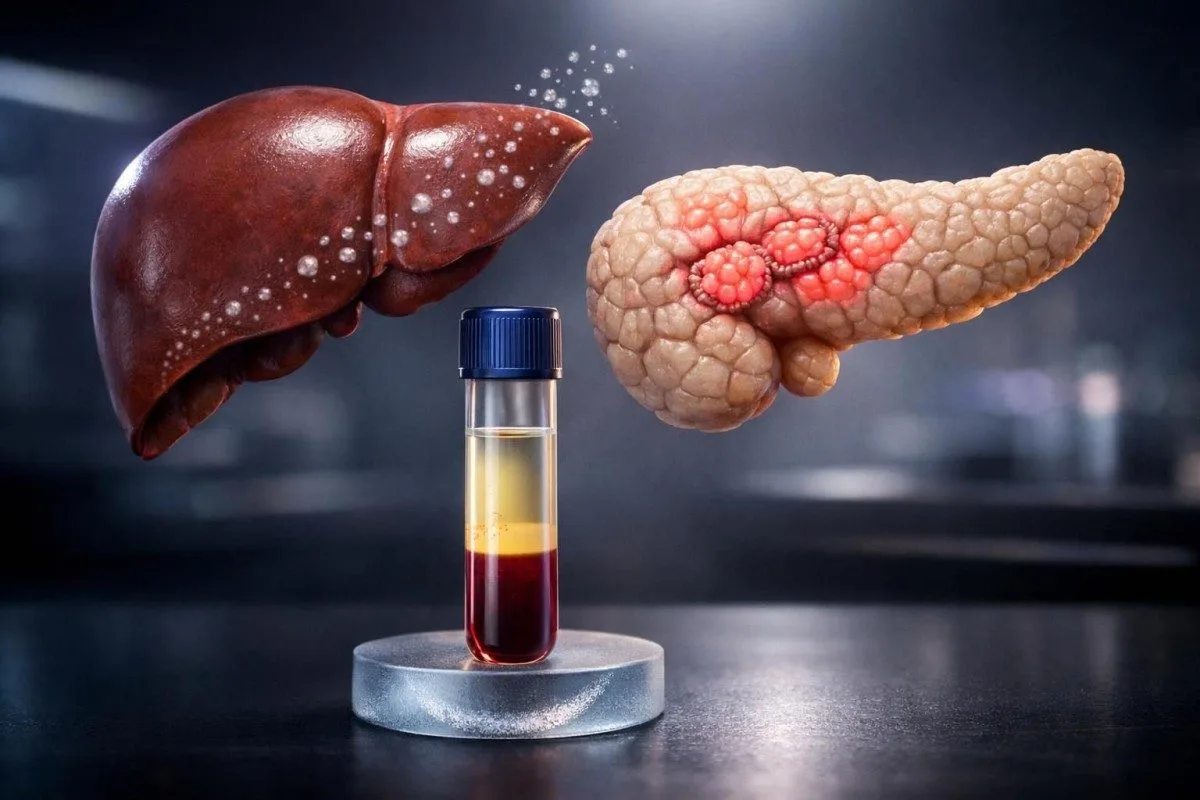
Normal Range for Testosterone by Age and Morning Timing
Categories
Articles

Hormones Lab Interpretation 2026 Update Patient-Friendly Testosterone is not one fixed number. The reference range changes with age, assay method, and especially morning timing—and borderline total testosterone often needs free testosterone before anyone calls it low-T. 📖 ~11 minutes 📅 April 7, 2026 📝 Published: April 7, 2026 🩺 Medically Reviewed: April 7, 2026 ✅ […]
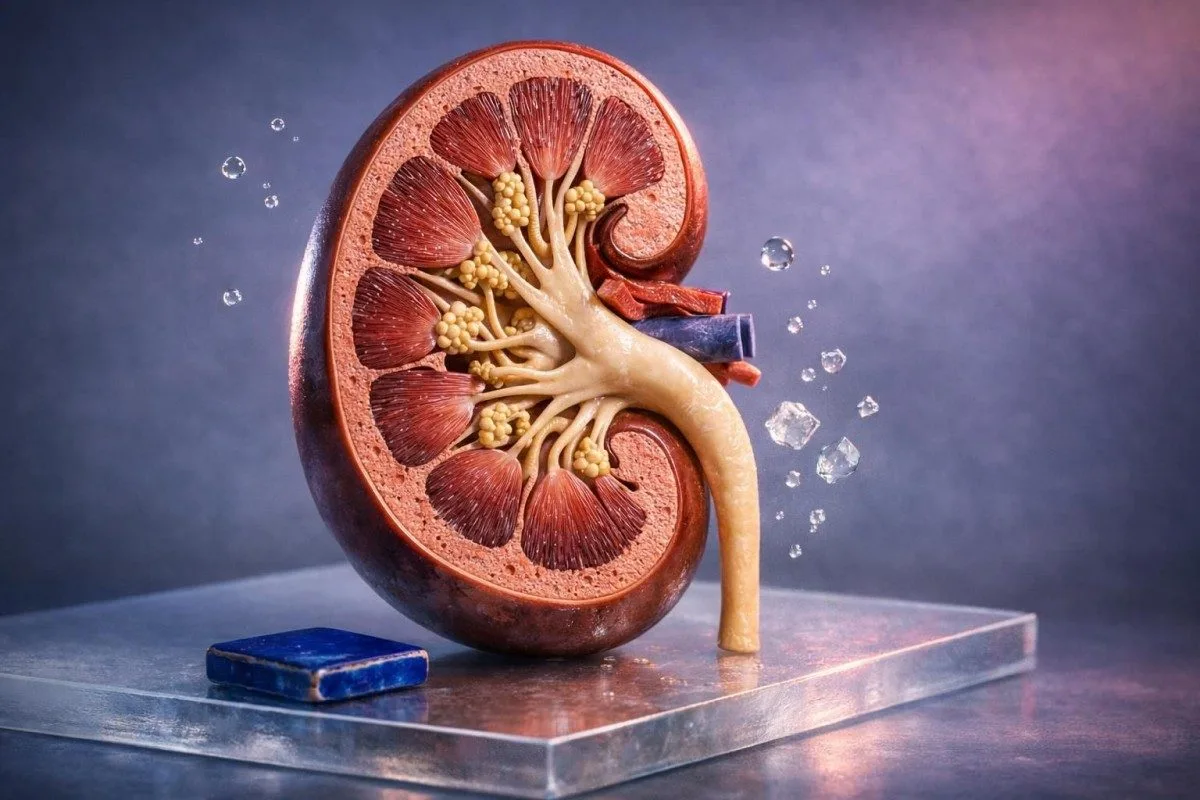
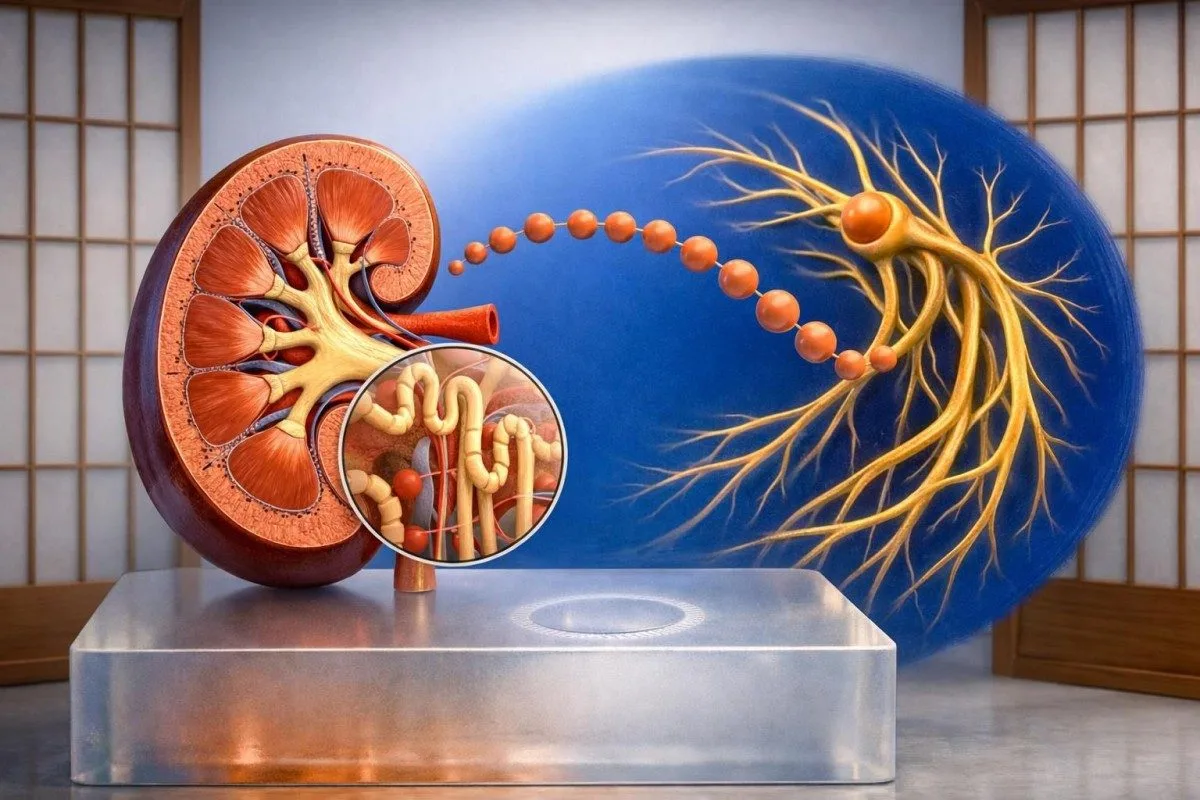
Normal Range for Sodium: Hydration, Highs, and Urgent Lows
Categories
Articles

Electrolytes Lab Interpretation 2026 Update Patient-Friendly Sodium is often treated like a salt test, but clinically it is mostly a water-balance clue. We interpret it through symptoms, glucose, kidney markers, and medications before deciding whether a result is routine, same-day, or urgent. 📖 ~11 minutes 📅 April 7, 2026 📝 Published: April 7, 2026 🩺 […]

What Does Low Potassium Mean? Causes, Symptoms, Next Steps
Categories
Articles

Electrolytes Lab Interpretation 2026 Update Patient-Friendly Low potassium usually means your body is losing potassium through urine, vomiting, diarrhea, or certain medicines faster than you are replacing it. A result around 3.4 mmol/L is often mild; below 3.0 mmol/L, or any weakness, palpitations, or fainting, deserves prompt medical review. 📖 ~11 minutes 📅 April 7, […]

PTH Blood Test: High, Low, and Calcium Pattern Clues
Categories
Articles

Endocrinology Lab Interpretation 2026 Update Patient-Friendly A single PTH number rarely answers the real question. The pattern with calcium, vitamin D, kidney function, phosphate, and urine calcium usually tells the story. 📖 ~11 minutes 📅 April 7, 2026 📝 Published: April 7, 2026 🩺 Medically Reviewed: April 7, 2026 ✅ Evidence-Based This guide was written […]

Prolactin Blood Test: High Levels and What to Do Next
Categories
Articles

Endocrinology Lab Interpretation 2026 Update Patient-Friendly A single high prolactin result is often less dramatic than it looks. The real job is sorting out lab timing, stress, medications, thyroid patterns, and the smaller group of true pituitary causes. 📖 ~11 minutes 📅 April 6, 2026 📝 Published: April 6, 2026 🩺 Medically Reviewed: April 6, […]

High Monocytes in Blood Test: Causes and What Next
Categories
Articles

Hematology Lab Interpretation 2026 Update Patient-Friendly Most monocytosis is reactive and short-lived. The useful question is whether the rise fits recent recovery, chronic inflammation, or a pattern that deserves hematology review. 📖 ~11 minutes 📅 April 6, 2026 📝 Published: April 6, 2026 🩺 Medically Reviewed: April 6, 2026 ✅ Evidence-Based This guide was written […]

Hematocrit Levels: How to Read Low and High Results
Categories
Articles

Hematology Lab Interpretation 2026 Update Patient-Friendly Hematocrit measures the percentage of your blood made up by red cells. Low hematocrit usually points to anemia, dilution, pregnancy, or reduced kidney-driven red-cell production; high hematocrit more often reflects dehydration, altitude, smoking, sleep apnea, testosterone therapy, or—less commonly—a marrow disorder. 📖 ~11 minutes 📅 April 6, 2026 📝 […]

CMP Blood Test vs BMP: Differences, Markers, and Uses
Categories
Articles

Metabolic Panels Lab Interpretation 2026 Update Patient-Friendly BMP answers the kidney-electrolyte question quickly. CMP asks the same question and adds liver plus protein clues that often change what I do next. 📖 ~11 minutes 📅 April 6, 2026 📝 Published: April 6, 2026 🩺 Medically Reviewed: April 6, 2026 ✅ Evidence-Based This guide was written […]

Liver Function Test: Reading ALT, AST, ALP and GGT
Categories
Articles

Liver Health Lab Interpretation 2026 Update Patient-Friendly Most people are told one enzyme is high. Real interpretation starts when you compare the whole panel, the printed upper limits, symptoms, and trend over time. 📖 ~10-12 minutes 📅 April 6, 2026 📝 Published: April 6, 2026 🩺 Medically Reviewed: April 6, 2026 ✅ Evidence-Based This guide […]

Fasting Blood Sugar Range: Why Morning Levels Rise
Categories
Articles

Glucose Control Lab Interpretation 2026 Update Patient-Friendly A fasting glucose of 102-112 mg/dL with an HbA1c of 5.4%-5.6% is a pattern we see often. As of April 6, 2026, it usually points to timing, dawn hormones, sleep, stress, or early insulin resistance rather than a mysterious lab error. 📖 ~11 minutes 📅 April 6, 2026 […]