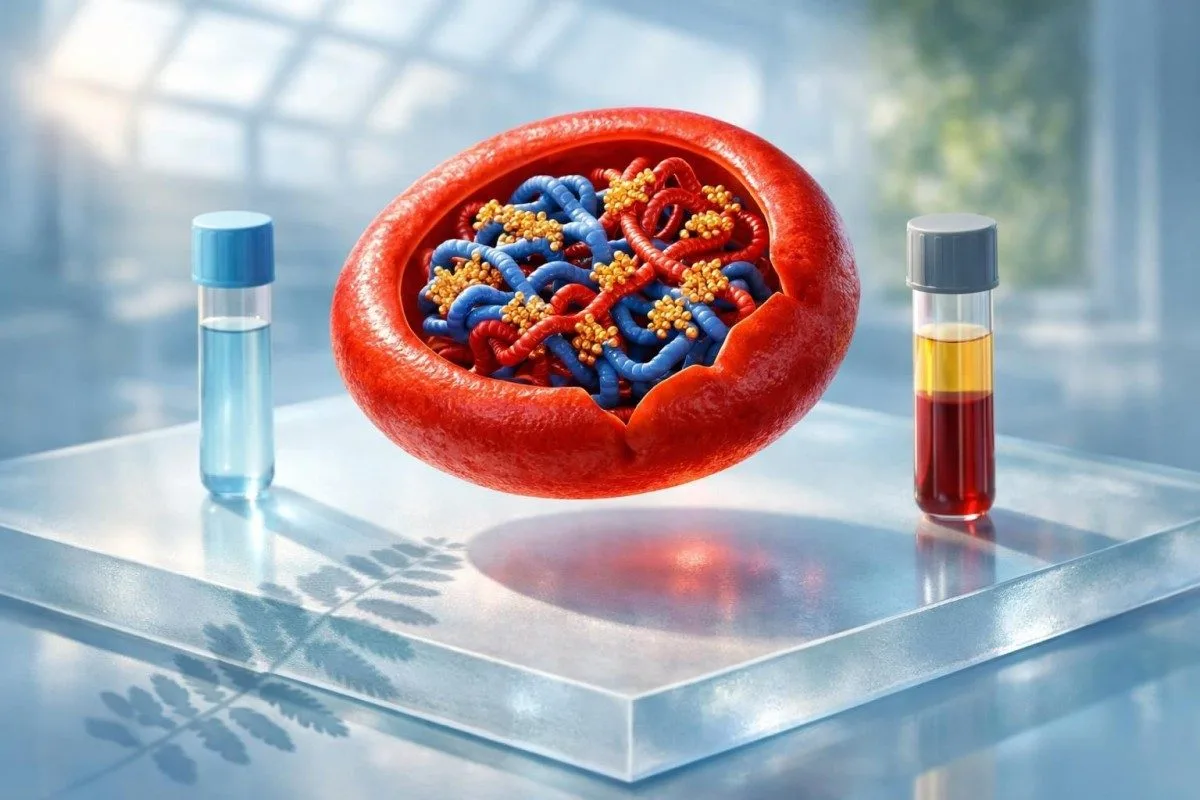
Дыягназ звычайна ставяць па ўзроўні глюкозы нашча, HbA1c, OGTT або выпадковай глюкозе пры наяўнасці сімптомаў. Той самы HbA1c можа дыягнаставаць дыябет у першы дзень і пазней кантраляваць яго, але гэта не азначае, што ў абодвух выпадках ён мае аднолькавы сэнс.


- Нашчаважная плазмовая глюкоза з 126 мг/дл (7.0 ммоль/л) або вышэй пры паўторным тэсціраванні дыягнастуе дыябет у большасці дарослых без сімптомаў.
- аналіз крыві HbA1c значэнні 6.5% або вышэй могуць дыягнаставаць дыябет, але дэфіцыт жалеза, хвароба нырак, пераліванне крыві або варыянты гемаглабіну могуць скажонаць лічбу.
- Аналіз крыві на предыябет парогі HbA1c 5.7%-6.4%, глюкоза нашча 100–125 мг/дл, або 2-гадзінны OGTT 140-199 мг/дл.
- Выпадковая глюкоза з 200 мг/дл або вышэй плюс класічныя сімптомы, такія як смага, поліурыя і страта вагі, могуць дыягнаставаць дыябет без аналізу нашча.
- HbA1c адлюстроўвае прыкладна 8-12 тыдняў уздзеяння глюкозы, прычым найбольш 30 дзён уплывае на вынік апошняе.
- глюкоза ў крыві нашча — гэта здымак пасля 8–12 гадзін без калорый; недахоп сну, стэроіды, інфекцыя і час узяцця могуць зрушыць яго на 10–30 мг/дл.
- Фруктозамін адлюстроўвае прыблізна 14-21 дзень і часта карысны, калі HbA1c не адпавядае клінічнай карціне.
- Назіранне за функцыяй нырак мае значэнне, бо ўстойлівая суадносіна альбумін/крэатынін у мачы >=30 мг/г або СКФ <60 мл/мін/1,73 м² можа змяняць вядзенне дыябету, нават калі ні адзін з гэтых аналізаў сам па сабе не дыягнастуе дыябет.
Якія аналізы крыві на дыябет дыягнастуюць хваробу, а якія толькі адсочваюць кантроль?
Нашчаважная плазмовая глюкоза, HbA1c, цану 75-г пероральны тэст талерантнасці да глюкозы, і часам выпадковая глюкоза ў крыві пры наяўнасці сімптомаў — гэта вынікі, якія дыягнастуюць дыябет. Тэсты, якія мы выкарыстоўваем пазней для кантролю — звычайна HbA1c, хатнія даныя па глюкозе, аналізы нырак і ліпідныя панэлі — адказваюць на іншае пытанне: не пра тое, ці існуе дыябет, а пра тое, колькі глюкозы ўздзейнічае і які рызыка для органаў прысутнічае. Вось чаму тая самая аналіз крыві на дыябет панэль можа ўтрымліваць адно сапраўды дыягнастычнае значэнне і некалькі вынікаў, якія толькі адсочваюць рызыку з часам.
Большасць лабараторных справаздач друкуе даведачныя інтэрвалы, а не правілы прыняцця рашэнняў. Значэнне можа знаходзіцца па-за межамі лабараторнага дыяпазону і пры гэтым не адпавядаць крытэрам хваробы, таму наша праверкай рэальнасцю ў межах нормы дапамагае пацыентам зразумець, чаму «чырвоны сцяг» не аўтаматычна з’яўляецца дыягназам.
У AI Kantesti мы пастаянна бачым гэтую блытаніну ў загружаных справаздачах з краін 127+. Глюкоза нашча 108 мг/дл азначае предыябету, а не дыябет; LDL 160 мг/дл мае вялікае значэнне, але зусім не дыягнастуе дыябет.
Я кажу пацыентам простую рэч: дыягназ — гэта пра перасячэнне пацверджанага парога ў правільных умовах, а маніторынг — пра шаблон, дынаміку і кантэкст. Па стане на 24 красавіка 2026 года гэтая розніца ўсё яшчэ з’яўляецца самым чыстым спосабам чытаць змешаную панэль без празмернага або недастатковага «прыпісвання» хваробы.
Чатыры паказчыкі, якія лекары выкарыстоўваюць для дыягностыкі дыябету
Дыябет дыягнастуюць па любым з чатырох вынікаў: глюкоза ў плазме нашча >=126 мг/дл, HbA1c >=6.5%, 2-гадзінны OGTT >=200 мг/дл, або выпадковая глюкоза ў плазме >=200 мг/дл пры класічных сімптомах. Згодна з ADA 2024 Standards of Care (American Diabetes Association Professional Practice Committee, 2024), большасць дарослых без сімптомаў усё яшчэ павінны атрымаць пацвярджэнне ў асобны дзень.
Глюкоза ў плазме нашча — самы «чысты» дыягнастычны здымак, бо яе непасрэдна вымяраюць у плазме і яна адносна добра паўтараецца. Нармальная глюкоза нашча — ніжэй за 100 мг/дл (5.6 ммоль/л), предыябет — 100–125 мг/дл (5,6–6,9 ммоль/л)і дыябет — 126 мг/дл (7,0 ммоль/л) або вышэй пасля 8–12 гадзін галадання.
HbA1c адрозніваецца — ён вымярае ўздзеянне глюкозы з цягам часу, а не ў адзін момант. Нармальны HbA1c — ніжэй за 5.7%, предыябет — 5.7%–6.4%і дыябет — 6.5% або вышэй на аналізе, стандартызаваным па NGSP/DCCT; калі ў вашым лабараторным заключэнні паказаны толькі расплыўчаты даведачны інтэрвал, наш тлумачальнік парогаў HbA1c перакладае гэта лепш.
Гэты значэнне праз 2 гадзіны выяўляе людзей, якія даволі добра спраўляюцца з галадным перыядам, але дрэнна «скачуць» пасля глюкозы. Значэнне праз 2 гадзіны 140–199 мг/дл 2-гадзіннае значэнне 140-199 мг/дл азначае парушаную талерантнасць да глюкозы і 200 мг/дл або вышэй ставіць дыягназ дыябету, а змешаныя паграничныя справаздачы — гэта тыя выпадкі, дзе наш даведнік па пагранічных лабараторных паказчыках звычайна прадухіляе непатрэбную паніку.
Чаму пацвярджэнне ўсё яшчэ важнае ў 2026 годзе
Калі вы адчуваеце сябе добра і першае анамальнае значэнне нязначна вышэй за парог, большасць клініцыстаў паўтараюць аналіз, бо біялогія «брудная». Я бачыў, як прыступы преднізону, вірусная інфекцыя і недасып штурхаюць узровень глюкозы нашча ў 126-130 мг/дл і нармалізуюць яго праз тыдзень.
Чаму аналіз крыві на HbA1c можа дыягнаставаць і кантраляваць — але не аднолькава добра
HbA1c можа дыягнаставаць дыябет і кантраляваць яго, але ён не аднолькава надзейны ў кожным арганізме. Ён ацэньвае сярэдняе ўздзеянне глюкозы прыкладна за 8-12 тыдняў, прычым найбольш актуальныя 30 дзён і гэта дае яму выдатную карысць для назірання, але толькі ўмоўна дапушчальна для дыягностыкі, калі абарот эрытрацытаў даволі нармальны.
Nathan et al. (2008) паказалі, што кожнае 1.0% змяненне HbA1c адпавядае прыкладна 29 мг/дл змяненню разліковай сярэдняй глюкозы. Вось чаму A1c 7.0% адпавядае прыкладна сярэдняй глюкозе каля 154 мг/дл, а 6.0% аказваецца бліжэй да 126 мг/дл.
Тое, што прапускаюць онлайн, — гэта праблема з эрытрацытамі. Дэфіцыт жалеза можа падштурхнуць HbA1c уверх прыкладна на 0.2-0.5 працэнтнага пункта у некаторых пацыентаў без сапраўднага змянення глюкозы, тады як гемоліз, тэрапія эрытрапаэтыном, нядаўняе крывацёк, нырачная недастатковасць або трансфузія могуць апусціць яго; калі такое адбываецца, я накіроўваю пацыентаў на агляд дакладнасці HbA1c замест таго, каб выдаваць лічбу за «істыну ў апошняй інстанцыі».
Пераканаўчы выпадак: жанчына 34 гадоў мела HbA1c 6.7% але паўторныя значэнні глюкозы нашча былі 89-96 мг/дл. Яе ферытын быў 8 нг/мл з памежным мікрацытозам, і калі дэфіцыт жалеза быў выпраўлены, HbA1c знізіўся амаль на 0,4 працэнтнага пункта—гэтая заканамернасць і ёсць прычына, чаму пры Kantesti я амаль ніколі не расшыфроўваю HbA1c, не зірнуўшы на CBC і наш кіраўніцтва па нізкім ферытыне.
Для кантролю звычайная мэта HbA1c складае <7.0% для многіх дарослых, якія не цяжарныя, але я часта аслабляю яе да <7,5% або 8,0% у далікатных пажылых пацыентаў і зацягваю яе ў адабраных маладых, калі рызыка гіпаглікеміі нізкая. Гэта адна з тых сфер, дзе кантэкст важыць больш, чым загалоўкавы лічбавы паказчык.
Глюкоза ў крыві нашча: дыягнастычны «здымак», а не поўны фільм
Пустая страўнікавая глюкоза — гэта дыягнастычны «здымак», а не прысуд адносна ўсяго вашага метабалізму. Яна вымярае глюкозу пасля 8–12 гадзін без калорый, і штодзённыя ваганні прыкладна 5-15 мг/дл звычайныя нават у ўважлівых пацыентаў.
Большасць пацыентаў мяркуе, што пустая страўнікавая глюкоза — гэта выключна пра дыябет; але гэта не так. Страта сну, вострая інфекцыя, преднізон, позні цяжкі прыём ежы і моцны стрэс могуць падняць ранішнюю глюкозу на 10–30 мг/дл, таму я паўтараю значэнне 126–132 мг/дл перш чым маркіраваць каго-небудзь, калі сімптомы відавочныя.
Правілы да аналізу важныя. Простая вада падыходзіць, але сліўкі, цукар, энергетычныя напоі і часам нават моцная кава могуць «замуціць» вынік настолькі, што зменіцца, ці сапраўды тэст быў на галодны страўнік; наш даведнік па правілах галадання ахоплівае практычныя памылкі, якія я бачу кожны тыдзень.
Далей ідзе феномен світанку—раннеманінкавы кортізол і гармоны росту прымушаюць некаторых людзей мець 10-20 мг/дл вышэй у 6 раніцы, чым апоўдні. Медсястра з аддзялення інтэнсіўнай тэрапіі на начной змене, якую я бачыў, мела значэнні нашча каля 112 мг/дл пасля дрэннага сну, але яе паказчыкі пасля ежы і HbA1c былі нармальнымі; наш артыкул пра высокія значэнні пустая страўнікавая глюкоза раніцай тлумачыць, чаму час змяняе інтэрпрэтацыю.
Калі пероральны тэст талерантнасці да глюкозы або выпадковая глюкоза расказваюць праўдзівейшую гісторыю
Пероральны тэст талерантнасці да глюкозы і выпадковая глюкоза — гэта «рашучыя» фактары, калі пустая страўнікавая глюкоза або HbA1c не даюць поўнай карціны. A 2-гадзінны OGTT >=200 мг/дл дыягнастуе дыябет, а выпадковы ўзровень глюкозы ≥200 мг/дл разам з смагай, стратай вагі або частым мачавыпусканнем можна дыягнаставаць гэта на месцы.
OGTT больш адчувальны для ранняй парушанай рэгуляцыі глюкозы, бо «нагружае» сістэму, а не «фотаграфуе» яе ў стане спакою. Я ўсё яшчэ выкарыстоўваю яго, калі HbA1c 5.8%-6.4% і ўзровень глюкозы нашча выглядае падманліва нармальным, асабліва ў маладых людзей з моцнай сямейнай гісторыяй; наш агляд парога A1c 6.5% карысны, калі пацыенты пытаюцца, чаму адзін аналіз дыягнастуе, а іншы толькі павышае падазрэнне.
Менш вядомая праблема лабараторных аналізаў: калі прабірка з плазмай для глюкозы стаіць непапрацаванай пры пакаёвай тэмпературы, клеткі працягваюць спажываць глюкозу, і паказчык можа знізіцца прыкладна на 5%-7% за гадзіну. Іншымі словамі, неахайнае абыходжанне можа схаваць дыябет, а не перабольшыць яго.
Выпадковую глюкозу часта завышана ацэньваюць. Значэнне без галадання 168 мг/дл пасля абеду не з’яўляецца дыягнастычным, але значэнне 248 мг/дл разам з смагай, частым мачавыпусканнем і стратай вагі — гэта іншая гісторыя; калі ў вас ізалявана высокі цукар без класічных сімптомаў, пачніце з нашага кіраўніцтва па высокай глюкозе без дыябету.
Адна схаваная пастка OGTT
Людзі часам рыхтуюцца да OGTT, ужываючы незвычайна мала вугляводаў на працягу некалькіх дзён загадзя. Гэта можа часова прыглушыць інсулінавую рэакцыю і зрабіць 2-гадзіннае вынік горшым, чым ваша звычайная фізіялогія, таму я прашу пацыентаў харчавацца звычайна і пазбягаць інтэнсіўных фізічных нагрузак у перыяд тэставання.
Якія вынікі адсочваюць дыябет з цягам часу пасля пастаноўкі дыягназу
Пасля таго як дыябет дыягнаставаны, асноўны кантрольны лабараторны аналіз — HbA1c, але ён не адзіны і рэдка з’яўляецца самым неадкладным. HbA1c адсочвае прыкладна 3 месяцаў, фруктозамін пра 2–3 тыдні, а штодзённы кантроль лепш бачны па хатняй глюкозе або CGM.
Для многіх дарослых клініцысты імкнуцца да HbA1c <7.0%, але гэта мэта палітыкі, а не маральная ацэнка. Старэйшыя людзі з рызыкай гіпаглікеміі могуць лепш справляцца з <7.5%-8.0%, а некаторыя маладыя пацыенты часам арыентуюцца на ніжэйшыя значэнні, калі лячэнне бяспечнае.
Фруктозамін выкарыстоўваюць недастаткова. Высокі ўзровень фруктозаміну можа паказаць нядаўняе пагаршэнне задоўга да таго, як HbA1c паспее адрэагаваць, і менавіта таму я прызначаю яго пасля пачатку прыёму стэроідаў, змены інсуліну або праверкі таго, ці 14-21 дзень адпавядае гэта гісторыі; інструменты для трэндаў, як наш трэкер гісторыі аналізаў крыві , тут вельмі карысныя.
Даныя CGM адказваюць на пытанні, якія HbA1c ніколі не зможа—што адбываецца а 3-й раніцы, пасля пасты або падчас фізічных нагрузак. Час у дыяпазоне вышэй за 70% час у дыяпазоне вышэй за 70% — гэта распаўсюджаная мэта для многіх дарослых, а хатнія глюкометры выдатныя для кантролю, але іх не выкарыстоўваюць для дыягностыкі, бо капілярныя прылады дазваляюць больш шырокую аналітычную варыяцыю, чым лабараторныя аналізы плазмы; наша кіраўніцтва па параўнанні трэндаў аналізу крыві дапамагае пацыентам ацэньваць, ці змена сапраўдная.
Пры Kantesti мы рэгулярна бачым, як HbA1c паляпшаецца з 8.9% да 7.4% , пакуль паказчыкі нашча амаль не змяняюцца, бо спачатку змяніўся кантроль пасля ежы. Вось чаму наша платформа AI аналізу крыві ставіцца да траекторыі гэтак жа сур’ёзна, як і да асобнага лабараторнага сігналу.
Калі фруктозамін пераўзыходзіць HbA1c
Фруктозамін часта больш карысны, калі абарот эрытрацытаў парушаны, але ў яго ёсць і ўласныя «сляпыя зоны». Нізкі альбумін, цяжкае захворванне печані або значныя страты бялку з мочой могуць прымусіць фруктозамін паказваць ніжэй, чым чакалася, таму я ніколі не разглядаю яго як магічную замену.
Калі HbA1c і глюкоза не супадаюць, каму верыць?
Калі HbA1c і глюкоза не супадаюць, давярайце фізіялогіі, перш чым давяраць раздрукоўцы. Калі HbA1c больш чым прыкладна 0.5-0.7 працэнтнага пункта адрозніваецца ад таго, што паказваюць пальцавыя вымярэнні, CGM або паўторныя вымярэнні глюкозы нашча, я шукаю зменены абарот эрытрацытаў, хваробу нырак або варыянт гемаглабіну.
Класічны неадпаведны ўзор — HbA1c 7.1% пры сярэднім значэнні CGM каля не адмяняе аўтаматычна; гэта кажа мне пераправерыць, а не адкідаць. Разглядаць. Гэтае неадпадзенне часта паказвае на дэфіцыт жалеза, дэфіцыт B12 або незвычайна доўгажывучыя эрытрацыты, а не на схаванае ўздзеянне цукру; агляд аналізу функцыі нырак дапамагае, бо хвароба нырак можа скажонаць карціну з абодвух бакоў.
Падобнае адбываецца і наадварот. У пацыента з ХБП, нядаўнім крывацёку або на тэрапіі эрытрапаэтыну можа назірацца HbA1c 6.2% нягледзячы на паўторныя паказчыкі глюкозы нашча ў 140-х мг/дл, бо маладыя эрытрацыты мелі менш часу, каб глікаваць; калі ў гэтай гісторыі прысутнічае анемія, наш даведнік для назірання пры нізкім гемаглабіне — лагічны наступны крок.
Ёсць яшчэ адна непрыемная праўда: некаторыя людзі маюць стабільны «грыф глікацыі» (glycation gap), калі HbA1c паказвае крыху вышэй ці ніжэй у параўнанні з вымеранай глюкозай па біялагічных прычынах, якія мы ўсё яшчэ не да канца разумеем. Доказная база тут, шчыра кажучы, неадназначная, але Selvin et al. (2010) усё ж знайшлі, што больш высокі HbA1c прадказваў сардэчна-сасудзістую рызыку нават у дарослых без дыябету, таму я не ігнарую неадпаведны HbA1c — я ўстаўляю яго ў кантэкст.
Мая праверка пры неадпаведнасці
Калі лічбы супярэчаць адна адной, мой першы крок просты: агульны аналіз крыві (CBC), ферытын, креатынін або eGFR, спіс лекаў і любая нядаўняя трансфузія або гісторыя крывацёку. Калі гэтага ўсё яшчэ недастаткова, я разглядаю тэставанне на гемаглабінопатии або іншы глікемічны маркер, а не павялічваю лячэнне ўсляпую.
Іншыя лабараторныя паказчыкі, якія важныя пры назіранні за дыябетам — і чаму яны не дыягнастуюць дыябет
Аналізы нырак, ліпідаў, печані і B12 адсочваюць наступствы і «спадарожнікаў» дыябету; яны не дыягнастуюць сам дыябет. Гэтыя аналізы паказваюць, ці пачала глюкоза ўплываць на органы, ці разам з інсулінавай рэзістэнтнасцю ідзе тлушчавая печань і атэрагенныя ліпіды.
Маніторынг нырак важны ўжо на ранніх этапах. Пастаяннае суадносіны альбумін/креатынін у мачы 30 мг/г або вышэй сведчыць пра пашкоджанне нырак, а eGFR ніжэй за 60 мл/мін/1,73 м² як мінімум на 3 месяцаў адпавядае крытэрам хранічнай хваробы нырак; паколькі фізічныя нагрузкі, тэмпература і абязводжванне могуць часова павышаць альбумін, мне падабаецца мець як мінімум два з трох анамальных узораў, перш чым лічыць гэта сапраўдным, як у нас даведнік па аналізе крыві нырак добра тлумачыць.
Ліпіды — не «пабочная» задача пры дыябеце. трыгліцэрыды вышэй за 150 мг/дл яны часта ідуць разам з інсулінавай рэзістэнтнасцю, і многія дарослыя з высокай рызыкай пры дыябеце лечацца ў бок халестэрыну LDL ніжэй за 70 мг/дл; пацыенты, якія хочуць убачыць гэтую схему простымі словамі, звычайна добра спраўляюцца з нашым артыкулам пра расшыфроўку ліпіднага профілю.
Пячоначныя ферменты і B12 дадаюць яшчэ адзін пласт. Нязначнае ALT павышэнне разам з высокімі трыгліцэрыдамі і цэнтральным павелічэннем масы цела часта паказвае на тлушчавую печань, а не на вірусны гепатыт, а нізка-нармальны В12 паказчык у доўгатэрміновага карыстальніка метфарміну можа значна лепш растлумачыць паколванне, чым спісваць кожны сімптом на глюкозу.
З майго досведу, найбольш карысныя — гэта панэлі, якія чытаюцца як заканамернасці, а не як асобныя «скрынкі». Нейрасетка Kantesti часта выяўляе тройку HbA1c, трыгліцэрыдаў і ALT, якія рухаюцца разам, і наша больш шырокая кіраўніцтва па біямаркерах дапамагае пацыентам бачыць, як гэтыя складнікі складаюцца ў адну карціну.
дадатковая панэль, якую я сапраўды праглядаю
Пры ўсталяваным дыябеце я звычайна гляджу на HbA1c, креатынін, eGFR, суадносіны альбумін/креатынін у мачы, LDL, трыгліцэрыды, ALT і часам B12 у той жа сесіі. Прычына практычная: пагаршэнне трыгліцэрыдаў разам са ростам ALT часта змяняе кансультацыі яшчэ да таго, як гэта зробіць лячэнне для кантролю глюкозы.
Як чытаць аналіз крыві на предыябет, не перарэагуючы
аналіз крыві пры предыябеце паказвае павышаную рызыку, а не непазбежную хваробу. HbA1c 5.7%-6.4%, глюкоза нашча 100–125 мг/дл, або 2-гадзінны OGTT 140-199 мг/дл вызначыць предыябет, але верагоднасць прагрэсавання моцна залежыць ад узросту, вагі, сну, сямейнай медычнай гісторыі і таго, што паказвае астатняя панэль.
HbA1c на 5.7% і HbA1c на 6.4% абодва пазначаныя як предыябет, але клінічна гэта не «блізняты». Апошні звычайна падказвае мне рухацца хутчэй — асабліва калі трыгліцэрыды 200 мг/дл або вышэй, або павялічваецца памер таліі; наш даведніка па аналізе крыві на предыябет паглыбляецца ў гэтыя пагранічныя зоны.
Паставачная глюкоза каля 124-125 мг/дл часта паводзіць сябе як ранні дыябет яшчэ да таго, як «пазнака» стане афіцыйнай. Калі даступны інсулін нашча, то аглядзе HOMA-IR можа дадаць нюансаў, хоць я сумленна кажу пацыентам, што аналізы інсуліну менш стандартызаваныя, чым аналізы глюкозы.
Вось дзе важны базавы ўзровень. Два чалавекі з HbA1c 5.9% могуць мець зусім розныя будучыні ў залежнасці ад таго, ці былі яны 5.1% у мінулым годзе, ці 5.8% у мінулым годзе, і таму я так шмат значэння надаю кірунку тэндэнцыі, а не аднаму яркаму скрыншоту.
Добрая навіна — хуткасць. Пахуданне нават на 5%-7%, лепшы сон, трэніроўкі на супраціў і талерка з большай колькасцю клятчаткі могуць зрушыць глюкозу нашча ў межах 8-12 тыдняў, часам хутчэй, чым гэта адлюстроўвае HbA1c.
Што рабіць пасля таго, як прыйшоў вынік аналізу крыві на дыябет
Пасля аналізу крыві на дыябет наступны правільны крок залежыць ад таго, ці з’яўляецца вынік дыягнастычным, пагранічным або проста маркерам для назірання. Пацверджаны глюкоза нашча ≥126 мг/дл, HbA1c >=6.5%, або пры наяўнасці сімптомаў выпадковая глюкоза ≥200 мг/дл патрабуе медыцынскага назірання; адхіленне для кантролю, напрыклад LDL, креатініна або B12, патрабуе іншага абмеркавання.
Калі вынік можа дыягнаставаць дыябет і вы адчуваеце сябе добра, паўтарыце або пацвердзіце яго, калі клінічная карціна не відавочная. Як Томас Кляйн, доктар медыцынскіх навук, я б лепш паўтарыў памежны дыягнастычны тэст, чым праводзіць месяцы, каб “адкруціць” памылковую маркіроўку, і наш гід па загрузцы PDF з аналізам крыві тлумачыць, чаму поўны справаздачны даклад важнейшы за абрэзаную выяву аднаго паказчыка.
Калі ў вас ужо ёсць дыябет, задайце адно дакладнае пытанне: ці мы карэктуем лячэнне з улікам глюкозы нашча, пікаў пасля ежы, HbA1c, нырак або сардэчна-сасудзістага рызыку? Гэта адно сказанне ператварае расплывісты візіт у карысны, і наш бясплатную дэма-версію аналізу крыві дазваляе вам убачыць, як Kantesti арганізуе гэтую размову прыкладна за 60 секунд.
У Інтэрпрэтацыя аналізу крыві з дапамогай штучнага інтэлекту, Kantesti, якое выкарыстоўваюць больш чым 2 мільёны людзей у 127+ краінах, мы пабудавалі агляд тэндэнцый так, як насамрэч думаюць клініцысты — спачатку парогі, потым кантэкст, трэцім — траекторыя. Наш медыцынская кансультатыўная рада тлумачыць, хто ацэньвае медыцынскую логіку за гэтым падыходам.
Яшчэ адзін момант бяспекі. Глюкоза значна вышэйшая за 300 мг/дл з ванітамі, абязводжваннем, разгубленасцю або глыбокім хуткім дыханнем — гэта не праблема з блога; гэта тэрміновая дапамога або экстраная дапамога ў той жа дзень, і наш старонцы клінічных стандартаў паказвае, чаму гэтыя ўзоры запускаюць эскалацыю.
Часта задаваныя пытанні
Ці можа высокі ўзровень глюкозы ў крыві нашча дыягнаставаць дыябет?
Звычайна не. Глюкоза плазмы нашча 126 мг/дл (7.0 ммоль/л) або вышэй можа дыягнаставаць дыябет, але калі ў вас няма тыповых сімптомаў, клініцысты звычайна паўтараюць тэст у іншы дзень або пацвярджаюць яго з дапамогай HbA1c >=6.5% або 2-гадзінны OGTT >=200 мг/дл. Адзін выключны выпадак — відавочная гіперглікемія з сімптомамі, такімі як празмерная смага, страта вагі і частае мачавыпусканне. Стэроіды, інфекцыя і дрэнны сон могуць часова павышаць глюкозу нашча, таму кантэкст мае значэнне.
Ці лепшы аналіз крыві HbA1c, чым вымярэнне ўзроўню глюкозы нашча?
Ні адзін тэст не з'яўляецца універсальна лепшым; яны адказваюць на крыху розныя пытанні. аналіз крыві HbA1c адлюстроўвае прыблізна 8-12 тыдняў уздзеяння глюкозы і не патрабуе галадання, а нашчавая глюкоза ў крыві дае здымак у той жа дзень і можа выявіць неадпаведнасць, якую прапускае HbA1c. HbA1c становіцца менш надзейным, калі абарот эрытрацытаў ненармальны, напрыклад пры дэфіцыце жалеза, нядаўнім крывацёку, пераліванні крыві або прагрэсаванні хваробы нырак. На практыцы я выбіраю той тэст, які адпавядае клінічнаму пытанню і пацыенту, які знаходзіцца перад мной.
Чаму мой HbA1c высокі, але глюкоза нашча нармальная?
Высокі HbA1c пры нармальнай глюкозе нашча можа адбывацца па некалькіх прычынах. Дэфіцыт жалеза, дэфіцыт B12, павольны абарот эрытрацытаў або некаторыя варыянты гемаглабіну могуць “падштурхоўваць” HbA1c уверх нават тады, калі паўторныя значэнні глюкозы нашча трымаюцца каля 85–99 мг/дл. Пікі пасля ежы таксама могуць павышаць HbA1c, калі значэнні нашча застаюцца блізкімі да нормы, таму OGTT або CGM часам удакладняюць карціну. Калі неадпаведнасць больш чым прыкладна 0,5 працэнтнага пункта, я звычайна гляджу на агульны аналіз крыві (CBC), ферытын, аналіз функцыі нырак і лекі.
Які лепшы аналіз крыві для выяўлення преддыябету?
Няма аднаго найлепшага аналіз крыві на предыябет для ўсіх. HbA1c 5.7%-6.4% і глюкоза нашча 100–125 мг/дл ён ахоплівае розную фізіялогію, і 2-гадзінны OGTT 140-199 мг/дл часта з’яўляецца найбольш адчувальным, калі першыя два паказчыкі знаходзяцца на мяжы нормы. Я звычайна больш давяраю агульнаму ўзору, чым любому асобнаму значэнню, асабліва калі трыгліцэрыды, ALT, дынаміка вагі і сямейная медычная гісторыя паказваюць у адным кірунку. Памежныя вынікі заслугоўваюць удакладнення, а не безнадзейнасці.
Як часта трэба правяраць HbA1c пасля таго, як дыягнаставалі дыябет?
Большасць дарослых з усталяваным дыябетам павінны правяраць HbA1c прыкладна кожныя 3 месяцаў калі змянілася лячэнне або калі яны не дасягнулі мэты. Калі кантроль глюкозы стабільны і схема не змянялася, кожнага 6 месяцаў часта бывае дастаткова. HbA1c менш карысны для штодзённых рашэнняў, бо ён адлюстроўвае папярэдні 8-12 тыдняў, а не тое, што адбылося ўчора. Калі значэнне HbA1c не адпавядае гісторыі, фруктазамін або CGM могуць запоўніць прабел.
Ці можа анемія або хвароба нырак зрабіць аналіз крыві HbA1c недакладным?
Так. Дэфіцыт жалеза і некаторыя формы анеміі могуць ілжыва павышаць HbA1c, а ХБП (CKD), прымяненне эрытрапаэтыну, страта крыві, гемоліз або нядаўняе пераліванне могуць ілжыва зніжаць яго. У рэальных лічбах скажэнне можа быць дастатковым, каб зрушыць вынік на 0.2-0.5 працэнтнага пункта або больш у выбраных пацыентаў. Вось чаму я часта пераглядаю CBC, ферытын, креатынін і eGFR перад тым, як змяняць лячэнне, абапіраючыся толькі на HbA1c.
Ці лічыцца выпадковы аналіз глюкозы, калі я не быў(ла) нашча?
Так, але толькі ў правільным кантэксце. выпадковая глюкоза ў плазме >=200 мг/дл можа дыягнаставаць дыябет, калі прысутнічаюць класічныя сімптомы, асабліва смага, частае мачавыпусканне, ненаўмыснае зніжэнне вагі або затуманены зрок. Негаладавы ўзровень глюкозы 150-180 мг/дл пасля прыёму ежы можа быць ненармальным, але сам па сабе ён не пацвярджае дыябет. Калі сімптомаў няма, клініцысты звычайна робяць удакладненне з дапамогай глюкозы нашча, HbA1c або OGTT.
Ці могуць аналізы крыві паказаць, ці ёсць у мяне дыябет 1-га або 2-га тыпу?
Па выніках аналізаў на глюкозу і HbA1c дыягнастуюць дыябет, але не вызначаюць яго тып. Калі тып незразумелы, ваш лекар можа прызначыць аналізы на астраўковыя аўтаантыцелы, а часам і на C-пептыд, які інтэрпрэтуюць разам з узроўнем глюкозы, каб выбраць адпаведнае лячэнне.
Што азначае прыблізны сярэдні ўзровень глюкозы (eAG) у моім справаздачы HbA1c?
Прыблізны сярэдні ўзровень глюкозы пераводзіць HbA1c у адзінкі мг/дл, якія выкарыстоўваюцца многімі глюкометрамі; напрыклад, HbA1c 7% адпавядае eAG каля 154 мг/дл. Гэта ацэнка тэндэнцыі прыкладна за 2–3 месяцы, а не замена для штодзённых паказанняў.
Чи може показник глюкометра вдома діагностувати діабет?
Ні. Домашні глюкометри корисні для щоденного контролю, але вони недостатньо точні для встановлення офіційного діагнозу. Принеси до лікаря надзвичайно високі показники, які він/вона може підтвердити лабораторним аналізом глюкози натще, HbA1c або пероральним тестом на толерантність до глюкози.
Чи потрібно припинити препарати від діабету перед тестом HbA1c або аналізом глюкози натще?
Не припиняйте метформін, інсулін або інші препарати від діабету перед звичайним моніторингом, якщо ваш лікар не скаже вам цього. Якщо тест призначений для діагностики діабету вперше, заздалегідь запитайте, які ліки та добавки можуть вплинути на результат.
Атрымаць аналіз крыві з AI сёння
Далучайцеся больш чым да 2 мільёнаў карыстальнікаў па ўсім свеце, якія давяраюць Kantesti для імгненнага, дакладнага аналізу лабараторных тэстаў. Загрузіце вынікі аналізу крыві і атрымайце поўную інтэрпрэтацыю біямаркераў 15,000+ за лічаныя секунды.
📚 Публікацыі даследаванняў са спасылкамі
Кляйн, Т., Мітчэл, С., і Вебер, Г. (2026). Аналіз крыві на RDW: поўнае кіраўніцтва па RDW-CV, MCV і MCHC. Kantesti AI Medical Research.
Кляйн, Т., Мітчэл, С., і Вебер, Г. (2026). Тлумачэнне суадносін узроўню мочевины крыві і креатыніну: Кіраўніцтва па праверцы функцыі нырак. Kantesti AI Medical Research.
📖 Знешнія медыцынскія спасылкі
Камітэт па прафесійнай практыцы Амерыканскай дыябетычнай асацыяцыі (2024). 2. Дыягностыка і класіфікацыя дыябету: стандарты медыцынскай дапамогі пры дыябеце — 2024. Diabetes Care.
⚕️ Медыцынская адмова ад адказнасці
Гэты артыкул прызначаны толькі для адукацыйных мэт і не з’яўляецца медычнай парадай. Заўсёды кансультуйцеся з кваліфікаваным спецыялістам аховы здароўя для прыняцця рашэнняў па дыягностыцы і лячэнні.
Сігналы даверу E-E-A-T
Вопыт
Клінічны агляд, які вядзе лекар, працэсаў інтэрпрэтацыі лабараторных паказчыкаў.
Экспертыза
Фокус лабараторнай медыцыны на тым, як біямаркеры паводзяць сябе ў клінічным кантэксце.
Аўтарытэтнасць
Напісана доктарам Томасам Кляйнам, з аглядам доктара Сара Мітчэл і праф. доктара Ганса Вебера.
Надзейнасць
Інтэрпрэтацыя на аснове доказаў з выразнымі шляхамі далейшых дзеянняў, каб паменшыць трывогу.