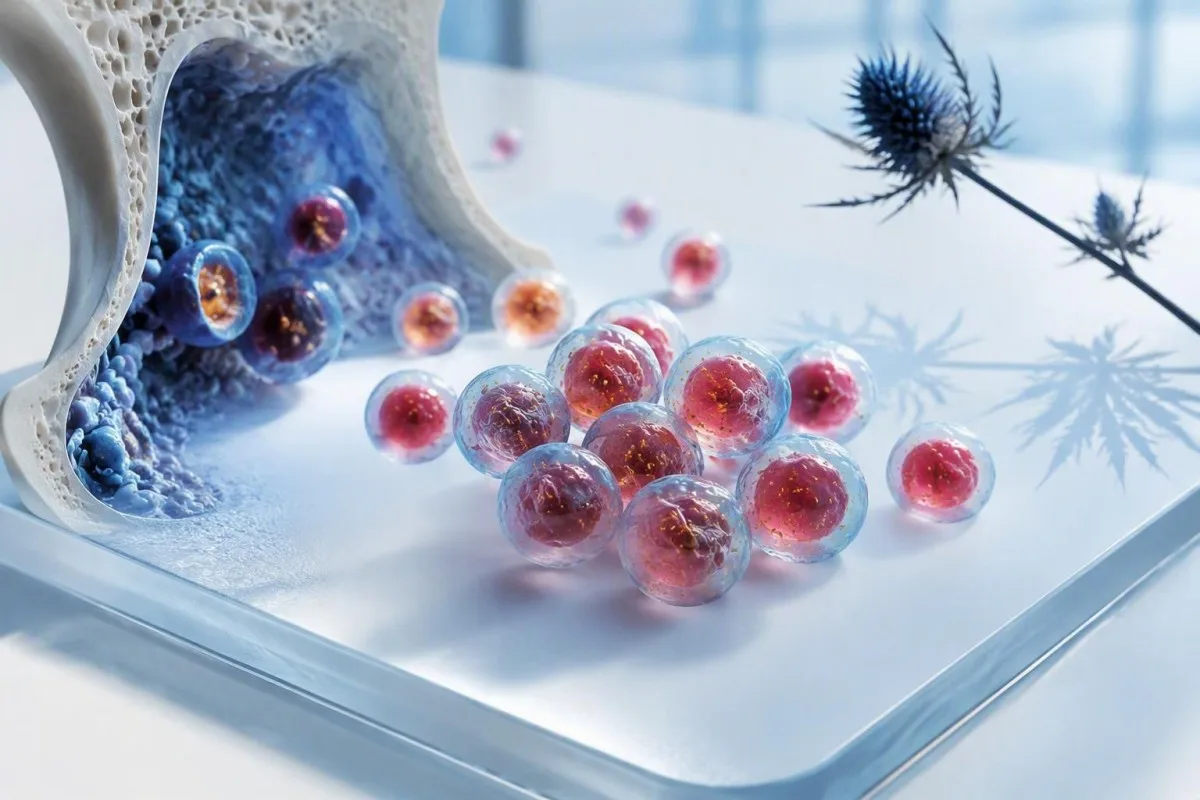
Ret-He සහ CHr මගින් පසුගිය දින කිහිපය තුළ නව රතු සෛලවලට ලැබුණු යකඩ ප්රමාණය පෙන්වයි. දැවිල්ල හෝ යකඩ ප්රතිකාර මගින් ෆෙරටින් විකෘති වූ විට ඒවා අසාමාන්ය ලෙස ප්රයෝජනවත් කරයි.



- රෙටිකියුලොසයිට් හීමොග්ලොබින් දළ වශයෙන් පෙර දින 1-2 තුළ සාදන ලද රතු සෛලවල හිමොග්ලොබින් අන්තර්ගතය මනියි.
- Ret-He සහ CHr එකිනෙකට සමීපව සම්බන්ධ විශ්ලේෂක-විශේෂිත නම් වේ: මස්තිෂ්කයට දැන් ලබා ගත හැකි යකඩ.
- දළ වශයෙන් 29 pg ට අඩු අගයක් බොහෝ විට යකඩ-සීමා සහිත රතු-සෛල නිෂ්පාදනයට සහාය වේ, නමුත් සෑම රසායනාගාරයකම තමන්ගේම පරතරය ප්රමුඛ වේ.
- ෆෙරටින් සාමාන්ය හෝ ඉහළ ලෙස පෙනිය හැකිය ආසාදනය, ස්වයං ප්රතිශක්තිකරණ රෝග, තරබාරුකම, අක්මා රෝගය හෝ අභ්යන්තර යකඩ ගැනීමෙන් පසුව.
- Ret-He දින 3-5 ඇතුළත ඉහළ යා හැක ඵලදායී යකඩ ප්රතිකාරයෙන්, හිමොග්ලොබින් වැඩිදියුණු වීමට බොහෝ කලකට පෙර.
- අඩු Ret-He සමග අඩු ට්රාන්ස්ෆරින් සංතෘප්තිය තනි ප්රතිඵලයකට වඩා යකඩ සීමා කිරීම සඳහා වැඩි විශ්වාසයක් ලබා දෙයි.
- නිදන්ගත වකුගඩු රෝගය ප්රමාණවත් යකඩ ගබඩා තිබියදීත් අඩු Ret-He නිපදවිය හැකිය, මන්ද හෙpcidin යකඩ මුදා හැරීම සීමා කරයි.
- සාමාන්ය Ret-He රක්තහීනතාවය බැහැර නොකරයි B12 ඌණතාවය, ෆෝලේට් ඌණතාවය, රක්තපාතය, රුධිර වහනය හෝ ඇටමිදුළු රෝගය නිසා.
රෙටිකුලෝසයිට් හිමොග්ලොබින් ඇත්ත වශයෙන්ම මනිනු ලබන්නේ කුමක්ද?
රෙටිකියුලොසයිට් හීමොග්ලොබින් යනු හීමොග්ලොබින් ප්රමාණයයි, සාමාන්යයෙන් පිකෝග්රෑම් (pg) වලින් වාර්තා කෙරේ, තරුණ රතු රුධිරාණු තුළ. අඩු ප්රතිඵලයක් යනු පසුගිය දින කිහිපය තුළ මෙම සෛල සෑදීමේදී අස්ථි මිදුළු වලට ප්රමාණවත් තරම් ප්රයෝජනවත් යකඩ නොතිබූ බවයි, බොහෝ විට හීමොග්ලොබින් හෝ MCV පහත වැටීමට පෙර.
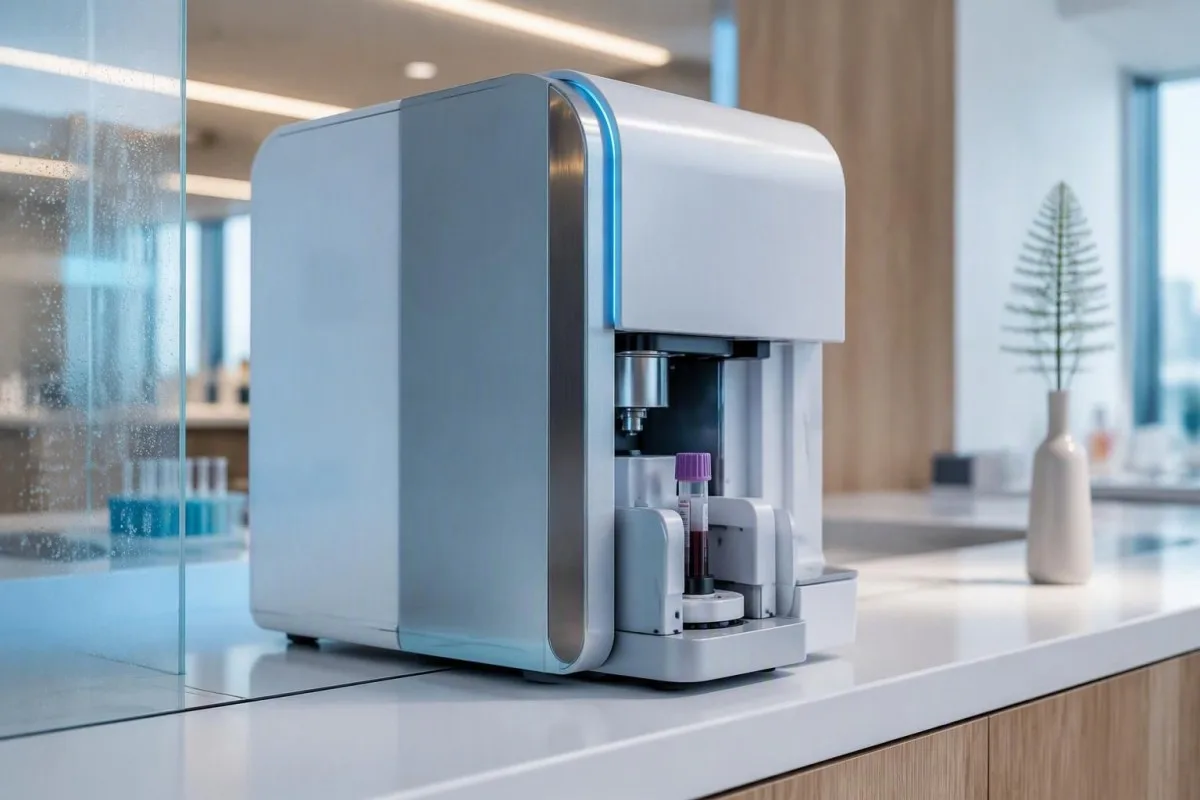
රෙටිකුලෝසයිට් RNA වල ඉතිරි කොටස් සමඟ ඇටමිදුළු වලින් පිටතට පැමිණ දින 1-2 ක් පමණ සංසරණය වන විට පරිණත වේ. එබැවින් ඒවායේ හීමොග්ලොබින් අන්තර්ගතය යකඩ සැපයුමේ ආසන්න-තථ්ය-කාලීන කියවීමක් වන අතර, සාමාන්ය පරිණත රතු රුධිරාණුවක් දළ වශයෙන් දින 120 ක් පුරා ඇති තත්වයන් පිළිබිඹු කරයි. මේ නිසා a රුධිර ජෛව සලකුණු මාර්ගෝපදේශය Ret-He සාමාන්ය හීමොග්ලොබින් වලින් වෙන් කළ යුතුය.
කන්ටෙස්ටි යනු AI රුධිර පරීක්ෂණ විශ්ලේෂකය හීමොග්ලොබින්, MCV, RDW, ෆෙරිටින්, ට්රාන්ස්ෆෙරින් සංතෘප්තිය, CRP, සහ වකුගඩු ක්රියාකාරිත්වය සමඟ රෙටිකුලෝසයිට් හීමොග්ලොබින් සමඟ කියවන අතර, තනි අඩු අංකයක් රෝග විනිශ්චයක් ලෙස සලකනවාට වඩා. එම රටාව වැදගත් වේ: සාමාන්ය හීමොග්ලොබින් සහිත අඩු Ret-He, විවෘත රක්තහීනතාවය පෙනීමට පෙර යකඩ-සීමා සහිත එරිත්රොපොයිසිස් හඳුනාගත හැකිය.
සායනිකව, මම මේවා බොහෝ විට දකිමි, අධික ඔසප් වීම, නිතර රුධිරය පරිත්යාග කිරීම, විඳදරාගැනීමේ පුහුණුව, celiac රෝගය, හෝ සුළු ආමාශ ආන්ත්රික රුධිර වහනය ඇති පුද්ගලයින් තුළ. 26 pg ක Ret-He රෝගියාට අර්ථවත් විය හැකිය, හීමොග්ලොබින් 13.1 g/dL (131 g/L) වුවද, විශේෂයෙන් ට්රාන්ස්ෆෙරින් සංතෘප්තිය 12% නම්.
මෙම පරීක්ෂණයෙන් මුළු යකඩ ගබඩා සෘජුවම මනිනු නොලැබේ. එය පටු, ඉතා ප්රයෝජනවත් ප්රශ්නයකට පිළිතුරු සපයයි: අලුතින් නිපදවන ලද රතු රුධිරාණුවලට ප්රමාණවත් යකඩ ලැබුණාද? එම වෙනස, ශරීරයේ යකඩ හිඟවීම ස්වයංක්රීයව අදහස් කරන බවට සෑම විටම අඩු Ret-He ප්රතිඵලයක් ගැන උපකල්පනය කිරීමේ පොදු වැරැද්ද වළක්වයි.
Ret-He, CHr සහ රෙටිකුලෝසයිට් හිමොග්ලොබින් සමානතාවය
Ret-He, CHr, සහ රෙටිකුලෝසයිට් හීමොග්ලොබින් සමානකම තරුණ රතු රුධිරාණු වල හීමොග්ලොබින් මැනීම විස්තර කරයි, නමුත් නිශ්චිත නම රඳා පවතින්නේ විශ්ලේෂක නිෂ්පාදකයා සහ රසායනාගාර වාර්තා කිරීමේ පද්ධතිය මත ය. ඒවා සායනිකව සංසන්දනාත්මක ය, සෑම ක්රමයකම අනිවාර්යයෙන්ම සංඛ්යාත්මකව හුවමාරු කළ නොහැක.

CHr සාමාන්යයෙන් රෙටිකුලෝසයිට් හීමොග්ලොබින් අන්තර්ගතය යන්නෙන් අදහස් වේ, අතර Ret-He රෙටිකුලෝසයිට් හීමොග්ලොබින් සමානකම යන්නෙන් අදහස් වේ. දෙකම pg වලින් වාර්තා කරනු ලබන අතර සාමාන්යයෙන් යකඩ-ප්රතිෂ්ඨාපනය කරන ලද වැඩිහිටියන් තුළ 29-35 pg පමණ පවතී, දේශීය පරතරය 28-36 pg තරම් පුළුල් විය හැකි වුවද. ඒවා ඉතිරි ** සම්පූර්ණ රුධිර ගණන, සමඟ කියවන්න, තරඟකාරී පරීක්ෂණ ලෙස නොවේ.
“සමානකම” යන වචනයෙන් සම්මත CBC එකකින් ගණනය කරන ලද අනුමානයක් අදහස් නොවේ. එය නිශ්චිත විශ්ලේෂකයක් විසින් සෛලීය හීමොග්ලොබින් සහ පරිණතභාවය තක්සේරු කිරීම සඳහා භාවිතා කරන දෘශ්ය හෝ ප්රවාහ-සයිටෝමෙට්රික් ප්රවේශය පිළිබිඹු කරයි. රසායනාගාරයක් අනුගාමික පරීක්ෂණ සඳහා එකම ක්රමය භාවිතා කිරීම සුදුසුය, මන්ද 1-2 pg වෙනසක් ජීව විද්යාව වෙනුවට වේදිකා වෙනස්කමක් පිළිබිඹු කළ හැකිය.
තෝමස් සහ තෝමස් විසින් රෙටිකුලෝසයිට් හීමොග්ලොබින් සායනික රසායන විද්යාවේ මුල් ක්රියාකාරී යකඩ සලකුණක් ලෙස විස්තර කරන ලදී, විශේෂයෙන් සම්මත යකඩ සලකුණු එකඟ නොවන විට ප්රයෝජනවත් වේ (Thomas & Thomas, 2002). ප්රායෝගික වාසිය කාලයයි: වැඩිහිටි රතු රුධිරාණු වල සැලකිය යුතු කොටසක් ප්රතිස්ථාපනය වන තුරු MCV සාමාන්ය විය හැක.
Ret-He ව්යාකූල නොකරන්න රෙටිකුලෝසයිට් ගණන. රෙටිකුලෝසයිට් ගණන තරුණ රතු රුධිරාණු කීයක් නිකුත් කර ඇත්දැයි අසයි; Ret-He අසන්නේ ඒවාට ප්රමාණවත් හීමොග්ලොබින් තිබුණාද කියා ය. ඉහළ ගණනක් අඩු Ret-He සමඟ එක්ව පැවතිය හැකිය, විශේෂයෙන් රුධිර වහනයෙන් පසුව යකඩ ලබා දීමට එකතු විය නොහැකි විට.
Ret-He විමර්ශන පරාසයන් සහ ප්රයෝජනවත් සායනික කප්-ඕෆ්
බොහෝ වැඩිහිටි රසායනාගාර Ret-He හෝ CHr 29-35 pg පමණ ප්රමාණවත් මෑතකාලීන යකඩ ලබා දීම සමඟ අනුකූල වන බව සලකයි, අතර 28-29 pg ට වඩා අඩු අගයන් යකඩ-සීමා සහිත එරිත්රොපොයිසිස් සඳහා කනස්සල්ලක් ඇති කරයි. විශ්ලේෂක, වයස, ගැබ් ගැනීම, සහ සායනික සැකසුම සියල්ල අර්ථ නිරූපණය මාරු කරන බැවින්, තනි ගෝලීය කප්-අවුට් නොමැත.
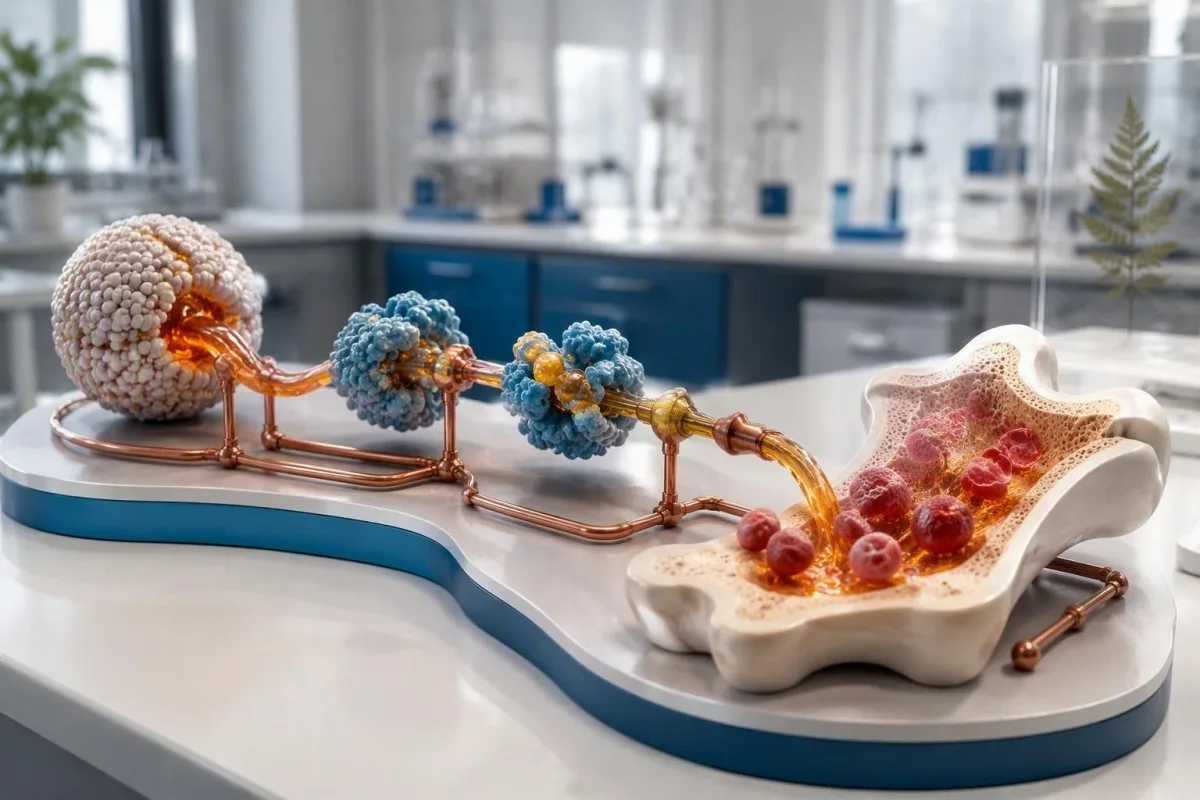
ಒಂದು ಮಿತಿಯು <29 pg ಸೂಕ್ಷ್ಮ ತಪಾಸಣೆ ಕ್ಲೂ ಆಗಿ ಸಾಮಾನ್ಯವಾಗಿ ಬಳಸಲಾಗುತ್ತದೆ, ಮತ್ತು <25 pg ಅನೇಕ ವಯಸ್ಕರ ಸೆಟ್ಟಿಂಗ್ಗಳಲ್ಲಿ ಗಮನಾರ್ಹವಾಗಿ ಸೀಮಿತವಾದ ಕಬ್ಬಿಣದ ಪೂರೈಕೆಯನ್ನು ಹೆಚ್ಚು ಬಲವಾಗಿ ಸೂಚಿಸುತ್ತದೆ. ಇವು ನಿರ್ಧಾರ ಸಹಾಯಗಳಾಗಿವೆ, ರೋಗನಿರ್ಣಯ ಗಡಿಗಳಲ್ಲ. 28.7 pg ನ ಮೌಲ್ಯವು 29.1 pg ಗಿಂತ ಜೀವಶಾಸ್ತ್ರೀಯವಾಗಿ ಭಿನ್ನವಾಗಿಲ್ಲ, ವಿಶೇಷವಾಗಿ ವಿಶ್ಲೇಷಣಾತ್ಮಕ ವ್ಯತ್ಯಾಸವನ್ನು ಪರಿಗಣಿಸಿದಾಗ.
එම යකඩ අධ්යයන මාර්ගෝපදේශය Ret-He ಗಡಿರೇಖೆಯಲ್ಲಿದ್ದಾಗ ಹೆಚ್ಚು ಉಪಯುಕ್ತವಾಗಿದೆ. 29 pg ಗಿಂತ ಕಡಿಮೆ Ret-He ಜೊತೆಗೆ 20% ಗಿಂತ ಕಡಿಮೆ ಟ್ರಾನ್ಸ್ಫೆರಿನ್ ಸ್ಯಾಚುರೇಶನ್ ಕ್ರಿಯಾತ್ಮಕ ಕಬ್ಬಿಣದ ನಿರ್ಬಂಧವನ್ನು ಬೆಂಬಲಿಸುತ್ತದೆ; 30 ng/mL ಗಿಂತ ಕಡಿಮೆ ಫೆರಿಟಿನ್ ಸಂಪೂರ್ಣ ಕಬ್ಬಿಣದ ಕೊರತೆಯನ್ನು ಸಾಮಾನ್ಯವಾಗಿ ಆರೋಗ್ಯವಂತ ವಯಸ್ಕರಲ್ಲಿ ಬಹಳ ಸಂಭವನೀಯವಾಗಿಸುತ್ತದೆ.
ಮಕ್ಕಳು ವಯಸ್ಸು-ಆಧರಿತ ಮಧ್ಯಂತರಗಳನ್ನು ಹೊಂದಿದ್ದಾರೆ, ಮತ್ತು ಎರಿಥ್ರೊಪೋಸಿಸ್-ಉತ್ತೇಜಿಸುವ ಏಜೆಂಟ್ಗಳನ್ನು ಸ್ವೀಕರಿಸುವ ಜನರು ಸಾಮಾನ್ಯ ಪ್ರಯೋಗಾಲಯ ಕಟಾಫ್ಗಳ ಬದಲಿಗೆ ಮೂತ್ರಪಿಂಡ-ಘಟಕ ಪ್ರೋಟೋಕಾಲ್ಗಳನ್ನು ಬಳಸಿಕೊಂಡು ಅರ್ಥೈಸಿಕೊಳ್ಳಬಹುದು. ನನ್ನ ಅನುಭವದಲ್ಲಿ, ಒಬ್ಬ ವ್ಯಕ್ತಿಯ ಹಿಂದಿನ ಬೇಸ್ಲೈನ್ನಿಂದ 3-4 pg ನ ವೇಗದ ಕುಸಿತವು ಫಲಿತಾಂಶವು ಮುದ್ರಿತ ಉಲ್ಲೇಖ ಮಧ್ಯಂತರದೊಳಗೆ ಬಂದರೂ ಗಮನಕ್ಕೆ ಅರ್ಹವಾಗಿದೆ.
ಸೆಪ್ಟೆಂಬರ್ 12, 2026 ರಂತೆ, UK ಮತ್ತು ಅಂತರರಾಷ್ಟ್ರೀಯ ಮಾರ್ಗದರ್ಶನವು ಇನ್ನೂ ಪ್ರತಿ ರೋಗಿಯ ಗುಂಪಿಗೆ ಒಂದು ಸಾರ್ವತ್ರಿಕ Ret-He ಕಟಾಫ್ ಅನ್ನು ಅನುಮೋದಿಸುವುದಿಲ್ಲ. ಬ್ರಿಟಿಷ್ ಸೊಸೈಟಿ ಆಫ್ ಗ್ಯಾಸ್ಟ್ರೋಎಂಟರಾಲಜಿ ಮಾರ್ಗದರ್ಶಿಯು ಸಂಕೀರ್ಣ ಕಬ್ಬಿಣದ ಮೌಲ್ಯಮಾಪನದಲ್ಲಿ ಸಹಾಯಕ ಪುರಾವೆಯಾಗಿ ರೆಟಿಕುಲೋಸೈಟ್ ಹಿಮೋಗ್ಲೋಬಿನ್ ಅನ್ನು ಪರಿಗಣಿಸುತ್ತದೆ, ಇತಿಹಾಸ ಮತ್ತು ಕಾರಣದ ತನಿಖೆಗೆ ಬದಲಿಯಾಗಿ ಅಲ್ಲ (Snook et al., 2021).
ಉಪಯುಕ್ತ ವರದಿ ಮಾಡುವ ಅಭ್ಯಾಸವೆಂದರೆ ಪುನರಾವರ್ತಿತ ಫಲಿತಾಂಶಗಳೊಂದಿಗೆ ಘಟಕ ಮತ್ತು ವಿಶ್ಲೇಷಕ ಹೆಸರನ್ನು ದಾಖಲಿಸುವುದು. Ret-He pg ನಲ್ಲಿ ವರದಿ ಮಾಡಲಾಗುತ್ತದೆ, ಆದರೆ ಸೀರಮ್ ಕಬ್ಬಿಣವನ್ನು µmol/L ಅಥವಾ µg/dL ನಲ್ಲಿ ವರದಿ ಮಾಡಬಹುದು; ಘಟಕಗಳನ್ನು ಬೆರೆಸುವುದು ಸುಳ್ಳು ಭರವಸೆಯನ್ನು ಸೃಷ್ಟಿಸುವ ಸುಲಭ ಮಾರ್ಗವಾಗಿದೆ.
රෙටිකුලෝසයිට් හිමොග්ලොබින් අඩු වන්නේ ඇයි?
ಕಡಿಮೆ ರೆಟಿಕುಲೋಸೈಟ್ ಹಿಮೋಗ್ಲೋಬಿನ್ ಸಾಮಾನ್ಯವಾಗಿ ಅಭಿವೃದ್ಧಿ ಹೊಂದುತ್ತಿರುವ ಕೆಂಪು ಕೋಶಗಳನ್ನು ತಲುಪುವ ಕಬ್ಬಿಣದ ಕೊರತೆಯನ್ನು ಪ್ರತಿಬಿಂಬಿಸುತ್ತದೆ, ಕೇವಲ ಕಡಿಮೆ ಆಹಾರದ ಕಬ್ಬಿಣವನ್ನು ಅಲ್ಲ. ಋತುಸ್ರಾವ ನಷ್ಟ, ಜಠರಗರುಳಿನ ನಷ್ಟ, ದುರ್ಬಲ ಹೀರುವಿಕೆ, ದೀರ್ಘಕಾಲದ ಉರಿಯೂತ, ಮೂತ್ರಪಿಂಡದ ಕಾಯಿಲೆ, ಮತ್ತು ತ್ವರಿತ ಮಜ್ಜೆಯ ಬೇಡಿಕೆಗಳು ವೈದ್ಯರು ವಿಂಗಡಿಸುವ ಮುಖ್ಯ ವರ್ಗಗಳಾಗಿವೆ.

ಸಂಪೂರ್ಣ ಕಬ್ಬಿಣದ ಕೊರತೆ ದೇಹದ ಸಂಗ್ರಹಗಳು ಖಾಲಿಯಾದಾಗ ಸಂಭವಿಸುತ್ತದೆ. ಫೆರಿಟಿನ್ ಕೆಳಗೆ 15 ng/mL ಖಾಲಿಯಾದ ಕಬ್ಬಿಣದ ಸಂಗ್ರಹಗಳಿಗೆ ಹೆಚ್ಚು ನಿರ್ದಿಷ್ಟವಾಗಿದೆ, ಆದರೆ ಅನೇಕ ವೈದ್ಯರು ರೋಗಲಕ್ಷಣಗಳು, ಕಡಿಮೆ MCV, ಅಥವಾ ಕಡಿಮೆ Ret-He ಇರುವಾಗ 30 ng/mL ಗಿಂತ ಕೆಳಗಿನ ಮೌಲ್ಯಗಳನ್ನು ತನಿಖೆ ಮಾಡುತ್ತಾರೆ. ನಮ್ಮ ಮಾರ್ಗದರ್ಶಿ මුල් අඩු ෆෙරටින් රෝග ලක්ෂණ ರಕ್ತಹೀನತೆಯ ಮೊದಲು ಆಯಾಸ ಏಕೆ ಬರಬಹುದು ಎಂಬುದನ್ನು ವಿವರಿಸುತ್ತದೆ.
ක්රියාකාරී යකඩ ඌණතාවය යනු යකඩ ගබඩා කර ඇති නමුත් ඇටමිදුළුවට නොලැබෙන බවයි. හෙප්සිඩින්, අක්මාවෙන් නිපදවන පෙප්ටයිඩයක්, දැවිල්ල සමඟ ඉහළ යන අතර enterocytes සහ macrophages වලින් ferroportin මගින් යකඩ අපනයනය අවහිර කරයි. එහි ප්රතිඵලය ලෙස ෆෙරිටින් 100 ng/mL, ට්රාන්ස්ෆෙරින් සංතෘප්තිය 14%, සහ Ret-He 27 pg විය හැක.
අන්ත්ර ආසාධනය (ulcerative colitis) සහ ෆෙරිටින් 86 ng/mL සහිත 34 හැවිරිදි පුද්ගලයෙකු සුපුරුදු උදාහරණයකි: ෆෙරිටින් සෑහීමකට පත්විය හැකි වූ නමුත් CRP 18 mg/L, ට්රාන්ස්ෆෙරින් සංතෘප්තිය 11%, සහ Ret-He 25.8 pg විය. එම සංයෝජනය නිසා තෙහෙට්ටුව ආතතිය ලෙස බැහැර කිරීමට වඩා, ක්රියාකාරී රෝග සහ යකඩ ආදේශනයට ප්රතිකාර කිරීමට පෙළඹුණි.
තැලසීමියා ලක්ෂණ (Thalassaemia trait) ද අඩු Ret-He සහ අඩු MCV ඇති කළ හැකිය, නමුත් සාමාන්යයෙන් හීමොග්ලොබින් මට්ටමට සාපේක්ෂව රක්ත සෛල ගණන වැඩි වේ. Ret-He මත පමණක් යකඩ නියම නොකළ යුතුය; හීමොග්ලොබින් ඉලෙක්ට්රොෆොරසිස්, පවුල් සම්භවය, පෙර CBCs, සහ ෆෙරිටින් මෙම හැකියාවන් වෙන් කිරීමට උපකාරී වේ.
අඩු වශයෙන්, තඹ ඌණතාවය, බැර ලෝහ විෂ වීම (lead exposure), sideroblastic ක්රියාවලි, සහ සමහර ඇටමිදුළු ආබාධ හීමොග්ලොබිනකරණයට බාධා කරයි. මේවා මධ්යස්ථව අඩු Ret-He සඳහා පළමු පැහැදිලි කිරීම් නොවේ, කෙසේ වෙතත් නිසි ලෙස අධීක්ෂණය කරන ලද යකඩ ප්රතිකාරයට ප්රතිචාර නොදැක්වීම පරීක්ෂණය පුළුල් කළ යුතුය.
Ret-He ෆෙරටින්, සෙරුම් යකඩ සහ සංතෘප්තියෙන් වෙනස් වන්නේ කෙසේද?
Ret-He ඇටමිදුළුව විසින් යකඩ භාවිතය මනිනු ලබන අතර, ෆෙරිටින් ගබඩා යකඩ තක්සේරු කරයි, සහ ට්රාන්ස්ෆෙරින් සංතෘප්තිය සංසරණය වන යකඩ ලබා ගැනීමේ හැකියාව තක්සේරු කරයි. මෙම තුනෙහිම එකඟතාවයකින් යුත් රටාවක්, දිවා කාලයේදී සැලකිය යුතු ලෙස වෙනස් විය හැකි තනි සෙරුම් යකඩ ප්රතිඵලයකට වඩා බොහෝ විශ්වාසදායකය.
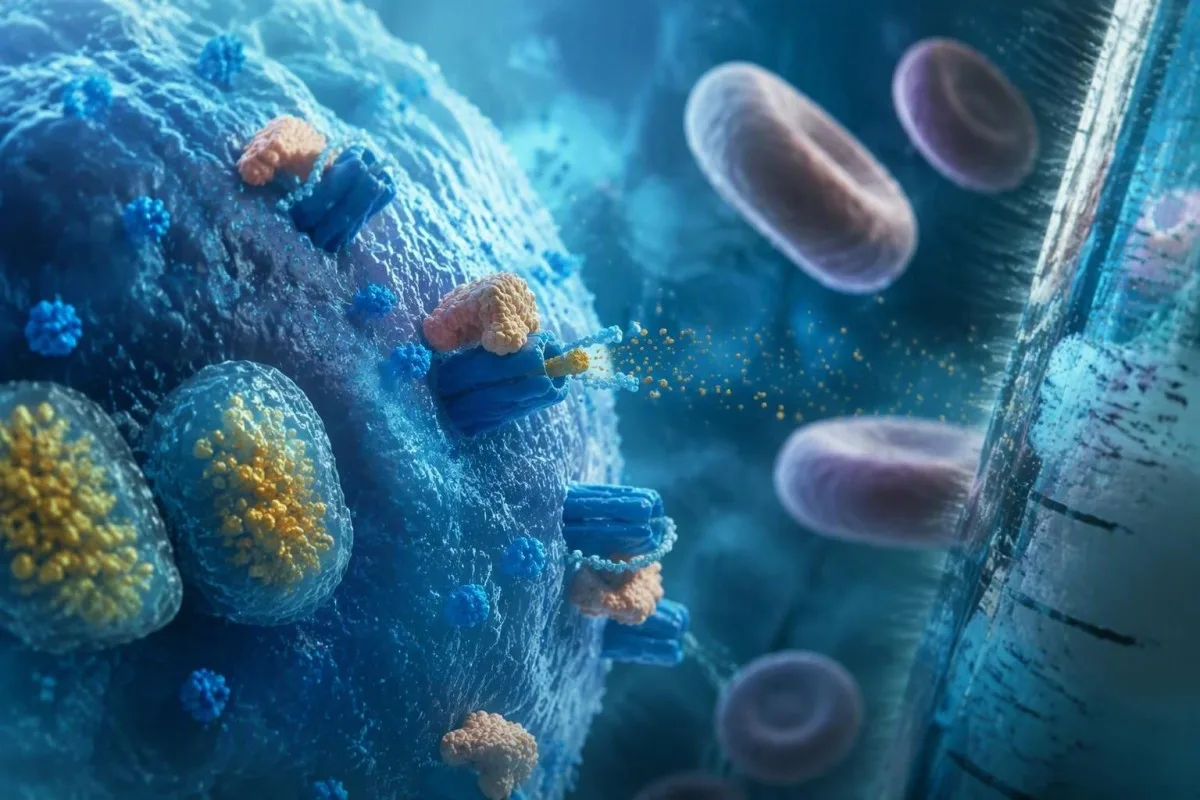
සෙරුම් යකඩ වෙනස් විය හැක 30% හෝ ඊට වැඩි වේලාව, ආහාර, අතිරේක සහ උග්ර රෝගය නිසා සාම්පල අතර. ෆෙරිටින් සාමාන්යයෙන් වඩා ස්ථායී වේ, නමුත් එය උග්ර-අවධි ප්රතික්රියාකාරකයකි. Ret-He කෙටි-කාලීන ජීව විද්යාත්මක ප්රතිචාරයක් එක් කරයි, එය අද යකඩ ඇටමිදුළුවට ළඟා වෙමින් තිබේද යන්න පැහැදිලි කළ හැකිය.
Kantesti AI යනු AI රුධිර පරීක්ෂණ ප්රතිඵල වේදිකාව එය Ret-He, ෆෙරිටින්, ට්රාන්ස්ෆෙරින් සංතෘප්තිය, MCV, RDW, CRP, eGFR, සහ පෙර අගයන් සමඟ සංසන්දනය කර නොගැලපෙන රටා හඳුනා ගනී. එය රහස්ය රුධිර වහනයක් රෝග විනිශ්චය නොකරයි, නමුත් එය උපදේශනයට පෙර හඳුනා ගැනීම පහසු කරයි.
අඩු ට්රාන්ස්ෆෙරින් සංතෘප්තිය සාමාන්යයෙන් <20%, අතර පරාසයක පවතින අතර, 15% අඩු Ret-He සමඟ යුගල වූ විට යකඩ ලබා ගැනීමේ සීමිත හැකියාව වැඩි කරයි. රෝගය ප්රවාහන ප්රෝටීන වෙනස් කරන හේතුව පිළිබඳ ගැඹුරු බැල්මක් අපගේ ට්රාන්ස්ෆෙරින් සහ දැවිල්ල මාර්ගෝපදේශය තුළ පවතී.
ෆෙරිටින් සහ Ret-He යන දෙකම නොපැහැදිලිව පවතින විට ද්රාව්ය ට්රාන්ස්ෆෙරින් ප්රතිග්රාහකය ප්රයෝජනවත් විය හැකිය, මන්ද එය ෆෙරිටින් වලට වඩා දැවිල්ලෙන් අඩු බලපෑමක් ඇති කරයි. එය පරිපූර්ණ නොවේ, සහ assay ප්රමිතිකරණය අසමානව පවතී; කෙසේ වෙතත්, එය රූමැටොයිඩ් ආතරයිටිස්, තරබාරුකම, හෝ නිදන්ගත ආසාදනයක් ඇති කෙනෙකුට වටිනා විය හැකිය.
රසායනාගාර ක්රමවේදය සහ ප්රවණතා සුරක්ෂිතාව සඳහා, අපගේ AI තාක්ෂණික මාර්ගෝපදේශය අර්ථ නිරූපණයට සන්දර්භගත කිරීමට පෙර ව්යුහගත ප්රතිඵල කෙසේ සාමාන්යකරණය කරනු ලබන්නේදැයි පැහැදිලි කරයි. ප්රතිඵලයක ඡායාරූපයක් ප්රයෝජනවත් වන්නේ ඒකක, දිනය සහ යොමු කිරීමේ පරාසයන් නිවැරදිව ග්රහණය කර ගන්නේ නම් පමණි.
ෆෙරටින් සාමාන්ය වුවත් දැවිල්ල Ret-He අඩු කරන්නේ කෙසේද?
දැවිල්ල හෙප්සිඩින් වැඩි කිරීමෙන් Ret-He අඩු කළ හැකිය, එය යකඩ ගබඩා සෛල තුළ සිරකර තබා ගන්නා අතර බඩවැල් යකඩ අවශෝෂණය අඩු කරයි. මෙම සැකසීම් වලදී ෆෙරිටින් සාමාන්ය හෝ ඉහළ මට්ටමක පැවතිය හැකිය, එබැවින් “සාමාන්ය ෆෙරිටින්” සෑම විටම අදහස් නොවේ ඇටමිදුළුවට භාවිතා කළ හැකි යකඩ ඇති බව.
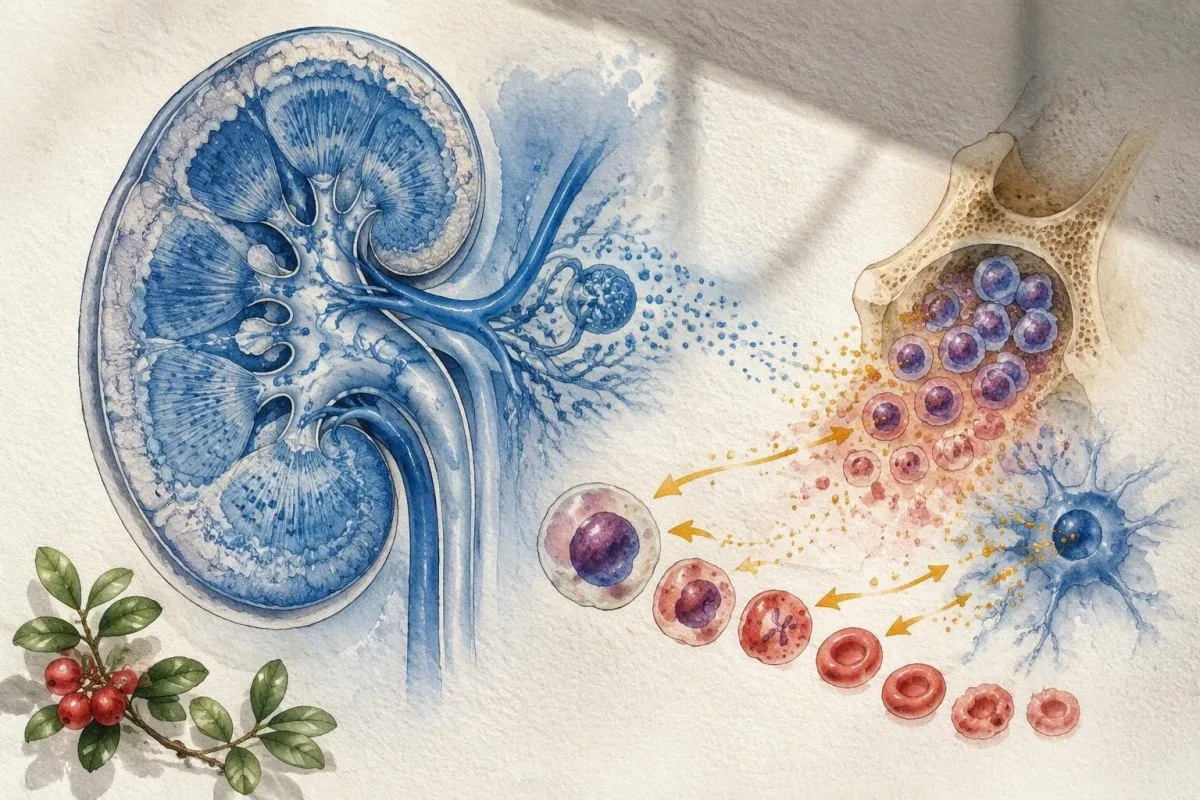
උණ, ව්යාකූලත්වය, හුස්ම ගැනීමේ අපහසුව, දැඩි උදර වේදනාව, පැත්තේ වේදනාව (flank pain), සමේ රතු පැහැය පැතිර යාම, හෝ පපුවේ රෝග ලක්ෂණ සමඟ CRP අගය ඉහළ නම් 5 mg/L හෝ ඉහළ ESR මට ෆෙරිටින් කියවන ආකාරය වෙනස් කරයි. ක්රියාකාරී දැවිල්ල ඇති රෝගියෙකු තුළ, ෆෙරිටින් පහළින් 100 ng/mL තවමත් යකඩ ඌණතාවයට අනුකූල විය හැකිය, සහ 20% ට වඩා අඩු ට්රාන්ස්ෆෙරින් සංතෘප්තිය විශේෂයෙන් තොරතුරු සහිත වේ. රටාව වැඩිදුරටත් ගවේෂණය කර ඇත්තේ ෆෙරටින් සහ CRP අර්ථ නිරූපණය.
මෙය නිදන්ගත වකුගඩු රෝගය, දැවිල්ල සහිත බඩවැල් රෝගය, රූමැටොයිඩ් ආතරයිටිස්, හෘදයාබාධය, තරබාරුකම-අනුබද්ධ දැවිල්ල, සහ විශාල සැත්කමකින් පසු සාමාන්ය වේ. එරිත්රොපොයිටින් ප්රතිකාරය සහ වකුගඩු ක්රියාකාරිත්වය අඩුවීම නිසා ඇටමිදුළු හැසිරීම් ද වෙනස් වන බැවින්, සෑම රෝග කණ්ඩායමකම හොඳම Ret-He සීමාව පිළිබඳ සාක්ෂි මිශ්ර වේ.
Thomas Klein, MD, විසින් ෆෙරිටින් 180 ng/mL වූ විට දැවිල්ල රෝගයේ උග්ර අවස්ථාවකදී “යකඩ වලින් පිරී ඇත” ලෙස නම් කරන ලද රෝගීන් දැක ඇත, එසේ තිබියදීත් Ret-He 24 pg සහ සංතෘප්තිය 9% විය. ඒ නිසා වෛද්යවරුන් ෆෙරිටින් ගබඩා කර ඇති යකඩ, දැවිල්ල, හෝ දෙකම පිළිබිඹු කරන්නේදැයි ඇසිය යුතුය.
උණ හෝ තියුණු වෛරස් ආසාදනයකදී අඩු Ret-He තාවකාලික විය හැකිය. හීමොග්ලොබින් ස්ථාවර නම් සහ රතු කොඩි නොමැති නම්, CBC, ෆෙරිටින්, ට්රාන්ස්ෆෙරින් සංතෘප්ත කිරීම සහ CRP නැවත කිරීම සති 2-6 කින් සුවය ලැබීමෙන් පසු බොහෝ විට අන්ධ ලෙස ඉහළ මාත්රාවලින් අතිරේක ආරම්භ කිරීමට වඩා පිරිසිදු පිළිතුරක් ලබා දෙයි.
අනෙක් අතට, දැවිල්ල මල මාර්ගයෙන් පෙනෙන රුධිර වහනය, කළු මළපහ, ගිලීමේ අපහසුව ප්රගතිශීලී වීම, අහම්බෙන් බර අඩු වීම හෝ හීමොග්ලොබින් වේගයෙන් පහත වැටීම පැහැදිලි නොකරයි. මෙම රෝග ලක්ෂණ සඳහා සාධාරණ දැවිල්ල පැහැදිලි කිරීමක් නොතකා කාලෝචිත සායනික තක්සේරුවක් අවශ්ය වේ.
නිදන්ගත වකුගඩු රෝගය සහ ඩයලිසිස් රැකවරණයේදී Ret-He
නිදන්ගත වකුගඩු රෝගයේදී, අඩු Ret-He බොහෝ විට ඉහළ හෙප්සිඩින් සහ අඩුවූ එරිත්රොපොයිටින් සංඥා නිසා ඇතිවන යකඩ-සීමා සහිත එරිත්රොපොයිසිස් පෙන්නුම් කරයි. ෆෙරිටින් පමණක් අර්ථ නිරූපණය කිරීමට අපහසු වූ විට යකඩ මස්තිෂ්කයට ළඟා වනවාද යන්න තක්සේරු කිරීමට එය වකුගඩු කණ්ඩායම් වලට උපකාර කළ හැකිය.
වකුගඩු රෝගය යකඩ හැසිරවීම සහ රතු රුධිර සෛල නිෂ්පාදනය යන දෙකම වෙනස් කරයි. අඩුවූ එරිත්රොපොයිටින් මස්තිෂ්ක උත්තේජනය අඩු කරයි, අතර නිදන්ගත දැවිල්ල හෙප්සිඩින් වැඩි කරයි; නිතර නියැදීම් සහ ඩයලිසිස්-අදාළ අලාභ තවදුරටත් පීඩනයක් එක් කරයි. eGFR සහිත රෝගියෙකු 22 mL/min/1.73 m² එමනිසා, හීමොග්ලොබින් දැඩි ලෙස අඩුවීමට පෙර අඩු Ret-He තිබිය හැකිය.
KDIGO හි රක්තහීනතාව මාර්ගෝපදේශය CKD හි යකඩ ප්රතිකාරයට මඟ පෙන්වීම සඳහා ට්රාන්ස්ෆෙරින් සංතෘප්ත කිරීම සහ ෆෙරිටින් භාවිතා කරයි, මෙම සලකුණු දැවිල්ල තත්වයන් තුළ පරිපූර්ණ නොවන බව පිළිගන්නා අතර (KDIGO, 2012). සමහර වකුගඩු ඒකක ඵලදායී යකඩ බෙදා හැරීමෙන් දින කිහිපයක් ඇතුළත එය අර්ථවත් නැගීමක් පෙනෙන්නට ඇති බැවින් longitudinal ලෙස Ret-He හෝ CHr අනුගමනය කරයි.
ඩයලිසිස් මත සිටින වැඩිහිටියන් සඳහා, දේශීය ප්රොටෝකෝල පුළුල් ලෙස වෙනස් වේ: එක් ඒකකයක් CHr 30 pg ට අඩු වූ විට ක්රියා කළ හැකිය 29 pg, තවත් එකක් Ret-He 30 pg ට අඩු වූ විට 30 pg 44T ට අඩු සෑන්ඩ් සමග. නිවැරදි තීරණය ආසාදන තත්ත්වය, දැනට පවතින එරිත්රොපොයිසිස්-උත්තේජක ප්රතිකාරය සහ ෆෙරිටින් ඒකකයේ ආරක්ෂක සීමාවට වඩා ස්ථීරව පවතීද යන්න මත රඳා පවතී.
CKD හි අඩු Ret-He යනු උපදෙස් නොමැතිව OTC යකඩ මිලදී ගැනීමට හේතුවක් නොවේ. මුඛ යකඩ මලබද්ධය ඇති කළ හැකි අතර හෙප්සිඩින් ඉහළ මට්ටම්වලදී දුර්වල ලෙස අවශෝෂණය විය හැකිය, අතර අභ්යන්තර යකඩට තනි තනි අවදානම්-ප්රතිලාභ සාකච්ඡාවක් අවශ්ය වේ. පුළුල් වකුගඩු සන්දර්භය සඳහා අපගේ CKD අදියර මාර්ගෝපදේශය බලන්න.
හීමොග්ලොබින් හි හදිසි පහත වැටීම >2 g/dL (20 g/L), පපුවේ අපහසුතාව, ක්ලාන්ත වීම, විවේකයේදී හුස්ම හිරවීම, හෝ රුධිර වහනය සැක කිරීම සාමාන්ය Ret-He ප්රශ්නයක් නොවේ. එය හදිසි සායනික තක්සේරුවක් වටී.
මුඛ හෝ අභ්යන්තර යකඩ ගැනීමෙන් පසු Ret-He වලට කුමක් සිදුවේද?
යකඩ මස්තිෂ්කයට ලබා ගත හැකි වීමෙන් දින 3-5 ක් ඇතුළත Ret-He බොහෝ විට ඉහළ යයි, එය මුල් ප්රතිකාර-ප්රතිචාර සලකුණක් බවට පත් කරයි. හීමොග්ලොබින් සාමාන්යයෙන් මන්දගාමීව වෙනස් වේ, බොහෝ විට දළ වශයෙන් සති 2-4 ක් තුළ 1 g/dL පමණ වෙනස් වේ, හේතුව විසඳා අවශෝෂණය ප්රමාණවත් වූ විට.
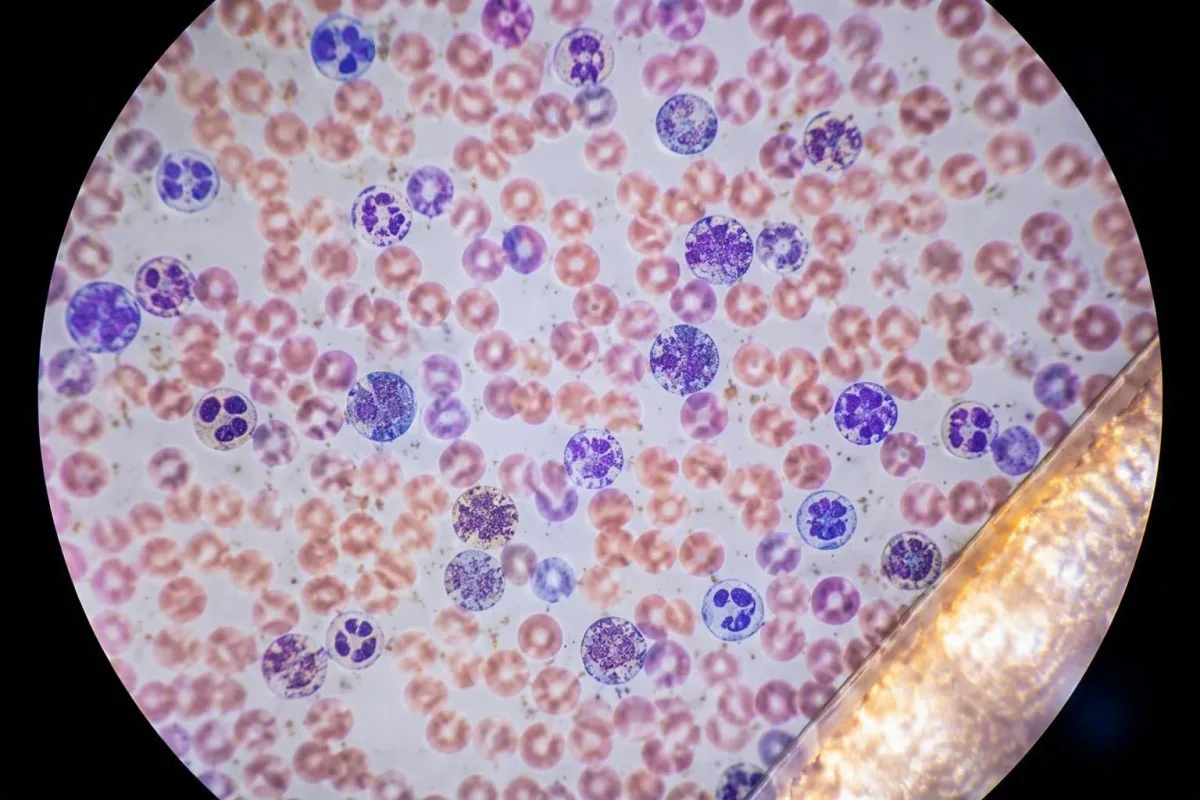
මෙම මුල් ප්රතිචාරය ප්රයෝජනවත් නමුත් අධිතක්සේරු කිරීමට පහසුය. පරීක්ෂාවට මඳ වේලාවකට පෙර යකඩ පෙත්තක් ගත් පුද්ගලයෙකුට තාවකාලික සෙරුම් යකඩ ඉහළ යාමක් පෙන්විය හැකිය, නමුත් Ret-He සෛල සෑදීමේදී යකඩ ඇතුළත් කිරීම පිළිබිඹු කරයි සහ තනි මෑත මාත්රාවකට අඩු අස්ථාවර වේ. එය තවමත් සැබෑ මස්තිෂ්ක ප්රතිචාරයක් පෙන්වීමට දින කිහිපයක් ගත වේ.
අභ්යන්තර යකඩ පසු, Ret-He ෆෙරිටින් දින සිට සති දක්වා තියුණු ලෙස ඉහළ යන විට ඉක්මනින් දියුණු විය හැකිය. එන්නත් කිරීමෙන් පසු ඉතා ඉක්මනින් පරීක්ෂා කරන ලද ෆෙරිටින් එකක් ස්ථාවර දිගුකාලීන සංචිතවලට වඩා සංසරණය වන සහ ගබඩා කරන ලද පරිපාලනය කරන ලද යකඩ ප්රධාන වශයෙන් පිළිබිඹු කළ හැකිය. වේලාව නිසා වෛද්යවරුන් බොහෝ විට සති කිහිපයකට පසුව සම්පූර්ණ නැවත තක්සේරුවක් උපලේඛනගත කරයි.
RDW බොහෝ විට සාර්ථක ප්රතිකාරයේදී ඉක්මනින් ඉහළ යයි, මන්ද විශාල, වඩා හොඳ-හීමොග්ලොබිනීස්ට් කරන ලද නව සෛල පැරණි මයික්රොසයිටික් සෛල සමඟ මිශ්ර වේ. ප්රතිකාරයෙන් පසු ඉහළ යන RDW ස්වයංක්රීයව නරක ආරංචියක් නොවේ; අපගේ පැහැදිලි කිරීම යකඩ ප්රතිකාරයෙන් පසු RDW එය අපේක්ෂා කළ හැකි බවට හේතුව පෙන්වයි.
Ret-He වැඩිවීමක් නැත දින 7-14 හොඳින් ගත් වාචික යකඩ ප්රශ්න මතු කළ යුතුය: මාත්රාව ගත්තේද? වමනය, celiac රෝගය, දිගටම රුධිර වහනය, දැවිල්ල, හෝ වැරදි රෝග විනිශ්චයක් තිබේද? සමහර පුද්ගලයින් දිනපතා මාත්රාවට වඩා දිනපතා මාත්රාවෙන් වඩා හොඳින් අවශෝෂණය කරයි, නමුත් පිළිවෙත නියම කරන්නා සමඟ ඇත.
මාසිකව ලේ අහිමි වන තාක් කල් හෝ සුව නොකළ බඩවැල් රෝග ඇති තාක් කල් “පරිපූර්ණ” ෆෙරටින් ඉලක්කයක් ලුහුබැඳ නොයන ලෙස මම රෝගීන්ට කියමි. අපේක්ෂිත අවසානය වන්නේ රක්තහීනතාවය නිවැරදි කිරීම, ගබඩා නැවත පිරවීම, රෝග ලක්ෂණ වැඩි දියුණු කිරීම සහ මුල් ඌණතාවයට විශ්වාසදායක පැහැදිලි කිරීමකි.
MCV, RDW සහ හිමොග්ලොබින් සමඟ Ret-He කියවීම
අඩු Ret-He යනු යකඩ බාධාවක මුල්ම CBC ඉඟිය විය හැකිය; අඩු MCV සහ ඉහළ RDW බොහෝ විට පැරණි රතු රුධිර සෛල ප්රතිස්ථාපනය වන විට පසුව දිස් වේ. හිමොග්ලොබින් රක්තහීනතාවයේ බරපතලකම තීරණය කරයි, මෙම දර්ශක යාන්ත්රණය සහ කාලය හඳුනා ගැනීමට උපකාරී වේ.
සාමාන්ය මුල් රටාවක් වන්නේ හිමොග්ලොබින් 12.4 g/dL, MCV 84 fL, RDW 13.2%, Ret-He 27 pg, ෆෙරටින් 18 ng/mL, සහ 16% සරුංගලය. CBC “සාමාන්ය” ලෙස මුද්රණය කළ හැකිය, නමුත් රටාව යකඩ ආන්තිකය පටු වන බව යෝජනා කරයි. MCV 80 fL ට වඩා පහළට වැටෙන තෙක් බලා සිටීමට වඩා එය බොහෝ විට ප්රයෝජනවත් වේ.
ස්ථාපිත යකඩ-ඌණතා රක්තහීනතාවය බොහෝ විට හිමොග්ලොබින් පහළින් පෙන්වයි ගර්භණී නොවන කාන්තාවන් තුළ 12.0 g/dL ට අඩු හෝ පුරුෂයන් තුළ 13.0 g/dL, MCV 80 fL ට වඩා අඩු, ඉහළ යන RDW, සහ අඩු Ret-He. එම හිමොග්ලොබින් සීමාවන් යනු පෙරීමේ අර්ථ දැක්වීම්; රෝග ලක්ෂණ සහ හදිසිභාවය වේගය, වයස සහ හෘද-පෙනහළු රෝගය අනුව වෙනස් වේ.
කන්ටෙස්ටිගේ AI මගින් බලගැන්වූ රුධිර පරීක්ෂණ විශ්ලේෂණ මෙවලම මෙම සලකුණු කාල රේඛාවක් ලෙස සමාලෝචනය කරයි, මන්ද වෙනසෙහි දිශාව බොහෝ විට හුදකලා වූ කොඩියකට වඩා වැදගත් වේ. මාස හයක් පුරා MCV 3 fL පහත වැටීමක් සමඟ Ret-He 2 pg පහත වැටීමක් ස්ථාවර අඩු-සාමාන්ය ප්රතිඵලයකට වඩා සැලකිලිමත් වේ.
Microcytosis සඳහා වෙනත් හේතු තිබේ. A අඩු MCV තක්සේරුව MCV 72 fL නම් නමුත් ෆෙරටින් සහ Ret-He අඩු නොවේ නම්, හෝ ඥාතීන්ට ජීවිත කාලය පුරාම කුඩා රතු රුධිර සෛල තිබේ නම් විශේෂයෙන් ප්රයෝජනවත් වේ.
විජලනයෙහි හිමොග්ලොබින් සාමාන්ය ලෙස පෙනී සිටිය හැකි අතර අභ්යන්තර තරලවලින් පසුව සාන්ද්රණය වෙනස් වන බැවින් අඩු විය හැක. Ret-He සෑම ශාරීරික බලපෑමකටම අසංවේදී නොවේ, නමුත් එය හිමොග්ලොබින් සාන්ද්රණයට වඩා ප්ලාස්මා පරිමාව මාරුවීම් වලින් අඩු බලපෑමක් ඇති කරයි.
Ret-He සහ රෙටිකුලෝසයිට් ගණන වෙනස් දිශාවලට යොමු කරන විට
අඩු Ret-He සමඟ ඉහළ රක්තවාහිකා ගණනක් සාමාන්යයෙන් අදහස් කරන්නේ මස්තිෂ්කය ප්රතිචාර දක්වන නමුත් ප්රශස්ත හිමොග්ලොබිනීකරණය සඳහා ප්රමාණවත් යකඩ නොමැති බවයි. අඩු Ret-He සමඟ අඩු රක්තවාහිකා ගණනක් ඒ වෙනුවට දුර්වල මස්තිෂ්ක උත්තේජනය, දරුණු ඌණතාවය, වකුගඩු රෝගය, හෝ පුළුල් මස්තිෂ්ක මර්දනයක් යෝජනා කළ හැකිය.
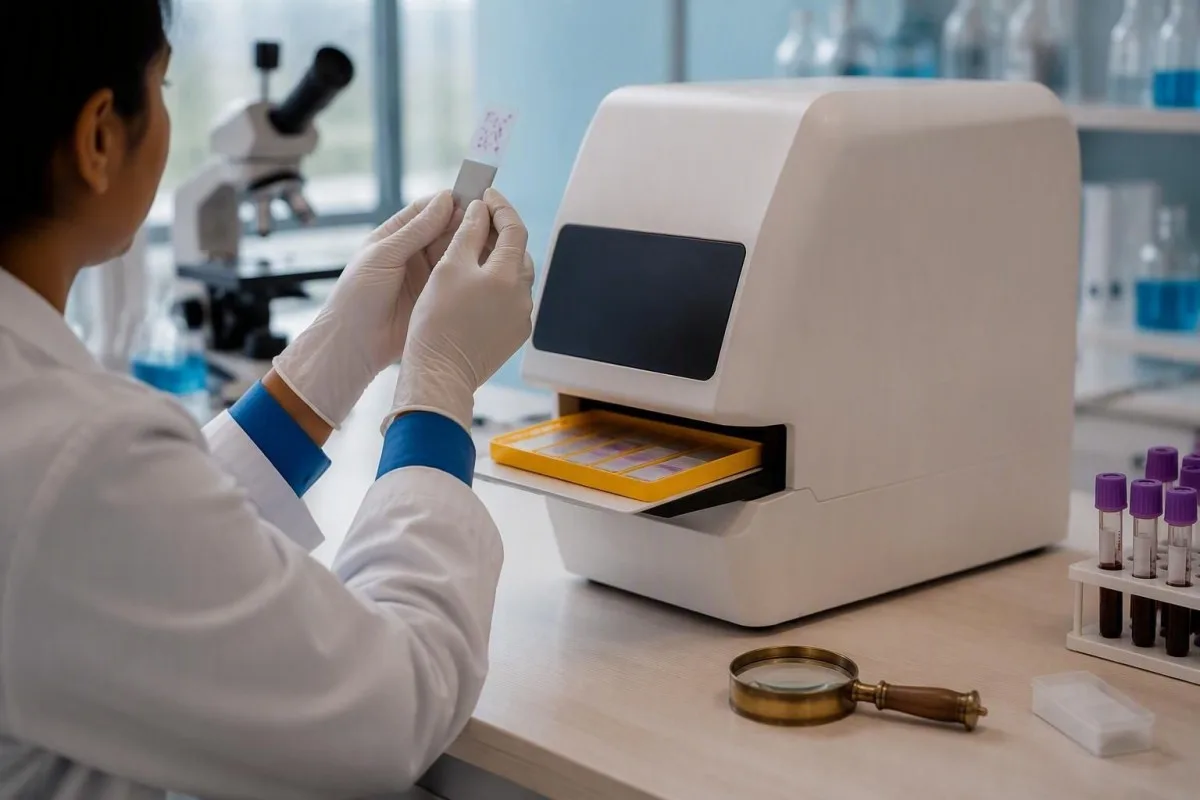
තියුණු රුධිර අලාභයකින් පසුව, රක්තවාහිකා ආසන්න වශයෙන් ඉහළ යා හැක දින 3-5, නමුත් අලාභය දිගටම පැවතුනහොත් හෝ යකඩ සංචිත දැනටමත් ආන්තිකව තිබුනේ නම් Ret-He පහත වැටිය හැක. මෙය අධික ඔසප් රුධිර වහනය, ආමාශ ආන්ත්රයික රුධිර වහනය, හෝ නැවත නැවත රුධිර පරිත්යාග කිරීමෙන් පසුව සිදු විය හැක. රෙටිකියුලොසයිට් ගණන් කිරීමේ මාර්ගෝපදේශය අස්ථි මජ්ජාව පැත්තට යොමු කරයි. පින්තූරයේ නිෂ්පාදන පැත්ත පැහැදිලි කරයි.
Hemolysis සාමාන්යයෙන් ඉහළ රක්තවාහිකා ගණනක්, ඉහළ LDH, වක්ර බිලිරුබින් ඉහළ යාම, සහ අඩු haptoglobin ඇති කරයි; යකඩ ලබා ගැනීමේ හැකියාව ද සීමා නොවන්නේ නම් Ret-He සාමාන්ය විය හැක. hemolysis සහ යකඩ ඌණතාවය සම්පූර්ණයෙන්ම වෙනස් විමර්ශන ඉල්ලා සිටින බැවින් මෙම වෙනස වැදගත් වේ.
8.5 g/dL හිමොග්ලොබින් සහිත පුද්ගලයෙකු තුළ අඩු රක්තවාහිකා ගණනක් 13 g/dL හිමොග්ලොබින් සහිත එම ගණනට වඩා සැලකිලිමත් වේ. රක්තහීනතාවය අතරතුර මස්තිෂ්කය සාමාන්යයෙන් නිෂ්පාදනය වේගවත් කළ යුතුය. එසේ කිරීමට අපොහොසත් වීම වකුගඩු ක්රියාකාරිත්වය, B12, ෆෝලේට්, තයිරොයිඩ් සලකුණු, ඖෂධ නිරාවරණය, සහ සමහර විට රුධිර චිත්රපටයක් පරීක්ෂා කිරීම සාධාරණීකරණය කළ හැකිය.
එබැවින් Ret-He යනු “රුධිර වහන පරීක්ෂණයක්” නොවේ. එය යකඩ බාධාව පිළිබඳ සාක්ෂි වලට සහාය විය හැකිය නමුත් රුධිර අලාභය locates කිරීමට හෝ එය බැහැර කිරීමට නොහැකිය. නව යකඩ-ඌණතා රක්තහීනතාවය සහිත වැඩිහිටියන්ට සාමාන්යයෙන් ඔසප්, ආහාර, ආමාශ ආන්ත්රයික, මුත්රා, සහ ඖෂධ-ආශ්රිත හේතු සලකා බැලීමට ඔවුන්ගේ වෛද්යවරයා අවශ්ය වේ.
ක්ලාන්ත වීම, රුධිරය වමනය කිරීම, කළු තාර වැනි මළපහ, දිගටම රුධිරය අධික ලෙස ගැලීම, දැඩි ලෙස හුස්ම හිරවීම, හෝ නව පපුවේ වේදනාව සඳහා හදිසි උපකාර පතන්න. එම රෝග ලක්ෂණ රසායනාගාර ප්රවණතාවයක් මත පදනම් වූ ඕනෑම බලා-බලන්න-යන්න ප්රවේශයකට වඩා උසස් ය.
Ret-He විසින් පමණක් හඳුනාගත නොහැකි තත්වයන්
අඩු Ret-He යකඩ-බාධාවලට ලක් වූ රතු-රුධිර සෛල නිෂ්පාදනයට සහාය දක්වයි නමුත් යකඩ ඌණතාවය ඔප්පු කිරීමට හෝ වෙනත් රක්තහීනතා හේතු බැහැර කිරීමට එය විසින්ම නොහැකිය. තැලැසීමියා ට්රෙයිට්, මිශ්ර B12 හෝ ෆෝලේට් ඌණතාවය, මෑතකදී රුධිර පාරවිලයනය සහ රසායනාගාර වෙනස්කම් ව්යාකූල සංයෝජන ඇති කළ හැකිය.

තැලැසීමියා ට්රෙයිට් බොහෝ විට රක්තහීනතාවයට සමානුපාතික නොවන අඩු MCV එකක් ඇති කරයි, එය රතු රුධිර සෛල ගණන exceeding විය හැක 5.0 × 10¹²/L. සෛල වල හිමොග්ලොබින් අඩු බැවින් Ret-He අඩු විය හැක, නමුත් යකඩ සංචිත සාමාන්ය විය හැක. ෆෙරිටින්, පවුල් ඉතිහාසය, ජාතිය, සහ හිමොග්ලොබින් විශ්ලේෂණය අනවශ්ය ලෙස දිගුකාලීන යකඩ ප්රතිකාරය වළක්වයි.
විටමින් B12 හෝ ෆෝලේට් ඌණතාවය සාමාන්යයෙන් MCV වැඩි කරයි, නමුත් මිශ්ර ඌණතාවය වංචනික ලෙස සාමාන්ය MCV එකක් ඇති කළ හැකිය. උදාහරණයක් ලෙස, යකඩ ඌණතාවය MCV පහතට ඇදගෙන යාම සහ B12 ඌණතාවය එය ඉහළට තල්ලු කිරීම 87 fL දක්වා සාමාන්ය විය හැකිය. Ret-He යකඩ-සීමාකාරී සංරචකය හඳුනා ගත හැකි නමුත් දෙවන ගැටලුව බැහැර කළ නොහැක.
මෑතකදී රතු රුධිරාණු පාරවිලයනය CBC දර්ශක සති ගණනාවක් තිස්සේ වඩා හොඳ පෙනුමක් ඇති කළ හැකිය, මන්ද පරිත්රාගශීලී සෛල මිනුම් ආධිපත්යය දරයි. එම තත්ත්වය තුළ, MCV ට වඩා පරිත්රාගශීලියාගේ අලුතින් නිපදවන ලද සෛල වලට Ret-He වඩාත් සෘජුව පිළිබිඹු කරයි, නමුත් වෛද්යවරුන්ට තවමත් පාරවිලයන දිනය සහ හේතුව අවශ්ය වේ. අපේ B12 සහ ෆෝලේට් මාර්ගෝපදේශය සාමාන්ය මිශ්ර රටාවක් ආවරණය කරයි.
සැලකිය යුතු රෙටිකුලෝසයිටෝසිස්, සමහර හිමොග්ලොබින් ප්රභේද, හෝ අසාමාන්ය විශ්ලේෂක ජාන සමඟ Ret-He අර්ථකථනය කිරීමට අපහසු විය හැකිය. ප්රතිඵලය රෝග ලක්ෂණ සහ පැනලයේ ඉතිරි කොටස සමඟ ගැටෙන විට, පිළිවෙලකට පැහැදිලි කිරීමක් බලකරවා ගැනීමට වඩා නැවත පරීක්ෂා කිරීම සහ පෙරළෙන චිත්රපට සමාලෝචනය කිරීම යෝග්ය වේ.
රක්තහීනතාවය යනු රෝග විනිශ්චයක් නොව රෝග ලක්ෂණයකි. අර්ථවත් සායනික ප්රශ්නය වන්නේ යකඩ ලබා ගැනීමේ හැකියාව පහත වැටුණේ ඇයි: ප්රමාණවත් නොවන පරිභෝජනය, අවශෝෂණය අඩුවීම, පාඩුව, දැවිල්ල, උරුම වූ රතු රුධිර සෛල ජීව විද්යාව, හෝ මෝරු නිෂ්පාදනය අඩුවීම.
ගර්භණීභාවය, ළමුන් සහ විඳදරාගැනීමේ මලල ක්රීඩකයින් තුළ Ret-He
ගැබ් ගැනීම, ළමා කාලය සහ විඳදරාගැනීමේ ක්රීඩාව මුල් අවධියේදී යකඩ-සීමාකාරී එරිත්රොපොයිසිස් හඳුනා ගැනීමට Ret-He හඳුනා ගත හැකිය, නමුත් සෑම කණ්ඩායමකටම සුසර කරන ලද යොමු පරාස සහ සායනික සන්දර්භය අවශ්ය වේ. භෞතික විද්යාත්මක ප්ලාස්මා-පරිමාව පුළුල් වීම, වේගවත් වර්ධනය සහ පුහුණු-ආශ්රිත යකඩ පාඩු සම්මත වැඩිහිටි අර්ථකථනය අඩු විශ්වාසදායක කරයි.

ගැබ් ගැනීමේදී, දෙවන හා තුන්වන ත්රෛමාසික වලදී යකඩ අවශ්යතා සැලකිය යුතු ලෙස වැඩිවේ, ප්ලාස්මා පරිමාව පුළුල් වීම මනින ලද හිමොග්ලොබින් අඩු කරයි. බොහෝ ප්රසව සේවා ෆෙරිටින් වලට වඩා අඩු භාවිතා කරයි 30 µg/L (ng/mL) සංචිත ක්ෂය වීම පිළිබඳ සාක්ෂි ලෙස, නමුත් රක්තහීනතාවය ත්රෛමාසික-විශේෂිත සීමාව ඉක්මවා යාමට පෙර Ret-He සීමාකාරී එරිත්රොපොයිසිස් පෙන්විය හැක. බලන්න ගර්භණී ෆෙරිටින් පරාසයන් සියුම් බව සඳහා.
ළමුන් තුළ, අඩු Ret-He ප්රයෝජනවත් විය හැකිය, මන්ද දරුණු රක්තහීනතාවය වර්ධනය වීමට පෙර යකඩ ඌණතාවය ස්නායු සංවර්ධනයට බලපායි. කෙසේ වෙතත්, ළමා රෝග විද්යාත්මක සීමාවන් වයස සහ විශ්ලේෂකය අනුව වෙනස් වේ, සහ ආහාර ඉතිහාසය අතිශයින් වැදගත් වේ: අතිරික්ත එළකිරි පරිභෝජනය, යකඩ-සමෘද්ධිමත් ආහාර සීමා කිරීම, නොමේරූ බව, සහ වේගවත් වර්ධනය පුනරාවර්තන හේතු වේ.
විඳදරාගැනීමේ මලල ක්රීඩකයින්ට අඩු ශක්ති ලබා ගැනීමේ හැකියාව, අඩු පරිභෝජනය, මාසික පාඩු, පාද-ආඝාත හීමොලිසිස්, හෝ දැඩි පුහුණුව අතරතුර ආමාශ ආන්ත්රයික පාඩුව නිසා අඩු ෆෙරිටින් සහ Ret-He තිබිය හැක. 25 ng/mL ෆෙරිටින් ස්වයංක්රීයව හදිසි අනතුරක් නොවේ, නමුත් තෙහෙට්ටුව, කාර්ය සාධනය අඩුවීම, අඩු Ret-He, සහ හිමොග්ලොබින් අඩුවීම අතිරේක එකතු කිරීමට වඩා සිතා බැලූ සමාලෝචනයක් වටී.
එක් ප්රායෝගික විස්තරයක්: මූලික යකඩ තත්ත්වය පිළිබඳ ප්රශ්නයක් නම්, අති දුර ධාවනය, දරුණු අසනීප, හෝ දුෂ්කර පුහුණු කොටසකින් පසු වහාම පරීක්ෂා කිරීමෙන් වළකින්න. තියුණු ව්යායාම මගින් తాత్కాలికව දැවිල්ල සලකුණු සහ යකඩ හැසිරීම් වෙනස් කළ හැකිය; විවේකී නැවත නියැදිය බොහෝ විට ශබ්දය අඩු කරයි.
ගැබ් ගැනීම හෝ ළමා කාලයේ යකඩ අතිරේක වෛද්ය මාර්ගෝපදේශන යටතේ විය යුතුය. අධික යකඩ ආමාශ ආන්ත්රයික අතුරු ආබාධ ඇති කරයි සහ රක්තහීනතාවය ඌණතාවයෙන් ඇති නොවන්නේ නම් සැබෑ රෝග විනිශ්චය වසං කළ හැකිය.
Ret-He හෝ CHr රුධිර පරීක්ෂාව සඳහා සූදානම් වන්නේ කෙසේද?
Ret-He සාමාන්යයෙන් නිරාහාරව සිටීම අවශ්ය නොවේ, නමුත් වටපිටාව යකඩ පැනලය අර්ථකථනය කිරීමට පහසු විය හැකිය, පරීක්ෂණ කොන්දේසි අනුකූල නම්. මෑතකදී මුඛ යකඩ, අභ්යන්තර යකඩ, ආසාදනය, දැඩි ව්යායාම, ඔසප් වීම, පාරවිලයනය, සහ නව ඖෂධ ප්රතිඵල සංසන්දනය කිරීමට පෙර සටහන් කරන්න.
Ret-He සමඟ සම්පූර්ණ රුධිර ගණනය සාමාන්යයෙන් දිනයේ ඕනෑම වේලාවක ඇඳිය හැකිය. සෙරුම් යකඩ සහ ට්රාන්ස්ෆෙරින් සෑෂුරේෂන් ද පරීක්ෂා කරන්නේ නම්, බොහෝ වෛද්යවරු උදෑසන නියැදියක් කැමති වන අතර අතිරේක ගැන රසායනාගාරයේ උපදෙස් පිළිපැදීමට රෝගීන්ට පවසති. අරමුණ අනුකූලතාවය මිස පරිපූර්ණත්වය නොවේ.
නියමිත යකඩ, ප්රතිදේහජනක හෝ වෙනත් ඖෂධ ප්රතිඵල “දියුණු” කිරීමට නතර නොකරන්න, වෛද්යවරයා එසේ පවසන තුරු. විනිවිද පෙනෙන ඖෂධ ලැයිස්තුවක්, රූපලාවන්යමය වශයෙන් වෙනස් කරන ලද පුවරුවකට වඩා හොඳ සායනික පිළිතුරක් ලබා දෙයි. අපගේ යකඩ පරීක්ෂණ සූදානම් කිරීමේ මාර්ගෝපදේශය මාත්රාවල වැදගත්කම පැහැදිලි කරයි.
අභ්යන්තර යකඩ යනු විශේෂ අවස්ථාවකි. නිපදවීම් සහ දිනය වෛද්යවරයාට කියන්න, මන්ද ෆෙරිටින් සහ සෙරුම් යකඩ ඊට පසු ඉක්මනින් වැරදි විය හැකි අතර, දින කිහිපයකින් Ret-He දියුණු වීමට පටන් ගත හැකිය. සැලසුම් කරන ලද නැවත පරීක්ෂණ දිනය මුල් රෝග විනිශ්චය සහ දේශීය ප්රොටෝකෝලය මත පදනම් විය යුතුය.
AI වාර්තා කරන ලද ඒකකය, දිනය, යොමු කිරීමේ විරාමය සහ අසල්වැසි ජීව සලකුණු සංරක්ෂණය කිරීමෙන් උඩුගත කරන ලද ප්රතිඵල අර්ථ නිරූපණය කරයි; සන්දර්භය සපයා ඇත්නම් මිස, උග්ර අසනීපයක් අතරතුර නියැදිය ලබා ගත් බවට එය තහවුරු කළ නොහැක. රසායනාගාරයේ නම සහ සියලුම පිටු සහිත ප්රතිඵල ඡායාරූපයක් කප්පාදු කරන ලද අංකයකට වඩා ප්රයෝජනවත් වේ.
වාර්තා කරනවාදැයි රසායනාගාරයෙන් අසන්න Ret-He, CHr, හෝ දෙකම නැත. එය සෑම CBC එකකම ඇතුළත් නොවේ, සහ සමහර ස්ථානවලට විශේෂයෙන්ම දීර්ඝ කරන ලද රෙටිකුලෝසයිට් පුවරුවක් සක්රිය කිරීමට සිදුවේ.
ආහාර, අතිරේක සහ අඩු Ret-He සඳහා ආරක්ෂිත ඊළඟ පියවර
ආහාර යකඩ පරිභෝජනයට සහාය විය හැකිය, නමුත් රක්තහීනතාවය හෝ නිරන්තර රුධිර වහනය සහිත අඩු Ret-He සාමාන්යයෙන් ආහාර පමණක් නොව වෛද්ය ඇගයීමක් අවශ්ය වේ. මස් හා මුහුදු ආහාර වලින් හීම් යකඩ සාමාන්යයෙන් රනිල, ධාන්ය, කොළ එළවළු සහ ශක්තිමත් කළ ආහාර වලින් ලැබෙන නන්-හීම් යකඩ වලට වඩා කාර්යක්ෂමව අවශෝෂණය වේ.
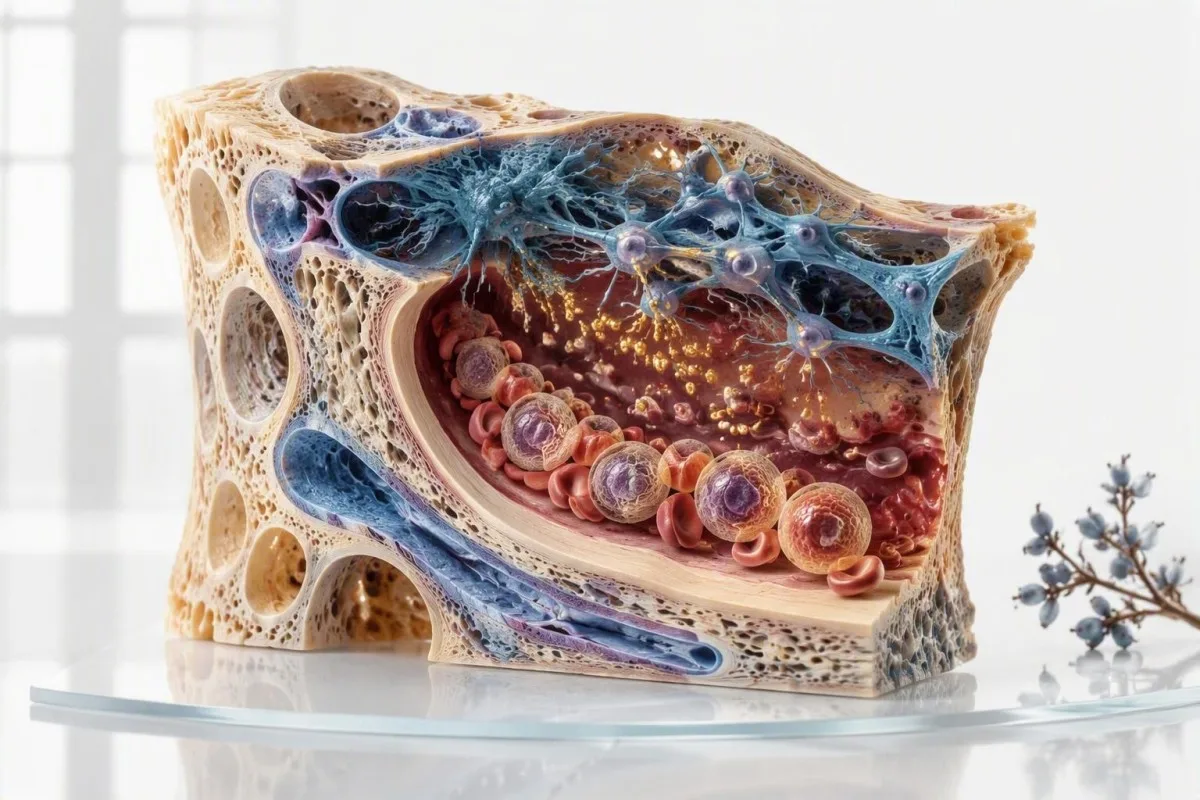
විටමින් C අඩංගු ආහාර සමඟ ශාක යකඩ ප්රභවයන් යුගල කිරීමෙන් නන්-හීම් යකඩ අවශෝෂණය වැඩි දියුණු කළ හැකි අතර, තේ, කෝපි සහ කැල්සියම් අතිරේක යකඩ බහුල ආහාර වේලක් සමඟ ගැනීමෙන් එය අඩු කළ හැකිය. මෙම බලපෑමේ ප්රමාණය පුද්ගලයන් අතර වෙනස් වන අතර, අලාභ දිගටම සිදුවන විට එය කලාතුරකින් සැලකිය යුතු හිඟයක් ඉක්මනින් නිවැරදි කරයි. අපගේ හීම් සහ නන්-හීම් යකඩ ආහාර මාර්ගෝපදේශය ප්රායෝගික උදාහරණ ලබා දෙයි.
සාමාන්ය වාචික ආදේශන මාත්රාවන් පුළුල් ලෙස වෙනස් වන අතර, බොහෝ නූතන පිළිවෙත් භාවිතා කරයි මූලද්රව්ය යකඩ 40-65 mg අවශෝෂණය සහ ආමාශ ආන්ත්රික ඉවසීම සමතුලිත කිරීමට දිනපතා හෝ විකල්ප දිනවල. ලේබලයේ මුළු සංයෝග බර මූලද්රව්ය යකඩට සමාන නොවේ: 325 mg ෆෙරස් සල්ෆේට් වල මූලද්රව්ය යකඩ මිලිග්රෑම් 65 ක් පමණ අඩංගු වේ.
මලබද්ධය, ඔක්කාරය, උදර අපහසුතාවය සහ අඳුරු මළපහ වාචික යකඩ සමඟ පොදු වේ. කළු ඇලෙන සුළු තාර මළපහ, කෙසේ වෙතත්, ඉහළ ආමාශ ආන්ත්රික රුධිර වහනය සංඥා කළ හැකි අතර, විශේෂයෙන්ම කරකැවිල්ල හෝ දුර්වලතාවය සමඟ, හානිකර නොවන අතිරේක බලපෑමක් ලෙස උපකල්පනය නොකළ යුතුය.
ආචාර්ය තෝමස් ක්ලයින්ගේ ප්රායෝගික නීතිය සරල ය: අඩු Ret-He යකඩ ප්රතිකාරයකට තුඩු දුන්නේ නම්, අංකය, හිමොග්ලොබින් සහ රෝග ලක්ෂණ ඇත්ත වශයෙන්ම දියුණු වී තිබේද යන්න පරීක්ෂා කිරීමට සැලැස්මක් සකස් කරන්න. ප්රතිචාරය තහවුරු නොකර ප්රතිකාර කිරීම, සෙලියාක් රෝගය, අධික ගර්භාෂ රුධිර වහනය, ගිනි අවුලුවන බඩවැල් රෝගය, හෝ ආමාශ ආන්ත්රික රුධිර අලාභය රෝග විනිශ්චය ප්රමාද කළ හැකිය.
ඔබට දන්නා යකඩ අධික ලෙස පරිභෝජනය, පැහැදිලි කිරීමකින් තොරව පුනරාවර්තන ඉහළ ෆෙරිටින්, හෝ වෛද්යවරයෙකු එපා යැයි උපදෙස් දුන්නේ නම් යකඩ අතිරේක මග හරින්න. Ret-He යකඩ අධික ලෙස පරිභෝජනය පරීක්ෂා නොකරයි.
Ret-He ප්රතිඵලයකට කඩිනම් වෛද්ය අනුගමනයක් අවශ්ය වූ විට
අඩු Ret-He, සැලකිය යුතු රක්තහීනතාවය, රෝග ලක්ෂණ, ගැබ් ගැනීම, වකුගඩු රෝගය, සක්රීය රුධිර වහනය, හෝ නිරන්තර පහළට යන ප්රවණතාවයක් සමඟ නම්, එයට කඩිනම් අනුගමනයක් අවශ්ය වේ. සංඛ්යාවට විශ්වීය හදිසි සීමාවක් නොමැත; හදිසිය පැමිණෙන්නේ සමස්ත සායනික චිත්රයෙනි.
ආසන්න වශයෙන් පහළින් Ret-He සඳහා වහාම වෛද්යවරයෙකු අමතන්න 25 pg හිමොග්ලොබින් 10 g/dL (100 g/L) ට වඩා අඩු, නව ව්යායාම හුස්ම හිරවීම, ස්පන්දනය, සිහිය නැතිවීම, හෝ සලකුණු කළ තෙහෙට්ටුව. දරුණු රෝග ලක්ෂණ, සක්රීය රුධිර වහනය සැක කිරීම, පපුවේ වේදනාව, විවේකයේදී හුස්ම හිරවීම, හෝ සින්කෝප් සඳහා එකම දින තක්සේරුව සිහිබුද්ධියෙන් යුතුව සලකනු ලැබේ.
තහවුරු කරන ලද යකඩ-ඌණ රක්තහීනතාවයෙන් පෙළෙන වැඩිහිටියන්ට බොහෝ විට හේතු-අවධානය යොමු කළ සමාලෝචනයක් අවශ්ය වේ, විශේෂයෙන් පිරිමින්, ආර්තවාශෝභාවයට පත් කාන්තාවන්, සහ වෙනස් වූ බඩවැල් පුරුද්ද, බර අඩු වීම, පුනරාවර්තන ඌණතාවය, හෝ ධනාත්මක මළපහ පරීක්ෂණයක් ඇති ඕනෑම අයෙකු. Ret-He යකඩ සැපයුම සීමා කිරීමේ රෝග විනිශ්චය සඳහා සහාය වන නමුත් යකඩ කොතැනින් අහිමි වන්නේද යන්න තීරණය කළ නොහැක.
කන්ටෙස්ටි යනු AI රසායනාගාර පරීක්ෂණ අර්ථකථන සේවාව එය Ret-He ප්රවණතාවය සංවිධානය කර වෛද්යවරයෙකු සඳහා ප්රශ්න ජනනය කළ හැකි නමුත්, එය විභාගය, එන්ඩොස්කොපි තීරණ, ගැබ්ගැනීම් රැකවරණය, හෝ හදිසි ඇගයීම ප්රතිස්ථාපනය නොකරයි. අපගේ වෛද්ය සත්යාපන (medical validation) ප්රවේශය AI-සහාය ලත් අර්ථ නිරූපණයේ සීමාවන් පැහැදිලි කරයි.
වෛද්ය අධීක්ෂණය සහ සායනික පාලනය සඳහා, පාඨකයින්ට හමුවිය හැක වෛද්ය උපදේශක මණ්ඩලය. පෙර CBC, ෆෙරිටින් ප්රතිඵල, ඖෂධ ලැයිස්තු සහ යකඩ ප්රතිකාරයේ දිනයන් හමුවීමකට ගෙන ඒමට මම නිර්දේශ කරමි; කාලයත් සමඟ සැසඳීම බොහෝ විට යාන්ත්රණය හෙළි කරයි.
වඩාත් ප්රයෝජනවත් ඊළඟ පරීක්ෂණය සැමවිටම වැඩි පරීක්ෂණ නොවේ. සමහර විට එය සාවධානව ඔසප් වීම පිළිබඳ ඉතිහාසය, ආහාර සමාලෝචනය, celiac screening, ඖෂධ පරීක්ෂාව හෝ ආමාශ ආන්ත්ර ආබාධ පිළිබඳ විමර්ශනයකි. හොඳ අර්ථ නිරූපණය ඊළඟ සායනික ප්රශ්නය පටු කළ යුතුය, ව්යාජ නිශ්චිතභාවයක් ඇති නොකළ යුතුය.
නිතර අසන ප්රශ්න
සාමාන්ය රෙටිකුලෝසයිට් හිමොග්ලොබින් මට්ටම කුමක්ද?
සාමාන්ය වැඩිහිටි Ret-He හෝ CHr ප්රතිඵලය ආසන්න වශයෙන් 29-35 pg වන අතර, නමුත් සෑම විටම රසායනාගාර-විශේෂිත විමර්ශන පරතරය භාවිතා කළ යුතුය. ආසන්න වශයෙන් 28-29 pg ට වඩා අඩු අගයන් බොහෝ විට ගර්භනී රතු රුධිර සෛල වලට ප්රමාණවත් යකඩ නොලැබෙන බවට ඉඟි කරයි. 25 pg ට වඩා අඩු ප්රතිඵලයක් මගින් යකඩ-සීමා සහිත එරිත්රොපොයිසිස් වල සායනික වැදගත්කම වැඩි වන අතර, විශේෂයෙන් ට්රාන්ස්ෆෙරින් සංතෘප්තිය 20% ට වඩා අඩු වන විට. හීමොග්ලොබින් මට්ටම, රෝග ලක්ෂණ, රුධිර වහනය, ගැබ් ගැනීම සහ වකුගඩු රෝග තීරණය කරන හදිසි තත්ත්වය හේතුවෙන් Ret-He හට ස්වාධීන හදිසි කප්-ඕෆ් එකක් නොමැත.
අඩු Ret-He යකඩ ඌනතාවයට සමානද?
රතු රුධිරාණු වලට යකඩ ලබා දීම සීමා වී ඇති බවට අඩු Ret-He ශක්තිමත් සාක්ෂියකි, නමුත් එය යකඩ සංචිත හිඟ බව ඔප්පු කිරීමට සමාන නොවේ. Absolute iron deficiency සාමාන්යයෙන් Ret-He සහ ෆෙරටින් 30 ng/mL ට අඩු වීම ඇති කරයි, අතර ගිනි අවුලුවා ගැනීම hepcidin ඉහළ නැංවීම මගින් 100 ng/mL ට වඩා ෆෙරටින් සමඟ Ret-He අඩු කළ හැකිය. Thalassaemia trait සහ මිශ්ර රක්තහීනතා රටා ද Ret-He අඩු කළ හැකිය. හේතුව හඳුනා ගැනීමට ෆෙරටින්, ට්රාන්ස්ෆෙරින් සංතෘප්තය, CRP, MCV සහ සායනික ඉතිහාසය අවශ්ය වේ.
යකඩ ලබා ගැනීමෙන් පසු Ret-He කොපමණ ඉක්මනින් දියුණු වේද?
Ret-ප්රතිකාරයෙන් ලේ මැජ්ජාවට යකඩ ඵලදායී ලෙස ළඟා වීමෙන් දින 3-5ක් ඇතුළත එය ඉහළ යා හැක, මෙය හිමොග්ලොබින් ප්රතිචාරයකට වඩා කලින්ය. නිසි ලෙස අවශෝෂණය වී රුධිර වහනය නතර වූ විට හිමොග්ලොබින් සති 2-4ක් තුළ ආසන්න වශයෙන් 1 g/dL කින් ඉහළ යයි. අධීක්ෂණය කරන ලද වාචික යකඩ දින 7-14ක් තුළ Ret-He ඉහළ නොයන්නේ නම්, එය පිළිපැදීම, මාත්රාව, අවශෝෂණය නොවීම, දැවිල්ල, අඛණ්ඩ අලාභය හෝ රෝග විනිශ්චයේ නිරවද්යතාවය සමාලෝචනය කිරීමට හේතු විය යුතුය. CE යකඩ ලබා දුන් පසු ෆෙරිටින් තියුනු ලෙස ඉහළ යා හැක, එබැවින් ප්රතිකාරයෙන් පසු ඉක්මනින් එය තනිවම අර්ථ නිරූපණය නොකළ යුතුය.
ලේ-හී වීමෙන් ෆෙරටින් සාමාන්ය මට්ටමේ තිබියදී අඩු රෙට්-හී ඇතිවිය හැකිද?
ඔව්, ශරීරයේ හෙප්සිඩින් (hepcidin) මඟින් ගබඩා කර ඇති යකඩ ඇට මිදුළු කරා ළඟා වීම වළක්වන බැවින්, දැවිල්ල (inflammation) නිසා ෆෙරටින් (ferritin) සාමාන්ය හෝ ඉහළ අගයක පැවතියද Ret-He අගය අඩු විය හැක. CRP 5 mg/L ට වඩා වැඩි වීම, ට්රාන්ස්ෆෙරින් (transferrin) සන්තෘප්තිය 20% ට වඩා අඩු වීම, සහ Ret-He 29 pg ට වඩා අඩු වීම යනු ශරීරයේ යකඩ හිඟකම (functional iron restriction) පෙන්නුම් කරන ලක්ෂණයකි. මෙම ලක්ෂණය නිදන්ගත වකුගඩු රෝගය, දැවිල්ල සහිත බඩවැල් රෝගය, රූමැටොයිඩ් ආතරයිටිස්, හෘදයාබාධ සහ තරබාරුකම හා සම්බන්ධ දැවිල්ල වැනි තත්වයන්හිදී බහුලව දක්නට ලැබේ. සුළු අසනීපයකින් සුව වීමෙන් පසු සති 2-6 කට පසු නැවත පරීක්ෂණයක් කිරීම, රක්තහීනතාවය සුළු නම් සහ රෝග ලක්ෂණ ස්ථාවරව පවතී නම්, එය වඩාත් තොරතුරු සපයනු ඇත.
Ret-He සහ CHr අතර වෙනස කුමක්ද?
Ret-He යනු reticulocyte hemoglobin equivalent වන අතර CHr යනු reticulocyte hemoglobin content වන අතර, දෙකම පරිණත නොවන රතු රුධිර සෛලවල හිමොග්ලොබින් තක්සේරු කරයි. සාමාන්යයෙන් pg වලින් වාර්තා වේ. මෙම ලේබල් විවිධ විශ්ලේෂක ක්රමවේදයන් පිළිබිඹු කරයි, එබැවින් 29 pg ක ප්රතිඵලයක් වෙනත් රසායනාගාරයක සංඛ්යාවක් සමඟ දැඩි ලෙස සංසන්දනය කිරීමට වඩා, එම රසායනාගාරයේම පරතරයට එරෙහිව අර්ථකථනය කළ යුතුය. යකඩ-සීමා සහිත එරිත්රොපොයිසිස් හි මුල් දර්ශක ලෙස දෙකම භාවිතා වේ. අනුක්රමික අධීක්ෂණය සඳහා, එකම රසායනාගාරය සහ විශ්ලේෂකය භාවිතා කිරීමෙන් වැළැක්විය හැකි වෙනස්කම් අඩු වේ.
සාමාන්ය හිමොග්ලොබින් සමඟ අඩු Ret-He මට තිබිය හැකිද?
ඔව්, රක්තහීමෝග්ලොබින් අඩුවීමට පෙර අඩු Ret-He ඇති විය හැක, මන්ද රක්තහීන සෛල දින කිහිපයකට පෙර යකඩ සැපයුම පිළිබිඹු කරන අතර පරිණත රතු සෛල දින 120 ක් පමණ සංසරණය වන බැවිනි. යකඩ සීමා කිරීමේ මුල් අවධියේදී පුද්ගලයෙකුට හීමෝග්ලොබින් 13.0 g/dL, MCV 84 fL, සහ Ret-He 27 pg තිබිය හැකිය. මෙම තත්වය තුළ ෆෙරිටින් 30 ng/mL ට වඩා අඩුවීම හෝ ට්රාන්ස්ෆෙරින් සංතෘප්තිය 20% ට වඩා අඩුවීම යකඩ ඌණතාවය වීමට වැඩි ඉඩක් ඇත. රෝග ලක්ෂණ, අධික ඔසප් වීම, ගැබ් ගැනීම, විඳදරාගැනීමේ පුහුණුව හෝ පහළට යන රසායනාගාර ප්රවණතාවක් ඇති විට මෙම රටාව සාකච්ඡා කිරීම වටී.
අදම AI බලයෙන් රුධිර පරීක්ෂණ විශ්ලේෂණය ලබාගන්න
තත්පර කිහිපයකින් ක්ෂණික හා නිවැරදි රසායනාගාර පරීක්ෂණ විශ්ලේෂණය සඳහා Kantesti විශ්වාස කරන ලොව පුරා මිලියන 2කට වැඩි පරිශීලකයන්ට එක්වන්න. ඔබගේ රුධිර පරීක්ෂණ ප්රතිඵල උඩුගත කර, තත්පර කිහිපයකින් 15,000+ ජෛව සලකුණු පිළිබඳ සවිස්තර අර්ථකථනය ලබාගන්න.
📚 යොමු කර ඇති පර්යේෂණ ප්රකාශන
ක්ලයින්, ටී., මිචෙල්, එස්., සහ වෙබර්, එච්. (2026). Kantesti LTD. (2026). C3 C4 කොම්ප්ලිමන්ට් රුධිර පරීක්ෂාව සහ ANA ටයිටර මාර්ගෝපදේශය. Zenodo.. Kantesti AI වෛද්ය පර්යේෂණ.
ක්ලයින්, ටී., මිචෙල්, එස්., සහ වෙබර්, එච්. (2026). Kantesti LTD. (2026). නිපා වෛරස රුධිර පරීක්ෂණය: මුල් හඳුනාගැනීම සහ රෝග විනිශ්චය මාර්ගෝපදේශය 2026. Zenodo.. Kantesti AI වෛද්ය පර්යේෂණ.
📖 බාහිර වෛද්ය යොමු
⚕️ වෛද්ය වියාචනය
මෙම ලිපිය අධ්යාපනික අරමුණු සඳහා පමණක් වන අතර වෛද්ය උපදෙස් ලෙස නොසැලකේ. රෝග නිદાન සහ ප්රතිකාර තීරණ සඳහා සෑම විටම සුදුසුකම් ලත් සෞඛ්ය සේවා සපයන්නෙකුගෙන් උපදෙස් ලබාගන්න.
E-E-A-T විශ්වාස සංඥා
අත්දැකීම්
වෛද්යවරයා විසින් මෙහෙයවන ලද රසායනාගාර අර්ථකථන ක්රියාවලි පිළිබඳ සමාලෝචනය.
ප්රවීණතාව
සායනික සන්දර්භය තුළ ජෛව සලකුණු (biomarkers) හැසිරෙන ආකාරය පිළිබඳ රසායනාගාර වෛද්ය විද්යා අවධානය.
අධිකාරීත්වය
ආචාර්ය තෝමස් ක්ලයින් විසින් ලියන ලද අතර ආචාර්ය සාරා මිචෙල් සහ මහාචාර්ය ආචාර්ය හෑන්ස් වෙබර් විසින් සමාලෝචනය කරන ලදී.
විශ්වසනීයත්වය
අනතුරු ඇඟවීම් අඩු කිරීමට පැහැදිලි පසුකැඳවීම් මාර්ග සහිත සාක්ෂි-පාදක අර්ථකථනය.