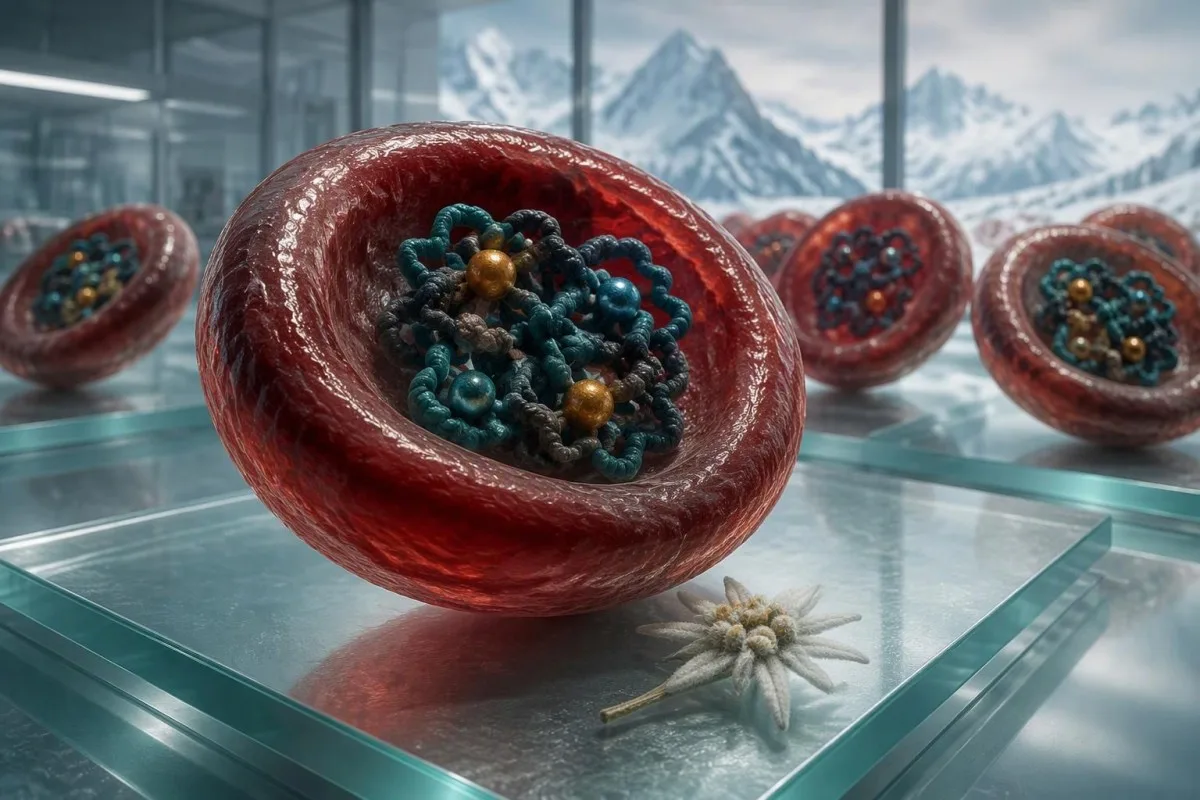
Co-oximetry ප්රතිඵලයක් මඟින් ඔක්සිජන් රැගෙන යාමේ ගැටලුවක් හඳුනාගත හැකියි, එය pulse oximeter එකකට මඟ හැරිය හැක. මෙහි ප්රතිශතය කියවීම, විය හැකි හේතු හඳුනා ගැනීම සහ හදිසි සත්කාර අවශ්ය වන්නේ කවදාදැයි දැනගැනීම මෙහි දැක්වේ.


- සාමාන්ය Methemoglobin සාමාන්යයෙන් ඔක්සිඩන්ට් නිරාවරණයකින් තොරව වැඩිහිටියන්ගේ මුළු හිමොග්ලොබින් වලින් 11% ත් 21% ත් අතර වේ.
- 3% ට වඩා වැඩි ප්රතිඵලයක් බොහෝ රසායනාගාරවල අසාමාන්ය වන අතර ඖෂධ, රසායනික සහ රෝග ලක්ෂණ සමාලෝචනයක් ආරම්භ කළ යුතුය.
- 1% ත් 10% ත් අතර මට්ටම් විශේෂයෙන් රක්තහීනතාවය හෝ හෘද-පෙනහළු රෝග ඇති පුද්ගලයින් තුළ, ස්ලේට්-අළු හෝ නිල් පැහැය, හිසරදය, තෙහෙට්ටුව සහ හුස්ම හිරවීම ඇති කළ හැකිය.
- 10% ත් 30% ත් අතර මට්ටම් සැලකිය යුතු Methemoglobinemia රෝග ලක්ෂණ ඇති කළ හැකි අතර සාමාන්යයෙන් හදිසි රෝහල් තක්සේරුවක් අවශ්ය වේ.
- සතූරේෂන් හිඟයක් යනු පෙනහළු වල ඔක්සිජන් ඝනත්වය ඉහළ මට්ටමක පැවතියද, ස්පන්දන ඔක්සිමෙට්රිය බොහෝ විට 85% අසල රැඳී සිටින අතර ධමනි ඔක්සිජන් පීඩනය සාමාන්ය විය හැකි බවයි; සහ-ඔක්සිමෙට්රිය මෙම නොගැලපීම විසඳයි.
- පොදු අත්පත් කරගත් හේතු අතර බෙන්සොකේන්, ඩැප්සෝන්, නයිට్రేට් හෝ නයිට්රයිට්, ඇනිලින් ඩයි සහ සමහර කාර්මික හෝ ළිං ජල ආශ්රිත තත්වයන් ඇතුළත් වේ.
- මෙතිලීන් නිල් යනු සැලකිය යුතු අත්පත් කරගත් අවස්ථා සඳහා සම්මත ප්රති-විෂ ප්රතිකාරයකි, නමුත් එය G6PD ඌණතාවය හෝ සමහර සෙරොටෝනර්ජික් ඖෂධ සමඟ ආරක්ෂිත නොවිය හැකිය.
- උරුම වූ ඉහළ යාම ජීවිත කාලය පුරාම ස්ථාවර වන අතර, ඖෂධයක් හෝ ආශ්රිත තත්වයක්ගෙන් පසුව ඇතිවන නව නැගීමක්, ඊට හාත්පසින් වෙනස් බව ඔප්පු වන තුරු අත්පත් කරගත් එකක් ලෙස සැලකේ.
Methemoglobin ප්රතිඵලය මේ මොහොතේ අදහස් කරන්නේ කුමක්ද?
මෙතෙමොග්ලොබින් පරීක්ෂණ ප්රතිඵල 1% සිට 2% දක්වා සාමාන්යයෙන් සාමාන්ය වේ; 3% ට වඩා වැඩි නව මට්ටමක් අසාමාන්ය වන අතර ඉක්මන් සායනික සන්දර්භයක් ලැබිය යුතුය. ඉහළ ප්රතිඵලයක් යනු හීමොග්ලොබින් යකඩ ඔක්සිජන් රැගෙන යන ෆෙරස් ආකාරයෙන් ෆෙරික් ආකාරයකට මාරු වී ඇති බවයි, එමඟින් පෙනහළු වල ඔක්සිජන් තිබියදීත් ඔක්සිජන් ලබා දීම අඩු කරයි.
ප්රතිශතය යනු සම්පූර්ණ හීමොග්ලොබින් වල භාගයකි, g/dL වැනි සාන්ද්රණයක් නොවේ. A 5% මෙතෙමොග්ලොබින් 8 g/dL හීමොග්ලොබින් ඇති පුද්ගලයෙකුගේ මට්ටම, 15 g/dL හීමොග්ලොබින් ඇති කෙනෙකුගේ 5% ට වඩා රෝග ලක්ෂණ අනුව වැදගත් විය හැකිය, මන්ද ඔවුන්ගේ ඔක්සිජන් සංචිතය දැනටමත් කුඩා වේ.
මගේ පුහුණුවේදී, හදිසි ප්රශ්නය වන්නේ “එය සලකුණු කර තිබේද?” යන්න පමණක් නොව, ප්රතිඵලය සත්ය දැ, ඉහළ යමින් තිබේද, සහ සයනොසිස්, හුස්ම හිරවීම, ව්යාකූලත්වය, පපුවේ අපහසුව හෝ මෑතකදී ඔක්සිඩන්ට් වලට නිරාවරණය වීම සමඟ තිබේද යන්නයි. හීමොග්ලොබින් ප්රමාණය සහ ක්රියාකාරීත්වය වෙනස් වීමට හේතු පිළිබඳ පුළුල් පැහැදිලි කිරීමක් සඳහා, බලන්න හීමොග්ලොබින් සහ හෙමටොක්රිට් රටා.
කන්ටෙස්ටි යනු AI රුධිර පරීක්ෂණ විශ්ලේෂකය එය මෙතෙමොග්ලොබින් හීමොග්ලොබින්, ඔක්සිජනේෂන් දත්ත, ඖෂධ සහ එකතු කිරීමේ සැකසුම සමඟ තබන අතර, එක් ප්රතිශතයක් රෝග විනිශ්චයක් ලෙස නොසලකයි. සැප්තැම්බර් 28, 2026 වන විට, රෝග ලක්ෂණ සහිත ඉහළ ප්රතිඵලයක් සඳහා කිසිදු නිවෙස් උඩුගත කිරීමක් හෝ AI අර්ථකථනයක් හදිසි තක්සේරුවක් වෙනුවට ආදේශ නොකරයි.
Methemoglobinemia වලට පිළිතුරු සපයන පරීක්ෂණය Co-oximetry වන්නේ ඇයි?
සහ-ඔක්සිමෙට්රි රුධිර පරීක්ෂාව මගින් බහුලව ආලෝක තරංග ආයාම භාවිතයෙන් ඔක්සිහීමොග්ලොබින්, ඩියොක්සිහීමොග්ලොබින්, කාබොක්සිහීමොග්ලොබින් සහ මෙතෙමොග්ලොබින් සෘජුවම වෙන් කරයි. A routine pulse oximeter does not reliably distinguish these hemoglobin species.
A pulse oximeter commonly drifts toward approximately 85% in substantial methemoglobinemia, whether the true oxygen status is better or worse. The arterial blood gas PaO2 may remain normal because it measures oxygen dissolved in plasma, not whether hemoglobin can transport it.
That disagreement is called a saturation gap: the calculated arterial saturation looks reassuring while the patient appears blue-gray or the pulse reading stays unexpectedly low despite oxygen. Our guide to arterial blood gas interpretation explains why PaO2 alone cannot rule this out.
A sample should be analyzed quickly and protected from avoidable delay; unusual sample color can support suspicion but never confirms the diagnosis. Hemolysis and optical interference can complicate several analytes, so a flagged sample may need a carefully collected repeat—see when hemolysis distorts results.
Methemoglobin හි ඉහළ මට්ටම් රෝග ලක්ෂණ සමඟ සම්බන්ධ වන්නේ කෙසේද?
Symptoms often begin around 10% to 20%, while levels above 30% can impair thinking, circulation, and breathing. The same percentage can feel very different in an infant, a person with anemia, or someone with chronic heart or lung disease.
හිදී 3% සිට 10%, many adults have no symptoms and the finding may be incidental. At 10% සිට 20%, headache, fatigue, lightheadedness, exercise intolerance, and visible cyanosis become more plausible; do not dismiss these as anxiety if the exposure history fits.
හිදී 20% සිට 30%, patients can develop dyspnea, tachycardia, nausea, and altered concentration. Skold et al. described the clinical picture as variable rather than perfectly percentage-based, which matches what I have seen over 15 years: reserve matters as much as the number (Skold et al., 2011).
30 µmol/Lට ඉහළ අගයන් 50% are associated with seizures, dysrhythmia, coma, and life-threatening oxygen failure, although serious illness can occur earlier. Sudden breathlessness or chest pressure also merits the emergency approach described in our vodnik za testiranje kratke sape.
දැන්ම හදිසි තක්සේරුවක් අවශ්ය බවට රෝග ලක්ෂණ
Call emergency services or go to an emergency department for blue-gray lips or skin with breathlessness, confusion, fainting, chest pain, seizures, or rapidly worsening symptoms after a possible exposure. Do not drive yourself if you feel faint, confused, or short of breath.
A methemoglobin result above 20% with symptoms, හෝ above 30% even without obvious symptoms, is generally an emergency-level finding. Infants younger than 6 months, pregnant patients, and people with anemia, sepsis, or cardiopulmonary illness should be assessed at a lower threshold.
Bring or photograph every medicine, topical anesthetic, supplement, recreational substance, and workplace product used in the preceding 48 hours. The timing is diagnostically useful: benzocaine reactions may appear within minutes to hours, while dapsone can cause delayed or recurrent elevation because of long-lived metabolites.
Do not attempt to treat a suspected episode with dietary antioxidants, oxygen bought for home use, or leftover medication. If chest pain is present, clinicians also evaluate cardiac injury; our overview of urgent chest-pain blood tests explains why several conditions can overlap.
ඖෂධ නිසා ඇතිවන හේතු: වෛද්යවරුන්ට අවශ්ය වන ඉතිහාසය
Dapsone, benzocaine, prilocaine, nitrates, nitrites, sulfonamides, and some antimalarial or industrial medicines can cause acquired methemoglobinemia. A prescribed medicine can be the cause even when taken exactly as directed.
Dapsone is a classic trigger; clinically meaningful elevation may recur after initial treatment because its hydroxylamine metabolites persist. In the 138-case series by Ash-Bernal et al., medications accounted for a large share of acquired cases, reinforcing why a complete drug list beats guesswork (Ash-Bernal et al., 2004).
Topical benzocaine sprays or gels used before dental, endoscopic, or throat procedures deserve particular attention, especially if symptoms begin shortly afterward. “Natural” topical products are not automatically safe either—an unlabeled ingredient may contain oxidizing compounds.
Keep the prescriber involved before stopping an essential medicine, unless emergency clinicians instruct otherwise. Kantesti’s ඖෂධ සුරක්ෂිතා ප්රවනතා මාර්ගෝපදේශය can help organize dated results, but it cannot determine whether a drug should be continued.
මට්ටම් ඉහළ නැංවිය හැකි රසායනික, ආහාර සහ ජල නිරාවරණයන්
Nitrite-contaminated well water, aniline dyes, oxidizing industrial chemicals, and inhaled nitrites can raise methemoglobin quickly. Exposure investigation is especially urgent when several people in one household or workplace develop symptoms together.
Private well water is most concerning for infants when nitrate contamination is high, because infant gut bacteria and lower reductase capacity increase susceptibility. Boiling water does නැහැ remove nitrate and may concentrate it; tested safe water is the practical prevention step.
Aniline-containing dyes, printing agents, solvents, and certain agricultural products can produce a delayed oxidant effect after skin, inhalation, or accidental oral exposure. Workplace health teams need the product safety sheet, duration, ventilation details, and whether protective equipment was used.
A sudden shared illness after a meal, chemical spill, or water source needs emergency advice rather than a wait-and-see repeat test. For another example of why exposure testing has strict timing limits, review heavy metal test timing.
උරුම වූ හා ලබාගත් Methemoglobinemia
Inherited methemoglobinemia usually causes stable, longstanding cyanosis, while acquired methemoglobinemia appears after a drug, chemical, illness, or dietary exposure. A normal prior co-oximetry result strongly favors an acquired cause.
The most recognized inherited cause is CYB5R3-related cytochrome b5 reductase deficiency, which impairs the red cell’s normal reduction pathway. Type I disease is often limited to red cells and chronic cyanosis; the rare Type II form affects other tissues and can cause severe neurologic impairment.
Hemoglobin M variants can also produce lifelong methemoglobin elevation, and they do not respond predictably to methylene blue. A family history of relatives who “always looked blue” yet had stable function is a useful clue, but genetic testing is not the first step in an unstable patient.
කන්ටෙස්ටි යනු AI රුධිර පරීක්ෂණ ප්රතිඵල වේදිකාව that flags the pattern of repeat elevation, age of onset, and medication exposure for clinician review. If red-cell enzyme vulnerability is suspected, G6PD activity testing becomes particularly relevant before antidotal treatment.
ළදරුවන්, ගැබ් ගැනීම සහ රක්තහීනතාවය අවදානම වෙනස් කරන්නේ ඇයි?
Infants can become seriously unwell at lower methemoglobin levels because fetal hemoglobin oxidizes more easily and reductase activity is immature. Pregnancy and anemia also reduce physiologic reserve, so clinicians act on symptoms rather than a single universal cutoff.
In an infant with blue-gray color, poor feeding, unusual sleepiness, or fast breathing, emergency assessment is appropriate even before the percentage returns. Formula mixed with untested well water is a specific question clinicians ask because nitrate exposure can be preventable.
Pregnancy creates a more complicated balance: maternal symptoms, fetal oxygen delivery, the cause of the elevation, and treatment safety all matter. I would not ask a pregnant patient to interpret a 4% to 8% result alone; the obstetric and acute-care teams should review it promptly.
Anemia reduces total oxygen content even when pulse oximetry appears adequate. Our explanation of simptomih nizkega števila rdečih krvničk helps show why hemoglobin concentration changes the urgency of any oxygen-delivery problem.
කාලය නාස්ති නොකර ප්රතිඵලය තහවුරු කිරීම
A symptomatic or markedly elevated result should be repeated with formal co-oximetry while treatment and exposure assessment proceed; confirmation must not delay emergency care. The clinical team also checks hemoglobin, lactate, blood gases, ECG findings, and sometimes toxicology data.
Ask whether the reported percentage came from arterial or venous co-oximetry and whether the laboratory noted an interference flag. Venous samples can measure methemoglobin accurately, but arterial sampling may better characterize oxygenation when breathlessness or a saturation gap is present.
A surprising isolated result should prompt review of collection and analyzer quality controls, particularly if the patient feels entirely well and has no plausible exposure. Yet “artifact” should be a conclusion after review, not a reflex—especially when the sample is visibly chocolate-brown.
කන්ටෙස්ටි යනු AI මගින් බලගැන්වූ රුධිර පරීක්ෂණ විශ්ලේෂණ මෙවලම that can compare serial hemoglobin-related values and identify missing context for a clinician. Our medical team’s approach to accuracy and limits is outlined in සායනික සත්යාපන ප්රමිතීන්ට.
රෝහල් ප්රතිකාර වලට ඇතුළත් විය හැකි දේ
Hospital treatment starts with stopping the oxidant source, supporting breathing and circulation, and considering methylene blue for clinically significant acquired methemoglobinemia. Many toxicology references consider treatment around 20% to 30%, but symptoms and comorbidity can justify earlier action.
The usual methylene blue dose is 1 to 2 mg/kg intravenously over 5 minutes, with reassessment after roughly 30 to 60 minutes. Clinicians avoid excessive cumulative dosing because methylene blue itself can oxidize hemoglobin at higher doses.
Methylene blue may be ineffective or hazardous in G6PD ඌනතාවය, and it can precipitate serotonin toxicity when combined with serotonergic medicines such as SSRIs, SNRIs, or MAO inhibitors. Iolascon et al. emphasize tailoring therapy to the cause and patient risks rather than treating a percentage in isolation (Iolascon et al., 2021).
Severe refractory cases may require toxicology consultation, exchange transfusion, or hyperbaric oxygen in selected circumstances. These are hospital decisions, not a reason to delay presentation; review our වෛද්ය උපදේශක මණ්ඩලය for the clinical oversight behind Kantesti content.
Co-oximetry සමඟ වෛද්යවරුන් කියවන අනෙකුත් පරීක්ෂණ
Clinicians interpret methemoglobin with hemoglobin, reticulocytes, blood gas values, lactate, kidney and liver function, and sometimes a peripheral smear. This wider panel identifies whether low oxygen delivery, hemolysis, or impaired drug clearance is adding risk.
A CBC establishes whether anemia is lowering oxygen capacity, while reticulocytes, LDH, bilirubin, and haptoglobin help assess red-cell turnover. Elevated reticulocytes are not specific to methemoglobinemia, but the pattern can reveal a second process; see reticulocyte result interpretation.
Lactate may rise when tissue oxygen delivery is inadequate, although a normal lactate does not rule out meaningful symptoms. Kidney and liver tests matter because impaired clearance can amplify exposure to medicines such as dapsone or local anesthetics.
Do not confuse carboxyhemoglobin with methemoglobin: both need co-oximetry, but their causes and treatment differ. A sample history that includes smoke exposure, combustion, or enclosed-space fumes changes the emergency differential substantially.
ඉහළ ප්රතිඵලයකට පසුව: නැවත පරීක්ෂා කිරීම සහ වැළැක්වීම
Repeat co-oximetry is timed to the suspected cause, symptoms, and treatment—not automatically the next morning for everyone. A short-acting topical exposure may normalize within hours, while dapsone-related elevation can rebound over 24 to 72 hours.
Before discharge, patients should receive the suspected trigger in writing, a clear avoidance plan, and a list of symptoms that require return. Re-exposure is the common preventable problem, particularly when the original trigger was an over-the-counter numbing product or an unrecognized workplace chemical.
A personal baseline is useful after recovery if inherited disease remains possible, but do not test during an intercurrent oxidant exposure and call it genetic. The practical mechanics of comparing dates and methods are covered in our රුධිර පරීක්ෂණ කාලරේඛා මාර්ගෝපදේශය.
Thomas Klein, MD, advises patients to save the original report, medication list, and any workplace safety documentation together. Kantesti can organize those records across time, while the treating clinician decides whether referral to hematology, toxicology, or genetics is needed.
ඉහළ ප්රතිඵලයකට පසුව ඇසිය යුතු ප්රශ්න
Ask what percentage was measured, whether co-oximetry confirmed it, what exposure is most likely, and what symptoms should trigger emergency care. These four questions turn an alarming lab flag into a safer clinical plan.
Useful specifics include: “Could my medicine or topical anesthetic cause this?”, “Do I need repeat co-oximetry?”, “Should I be tested for G6PD deficiency?”, and “Does my hemoglobin level make this more dangerous?” Bring exact product names, doses, and the time of last use.
Ask whether relatives need testing only when the pattern is persistent, unexplained, or suggestive of inherited disease. A one-time level of 6% after a known oxidizing medicine does not automatically justify family genetic screening.
Kantesti’s AI තාක්ෂණික මාර්ගෝපදේශය explains how our system preserves laboratory units, reference intervals, and trends for a doctor visit. It should support clearer questions, not substitute for toxicology or emergency evaluation.
Methemoglobinemia පිළිබඳ පොදු වැරදි මත
A normal PaO2, a seemingly acceptable pulse reading, or oxygen given at home does not exclude clinically important methemoglobinemia. This condition is about hemoglobin function, so ordinary oxygen measures can mislead.
Misconception: “Blue color always means low lung oxygen.” In methemoglobinemia, the lungs may transfer oxygen adequately while altered hemoglobin cannot carry it efficiently; this is why co-oximetry is decisive.
Misconception: “Only infants get it.” Infants are vulnerable, but adults develop acquired cases after medicines, topical products, or chemical exposures every year. A healthy adult with new cyanosis after benzocaine deserves the same serious evaluation.
Misconception: “The lab range decides everything.” A 12% result in a person with severe anemia may be more concerning than a 20% result in a stable person with normal reserve, although both need physician assessment. Thomas Klein, MD, emphasizes that symptoms, trend, and exposure history are the clinical triad.
ඔබේ හමුවීමට පෙර රසායනාගාර වාර්තාවක් ආරක්ෂිතව භාවිතා කිරීම
Record the exact methemoglobin percentage, collection time, sample type, symptoms, oxygen readings, and every exposure from the previous 72 hours. This information often shortens the path from an abnormal result to the correct cause.
Check the laboratory’s own reference interval because some report methemoglobin as a fraction and others as a percentage. A result of 0.03 may mean 3% depending on the format, so unit mistakes are surprisingly easy to make.
Upload only a complete, readable report and verify that the analyte is truly methemoglobin rather than total hemoglobin or carboxyhemoglobin. Kantesti supports privacy-focused result organization for patients in 127+ countries, but acute symptoms always override digital workflows.
For information about our clinical team, governance, and purpose as an organization, see Kantesti ගැන. The safest bottom line is simple: high methemoglobin plus symptoms is an emergency problem until a clinician says otherwise.
නිතර අසන ප්රශ්න
සාමාන්ය මෙතෙමොග්ලොබින් මට්ටම යනු කුමක්ද?
සාමාන්ය මෙතෙමොග්ලොබින් මට්ටම සාමාන්යයෙන් අදාළ නිරාවරණයක් නොමැති පුද්ගලයින් තුළ මුළු හිමොග්ලොබින් ප්රමාණයෙන් 1% ට 2% ට වඩා අඩුය. බොහෝ රසායනාගාරවල 3% ට වඩා වැඩි අගයන් ඉහළ මට්ටම් ලෙස සලකුණු කරයි, ඒවායේ විමර්ශන කාලපරිච්ඡේද තරමක් වෙනස් විය හැකි වුවද. රෝග ලක්ෂණ, රක්තහීනතාවය තත්ත්වය සහ පරීක්ෂණ ක්රමය සමඟ ප්රතිඵලයක් අර්ථකථනය කළ යුතුය. 10% ට වඩා වැඩි අලුත් අගයක් රෝග ලක්ෂණ සුළු යැයි පෙනුනද වහාම වෛද්ය සම්බන්ධතා සඳහා සුදුසු වේ.
3% මෙතෙමොග්ලොබින් මට්ටම භයානකද?
3% හි මෙතෙමොග්ලොබින් මට්ටමක් නිරෝගී, රෝග ලක්ෂණ රහිත වැඩිහිටියෙකුට සාමාන්යයෙන් අනතුරක් නොවන නමුත්, එය අසාමාන්ය වන අතර එය අලුත් නම් එය නොසලකා හැරිය යුතු නොවේ. වෛද්යවරුන් විසින් ඖෂධ, ආලේපන නිර්වින්දක, නයිට్రేට්, රසායනික ද්රව්ය සහ ප්රතිශතය ඉහළ යන්නේද යන්න සමාලෝචනය කරනු ඇත. ළදරුවන්, ගර්භනී රෝගීන් සහ රක්තහීනතාවය හෝ හෘද-පෙනහළු රෝග ඇති පුද්ගලයින්ට එකම මට්ටමක අඩු සංචිතයක් තිබිය හැකිය. පැහැදිලි පැහැදිලි කිරීමක් නොමැති විට නැවත co-oximetry සුදුසු විය හැකිය.
මෙතිමොග්ලොබින් මට්ටම කොපමණ වන විට රෝග ලක්ෂණ ආරම්භ වේද?
Methemoglobinemia රෝග ලක්ෂණ සාමාන්යයෙන් 10% සිට 20% දක්වා ආරම්භ වන අතර, හිසරදය, තෙහෙට්ටුව, නිල්-අළු පැහැ ගැන්වීම, කරකැවිල්ල හෝ හුස්ම හිරවීම. 20% සිට 30% දක්වා වූ මට්ටම් දැඩි හුස්ම හිරවීම, වේගවත් හෘද ස්පන්දනය, ඔක්කාරය සහ සංජානනීය වෙනස්කම් ඇති කළ හැකිය. රක්තහීනතාවය, හෘද-පෙනහළු රෝග, ළමා විය, හෝ ගැබ් ගැනීම් වලදී අඩු මට්ටම්වල රෝග ලක්ෂණ ඇති විය හැක. නිල් පැහැය, පපුවේ වේදනාව, ව්යාකූලත්වය, සිහිය නැතිවීම, හෝ වේගයෙන් නරක අතට හැරෙන හුස්ම හිරවීමක් ඇති පුද්ගලයෙකුට නිශ්චිත ප්රතිශතය කුමක් වුවත් හදිසි ඇගයීමක් අවශ්ය වේ.
පල්ස් ඔක්සිමීටරයකට මෙතෙමොග්ලොබිනේමියාව හඳුනාගත හැකිද?
පෝල්ස් ඔක්සිමීටරයකට මෙතෙමොග්ලොබිනේමියාව විශ්වාසදායක ලෙස හඳුනාගත නොහැක, මන්ද එය සීමිත තරංග ආයාමයන් භාවිතා කරන අතර මෙතෙමොග්ලොබින් ඉහළ මට්ටම්වල ඇති විට එය ආසන්න වශයෙන් 85% ලෙස කියවයි. ධමනි රුධිර වායුව PaO2 සාමාන්ය විය හැක, මන්ද එය ද්රාව්ය ඔක්සිජන් මිස හිමොග්ලොබින් ක්රියාකාරිත්වය මනිනු නොලබයි. කෝ-ඔක්සිමෙට්රි රුධිර පරීක්ෂණය මගින් මෙතෙමොග්ලොබින් සම්පූර්ණ හිමොග්ලොබින් ප්රතිශතයක් ලෙස සෘජුවම මනිනු ලැබේ. නිල් පැහැය, නිරන්තර අඩු ස්පන්දන කියවීමක් සහ සාමාන්ය PaO2 අතර නොගැලපීමක් "සැචරේෂන් ග్యాප්" ලෙස හැඳින්වේ.
අධික මෙතෙමොග්ලොබිнемунему ඇති කළ හැකි ඖෂධ මොනවාද?
ඩැප්සෝන්, බෙන්සොකේන්, ප්රිලොකේන්, නයිට్రేට් හෝ නයිට්රයිට් සූදානම්, සල්ෆොනාමයිඩ් සහ සමහර මැලේරියා විරෝධී ඖෂධ මගින් ඉහළ මෙතෙමොග්ලොබින් ඇති විය හැක. මුඛ හෝ උගුරේ ක්රියා පටිපාටිවල භාවිතා කරන ටොපිකල් බෙන්සොකේන් මිනිත්තු සිට පැය කිහිපයක් ඇතුළත රෝග ලක්ෂණ ඇති කළ හැකි අතර, ඩැප්සෝන් පැය 24 ත් 72 ත් අතර ප්රමාද වූ හෝ නැවත නැවත ඉහළ යාමක් ඇති කළ හැකිය. හදිසි වෛද්යවරුන් එසේ කිරීමට ඔබව යොමු කරන තුරු, වෛද්ය උපදෙස් නොමැතිව විවේචනාත්මකව නියම කරන ලද medicine ෂධයක් කිසි විටෙකත් නතර නොකරන්න. විභාගය සඳහා ගත් නිශ්චිත නිෂ්පාදනය, මාත්රාව සහ වේලාව ගෙන එන්න.
අධික මෙතෙමොග්ලොබින් වලට ප්රතිකාර කරන්නේ කෙසේද?
ඔක්සිකාරක මූලාශ්රය වහාම නතර කිරීම, ඔක්සිජන් ලබා දීම, සහ ලබාගත් මෙතෙමොග්ලොබිනේමියා සායනිකව වැදගත් වන විට නිල් මීතයිලීන් භාවිතා කිරීම මගින් ඉහළ මෙතෙමොග්ලොබින් සඳහා ප්රතිකාර කරනු ලැබේ. සාමාන්ය රෝහල් මාත්රාව මිනිත්තු 5 ක් පුරා අභ්යන්තරව 1 සිට 2 mg/kg දක්වා වන අතර, මිනිත්තු 30 ත් 60 ත් අතර නැවත ඇගයීමක් සිදු කෙරේ. G6PD ඌණතාවය තුළ නිල් මීතයිලීන් ආරක්ෂිත හෝ ඵලදායී නොවිය හැකි අතර සෙරොටොනර්ජික් ඖෂධ සමඟ ප්රවේශම් විය යුතුය. දරුණු අවස්ථා සඳහා නිවසේ ප්රතිකාර වෙනුවට හදිසි විෂ විද්යාව සහ රෝහල් කළමනාකරණය අවශ්ය වේ.
අදම AI බලයෙන් රුධිර පරීක්ෂණ විශ්ලේෂණය ලබාගන්න
තත්පර කිහිපයකින් ක්ෂණික හා නිවැරදි රසායනාගාර පරීක්ෂණ විශ්ලේෂණය සඳහා Kantesti විශ්වාස කරන ලොව පුරා මිලියන 2කට වැඩි පරිශීලකයන්ට එක්වන්න. ඔබගේ රුධිර පරීක්ෂණ ප්රතිඵල උඩුගත කර, තත්පර කිහිපයකින් 15,000+ ජෛව සලකුණු පිළිබඳ සවිස්තර අර්ථකථනය ලබාගන්න.
📚 යොමු කර ඇති පර්යේෂණ ප්රකාශන
ක්ලයින්, ටී., මිචෙල්, එස්., සහ වෙබර්, එච්. (2026). සෙරුම් ප්රෝටීන් මාර්ගෝපදේශය: ග්ලෝබියුලින්, ඇල්බියුමින් සහ A/G අනුපාත රුධිර පරීක්ෂාව. Kantesti AI වෛද්ය පර්යේෂණ.
ක්ලයින්, ටී., මිචෙල්, එස්., සහ වෙබර්, එච්. (2026). C3 C4 අනුපූරක රුධිර පරීක්ෂණය සහ ANA ටයිටර් මාර්ගෝපදේශය. Kantesti AI වෛද්ය පර්යේෂණ.
📖 බාහිර වෛද්ය යොමු
⚕️ වෛද්ය වියාචනය
මෙම ලිපිය අධ්යාපනික අරමුණු සඳහා පමණක් වන අතර වෛද්ය උපදෙස් ලෙස නොසැලකේ. රෝග නිદાન සහ ප්රතිකාර තීරණ සඳහා සෑම විටම සුදුසුකම් ලත් සෞඛ්ය සේවා සපයන්නෙකුගෙන් උපදෙස් ලබාගන්න.
E-E-A-T විශ්වාස සංඥා
අත්දැකීම්
වෛද්යවරයා විසින් මෙහෙයවන ලද රසායනාගාර අර්ථකථන ක්රියාවලි පිළිබඳ සමාලෝචනය.
ප්රවීණතාව
සායනික සන්දර්භය තුළ ජෛව සලකුණු (biomarkers) හැසිරෙන ආකාරය පිළිබඳ රසායනාගාර වෛද්ය විද්යා අවධානය.
අධිකාරීත්වය
ආචාර්ය තෝමස් ක්ලයින් විසින් ලියන ලද අතර ආචාර්ය සාරා මිචෙල් සහ මහාචාර්ය ආචාර්ය හෑන්ස් වෙබර් විසින් සමාලෝචනය කරන ලදී.
විශ්වසනීයත්වය
අනතුරු ඇඟවීම් අඩු කිරීමට පැහැදිලි පසුකැඳවීම් මාර්ග සහිත සාක්ෂි-පාදක අර්ථකථනය.