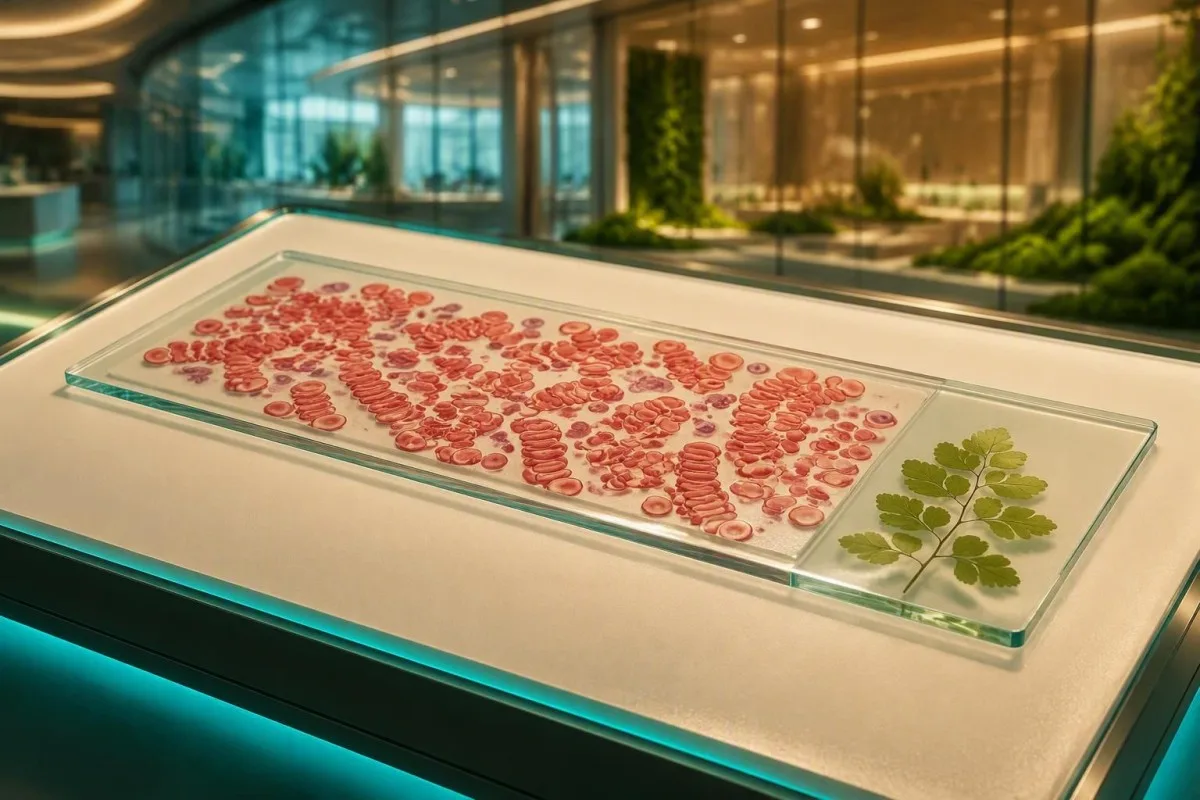
ပလာစမာ ပရိုတင်းများ ပုံမှန်အတိုင်း တားဆီးမှုပြောင်းလဲသောအခါ သွေးနီဥများသည် ဒင်္ဂါးပြားများကဲ့သို့ စီရီ.


- Rouleaux ပုံစံ သွေးနီဥများသည် ဒင်္ဂါးပြားကဲ့သို့ အလွှာများ ဖွဲ့စည်းသည်၊ ပုံမှန်အားဖြင့် fibrinogen သို့မဟုတ် immunoglobulins များသည် ၎င်းတို့၏ ပုံမှန်မျက်နှာပြင် တားဆီးမှုကို လျှော့ချသောကြောင့် ဖြစ်သည်။.
- ၎င်းသည် ရောဂါမဟုတ်၊ ပုံစံတစ်ခုဖြစ်သည်။: မကြာသေးမီက ကူးစက်ခြင်း၊ autoimmune လှုပ်ရှားမှု၊ ကိုယ်ဝန်ဆောင်ခြင်း၊ နာတာရှည် ရောင်ရမ်းခြင်း၊ နှင့် plasma-cell ရောဂါများသည် ၎င်းကို ဖြစ်ပေါ်စေနိုင်သည်။.
- ESR မြင့်တက်နိုင်သည်။ rouleaux ရှိနေသောအခါတွင် အလွှာများသည် ပိုမိုလျင်မြန်စွာ စိတ်ကျရောဂါရှိသောကြောင့် ဖြစ်သည်၊ ESR တစ်ခုတည်းက အကြောင်းရင်းကို မဖော်ထုတ်နိုင်ပါ။.
- စုစုပေါင်း ပရိုတင်း 6.0-8.3 g/dL နှင့် albumin သည် ပုံမှန်လူကြီး အကိုးအကား အကွာအဝေးဖြစ်ပြီး 3.5-5.0 g/dL ခန့်ရှိသော်လည်း ဓာတ်ခွဲခန်း အကွာအဝေးများသည် ကွဲပြားသည်။.
- 4.0 g/dL ထက်ပိုသော gamma gap ပရိုတင်းအပေါ် အာရုံစိုက်သော နောက်ဆက်တွဲကို အတည်ပြုပေးနိုင်သော်လည်း ရေဓာတ်ခမ်းခြောက်ခြင်းနှင့် ရောင်ရမ်းခြင်းတို့ကလည်း ၎င်းကို ရှင်းပြနိုင်သည်။.
- SPEP နှင့် immunofixation နှင့် serum free light chains သွေးအားနည်းရောဂါ၊ ကျောက်ကပ်ပြောင်းလဲမှု၊ အရိုးနာကျင်မှု သို့မဟုတ် ဂိုဘူလင်ဓာတ်များနေခြင်းတို့နှင့်အတူ rouleaux ဆက်လက်တည်ရှိနေပါက ဆက်လက်လုပ်ဆောင်ရန် သာမန်စစ်ဆေးမှုများဖြစ်သည်။.
- ဆားရေဖြန်းဆေး rouleaux ကို သွေးနီဥများစုစည်းခြင်းမှ ခွဲခြားသိမြင်စေရန် ဓာတ်ခွဲခန်းကို ကူညီပေးနိုင်သည်၊ ၎င်းသည် ကွဲပြားသောရောဂါရှာဖွေမှုရှိသည်။.
- အရေးပေါ် အကဲဖြတ်မှု အသစ်ပေါ်ပေါက်လာသော စိတ်ရှုပ်ထွေးမှု၊ ပြင်းထန်စွာ အသက်ရှူမဝခြင်း၊ မြင်လွှာပြောင်းလဲမှု၊ ပြင်းထန်စွာ အားနည်းခြင်း သို့မဟုတ် ကျောက်ကပ်လုပ်ဆောင်မှု လျင်မြန်စွာ ပိုဆိုးလာခြင်းတို့အတွက် သင့်လျော်ပါသည်။.
သွေးအကျဲပြင်တွင် rouleaux က ဘာကိုဆိုလိုသနည်း
သွေးစစ်နမူနာတွင် Rouleaux ဖြစ်ပေါ်နေခြင်း ဆိုလိုသည်မှာ သွေးနီဥများသည် သီးခြားစီ မတည်ရှိဘဲ အတို သို့မဟုတ် အရှည် ဒင်္ဂါးပုံ အကော်တန်းများအတိုင်း စီတန်းနေခြင်းဖြစ်သည်။ ၎င်းသည် သွေးနီဥများ ကိုယ်တိုင်တွင် အ structural ချို့ယွင်းချက်ထက် ပလာစမာ ပရိုတင်းများ - အထူးသဖြင့် fibrinogen သို့မဟုတ် immunoglobulins - မြင့်တက်နေခြင်းကို အများဆုံး ထင်ဟပ်စေသည်။.
သွေးနီဥအမြှေးပါးသည် ပုံမှန်အားဖြင့် အနုတ်လျှပ်စစ်ဓာတ်ကို သယ်ဆောင်ထားပြီး၊ zeta potential ဟုခေါ်သည်၊ ၎င်းသည် အနီးနားရှိ ဆဲလ်များကို ခွဲထားသည်။ Fibrinogen နှင့် immunoglobulins အချို့သည် ထို repulsion နေရာကို တစိတ်တပိုင်းတံတားခင်းပေးသည်၊ ထို့နောက် ဆဲလ်များသည် ကောင်းစွာပြုလုပ်ထားသော slide ၏ ပါးလွှာသောနေရာ၌ အလွယ်ကူဆုံး စီတန်းနေပါသည်။.
Morphology မှတ်ချက်သည် တိုင်းတာထားသော စုစည်းမှုမဟုတ်ပါ၊ နှင့် universal အဆင့်ခွဲခြားစနစ် မရှိပါ။ ဓာတ်ခွဲခန်းတစ်ခုသည် “occasional rouleaux” ဟု မှတ်တမ်းတင်နိုင်ပြီး အခြားတစ်ခုက “present” ဟု မှတ်တမ်းတင်နိုင်သည်။ ကျွန်ုပ်သည် haemoglobin၊ MCV၊ total protein၊ albumin၊ creatinine၊ calcium နှင့် ဆေးဘက်ဆိုင်ရာ ဇာတ်လမ်းဘေးတွင် အမှန်တကယ် slide မှတ်ချက်ကို ဖတ်သည်။.
ကန်တက်စတီသည် AI သွေးစမ်းသပ်မှုခွဲခြမ်းစိတ်ဖြာ ၎င်းသည် သွေးနီဥ stacking ကို သီးခြားရောဂါတစ်ခုအဖြစ် မဆက်ဆံဘဲ သက်ဆိုင်ရာ ဂဏန်းရလဒ်များဘေးတွင် smear မှတ်ချက်ကို ထားရှိသည်။ အရေအတွက်၏ ကျန်အရာများကို အသုံးဝင်သော အကျဉ်းချုပ်အတွက် ကျွန်ုပ်တို့၏ ကြည့်ရှုပါ။ CBC မှတ်တိုင်လမ်းညွှန်.
“formation” ဟူသောစကားလုံးသည် အဘယ်ကြောင့် ၎င်းထက် ပို၍အံ့ဩဖွယ်ဖြစ်စေနိုင်သနည်း။
Rouleaux သည် ခန္ဓာကိုယ်အတွင်းတွင် သွေးခဲတစ်ခု ဖြစ်ပေါ်နေသည်ဟု မဆိုလိုပါ။ ၎င်းသည် ဓာတ်ခွဲခန်းနမူနာကို ဖန်ခွက်ပေါ်တွင် ဖြန့်ထားပြီးနောက် မြင်တွေ့ရသော အမှုန်အမွှားပုံစံဖြစ်ပြီး၊ ရောင်ရမ်းမှုရောဂါတိုတိုရှိသူများစွာသည် သွေးကင်ဆာ သို့မဟုတ် အန္တရာယ်ရှိသော သွေးလည်ပတ်မှုပြဿနာမရှိဘဲ ၎င်းကို ပြသသည်။.
သွေးနီဥများ စီရီရခြင်း အဘယ်ကြောင့် ဖြစ်သနည်း
သွေးနီဥ stacking သည် လည်ပတ်နေသော ပရိုတင်းများက သွေးနီဥများကြားရှိ လျှပ်စစ်ခွဲမှုကို လျှော့ချသောအခါ ဖြစ်ပွားသည်။ Fibrinogen သည် ပုံမှန်အားဖြင့် တိုတောင်းသော ယာဉ်မောင်းဖြစ်ပြီး၊ အလွန်အကျွံ immunoglobulins များသည် ဤတွေ့ရှိချက်သည် နာတာရှည် သို့မဟုတ် ပြင်းထန်သောရောဂါနှင့် မလိုက်ဖက်ပါက ပို၍သက်ဆိုင်ပါသည်။.
အရေးပေါ်အဆင့်တုံ့ပြန်မှုသည် ရောဂါပိုး၊ ခွဲစိတ်မှု၊ ရောင်ရမ်းနာကျင်မှု၊ သို့မဟုတ် အဓိကတစ်ရှူးထိခိုက်မှုအပြီးရက်ပိုင်းအတွင်း fibrinogen ကို တိုးမြှင့်နိုင်သည်။ ဤဇီဝဗေဒသည် ESR ကို မြှင့်တင်ပေးနိုင်ပြီး CBC အညွှန်းကိန်းများ ပုံမှန်ရှိနေသော်လည်း smear ကို ဆွဲဆောင်မှုရှိစေနိုင်သည်။; ESR သည် ဖြည်းညင်းစွာ ပြောင်းလဲသည်။ အရင်းအမြစ်စတင်ပြီးနောက်။.
Immunoglobulins များသည် ပိုကြီးပြီး အထူးသဖြင့် ထင်ရှားသော stacking ကို မြင့်မားသော စုစည်းမှုများတွင် သို့မဟုတ် monoclonal protein အဖြစ် ရှိနေသောအခါ ထုတ်လုပ်နိုင်သည်။ Kyle နှင့် အပေါင်းအသင်းများသည် အသက် 50 နှစ်နှင့်အထက်ရှိသူ 3.2% တွင် monoclonal gammopathy of undetermined significance ကို လူဦးရေလေ့လာမှုတစ်ခုတွင် တွေ့ရှိခဲ့ကြောင်း (Kyle et al., 2006) အစီရင်ခံခဲ့သည်၊ MGUS ရှိသူအများစုသည် myeloma မဖြစ်ပေါ်သော်လည်း။.
လက်တွေ့တွင်၊ morphology တစ်ခုတည်းက fibrinogen-driven inflammation ကို immunoglobulin-driven process မှ ခွဲခြား၍ မပြောနိုင်ပါ။ တုပ်ကွေးရောဂါရှိသော အသက် 34 နှစ်အရွယ်၊ CRP 96 mg/L နှင့် ပရိုတင်းတန်ဖိုးများ ပုံမှန်ရှိသူသည် အသက် 71 နှစ်အရွယ်၊ သွေးအားနည်းရောဂါရှိသူ၊ စုစုပေါင်းပရိုတင်း 9.1 g/dL နှင့် ကျဆင်းနေသော eGFR ရှိသူနှင့် လုံးဝကွဲပြားသော အစီအစဉ်တစ်ခု လိုအပ်သည်။.
အဖြစ်များသော တုံ့ပြန်မှု အကြောင်းရင်းများ- ရောင်ရမ်းခြင်း၊ ကူးစက်ခြင်းနှင့် ကိုယ်ဝန်ဆောင်ခြင်း
အဖြစ်အများဆုံး rouleaux formation အကြောင်းရင်းများသည် fibrinogen သို့မဟုတ် polyclonal antibodies များကို မြှင့်တင်ပေးသည့် ယာယီရောင်ရမ်းမှုအခြေအနေများဖြစ်သည်။ အသက်ရှူလမ်းကြောင်းဆိုင်ရာ ရောဂါပိုးများ၊ autoimmune flare များ၊ နာတာရှည်ရောင်ရမ်းမှုရောဂါနှင့် ကိုယ်ဝန်ဆောင်ခြင်းများသည် ကျန် panel သည် အာမခံချက်ပေးသောအခါ အဖြစ်များသော ရှင်းလင်းချက်များဖြစ်သည်။.
C-reactive protein သည် လျင်မြန်စွာ တက်လာပြီး၊ fibrinogen နှင့် ESR သည် ကြာရှည်စွာ မြင့်မားနေနိုင်သည်၊ ထိုအချိန်ကွာခြားချက်သည် မကြာသေးမီက ဖျားနာခြင်း သို့မဟုတ် flare ပြီးနောက် အသုံးဝင်သည်။ Gabay နှင့် Kushner တို့သည် CRP ကို လျင်မြန်စွာ တုံ့ပြန်သော အရေးပေါ်ပရိုတင်းတစ်ခုအဖြစ် ဖော်ပြခဲ့ပြီး၊ fibrinogen သည် ပို၍ ဖြည်းညင်းစွာ အမူအကျင့်ရှိပြီး sedimentation ကို သက်ရောက်စေသည် (Gabay and Kushner, 1999)။.
ကိုယ်ဝန်ဆောင်ခြင်းသည် fibrinogen ကို သိသာစွာ မြှင့်တင်ပေးနိုင်ပြီး၊ ကိုယ်ဝန်ဆောင်ကာလနောက်ပိုင်းတွင် မကြာခဏ 4-6 g/L အကွာအဝေးသို့ ရောက်ရှိနိုင်သည်၊ ထို့ကြောင့် rouleaux နှင့် မြင့်မားသော ESR ကို ကိုယ်ဝန်မဆောင်သူများ၏ မျှော်လင့်ချက်များကို အသုံးမပြုပါ။ ကိုယ်ဝန်ဆောင်လူနာတွင်၊ အမှုန်အမွှား မှတ်ချက်ကို တိုးမြှင့်ရန် မတိုင်မီတွင် လက္ခဏာများ၊ သွေးပေါင်ချိန်၊ ဆီးပရိုတင်း၊ ဟီမိုဂလိုဘင်လမ်းကြောင်းနှင့် မီးယပ်ဆေးပညာဆိုင်ရာ အခြေအနေတို့ကို ရှာဖွေသည်။.
ကျွန်ုပ်တို့၏ အသေးစိတ် သွေးရည်ကြည် ပရိုတင်းများ လမ်းညွှန် ဆိုလိုသည်မှာ albumin နှင့် globulin ပုံစံများသည် စုစုပေါင်းပရိုတင်းထက် ပို၍အရေးကြီးကြောင်းဖြစ်သည်။ ဤသည်မှာ မကြာသေးမီက အအေးမိခြင်းသည် တစ်ကိုယ်ရေအလံထက် ပို၍အချက်အလက်ပေးနိုင်သည့် ရလဒ်များထဲမှ တစ်ခုဖြစ်သည်။.
ပရိုတင်းများ မြင့်မားနေသောအခါ အဘယ်ကြောင့် ဖြစ်နိုင်သည်
မြင့်မားသော immunoglobulins၊ မြင့်မားသော fibrinogen၊ သို့မဟုတ် globulins နှင့် ဆက်စပ်၍ ကျဆင်းနေသော albumin သည် rouleaux အတွက် ပရိုတင်းနှင့်သက်ဆိုင်သော ရှင်းလင်းချက်ကို ပံ့ပိုးနိုင်သည်။ ဓာတ်ခွဲခန်း၏ အထက်ကန့်သတ်ချက်ထက် ပရိုတင်းစုစုပေါင်းရလဒ်သည် အကြံပြုချက်တစ်ခုဖြစ်သည်၊ သို့သော် ၎င်းသည် တာဝန်ရှိသော ပရိုတင်းကို မဖော်ထုတ်နိုင်ပါ။.
Common adult reference intervals are approximately 6.0-8.3 g/dL for total protein နှင့် 3.5-5.0 g/dL for albumin, but the report’s own interval prevails. The calculated globulin value equals total protein minus albumin; an albumin 3.4 g/dL with total protein 8.6 g/dL gives globulins of 5.2 g/dL.
A gamma gap—total protein minus albumin—above 4.0 g/dL is often used as a pragmatic trigger to review chronic infection, autoimmune disease, liver disease, and gammopathy. It is not a diagnosis and is less specific in dehydration, where both albumin and globulins may concentrate; our high total protein guide က ဒီကွာခြားချက်ကို ဖုံးလွှမ်းထားပါတယ်။.
ကန်တက်စတီသည် AI သွေးစစ်ဆေးမှု ရလဒ် ပလက်ဖောင်း that checks whether an elevated globulin estimate is paired with low albumin, anaemia, renal change, or calcium elevation. That combination carries more clinical weight than rouleaux in a person with otherwise normal values.
Rouleaux သည် ESR မြင့်မားခြင်းနှင့် အဘယ်ကြောင့် အတူတကွ ဖြစ်တတ်သနည်း
Rouleaux can raise the erythrocyte sedimentation rate because aggregated red cells fall through a vertical tube faster than individual cells. ESR is therefore an indirect measure of altered plasma proteins, not a direct test for one specific disease.
Many laboratories use upper limits near 15 mm/hour for younger adult men နှင့် 20 mm/hour for younger adult women, but age, pregnancy, anaemia, and method alter those figures. An ESR above 100 mm/hour warrants timely clinical evaluation, yet it can occur with infection, autoimmune disease, kidney disease, and monoclonal proteins rather than one single condition.
Anaemia itself can raise ESR because there are fewer red cells interfering with descent. That is why an ESR of 55 mm/hour with haemoglobin 8.7 g/dL cannot be read the same way as 55 mm/hour with haemoglobin 14.2 g/dL; compare haematocrit and haemoglobin နဲ့ နှိုင်းယှဉ်ပြီး ကောက်ချက်မချမီ စဉ်းစားပါ။.
CRP is usually the better marker for short-term change because it can fall substantially within 24-48 hours of effective treatment. ESR may remain high for weeks after symptoms improve, particularly when rouleaux persists.
Monoclonal protein ဖြစ်နိုင်သောအခါ နောက်ဆက်တွဲ စစ်ဆေးမှုများ
Clinicians commonly order serum protein electrophoresis when rouleaux accompanies unexplained anaemia, high total protein, kidney dysfunction, high calcium, recurrent infections, or bone pain. SPEP separates major serum protein fractions and can reveal a narrow monoclonal band, often called an M-spike.
An M-spike is not synonymous with multiple myeloma. The International Myeloma Working Group defines symptomatic myeloma using clonal marrow cells or a plasmacytoma plus a myeloma-defining event, such as calcium above 11 mg/dL, creatinine above 2 mg/dL, haemoglobin more than 2 g/dL below normal, or bone lesions (Rajkumar et al., 2014).
If SPEP shows a possible monoclonal component, immunofixation identifies the immunoglobulin type and serum free light chains assess light-chain imbalance. Our SPEP explanation is useful preparation for a clinician conversation, but no online tool can replace haematology review of a confirmed band.
I have seen patients frightened by the word “spike” after a severe infection, only to have repeat testing show a broad polyclonal response. Conversely, a small stable band in an otherwise well person may require scheduled monitoring rather than emergency treatment.
Free light chains နှင့် immunoglobulins က ပုံသဏ္ဍာန်ကို မည်သို့ ပြုပြင်ပေးသနည်း
Serum free light-chain testing and quantitative IgG, IgA, and IgM help determine whether protein excess is monoclonal or polyclonal. The reference interval for the kappa-to-lambda free light-chain ratio is commonly about 0.26-1.65, though kidney function and assay method can widen interpretation.
Chronic kidney disease increases both kappa and lambda light chains because clearance falls, so a mildly abnormal ratio requires renal context. A markedly skewed ratio, especially with an M-spike or unexplained anaemia, deserves haematology-led evaluation; see our free light chain ratio guide.
Quantitative immunoglobulins answer a different question from SPEP. Broad elevation of IgG, IgA, or IgM may occur with chronic liver disease, autoimmune conditions, or infection, while suppression of unaffected immunoglobulins can be a more concerning clue in a monoclonal process.
ကန်တက်စတီသည် AI-powered သွေးစစ်ဆေးမှု ခွဲခြမ်းစိတ်ဖြာ ကိရိယာ used across 127+ countries to connect immunoglobulin, renal, calcium, and CBC results in one report. We deliberately label these patterns as follow-up signals, not diagnoses, because the clinical context changes the meaning.
စိုးရိမ်ရသည့်အဆင့်ကို ပြောင်းလဲပေးနိုင်သော CBC မှ အရိပ်အယောင်များ
Rouleaux is more concerning when it appears with unexplained anaemia, high RDW, low platelets, or a rising creatinine than when the CBC is stable. A normal smear comment does not exclude illness, and rouleaux by itself does not diagnose marrow disease.
For adults, haemoglobin below အမျိုးသားများတွင် 13.0 g/dL အောက် သို့မဟုတ် ကိုယ်ဝန်မရှိသော အမျိုးသမီးများတွင် 12.0 g/dL အောက် meets a commonly used anaemia definition, but altitude, pregnancy, and laboratory standards matter. New anaemia with rouleaux should prompt a review of MCV, reticulocytes, ferritin, B12, kidney function, and protein studies rather than an assumption that iron deficiency is the answer.
RDW reflects variation in cell size and is often reported near 11.5-14.5% as a reference interval. A high RDW may appear after bleeding, iron treatment, mixed deficiencies, or marrow stress; our အကန့်အသတ်ရှိသော MCV လမ်းညွှန် shows why MCV needs the full pattern.
Dr. Thomas Klein’s practical rule is simple: ask whether the change is new. A CBC that has been stable for 4 years is usually more reassuring than a single normal value that has fallen sharply since the previous draw.
Autoimmune၊ အသည်းနှင့် နာတာရှည် ရောင်ရမ်းမှု အခြေအနေများ
Autoimmune disease, chronic liver disease, and long-standing infections can cause polyclonal immunoglobulin increases that produce rouleaux. These conditions usually create broad protein changes rather than one discrete M-spike, although exceptions occur.
In suspected lupus or immune-complex disease, ANA is a screening test rather than proof of diagnosis; complement C3 and C4 may fall during active immune-complex consumption. The pattern is more persuasive when paired with rash, arthritis, urine protein, cytopenias, or kidney changes than when ANA alone is positive; review our ANA result guide.
Liver disease can lower albumin while increasing immunoglobulins, making the albumin-to-globulin ratio fall below the typical 1.0-2.5 range. A low ratio does not identify the cause, so clinicians often add ALT, AST, ALP, bilirubin, hepatitis testing, and protein electrophoresis according to symptoms.
For clinically focused reading, our C3, C4 and ANA research guide explains what complement results can and cannot settle. The evidence is honestly mixed on broad screening in people without suggestive symptoms.
Rouleaux ရှိနေစဉ် သံဓာတ်စစ်ဆေးမှုများ အဘယ်ကြောင့် မှားယွင်းနိုင်သနည်း
Inflammation that produces rouleaux can also raise ferritin and lower serum iron or transferrin, masking iron deficiency. Ferritin is both an iron-storage marker and an acute-phase reactant, so it must be interpreted with CRP, transferrin saturation, and the CBC.
ferritin သည် 15 ng/mL is highly specific for depleted iron stores in many adults, while values below 30 ng/mL often support iron deficiency in clinical practice. During active inflammation, ferritin can be normal or high despite iron-restricted erythropoiesis, especially if CRP is elevated.
Transferrin saturation သည် 20% can support iron restriction, but it does not separate absolute iron deficiency from inflammatory iron sequestration by itself. Soluble transferrin receptor may help in selected cases because it is less affected by inflammation; our ferritin နှင့် CRP က လမ်းညွှန်ပေးသည် walks through the common mismatch.
Do not start high-dose iron solely because a smear reports stacking. In my experience, patients do best when treatment follows a documented deficiency and a reason for it—heavy menstrual loss, gastrointestinal loss, diet, malabsorption, or increased demand.
Rouleaux နှင့် agglutination နှင့် slide artifact ကို ခွဲခြားခြင်း
Rouleaux is usually reversible with saline on a properly prepared slide, while red-cell agglutination from cold-reactive antibodies generally persists. Distinguishing these appearances matters because agglutination can interfere with automated CBC results and suggests a different work-up.
True rouleaux forms orderly linear stacks; agglutination produces more irregular grape-like clumps. Cold agglutinins can create spuriously high MCHC, low red-cell count, and high MCV on an analyser because the machine counts clusters incorrectly—an elevated MCHC pattern deserves laboratory confirmation.
Smear quality matters. A thick area of a poorly spread or slowly dried slide may exaggerate apparent stacking, which is why experienced morphologists assess the monolayer rather than the slide edge alone.
Rouleaux is not the same as schistocytes, spherocytes, or sickled cells. Fragmented cells with low platelets and haemolysis markers are a very different, sometimes urgent finding; our schistocyte လမ်းညွှန် explains that safety distinction.
Rouleaux အစီရင်ခံစာရရှိပြီးနောက် အလေ့အကျင့်ဆိုင်ရာ နောက်ဆက်တွဲ စီမံချက်
A sensible follow-up plan starts with confirming the clinical setting, then checking whether inflammation, anaemia, or protein abnormalities are present. For a well person with a recent viral illness and otherwise normal results, repeat testing after recovery is often more informative than an immediate extensive work-up.
First review the CBC, CMP or renal panel, total protein, albumin, calcium, and CRP or ESR. If symptoms have resolved and values are normal, clinicians may repeat CBC and proteins in 4-8 ပတ်တစ်ကြိမ်; there is no single mandatory interval, so earlier retesting is reasonable when abnormalities are progressing.
Second, order SPEP, immunofixation, free light chains, quantitative immunoglobulins, or urine protein testing when the initial pattern suggests excess immunoglobulin. A urine albumin-creatinine ratio above 30 mg/g is abnormal and makes renal context more relevant, though it does not specifically explain rouleaux.
Kantesti AI can organise prior results so meaningful changes are easier to spot across time; our ဆေးခန်းအတည်ပြု (clinical validation) ချဉ်းကပ်နည်း explains the safeguards and limits of that interpretation. Dr. Thomas Klein recommends bringing the original smear wording, not just a screenshot of highlighted values, to the appointment.
Rouleaux ကို ပုံမှန်ထက် အရေးပေါ် အကဲဖြတ်ရန် မည်သည့်အခါ လိုအပ်သနည်း
Rouleaux itself is rarely an emergency, but certain accompanying symptoms or laboratory combinations require urgent assessment. New confusion, severe breathlessness, chest pain, fainting, major visual change, rapidly declining urine output, or profound weakness should not wait for routine repeat testing.
Seek same-day medical advice for a new haemoglobin below 8 g/dL အောက်ကျရင်, အောက် 12 mg/dL, creatinine rising quickly, or symptoms suggestive of hyperviscosity such as headache with blurred vision and mucosal bleeding. These values do not prove a plasma-cell disorder, but they warrant prompt clinician-led assessment.
Persistent back or rib pain, recurrent bacterial infections, unintentional weight loss, night sweats, neuropathy, or foamy urine also change the threshold for follow-up. The concern comes from the combination of symptoms and objective findings, not from coin stacks on a slide alone.
A reliable interpretation must preserve uncertainty. Kantesti’s AI နည်းပညာ လမ်းညွှန် describes how our system surfaces escalation patterns while directing urgent symptoms to in-person care rather than offering false reassurance.
သင့်၏ နောက်ဆက်တွဲ ချိန်းချက်အတွက် ဘာကို ယူဆောင်လာရမည်နည်း
Bring the complete laboratory report, previous CBC and protein results, a medication list, and a brief timeline of infections or inflammatory symptoms. These details often determine whether rouleaux is a transient reactive finding or a reason for targeted protein testing.
Write down whether you had fever, dental work, surgery, vaccination, joint swelling, rash, weight change, recurrent infections, or reduced urine output during the preceding အသည်းလုပ်ဆောင်မှု စစ်ဆေးခြင်း (liver panel) ကို ပြန်လုပ်ပြီး. Also list supplements, especially iron, B12, biotin, and immune products, because they can complicate interpretation of related tests.
Ask three focused questions: Is my CBC changing? Are total protein and albumin abnormal? Do I need repeat testing, SPEP, or referral? Most patients find those questions more productive than asking whether the smear finding is “good” or “bad.”
As of September 15, 2026, our ဆေးဘက်ဆိုင်ရာအကြံပေးဘုတ်အဖွဲ့ continues to emphasise that AI-guided pattern recognition should support—not replace—clinical examination and laboratory review. Keep a copy of results, dates, and symptoms; trends are often the missing diagnostic clue.
အမေးများသောမေးခွန်းများ
သွေးပွတ်တိုက်မှုတွင် rouleaux formation သည် ကင်ဆာ ဟုတ်ပါသလား။
Rouleaux formation သည် ကင်ဆာမဟုတ်ပါ။ ရောင်ရမ်းခြင်း၊ fibrinogen တိုးလာခြင်း သို့မဟုတ် antibodies များပြားလာခြင်းနှင့် ပိုမိုအဖြစ်များစွာ ဆက်စပ်နေပါသည်။ MGUS သို့မဟုတ် multiple myeloma ကဲ့သို့သော monoclonal protein disorder များတွင် ဖြစ်ပွားနိုင်ပြီး၊ ထို့ကြောင့် သွေးအားနည်းရောဂါ၊ ပရိုတင်းစုစုပေါင်း 8.3 g/dL ထက်ပိုမိုမြင့်မားခြင်း၊ ကျောက်ကပ်ပျက်စီးခြင်း၊ ကယ်လ်စီယမ်မြင့်မားခြင်း သို့မဟုတ် အရိုးနာကျင်ခြင်းတို့နှင့်အတူ rouleaux ဖြစ်ပွားသောအခါ ဆရာဝန်များသည် SPEP ကို ထည့်သွင်းစဉ်းစားကြပါသည်။ smear အသွင်အပြင်တစ်ခုတည်းဖြင့် plasma-cell disorder ကို မစစ်ဆေးနိုင်ပါ။ ပရိုတင်း panel ပုံမှန်ဖြစ်ခြင်းနှင့် မကြာသေးမီက ပိုးဝင်ခြင်းများသည် တုံ့ပြန်မှုဆိုင်ရာ ရှင်းလင်းချက်ကို ပိုမိုအလားအလာရှိစေပါသည်။.
ရေဓာတ်ခမ်းခြောက်ခြင်းက ရူလူးပုံစံဖြစ်ပေါ်စေနိုင်သလား။
ရေဓာတ်ခမ်းခြောက်ခြင်းက သွေးရည်ကြည်ရှိ ပရိုတင်းများကို စုစည်းစေပြီး rouleaux ကို ပိုမိုထင်ရှားစေနိုင်သည်၊ အထူးသဖြင့် total protein နှင့် albumin အတူတကွ မြင့်တက်လာပါက။ ၎င်းသည် ထင်ရှားသော ရေရှည် rouleaux အတွက် ခိုင်မာသော ရှင်းလင်းချက်များထဲမှ တစ်ခုမဟုတ်ပါ၊ အကြောင်းမှာ fibrinogen နှင့် immunoglobulin အပြောင်းအလဲများက သွေးနီဥများ၏ အကွာအဝေးကို ပိုမိုတိုက်ရိုက်ပြောင်းလဲစေသောကြောင့်ဖြစ်သည်။ ပုံမှန်ရေဓာတ်ရရှိပြီးနောက် CBC နှင့် protein panel ကို ထပ်ခါတလဲလဲ ပြုလုပ်ခြင်းက မျဉ်းခတ်အကွက်ပုံစံကို ရှင်းလင်းစေနိုင်သည်။ ရေဓာတ်ရရှိပြီးနောက် 8.3 g/dL ထက်ကျော်လွန်သော total protein သည် ဆရာဝန်မှ ပြန်လည်သုံးသပ်ရန် ထိုက်တန်ပါသည်။.
Rouleaux ဆိုတာ ကျွန်တော့် ESR ကို မြင့်တက်စေတာလား။
Rouleaux သည် သွေးနီဥများကို အနည်ကျသည့်ပြွန်ထဲတွင် သီးခြားဥများနှင့် နှိုင်းယှဉ်လျှင် အနည်ကျမှု ပိုမိုမြန်ဆန်စေသည့်အတွက် ESR ကို မကြာခဏ တက်စေသည်။ ESR ကို သွေးအားနည်းခြင်း၊ ကိုယ်ဝန်၊ အသက်အရွယ်၊ ကျောက်ကပ်ရောဂါ၊ ရောဂါပိုးဝင်ခြင်းနှင့် ကိုယ်ခံအားရောဂါများကြောင့်လည်း တက်စေနိုင်သည်၊ ထို့ကြောင့် rouleaux သည် မြင့်မားသော ရလဒ်ကို အာမခံချက် မပေးပါ။ တစ်နာရီလျှင် 100 mm ထက်ကျော်လွန်သော ESR သည် ယေဘုယျအားဖြင့် အောက်ခံအကြောင်းရင်းကို အချိန်မီ အကဲဖြတ်ရန် လိုအပ်ပါသည်။ အထူးသဖြင့် ရောင်ရမ်းမှု ပျောက်ကင်းသောအခါ CRP သည် ESR ထက် ပိုမိုလျင်မြန်စွာ ပြောင်းလဲလေ့ရှိသည်။.
Rouleaux formation ကို ဆက်လက်ပြုလုပ်သင့်သည့် စမ်းသပ်မှုများကား အဘယ်နည်း။
ပုံမှန်နောက်ဆက်တွဲစစ်ဆေးမှုများတွင် အညွှန်းများနှင့်အတူ CBC၊ စုစုပေါင်းပရိုတင်း၊ အယ်လ်ဘူမင်၊ ဂလိုဗျူလင်တွက်ချက်မှု၊ CRP သို့မဟုတ် ESR၊ creatinine၊ ကယ်လ်စီယမ်နှင့် အသည်းစစ်ဆေးမှုများ ပါဝင်သည်။ ပရိုတင်းပုံမမှန်မှုများ သို့မဟုတ် စိုးရိမ်ဖွယ်ရာလက္ခဏာများရှိနေပါက၊ ဆရာဝန်များသည် SPEP၊ immunofixation၊ quantitative immunoglobulins နှင့် serum free light chains တို့ကို ထည့်သွင်းနိုင်သည်၊ ပုံမှန် free light-chain အချိုးနှုန်းသည် ခန့်မှန်းခြေ 0.26-1.65 ဖြစ်သည်။ သွေးအားနည်းခြင်း၊ ကျောက်ကပ်ပျက်စီးခြင်း၊ ကယ်လ်စီယမ်များခြင်း၊ ရောဂါပိုးဝင်ခြင်း သို့မဟုတ် ကိုယ်ခံအားရောဂါလက္ခဏာများ ရှိမရှိပေါ်မူတည်၍ မှန်ကန်သောရွေးချယ်မှုဖြစ်သည်။ မူရင်းနမူနာနည်းပညာအရ ကန့်သတ်ချက်ရှိပါက အထပ်ထပ် smear သည် အသုံးဝင်နိုင်သည်။.
rouleaux formation သည် cold agglutination မှ မည်သို့ ကွဲပြားသနည်း။
Rouleaux ပုံစံများသည် ဒင်္ဂါးပုံ အတန်းလိုက်စီလျက်ရှိပြီး ပုံမှန်အားဖြင့် ဆလိုက်ပြင်ဆင်မှုတွင် ဆားရည်ထည့်လိုက်သောအခါ ပျံ့သွားလေ့ရှိသည်။ အအေးမိသော အ Ittinates များသည် ပုံမှန်မဟုတ်သော အတုံးအခဲများကို ဖန်တီးပေးပြီး ဆားရည်ဖြင့်လည်း ဆက်လက်ရှိနေနိုင်ကာ MCHC သို့မဟုတ် MCV ကို မှားယွင်းစွာ မြင့်မားစေခြင်း အပါအဝင် လွဲမှားသော CBC တန်ဖိုးများကို ဖြစ်စေနိုင်သည်။ အအေးမိသော ကိုယ်ခံအားများကို သံသယရှိသောအခါ နမူနာကို အပူပေးပြီး ခွဲခြမ်းစိတ်ဖြာစက်ကို ပြန်လည်လည်ပတ်စေရန် လိုအပ်နိုင်ပါသည်။ ဤကွဲပြားမှုကို လူနာ၏ ရောဂါလက္ခဏာများကို ကြည့်ရုံဖြင့် မကဘဲ ဓာတ်ခွဲခန်း၏ ပုံသဏ္ဍာန်နှင့် စမ်းသပ်မှုများဖြင့် ပြုလုပ်သည်။.
Rouleaux formation ပြီးနောက် သွေးစစ်ခြင်းကို ထပ်ခါတလဲလဲ ပြုလုပ်သင့်ပါသလား။
rouleaux ကို ရှင်းလင်းသော၊ သက်သာပျောက်ကင်းနေသော ကူးစက်ရောဂါအတွင်း နှင့် CBC, ကျောက်ကပ်၊ ကယ်လ်စီယမ်၊ အယ်လ်ဘူမင် နှင့် ပရိုတင်း ရလဒ်များ အခြားနည်းဖြင့် စိတ်ချရသော အခါတွင် ၄-၈ ပတ်ခန့်အကြာတွင် ထပ်မံစစ်ဆေးခြင်းသည် ပုံမှန်အားဖြင့် အကျိုးရှိသည်။ ဟေမိုဂလိုဘင် ကျဆင်းနေပါက၊ စုစုပေါင်းပရိုတင်း မြင့်မားနေပါက၊ creatinine ပြောင်းလဲနေပါက၊ သို့မဟုတ် အရိုးနာကျင်ခြင်း၊ အသက်ရှုမဝခြင်း သို့မဟုတ် ရှုပ်ထွေးခြင်း စသည့် လက္ခဏာများ ဖြစ်ပေါ်လာပါက ပိုမိုစောသော စစ်ဆေးမှုသည် သင့်လျော်ပါသည်။ ခိုင်မာသော rouleaux ကို လျစ်လျူမရှုဘဲ အကြောင်းချင်းရာနှင့်အညီ စစ်ဆေးသင့်သည်။ သင့်ဆရာဝန်သည် မူရင်းပြင်းထန်မှုနှင့် သင့်ဆေးဘက်ဆိုင်ရာ မှတ်တမ်းပေါ်အခြေခံ၍ တိုတောင်းသောကြားကာလကို ရွေးချယ်နိုင်သည်။.
AI ပါဝါသုံး သွေးစစ်ဆေးမှု ရလဒ်ကို ယနေ့ စတင် ခွဲခြမ်းစိတ်ဖြာပါ
Kantesti ကို အချိန်မီ၊ တိကျသော ဓာတ်ခွဲခန်း စစ်ဆေးမှု ရလဒ်ခွဲခြမ်းစိတ်ဖြာမှုအတွက် ယုံကြည်သည့် ကမ္ဘာတစ်ဝန်း အသုံးပြုသူ 2 သန်းကျော်နှင့် ပူးပေါင်းပါ။ သင့် သွေးစစ်ဆေးမှု ရလဒ်များကို တင်ပြီး စက္ကန့်ပိုင်းအတွင်း 15,000+ biomarker များ၏ ပြည့်စုံသော အဓိပ္ပာယ်ဖတ်ချက်ကို ရယူပါ။.
📚 ကိုးကားထားသော သုတေသန ထုတ်ဝေမှုများ
Klein, T., Mitchell, S., & Weber, H. (2026). သွေးရည်ကြည်ပရိုတင်းလမ်းညွှန်- ဂလိုဘူလင်၊ အယ်လ်ဘူမင်နှင့် A/G အချိုး သွေးစစ်ဆေးမှု. Kantesti AI Medical Research.
Klein, T., Mitchell, S., & Weber, H. (2026). C3 C4 Complement သွေးစစ်ဆေးမှု & ANA Titer လမ်းညွှန်. Kantesti AI Medical Research.
📖 ပြင်ပ ဆေးဘက်ဆိုင်ရာ ကိုးကားချက်များ
⚕️ ဆေးဘက်ဆိုင်ရာ ရှင်းလင်းချက်
ဤဆောင်းပါးသည် ပညာရေးဆိုင်ရာ ရည်ရွယ်ချက်အတွက်သာ ဖြစ်ပြီး ဆေးဘက်ဆိုင်ရာ အကြံဉာဏ် မဟုတ်ပါ။ ရောဂါရှာဖွေခြင်းနှင့် ကုသမှု ဆုံးဖြတ်ချက်များအတွက် အရည်အချင်းပြည့်မီသော ကျန်းမာရေးစောင့်ရှောက်မှုပေးသူနှင့် အမြဲတမ်း တိုင်ပင်ပါ။.
E-E-A-T ယုံကြည်မှု အချက်ပြများ
အတွေ့အကြုံ
ဆရာဝန်ဦးဆောင်သည့် ဓာတ်ခွဲခန်း အဓိပ္ပာယ်ဖတ်ခြင်း လုပ်ငန်းစဉ်များကို ပြန်လည်သုံးသပ်ခြင်း။.
ကျွမ်းကျင်မှု
biomarker များသည် ဆေးဘက်ဆိုင်ရာ အခြေအနေတွင် မည်သို့ ပြုမူနေသည်ကို အာရုံစိုက်သည့် ဓာတ်ခွဲခန်း ဆေးပညာ။.
အခွင့်အာဏာရှိခြင်း
ဒေါက်တာ Thomas Klein မှ ရေးသားပြီး ဒေါက်တာ Sarah Mitchell နှင့် ပါမောက္ခ ဒေါက်တာ Hans Weber တို့က ပြန်လည်သုံးသပ်ထားသည်။.
ယုံကြည်စိတ်ချရမှု
စိတ်ပူစရာများကို လျော့ချရန်အတွက် ရှင်းလင်းသော နောက်ဆက်တွဲ လမ်းကြောင်းများပါဝင်သည့် သက်သေအထောက်အထားအခြေပြု အဓိပ္ပာယ်ဖတ်ချက်။.