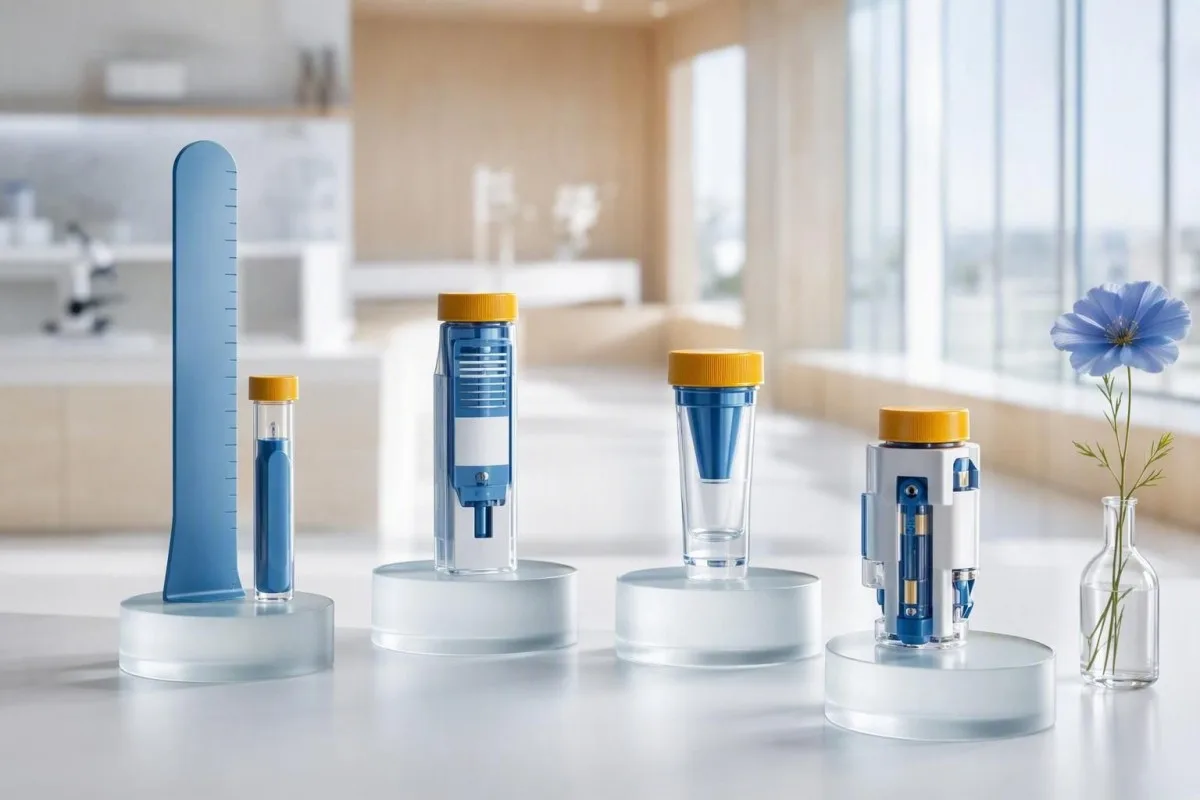
လူတိုင်းအတွက် အလွန်ကျယ်ပြန့်သော စစ်ဆေးမှုတစ်ခုထက် အိမ်သုံးအတွက် အသုံးဝင်သော စစ်ဆေးမှုသည် အသက်အရွယ်နှင့် ကိုက်ညီသော၊ ရှင်းလင်းသော ဆေးဘက်ဆိုင်ရာ မေးခွန်း၊ နောက်ဆက်တွဲ အစီအစဉ်နှင့် မိသားစုဝင်တစ်ဦးစီအတွက် သီးခြား ခွင့်ပြုချက်ပါရှိသော စစ်ဆေးမှုတိုဖြစ်သည်။.


- အရိပ်အယောင်ဖြင့် စတင်ပါ- အသက်၊ လက္ခဏာများ၊ ဆေးဝါး ကြီးကြပ်မှု၊ ကိုယ်ဝန် သို့မဟုတ် မှတ်တမ်းတင်ထားသော မိသားစု ရာဇဝင်သည် သင် နောက်ထပ် မည်သို့ လုပ်မည်ကို ပြောင်းလဲသည့် အခါတွင်သာ စစ်ဆေးမှုကို မှာကြားပါ။.
- ကလေးများ ကွဲပြားသည်- ဆေးဘက်ဆိုင်ရာ အကြောင်းရင်း မရှိသော ကျန်းမာသော ကလေးများအတွက် ပုံမှန် CBC၊ သိုင်းရွိုက်၊ ဗီတာမင် D၊ သံ၊ နှင့် ဟော်မုန်း အစုအဝေးများကို အကြံပြုထားခြင်း မရှိပါ။.
- အဆီများ သည် အစောပိုင်း တွင် အရေးကြီးသည်- အများအားဖြင့် အစာမစားဘဲ အဆီဓာတ် စစ်ဆေးခြင်းကို အသက် ၉-၁၁ နှစ်ကြား တစ်ကြိမ်နှင့် ၁၇-၂၁ နှစ်ကြားတွင် တစ်ကြိမ် အကြံပြုထားသည်။.
- ဆီးချို ရောဂါ ရှာဖွေခြင်း- အဝလွန် သို့မဟုတ် အဝလွန်သော အသက် ၃၅-၇၀ နှစ်အရွယ် အရွယ်ရောက်သူများသည် ဆီးချိုမဖြစ်မီနှင့် အမျိုးအစား 2 ဆီးချိုရောဂါအတွက် စစ်ဆေးသင့်သည်။.
- A1c သတိပေးချက်- HbA1c သည် သွေးသွင်းပြီးနောက်၊ ဟေမိုဂလောဘင် အမျိုးအစားအချို့တွင်၊ နှင့် သွေးနီဥများ ကုန်ခန်းမှု မမှန်သောအခါတွင် လွဲမှားနိုင်သည်။.
- တစ်ကြိမ် Lp(a)- လူကြီးဘဝတွင်တစ်ကြိမ်၊ အထူးသဖြင့် မိသားစုတွင် အသက်ငယ်စဉ်ကပင် နှလုံးသွေးကြောဆိုင်ရာရောဂါရှိခဲ့ပါက Lipoprotein(a) ကို စစ်ဆေးခြင်းသည် အကျိုးရှိပါသည်။.
- အုပ်စုလိုက် စစ်ဆေးမှုများကို ထပ်ခါထပ်ခါ မလုပ်ပါနှင့်။ CMP တွင် ဂလူးကို့စ်၊ ကရိယာတင်နင်၊ ကယ်လ်စီယမ်၊ အယ်လ်ဘူမင်၊ AST နှင့် ALT တို့ ပါဝင်ပြီးသားဖြစ်ပါသည်။ သီးခြားစီထပ်ထည့်ခြင်းသည် ကုန်ကျစရိတ်ကိုသာ တိုးစေပြီး အသိပညာကို မပေးပါ။.
- တုံ့ပြန်မည့်အစား အလားအလာကို အရင်လေ့လာပါ လက္ခဏာများ သို့မဟုတ် အရေးကြီးသော အချက်အလက်များက အရေးပေါ်ကုသမှု မတောင်းဆိုပါက၊ မိသားစု ကျန်းမာရေး စစ်ဆေးမှု အစီအစဥ်ကို ချဲ့ထွင်မည့်အစား၊ တူညီသော အခြေအနေများအောက်တွင် ကြားရုံမျှသာရသော ရလဒ်ကို ပြန်လည်စစ်ဆေးပါ။.
ဘေးကင်းသော အိမ်သုံး စစ်ဆေးမှု အစီအစဉ်တွင် မည်သည့်အရာများ ပါဝင်သနည်း။
A မိသားစု သွေးစစ်ဆေးမှု bundle ကို မှာပြီး တစ်ဦးချင်းစီ၏ မတူညီသော ဆေးဘက်ဆိုင်ရာ မေးခွန်းများကို ဖြေရှင်းပေးမည့် စစ်ဆေးမှုများကိုသာ ထည့်သွင်းသင့်သည်- ကျန်းမာသောလူကြီးအတွက် ကာကွယ်ရေး၊ အဘိုးအဘွားအတွက် ဆေးဝါး ဘေးကင်းရေး၊ သို့မဟုတ် ကလေးအတွက် လက္ခဏာများ ဦးတည်သော စစ်ဆေးမှု။ စက်တင်ဘာ ၂၊ ၂၀၂၆ နေ့အထိ မိဘများနှင့် ကလေးများအတွက် တ уні버サル အစီအစဥ်သည် အသက်အရွယ်ပေါ်မူတည်၍ ကိုးကားချက် အတိုင်းအတာများ၊ ဖြစ်နိုင်သော ရောဂါရှာဖွေမှုများနှင့် မှားယွင်းသော အပြုသဘောဆောင်သည့် အန္တရာယ်များ ကွဲပြားစွာ ကွာခြားနေသောကြောင့် ယေဘုယျအားဖြင့် ဆေးပညာအရ ကောင်းမွန်သည် မဟုတ်ပါ။.
လက်တွေ့အတွေ့အကြုံ ၁၅ နှစ်အတွင်းတွင် ကျွန်တော်သည် အကောင်းဆုံး ပထမမေးခွန်းသည် “အဘယ်ရာသီဥတုများ ပါဝင်သနည်း” ဆိုသည်ထက် “ဤရလဒ်သည် မည်သည့် ဆုံးဖြတ်ချက်ကို ပြောင်းလဲစေမည်နည်း” ဟု ကျွန်တော်တွေ့ရှိခဲ့ပါသည်။ ပုံမှန်ရလဒ်သည် အားဖြစ်စေနိုင်သော်လည်း၊ မတော်တဆ ကြားရုံမျှသာရသော ရလဒ်သည် ပြန်လည်နမူနာယူခြင်း၊ ပုံရိပ်ဖော်ခြင်း၊ အထူးကု ဆရာဝန်များထံ သွားရောက်ခြင်းနှင့် အလွန်အမင်း စိုးရိမ်ပူပန်မှုများကို ဖြစ်စေနိုင်သည် - အထူးသဖြင့် ကလေးများတွင်။.
အရွယ်ရောက်ပြီးသူများအတွက် အခြေခံ ကာကွယ်ရေး အစုံတွင် သွေးပေါင်ချိန်၊ ကိုယ်အလေးချိန် သို့မဟုတ် ခါး စစ်ဆေးခြင်း၊ အဆီဓာတ် ပရိုဖိုင်၊ လိုအပ်ပါက ဂလူးကို့စ် သို့မဟုတ် HbA1c နှင့် သွေးတိုး၊ ဆီးချိုရောဂါ သို့မဟုတ် သက်ဆိုင်ရာ ဆေးဝါးများ ရှိနေပါက ကျောက်ကပ် စစ်ဆေးခြင်းတို့ ပါဝင်သည်။ အခြေခံဆွဲသားပြင်ဆင်မှု အစီအစဥ် ပြင်းထန်သော လေ့ကျင့်ခန်း၊ ရေဓာတ်ခန်းခြောက်ခြင်းနှင့် ဖြည့်စွက်စာများမှ ရှောင်လွှဲနိုင်သော ကွဲပြားမှုများကို လျှော့ချပေးသည်။.
ကန်တက်စတီသည် AI သွေးစမ်းသပ်မှုခွဲခြမ်းစိတ်ဖြာ ခွင့်ပြုချက်မရှိဘဲ ကျယ်ကျယ်ပြန့်ပြန့် စမ်းသပ်ခြင်းကို မအားပေးဘဲ လက်ရှိ အစီရင်ခံစာများကို အကြောင်းအရာနှင့် အညီ ဖတ်ရှုရန် မိသားစုများကို ကူညီပေးသည်။ Thomas Klein, MD, သည် ဆက်စပ်ရာသီဥတုများတစ်လျှောက်ရှိ ပုံစံများကို ပြန်လည်သုံးသပ်သည်၊ အဘယ်ကြောင့်ဆိုသော် သီးခြား အလံသည် ရလဒ်များအကြား ဆက်စပ်မှုထက် အလွန်အသုံးဝင်မှုနည်းပါးသောကြောင့်ဖြစ်သည်။.
အနည်းဆုံး-မေးခွန်း စည်းမျဉ်း
မည်သည့်အင်ဂျင်နီယာကိုမဆို အမိန့်မပေးမီ၊ အစပျိုးကိရိယာ၊ မျှော်လင့်ထားသော ရလဒ်အကွာအဝေးနှင့် အနိမ့်၊ ပုံမှန် သို့မဟုတ် အမြင့် အချက်အလက်များအတွက် လုပ်ဆောင်ချက်ကို ရေးထားပါ။ မည်သည့်ရလဒ်တွင်မဆို လုပ်ဆောင်ချက် မပြောင်းလဲပါက၊ ထိုစစ်ဆေးမှုသည် မိသားစု ကျန်းမာရေး အစီအစဥ်တွင် မပါဝင်ပါ။.
ကလေးများသည် သွေးစစ်ရန် အမှန်တကယ် လိုအပ်သည့် အချိန်ကား အဘယ်နည်း။
ကောင်းမွန်သောကလေးများသည် ယေဘုယျအားဖြင့် နှစ်စဉ် ကျယ်ကျယ်ပြန့်ပြန့် သွေးအစီအစဥ်များ မလိုအပ်ပါ။ ကြီးထွားမှု၊ အစားအသောက်၊ လက္ခဏာများ၊ ဆေးဝါး ထိတွေ့မှု၊ မွေးကင်းစ ကလေး စစ်ဆေးမှု အနောက်ဆက်တွဲ သို့မဟုတ် အမွေအနှစ် စွန့်စားမှု အန္တရာယ် အကင်း ကင်းရှင်းရေးသည် ဆေးဘက်ဆိုင်ရာ မေးခွန်းကို ဖြစ်ပေါ်စေသောအခါ စမ်းသပ်ခြင်းသည် သင့်လျော်ပါသည်။.
ကလေးတွင် ဖျော့တော့ခြင်း၊ ပင်ပန်းနွမ်းနယ်ခြင်း၊ အစားအသောက် ကန့်သတ်ခြင်း၊ သွေးခုံ မီးယပ်များ ထူထပ်ခြင်း၊ pica သို့မဟုတ် လေ့ကျင့်ခန်း စွမ်းရည် ကျဆင်းခြင်းတို့ ရှိပါက CBC နှင့် ဖဲရစ်တင် တို့သည် အကျိုးရှိသည်၊ ၎င်းတို့သည် ပုံမှန် “ကျန်းမာရေး” စစ်ဆေးမှု မဟုတ်ပါ။ ဖဲရစ်တင်သည် ၁၅ ng/mL အောက်တွင်ရှိပါက၊ အခြားကျန်းမာသော ကလေးတွင် သံဓာတ် လျော့နည်းမှုကို ပြင်းထန်စွာ ထောက်ခံသည်၊ ကူးစက်ရောဂါသည် ဖဲရစ်တင်ကို မြှင့်တင်နိုင်ပြီး လိုငွေကို ဖုံးကွယ်နိုင်သည်။.
ပုံမှန် အဆီဓာတ် စစ်ဆေးခြင်းကို အသက် ၉-၁၁ နှစ်တွင် တစ်ကြိမ်နှင့် ၁၇-၂၁ နှစ်တွင် တစ်ကြိမ် ပြုလုပ်လေ့ရှိပြီး၊ အစောဆုံး စစ်ဆေးမှုအတွက် အစာမစားဘဲ ပြုလုပ်ရန် အကြံပြုထားသည်။ အမေရိကန်ကလေးသူငယ်ဆေးပညာအကယ်ဒမီမှ ကျွမ်းကျင်သူအဖွဲ့သည် ဆီးချိုရောဂါ၊ အဝလွန်ခြင်း၊ သွေးတိုး၊ နာတာရှည်ကျောက်ကပ်ရောဂါ သို့မဟုတ် နီးစပ်သူများတွင် အသက်ငယ်စဉ်ကပင် နှလုံးသွေးကြောဆိုင်ရာ ရောဂါရှိပါက အသက် ၂ နှစ်မှ စ၍ အစောပိုင်း ပစ်မှတ်ထားသော စစ်ဆေးမှုများကို အကြံပြုထားသည်။ (Expert Panel, 2011) ကျွန်ုပ်တို့၏ ကလေး အဆီဓာတ် အချိန်ဇယား လမ်းညွှန်.
ဟော်မုန်း အစီအစဥ်များသည် ဆယ်ကျော်သက်များတွင် အလွန်အကျွံ စမ်းသပ်ခြင်း၏ မကြာခဏ အရင်းအမြစ်ဖြစ်သည်။ မတော်တဆ ရေတို ကော်တီဆိုး၊ တက်စတိုစတီရုန်း၊ အီစထရာဒီယိုး သို့မဟုတ် ကြီးထွားမှု ဟော်မုန်း ရလဒ်သည် ပင်ပန်းနွမ်းနယ်ခြင်း သို့မဟုတ် ကြီးထွားမှု ကွဲပြားမှုကို ရှားပါးစွာ ရှင်းပြနိုင်သည်၊ ကလေးသူငယ် အင်ဒိုခရိုင်းနောሎጂသည် ကြီးထွားမှုနှုန်း၊ pubertal အဆင့်၊ အချိန်ကိုက်နှင့် ဂရုတစိုက် ရွေးချယ်ထားသော အတည်ပြု စစ်ဆေးမှုကို အသုံးပြုသည်။.
အရေးပေါ် ပြန်လည်သုံးသပ်သင့်သည့် လက္ခဏာများ
အပတ်စဉ် ဆေးဘက်ဆိုင်ရာ ပြန်လည်သုံးသပ်ခြင်းသည် အဆက်မပြတ် အလွန်အမင်း ရေငတ်ခြင်း၊ ကိုယ်အလေးချိန် လျော့နည်းခြင်း၊ ထပ်ခါတလဲလဲ အော့အန်ခြင်း၊ သတိလစ်ခြင်း၊ အသားဝါခြင်း၊ ပုံမှန်မဟုတ်သော ထိခိုက်ဒဏ်ရာရခြင်း သို့မဟုတ် စွမ်းအင် သိသာစွာ လျော့နည်းခြင်းတို့အတွက် သင့်လျော်ပါသည်။ သွေးစစ်ဆေးမှုများသည် အကဲဖြတ်ခြင်း၏ တစ်စိတ်တစ်ပိုင်းဖြစ်နိုင်သော်လည်း၊ ပြင်းထန်စွာ မကျန်းမာသော ကလေးသည် အိမ်အစီအစဥ် ရလဒ်အတွက် မစောင့်သင့်ပါ။.
မိဘများအတွက် မည်သည့် အဓိက စစ်ဆေးမှုများသည် အသင့်လျော်ဆုံးနည်း။
အရွယ်ရောက်ပြီးသူ အများစုအတွက်၊ အဓိက စစ်ဆေးမှုများသည် အဆီဓာတ် ပရိုဖိုင်နှင့် အသက် သို့မဟုတ် စွန့်စားမှု အန္တရာယ် အကင်း ကင်းရှင်းရေး လိုအပ်ပါက ဆီးချိုရောဂါ စစ်ဆေးခြင်း ဖြစ်သည်၊ ကျောက်ကပ်၊ အသည်း၊ CBC၊ သိုင်းရွိုက်၊ သံဓာတ်နှင့် ဗီတာမင် စစ်ဆေးခြင်းများသည် ပစ်မှတ်ထားသင့်ပြီး အလိုအလျောက် မဟုတ်ပါ။ အဝလွန်ခြင်း သို့မဟုတ် အဝလွန်ခြင်း ရှိသော အသက် ၃၅-၇၀ နှစ်အရွယ် အရွယ်ရောက်ပြီးသူများသည် USPSTF လမ်းညွှန်ချက်များ (US Preventive Services Task Force, 2021) အောက်တွင် ဆီးချိုမဖြစ်မီနှင့် အမျိုးအစား 2 ဆီးချိုရောဂါအတွက် စစ်ဆေးသင့်သည်။.
HbA1c 5.7%–6.4% သည် ဆီးချိုမဖြစ်မီ အခြေအနေကို ညွှန်ပြပြီး၊ 6.5% သို့မဟုတ် ထို့ထက် ပိုများသည် အတည်ပြုပါက ဆီးချိုရောဂါကို ရောဂါရှာဖွေနိုင်သည်၊ အကယ်၍ လူနာသည် လက္ခဏာမပြဘဲ ရှိနေပါက။ အစာရှောင်နေစဉ် ဂလူးကို့စ် ပလာစမာ 100–125 mg/dL သည် အစာရှောင်နေစဉ် ဂလူးကို့စ် ပမာဏ မမှန်ကန်ကြောင်း ညွှန်ပြသည်၊ 126 mg/dL သို့မဟုတ် ထို့ထက် ပိုများသည် အထူးသဖြင့် ဂန္တဝင် လက္ခဏာများ ရှိနေမှသာ အတည်ပြုရန် လိုအပ်သည်။.
ပုံမှန် lipid panel သည် total cholesterol၊ LDL-C၊ HDL-C နှင့် triglycerides တို့ကို ဖော်ပြသည်။ triglycerides 500 mg/dL နှင့်အထက်သည် pancreatitis ဖြစ်နိုင်ခြေကို တိုးစေပြီး ဆရာဝန်၏ အမြန်ဆုံး စစ်ဆေးမှုကို လိုအပ်သည်၊ သို့သော် ထမင်းစားပြီးနောက် အနည်းငယ်မြင့်တက်လာခြင်းသည် စိုးရိမ်ပူပန်ခြင်းထက် စီစဉ်ထားသည့် ထပ်ခါတလဲလဲ စစ်ဆေးမှုများအတွက် ခေါ်ဆိုလေ့ရှိသည်။ အစာမစားမီ triglycerides ရလဒ်များ ခွဲခြားချက်ကို ရှင်းပြသည်။.
CBC စစ်ဆေးခြင်းသည် အကြောင်းရင်းမသိသော ပင်ပန်းနွမ်းနယ်မှု၊ ထပ်တလဲလဲ ကူးစက်မှု၊ ပုံမှန်မဟုတ်သော သွေးထွက်ခြင်း သို့မဟုတ် အရိုးတွင်းခြင်ဆီ၏ လုပ်ဆောင်ချက်ကို ထိခိုက်စေသော ဆေးဝါးများအတွက် အကျိုးရှိသည်၊ သို့သော် ၎င်းသည် နှစ်စဉ် မဖြစ်မနေ စစ်ဆေးရမည့်အရာ မဟုတ်ပါ။ ဟေမိုဂလိုဘင် ရလဒ်ကို လိင်၊ အသက်၊ အမြင့်၊ ကိုယ်ဝန်ရှိ၊ MCV၊ ဖErroritin နှင့် လက္ခဏာများနှင့် နှိုင်းယှဉ်ဖတ်သင့်သည်။.
အသက်ကြီးသော ဆွေမျိုးများအတွက် အစုအဝေးများကို မည်သို့ ပြောင်းလဲသင့်သနည်း။
သက်ကြီးရွယ်အိုများသည် ကာကွယ်ရေးဆိုင်ရာ အစီအစဉ်များထက် ဆေးဝါးနှင့် အခြေအနေ-အ specific စောင့်ကြည့်လေ့လာမှုများ လိုအပ်သည်။ ကျောက်ကပ်၏လုပ်ဆောင်ချက်၊ ပိုတက်စီယမ်၊ ဆိုဒီယမ်၊ အသည်းအင်ဇိုင်းများ၊ CBC နှင့် HbA1c တို့သည် ဆေး သို့မဟုတ် ရောဂါခွဲခြားခြင်းသည် ရလဒ်ကို အရေးယူဆောင်ရွက်နိုင်စေသည့်အခါ အသုံးဝင်သည်။.
ACE inhibitor၊ ARB၊ diuretic၊ NSAID၊ lithium၊ metformin၊ statin၊ anticoagulant သို့မဟုတ် antiseizure ဆေးဝါးသည် စောင့်ကြည့်ရေးအချိန်ဇယားကို မတူညီစေပါ။ ဥပမာအားဖြင့်၊ ပိုတက်စီယမ် အဆင့် 6.0 mmol/L အထက်သည် အားနည်းခြင်း၊ ရင်တုန်ခြင်း၊ ကျောက်ကပ် ချို့ယွင်းခြင်း သို့မဟုတ် ECG ပြောင်းလဲမှုများနှင့် အထူးသဖြင့် အန္တရာယ်ရှိနိုင်သည်၊ နမူနာ haemolysis ကြောင့် ၎င်းကို မှားယွင်းစွာ မြင့်မားစေနိုင်သောကြောင့် အရေးပေါ် အတည်ပြုပါ။.
ခန့်မှန်းခြေ GFR သည် 3 လထက်ပို၍ 60 mL/min/1.73 m² အောက်တွင်ရှိနေခြင်းသည် နာတာရှည် ကျောက်ကပ်ရောဂါကို ဖော်ပြသည်၊ သို့သော် ရေဓာတ်ခန်းခြောက်ပြီးနောက် တစ်ကြိမ်တည်းနိမ့်သော eGFR သည် ရောဂါကို မတည်ထောင်ပါ။ creatinine ကို ယခင်တန်ဖိုးများနှင့် နှိုင်းယှဉ်ပြီး ဆီး albumin-creatinine အချိုးကို ထည့်သွင်းစဉ်းစားပါ၊ ကျွန်ုပ်တို့၏ ရေဓာတ်ခန်းခြောက်ခြင်းနှင့် eGFR လမ်းညွှန် သည် အဖြစ်များသော ယာယီကျဆင်းမှုကို ဖုံးအုပ်ထားသည်။.
ဆွေမျိုးသားချင်းများ၏ သွေးစစ်ဆေးမှုသည် တစ်ဦးတည်းသော ဆွေမျိုး၏ ထိန်းချုပ်မှုအောက်ရှိ စောင့်ကြည့်ရေးကိရိယာ မဖြစ်သင့်ပါ။ Kantesti ၏ မိသားစု ပေါ်တယ် လမ်းညွှန် သည် သီးခြား ပရိုဖိုင်များနှင့် ခွင့်ပြုချက်များကို ပံ့ပိုးပေးသည်၊ ၎င်းသည် အရွယ်ရောက်ပြီးသော ကလေးများ၊ ဇနီးမောင်နှံများနှင့် သက်ကြီးရွယ်အို မိဘများသည် ကျန်းမာရေး မှတ်တမ်းများကို မျှဝေသည့်အခါ အရေးကြီးပါသည်။.
မည်သည့် မိသားစု ရာဇဝင်များသည် အပို အမှတ်အသားများကို ထိုက်တန်စေသနည်း။
မိသားစု ရာဇဝင်သည် ရောဂါသည် မျိုးရိုးလိုက်ပါက၊ စစ်ဆေးမှုသည် ကျိုးကြောင်းခွဲခြားနိုင်သော တိကျမှုရှိပါက နှင့် ပုံမှန်မဟုတ်သော ရလဒ်သည် ကာကွယ်ရေး သို့မဟုတ် ရည်ညွှန်းချက်ကို ပြောင်းလဲပါက အပိုစစ်ဆေးမှုများကိုသာ အကြောင်းပြသည်။ စောစီးပိုင်း နှလုံးသွေးကြောဆိုင်ရာ ရောဂါ၊ မိသားစု hypercholesterolaemia၊ haemochromatosis၊ ကျောက်ကပ်ရောဂါ နှင့် ဆီးချိုရောဂါတို့သည် အဖြစ်များသော ဥပမာများဖြစ်သည်။.
ပထမဒီဂရီ ဆွေမျိုးသည် အသက် 55 နှစ်အောက် အမျိုးသားများ သို့မဟုတ် 65 နှစ်အောက် အမျိုးသမီးများတွင် myocardial infarction၊ stroke သို့မဟုတ် revascularisation ရှိခြင်းသည် စောစီးပိုင်း lipid ပြန်လည်သုံးသပ်ခြင်းနှင့် တစ်ကြိမ်တည်း lipoprotein(a) တိုင်းတာခြင်းအတွက် အမှုကို ခိုင်မာစေသည်။ Lp(a) သည် 50 mg/dL သို့မဟုတ် ထို့ထက်ပို၍၊ assay ပေါ် မူတည်၍ ခန့်မှန်းခြေ 125 nmol/L သည် 2019 ACC/AHA ကာကွယ်ရေး လမ်းညွှန် (Arnett et al., 2019) တွင် အန္တရာယ်ကို မြှင့်တင်ပေးသည့် အချက်ဖြစ်သည်။.
triglycerides မြင့်မားနေပါက၊ LDL-C သည် လှည့်စားစွာ ပုံမှန်ဟုထင်ရလျှင်၊ သို့မဟုတ် metabolic syndrome ကို သံသယရှိပါက ApoB သည် အထောက်အကူဖြစ်နိုင်သည်။ ApoB သည် 130 mg/dL သို့မဟုတ် ထို့ထက်ပို၍ ရွေးချယ်ထားသော လူကြီးများတွင် အန္တရာယ်ကို မြှင့်တင်ပေးသည့် အဆင့်ဟု သတ်မှတ်သည်၊ သို့သော် ၎င်းသည် သွေးဖိအား၊ ဆေးလိပ်သောက်ခြင်း အကဲဖြတ်ခြင်း၊ ဆီးချိုရောဂါ စစ်ဆေးခြင်း သို့မဟုတ် အတူတကွ ဆုံးဖြတ်ချက် ချမှတ်ခြင်းတို့ကို အစားထိုးမည်မဟုတ်ပါ။.
တစ်ဦးတည်းသော “သံဓာတ်မြင့်” ရှိသည်ဟုဆိုကာ ဆွေမျိုးအားလုံးကို သံဓာတ်ပြည့်ဝမှုအတွက် မစစ်ဆေးပါနှင့်။ 45% ထက် ပိုသော ထုတ်လွှတ်မှု ပိုတက်စီယမ် နှင့် မြင့်မားသော ဖErroritin တို့သည် သွေးရည် ရိုးရိုး သံဓာတ်ထက် ပို၍ အဓိပ္ပာယ်ရှိသော ပုံစံဖြစ်သည်၊ ကျွန်ုပ်တို့၏ iron studies ကို ကိုးကားထားသည် သည် နံနက်ခင်း အချိန်နှင့် ဖြည့်စွက်စာများက ပုံရိပ်ကို မည်သို့ လွဲမှားစေနိုင်သည်ကို ရှင်းပြသည်။.
မည်သည့် စစ်ဆေးမှုများသည် အများဆုံး မလိုအပ်သော နောက်ဆက်တွဲကို ဖြစ်စေသနည်း။
ကျယ်ပြန့်သော ဟော်မုန်းအစီအစဉ်များ၊ အကျိတ်အမှတ်အသားများ၊ ရောင်ရမ်းမှုအမှတ်အသားများ၊ အစားအစာ IgG အစီအစဉ်များ၊ နှင့် micronutrient အစီအစဉ်များသည် ကျန်းမာသော မိသားစုများတွင် အရှောင်အတိမ်းနိုင်ဆုံး မှားယွင်းသော သတိပေးချက်များကို ဖန်တီးသည်။ ပြဿနာသည် သင်္ချာနည်းအရဖြစ်သည်- လူအများအပြား ကျန်းမာသောသူများတွင် စမ်းသပ်သော နိမ့်သော ပျံ့နှံ့မှု အခြေအနေသည် အသုံးဝင်သော ရောဂါခွဲခြားမှုများထက် မှားယွင်းသော အပြုသဘောများ ပိုမိုထုတ်ပေးသည်။.
CA-125, CEA, CA 19-9, PSA နှင့် အလားတူ အမှတ်အသားများသည် သီးခြားညွှန်ပြချက်မရှိသောသူများအတွက် ကင်ဆာကို အထွေထွေ စစ်ဆေးခြင်းများ မဟုတ်ပါ။ PSA သည် သတ်မှတ်အရည်အချင်းပြည့်မီသော အမျိုးသားများအတွက် သီးခြား ခွဲဝေ-ဆုံးဖြတ်ချက် အကြောင်းအရာဖြစ်သည်၊ သို့သော် အကျိတ်-အမှတ်အသား ပက်ကေ့ခ်ျသည် လုံခြုံရေး ကွန်ရက်မဟုတ်ဘဲ ပုံမှန်မဟုတ်သော အရာများကို ရှာဖွေတွေ့ရှိစေမည့် ပုံရိပ်ဖော်ခြင်းကို ဖြစ်ပေါ်စေနိုင်သည်။.
CRP နှင့် ESR တို့သည် သီးခြားမဟုတ်သော တုံ့ပြန်မှု အမှတ်အသားများ ဖြစ်ကြသည်။ 10 mg/L ရှိသော CRP သည် ဗိုင်းရပ်စ်ပိုး ကူးစက်ခြင်း၊ ခက်ခဲသော လေ့ကျင့်ခန်း၊ အဝလွန်ခြင်း၊ ဆေးလိပ်သောက်ခြင်း သို့မဟုတ် သွားဖုံးရောဂါပြီးနောက် မြင့်တက်လာနိုင်သည်၊ ထို့ကြောင့် ၎င်းသည် မိမိဘာသာ ကိုယ်ခံအားရောဂါကို မရှာဖွေနိုင် သို့မဟုတ် နားလည်ရခက်သော ပင်ပန်းနွမ်းနယ်မှုကို မရှင်းပြနိုင်ပါ။.
ပုံမှန် reverse T3၊ ကျယ်ပြန့်သော ဟော်မုန်းများနှင့် တစ်ကိုယ်ရေ cortisol ရလဒ်များသည် မကြာခဏ အမြင်မှန်ကို မှုန်ဝါးစေပါသည်။ သိုင်းရွိုက် လက္ခဏာများ ယုံကြည်နိုင်လောက်အောင် ရှိနေပါက၊ TSH သည် ပုံမှန်အားဖြင့် ပထမဆုံး စမ်းသပ်မှုဖြစ်သည်၊ ထို့နောက် TSH သည် ပုံမှန်မဟုတ်ပါက သို့မဟုတ် ဟော်မုန်းဂလင်းရောဂါကို သံသယရှိပါက free T4 ကို စမ်းသပ်ရမည်ဖြစ်သည်၊ ကျွန်ုပ်တို့၏ သိုင်းရွိုက် ပြန်လည်စစ်ဆေးမှု အချိန်ဇယား.
အဘယ်ကြောင့် ဓာတ်ခွဲခန်း စစ်ဆေးမှုများ ထပ်ခါထပ်ခါ လုပ်ခြင်းကို ကာကွယ်နိုင်သနည်း။
နမူနာကို စုဆောင်းရန် မတိုင်မီတွင် တောင်းဆိုထားသော အမှတ်အသားအားလုံးကို လက်ရှိ အစီအစဉ်နှင့် ရက်စွဲသို့ ပုံဖော်ခြင်းဖြင့် ပုံတူကူးခြင်းကို ကာကွယ်ပါ။ အလုံးစုံသော ဇီဝကမ္မ အစီအစဉ်တွင် ဆိုဒီယမ်၊ ပိုတက်စီယမ်၊ ကလိုရိုက်၊ ဘိုင်ကာဗွန်နိတ်၊ ဂလူးကို့စ်၊ ကယ်လ်စီယမ်၊ ခရီယာတင်နင်၊ အယ်လ်ဘူမင်၊ ဘီလီရူဘင်၊ အယ်လ်ကာလိုင်း phosphorus၊ AST နှင့် ALT တို့ကို ဓာတ်ခွဲခန်းအများစုတွင် ထည့်သွင်းထားပြီးဖြစ်သည်။.
ပုံမှန် ပုံတူကူးခြင်းသည် CMP နှင့် သီးခြား အသည်း အင်ဇိုင်းများ၊ လျှပ်စစ်ဓာတ်များ၊ ခရီယာတင်နင်၊ ဂလူးကို့စ်၊ ကယ်လ်စီယမ်နှင့် အယ်လ်ဘူမင်တို့ကို မှာယူခြင်းဖြစ်သည်။ နောက်တစ်ခုမှာ သီးခြား ဟေမိုဂလိုဘင်နှင့် ဟေမာခရိုခရစ်ကို CBC နှင့် အတူ မှာယူခြင်းဖြစ်သည်။ တတိယအချက်မှာ ဟာရှီမိုတို ရောဂါ စာရင်းသွင်းပြီးသား အတည်ပြုပြီးဖြစ်သောအခါ သိုင်းရွိုက် ကိုယ်ခံအားများကို ထပ်ခါထပ်ခါ မှာယူခြင်းဖြစ်သည်။.
Thomas Klein, MD, မှ မိသားစုများကို တိကျသော စမ်းသပ်မှုအမည်၊ ဓာတ်ခွဲခန်း၊ စုဆောင်းသည့်ရက်စွဲ၊ အစာရှောင်ခြင်းအခြေအနေ၊ ဖျားနာမှု၊ မကြာသေးမီက လေ့ကျင့်ခန်းနှင့် ဖြည့်စွက်စာများအားလုံးကို မှတ်တမ်းတင်ရန် အကြံပေးသည်။ ထိုအသေးစား မှတ်တမ်းသည် နောက်ဆယ်ရက်အကြာတွင် လုံးဝကွဲပြားသော အခြေအနေများအောက်တွင် စွဲချက်တင်ထားသည့် ဒုတိယအစီအစဉ်ထက် ပိုမိုဆေးဘက်ဆိုင်ရာ တန်ဖိုးရှိပါသည်။ မိသားစု ဓာတ်ခွဲခန်း မှတ်တမ်း ခြေရာခံကိရိယာ ကို ပရိုဖိုင်များကို သီးခြားထားရှိရန် အသုံးပြုပါ။.
ပြန်လည် စမ်းသပ်ချိန်များသည် ဇီဝကမ္မဗေဒနှင့် ကိုက်ညီသင့်သည်။ HbA1c သည် ခန့်မှန်းခြေအားဖြင့် 8-12 ပတ်ခန့်ရှိသော သွေးတွင်းသကြားဓာတ်ကို ထင်ဟပ်ပြသည်၊ LDL-C ကိုမူ ကုသမှု အပြောင်းအလဲကြီးတစ်ခုအပြီး 4-12 ပတ်အတွင်း ပြန်လည် အကဲဖြတ်နိုင်သည်၊ တစ်ပတ်အတွင်း ပြန်လည် စမ်းသပ်ခြင်းသည် ပုံမှန်မဟုတ်သော သို့မဟုတ် အရေးပေါ် အလားအလာရှိသော ရလဒ်ကို အတည်ပြုရန်သာ အသုံးဝင်သည်။.
အသက်အရွယ် အလိုက် မည်သည့် အရာများ ပါဝင်သင့်သနည်း။
အသက်အရွယ်အလိုက် ပက်ကေ့ခ်ျများသည် တိုတောင်းပြီး အဆင့်ခွဲထားသင့်သည်- ကလေးများသည် ရည်ရွယ်ထားသော စမ်းသပ်မှုများကို လက်ခံရရှိသည်၊ လူငယ်များသည် ရွေးချယ်ထားသော အခြေခံများကို တည်ထောင်သည်၊ အလယ်အလတ်ပိုင်း အရွယ်များသည် နှလုံး-ဇီဝကမ္မ အန္တရာယ်ကို အာရုံစိုက်သည်၊ နှင့် သက်ကြီးရွယ်အိုများသည် ရောဂါနှင့် ဆေးဝါး စောင့်ကြည့်မှုကို ထပ်မံထည့်သွင်းသည် ။ စမ်းသပ်စာရင်းသည် အန္တရာယ်နှင့်အတူ တိုးပွားသင့်သည် - မွေးနေ့များနှင့်သာ မဟုတ်။.
အသက် 0-8 နှစ်အတွင်းတွင် အမျိုးသားကလေးမွေးဖွားနှင့် ကလေးဘဝ စစ်ဆေးရေး အစီအစဉ်များကို လိုက်နာပါ၊ ထို့နောက် ရောဂါလက္ခဏာ သို့မဟုတ် အန္တရာယ်အတွက်သာ စမ်းသပ်ပါ။ အသက် 9-21 နှစ်အတွင်းတွင် အကြံပြုထားသော ပြတင်းပေါက်များတွင် အဆီ စစ်ဆေးခြင်းနှင့် ရည်ရွယ်ထားသော CBC၊ ဖယ်ရီတင်၊ ဆီးချို၊ သိုင်းရွိုက် သို့မဟုတ် ဂလူးကို့စ် စမ်းသပ်မှုများကို သမိုင်းနှင့် စစ်ဆေးမှုက ထောက်ခံပါကသာ ထည့်သွင်းပါ။.
အသက် 22-39 နှစ်အရွယ် အရွယ်ရောက်သူများအတွက်၊ အဆီဓာတ် စစ်ဆေးမှု၊ သွေးဖိအား အကဲဖြတ်မှုနှင့် ဆီးချို အန္တရာယ် ပြန်လည်သုံးသပ်ခြင်းတို့သည် ဗီတာမင် သို့မဟုတ် ဟော်မုန်း ပက်ကေ့ခ်ျများထက် ပိုမိုကျယ်ပြန့်သည်။ ကိုယ်ဝန်ဆောင်ရန် အလားအလာရှိသော သူများသည် သွေးအုပ်စု၊ ကူးစက်မှု ကိုယ်ခံစွမ်းအား၊ မျိုးရိုးဗီဇ ကူးစက်တတ်သော စစ်ဆေးမှုနှင့် ဒေသအလိုက် အကြံပြုထားသော သံဓာတ် အကဲဖြတ်မှု အပါအဝင် ကိုယ်ဝန်မရမီ ဂရုစိုက်စောင့်ရှောက်မှု လိုအပ်သည် - အထွေထွေ ကျန်းမာရေး ပက်ကေ့ခ်ျ မဟုတ်ပါ။.
ကန်တက်စတီသည် AI သွေးစစ်ဆေးမှု ရလဒ် ပလက်ဖောင်း ထိုသည် လူတစ်ဦးချင်းစီ၏ ရလဒ်များကို အသက်အရွယ်နှင့် ကိုက်ညီသော ဓာတ်ခွဲခန်း အကွာအဝေးများနှင့် ၎င်းတို့၏ ကိုယ်ပိုင် ယခင်အစီရင်ခံစာများနှင့် နှိုင်းယှဉ်ပါသည်။ ကျွန်ုပ်တို့၏ မိသားစု ကျန်းမာရေး အစီအစဉ် လမ်းညွှန် သည် အမှတ်အသားတစ်ခုစီအတွက် အကြောင်းရင်းနှင့် ပြန်လည်သုံးသပ်သည့်ရက်စွဲကို မည်သို့ သတ်မှတ်ရမည်ကို ပြသသည်။.
ကိုယ်ဝန်ကို အဘယ်ကြောင့် အထွေထွေ အစုအဝေးတွင် မပေါင်းသင့်သနည်း။
ကိုယ်ဝန်ဆောင်ခြင်းသည် မီးယပ်သားဖွား စမ်းသပ်မှု လမ်းကြောင်းများ လိုအပ်သည်၊ အဘယ်ကြောင့်ဆိုသော် ဟေမိုဂလိုဘင်၊ ခရီယာတင်နင်၊ အယ်လ်ဘူမင်၊ အယ်လ်ကာလိုင်း phosphorus၊ အဆီများ နှင့် သိုင်းရွိုက် အမှတ်အသားများ၏ ပုံမှန် အကွာအဝေးများသည် ကိုယ်ဝန်သုံးလပတ်အလိုက် ပြောင်းလဲနေသောကြောင့်ဖြစ်သည်။ အထွေထွေ မိသားစု ပက်ကေ့ခ်ျသည် ကိုယ်ဝန်ဆောင်ခြင်း၏ ပုံမှန် ဇီဝကမ္မဗေဒကို မှားယွင်းစွာ ရောဂါအဖြစ် သတ်မှတ်နိုင်သည် သို့မဟုတ် အချိန်-အာရုံခံစားနိုင်သော စစ်ဆေးမှုကို လျစ်လျူရှုနိုင်သည်။.
ပလာစမာ-ပမာဏ ၏ တိုးပွားမှုကြောင့် ဟေမိုဂလိုဘင်သည် ကျဆင်းလေ့ရှိပြီး အယ်လ်ဘူမင်လည်း လျော့နည်းသည်၊ ဤပြောင်းလဲမှုများသည် အရွယ်ရောက်ပြီးသူ ကိုယ်ဝန်မဆောင်သူများ၏ ကိုးကားအကွာအဝေးထက် ကိုယ်ဝန်သုံးလပတ်-သီးခြား အနက်ဖွင့်ဆိုမှု လိုအပ်သည်။ ကိုယ်ဝန်ဆောင်ခြင်းတွင် Serum creatinine သည် ပုံမှန်အားဖြင့် နိမ့်သည်၊ ထို့ကြောင့် ကိုယ်ဝန်မဆောင်မီ “ပုံမှန်” ဟု ထင်ရသော တန်ဖိုးတစ်ခုသည် နိမ့်သော အခြေခံမှ တက်လာသောအခါ အာရုံစိုက်မှုနှင့် ထိုက်တန်သည်။.
ကိုယ်ဝန်ဆောင် ဆီးချို စစ်ဆေးခြင်းသည် ပုံမှန်အားဖြင့် 24-28 ပတ်တွင် ဖြစ်ပွားသည်၊ အန္တရာယ်များသော ကိုယ်ဝန်ဆောင်ခြင်းအတွက် ပိုမိုစောသော အကဲဖြတ်မှုနှင့်အတူ။ 92 mg/dL သို့မဟုတ် ထို့ထက်ပိုသော အစာရှောင်ခြင်း ဂလူးကို့စ်သည် 75-g အစာစား အအေးခံ ဂလူးကို့စ် သည်းခံနိုင်စွမ်း စမ်းသပ်မှု ရောဂါရှာဖွေရေး လမ်းကြောင်းတွင် အသုံးပြုသည့် တစ်ခုဖြစ်သည်၊ သို့သော် ဒေသဆိုင်ရာ မီးယပ်သားဖွား ပရိုတိုကောများသည် ကွဲပြားသည်။.
ကိုယ်ဝန်ဆောင်ခြင်းတွင် 30 ng/mL အောက် ဖယ်ရီတင်သည် သံဓာတ် ချို့တဲ့မှု မဖြစ်မီတွင်ပင် သံဓာတ် လျော့နည်းခြင်းကို မကြာခဏ ညွှန်ပြသည်၊ သို့သော် တိကျသော အလေ့အကျင့် ကန့်သတ်ချက်များသည် ကွဲပြားပါသည်။ ကျွန်ုပ်တို့၏ လမ်းညွှန် ကိုယ်ဝန်သုံးလပတ် ဖယ်ရီတင် အကွာအဝေး သည် မီးယပ်သားဖွား ဆရာဝန်နှင့် ရလဒ်များကို ဆွေးနွေးရန် အသုံးဝင်သည်။.
အဘယ်အချိန်တွင် အလယ်အလတ် ရလဒ်ကို ထပ်ခါတလဲလဲ လုပ်သင့်သနည်း။
မမျှော်လင့်ဘဲ၊ ဆေးပညာအရ ဖြစ်နိုင်ပြီး၊ ဆက်လက်ဖြစ်ပွားနေပါက စောင့်ရှောက်မှုကို ပြောင်းလဲရန် အလားအလာရှိသော အနေအထားတွင်ရှိသော ရလဒ်တစ်ခုကို ထပ်ခါတလဲလဲ ပြုလုပ်သင့်ပါသည်။ အရေးကြီးသော ရလဒ်၊ ရောဂါလက္ခဏာများ စိုးရိမ်ပူပန်မှုဖြစ်စေသော သို့မဟုတ် တိုးတက်မှုနှုန်း အလွန်လျင်မြန်နေပါက မှလွဲ၍ ပိုမိုပြင်းထန်သော အဆင့်သို့ မတက်မီ တူညီသော အခြေအနေများအောက်တွင် ထပ်ခါတလဲလဲ ပြုလုပ်ပါ။.
ကိုးကားချက်များ၏ အကွာအဝေးသည် ကိုးကားထားသော လူဦးရေ၏ အလယ်ဗဟို 50% ကို ဖော်ပြသည်၊ ထို့ကြောင့် ကျန်းမာသော ရလဒ် 20 တွင် 1 ခုခန့်သည် အကြောင်းမရှိဘဲ အကွာအဝေးထက် ကျော်လွန်သွားနိုင်သည်။ ပြင်းထန်သောလေ့ကျင့်ခန်း၊ မကြာသေးမီကဖျားနာမှု သို့မဟုတ် အရက်သောက်သုံးမှုကြောင့် အနည်းငယ်မြင့်မားသော ALT 48 IU/L သည် အကြောင်းရင်းကို ထည့်သွင်းစဉ်းစားသင့်ပြီး မကြာခဏဆိုသလို စီစဉ်ထားသော ထပ်ခါတလဲလဲ လိုအပ်သော်လည်း အသားဝါခြင်း၊ ဆီးအရောင်မည်းခြင်း သို့မဟုတ် ဘီလီရူဘင် တိုးလာခြင်းတို့သည် အရေးပေါ်အခြေအနေကို ပြောင်းလဲစေသည်။.
ဇီဝကမ္မပြောင်းလဲမှုသည် အရေးမပါပေ- triglycerides၊ cortisol၊ သွေးဖြူဥအရေအတွက် နှင့် creatinine တို့သည် အစာစားခြင်း၊ အိပ်စက်ခြင်း၊ ဖိစီးမှု၊ ရေဓာတ်၊ လေ့ကျင့်ခန်း နှင့် နေ့အချိန်တို့နှင့်အတူ ရွေ့လျားနိုင်သည်။ ခရီးစဉ်များအကြား ကွာခြားချက် လမ်းညွှန် သည် ကိုးကားချက်ပြောင်းလဲမှုတန်ဖိုးကို ရှင်းပြသည်၊ ဓာတ်ခွဲခန်းများ အသုံးပြုသည့် အယူအဆသည် မည်သည့်လှုပ်ရှားမှုသည် မျှော်လင့်ထားသော ဆူညံသံကို ကျော်လွန်သည်ကို တရားစီရင်ရန်။.
သည် စုဆောင်းမှုအခြေအနေများနှင့်အတူ ရေစီးကြောင်းများကို ဖတ်ရှုပြီး တစ်ခုတည်းသော နံပါတ်မှ ရောဂါရှာဖွေမှုကို ကြေငြာခြင်းထက် ဆရာဝန်၏ စစ်ဆေးမှုအတွက် အပြောင်းအလဲတစ်ခုကို အမှတ်အသားပြုသည်။ မိသားစုဝင်များစွာက မတူညီသော ဓာတ်ခွဲခန်းများနှင့် ယူနစ်များကို အသုံးပြုသည့်အခါ ဤသည် အလွန်အထောက်အကူဖြစ်သည်။.
မည်သည့် ဆေးဝါးများနှင့် ဖြည့်စွက်စာများသည် မိသားစု ရလဒ်များကို ပြောင်းလဲစေသနည်း။
ဆေးဝါးများနှင့် ဖြည့်စွက်စာများသည် ရလဒ်များကို ပြောင်းလဲစေနိုင်သည်၊ စမ်းသပ်မှုကြားခံမှုကို ဖန်တီးနိုင်သည် သို့မဟုတ် ပုံမှန်အတိုင်း မြင်ရသော ရလဒ်ကို မှားယွင်းစေနိုင်သည်။ မိသားစု စစ်ဆေးမှု တောင်းဆိုမှု တိုင်းသည် ယခင် 7 ရက်အတွင်း သောက်သုံးခဲ့သော ဆေးညွှန်းဆေးများ၊ ဆိုင်မှဝယ်သော ကုန်ပစ္စည်းများ၊ ထိုးဆေးများ၊ အမှုန့်များ နှင့် ဗီတာမင် ဓာတ်မြင့်မားစွာ သောက်သုံးမှုကို မှတ်တမ်းတင်သင့်သည်။.
Biotin သည် ကိုယ်ခံအားစစ်ဆေးမှု အချို့ကို ထိခိုက်စေနိုင်ပြီး စစ်ဆေးမှု ဒီဇိုင်းပေါ်မူတည်၍ TSH ကို မှားယွင်းစွာ နည်းပါးစွာ သို့မဟုတ် free T4 ကို မှားယွင်းစွာ မြင့်မားစွာ ထုတ်လုပ်နိုင်သည်။ ဓာတ်ခွဲခန်းအများစုသည် သိုင်းရွိုက် စစ်ဆေးမှု မပြုလုပ်မီ အနည်းဆုံး 48 နာရီအတွင်း မြင့်မားသော Biotin ကို ရပ်တန့်ရန် အကြံပြုသော်လည်း လူနာများသည် ညွှန်ကြားထားသော ကုသမှုကို ရပ်တန့်မည့်အစား ဆရာဝန်ထံမှ အတည်ပြုသင့်သည်။.
Metformin သည် အချိန်ကြာလာသည်နှင့်အမျှ ဗီတာမင် B12 ချို့တဲ့မှုသို့ ပံ့ပိုးပေးနိုင်ပြီး၊ သို့ရာတွင် ပရိုတွန်-ပန့် အတားအဆီးများသည် ထိခိုက်လွယ်သူများတွင် B12၊ မဂ္ဂနီဆီယမ် နှင့် သံဓာတ် စုပ်ယူမှုကို လျှော့ချနိုင်သည်။ 200 pg/mL ထက် နည်းသော B12 ကို ပုံမှန်အားဖြင့် နည်းပါးသည်ဟု ယူဆကြသော်လည်း၊ serum B12 သည် အကန့်အသတ်ရှိနေပါက သို့မဟုတ် အာရုံကြောဆိုင်ရာ လက္ခဏာများရှိနေပါက အတည်ပြု methylmalonic acid သည် အထောက်အကူဖြစ်နိုင်သည်။.
တစ်ဦးတည်းသော ဆွေမျိုးတွင် ပုံမှန်မဟုတ်သော ရလဒ်ရှိသည်ဟူသော အကြောင်းကြောင့် ဆီလီနီယမ်၊ သံဓာတ်၊ အိုင်အိုဒင်း သို့မဟုတ် ဗီတာမင် D ကို မထည့်ပါနှင့်။ စစ်ဆေးမှုမတိုင်မီ ဖြည့်စွက်စာစာရင်း သည် မှားယွင်းသော စစ်ဆေးမှုများနှင့် အန္တရာယ်ရှိသော အတုခိုးကဲ့သို့ တုန်ခါမှုနှစ်ခုလုံးကို တားဆီးနိုင်သည်။.
မည်သူများသည် မိသားစု ဓာတ်ခွဲခန်း မှတ်တမ်းများကို ထိန်းချုပ်သင့်သနည်း။
အရည်အချင်းရှိသော လူကြီးတိုင်းသည် မိမိတို့၏ ဓာတ်ခွဲခန်း မှတ်တမ်း၊ ခွင့်ပြုချက်များနှင့် ဆရာဝန် ဆက်သွယ်ရေးကို ထိန်းချုပ်သင့်သည်။ မိဘများ သို့မဟုတ် တရားဝင် အုပ်ထိန်းသူများသည် ကလေး၏ မှတ်တမ်းများကို အများအားဖြင့် စီမံခန့်ခွဲသော်လည်း ဆယ်ကျော်သက်များသည် အသက်အရွယ်နှင့် သင့်လျော်သော ကိုယ်ရေးကိုယ်တာ ဆွေးနွေးမှုများကို ထိုက်တန်ကြပြီး ဒေသတွင်း ဥပဒေစည်းမျဉ်းများသည် သူတို့အား လွတ်လပ်သော အခွင့်အရေးများကို ပေးနိုင်ပါသည်။.
အသက်ကြီးသော မိဘတစ်ဦးသည် ချိန်းဆိုမှုများကို ပူးပေါင်းဆောင်ရွက်ပေးသော အရွယ်ရောက်ပြီးသော သားသမီးတစ်ဦးထံသို့ ကျောက်ကပ်ဆိုင်ရာ ရလဒ်များကို မျှဝေရန် ရွေးချယ်နိုင်သော်လည်း အခြားအချက်အလက်များကို ကိုယ်ရေးကိုယ်တာ ထားရှိလိုပါက မျှဝေခြင်းသည် အသုံးအများဆုံးဖြစ်သည်။ ကိုယ်ဝန်၊ ကူးစက်မှု၊ မျိုးဗီဇအန္တရာယ်၊ စိတ်ကျန်းမာရေး၊ မျိုးပွားနိုင်မှု သို့မဟုတ် မူးယစ်ဆေးဝါးအသုံးပြုမှု ပါဝင်သော ရလဒ်များသည် အထူးဂရုစိုက်ရန် လိုအပ်သည်။.
ကန်တက်စတီသည် AI-powered သွေးစစ်ဆေးမှု ခွဲခြမ်းစိတ်ဖြာ ကိရိယာ ကိုယ်ပိုင် ပရိုဖိုင်များ၊ ဘာသာစကားမျိုးစုံ အနက်ဖွင့်ဆိုမှု နှင့် အပ်လုဒ်လုပ်ထားသော ဓာတ်ခွဲခန်း အစီရင်ခံစာများ၏ ကိုယ်ရေးကိုယ်တာ အာရုံစိုက်သော စီမံခန့်ခွဲမှုအတွက် ဒီဇိုင်းထုတ်ထားသည်။ ကျွန်ုပ်တို့၏ သဘောတူညီချက်နှင့် မျှဝေခြင်း လမ်းညွှန် သည် အိမ်ထောင်စုများ မည်သူသည် မှတ်တမ်းတစ်ခုစီကို ကြည့်ရှုနိုင်၊ ပို့ပို့နိုင် သို့မဟုတ် ဆွေးနွေးနိုင်ကို ဆုံးဖြတ်ရန် ကူညီပေးသည်။.
မိသားစု ဒက်ရှ်ဘုတ်သည် ဆရာဝန် ဆက်သွယ်ရေးကို အစားထိုးမည်မဟုတ်ပါ။ ရလဒ်သည် ချက်ချင်း အန္တရာယ်ကို ညွှန်ပြပါက၊ စစ်ဆေးခံရသူ—အကောင့် စီစဉ်သူကိုသာမက—သည် ရှင်းလင်းသော သတိပေးချက်နှင့် အရေးပေါ် စောင့်ရှောက်မှုအတွက် လမ်းကြောင်းတစ်ခုကို လက်ခံရရှိသင့်သည်။.
အဘယ် ရလဒ်များသည် အစုအဝေး စီစဉ်ခြင်းအစား အရေးပေါ် အရေးယူမှု လိုအပ်သနည်း။
အချို့သော ရလဒ်များသည် အရေးပေါ် ဆေးဘက်ဆိုင်ရာ အကဲဖြတ်မှု လိုအပ်ပြီး ပုံမှန် ကျန်းမာရေး စောင့်ရှောက်မှု အဖြစ် ဘယ်တော့မှ စီမံခန့်ခွဲမည် မဟုတ်ပါ။ ဥပမာများတွင် potassium 6.0 mmol/L ထက်များ၊ ပမာဏ 300 mg/dL ထက်များသော glucose နှင့် အော့အန်ခြင်း သို့မဟုတ် ရှုပ်ထွေးခြင်း၊ 125 mmol/L ထက်နည်းသော sodium နှင့် အာရုံကြောဆိုင်ရာ လက္ခဏာများ၊ သို့မဟုတ် ပြင်းထန်စွာ နည်းပါးသော hemoglobin နှင့် အသက်ရှူမဝခြင်း၊ ရင်ဘတ်အောင့်ခြင်း သို့မဟုတ် သတိလစ်ခြင်းတို့ ပါဝင်သည်။.
ရောဂါလက္ခဏာများသည် မည်သည့် နံပါတ်၏ အဓိပ္ပါယ်ကိုမဆို ပြောင်းလဲစေသည်။ ရင်ဘတ်အောင့်ခြင်း၊ အသစ်ဖြစ်သော အသက်ရှူမဝခြင်း၊ ရှုပ်ထွေးခြင်း၊ တစ်ဖက်သတ် အားနည်းခြင်း၊ အနက်ရောင် ဝမ်း၊ ပြင်းထန်သော ရေဓာတ်ခန်းခြောက်ခြင်း၊ အသားဝါခြင်း၊ သို့မဟုတ် နိုးရန်ခက်ခဲသော ကလေးတစ်ဦးသည် ဓာတ်ခွဲခန်း အစီရင်ခံစာ မရရှိသေးသော်လည်း အရေးပေါ် အကဲဖြတ်မှု လိုအပ်သည်။.
ပန်းကန်ပြားအရေအတွက် 20 × 10⁹/L ထက်နည်းခြင်း၊ အဖျားရောဂါနှင့်အတူ neutrophils 0.5 × 10⁹/L ထက်နည်းခြင်း၊ သို့မဟုတ် hemoglobin 7 g/dL အနီးတွင် ရှိနေခြင်းတို့သည် များသောအားဖြင့် တစ်ရက်တည်း အကဲဖြတ်မှုကို တောင်းဆိုစေသော ဥပမာများဖြစ်ပြီး၊ မှန်ကန်သော လုပ်ဆောင်ချက်သည် ရောဂါလက္ခဏာများ၊ အကြောင်းရင်းနှင့် ဒေသတွင်း ဝန်ဆောင်မှု လမ်းကြောင်းများပေါ်တွင် မူတည်ပါသည်။ EDTA စုပုံခြင်းမှ မှားယွင်းစွာ နည်းပါးသော ပန်းကန်ပြားများသည် ဖြစ်ပွားနိုင်သော်လည်း၊ မယူဆမီ လျင်မြန်စွာ အတည်ပြုရမည်ဖြစ်သည်။ ပန်းကန်ပြား စုပုံခြင်း အန္တရာယ်များ.
Kantesti AI သည် အရေးပေါ်ဝန်ဆောင်မှု မဟုတ်ပါ။ ဆရာဝန်၊ အရေးပေါ်ဌာန သို့မဟုတ် အဆိပ်ထိန်းချုပ်ရေးဌာနတို့ကို အစားထိုးနိုင်ခြင်း မရှိပါ။ ကျွန်ုပ်တို့၏စနစ်သည် စိုးရိမ်ဖွယ်ရာပေါင်းစပ်မှုများကို သတိပေးရန်နှင့် နောက်ဆက်တွဲဆောင်ရွက်ရန်အတွက် တည်ဆောက်ထားပြီး၊ ကျွန်ုပ်တို့၏ ဆေးဘက်ဆိုင်ရာ အတည်ပြုဘောင်.
မိသားစု အစုအဝေးကို မည်မျှ မကြာခဏ ပြန်လည် စစ်ဆေးသင့်သနည်း။
အသက်အရွယ်နှင့် ကျန်းမာရေးအခြေအနေအပေါ်မူတည်၍ အများစုမှာ 1-3 နှစ်လျှင် တစ်ကြိမ် ကာကွယ်ဆေးဆိုင်ရာဓာတ်ခွဲခန်း စစ်ဆေးမှုများ ပြုလုပ်ရန် လိုအပ်ပါသည်။ ကလေးများအတွက်မူ ရည်ရွယ်ထားသော စစ်ဆေးမှုများသာ လိုအပ်ပြီး၊ သတ်မှတ်ထားသော ဆေးဝါးများကို သောက်သုံးနေသူများမှာ ရက်အနည်းငယ်မှ လအနည်းငယ်အတွင်း စစ်ဆေးမှုများ ပြုလုပ်ရန် လိုအပ်နိုင်ပါသည်။ မှန်ကန်သော ကြားကာလသည် မှတ်ပုံတင်ပြက္ခဒိန်ကို မလိုက်နာဘဲ အခြေအနေနှင့် ကုသမှုအပေါ် မူတည်ပါသည်။.
ပုံမှန် ကိုလက်စထရော၊ ဆီးချိုရောဂါဖြစ်နိုင်ခြေ မရှိ၊ သက်ဆိုင်ရာ ဆေးဝါးများ မသုံးစွဲသော မိသားစုအတွက် သွေးနမူနာများအကြား ကြာမြင့်သော ကြားကာလများ ရှိနိုင်သည်။ ဆန့်ကျင်ဘက်အနေဖြင့်၊ ဆီးသွားစေသောဆေးအသစ်၊ သိုင်းရွိုက်ဆေးပမာဏ ပြင်ဆင်မှု၊ သံဓာတ်ကုသမှု၊ ကိုယ်ဝန်၊ CKD၊ ဆီးချိုရောဂါ သို့မဟုတ် ပုံမှန်မဟုတ်သော ရလဒ်တစ်ခုသည် ပြန်လည်စစ်ဆေးမည့် အချိန်ဇယားကို အာရုံစိုက်စေပါသည်။.
အထူးစစ်ဆေးမှုတစ်ခုစီကို လက်တွေ့ကျကျ ပြုလုပ်ပါ- မူရင်း PDF ကို သိမ်းဆည်းပါ၊ ဓာတ်ခွဲခန်းနှင့် ယူနစ်များကို မှတ်သားပါ၊ ဆေးအသစ်များကို စာရင်းပြုပါ၊ ထို့အပြင် ထိုသူသည် အစာရှောင်နေခြင်း ရှိ၊ မရှိ၊ မကျန်းမာခြင်း ရှိ၊ မရှိ၊ သို့မဟုတ် ပြင်းထန်စွာ လေ့ကျင့်နေခြင်း ရှိ၊ မရှိ မှတ်တမ်းတင်ပါ။ ထိုအခြေအနေသည် အနာဂတ်ရလဒ်ကို နားလည်နိုင်စေပြီး ပုံမှန်အားဖြင့် ဖြစ်ပေါ်တတ်သော အခြေအနေများကို လိုက်လံရှာဖွေခြင်းကို ရှောင်ရှားစေပါသည်။ ကျွန်ုပ်တို့၏ အလျားလိုက် အခြေခံ လမ်းညွှန် သိမ်းဆည်းရမည့် မှတ်တမ်းကို ရှင်းပြထားသည်။.
Kantesti တွင် 127+ နိုင်ငံများနှင့် 75+ ဘာသာစကားများမှ အသုံးပြုသူများ ရှိသော်လည်း၊ ဆေးပညာဆိုင်ရာ အကွာအဝေးများနှင့် စစ်ဆေးမှုဆိုင်ရာ မူဝါဒများသည် ဒေသအလိုက် ကွဲပြားနေပါသည်။ ဆေးပညာဆိုင်ရာ ပြန်လည်သုံးသပ်မှုစံနှုန်းများနှင့် ကျွန်ုပ်တို့၏ချဉ်းကပ်မှုနောက်ကွယ်မှ ဆရာဝန်များအတွက်၊ ဆေးဘက်ဆိုင်ရာအကြံပေးဘုတ်အဖွဲ့; ကိုကြည့်ရှုပါ၊ စစ်ဆေးမှုနှင့် ပတ်သက်၍ နောက်ဆုံးဆုံးဖြတ်ချက်သည် ထိုသူ၏ အရည်အချင်းပြည့်မီသော ဆရာဝန်၏ ဆုံးဖြတ်ချက်အတိုင်း ဖြစ်သည်။.
အမေးများသောမေးခွန်းများ
မိသားစုအတွက် သွေးစစ်ပိုး ဘယ်လိုမျိုး ပါဝင်သင့်သလဲ။
မိသားစု သွေးစစ်မှုအစီအစဉ်တစ်ခုသည် လူတိုင်းအတွက် တစ်ခုတည်းသော ကြီးမားသော ပ్యాနယ်အစား လူအမျိုးမျိုးအတွက် မတူညီသော စစ်ဆေးမှုများကို ထည့်သွင်းသင့်သည်။ ကျန်းမာသော အရွယ်ရောက်ပြီးသူတစ်ဦးသည် အသက်နှင့် အန္တရာယ်ပေါ်မူတည်၍ လစ်ပစ်များနှင့် ဆီးချိုရောဂါ စစ်ဆေးမှုများ လိုအပ်နိုင်ပြီး ကလေးတစ်ဦးသည် လက္ခဏာများ၊ ကြီးထွားမှုဆိုင်ရာ စိုးရိမ်မှုများ၊ အစားအသောက်၊ ဆေးဝါးများ သို့မဟုတ် မိသားစု ရာဇဝင်များက ရှင်းလင်းသော အကြောင်းရင်းကို မပေးပါက သွေးစစ်မှု မလိုအပ်နိုင်ပါ။ အသက် ၃၅-၇၀ နှစ်ကြား အဝလွန်ခြင်း သို့မဟုတ် ဆီးချိုရောဂါရှိသူများသည် ဆီးချိုရောဂါမဖြစ်မီ သို့မဟုတ် အမျိုးအစား ၂ ဆီးချိုရောဂါအတွက် စစ်ဆေးသင့်သည်။ ဆေးဝါးများ စောင့်ကြည့်ခြင်း၊ ကိုယ်ဝန်ဆောင်ခြင်း စစ်ဆေးခြင်း နှင့် အမွေဆက်ခံသော အန္တရာယ် စစ်ဆေးခြင်း တို့ကို ဆေးခန်းဆိုင်ရာ ဆုံးဖြတ်ချက်ကို ပြောင်းလဲသောအခါမှသာ ထည့်သင့်သည်။.
ကလေးများကိုနှစ်စဉ်သွေးစစ်သင့်ပါသလော။
ကျန်းမာသောကလေးငယ်များအတွက် ပုံမှန်အားဖြင့် နှစ်စဉ်ကျယ်ကျယ်ပြန့်ပြန့် သွေးစစ်ဆေးမှုများ မလိုအပ်ပါ။ အဆီဓာတ်စစ်ဆေးခြင်းကို အသက် ၉-၁၁ နှစ်အတွင်း တစ်ကြိမ်နှင့် အသက် ၁၇-၂၁ နှစ်အတွင်း နောက်တစ်ကြိမ် အကြံပြုလေ့ရှိပြီး၊ CBC၊ ဖErroritin၊ သိုင်းရွိုက်၊ ဗီတာမင် D နှင့် ဟော်မုန်း စစ်ဆေးမှုများမှာ လက္ခဏာ သို့မဟုတ် အန္တရာယ်ပေါ် မူတည်သင့်ပါသည်။ ဖErroritin ၁၅ ng/mL အောက်ကျဆင်းခြင်းသည် သံဓာတ်အားနည်းနေခြင်းကို ဖော်ပြနိုင်သော်လည်း ကူးစက်ရောဂါရှိစဉ် ဖErroritin မြင့်တက်လာနိုင်ပြီး ကလေး၏ ကျန်းမာရေး အခြေအနေနှင့် ချိန်ကိုက်စဉ်းစားရပါမည်။ ကိုယ်အလေးချိန် မတိုးခြင်း၊ စားသောက်မှု ကန့်သတ်ခြင်း၊ ပင်ပန်းနွမ်းနယ်ခြင်း၊ ရေလွန်ကဲစွာ သောက်ခြင်း၊ အန်ခြင်း သို့မဟုတ် အရွယ်မရောက်မီ လက္ခဏာများအတွက် ကလေးအထူးကု ဆရာဝန်မှ စစ်ဆေးမှုများကို လမ်းညွှန်သင့်ပါသည်။.
မိဘ နှင့် ကလေး များ သည် အတူတူ သွေး စစ် က (panel) ကို အသုံးပြု နိုင်ပါသလား။
မိဘနှင့် ကလေးများသည် အတူတူ သွေးစစ်ဘုံဘိုင်ကို မသုံးသင့်ပါ။ အဘယ်ကြောင့်ဆိုသော် ပုံမှန်အကွာအဝေး၊ ရောဂါဖြစ်နိုင်ခြေနှင့် စစ်ဆေးမှုအန္တရာယ်များသည် အသက်အရွယ်အလိုက် ကွဲပြားနေသောကြောင့် ဖြစ်သည်။ ဥပမာအားဖြင့်၊ အယ်လ်ကာလိုင်းဖော့စဖေးတေ့စ် အနည်းငယ်မြင့်တက်နေခြင်းသည် ကလေးငယ်၏ အရိုးကြီးထွားမှုကို ပုံမှန်အတိုင်း ဖြစ်စေနိုင်သည်။ သို့သော် သက်ကြီးရွယ်အိုများတွင် ထိုနည်းတူဖြစ်နေခြင်းသည် အသည်း သို့မဟုတ် အရိုးစစ်ဆေးမှုများကို လှုံ့ဆော်ပေးနိုင်သည်။ HbA1c 5.7%–6.4% သည် လူကြီးများတွင် ဆီးချိုသွေးမချိုမီအဆင့်ကို ညွှန်ပြသော်လည်း ကလေးသူငယ်များအတွက် စစ်ဆေးမှု ဆုံးဖြတ်ချက်များသည် ဆယ်ကျော်သက်ဝင်ခြင်း၊ ကိုယ်အလေးချိန်တက်နှုန်းနှင့် ဆီးချိုရောဂါဖြစ်နိုင်ခြေအချက်များပေါ် များစွာ မူတည်နေသည်။ ပိုမိုလုံခြုံသော အစီအစဉ်သည် အသက်အရွယ်အလိုက် သတ်မှတ်ထားသော ဘုံဘိုင်များနှင့် သီးခြား ဆေးဘက်ဆိုင်ရာ မေးခွန်းများကို အသုံးပြုသည်။.
မိသားစုများအနေဖြင့် သွေးစစ်ခြင်းကို မည်သည့်အချိန်အတိုင်းအတာအa, 8, 2024)
အလယ်အလတ် သို့မဟုတ် အနိမ့်ဆုံး အန္တရာယ်ရှိသော လူကြီးများသည် ကာကွယ်ရေးစစ်ဆေးမှုများကို ၁-၃ နှစ်တစ်ကြိမ် ပြန်လည်ပြုလုပ်နိုင်ပြီး၊ ကလေးများသည် ဆေးဘက်ဆိုင်ရာ အကြောင်းပြချက် ပေါ်လာသောအခါမှသာ စစ်ဆေးသင့်ပါသည်။ HbA1c သည် ခန့်မှန်းခြေ ၈-၁၂ ပတ်အတွင်းရှိ ဂလူးကို့စ်ပမာဏကို ထင်ဟပ်စေသောကြောင့်၊ ရက်အနည်းငယ်အကြာတွင် ထပ်ခါတလဲလဲပြုလုပ်ရန် အလွန်အသုံးမဝင်ပါ။ LDL-C ကို lipid-လျော့ချသည့် ကုသမှုကို စတင်ချိန် သို့မဟုတ် ပြောင်းလဲပြီးနောက် ၄-၁၂ ပတ်အကြာတွင် မကြာခဏ ပြန်လည်စစ်ဆေးလေ့ရှိပါသည်။ ကျောက်ကပ်လုပ်ဆောင်ချက်နှင့် အီလက်ထရောနစ်ပမာဏများသည် ဆေးဝါးအပြောင်းအလဲအချို့ပြီးနောက် ၁-၄ ပတ်အတွင်း ပြန်လည်စစ်ဆေးရန် လိုအပ်နိုင်ပြီး၊ ၎င်းသည် ဆေးဝါးနှင့် လူနာ၏ အခြေခံအန္တရာယ်ပေါ်မူတည်ပါသည်။.
ဘယ်သွေးပరీက္ခာတွေကိုအများဆုံးထပ်တလဲလဲလုပ်လေ့ရှိသလဲ။
အသုံးအများဆုံး ထပ်တူကျသော စစ်ဆေးမှုများမှာ ပုံမှန်အလုပ်လုပ်သည့် ဓာတ်ခွဲစစ်ဆေးမှု (comprehensive metabolic panel) နှင့် သီးခြား အီလက်ထရောနစ်များ၊ creatinine၊ glucose၊ calcium၊ albumin နှင့် အသည်းအင်ဇိုင်းများ ဖြစ်သည်။ CMP တွင် ပုံမှန်အားဖြင့် sodium၊ potassium၊ bicarbonate၊ creatinine၊ glucose၊ calcium၊ albumin၊ bilirubin၊ alkaline phosphatase၊ AST နှင့် ALT တို့ ပါဝင်ပြီးဖြစ်သည်။ CBC ထပ်တူကျခြင်းသည် haemoglobin နှင့် haematocrit တို့ကို အကြောင်းမဲ့ သီးခြားစီ မှာယူသောအခါလည်း ဖြစ်ပွားသည်။ ပုံမှန်အလုပ်လုပ်သည့် ဓာတ်ခွဲစစ်ဆေးမှု (comprehensive metabolic panel) ၏ အတိအကျ အမည်၊ စုဆောင်းသည့်ရက်စွဲ နှင့် ဓာတ်ခွဲခန်းတို့ကို မှာယူခြင်းမပြုမီ ပြန်လည်စစ်ဆေးခြင်းဖြင့် ဆေးပညာအရ အသုံးဝင်သော အချက်အလက်များကို မလွတ်စေဘဲ ထပ်တူကျခြင်းကို ဖယ်ရှားနိုင်ပါသည်။.
မိသားစုတွင် နှလုံးရောဂါ ရာဇဝင် ရှိခြင်းသည် လူတိုင်း ApoB နှင့် Lp(a) စစ်ဆေးရန် လိုအပ်ကြောင်း ဆိုလိုပါသလား။
မရေရာသော နှလုံးသွေးကြောရောဂါများရှိသော မိသားစုရာဇဝင်ရှိသူအများစုအတွက် အဆီဓာတ်ကို စောလျင်စွာ စစ်ဆေးခြင်းနှင့် တစ်ကြိမ်တည်း lipoprotein(a) စမ်းသပ်ခြင်းသည် သင့်လျော်ပြီး အထူးသဖြင့် အမျိုးသားများတွင် အသက် ၅၅ နှစ်မတိုင်မီ သို့မဟုတ် အမျိုးသမီးများတွင် အသက် ၆၅ နှစ်မတိုင်မီ ပထမမျိုးဆက်ဆွေမျိုးများ ထိခိုက်ခဲ့ပါက အကျိုးရှိပါသည်။ Lp(a) ကို 50 mg/dL သို့မဟုတ် ထို့ထက်ပို၍ 125 nmol/L (အကဲခတ်နည်းလမ်းပေါ်မူတည်၍) ရှိခြင်းသည် နှလုံးသွေးကြောဆိုင်ရာ အန္တရာယ်ကို မြှင့်တင်ပေးသည့် အကြောင်းရင်းတစ်ခုအဖြစ် သတ်မှတ်သည်။ triglycerides မြင့်မားနေသည့်အခါ၊ metabolic syndrome သံသယရှိသည့်အခါ၊ သို့မဟုတ် LDL-C သည် အလုံးစုံအန္တရာယ်နှင့် မကိုက်ညီပုံရသည့်အခါ ApoB သည် အသုံးဝင်နိုင်သည်။ မည်သည့်ရလဒ်မှ သွေးပေါင်ချိန်စစ်ဆေးခြင်း၊ ဆေးလိပ်သောက်ခြင်းကို ပြန်လည်သုံးသပ်ခြင်း၊ ဆီးချိုရောဂါစစ်ဆေးခြင်း သို့မဟုတ် ဆရာဝန်ဦးဆောင်သော ကာကွယ်ရေးစီမံချက်တို့ကို အစားထိုးမည်မဟုတ်ပါ။.
AI ပါဝါသုံး သွေးစစ်ဆေးမှု ရလဒ်ကို ယနေ့ စတင် ခွဲခြမ်းစိတ်ဖြာပါ
Kantesti ကို အချိန်မီ၊ တိကျသော ဓာတ်ခွဲခန်း စစ်ဆေးမှု ရလဒ်ခွဲခြမ်းစိတ်ဖြာမှုအတွက် ယုံကြည်သည့် ကမ္ဘာတစ်ဝန်း အသုံးပြုသူ 2 သန်းကျော်နှင့် ပူးပေါင်းပါ။ သင့် သွေးစစ်ဆေးမှု ရလဒ်များကို တင်ပြီး စက္ကန့်ပိုင်းအတွင်း 15,000+ biomarker များ၏ ပြည့်စုံသော အဓိပ္ပာယ်ဖတ်ချက်ကို ရယူပါ။.
📚 ကိုးကားထားသော သုတေသန ထုတ်ဝေမှုများ
Klein, T., Mitchell, S., & Weber, H. (2026). Kantesti Ltd (၂၀၂၆)။ Kantesti သွေး-စစ်ဆေးမှု အနက်ဖွင့်အင်ဂျင်အတွက် စနစ်တကျ မှတ်ပုံတင်ပြီး၊ Rubric-အခြေပြု အလိုအလျောက် နည်းပညာဆိုင်ရာ စံချိန်စမ်းသပ်မှု (၁၀၀,၀၀၀ ပေါင်းစပ်ထားသော စစ်ဆေးမှု အမှုတွဲများ)။ Figshare။ https://doi.org/10.6084/m9.figshare.32095435။ ResearchGate: https://www.researchgate.net/ Academia.edu: https://www.academia.edu/. Kantesti AI Medical Research.
Klein, T., Mitchell, S., & Weber, H. (2026). Kantesti Ltd (၂၀၂၆)။ Clinical Validation Framework v2.0 (ဆေးဘက်ဆိုင်ရာ အတည်ပြုချက် စာမျက်နှာ)။ Zenodo။ https://doi.org/10.5281/zenodo.17993721။ ResearchGate: https://www.researchgate.net/ Academia.edu: https://www.academia.edu/. Kantesti AI Medical Research.
📖 ပြင်ပ ဆေးဘက်ဆိုင်ရာ ကိုးကားချက်များ
ကလေးများနှင့် ဆယ်ကျော်သက်များတွင် နှလုံးသွေးကြောဆိုင်ရာ ကျန်းမာရေးနှင့် အန္တရာယ်လျှော့ချရေးအတွက် ပေါင်းစပ်လမ်းညွှန်ချက်များဆိုင်ရာ ကျွမ်းကျင်သူအဖွဲ့ (2011)။. ကလေးများနှင့် ဆယ်ကျော်သက်များတွင် နှလုံးသွေးကြောကျန်းမာရေးနှင့် စွန့်စားမှုလျှော့ချရေးအတွက် ပေါင်းစပ်ညွှန်ကြားချက်များဆိုင်ရာ ကျွမ်းကျင်သူအဖွဲ့- အစီရင်ခံစာအနှစ်ချုပ်. Pediatrics။.
⚕️ ဆေးဘက်ဆိုင်ရာ ရှင်းလင်းချက်
ဤဆောင်းပါးသည် ပညာရေးဆိုင်ရာ ရည်ရွယ်ချက်အတွက်သာ ဖြစ်ပြီး ဆေးဘက်ဆိုင်ရာ အကြံဉာဏ် မဟုတ်ပါ။ ရောဂါရှာဖွေခြင်းနှင့် ကုသမှု ဆုံးဖြတ်ချက်များအတွက် အရည်အချင်းပြည့်မီသော ကျန်းမာရေးစောင့်ရှောက်မှုပေးသူနှင့် အမြဲတမ်း တိုင်ပင်ပါ။.
E-E-A-T ယုံကြည်မှု အချက်ပြများ
အတွေ့အကြုံ
ဆရာဝန်ဦးဆောင်သည့် ဓာတ်ခွဲခန်း အဓိပ္ပာယ်ဖတ်ခြင်း လုပ်ငန်းစဉ်များကို ပြန်လည်သုံးသပ်ခြင်း။.
ကျွမ်းကျင်မှု
biomarker များသည် ဆေးဘက်ဆိုင်ရာ အခြေအနေတွင် မည်သို့ ပြုမူနေသည်ကို အာရုံစိုက်သည့် ဓာတ်ခွဲခန်း ဆေးပညာ။.
အခွင့်အာဏာရှိခြင်း
ဒေါက်တာ Thomas Klein မှ ရေးသားပြီး ဒေါက်တာ Sarah Mitchell နှင့် ပါမောက္ခ ဒေါက်တာ Hans Weber တို့က ပြန်လည်သုံးသပ်ထားသည်။.
ယုံကြည်စိတ်ချရမှု
စိတ်ပူစရာများကို လျော့ချရန်အတွက် ရှင်းလင်းသော နောက်ဆက်တွဲ လမ်းကြောင်းများပါဝင်သည့် သက်သေအထောက်အထားအခြေပြု အဓိပ္ပာယ်ဖတ်ချက်။.