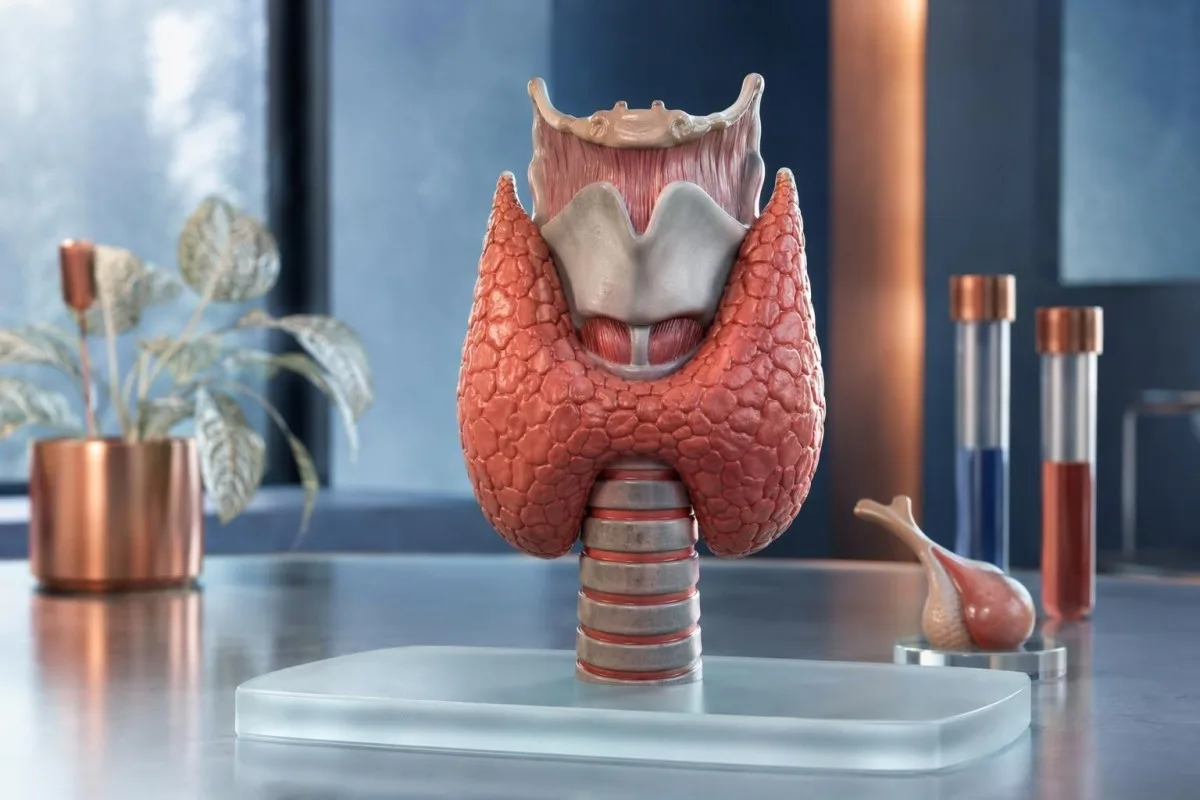
Нэг л удаа TSH-ийн үр дүн гарч, дараа нь өөр нэг үр дүн гарсан өвчтөнүүдэд зориулсан бамбай булчирхайн лабораторийн практик гарын авлага: бамбай булчирхай өөрчлөгдсөн үү, эсвэл шинжилгээний нөхцөл өөрчлөгдсөн үү гэдгийг гайхаж буй хүмүүст.


- TSH-ийн түвшинг TSH нь пульсатил (импульс хэлбэлзэлтэй), нойронд мэдрэг бөгөөд шинжилгээний аргаас хамаарах тул шинжилгээний хооронд 20-50% өөрчлөгдөж болно.
- TSH-ийн хэвийн хүрээ жирэмсэн биш олон насанд хүрэгчдийн хувьд ойролцоогоор 0.4-4.0 mIU/L байдаг ч орон нутгийн лабораторийн хэвийн хүрээ 0.27-4.2 mIU/L орчим байж болно.
- Өндөр TSH 10 mIU/L-ээс дээш, ялангуяа бага эсвэл бага-хэвийн чөлөөт T4-тай давтан хэмжигдэх үед санамсаргүй “чимээ” байх магадлал хамаагүй бага.
- Бага TSH 0.1 mIU/L-ээс доош бол давтан шинжилгээ хийж, чөлөөт T4/чөлөөт T3-ийг дахин нягтална, ялангуяа 65-аас дээш насныхан эсвэл зүрх дэлсэх (palpitations) шинжтэй хүмүүс.
- Өдрийн цаг чухал: TSH ихэвчлэн шөнийн цагаар оргилдоо хүрдэг бөгөөд үдээс хойш ихэвчлэн бага байдаг тул 8 AM-ийг 4 PM-тай харьцуулах нь төөрөгдүүлж болно.
- Левотироксин өөрчлөлтүүд ихэвчлэн 6-8 долоо хоногийн дараа үнэлэх ёстой, учир нь TSH нь чөлөөт T4-ийн өөрчлөлтийн араас хоцордог.
- Биотин нэмэлтүүд өдөрт 5-10 мг тунгаар хэрэглэх нь зарим иммунозассай (immunoassay)-д TSH-ийг худал бууруулж, чөлөөт T4/чөлөөт T3-ийг худал нэмэгдүүлж болно.
- Дахин шинжилгээ хийх стратеги TSH-ийг мөн л лабораторид, мөн л өдрийн мөн цагт, мөн адил эм болон нэмэлт тэжээлийн дэглэмтэй давтан хийхэд хамгийн сайн тохирдог.
Яагаад TSH-ийн түвшин хоёр удаагийн лабораторийн шинжилгээний хооронд өөрчлөгддөг вэ?
TSH-ийн түвшинг Лабораторийн шинжилгээний хооронд шилжиж болно, учир нь гипофизийн ялгаралт судасархаг (пульсархаг) бөгөөд шөнө өндөр байдаг; нойр, өвчинд нөлөөлөгдөнө; нэмэлт тэжээл эсвэл эмүүд өөрчилж болно; мөн төгс бус лабораторийн шинжилгээний аргачлалаар хэмжигддэг. 2.1-ээс 3.0 mIU/L хүртэлх багахан өөрчлөлт ихэвчлэн “чимээ” байдаг. 10 mIU/L-ээс дээш давтан өсөх, эсвэл чөлөөт T4 эсвэл чөлөөт T3 хэвийн бус байхад TSH 0.1 mIU/L-ээс доош дарангуйлагдсан байх нь илүү ач холбогдолтой.
Би Томас Кляйн, MD, мөн манай эмнэлзүйн ажлын урсгалд бамбай булчирхайн панелийг шалгахдаа би ховорхон TSH-ийн түвшинг ганц тооноос дүгнэдэг. Манай 2M+ цусны шинжилгээний дүнгийн дотор Кантести AI, нийтлэг “хуурамч дохиолол” нь огцом хэт хэвийн бус TSH биш; өмнөх шинжилгээнээс өөр нөхцөлд хэмжигдсэн, хязгаарын (borderline) утга байдаг.
46 настай өвчтөнд нойр муу байсан шөнөөс хойш TSH 3.8 mIU/L гарч, мөн л лабораторид зургаан долоо хоногийн дараа 2.4 mIU/L болж болно. Энэ нь чөлөөт T4 буурч дрифт хийх маягаар TSH 8.7 mIU/L-ээс 12.4 mIU/L болж өссөнтэй адил түүх биш бөгөөд энэ нь гипотиреоз үүсэж байгаатай илүү төстэй үйл явдал юм.
Бамбай булчирхай мөн удаан систем. Чөлөөт T4-ийн ойролцоогоор хагас задралын хугацаа 7 хоног байдаг бол TSH нь гипоталамус–гипофиз–бамбай булчирхайн тэнхлэгээр долоо хоногийн хугацаанд хариу үйлддэг, цаг биш; бамбай булчирхайн өргөн хүрээний нөхцөл байдлын хувьд манай болон TSH, чөлөөт T4, T3 болон эсрэгбиеүүд үргэлж хамт хөдөлдөггүйг тайлбарладаг.
TSH-ийн хэвийн хязгаар нь юу хэлж, юу хэлж чадахгүй вэ?
The TSH-ийн хэвийн хүрээ жирэмсэн биш олон насанд хүрэгчдийн хувьд ойролцоогоор 0.4-4.0 mIU/L байдаг, гэхдээ лабораториуд ихэвчлэн 0.27-4.2 эсвэл 0.45-4.5 mIU/L зэрэг мужийг мэдээлдэг. Хэрэв тухайн хүний тогтвортой суурь түвшнээсээ 2 дахин өссөн бол мужийн доторх утга ч гэсэн тухайн хүнд хэвийн бус байж болно.
Лавлах мужууд нь таны хувийн “set point”-оос биш популяциас бүтээгддэг. Andersen болон бусад судлаачид эрүүл хүмүүс популяцийн мужийн санал болгож байгаагаас илүү нарийн хувийн бамбай булчирхайн дааврын хэлбэлзлийг ихэвчлэн хадгалдаг болохыг олсон тул 0.9-өөс 3.6 mIU/L хүртэлх шилжилт нь хоёр утга хоёулаа хэвийн гэж тэмдэглэгдсэн байсан ч зарим өвчтөнд эмнэлзүйн хувьд өөрөөр мэдрэгдэх боломжтой (Andersen et al., 2002).
Зарим Европын лабораториуд дээд лавлах хязгаарыг арай доогуур ашигладаг бол хуучин иммуноассайнууд болон орон нутгийн иодын байдлаас шалтгаалан мэдээлэгдсэн интервал 0.2-0.6 mIU/L-ээр шилжиж болно. Тиймээс өөр улсын дэлгэцийн агшинд (screenshot) байгаа үр дүнтэйгээ харьцуулах нь лабораторийн өөрийн лавлах интервалтай танилцахын муу орлуулагч болдог.
Хэрэв элэгний өвчин, дэлүү томрол, эсвэл архины хэт хэрэглээ яригдаж байвал би мөн TSH-ийн түвшинг одоогийн утгыг чөлөөт T4, чөлөөт T3, эсрэгбиеийн үр дүн, нас, жирэмсний байдал болон өмнөх хандлагатай харьцуулж; аргачлалыг манай биомаркерийн гарын авчим. Нэг удаагийн хэвийн TSH нь тайвшруулах шинжтэй, гэхдээ давтан гарсан хувийн “дрифт” нь илүү нямбай уншилт шаарддаг.
Өдрийн цаг TSH-ийг хэрхэн дээш эсвэл доош хөдөлгөдөг вэ?
TSH-ийн түвшинг циркадийн (өдөр-цагийн) хэв маягийг дагадаг: ихэвчлэн оройд өсөж, шөнө дээд цэгтээ хүрээд, үдээс хойш буурдаг. Өглөөний TSH ба үдээс хойшхи TSH нь хилийн (borderline) үр дүнг хэвийнээс өндөр эсвэл өндөрөөс хэвийн болгон өөрчлөхөд хангалттай ялгаатай байж болно.
Практикт би бамбай булчирхайн шинжилгээг 2 цагийн дотор авхуулсан эсэхийг харьцуулахыг хичээдэг. Өвчтөн 7:30 AM-д шинжилгээ өгөөд дараа нь 3:30 PM-д дахин шинжилгээ өгвөл жинхэнэ бамбай булчирхайн өвчин даамжрахгүй байсан ч 0.5-1.5 mIU/L-ийн зөрүү гарч болно.
Шөнийн туршид TSH огцом өсөх нь, хуваагдмал нойрны дараа маш эрт шинжилгээ өгсөн хүмүүсийн дунд хил хязгаарын гипотиреодизмыг хэт оношлох нэг шалтгаан юм. Хэрэв таны TSH 6:45 AM-д 4.6 mIU/L байгаа ч чөлөөт T4 дунд түвшинд, шинж тэмдэг нь бүдэг байвал үүнийг яаран тэмдэглэснээс илүү цэвэрхэн нөхцөлд дахин давтан шинжилсэн нь дээр гэж би боддог.
Энэ хугацааны нөлөө нь зөвхөн TSH-д хамаарахгүй, гэхдээ TSH нь цаг хугацаанаас хамаарах өөрчлөлт нь ер бусын тод харагддаг дотоод шүүрлийн шинжилгээний нэг юм. Хэрэв та нэг дор олон өөрчлөгдөж буй үзүүлэлтийг унших гэж байгаа бол манай цусны шинжилгээний хэлбэлзлийн удирдамж биологийн хэмнэлээс бодит чиг хандлагыг ялгах практик аргыг өгдөг.
Нойр дутуу ба шөнийн ээлж TSH-ийн үр дүнг яагаад гажуудуулдаг вэ?
Муу нойр TSH-ийн түвшинг хэвийн шөнийн TSH хэмнэлийг дарангуйлах эсвэл шилжүүлэх замаар гажуудуулж болно. Шөнийн ээлжинд ажилладаг хүмүүсийн хувьд шинжилгээний цагийг тэдний бодит унтах хуваарьтай нь уялдуулж стандартчилаагүй бол бамбай булчирхайн үр дүн нь хоорондоо зөрүүтэй харагдаж магадгүй.
Би энэ хэв маягийг сувилагчид, хамгаалалтын ажилтнууд, үүсгэн байгуулагчид болон нярай хүүхдийн эцэг эхчүүдээс хардаг: 3–4 цагийн унтсаны дараа TSH бага зэрэг өндөр байдаг, тэгээд хэвийн нэг долоо хоног унтсаны дараа давтан шинжлэхэд буурдаг. Бамбай булчирхай 10 хоногт “эдгэрээгүй”; харин гипофизийн дохио илүү ойлгомжтой болохоор болсон.
Ашигтай дүрэм бол аялал, шөнийн жижүүр эсвэл бүтэн нойргүй хонохоос хойш биш, дор хаяж 2 ердийн шөнийн дараа шинжилгээ өгөх. Ажлын хуваарь нь хэзээ ч “ердийн” харагддаггүй өвчтөнүүдийн хувьд тогтвортой байдал нь төгс байдлаас илүү: сэрэх цагийн ижил интервал, ижил лаборатори, эм уух цагийн ижил хуваарь.
Нойр нь мөн кортизол, глюкоз болон хоолны дуршилтай холбоотой даавруудыг өөрчилдөг тул шинж тэмдгийн тайлбарыг будлиулж болно. Манай шөнийн ээлжийн ажилтнуудад зориулсан мөн бидний нойргүйдлийн лабораторийн гарын авлага хоёулаа бамбай булчирхай, кортизол, төмрийн талаарх сэжүүрүүдийг тусгаар тоо мэт биш, хамтад нь унших ёстойг яагаад тайлбарладаг.
Өвчин ба үрэвсэл нь бамбай булчирхайн өвчингүй үед ч TSH-ийг хэрхэн өөрчилдөг вэ?
Сүүлийн үеийн халдвар нь түр хугацаанд бууруулж, нэмэгдүүлж эсвэл TSH-ийн түвшинг, тогтворгүй болгож болно, ялангуяа вирусын халдвар, томоохон үрэвсэл, эмнэлэгт хэвтэх эсвэл эдгэрэлтийн үед. Энэ нөхцөлд чөлөөт T3 ихэвчлэн хамгийн түрүүнд буурдаг бол цочмог өвчний үед TSH бага байж, эдгэрэлтийн үед сэргэн нэмэгдэж өндөррөх хандлагатай.
Бамбай булчирхайд хамаарахгүй өвчин (non-thyroidal illness) гэдэг нь тооноос илүү нөхцөл чухал байдаг тэр нэг чиглэл юм. Уушгины хатгалгааны үед TSH 0.22 mIU/L, эдгэрэлтийн 3 долоо хоногийн дараа TSH 5.8 mIU/L байж болох бөгөөд хоёулаа түр зуурын физиологи байж болохоос, хоёр тусдаа бамбай булчирхайн онош биш.
Үрэвслийн хэв маяг чухал. Хэрэв CRP 86 mg/L байвал цагаан эсүүд өндөр, альбумин бага байна гэсэн үг бөгөөд чөлөөт T4 тодорхой аюултай биш эсвэл өвчтөнд хүчтэй шинж тэмдэг байхгүй бол тэр удаагийн шинжилгээнээс байнгын бамбай булчирхайн шийдвэр гаргахдаа би болгоомжтой ханддаг.
COVID, томуу (influenza) эсвэл хүнд хэлбэрийн ходоод гэдэсний халдварын дараа би ихэвчлэн бага зэргийн TSH өөрчлөлтийг дүгнэхээсээ өмнө 6–8 долоо хоног хүлээдэг. Манай халдварын дараах CRP-тай хослуулах нь болон long COVID-ын цусны шинжилгээний тухай өгүүллүүд үрэвслийн эдгэрэл нь шинж тэмдгийн эдгэрэлээс хоцорч болохыг харуулдаг.
Эмийн цагийн зохицуулалт: Левотироксинтай холбоотой өвчтөнүүдийн алддаг нарийн зүйлс
Левотироксин уух цаг нь TSH-ийн түвшинг хоол, кофе, бусад эмүүд болон тунгийн тогтвортой байдал өөр өөр байдагтай холбоотойгоор өөрчилж болно. Левотироксиныг эхлүүлсний дараа эсвэл өөрчилсний дараа TSH-ийг ихэвчлэн хэдхэн хоногийн дараа биш, 6–8 долоо хоногийн дараа дахин үнэлэх хэрэгтэй.
AACE/ATA гипотиреодизмыг эмчлэх удирдамж нь анхдагч гипотиреодизмын үед левотироксины тунг тохируулахын тулд TSH ашиглахыг дэмждэг бөгөөд тун өөрчилсний дараа тогтвортой байдалд хүрмэгц давтан шинжилгээг хийнэ (Garber et al., 2012). Эмнэлэг дээр хамгийн түгээмэл засвар нь уйтгартай ч хүчтэй зүйл байдаг: левотироксиныг усаар уугаад, дараа нь өглөөний цай эсвэл кофены өмнө 30–60 минут хүлээ.
Кальцийн карбонат, төмөр, магни, цөсний хүчлийн холбогч бодисууд болон зарим рефлюкс эмүүд нь левотироксины шимэгдэлтийг бууруулснаар TSH-ийг дээш түлхэж болно. Өдөрт 100 mcg уудаг атлаа 325 mg төмрийн шахмалаар залгиж байгаа өвчтөнд, заасан тун боломжийн байсан ч дутуу эмчилгээ хийлгэсэн мэт харагдаж магадгүй.
Хэрэв та нэг шахмалыг алдвал дараагийн өдөр нь давхар тунгаар уувал, TSH тань зохицож амжаагүй байхад таны чөлөөт T4 хэлбэлзэж магадгүй. Практик хугацааны хуваарийг манай левотироксин TSH гарын авлагаас үзнэ үү болон манай эмийн хяналтын гарын авлага.
TSH-ийг буруу харагдуулах нэмэлтүүд
Биотин, иод, төмөр, кальци, магни зэрэг нь бүгдээрээ TSH-ийн түвшинг, -ийн тайлбарыг өөрчилж болно, гэхдээ өөр өөр аргаар нөлөөлдөг. Биотин шинжилгээний сорил (ассай)-д өөрөө саад учруулж болдог бол эрдэс бодисууд ихэвчлэн бамбай булчирхайн эмийн шимэгдэлтийг саатуулдаг.
Биотин бол хамгийн их анзаарагддаг зүйл. Үс, хумсны нэмэлт тэжээлд түгээмэл байдаг өдөрт 5-10 мг тун нь зарим иммунoассай платформ дээр TSH-ийг худал бууруулж, чөлөөт T4 эсвэл чөлөөт T3-ийг худал нэмэгдүүлэх боломжтой; эмчилгээний зорилгоор хэрэглэдэг өндөр тунгийн биотин нь ердийн 48-72 цагийн “washout”-оос илүү урт хугацаа шаардаж болно.
Иод арай илүү нарийн. Стандарт олон төрлийн амин дэмийн 150 мкг иодын тунгаас хэдэн мянган микрограмм өгдөг хөвөн (kelp) бүтээгдэхүүн рүү гэнэт шилжих нь мэдрэг (сул) хүмүүст, ялангуяа TPO эсрэгбие эерэгтэй эсвэл суурь Хашимотогийн өвчтэй хүмүүст, өндөр TSH үүсгэж болзошгүй.
Эрдэс бодисууд ихэвчлэн бамбай булчирхайг шууд өөрчилдөггүй; тэд левотироксин хэр сайн шимэгдэж байгааг өөрчилдөг. Манай биотин бамбай булчирхайн шинжилгээний гарын авлага болон нэмэлтүүдийн цагийн заавар кальци эсвэл төмрийн нийтлэг 4 цагийн зай барих зэрэг бодитой зааврыг өгдөг.
Лабораторийн хэлбэлзэл: Машин биш, харин төхөөрөмж өөрчлөгдөх үед
Янз бүрийн лабораториуд нэг хүний TSH-ийн түвшинг -ийг өөрөөр мэдээлж болно, учир нь иммунoассай арга, калибровк, эсрэгбие, лавлах интервалууд өөр байдаг. Биологийн хэлбэлзлийг тооцохоос өмнө ч 10-20% хэмжээний аналитик зөрүү боломжтой.
Сорилын хэлбэлзэл нь боломжтой үед нэг лабораторийнхоо өгөгдлөөс чиг хандлагын шийдвэр гаргахыг би илүүд үздэг шалтгаан юм. Хэрэв Лаборатори A нэг долоо хоногийн дотор TSH 4.3 mIU/L гэж, Лаборатори B 3.7 mIU/L гэж мэдээлбэл, тэр ялгаа нь ямар ч клиникийн “драм” шаардлагагүй байж магадгүй.
Хэлбэлзэлгүй (физиологийн) утгагүй хэв маяг гарвал ховор саад нөлөөллүүд чухал болдог. Гетерофил эсрэгбие, макро-TSH болон сорилд зориулсан урвалжийн (reagent) асуудлууд нь шинж тэмдэг, чөлөөт T4 болон давтан шинжилгээтэй зөрчилдөх үр дүн гаргаж болдог; гол сэжүүр нь ихэвчлэн бусад бүх түүхтэй таарахгүй “тоон” байдаг.
Kantesti-ийн мэдрэлийн сүлжээ нь нэгжийн зөрүү, арга өөрчлөлт, сэжигтэй үл нийцэх хэв маягийг манай AI цусны шинжилгээний платформ. -ийн нэг хэсэг болгон тэмдэглэдэг. Хэрэв таны тайлангийн нэгж эсвэл лавлах хүрээ өөрчлөгдсөн бол манай лабораторийн нэгжийн гарын авлагыг болон лабораторийн алдааны шалгалтууд нь дараагийн сайн уншлага болно.
Өндөр TSH: Ямар өөрчлөлт нь “чимээ” (noise)-с илүү вэ?
Өндөр TSH нь удаан үргэлжилбэл, 10 mIU/L-ээс дээш байвал, давтан шинжилгээнүүдэд нэмэгдэж байвал эсвэл чөлөөт T4 бага дагалдвал клиникийн хувьд илүү чухал утгатай байх магадлалтай. Чөлөөт T4 хэвийн байхад TSH 4.8 mIU/L ганц удаа гарсан нь ихэвчлэн дахин шинжилгээ хийх нөхцөл байдаг бөгөөд дангаараа онош биш.
Дэд клиникийн гипотиреодизм гэдэг нь чөлөөт T4 хэвийн байхад TSH өндөр байхыг хэлнэ. Олон эмч нар эмчилгээ эхлэхээс өмнө өвчтөн жирэмсэн биш, жирэмслэхээр төлөвлөөгүй, хүчтэй шинж тэмдэггүй, TPO эсрэгбие эерэггүй, эсвэл TSH нь 10 mIU/L-ээс тогтвортой өндөргүй бол 6-12 долоо хоногийн дараа TSH болон чөлөөт T4-ийг давтан шалгадаг.
TPO эсрэгбие яагаад чухал вэ гэвэл энэ нь урьдчилан таамаглал (prediction) юм. TSH 6.2 mIU/L ба TPO эсрэгбие эерэгтэй өвчтөн нь вирусын халдварын дараа TSH 6.2 mIU/L боловч эсрэгбие сөрөгтэй өвчтөнөөс илүү өвчлөл даамжрах магадлалтай; TSH тоо ижил байсан ч ялгаатай.
Garber et al. нь 4.5-10 mIU/L бүсэд (Garber et al., 2012) өндөр TSH түвшинд эмчилгээний талаар авч үзэх зүйлс болон хувь хүнд тохируулсан шийдвэрүүдийг тайлбарласан. Илүү гүнзгий ойлгохын тулд манай өндөр TSH-ийн заавар нь чөлөөт T4 болон эсрэгбие нь мөн тэрхүү TSH утгыг хэрхэн өөрөөр харахад хүргэдгийг тайлбарладаг.
Бага TSH: Дарангуйлал дагаж хяналт хийх шаардлагатай үед
Бага TSH нь 0.1 mIU/L-ээс доош байвал, давтагдвал, эсвэл чөлөөт T4 өндөр, чөлөөт T3 өндөр, чичиргээ, жин бууралт, зүрх дэлсэх, эсвэл тосгуурын фибрилляцийн эрсдэл дагалдвал илүү их санаа зовоох хэрэгтэй. Чөлөөт TSH 0.32 mIU/L зэрэг бага зэрэг буурсан нь түр зуурынх байж болох бөгөөд ялангуяа өвчний дараа эсвэл эмийн өөрчлөлтийн дараа.
Эхний асуулт бол бамбай булчирхайн дааврын түвшин үнэхээр өндөр байгаа эсэх юм. Чөлөөт T4 хэвийн, чөлөөт T3 хэвийн байхад TSH бага байх нь далд гипертиреоидизм; чөлөөт T4 эсвэл T3 өндөр байхтай хавсарсан TSH бага бол өөрөөр нь нотлох хүртэл илэрхий тиреотоксикоз гэж үзнэ.
Нас эрсдэлийн хэмжээг өөрчилнө. Вируст өвчний дараа 28 настай тамирчинд TSH 0.28 mIU/L байвал би тайван давтан шалгаж болно; харин 74 настай, TSH 0.04 mIU/L ба зүрх дэлсэх шинжтэй хүнд илүү их санаа зовно, учир нь үргэлжилсэн дарангуйлалт нь тосгуурын фибрилляци болон ясны алдагдлын эрсдэлийг нэмэгдүүлдэг.
Биотин, стероидын нөлөө, допамин агонистууд, амиодарон болон саяхны тиреоидит бүгд TSH бага харагдах дүр зургийг үүсгэж болно. Манай бага TSH-ийн заавар болон бамбай булчирхайн өвчний хэв шинжийн гарын авлага Graves’ өвчин, тиреоидит болон эмийн нөлөөг ялгах хэв шинжүүдийг тоймлон гаргасан.
Жирэмслэлт, хүүхэд нас ба нас TSH-ийн утгыг хэрхэн өөрчилдөг вэ?
TSH-ийн түвшинг жирэмслэлт, бага нас, өндөр нас болон төрсний дараах үеийн үед хүн амын онцлогт тохируулан тайлбарлах шаардлагатай. Мөн нэг бүлэгт нэг ижил TSH утга хэвийн байж болох ч нөгөөд нь хязгаарын заагт, харин жирэмслэхээр оролдож буй хүнд эмнэлзүйн хувьд яаралтай байж болно.
2017 оны Америкийн Бамбай булчирхайн нийгэмлэгийн жирэмслэлтийн удирдамжид боломжтой бол улирал болон хүн амын онцлогт тохирсон лавлах хүрээг зөвлөсөн; хэрэв байхгүй бол жирэмсний эхэн үед хуучин бүх нийтийн 2.5 mIU/L таслах цэгийн оронд ихэвчлэн TSH-ийн дээд хязгаар ойролцоогоор 4.0 mIU/L гэж ашигладаг (Alexander et al., 2017). Энэ өөрчлөлт нь олон өвчтөнийг хэтрүүлэн “хэт оношлох”-оос сэргийлсэн.
Хүүхдүүд бамбай булчирхайн шинжилгээнд жижигхэн насанд хүрэгчид биш. TSH 5.5 mIU/L нь нялх хүүхэд, бэлгийн бойжилтын үеийн өсвөр, мөн 45 настайд өөр утгатай байж болох тул хүүхдийн лавлах интервалууд болон өсөлтийн нөхцөл чухал.
Төрсний дараах тиреоидит нь хэдэн сарын дотор TSH багаас TSH өндөр рүү хэлбэлзэж, заримдаа үе шат бүрийн хооронд шинжилгээний үзүүлэлтүүд хэвийн байж болно. Манай жирэмсний үеийн TSH-ийн хүрээг болон хүүхдийн бамбай булчирхайн шинжилгээ төрсний дараах хугацаа эсвэл өсөлт өөрчлөлт яагаад шийдвэрлэх нөлөөтэй байж болохыг тайлбарладаг.
TSH-ийг хэрхэн давтан хийх вэ, ингэснээр үр дүн үнэхээр харьцуулах боломжтой болно
Харьцуулахын тулд TSH-ийн түвшинг шударгаар, мөн нэг лабораторид, ойролцоогоор мөн тэр цагт, тогтвортой нойрны дараа, мөн ижил эмийн хуваарийн дагуу, шаардлагатай үед биотиныг түр зогсоосны дараа шинжилгээг давтан хийнэ. Энэ нь хамгийн түгээмэл тохиолддог “хуурамч өөрчлөлт”-ийн эх үүсвэрүүдийг арилгадаг.
Миний илүүд үздэг давтан шинжилгээний тохиргоо энгийн: өглөө цусаа авах, мөн адил лаборатори, өдөрт 5–10 мг ууж байгаа бол дор хаяж 48–72 цаг биотин хэрэглэхгүй, мөн өмнөх 6 долоо хоногийн дотор левотироксин тунгийн өөрчлөлт хийхгүй. Хэрэв та левотироксин уудаг бол өдөр тутмын тунг уусны өмнө тогтвортой байдлын үүднээс цусаа авах эсэхийг эмчээсээ асуугаарай.
Халуурах, цочмог халдвар, эмнэлгээс гарсны дараах сэргэлт, хэт хатуу илчлэгийн хязгаарлалт, эсвэл холын аяллын дараах эхний долоо хоногт эмнэлзүйн шалтгаан байхгүй бол давтан шинжилгээ бүү хий. Хязгаарын заагт байгаа тохиолдолд 6–8 долоо хоногийн дараах цэвэрхэн давтан шинжилгээ нь 10 хоногийн дотор хийсэн гурван удаагийн будлиантай давтлагаас илүү ихийг зааж өгдөг.
Ашигтай харьцуулалтын багц нь TSH, чөлөөт T4, заримдаа чөлөөт T3, өмнө нь шалгаагүй бол TPO эсрэгбие, мөн эм/нэмэлт тэжээлийн тэмдэглэл юм. Манай давтан хэвийн бус шинжилгээний заавар болон мацаг барих дүрмийн тухай нийтлэл өвчтөнүүдийг урьдчилан сэргийлж болох шинжилгээний өмнөх “чимээ”-нээс зайлсхийхэд тусалдаг.
Kantesti нь TSH-ийн хандлагыг хэт сандаргахгүйгээр хэрхэн уншдаг вэ
Kantesti AI уншдаг TSH-ийн түвшинг ганц тоо мэт биш, харин чиглэл, интервал, чөлөөт T4/чөлөөт T3-ийн нөхцөл, эмийн цагийн хуваарь, жирэмсний байдал, эсрэгбиеийн маркерууд болон лабораторийн арга өөрчлөлтийг шалгаж “хандлага” мэт. Ингэж л манай AI магадлалтай дохиог магадлалтай чимээнээс ялгадаг.
Хандлагын налуу нь нэг өдрийн савалгаанаас илүү чухал. 18 сарын дотор TSH 2.0 → 2.6 → 3.1 mIU/L байх нь өвчин тусах, нойр алдагдах үед TSH 2.0 → 4.7 → 2.3 mIU/L болохоос өөр мэдрэмж төрүүлнэ, хоёуланд нь дээд хязгаарт ойролцоо утга орсон байсан ч.
Манай платформ мөн өвчтөнүүдийн дурдахаа мартдаг хөрш маркеруудыг шалгадаг: LDL холестерин, ферритин, B12, пролактин, элэгний ферментүүд болон үрэвслийн маркерууд. Шалтгаан нь эмнэлзүйн; гипотиреоидизм нь LDL-ийг дээш түлхэж болох бол төмрийн дутагдал эсвэл B12 бага байх нь TSH хэвийн байсан ч бамбай булчирхайн ядаргаатай төстэй болгож дуурайж чадна.
Kantesti-ийн эмнэлзүйн хяналтын стандартуудыг манай Эмнэлгийн зөвлөх зөвлөл, мөн манай баталгаажуулалтын аргачлалыг Эмнэлгийн баталгаажуулалт. тайлбарласан. Хэрэв та өөрийн тайланг тайлбарлуулахыг хүсвэл манай үнэ төлбөргүй цусны шинжилгээний тайлал хуудас.
TSH-ийн өөрчлөлт хэзээ хүлээх ёсгүй вэ?
TSH-ийн өөрчлөлтийг TSH 10 mIU/L-ээс дээш, чөлөөт T4 бага үед; чөлөөт T4/чөлөөт T3 өндөр үед 0.1 mIU/L-ээс доош үед; эсвэл цээжээр өвдөх, ухаан алдах, хүчтэй зүрх дэлсэх, төөрөгдөл, жирэмслэлт эсвэл жингийн огцом их алдагдал дагалдсан үед яаралтай хянах хэрэгтэй. Эдгээр хэв шинжүүд нь ердийн лабораторийн “чимээ” биш юм.
Шинж тэмдгүүд үйлдэл хийх босгыг өөрчилдөг. TSH 0.03 mIU/L, чөлөөт T4 2.4 ng/dL, амралтын үеийн зүрхний цохилт 118 удаа/мин байгаа өвчтөнд TSH 0.31 mIU/L, чөлөөт T4 хэвийн, мөн шинж тэмдэггүй хүнээс илүү хурдан эмчийн үзлэг хэрэгтэй.
Жирэмслэлт ба үр тогтоох төлөвлөлтөд эрт анхаарах нь зүйтэй, учир нь бамбай булчирхайн даавар эрт үеийн ураг дахь мэдрэлийн хөгжлийг болон зулбах эрсдэлийн талаархи хэлэлцүүлгийг нөлөөлдөг. Жирэмсэн биш насанд хүрэгчид ажиглаж болох “хил хязгаарын” TSH нь шинээр жирэмсэн болсон хүнд нэг долоо хоногийн доторх дуудлагаар хүргэж болзошгүй.
Хэрэв та өөрийгөө аюулгүй гэж мэдрэхгүй байвал — хүнд хэлбэрийн амьсгаадалт, цээжээр өвдөх, ухаан алдах, шинэ төөрөгдөл эсвэл маш хурдан, тогтмол бус судасны цохилт — аппын тайлбарыг хүлээх хэрэггүй. Яаралтай бус хэв шинжийн уншилтад, Хиймэл оюун ухаанаар ажилладаг цусны шинжилгээний тайлбар өгөгдлийг зохион байгуулж болно, гэхдээ яаралтай шинж тэмдгүүд нь орон нутгийн яаралтай тусламж эсвэл тухайн өдрийн эмнэлгийн тусламжтай хамт хамаарна.
Клиникийн лавлагаа ба Kantesti судалгааны тэмдэглэлүүд
2026 оны 5-р сарын 24-ний байдлаар хэлбэлзэж буй TSH-ийн түвшинг үзүүлэлтүүдийг тайлбарлах хамгийн аюулгүй арга нь удирдамжид суурилсан бамбай булчирхайн эмчилгээг болгоомжтой чиг хандлагын (trend) дүн шинжилгээ, ил тод баталгаажуулалтын стандарттай хослуулах явдал юм. Ямар ч AI систем эмчийг орлож болохгүй, гэхдээ сайн боловсруулсан AI нь орхигдсон нөхцөл байдлыг болон шаардлагагүй сандралыг бууруулж чадна.
Thomas Klein, MD, Kantesti-ийн бамбай булчирхайн агуулгыг миний клиникт хэрэглэдэгтэй ижил дүрмээр хянадаг: лабораторийн үзүүлэлтийг давтагдах боломжтой эсэх, физиологийн хувьд уялдаатай эсэх, мөн бидний өмнө байгаа өвчтөнд хамааралтай эсэхийг асуухгүйгээр хэзээ ч эмчилж болохгүй. TSH-ийн 30%-ийн шилжилт нь “чимээ” байж болно; эмчилгээний босгыг давсан давтан шилжилт бол өөр яриа юм.
Kantesti LTD нь Их Британийн эрүүл мэндийн технологийн компани бөгөөд манай клиникийн стандартууд дээр Кантестийн тухай. . клиник баталгаажуулалтын DOI..
. TSH-ийн түвшинг: лабораторийн үр дүн нь рефлекс маягийн тайлбар биш, харин арга (method), нөхцөл (context) ба чиг хандлага (trend) шаарддаг гэсэн мөн чанарыг харуулдаг.
Байнга асуудаг асуултууд
TSH-ийн түвшин өдөрөөс өдөрт өөрчлөгдөж болох уу?
Тийм ээ, TSH-ийн түвшин өдөр бүр өөрчлөгдөж болно, учир нь TSH-ийн ялгаралт нь импульс хэлбэртэй бөгөөд циркадийн хэмнэлд даган өөрчлөгддөг. Цаг хугацаа, нойрны хямрал, саяхан тохиолдсон өвчин, шинжилгээний (ассай) хэлбэлзэл эсвэл эмийн хэрэглээний цагтай холбоотойгоор 20-50% хүртэл шилжилт гарч болно. 2.0-оос 2.8 мИУ/л хүртэлх бага өөрчлөлт нь ихэвчлэн 10 мИУ/л-ээс дээш давтан өсөх эсвэл 0.1 мИУ/л-ээс доош давтан дарангуйлагдахтай харьцуулахад төдийлөн ач холбогдол багатай байдаг.
TSH-ийн хэвийн хэмжээ хэд вэ?
Олон жирэмсэн бус насанд хүрэгчдийн хувьд TSH-ийн хэвийн хүрээ ойролцоогоор 0.4–4.0 mIU/L байдаг боловч лаборатори бүр өөрийн интервал ашиглаж болно, жишээлбэл 0.27–4.2 эсвэл 0.45–4.5 mIU/L. Жирэмслэлт, бага нас, өндөр настай байх, иодын байдал болон шинжилгээний арга (ассай) нь хүлээгдэж буй хүрээг өөрчилж болно. Лабораторийн хүрээнд багтсан утга нь таны урт хугацааны хувийн суурь түвшнээс мэдэгдэхүйц өөрчлөлт байвал чухал ач холбогдолтой хэвээр байж болно.
Яагаад миний TSH нэг удаа өндөр гарч байгаад дараагийн удаа хэвийн болсон бэ?
Нэг удаагийн өндөр TSH нь эхний шинжилгээ өглөө эрт цагийн нөлөөнд орсон, нойр муу байсан, халдвараас эдгэрч байгаа, левотироксин эмийн тунг алдсан, нэмэлт бүтээгдэхүүний нөлөөлөл эсвэл лабораторийн хэвийн хэлбэлзлээс шалтгаалсан бол хэвийн хэмжээндээ эргэж болно. 4–10 мИУ/Л хүрээний хөнгөн хэлбэрийн өндөр TSH нь ихэвчлэн чөлөөт T4-ийг хамтад нь 6–12 долоо хоногийн дараа давтан шалгаж, тогтвортой онош тавихаас өмнө давтан хийдэг. 10 мИУ/Л-ээс дээш TSH үргэлжлэх нь санамсаргүй “чимээ” байх магадлал багатай.
Биотин нь TSH-ийн түвшинг бага мэт харагдуулах уу?
Тийм ээ, биотин нь зарим бамбай булчирхайн иммун шинжилгээнүүд дээр TSH-ийг худал бууруулж, харин чөлөөт T4 эсвэл чөлөөт T3-ийг худал нэмэгдүүлж болзошгүй. Үс, хумсанд зориулж ихэвчлэн худалдаалдаг өдөрт 5–10 мг тун нь зарим платформуудтай харилцан нөлөөлөхөд хангалттай. Олон эмч нар бамбай булчирхайн шинжилгээ хийхээс өмнө өвчтөнүүдээс биотиныг 48–72 цаг зогсоохыг хүсдэг боловч маш өндөр эмийн тун нь илүү урт “washout” шаарддаг байж болно.
Левотироксин эмчилгээг өөрчилсний дараа TSH-аа дахин хэзээ шалгах вэ?
TSH ихэвчлэн левотироксин эхлүүлснээс эсвэл өөрчилснөөс хойш 6–8 долоо хоногийн дараа дахин шалгадаг, учир нь бамбай булчирхайн тэнхлэг шинэ тогтвортой байдалд хүрэхэд хугацаа хэрэгтэй. Зөвхөн хэдхэн хоногийн дараах шинжилгээ нь чөлөөт T4 нь TSH-ээс хурдан өөрчлөгддөг тул төөрөгдүүлсэн хэв маяг харуулж болдог. Тогтвортой тун, хоолны цагийн тогтвортой байдал, мөн кальци эсвэл төмрийг ойролцоогоор 4 цагийн зайтай хэрэглэх нь давтан үр дүнг тайлбарлахад илүү хялбар болгодог.
Бага TSH нь үргэлж гипертиреоидизм мөн үү?
Бага TSH нь үргэлж гипертиреоидизм биш боловч үүнийг чөлөөт T4 ба чөлөөт T3-тай хамт тайлбарлах хэрэгтэй. 0.1 мИУ/Л-ээс доош TSH нь давтан хэмжилтээр ажиглагдах эсвэл өндөр бамбай булчирхайн дааврын түвшинтэй хавсарч, зүрх дэлсэх, чичрэх, жин буурах эсвэл өндөр настай үед илүү их санаа зовоох шинжтэй. Бага зэрэг буурсан TSH нь өвчний дараа, биотин нөлөөлөлтэй холбоотой, тиреоидитын үед эсвэл зарим эмүүдээс шалтгаалан мөн тохиолдож болно.
Давтан TSH шинжилгээ хийхдээ мөн адил лабораторийг ашиглах ёстой юу?
Давтан TSH шинжилгээнд мөн л лабораторийг ашиглах нь ихэвчлэн хамгийн сайн байдаг, учир нь өөр өөр иммун шинжилгээний аргууд болон лавлах интервалууд үр дүнг 10-20% буюу түүнээс дээш хэмжээгээр зөрүүлж болдог. Хэрэв та лаборатори соливол зөвхөн тэмдэглэгээгээр бус харин бодит лавлах хүрээ болон шинжилгээний нөхцөл байдлыг харьцуул. Бамбай булчирхайн үр дүн хил хязгаартай гарсан тохиолдолд мөн л лабораторид, мөн л өдрийн цагт, мөн түүнтэй адил унтах болон эмийн нөхцөлд давтан шинжилгээ хийх нь хамгийн цэвэр чиг хандлагыг өгдөг.
Миний TSH бага зэрэг өндөр байвал бамбай булчирхайн эсрэг биеийн шинжилгээг хийлгэх ёстой юу?
TSH бага зэрэг өндөр хэвээр байвал аутоиммун бамбай булчирхайн үрэвслийг тодорхойлоход тиреоид пероксидазын (TPO) эсрэг бие нь тусалж болно. Тэдгээр нь давтан хийх бүх шинжилгээнд шаардлагагүй, гэхдээ эмч тань TSH-ийн хэвийн бус байдал үргэлжлэх эсвэл ахих магадлалыг тооцоход тусалж болно.
CT шинжилгээнээс хийсэн иодтой тодосгогч бодис миний бамбай булчирхайн шинжилгээг өөрчилж чадах уу?
CT шинжилгээ эсвэл ангиографид хэрэглэдэг иоджуулсан тодосгогч бодис нь заримдаа түр зуурын эсвэл удаан үргэлжлэх бамбай булчирхайн үйл ажиллагааны алдагдлыг өдөөж болдог бөгөөд ялангуяа зангилаа, Грейвсийн өвчин, эсвэл бамбай булчирхайн нөөц багассан үед илүү тохиолддог. Шинж тэмдэг илэрвэл эмчтэйгээ холбоо бариарай; эрсдэл өндөртэй хүмүүс хэдэн долоо хоногийн дараа бамбай булчирхайн шинжилгээ шаардлагатай байж болно.
TSH-ийн цусны шинжилгээ өгөхөөс өмнө өлсөх шаардлагатай юу?
TSH-ийн шинжилгээнд ихэвчлэн өлсөх шаардлагагүй боловч нэг шинжилгээнээс нөгөөд нөхцөл байдлыг аль болох тогтвортой байлгахыг хичээгээрэй. Хэрэв эмч тань мөн тэр үед холестерин, глюкоз эсвэл бусад шинжилгээнүүдийг шалгаж байгаа бол та дахиад ч өлсөхийг хүсэж магадгүй.
Өнөөдөр AI-аар дэмжигдсэн цусны шинжилгээний тайлал аваарай
Лабораторийн шинжилгээний агшин зуур, үнэн зөв тайлалд итгэдэг дэлхийн 2 сая гаруй хэрэглэгчтэй нэгдээрэй. Цусны шинжилгээний хариугаа байршуулж, 15,000+ биомаркеруудын цогц тайллыг хэдхэн секундын дотор аваарай.
📚 Иш татсан судалгааны нийтлэлүүд
Клейн, Т., Митчелл, С., ба Вебер, Х. (2026). aPTT-ийн хэвийн хэмжээ: D-Dimer, Уураг C цусны бүлэгнэлтийн гарын авлага. Kantesti AI Медикл Рисерч.
Клейн, Т., Митчелл, С., ба Вебер, Х. (2026). Сийвэнгийн уургийн гарын авлага: Глобулин, альбумин ба A/G харьцааны цусны шинжилгээ. Kantesti AI Медикл Рисерч.
📖 Гадаад эмнэлгийн лавлагаа
⚕️ Эмнэлгийн мэдэгдэл
Энэ нийтлэл зөвхөн боловсролын зорилготой бөгөөд эмнэлгийн зөвлөгөө биш болно. Оношилгоо, эмчилгээний шийдвэр гаргахдаа мэргэшсэн эрүүл мэндийн үйлчилгээ үзүүлэгчтэй заавал зөвлөлдөнө.
E-E-A-T итгэлийн дохио
Туршлага
Эмчийн удирдлагатай лабораторийн тайлалын ажлын урсгалын клиник хяналт.
Мэргэшсэн байдал
Биомаркерууд клиникийн нөхцөлд хэрхэн ажиллаж/өөрчлөгдөж байгаад чиглэсэн лабораторийн анагаах ухаан.
Эрх мэдэл
Доктор Томас Клейн бичсэн, Доктор Сара Митчелл, Проф. Доктор Ханс Вебер нар хянан тохиолдуулсан.
Найдвартай байдал
Сэрэмжлүүлгийг бууруулахын тулд тодорхой дараагийн алхамтай, нотолгоонд суурилсан тайлал.