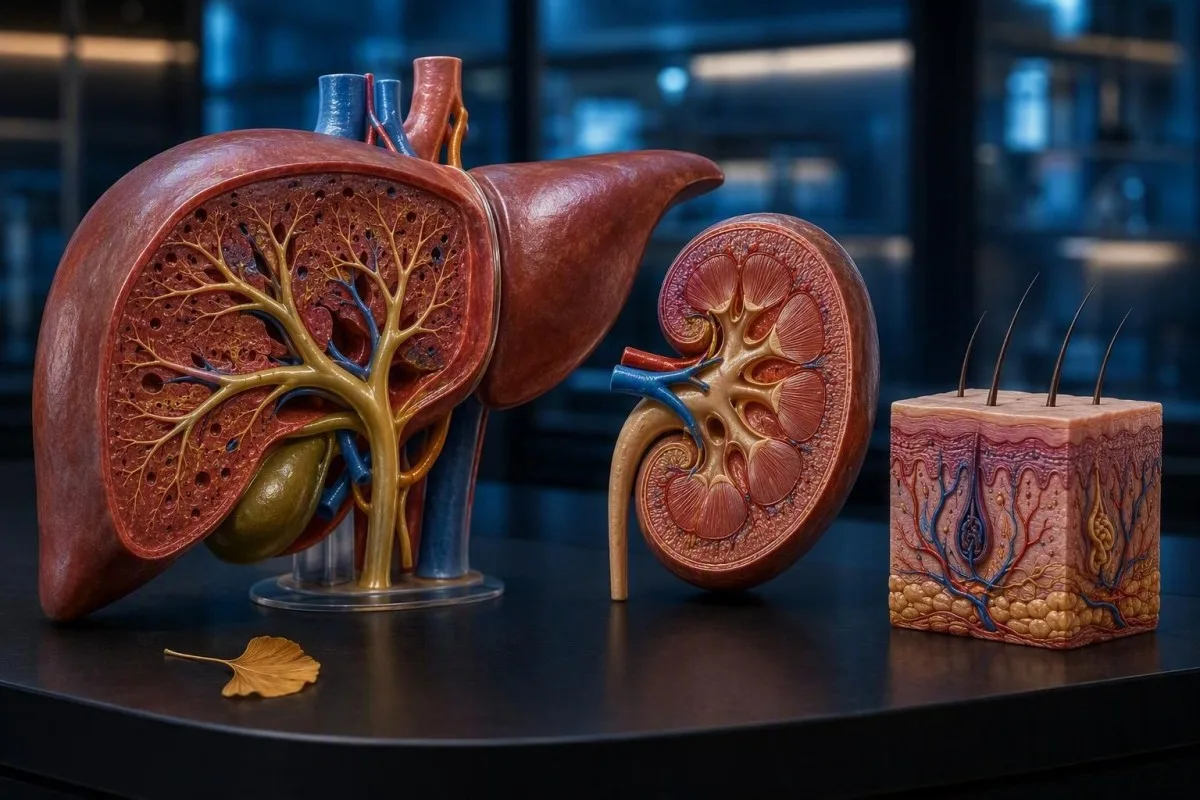
Ерөнхий загатнал нь лабораторийн шинж тэмдэг байж болох ч арьсны олон түгээмэл шалтгаан нь цусны шинжилгээний хариуг бүрэн хэвийн бол.


- Ерөнхий загатнаа харагдахуйц тууралтгүй байх нь ихэвчлэн CBC, элэгний бүх үзүүлэлт, бөөрний үйл ажиллагаа, глюкоз ба TSH шинжилгээг хийлгэх үндэслэл болдог.
- Холестатик хэв шинж нь ALT-тай харьцуулахад шүлтлэг фосфатаза ба GGT-ийн өсөлт нь хэт их байдгийг илэрхийлдэг; эхний шатанд билирубин хэвийн байж болно.
- eGFR 30 мл/мин/1.73 м²-ээс доогуур нь бөөрний шалтгаант загатнааг илүү боломжтой болгодог, ялангуяа архаг бөөрний өвчний сүүлийн шатанд.
- Ферритин 30 нг/мл-ээс доогуур нь ихэнх эрүүл насанд хүрэгчдэд төмрийн дутагдлыг баталгаажуулдаг, гэхдээ үрэвсэл нь ферритинийг хуурамчаар тайвшруулж харагдуулж болно.
- TSH 10 mIU/L-ээс дээш нь бага чөлөөт Т4-тэй хамт хөдөлмөрлөх гипотиреозыг дэмждэг бөгөөд энэ нь хуурай, загатнах арьсыг улам хүндрүүлж болзошгүй юм.
- Эозинофил 1.5 × 10⁹/л-ээс дээш эм, шимэгчид болон дархлааны нөхцөл байдал нь боломжит шалтгаан байж болох тул эмнэлзүйн да follow-up хийх шаардлагатай.
- Цусны шинжилгээний хэвийн үзүүлэлтүүд нь экзем, хачиг, холбоо барих харшил, мэдрэлийн загатнаа эсвэл эртний арьсны лимфомаг үгүйсгэхгүй.
- Тухайн өдрийн үнэлгээ нь шарлалт, шээс харлах, халуурах, нүүр хавагнах, цэврүүтэх эсвэл өргөн тархсан өвдөлттэй тууралттай байвал утга учиртай.
Хачиг хазуулсны улмаас арьс загатнах үед цусны шинжилгээ хийлгэх нь хэзээ үнэхээр ач холбогдолтой вэ
A хачиг хазуулсны улмаас арьс загатнах цусан шинжилгээ Гү даах шинж тэмдэг нь бие махбодод өргөн тархсан, 6 долоо хоногоос дээш хугацаагаар үргэлжилсэн, нойрыг нь алдагдуулсан, эсвэл илт тууралтгүйгээр тохиолддог үед хамгийн их хэрэглэгддэг. Энэ нь элэг, бөөр, бамбай булчирхай, цусны тоо, глюкозын системчилсэн шинж тэмдгийг илрүүлж чаддаг боловч ихэнх гадаргуугийн арьсны өвчнийг оношлох боломжгүй юм.
Миний эмнэлзүйн практикт гэнэт бие махбод даяар загатнах нь анхдагч тууралтгүйгээр яриа хэлцлийг өөрчилдөг. Бид жин хасах, шөнийн хөлрөх, шинэ эм, жирэмслэлт, аялал, бөөрний шинж тэмдэг, загатнах хугацааг хайдаг; шинэ эм уусны дараа эхэлсэн загатнах нь хэд хоногийн дотор илэрч болно, харин холестатик загатнах нь шарлалтаас долоо хоногийн өмнө тохиолдож болно.
Доктор Томас Кляйны практик эхний шатны багц нь цусны бүрэн шинжилгээ, дифференциал, ферритин, бөөрний панел, элэгний панел, TSH, өлсөж байх үеийн глюкоз эсвэл HbA1c, мөн ихэвчлэн CRP орно. цусны бүрэн шинжилгээний гарын авлага нь анеми, эозинофили, цагаан эсийн хэвийн бус хэлбэр нь маш өөр өөр дараагийн алхмуудад хүргэдэг тул чухал юм.
Кантести бол AI цусны шинжилгээний анализатор Эдгээр үр дүнг онош болгон нэг хязгаарлагдмал тэмдгийг эмчлэхээс илүүтэйгээр загвар болгон хардаг. Хэвийн панел нь хэд хэдэн дотоод шалтгааны магадлалыг бууруулдаг боловч энэ нь толгойн үс, хурууны хоорондох, хумс, бугуй, нуруу, мөн өөрчлөгдөж буй арьсны хэсгийг шалгахад орлуулах боломжгүй юм.
Хэрэв бид мэдрэлийн шинж чанартай бол 10%-20% хувь нь системийн хувь нэмэр оруулдаг боловч ердийн анхдагч тусламжийн эмнэлэгт энэ хувь нь бага байдаг. Ашигтай асуулт бол “загатнаа олдог ганц шинжилгээ юу вэ?” биш, харин “энэ шинж тэмдгийн загвар нь зорилтот системчилсэн дэлгэцийг баталгаажуулдаг уу?”
Өвчтөнүүд ихэвчлэн алддаг ялгаа
Хорс эмгэг нь хусах хүсэл эрмэлзэл гэсэн үг; энэ нь онош биш, харин шинж тэмдэг юм. Хусахын өмнө байсан анхдагч тууралт нь арьсны өвчнийг харуулдаг бол зөвхөн хусах тэмдгүүд нь элэг, бөөр, цус, мэдрэл эсвэл сэтгэлзүйн шалтгаанаар үүсч болно.
Шалтгаан тодорхойгүй загатнааг оношлох үндсэн цусан шинжилгээ
Шатаахгүйгээр үүссэн анхдагч загатнахын хамгийн сайн цусны шинжилгээ нь дифференциал, цогц элэг, бөөрний маркер, TSH, глюкозын үнэлгээ, төмрийн судалгаа бүхий CBC юм. Үүнээс цаашхи шинжилгээ нь өргөн “бүх зүйл” панелиас илүү үзлэг, түүхээс хамаарна.
A CBC анеми, цусны даралт ихсэх, лейкоцитын хэвийн бус байдал, эозинофили илрүүлдэг. Жирэмсэн бус насанд хүрсэн эмэгтэйн хувьд 12.0 г/дл-ээс доош гемоглобин эсвэл насанд хүрсэн эрэгтэйд 13.0 г/дл-ээс доош гемоглобин нь ихэвчлэн анеми гэж ангилдаг боловч шалтгаан нь - зөвхөн тоо биш - энэ нь загатнахтай холбоотой эсэхийг тодорхойлдог.
Ферритин доогуур -ийг зорилт болгон чиглүүлж байжээ. нь эрүүл насанд хүрсэн хүний төмрийн нөөц дууссаны практик хязгаар бөгөөд 20%-ээс доош трансферрины ханац баталгаа нь төмрийн нийлүүлэлтийг хязгаарлаж байгааг дэмждэг. Ферритин нь үрэвсэл, элэгний гэмтэл, архи уух зэрэгтэй хамааралтай байдаг тул бага-хэвийн ферритин ба өндөр CRP нь илүү их бодож байх ёстой; бидний төмрийн судалгааны гарын авлага нь хослуулалтыг тайлбарладаг.
Бөөрний шинжилгээнд креатинин, eGFR, шээс эсвэл BUN, кальци, фосфат зэргийг өвчин мэдэгдэж эсвэл с nghi ngờ тохиолдолд оруулах ёстой. eGFR ба ACR тойм нь загатнах нь ахисан түвшний бөөрний өвчин ба шинж тэмдгийн ачаалалтай илүү холбоотой байдаг тул бага зэрэг буурсан eGFR-ээс гадна ашигтай байдаг.
Би урьдчилан сэргийлэх зорилгоор хорт хавдрын маркеруудыг тогтмол захиалдаггүй. Тэд хуурамч дохиолол үүсгэдэг бөгөөд нууц хорт хавдрыг найдвартай илрүүлдэггүй; томрох тунгалгийн булчирхай, шөнийн хөлрөх, халуурах, жин хасах эсвэл байнга хэвийн бус CBC илэрдэггүй загатнах нь оронд нь биечлэн үзлэг хийх шаардлагатай болдог.
Загатнааг үүсгэдэг элэгний өвчнийг илрүүлэх цусан шинжилгээ: Хэв маяг нь чухал
Элэгний өвчинтэй холбоотой загатнаа нь хамгийн их холбоотой байдаг холестаз, энэ үед цөсний урсгал нь алдагдаж, шүлтлэг фосфатаза, GGT эсвэл цөсний хүчил нэмэгдэж болно. ALT болон AST нь дангаараа загатнааг тайлбарлахад төдийлөн мэдээлэлгүй байдаг, учир нь тэдгээрийн үндсэн нь элэгний эсийн гэмтлийг тусгадаг, цөс хуримтлагдалтыг биш юм.
Лабораторийн дээд хязгаараас дээш шүлтлэг фосфатазагийн үзүүлэлт - ихэвчлэн дээд хязгаараас дээш 120-130 IU/L насанд хүрэгчдэд - ясыг тодруулах шаардлагатай, учир нь яс ALP-ийг мөн үүсгэдэг. Ихэссэн GGT, эмэгтэйчүүдэд ихэвчлэн 35 IU/L-аас дээш, эрэгтэйчүүдэд 55 IU/L-аас дээш (лабораториас хамаарна) нь элэг-цөсний замын шалтгааныг илүү боломжтой болгодог. Манай гарын авлагыг үзнэ үү цөс зогсонги байдалтай шинжилгээний загвар.
Билирубин 1.2 мг/дл (20 мкмоль/л) бөглөрөл эсвэл цөсний боловсруулалт алдагдсантай хамт тохиолдож болно, гэхдээ түүний байхгүй байдал нь цөс зогсонги байдлын эрт үеийг үгүйсгэхгүй. Практикт, шөнө улам хүндэрдэг, хөлийн алган болон ул орчимд мэдрэгддэг, цайвар ялгадас, бараан шээс эсвэл ядрах шинж тэмдэг илэрдэг загатнаа нь элэгэнд чиглэсэн яаралтай үнэлгээ шаарддаг.
2018 оны AASLD анхдагч цөсний хавдартай холбоотой удирдамжид цөс зогсонги байдалтай элэгний шинжилгээний үзүүлэлтүүд, ялангуяа ALP ихэссэн өвчтөнүүдэд PBC-ийг авч үзэхийг зөвлөж, зохистой нөхцөлд митохондри эсрэг эсрэгбиеийг шинжлэхийг зөвлөдөг (Lindor et al., 2019). Жирэмслэлт, эстроген, антибиотик, анаболик эм ба нэмэлтүүд нь цөс зогсонги байдалтай загварыг үүсгэж болно.
Давтан шинжилгээ хүлээж байхдаа “элэг цэвэршүүлэх” оролдож болохгүй. Зарим өтгөрүүлсэн ургамлын гаралтай бүтээгдэхүүн ба биеийн тамирын нэмэлтүүд нь элэгний гэмтлийг улам хүндрүүлдэг; манай нотолгоонд суурилсан тойм элэг дэмжих хоолны сонголтууд нь нэмэлтүүдийн багцыг өөрөө шийдвэрлэхээс илүү аюулгүй юм.
Шалтгаантай архаг загатнааг тайлах боломжтой бөөрний шинжилгээний үр дүн
Архаг бөөрний өвчин даамжрах тусам, ялангуяа eGFR 30 мл/мин/1.73 м²-ээс доогуур эсвэл диализ хамааралтай болох үед бөөрний загатнаа ихэсдэг. Кретаниний бага зэрэг ихсэлт нь шинээр тархсан загатнааг ховорхон тайлбарладаг.
Бөөрний архаг өвчнөөс үүдэлтэй загатнаа ихэвчлэн хоёр талд, удаан үргэлжилдэг, оройдоо хамгийн их хүндэрдэг боловч “оновшлогдох” цусан дахь "оновшлогдох" загатнаа гэж байдаггүй. Кретанин, eGFR, шээс, фосфат, кальци, паратгормон ба диализийн хангалт нь нөхцөл байдлын хэсгүүд болохоос биш, амжилттай эсвэл бүтэлгүй тест биш.
KDIGO-ийн 2024 оны CKD удирдамжид G4 архаг бөөрний өвчнийг eGFR гэж тодорхойлдог 15–29 мЛ/мин/1.73 м² ба түүнээс доош G5 шатны үед 15; эдгээр шатуудын туршид шинж тэмдэг ба хүндрэлүүд нь улам бүр түгээмэл болдог (KDIGO, 2024). Хэт хуурай арьс, өндөр фосфатын түвшин, мэдрэлийн мэдрэмж нэмэгдэх зэрэг нь бүгд нөлөөлж болно. Ийм учраас бөөрний эмч хэд хэдэн хүчин зүйлийг нэгэн зэрэг авч үзэх шаардлагатай болдог.
BUN түвшин өндөр дээш нь шингэн алдалт, өндөр уураг хэрэглэх, хоол боловсруулах замын цус алдалт эсвэл бөөрний шүүлтүүрийн үйл ажиллагаа буурсантай холбоотой байж болно, тиймээс үүнийг зөвхөн бөөрний шалтгаантай үсний гэнэтийн өвчинг тодорхойлоход ашиглаж болохгүй. Үүнийг креатинин, eGFR болон усны тэнцвэртэй харьцуулна уу; манай BUN-to-creatinine тайлбар нь энэ харьцаа яагаад төөрөгдүүлж болохыг харуулж байна.
Диализийн өвчтөнүүд гэнэт өөрчлөгдсөн үсний өвчинг мэдээлэх ёстой, ялангуяа халуурах, шинэ тууралт гарах, шарлах эсвэл эмчилгээг өөрчлөх тохиолдолд. Энэ нь CKD-тэй холбоотой байж болох ч үүнийг үнэн гэж үзвэл, холбогдолгүй бөгөөд эмчлэгдэх боломжтой оношлогоонууд алдагдах болно.
Бамбай болон глюкозын шинжилгээ: Ашигтай боловч хэтрүүлэн үнэлэгддэг
TSH болон глюкозын шинжилгээ нь хуурай, загатсан арьсны бодисын солилцооны шалтгааныг олж илрүүлж чаддаг боловч аль ч шинжилгээ нь экзем эсвэл харшлыг оношилдоггүй. Хэт идэвхтэй гипотиреоз, гипертиреоз болон муу хянагдсан чихрийн шижин нь арьсны бамбай болох үйл ажиллагааг эсвэл мэдрэлийн дохиололыг өөрчилж болно.
A TSH 10 mIU/L-ээс дээш бага чөлөөт Т4 нь хэт идэвхтэй гипотиреозтой холбоотой байдаг бөгөөд энэ нь ихэвчлэн хуурай, сийрэг арьсыг үүсгэдэг бөгөөд загатнах өвчнийг улам хурцатгах болно. Үүний эсрэгээр, хэвийн чөлөөт Т4-тэй хослуулсан ТSH-ийн бага зэргийн өөрчлөлт нь түр зуурын, эмэнд хамаатай эсвэл дэд клиник байж болно; давтан хийх хугацаа ба шинж тэмдгүүд чухал.
Гипертиреоз нь дулаан, хөлрөх, түгээмэл загатнах өвчин үүсгэдэг боловч шинжилгээ нь чичирхийлэх, зүрх дэлших, жин хасах эсвэл дулаанд тэсвэргүй байх зэрэг нэмэлт шинж тэмдэг илэрвэл хамгийн ашигтай байдаг. Биотиний тун 5,000-10,000 микрограмм/хоног нь зарим бамбайн дархлааны шинжилгээг хуурамчаар үр дүнд хүргэж болзошгүй тул эмч болон лабораторийн ажилтанд энэ тухай мэдэгдээрэй.
Чихрийн шижин нь HbA1c-ийн түвшингээр оношлогддог 6.5% буюу түүнээс дээш, өлөн үеийн плазмын глюкоз 126 мг/дл ба түүнээс дээш, эсвэл санамсаргүй глюкоз 200 мг/дл ба түүнээс дээш, сонгодог шинж тэмдэгтэй, зохих баталгаатай. Байнга өндөр байдаг глюкоз нь арьсыг хуурайшуулж, мэдрэлийн мэдрэмж нэмэгдэхэд нөлөөлдөг; манай глюкозын хүрээний заавар практик тайлбарыг хамардаг.
Кортизолын багц нь загатнах өвчний стандарт шинжилгээ биш юм. Би нэмэлт эндокриний шинжилгээг тодорхой шинж тэмдэг илэрвэл хийдэг - учир битүүлэг пигментаци, гипотензи, стероид хэрэглэсэн байдал, маш их ядаргаа эсвэл сэжиглэгдсэн үзлэг - харин дааврыг " загас агнуурын ажиллагаа" болгон ашиглахгүй.
CBC-ийн шинж тэмдэг: Эозинофил, төмрийн дутагдал ба цусны өвчин
Цусны ерөнхий шинжилгээ (CBC) нь төмрийн дутагдал, эозинофили эсвэл цусан дахь эсийн хэвийн бус байдлыг илрүүлж, загатнах өвчнийг шалгах явцыг өөрчилж болно, гэхдээ хэвийн CBC нь арьсны ноцтой өвчнийг үгүйсгэдэггүй. Учир битүүлэг байнга илэрдэг хэвийн бус байдлыг эмч нар үр дүнгийн хандлага, заримдаа эсийн дэлгэцийг шалгах шаардлагатай.
Эозинофилийн тоо өндөр 0.5 × 10⁹/L-ээс доош байвал нь эозинофили юм; харшил, экзем, астма, эм, шимэгчид болон зарим дархлааны эмгэгүүд нь түгээмэл шалтгаанууд юм. Эсийн хувь байдгаас илүүтэйгээр абсолют тоо нь чухал байдаг, учим нь нийт цагаан эсийн тоо бага байвал “8%-ийн өндөр” нь тоон утгаараа хэвийн байж болно.
Эозинофили эсвэл түүнээс дээш 1.5 × 10⁹/Л давтан хийсэн шинжилгээ нь ялангуяа халуурах, амьсгал давхцах, хэвлийн өвчин, тунгалгийн булчирхай хавагнах эсвэл элэгний шинжилгээний үр дүн хэвийн бус байвал цаг алдалгүй үнэлгээ өгөх шаардлагатай. Эмийн хэрэглээг хянах нь гайхалтай үр дүнтэй байдаг: антибиотик, үрэвслийн эсрэг эм, уналтын эсрэг эм, нэмэлт тэжээл нь давтагддаг буруутан юм.
Халуун шүршүүрийн дараах загатнаа нь дараахь зүйлийн ул мөр байж болно. полицитеми вера, ялангуяа эмэгтэйчүүдэд 48%, эрчүүдэд 49%-аас дээш гематокрит, толгой өвдөх, шалтгаангүй бүлэгнэлт үүссэн тохиолдолд. Энэ хэв маягийг эмнэлзүйн үнэлгээ шаардлагатай бөгөөд эритропоэтин болон JAK2 шинжилгээ хийлгэхэд хүргэж болно; үүнийг ганц үүссэн дээжээс бүү тайлбарла.
Манай цусны хавдрын шинжилгээний замнал нь СBC нь эхлэлийн цэг болохоос хорт хавдрын шинжилгээ биш гэдгийг тайлбарладаг. Цусны тоо хэмжээ буурч, загатнах нь хосолсон тохиолдолд бид санаа зовдог шалтгаан нь энэ хослол юм; ганцаардсан зөөлөн загатнаа нь ихэвчлэн аюулгүй байдаг.
Төмөр ба шим тэжээлийн шинжилгээ: Юу нь шалгахад үнэ цэнэтэй вэ
Цаг хугацааны туршид архаг, ерөнхий загатнаа, ядаргаа, үс унах, хоолны дэглэм барих, цус их алдах, цус багадалт зэрэг шинж тэмдэг илэрвэл ферритин ба төмрийн судалгаа хийх нь зүйтэй. Түүх, үзлэг нь дутагдалтай эсвэл шимэгдэлтийн асуудлыг харуулж байгаа тохиолдолд витамины өргөн хүрээний шинжилгээ нь бага ач холбогдолтой.
Ферритин нь төмрөө хадгалдаг уураг бөгөөд тухайн долоо хоногт хоолны дэглэмээс авсан төмрийн шууд хэмжээ биш юм. Миний туршлагаас харахад ферритин хоёрын хооронд үрэвсэл ферритинийг дээш түлхэхгүй бол ихэвчлэн төмрийн дутагдлыг илтгэнэ. Лаборатори 16 эсвэл 20-ыг хэвийн гэж тэмдэглэж болох ч эмнэлзүйн хувьд энэ нь бас хэт бага байж болно — ялангуяа ядрах, сарын тэмдэг их ирэх, жирэмслэлт, эсвэл тэсвэр тэвчээрийн бэлтгэлтэй үед. нь гемоглобин цус багадалтын хязгаараас дээш байсан ч трансферриний өнгөний ханасан байдал бага байвал ихэвчлэн эмнэлзүйн ач холбогдолтой байдаг.
Витамин B12 нь 200 pg/мл (148 пмоль/л) -аас доогуур байвал дутагдалтай гэж үздэг бол 200-300 pg/mL нь саарал бүс бөгөөд метилмалоны хүчил нь эсийн дутагдлыг тодруулж чадна. B12 дутагдал нь загатнаагаас илүү мэдрэлийн шинж тэмдгийг үүсгэдэг боловч өөрчлөгдсөн мэдрэмжийг мөлхөх эсвэл хатгах гэж тайлбарлаж болно.
Цайр шинжилгээ нь хэт их тайлбарлагддаг, учир нь цусны сийвэнгийн цайр нь цочмог үрэвслийн үед буурдаг бөгөөд эдийн нөөцийг төгс төлөөлдөггүй. Хэрэв цайрыг шалгавал дээжийн цаг, өлсөх байдал, CRP нь чухал; бидний тайлбарыг үзнэ үү цайр ба үрэвсэл.
Хэрэв шалтгаан байхгүй бол “арьсны” тулд өндөр тунгийн цайраас зайлсхий. Тун нь 40 мг элемент цайр өдөрт удаан хугацаагаар зэсийн шимэгдэлтийг бууруулж болно, мөн шинэ зэс дутагдал нь цус багадалт, мэдрэлийн шинж тэмдгийг үүсгэж, шалтгаангүй загатнааг арилгахын оронд.
Яагаад эмчилгээний хянан үзэх нь өөр нэг цусан шинжилгээнээс илүү байж болох вэ
Эмийн болон нэмэлт бүтээгдэхүүний хянан үзэх нь нэмэлт цусан дахь шинжилгээнээс илүү бодит шалтгааныг олж чаддаг. Эмийн улмаас үүссэн загатнаа нь ердийн лабораторийн үр дүнгүйгээр тохиолдож болно, эсвэл элэгний шинжилгээний хэвийн бус байдал, эозинофили, харшил, хожимдуулсан хэт мэдрэгшил зэрэгтэй хамт тохиолдож болно.
Нийтлэг шалтгаанууд нь опиоид, АСЕ ингибитороос, зарим антибиотик, фунгицид, антиконвульсант, статин, хумхаа эм, шинээр худалдаанд гарсан бүтээгдэхүүнүүд орно. Түлхүүр нь цаг хугацаа юм: эм нь 2-8 долоо хоногийн өмнө загатнаа эхэлсэн бол эхний өдөр тэсвэртэй байсан ч анхаарал хандуулах ёстой.
Мэргэжлийн зөвлөгөөгүйгээр зүрх, мэдрэлийн, цусны даралт, сэтгэцийн эмээ загатнаагаар огцом зогсоож болохгүй. Хэрэв нүүр хавагнах, амьсгалдах, үсрэх, амны хөндий оролцох эсвэл халуурах тохиолдолд илүү аюулгүй арга бол цаг алдалгүй үзлэг хийлгэх явдал юм.
Кантести бол AI лабораторийн шинжилгээний тайлбар үйлчилгээ нь элэг, бөөр, СВС-ийн өөрчлөлтийг эмийн хуваарьт оруулж чаддаг боловч зөвхөн PDF файлаас эмийн шалтгааныг тогтоож чадахгүй. Эмч хүн эмийн нэр, тун, эхлэх огноо, согтууруулах ундаа хэрэглэх, үзлэгийн үр дүнг бодит байдлаар мэдэх шаардлагатай.
Согтууруулах ундаа нь GGT-ийг нэмэгдүүлж, хуурай арьсыг улам хүндрүүлдэг боловч GGT-ийн өндөр түвшин нь согтууруулах ундаа нь загатнаа үүсгэсэн гэдгийг нотлохгүй. Манай нийтлэл GGT утга ба контекст нь цөсний бөглөрөл, өөхлөх элэг, фермент индукцэт эмүүд өөр хувилбар хэвээр байгааг тайлбарладаг.
Хэвийн цусан шинжилгээний үр дүн юуг харуулж чадахгүй вэ
Ердийн цусны үр дүнгүүд нь экзем, холбоо барих дерматит, мангасар, мэдрэлийн загатнаа, ихэнх хүнсний харшил, эртний арьсны хорт хавдар зэргийг үгүйсгэх боломжгүй. Эдгээр өвчнийг байршил, хэлбэр, өртөлтийн түүх, микроскоп, пач шинжилгээ, дермоскопи эсвэл заримдаа эд судлалаар оношилдог.
Хамгийн түгээмэл мартагдсан зүйл бол “ердийн харшлын цусан дахь шинжилгээ” нь экзем үгүйсгэдэг гэж бодох явдал юм. Нийт IgE нь экземд ердийн байж болно, мөн өндөр IgE нь тохирсон түүхгүйгээр буруутан шалгаж чадахгүй; бидний IgE ба хаг мандлын гарын авлага хязгаарлалтыг тайлбарласан.
Шинжүү нь ихэвчлэн шөнийн цагаар хүнд хэлбэрийн загатнаа үүсгэдэг бөгөөд хурууны завсар, бугуй, бүсэлхийн эсвэл бэлэг эрхтний хэсгийг хамардаг боловч CBC болон элэгний шинжилгээ нь бүрэн хэвийн байж болно. Хамгийн сүүлийн үеийн хачигтай ойр дотно харилцах нь аливаа стандарт цусны шинжилгээнээс илүү чухал ач холбогдолтой бөгөөд эмчилгээ нь ихэвчлэн холбоо барих менежментийг багтаах ёстой.
Мэдрэлийн загатнаа нь ихэвчлэн тодорхой газарт, шатах, хатгах эсвэл байрлалаас хамааран өөрчлөгддөг; хүзүүний нугаламын өвчин, чихрийн шижин, өмнөх шар ус зэрэг нь боломжит нөхцөл байдал юм. Арьсны хэвийн харагдах байдал нь шинж тэмдгийг хуурмаг гэсэн үг биш – зулгаах нь мэдрэлийн дохиолол алдагдсанаас үүдэлтэй байж болно.
Kantesti AI нь лабораторийн хэвийн болон хэвийн бус хэв маягийг илрүүлж чаддаг ч эмчээс харааны оношийг орлож чадахгүй. Дерматологийн сайн үзлэг нь өөрөө онош тавих арга хэмжээ бөгөөд ялангуяа загатнаа нь тодорхой газарт, тэгш бус эсвэл өөрчлөгдөж буй толботой холбоотой байвал.
Хэзээ та арьсны үзлэг эсвэл зорилтот шинжилгээ хийлгэх шаардлагатай вэ
Хэрэв загатнаа 6 долоо хоногоос дээш үргэлжилбэл, энгийн арьс арчилгаа хийсэн ч дахин давтагдвал, тодорхой газарт байвал, эсвэл илэрдэг тууралт, гуужуулалт, нүх, өнгө өөрчлөлт, үс унах шинж тэмдэг илэрвэл арьс шинжилгээ хийлгэх шаардлагатай. Үүний дараа үзлэг хийсний дараа зорилтот шинжилгээг сонгох ёстой, дур зоргоороо захиалах ёсгүй.
Наалттай шинжилгээ нь үнэр, хадгалагч, резинэн хурдасгуур, металл ба гадаргуугийн бүтээгдэхүүнд хожимдсон холбооны харшлыг илрүүлж чаддаг; энэ нь хүнсний IgE шинжилгээнээс ялгаатай. Арьс, гар, хүзүү, оосор дор эсвэл үнэт эдлэлийн эргэн тойронд бүтээгдэхүүн хүрдэг газарт үлддэг тууралт нь наалттай шинжилгээг өөр нэг бамбай булчирхайн шинжилгээнээс илүү чухал болгодог.
Эмч нь мөөгөнцрийн өвчин, өнгөтэй эсвэл гуужуулагчтай гэмтэл, эсвэл удаан үргэлжилсэн шалтгаангүй үрэвслийн хувьд калийн гидроксидын бэлдмэл, дерматоскопи, эсвэл жижиг эдийн шинжилгээг ашиглаж болно. Цусны шинжилгээ нь ихэвчлэн psoriasis-ийг eczema эсвэл мөөгөнцрийн халдвараас ялгаж чадахгүй.
Хэрэв загатнаа хуурай нүд, хуурай ам, үе мөчний хавагнах, ягаан толбо эсвэл бөөрний шинж тэмдэгтэй бол аутоиммун шинжилгээ хийлгэх нь үндэслэлтэй боловч төвлөрсөн байх ёстой. ANA шинжилгээ нь бага эрсдэлтэй өвчтөнүүдэд ихэвчлэн хуурамч эерэг үр дүнг өгдөг; манай гарын авлага комплемент ба ANA шинжилгээ үр дүнг эмнэлзүйн контекстэд оруулдаг.
Би өвчтөнүүдийг үнэртэй биеийн угаалгыг үргэлжлүүлэн хэрэглэсээр байтал олон сар хүлээж байхад бодит шалтгаан нь байсныг харсан. Аппуинтментэд таны хэрэглэдэг бүх гадаргуугийн бүтээгдэхүүн, нэмэлт тэжээл, жороор олгодог эмний жагсаалтыг авчир – шошгоны зургууд үнэхээр тустай.
Онцгой анхаарах шинж тэмдэг: Загатнааг яаралтай нэг өдрийн дотор эмчлэх шаардлагатай үед
Хэрэв шарлалт, хар шээс, цайвар өнгөтэй ялгадас, нүүр эсвэл хэл хавагнах, амьсгалахад хүндрэлтэй болох, халуурах, цэврүүтэх, арьсны өвдөлт эсвэл хурдан тархах тууралт гарах зэрэг шинж тэмдгүүдтэй хослуулсан тохиолдолд загатнааг яаралтай тэр өдөвт нь үзүүлэх шаардлагатай. Эдгээр анхааруулах тэмдгүүдийн хувьд цусны шинжилгээ нь яаралтай тусламжийг хойшлуулах ёсгүй.
Шарлалт ба хар шээс нь conjugated bilirubin шээсэнд орж, элэг, цөсний яаралтай үнэлгээг шаардаж байгааг илтгэнэ. Bilirubin нь 3 мг/дл (51 мкмоль/л) -аас дээш байвал ихэвчлэн шарлалттай харагддаг боловч гэрэлтүүлэг, арьсны өнгөнөөс хамааран харагдах байдал нь өөр өөр байдаг; шинж тэмдгүүдийн хослол нь өөрийгөө шалгахаас илүү чухал юм.
Нүүр хавагнах, хоолой чангарах, амьсгал давхцах, ухаан алдах эсвэл биеэ хамарсан тууралт гарах нь анафилаксийг илтгэж болно, ялангуяа хоол, эм, шавьж хазуулснаас хойш хэдэн минут эсвэл хэдэн цагийн дараа. Энэ бол яаралтай хариу арга хэмжээний нөхцөл байдал бөгөөд гэрийн лабораторийн тайлбарын нөхцөл байдал биш юм.
Цэврүү, амны шарх, нүдний цочрол эсвэл халууралтай өвдөлттэй тууралт нь яаралтай үнэлгээ шаардлагатай, учир нь хүнд эмийн урвал нь загатнаа ба тодорхойгүй шинж тэмдгүүдээр эхэлж болно. Эмчилгээний баг тодорхой зөвлөгөө өгөөгүй л бол ийм урвал явагдсаны дараа сэжиглэгдсэн эмийн төрлийг хэзээ ч бүү дахин хэрэглэ.
Бага илэрдэг боловч удаан үргэлжилдэг анхааруулах тэмдгүүдийн хувьд - 6-12 сарын хугацаанд 5% биеийн жингийн unintentional алдагдал , шөнийн их хөлрөх, шинээр тунгалгийн булчирхай томорөх эсвэл удаан үргэлжилсэн халуурал - яаралтай эмнэлгийн үзлэгт хамрагдана. Манай, шөнө нэвт норохоор хөлрөх, шинээр тунгалгийн булчирхай томрох эсвэл удаан үргэлжилсэн халууралт илэрвэл эмчид яаралтай үзүүлээрэй. Манай хар шээсний анхааруулах гарын авлага нь хэв маягийг нарийвчлан тодорхойлоход тусална.
Загатнааг оношлох аргыг хэв маяг болгон унших нь
Хусний шалтгааныг шинжлэх аргыг хослуулан тайлбарладаг: АЛП ба ГГТ-ийн түвшин өндөр байвал цөсний зогсонгишил, ферритин бага ба трансферрины ханалт бага байвал төмрийн дутагдал, eGFR бага ба фосфат өндөр байвал бөөрний хүндрэлтэй холбоотой байж болно. Гагц нэг өндөр үзүүлэлт ховорхон шалтгааныг тогтоодог.
Элэгний шинжилгээний хувьд эмч нар ихэвчлэн тооцдог R харьцаа: АЛТ-ийг түүний дээд хязгаарт хувааж, дараа нь АЛП-ийг түүний дээд хязгаарт хувааж гаргана. R харьцаа 2-оос доогуур байвал цөсний зогсонгишил, 5-аас дээш байвал элэгний эсийн гэмтэл, 2-5 хооронд байвал холимог шинж илэрнэ - эмийн улмаас гэмтэл үүссэн байх магадлалтай үед энэ нь ашигтай мэдээлэл болно.
Төмрийн хувьд 80 нг/мл ферритин эрүүл хүний хувьд хангалттай байж боловч ЦРП өндөр, трансферрины ханалт 12% байвал дутагдлыг үгүйсгэж чадахгүй. Энэ нь тооноос илүү нөхцөл байдал чухал байдаг нэгэн зүйл юм; үрэвсэл нь гемоглобиныг өөрчлөхөөс өмнө төмрийн хөдөлгөөнийг өөрчилдөг.
Kantesti AI нь урт хугацааны лабораторийн утгуудыг хянаж, ганц тайлангаас далдлагдсан АЛП-ийн удаан өсөлт эсвэл eGFR-ийн өөрчлөлтийг илрүүлж чадна. Манайх цусны шинжилгээний чиг хандлагын заавар 6-12 сарын налуу нь нэг “хэвийн” маркерээс илүү ашигтай байж болох шалтгааныг тайлбарладаг.
Шинж тэмдэг хэвээр байвал, үр дүн хязгаартай байвал, эсвэл эм өөрчлөгдсөн байвал давтан шинжилгээ хийх нь зүйтэй. Хус нь зовиуртай байгаа тул хэд хоног тутамд хэвийн шинжилгээ давтах нь ихэвчлэн хариултаас илүүтэйгээр төөрөгдөл үүсгэдэг.
Загатнаатай холбоотой лабораторийн үр дүнг үнэн зөв авахад хэрхэн бэлдэх вэ
Ихэнх хус-тай холбоотой цусны шинжилгээнд өлсөх шаардлагагүй, гэхдээ бэлтгэл нь глюкоз, триглицерид, төмөр болон зарим нэмэлтүүдийг тайлбарлахад нөлөөлдөг. Хамгийн аюулгүй арга бол эмчийн зааврыг дагаж, эм, архи, саяхан өвдсөн байдал, сүүлчийн тунгийн цагийг тэмдэглэх явдал юм.
Төмрийн үр дүн нь өдрийн турш болон нэмэлт уусны дараа өөрчлөгддөг тул өглөөний дээж авах, зөвхөн эмч зөвлөсөн тохиолдолд л төмөр уухыг зогсоох нь тайлбарыг сайжруулна. Хооллоогүй үед авах төмрийн хэмжээ нь автоматаар буруу байдаггүй, гэхдээ өмнөх өлсөж авсан өглөөний дээжтэй харьцуулах нь хэцүү.
Биотин нь сонгогдсон бамбай булчирхай, тропонин болон дааврын иммуноанализыг саармагжуулж болно. Америкийн Бамбай булчирхайн холбоо нь эмийн тун болон шинжилгээний аргын хамаарлаас хамаарч, клиникийн хувьд аюулгүй бол ядаж 2 өдөр Бамбай булчирхайн шинжилгээ хийхээс өмнө биотин хэрэглэхийг зогсоохыг зөвлөсөн.
Саяхан эрчимтэй дасгал хийх нь АСТ, креатинин, СК-г түр зуур нэмэгдүүлж болно; уралдааны дараа АСТ 89 IU/L-тай 52 настай тэсвэр хатуужилтай гүйгч нь амьдралын бусад хэв маягтай өвчтөнөөс өөр тайлбарыг шаарддаг. Дасгал, халууралт, архи, шинэ нэмэлтүүдийг тэмдэглэнэ; манай лабораторийн цагийн удирдамж нь өөрчлөлтийн нийтлэг эх үүсвэрийг харуулдаг.
Кантести бол AI биомаркер тайлбарлах платформ нь шинжилгээний өмнөх эдгээр дэлгэрэнгүй мэдээллийг үр дүнтэй хамт, тайлангуудаар дамжин гарах хандлагыг багтаан зохион байгуулахад тусалдаг. 2026 оны 8-р сарын 20-ны байдлаар, бидний эмнэлзүйн хандлага консерватив хэвээр байна: алгоритм нь хэв маягийг тодруулж чадна, гэхдээ шинж тэмдэг болон анхааруулах дохионууд үргэлж автомат баталгаажуулалтаас илүү чухал байдаг.
Хачиг хазуулсны улмаас арьс загатнах цусан шинжилгээний үр дүн гарсаны дараа юу хийх вэ
Хусны арьсны цусны шинжилгээ хийсний дараа аливаа нэг үзүүлэлтийг өөрөө эмчлэхийн оронд тогтсон хэв маягийг дагана уу. Элэг, бөөр, Цусны бүх шинжилгээ (CBC) эсвэл бамбай булчирхайн үр дүнг эмч удирдаж дагах ёстой, харин хэвийн үр дүн ба үргэлжилсэн хус нь ихэвчлэн арьс болон эмчилгээний зохицуулалтыг шаарддаг.
Эхлэх хугацаа, биеийн хэсэг, шөнийн эрчмийг 0-10 оноогоор, шинэ бүтээгдэхүүн, аяллын мэдээлэл, айл дахь өвчин, эм, аливаа эртний тууралтаас авсан зургуудыг агуулсан нэг хуудастай шинж тэмдгийн цаг хугацааг авчрах. Энэ нь “бие бүхэлдээ загатнаж байна” гэхээс илүү оношлогооны хувьд ашигтай болгодог.”
Хэрэв АЛП ба ГГТ ихэссэн бол давтан элэгний шинжилгээ, хэт авиан, эмийн хяналт, вируст хепатитын шинжилгээ эсвэл аутоиммун цөсний зогсонгишил шинжилгээ таны тохиолдолд тохирох эсэхийг асууна уу. Хэрэв ферритин бага бол яагаад гэдгийг асуугаарай - хүнд сарын тэмдэг, хооллолт, шимэгдэл муудах, хоол боловсруулах замын алдагдал нь өөр өөр дагах чиглэлтэй байдаг; үзнэ үү их хэмжээний сарын тэмдэггүй үед ферритин бага.
Хүлээлтийн үед эмчилгээний зорилгоор ихэнх өвчтөнүүд өдөрт хоёр удаа үнэргүй чийгшүүлэгч, богино хугацааны бүлээн шүршүүр, сул, амьсгалах чадвартай хувцас өмсөх нь тустай гэж үздэг. Нойрмоглуулдаг антигистамин нь харшлын урвалд тусалж болох ч цөсний зогсонгишил, бөөрний хүндрэл эсвэл мэдрэлийн гаралтай хус зэрэгт ихэвчлэн үр дүнгүй байдаг бөгөөд ахмад настнуудад унах эрсдэлийг нэмэгдүүлж болно.
Манай эмнэлзүйн баталгаажуулалтын стандартууд нь Kantesti нь нарийвчлал болон клиникийн хязгаарыг хэрхэн ханддагийг тайлбарладаг. Доктор Томас Клейний дүгнэлт энгийн: үр дүнг дараагийн уулзалтаар илүү сайн асуулт асуухад ашигла, хэзээ ч ганцхан нөхцөл байдлаар үргэлжилсэн хусны шалтгааныг оношлоход бүү ашигла.
Байнга асуудаг асуултууд
Би
6 сараас дээш хугацаагаар үргэлжилсэн ерөнхий хусны хувьд эмч нар ихэвчлэн Цусны бүх шинжилгээ (CBC), ферритин эсвэл төмрийн судалгаа, АЛП ба билирубиныг багтаасан элэгний панель, eGFR-тэй хамт креатинин, бамбай булчирхайн шинжилгээ (TSH), глюкоз эсвэл HbA1c-ээр эхэлдэг. 30 нг/мл-ээс доош ферритин нь төмрийн дутагдлыг дэмжиж болно, харин 30 мл/мин/1.73 м²-аас доош eGFR нь бөөрний хүндрэлтэй хусны боломжийг нэмэгдүүлдэг. Яг тодорхой панель нь шинж тэмдэг, эм, жирэмсний байдал, аялал болон арьсны үзлэг зэргийг тусгах ёстой. Хэвийн үр дүн нь экзем, батга, холбогч дерматит эсвэл мэдрэлийн гаралтай хусыг үгүйсгэхгүй.
Элэгний өвчин нь элэгний ферментийн хэмжээ хэвийн байсан ч арьсны загатнаа үүсгэж болох уу?
Тийм ээ, элэгтэй холбоотой загатнах нь билирубин ихсэхээс өмнө тохиолдож болно, гэвч цөсний зогсонгишил удаан үргэлжилбэл цаг хугацаа өнгөрөх тусам АЛП, ГГТ, цөсний хүчил эсвэл холбогдох шинжилгээнд ямар нэгэн өөрчлөлт гардаг. Лабораторийн дээд хязгаараас давсан АЛП, ихэвчлэн 120-130 IU/L, нэмэгдсэн ГГТ-тэй хамт байвал цөсний урсгал удааширсан гэдгийг илтгэж, АЛТ-ийн бага зэрэг өсөлтөөс илүү юм. Шээс борлох, өтгөн цайрах эсвэл нүд шарлахтай хамт загатнах нь өмнөх хэвийн шинжилгээ хийлгэсэн ч гэсэн шуурхай эмнэлгийн тусламж шаардлагатай. Эмийн болон нэмэлт тэжээлийн хэрэглээг хянаж үзэх шаардлагатай, учир нь хоёулаа цөсний зогсонгишил үүсгэж болно.
Ердийн цусан дахь өвчний үзүүлэлт (CBC) нь загатнахын ноцтой шалтгааныг үгүйсгэж чадах уу?
Үгүй ээ, хэвийн Цусны бүх шинжилгээ (CBC) нь ихэнх арьсны өвчин, батга, холбогч харшил, элэгний эртний өвчин эсвэл мэдрэлийн гаралтай хусыг үгүйсгэхгүй. Энэ нь зарим цусны найрлага дахь эмгэгийг, ялангуяа гемоглобин, цагаан эсийн бүрэлдэхүүн хэсэг, ялтас нь цаг хугацаа өнгөрөх тусам тогтвортой байвал багасгадаг. Жин хасах, халуурах, шөнийн хөлс их гарах эсвэл тунгалгийн булчирхай томорсон үргэлжилсэн загатнаа нь CBC хэвийн эсэхээс үл хамааран эмчтэй зөвлөлдөх шаардлагатай. Арьсны үзлэг нь CBC-ийг давтан хийхээс илүү үр дүнтэй байдаг.
Цус багадалтгүйгээр бага төмөр нь арьсыг загатнуулж болох уу?
Төмөн төмрийн нөөц нь цус багадал үүсэхээс өмнө загатнах, арьс болон мэдрэлийн өөрчлөлтөд нөлөөлж болно. Гэхдээ энэ нь өвчтөн бүрд баттай нотлогдоогүй байна. Цусны шинжилгээнд ферритин 30 нг/мл-ээс бага, трансферриний ханалт 20%-ээс бага байвал эрүүл насанд хүрэгчдэд төмрийн дутагдал илэрдэг. Хэвийн гемоглобин нь нөөц дуусч болохыг үгүйсгэхгүй, ялангуяа их хэмжээний сарын тэмдэг ирсэн, цус өгсөн эсвэл хоолны дэглэм баримталсны дараа. Удаан хугацаагаар нэмэлт тэжээл уухаас өмнө төмрийн алдагдлын шалтгааныг олох нь чухал.
Харшлын улмаас үүссэн загатнааг ямар цу
Нэг ч цусны шинжилгээ харшлын улмаас үүссэн загатнааг баттай тогтоож чадахгүй. Нийт IgE нь экзем, багтраа, шимэгч хорхой халдвар болон бусад өвчинд өндөр байж болох ба хэвийн IgE нь тодорхой харшил эсвэл чонон хөрвөнг үгүйсгэхгүй. Тусгай IgE шинжилгээ нь зөвхөн тухайн харшил үүсгэгч бодисын нөлөөнд богино хугацаанд, ихэвчлэн харьцсанаас хойш хэдэн минут эсвэл 2 цагийн дотор илэрдэг урвал байвал ашигтай. Арьсанд хийгддэг наалт шинжилгээ нь бүтээгдэхүүн, үнэр, металлаас удаан хугацаанд үүсэх урвалд илүү тохиромжтой.
Хэр үед нь арьсны загатнаа яаралтай тусламж шаарддаг вэ?
Арьс загатнах нь амьсгалахад хүндрэлтэй, хоолой эсвэл хэл хавагнах, ухаан алдах, ямар нэгэн зүйлтэй харьцсаны дараа өргөн тархсан чонон хөрвөс, цэврүүтэх, арьс өвдөх, амны шарх, өндөр халуурах, шарлах эсвэл түргэн тархах тууралт гарах шинж тэмдгүүдтэй хамт тохиолдвол яаралтай тусламж шаардлагатай. Эдгээр шинж тэмдгүүд нь анафилакси, эмийн хүнд урвал эсвэл элэг, цөсний яаралтай өвчнийг илтгэж болно. Билирубин 3 мг/дл-ээс дээш байвал шарлалт ажиглагдах боловч шар нүд, бараан шээс, цайвар өтгөний хамт шинжилгээний босго хүлээх хэрэггүй. Шинж тэмдгийн хүндрэл, хурдтай байдлыг харгалзан яаралтай эсвэл тэр өдөрт нь эмчийн үзлэгт ороорой.
Өнөөдөр AI-аар дэмжигдсэн цусны шинжилгээний тайлал аваарай
Лабораторийн шинжилгээний агшин зуур, үнэн зөв тайлалд итгэдэг дэлхийн 2 сая гаруй хэрэглэгчтэй нэгдээрэй. Цусны шинжилгээний хариугаа байршуулж, 15,000+ биомаркеруудын цогц тайллыг хэдхэн секундын дотор аваарай.
📚 Иш татсан судалгааны нийтлэлүүд
Клейн, Т., Митчелл, С., ба Вебер, Х. (2026). Kantesti Судалгааны баг. (2026). B Сөрөг Цусны Бүлэг, LDH Цусны Шинжилгээ ба Реттикулоцитын Тооцооны Удирдлага. Figshare.. Kantesti AI Медикл Рисерч.
Клейн, Т., Митчелл, С., ба Вебер, Х. (2026). Kantesti Судалгааны баг. (2026). Мацаг барьсны дараах суулгалт, өтгөнд хар толбо ба GI Удирдлага 2026. Figshare.. Kantesti AI Медикл Рисерч.
📖 Гадаад эмнэлгийн лавлагаа
⚕️ Эмнэлгийн мэдэгдэл
Энэ нийтлэл зөвхөн боловсролын зорилготой бөгөөд эмнэлгийн зөвлөгөө биш болно. Оношилгоо, эмчилгээний шийдвэр гаргахдаа мэргэшсэн эрүүл мэндийн үйлчилгээ үзүүлэгчтэй заавал зөвлөлдөнө.
E-E-A-T итгэлийн дохио
Туршлага
Эмчийн удирдлагатай лабораторийн тайлалын ажлын урсгалын клиник хяналт.
Мэргэшсэн байдал
Биомаркерууд клиникийн нөхцөлд хэрхэн ажиллаж/өөрчлөгдөж байгаад чиглэсэн лабораторийн анагаах ухаан.
Эрх мэдэл
Доктор Томас Клейн бичсэн, Доктор Сара Митчелл, Проф. Доктор Ханс Вебер нар хянан тохиолдуулсан.
Найдвартай байдал
Сэрэмжлүүлгийг бууруулахын тулд тодорхой дараагийн алхамтай, нотолгоонд суурилсан тайлал.