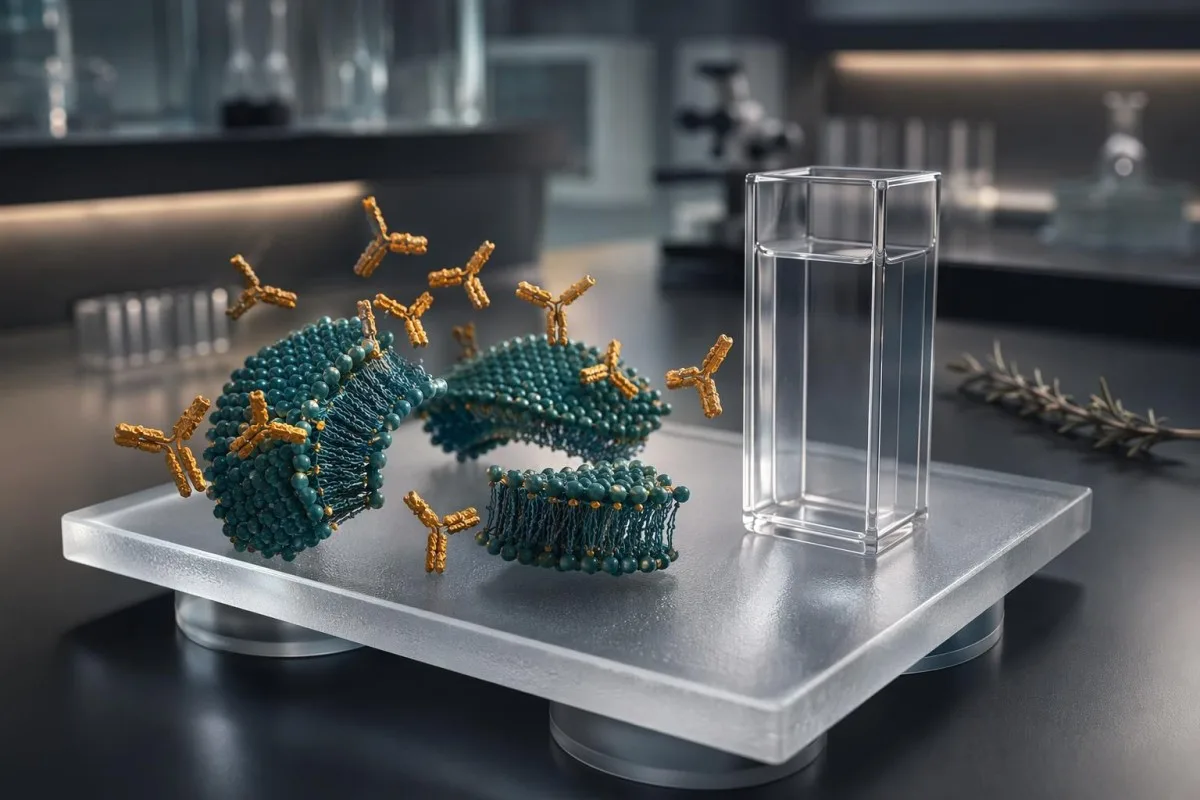
هەڵوەشانی منداڵ زۆر ڕوودەدات؛ کێشەکانی کڵۆتبوون زۆر نییە. پرسیاری بەکارهێنراو ئەوە نییە کە هەموو لابراتۆریەکانی کڵۆتبوون داواکاری بکەیت، بەڵکو ئەوەیە کە ڕێکخستەی هەڵوەشانی تۆ لەگەڵ APS یان تاقیکردنەوەی دیاریکراوی تر بۆ ترۆمبۆفیلایتی (thrombophilia) دەگونجێت یان نا.


- تاقیکردنەوەی APS زۆرجار واتە: lupus anticoagulant، anticardiolipin IgG/IgM، و anti-beta-2 glycoprotein I IgG/IgM، کە دووبارە دەکرێت بە کەمتر نەبوونی 12 هەفتە لە نێوانیاندا.
- تاقیکردنەوەی خوێن بۆ کڵۆتبوون دوای هەڵوەشانی منداڵ زۆرترین بەکارهێنراوی هەیە دوای هەڵوەشانی منداڵی دووبارەبوون، هەڵوەشانی پاش 10 هەفتە، کێشە گرنگی جێگای منداڵ (placental) بەهێز، یان مێژووی کڵۆتی تایبەتی.
- Lupus anticoagulant ئەزموونی کاریگەرە بۆ تاقیکردنەوەی کێشانی کڵۆت، کە لە تاقیکردنەوەکان وەک dRVVT و aPTT ـی بە شێوەی پێناسەکراوی LA-حساس بەکاردێت؛ دەرمانە پادکێشانی کڵۆت دەتوانن بە شێوەی نادروست ئەنجامەکە ڕاست/نادرست بکەن (false positive یان false negative).
- ئانتیبادییەکانی ئانتیکاردیۆلیپین تەنها بۆ APS بەشێوەیەکی ڕاستەوخۆ دەژمێردرێت کاتێک تایتری IgG یان IgM ناوەند/بەرز بێت، زۆرجار لە 40 GPL/MPL یان لە سەدکەی 99 ـەم (99th percentile) سەرەوە.
- ئانتی-بێتا 2 گڵایکوپروتێن I IgG یان IgM لە سەدکەی 99 ـەم سەرەوە، کێریایەکی لابراتۆری بۆ APS ـە کاتێک لە دووبارە تاقیکردنەوە لە دوای 12 هەفتە بەردەوام دەبێت.
- D-dimer تاقیکردنەوەی ڕێژەی سەرەکی بۆ سقطی تێکچوونەوەی نادڵنییە (miscarriage) نییە، چونکە بەرەداری، سقطی تازە، هەڵچوون/وێرانی (infection)، و هەڵسوکەوتی هەڵچوون (inflammation) دەتوانن بە شێوەی زۆر لە سەر 0.5 µg/mL FEU بەرز بکەن.
- تاقیکردنەوەی هەروەها کێشانی کڵۆتی موروثی (Inherited thrombophilia) زۆرجار لە کێشەی فاکتەر V Leiden، prothrombin G20210A، antithrombin، protein C، و protein S ـدا دەکرێت لە کاتە هەڵبژاردراوەکان.
- تاقیکردنەوەی MTHFR دوای سقطی تێکچوونەوە زۆر بەکارهێنراوە/زیاد دەکرێت؛ زۆر ڕێنمایی سەرەکی پێشنیاری ناکەن بۆ ئەوەی لە کارەساتە تێکچوونەوەی دووبارەدا (recurrent loss) بە شێوەی کارکردنەوەی سەرەتایی بەکاربێت، چونکە زۆرجار چارەسەر دەگۆڕێت نییە.
- Proteîna S لە کاتێکدا کەم دەبێت لە بەرەداری و لەگەڵ بەکارهێنانی ئێستروژن، بۆیە ئەنجامە کەمەکان نزیک سقطی تێکچوونەوە زۆرجار پێویستە دووبارە تاقیکردنەوە بکرێت کاتێک کە بەرەدار نەیت.
- پەسەندکردن/چاودێری چارەسەر بۆ APS ـی ئوبستەترکی (obstetric) کە ڕاستکراوە، زۆرجار پێویستە aspirin ـی کەم-دۆز لەگەڵ LMWH ـی پێشگیریکار (prophylactic) بەکاربێت، بەڵام دۆزکردن و چاودێری دەبێت لەلایەن پزیشک/کلینیسینەوە ڕێکبخرێت.
کاتێک هەڵوەشانی منداڵ سزاوار تاقیکردنەوەی کڵۆتبوونە
A تاقیکردنەوەی کڵۆتی خوێن دوای سقطی تێکچوونەوە زۆرجار گرنگە گفتوگۆی لەسەر بکرێت دوای سقطی تێکچوونەوەی دووبارە (recurrent pregnancy loss)، سقطی جنین لە دوای 10 هەفتە، کێشە گرنگی جێگای جەستە (placental complications) بەهێز، یان هەبوونی کەسایەتی لە مێژووی کڵۆتی خوێن. گرنگترین کارەسات/کارکردنەوەی سەرەتایی ئەوەیە تاقیکردنەوەکانی سندرۆمی ئانتیفۆسفۆلیپید (antiphospholipid syndrome labs), ، نەوەکەیەکی زۆر بەشدار لە تاقیکردنەوەی موروثی کێشانی کڵۆت کە ڕۆژی دوای کە هەڵوەشانی خوێن/بڕین (bleeding) تەواو دەبێت داڕێژراو بێت.
لە کلینیکدا، من هەمان ڕەوتی هەستیار/دردناک دەبینم: نەخۆشەکە 14 ئەنجامی لابراتۆری دەهێنێت، بەڵام 3 تاقیکردنەوەی APS ـە گرنگەکان هیچ جار دووبارە نەکراون. ئەگەر پێشتر ڕاپۆرتت هەیە،, Kantestî AI دەتوانێت یارمەتیت بدات بۆ ڕێکخستنی یەکایەکان، نیشانەکان (flags)، و کات/خولەکەکان، کاتێک کە تۆ پلان دەکەیت بۆ گفتوگۆی داهاتوو لەگەڵ پزیشکت.
یەک سقطی تێکچوونەوەی سەرەتایی پێش 10 هەفتە زۆر ڕەچاوە؛ برآوردەکان جیاوازن، بەڵام بە شێوەیەکی نزیکەوە 10% تا 20% لە بەرەداری ڕاستەقینەکان کۆتاییان بەو شێوەیە دەبێت. بۆیە سقطی تەنها لە سەرەتادا، بەبێ مێژووی کڵۆت و بەبێ ڕەگەزەکانی خودکار-ناخۆشی (autoimmune clues)، زۆرجار پێویست ناکات بۆ یەک تاقیکردنەوەی کڵۆتی خوێن کۆمەڵە/پکیج.
ڕووداوێکی جیاواز ئەوەیە کە 2 یان زیاتر سقط هەبێت، بە تایبەتی ئەگەر پیاوەکان پیاوەیی (consecutive) بن، یان نەناسراو بن، یان لەگەڵ preeclampsia، کەمبوونەوەی ڕوونەوتی ڕوون/ڕشد (growth restriction)، یان کڵۆت لە پێ/لێڤ (leg) یان لە دەم/لێوە (lung) تێکەڵ بێت. بۆ زمینهی پێش بەرەداری (preconception) بەدەر لە APS، ڕێنماییەکەمان بۆ لابراتۆری تاقیکردنەوە لە پێش لەدایکبوون/لە پێش هەملەکردن دەکاتەوە CBC ـی بنەڕەتی، thyroid، iron، glucose، و ڕەگەزەکانی توانا/ئیمون (immune clues) کە زۆرجار لەگەڵ پرسیارەکانی کێشانی کڵۆت یەکدەگرن.
توماس کلاین، MD، وەک نووسەر بۆ وەک سەرپەرشتیارێکی تەندروستی Kantesti، دڵخوازە 6 تاقیکردنەوەی بەخێرایی و بەکات ببیند، نەک 36 تاقیکردنەوەی بەخراپ کات. ڕێگای پراکتیکی ئەوەیە پرسیار بکەین: تۆخەری پێشینەی من لەگەڵ ڕیارەکانی APS دەگونجێت؟ و ئەگەر بەڵێ، دەتوانین تاقیکردنەوە بکەین کاتێک ئەنجامەکان ڕوون و لێکدانکراون؟
لابراتۆریەکانی APS کە ڕاستەوخۆ مەترسیی خۆڵەکەوتنی پەیوەندیدار بە کڵۆت دەناسێنن
تاقیکردنەوەی خوێنی APS پەنێڵەکان دەبێت لە: lupus anticoagulant، anticardiolipin IgG/IgM، و anti-beta-2 glycoprotein I IgG/IgM پێکبهێن. APS بە یەک ئانتیبادییەکی بەهێزی-نەخوازراو (بە شێوەی ناتەواو) ڕاگێردەکرێت؛ ناهەنجاری لابراتۆری دەبێت بەدوای 12 هەفتە یان زیاتر هەمانەوە بمێنێت و لەگەڵ ڕووداوێکی کلینیکی دەگونجێت.
ڕیارەکانی بینالمللی APS کە لە 2006 نوێکرانەوە پێویستە یەک ڕووداوی کلینیکی کە لایقە (qualifying) بێت لەگەڵ ماندەبوونی ڕەخنەی لابراتۆری (Miyakis et al., 2006). بۆ بارداری، ئەمە دەتوانێت واتای 3 هەڵبوونەوەی نەناسراو پێش 10 هەفتە بێت، یان 1 مردنی نەناسراوی جنین لەدوای 10 هەفتە، یان ڕێدان لە پێش 34 هەفتە بەهۆی preeclampsiaی توند یان ناکارایی جێگەرە (placental insufficiency).
لابراتۆریەکانی APS بە دوو جۆر دابەش دەبن: تاقیکردنەوەی کڵۆتی-کرداری (functional clotting assays) و تاقیکردنەوەی ئانتیبادی-ئیمونۆئاسای (antibody immunoassays). ئەگەر دەتەوێت پرایمرێکی ژیرتر بۆ PT، INR، aPTT، fibrinogen، و D-dimer، ئەوەیە ڕێنمای تاقیکردنەوەی coagulation ڕوون دەکات کە چرا ئەم تاقیکردنەوانە یەکسان نییە و لە یەکدی جیاوازن.
تاقیکردنەوەی lupus anticoagulant واتای ئەوە نییە کە نەخۆشەکە لوسپوس هەیە، و واتای ئەوەش نییە کە لە ڕووی ڕێژەی خوێن-دان (bleeding risk) بە شێوەی ئاسایی هەیە. لە بەرجەستەی مندا، ئەم ناوە زۆرتر هەستیارکردن/هەراس دروست دەکات لە هەر ئەنجامێکی تر لەسەر کارکردنی لێکدان بۆ هەڵبوونەوە.
شەبەکەی نەورۆنی Kantesti ڕاپۆرتەکانی APS دەخوێنێت بە جێگرتنی ناوی تاقیکردنەوە (assay name)، یەکایەکان (units)، بازەی ڕێفەرەنس (reference interval)، کات/بەخێرایی لە بارداری (pregnancy timing)، و پەیوەندی دارو. ئەوەیە rêbernameya nîşankerên testa xwînê گرنگە بۆ ئەو کاتەی کە هەمان ئانتیبادی هەمان کاتدا وەک GPL، MPL، CU، U/mL، یان ڕێژەی تایبەتی لابراتۆری دەردەکەوێت.
بۆچی کاتژمێری تاقیکردنەوەی خوێن لە APS دەتوانێت نەتیجەکان نادروست بکات
تاقیکردنەوەی خوێنی APS ئەنجامەکان دەتوانن گمراهکەر بن لە کاتێکدا لە ماوەی نەخۆشی (بارداری)، بەکورتەیی دوای سقط، لە کاتی هەڵچوونی نەخۆشی/وایرەس، یان لە کاتێکدا کە داروە پێداویستەکان (ئانتیکۆاگولانت) دەخوێنیت. تاقیکردنەوەی ئانتیکاردیولایپین/لۆپوس ئانتیکۆاگولانت (lupus anticoagulant) بە تایبەتی لەخەتەرە چونکە هێپارین، وارفارین، و ئانتیکۆاگولانتە دەستڕاستەکانی خوراکی دەتوانن تاقیکردنەوەکان لەسەر بنەمای کۆاگولاسیۆن دەستکاری بکەن.
یەکجار ئەرکەبەندی (positive) ئانتیبادیی APS لە کاتێکی ڕووداوێکی هەستیار/ستڕێسی هەڵچوونی ڕوونەوە (inflammatory) بۆ دڵنیابوون بە تشخیص کافی نییە. ڕیارەکانی APS پێویستە ماندەبوون/دوام لە تاقیکردنەوەی دووبارەدا بە کەمتر نەبێت لە 12 هەفتە دوای ئەوە، چونکە ئانتیبادیی کاتییە بۆ ئانتیفۆسفۆلیپید دەتوانن دوای نەخۆشی وێرۆسی، جراحی، یان وەڵامدانەوەی بافتی بارداری/پڵاسێنتا دەرکەون.
من زۆرجار دڵنیابوون لە تاقیکردنەوە دەکەم کە ڕووداوە سەرەتایییەکە ئارام بووە، زۆرجار 6 تا 12 هەفتە دوای سقط ئەگەر نەخۆشەکە لە ڕووی کلینیکییەوە بەرز/پایدار بێت. ئەمە جێگای ڕێگای دووبارەکردنەوەی 12 هەفتە ناکات؛ تەنها بڕی هەوڵدان بۆ دۆزینەوەی هەڵە/دەنگی کەم دەکات.
لابراتۆرەکان ڕێکخستنی خنەری هێپارین جیاواز دەکەن، و هەندێک ڕێئاگێنتی dRVVT بە باشتر دەتوانن هێپارینی کەمخۆر (low-dose) بەهێزتر/باشتر تێبکەن لە بەشێکی تر. ئەگەر لە چارەسەردایت، پێویستە لە ڕێنمای تێستەکانی وەردەبەردەکاندا بەراورد بکە پێش ئەوەی بڕیار بدەیت کە ئەنجامی lupus anticoagulant پاک/ڕاستە.
Kantesti AI ئاگادارکردنەوە دەکات لە تێکەڵبوونی کات/کێشەی کاتی کاتێک کە ڕاپۆرتە بارکراوەکان دەبینن کە ڕێکەوتەکان زۆر نزیکن لە یەکتر، تاقیکردنەوەی دووبارە لەبەرچاو نەکراوە، یان تاقیکردنەوەکان بە هەڵسەنگاندنی ئانتیکۆاگولانت هەستیارن. بۆ ڕێنمایی ڕێکار/ڕێوشوێنی پێشکەش بۆ پزیشکان، ئەو ئۆستانداردەکانی ڕەسەنکردنی پزیشکی دەنووسێت چۆن جیا دەکەینەوە لە نێوان ناسینەوەی ڕەنگ/پەتەن (pattern recognition) و تشخیص.
چەند هەڵوەشانی منداڵ پێش ئەوەی تاقیکردنەوەی APS بەجێیە؟
تاقیکردنەوەی APS بە ڕوونی پێشنیار دەکرێت دوای سقطی دووبارەی کلاسیکیی نەخۆشی بارداری، بەڵام پزیشکان جیاوازن لەوەی کە پێشەکی بکەن دوای 2 سقط یان منتظر بمێنن بۆ 3. لە 15ی مەی 2026، زۆربەی کۆنسیل/کلینیکەکانی باروری و سقطی دووبارە لەسەر تاقیکردنەوەی APS دوای 2 سقطی نەناسراو دەگۆڕن، بە تایبەتی کاتێک تەمەنی مامە/دایک زیاترە لە 35.
ڕێنمایی ESHRE بۆ سقطی دووبارەی بارداری پشتیوانی دەکات لە بەدواداچوونی هەڵسەنگاندن دوای 2 یان زیاتر سقطی بارداری و پێشنیار دەکات سکرینینگی ئانتیبادیی ئانتیفۆسفۆلیپید بۆ وێنانی کە سقطی دووبارەیان هەیە (ESHRE Guideline Group, 2018). وشەبەندییە سەرەتایییەکانی کڵاسفیکەیشنە کۆنتر 3 سقطی زوو دەگرت، بەڵام چارەسەری کلینیکی زۆرجار زوو دەست پێدەکات چونکە نەخۆشەکان نابێت منتظر بمێنن تا ڕووداوێکی ترەسناک/قەدەغەکراوەی دەتوانرێت ڕێگری بکرێت.
ڕیزە/ناوەڕۆکی گرنگی کارەکە (nuance) ئەوەیە کە بەرهەم/دەستکەوتن (yield) چەندە. دوای 2 سقطی زوو، ئەرکەبەندی APS کەمە، بەڵام ئەنجامدانەوەی نەدۆزینەوەی APS ڕاستەکە دەتوانێت گرنگ و جیددی بێت؛ دوای سقطێک کە زیاتر لە 10 هەفتە بێت، بڕی هەبوونی پێشئازمایشی (pre-test probability) زیاترە.
ژنێکی 34 ساڵە کە دوو سقطی 6 هەفتەیی هەیە و لە تاقیکردنەوەدا جنینەکان ڕاست/سالم بن، جیاوازە لە ژنێکی 41 ساڵە کە یەک سقطی ئەنەوپڵۆیدی (aneuploid) هەیە. ئەو بۆ تاقیکردنەوەی خوێنی لەبارداری دەفهمێنێت چۆن تەمەنی بارداری (gestational age) دەگۆڕێت کە بۆچی کێشەکانی بارداری زیاتر لە چیدا دەبینرێن.
لە پراتیکمدا، هەفتەی دقیقەی بارداری دەنووسم، ئەوەی دڵهەڵدان/heartbeat بینراوە یان نا، ئەگەر هەبێت ئەنجامی پاتۆلۆژی، و هەر هۆکار/نیشانەیەکی پڵاسێنتا. ئەمانە ئەوە دەگۆڕن کە آیا تاقیکردنەوەی کڵۆتی خوێن لە ڕووی پزیشکییەوە مەعقولە یان تەنها هەست/ئاسۆی هیجانییە.
لەوەیەی کڵۆتبوون: تاقیکردنەوەی خوێنی سەخت (lupus anticoagulant)
Lupus anticoagulant قورسترین پشکنینی تاقیگەيی APS ە چونکونکە تەنها كونێزانترەيتى دژەتەن نییە. بریتییە لە شێوازێکی کاردانەوەی خوێن کە لە قۆناغەکانی screening, mixing، و پشتڕاستکردنەوەی چەوری دروست کراوە، بە زۆری سیستەمەکانی dRVVT و lupus-sensitive aPTT بەکاردەهێنێت.
بەدەرکردنی لۆپَس ئانتیکۆاگولانت واتە کە ڕووداوەکانی کڵۆتکردن کە پێویستیان بە فۆسفۆلیپید هەیە، لە ناو تۆبەدا بە شێوەیەکی ناسازگار کار دەکەن. بە شێوەی پارادۆکس، ئەو درێژبوونەی لابراتۆری لەگەڵ خەتری کڵۆتکردن لە ناو جەستەدا پەیوەستە، نەک خۆنەبوونی ئاسایی.
نێسبەتی dRVVT ـی سکرین/ڕاستکردن زۆرجار کاتێک ناسازگار دەبێت کە ئانتیبادییەکانی ئانتیفۆسفۆلیپید دەستکاری لە تاقیکردنەوەکە بکەن. هەر لابراتۆرییەکە سەرحدی خۆی دابنێت، زۆرجار نزیکەی نێسبەتێکی نۆرمالکراوە لەسەر 1.2، بۆیە بەراوردکردنی ژمارە خام لە نێوان لابراتۆرییەکاندا دەتوانێت گمراهکەر بێت.
تاقیکردنەوەی هەڵمێنان (mixing studies) یارمەتیدەدات بۆ جیاکردنەوەی کەمبودی فاکتەر لە پاتێرنەکانی وێنەگر/ئینبێتەر، بەڵام تەواو نییە. بۆ مکانیزمی ژێرتری لەسەر تفسیرکردنی aPTT، پروتئینی C، و D-dimer، سەیری ئەوە بکە: ڕێنمای aPTT.
من بینیومە کە بەسەر مریضەکاندا دەڵێن APS هەیە، چونکە aPTT ـی ڕێوتینی 39 کاتژمێر بوو کە لە ڕێژەی سەرچاوەدا کۆتایی دەکات بە 36 کاتژمێر. ئەمە بەس نییە؛ لۆپَس ئانتیکۆاگولانت پێویستی بە تفسیرێکی فەرمی هەیە، بە باشترین شێوە لە لابراتۆرییەکی کۆاگولاسیۆن کە دەڵێت دەستکاری ئانتیکۆاگولانت هەیە.
ئانتیکاردیۆلیپین و ئانتیبەتا-٢ گڵایکوپروتێن ئانتیبادی
ئانتیکاردیۆلیپین û ئانتی-بێتا-2 گلیکۆپروتئین I تاقیکردنەوەکان تاقیکردنەوەی ئیمونۆتاقی ئانتیبادییە، زۆرجار وەک IgG و IgM دەردەکەون. بۆ دابەشکردنی APS، ئەنجامە گرنگی کلینیکی هەیە کە بەهێز/ناوەند/بەرز دەربڕێت، زۆرجار لەسەر 40 GPL/MPL بۆ ئانتیکاردیۆلیپین یان لەسەر سەدکەی 99 ـەم بۆ هەر یەک لە دوو گروپی ئانتیبادی.
ئەنجامە پۆزەتیڤی کەم لە ئانتیکاردیۆلیپین زۆر بەکەم نییە، بۆیە من بە تەنها لەسەر ئەوە هەراس ناکەم. بەهای 18 GPL کە سەرحدی 15 GPL ـە، هەمان سیگنالی خەتری نییە بە بەهای 85 GPL کە دوای 14 هەفتە دووبارە دەردەکەوێت.
IgG زۆرجار قانعکنندهترە لە IgM ـی کەم کە تەنها بەخۆیەوە هەبێت، بەڵام مریضە واقعییەکان زۆرجار ڕێساکانی کتێبی پەیڕەو ناکەن. هەندێک لابراتۆریش تاقیکردنەوەی IgA پیشان دەدەن؛ IgA بخشی نییە لە ڕیارە کلاسیکییەکانی لابراتۆریی APS، بەڵام پسپۆڕان دەتوانن لە کەیسە دیاریکراوەکاندا بەکاربهێنن کە دەبنەوە شێوەیەکی سێرۆ-نەگاتیڤی دەردەکەوێت.
گرنگی خودایمنی گرنگی هەیە. ئەگەر ئەلاوەکان تێدا هەبێت لە پەستانی هاوڕێ، دەرچوونی دەم-ڕوونەوەی ڕوونەوەی ڕوونەوە بە هەست بە ڕووناکی (فۆتوسێنسیتڤ)، زخمەکانی دەم، یان کەمبوونی کۆمپلېمێنت، ئەمانە ڕێنمای CBC ـی خونی lupus ڕوون دەکات چۆن ANA، dsDNA، C3، و C4 لە ناو APSدا جێگیر دەبن، نەک ئەوەی جێی بگرن.
Kantesti AI aCL و anti-beta-2GPI وەک نیشانە دەتوانرێت بە شێوەی ڕێژەیی/هەڵسەنگاندن لە سەردەمدا بگۆڕدرێت دەبینێت، نەک وەک تێگەیشتنەوەی یەکجار. ئەگەر ڕاپۆرت هەردوو U/mL و تێگەیشتنەوەی بنەما-بەستراو بە سەدکە/پێرسێنتایل پیشان بدات، پلاتفۆرمی ئێمە گرنگی دەدات بە کاتعۆفی لابراتۆری خۆی و ڕێگای پەیدابوونی 12 هەفتە.
تاقیکردنەوەکانی ترۆمبۆفیلایتی بەهەڵکەوتوو: کاتێک دوای هەڵوەشانی منداڵ یارمەتیدەر دەبن
تاقیکردنەوەی هەروەها کێشانی کڵۆتی موروثی (Inherited thrombophilia) دوای سقطەکە بە شێوەی هەڵبژاردنە، نەک بە شێوەی ڕێکخراو. Factor V Leiden، prothrombin G20210A، کمبوونی antithrombin، کمبوونی protein C، و کمبوونی protein S دەکرێت پێشنیار بکرێن ئەگەر لە ژیانی خۆتدا لەبەرەوەی لختهبوون هەبێت، یان پێشینەی قەوی لە لختهبوون لە خێزاندا هەبێت، یان سقطی دوایتر لە کاتی حەملدا ڕوو بدات.
ڕێنماییەکان لە ناوچەی خاکستەریدا ڕای جیاواز دەکەن، بەڵام پەنێلی گەورەی ترومبۆفیلیا موروثی دوای سقطی زووی تەنها (isolated early miscarriage) زۆرجار بەدەستەوەی کەم دەبێت. ڕێنمایی 2023ی RCOG بۆ سقطی تکراربوو پێشنیار دەکات تاقیکردنەوەی APS بکرێت بۆ سقطی تکراربوو، و لەبارەی ترومبۆفیلیا موروثی زۆر بە ڕێکخراوترە، بە تایبەتی بۆ سقطی مانگی یەکەم.
Factor V Leiden و prothrombin G20210A تاقیکردنەوەی DNA ن، بۆیە حەمل و پادکۆاگولانتەکان گەنو تایپ دەگۆڕن ناکەن. protein S، protein C، و antithrombin تاقیکردنەوەی کارکردی یان تاقیکردنەوەی ئانتیگێنن؛ حەمل، ئێستروژن، ترومبۆزی توند، نەخۆشیی کبد، و پادکۆاگولانتەکان هەموویان دەتوانن ئەمانە بگۆڕن.
protein S ئەو دامەیەیە کە زۆرترین جار دەبینم. protein Sی ئازاد دەتوانێت بە شێوەی زۆر کەم بێت لە کاتی حەملدا، بۆیە ئەنجامێکی کەم نزیک سقطەکە دەکرێت ڕەوشی فیزیۆلۆجی بێت نەک کەمبوونی موروثی.
ئەگەر لە دایکتدا، خواهرێکدا، یان پێشتر لە ژیانی خۆتدا VTE لە پێش تەمەنی 50 ڕوو داوە، هەژمارەکە دەگۆڕێت. بۆ بیرکردنەوەی لەسەر ڕەنگی خێزان لە دەرەوەی تەنها لختهبوون، ئەمانە تاقیکردنەوەی خوێنی نەخۆشی موروثی ڕوون دەکات چۆن خزمەتکاران/هاوڕێکان، تەمەنیان، و دڵنیایی تێگەیشتنەوەی ڕاستەقینە بنووسیت پێش ئەوەی گەنتیک بفرێیت.
Thomas Klein, MD، زۆرتر دڵخوازە تاقیکردنەوەی ترومبۆفیلیا لەسەر شێوەی شەجرە-پێناسکراو (documented pedigree) داوا بکرێت تا لەسەر ترس تەنها. ئەنجام دەبێت وەڵامی پرسیارێکی بەڕێوەبردن بدات: ئایا ئەمە دەگۆڕێت پادکۆاگولانتەکانی حەمل؟ ڕێنمایی لەسەر ڕێگای کۆنتراسێپشن؟ پڕۆفیلاکسی جراحی؟ یان ڕاوێژکاری لەسەر خێزان؟
لابراتۆریەکانی کڵۆتبوون زۆر جار دوای هەڵوەشانی منداڵ زیاتر داواکراون
زۆرترین تاقیکردنەوەی سقطی تکراربوو کە زۆر لەسەر داوا دەکرێت بریتییە لە: MTHFR، polymorphismەکانی PAI-1، D-dimerی ڕێکخراو، factor VIII، و پەنێلی گەورەی کارکردی پلاتێڵ. ئەمانە زۆرجار بە تەنها ڕوون ناکەن سقطی زووی تکراربوو، و زۆرجار هەست بە نگرانیکردن دروست دەکەن بەبێ ئەوەی چارەسەر بگۆڕێت.
MTHFR نموونەی کلاسیکییە. واریانتە زۆر ناسراوەکانی MTHFR لە گشتی خەڵکدا زۆرن، و ڕێنماییە سەرەکییەکان بۆ توولید و ترومبۆز پێشنیار ناکەن genotypingی MTHFR وەک وەڵامی سقطی تکراربوو.
Homocysteine بابەتێکی جیاوازە. homocysteineی بەتاڵ (fasting) کە لە نزیکەی 15 µmol/L بەرز بێت دەتوانێت پێشنیار بکات لەسەر هۆکارەکانی folate، B12، کلیە، thyroid، یان دارو، بەڵام ئەمە ڕاستەوخۆ نیشان ناکات کە هۆکاری لختهبوونی موروثیە.
هەندێک جار نەخۆشەکان بە ئەنجامی PAI-1 4G/5G دێن و هیچ پشکنینێکی دووبارەی APS ناکەن. ئەمە بە پێچەوانەوەیە؛ ئەگەر گرنگیدان بە methylation یان vitamin B یەک ئاماژەکانت هەیە، ڕێنمای ڕەنجی homocysteine ئەنجامى پشکنینى ئێمە زیاتر هاوکارى چاودێرى بەردەواممان پێشکەش دەکات لە تەنها ناونیشانى MTHFR.
تاقیکردنەوەکانی کۆبوونەوەی پلاتێت، تێستەکانی thromboelastography، و تاقیکردنەوەکانی NK-cell لە شوێنی پسپۆڕانەدا دەبێت جێگیر بن، نەک لە کارە سەرەتایییە ڕۆتین. کاتێک کۆمەڵەی لابراتۆری دەبێت بەدەنگدار بن، بەڵام بە ڕەوتی وەستاندنەوەی چارەسەر نەکەوێت، من ئەوە دەناسم بە “پەڵەی دڵنیایی تێست” (diagnostic clutter).
D-dimer، PT/INR، و aPTT دوای لەدەستدانی منداڵ
D-dimer، PT/INR، و aPTT لە کاتێکی دوای سقط بە شێوەی کلینیکی سودبەخش دەبن، بەڵام تاقیکردنەوەی دیاریکەر نییە بۆ سقطی دووبارەی هەبوو لەگەڵ APS. D-dimer لە کاتێکی هەملەیی و دوای چارەسەری تیشو تازە دەبێت بەرز بێت، بەڵام PT/INR زۆرجار تەنها ڕێگای فاکتۆری کۆبوونەوە و کاری ویتامینی K یان کاری warfarin دەبینێت.
سەرکەوتنی D-dimer بە 0.5 µg/mL FEU زۆرجار لە بەدەستەوەی گەورەسەڵانی نەهەملەیی بەکاردێت، بەڵام هەملەیی دەتوانێت بەبێ ئەوەی کۆڵەکەی خەتەرناک هەبێت، بەهێزتر بەرز بکاتەوە. دوای سقط، هەڵسوکەوتی هەستەوەری (inflammation) و نوێبوونەوەی تیشو دەتوانێت D-dimer لە ماوەی ڕۆژان تا هەفتەکان بەرز بمێنێت.
PT/INR ئەگەر خوێنربوونى زۆر، نەخۆشی جگەر، کەمی ڤیتامین K، یان بەرکەوتنى وارفارین هەبوو ئەوا سوودبەخشە. بۆ ئەو نەخۆشانەی هەوڵدەدەن INR بەتایبەتی تێبگەن، ڕێنمای بازەی PT/INR ڕووندەکاتەوە بۆچی INR ی ١.٣ مانایەکی زۆر جیاوازی هەیە لەگەڵ INR ی ٣.٠.
aPTT دەتوانێت لە هەبوونی lupus anticoagulant درێژبکاتەوە، بەڵام aPTT ی ڕاستەوخۆ (normal) APS ڕەت ناکاتەوە. زۆر لە ڕێژەکانی نوێی aPTT بە شێوەی کافی نییە بۆ ئەوەی وەک تاقیکردنەوەی سکرینینگ بۆ lupus anticoagulant بەکاربهێنرێت.
ئەگەر ڕاپۆرتێک D-dimer ی 1.2 µg/mL FEU پیشان بدات دوای سقط/لەدەستدانی تازە، من پێش ئەوەی بپرسم “هۆکاری سقط چی بوو”، دەپرسم “ئایا نیشانە هەیە یان نا”. دڵدرد (chest pain)، کەمبوونەوەی هەناسە (breathlessness)، خوێن لە سەروو/هەڵدان (coughing blood)، هەڵوەشاندن/غەشکردن (fainting)، یان پەستانی یەک لایەنی ساق بەرزبوون (one-sided calf swelling) پێویستی بە بەیەکجار پێداچوونەوەی خێرا هەیە، نەک ڕێگای “بارکردن و لەوەوە دوایین” (upload-and-wait).
بۆ لێکدانەوەیەکی قوڵترى D-dimer، لەوانە بەرزبوونەوەکانى دوای تووشبوون، سەیری ڕێنمایی D-dimer. بکە. Kantesti AI دەتوانێت بەهایەکان ڕێک بخات، بەڵام نیشانەى گومانلێکراوی گرێیى توند پێویستی بە چاودێرى پزیشکی ڕاستەوخۆ هەیە.
چی پێش هەوڵدان بۆ دووبارەبوون پرسیار بکەیت
پێش ئەوەی دووبارە هەوڵ بدەیت، داوای پلانێکی ئامانجدار بکە بۆ لەدەستدانى دووبارە بووەوە: تاقیگەى APS، تاقیکردنەوەى هەڵبژێردراوى ترۆمبۆفیلیا تەنها ئەگەر مێژووى پشگیریان بکات، و تاقیکردنەوەکانى بنەڕەتی تەندروستى دووگیانى. ئامانجەکە بریتییە لە دیاریکردنى مەترسی چارەسەرکراو بێ ئەوەى دووگیانى بەهۆى مانگێک تاقیکردنەوەى کەم سوودەوە دوابکەوێت.
لیستى پرسیارە کردارییەکان کورتە: چ تاقیگەى APSـمان داواکردووە، کەی دوبارە ئەنجامە پۆزەتیڤەکان وەردەگرین، و کام ئەنجام دەبێتە هۆى گۆڕینى چارەسەر؟ ئەگەر هیچ کەسێک نەتوانێت وەڵامى پرسیارى سێیەم بداتەوە، ئەوا تاقیکردنەوەکە لەوانەیە لە بازى یەکەمدا جێی نەبێتەوە.
منیش هەروەها CBC، فێڕیتین، TSH، HbA1c یان گلوکۆزی خۆراکنەخواردوو، کیدنی/کیمیاوی کبد، و ویتامین B12 یان فۆڵات دەخوازم کاتێک ڕژیم یان نەخۆشی لەناوەوە (ئەنیمیا) پێی دەڵێت. ئەمانە لابراتۆریەکانی APS جێگرتن ناکەن، بەڵام کێشە زۆر هەستیارەکان کە دەکرێت دەستکاری بکرێن پێش هەملەبوون دەدۆزنەوە.
تیروئید پێویستە تایبەتمەندی پێ بدرێت، چونکە کاتێک دەهەوێت بۆ هەملەبوون، هەدفەکانی TSH دەکرێت تێکچوونەکەتر بن. ڕێنمای TSH لە کاتێکی هەملەبوون ڕوون دەکاتەوە بۆچی زۆربەی پزیشکان لە سەرەتای هەملەبوون یان پێش هەملەبوون لە لایەنێکی دیاریکراودا هەوڵ دەدەن TSH لە نزیکەی 2.5 mIU/L خوارتر بێت.
ڕێکخستنی کاتەکان. تەواوی کاتنامەی یەک لاپەڕەیی کە هەر هەڵوەشاندن/سقطێک، هەفتەی هەملەبوون، ئەنجامی سۆنۆگرافی، تاقیکردنەوەی جنین، داروەکان، و نەخۆشی/نیشانەکانی کڵۆت دەگرێت، زۆرجار لە چاپی پورتالی 40 لاپەڕەیی بەهێزتر دەبێت.
ئەگەر نازانیت چۆن نیشاندانی کۆمپانی/نۆبەتی پزیشک بکەیت، لابراتۆریە پێشووەکانت بار بکە لە لایتمان و ڕاپۆرتی ڕێکخراو ببە بۆ پزیشکت. Kantesti سەردەمی سەبەبی سقط تشخیص ناکات، بەڵام دەتوانێت هەڵە و هەڵوەشانی زۆرەی ڕەوتی ئاسایی لەسەر یەکایەکان، کاتەکان، و تاقیکردنەوەی دووبارە لەدەستچووەکان کەم بکات.
ئەگەر APS دڵنیابوو: چارەسەر و لابراتۆریەکانی سەرپێچی
APS-ی ئوبستەترکی ڕاستکراو زۆرجار لە کاتێکی هەملەبوون بە ئاسپیرینی کەم-دۆز لەگەڵ هێپارینی پێشگیریی کەم-مولەکولی (low-molecular-weight heparin) چارەسەر دەکرێت، بەڵام ڕێژیمەکە پەیوەستە بە مێژووی کڵۆت و ڕای تایبەتمەند. دۆزی ئاسپیرینی نموونەیی 75-100 mg لە ڕۆژێکدا، و enoxaparinی پێشگیریی زۆرجار 40 mg لە ڕۆژێکدا یەکجارە بۆ بەکارهێنەری گەورەیی-ناوەڕاست.
توێژینەوەی کلاسیکی ڕەندۆمیزەکراوی BMJ لەلایەن Rai و هاوکاراندا دۆزی کە نرخەکانی زیندەبوونی زیاتر بوو لەگەڵ ئاسپیرین + هێپارین لەوەی تەنها ئاسپیرین بۆ ژنان لەگەڵ سقطی دووبارە و ئانتیبادییەکانی antiphospholipid (Rai et al., 1997). لەوەوە چارەسەر هەڵکەوتووە، بەڵام بنەمای ئاسپیرین-لەگەڵ-هێپارین لە زۆر کلینیکی APS-ی ئوبستەترکی هنوز ناسراوە.
ئاسپیرین یان هێپارین دەست پێ مەکە تەنها چونکە یەک ئانتیبادی یەکجار بە شێوەی ناتەواو/کەم-بەهێز بەدەست هاتووە. مەترسیی چارەسەری هەڵەیی بۆ رەخنەگرتنی کڵۆت (anticoagulation) دەکاتەوە لە شێوەی کبودبوون (bruising)، خوێنڕێژی (bleeding)، ڕووداوە هەڵسەنگاندنی هەستیاربوون (allergic reactions)، heparin-induced thrombocytopenia، و هەڵە لە کاتێکی چارەسەری هەنگاوەوە (emergency care).
چاودێری زۆرجار پێکدێت لە ژمارەی پلاتێت لە دوای دەستپێکردنی هێپارین، کارکردی کلیە بۆ ڕوونکردنەوەی LMWH، و هەروەها جارێکیش anti-Xa لە کاتەکانی تێکچوونی زۆر لە وزنی بەدەن، نەخۆشیی کلیە، یان ڕووداوە دووبارە. ڕێنمای ویتامین K و INR ڕوون دەکاتەوە بۆچی چاودێری INR لە پەیوەندی بە warfarin دنیایەکی جیاوازە لە چاودێری پاراستنی LMWH.
بۆ APS-ی ئوبستەترکی بەبێ پێشتر کڵۆت، هەندێک پزیشک LMWH دوای زایمان دەبڕن، بەڵام هەندێکی تر تا 6 هەفتە دوای زایمان بەردەوام دەبن، بە پێی مەترسی. ئەگەر پێشتر کڵۆت هەبوو، پلانی زۆرجار گەورەتر دەبێت و پێویستە لەگەڵ haematology (زانستی خوێن) پەیوەندی هەبێت.
چۆن نەتیجە سنووردار یان یەکجارەی مثبت بخوێنیتەوە
ئەنجامی سرحدی (borderline) APS یەکسان نییە بە APS. بەهێزی کەم لە anticardiolipin، یەک ئازمایش ناتەواو لە lupus anticoagulant، یان ئانتیبادییەک کە لە دووبارە تاقیکردنەوەدا دەکەوێت، زۆرجار پێویستە بە شێوەی باوەڕپێنەکراو و باوەڕپێکردنی هەستیار تفسیر بکرێت، نەک وەک نیشانەی تشخیص لەسەر ژیانی تەواو.
گرنگترین پرسیار ئەوەیە کە ئایا ئەنجامەکە بەهێزە، بەردەوامە، و لەگەڵ کێشەی کلینیکی یەکدەگرێت. anticardiolipinی IgMی کەم-مثبت (low-positive) بە 22 MPL کە جارێک لە دوای نەخۆشییەکی وێرۆسی هاتووە، مانای یەکسان نییە بە triple positivity کە 13 هەفتە دوورتر دووبارە دەکرێت.
گۆڕانکاری لە شێوازی تاقیکردنەوە (assay variability) واقعییە. یەک لابراتۆر ئانتیبادییەکە بە شێوەی کەم-مثبت دەبینێت، لابراتۆری تر دەتوانێت بە منفی ببینێت، چونکە سازکارەکان (manufacturers) کالیبراطورە جیاواز، کات-ئوف (cutoffs)، و پێداچوونەوەی فۆسفۆلیپید جیاواز بەکار دەهێنن.
Kantesti دۆزی دەگەڕێت بۆ گۆڕانی یەکایەکان (unit drift)، گۆڕانی ڕێژەی ڕێکخراو/سەروو-ژێر (reference-range changes)، و کاتی دووبارە تاقیکردنەوە پێش ئەوەی ڕەوتێک (trend) ڕوون بکات. ڕێنووسی ئێمە لەسەر گۆڕاوەیی تاقیکردنەوەی خوێن یارمەتیدەرە کاتێک دوو ڕاپۆرت دەبنەوە کە وەک یەکدی یەکسان نین، بەڵام هەردووکیان لەسەر سکوڵ/پلاتفۆرمی جیاواز دەستپێکراون.
من بە نەخۆشان دەڵێم ڕەسەنی/ئەنجامی سرحدی نەکاتە هەویت. ئەوە ڕێنمایە (clue)یە، و ڕێنماکان پێویستە یارمەتی/ڕاستکردنەوە (corroboration)یان هەبێت.
پلانی دووبارەی بەجێ (reasonable repeat plan) زۆرجار بەکار دەهێنێت لەسەر هەمان لابراتۆر، هەمان کۆمەڵە ئانتیبادی، و کاتێک حداقل 12 هەفتە دوای ئەوە. ئەگەر ئانتیکۆاگولانتی یان هەملەبوون نەکرێت بەبێ دەستکاری بمێنێت/بەجێ بێت، ڕاپۆرت دەبێت بە ڕوونی بڵێت.
لابراتۆریەکانی تر لەبەری کڵۆتبوون کە دەتوانن مەترسیی هەڵوەشانی منداڵ بگۆڕن
هەر نەخۆشی/سقطی هەموو شێوەکان بە کڵۆت-واسطە نین، بۆیە کارپێکردنی زیرەک (smart workup) دەبێت TSH، گلوکۆز، CBC، فێڕیتین، B12/فۆڵات، کیدنی/کیمیاوی کبد، و نیشانەکانی هەڵسوکەوتی هەستەوە (inflammation markers) لەگەڵ ئەو کاتانەدا کە نیشانەکان ڕێنمایی دەکەن. ئەم تەستە زۆرجار وەڵامی خستە سەر خستەی هەستەوە، ئانێمی، کێشەی هۆرمۆنی، یان پرسیارەکانی تەندروستی دارو کە لابراتۆری APS ناتوانێت وەڵامی بدات.
TSH لە سەر 4.0 mIU/L، بە تایبەتی لەگەڵ ئانتیبۆدییە TPO مثبت، زۆرجار گفتوگۆی تیروئید بۆ پێش لەدایکبوون پێشکەش دەکات. هەڵبژاردنی تیروئید (Hyperthyroidism)، دیابێتی نەکنترۆڵکراو، و ئانێمییە سەختەکان هەموویان دەتوانن خەتەری لەدایکبوون/بارداری بەهۆی ڕێگاکانێک کە پەیوەندی بە APS نین بگۆڕن.
فێڕیتین لە خوار 30 ng/mL زۆرجار دوای خوێنڕشتن ڕوودەدات و دەتوانێت خستەی هەستەوە (exhaustion) زیاتر بکاتەوە، هەرچەندە هێموگلوبین هنوز هێشتا نۆرم بێت. بۆ تفسیرکردنی ئێرون لەبارەی بارداری، ئەمان ڕێنمایی ئێرون بۆ بارداری دەڵێت بۆچی فێڕیتین، سەچورەشنی ترانسفێرین (transferrin saturation)، و هێموگلوبین دەبێت یەکجار لەگەڵ یەکدی بخوێندرێنەوە.
CRP دەتوانێت دوای نەخۆشی/وێرانی (infection) یان وەڵامی بافت (tissue response) بەرز بێت، بەڵام APS دەناسێنێت نییە. ئەگەر CRP لە بارداری یان دوای سقط بەرز بێت، ئەمان CRP لە بارداری ڕێژەی کارپێکراو و بیرکردنەوەی دوای-پێگیری (follow-up) پێشکەش دەکات.
تاقیکردنەوەی ڕەخنەی خودکار (Autoimmune screening) ئەگەر نیشانەکان ڕێنمایی بکەن بۆ ئەوە، بەهێز دەبێت. ئەمان ڕێنمای گەڕانەوەی autoimmune دەربارەی ئەوە دەفهمێنێت کە بۆ نیشانەکان دەبێت ANA، ENA، complements، و نیشانەکانی هەڵسوکەوت (inflammatory markers) داواکرا بن، نەک وەک گەڕان بۆ هەڵە (fishing expedition).
چۆن Kantesti یارمەتیدەدات بۆ ڕێکخستنی ڕاپۆرتەکانی APS و ترۆمبۆفیلایتی
Kantesti AI ڕێنمایی تفسیرکردنی ڕاپۆرتە پەیوەندیدارەکان بە کڵۆتینگ دەکات بە خوێندنەوەی ناوی نیشانە (marker name)، یەکایەکان (units)، ڕێژەی سەروو/بنەما (reference range)، پەیوەندیی دارو، و دووریی کات لە نێوان ڕێکەوتەکان. ئەو پسپۆڕی لەسەر کەمبوون/سقطی تکراری (recurrent-loss specialist) جێگر ناکات، بەڵام دەتوانێت پیشان بدات ئایا تاقیکردنەوەکانی سندرۆمی ئانتیفۆسفۆلیپید (antiphospholipid syndrome labs) داواکراوە و بە شێوەی دروست تکرارکراون.
پلاتفۆرمی ئێمە ڕاپۆرتە لابراتۆری PDF یان وێنە (photo) کە بارکراون دەپرۆسێس دەکات لە نزیکەی 60 کاتژمێر/دوایەکدا و پشتیوانی بە بەکارهێنەرانی لەسەر 127+ وڵات دەکات. ئەمە گرنگە بۆ APS چونکە لابراتۆرییە نێودەوڵەتییەکان anticardiolipin بە GPL/MPL، U/mL، CU یان بەلەبەندی تایبەتی لابراتۆری دەنووسن.
Kantesti ئاڵاڕەوەکان جۆرە جفتە نەبوونەکان دەدۆزنەوە، وەک ئەوەی Kantesti کاردیو لیپین بەدەر بێت بەبێ anti-beta-2 glycoprotein I، یان ئەنتیبادییەکەی بەدەستهاتوو هەموو 12 هەفتە دوای تێکەڵبوونەوە تکرار نەکرێت. بۆ ئاسایش و ڕێکخستنی بارگذاری، سەیری بکە لە بۆ بارکردنەوەی PDF ی تاقیکردنەوەی خوێن ڕێنماییتان دەکات.
ئامرازەکەش ڕێژەی هەڵوەشاندنەوەی هەنگاوەکان لە پرسیارە نەهەنگاوەکان جیا دەکاتەوە. D-dimer ـێک کە لەگەڵ نەخۆشی/نیشانەکانی سینهدرد هاتووە، دەبێت لە خزمەتگوزاری هەنگاوەدا بێت، بەڵام ئەنتیبادییەکەی IgM ـی سنووردار کە زوو تکرار کراوە، دەبێت بۆ سەردانی پسپۆری لە وەڵامدانەوەی دەرەوەی نەخۆشخانە.
ئەگەر دەتەوێت ببینی چۆن ئەنجامە ئێستاكانت ڕێکخراون، هەوڵ بدە لە ڕەخنە/تحلیلەکانی تەستی خوێنی بەبەهای ئێمە (free blood test analysis). بەرهەمی Kantesti بۆ پشتیوانی گفتوگۆی پزیشک/کلینیسین دروستکراوە، نەک بۆ ئەوەی بڵێت خۆت بەسەردەستەوە دەست بکە بە دەوا/دەرمانە پێشگیری لە لەختە (anticoagulants).
بۆ زانیاری پێشزمینه لەسەر ڕێکخراوەکەمان، حکومەتی کلینیکی، و دروستکردنی نێودەوڵەتی، لە Derbarê Me de لاپەڕەکە ڕوون دەکاتەوە کە تیمە پزیشکی و ئینجینێرینگی ئێمە چۆن یەک دەکەن.
وردەکارییەکانی کەفی لابراتۆری کە بە ئاسایی نەتیجەکانی کڵۆتبوون دەگۆڕێت
تەستەکانی لەختبوون بە شێوەیەکی بێئاسایش بە دەستکاری نموونە، پڕبوونی لولە، دوادەستەوەی کارکردن (processing delay)، و ککړبوونی دەرمانە پێشگیری لە لەختبوون (anticoagulant contamination) هەستیارن. لولەی citrate کە زیاتر لە نزیکەی 10% کەم پڕکراوە، دەتوانێت کاتەکانی لەختبوون بەوەی بگۆڕێت کە aPTT ـی گمراهکەر یان سکرینکردنی lupus anticoagulant بە شێوەی نادروست ڕوون بکات.
لولەکانی ڕێژەی لەختبوون پێویستی بە ڕێژەی ڕاستی خوێن بۆ citrate هەیە، زۆرجار 9:1. ئەگەر لولەکە کەم پڕکراوە بێت، پلاسما بە شێوەیەکی نسبی citrate ـی زیاتر هەیە، گرتن/بەستنی کەلسیم گۆڕانکاری دەکات، و کاتەکانی لەختبوون دەتوانن بە شێوەی نادروست درێژتر بنوێنن.
هەڵکەوتی زۆری هیماتوکریت، زۆرجار لەسەر 55%، دەتوانێت هەروەها پێویستی بە ڕێکخستنی citrate هەبێت چونکە ڕوومەتی پلاسما کەمترە. ئەو جزییە بە ئاسانیت لەبیر دەچێت، مەگەر لابراتوارەکە ڕێکخستنی کۆکردن هەستیار بە لەختبوون (coagulation-aware collection protocol) هەبێت.
دوادەستەوەی سەنتریفیوژکردن گرنگە بۆ lupus anticoagulant چونکە تکهپارچەکانی platelet دەتوانن phospholipids ڕابکەن و کاری ئەوەی خنک بکەن/خنثی بکەن کە دەستەواژەی لێسەردەکرێت. ئێمە چەککردنەوەی هەڵەی لابراتۆر ڕوون دەکاتەوە کە چۆن کێشەکانی پێش-تێست (pre-analytical issues) دەتوانن شێوەی نەخۆشی پێشکەش بکەن.
کاتێک ئەنجام سنووردارە و تێکەوتنی کۆکردن دەڵێت دەستکردن/کێشانی سەخت بوو، لولەکە لەخت/کۆگڵ بوو، hemolysis ڕوویدا، یان processing دوادەستەوە بوو، من ژمارەکە بە هەوڵی احتیاط دەبینم. تکرارێکی پاک دەتوانێت گرنگتر بێت لە تێستێکی تێکەڵ/نایابتر.
نیشانەکان کە پێویستیان بە چارەسەری ڕۆژی یەکسان هەیە، نەک زیاتر سکرینینگ
هەندێک نیشانە دوای سقط (miscarriage) پێویستی بە بەڕێوەبردنی هەنگاوەی هەیە، نەک سکرینکردنی لەختبوون لە دەرەوەی نەخۆشخانە. وەرمبوونی یەکسەرەی یانە (leg swelling) ، سینهدردی ناگهانی، کەمهەناسەیی، هەڵوەشاندن/غەشکردن (fainting)، سەردردی بەهێز لەگەڵ نیشانەکانی نەورۆلۆژی، یان خوێنڕشتنی زۆر کە پد/پەدەکان بە خێرایی پڕ دەکات، دەبێت وەک کێشەی بەکات/کات-گرنگ (time-sensitive) چارەسەر بکرێت.
A تاقیکردنەوەی کڵۆتی خوێن بە خۆیەوە ناتوانێت بە ئاسایش ڕەت بکاتەوە pulmonary embolism لە نەخۆشێکی هەستیار (high-risk) کە نیشانەی هەیە. زانیاری وێنەبردن (imaging)، ڕێژەی حیاتی (vital signs)، ڕەنگی ئووکسیژن، ئەنجامەکانی ڕوونکردن/بەدواداچوون لەسەر جەستە (exam findings)، و نمرەدان/خەسارەسنجی هەستاری کلینیسین زۆرجار پێویستن.
خوێنڕشتنی زۆر ڕێگای هەنگاوەی جیاوازە. CBC، fibrinogen، PT/INR، aPTT، سەیرکردنی هۆرمۆنی لەدایکبوون (pregnancy hormone trend)، ultrasound، و بەدواداچوونی مامۆستا/پزیشکی مامانە (obstetric assessment) لەو ڕۆژەدا دەتوانن گرنگتر بن لە تێستکردنی ئەنتیبادی APS.
نەخۆشان زۆرجار پرسیار دەکەن ئایا D-dimer ـی ئاسایی دوای سقط ڕێگای لەختە (clot) ڕەت دەکاتەوە. وەڵامەکە پەیوەستە بە کات، نیشانەکان، و بەهێزی پێش-تێست (pre-test probability)؛ ئێمە D-dimer ـی زۆر دوای نەخۆشی/وایرەس ڕوون دەکاتەوە بۆچی زمینه/کۆنتێکست دەتوانێت لەسەر ژمارە گرنگتر بێت.
ئەگەر خۆت بە ئاسایش نادەبینیت، منتەوەست بۆ ئاپ/کارپێکردن، پیام لە پورتال، یان ئەنجامی تکراری ئەنتیبادی. ئەمە یەکێکە لەو کاتانە کە خزمەتگوزاری هەنگاوەی کۆن (old-fashioned urgent care) هێشتا لە وەردەگرتنی زیرەکانه (clever interpretation) بەهێزترە.
توێژینەوە، دڵنیابوونەوە، و ستانداردەکانی پزیشکی لێکۆڵکراو
ناوەندی زانیاری پزیشکی Kantesti و ڕێکخستنی تێپەڕاندنی تێست/هەڵسەنگاندنی AI لەسەر سەرنجدان/بەدواداچوونی کلینیسین، کۆمەڵەی ڕاستکردن/تایید (validation sets)، و سنووردارکردنی ڕوون بین لەسەر ڕوونکردنەوەی لابراتوار و دۆزینەوە (diagnosis) دروستکراوە. بۆ miscarriage و APS، ئۆستانداردی ئێمە سادەیە: ئەنجامە لابراتوارییەکان ڕاست و بە دڵنیایی ڕوون بکە، جۆرە نەهەنگاو/نەئاساییەکان ئاگادار بکە، و هەڵبژاردنەکانی چارەسەر بگەڕێنەوە بۆ کلینیسینە بەهێز/بەهێزکراوەکان.
Yên me Lijneya Şêwirmendiya Bijîşkî سەرنج دەداتە سەر بابەتە کلینیکی هەستیار، لەوانە بارداری، لەختبوون، و تێستکردنی خۆکار-بەدەنەوە (autoimmune). وەک توماس کلاین، MD، دڵخۆشم بە بەکارهێنانی AI بۆ ڕێکخستنی پاترن/نموونەکان، بەڵام دڵخۆشم نییە AI بڵێت بە نەخۆش دەست بکات بە ئاسپرین یان هێپارین بەبێ کلینیسین.
کارکردنی تاییدکردنی Kantesti لە نووسراوەکانی ئینجینێرینگی کلینیکی و لاپەڕەی بنچمارکدا تۆمارکراوە، لەوانە بنەمای تاقیکردنەوەی خوێنی AI. تاییدکردنی ئینجینێرینگی پەیوەندیدار هەروەها بە ڕێگەی توێژینەوەی پەیوەندیدار بە DOI دەستپێدەکەوێت، لەوانە پشتیوانی ڕەخنە/ڕێنمایی کلینیکی بە زمانە جیاوازەکان لەسەر 50,000 ڕاپۆرتی تێپەڕاندراو.
APA: Kantesti AI Clinical Engineering Group. (2026). Multilingual AI Assisted Clinical Decision Support for Early Hantavirus Triage: Design, Engineering Validation, and Real-World Deployment Across 50,000 Interpreted Blood Test Reports. Figshare. https://doi.org/10.6084/m9.figshare.32230290. ResearchGate: https://www.researchgate.net/search/publication?q=Multilingual%20AI%20Assisted%20Clinical%20Decision%20Support%20for%20Early%20Hantavirus%20Triage. Academia.edu: https://www.academia.edu/search?q=Multilingual%20AI%20Assisted%20Clinical%20Decision%20Support%20for%20Early%20Hantavirus%20Triage.
APA: Kantesti AI Medical Validation Group. (2026). Clinical Validation Framework v2.0 (Medical Validation Page). Zenodo. https://doi.org/10.5281/zenodo.17993721. ResearchGate: https://www.researchgate.net/search/publication?q=Clinical%20Validation%20Framework%20v2.0%20Kantesti. Academia.edu: https://www.academia.edu/search?q=Clinical%20Validation%20Framework%20v2.0%20Kantesti.
بۆ نەخۆشان، کۆتاییەکە بە شێوەی پراکتیکییە: داوای لابراتۆرییەکانی APS ـی ڕاست بکە، دووبارەیان بکە لە کەمتر لە ١٢ هەفتە دوورتر، و تاقیکردنەوەی گشتیی کێشانی لەشکردن (clotting) مەگەرە بۆ ئەوەی نەتیجەکە نەگۆڕێت لە ڕێکخستنی چارەسەر. بۆ پزیشکان و هاوکارییەکان، ئەوەمان ڕێکخستنی ڕوونکردنەوەی لابراتۆری AI دەربارەی ئەوە دەکات کە Kantesti چۆن ناڕوونی (uncertainty) دەگۆڕێت بەوەی پنهان نەکات.
Pirsên Pir tên Pirsîn
لە دوای سقط، کێشەی تاقیکردنەوەی لەخۆدانەوەی خوێن (تاقیکردنەوەی لەخۆدانەوەی لەخۆدان) بۆ چی دەبێت داوا بکەم؟
گرنگترین تاقیکردنەوەی لەسەر تاقیکردنەوەی لەسەر ڕوودانی لەخۆبردنی خوێن (blood clot) بۆ سقطی پیاوەیی تکرارکراو، زۆرجار پەکی APS ـە: lupus anticoagulant، anticardiolipin IgG/IgM، و anti-beta-2 glycoprotein I IgG/IgM. ئەم تاقیکردنەوانە دەبێت دووبارە بکرێن بە کەمتر لە 12 هەفتە لە یەکدی، ئەگەر بەدەست هاتن بە ڕێژەی هەبوون، چونکە تووشبوونی ئانتیبادییە کاتییە دەتوانێت لەدوای نەخۆشی یان لەدوای لەخۆبردنی هەڵگیرسانی (pregnancy loss) پەیداببێت. پەکی گشتگیرەکانی thrombophiliaی موروثی زۆرجار بۆ سقطە دواترەکان، مێژووی تایبەتی لە ڕوودانی لەخۆبردنی خوێن، یان مێژووی خێزانێکی بەهێز بەکاردێت.
ئایا یەک سقط (سقطی هەڵگرتن) دەتوانێت لە هۆی سندرۆمی ئانتیفۆسفۆلیپید باشە؟
یەک سقط دەتوانێت لە کەسێک ڕوو بدات کە سندرۆمی ئانتیفۆسفۆلیپید هەیە، بەڵام سقطی سەرەتایی یەکەم پێش ١٠ هەفتە بە تەنها زۆرجار نیشانەی APS نادات. ڕیارە کۆنەکانی پێوانەی هەملەیی لە APS پێکدێت لە ٣ لەسقوطی سەرەتایی بەبێ هۆی ڕوون، ١ مردنی نێوەڕاستی بەبێ هۆی ڕوون دوای ١٠ هەفتە، یان دابەزاندن/لەدایکبوون پێش ٣٤ هەفتە بەهۆی نەخۆشی سەختی جێگای خوێن. زۆربەی پزیشکان وتوێژ لە تاقیکردنەوە دەکەن دوای ٢ لەسقوطی بەبێ هۆی ڕوون، بە تایبەتی ئەگەر ڕێنمایی/نیشانەی هەڵخەڵەتری هەبێت.
لە کاتێکدا بایەستی تاقیکردنەوەی خوێنی APS دووبارە بکرێت؟
تاقیکردنەوەی خوێنی APS دەبێت لااقل 12 هەفتە پاش ئەنجامدانی نەخۆشی/ئەنجامێکی یەکەم بەدەستهاتووی بەردەوام (ئەنجامی ڕەخنەیی) تکرار بکرێت بۆ ئەوەی بۆ پێداویستییە لابراتۆرییەکان ڕێک بخات. تاقیکردنەوەی زوو لەوەی پێویست بێت دەتوانێت پادسامانە کاتییەکان لەگەڵ هەڵسوکەوتی هەڵبژاردنی لەبەر التهاب (کە لەگەڵ التهابە کاتییەکان پەیوەندیدارن) لەگەڵ APS بەردەوام بەهێز بکات. ئەگەر تاقیکردنەوەی یەکەم لە ماوەی حامڵبوون، ڕێکخستنی کەسەرییە ناگهانی (miscarriage)ی توند، نەخۆشی/هەڵچوونی هەڵوەشاوە (infection)، یان چارەسەری دەرمانە پێشگیری لە لەختەبوون (anticoagulant) ئەنجامدرا، پزیشکت/پزیشکەکەت دەتوانێت ماوەی تکرارێکی پاکتر هەڵبژێرێت.
ئایا D-dimer پێویستە دوای سقطەوە؟
D-dimer تاقیکردنەوەی بەهێز نییە بۆ ڕوونکردنەوەی سقطبوون، چونکە بارداری و چارەسەری تازەی بافتەکان دەتوانن بیهێننە سەر حدی ڕوونەوەی تایبەتی بۆ نەباردارەکان (0.5 µg/mL FEU). D-dimer دەتوانێت لە ڕێگای هەڵسەنگاندنی لختهکان لە هەندێک هەڵبژاردندا بەکاردێت، بەڵام تەنها کاتێک کە لەگەڵ نیشانەکان و هەڵسەنگاندنی مەترسیی کلینیکی جێگیر بکرێت. دڵدرد، تنگی هەناسە، هەڵچوون/غەشبوون، یان پەستانی یەکسەر لە پا نیاز بە چارەسەری فوریدە هەیە، نەک وەک تاقیکردنەوەی ڕێکخراوی دووبارە بۆ لەدەستدانی ڕووت.
ئایا پێویستە پشکنینی MTHFR بکەم بۆ سقطی تکراربوونەوە؟
تاقیکردنەوەی MTHFR پێشنیار ناکرێت بۆ بەکارهێنانی ڕێکخستەیی (رەوتین) لە کاتێکی هەڵسوکەوتی سقطی دووبارەیی، چونکە واریانتە زۆر بەکارهاتووەکانی MTHFR زۆر ڕەواجن و زۆرجار چارەسەر دەگۆڕێت نییە. ئەگەر نیگەرانی لەسەر مێتیلەیشن یان ڕێژەی خواردن هەبێت، تاقیکردنەوەی هۆموستێئین لە کاتی ناشتا، B12، فۆڵات، کارکردی کلیە، و تاقیکردنەوەی تۆیروئید زۆرجار کاریگەرترن. بەڵامەی هۆموستێئین لە سەرەوەی نزیکەی 15 µmol/L دەبێت لە لایەن پزیشکەوە سەیری کلینیکی بکرێت، بەڵام ئەمە نیشانەی دڵنیای APS نادات.
ئایا APS لە کاتی حەمڵبوون دەکرێت چارەسەر بکرێت؟
APSی تاییدکراوی مامانەیی (obstetric APS) زۆرجار بە ئاسپرینی کەم-دۆز لەگەڵ هێپارینی پڕۆفیلاکسی کەم-مولەکولی (low-molecular-weight heparin) لە ماوەی بارداری چارەسەر دەکرێت، بەڵام دەبێت چارەسەرەکە بە پێویستی هەر کەسێک تێکەڵ بکرێت. دۆزە زۆر بەکارهاتووەکانی ئاسپرین بریتییە لە 75-100 مگ لە ڕۆژێکدا، و پڕۆفیلاکسی enoxaparin زۆرجار 40 مگ لە ڕۆژێکدا جارێک لە زۆربەی کەسانی بە-وازنی ناوەڕاستدا دەبێت. پێشتر لە ڕوودانی لختهبوون (prior thrombosis)، کارکردی کلیە (kidney function)، وەزنەکەی کەس، مەترسی خوێنڕێژی (bleeding risk)، و ڕێکخستنی کاتی دابەزاندن (delivery planning) هەموویان دەتوانن ڕێژیمەکە بگۆڕن.
ئایا Kantesti دەتوانێت APS لە سەر ئازمایشە خوێنییەکانم دیاری بکات؟
Kantesti AI دەتوانێت ڕاپۆرتە لابۆراتۆرییەکانی APS و ترۆمبۆفیلایسە (thrombophilia) ڕێک بخات، کەمبوونەوەی تاقیکردنەوەی دووبارە پێشانی بدات، یەکایەکان بەیەک بگۆڕێت/بەراورد بکات، و ڕوون بکات کە ئایا ئەنجامەکان لەگەڵ ڕێکخستەی زۆر بەکارهاتووی لابۆراتۆری جێگیر دەبن یان نا. ناتوانێت دەرمانی/ناسنامەی APS بدات یان ڕێنیشان بکات بۆ ئاسپرین، هێپارین، یان هەموو دەرمانە پێچەوانەی لەخۆبوون (anticoagulants). ناسنامەی APS پێویستی بە مێژووی نەخۆشی/بارداری لەسەر بنەمای پزیشکی (clinical pregnancy history) یان مێژووی لەخۆبوون (thrombosis history) هەیە، لەگەڵ هەبوونی پێداویستی لابۆراتۆری بەردەوام بە کەمتر نەبوونی 12 هەفتە لە نێوان دوو تاقیکردنەوەدا، کە لەلایەن پزیشکێکی بەهێز/لەسەرکار (qualified clinician) تێکچوونەوە دەکرێت.
ئایا دەتوانم نەخۆشیی ئینتیڤۆسفۆلیپیدی (APS)ـم هەبێت ئەگەر PT/INR و aPTTـم ئاسایی بێت؟
بەڵێ. PT/INR و aPTT پشکنینی ئاسایی کاتەکانی تێکشانی خوێنن و لەوانەیە لە کەسانی تووشبوو بە APS ئاسایی بن. هەڵسەنگاندنی APS پێویستی بە پشکنینەکانی تایبەتی لووپوس ئەنتیکۆاگولانت، ئەنتیکاردیۆلیپین، و ئەنتی-بێتا-٢ گلیکۆپڕۆتین I هەیە، کە لەگەڵ مێژووی دووگیانی و تێکشانی خوێننت لێکۆڵینەوەی لەسەر بکرێت.
ئایا هەستەوەیەکی تازە دەتوانێت نەتایجی ئانتیبادیی APS بەهێز بکات؟
بەڵێ. هەستەوەکان دەتوانن بە موقت ئانتیبادییەکانی anticardiolipin یان anti-beta-2 glycoprotein I بەرز بکەنەوە، ئەمەش یەکێکە لەو هۆکارانەی کە تەنها یەک نەتایجی بەردەوام/مثبت (positive) ناتوانێت APS ڕاستەوخۆ تایید بکات. پزیشکت ئاگادار بکە لە ساردبوون/تبەی تازە یان نەخۆشیی تازە، و تاقیکردنەوەی دووبارە بە کەمتر نەبێت لە 12 هەفتە دوای ئەوە تەواو بکە.
دەتوانم ئاسپرینی بە دۆزی کەم دەست پێ بکەم لە کاتێکدا کە لەوەیە APS نەتایبەتییەکانی تاقیکردنەوەکەم دەست بگرم؟
تەنها بەهۆی سقطکردن (miscarriage) ئاسپرین دەست پێ مەکە، مەگەر پزیشکت ڕێنمایی بکات، بە تایبەتی ئەگەر مەترسی خوێنڕشتن هەیە، زخم (ulcer) هەیە، یان خوێنڕێژەری/دەرمانەکانی رەقکردنی خوێن دەخۆیت. ئەگەر APS دڵنیابوو یان بە شێوەی زۆر پێشبینی کراوە، تیمی بارداری تۆ دەتوانێت ئاسپرینی بە دۆزی کەم پێش لە کۆنبوون (conception) یان زوو لە بارداری پلانی بکات.
ئەمڕۆ AI-پاوەرد لەسەر تاقیکردنەوەی خوێن بەدەست بهێنە
بە یارمەتی زیاتر لە 2 ملیۆن بەکارهێنەر لە هەموو جیهاندا کە Kantesti دەستپێدەکەن بۆ تاقیکردنەوەی لابراتۆری ڕاست و بەهێز لە کاتێکی کەم. ڕەخنەی تاقیکردنەوەی خوێنت بنێرە و تفسیرێکی تەواو لە 15,000+ نیشانەی زیستی (biomarkers) لە ماوەی چرکەکاندا وەرگرە.
📚 توێژینەوە سەرچاوە پەیوەندیدارەکان
کلاین، ت.، میچێڵ، س.، & وێبەر، ه. (2026). پشتگیری بڕیاری کلینیکی بە یارمەتی زیرەکی دەستکردی فرەزمان بۆ فریاکەوتنی زووی هانتایی: دیزاین، پشتڕاستکردنەوەی ئەندازیاری، و جێبەجێکردنی لە واقیعدا بۆ زیاتر لە 50,000 ڕاپۆرتی پشکنینی خوێن. Kantesti توێژینەوەی پزیشکی AI.
کلاین، ت.، میچێڵ، س.، & وێبەر، ه. (2026). ڕێکخستنی تاقیکردنەوەی کلینیکی v2.0 (لاپەڕەی تاقیکردنەوەی پزیشکی). Kantesti توێژینەوەی پزیشکی AI.
📖 سەرچاوەی پزیشکی دەرەکی
ESHRE Guideline Group on RPL et al. (2018). ڕێنمایی ESHRE: هەڵوەشاندنەوەی هەمووڵی دووبارە (recurrent pregnancy loss). ســروهکــردنــی مــرۆڤ کراوه.
ڕای ڕ و ھــاوکــاران. (١٩٩٧). توێژینەوەی ڕێکخراوی دەستکاری-کۆنترۆڵکراو لەسەر ئاسپرین و ئاسپرین + هێپارین لە ژناندا کە لەگەڵ هەڵەشاندنی دووبارەی منداڵبوون (recurrent miscarriage) ـدا کە لەگەڵ ئانتیبۆدییە فۆسفۆلیپیدەکان پەیوەندی هەبوو. BMJ.
⚕️ Daxuyaniya Bijîşkî
ئەم مادەیە تەنها بۆ. I think I must continue but user expects all items.
سەنگەری باوەڕپێکردن E-E-A-T
Tecribe
ڕەوی پشکنینی کلینیکی لەلایەن پزیشکەوە بۆ ڕێکخستنی ڕووداوەکانی لێکدانەوەی ئازمایش.
Pisporî
گرێدانی لابراتۆرییەی پزیشکی بەوەی چۆن بایۆمارکەرەکان لە کۆنتێکستی کلینیکی دەگۆڕن.
Desthilatdarî
نووسراوە لەلایەن د. توماس کلاین بە پشکنینی لەلایەن د. سارا میچێڵ و پڕۆف. د. هانس وێبەر.
Bawerî
لێکدانەوە بە بنەمای دڵنیابوون (Evidence-based) بە ڕێڕەوی دوایینەوەی ڕوون بۆ کەمکردنەوەی هەست بە ترس/هەڵوەشاندن.