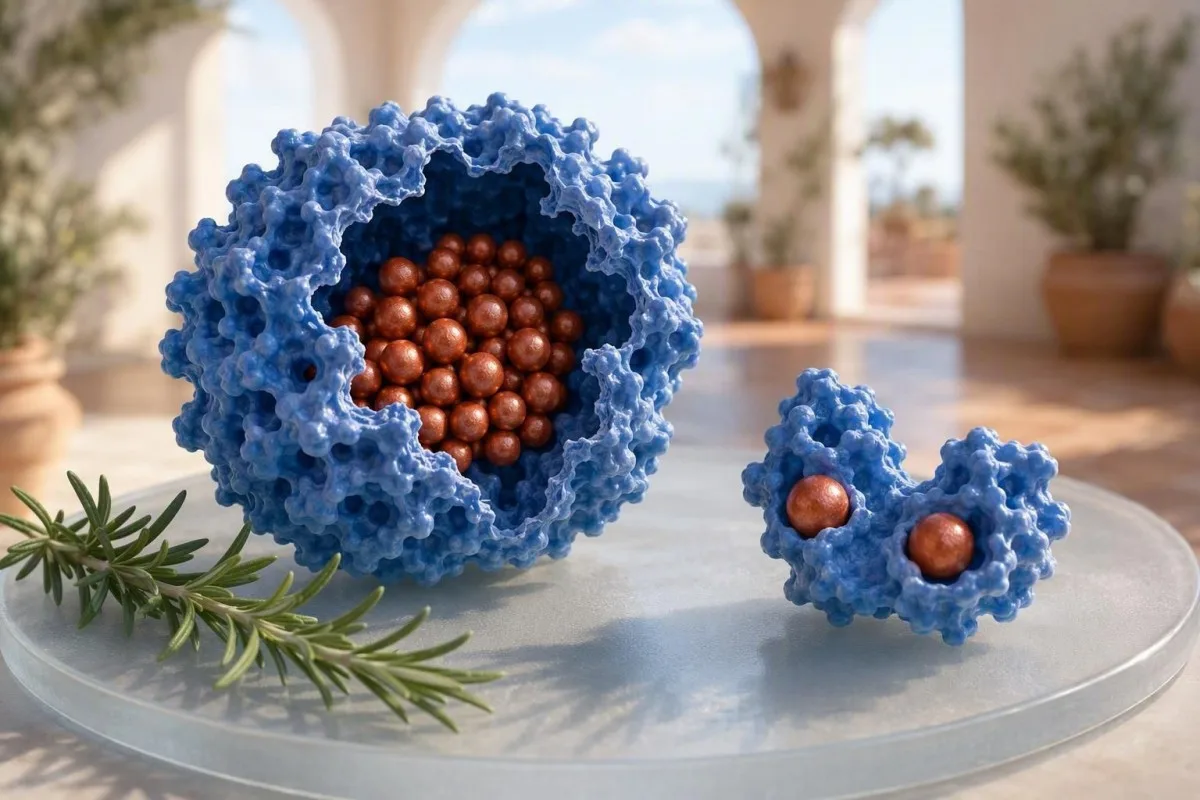
“Ferritin saturation” is not a standard laboratory test. Most people mean either a high ferritin level or a high transferrin saturation; the distinction changes what, if anything, needs to happen next.


- Ferritin saturation is not a standard lab measurement; reports usually list ferritin and transferrin saturation separately.
- 트랜스페린 포화도 above 45% on a repeat fasting sample is a common threshold for considering iron-overload testing.
- 페리틴 is measured in ng/mL or µg/L and reflects iron storage, but it also rises with alcohol use, liver injury, infection, exercise, and inflammation.
- A ferritin of 300 ng/mL in women or 450 ng/mL in men can merit clinical context, but does not by itself diagnose iron overload.
- 페리틴이 1,000 ng/mL를 넘는 경우 with persistently raised transferrin saturation warrants prompt liver-focused medical assessment.
- 철분 보충제 can temporarily raise serum iron and transferrin saturation; avoid self-treating a high result with blood donation or iron restriction.
- 재검사 is most useful when serum iron, transferrin, ferritin, liver enzymes, alcohol intake, supplements, and family history are reviewed together.
Is “ferritin saturation” a real blood test?
Ferritin saturation is not a standard laboratory analyte. In nearly every report, the phrase means either serum ferritin 또는 트랜스페린 포화도(TSAT)이며,, and these tests answer different questions.
Ferritin is a protein that stores iron inside cells, and laboratories report it as ng/mL or µg/L. Transferrin saturation is a percentage calculated from serum iron divided by total iron-binding capacity, usually written as TSAT = 혈청 철 ÷ TIBC × 100 이므로,.
A result such as ferritin 280 ng/mL with TSAT 24% does not mean the same thing as ferritin 90 ng/mL with TSAT 54%. The first pattern commonly reflects inflammation, metabolic liver disease, alcohol exposure, or recent strenuous exercise; the second is more suggestive of increased circulating iron availability.
As of August 28, 2026, I still see patients referred for “high ferritin saturation” when the original report contains no such test. 칸테스티 is an AI blood test analyzer that separates these similarly named iron markers before assigning any follow-up priority.
The wording to look for on your report
Look for four separate labels: 페리틴, serum iron, transferrin or TIBC, and transferrin saturation. A laboratory may call TSAT “iron saturation,” “transferrin saturation index,” or “% saturation,” which is a frequent source of the search-term mix-up.
Ferritin and transferrin saturation measure different things
Ferritin estimates stored iron, whereas transferrin saturation estimates how full the iron-transport protein is at that moment. Neither result should be interpreted without the other.
A typical adult ferritin reference interval is roughly 12–150 ng/mL for premenopausal women 그리고 30–400 ng/mL for adult men, although local limits vary substantially. Ferritin rises as an acute-phase reactant, so a normal or high value can coexist with iron-restricted red-cell production.
Transferrin saturation commonly falls between 20% and 45%, but a single value can move by 10 to 20 percentage points with timing, fasting, supplements, and ordinary biological variation. This is why iron studies and binding capacity are more informative than a lone serum iron result.
Dr. Thomas Klein’s practical rule after 15 years reviewing laboratory panels is simple: high ferritin asks, “are stores or inflammation elevated?” High TSAT asks, “is too much iron circulating relative to transport capacity?” Those are related questions, not interchangeable ones.
What does borderline transferrin saturation mean?
A borderline transferrin saturation of 46% to 50% is often a retest finding, not a diagnosis. Persistent elevation matters more than one marginal result.
Serum iron has a pronounced diurnal pattern and is usually higher in the morning than later in the day. A late-afternoon result of 49% after an iron-containing multivitamin can normalize on a morning repeat without any intervention.
The European Association for the Study of the Liver uses TSAT above 45% in women and above 50% in men, together with ferritin above 200 µg/L in women or 300 µg/L in men, as biochemical criteria that raise suspicion for haemochromatosis (EASL, 2022). These values are screening triggers, not proof of organ iron excess.
I recently reviewed a 41-year-old recreational cyclist with TSAT 48%, ferritin 118 ng/mL, normal ALT, and a multivitamin taken two hours before collection. Her repeat fasting TSAT was 31%; test preparation details explained more than the initial flag.
Why laboratories flag results differently
Some laboratories flag TSAT above 45%, while others use 50% or 55% depending on assay validation and reference population. A red “H” flag means the value lies outside that laboratory’s statistical interval; it does not automatically mean disease, as explained in our guide to 범위 밖 결과.
Why can transferrin saturation be high?
High transferrin saturation most often reflects supplements, timing, lower transferrin production, red-cell breakdown, liver disease, or inherited increased iron absorption. The accompanying ferritin and liver panel narrow the list quickly.
Oral iron, prenatal vitamins, and some “energy” supplements can raise serum iron for several hours after a dose. A reasonable repeat approach is to avoid non-prescribed iron for at least 24 hours, arrange a morning sample if practical, and follow the requesting clinician’s instructions rather than fasting for an excessive period.
Low transferrin can also inflate TSAT mathematically because the denominator is smaller. Chronic liver disease, malnutrition, nephrotic-range protein loss, and acute illness may lower transferrin even when total body iron is not truly excessive.
Hemolysis can distort iron studies in two ways: it may occur in the body or in the collection tube. If the laboratory comments that the specimen was hemolysed, do not interpret a high serum iron in isolation; our repeat-after-hemolysis guide explains why a clean redraw is often the safest next step.
When high ferritin does not mean iron overload
Most elevated ferritin results are not caused by inherited iron overload. Ferritin commonly rises with metabolic dysfunction, liver-cell injury, infection, inflammatory disease, alcohol intake, and recent intense physical activity.
Ferritin is an acute-phase protein, so CRP and ferritin can rise together during an inflammatory response. A ferritin of 500 ng/mL with CRP 38 mg/L and TSAT 18% is clinically different from ferritin 500 ng/mL with CRP 1 mg/L and TSAT 62%.
Metabolic-associated steatotic liver disease frequently produces ferritin values of 300–800 ng/mL with normal or mildly raised TSAT. In this pattern, weight change, glucose, triglycerides, ALT, GGT, alcohol exposure, and imaging often provide more useful next clues than automatic genetic testing.
Kantesti is an AI biomarker interpretation platform that reads ferritin alongside CRP, ALT, AST, GGT, HbA1c, and transferrin saturation rather than treating a storage protein as a standalone verdict. Readers can also review how ferritin and CRP interact when an iron result seems contradictory.
How should you repeat a slightly high iron result?
Repeat an unexpected TSAT result once under comparable conditions before assuming iron overload, unless ferritin is very high or symptoms and liver tests are concerning. A morning repeat in 2 to 8 weeks is commonly reasonable for stable, well patients.
For a useful repeat, record the collection time, whether you were unwell, recent endurance exercise, alcohol intake over the prior 48 hours, and any iron-containing products. This small diary matters because serum iron may change more between two visits than ferritin does.
Do not start phlebotomy, donate blood solely to “lower ferritin,” or follow a restrictive low-iron diet after one borderline value. Unnecessary blood removal can create iron deficiency, particularly in people with heavy menstrual loss, frequent donation, gastrointestinal blood loss, or endurance training.
우리의 혈액검사 타임라인 가이드 helps patients identify temporary influences before repeating a panel. Most patients find that bringing both reports, not just the flagged line, makes the appointment much more productive.
Which pattern raises concern for iron overload?
Persistent TSAT above 45% plus raised ferritin is the classic biochemical pattern that warrants an iron-overload evaluation. The probability rises further when liver enzymes are abnormal or a first-degree relative has hereditary haemochromatosis.
The combination most clinicians take seriously is repeated fasting or standardized TSAT이 45% 이상 with ferritin above 200 µg/L in women 또는 300 µg/L in men. EASL’s 2022 guideline recommends HFE genotyping in people of European ancestry with this biochemical pattern, while recognizing that non-HFE causes and ancestry-specific pathways exist.
에서 높게 나타나면 염증, 최근 철 치료, 또는 덜 흔하게는 철 과다를 반영할 수 있습니다. 제가 페리틴이 높고 CRP도 높거나 간기능검사 결과가 비정상인 경우에 특히 더 걱정하는 이유는, 이 둘이 함께 단순한 보충을 넘어 더 광범위한 염증성 또는 간(hepatic) 과정 쪽을 시사하기 때문입니다. 1,000 µg/L is a different category because it correlates with higher risk of advanced liver fibrosis in confirmed haemochromatosis and needs timely specialist assessment. The older AASLD guideline similarly uses ferritin, aminotransferases, platelet count, and genotype to decide who needs fibrosis staging (Bacon et al., 2011).
A family history changes the threshold for action. If a parent, sibling, or child has genetically confirmed haemochromatosis, tell your clinician even if your own ferritin is only modestly raised; our 혈색소침착증 증상 안내서 covers the often subtle presentation.
What tests are used in an iron-overload evaluation?
An iron-overload work-up usually begins with repeat ferritin, TSAT, liver enzymes, full blood count, and a clinical history; genetic testing follows when the biochemical pattern persists. MRI is more informative than a liver biopsy for many patients when tissue iron quantification is needed.
A clinician will often add ALT, AST, alkaline phosphatase, bilirubin, albumin, CRP, glucose, lipids, and hepatitis risk assessment. High ferritin with ALT 92 IU/L and GGT 140 IU/L deserves a liver-focused conversation even when TSAT is normal.
HFE testing commonly assesses the C282Y and H63D variants, but the result must fit the phenotype. C282Y homozygosity raises the likelihood of classic HFE-related haemochromatosis, whereas isolated H63D carriage rarely explains clinically meaningful iron loading by itself.
Kantesti is an AI lab test interpretation service that organizes the iron-panel pattern and related liver markers for a clinician-facing discussion, but it cannot diagnose haemochromatosis from an image or a single marker. Our 의학적 검증 기준 describe why clinical review remains necessary for diagnostic decisions.
Can you feel high transferrin saturation?
A mildly high TSAT usually causes no symptoms. Symptoms such as fatigue, joint discomfort, reduced libido, skin darkening, diabetes, or liver disease are nonspecific and tend to occur only after sustained iron loading, if they occur at all.
Fatigue alone does not identify high iron; in practice, low iron, thyroid disease, poor sleep, depression, diabetes, and many inflammatory conditions are more common explanations. A useful assessment includes CBC, ferritin, TSH when indicated, glucose markers, kidney function, and symptom duration.
Arthropathy related to haemochromatosis often affects the second and third knuckles, hips, knees, or ankles, but joint pain is not a screening test. People with true organ iron excess may remain surprisingly well while liver fibrosis develops quietly, which is why biochemical persistence carries more weight than symptom hunting.
Food is rarely the sole reason for clinically significant haemochromatosis. A balanced diet need not eliminate legumes, leafy greens, meat, or fortified grains while assessment is underway; see our practical guide to 헴 및 비헴 철 식품 검토.
How do sex, age, and periods change iron interpretation?
Menstruation, pregnancy, menopause, age, and regular blood donation materially change ferritin interpretation. A ferritin value that is notable in a 28-year-old with heavy periods may be routine in a 68-year-old man.
Premenopausal women often have lower ferritin because average menstrual iron loss is approximately 0.5 to 1 mg daily across a cycle. After menopause, ferritin tends to rise gradually, so historical results are often more revealing than a single age-adjusted reference range.
Pregnancy changes plasma volume, transferrin concentration, and iron requirements, making standard adult interpretation less dependable. Postpartum ferritin can also rise transiently as part of the inflammatory recovery process, so clinicians often defer non-urgent iron-overload interpretation until the clinical setting is stable.
Athletes deserve a separate note: endurance training can lower ferritin through losses and raise it transiently after hard events through muscle stress. Iron testing in endurance athletes should therefore record training load and recovery days.
What if ferritin is high but TSAT is normal?
High ferritin with normal TSAT usually points away from classic hereditary haemochromatosis and toward inflammation, fatty liver, alcohol-related liver injury, metabolic risk, or cell injury. It still deserves context when ferritin is persistently above 300 to 500 ng/mL.
A normal TSAT is generally below 45%, although the laboratory’s own range takes priority. If ferritin is 650 ng/mL and TSAT is 29%, I would first look at CRP, liver enzymes, alcohol, waist circumference, triglycerides, glucose, and recent illness rather than presume an inherited absorption disorder.
Ferritin can rise after a severe viral illness, surgery, or an inflammatory flare and may take weeks to settle. Repeating it too early can create a misleading “worsening trend,” especially when CRP has not yet normalized.
This is one reason Kantesti AI analyzes longitudinal results rather than only the latest flag. A 나란히 비교 can distinguish a stable personal baseline from a genuine upward trajectory.
Should you stop iron, vitamin C, alcohol, or red meat?
Stop non-prescribed iron supplements until you have discussed the result with a clinician, but do not make drastic dietary changes after one borderline TSAT. Alcohol reduction is sensible when ferritin or liver enzymes are elevated because alcohol can amplify liver iron deposition and ferritin release.
Vitamin C increases absorption of non-heme iron, but ordinary dietary amounts from fruit and vegetables are not usually dangerous. High-dose vitamin C supplements, particularly 500 to 1,000 mg daily taken with iron tablets, deserve review if TSAT is repeatedly high.
Avoid alcohol for several weeks before repeat liver and iron testing if alcohol use may be contributing; this is both diagnostically useful and generally liver-friendly. Do not confuse this with a “detox” protocol—clinicians assess measurable liver markers, as covered in our article on liver-supporting food claims.
Therapeutic phlebotomy is a treatment for proven iron overload, not a wellness intervention. It is prescribed with target ferritin ranges, haemoglobin checks, and a schedule that prevents anemia.
When should you seek prompt medical review?
Seek prompt medical review for ferritin above 1,000 ng/mL, TSAT persistently above 60%, jaundice, abdominal swelling, confusion, chest symptoms, new diabetes symptoms, or abnormal liver tests. A marginal TSAT elevation without symptoms is rarely an emergency.
Urgency comes from the whole pattern, not an isolated percentage. Ferritin 1,200 ng/mL with platelet count 115 × 10⁹/L and low albumin is more concerning than ferritin 350 ng/mL with normal liver function and TSAT 43%.
New yellow eyes or skin, dark urine, pale stools, severe right-upper abdominal pain, vomiting, confusion, or rapidly increasing abdominal girth should be assessed urgently because they can indicate significant hepatobiliary disease. These signs are not specific to iron overload and should never be waited out for a repeat ferritin test.
If a report contains multiple abnormal liver markers, our 간 패널(liver panel) 개요 can help you prepare focused questions, but it does not replace an in-person assessment.
What should you ask at your follow-up appointment?
Ask whether your abnormality is ferritin, TSAT, or both; whether the sample conditions were reliable; and whether your family history or liver tests change the next step. Those three questions prevent most unnecessary alarm and missed follow-up.
Bring the numerical results, units, reference intervals, collection time, all supplements, alcohol pattern, medicines, recent illness, and relatives with known iron overload or liver disease. A clinician can make a far better decision from ferritin 420 ng/mL, TSAT 52%, ALT 68 IU/L than from the phrase “my iron is high.”
Ask whether repeat testing should include CRP, CBC, liver enzymes, hepatitis screening, glucose testing, HFE analysis, or liver MRI. The answer depends on your ancestry, sex, age, ferritin trajectory, symptoms, and whether TSAT remains raised after a standardized repeat.
Kantesti is an AI-powered blood test analysis tool used across 127+ countries to organize complex panels and trends, while our 의료 자문 위원회 supports physician-led clinical standards. Dr. Thomas Klein’s bottom line is reassuring but precise: a slightly elevated “ferritin saturation” is usually a naming problem or repeat-test issue; persistent high TSAT plus high ferritin is the pattern that deserves a real iron-overload evaluation.
자주 묻는 질문
What does slightly elevated ferritin saturation mean?
Slightly elevated ferritin saturation usually means the report is referring to transferrin saturation, not ferritin itself. A transferrin saturation of 46% to 50% is often repeated because supplements, collection timing, and short-term variation can affect serum iron. Persistent values above 45% with ferritin above 200 µg/L in women or 300 µg/L in men justify discussion of iron-overload testing. A single borderline value does not diagnose haemochromatosis.
Is 50% transferrin saturation high?
A transferrin saturation of 50% is mildly high in many laboratories and should be interpreted with ferritin, liver enzymes, and sample conditions. EASL guidance uses TSAT above 45% in women and above 50% in men as part of the biochemical pattern that can raise suspicion for haemochromatosis. If ferritin is normal and the result followed iron supplements, a standardized repeat is often the next step. Persistent 50% or higher saturation deserves clinician review rather than self-treatment.
When should I worry about ferritin saturation?
Worry less about the phrase “ferritin saturation” and more about repeated transferrin saturation above 45% combined with elevated ferritin. Ferritin above 1,000 ng/mL, transferrin saturation above 60%, abnormal ALT or AST, or a first-degree relative with haemochromatosis should prompt timely medical assessment. Jaundice, dark urine, abdominal swelling, confusion, or severe abdominal pain need urgent evaluation because they may signal liver disease. Mild isolated elevation without symptoms is usually not an emergency.
Can taking iron supplements cause high transferrin saturation?
Yes, an iron tablet or iron-containing multivitamin can raise serum iron and therefore transferrin saturation for several hours after ingestion. A clinician may advise avoiding non-prescribed iron for at least 24 hours before a repeat morning iron panel, although local laboratory instructions should take priority. Ferritin changes more slowly than serum iron, so it often provides a steadier estimate of iron stores. Do not stop prescribed iron for anemia without speaking to the prescriber.
Can high ferritin and normal transferrin saturation still be iron overload?
High ferritin with normal transferrin saturation is less typical of classic HFE-related haemochromatosis, but it does not completely exclude every iron-loading disorder. More common explanations include inflammation, metabolic-associated steatotic liver disease, alcohol-related liver injury, infection, and recent intense exercise. Ferritin persistently above 300 to 500 ng/mL warrants context from CRP, liver enzymes, glucose, triglycerides, alcohol history, and the trend over time. Ferritin above 1,000 ng/mL needs more prompt liver-focused assessment even if TSAT is not high.
오늘 AI 기반 혈액검사 분석 받기
즉시 정확한 검사 분석을 위해 Kantesti를 신뢰하는 전 세계 200만 명 이상의 사용자와 함께하세요. 혈액검사 결과를 업로드하고 몇 초 만에 15,000+ 바이오마커에 대한 포괄적인 해석을 받아보세요.
📚 참고된 연구 출판물
📖 외부 의학 참고문헌
⚕️ 의료 면책 조항
이 글은 교육 목적만을 위한 것이며 의학적 조언을 구성하지 않습니다. 진단 및 치료 결정에는 항상 자격을 갖춘 의료 전문가와 상담하세요.
E-E-A-T 신뢰 신호
경험
의사가 주도하는 검사 해석 워크플로 임상 검토.
전문적 지식
임상 맥락에서 바이오마커가 어떻게 거동하는지에 대한 검사실 의학 중심.
권위
Dr. Thomas Klein이 작성했으며 Dr. Sarah Mitchell과 Prof. Dr. Hans Weber가 검토했습니다.
신뢰성
경고를 줄이기 위한 명확한 후속 경로가 포함된 근거 기반 해석.