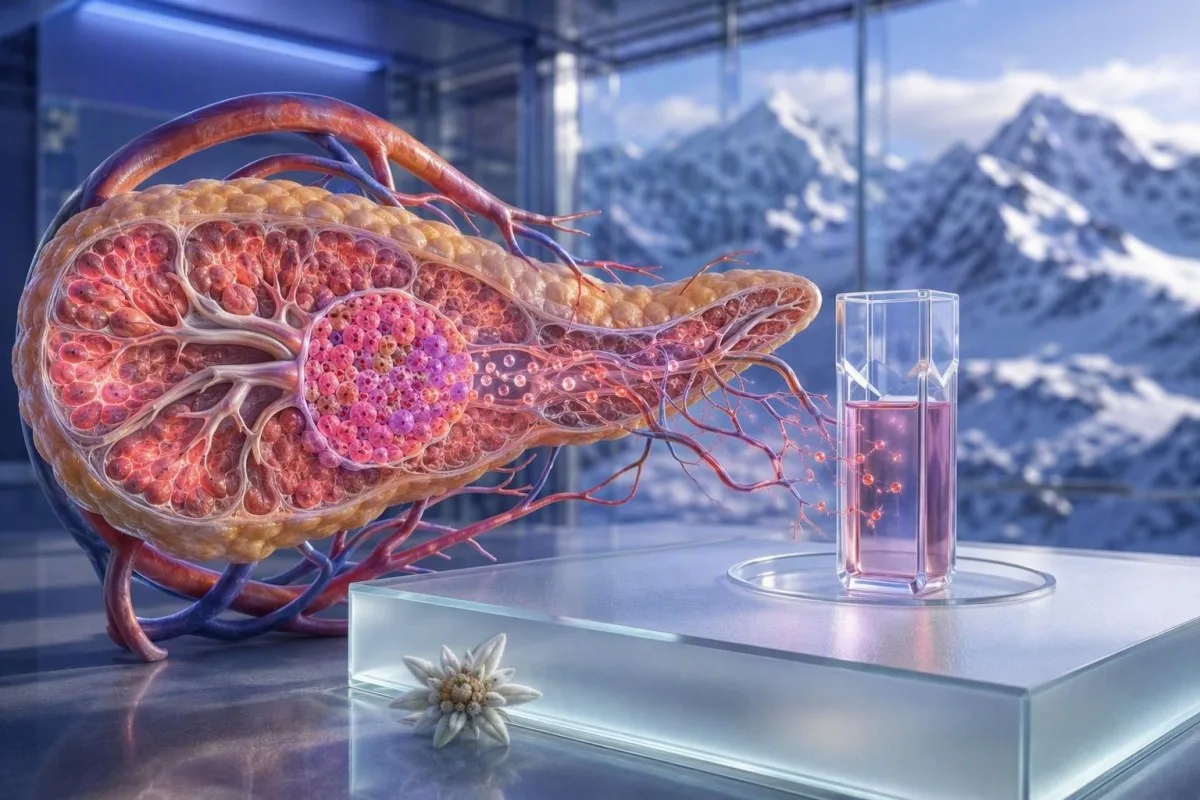
Թեթև բարձր շաքարավազի արդյունքը հաճախ արտահայտում է ժամանակը, սնունդը, սթրեսը, հիվանդությունը կամ դեղամիջոցները, ոչ թե շաքարաբուժական հիվանդությունը: Օգտակար հարցը այն է, թե արդյոք արդյունքը էր աղանդված, կրկնելի և աջակցված HbA1c-ով կամ սիմպտոմներով:.


- Ծոմ պահած գլյուկոզա 100–125 mg/dL (5.6–6.9 mmol/L)՝ ADA-ի աղանդված-շաքարավազի խախտման միջակայք է; այն ինքնուրույն չի ախտորոշում շաքարաբուժական հիվանդություն:.
- Շաքարախտի շեմ 126 mg/dL (7.0 mmol/L) կամ ավելի բարձր աղանդված շաքարավազը, սովորաբար հաստատվում է առանձին օրին, երբ սիմպտոմները բացակայում են:.
- HbA1c of 5.7–6.4% indicates increased diabetes risk, while 6.5% or higher needs confirmation unless glucose symptoms are clear.
- Պատահական գլյուկոզա Սննդից հետո սահմանագծային արժեքը պիտակավորելը դժվար է; 200 mg/dL (11.1 mmol/L) կամ ավելի բարձր արժեքը, երբ կա ծուրտություն, հաճախակի զուգարք և քաշի նվազում, կարող է ախտորոշել շաքարաբուժական հիվանդություն:.
- Շաքարավազի կրկնակի ստուգման ժամանակը Սովորաբար օրերից մինչև մի քանի շաբաթ surprise աղանդված արդյունքի համար, բայց տիբեկ, վիրահատություն կամ ստերոիդների բուժումից հետո ես հաճախ սպասում եմ 2–4 շաբաթ վերականգնմանից հետո:.
- Շտապ օգնության ծառայություն Համապատասխանում է 300 mg/dL (16.7 mmol/L) կամ ավելի բարձր շաքարավազին, երբ կա վոմիտում, խորանարդ շնչում, շփոթվածություն, ջրակոտություն կամ դրական կետոններ:.
- Նախշաքարաբուժական վիճակի հետևում Սովորաբար տարեկան, þó որ բժիշկները հաճախ կրկնակի են կատարում HbA1c-ը մոտ 3 ամիս հետո, երբ նշանակալի կյանքի ոճի կամ դեղամիջոցների փոփոխություն է տեղի ունեցել:.
- Հղի փոխում է սահմանագծերը.: fasting glucose of 92 mg/dL (5.1 mmol/L) on a diagnostic oral glucose tolerance test can meet a gestational-diabetes threshold.
Ինչ է նշանակում թեթև բարձր շաքարավազի արդյունքը
Borderline glucose meaning depends first on the test conditions: a fasting value of 100–125 mg/dL (5.6–6.9 mmol/L) suggests impaired fasting glucose, while one non-fasting mildly high result may simply reflect a recent meal. A single result in this range is not the same thing as prediabetes confirmed by a clinician, and it is not diabetes.
Glucose is a moving target. It can rise 20–60 mg/dL after a carbohydrate-containing meal, and the height and duration of that rise vary with sleep, exercise, gastric emptying, and insulin sensitivity. In my clinical work, the report line I care about most is often not the number but whether the laboratory recorded fasting for at least 8 hours.
A fasting plasma glucose below 100 mg/dL (5.6 mmol/L) is considered normal by American Diabetes Association criteria; 100–125 mg/dL is prediabetes-range, and 126 mg/dL or above is diabetes-range. Those categories are diagnostic cutoffs, not cliffs in biology. A result of 101 mg/dL and one of 99 mg/dL do not make two fundamentally different people.
Dr. Thomas Klein’s practical rule is simple: treat a slightly elevated glucose as a clue to verify, not a verdict. Kantesti is an AI արյան անալիզատոր that places glucose beside HbA1c, triglycerides, liver enzymes, medicines, and prior results, because that pattern is more clinically useful than a red flag beside one number. Our արյան կենսամարկերների ուղեցույցը explains why laboratory reference ranges and diagnostic thresholds are not interchangeable.
Աղանդված, պատահական, HbA1c և օրգանական շաքարավազի թերապիայի սահմանները
Fasting plasma glucose, HbA1c, and a 2-hour oral glucose tolerance test measure different aspects of glucose control, so they can disagree in the same person. Diabetes is generally diagnosed by fasting glucose of at least 126 mg/dL, HbA1c of at least 6.5%, or 2-hour glucose of at least 200 mg/dL, with confirmation if there are no classic symptoms.
A ծոմ պահած պլազմային գլյուկոզան is a one-morning snapshot after no caloric intake for at least 8 hours. An HbA1c estimates average glucose exposure over roughly 8–12 weeks, although the last 30 days influence it disproportionately. A 75-g oral glucose tolerance test, or OGTT, detects people whose fasting result looks normal but whose glucose remains high 2 hours after a standardized glucose drink.
The ADA’s diagnostic framework lists fasting glucose below 100 mg/dL as normal, 100–125 mg/dL as impaired fasting glucose, and 126 mg/dL or higher as diabetes-range. For a 75-g OGTT, 2-hour values of 140–199 mg/dL (7.8–11.0 mmol/L) indicate impaired glucose tolerance and 200 mg/dL or higher indicates diabetes-range. The 2025 ADA diagnostic guidance also advises repeating an abnormal test promptly when hyperglycaemia is not unequivocal (American Diabetes Association Professional Practice Committee, 2025).
A random glucose result has no useful universal “slightly high” cutoff because it depends on what and when you ate. A random plasma glucose of 200 mg/dL (11.1 mmol/L) or higher with classic symptoms—especially thirst, frequent urination, unexplained weight loss, or blurred vision—can establish diabetes without waiting for a second sample. For the mechanics behind common chemistry-panel values, see our կենսաքիմիական հիմնական վահանակի ուղեցույցը.
The reason tests disagree is not always an error. Early loss of first-phase insulin release can make the 2-hour OGTT abnormal years before fasting glucose crosses 100 mg/dL, whereas shortened red-cell survival can make HbA1c look artificially low. This is one of those areas where context matters more than choosing a favourite test.
աղյուսակ
ենթաբաժիններում
table_data_note
tablex
tabley
tablez
tableq
tablew
tableu
tablev
tablek
tablej
tablel
tablem
tablen
tableo
tablep
tabler
tables
tablet
tablei
tableh
tableg
tablef
tablee
tabled
tablec
tableb
tablea
table_data
table_ignored
table_placeholder
table_info
table_rows
table_description
table_caption
table_title
table_source
table_note
table_reference
table_columns
table_format
table_values
table_content
table_result
table_summary
table_detail
table_definition
table_interpretation
table_range
table_levels
table_display
table_marker
table_type
table_limits
table_grid
table_schema
table_chart
table_data_rows
table_data_columns
table_data_header
table_data_footer
table_data_body
table_data_table
table_data_values
table_data_source
table_data_note_text
table_data_extra
table_data_misc
table_data_end
table_data_final
table_data_complete
table_data_required
table_data_optional
table_data_json
table_data_field
table_data_object
table_data_array
table_data_map
table_data_list
table_data_structure
table_data_entry
table_data_item
table_data_record
table_data_row
table_data_cell
table_data_value
table_data_label
table_data_meaning
table_data_level
table_data_unit
table_data_threshold
table_data_test
table_data_glucose
table_data_fasting
table_data_a1c
table_data_ogtt
table_data_random
table_data_clinical
table_data_action
table_data_retest
table_data_urgent
table_data_end_marker
table_data_last
table_data_done
table_data_stop
table_data_null
table_data_true
table_data_false
table_data_valid
table_data_json_end
table_data_required_end
table_data_no_more
table_data_finish
table_data_complete_end
table_data_final_end
table_data_close
table_data_out
table_data_exit
table_data_return
table_data_break
table_data_continue
table_data_result_end
table_data_end_of_table
table_data_last_field
table_data_last_value
table_data_end_value
table_data_end_object
table_data_end_array
table_data_end_list
table_data_end_map
table_data_end_record
table_data_end_entry
table_data_end_item
table_data_end_row
table_data_end_cell
table_data_end_column
table_data_end_header
table_data_end_footer
table_data_end_body
table_data_end_source
table_data_end_note
table_data_end_caption
table_data_end_title
table_data_end_summary
table_data_end_detail
table_data_end_definition
table_data_end_interpretation
table_data_end_range
table_data_end_levels
table_data_end_display
table_data_end_marker_final
table_data_end_stop
table_data_end_finish
table_data_end_done
table_data_end_complete
table_data_end_final
table_data_end_close
table_data_end
table_obj_error
Why mmol/L and mg/dL can cause confusion
To convert glucose from mg/dL to mmol/L, divide by 18. Thus 100 mg/dL equals 5.6 mmol/L, 126 mg/dL equals 7.0 mmol/L, and 200 mg/dL equals 11.1 mmol/L; do not compare a result with an online cutoff until you have checked the unit.
Ց.samplesը արդյոք իսկապես աղանդված էր և ճիշտ հավաքված?
A fasting glucose test requires at least 8 hours without calories; plain water is allowed, but coffee with milk, juice, sweets, and most calorie-containing drinks invalidate the fasting condition. A 10- to 12-hour fast is usually fine, although fasting much longer can slightly raise glucose in some people through counter-regulatory hormones.
Black coffee is a grey area rather than a perfect substitute for water. Caffeine can increase catecholamine release and raise glucose modestly in some people, particularly those with insulin resistance, so I ask patients to use water only before a diagnostic fasting draw. Gum, mints, collagen drinks, and flavoured electrolyte products are other surprisingly common culprits.
Hard exercise the evening before may lower fasting glucose in many people, yet an unfamiliar high-intensity session can temporarily raise it through adrenaline, cortisol, and hepatic glucose output. Poor sleep has a similar effect: one short night will not create diabetes, but it can nudge a borderline result over a laboratory cutoff. Our review of poor sleep and lab changes covers this short-term physiology.
Pre-analytic handling matters too. Laboratory cells consume glucose after collection unless the sample is processed or stabilized promptly, which tends to create a falsely ցածր է, not high, glucose result. Kantesti AI checks the reported specimen type and flags when a panel label makes a fasting interpretation uncertain.
Հիվանդություն, սթրես և ջրակոտություն կարող են ժամանակավոր բարձրացնել շաքարավազը
Acute infection, fever, pain, surgery, severe emotional stress, and dehydration can raise glucose through cortisol, adrenaline, glucagon, and inflammatory signalling. A glucose value of 110–140 mg/dL during an acute illness should not automatically be labelled chronic prediabetes.
During illness, the liver releases stored and newly made glucose so immune cells and vital organs have fuel. That response is adaptive in the short term, but it can expose a tendency toward insulin resistance that was previously hidden. A value above 180 mg/dL (10.0 mmol/L) in hospital deserves attention, even if it later normalizes, because stress hyperglycaemia can predict future diabetes risk.
Dehydration does not create glucose molecules, but reduced circulating volume can concentrate a laboratory sample and worsen symptomatic hyperglycaemia. I have seen a glucose of 128 mg/dL fall to 98 mg/dL on a well-hydrated, recovered repeat test; that is reassuring, but I still check HbA1c if there are strong risk factors. Compare this with our guidance on blood test changes during illness.
Wait until you are clinically well before routine confirmation whenever it is safe to do so. As of August 20, 2026, a practical interval is 2–4 weeks after fever, major surgery, or an emergency admission, while urgent or very high results need assessment sooner. Do not postpone testing if you have thirst, rapid weight loss, or glucose-associated symptoms.
Դեղեր և լրացուցիչ նյութեր, որոնք կարող են փոխել շաքարավազի արդյունքները
Glucocorticoids are the medication most likely to cause a newly high glucose result; prednisone at 20 mg daily or more can substantially raise post-meal glucose within days. Thiazide diuretics, atypical antipsychotics, some immunotherapies, and certain HIV treatments can also worsen glucose regulation.
Steroid-associated hyperglycaemia often peaks after lunch or dinner rather than in the fasting morning sample. Someone taking prednisolone at breakfast may have fasting glucose of 105 mg/dL but post-meal readings above 200 mg/dL; that pattern needs clinician-directed monitoring rather than reassurance from one fasting value. Never stop prescribed steroid treatment abruptly to improve a test.
Some medicines cause the reverse problem. Insulin, sulfonylureas, and meglitinides can produce low glucose when meals are skipped, while GLP-1 medicines may lower fasting glucose without making HbA1c immediately normal. Արյան քննություն մետֆորմինից հետո requires a different interpretive frame because the desired treatment effect is a lower glucose trend.
High-dose biotin is better known for distorting some hormone immunoassays than routine enzymatic plasma glucose, but supplements still matter because they can alter appetite, hydration, and co-measured tests. Bring every prescribed drug, injection, inhaler, and supplement to the review. A medication list is a clinical data point, not paperwork.
Շաքարավազի կրկնակի ստուգման ժամանակը՝ օրեր, շաբաթներ կամ երեք ամիս?
For an unexpected fasting glucose of 100–125 mg/dL in a well person, repeat fasting glucose or obtain HbA1c within days to a few weeks rather than waiting a year. For a diabetes-range result without symptoms, clinicians usually repeat the abnormal test promptly, often within days.
The 3-month idea comes from HbA1c biology, not from a requirement to wait 90 days after every high glucose result. HbA1c reflects recent red-cell exposure, so repeating it after about 8–12 շաբաթ is sensible when judging a lifestyle change. A fasting plasma glucose can be repeated tomorrow if the first sample was non-fasting or plainly unrepresentative.
If fasting glucose is 126 mg/dL or higher, HbA1c is 6.5% or higher, or 2-hour OGTT glucose is 200 mg/dL or higher, confirmation should be organized quickly unless symptoms make the diagnosis clear. If two different tests are both above their diabetes thresholds on the same day, many clinicians accept the diagnosis without a third draw. Our 3-10 մԷկ/լ առանց կալիումի; 8-16 մԷկ/լ՝ կալիումով explains why repeated methods and dates matter.
Կանտեստին մի է AI արյան անալիզի մեկնաբանություն հարթակ that compares glucose values across visits and records whether fasting status, illness, or a medication change may explain a shift. In my experience, this small chronology prevents the common mistake of comparing a 7:30 a.m. fasting sample with an afternoon workplace screen as if they were identical tests.
Նախշաքարաբուժական վիճակը ռիսկ է, ոչ թե անխուսափելի քայլ շաքարաբուժական հիվանդության ուղղությամբ
Prediabetes describes glucose or HbA1c values above normal but below diagnostic diabetes thresholds, and many people never progress to diabetes. HbA1c of 5.7–6.4%, fasting glucose of 100–125 mg/dL, or 2-hour OGTT glucose of 140–199 mg/dL meets common ADA prediabetes criteria.
Risk is not evenly distributed across the prediabetes range. An HbA1c of 6.3–6.4% predicts substantially greater near-term progression than 5.7%, particularly with central weight gain, high triglycerides, low HDL cholesterol, prior gestational diabetes, or a parent or sibling with type 2 diabetes. Մետաբոլիկ համախտանիշի սահմանագծեր help identify when these risks travel together.
The Diabetes Prevention Program enrolled adults with elevated glucose and found intensive lifestyle intervention reduced diabetes incidence by 58% over a mean 2.8 years; metformin reduced it by 31% (Knowler et al., 2002). That study was not a promise that every person gets the same result, but it supports acting early rather than treating a borderline blood sugar label as harmless.
The most useful first target is usually not perfection. A sustained loss of about 5–7% of initial body weight, at least 150 minutes a week of moderate activity, adequate sleep, and more fibre-rich minimally processed meals are the evidence-based starting points. For patients who have already had gestational diabetes, have HbA1c near 6.4%, or are under 60 with higher body weight, clinicians may discuss metformin.
Երբ HbA1c-ը չի համընկնում շաքարավազի արդյունքին
HbA1c can be falsely high or low when red-cell lifespan changes, so a normal HbA1c does not always overrule a high fasting or post-meal glucose result. Iron deficiency may increase HbA1c modestly, while haemolysis, recent blood loss, pregnancy, and some haemoglobin variants may lower it.
HbA1c measures glycated haemoglobin, not glucose directly. Because red cells live about 120 days, longer red-cell survival provides more time for glycation and can push HbA1c upward even when average glucose is unchanged. Conversely, a person with active haemolysis or recent transfusion may have an HbA1c that seriously underestimates current glucose exposure.
Chronic kidney disease, pregnancy, iron deficiency, vitamin B12 deficiency, erythropoietin treatment, and haemoglobin variants all warrant a more careful conversation about assay suitability. The 2023 laboratory recommendations by Sacks and colleagues advise using plasma glucose criteria when HbA1c is unreliable (Sacks et al., 2023). A ընդհանուր արյան անալիզի մեկնաբանություն can expose the red-cell pattern behind a confusing A1c.
Kantesti AI reads HbA1c alongside haemoglobin, MCV, RDW, creatinine, and prior values rather than treating it as a stand-alone truth. I would be cautious about declaring “no prediabetes” from HbA1c 5.5% in someone with fasting glucose 118 mg/dL and a known condition shortening red-cell lifespan.
Պատկերներ, որոնք դարձնում են սահմանագծային արդյունքը ավելի նշանակալից
A borderline fasting glucose is more concerning when it occurs with high triglycerides, low HDL cholesterol, fatty liver markers, elevated blood pressure, or increasing waist circumference. This cluster often reflects insulin resistance before overt diabetes appears.
A triglyceride value of 150 mg/dL (1.7 mmol/L) or higher and HDL cholesterol below 40 mg/dL in men or 50 mg/dL in women are metabolic-syndrome components. Neither proves insulin resistance alone, but the combination with fasting glucose of 100 mg/dL or more is a useful reason to look harder. Բարձր տրիգլիցերիդներ՝ նորմալ A1C-ով is a pattern I see frequently.
Mildly elevated ALT can be another clue because metabolic dysfunction-associated steatotic liver disease and insulin resistance commonly coexist. Still, ALT is neither sensitive nor specific enough to diagnose liver fat. A normal ALT does not rule it out, and a borderline ALT may instead reflect exercise, alcohol, medicines, or another liver condition.
Fasting insulin and HOMA-IR can be informative in selected cases, but neither is standardized enough to diagnose prediabetes. I use them as supporting physiology, not a substitute for glucose-based criteria. Our high fasting insulin guide describes where this extra testing can help and where it can confuse.
Հղի և վերջին ժամանակի գեստացիոն շաքարաբուժական հիվանդությունը պահանջում են տարբեր կանոններ
Pregnancy uses lower glucose thresholds because maternal glucose crosses the placenta, so standard adult fasting cutoffs do not apply. On a 75-g OGTT, fasting 92 mg/dL (5.1 mmol/L), 1-hour 180 mg/dL (10.0 mmol/L), or 2-hour 153 mg/dL (8.5 mmol/L) can meet gestational-diabetes criteria.
Do not use home readings or a routine metabolic-panel glucose to self-diagnose gestational diabetes. Obstetric teams choose testing timing and thresholds based on pregnancy stage, risk factors, and local guidance; most screening occurs at 24–28 weeks, with earlier testing for higher-risk patients. Our հղիության գլյուկոզայի հանդուրժողականության ուղեցույցը details the standard preparation.
People with gestational diabetes should have a 75-g OGTT at 4–12 weeks postpartum, because HbA1c can be less dependable soon after delivery and may miss impaired glucose tolerance. If that postpartum test is normal, diabetes screening every 1–3 years is commonly advised. This is not just administrative follow-up; it identifies a group with materially elevated lifetime type 2 diabetes risk.
Breastfeeding, sleep disruption, postpartum blood loss, iron status, and rapid body-weight changes can all complicate interpretation. A borderline value deserves a clinician who knows the pregnancy history, not an automatic label copied from general adult reference intervals.
Կարող է արդյոք տնային մետր կամ շարունակական մոնիտոր հաստատել սահմանագծային շաքարավազը?
Home glucose meters and continuous glucose monitors can reveal patterns, but neither device alone should diagnose prediabetes or diabetes. Diagnostic confirmation requires a laboratory method unless a clinician is managing known diabetes with device data.
A finger-stick meter result can differ from laboratory plasma glucose because it uses capillary whole blood and has permitted analytical variation. At a true glucose near 100 mg/dL, a reading 10–15 mg/dL higher or lower can occur without equipment failure. Wash and dry hands first—fruit residue is a remarkably effective way to create a falsely frightening result.
CGMs measure glucose in interstitial fluid, which usually lags behind blood glucose by roughly 5–15 minutes when glucose is moving quickly. A healthy person can briefly reach 140–160 mg/dL after a high-carbohydrate meal, so a solitary peak is not proof of prediabetes. The questions that matter are repeated elevation, time spent high, symptoms, and whether laboratory tests agree.
Kantesti-ի AI-ով աշխատող արյան թեստի վերլուծության գործիք does not turn consumer-device graphs into diagnoses; it uses them as contextual information alongside validated laboratory values. Readers comparing at-home and laboratory readings may find our պատահական գլյուկոզայի արդյունքի ուղեցույցը useful before assuming a mismatch means either result is wrong.
Կարմիր դրոշներ՝ երբ բարձր շաքարավազի արդյունքը պահանջում է նույնօրվա խնամք
Seek urgent medical assessment for glucose above 300 mg/dL (16.7 mmol/L) with vomiting, abdominal pain, deep or rapid breathing, confusion, marked drowsiness, or positive ketones. These features can signal diabetic ketoacidosis or hyperosmolar hyperglycaemic state, which cannot be safely sorted out by repeating a home test.
Diabetic ketoacidosis is more common in type 1 diabetes but can occur in type 2 diabetes, especially during infection, missed insulin, pancreatic illness, or use of an SGLT2 inhibitor. Glucose may be only moderately elevated with SGLT2-associated ketoacidosis, so nausea, vomiting, abdominal pain, and unusual breathlessness matter even below 250 mg/dL. Read our urine ketones and DKA guide if ketones are present.
A random glucose of 200 mg/dL or more with new thirst, frequent urination, blurred vision, fatigue, or unexplained weight loss should prompt a same-week clinician appointment even if you feel otherwise stable. Children, adolescents, pregnant people, and anyone using insulin should generally be assessed sooner. Do not attempt to “flush out” a very high glucose by drinking excessive water.
Dr. Thomas Klein advises calling emergency services rather than driving yourself if confusion, fainting, severe weakness, or difficulty breathing develops. For a clearer distinction between routine and urgent elevations, use our high glucose urgent-care thresholds.
Ինչպե՞ս պատրաստվել օգտակար կրկնակի շաքարավազի թեստին
The best repeat glucose test is not one you “prepare to pass”; it is one that reflects your usual physiology under standard conditions. Eat normally for at least 3 days before fasting glucose or OGTT testing, avoid alcohol excess, and tell the clinician about illness, strenuous exercise, and medication changes.
Do not slash carbohydrate intake for several days before an OGTT. Restricting carbohydrate can temporarily impair glucose tolerance and produce a misleadingly high challenge result; standard preparation generally includes at least 150 g carbohydrate daily for 3 days beforehand. In contrast, a routine fasting glucose does not require a special diet, only an honest 8-hour fast.
Avoid a punishing workout, all-night shift, or alcohol-heavy evening if you can schedule around it. Record the fasting duration, time of draw, recent illness, pregnancy status, and medicines; these details make an apparently small difference clinically. Our fasting and supplements checklist gives a practical evening-before plan.
Bring the original report, not only a screenshot of the flagged value. Kantesti AI can organize a PDF or photo report into a trend view, but medical decisions still belong with the clinician who can examine you and order confirmation. That division of labour is deliberate.
Հարցերը, որոնք հանգեցնում են ավելի լավ հետևողական պլանին
Ask whether your result was fasting, whether it needs confirmation, and which test best resolves uncertainty: fasting glucose, HbA1c, or a 75-g OGTT. These three questions are usually more productive than asking whether one result means you “have diabetes.”
Ask your clinician whether anaemia, kidney disease, pregnancy, recent blood loss, or a haemoglobin variant could distort HbA1c. Ask whether lipids, blood pressure, waist measure, liver enzymes, and family history change your risk estimate. A person with fasting glucose 103 mg/dL, HbA1c 5.4%, no metabolic risk factors, and a recent fever needs a different plan from someone with 123 mg/dL, HbA1c 6.2%, triglycerides 260 mg/dL, and prior gestational diabetes.
It is reasonable to ask for the exact target and date of retesting. Most patients find a written plan—such as fasting glucose and HbA1c in 8 weeks, then annual screening if normal—much less anxiety-provoking than an open-ended instruction to “watch your sugar.” Our οδηγός δεύτερης γνώμης για εξέταση αίματος explains when extra review adds value.
Kantesti’s clinical content is reviewed with input from our Բժշկական խորհրդատվական խորհուրդ, and our interpretation methods are described in our կլինիկական վավերացման ակնարկ. A result interpretation can prepare you for the appointment; it cannot replace diagnosis, physical assessment, or urgent care when red flags are present.
Հասկանալի եզրակացություն սահմանագծային արյան շաքարի համար
Most borderline blood sugar results call for confirmation and context, not panic. Retest promptly if the result was fasting or diabetes-range, wait until recovery if acute illness plausibly explains a mild rise, and seek same-day care for marked hyperglycaemia with ketones or concerning symptoms.
The number that changed my management most often has not been the first mildly high glucose, but the second, properly fasting result combined with HbA1c and the patient’s risk profile. Reproducibility is persuasive. One unexplained value is simply a reason to ask better questions.
If your fasting glucose is 100–125 mg/dL, arrange a non-urgent follow-up rather than self-diagnosing diabetes. If it is 126 mg/dL or higher, organize confirmation quickly; if random glucose is 200 mg/dL or higher with classic symptoms, contact a clinician now. For healthy, realistic food changes, see our foods that lower high blood sugar.
Kantesti helps people translate laboratory language across more than 75 languages, but the safest endpoint is always a clear, individualized plan with your healthcare professional. That is how a borderline result becomes useful information rather than a source of needless alarm.
Հաճախակի տրվող հարցեր
Ի՞նչ է նշանակում սահմանային գլյուկոզը?
Սահմանափակ գլյուկոզը սովորաբար նշանակում է արդյունք, որը փոքր չափով գերազանցում է նորմալ միջակայքը, բայց չի հասնում շաքարաբույրության ախտորոշման շեմին: Աղցանված պլազմա գլյուկոզի համար 100–125 մգ/դԼ (5.6–6.9 մմոլ/Լ) հանդիսանում է ADA-ի աղցանված-աղցանված-գլյուկոզի միջակայքը, իսկ 126 մգ/դԼ (7.0 մմոլ/Լ) կամ ավելի բարձրը շաքարաբույրության միջակայք է և սովորաբար պահանջում է հաստատում: Աղցանված չէ արդյունքը չի կարելի մեկնաբանել նույն շեմով, քանի որ ուտելիքը կարող է զգալիորեն բարձրացնել գլյուկոզը: Հաջորդ քայլը սովորաբար՝ հաստատել աղցանված վիճակը և կրկնել աղցանված գլյուկոզը կամ չափել HbA1c-ը.
Պետք է անհանգստանամ, եթե իմ աղցանային գլյուկոզի մակարդակը 105 մգ/դԼ է?
A fasting glucose of 105 mg/dL (5.8 mmol/L) is mildly elevated and falls in the impaired-fasting-glucose range, but it does not mean you have diabetes. Repeat testing is sensible because sleep loss, illness, caffeine, alcohol, and incomplete fasting can shift a value by enough to cross the 100 mg/dL cutoff. Clinicians commonly add HbA1c, where 5.7–6.4% indicates increased diabetes risk. If the repeat fasting result is normal and HbA1c is normal, long-term risk may be low, especially without obesity, family history, high triglycerides, or prior gestational diabetes.
Ինչքան շուտ պետք է կրկին ստուգեմ մի փոքր բարձրացած գլյուկոզը?
Մի փոքր բարձրացած լցվածության գլյուկոզը սովորաբար կարելի է կրկնել մի քանի օրից մի քանի շաբաթվա ընթացքում, եթե դուք այլ կերպ լավ լինեք և առաջին թեստի պայմանները անորոշ էին: Մի սպասեք 3 ամիս միայն լցվածության գլյուկոզը կրկնել; 8–12 շաբաթվա միջակայքը հիմնականում կիրառվում է, երբ օգտագործվում է HbA1c՝ գնահատելու շարունակական միջամտություն: Եթե տաքություն, վիրահատություն, ծանր սթրես կամ ստերոիդների բուժում հավանաբար ազդել են արդյունքի վրա, ապա 2–4 շաբաթ սպասելը վերականգնվելուց հետո հաճախ ավելի ներկայացնող է: 126 mg/dL կամ ավելի բարձր լցվածության գլյուկոզը պետք է շուտով հաստատվի, եթե չկան հստակ նշաններ և անխուսափելի հիպերգլայկեմիա:.
Կարո՞ղ է սթրեսը կամ վատ քունը բարձրացնել աղիքային շաքարավազի մակարդակը?
Սթրեսսը և վատ քունը կարող են ժամանակավոր բարձրացնել աղիքային գլյուկոզը, քանի որ կորտիզոլը և ադրենալինը խթանում են լյարդի գլյուկոզի արտանետումը և նվազեցնում են ինսուլինի զգայունությունը: Միակ վատ գիշեր կարող է արդյունքը 90-ականներից տեղափոխել 100 մգ/դԼ-ի մոտ, զգայուն անձի համար, սակայն այն ինքնուրույն չբերում քրոնիկ շաքարահավասարակշռությանը: Տեստի կրկնություն նորմալ քուն և վերականգնմամբ՝ երբ սկզբնական աղիքային արժեքը 100–125 մգ/դԼ է, համարժեք է: Շարունակական բարձրացում նորմալ քուքի և ստանդարտ աղիքային վիճակի դեպքում պետք է հանգստի HbA1c թեստավորում և կլինիկական վերանայում:.
Is an HbA1c of 5.8% the same as diabetes?
An HbA1c of 5.8% is not diabetes; it is in the ADA prediabetes range of 5.7–6.4%. Diabetes is diagnosed at HbA1c of 6.5% or higher, usually confirmed with a repeat test if symptoms are absent. HbA1c reflects average glucose over roughly 2–3 months, but iron deficiency, recent blood loss, pregnancy, kidney disease, and altered red-cell survival can make the value misleading. A clinician may use fasting glucose or a 75-g OGTT when HbA1c does not fit the clinical picture.
Որքան գլյուկոզի մակարդակի դեպքում պետք է գնամ շտապ օգնության:
Գլյուկոզը 300 մգ/դԼ (16,7 մմոլ/Լ)ից բարձր՝ հետապնդված է անուղղակի վոմիտում, աղիքային ցավ, խոր կամ արագ շնչում, շփոթություն, ծանր թուլություն, ջրակոտություն կամ դրական կետոններ, պահանջում է նույնօրվա շտապ գնահատում։ 200 մգ/դԼ (11,1 մմոլ/Լ) կամ ավելի բարձր պատահական գլյուկոզը, երբ կա ծուրտություն, հաճախակի շուրթում, բացատրելի չլինող քաշի նվազում կամ մագլոցված տեսողություն, նույնպես պահանջում է շուտ clinical կապ, քանի որ կարող է բավարարել շաքարահամարների ախտորոշման չափանիշները։ Ինսուլին օգտագործողները, գինվածները և երեխաները պետք է օգտագործեն ավելի ցածր շեմը խորհրդատվության համար։ Մի ուշացրեք խնամքը՝ բազմակի տնային ընթերցումներ կրկնել, երբ կա կետոասիդոզի կամ ծանր ջրակոտության նշաններ։.
Ստացեք AI-ով աշխատող արյան անալիզի վերլուծություն այսօր
Միացեք ավելի քան 2 միլիոն օգտատերերի ամբողջ աշխարհում, ովքեր վստահում են Kantesti-ին՝ լաբորատոր թեստերի ակնթարթային, ճշգրիտ վերլուծության համար։ Վերբեռնեք ձեր արյան անալիզի արդյունքները և ստացեք 15,000+ բիոմարկերների համապարփակ մեկնաբանություն վայրկյանների ընթացքում։.
📚 Հղված հետազոտական հրապարակումներ
Klein, T., Mitchell, S., & Weber, H. (2026). Klein, T. (2026). RDW Blood Test: Complete Guide to RDW-CV, MCV & MCHC. Zenodo. https://doi.org/10.5281/zenodo.18202598. ResearchGate: https://www.researchgate.net/. Academia.edu: https://www.academia.edu/..։ Kantesti AI Medical Research.
Klein, T., Mitchell, S., & Weber, H. (2026). Klein, T. (2026). BUN/Creatinine Ratio Explained: Kidney Function Test Guide. Zenodo. https://doi.org/10.5281/zenodo.18207872. ResearchGate: https://www.researchgate.net/. Academia.edu: https://www.academia.edu/..։ Kantesti AI Medical Research.
📖 Արտաքին բժշկական հղումներ
Ամերիկյան շաքարախտի ասոցիացիայի մասնագիտական պրակտիկայի կոմիտե (2025). 2. Շաքարախտի ախտորոշում և դասակարգում. Շաքարախտի խնամքի ստանդարտներ—2025. Diabetes Care.
Sacks DB et al. (2023). Ուղեցույցներ և առաջարկություններ լաբորատոր վերլուծության համար՝ շաքարախտի մելիտուսի ախտորոշման և կառավարման ընթացքում. Diabetes Care.
⚕️ Բժշկական հրաժարում
Այս հոդվածը միայն կրթական նպատակների համար է և չի հանդիսանում բժշկական խորհրդատվություն։ Ախտորոշման և բուժման որոշումների համար միշտ խորհրդակցեք որակավորված բուժաշխատողի հետ։.
E-E-A-T վստահության ազդանշաններ
Փորձառություն
Բժշկի կողմից ղեկավարվող կլինիկական վերանայում՝ լաբորատոր մեկնաբանության աշխատանքային հոսքերի համար։.
Մասնագիտություն
Լաբորատոր բժշկության կենտրոնացում՝ այն բանի վրա, թե ինչպես են բիոմարկերները դրսևորվում կլինիկական համատեքստում։.
Հեղինակություն
Գրված է դոկտոր Թոմաս Քլայնի կողմից՝ դոկտոր Սառա Միթչելի և պրոֆեսոր դոկտոր Հանս Վեբերի կողմից վերանայմամբ։.
Հուսալիություն
Ապացույցների վրա հիմնված մեկնաբանություն՝ հստակ հետագա քայլերի ուղիներով՝ ահազանգերը նվազեցնելու համար։.