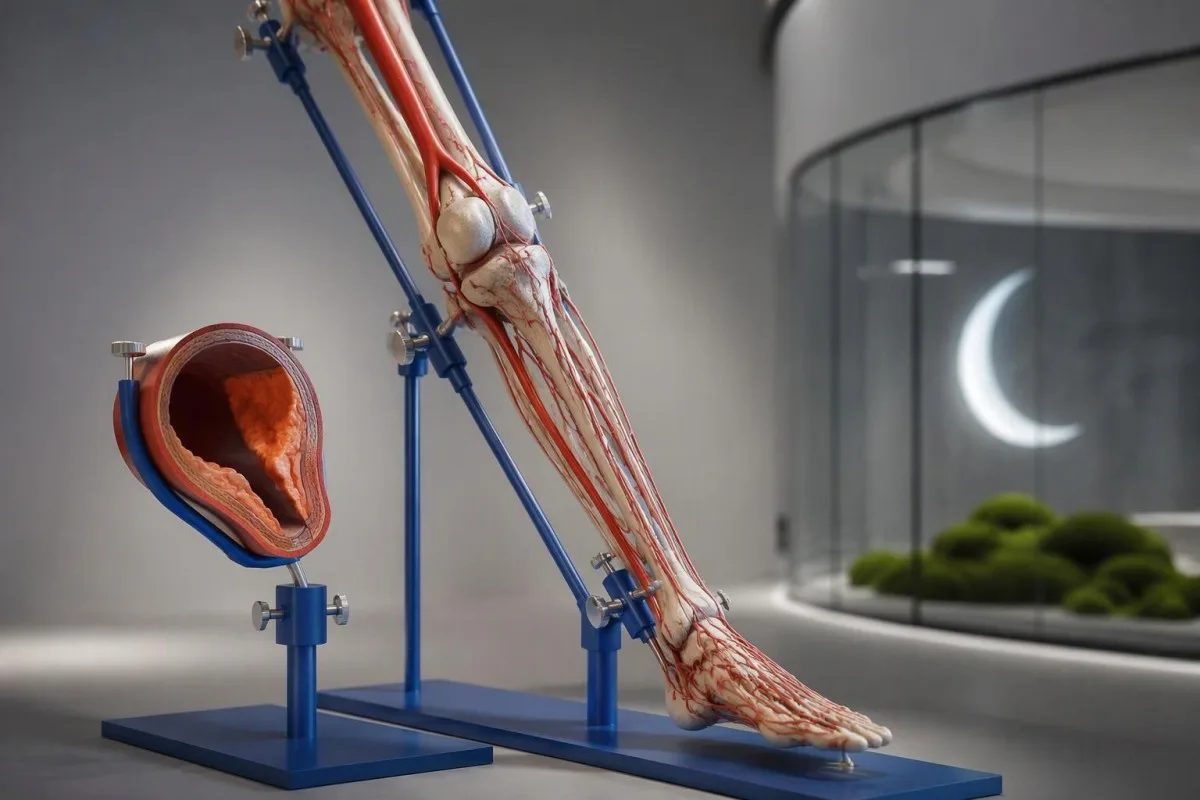
Քայլելիս սրունքի անհարմարավետությունը կարող է արյան շրջանառության խնդրի նախազգուշացնող նշան լինել, նույնիսկ երբ սովորական արյան քննությունների արդյունքները հուսադրող են։ Ոտնաթաթի վերքերը, գիշերային ցավը մատներում և անսպասելիորեն կարճ տարածություններ քայլելը մանրակրկիտ ուշադրության կարիք ունեն։.


- Ցավ քայլելիս ծայրամասային զարկերակային հիվանդության պատճառով հաճախ կրկնվում է նմանատիպ ծանրաբեռնվածության դեպքում և մեղմանում է մոտ 10 րոպե դադարից հետո։.
- Աննկատ ախտանշաններ չեն բացառում զարկերակային հիվանդությունը․ ակտիվության նվազումը և դիաբետիկ նեյրոպաթիան կարող են քողարկել քայլելիս առաջացող անհարմարավետությունը։.
- Ոտնաթաթի վերքեր որոնք չեն լավանում, պետք է շտապ գնահատվեն․ մի սպասեք 2 շաբաթ՝ օգնության դիմելու համար, եթե հնարավոր են շաքարախտ կամ արյան վատ շրջանառություն։.
- Հանգստի ժամանակ ցավ մատներում կամ ոտնաթաթի առջևի հատվածում, հատկապես գիշերը, կարող է վկայել արյան շրջանառության խիստ նվազման մասին և պահանջում է շտապ գնահատում։.
- Աննորմալ ABI կոճ-բազկային ինդեքսն է՝ 0.90 կամ ավելի ցածր, ինչը հաստատում է ծայրամասային զարկերակային հիվանդության ախտորոշումը։.
- Նորմալ միջակայքի ԱԿՃ-ն 1.00–1.40 է, սակայն ֆիզիկական ծանրաբեռնվածության ժամանակ պահպանվող ախտանիշների դեպքում կարող է պահանջվել ծանրաբեռնվածության ԱԿՃ կամ լրացուցիչ անոթային հետազոտություն։.
- Չսեղմվող զարկերակները կարող են առաջացնել 1.40-ից բարձր ԱԿՃ․ ոտքի մատի և բազկի ճնշման ինդեքսը՝ 0.70 կամ պակաս, աննորմալ է։.
- Վերջույթի հանկարծակի փոփոխությունները—նոր առաջացած ցավը, սառնությունը, գունատությունը, թմրածությունը կամ թուլությունը— անհապաղ շտապ բժշկական օգնություն են պահանջում։.
- Արյան անալիզներ գնահատել խոլեստերինի, գլյուկոզի և երիկամների հետ կապված ռիսկը․ ոչ մի սովորական լաբորատոր արդյունք չի կարող բացառել ոտքի զարկերակի խցանումը։.
Որո՞նք են ծայրամասային զարկերակային հիվանդության վաղ նշանները։
Ծայրամասային զարկերակային հիվանդության ախտանիշները ներառում են քայլելիս սրունքի, ազդրի կամ հետույքի շրջանում առաջացող անհարմարությունը, որը հանգստանալուց մեղմանում է, քայլելու դիմացկունության նվազումը և ոտնաթաթի դժվար բուժվող վերքերը։ Որոշ մարդիկ քիչ ախտանիշներ են ունենում։ Ոտքի կամ ոտնաթաթի հանկարծակի ցավը՝ սառնությամբ, թմրածությամբ կամ թուլությամբ ուղեկցվող, արտակարգ վիճակ է, ոչ թե մի բան, որին կարելի է հետևել մինչև առավոտ։.
Ծայրամասային զարկերակային հիվանդություն, որը սովորաբար կրճատվում է որպես PAD, զարգանում է, երբ ոտքերին արյուն մատակարարող զարկերակները նեղանում են՝ առավել հաճախ աթերոսկլերոտիկ վահանիկի պատճառով։ 2026 թվականի հոկտեմբերի 12-ի դրությամբ այս հոդվածը որպես հիմնական կլինիկական հղում օգտագործում է ACC/AHA-ի 2024 թվականի բազմամասնագիտական ուղեցույցը․ օրացուցային ամսաթիվը չի նշանակում, որ գոյություն ունի PAD-ի ավելի նոր ուղեցույց (Gornik et al., 2024)։.
Օրինակ՝ 62-ամյա մարդը, որը ծանոթ առևտրային երթուղու ընթացքում երկու անգամ կանգ է առնում, կարող է նկարագրել սրունքի հոգնածություն, այլ ոչ թե ցավ։ Օգտակար հարցն այն է, թե արդյոք նույն մկանի անհարմարությունը կրկնվում է համադրելի ջանքի դեպքում և անցնում կանգ առնելուց հետո․ անցյալ ամսվա համեմատ քայլելու կարողության փոփոխությունը կարող է ավելի խոսուն լինել, քան այն ածականը, որն օգտագործվում է դա նկարագրելու համար։.
Կանտեստին մի է AI արյան անալիզատոր որն օգնում է հասկանալ անոթային ռիսկի համար կարևոր խոլեստերինի, գլյուկոզի և երիկամների ցուցանիշները, սակայն լաբորատոր արդյունքների մեկնաբանությամբ հնարավոր չէ հաստատել ոտքի զարկերակների անցանելիությունը։ Ես՝ Թոմաս Քլայնս, MD, գրում եմ բժշկական գլխավոր տնօրենի դերում․ իմ գործնական առաջնահերթությունն ախտանիշները համապատասխան հետազոտության հետ համադրելն է, ոչ թե հանգստացնող թվի փնտրտուքը․ մեր կազմակերպության ֆոնը բացատրում է այս տարբերակման հիմքում ընկած ծառայությունը։.
Ինչո՞ւ է քայլելիս առաջացող ոտքի ցավը հանգստանալուց հետո մեղմանում։
Ընդհատվող կաղության ախտանիշները առաջանում են, երբ աշխատող ոտքի մկաններին ավելի շատ թթվածին է անհրաժեշտ, քան կարող են հասցնել նեղացած զարկերակները։ Անհարմարությունը սովորաբար առաջանում է քայլելիս և մեղմանում կանգ առնելուց մոտ 10 րոպեի ընթացքում, հաճախ՝ ավելի շուտ․ պարտադիր չէ, որ անոթային ցավը մեղմանալու համար հիվանդը նստի։.
Ֆիզիկական ծանրաբեռնվածության ժամանակ մկանային անհարմարությունը կարող է զգացվել որպես կծկում, ձգվածություն, ցավոտություն, ծանրություն կամ հոգնածություն, այլ ոչ թե սուր ցավ։ Մարդը, ում մոտ հարթ տեղանքով մոտ 200 մետր քայլելուց հետո սրունքի ձգվածություն է առաջանում, կարող է այն ավելի շուտ նկատել վերելքով քայլելիս, քանի որ թթվածնի պահանջն ավելանում է․ հեռավորությունը անհատական համեմատության ցուցանիշ է, ոչ թե ախտորոշիչ շեմ։.
A Ախտանիշների 3 մանրամասներով օրագիրը օգտակար է․ գրանցեք ախտանիշներն առաջացնող գործողությունը, ախտահարված մկանը և կանգ առնելուց հետո վերականգնման տևողությունը։ Օրերը համեմատելիս հնարավորինս նման պահեք քայլելու արագությունն ու երթուղին․ ավելի արագ քայլելիս անցած ավելի կարճ հեռավորությունը ինքնաբերաբար չի նշանակում, որ զարկերակն ավելի է նեղացել, իսկ ծանր ախտանիշները միտումնավոր առաջացնել պետք չէ։.
Գիշերային կծկումները նույնը չեն, ինչ ֆիզիկական ծանրաբեռնվածության ժամանակ առաջացող ընդհատվող կաղությունը, և մագնեզիումի հավելումները չեն բացում նեղացած զարկերակները։ Մեր քննարկումը՝ մագնեզիումի մասին՝ մկանային կծկումների դեպքում, բացատրում է, թե ինչու սրունքի յուրաքանչյուր գանգատը հանքանյութի խնդրի վերագրելը օգտակար չէ․ կրկնվող՝ ֆիզիկական ակտիվության հետ կապված անհարմարության դեպքում անհրաժեշտ է կլինիկական գնահատում, նույնիսկ եթե մագնեզիումի ցուցանիշը լաբորատոր միջակայքի սահմաններում է։.
Որտե՞ղ է առաջանում PAD-ի ցավը, և ի՞նչ է հուշում դրա տեղակայումը։
PAD-related discomfort commonly affects the calf, but narrowing higher in the arterial system can cause thigh or buttock symptoms. Location offers a clue to the affected circulation, not a precise diagnosis; 1 person can have arterial narrowing at several levels and more than one cause of pain.
Calf claudication often reflects reduced flow through arteries above the calf, including the superficial femoral or popliteal artery. Thigh or buttock discomfort can suggest aortoiliac disease, particularly when walking triggers it consistently; imaging and pressure measurements are needed before assigning the problem to a specific artery rather than guessing from 1 painful area.
Bilateral symptoms do not rule out PAD, and unilateral symptoms do not prove it. In an illustrative 55-year-old with buttock aching, the distinction between lumbar spinal stenosis and arterial disease depends more on standing tolerance, posture, pulses, and physiological testing than on whether the patient points to the hip or the buttock.
Muscle disease can also limit walking, especially when weakness is more prominent than a repeatable exertional ache. A clinician may select creatine kinase or other investigations if the examination suggests that direction; our guide to muscle-related aldolase results explains a different diagnostic pathway, not a substitute for an ABI when the symptom pattern suggests arterial insufficiency.
Ինչո՞ւ ծայրամասային զարկերակային հիվանդությունը կարող է սակավ ախտանշաններ առաջացնել։
PAD can be clinically quiet because people walk too little to trigger symptoms, gradually adapt their activity, or have neuropathy that reduces pain perception. Absence of classic claudication does not establish normal circulation; the 2001 JAMA study by McDermott and colleagues linked nonclassic symptom patterns with meaningful functional impairment.
Activity adaptation can hide deterioration: someone may choose a nearer parking space, stop using stairs, or lean on a shopping trolley without recognizing those changes as symptoms. Comparing 2 concrete activities—such as reaching the bus stop and climbing one flight of stairs—often gives a clearer history than asking only whether the legs hurt.
Diabetic neuropathy can reduce protective sensation while PAD reduces the oxygen supply needed for repair, creating a particularly risky combination for the feet. A painless blister is therefore not automatically a harmless blister; checking both feet daily and inspecting footwear matters more than waiting for pain to announce a problem that may already be affecting tissue.
Screening is risk-based, not a reason for every well adult to request every vascular test. The 2024 ACC/AHA guideline considers resting ABI screening reasonable in people at increased PAD risk, while advising against it in people without increased risk or suggestive findings; our approach to risk-based annual blood work similarly separates useful assessment from indiscriminate testing.
Ոտնաթաթի ո՞ր վերքերն ու մաշկային փոփոխություններն են հուշում արյան վատ շրջանառության մասին։
Nonhealing toe or foot wounds, a persistently cooler foot, and color changes can suggest reduced arterial circulation, especially with diabetes or smoking exposure. Tissue loss with confirmed PAD may indicate chronic limb-threatening ischemia; the 2-week duration used in its clinical definition is not advice to delay seeking care.
Wound location helps the examination: arterial problems often affect toes, pressure points, or the outer foot, while venous ulcers more often appear around the ankle with swelling. These are tendencies, not rules; 2 processes can coexist, and a photograph cannot reliably establish whether an apparently small wound has adequate circulation beneath it.
Color and temperature changes deserve comparison between both feet rather than judgment in isolation. A foot that becomes pale when raised and reddish when lowered can show an arterial pattern, but hair loss or shiny skin alone is nonspecific; new black discoloration, spreading redness, drainage, or rapidly increasing discomfort needs urgent assessment rather than a home-care experiment.
Normal infection markers do not demonstrate that a wound is safe or adequately perfused. Conte and colleagues' 2019 Global Vascular Guidelines recommend urgent specialist referral for suspected chronic limb-threatening ischemia; our explanation of WBC and CRP disagreements clarifies why clinicians assess the foot directly instead of relying on 1 laboratory result to exclude a serious local problem.
Ե՞րբ է գիշերային ցավը ոտնաթաթում հուշում առաջադեմ PAD-ի մասին։
Ischemic rest pain typically affects the toes or forefoot when circulation is inadequate even without exercise. It may worsen when the leg is elevated in bed and ease when the foot hangs down; new persistent symptoms need urgent, preferably same-day assessment rather than waiting 2 weeks to satisfy a diagnostic definition.
Position-dependent relief occurs because lowering the foot can increase the pressure available to move blood toward distal tissues. That observation is a clinical clue, not a treatment plan: sleeping in a chair for several nights may temporarily reduce discomfort while swelling develops and the underlying arterial problem remains unresolved, sometimes with little visible change at first.
Night pain has several causes, including neuropathy, arthritis, cramps, and pressure from footwear or bedding. Burning in both feet with reduced sensation points toward a nerve contribution, whereas persistent forefoot pain with a cool foot or a wound raises greater vascular concern; 2 conditions can occur together, so a neuropathy diagnosis should not end the circulation assessment.
Diabetes changes urgency, because pain may underestimate tissue damage and glycemic control affects healing. Our guide to գլյուկոզի բարձր մակարդակի նախազգուշացնող նշաններ explains the metabolic side, but a current glucose of 110 mg/dL does not rule out impaired foot circulation; clinicians still need pulses, vascular measurements, sensation testing, and inspection of the affected area.
Ինչպե՞ս տարբերել անոթային ցավը նյարդային կամ հոդային ցավից։
Vascular claudication usually follows muscle effort and settles after stopping; spinal stenosis often improves with sitting or bending forward, while arthritis centers on a joint. These patterns overlap. Comparing 3 features—trigger, relief, and location—helps direct testing, but symptoms alone cannot safely exclude PAD.
Neurogenic claudication can occur during standing as well as walking, and relief may depend on flexing the spine rather than merely resting the leg muscles. Someone who can cycle comfortably but struggles to stand upright for 5 minutes may have spinal stenosis; this is a useful clue, not proof, because cycling workload and concurrent PAD can complicate that comparison.
Peripheral neuropathy more often produces burning, tingling, numbness, or altered sensation, sometimes when no exercise has occurred. Vitamin B12 deficiency is one possible contributor, and our borderline B12 interpretation explains why the clinical examination matters alongside the number; Kantesti cannot determine whether an artery is narrowed by interpreting a B12 result or a symptom description.
Համատեղ ցավ often comes with stiffness, swelling, reduced movement, or tenderness at a specific joint, whereas vascular discomfort is typically felt in a muscle group. Our discussion of անպատճառ ցավերի հետազոտման վերաբերյալ covers selective laboratory assessment; in a patient with 2 plausible diagnoses, checking circulation and investigating the joint can both be necessary rather than choosing one explanation prematurely.
Ո՞վ պետք է հնարավոր PAD-ի ախտանշաններին հատկապես լուրջ վերաբերվի։
Smoking exposure, diabetes, older age, chronic kidney disease, hypertension, and abnormal cholesterol increase the likelihood of PAD. The 2024 ACC/AHA guideline identifies age 65 or older as increased risk; younger people also qualify when additional risk factors or atherosclerosis in another arterial territory are present.
Ծխելու պատմություն remains relevant after cessation, although stopping substantially benefits cardiovascular and limb health. A 48-year-old with substantial tobacco exposure and predictable calf discomfort should not be dismissed as too young for PAD; clinicians weigh cumulative exposure, symptom pattern, and examination findings rather than using a birthday as a yes-or-no diagnostic boundary.
Inherited lipid risk can exist despite a sensible diet and an ordinary-looking routine cholesterol result. Our explanation of լիպոպրոտեին(a) սկրինինգ discusses why a one-time measurement may help cardiovascular risk assessment; no lipoprotein(a) value, however, establishes whether 1 particular leg artery is open, narrowed, or responsible for today's walking symptoms.
Hypertension and kidney disease often cluster with arterial disease, so the evaluation should include current medicines and established diagnoses rather than ordering a large panel without a question. Our guide to hypertension-related laboratory clues describes targeted testing; a patient with known coronary disease plus a new walking limitation deserves attention even if their last 2 blood-pressure readings were controlled.
Ինչպե՞ս է կոճ-բազկային ինդեքսի թեստը ախտորոշում PAD-ը։
An ankle-brachial index, or ABI, compares systolic pressure at the ankle with systolic pressure in the arm. For each leg, clinicians generally divide the higher of its 2 ankle-artery pressures by the higher brachial pressure; a resting ABI of 0.90 or lower supports PAD.
ABI measurement usually uses pressure cuffs and a handheld Doppler after the patient has rested supine for roughly 5–10 minutes. Both arms and both ankles are measured because the denominator and the individual leg result matter; cuff size, technique, movement, and failure to allow rest can alter readings enough to confuse an otherwise sensible clinical interpretation.
An ABI is a physiological test, not an ordinary laboratory test and not something calculated from a lipid panel. An ankle systolic pressure of 100 mmHg divided by an arm pressure of 140 mmHg gives an ABI of approximately 0.71; comparing the correct pressures helps avoid an artificially reassuring ratio when one arm pressure is unusually low.
Կանտեստին մի է AI արյան անալիզի մեկնաբանություն հարթակ that helps organize the laboratory part of vascular risk assessment, not the cuff-and-Doppler examination. Our լաբորատոր մարկերների ուղեցույց explains that complementary role; when leg symptoms suggest PAD, a normal cholesterol result should not postpone an ABI, and an ABI result should not replace assessment of diabetes, kidney function, or overall cardiovascular risk.
Ի՞նչ են նշանակում ABI-ի արդյունքները, և ե՞րբ կարող են դրանք մոլորեցնել։
Resting ABI results are abnormal at 0.90 or lower, borderline at 0.91–0.99, normal at 1.00–1.40, and noncompressible above 1.40. A normal resting result does not exclude exercise-related arterial insufficiency, and a high result can reflect stiff arteries rather than unusually good circulation (Gornik et al., 2024).
Arterial calcification can prevent a cuff from compressing an ankle artery adequately, particularly in diabetes or chronic kidney disease. The resulting pressure may be falsely high, making the ABI harder to interpret; our guide to kidney disease staging explains the accompanying kidney assessment, but the vascular solution is often toe pressure testing rather than reassurance from 1 ankle measurement.
A borderline ABI is not a diagnosis by itself and should be interpreted alongside the history and Doppler waveforms. For example, an ABI of 0.96 in someone with reproducible calf symptoms generally prompts consideration of exercise testing, while the same number in a person without symptoms requires a different discussion about risk and whether further evaluation would change management.
ABI severity does not equal limb urgency: wound status, rest pain, sensation, and the speed of symptom onset also matter. An ABI of 0.70 without tissue loss is a different clinical situation from a similar ratio in a person with a deteriorating toe wound; urgent care decisions should never rest on a threshold alone or wait for an especially low result.
Ե՞րբ են անհրաժեշտ մատների ճնշման չափումները, ծանրաբեռնվածության ABI-ն կամ պատկերային հետազոտությունները։
Exercise ABI helps evaluate exertional symptoms when resting ABI is normal or borderline, while toe testing is useful when ankle arteries are noncompressible. A toe-brachial index of 0.70 or lower is abnormal; toe pressure below 30 mmHg indicates severe ischemia and poorer healing prospects in the appropriate clinical setting.
Exercise testing measures ankle pressures after a controlled walking challenge rather than assuming resting circulation will predict performance during activity. Laboratories use different validated protocols, and a single percentage-drop rule is not universally sufficient; the 2024 ACC/AHA guideline supports exercise ABI for suspected chronic symptomatic PAD with resting ABI above 0.90 and no higher than 1.40.
Wound-focused perfusion tests may include toe pressure, transcutaneous oxygen pressure, or skin perfusion pressure because healing depends on local circulation, not only the ankle ratio. Toe measurements are influenced by temperature and technique, so a cold room can matter; a result below 30 mmHg deserves vascular interpretation rather than being treated as an exact prediction that a particular wound cannot heal.
Duplex ultrasound, CT angiography, and MR angiography answer anatomical questions, particularly when revascularization is being considered; not every abnormal ABI requires a contrast scan. Kantesti can help explain kidney laboratory results before that discussion, and our BUN-to-creatinine interpretation supplies background, but contrast decisions depend on the broader clinical context, current eGFR, and whether acute kidney injury is present.
Ոտքի կամ ոտնաթաթի ո՞ր հանկարծակի ախտանշաններն են շտապ բժշկական օգնություն պահանջում։
Sudden limb pain, coldness, pallor, numbness, or weakness can signal acute limb ischemia and require emergency assessment immediately. Call your local emergency number or go to an emergency department; do not wait for all 6 traditional warning signs or for a routine appointment, laboratory result, or online interpretation.
The traditional 6 Ps are pain, pallor, pulselessness, paresthesia, paralysis, and poikilothermia—meaning an unusually cold limb. Patients are not expected to assess pulses reliably, and weakness or loss of sensation is particularly concerning; the emergency instruction is based on a sudden change, not on successfully completing a checklist or comparing the foot with a photograph.
Do not attempt home treatment by walking through the symptoms, applying tight compression, using strong heat, or massaging the limb. Note when the change began and bring a medication list if doing so does not delay departure; new weakness developing over 1 hour is not the same problem as stable calf tightness recurring over several months.
A warm, swollen leg suggests a different differential, including deep vein thrombosis, but it still needs prompt assessment; accompanying chest pain, breathlessness, or collapse is an emergency. Our explanation of նորմալ արյան մակարդման թեստի սահմանափակումների մասին clarifies why a recent normal PT or aPTT cannot exclude a new arterial or venous clot, and blood testing must not delay emergency vascular evaluation.
Ի՞նչն է օգնում PAD-ի ախտորոշումից հետո։
PAD treatment combines cardiovascular risk reduction, smoking cessation, foot care, and structured exercise when the limb is stable. Supervised exercise programs commonly use 30–45 minutes of active exercise at least 3 times weekly for at least 12 weeks; rest pain, tissue loss, or sudden deterioration requires a different, urgent pathway.
High-intensity statins are recommended for PAD, usually aiming for at least a 50% LDL-C reduction; atorvastatin 40–80 mg and rosuvastatin 20–40 mg are common high-intensity regimens. Treatment is individualized for tolerance and interactions, and our discussion of risk-based LDL targets explains why an ordinary laboratory reference range is not necessarily the right treatment goal after PAD is diagnosed.
Antithrombotic treatment depends on symptoms, procedures, and bleeding risk; clinicians commonly prescribe an antiplatelet drug for symptomatic PAD and may choose additional therapy for selected patients. Do not start aspirin or an anticoagulant on the strength of leg discomfort alone; our ապացույցների վրա հիմնված սննդային ընտրությունը can support prevention, but no food or supplement replaces indicated medication or restores an abruptly blocked artery.
Follow-up should track function and the feet, not just a better lipid result: compare a familiar walking route, inspect both feet, and report a new wound or rest pain promptly. Kantesti AI can help organize laboratory trends for that discussion, while our AI արյան անալիզի մեկնաբանության մեթոդաբանություն explains its boundaries; 1 improved panel is encouraging but does not prove that leg circulation or tissue healing has normalized.
Հետազոտական հրապարակումներ և արյան քննությունների մեկնաբանման սահմանափակումները
PAD diagnosis requires clinical and vascular assessment, while blood tests clarify associated cardiovascular and kidney risk. The 2 repository publications listed below are background laboratory education, not PAD clinical trials or evidence that AI can diagnose arterial obstruction; the directly relevant medical evidence appears separately in the external references.
Source quality depends on what was tested, not whether a document has a DOI: a repository identifier does not establish peer review, clinical validation, or effectiveness in patients. Kantesti's kidney and urinalysis publications are therefore kept separate from the 2024 PAD guideline, the JAMA symptom study, and the Global Vascular Guidelines; ResearchGate and Academia.edu links below are search links, not claims of verified publication listings.
Կանտեստին մի է AI-ով աշխատող արյան թեստի վերլուծության գործիք for explaining uploaded laboratory information, not measuring ABI or examining wounds. Our կլինիկական չափորոշիչներ և սահմանափակումներ describe how to assess interpretation claims; as Thomas Klein, MD, my editorial rule is straightforward: if 1 symptom pattern suggests a threatened limb, the next step is medical care, regardless of what an uploaded report appears to say.
Physician oversight should be verifiable, with authorship, review status, and supporting sources checked before publication rather than inferred from a medical-sounding byline. Our բժշկական խորհրդատվական թիմը provides organizational context; for an appointment, bring 3 useful items—a symptom timeline, your medication list, and recent laboratory results—but leave immediately for emergency care if sudden limb warning signs develop.
Հաճախակի տրվող հարցեր
Որո՞նք են ծայրամասային զարկերակների հիվանդության առաջին ախտանիշները:
Ծայրամասային զարկերակների վաղ փուլի հիվանդության ախտանշանները հաճախ ներառում են սրունքի, ազդրի կամ հետույքի ցավ, կծկումներ կամ հոգնածություն քայլելիս, որոնք մեղմանում են կանգ առնելուց հետո, սովորաբար՝ մոտ 10 րոպեի ընթացքում։ Որոշ մարդիկ նկատում են միայն քայլելու դիմացկունության նվազում կամ ոտնաթաթի վերք, որը վատ է լավանում։ Շաքարախտի հետ կապված նեյրոպաթիան և սահմանափակ ֆիզիկական ակտիվությունը կարող են քողարկել ցավի բնորոշ դրսևորումները։ Ֆիզիկական ծանրաբեռնվածության ժամանակ կրկնվող ախտանշանների դեպքում անհրաժեշտ է կլինիկական զննում, և հաճախ՝ կոճ-բազկային ինդեքսի հետազոտություն։.
Հնարավո՞ր է ունենալ ծայրամասային զարկերակների հիվանդություն՝ առանց ոտքերի ցավի։
Ծայրամասային զարկերակային հիվանդությունը կարող է առաջանալ առանց ոտքի ցավի նկատելի նշանների, հատկապես երբ մարդը ֆիզիկապես պասիվ է, հարմարվում է քայլելու իր սովորություններին կամ նյարդաբանության պատճառով զգացողությունը նվազել է։ Ցավի բացակայությունը չի հաստատում, որ զարկերակային արյան շրջանառությունը նորմալ է, և չի վերացնում սրտանոթային ռիսկը։ 0.90 կամ ավելի ցածր ABI-ն վկայում է ԾԶՀ-ի մասին, նույնիսկ երբ դասական ընդհատվող կաղությունը բացակայում է։ Հետազոտություն նշանակելու որոշումները կախված են ռիսկի գործոններից, զննման արդյունքներից և նրանից՝ ախտանշանները կամ վերքերը վկայում են արդյոք արյան շրջանառության խանգարման մասին։.
Ինչո՞վ է տարբերվում PAD-ի հետևանքով առաջացած ոտքի ցավը իշիասից կամ արթրիտից։
PAD-ի հետ կապված կաղությունը սովորաբար ֆիզիկական ակտիվության ընթացքում ախտահարում է մկանը և թեթևանում է հանգստանալուց հետո, հաճախ՝ մոտ 10 րոպեի ընթացքում, առանց դիրքը փոխելու անհրաժեշտության։ Ողնաշարի ստենոզը կարող է թեթևանալ հիմնականում նստելիս կամ առաջ կռանալիս, մինչդեռ իշիասը կարող է առաջացնել ճառագայթող ցավ և ծակծկոց։ Արթրիտն ավելի հաճախ առաջացնում է ցավ, կարկամություն կամ շարժումների սահմանափակում որոշակի հոդի շրջանում։ Այս վիճակները կարող են համակցվել, ուստի ախտանշանների բնույթն օգնում է ուղղորդել հետազոտությունը, այլ ոչ թե վերջնականապես բացառել PAD-ը։.
Որքա՞ն է կոճ-բազկային նորմալ ինդեքսը։
2024 թվականի ACC/AHA-ի՝ ծայրամասային զարկերակային հիվանդության ուղեցույցի դասակարգման համաձայն՝ կոճ-բազկային նորմալ ցուցիչը հանգստի վիճակում 1.00–1.40 է։ 0.90 կամ ավելի ցածր կոճ-բազկային ցուցիչը համարվում է աննորմալ, իսկ 0.91–0.99-ը՝ սահմանային։ 1.40-ից բարձր արժեքները վկայում են կոճի չսեղմվող զարկերակների մասին և սովորաբար պահանջում են մատ-բազկային ցուցիչի հետազոտություն։ Քայլելիս առաջացող շարունակական ախտանշանների դեպքում կարող է պահանջվել ծանրաբեռնվածությամբ կոճ-բազկային ցուցիչի չափում, նույնիսկ եթե հանգստի վիճակում ստացված արդյունքը նորմալ է։.
Կարո՞ղ են արյան սովորական անալիզները բացառել ծայրամասային զարկերակային հիվանդությունը։
Արյան սովորական հետազոտությունները չեն կարող բացառել ծայրամասային զարկերակային հիվանդությունը, քանի որ դրանք չեն չափում ոտքերի զարկերակներում ճնշումը կամ արյան հոսքը։ Խոլեստերինի, գլյուկոզի և երիկամների հետազոտություններն օգնում են գնահատել ուղեկցող ռիսկերը և պլանավորել բուժումը։ Մարդը կարող է ունենալ PAD, նույնիսկ եթե LDL խոլեստերինի արդյունքը գտնվում է լաբորատորիայի հղումային միջակայքում։ Հանգստի վիճակում ABI-ի 0.90 կամ ավելի ցածր արժեքը վկայում է PAD-ի օգտին, մինչդեռ ախտանշաններ ունեցող որոշ պացիենտների անհրաժեշտ են ծանրաբեռնվածությունից հետո ABI, մատների հետազոտություն կամ պատկերային հետազոտություն։.
Ե՞րբ է չլավացող ոտքի վերքը շտապ օգնություն պահանջում։
Ոտնաթաթի վերքը, որը վատանում է կամ չի լավանում, պահանջում է անհապաղ գնահատում, հատկապես շաքարախտ, ծայրամասային զարկերակների հայտնի հիվանդություն (PAD) կամ ոտնաթաթի զգացողության նվազում ունեցող անձանց դեպքում։ Քրոնիկ վերջույթը սպառնացող իշեմիայի սահմանումներում կիրառվող 2 շաբաթ տևողությունը հիմք չէ օգնության դիմելն ուշացնելու համար։ Սև գունափոխությունը, տարածվող կարմրությունը, արտադրությունը, տենդը կամ ուղեկցող հանգստի ցավը բարձրացնում են հրատապության աստիճանը։ Վերջույթի հանկարծակի սառնությունը, թմրությունը, թուլությունը կամ ուժեղ ցավը պահանջում են անհապաղ շտապ գնահատում։.
Ծայրամասային զարկերակային հիվանդության (ԾԶՀ) ո՞ր հանկարծակի ախտանիշների դեպքում պետք է դիմեմ շտապ օգնության բաժանմունք։
Ոտքի կամ թաթի հանկարծակի ցավը՝ նոր առաջացած սառնության, գունատության, թմրածության կամ թուլության հետ մեկտեղ, կարող է վկայել վերջույթի սուր իշեմիայի մասին և պահանջում է անհապաղ շտապ բժշկական օգնություն։ Մի սպասեք, մինչև ի հայտ գան բոլոր 6 ավանդական նշանները՝ ցավը, գունատությունը, անոթազարկի բացակայությունը, պարեստեզիան, կաթվածը և պոյկիլոթերմիան։ Զանգահարեք ձեր տեղական շտապ օգնության համարին կամ անմիջապես գնացեք շտապ օգնության բաժանմունք՝ առանց կոճ-բազկային ինդեքսի (ABI) հետազոտության կամ արյան քննության նշանակմանը սպասելու։ Մի փորձեք խնդիրը բուժել ինտենսիվ քայլքով, մերսմամբ, ուժեղ տաքացմամբ կամ ամուր սեղմումով։.
Ստացեք AI-ով աշխատող արյան անալիզի վերլուծություն այսօր
Միացեք ավելի քան 2 միլիոն օգտատերերի ամբողջ աշխարհում, ովքեր վստահում են Kantesti-ին՝ լաբորատոր թեստերի ակնթարթային, ճշգրիտ վերլուծության համար։ Վերբեռնեք ձեր արյան անալիզի արդյունքները և ստացեք 15,000+ բիոմարկերների համապարփակ մեկնաբանություն վայրկյանների ընթացքում։.
📚 Հղված հետազոտական հրապարակումներ
Klein, T., Mitchell, S., & Weber, H. (2026). BUN/կրեատինին հարաբերակցության բացատրությունը. Երիկամների ֆունկցիայի թեստի ուղեցույց.։ Kantesti AI Medical Research.
Klein, T., Mitchell, S., & Weber, H. (2026). Մեզի մեջ ուրոբիլինոգեն. Մեզի ընդհանուր հետազոտության ուղեցույց 2026.։ Kantesti AI Medical Research.
📖 Արտաքին բժշկական հղումներ
Gornik HL et al. (2024). 2024 ACC/AHA/AACVPR/APMA/ABC/SCAI/SVM/SVN/SVS/SIR/VESS Guideline for the Management of Lower Extremity Peripheral Artery Disease. Circulation։.
McDermott MM et al. (2001). Leg symptoms in peripheral arterial disease: Associated clinical characteristics and functional impairment. JAMA։.
Conte MS et al. (2019). Global vascular guidelines on the management of chronic limb-threatening ischemia. Journal of Vascular Surgery.
⚕️ Բժշկական հրաժարում
Այս հոդվածը միայն կրթական նպատակների համար է և չի հանդիսանում բժշկական խորհրդատվություն։ Ախտորոշման և բուժման որոշումների համար միշտ խորհրդակցեք որակավորված բուժաշխատողի հետ։.
E-E-A-T վստահության ազդանշաններ
Փորձառություն
Բժշկի կողմից ղեկավարվող կլինիկական վերանայում՝ լաբորատոր մեկնաբանության աշխատանքային հոսքերի համար։.
Մասնագիտություն
Լաբորատոր բժշկության կենտրոնացում՝ այն բանի վրա, թե ինչպես են բիոմարկերները դրսևորվում կլինիկական համատեքստում։.
Հեղինակություն
Գրված է դոկտոր Թոմաս Քլայնի կողմից՝ դոկտոր Սառա Միթչելի և պրոֆեսոր դոկտոր Հանս Վեբերի կողմից վերանայմամբ։.
Հուսալիություն
Ապացույցների վրա հիմնված մեկնաբանություն՝ հստակ հետագա քայլերի ուղիներով՝ ահազանգերը նվազեցնելու համար։.